This is author biographical info, that can be used to tell more about you, your iterests, background and experience. You can change it on Admin > Users > Your Profile > Biographical Info page."
Mobilizing for Action through Planning and Partnership
Health promotion is an important aspect when dealing with health problems. Utilization of the MAPP has been maximized in various ways in achievement of community health. This has been achieved through focusing health from a community perspective (Layde , 2012). This is obtained by coming up with a vision statement for the whole community, establishing goals and strategies based on the primary needs of the community and carrying out an action plan to help achieve the target ++goals and objectives (Layde , 2012).
To make my health promotion program complete, I would incorporate the following processes. To start with, I would organize the planning process and develop partnership with the major stakeholders. This would entail coming up with the objectives for undertaking the program as well as the benefits and barriers that would hinder the success of the program. Also, I would organize the participants by clarifying the roles and responsibilities of each participant. I would also give a detailed explanation of the program; assess the resources that would be required and develop a work plan. Also, I would identify any other initiative with a similar motive, and we would try to link them together.
According to Layde , 2012, It is important for the participants to identify important issues facing the community and it is through this that they will be an able to realize the vision. Therefore, I would effect the same by identifying those issues basing on the assessments carried out and determine how each of them would affect the achievement of the shared vision. This would be achieved through brainstorming of the strategic issues, developing an understanding of the reason why an issue is vital, determining of the repercussions of not addressing the issues, consolidating similar issues and finally, arranging the issues in order of priority.
I would ensure that goals are formulated about the vision statement as well as the strategic issues raised. After that, I would ensure I develop strategies for each goal related to the issues raised and after that develop strategies for addressing the matters in the community (Layde , 2012). This would take into consideration current strategies and activities and consider any barriers to implementation.
Your discussion is very informative. I agree with you that people with disability need evidence based educational programs in order to empower the patients on ways to self manage their health condition. One approach to do so is by advising the patients on the available financial support systems. In the past, people with disabilities had limited options of medical coverage.
The Affordable Care Act (ACA) is one of the important piece of legislation in supporting people with special needs. ACA has established provisions that have expanded health insurance coverage for people with special needs. As of September 2010, insurers should not deny coverage to people with special needs. The policy ensures that people with special needs get quality and coordinated care (CDC, 2016).
I enjoyed reading your discussion. Research indicates that 56 million people in the USA are affected by disability. People with disabilities experience disparities in most health indicators such as mental health, violence, injuries and obesity. People with disabilities rarely get routine preventive medical care because of limited availability of care, physical barriers, inadequate healthcare provider’s skills and prohibitive cost. Healthcare providers have a major role to play in order to improve access to care for people with disabilities.
This includes increasing awareness of disability issue in order to promote inclusion of disability components and programs at local level and in national policies. These efforts will promote strategies that will ensure that people with disabilities remain highly knowledgeable about their health conditions, and the healthcare providers protect the rights and dignity of the disabled people (World Health Organization, 2015).
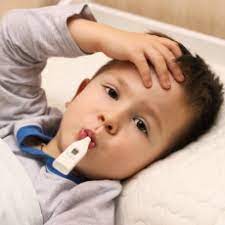
The case study is about a 5-year old child who is diagnosed with right ear infection. The patient’s mother reports that the child is very irritable, fatigued and have a fever for 102 F for the past 2 days. The mother also states that the child has been eating but has been drinking fluids only. The healthcare provider described the tympanic membrane (TM) as erythmatic, bulging with fluid levels and was dull.
Based on these clinical presentations, the differential diagnosis for this patient is Acute Otitis Media, Acute Otitis Media with effusion, Mastoiditis and foreign body in the ear (McCance, & Parkinson, 2010). From the clinical manifestation of fever, erythmatic TM, swollen TM and otalgia is an indicator that the patient is having bacterial infection in his right ear. The patient is not because the patient could be having swollen lymph nodes caused by immune response to the infection (CDC, 2016).
Add New Post
about:blankChange block type or styleChange text alignmentAdd titleFever Case Study
Fever
Case study 1: fever
The case study is about a 5-year old child who is diagnosed with right ear infection. The patient’s mother reports that the child is very irritable, fatigued and have a fever for 102 F for the past 2 days. The mother also states that the child has been eating but has been drinking fluids only. The healthcare provider described the tympanic membrane (TM) as erythmatic, bulging with fluid levels and was dull.
Based on these clinical presentations, the differential diagnosis for this patient is Acute Otitis Media, Acute Otitis Media with effusion, Mastoiditis and foreign body in the ear (McCance, & Parkinson, 2010). From the clinical manifestation of fever, erythmatic TM, swollen TM and otalgia is an indicator that the patient is having bacterial infection in his right ear. The patient is not because the patient could be having swollen lymph nodes caused by immune response to the infection (CDC, 2016).
Question 1: Fever is commonly considered to be triggered by viral or bacterial infection. The body has the ability to regulate its body temperature to maintain it at 37ºC. The hypothalamus –part of brain-helps control body temperature by triggering changes to the effectors such as muscles and sweat glands (McCance, & Parkinson, 2010). The temperature receptors in the human skin detect the external temperature that is transmitted to the hypothalamus.
This is the processing centre automatically trigger changes to effectors (muscles and glands). For instance, when it is too cold, the processing centre sends nerve impulses to skin where erector pilli muscles contract, causing skin hairs to erect and trap more warmth, reducing the heat loss, when heat is high, and skin muscles to relax causing hairs to lay down flat facilitating heat loss.
In addition, when it is too hot, the sweat glands in the skin secrete sweat on the surface that increases heat loss through evaporation, thereby cooling the body. Other responses include reducing blood flow to peripheral organs or increasing blood flow to the peripheral organs when it is cold, and inducing shivering (McCance & Parkinson, 2010).
Fever occurs if thermostat resets to higher temperature mainly due to an infection. When the bacteria invade the tissue, one of the immune system reactions is production of pyrogens. These chemicals are carried to the brain where they inhibit the heat sensing neurons while exciting the cold sensing neurons, these alterations of the temperature sensors makes the hypothalamus to trigger mechanism of raising temperature, which causes fever (Lieberthal et al. 2013).
Question 2: The clinical manifestation that indicates localized inflammatory response in this case study is erythema, fever, otalgia and swelling of the eardrum. The physiological factor associated with erythema is increased vasodilatation that increased blood flow to the infected area. This is mediated by release of inflammatory chemicals such as prostaglandins, histamine, and leukotrienes.
The physiological factor that caused swelling of the eardrum is increased permeability in order to increase fluid loss at the inflammation area (McCance, & Parkinson, 2010). This causes an increase mobility of the immune cells and also works as coagulation system that prevents spread of infection. The swelling is also associated with exudates behind the eardrum. Pain (otalgia) is associated with increased release of prostaglandins- chemical mediators that increases stimulation of pain receptors at the site of infection.
The physiological factor for fever is due to increased blood flow, which increases warmth in the infection site. The high levels of temperature increase production of the white blood cells. The increased blood flow is also secondary to release of chemical mediators such as histamine (Shaikh et al. 2011).
Question 3: A complete blood count (CBC) is important during clinical decision-making. This is because it provides information of relative different types of cells in the circulation system. In patients with bacterial infection, the white blood count is generally the most powerful piece of information from CBC. The CBC indicates elevated levels of WBC (leukocytosis).Bacterial infections are also associated with increased in neutrophil levels (polymorphonuclear cell) (McCance, & Parkinson, 2010).
These CBC findings are due to systemic responses where the epithelial cells in the middle ear release beta defensins whose main role is to stimulate production of pro-inflammatory cytokines that acts as chemo-attractants for mast cells, T cells, neutrophils and dendritic cells that will inhibit bacterial toxins directly. Therefore, the elevated levels of neutrophil and WBC is systemic response to bacterial infection in the middle ear (McCance & Parkinson, 2010).
Conclusion
Ear infections are most common infections in pediatric primary care settings. The infections are mainly caused by bacterial infection. The main goals of treatment are to manage clinical symptoms and to manage hearing loss. For bacterial infections, the child should be treated using Amoxicillin in the right dosages. Sometimes ear infections can heal without use of antibiotics. However, the ‘watch and wait’ approach should be only be applied for 48-72 hrs, if no improvements are reached, then the patient must be treated with appropriate antibiotics.
Lieberthal, A.S., Carroll,A.E., Chonmaitree ,T., et al.(2013).The diagnosis and management of acute otitis media. Pediatrics, 131:e964..
McCance, K. & Parkinson, C. (2010). Study guide for Pathophysiology, the biologic basis for disease in adults and children, sixth edition. St. Louis, Mo.: Mosby.
Shaikh, N., Hoberman, A., Kaleida ,P.H., et al. (2011).Otoscopic signs of otitis media. Pediatr Infect Dis J 30:822.
Want help to write your Essay or Assignments? Click hereRank Math https://www.bestessaywriters.com/?p=524398
Question 1: Fever is commonly considered to be triggered by viral or bacterial infection. The body has the ability to regulate its body temperature to maintain it at 37ºC. The hypothalamus –part of brain-helps control body temperature by triggering changes to the effectors such as muscles and sweat glands (McCance, & Parkinson, 2010). The temperature receptors in the human skin detect the external temperature that is transmitted to the hypothalamus.
This is the processing centre automatically trigger changes to effectors (muscles and glands). For instance, when it is too cold, the processing centre sends nerve impulses to skin where erector pilli muscles contract, causing skin hairs to erect and trap more warmth, reducing the heat loss, when heat is high, and skin muscles to relax causing hairs to lay down flat facilitating heat loss.
In addition, when it is too hot, the sweat glands in the skin secrete sweat on the surface that increases heat loss through evaporation, thereby cooling the body. Other responses include reducing blood flow to peripheral organs or increasing blood flow to the peripheral organs when it is cold, and inducing shivering (McCance & Parkinson, 2010).
Fever occurs if thermostat resets to higher temperature mainly due to an infection. When the bacteria invade the tissue, one of the immune system reactions is production of pyrogens. These chemicals are carried to the brain where they inhibit the heat sensing neurons while exciting the cold sensing neurons, these alterations of the temperature sensors makes the hypothalamus to trigger mechanism of raising temperature, which causes fever (Lieberthal et al. 2013).
Question 2: The clinical manifestation that indicates localized inflammatory response in this case study is erythema, fever, otalgia and swelling of the eardrum. The physiological factor associated with erythema is increased vasodilatation that increased blood flow to the infected area. This is mediated by release of inflammatory chemicals such as prostaglandins, histamine, and leukotrienes.
The physiological factor that caused swelling of the eardrum is increased permeability in order to increase fluid loss at the inflammation area (McCance, & Parkinson, 2010). This causes an increase mobility of the immune cells and also works as coagulation system that prevents spread of infection. The swelling is also associated with exudates behind the eardrum. Pain (otalgia) is associated with increased release of prostaglandins- chemical mediators that increases stimulation of pain receptors at the site of infection.
The physiological factor for fever is due to increased blood flow, which increases warmth in the infection site. The high levels of temperature increase production of the white blood cells. The increased blood flow is also secondary to release of chemical mediators such as histamine (Shaikh et al. 2011).
Question 3: A complete blood count (CBC) is important during clinical decision-making. This is because it provides information of relative different types of cells in the circulation system. In patients with bacterial infection, the white blood count is generally the most powerful piece of information from CBC. The CBC indicates elevated levels of WBC (leukocytosis).Bacterial infections are also associated with increased in neutrophil levels (polymorphonuclear cell) (McCance, & Parkinson, 2010).
These CBC findings are due to systemic responses where the epithelial cells in the middle ear release beta defensins whose main role is to stimulate production of pro-inflammatory cytokines that acts as chemo-attractants for mast cells, T cells, neutrophils and dendritic cells that will inhibit bacterial toxins directly. Therefore, the elevated levels of neutrophil and WBC is systemic response to bacterial infection in the middle ear (McCance & Parkinson, 2010).
Conclusion
Ear infections are most common infections in pediatric primary care settings. The infections are mainly caused by bacterial infection. The main goals of treatment are to manage clinical symptoms and to manage hearing loss. For bacterial infections, the child should be treated using Amoxicillin in the right dosages. Sometimes ear infections can heal without use of antibiotics. However, the ‘watch and wait’ approach should be only be applied for 48-72 hrs, if no improvements are reached, then the patient must be treated with appropriate antibiotics.
Lieberthal, A.S., Carroll,A.E., Chonmaitree ,T., et al.(2013).The diagnosis and management of acute otitis media. Pediatrics, 131:e964..
McCance, K. & Parkinson, C. (2010). Study guide for Pathophysiology, the biologic basis for disease in adults and children, sixth edition. St. Louis, Mo.: Mosby.
Shaikh, N., Hoberman, A., Kaleida ,P.H., et al. (2011).Otoscopic signs of otitis media. Pediatr Infect Dis J 30:822.
Want help to write your Essay or Assignments? Click here
2. To evaluate how WTO impact the crude oil industry
Hypothesis
1. H0 The WTO has no effect on the crude oil industry
2. H1 The WTO has an effect on the crude oil industry
3.1 Research philosophy
In the present study, positivist philosophy is used in order to analyze the collected views. Consequently, this study is based on a comprehensive assessment of past studies relevant to the issue being explored to address the objectives as well as research questions while presenting a valid conclusion. Positivism is basically based on the notion that since is merely the way to learn about truth.
Considering the positivism philosophy, it is important to know that the idea adhere to the concept that factual knowledge can only be gained through the measurements and observations that are trustworthy. The studies based on the positivist philosophy, the role of researcher is mainly focused on the data collection and the interpretation through research findings and the objective approach which are mostly quantifiable and observable.
Moreover , t positivist philosophy has also been preferred in this study because in positivism studies, the researchers is generally independent from the study leading to the minimum or no impact of human interest within the study making it free from researcher biasness. In 2008, Crowther and Lancaster provided that generally the rule which positivist studies adopt is the deductive approach.
Furthermore, positivism philosophy is related to the point that the researcher must focus on the facts (Wilson, 2010). The major principles of the positivism philosophy include the lack of differences in logic of the inquiry across the sciences, aim of research should be explanation and the prediction, research must be empirically observable, and science should only be judged by the logic.
3.2 Research Approach
The objective of this study is investigating the impacts of WTO on crude oil sector, deductive research approach is used in order to implement and organize the study. To maximize understanding, the research will use triangulation. This method involves using different data sources in the investigation in order create better understanding of the phenomenon. Some consider triangulation as the method for collaborating findings and to validate them. It has also been assumed that the weakness of one method can be compensated by the other, which makes sense of using different methods.
Instead of considering triangulation as the validation method, most qualitative researchers use this technique in order to ensure that they have used robust, rich, well developed and comprehensive account. Therefore, this study used questionnaires for quantitative data along with the interviews for qualitative data in order to gather participants’ view and trends regarding the effects of WTO on the crude oil industry.
3.3 Research Design
This study utilized a mixed methods design. This model involves collection, analysis of both quantitative and qualitative data in order to clearly understand the research problem (Creswell & Miller 2002). The rationale for embracing this method is that qualitative or quantitative methods alone do not capture the trends associated with WTO, such as shifts in the activities of crude oil industry. When used in combination, the two approaches effectively complement each other hence facilitating thorough analysis.
3.4 Research strategy
The research strategy is a procedure used to responding to research questions. In this study, research objectives and relevant sources are employed. The research strategy suitable for this study is survey research for collection of quantitative data in which questionnaires are used in order to answer the research questions and interview method for the collection of quantitative data.
3.5 Qualitative and Quantitative Method
This study utilized a mixed methods design. The study embraced qualitative and quantitative approaches to providing a detailed comprehension of effects of WTO on the crude oil sector. In this case, the quantitative approach is used to collect descriptive and numerical data. In addition, the quantitative approach is employed to gather as well as assess, then used statistical programs in interpreting the results (Neuman 2011).
On the other hand, the qualitative approach is used not only to gather but also investigate and interpret information through observing participants. Qualitative and quantitative techniques are considered suitable for this study because they can enhance evaluation by ensuring that the constraints of one data may be balanced by the other. This guarantees enhanced understanding through the incorporation of various ways of perceptive.
The use of quantitative and qualitative methods is also helpful in giving respondents a voice while ensuring that findings are based on their experiences (Creswell 2014). Moreover, these techniques promote scholarly interaction, because such a study enhances breadth as a large amount of data is gathered.
3.6 Methods
3.6.2 Quantitative data collection techniques
To quantitative information, the questionnaires are used. The questionnaires are considered suitable for this study because it enables the research team to collect a large quantity of data within a short time frame and in a cost-effective manner (Bryman 2016). In addition, questionnaire results are not just quick but also easier to analyse. Quantitative data is crucial in this study, in terms of presenting comprehensive recognition of impacts of WTO on the crude oil sector.
In addition, such information is vital when it comes to comprehending the main effects of WTO. Moreover, quantitative data will present useful insights for recognizing association of data (Creswell 2013). Since this study will investigate the impacts of WTO on the crude oil sector, both qualitative and quantitative research methods will be used.
3.6.3 Qualitative data collection technique
In this phase, semi-structured interviews and elicitation materials will be used to collect data which will help explain some of the impacts of WTO, tested in the first phase. Qualitative method is used in the present study because it represents main aspects of data collection and helps in in-depth analysis of quantitative results.
Instruments
The primary instrument that is used in this study is the questionnaire; the questionnaire is designed in a way that it enables the researcher to collect participants’ regarding the problem in hand. The questionnaires focused on the impact of WTO in general and impact of WTO on crude oil industry. Likert scale has been used in order to measure the responses of the participants where 1= Strongly Disagree, 2=Disagree, 3=Undecided, 4=Agree, 5=Strongly Agree.
Online based questionnaire are used and questionnaire were distributed among participants through internet. While the questionnaires are rigid, the researcher left spaces for respondents to give their views or choose from the choices provided. Hence, the questionnaire is designed suitably. In the design of the questionnaire, the research questions and past studies relevant to impacts of WTO on the crude oil sector are highlighted.
The major domains that are covered in the questionnaire include the impact of WTO on the revenue, jobs, and policies working conditions, and developments in the crude oil sector. For obtaining qualitative information, semi structures interviews are conducted, the pattern of semi structured interviews was made carefully and uniform pattern is used for all participants.
Participant Selection
The selection of participant in this study is a purposive sampling. This aims at selecting individuals who have vast knowledge of the crude oil industry. The sampling process is intended at ensuring that important constituencies of the phenomena are represented so that the actual effects can be explored.
The setting of this research will be the crude oil industry in WTO member states. Managers and supervisors of firms operating in the crude oil industry will be asked to facilitate online interview requests. The reason for choosing online interviews is that it is not possible to travel to every country to collect owing to financial constraints.
End of life conversations are difficult to initiate to a point where health care practitioners start to actively avoid talking with individuals that are under palliative care. The thought of initiating the conversation fills a clinician with dismay. McRee & Reed (2016) advise that conversations about end of life should be initiated at the time of patient’s admission. Therefore, GPs should monitor the trajectory of patients’ conditions as soon as they have been admitted in hospital.
For instance, they can assess whether the patient is exhibiting a consistent decline instead of improvement or if the patient is complaining of fatigue with the treatment process of frequent hospitalization. These prompts then require a clinician to set up a place and time when those who should be involved can be present.
As a RN nurse, I can promote and support the process of end of life conversations by first asking for permission from the patient to talk about the topic. This is crucial as it assures the patient that I respect and honor his/ her wishes. I can start by a question such as, “I would like us to discuss about how you would like to be cared for in case you become really sick, is that okay with you?”
I will then determine the appropriate time and place where the conversation should be done. During the discussion, I will show empathy and give enough time to the patient and the loved ones for them to absorb what is being said. I will ensure that I am patient in that I do not focus on covering everything at once.
One of the challenges that makes nurses to shun away from end of life conversations is the fear of blame or causing emotional harm to the patient (McRee & Reed, 2016). Similarly, some clinicians spend months or even years with their patients such that they end up developing deeper relationships with the patients, and therefore, it becomes difficult for them to initiate talks about the patient’s death. They treat the patients as their close friends or loved ones, and honestly no one would like to discuss with a beloved one about their death. Dreadful!!! This is how most clinicians describe the thought of initiating the discussion.
Nurses play a central role when it comes to delivering end of life care. Their conversations about end of life should be patient led, honest, gentle, and should not proceed with the conversation in the event that the patient does not want to continue. Therefore, they should be equipped with the right skills, attitude, and knowledge on end of life for them to deliver quality care.
A study on how teenage pregnancy affects education, employment, and housing.
Introduction
Teenage pregnancy is a major social problem affecting many countries worldwide ranging from the first world to third world countries. According to research, UK has the leading number of teenage pregnancies. Every year, there is an increase in the number of girls between 13 and 19 who get pregnant (Magaraggia, 2010).
An increased number of teen pregnancies have been attributed to various factors such as peer influence, lack of parental guidance on sexual health as well as socioeconomic factors such as poverty. Most researchers link lack of parental guidance, peer influence and mass media influence as the primary causes of teen pregnancy.
Despite extensive measures laid down to deal with teenage pregnancy, the rate remains rampant. Teenage pregnancy leads to school drop out for the victim, poor housing due to increased cost of living and unemployment for the relatives due to increased responsibilities. (Magaraggia, 2010).
Objectives of the study
The major objectives of the study will include:
To identify factors contributing to teen pregnancy.
To determine and describe the effects of teen pregnancy on education, employment, and housing.
To determine the various ways of curbing teen pregnancies
Rationale
In the current world, the number of teen pregnancy has been a growing concern. The United States has been found to have the highest number of pregnant teenage girls. Therefore it is an issue that requires to be addressed to help in reducing the numbers.
Aim
The study will aim at getting relevant information on teen pregnancy, and this will substantially contribute to prevention of pregnancies among adolescents. Information gathered from the study could be used in education institutions as well as healthcare facilities to offer the necessary information regarding teen pregnancy.
Literature Review
Today, teenage pregnancy remains a major issue. According to Minnick & Shandler 2011, among the industrialized countries, UK has second highest rates of teenage pregnancy. The Census conducted in 2008 which indicated that the birth rate of mothers between the ages of 14-19 was 41.5 per 1000 women. Each year, 14 million children are born worldwide to teenage mothers between the age of 15 and 19 UNICEF, 2012. Magaraggia (2010)established teenage pregnancy as a social problem which requires being addressed.
Many factors have been attributed to high incidence of teenage pregnancy. The following factors have been attributed to the increased rates of pregnancy among adolescents. These factors include; inadequate and inaccurate information on sexual health, peer pressure which offers an avenue to discuss sex matters and mass media which gives teenagers easy access to pornographic materials (Magaraggia, 2010)
Teenage pregnancy may have detrimental effects in all aspects of life including education where the affected person as to drop out of school to be able to take care of the child. Also, it may lead to unemployment being attributed to low self-esteem as well as inability to perform assigned duties(Girma & Paton, 2015). Consequently, the victims find themselves living in substandard houses due to reduced finances.
Conclusion
Curbing of teenage pregnancy requires application of different approaches including sexual education and raising awareness. Both the society and policy makers can as well be involved solving in providing solutions to the risk factors of teenage pregnancy (Girma & Paton, 2015). Therefore, combined efforts from families, healthcare facilities and the society as a whole will be required to help in coming up with a solution to this nightmare.
References
Girma, S., & Paton, D. (2015). Is education the best contraception: The case of teenage pregnancy in England? Social Science and Medicine, 131, 1–9. http://doi.org/10.1016/j.socscimed.2015.02.040
Leadership theories include transactional leadership theories and transformational leadership theories. Transactional leadership theory deals with maintaining the operation flow, using disciplinary powers and an array of incentives as ways of ensuring employees perform as expected (Redman, 2013, p 33). Transactional leadership is tailored towards ensuring that everything is running smoothly.
Conversely, transformational leadership involves going beyond the day to task to come up with strategies that would make the organization performance improve and achieve the intended objectives. Some of the activities conducted by transformational leaders include promotion of team building, motivation and employee collaboration to accomplish the expected change (Redman, 2013, p 41).
On the other hand, emotional intelligence theories emphasize on the ability to comprehend and effectively manage individual emotions and of others. The objective of a leader is to accomplish the set task keeping in mind the team to ensure that everything runs as expected. The four elements of emotional intelligence include self-management, awareness and social skills (MacFarlane, et al, 2011, p 69).
Task 4.2
Transformational leadership mostly encourages teamwork and motivation of employees to work together to accomplish the set objective. As a transformational leader, it is important to set goals and incentives that push employees to perform to the best of their abilities at the same time providing opportunities for personal and professional growth.
On the contrary, transactional leadership can be applied through formal authority and responsibilities. Employees will obey the directives that result in expected performance. Transactional leadership can be applied by using both incentives and punishment to enhance performance behaviors (Stainback and Tomaskovic-Devey, 2012, p 74).
Espinilla et al., (2013, p 227) highlight that emotional intelligence theory can be applied by coming up with a strategic plan. Understanding emotions in this process entails perceiving, and managing them. For instance, perception of emotions can be done through surveying to understand customers’ feelings about a specific product. Understanding emotion involves documenting the impact of various market plans by paying close attention to emotional aspects and financial implication. Managing emotion deals with understanding how to be a leader and encouraging desired emotional reaction that will generate positive outcomes.
Task 4.2
At Hounslow tasks should be allocated equally to promote good working relationships and easy management. Every staff needs to comprehend and be made aware of their job description and additional responsibilities. Some of the attributes and features that can help in improving work relationship include trust and honesty.
Additionally, reliable individuals can easily provide constructive feedback and share experiences with other colleagues to impart knowledge and the relevant skills to other colleagues. Effective communication and interaction skills are necessary to manage working relationships (Stainback and Tomaskovic-Devey, 2012, p 77).
Strategies that improve team building also enhance intrapersonal work relationships. Building a conducive environment where communication is open and clear goals are stipulated will results to efficient performance. Team building makes every employee feel valuable in the organization.
Organization structure refers to infrastructure and human resources and how they are utilized to achieve the specified goals. The overall organization structure needs to be designed to motivate employees to work to the best of their abilities. Work coordination, general operation, employee function and the organization culture need to be conducive to create innovative cultures that foster the competitive advantage of an organization (MacFarlane, et al, 2011, p 76)
Task 4.3
Managing working relationship requires that leaders should trust employees to carry out their duties to high standards. According to CITATION an effective leader is required to respect their employees, be considerate, honest and value their employee’s opinions. Leaders are required to enhance the culture of openness within their teams and put a lot of effort to understand the different values, backgrounds and perspectives of each team members.
Stainback and Tomaskovic-Devey (2012, p 143), explain that working as a team requires effective communication because teamwork focuses more on collaborative efforts to achieve the goals of the organization. Constructive feedback is a process where individuals facilitate a conducive environment to acquire additional skills using appropriate communication strategies. Communication skills require a good understanding of employee perspective on certain issues hence developing a good teamwork.
My own development is primarily influenced by management and leadership approach. As such, I will utilize performance appraisal to help me identify my areas of weaknesses and strengths. I will focus on improving on my weakness by undergoing training or improving myself using self-directed reading to improve my management knowledge.
I will also acknowledge other managers approaches and try to learn from successful managers and leaders. However, I consider the use of team target setting and task allocation to be the most effective management approach. The reason is because I have learned that task allocation not only benefit an individual but a team as a whole.
Espinilla, M., de Andrés, R., Martínez, F.J. and Martínez, L., 2013. A 360-degree performance appraisal model dealing with heterogeneous information and dependent criteria. Information Sciences, 222, pp.459-471.
Gale, T. C. E., Roberts, M. J., Sice, P. J., Langton, J. A., Patterson, F. C., Carr, A. S., & Davies, P. R. F. (2010). Predictive validity of a selection centre testing non-technical skills for recruitment to training in anaesthesia. British Journal of Anaesthesia, 105(5), 603-609.
Johansson‐Sköldberg, U., Woodilla, J. and Çetinkaya, M., 2013. Design thinking: past, present and possible futures. Creativity and Innovation Management, 22(2), pp.121-146.
MacFarlane, F., Greenhalgh, T., Humphrey, C., Hughes, J., Butler, C., & Pawson, R. (2011). A new workforce in the making? A case study of strategic human resource management in a whole-system change effort in healthcare. Journal of Health Organization and Management, 25(1), 55-72.
Redman, T. (2013) .Performance appraisal, in Wilkinson, A. and Redman, T. (eds) Contemporary Human Resource Management. London: FT Prentice Hall.
Stainback, K. and Tomaskovic-Devey, D., 2012. Documenting desegregation. New York, NY: Russell Sage Foundation.
Tay, K.J., Moul, J.W. and Armstrong, A.J., 2016. Management of Prostate Cancer in the Elderly. Clinics in geriatric medicine, 32(1), pp.113-132.
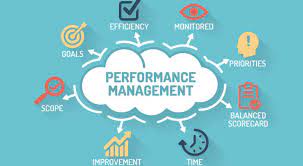
Performance management is defined as an integrated strategic approach to delivering sustainable success to the organization by improving individual performance. Performance management is a system that helps in identifying ways to achieve the set organizational goals by constantly assessing and providing feedback that results in improved employee performance (Johansson‐Sköldberg, et al, 2013, p. 121).
The main approaches to measuring performance have identified the domains where adjustments are necessary. Performance appraisal is one of the appropriate ways of measuring individual performance. Performance appraisal involves measuring, providing feedback, positive reinforcement sharing and agreeing on set standards. Measurement is the process of determining if the set organizational goals were achieved.
After obtaining individual performance progress feedback is provided involving positive feedback to reinforce good performance. Exchanging and sharing of ideas involves reviewing the past performance and sharing experiences for learning purposes. The agreement is the final process where the set goals and objectives are discussed (Gale, et al, 2010, p 606).
Task 3.2
Identifying individual training needs of an employee refers to reviewing the set goals and addressing the key activities to be conducted to achieve the set goals. Assessment of individual training and development needs entails monitoring performance and evaluating weak points.
Keen observation and measuring employee performance and progress is important because the outcomes will provide the training needs and the type of training and development for individual employees. Development of needs involve conducting period training as part of the learning and development process. Periodic training will improve individual skills and behavior attitudes to increase the level of performance (MacFarlane, et al, 2011, p 63).
Task 3.3
According to Tay, Moul and Armstrong (2016, p 115), some of the strategies that can be implemented for improvement of individual in health and social care place of work can be done by offering performance feedback and incentives. Performance feedback is offered using appraisals and targets. Employees will be motivated to achieve certain targets and goals which are geared towards achieving organization goals.
If employees achieve the goals they will be rewarded by using incentive packages such as bonuses in form of increasing salary, additional training or other recognition rewards. If an employee does not achieve the goals, they should be criticized constructively to work towards achieving organization goals. This will boost individual performance because the employee will understand what is expected of him.
Performance feedback whether positive or negative can solve conflicts and update employees on their weak areas hence giving the opportunity to rectify their performance behavior that might hinder employees from achieving their career objectives.
Gale, et al. (2010, p 609) states that attractive performance –based incentives motivate employees with nonfinancial incentives having lasting impact than financial incentives. Incentives might vary from increased wages to training and development program and special rewards.
HR managers need to implement reward systems that will motivate employees. Rewarding is the process of recognizing employee’s performance and acknowledging their contribution .Rewards will encourage individuals to aim higher and work towards meeting the set objectives.
Theories are a set of acceptable ideas or principles that are used to analyze specific situations or events. The most common theory of group work is the Tuckman’s model. According to Tuckman, team interaction can be viewed as four parts of different phases including forming storming, forming and performing (Tay, Moul and Armstrong, 2016, p 18).
According to Armstrong forming is the stage where members rely on leaders to guide the team Employees look up to the leaders to provide direction .During this stage, team members start organizing themselves and being familiar with their roles .Members try to agree on specific issues and the task to be accomplished.
Storming is a process in which ideas are generated and deliberated upon by the groups. Teams identify various issues and try to finding solutions for the negative issues that might affect the team. This process might be disruptive and members might disagree. Disputes are likely to occur.
This requires members to reflect and have the capability of being patient for the e group to stay together. Leadership guidance during this stage is equally important to provide clear direction to its members (Tay, Moul and Armstrong, 2016, p 121).
Forming is an important step because it aids group members who have overcome their grievances to agree on several issues. At this stage discussions are more open and issues are discussed honestly. Members adjust their behavior patterns and attitudes towards promoting good team work. During this stage leaders become reluctant and members are more dominant (Tay, Moul and Armstrong, 2016, p 121).
Belbin’s theory of group specifies the role of individual team members emphasizing that every member of the team possesses unique behavior that can influence performance. According to Belbin, using inventory questionnaires with nine different roles with unique characteristics can help identify the role of each member of the team.
These characteristics include coordinator ,shaper ,plant ,implementer ,resource investor ,completer ,monitor ,evaluator and team worker . Every role has its strengths and weakness, however understanding each responsibility of the team plays an important role in making an effective team. High performing teams use all these combinational roles to increase team efficiency (Townley, 2014, p 108).
Task 1.2
Teamwork is the willingness of individuals in a team to work together to achieve a common goal. This involves developing an interest in the team and working for the good of the team. Hounslow home care can use the following approaches to developing effective teamwork. In all healthcare setting including Hounslow care homes, healthcare teams are either formal or informal teams with specific purposes.
These teams have definite leaders with individuals within the team having specific roles. Informal groups have no structure, but everyone has equal status. Within several healthcare settings comprises of multi-disciplinary teams which are informal teams (MacFarlane, et al, 2011, p 55).
MacFarlane, et al, (2011, p 59) emphasize on effective teamwork as a process of embracing diverse skills. Team members should focus on the strengths to compensate for the weak areas. Effective teamwork is about ensuring that the main objective is well stipulated and understood by every member of the team. Teamwork requires the engagement of every team member in the duties of health and social care to minimize communication barriers that might arise. Teamwork requires every member to be given equal opportunity to air out their concerns and opinions.
Teamwork has several merits. For instance, it offers better solution. A well-managed team produces more results. Teamwork creates a supportive environment and propels individuals towards working effectively. Employees’ levels of confidence increase thereby allowing them to perform to the best of their abilities. Teams also create a supportive environment that propels employees towards implementation.
The environment boosts the confidence of workers motivating them into delivering their best. Moreover, teamwork have been cited to provide platforms of generating new approaches on how tasks should be accomplished. One of the disadvantages of teamwork includes unequal participation. In some teams, members sit back and wait for others to work on their behalf an aspect that can result in conflicts at work (MacFarlane, et al, 2011, p 61).
In addition, teamwork has been linked closely to limited creativity. This is because employees may become so focused on working for the general good of the team and how to fit in to the concept of the team that they contribute their ideas. Consequently, the lack of innovation may hinder an organization from moving forward. Scholars have also argued that team work at times can take longer to record the expected results.
This is because they require to go through several processes such as selection, socialization, and organization in the bid of completing a task. This eventually adds on the expenses on manpower and equipments required to complete a task.
Reference
Tay, K.J., Moul, J.W. and Armstrong, A.J., 2016. Management of Prostate Cancer in the Elderly. Clinics in geriatric medicine, 32(1), pp.113-132.