This is author biographical info, that can be used to tell more about you, your iterests, background and experience. You can change it on Admin > Users > Your Profile > Biographical Info page."
Want help to write your Essay or Assignments? Click here
Statistics in Prediction of Outcome
Introduction
Statistic can be used to predict outcome. This is because statistic encompasses the use of various techniques that enable a person in prediction of outcome. To emphasize this fact, we carried out a project. Our project was about analyzing data to extend where we answer the research question. The topic was chosen because there is need to understand the relationship between statistic and outcome. We wanted to come up with proper understanding of the reliability of statistic in prediction of outcome. The research question was ‘can statistic predict income?’
Saint Leo University has excellence as one of the core values. The excellence that the University dreams of is about creating character that enables each one of the students to end up responsible people in the society. This is brought about by team work, dedication and completion of assigned tasks. Therefore, completing this project reflected what the value of excellence at Saint Leo University advocates.
Data
The data that we used is secondary. The data used in this report was obtained from the website of Halliburton Limited, a multinational company operating in the oil fields service providers industry.
In this project, we used dependent and independent variables. Dependent variables are the ones that a researcher is always interested in. On the other hand, the independent variables are the ones that affect the dependent variables.
Want help to write your Essay or Assignments? Click here
Dependent and independent variables
In our project, the dependent variables consist of operating income for three years. On the other hand, the independent variables consist of sales values for three years. According to Halliburton (2014), the sales and operating income values were as below.
Year
Sales (x)
Profit(y)
2012
28,503.00
4,159.00
2013
29,402.00
3,138.00
2014
32,870.00
5,097.00
Descriptive Statistics Table
Statistic
Sales (x)
Profit(y)
Mean
30,258.33
4,131.33
Median
29,402.00
4,159.00
Min
28,503.00
3,138.00
Max
32,870.00
5,097.00
Standard Deviation
1882.84
799.998
Skewness
1.36
0.10
Statistic Test
The testing that we carried out is Pearson coefficient of correlation. This test is quite useful in understanding the relationship of variables. It is very useful in understanding how strong the relationship between variables is.
Year
Sales (x)
Operating Income (y)
(xy)
(x^2)
(y^2)
2014
32,870.00
5,097.00
167,538,390.00
1,080,436,900.00
25,979,409.00
2013
29,402.00
3,138.00
92,263,476.00
864,477,604.00
9,847,044.00
2012
28,503.00
4,159.00
118,543,977.00
812,421,009.00
17,297,281.00
Total
90,775.00
12,394.00
378,345,843.00
2,757,335,513.00
53,123,734.00
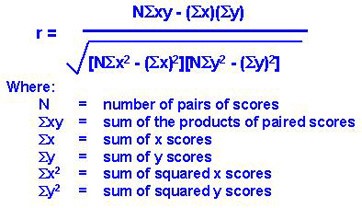
The formulae of Pearson Coefficient of correlation is as shown below
N
3.00
N∑xy
1,135,037,529.00
∑x∑y
1,125,065,350.00
N∑x^2)
8,272,006,539.00
∑x^2)
2,757,335,513.00
N∑y^2)
159,371,202.00
∑y^2)
53,123,734.00
Coefficient of correlation (r) = 1,135,037,529.00-1,125,065,350.00/ Square root of (8,272,006,539.00-2,757,335,513.00)( 159,371,202.00- 53,123,734.00)
After conducting Pearson coefficient of correlation, the result was a positive correlation of the variables. This means that when sales increase, the operating income increases too. This shows that we can predict the outcome of the year 2015.
Conclusion
From the project, it is evident that statistic can be used to predict outcome. Therefore, the research question has been addressed well. From the analysis, it has become evident that the use of statistic is faced with certain challenges. Firstly, reliability of some data sources is questionable. Additionally, the fact that data is not readily available is another challenge. There has also been an important observation that the choice of variables should be done properly to avoid confusion of the tests carried out. From the project, it has come out clearly that when there is positive correlation of variables, the movement of change in any of them is positive.
Want help to write your Essay or Assignments? Click here
CHILDREN BCI EXPERIENTIAL IMPACT ON USABILITY ENGINEERING OF COGNITIVE APPLICATIONS
1.1 Emotional importance in usability of cognitive application
1.1.1 Children Cognitive Application
Understanding the emotions of human beings is important as it can help to tell how people usually think. To properly study the human emotions, then children aged 4-6 years old can be used in the study. Children in this age bracket are particularly important for use in the study since they cannot tell what really emotion or feeling is from the things they interact with (Ekman, 1992). In essence, the main aim of this study is to delve into the impact of the emotional of children in usability of technologies designed for children aged from 4 to 6 years old. The thesis also seeks to evaluate the usability of cognitive application – based on the children emotions at three stages in the software development process.
1.1.2 Brain Computer Interfaces (BCI) technology
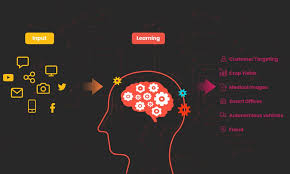
Brain computer interface (BCI) headset technology would be used as a pathway between human and computer, and it will determine the emotion of the user – such as engagement/boredom, frustration, meditation, instantaneous excitement, and long-term excitement – to really understand the emotion of the target user and to predicate the effectiveness of these emotions in usability engineering of this game based on tree cycles testing. From a usability perspective, the researcher is interested in the following aspects:
(i) Effectiveness: the relative effectiveness of different mnemonic actions of children to reach an intended goal;
(ii) efficiency: time taken to complete tasks related to allocation of resources and usage; and
(iii) satisfaction: measures emotional of children reaction by the Emotiv Epoc headset in different emotions such as instantaneous excitement, long term excitement, meditation, engagement and frustration.
This research is particularly important because of the outcomes that would come out of it: the findings will reveal the children emotional impact in usability engineering of cognitive applications with the use of BCI headset. Moreover, the findings will reveal the emotional reactions of children, the usability engineering methods, and the brain-computer interaction technology; the results will also reveal what the suitable interactive design of memory games for children is; and the extent to which the designed game meet the usability requirements by expert review evaluation and heuristic inspection of experts.
Emotions are of great importance in enhancing or improving any system interaction (Brave & Nass, 2003). Previously, systems used to be developed aesthetically and with no regard or response to the emotional influence which they possessed (Papanek, 1985). In addition, system designers have reported that in the past, interactions with technology, computers in particular, were sterile and unemotional (Brave & Nass, 2003).
Nevertheless, design philosophers, scholars, neuroscientists and psychologists have pointed out that nowadays, emotion plays an integral role in how people interact with technology, which include computers as well as the interfaces that have developed to interact by means of this medium. According to (McCarthy & Wright, 2004), designers of interfaces and interactive systems need to recognize and centralize the emotional-volitional nature of any system.
In addition, it is important that designers understand they do not design emotions, but instead they design for the optimum experience that results from personal interaction with the objects experienced in everyday life. It is worth mentioning that an extensive array of emotions play influential roles in almost every goal-oriented activity (Brave & Nass, 2003).
Emotions are essentially built from plain reactions which easily promote the survival of an organism, hence could easily succeed in evolution (Damasio, 2001). Interestingly enough, (Damasio, 2001) gave a description about the ordering of feelings and emotions. Damasio (2001) pointed out that emotions managed to withstand the evolution test. He added that first, human beings have emotions, and then feelings come second after emotions given that evolution initially came up with emotions and later on feelings followed (Damasio, 2001).
In general, human beings ultimately concern themselves with emotions, those which are made public. Emotions are actions that take place mainly in the public as they are visible to other people considering that they occur on a person’s voice, face, or even in certain conducts. Conversely, feelings of a person are normally concealed, like all mental images necessarily are, and are hidden to anyone save for their owner, the most private property of the organism in whose brain they take place (Damasio, 2001).
Emotion is one of the integral elements that are involved in education and learning (Parkinson, 1996). It affects a person’s decision making, communication and even a person’s capacity to learn. Parkinson (1996) pointed out that emotions influence the decisions that individuals make, how effectively they learn and the way they communicate with other people. Psychologists define emotion as a disorganized, intuitive response, which is caused by a lack of effective adjustment (Cannon, 1927; Schachter & Singer, 1962).
Valence is understood as the amount of negativity or positivity that an individual feels toward something. Conversely, arousal is considered as what gets the attention of an individual. In the field of computing, emotion is integral considering that it has the potential of influencing the effectiveness of learning (McCarthy & Wright, 2004). In this research study, the researcher will look into the kinds of situations which bring about emotions within a learning environment.
As such, in this project, the researcher proposes to utilize an electroencephalography (EEG) device known as the Emotiv EPOC – as conducted in the Software and Knowledge Engineering Research Group (SKERG) at King Saud University – to sense or perceive the emotions of a user through brainwaves in cognitive application game. This will allow the researcher to determine positive or negative emotional impact of this game on children and to establish and understand the usability of these kinds of cognitive applications in childhood.
EEG is essentially an electrophysiological monitoring technique for recording the brain’s electrical activity. This monitoring method is usually non-invasive as the electrodes are placed along the scalp. In specific applications however, invasive electrodes are at times utilized (Tatum, 2014). EEG measures fluctuations of voltage that result from ionic current in the brain’s neurons. Emotiv EPOC – developed by Emotiv Systems – is a neuroheadset which lets the players to control game-play with their emotions, expressions and even their thoughts. It is worth mentioning that the Emotiv EPOC, as Shende (2008) pointed out, is an innovative and pioneering high-fidelity Brain-Computer Interface device for the video game market.
The neuroheadset itself is an easy-to-utilize, glossy and lightweight wireless device that features a number of sensors which are capable of detecting conscious thoughts, expressions, as well as non-conscious emotions basing upon electrical signals around the person’s brain (Shende, 2008). The technology basically processes these signals, allowing the players to be able to control the actions or expressions of their in-game character and influence game-play with the use of their emotions, expressions and thoughts.
The Emotic EPOC can non-invasively detect brain activity with the use of EEG, a measure of brain waves, through external sensors all along the individual’s scalp which detect the electrical bustle in different areas of the furrowed surface of the cortex of the brain, a section which is responsible for handling higher-order thoughts (Sergo, 2008).
The Emotiv EPOC can detect in excess of thirty dissimilar emotions, expressions as well as actions including emotional detections like frustration, exctitement, immersion, tension and meditation; facial expressions like anger/eyebrows furrowed, wink, shock/eyebrows raised, wink, smirk, grimace/clenched teeth, horizontal eye movement, and smile; and cognitive actions like rotate, drop, push, lift, pull on 6 dissimilar axis (Shende, 2008). Owing to these detections, the player enjoys a more lifelike, immersive experience.
Want help to write your Essay or Assignments? Click here
1.1.3 Software Usability Engineering
Emotions, as Parkinson (1996) pointed out, are one of the most important factors for creating highly developed educational systems that are adaptive to the needs of the user. Emotions are vital in a lot of areas of learning including creative thinking, motivation, concentration, and even inspiration. A big part of the presently available educational systems do not consider the effects which the emotions of a user could really have on their learning. As such, this study will improve the usability of user interfaces by applying the tree cycle to measure the user’s emotion in each experiment.
Usability Engineering (UE) is understood as the methodical approach that is used to improve the usability of user interfaces by applying various established techniques during the system development lifecycle (SDLC) (Nielsen, 1993). Five qualities of usability have been identified by (Nielsen, 1993), which include efficient to utilize, easy to learn, error prevention, easy to remember, and satisfying.
As per the standard document ISO 9241-11, usability should cover 3 important things: satisfaction, efficiency and effectiveness. Usability is essentially defined as the degree to which a product could be utilized by specific users to attain specific objectives with satisfaction, efficiency, and effectiveness within a specific context of use.
Satisfaction: this encompasses positive emotions, attitudes and comfort that rise from the utilization of a given service, product or system. Attitudes comprise the degree to which the expectations of the users are attained. An individual user’s satisfaction is a part of his or her experience. This measure of usability is measured using a brief questionnaire basing upon Lewis (1991).
Efficiency: according to ISO 9241, efficiency is defined as the total resources that are used up in a given task. It is the relationship between the outcome attained and the resources utilized. This measure of usability is measured through task times. The metrics of efficiency include the number of keystrokes or clicks which are needed or the total time on task. In general, the task needs to be defined from the perspective of the user and not as a single, granular interaction (Nielsen, 1993).
Navigation design aspects for instance links, menus, keyboard shortcuts, in addition to other buttons have an impact on efficiency. When the designer designs them very well, with actions that are expressed clearly, then less amount of effort and time would be required for users to make action and navigation choices. All in all, making the correct choices for efficient utilization of the software is contingent upon an understanding of the users and the way users prefer working.
Effectiveness: this is understood as the completeness, accurateness, and lack of negative outcomes with which the user achieves specific goals (Lewis, 1991). Effectiveness is established by examining whether or not the goals of the user were attained successfully and whether all work is correct. The usability measure of effectiveness is measured through the number of errors and also through task completion.
ISO 9241-11 describes how to find the information needed to consider when assessing or spelling out usability in terms of measures of user satisfaction and performance. There is explicit guidance on how to explain the context of usage of the product as well as the measures of usability.
Usability testing will be conducted to validate the research using the Emotive EPOC headset tool. The levels of effectiveness, efficiency and satisfaction will represent the usability of a cognitive application in the field; the memory game would be designed and implemented by the researcher. The results obtained would show the viably of the approach adopted to conduct a usability testing of a computer game.
1.2 Problem Definition
Emotions are crucial in improving any system interaction. Researchers have reported that emotion plays a fundamental role in the way that individuals interact with technology such as computers. Using youngsters aged 4-6-years-old, this study seeks to gain an insight into the impact of the emotional of children in usability of technologies designed for children aged from 4 to 6 years old.
The researcher will also investigate to determine the impact of these emotions in usability of this game with usability engineering by using BCI headset because this target – the 4-6 year old children – cannot tell really what they feel. The researcher proposes to employ an electroencephalography (EEG) device, the Emotiv EPOC, in detecting the emotions of a user through brainwaves in the cognitive application game to demonstrate that the emotional responses of people could actually vary.
The problem is to understand the impact of children’s emotion in the cognitive application game: children aged 4-6 years. This is significant considering that children cannot really explain their emotion. Therefore this research would help to determine the impact from the children’s minds rather than through conversation since these children cannot actually give good explanation of their young age. Moreover, the researcher will determine how this cognitive application game can be used to improve learning in children rather than just using this innovative technology without any benefits to the users.
1.3 Research Scope
Target user
Target users are basically the individuals or persons who are expected to use the device the researcher is proposing in the study. This study will focus on samples of children aged from 4 to 6 years old from Saudi Arabia; hence the sample will comprise Saudi children only from the Saudi society. These children are the target users. The researcher plans to use them to determine their emotions in usability of technologies designed for them.
Hardware / Software
In this study, usability testing will be conducted for the purpose of validating the research using the Emotive EPOC headset tool. The levels of effectiveness, efficiency and satisfaction will represent the usability of a cognitive application in the field of memory game, which would be designed and implemented by the researcher in this research project. It is worth mentioning that the results that would be obtained may show the viably of the approach adopted to carry out a usability testing of a computer game.
1.4 Aims and Objectives
The major aim of this research study is to gain insight into the impact of the emotions of youngsters in usability of technologies designed for children aged from 4 to 6 years old. In addition, this research study seeks to evaluate the usability of cognitive application – based on the children emotions at three stages in the software development process.
Preliminary Study:
Study1: Design a memory game for children emotional impact Interaction (Low-fidelity prototype phase).
Study2: Usability evaluation for the Low-fidelity prototype game by Expert Review and heuristic Inspection (High-fidelity prototype phase).
Study3: Usability evaluation for the High-fidelity prototype game by BCI headset and Cognitive walkthrough Inspection (High-fidelity prototype phase Improve).
1.5 Research Questions
The main question of this research study is: What is the most effectively Children emotional Impact in Usability Engineering of Cognitive Applications using BCI headset?
The sub-research questions as the following:
What are the children emotional reactions, the usability engineering methods and what is the brain computer interaction technology?
How the researcher will understand and investigate the terms of the application for this research is articulated in Chapter 2 – Literature Review.
What is the suitable interactive design of memory games for children?
The empirical study 1 will be carried out as reported in Chapter 3 – Study 1: Designing a memory game for children emotional impact Interaction.
What extent does the designed game meet the usability requirements by expert review Evaluation and heuristic Inspection of experts?
From a usability perspective, the researcher is interested in the following aspects: effectiveness: the relative efficacy of different mnemonic actions of experts to reach an intended aim; efficiency: time taken to carry out and finish tasks relating to allocation of resources and usage; and satisfaction: measures in quantitative surveys from experts (Lewis, 1991). The researcher will investigate applying usability engineering activity to evaluate the Low-fidelity prototype game; this study 2 will be examined exhaustively and reported in Chapter 4 – Study 2: Expert Review and heuristic Inspection.
How can conducting UE with BCI technology evaluation?
From a usability perspective, the researcher is interested in the following aspects: effectiveness: The relative effectiveness of different mnemonic actions of children to reach an intended goal. Efficiency: Time taken to complete tasks related to allocation of resources and usage. Satisfaction: measures emotional of children reaction by the Emotiv Epoc headset in different emotions such as instantaneous excitement, long term excitement, meditation, engagement and frustration.
The researcher will investigate applying different usability engineering activities different from Study 2 with BCI technology to evaluate the High-fidelity prototype game; this Study 3 will be examined fully and reported in Chapter 4 – Study 3: Cognitive walkthrough.
1.6 Research Methodology
The aim and objectives would be achieved through three interrelated studies. The Masters of Science thesis emphasizes concepts and processes related to usability engineering. The design and development of the cognitive game done by the researcher goes beyond the scope of the MSc thesis. The three studies in the project lifecycle are:
Study 1:designing a memory game for children emotional impact interaction
The researcher conducted previous study in designing cognitive game for children – case study – and with semi-structured interviews with neurologists, psychiatrists and education specialists in order to gather information about the current practice in memory game.
Study 2: Expert Review and heuristic Inspection
The researcher conducted usability evaluation inspection methods on Low-fidelity prototype. The experiment focused on the usability of interface/interaction design to engage the expert in the side of cognitive program. Intensive validity testing sessions have been conducted in every field, and challenges faced by the different user groups iteration.
Study 3: Cognitive walkthrough
The researcher conducted usability engineering processes during the development iterations of the game. The Emotiv Epoch EEG headset and Windows platform were selected for the development of the application to ensure usability for the different children groups. The development focused on both the emotion impacts and usability of interface/interaction design to engage children in the cognitive program. Intensive validity testing sessions have been conducted in all development iterations.
1.7 Outline of the Thesis (Document Structure)
Chapter 2 is a review of literature related to the children emotions and usability engineering methods and usability aspects, brain computer interface (BCI) technology and the Emotiv Epoc headset tool. In Chapter 3, Preliminary Study that covers the designing of a memory game for children emotional impact Interaction is discussed. Chapter 4 describes Study 2, the usability evaluation for the Low-fidelity prototype game by Expert Review and heuristic Inspection. I
n Chapter 5, the researcher discusses Study 3 by presenting usability evaluation for the High-fidelity prototype game by BCI headset and Cognitive walkthrough Inspection. Chapter 6 provides a discussion of the results from each of the 3 studies. The thesis is concluded in Chapter 7 by presenting how all the objectives of the three studies have been achieved during the work in this thesis.
References
Brave, S., & Nass, C. (2003). Emotion in Human–Computer Interaction”. In J. Julie & A. Sears (Eds.), The Human-Computer Interaction Handbook. (1st. ed., pp. 81-96). Hillsdale: Lawrence Erlbaum Associates.
Damasio, A. R. (2001). Fundamental feelings. Nature, 413, 781.ISO/DIS 9241-11. Ergonomics of human-system interaction — Part 11: Usability: Definitions and concepts.
Ekman, P. (1992). An argument for basic emotions. Cognition and Emotion, 6, 169–200. 1992.
Want help to write your Essay or Assignments? Click here
Nutrition
Careful assessment of the patient is essential for the development and the successful diagnosis of the comprehensive treatment plans for the many nutrition issues. The geriatric patient’s assessment will be carried out using the Lawton instrument activities of daily living (IADL scale).The 75-year-old female patient presents some problems. The following activities preparation of food, handling medications, handling of cooking items such as gas and stove.
Using transportation and movement ability is also assessed using the IADL scale (Nykanen et al, 2012). The scores for the patient read lowest values as been 3 and highest to be six which implies poor physical and cognitive functioning (Naseer et al, 2015).
The patient is malnutrition thus has lost a lot of weight. The patient is independent in her activities of daily living, and the poor functioning has impacted the nutrition and hydration of the patient causing malnutrition (Nykanen et al, 2012). The patient experiences the low oral intake due to mild cognitive impairment to prepare meals and carry out other functions as assessed using the IADL scale (Graf, 2013).
The patient suffers from the coronary artery disease thus is at risk of also having the stroke medical condition. The patient has some dietary needs that have contributed to the malnourishment and also the high risk of developing the coronary artery medical condition.
Want help to write your Essay or Assignments? Click here
Vitamin deficiencies such as folate, vitamin B6 and B12 lacks in her diet (Graf, 2013). These deficiencies are associated with the cognitive inability of the patient. The vascular functioning of the patient is affected by the lack of these vitamins, thus causing malnutrition (Naseer et al, 2015).The patient is currently not attempting for any of the medical issues since the ability to handling medication has also been a major problem for the independent geriatric patient (Naseer et al, 2015).
The nutrition problem presented during the assessment of the patient can be solved through the supplementation using the B12 and B6 vitamins for the patient. Provision of a care giver for the patient will also reduce the high rate of independence. The elderly patient’s oral intake improves when there is the person to help in preparation of the meals and also carrying out other activities(Nykanen et al,2012).A diet with low fats contributes to eliminating the vascular risk factors. Nutrition intervention after the assessment of the patient improves the quality of life.
Naseer, M., Forssell, H., & Fagerström, C. (2015). Malnutrition, functional ability and mortality among older people aged ⩾ 60 years: a 7-year longitudinal study. European journal of clinical nutrition.
Nykänen, I., Lönnroos, E., Kautiainen, H., Sulkava, R., & Hartikainen, S. (2012). Nutritional screening in a population-based cohort of community-dwelling older people. The European Journal of Public Health, cks026.
Want help to write your Essay or Assignments? Click here
Want help to write your Essay or Assignments? Click here
Pressure Ulcer
Immaculate Mart Home has an occupancy rate of 99% with 293 patients occupying its total of 296 beds. The facility is a non-profit home and is not part of a multiple nursing home ownership. It has a below average RN per resident per day of approximately 43 minutes compared to that of the state of Pennsylvania of 55 minutes.
It has a Long Term Pressure Ulcer Percentage (LTPUP) of 2.4% and a short term pressure percentage (STPUP) of 2.1%. In September 24th 2015, PA was awarded a rating of 5 out 5 by the CMS of the Dept. Health for Human Services. This rating means that the nursing home is way above average based on quality measures, staffing, and health inspections.
Chapel Manner Nursing Home has a 95% occupancy rate with 229 patients using its total of 240 beds. It is part of a multiple nursing home ownership and it is a for profit organization. Its RN Hours/Resident/ Day is 57 minutes with an average of 2.29 minutes of Physical Therapy Staff. It has a LTPUP of 2.3% and a STPUP of 1.4%. It received a 2 out 5 overall rating. A score that implies that the facility is rated below average based on staffing, quality measures, and health inspections.
Fair View Care Center is a for profit nursing home that accepts Medicaid. It has a capacity of 36 beds. Its RN Hours/Resident/Day is averaged at 44 minutes and that of physical therapy staff is less than one minute. Moreover, it has 0.0% of its long staying patients as well as short staying patients with pressure ulcers.
Want help to write your Essay or Assignments? Click here
Baptist Health Care Center: This is a non-profit nursing home that has a total of 140 beds, all fully sprinkled with 138 beds occupied. It has an occupancy rate of 99%. It accepts both Medicaid and Medicare and it is not located within a hospital. It has a LTPUP of 2.8% and a STPUP of 1.6%
Its reported physical therapy hours are 0.03 per day and the total nurse staffing hours per patient daily is 4.47. In addition, it has a quality rating of 3 and a RN staffing rating of 4.
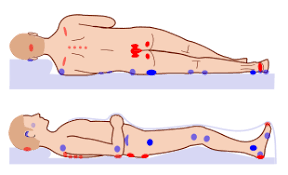
Some of the risk factors that predispose an individual to developing pressure ulcers include immobility, inactivity, smoking, poor nutrition, use of corticosteroids, and urinary or fecal incontinence.
Some of the strategies that can be used to prevent pressure ulcers include frequent weight shifting, using cushions or specialized mattresses that relieve pressure, protect and clean affected skin, maintaining a balanced diet, and proper health standards such as avoidance of smoking (Coleman et al., 2013).
Awareness can be increased by first laying out facts to the nursing home staff about the consequences of pressure ulcers, how they develop, and how easily they can be prevented. For instance, the staff should be aware that in 2013, the condition caused a totally of 29, 000 deaths up from 14, 000 in 1990 (Lachenbruch et al., 2016). This therefore, begs the nursing staff to implement urgent interventions against pressure ulcers.
Lachenbruch, C., Ribble, D., Emmons, K., & VanGilder, C. (2016). Pressure Ulcer Risk in the Incontinent Patient: Analysis of Incontinence and Hospital-Acquired Pressure Ulcers from the International Pressure Ulcer Prevalence (TM) Survey. Journal of Wound Ostomy & Continence Nursing.
Want help to write your Essay or Assignments? Click here
Want help to write your Essay or Assignments? Click here
Polypharmacy: Health Journal
In my practicum setting a patient visited for a follow up check on several complex medical conditions. During the process, patient history was conducted whereby a variety of clinical and statistical data was captured. The history examined the past medical account of the patient whereby a review was conducted on the conditions that the patient was suffering from.
The history was also geared towards determining the past surgical history of the patient, his family history, current medication, possible allergies, and the systems review. Murphy et al., (2014) highlights that follow ups are vital since they enable practitioners to assess patient’s needs and implement proper interventions to avoid readmitting of patients.
Researchers have well-established that polypharmacy is associated with an increase in the risk of adverse reactions, such as falls, poor vision, memory and hearing loss, decline in renal function, cognitive, functional impairment, as well as changes in metabolic rates (Maher et al., 2014; Jeffery & Kruse, 2014). However, from this patient it can be deduced that the adverse effects commonly linked to polypharmacy do not usually occur in all patients.
Want help to write your Essay or Assignments? Click here
This evidenced through the findings obtained in the patient history especially under the review of systems section whereby the patient denies having any adverse effects in most of her body system except for musculoskeletal system where the patient reports of experiencing back pain, joint pain, and shoulder pain.
For this patient, my plan will be to carry out diagnostic tests to identify the potential causes of the musculoskeletal signs and symptoms that the patient reports about. Moreover, examine the whether the patient is experiencing any progress from the treatment plan that she is undertaking.
My goal will be to ensure that the musculoskeletal signs and symptoms that the patient is complaining about are well controlled. Health care providers are charged with the responsibility of ensuring that patients receive the quality care delivery at all times (Martin-Misener & Bryant-Lukosius, 2014). Therefore, it will be my responsibility to ensure that the patient receives quality care delivery with improved outcomes.
References
Jeffery, L., & Kruse, M. G. (2014). CP-084 Pharmacist identification of potential side effects in patients with multimorbidity and polypharmacy. European Journal of Hospital Pharmacy: Science and Practice, 21(Suppl 1), A34-A34.
Maher, R. L., Hanlon, J., & Hajjar, E. R. (2014). Clinical consequences of polypharmacy in elderly. Expert opinion on drug safety, 13(1), 57-65.
Murphy, R., Bartlett, L., Pace, D., Boone, D., Smith, C., Lester, K., & Twells, L. (2015). Providing Obesity Treatment Information, Assessment and Follow-up: Improving Patient Access through Technology in One Province of Canada. Canadian Journal of Diabetes, 39, S50.
Want help to write your Essay or Assignments? Click here
Want help to write your Essay or Assignments? Click here
The Impact of Health Information System to Patients
The emergence of computers has had enormous impact not just on the delivery of healthcare but quality as well. Health information systems for instance, plays a critical role in terms of storing and disseminating data for patients in most healthcare facilities. With the adoption and application of new methods of information technology in almost all sectors globally including the healthcare industry, it can never be disputed that the healthcare industry is in constant evolution.
The industry development has been associated with tools, used by healthcare professionals to provide quality services to the patient. Regardless of the ubiquitous use of Electronic Health Records (EHR) system, the issue of safety and privacy remains a major challenge (Department of Health and Human Services, 2006). The paper evaluates the privacy and security concerns of the Health Information Systems.
According to John (2006), there has been a wide range of attackers believed to exist in any online format. The attackers have the potential of hacking and accessing into online systems such as the EHR. This creates a security hole and a compromising situation when it comes to ensuring the safety of patient data. Every person has a right to privacy, including patients whose medical records may be storing sensitive information, especially for psychiatric patients, who seek to conceal private information about their health.
Though the cases do not happen more frequently, the incidences may create some doubts in terms of people’s privacy and critical information getting in wrong hands (AHIMA, 2013). The accessibility of confidential information by a hacker may have devastating effects. Medical records can be vandalized by a malicious person, harboring wicked motives, an aspect that may adversely compromise the safety of patients. Moreover, if the EHR is tampered with, it could also expose other personal data to the crook such as credit card details, the social security number, passport.
Want help to write your Essay or Assignments? Click here
According to HIPAA and WI-FI ACT, as encapsulated in the Electronic Human Rights Bill, the patient has a right to know about how their medical data is being used. Moreover, they have the legal basis to file a suite against any violations that comes with denying them access or malicious entry and snooping of their private information(Health Industry Insights, 2016).
Furthermore, research conducted by the Health Industry Insights Consumer Survey in the year 2005 revealed that there is also a concern for the security associated with the Health Information Systems. This is especially evident during the transfer of information from the paper work to electronic health records. Following this process of information transfer, chances of information mishandling is usually high. Nonetheless, EHR vendors are purely guided by the legal framework.
Again, a patient has the right to seek for rectification of any typographical mistakes or invalid information being recorded. Markle Foundation (2014) argued that this right is justified in the act of HIPAA and WI-FI under the Bill of Electronic Human Rights. Additionally, a patient is also entitled to receive an immediate notification when the attacker gets access to his or her medical information.
In conclusion, health information and privacy is imperative to both the patients and the healthy physicians. While the medical personnel should use personal Health Records, to enhance the quality of care, the issue of security and safety remains an issue requiring a rethink. The study established that EHR systems are effective and easily accessible, however, the element of EHR falling in the wrong hands is a warring trend. To protect the privacy of personal data, the legal framework as guided by HIPAA and WI-FI ACT should be applied to the fullest to deter malicious entry.
References
AHIMA (2013) e-HIM Personal Health Record Work Group. “The Role of the Personal Health Record in the EHR.” Journal of AHIMA 76, no. 7 (July–August 2005): 64A–D. Department of Health and Human Services 2006) “American Health Information Community Workgroups: Consumer Empowerment Workgroup.” Retrieved on 18th, March, 2016 from <http://www.hhs.gov/healthit/ahic/ce_main.html>.
Markle Foundation (2014). “Attitudes of Americans Regarding Personal Health Records and Nationwide Electronic Health Information Exchange.” Retrieved on 18th, march, 2016 from <http://www.markle.org/downloadable_assets/research_release_101105.pdf >.
Want help to write your Essay or Assignments? Click here
Want help to write your Essay or Assignments? Click here
Teenage Psychotherapy Application
Discussing about underage alcohol consumption can be tough. It is important for the healthcare provider to have a discussion plan as most of the teens are likely to dodge the discussion. To obtain a meaningful discussion, in psychotherapy the first step is to find out the teens perception about alcohol. This will help the healthcare providers debunk the myths that alcohol consumptions gives one pleasure and share the facts that alcohol is a depressant, normally associated with aggressiveness and sadness.
This will help the health care provider appeal the teenager self-respect and empower them with strategies to manage peer pressure. The CDC alcohol consumption statistics is accurate. Most of the adolescents take alcohol without their parent knowledge. Most of these incidences are attributable to peer-pressure (Tanner-Smith and Risser, 2016).
The Neuman Systems Model of psychotherapy is used to give theoretical framework for developing Anorexia. The Neuman Systems Model of psychotherapy helps establish a mutual partnership between patients and their care givers, which helps in understanding the patient environment and in designing appropriate preventive, rehabilitative and corrective measures that will ensure that the desired outcomes are met.
When managing patient diagnosed with Anorexia, the model is used to assess the patient profile, identify stressors perceived by the patients, developmental factors, psycho-social, cultural and spiritual factors, learn the patient’s lifestyle patterns and interventions needed by the client to meet the desired outcome. This is helpful as it helps one deliver care in a comprehensive manner using the primary, secondary intervention as well as the tertiary interventions to promote the client’s health (Neuman and Fawcett, 2012).
The Imogene theory of goal attainment focuses in achieving the set life goals. According to this theory, nurse and patient relationship is important as it facilitates effective communication that will enable then set goals and together design action plan that will enable them achieve the set goals. Anorexia eating disorder results due to a sequence of behaviours which revolve around mental and physical action. According to this theory, to help the patient maintain their health and functionality, the nurse is expected to interact during assessment.
This will help the nurses gather data on patient perceived stressors, cultural and social cultural goals. The theory helps during nursing diagnosis in that through the interaction with the patient, problems and disturbances are identified. This helps in designing an effective care plan that will be used to solve the challenge identified is made. This phase involves making of decision and setting of goals. The continuation of transaction is reflected by implementation phase. This theory guides during the evaluation phase to determine if the goals have been achieved (Alligood, 2010).
Nurses play an integral role in facilitating recovery in patient diagnosed with eating disorders. For this reason, it is important for a healthcare provider understand the helpful strategies that will help the patient restore their health. A comprehensive assessment should be done using the following questions (CDC, 2013);
a) Are you happy with eating pattern?
b) Do you eat in secret?
c) How do you feel about your weight?
During this treatment, the patient should be advised on the effective dietary which will help them achieve the desired weight range. This exercise should be complemented using psychotherapy. The counselling section should involve education on body weight, impacts of starvation and clarification of myths on dietary misconceptions. This will help the patient regain self-esteem and self-control (Moy et al., 2013).
References
Alligood, M. (2010). Family Healthcare with King’s Theory of Goal Attainment. Nursing Science Quarterly.
Moy, J., Petrie, T., Dockendorff, S., Greenleaf, C. and Martin, S. (2013). Dieting, exercise, and intuitive eating among early adolescents. Eating Behaviors, 14(4), pp.529-532.
Neuman, B. and Fawcett, J. (2012). Thoughts about the Neuman Systems Model: A Dialogue. Nursing Science Quarterly, 25(4), pp.374-376.
Tanner-Smith, E. and Risser, M. (2016). A meta-analysis of brief alcohol interventions for adolescents and young adults: variability in effects across alcohol measures. The American Journal of Drug and Alcohol Abuse, 42(2), pp.140-151.
Want help to write your Essay or Assignments? Click here
Want help to write your Essay or Assignments? Click here
Critical patient care
Within the case provided, critical patient care coordination especially communication between medical providers and the patient including his family remains essential. As a NP, having been asked by Mr. Wiggin’s wife to make a decision in regards to progressive, critical patient care for the husband, I would consider the state of the patient, his unsuitability for dialysis. This factor has attributed to the general decline of his functionality resulting to complications that include organ failure (Cowan, 2016). The condition of this patient will deteriorate if other conventional treatment methods are not introduced.
I would incorporate a symptoms management approach in this stage in order to ensure t the patient gets opportunity to discuss his wishes in considering other conventional treatment options(‘Hare, Rodriguez,& Bowling, 2016). Before arriving at the decision, there will be a need to conduct consultations with other practitioners and engage the patient in the treatment discussion. In this instance it would be essential to also include the entire family especially in this state, thus providing the patient with support that encourages him to arrive at the decision of choosing another conventional treatment option.
Want help to write your Essay or Assignments? Click here
In facilitating critical patient care to this patient, it is essential to meet the patient’s needs, a factor that would require a shift from the tradition methods that focused on the disease to a more patient-centered approach where quality of live is considered as key (Garcin, 2015). Considering that this patient’s health condition is deteriorating, it is essential to encourage the patient through support in reviewing other treatment options that may be of benefit.
In addressing the need of the patients and their families, it is essential to consider including good communication with the aim of facilitating an informed decision (Thirsk, Moore, & Keyko, 2014). This would require an explanation of the results and progression of the disease and its prognosis are including the consideration of managing the patient within a home setting.
References
Cowan, D. 2016. Understanding The Journey Travelled By Patients And Carers Living With End Stage Kidney Disease And Haemodialysis. Australian Nursing & Midwifery Journal, 23(8), 27-29.Available from: http://search.ebscohost.com/login.aspx?direct=true&db=aph&AN=113232640&site=ehost-live. (25th April 2016)
‘Hare, A. M., Rodriguez, R. A., & Bowling, C. B. 2016. Caring for patients with kidney disease: shifting the paradigm from evidence-based medicine to patient-centered care. Nephrology Dialysis Transplantation, 31(3), 368-375. doi:10.1093/ndt/gfv003. Available From: http://search.ebscohost.com/login.aspx?direct=true&db=aph&AN=113310258&site=ehost-live (25th April 2016)
Thirsk, L. M., Moore, S. G., & Keyko, K. 2014. Influences on clinical reasoning in family and psychosocial interventions in nursing practice with patients and their families living with chronic kidney disease. Journal Of Advanced Nursing, 70(9), 2117-2127. doi:10.1111/jan.12370. Available From: http://search.ebscohost.com/login.aspx?direct=true&db=aph&AN=97431961&site=ehost-live (25th April 2016)
Want help to write your Essay or Assignments? Click here
Want help to write your Essay or Assignments? Click here
Importance/benefits of trademarks
Trademarks are considered an important intellectual property that organizations should safeguard, mostly because they represent business identity. In this discussion, the importance of trademarks for businesses is discussed.
Trademarks protect the business’ identity through preventing competitors from using the name or symbol associated with the business. This provides gives the business legal right against the trademark, such that it can take legal action based on the trademark. Bouchoux (2012) notes that the probability of having businesses duplicate or imitate other business’ names or products is quite high. This is based on the fact that the number of players in the market has increased, and companies are willing to take any strategy to attract customers.
A trademark protects a company or product’s reputation and goodwill; ensuring that the company is easily identified through it. An example is BMW trademark. Whenever a BMW sign is sighted, the observer immediately associates the sign with high performing vehicles, such that it is easy to conclude that BMW has gained reputation among customers.
Trademarks help in protecting the business legacy through ensuring that the owners can keep a business name. This is because changing a trademark means that the company would have to restart the process afresh, building networks and creating a new brand. The company is therefore better off with its current trademark. This therefore means that the trademark plays the role of preserving the business brand.
Trademarks are considered a communication tool and are significantly important in marketing, to promote presentation of a company’s products and services. The CocaCola trademark is a good example of how trademark can be effectively used in marketing. The company has managed to create its presence in the market through popularization of its trademark during advertising and marketing.
Trademarks play an imperative role in promoting customer’s product recognition ability. This insinuates, a customer will easily recognize the company’s by scanning through a variety of products. Customers are more likely to associate with products that have served their needs well in the past and through a trademark, they can easily recognize the product from among competitor products (Bouchoux, 2012). Trademarks therefore influence customer loyalty and consequently promote future sales and growth capabilities.
Want help to write your Essay or Assignments? Click here
Trademarks are particularly important in the contemporary technology era. The importance of trademarks for example has become increasingly significant with the advent of social media, which is also considered an important marketing tool. The use of a trademark ensures that a business products can be easily sought on the internet. As the number of searches continues to rise, the trademark is placed higher in the search engine, increasing its marketing potential.
In Qatar, for example, trademarks cost around 3,000 Qatari Riyals with 10-year validity and extendable for another 10 years. Similarly, in the US, it costs around $275 and can be renewed every 10 years for unlimited number of times.
Bouchoux (2012) argues that trademarks remain the most valuable assets for companies; hence the need to protect them in the best manner possible. A company must be on the lookout for any violation of their intellectual property to ensure that it does not impact on their reputation. This happens in cases where companies present counterfeit products under the trademark or where the companies adopt a company’s identity or a similar one.
In conclusion, trademarks define a company’s identity and the need to have and protect them is of great importance. They promote product recognition, protect the business brand and enhance product reputation and goodwill.