
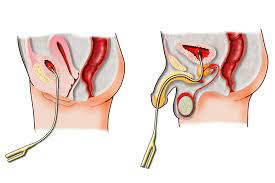
(CAUTI) Catheter Associated Urinary Infection

Catheter Associated Urinary Infection (CAUTI)
Catheter Associated Urinary Infection

Want help to write your Essay or Assignments? Click here
Catheter Associated Urinary Infection (CAUTI): Evidence Based Practice

Abstract

After selecting the topic of study, a team will be responsible for implementation and evaluation of the project will be formed. The selection of the team members will be directed by the topic and involve all responsible stakeholders. Thereafter, a brainstorming session will be held to determine the available sources and the key terms that will be used as guide in the research. Electronic databases such as Proquest, Cinhahl, and Cochrane will be used as a source of evidence.

The obtained evidence will be graded, an EBP standard developed and implemented and later an evaluation of the project outcomes will be done. The aim of this project is to reduce incidences of Catheter Associated Urinary Infections (CAUTIs). CAUTIs are ranked as the most common nosocomial infections. Surveys indicate that CAUTIs account up to 40% of all infections acquired in hospitals per year. Approximately 80% of these infections worldwide have been associated with insertions of indwelling urethra catheters.

In the US alone, hospital related infections account for about 5 to 10% of all hospitalized patients every year. The risk of developing CAUTI increases proportionately with the duration of catheterization. CAUTI pose a huge economic burden in the health care sector. It has been estimated that about 45 billion dollars are spent in the US for maintaining direct health costs and account for over 100, 000 deaths each year. CAUTIs also cause several complications such as gram –ve bacteremia, epididymitis, and orchitis in males, cystitis, and pyelonephritis, endocarditis, meningitis, prostatis, and septic arthritis in all patients.

These complications cause discomfort among patients, increased care cost, prolonged hospital stay, and high mortality Researchers report that there is need for re-education of clinicians about insertion of catheters to ascertain that best practice is maintained. Therefore, the project will be geared towards using this evidence-based intervention in promoting patient outcomes.

Project Proposal

Problem Description

Hospital acquired infections in the urinary tract are classified as the most common infections acquired in nursing homes as well as hospitals. Research has indicated that these infections are caused by insertion of indwelling catheters. It has been projected that these infections would be more worse were it not for the current modifications that have been done on the catheter itself (Gordon, 2015). CAUTIs reduce the quality of life of patients by subjecting them to discomfort, prolonged hospital stay, increased health costs as well as high mortality.  

Solution Description

Management and care of an IUC patient is within the scope of nursing practice. One of the most effective ways that will be used to prevent CAUTI will be through re-education of nurses on placement, early removal, and management catheters. According to Meddings, (2014), improved care processes and care outcomes can be achieved through examination of best evidence serve as a guide in nursing practice and developing support systems that offer education and enhanced product accessibility to attain maximum care.

Although challenging, online learning programs will be created to serve as a guide for registered nurses. The intervention will also aim at updating clinical policy in a manner that it provides consistent, factual, and succinct content that will be an essential vessel for improving current practice (Scanlon et al., 2012). More importantly, clinicians will be re-instructed on how to best insert catheters and how to appropriately locate the drainage bag to minimize occurrence of reflux and CAUTI risks.

However, it has been documented that the most important strategy for preventing CAUTI is to maintain awareness on the existence of a catheter (Sutherland et al., 2015). It is for this reason that practitioners will be educated about how to use catheter reminder interventions such as daily checklists, electronic reminders, and sticker reminders.

Implementation Plan

The first step during implementation of this project will be to request for approval. It will be crucial for the entire organization to understand the necessity of reducing CAUTI. Project leaders will shed light to the leaders in the top management regarding the prevalence of catheter use, the risk that CAUTI predisposes to patients, and the health care costs related to management of CAUTI.

The project leaders will also engage fellow staff/colleagues by first making the problem real. This will be done through narrating a story of a patient who is suffering from CAUTI in the clinical area. Additionally, it will be illustrated that hospital acquired infections occur in 25% of the patients with indwelling catheters which in turn increases the cost of care (Bartlomé et al., 2015; Clarke et al., 2013).

The members will then be urged to join the fight against CAUTI, which is ranked as one of the conditions that can be easily controlled. The clinicians will be notified that the Centers for Medicare & Medicaid Services has stopped reimbursing costs associated with CAUTI since it can be prevented (Parry et al., 2013). Therefore, it is the duty of health care providers to come up with effective strategies for maintaining CAUTI.

Want help to write your Essay or Assignments? Click here
Evaluation Plan

After implementation, some of the variables that will be evaluated include;

Clinical outcomes

The evaluation team will identify the number of patients with symptomatic CAUTIs in the clinical setting monthly. Data from National Health Safety Network (NHSN) will be used to benchmark the progress. The data is essential because it provides the limitations on the number of CAUTI cases that an institution should record (Stacy, 2015). Comparison will also be done between the rates of ICU occurrence in the clinical setting and compared to the occurrences in other clinical settings in the hospitals with similar conditions.

Process Evaluation

Under process evaluation, some of the factors that will be monitored include indications for catheter placement, maintenance of aseptic conditions during catheter use, and the proper removal of catheters that are no longer useful to the patient. The daily prevalence rate will also be collected by dividing the number of patients that are catheterized in the ICU by the total number of patients admitted in the ICU (Zhou et al., 2015; Calfee, 2013). If the survey notes that the rate of CAUTI has spiked, an in-depth investigation will be conducted to identify the causes of the occurrence.

Patient Safety Culture

A survey will be conducted to assess this variable. The survey will be done after every three months annually. The results obtained will be used in the identification of improvement opportunities and allow project managers in designing specific strategic plans that will be used in addressing areas that indicate that staff perception is not as desired (Bell, et al., 2015; Andreessen et al., 2012). Some of the tools that will be used in accomplishing the evaluation process include brochures, Power Point presentation, and handouts.

Dissemination of Evidence

Nurses who will have gone through the education program will be posted in the various units in the hospital where they will serve as important vessels for teaching fellow colleagues about how the project is vital and why they should embrace it. Trained practitioners will also be encouraged to visit neighboring hospitals and help on spreading the message. The progress will be posted in blogs and hospital website where health care providers across the globe can easily access.

Review of Literature

Various scholars ascertain that UTI infections due to indwelling catheters are the most common hospital acquired infections. For instance, according to Giles et al., (2015), the major determinant of CAUTI development is the catheterization duration. Marra et al., (2011) propose that the most significant intervention to prevent these conditions is to discontinue the use of catheters the moment they are feasible and to limit the indwelling use of catheters.

References

Andreessen, L., Wilde, M. H., & Herendeen, P. (2012). Preventing catheter-associated urinary tract infections in acute care: the bundle approach.Journal of nursing care quality27(3), 209-217.

Bartlomé, N., Conen, A., Bucheli, E., Schirlo, S., & Fux, C. A. (2015). Change management with empowerment of nursing staff to reduce urinary catheter use. Antimicrobial Resistance and Infection Control4(Suppl 1), P217.

Bell, N., Eagan, J., Warren, M., Graham, J., Kamboj, M., & Sepkowitz, K. (2015). Catheter Associated Urinary Tract Infection (CAUTI) Surveillance: Less Charts, More Prevention. American Journal of Infection Control43(6), S35.

Calfee, D. P. (2013). Catheter-Associated Bloodstream Infections. InEssentials of Hospital Medicine: A Practical Guide for Clinicians (pp. 703-716).

Clarke, K., Tong, D., Pan, Y., Easley, K. A., Norrick, B., Ko, C., & Stein, J. (2013). Reduction in catheter-associated urinary tract infections by bundling interventions. International journal for quality in health care25(1), 43-49.

Giles, M., Watts, W., O’Brien, A., Berenger, S., Paul, M., McNeil, K., & Bantawa, K. (2015). Does our bundle stack up! Innovative nurse-led changes for preventing catheter-associated urinary tract infection (CAUTI). Healthcare Infection20(2), 62-71.

Gordon, P. R. (2015). The Effects of Nursing Education on Decreasing Catheter Associated Urinary Tract Infection Rates.

Marra, A. R., Camargo, T. Z. S., Gonçalves, P., Sogayar, A. M. C. B., Moura, D. F., Guastelli, L. R., & Edmond, M. B. (2011). Preventing catheter-associated urinary tract infection in the zero-tolerance era.American journal of infection control39(10), 817-822.

Meddings, J. (2014, October). Systematic Review of Interventions to Reduce Catheter-Associated Urinary Tract Infection in the Long-Term Care Setting. In ID Week 2014. Idsa.

Oman, K. S., Makic, M. B. F., Fink, R., Schraeder, N., Hulett, T., Keech, T., & Wald, H. (2012). Nurse-directed interventions to reduce catheter-associated urinary tract infections. American journal of infection control, 40(6), 548-553.

Parry, M. F., Grant, B., & Sestovic, M. (2013). Successful reduction in catheter-associated urinary tract infections: focus on nurse-directed catheter removal. American journal of infection control41(12), 1178-1181.

Scanlon, M. K., Deluca, G., & Bono-Snell, B. (2012). Reducing Catheter-Associated Urinary Tract Infections in Home Care: A Performance Improvement Project. Home Healthcare Now30(7), 408-417.

Stacy, K. M. (2015). Challenges in Hospital-Associated Infection Management: A Unit Perspective. AACN advanced critical care26(3), 252-261.

Sutherland, T., Beloff, J., McGrath, C., Liu, X., Pimentel, M. T., Kachalia, A., & Urman, R. D. (2015). A Single-Center Multidisciplinary Initiative to Reduce Catheter-Associated Urinary Tract Infection Rates: Quality and Financial Implications. The health care manager34(3), 218-224.

Zhou, Q., Lee, S. K., Hu, X. J., Jiang, S. Y., Chen, C., Wang, C. Q., & Cao, Y. (2015). Successful reduction in central line–associated bloodstream infections in a Chinese neonatal intensive care unit. American journal of infection control43(3), 275-279.

Appendix A

Credible Sources

Author(s) (Formatted as in-text citation)Database (CINAHL, EBSCO, Cochrane, Pro-Quest)Peer-Reviewed(Yes/No)Applicability   (Yes/No)Evidence Grade(Strength/ Hierarchy)Appraisal (Briefsummary of findings; how findings inform your project?)Inclusion   (Yes/No)
Meddings, 2014)CochraneYesYes4/Cross-SectionalSystematic Review of Interventions to Reduce Catheter-Associated Urinary Tract Infection in the Long-Term Care SettingYes
Gordon, 2015).CochraneYesYes4/Cross-SectionalThe Effects of Nursing Education on Decreasing Catheter Associated Urinary Tract Infection RatesYes
Stacy, 2015).Pro-QuestYesYes4/Cross-SectionalChallenges in Hospital-Associated Infection ManagementYes
Clarke et al., (2013)Pro-QuestYesYes4/Cross-SectionalReduction in catheter-associated urinary tract infections by bundling interventionsYes
Andreessen et al., (2012)Pro-QuestYesYes4/Cross-SectionalPreventing catheter-associated urinary tract infections in acute care: the bundle approachYes

Want help to write your Essay or Assignments? Click here

Myocardial Infarction: Case Study

Myocardial Infarction

Want help to write your Essay or Assignments? Click here
Myocardial Infarction: Case Study

Causes, Incidence, and Risk Factors for Myocardial Infarction

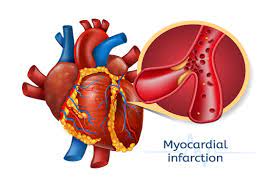
Myocardial infarction (MI) is an impairment of heart functioning characterized by diminished blood supply to cardiac muscles following myocardial ischemia (Wong et al., 2012). Myocardial cells are destroyed but not repaired as the rate of their degeneration exceeds the capacity of repair mechanisms, which are usually slowed by poor blood supply. The causes of MI include myocardial ischemia that results when metabolic needs of the heart are too high and exceeding a certain threshold or ischemia that results after the coronary circulation is inefficient and affecting oxygen and nutrient delivery to heart muscles (Wong et al., 2012). In some cases, the two causes may co-occur and eventually result in MI. 

The prevalence of MI in Australia is significantly high with data indicating a correlation between disease occurrence, age and sex (Wong et al., 2013). Statistics indicate higher prevalence among older persons, with more than 3,800 cases of male patients 85 years and above having been reported in 2011.  On the other hand, about 11 cases of female patients of ages between 25 and 34 were recorded on the same year. Nevertheless, MI prevalence in Australia was reported to have been decreasing between the years 2007 and 2011 (Heart Foundation, 2014).

Studies indicate that risk factors for MI are those that also increase people’s susceptibility to atherosclerosis. These include tobacco use, being of the male gender, a positive family history for the condition, and pre-occurring conditions such as diabetes mellitus (DM), hypertension, and hyperlipidemia (Gehani et al., 2015).  The risk of MI is highest in persons with multiple predisposing factors.

In the case of Mr. Savea, several factors could have predisposed him to MI. These include his history of tobacco use, being clinically obese, having high blood pressure, being at a considerably advanced age, and of course being a male. Research links components of tobacco to damage of blood vessels hence increasing the risk of atherosclerosis and MI. Obesity is also linked to diabetes and hyperlipidemia, both which are risk factors for MI (Gehani et al., 2015). Age and gender are unavoidable risk factors for MI.  

Want help to write your Essay or Assignments? Click here

5 Common Signs and Symptoms of MI

Signs and symptoms of MIUnderlying pathophysiology
Chest pain likened to a sensation of squeezing caused by application of pressure at the mid-thorax (Haasenritter et al., 2012)Caused by hypoxia and ischemia result in MI. Impaired cardiac function also contributes to pain as muscles in other body parts do not get sufficient supply of oxygen and nutrients, hence becoming weak and unable to contract and relax normally.  Reduced cardiac output also contributes to dyspnea hence causing the squeezed sensation.
Loss of consciousness (Heart Foundation, 2015a)Patients of MI may become unconscious due to poor blood supply to the brain as manifested in the disease. The occurrence results from cardiogenic shock whereby the heart is unable to pump blood efficiently since cardiac muscles are damaged.
Tachycardia and hypertension (McSweeney et al., 2010)Patients with MI often present with tachycardia and hypertension. The phenomena are linked to anxiety and pain that patient experience when they get other symptoms of the disease. The anxiety and pain stimulates the sympathetic system hence causing cardiac activation and vascular constriction. As a result, patients develop hypertension and tachycardia as secondary manifestations.
Shortness of breath and dyspnea (Heart Foundation, 2015a)The symptom is associated with the damage and impairment of heart muscles that occur in MI. The functioning of the left ventricle is affected hence reducing its pumping ability. Consequently, ventricular failure precedes pulmonary edema. Accumulation of fluid in the lungs in turn reduces the pulmonary volume, and hence causes difficulties in breathing.
Increased perspiration (Heart Foundation, 2015a)Diaphoresis that characterizes MI is due to the activation of the sympathetic pathway. Usually, the pathway is activated as a counter mechanism for the maintenance of arterial pressure which is usually high in patients with MI. The activation of the pathway is a compensatory mechanism effected via baroreceptor response following decreased cardiac output.

Pharmacological Treatment of MI

Several classes of drugs have been approved for the treatment of MI in Australia. These include beta-blockers and angiotensin converting enzyme inhibitors (ACEIs). Drugs in the same class often work in the same mechanism in MI treatment.

ACEIs

The pharmacodynamics of these drugs in treating MI includes causing vascular dilation, hence reducing the myocardial afterload (Clauss et al., 2015). So as to attain optimal effectiveness, treatment is initiated with a low dose of an ACEI that has a short half-life (Song et al., 2015). The dose is then titrated upwards until a stable maintenance dose is achieved within 24 to 48 hours. The short-acting agent may then be continued at the maintenance dose or replaced with a longer-acting agent.

Angiotensin receptor blockers (ARB) may be co-administered with ACEIs if the patient is intolerant to the latter (Gadzhanova et al., 2016).  ACEIs are recommended for diabetic and hypertensive patients while contraindicated for those with low blood pressure or patients of kidney failure (Blood Pressure Lowering Treatment Trialists’ Collaboration, 2014). Some of the commonest ACEIs used in the management of MI include captopril, lisinopril, and ramipril (Monroy et al., 2014).  Patient data collected in Mr. Savea’s case suggest high applicability of ACEIs.

Beta Blockers

The physiological effects of beta blockers include decreasing the force and rate of myocardial contraction and subsequent reduction of oxygen demand in cardiac muscles (Atrial Fibrillation Association Australia, 2014). The medication should be administered the earliest possible after the onset of symptoms, preferably within the first 12 hours of diagnosis (Scot, 2010). Early treatment with beta-blockers does not only reduce the incidence of re-infarction, recurrent ischemia, and ventricular arrhythmias, but it also decreases the size of the infarct and so the chances of short-term death (Scot, 2010).

The medications are particularly essential when the disease condition is characterized by poor oxygen supply owing to the drugs’ effects on reducing oxygen demand in the myocardia. Common beta-blockers used in MI management include carvedilol, atenolol, and metoprolol (Martin et al., 2014). The drugs are also associated with hypotensive effects, and therefore, their use is safe in the case of Mr. Savea.

Post-Admission Nursing Care Strategies for Mr. Savea

Nursing care for the presented patient should prioritize on patient comfort and safety (Martin et al., 2014). Measures that should be taken to ensure safety for the patient include facilitating the accessibility of intravenous drug therapy services. Safety should also be promoted by ensuring that the patient has the access of resuscitation facilities, and he can be easily monitored and supervised. On the other hand, measures to increase the comfort of the patient include early administration of oxygen therapy, pain relievers, vasodilators, and anti-emetic medications.

Oxygen Therapy

The registered nurse should ensure that Mr. Savea receives oxygen therapy so as to avert arterial hypoxaemia that could occur within 24 hours of admission (Martin et al., 2014). The strategy would also facilitate the use of medications such as opioid analgesics whose use could cause hypoxia. Research also indicates that administration of oxygen to patients of MI would counter the development of infarcts hence reducing the possibility of short-term mortality, and subsequently increasing survival chances for the victims (Burgess, 2012).  

Pain and Emesis Management

Mr. Savea presents with severe chest and abdominal pain, and therefore, the registered nurse should prioritize on relieving the pain. Opioids such as diamorphine would be applicable in analgesia as they are considerably highly potent. However, such drugs could induce emesis and it would be necessary to counter the side effect using anti-emetic agents. Such drugs include metoclopramide and cyclizine (Department of Health and Human Services, 2012). The hypoxaemic effects of opioid analgesics should be countered by the use of oxygen therapy.

Vasodilation

The nurse should prioritize on increasing blood flow to the heart by using vasodilators. Nitrates would be an applicable class of drugs as they would reduce myocardial oxygen demand by decreasing both the preload as well as the afterload (Branson & Johannigman, 2013). By promoting cardiac blood flow, the drugs would also help in reducing pain associated with ischemia (National Prescribing Service, 2010).

Administration of Anti-Clotting Agents

After stabilizing the patient, the nurse should proceed with long-term measures to protect the victim’s myocardia. The approach involves re-canalizing the affected blood vessels so as to promote cardiac function (National Prescribing Service, 2010). Drugs that may be used for this case include aspirin. The patient may take the drug at a low dose on a daily basis if he can tolerate it. Thrombolytic agents may also be used for the protection of the myocardium. Streptokinase is an example of an intervention that is thrombolytic and applicable in the management of MI (Heart Foundation, 2015b). 

References

Atrial Fibrillation Association Australia. (2014). Beta blockers. Retrieved from http://www.atrialfibrillation-au.org/files/file/Publications/AFA%20Australia%20Beta%20Blockers%20FACT%20sheet%281%29.pdf

Blood Pressure Lowering Treatment Trialists’ Collaboration. (2014). Effects of blood pressure lowering on cardiovascular risk according to baseline body-mass index: a meta-analysis of randomised trials. The Lancet, 385(9571), 867-874.

Branson, R. D., & Johannigman, J. A. (2013). Pre-hospital oxygen therapy. Respiratory Care, 58(1), 86-97.

Burgess, S. (2012). Oxygen therapy for myocardial infarction. Australian Journal of Paramedicine, 8(2), 1-3.

Clauss, F., Charloux, A., Piquard, F., Doutreleau, S., Talha, S., Zoll, J., & Geny, B. (2015). Angiotensin-converting enzyme inhibition prevents myocardial infarction-induced increase in renal cortical cGMP and cAMP phosphodiesterase activities. Fundamental & Clinical Pharmacology, 29(4), 322-361.

Department of Health and Human Services. (2012). About medicines of nausea and vomiting. Retrieved from http://www.dhhs.tas.gov.au/__data/assets/pdf_file/0005/36950/Nousea_and_Vomiting_Mediciation_130509.pdf

Gadzhanova, S., Roughead, S., & Bartlett, L. (2016). Long-term persistence to mono and combination therapies with angiotensin converting enzymes and angiotensin II receptor blockers in Australia. European Journal of Clinical Pharmacology, 2016(1), 1-7.

Gehani, A., Hinai, A, Zubaid, M., Almahmeed, W., Hasani, M., Yusufali, A., & … Yusuf, S. (2015). Association of risk factors with acute myocardial infarction in Middle Eastern countries: the INTERHEART Middle East study. Preventive Cardiology, 21(4), 400-410.

Haasenritter, J., Stanze, D., Widera, G., Wilimzig, C., Abu Hani, M., Sönnichsen, A. C., & Donner-Banzhoff, N. (2012). Does the patient with chest pain have a coronary heart disease? Diagnostic value of single symptoms and signs – a meta-analysis. Croatian Medical Journal, 53(5), 432–441.

Heart Foundation. (2014). Australian Heart Disease Statistics. Retrieved from https://heartfoundation.org.au/images/uploads/publications/HeartStats_2014_web.pdf

Heart Foundation. (2015). Australian acute coronary syndromes capability. Retrieved from http://heartfoundation.org.au/for-professionals/clinical-information/acute-coronary-syndromes

Heart Foundation. (2015a). Will you recognize your heart attack? Retrieved from http://heartfoundation.org.au/images/uploads/main/Your_heart/Heart_attack_warning_signs_fact_sheet.pdf

Martin, L., Murphy, M., Scanlon, A., Naismith, C., Clark, D., & Faraoukwe, O. (2014). Timely treatment for acute myocardial infarction and health outcomes: An integrative review of the literature. Australian Critical Care, 27(3), 111-118.

McSweeney, J. C., Cleves, M. A., Zhao, W., Lefler, L. L., & Yang, S. (2010). Cluster Analysis of Women’s Prodromal and Acute Myocardial Infarction Symptoms by Race and Other Characteristics. The Journal of Cardiovascular Nursing, 25(4), 311–322.

Monroy, F., Ferrario, C. M., Hernandez, C., & Martinez, L. (2014). Comparative Effects of a Novel Angiotensin-Converting Enzyme Inhibitor versus Captopril on Plasma Angiotensins after Myocardial Infarction. Pharmacology, 94(2), 21-28.

National Prescribing Service. (2010). Ischemic heart disease. Retrieved from http://www.nps.org.au/__data/assets/pdf_file/0004/16969/ppr31.pdf

Scot, I. (2010). Up the dose of beta blockers after MI. Medical Journal of Australia, 2010(160), 435-442.

Song, P. S., Seol, S., Seo, G., Kim, D., Kim, K., Yang, J. & Kim, D. (2015). Comparative study of angiotensin 2 receptor blockers. Journal of Cardiovascular Drugs, 12(4), 43-54.

Wong, C. X., Sun, M. T., Lau, D. H., Brooks, A. G., Sulivan, T., Worthley, I. M., & Sanders, P. (2013). Nationwide Trends in the Incidence of Acute Myocardial Infarction in Australia, 1993–2010. AJC, 112(2), 169-173.

Wong, C., Brooks, A., Leong, D., Thompson, K., & Sanders, P. (2012). The Increasing Burden of Atrial Fibrillation Compared With Heart Failure and Myocardial Infarction: A 15-Year Study of All Hospitalizations in Australia. Arch Intern Med, 172(9), 739-742.

Want help to write your Essay or Assignments? Click here

Tackling smoking during pregnancy in England

smoking during pregnancy

Want help to write your Essay or Assignments? Click here
An analysis of policy to Prevent Smoking during Pregnancy in England

Executive summary

The incidence rates of smoking during pregnancy, and complications associated with it are still rampant in England. This is attributable to issues such as lack of strong leadership in policy implementation and inadequate infrastructures to raise awareness and training on how to prevent increase of smoking incidences during pregnancy. The proposed projects aims at evaluating the government strategies of tackling direct smoking during pregnancy on unborn child in England, with the aim of evaluating their effectiveness or establish if there is need for review.

Chapter 1: Introduction

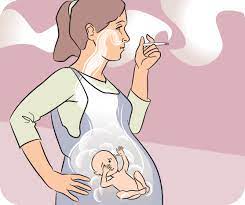
 Cigarette smoking carries a threat both to the expecting mother and her newborn. Approximately, 20% of the women smoke through their pregnancy in the UK (Department of Health, 2012). This trend is associated with numerous adverse effects such as premature births, miscarriages and prenatal mortality. Direct smoking during pregnancy is associated with number of respiratory disorders and pregnancy complications (Free et al. 2011). It is also associated with financial crisis. It is estimated that treating mothers and their children on healthcare complications associated with direct smoking during pregnancy is about £20-£87.5 per annum (Bauld,  Hackshaw, and Ferguson, et al 2012).

Given these damages associated with the tobacco used on the unborn child. This paper conducts an analysis of policy to Prevent Smoking during Pregnancy in England.  Although it is the government responsibility to ensure that child has the best start of life, the government policies have done very little in protecting the children from the dangers of tobacco use pre and post-birth (Chen et al. 2012).

Background/Study rationale

It is estimated that approximately 10 million adults in the UK are smokers. In England, 17% females and 22% males are smokers. Research indicates that the prevalence rates ate highest among the young population between the ages 25 and 34 years and lowest among the elderly population (McEwen et al., 2012). Smoking At Time of Delivery (SATOD) indicates that there is high rates of prenatal smoking in England. Although comparative studies indicates some decline in prenatal smoking proportion (from 15.1% to 12.7% in 2006/7 and 2012/13 respectively), the declining rate is very low (Chen et al. 2012).

 Approximately, 12.7% of the women practice prenatal smoking. The national average highlights big disparities on prenatal smoking across the nation. For instance, in Blackpool, one in four  (27.4%) expectant mothers smoke during pregnancy as compared to 1 in every 100 expectant mothers who smoke during pregnancy (0.5%) in Westminster. The tobacco control plan for England has established national ambition to reduce smoking during pregnancy by 11% by end of 2016 (Department of Health 2011).

Smoking has generally been banned in all public places and even in workplaces since July 1, 2007. The implementation of this rule had followed earlier implementation of similar legislation in Scotland, Northern Ireland, and Wales.  Healthy Lives, healthy people tobacco plan, which was published in March 2011. It aimed at stopping promotion of tobacco use through the regulation of tobacco products.

The English government takes these responsibilities very seriously. The NHS England is expected to collect adequate data about smoking throughout pregnancy using the Carbon monoxide (CO) screening strategies. This is not compulsory requirements, indicating that current data on smoking pregnant women may not be the true picture, and may not be the most effective strategy to evaluate the extent of smoking during pregnancy (Department of Health 2011).

To start with, the government has improved its actions to stop the promotion of tobacco. This has been done through the implementation of tobacco displays and regulation of images and portrayals in the entertainment industry. Other measures include the policy of increasing taxes, introduction of initiatives to help quit and increased regulation of the tobacco products. However, the incidence rates of smoking during pregnancy, and complications associated with it are still rampant in England.

This is attributable to issues such as lack of strong leadership in policy implementation, reduced mass media campaigns, poor role models and champions that people can emulate to discredit smoking as well as enlightening the populations about dangers associated with smoking, and inadequate infrastructures to raise awareness and training on how to prevent increase of smoking incidences during pregnancy (Godfrey et al. 2010). Therefore, what are the government’s effective strategies of tackling prenatal smoking in England?

Want help to write your Essay or Assignments? Click here

Aims and objectives

AIM

 To critique government policy to prevent Smoking during pregnancy in England

Specific Objectives

  1. To examine the increase in prevalence rate of smoking during pregnancy
  2. To examine government plan to reduce incidence rates of smoking during pregnancy
  3. To examine the effectiveness of the government policy i.e. is there need for review?

 Literature search strategy

The key questions that were used during literature search were structured from the study objectives. This included;

  1. Why is there an increase in prevalence rate of smoking during pregnancy?
  2.  What is government plan or initiatives to reduce incidence rates of smoking during pregnancy?
  3.  Are the established government plans effective? 

The main focus of the literature review was  articles that gave definitive information from the controlled trials, randomized experiments, systematic reviews and any other article that had additional information on research topics.  The inclusion criteria included papers published not more than six years ago, written in English and peer reviewed articles.  Articles written in other languages, Newsletters and articles published more than six years ago were excluded.

The aim of this research was to investigate the impact of government policy on smoking during pregnancy. This aimed at evaluating the government plan to reduce incidence rates of smoking during pregnancy, and to establish if these interventions are effectiveness or there is need for review.

The standard search strategies were applied, which involved querying of the main data bases namely, London Metropolitan University Library MetCat, British Medical Journals, Library Catalogue, Wiley online library, Science Direct, Worldcat.Org, Sage journals online, NHS.Gov, NICE guideline, Parliament UK,  and Local Government Website-Census.   The querying was done using the key words below,

Key Words

 ‘stop smoking’ OR ‘Tobacco control’ OR  AND‘government policy’ OR ‘Pregnant women’ OR
‘Smoking education’  OR ‘Quit smoking’AND  ‘Government strategies’ OR ‘Policy review’

The potentially relevant articles in identified in these databases were those written in English, published less than six years ago and strictly are peer reviewed journals. However, some articles published earlier were included into the study, to build up on the study history to current trends. (Chen et al. 2012).

From the analysis, 218 articles relating to smoking during pregnancy met the inclusion criteria. Three quarters of them were highlighting on the negative health consequences associated with prenatal smoking, only 10% of the articles tackled the issue of English policy on tobacco use. Out of these 21 articles, eight articles were analysed as indicated in Table 1.1

 Ethics and anti-oppressive practice consideration

This paper will deal with ethical concerns that affect indirectly and directly the well-being of the human beings. The issue of maternal autonomy is very important. Irrespective of child’s interest, pregnant women have the right to make their own decision. This is because forcing decisions to pregnant women are ineffective strategies, and are both unconstitutional and unethical in deontological perspectives. If other members of the society have the freedom to   smoke and to drink alcohol; the rights must not disappear with pregnancy (Free et al. 2011).

According to the utilitarian theory, moral imperative must take precedence over the freedom of choice. This is because the pregnant women are carrying another life, whose rights must remain reserved. Despite the increased foes in the newspaper, researchers are obliged under international laws to conduct research in a way that protects and promotes human health, including prenatal and maternal health. All ethical regulations that protect and uphold individuality, the aspects of autonomy and protection of human rights as proposed by the government and other institutions that promote ethics will be observed (Fleming et al. 2012).

Project outline

The proposed proposal consists of four chapters. These chapters help critiquing the England policy on prenatal smoking. Chapter 2 is the literature review, which consist of thematic headings including the overview of prenatal smoking in the UK, the prevalence rates of prenatal smoking in the UK, factors associated with prenatal smoking, impact of smoking to the mother and unborn child and the socio-physiological impact of prenatal smoking. This helps in understanding the general attitudes to smoking during pregnancy, and the identification of the key legislations that help reduce and prevent smoking during pregnancy.

 Chapter 3 explores the theory and practice. This reflects on the government policy initiative- Smoke free legislation: The Health Act 2006. A critical analysis of the policy impact was done. To understand the policy impact better, the agency link identified is Action on Smoking and Health (ASH).  This agency link is chosen because it is mainly concerned with the impact of prenatal smoking on children health, their parents and relatives. 

The programme intervention identified was Framework Convention on Tobacco Control. This programme changes, strengths and weaknesses are analysed (Mackenbach, 2011). The ethical tensions and dilemmas associated with the programme are also described. Chapter 4 is the last chapter and generally consists of study conclusions, reflections, and study recommendations.

References

Bauld, L., Hackshaw,,L., and Ferguson, J. et al (2012). Implementation of routine biochemical validation and an ‘opt out’ referral pathway for smoking cessation in pregnancy, 2012, Addiction, 107 Supplement 2: 53-60

Chen, y.-F., et al., (2012). Effectiveness and cost-effectiveness of computer and other electronic aids for smoking cessation: a systematic review and network meta-analysis. Health technology Assessment, 16(38).50.

Department of Health (2011). Healthy lives, healthy people: a tobacco control plan for England, London, Department of Health, 2011.

Free, C., et al., (2011). Smoking cessation support delivered via mobile phone text messaging (txt2stop): a single blind, randomized trial, Lancet, 378(9785): 49-55

Godfrey C. et al. (2010). Estimating the costs to the NHS of smoking in pregnancy for pregnant women and infants, 2010. York: Department of Health Sciences, The University of York. Cited in NICE, Guidance aims to protect thousands of unborn babies and small children from tobacco harm’. Available from: http://www.nice.org.uk/

Mackenbach, J. (2011). What would happen to health inequalities if smoking were eliminated?. BMJ, 342(jun28 1), pp.d3460-d3460.

McEwen. A. et al (2012). Evaluation of a programme to increase referrals to stop-smoking services using Children’s Centres and smoke-free families schemes,. Addiction, 2012, 107: 8–17.

Want help to write your Essay or Assignments? Click here

Health care Priority Policy Essay Paper

priority policy
priority policy

Want help to write your Essay or Assignments? Click here

Health care Priority Policy

The health care priority policy that I feel is the most important among the six is that of ensuring that each person and family takes part as partners of their delivery. This priority policy perceives individuals using health services as equal partners when it comes to planning, implementation, and development of care.

It is not just about providing patients with whatever they want but it is tailored towards meeting the patients’ desires, family situations, values, lifestyle, and social solutions. Through this priority policy, the physicians are expected to be compassionate and think about the patient’s point of view. It is exercised through sharing important clinical decisions with patients and their families as well as helping them in managing their health.

Saleh et al., (2014) report that in the past patients were required to fit with the practices and routines that health care providers felt were most appropriate. However, through prioritization of patients and their families in care delivery services become more flexible and meet the patient’s needs.  The practitioners work with patients and families to determine the most effective way of providing care. A one-on-one basis is put into play whereby patients and their families are allowed to engage make important decisions regarding their health.

Want help to write your Essay or Assignments? Click here

I believe that with the increasing demand for health services with limited resources, prioritization of patients and their families can be the best solution of improving patients’ health and minimize the burden of health care services. It is this fact that has led to implementation of health care policies that drift away from paternalistic model where practitioners ‘do things to’ patients. Moreover, the priority policy can encourage patients to lead a healthier lifestyle through eating a balanced diet or exercising since they have been educated about risk factors and etiology of chronic diseases.

This priority policy can also be used in prisons whereby lawyers engage in-mates and their families in court cases and obtain feedback from the in-mates about their desires and how they would like the court process to progress.

Reference

Saleh, S. S., Alameddine, M. S., & Natafgi, N. M. (2014). Beyond accreditation: a multi-track quality-enhancing strategy for primary health care in low-and middle-income countries. International Journal of Health Services, 44(2), 355-372.

Want help to write your Essay or Assignments? Click here

Change Model in Healthcare Management

Change Model
Change Model

Change Model in Healthcare Management

Benefits

In the stages of change model, there are a series of cycles that include, precontemplation, contemplation, preparation, action and maintenance. Within each and every function, there are tasks and responsibilities (Ernecoff, Keane, & Albert, 2016).These functions are considered as interrelated and continuous. The healthcare manager therefore needs to consider individuals may change their behaviors and actions in the shorted time may be challenging. This requires an allowance for individuals to work through the various stages.

In this case, the healthcare administrators may use the Stages of Change model in the development of procedures that support the patients and subordinates in behavioral modification (Gantiva, et al., 2015). This helps in initiating motivators that gives the patient’s ability to pass through recovery stages while modifying their behaviors. Healthcare administrators may therefore effectively use this theory in developing interventions that may impact the behaviors of individuals.

Want help to write your Essay or Assignments? Click here

Lessons

This approach aids in understanding the aspects of customary counseling that may not be effective in meeting the needs of these individuals (Koyun, & Eroğlu, 2016). Understanding the stages of behavior change, aids in the development of interventions that help employees to change their behaviors. Employers can use this approach to help employees identify and modify their actions that may negatively impact their productivity in employment.

Employers can also understand and enable the employees undergo the processes and stages of change. With this knowledge, the employers can encourage positive actions and practices that would maintain the behaviors of their employees. The Stages of Change model is a tool that can be incorporated by Human Resource managers in reinforcing positive behavior among unruly staff members within an organization.

References

Ernecoff, N. C., Keane, C. R., & Albert, S. M. (2016). Health behavior change in advance care planning: an agent-based model. BMC Public Health, 161-9. doi:10.1186/s12889-016-2872-9. Retrived From: http://search.ebscohost.com/login.aspx?direct=true&db=aph&AN=113448419&site=ehost-live

Gantiva, C., Ballén, Y., Casas, M., Camacho, K., Guerra, P., & Vila, J. (2015). Influence of motivation to quit smoking on the startle reflex: differences between smokers in different stages of change. Motivation & Emotion, 39(2), 293-298. doi:10.1007/s11031-014-9449-7. Retrived From: http://search.ebscohost.com/login.aspx?direct=true&db=aph&AN=101471616&site=ehost-live

Koyun, A., & Eroğlu, K. (2016). The effect of transtheoretical model-based individual counseling, training, and a 6-month follow-up on smoking cessation in adult women: a randomized controlled trial. Turkish Journal of Medical Sciences, 46(1), 105-111. doi:10.3906/sag-1407-100. Retrieved From; http://search.ebscohost.com/login.aspx?direct=true&db=aph&AN=112148167&site=ehost-live

Want help to write your Essay or Assignments? Click here

Healthcare Quality Management

Healthcare Quality Management

Want help to write your Essay or Assignments? Click here

Healthcare Quality Management

Mcleod Medical Centre is an acute centre hospital located in Florida. The hospital is ranked higher among the others which provide acute care. The hospital provides emergency treatment, receives its tests electronically, can track the patient’s progress electronically and provides both outpatient and inpatient services (“Medicare Hospital Comparison”, 2016). As shown above, the hospital has invested in both resources and professionals. The ratio of nurses to patients is high meaning that more patients can receive more attention.

Additionally, the hospital has an internal quality control system the monitors the quality levels of different practices. Examples of some of the practices monitored include the wait time and response level of the medical practitioners (“Medicare Hospital Comparison”, 2016).  The second hospital should introduce a quality management section that will introduce standards for different practices. Additionally, it should invest more in resources and medical professionals to reduce the nurse to patient ratio.

Want help to write your Essay or Assignments? Click here

The value of services in the different hospitals can be increased by focusing on both medical and non-medical aspects of quality (Hibbard & Greene, 2013). Access to medical care and physicians should be increased in the different hospitals. Additionally, the waiting time should be reduced to minimal levels. Responses should be collected from different patients on the effects of waiting times. 

Additionally, the hospital should invest in providing patients with enough information regarding different conditions (Taylor et al., 2014). Well, trained counsellors will be used to create a link between the hospital and the patients. Check-in and check-out procedures should also be friendly to patients (Aiken et al., 2013).  The hospital should also provide ancillary services to all patients (Dixon-Woods, McNicol & Martin, 2012). Medical aspects include having trained professionals, use of modern equipment and new technologies as well as proper medications and instruments.

References

Aiken, L. H., Sermeus, W., Van den Heede, K., Sloane, D. M., Busse, R., McKee, M., … &          Tishelman, C. (2012). Patient safety, satisfaction, and quality of hospital care: cross     sectional surveys of nurses and patients in 12 countries in Europe and the United States. BMJ, 344, e1717.

Dixon-Woods, M., McNicol, S., & Martin, G. (2012). Ten challenges in improving quality in healthcare: lessons from the Health Foundation’s programme evaluations and relevant  literature. BMJ quality & safety, bmjqs-2011.

Hibbard, J. H., & Greene, J. (2013). What the evidence shows about patient activation: better health outcomes and care experiences; fewer data on costs. Health Affairs, 32(2), 207       214.

Medicare Hospital Comparison. (2016). Medicare.gov. Retrieved 9 June 2016, from https://www.medicare.gov/hospitalcompare/compare.html#cmprTab=6&cmprID42005%2C420057%2C420010&cmprDist=0.0%2C11.6%2C26.9&dist=50&loc FLORENCE%2C%20SC&lat=34.1954331&lng=-79.7625625\

Taylor, M. J., McNicholas, C., Nicolay, C., Darzi, A., Bell, D., & Reed, J. E. (2014). Systematic review of the application of the plan–do–study–act method to improve quality inhealthcare. BMJ quality & safety, 23(4), 290-298.

Want help to write your Essay or Assignments? Click here

Cholera Outbreak Research Paper

Cholera Outbreak
Cholera Outbreak

Want help to write your Essay or Assignments? Click here

Cholera Outbreak

Introduction

Cholera is a diarrheic condition that is caused by bacteria known as Vibrio cholerae. The bacterium is an enterotoxin that affects the ileum. Patients with this disease present with a sudden onset of rapid watery stool that is painless (Sekar, 2012). Early stages of cholera are manifested by rapid vomiting and nausea. When cholera is not treated, it can results into hypoglycemia in children, circulatory collapse, dehydration, renal failure and acidosis.

The infection is transmitted by asymptomatic carriers. Cholera is mostly asymptomatic or occasionally causes moderate diarrhea particularly with EI T micro-organisms or biotype. Death occurs within a few hours in severely dehydrated cases where by the rate of case-fatality may go beyond the 50% mark. However, timely and effective rehydration reduces the death rate to 1%.

Background                                                                                

A cholera outbreak was first detected in The Central African Republic (CAR) in the early months of 1997 and hit the country for the second time in 1999.

The affected regions within the country included the sub-prefecture of Ngaoundaye. This is located along river Oubangui which is located near the border with Chad(Dworkin, 2010).  Sékia moté village had the very first few reported cases and within a short period, the outbreak had spread to the prefecture of Lobaye and its environs and to the city of Bangui.  Ombella Mpoko district and seven other villages where the Oubangui River passed later became part of the tragedy.

The outbreak was primarily discovered after the chief’s son of Sékia mote village became sick and passed away after showing signs of profuse diarrhea, abdominal pains and fever. The chief of Sékia mote village reported the case to the district’s governor on the very same day it occurred, who then alerted the Ministry of Health immediately later that day.

Both private and public health facilities in the Central African Republic (CAR) recorded extraordinary cases of watery diarrhea from Sékia moté village and several other villages to the Ministry of Health (Kamradt, 2015).

On the 25th of September 2011, a stool sample was obtained from a patient that had been transferred and got admitted at the community clinic in Bangui by two of the laboratory technicians from the Central African Field Epidemiology and Laboratory training Program (CAFELTP)(Nair, 2014).

After three days of thorough testing, the National Laboratory in Bangui (NLB) isolated Vibrio cholera sero group 131 from the earlier submitted specimen of stool with the help of a laboratory expert, from the NCIRD/GID.

This fostered the drive of Global Immunization Division, Immunization Systems, and Centers for Disease Control and prevention (CDC) since they were certainly convinced that the disease was cholera. On September 30th, cholera outbreak was declared officially in CAR. Rapid response team was put in place by the Minister of Health (MOH). The team comprised of CAFELTP residents, WHO, MSF staff, UNICEF, MOH staff, and others. The team established a series of control and preventative guidelines that would curb the spread of the outbreak.

The first measure entailed enhancing treatment capacity and cholera surveillance at the already existing health facilities. Secondly, the city of Bangui and affected villages had to have cholera treatment facilities. Thirdly, endorsing practices such as improved sanitation, proper food preparation, proper funerals and burial. The fourth measure was on affected people were to be advised on usage of oral rehydration solution and encouraged to seek medical attention at the onset of watery diarrhea. Finally, there were to be provision of chlorine for treatment of drinking water.

The rapid response team had a report of the case as by October 23rd. The record indicated that there were a total of 172 individuals who were suffering from acute watery diarrhea and also recorded 16 cholera deaths. This study was carried out with the goal of identifying risk factors associated with cholera outbreak. Moreover it also focused on assessing how prepared the affected districts were in controlling the outbreak.

Cholera Investigation

Environmental investigation

Many households were constructed along river Oubangui. The distance between the river and these households was approximately 20 meters. Generally, there was poor hygiene in the village characterized by mud and stagnant water (Kurjak, 2015). The children in the village were playing and walking bare feet in the mud and at times not fully dressed. Villagers were commonly using pit latrines whose maintenance was poor. Oubangui river was has many uses which include a source of drinking water, fishing, swimming and defecation.

Epidemiological investigation

The Ministry of Health requested CAFELTP resident advisors to assist in investigation and control of cholera outbreak in Central Africa Republic. The CAFELTP officials formed a rapid response team that worked in the affected areas. The team members were assigned different duties. For instance, one of the epidemiological officials was charged with the responsibility of reporting and collecting data on cholera outbreak where as two other lab technicians had the responsibility of collecting and analyzing samples.

Moreover, the advisors of these officials arrived in Bangui after two weeks. Upon arrival, they were taken through the events in Bangui by the CAFELTP staff and the officials from the MOH on the matter at hand and evolution of cholera. A data collection instruments and a protocol were developed by the residents and RAs. The main risk factors were highlighted as follows, lack of infrastructure for sanitation, drinking untreated water, and attending a cholera case funeral. Cholera Treatment Facility in Mbobo and Bangui district held arena for questionnaires pre-testing. In-country procedures such as mission orders, submission of terms of reference were followed before going to the field.

Coincidentally, during the outbreak investigation several campaigns on cholera awareness were underway in different areas of the country. The awareness involved sessions of community education and use of mobile Information Education Communication (IEC) resources presented on posters, TV, radio, cars, and mobile phones prevention messages.

Confirmation of the outbreak

The term outbreak is simply defined as a sudden increase or start of disease of fighting. It can also be defined as a sudden increase in numbers of a harmful organisms particularly the insects within a specific area. A disease outbreak is the occurrence of diseases in excess beyond the normal expectations in a specific geographical area, season or community.

An outbreak may emerge in a restricted geographical area or even spread to several countries. Its duration may be a few days, weeks or several years(Sekar, 2012). Definition of an outbreak enables those responsible for managing an outbreak occurrence to report the condition in its early stages to the responsible authorities.

The director of disease control conducted training sessions on cholera management in the hospitals as well as the community. The training was done to the health personnel in the affected districts.  Weekly review notification records under joint custodian of the (WHO) and MOH, found 172 individuals diagnosed with suspected cholera. In the CAR from September 20th to October 26th, national case fatality rate was 9.3%.

Data on the number of individuals infected with cholera was sourced from the WHO Bangui office, cholera treatment centers and health centers in the affected areas. Medecins Sans Frontiers (MSF) were responsible for collection of the data on infected individuals. These information was used by the investigators in performing a comprehensive analysis of cholera outbreak.

Assessment on the level of epidemic readiness and response was carried out in each district using a checklist. General hygiene in the affected areas termed environmental investigation was also assessed. Stool and water samples were taken to the lab to be examined for Vibrio cholerae.

Want help to write your Essay or Assignments? Click here

Epidemic preparedness and response (surveillance)

None of the visited districts had either an epidemic readiness plan or a committee in place prior to the outbreak. There was provision of IV fluids and protective materials after the event of the outbreak. Some of the health centers such as Kamba had a radio system that was functional for communication, the health centers in Ngazi and Mogo had no means of communication. Unfortunately they had to travel for about 35 Km by bicycle or foot to the health facility (Shah, 2016).

Epidemic management funds were not available in the country before the occurrence of the outbreak. However, there were disinfectants in the entire health district that was visited. Chlorine used for water treatment was distributed by ministry of health to the two villages. Centers for chlorine treatment were planted at Bangui hospital, Ngazi and Mbombo health facilities. At the time of visit, these centers were functional although each had at least one cholera patient.

One personnel in Ngazi and Mongo village managed the public health surveillance system. The system was exempted prior to the occurrence of the epidemic.

Case definition

Case definition entails a standard criterion that categorizes an individual as a case. It includes criteria for person, time, clinical features and place. The criteria should be specific to the outbreak under investigation (Madoraba, 2010).

Place

Most houses were constructed along the Oubangui River. The distance between the river and the houses was less than 20 meters. There was generally poor hygiene in the village (Dale 2013). Mud and stagnant water were everywhere. Children played and walked in the mud bare feet and at times not fully dressed. There was common use of pit latrines; however, the latrines were poorly maintained. The Oubangui River served as a source of drinking water and swimming, fishing and defecation.

Person

Diarrhea: Diarrhea as a result of cholera usually has a milky, pale appearance that resembles water that has been used to rinse rice, hence the name rice-water stool.

Dehydration: dehydration develops within hours after the commencement of the symptoms of cholera. The ranges of dehydration vary from mild to severe depending on the amount of fluid lost. Severe dehydration is characterized by a loss of 10% or more of total body weight.

Nausea and vomiting: occurs during the early phase of cholera. Sometime vomiting may occur for hours.

Other signs and symptoms of cholera include lethargy, irritability, dry mouth, and sunken eyes, dry skin that bounces back slowly after it has been pinched into a fold, extreme thirst, little urine output, irregular heartbeat (arrhythmia) and low blood pressure

The people of Bangui expressed symptoms that are consistent with the case definition of cholera outbreak. The environment in Bangui also had conditions that are likely to predispose people to developing cholera

Cases

Cases are categorized into three types; confirmed, possible and probable cases. Confirmed cases are the laboratory confirmed cases such as the cholera victims who had their stool tested for Vibrio cholerae. However probable cases have characteristics clinical features of the disease but they lack laboratory confirmations (Ramamurthy, 2011). For example, there were residents of Mbaika district who had bloody diarrhea but without laboratory testing. Finally, possible cases are those with some clinical features such as abdominal cramps and diarrhea such as three stools in a 24-hour period.

Cholera is a point source epidemic. It arises due to common sources such as contaminated food or an infected food handler. The period for incubation ranges from a few hours to 5 days after infection. Suspected cholera case was defined as any individual of any age that presented with acute watery diarrhea. The most affected individuals were the women living in villages along Bangui River.

Hypothesis

The cholera outbreak in Mbaika district, Central Africa Republic where 170 patients and 16 cholera deaths reported, were related with risk factors that were food borne.  There is a substantive association between cholera and eating cold cassava leaves. Epidemiological studies from Zambia indicated that the major transmission vehicle of cholera outbreak is contaminated food.

Vibrio cholerae could be inoculated into cooked food during preparation by an asymptomatic but infected person (Howard, 2011). However, the cause of contamination of cassava leaves may vary and the study did not determine its course. This hypothesis is true because earlier studies indicate that soiled kitchen ware can contaminate food and the Vibrio cholerae live for up to 2 days.

Discussion

Cholera outbreak caused many deaths in the region. The death rate rose up to 24.2% in Matuu which is higher than the countrywide rate of 9%. MOH in collaboration with various partners assisted in the management of cholera. The investigation produced important results. The outbreak of cholera in Kamba district, Central African Republic where by more than 170 cases and 16 deaths reported, was as a result of risk factors that were food borne.

The case control investigation associated cholera with consumption cold leaves of cassava. Epidemiological study from Zambia indicated that during an outbreak, the major transmission vehicle of cholera is contaminated food. When food is prepared, Vibrio cholerae could be inoculated by asymptomatic but affected person. The source of contamination varies in cassava leaves. The study did not determine its course. According to previous studies, soiled kitchen ware can contaminate food where the Vibrio cholerae persists for 1-2 days.

There was lack of association between the outbreak and water-related risk factors. Cholera transmission through direct waterborne ways was not very evident in these areas. Other previous investigations have reported that drinking water sold in the streets was responsible for the outbreak of cholera in Latin America.

The study ruled out the link between cholera and drinking contaminated water, poor sanitation and attending burials that are cholera related in the district. Households in the two villages are built along the river which makes the area vulnerable especially during floods. Consumption of untreated water from Oubangui River was not proven risky but it should be avoided.

Delay in the analysis of stool samples should be discouraged. It leads to delayed confirmation of an outbreak as well as delayed implementation measures. According to this case, the delay occurred because the outbreak emanated outside Bangui. On the other hand, Bangui National Laboratory (NLB) did not have a means of transport for collecting stool samples from outside Bangui. It is very vital to have all the appropriate resources during an outbreak. Availability of epidemic readiness plan and a committee present in a district results in effective and timely management of the outbreak.  Public health surveillance system management by only one individual in the entire district may not be effective in handling all the threats in public health.

 Conclusion

The outbreaks of cholera in Central Africa are still ongoing but in a slow rate compared to the past three week. Considerable association between cholera and eating cold cassava leaves was identified. First and seventh regions were the only ones affected by the outbreak (Lewenson, 2013). Women and children living along the Oubangui River were the most affected by the outbreak. Lack of transport of samples to the National Laboratory delayed outbreak confirmation. Effective measures in cholera treatment there were to be implemented include; establishment of cholera treatment center, treatment of drinking water, health education on good food and general hygiene.

Lessons learnt

  • The study provided epidemiological information that leads to cholera. They include consuming untreated water, poor sanitation and attending cholera areas.
  • The major transmission vehicle of cholera is contaminated food.
  • Consumption of water sold in the street can also result into cholera outbreak.
  • Lack of laboratory materials transport and communication causes delay in analysis of an outbreak
  • There is need for a stand by epidemic readiness plan and committee in the district that ensures well-timed management of the outbreak.

Recommendations

  • Health education and social sensitization on habits of eating, community hygiene and personal, sanitation and burial practice.
  • System for public health surveillance should be strengthened by the administration.
  • Encouragement of eating food when still hot.
  • Each region should be supported in development of a functional epidemic readiness plan and response committee and a definite epidemic readiness control plan as soon as possible.
  • Ministry of health in conjunction with that of water should ensure that the communities have access to clean water.
  • Laboratories should have basic resources to avoid delaying in laboratory confirmations.
  • The surveillance system should be able to identify outbreaks and report in time.

Bibliography

SEKAR, R., & MYTHREYEE, M. (2012). Microbiological Investigation of Diarrheal Outbreak in South India Cholera Outbreak – Microbiological Investigation. Saarbrücken, LAP LAMBERT Academic Publishing. http://nbn-resolving.de/urn:nbn:de:101:1-20121026248.

NAIR, G. B., & TAKEDA, Y. (2014). Cholera outbreaks. http://public.eblib.com/choice/publicfullrecord.aspx?p=1783335.  

DWORKIN, M. S. (2010). Outbreak investigations around the world: case studies in infectious disease field epidemiology. Sudbury, Mass, Jones and Bartlett Publishers.

TRUGLIO-LONDRIGAN, M., & LEWENSON, S. (2013). Public health nursing: practicing population-based care. Burlington, Mass, Jones & Bartlett Learning.

KURJAK, ASIM. (2015). Textbook of Perinatal Medicine. Jaypee Brothers Medical Pub.

CARNEIRO, I., & HOWARD, N. (2011). Introduction to epidemiology. Maidenhead, Berkshire, Open University Press. http://public.eblib.com/choice/publicfullrecord.aspx?p=863803.

DALE, J. (2013). Understanding microbes: an introduction to a small world. http://catalogimages.wiley.com/images/db/jimages/9781119978800.jpg.  

SHAH, S. (2016). Pandemic: tracking contagions, from cholera to ebola and beyond.

MADOROBA, E. (2010). Cholera: current African perspectives. New York, Nova Science Publishers.

RAMAMURTHY, T., & BHATTACHARYA, S. K. (2011). Epidemiological and molecular aspects on cholera. New York, Springer.

KAMRADT-SCOTT, A. (2015). Managing global health security: the World Health Organization and disease outbreak control.

Want help to write your Essay or Assignments? Click here

SOAP Note for a Patient with; Ectopic Pregnancy

Ectopic Pregnancy
Ectopic Pregnancy

Want help to write your Essay or Assignments? Click here

SOAP Note for a Patient with; Ectopic Pregnancy

Subjective

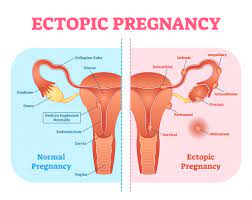
A 30-year-old female, gravid 1, para1+0.The patient complained of abdominal pain in the right adnexal area which was generalized. She complained of dizziness, light headedness, and syncope. She experienced abnormal uterine bleeding for three days. She had not undergone and gynecological operation and had been on folic and iron supplements. Her menarche was at the age of 14years. Her menses were regular and used to last for 5days and occurred every 28days.The patient had used hormonal implant for three years and had been removed three months ago. She had not received her menses for two months. She was sexually active and had post-coital bleeding. She used to take alcohol on a regular basis.

Objective

The patient was sick looking and was groaning in pain.On palpation, there was generalised abdominal tenderness, and unilateral adnexal mass was present on the right hypochondria. Her vital signs were; Temperature -36.7degrees Celsius, blood pressure-98/56 mm/Hg, pulse-50beats/min. On bimanual examination, there was cervical motion tenderness. Her Serum HCG levels were 4500 IU/l; a trans-vaginal Ultrasound revealed a tubal mass in absence of intrauterine gestational sac.

Assessment

  • Ectopic pregnancy which leads to acute abdominal pain and bleeding (Marion & Meeks, 2012).
  • Ovarian torsion resulting in localized lower abdominal pain radiating to the back or thigh  and nausea and vomiting

A  Urinary tract infection leading to lower abdominal pain and dysuria and increased micturition

  • Appendicitis presenting with guarding abdominal pain and nausea and vomiting. Diagnosis of ectopic pregnancy was made due to the acute abdominal pain, associated bleeding, and increased βhCG levels

Plan

The overall goal of management was to preserve the life of the mother, and this was managed through termination of pregnancy and reconstruction of the implantation site. The patient was given a bed rest ensure that she had reduced activity (Marion & Meeks, 2012). The patient was cannulated and started on intravenous fluids to restore the fluid volume deficit. Blood samples for the laboratory were obtained. Relaxation techniques were used to relieve pain.

Want help to write your Essay or Assignments? Click here

Medical management

The patient was put on intramuscular methotrexate. Methotrexate is a folic acid antagonist which deters cell division. The products of conception degenerates and detaches from the uterus leading to death (Epee-Bekima & Overton, 2013). Viability of the cytotrobhoblast is prevented together with β-hCG secretion (Wright, Busbridge & Gard, 2013).

Surgical management

Laparoscopic salpingectomy was considered to be the primary treatment of the ectopic pregnancy. Salpingectomy was conducted so as to repair the ruptured fallopian tube (Marion & Meeks, 2012).

Alternative management

Expectant management, the ectopic pregnancy could be waited to resolve on its own. However, this would be followed by β-hCG measurement and trans-vaginal ultrasound to confirm whether the disorder has resolved (Epee-Bekima & Overton, 2013).

Follow-up

The patient was advised to visit the clinic after 3-4 weeks for b-hCG measurement and ultrasonography. The patient was also advised on early pregnancy clinic visits.

Reflection notes

Patient involvement: I would carefully advise my patient of the advantage associated with any of the treatment approaches and ensure she fully participates in the selection of the mode of therapy. The use of laparoscopy could be used so as to come up with the diagnosis so as to minimize use of Surgery is the primary form of treatment. In addition to that, a less surgical procedure such as laparoscopic approach would have been used since it is associated with minimal intra-operative blood loss and hospital stay.

References

Epee-Bekima, M., & Overton, C. (2013). Diagnosis and treatment of ectopic pregnancy. The Practitioner, 257(1759), 15-18.

Marion, L. L., & Meeks, G. R. (2012). Ectopic pregnancy: history, incidence, epidemiology, and risk factors. Clinical obstetrics and gynecology, 55(2), 376-386.

Mergenthal, M. C., Senapati, S., Zee, J., Allen-Taylor, L., Whittaker, P. G., Takacs, P., … & Barnhart, K. T. (2016). Medical management of ectopic pregnancy with single-dose and 2-dose methotrexate protocols human chorionic gonadotropin trends and patient outcomes. American Journal of Obstetrics and Gynecology.

Practice Committee of the American Society for Reproductive Medicine. (2013). Medical treatment of ectopic pregnancy: a committee opinion. Fertility and Sterility, 100(3), 638-644.

Wright, S. D., Busbridge, R. C., & Gard, G. B. (2013). A conservative and fertility-preserving treatment for interstitial ectopic pregnancy. Australian and New Zealand Journal of Obstetrics and Gynaecology, 53(2), 211-213.

Want help to write your Essay or Assignments? Click here

Mayo Clinic’s Utilization Management Program

Utilization Management Program

Want help to write your Essay or Assignments? Click here

An Overview of Mayo Clinic’s Facility Utilization Management Program

Mayo clinic is a sophisticated health care organization, which runs a variety of health care facilities, medical schools, and health science schools in the United States (Kashyap et al, 2016). This organization has developed an elaborate healthcare facility management program, which is aimed at enhancing the functionality of its facilities and personnel by integrating the most qualified health specialists and staff with a well-designed and equipped environment. Mayo clinic provides health care services to millions of patients from within the country and outside at a reduced cost (Miller et al., 2014).

The health care provider has facilities that are located in some of the following areas; Rochester, Jacksonville, Minnesota, Phoenix, Arizona, Scottsdale and Florida. In fact, its clinical campuses in Rochester are regarded as the world’s most integrated clinical facilities (Kashyap et al, 2016). In Mayo clinic, facility utilization and management program is based on empirical and evidence based strategies, which are aimed at providing the clinicians and other health care service providers with a conducive work environment, and the clients with high quality services, depending on urgency, and in the most appropriate and efficient manner (Kashyap et al, 2016).

Facility utilization management is also regarded as a venture that assists the management to reduce the overall costs of running the facility. It is therefore implemented in a prospective, concurrent, and retrospective approach (Kashyap et al, 2016). The health care provider has also developed the ‘at-risk care delivery program’, which is meant to increase the effectiveness of health care provision to its clients, as well as an enabling environment for the physicians and other staff members.

For instance, the at-risk care delivery program is designed to provide clients with; a well-planned discharge schedule for inpatients; provision of services with minimum variation for all clients; and a continuum of high quality care services to both inpatients and outpatients in the clinic, and all these being designed to result in minimization of any unnecessary care that could be provided to patients, and as such, an overall reduction of costs incurred in service delivery to patients is achieved (Kashyap et al, 2016).

Critique of the Facility’s Utilization Program In Light Of the Standard Utilization Management Programs

Facility Utilization Management (FUM) in this organization is evident in the systems and procedures that it has adopted as an effort to achieve health care savings. In particular, FUM is achieved through effective management of patients’ care as well as minimizing unnecessary care that is given to the patients (Kashyap et al, 2016). Physicians and other medical staff in Mayo clinic have been sensitized to the need to adhere to FUM guidelines as health service providers, as an effort to increase the accountability of medical service provision to patients who are regarded as payers in the system.

As such, they are required to provide health care services in accordance with the patient’s needs and the medical necessity that arises from the need, which in this case should be provided to the patient in the most efficient and appropriate manner at all times (Massimino et al., 2015). To achieve this, Mayo clinic has adopted the necessary technology to oversee efficient and economical service provision to patients including hospital admission programs, length of stay management, and precertification programs (Julianna et al., 2013).

All these programs are designed to provide patients with services in the most economical manner, where costs are aligned with the type of service provided. These programs have been adopted in all areas within Mayo clinic’s health facilities including medical, substance abuse, laboratory, and surgical sectors.

FUM within Mayo clinic is performed retrospectively and concurrently as deemed necessary. The specific objectives include maintaining the average number of patients who receive services, but at a reduced cost; establishing a DRG-guided inpatient health care facility; and to effect free for service outpatient services as a containment strategy to cut down on costs (Kashyap et al, 2016).

In its prospective review programs, Mayo clinic evaluates patients’ perceived medical or care need before admission, and assesses its appropriateness in terms of the proposed service requirement against any available medical information about the patient’s condition. This is followed by conducting an extensive consultation to determine the necessity for the required services or procedure (Julianna et al., 2013). If positive outcomes are obtained, then the patient is admitted for services or provided with outpatient services, if negative, alternative treatment options are discussed with the patient (Kashyap et al, 2016).

The prospective review program may be seen as a cost effective measure since it prevents the patient from being given unnecessary treatment services, and the health facility from incurring costs from the services provided, medicine and consultancy fees for physicians. The likely disadvantage in the program is that prospective reviews are bound to take lots of time if they are to be effective and meaningful (Massimino et al., 2015). In addition, the type of review may not be effective in cases where patients require emergency services, and this is because unnecessary costs would still be incurred during the diagnosis.

In its retrospective review programs, Mayo clinic conducts a detailed analysis of the duration of stay among other metrics in all its institutions and health facilities, including an analysis of the length of stay at the physician(s) level. Retrospective review is aimed at identifying any gaps in care provision, and whether there exist anomalous utilization patterns in the system (Kashyap et al, 2016). The information provided is used to make updates on clinical guidelines and registries according to care outcomes, after which necessary adjustments are made.

The retrospective review may be seen as an important venture because it helps management to optimize the health service outcomes, and at the same time achieve a reduction in the overall costs of operating the clinics. In addition, gaps in the utilization of medical staff and facilities may also be identified through the review, which would allow the appropriate adjustments to be effected. If effectively done, this would be reflected as reduced operation costs.

Want help to write your Essay or Assignments? Click here

In its concurrent review programs, Mayo clinic emphasizes that its physicians and the medical staff screen patient’s conditions or health service requirements before admission, which is a means of determining the medical necessity of the patient’s need requirements (Kashyap et al, 2016). Information from the screening procedure is also used to determine the appropriateness of the patients’ perceived requirement. As an effective care management program, the screening procedure helps determine the appropriate duration required in giving the patient the required service care, and this information is used to schedule the period of stay from admission to when the patient is discharged.

The concurrent review program may be seen as an effective venture in as far as cost reduction in care provision is concerned. This is so because; information obtained from the screening procedure may be used by physicians to prescribe the correct treatment. Specifically, it allows the nurses and medical staff to provide health care services in an efficient manner while focusing on the anticipated outcomes (Kashyap et al, 2016). In this case, wastage of time and medication is minimized; the clinic is also able to anticipate the appropriate bed days for scheduling.

On the other hand, the clinic is able to cut down on costs incurred through bed stays and admission services, which is because the applicability of the provision of home support services may be evaluated during the screening procedures. In addition, the patients are also able to receive high quality services and the needed attention, since the nurses and physicians would need to monitor the patient’s progress in an effort to adhere to the schedule and discharge plans.

References

Kashyap, R., Farmer, J. C., O’Horo, J. C., & Farmer, C. (Eds.). (2016). Mayo Clinic Critical Care Case Review. Oxford University Press.http://books.google.com/books?hl=en&lr=&id=XxQ9DAAAQBAJ&oi=fnd&pg=PP1&d            q=mayo+clinic++&ots=PwF_auNEbd&sig=Bj5vKP_jdmz1YhiYaEc4U9IBTBI

Massimino, P. M., Joseph, M. L., & Kopelman, R. E. (2015). Hospital Performance and    Customer-, Employee-and Enterprise-Directed Practices: Is the Mayo Clinic Reputation Deserved?. Journal of Management Cases, 28.

Merten, Julianna A., et al. “Utilization of collaborative practice agreements between physicians     and pharmacists as a mechanism to increase capacity to care for hematopoietic stem cell transplant recipients.” Biology of Blood and Marrow Transplantation 19.4 (2013): 509-518.

Miller, R. C., de los Santos, L. E. F., Schild, S. E., & Foote, R. L. (2014). Organizational Culture and Proton Therapy Facility Design at the Mayo Clinic. International Journal of Particle Therapy, 1(3), 671-681.

Want help to write your Essay or Assignments? Click here