Want help to write your Essay or Assignments? Click here
Evaluation Plan
Introduction
An evaluation plan refers to a summary that guides one on what requires being evaluated for effectiveness after the implementation. The evaluation plan effectively identifies the objectives and the manner in which data will be collected and analyzed (Grol et al, 2013). There are several benefits or having the evaluation plan. The plan is essential in giving a roadmap of what when and how to go about with a certain activity.
The plan enhances delivery of the best services and programs leading to the success of a given project. Through the evaluation plan for the project, the assessment practices, and data collection is refined so that the information acquired is helpful in advancing the objectives and mission of the project.
The delivery of quality Medicare to the patient by the nurses and other medical practitioners is an issue of concern in the health sector. The provision of substandard healthcare by the medical practitioners leads to many negative effects that mainly affect the patients who are the main recipient of the Medicare. The issue has prompted me to give a proposal for the project that aims at ensuring the issues is handled and managed in the most efficient manner (Grol et al, 2013).
The enhancement of the patient-centered Medicare in the health care sector is the proposal of the project that would efficiently solve the problem and provide a viable solution. The adherence to the patient-centered Medicare by all health care providers is intended to improve the quality of healthcare by reducing the readmission, long hospitalization duration and also the high mortality rates among the patients in the healthcare centers.
The patient-centered Medicare ensures the healthcare system revolves around the patients. The enhancement of the patient-centered Medicare with strict observance by the heads of all the centers to ensure full adherence impacts the healthcare quality positively to the satisfaction of the patients and their family members.
Want help to write your Essay or Assignments? Click here
Various methods were adopted to assess the effectiveness of the solution proposed depending on the factors of interest. The readmission rates are one issue that would be solved through the implementation of the proposed solution for the poor Medicare provided to the patients. The high rate of uncontrolled infections among the patients and the disorders have contributed to the lengthy hospitalization of the patients due to the poor medical care where the system of healthcare is physician centered (Grol et al,2013).
The readmission and lengthy hospitalization of the patients before the implementation of the project led to the high costs of Medicare. The readmissions are potentially harmful cause the patients to incur high medical costs. The poor quality healthcare before initiating the change indicated the high cases of readmissions within twenty days of discharge with 30% of readmission cases reported in the healthcare centers.
The patient-centered Medicare will enhance the provision of medication on discharge and also lengthen the handoff process. The readmission rates have dropped significantly to 20% which indicates the importance of the solutions. The patterns of admission among the patients have changed for the better. Strict adherence to the patient-centered care enhances the reduction of high costs of health care incurred by patients.
The poor medication is a major factor that leads to the high mortality rates among the patients. The errors in medication and failure to fully involve the patients in their Medicare is a problem that requires quick intervention due to the negative impacts it has in the healthcare sector(Grol et al,2013). The communication barriers and lack of involvement in the treatment decision-making process have affected the delivery of quality care among the patients.
The patients do not get the appropriate information regarding their medication which affects their recovery from their illnesses. There are several cases where the poor medication leads to severe outcomes such as death among patients. The mortality cases are as a result of the medical practitioners failing to adhere to the patient-centered Medicare requirements.
Research indicates that the high mortality rates are attributed to the provision of quality healthcare which is associated with the failure to adhere to the patient-centered Medicare. The reduction of mortality cases by 5% after initiating change and enhancing strict measures to ensure the effectiveness of the solution is an efficient method of assessing the project’s outcomes. The involvement of the patients in the medication process has also raised the satisfaction levels by over 50% after initiating the change.
There are several variables used in the assessment of the effectiveness of the proposed solution and its viability after implementation. The mortality rates among the patients in the healthcare centers are one of the variables used for assessing my project. The rate of deaths is a variable and vital indicator for the type of healthcare quality offered to the patients in the health centers.
The significant reduction in the death rates and the reduced cases of injuries indicates the success of implementing the proposed solution to remedy the challenges in the healthcare sector (Grol et al, 2013). The rates of readmission in the hospitals is a variable of interest while identifying the effectiveness of the solutions. The lower rates of readmissions in the hospitals imply that there is quality Medicare offered by the practitioners.
The variable thus helps in assessing effectiveness as the quality of Medicare is closely related to the patient centered type of Medicare. The patient-centered Medicare is a wide aspect of providing health care to the patients that even shortens their stay and enhances their quick recovery. The positive impact indicated by the low rates of readmission is useful while evaluating the project. The patient satisfaction and their perception regarding the type of Medicare they receive are other variables for evaluation of the project.
The variances in the attitude of the various patients that receive the healthcare before initiating the changes and after is essential in assessing whether the project has had a positive impact. The reduced number of complaints and positive recommendation by the patients and their families gives credit to the project while the low levels of satisfaction indicate poor delivery of quality Medicare (Grol et al, 2013).
The cost of Medicare is a variable of interest during the evaluation of the project and its outcomes. The compliance to the patient-centered Medicare results in delivery of quality healthcare thus lower readmissions rates and consequently lower medication costs and insurance. In this case, the variances in the costs incurred by the patients are good in gauging the effectiveness of the project.
There are various tools used in the education of the project participant and also in evaluating the project outcomes. The questionnaire is an essential tool to be used in evaluating the project outcomes. The questions designed to assess the perception of the patients and their families depending on the type of Medicare and the way practitioners engage them during treatment are effective in the evaluation.
The nurses and healthcare practitioners should also fill the questionnaires related to how the implementation of the project has influenced their delivery of services whether positively or negatively. The surveys involving the collection of data about the different rates used as assessment methods for the project is used in the evaluation of the project. The survey shall be conducted in different hospitals where the changes have been initiated. The health practitioners who are the main participants in the implementation of the project require education to ensure they comply in the most efficient manner (Grol et al, 2013).
The use of seminars and training sessions for the health practitioners is aimed at creating awareness on the importance of patient-centered care. The training and seminars also help in the provision of guidelines on the effective ways to deliver quality services to the patients. The pamphlets are also distributed as teaching materials to educate them on the compliance and adherence to the project requirements to yield positive impacts.
Conclusion
In a nutshell, the enhancement of the patient-centered Medicare in the health care sector is the proposal of the project that would efficiently solve the problem and provide a viable solution. Through the evaluation plan for the project, the assessment practices, and data collection is refined so that the information acquired is helpful in advancing the objectives and mission of the project. Compliance to the patient-centered Medicare leads to a revolutionized health sector with the massive improvement in the delivery of services (Grol et al, 2013).
Want help to write your Essay or Assignments? Click here
CHRONIC BACK PAIN
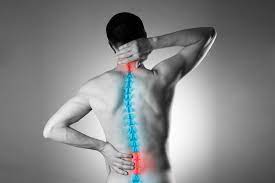
Chronic back pain is identified as a common problem in healthcare which calls for the careful examination to identify the particular type of back pain. These types include back pain due to the spinal cause, due to the nonspinal source, nonspecific low back pain, and spinal stenosis. Evaluation of the patient experiencing chronic pain is necessary so as to commence the appropriate treatment to manage the situation (Buttaro et al, 2013).
The evaluation of chronic of back pain entails the physical and history examination of the patient. There are various factors that I would put into consideration while carrying out the assessment. Differential diagnosis includes evaluation for congenital disease, lumbar strain, the traumatic fracture and presumed instability (Buttaro et al, 2013).The description of how the pain started and also the intensity, duration or pattern of the pain by the patient would help in evaluating the symptoms and sites of pain.
Assessment of the chronic back pain related symptoms such as numbness, weakness, or bladder problems is essential in the evaluation. Previous episodes of back pain and the type of treatment adopted are essential in tracing the history and the experiences of the patient and the effectiveness of the management strategies used.
The working history about the patient is important so as to get a link between the back pain and work. Assessment of the sensory and muscular problems would be performed through a series of movements performed by the patient (Buttaro et al, 2013). The assessment factors would help in the evaluation of the patient who presents with chronic back pain.
Want help to write your Essay or Assignments? Click here
There are various warning signs that indicate that the patient is abusing the drugs prescribed by the healthcare profession. Finishing the prescription earlier than recommended raises a red flag that treatment schedule has not been properly followed (Buttaro et al, 2013). Requesting for specific dosages and medication is an indicator of poor pain management. Borrowing of medication from other people is a warning sign of abusing medication. Using medication prescribed for others or stealing drugs raises a red flag.
Losing the prescription provided as medication for pain management is a warning sign of drug abuse. In cases where the patient rates pain as ten on a numerical scale. Such rates create suspicion of whether the prescription is of help to the patient or is abused so as to get more falsely. Visiting the emergency rooms without the conscience of the doctor so as to get additional medication raises a red flag (Buttaro et al, 2013).
There are several implications that should be considered when giving prescriptions for narcotic pain. Ethical implications arise when the providers prescribe narcotic drugs as per their self-serving reasons or to have some financial gain (Buttaro et al, 2013). The drug-seeking reasons that are illegitimate in nature can lead to an ethical implication when the medication is provided to the patient. The providers have high pressure to prescribe controlled substances such as narcotics. In this case, the providers are faced with the dilemma of whether to serve the patients as per their interests or to do what is indicated as ethically appropriate.
Narcotic dependence and addiction by the patient make it cumbersome for the care provider to prescribe the medication as per clinical standards (Buttaro et al, 2013). Considering the modified treatment strategies e.g. deep tissue massage to manage pain instead using narcotic that pose some problems in making clinical decisions resulting to ethical implications is crucial during treatment (Buttaro et al, 2013). Due to the arising ethical implications, health professionals should advocate the use of narcotics as indicated medically.
Non-adherence to lifestyle change during pregnancy
Want help to write your Essay or Assignments? Click here
Non-adherence to lifestyle change during pregnancy
Adoption of the right and recommended lifestyle changes during the pregnancy period is essential for every woman to ensure thy experience an exciting time with minimal problems. Positive changes in lifestyle behaviors during pregnancy has the massive impact both on the patient and the fetus (Pinto et al, 2015). However, there are cases of non-adherences to the recommended changes which lead to negative consequences.
Some of the symptoms caused by the poor adherence to changes include problems in the flow of blood in the blood vessels which make it difficult for efficient circulation in the placenta slowing the growth of the fetus. The consumption of alcohol can cause the fetal alcohol syndrome leading to effects such as cleft palate and defects of legs and the arms on the fetus (Pinto et al, 2015).
Non-adherence also leads to change in the function and development of organs thus can, later on, result in birth defects. Poor eating habits would result in malnutrition of the patient who shows frequent signs of fatigue and be weak in nature also affecting the fetus. Headaches, pains, constipation, breathing or heart problems are also signs and symptoms experienced due to non-adherence to recommendations during pregnancy (Leppanen et al, 2014).
Want help to write your Essay or Assignments? Click here
Non-adherence leads to negative impacts both the patient and the fetus. Abnormal development and birth defects are one of the major impacts on the fetus. The poor circulation of blood can affect the patient’s blood pressure at the same time hindering the supply of nutrients and oxygen to the fetus affecting growth (Zheng et al, 2016). Contraction of the uterus can also happen to cause injuries on the fetus.
The non-adherence also results in chronic diseases among the patient who might suffer from diabetes or heart problems later (Zheng et al, 2016). Abnormal bleeding by the patient during delivery that can cause anemia is experienced as a negative impact due to poor adherence to the recommended changes during pregnancy.
Public health initiatives are required to handle the issue of non- adherence among the pregnant patients. Such initiatives include the provision of efficient education, counseling and creation of awareness of the implications and the necessity of adopting the recommended changes (Leppanen et al, 2014). The management through education would eliminate fears such as side effects of taking drugs and also ensure full adherence by the patients.
Substitute therapy is a treatment plan adopted to reduce the high instance of drug addiction which has negative impacts. Providing the right drugs, encouraging medication and providing patients with supplements for nutrition would help handle the signs and symptoms resulting due to adherence.
References
Leppänen, M., Aittasalo, M., Raitanen, J., Kinnunen, T., Kujala, U., & Luoto, R. (2014). Physical Activity During Pregnancy: Predictors of Change, Perceived Support and Barriers Among Women at Increased Risk of Gestational Diabetes. Maternal & Child Health Journal, 18(9), 2158-2166. doi:10.1007/s10995-014-1464-5
Zheng, W., Suzuki, K., Tanaka, T., Kohama, M., Yamagata, Z., & null, n. (2016). Association between Maternal Smoking during Pregnancy and Low Birthweight: Effects by Maternal Age. Plos ONE, 11(1), 1-9. doi:10.1371/journal.pone.0146241
Want help to write your Essay or Assignments? Click here
Want help to write your Essay or Assignments? Click here
Marijuana Legalization
Possession, selling and use of marijuana is illegal in many countries because of the adverse effects of the drug on the body. Nevertheless, there has been much debate recently in several countries concerning the legalization of the drug. In the United States, for example, there is division as to whether marijuana should be legalized in all states for both recreational use and medical applications or not. However, in some states like Colorado and California, cannabis is already legal for both recreational and medical use, but in limited amounts. However, cannabis should not be legalized.
Cannabis is a drug that has long-term adverse effects on the health of the abusers. These effects include an increased body mass index, insulin resistance, increased appetite and increased waist circumference (Thomson & Hay, 2015). The results lead to lifestyle diseases such as diabetes mellitus and hypertension. Phyto-cannabinoids, which are intermediates in reactions involving cannabis activate the receptors of brain cells and inhibit release of neurotransmitters by the brain cells.
This leads to brain dysfunction in the short term; that may develop into long-term dementia. It would, therefore, be absurd to legalize a substance with such effects on the human body. Legalization of the drug would inevitably cause an increase in the use of the drug among the youth, hence increased health hazards (Davis et al., 2015).
Marijuana heightens aggressive and antisocial behavior among the users. Legalization of marijuana would increase its consumption and, therefore, lead to increased occurrence of crime and other social vices (Polini et al., 2009). In Colorado, for example, a case study shows that legalization of the drug has resulted in increased use among teens, educational problems in high schools and middle schools.
There has also been an increase in emergency room visits resulting from consumption and abuse by children and their pets, causing sickness and even death (Hurley, & Mazor, 2013). Cannabis related hospital admissions rose by 32 percent. Cannabis also impairs the judgment of its abusers and users leading to road accidents. Statistics shows that traffic accidents related to marijuana accounted for 20 percent. Marijuana also contributed to 32 percent of road accident fertilities.
It is, therefore, clear that even if marijuana is legalized with restrictions for both medical and recreational use, there will still be increased chances of regulations being disregarded as in the case of alcohol. Therefore, cannabis should remain illegal in the rest of the country and be made illegal in the states in which it has been made legal. This is with regards to the statistics for increased marijuana-related impacts within one year of legalization (Joffe & Yancy, 2004).
Want help to write your Essay or Assignments? Click here
Other people may argue that marijuana legalization is good for the economy, a fact that is evident in Colorado where 6 million dollars were collected from the trade of ‘weed’ with one year of amendment 64, but it would be incorrect to choose money over citizens’ wellbeing. Also, another argument is that cannabis legalization would be good for those who use the drug for cancer treatment. Therefore, it is beyond reasonable doubt that the drug has benefits. However, allowing citizens to vote on whether cannabis should be legal or not, while at the same time campaigning about the benefits rather than the negative side-effects is also incorrect. It is analogous to letting a patient treat themselves (Anderson, & Rees, 2014).
In conclusion, marijuana should remain illegal in states of the USA where it is not yet legal and be illegalized in states like California where money hungry local governments have conspired to brainwash citizens into voting for the legalization of the drug.
References
Anderson, D. M., & Rees, D. I. (2014). The Legalization of Recreational Marijuana: How Likely Is the Worst‐Case Scenario?. Journal of Policy Analysis and Management, 33(1), 221-232.
Davis, J. M., Mendelson, B., Berkes, J. J., Suleta, K., Corsi, K. F., & Booth, R. E. (2015). Public health effects of medical marijuana legalization in Colorado. American journal of preventive medicine.
Hurley, W., & Mazor, S. (2013). Anticipated medical effects on children from legalization of marijuana in Colorado and Washington State: a poison center perspective. JAMA pediatrics, 167(7), 602-603.
Joffe, A., & Yancy, W. S. (2004). Legalization of marijuana: potential impact on youth. Pediatrics, 113(6), e632-e638.
Margaret, K. (2013). Legalization of Marijuana. Publications Oboulo. com.
Pollini, R. A., Romano, E., Johnson, M. B., & Lacey, J. H. (2015). The impact of marijuana decriminalization on California drivers. Drug & Alcohol Dependence, 150135-140. doi:10.1016/j.drugalcdep.2015.02.024
Thompson, C. A., & Hay, J. W. (2015). Estimating the association between metabolic risk factors and marijuana use in U.S. adults using data from the continuous National Health and Nutrition Examination Survey. Annals Of Epidemiology, 25(7), 286-291. doi:10.1016/j.annepidem.2015.01.013
Want help to write your Essay or Assignments? Click here
Dentist
Introduction
In a health facility, there are different professional and non-professional practitioner that plays a vital role in providing health care. In a matter of facts, their roles differ from how they get involved with patients, and the community, and also their responsibilities. It is imperative for a member in different teams to comprehend the role of various health disciplines. In that light, the study sorts to interview a peer Dentist, who will help in understanding the professional identity and stewardship in his line of career. The interviewee was expected to give the ultimate truthful answers in his perspective of how he understands the question asked (Suzuki, 2015).
Question one: Role of dentist as a health care team.
A general dentist is a profession mandated to take care, diagnose, treatment management, and coordination of services to ensure that oral health of patients of all ages is met. In simple terms, they ensure that the teeth and gum are in proper care and maintained, but there is more than the layman’s teeth and gum. That is to say, they also check head muscles, salivary glands, tongue, jaw among others and are vital in spotting early signs present in the mouth, that may indicate another disease elsewhere in the body. In the team (dentist), there are specialists like Pediatric Dentistry, Oral and Maxillofacial Surgery, Prosthodontics, Endodontics among other who plays a vital health care role.
Want help to write your Essay or Assignments? Click here
Question two: Define of professionalism and how it impacts their work
In dental health care career line, professionalism is a core value which aligns with other codes of health education and other occupations. Correspondingly, professionalism in dental education has a unique definition which is primarily guided by six values-based virtues. The virtues are competence; which deals with quality of know-how, fairness; illustrated by consistency in caretaking, integrity; indicated by the complete alignment of words, actions, and values.
Also, responsibility; deals with accountability, respect; depicted in honoring others worth, and lastly, service mindedness; this is not limited to showing compassionate but also acting in a way that benefits the patients. Thus, professionalism in my career line is, just practicing a combination of these virtues when taking care of the patients.
Question three: Stewardship of Dentist in health care?
Yes, the in my working place are practicing excellent leadership in the dentistry department. Indeed, they are working hand in hand, with the dentists, and other educators to ensure that they transform the practice environment. Chiefly, they intend to make the practice environment is more positive, engaging and also healthy.
There are a number of things that the Dentistry Leaders in the health center have focused on the following aspects: they have improved the level the department collaboration practices, increased aging workforce involvement, focused on the patient population centeredness among other crucial stewardship qualities. Above all, there has been regulatory and accreditation aspect of the dentist career.
Question four: Importance of professional advocacy and authenticity as well as power and influence of leaders.
The incorporation of advocacy and authenticity of leaders with authority and influence is necessary to inspire the workers to deliver the highest standard practices. A mere fact is that being a leader does not end by just taking control; rather it should incorporate the ability to bring and sustain influence as they have to be authentic. As said earlier, stewardship should bring different people to work together to improve the current health practice condition.
Nonetheless, the leaders should have the power to take control of some of the situations, and be related to a group at the same time perceived as the head. A combination of these professional qualities makes the leader have direction when he shows the power, concern about other people’s opinion when they have advocacy or authenticity.
Want help to write your Essay or Assignments? Click here
National Patient safety
Introduction
Patient safety is critical in ensuring the best possible outcomes for healthcare institutions. However, some conditions and treatments pose higher risks for patients due to their nature such as high and lethal dosage of cancer drugs, home oxygen, and suicidal thoughts for veterans and adolescents who might be suffering from psychological conditions. It is important for nurses and other healthcare personnel to assess the risks that are posed in each patient cases, and come up with ways of reducing the risk levels of patient safety, or having them eliminated at once. It is critical to be aware of the risks that different patients are exposed to, and the means through which the safety of patients can be improved. Improving patient safety through reduction of risks
This part of the health safety paper will cover four journals on different risks that different patients might suffer from. The sections will also cover the actions that can be implemented by health professionals to ensure reduction of risks to patients and their loved ones.
Identify risks associated with home oxygen therapy, such as home fires, applies to: Home Care
According to Cooper (2015), 14-51% of cigarette smokers continue with their habit; which endangers those that use oxygen in their homes. The presence of oxygen in the homes contributes to an improvement of the health of those that are ailing. However, it also contributes to an increase in the risk of flammability in the home. Unfortunately, most cigarette smokers in places with home oxygen fail to report the exact danger that their habits might cause the individuals probably feel some guilt because of the increased risks and dangers that they pose to their loved ones and homes.
In 2010, about 4.3% of the United States population as estimated to have experienced home fires based on data from an extrapolation in Maine. Tobacco smoking, cooking, flammable materials, and outdoor fire related activities were blamed as some of the greatest contributors to home fires in the country and globe. Countries such as Finland and Romania had the highest rates of fires while Switzerland and Italy had the lowest level of oxygen related home fires that resulted in deaths in Europe, between 2008 and 2010.
The level of home oxygen fires is greater among elderly patients which could be attributed to the poor physical agility in comparison to that of younger individuals. Healthcare professionals have an ethical duty to ensure that they contribute to the reduction of fires especially for elderly patients and their relatives and neighbors. Most tobacco smokers allege that they have an addiction, and might therefore experience difficulty in trying to quit their habit. The home oxygen containers are fitted with safety fittings or tubing to minimize the flow of oxygen in case of fires especially in elderly home cares where patient mobility is likely to be low.
Want help to write your Essay or Assignments? Click here
Predictive modeling and concentration of the risk of suicide: implications for preventive interventions in veteranspatient safety
According to McCarthy et al (2015), there has been a high rate of suicides among veterans in the country (US). The health system concerned with the well-being of veterans (Veterans Health Administration) initiated a program to ensure a steady reduction or maintenance of a low number of suicides among veterans. The VHA program did not contribute to a dramatic reduction in the number of suicides among the intended population, but resulted in a stable rate of suicide control in comparison to the rate of suicide among other populations.
According to McCarthy et al. (2015), a predictive modeling can be utilized in finding out the at risk individuals among the population, and therefore reduce the number of individuals that commit suicide. Based on the results of the modeling, action steps would be implemented to ensure the reduction of the number of those at risk, and offering of treatment services. Those that portray risks of suicide should be involved in community or clinical based support groups based on the level of indications that they exhibit.
The health department has also proposed the ease of access and counseling for pain management related patients; as a means of reducing the rates of suicides among veterans and general population. According to McCarthy et al (2015), homeless unmarried males were more likely to contemplate and execute suicidal thoughts in comparison to those individuals that had support from their family members.
Assessing the risk for suicide in patients with cancerpatient safety
All chronically ill patients might suffer psychological stress in addition to their physical symptoms. Some cancer patients might feel that suicide would be a means of dying with dignity since their health keeps on deteriorating. Some healthcare professionals such as nurses might share these views, and therefore increase the risk of successful suicides for the patients. Therefore, there is a need for a high level of assessment and knowledge regarding patient safety for cancer related patients; in reducing suicide levels.
According to Aiello-Laws (2010), the cancer patient might be contemplating suicide due to untreated depression or anxiety. The nurses and other healthcare patients that are around the cancer patients should ensure that there are no lethal substances or objects that are left around the patients. The cancer patients might inject themselves with lethal doses of drugs or cut themselves with sharp objects.
For patients that are residing outside hospital confines, the nurses should involve the family or loved ones of the patient in ensuring the reduction of risks to increase safety. Social workers or religious leaders could be involved in the offering of visits to cancer patients that live alone so that they get encouragement and guidance that would encourage them.
A process model for assessing adolescent risk for suicide
The level of suicides among adolescents has increased over the last two decades; at an alarming rate. Most of the adolescents suffer from depressive or bi-polar conditions which contribute to an increase in their suicidal tendencies and thoughts. Adolescents who had attempted to commit suicide in the past were 18 more times likely to attempt suicide a second time. The social conditions around the adolescents such as bullying or subjection to abuse are also likely to contribute to an increased likelihood of abuse among adolescents.
If adolescents are bullied, they are likely to contemplate committing suicide especially if they come from unstable homes. The adolescents would feel unappreciated and likely succumb to peer pressure or the negativity around them. The young individuals are also likely to have higher levels of suicidal thoughts if they are engaged in substance abuse. According to Stoelb & Chiriboga (1998), counseling and involvement in physical activities such as sports offers some of the best ways of ensuing patient safety among adolescents that contemplate suicide.
Conclusion
Patient safety is one of the most critical goals for the healthcare industry Nurses and other healthcare professionals have the duty of ensuring that patients do not suffer any danger or avoidable death as a result of their environment or untreated psychological state. Depressed individuals that contemplate suicide should be kept away from harmful agents and objects that would increase their likelihood of committing suicide.
Patients that smoke or have increased risks that could contribute to fires for home oxygen users should be briefed on possible accidents that could occur. Where necessary, the fire department should be involved in the assessment and briefing of the possible risks of fires for home oxygen users.
Cooper, B. G. (2015). Home Oxygen and Domestic Fires. Lung Function and Sleep. 11 (1): 1-11.
McCarthy, J., Bossarte, R., Katz, R.I., Thompson, C., Kemp, J., Hannemann, C., Nelson, C. & Schoenbaum, M. (2015). Predictive Modeling and Concentration of the Risk of Suicide: Implications for Prevention Interventions in the US Department of Veteran Affairs. American Journal of Public Health. 105 (9):
Stoelb, M. & Chiriboga, J. (1998). A Process for Assessing Adolescent risk for suicide. Journal of Adolescence. 21 359-370.
Want help to write your Essay or Assignments? Click here
Want help to write your Essay or Assignments? Click here
Abstract
Forty years after the licensing of an effective vaccine, measles continues to cause severe complications and death in children in the world. The most common complications from measles include pneumonia and encephalitis. Measles also remain a leading cause for blindness in the world. However, there has been some remarkable progress in the global measles program. In the past one decade, annual reports on measles have decreased by 77% that is from 146 per million populations to 33 cases per million people.
This is attributable to the wide coverage of safe and inexpensive vaccine. Nevertheless, there have been many incidences of measles outbreak in developed and developing countries. This is attributable to poor implementation of vaccination programs in developed and developing nations. This results to infection of 40 million people and results in 1 million deaths in the world.
Due to the highly infectious of the disease, a population immunity of 95% is needed in order to disrupt the transmission, but only a small fraction of the population gets vaccinated. In this regards, this paper explores the pathogen, the disease signs and symptoms, its transmission and preventive measures available. The paper will also explore the mechanism of measles vaccination in improving human immunogenicity. Glossary
CDC: Centers for Disease Control and Prevention
CD8+: cluster of differentiation 8
CD4+: cluster of differentiation 4
CD46: cluster of differentiation 46
CD150: signaling lymphocyte activation molecule
CNS: Central Nervous System
EEG: electroencephalogram
pH: acidity or basicity of a substances
MV: Measles virus
SLAM+: Signaling lymphocytic activation molecule
SSPE: Subacute Sclerosing Panencephalitis
WHO: World Health Organization
Background
Measles is a viral disease that was first described by Rhazes- a Persian Physician in the 10th century. The incubation period and lifelong immunity after an infection was described by Peter Panum in 1846. The virus was isolated in 1954 in monkey and human kidney tissue by Enders and Peebles. The first measles vaccine was given license in the USA in 1963. Prior to the development if vaccine, the disease was nearly universal in early life stages, but most of the children would develop immune by the time they are 15 years.
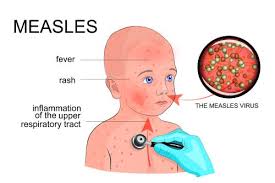
Although it is significantly managed in the USA, measles is still one of the major fatal diseases in the world. According to the World Health Organization (WHO), the disease causes 40 million infections with 1 million deaths globally in 2013. Measles is clinically manifested with cough, running nose, maculopapular rash, Koplik’s spots, low grade fever, and lymphadenopathy. In some cases, measles could lead to the infection of the respiratory tract or other organs including the skin, Kidney, bladder and viscera (Koehlmoos, Uddin, & Sarma, 2011).
Measles Virus
Measles is caused by a virus. This virus is known as Morbillivirus measles virus. It belongs to the family paramyxoviridae, order Mononegavirales and the genus Morbillivirus. The virus diameter is120-250 nm, and consists of single stranded RNA. The species is a close relative of canine distemper viruses and rinderpest.
There are two membranes that enclose the virus proteins. The membranes are responsible for the pathogenesis. The F (fusion) protein main role is to cause fusion of the virus to the host, haemolysis, viral infiltration; and Hemagglutinin (H protein) that causes the integration of the measles virus into the host cells. However, recent studies have reported changes in the H glycoprotein of the virus. Measles virus is inactivated by heat, acidic pH, trypsin and ether. Outside its host, the virus has a short life span which is normally less than 2 hours (Walsh, 2011).
The measles virus genome encodes 8 proteins, 6 structural proteins and 2 are responsible for viral entry. These are the Hemagglutin (H) as well as the measles virus fusion (F) protein. These proteins are the components of the viral envelope that together they mediate integration of the virus into the cells in the upper respiratory tract. The H protein targets the cellular receptors of the CD46 and CD150. This protein is is associated with the lifelong immunity that follows after recovery of the infection. This is attributable to the cell-mediated memory that causes the creation of neutralising antibodies that target the H protein of the measles virus (Walsh, 2011).
The measles virus life cycle starts with virus adsorption to host’s cell membranes surface using the H protein. The virus CD46 molecule is the cellular receptor. The virus then enters to the host cells where it uncoats. This is followed with RNA polymerase transcription of the Virus genome into the host mRNA. This is followed by the assembly of helical nucleocapsid occurs before the virus are released by budding. The mRNA synthesis, translation process and replication processes are as shown below (Walsh, 2011);
Want help to write your Essay or Assignments? Click here
Pathogenesis measles virus
The virus transmission is through droplet or airborne route. The nasopharynx is the primary infection site of the virus is the nasopharynx respiratory epithelium. The virus enters through the upper region of the respiratory system but the infection is not localized one specific site. The viral replication takes place in the epithelium of the respiratory system, and the replicated virons moves to lymphatic tissue.
Replication continues again in the lymph nodes and is from the lymphatic system that the virus spreads to the other different organs including the gastrointestinal tract, skin, and kidney. The virus replication takes places in the endothelial cells and epithelial cells of each of the aforementioned system. The virus has broad range of tissue tropism after it has accessed the epithelium (Walsh, 2011).
In each system, the virus replicates and sends it to the new virions which target the new host cells. The primary viremia is 2-3 days. After invasion, the virus replicates takes place in the respiratory epithelium and in lymph nodes as mentioned above. Following this replication, the second viremia takes place which is usually 5-7 days after initiation of the infection, which could lead to the infection of the respiratory tract or other organs including the skin, Kidney, bladder and viscera. The rash in measles and the Koplik’s spots arise from delayed hypersensitivity reaction (Walsh, 2011).
The pathogenicity of the virus takes place through in various distinct stages. The prodrome stage is the first stage. This stage is characterised by non-specific clinical manifestations such as fever, coryza, cough and conjunctivitis. However, addition signs and symptoms can be manifested during this prodrome stage. Small white spots can appear on the mucus membrane around the eye or sometimes along the parotid duct of the mouth. The spots are called the Koplik spots and precede the onset of skin rash. The Koplik spots are considered as diagnostic indicators, but are not present in all infections and also requires experienced healthcare provider to recognise them (Hanvoravongchai et al., 2011).
The onset of skin rash marks the end of prodrome. The rash is distinctive in that it is maculopapular and erythematous. The rash is attributable to immune reaction to endothelium and which occurs due to infiltration of mononuclear cells. The rash starts from the face and outspreads down to the trunk and lower extremities. The rash often lasts 3-4 days and dries up following a similar pattern. When the rash fades away, indicates that the viral clearance has begun. For uncomplicated incidences of measles, full recovery begins as soon as the skin rash begins to disappear (Guerrant, Walker, & Weller, 2006).
The third stage takes many forms and will occur where immunosuppression occurs and results to complications. When the patient is infected with measles virus, it induces immune response that is intense, which makes the host to be immunologically compromised. The reduction in CD4+ T helper cells, incapacitation of clonal activation of cell mediated and humoral immunity and reduction of CD8+ cytotoxic cells follows the viral clearance.
In addition, the antigen presenting capability is reduced due to maturation of then dendritic cells. The immunosuppression greatly affects the aspects of innate and adaptive immunity, and since the immunosuppression can last for sometime, the patient state of viral clearance makes them to become increasingly vulnerable. The immunosuppression can result to increased bacterial and viral infection. The most common type of infections is diarrhoea and pneumonia, which are responsible for increased paediatric mortality and morbidity associated with measles (Hanvoravongchai et al., 2011).
Measles virus has been isolated from the bronchial lymph nodes mononuclear cells and in tonsils in the first few days after infection Other studies have demonstrated massive infection in the lymph node, thymus and spleen. This suggests that it is possible that the virus primary target is the epithelial cells of the respiratory system and normally follow the SLAM + and CD46- independent pathway including the monocytes and lymphocytes.
The rash is occurs when T-cell reacts to the MV-infection in the capillary vessels. This is supported by the fact that the skin rash is absent from children with T-cell immunodeficiency. The mechanism that underlies the severe lymphonepia and immunosuppression is not well understood. However, the massive destruction of SLAM+ cells could cause the immunosuppression (Fields et al. 2013).
Acute measles panencephalitis normally involves the central nervous system (CNS). Transient EEG detects the brain abnormalities in 50% of the patient. It is difficult to isolate the measles virus from the patient’s brain. Therefore, the CNS damage arises from autoimmune reaction. The Subacute measles encephalitis occurs in patients with a history of severe immune disorder.
Therefore, the infections are not accompanied by production of antibodies. In SSPE, the virus gains entry to the CNS during the secondary viraemia. This causes a low grade infection that is persistent. It is not yet established if the lesions are due to immunopathological mechanisms or through viral replication (Walsh, 2011).
The human body immune system has a capacity to fight the measles viruses. The immune systems is carried out by specialized cells, each cell is designed to fight the disease. The microbe’s macrophages recognize the microbes through microbe’s specific antigen. The antigens trigger the lymph nodes to produce lymphocytes that are of two types- the T cells and B cells.
These cells are programmed by exposure to microbe’s antigen. The T cells function as defensive cells and offensive cells. The offensive cells work by attacking using chemotaxis. The defensive cells are the cytotoxic T cells also known as killer cells which usually identify the cells that are harbouring the microbes and release chemicals which destroy infected cells (Walsh, 2011).
The T helper cells help in activation of the T killer cells. The T helper cells works together with the B cells, which help secrete antibodies. The Antibody (Ab) that fights measles is produced and circulates in the blood system. The antibodies produced match the Ag sites for measles viral coat. The Abs then binds to the antigen in a specific matter. The Ab-Ag complexes have two effects.
First, the complex distorts the coat protein by attaching on its receptors. Secondly, the complexes have powerful chemical attractants of the white blood cells, which destroy the virus through phagocytosis. After viral clearance, the B cells and T cells are transformed into memory cells. These then quickly divide further into plasma cells making reserve antibody. In case of re-exposure to the measles virus, the immune system recognizes them and stops the infection. Through immunization, the live attenuated measles virus is injected in a person’s body.
The body responds by forming measles specific Abs through a process that mimics the actual infection of the virus. The viruses introduced are usually weakened and therefore cannot cause a disease, but it leads to formation of Memory cells. Thus, if the vaccinated persons get confronted with the real virus in the future, the body already have adequate quantity of anti-measles Abs, thus no infection results (Walsh, 2011).
Summary of an article
Eden and colleagues investigated the impact of novel microneedle measles vaccine in primates. The study hypothesised that use of microneedle patch will improve vaccination rates. The microneedle patches is a dry formulation of vaccines, which occurs in solid needles which dissolves upon application of the patch of microneedle puncture into the primate’s skin. The advantages of these patches are that they provide the opportunity of minimally-trained person to give the vaccination as there are no requirements for reconstitution. In addition, no single-dose presentation and avoids use of sharp waste, facilitates mass vaccination (Edens et al., 2015).
The microneedle vaccination systems are effective in delivering of vaccines. They have been effectively used in cotton rats, where the findings indicated that equal neutralizing antibody titers as those in cotton rats that had vaccination in subcutaneous injection. However, in this article, the animal model used is the rhesus macaques.
In this study, one group received live attenuated vaccine using microneedle patch and the other group using the subcutaneous injection. The serum samples collected were tested for presence antibodies, and the presence of IgM in day 14 after vaccination. The presence of IgM by day 14 is an indicator that the animal had generated immune response following immunization (Edens et al., 2015).
As shown in the Fig 1. , the neutralizing antibodies were detected at day 21 after vaccination, which accelerated and peek on day 28 in both groups. There was no statistical difference on the peak of titers and times to peak between the two groups. In subcutaneous injection and microneedle patch, the animals reached a titer higher than 120mlU/mL- which is normally considered as protective level in humans (Edens et al., 2015).
On matters concerning safety of microneedle patch vaccine, no side effects were observed. However, upon the removal of the patch, faint erythema was observed but there was no evidence of wound infection or bleeding. The faint puncture disappeared 2-3 days post vaccination and no swelling or discharge was observed. In addition, no reactogenicity or discomfort was observed.
This technique should be used in clinical practice as thermostability of the microneedle patches is considerably better as compared to the currently measles vaccine that are formulated and refrigerated during transport. Most of the vaccines denatures due to cold-chain failures (Edens et al., 2015).
Environmental factors that contribute to the re-emergence of measles and its impact in the society
The measles outbreaks have been hopscotching across the USA. It has not yet been confirmed on what exactly triggered the Disney linked measles outbreak, but the CDC officials have associated it with the overseas tourists who visit Disneyland Park. This is supported by the findings of genetic finger prints which was identical to B3 measles virus that had caused the massive measles outbreak in the Philippines. With the low vaccine coverage rate, the disease spread rapidly across the states. Medical professionals were quick to point to possibilities of anti-vaccine movement (Edens et al., 2015).
Research points out other contributing factors from public health measures such as lack of access to quality health care. For instance, surveys indicate that only 50% of pre-school aged children have been vaccinated against measles. Disparities in vaccination are observed in African American and Hispanic community. The vaccines for children program is for uninsured and medical eligible children.
The vaccine is give at no additional cost. However, still not every child gets immunized (Walsh, 2011). This is because some parents rejects vaccinations and another fraction may delay the child from getting immunization. This trend has increased in the recent past, which has resulted in unvaccinated communities. This poses a public health risk and barriers in achieving significant benchmarks for immunization coverage.
There are increased concerns that measles outbreaks have been reoccurring in areas that are least expected and in some cases in persons who have received vaccines in the past. This raises concerns on whether there is vaccine dilemma, or if the current vaccine must be insufficient and lacks adequate protective levels that will ensure that will enhance the circulation of measles specific neutralizing antibodies (Poland & Jacobson, 2012).
Measles have severe impact to the society. For instance, high measles fatality ratios have been reported in both developed and developing countries. In the developed countries, less than one in 1000 children diagnosed with measles dies. In developed country, measles is the leading cause of mortality in refugee camps. The risk of death depends on patient’s age, vitamin A deficiency, and malnutrition.
Most of the mortality is attributable to a number of measles complications such as encephalitis and pneumonia. The economic cost of the disease cannot be overlooked. CDC estimates that approximately $ 4,091-$ 10, 228 is used to contain each case of measles per day. The additional economic costs include the weighty costs of work absenteeism and children missing schools. These estimates indicates that the outbreak have a hefty price tag (Benjamin, 2014).
The resurgence of measles and most infectious disease globally reflects a quick fix mentality. There is poor development planning in infectious disease endemic regions, lack of institutional inertia and political determination. The re-emergence of infectious disease is inevitable because of high environmental and developmental change which results in increased population growth. There is much that can be done to reverse the current trend.
However, this will require meshing the economic and social developmental programmes with the natural resource and environmental programmes in order to establish strategic interventions that will reinvigorated the virus ecology and advancement of scientific measures. This will facilitate the strengthening of applied and basic research on the interaction of a pathogen, host and environment; which in turn will result in the development of vaccines, diagnostic procedures and new therapies required to detect and control the disease (Benjamin, 2014).
References
Benjamin Johns, D. (2014). Measles Eradication versus Measles Control: An Economic Analysis. J Vaccines Vaccin, 05(06). Retrieved from http://dx.doi.org/10.4172/2157-7560.s3-002
Edens, C., Collins, M., Goodson, J., Rota, P., & Prausnitz, M. (2015). A microneedle patch containing measles vaccine is immunogenic in non-human primates. Vaccine, 33(37), 4712-4718. Retrieved from http://dx.doi.org/10.1016/j.vaccine.2015.02.074
Fields, R., Dabbagh, A., Jain, M., & Sagar, K. (2013). Moving forward with strengthening routine immunization delivery as part of measles and rubella elimination activities. Vaccine, 31, B115-B121. Retrieved from http://dx.doi.org/10.1016/j.vaccine.2012.11.094
Guerrant, R., Walker, D., & Weller, P. (2006). Tropical infectious diseases. Philadelphia: Churchill Livingstone.
Hanvoravongchai, P., Mounier-Jack, S., Oliveira Cruz, V., Balabanova, D., Biellik, R., & Kitaw, Y. et al. (2011). Impact of Measles Elimination Activities on Immunization Services and Health Systems: Findings From Six Countries. Journal Of Infectious Diseases, 204(Supplement 1), S82-S89. Retrieved from http://dx.doi.org/10.1093/infdis/jir091
Koehlmoos, T., Uddin, J., & Sarma, H. (2011). Impact of Measles Eradication Activities on Routine Immunization Services and Health Systems in Bangladesh. Journal Of Infectious Diseases, 204(Supplement 1), S90-S97. Retrieved from http://dx.doi.org/10.1093/infdis/jir086
Poland, G. & Jacobson, R. (2012). The re-emergence of measles in developed countries: Time to develop the next-generation measles vaccines?. Vaccine, 30(2), 103-104. Retrieved from http://dx.doi.org/10.1016/j.vaccine.2011.11.085
Want help to write your Essay or Assignments? Click here
Quality and Safety in Healthcare
Constant improvement of quality and safety is an important aspect in healthcare. Nurses play an important role in improving quality and safety in healthcare. Be as it may, nurses are always in contact with patients during the entire treatment. Their actions, professionalism, and observation of ethical principles determine the level of quality of service and safety within the healthcare system (Simon et al., 2013).
Nurses need to be committed to offering quality services including offering grief support. Emphasis on good care plans to ensure protocol is followed when offering support to patient can improve the quality of care.
I learned that nursing ethics play an important role in improvement of quality and safety of patients. Nurses are guided by professional principles and ethical framework that ensure that patients are treated according to standard protocol put in place. Nurses are required to be caring to patients and communicate effectively to ensure that patient is comfortable throughout while in the hospital. Respecting other healthcare practitioners and building strong and professional relation could also help improve quality of healthcare (Elwyn et al., 2014).
Want help to write your Essay or Assignments? Click here
Nurses can also ensure that healthcare goals of registering desirable patient outcomes is achieved by ensuring that each individual and family takes part in the care process. By engaging patients and families in the process of care, nurses are able to improve patient outcomes and rates of satisfaction. This is achieved through enhancement of the quality of the associations between the patient, the physician as well as the utilization of diagnostic testing, hospitalizations, and referrals.
Improvement of quality of healthcare can be achieved through observing its structure, processes, and outcomes. Structures essentially validates the availability, accessibility and quality of resources such as number of nurses, bed capacity among others. Nurses can help in improving quality of nursing through observing nursing principles and ethics, working through teamwork and involving family in provision of healthcare services.
Elwyn, G. et al (2014). Shared decision making and motivational interviewing: achieving patient-centered care across the spectrum of health care problems. The Annals of Family Medicine, 12(3), 270-275.
Want help to write your Essay or Assignments? Click here
Want help to write your Essay or Assignments? Click here
Overview of the case study
The case study of a 42 year of African American female during her routine gynecologic examination reports of bleeding between her periods for some months. She has three children, is sexually active with one partner. Her examination indicates that she has irregular intrauterine mass, 4cm in diameter that is not painful on touch.
Diagnosis, treatment and management of the Gynecologic Condition
The patient is experiencing abnormal uterine bleeding due her history of pregnancy. Uterine bleeding is a common occurrence. When assessing patient with the common gynecologic conditions it is important to question the patient pregnancy status, her reproductive status to understand the source of bleeding (Lethaby et al, 2015).
Irregular intrauterine non-tender mass about 4 cm in diameter is a sign of abdominal or pelvic mass that can occur at any age. A woman experiencing intrauterine non- tender mass might complain of various symptoms, but there are a number of possible causes of pelvic mass. In evaluating the patient, the first step includes getting a good medical history of the patient regarding the pain, any family history of such similar problem and also knowing if the patient has regular periods or not or the history of pregnancy (Singh et al., 2013).
Want help to write your Essay or Assignments? Click here
Physical examination of the gynecologic conditions needs to include a palpation of the abdomen to detect a palpable mass, abdominal pain, and CVA tenderness. Pelvic exam needs determine cervix compression or uterine enlargement and also tenderness associated with vaginal lesion. Further examination can be done through ultrasound or CAT scan (Chaudhuri et al., 2014).
If the ultrasound suggests an abdominal mass the patient needs to seek for further advice from a gastroenterologist or general surgeon. Treatment for abdominal, uterine bleeding includes mediation like prostaglandin inhibitors (Kokaine et al, 2014). Surgery may be recommended or change in contraception. Some of the suggestion for managing abnormal uterine bleeding including taking iron supplements t and eating a balanced diet. Patients need to avoid drugs like aspirin that might contribute to excessive bleeding.
References
Chaudhuri, S., Datta, S., Paul, P. C., Mukherjee, S., & Malo, S. (2014). Cytologically Diagnosed Ovarian Carcinoma Turned Out To Be a Case of Chronic Ectopic Pregnancy. Journal of Interdisciplinary Histopathology, 2(2), 116-120
Kokaine, L., Lemanis, A., Sapovalovs, S., Abolins, A., & Balodis, A. (2014). Torsion of Arteriovenous Malformation–A Rare Case of Acute Abdomen. American Journal of Medical Case Reports, 2(11), 229-231.