Chief Complaint (CC): “I have been experiencing shortness of breath and fatigue in the last two weeks.”
History of Present Illness (HPI): Patient complains of shortness of breath, and general fatigue. Patient has been experiencing swelling of the feet and has been having difficulty in completing tasks that she would normally.
Past Medical History (PMH): measles at age 3, mumps at age 4
Past Surgical History (PSH): None
Family history;
Father died at age 65 y/o due to CAD.
Mother 70 y/o, alive diagnosed with hypertension
Brother (35) alive and healthy
Want help to write your Essay or Assignments? Click here
Personal and Social History:
She is born and raised in this community. She is a college graduate with a diploma in business management. She works as an assistant in one of healthcare facilities within the community. She lives with her daughter. She interacts with the community members. Pt denies smoking, but takes a lot of salt. The pt takes two cups of caffeine. Pt states that she is physically inactive.
Review of Systems:
HEENT: EOMI, PERRL,
CV: RRR, S3 present, m/r/g absent
RESP: breathing symmetrical, SOB, CTAB x mild crackles
Healthy dietary is recommended to boost the immune system
Maintain hygiene to protect themselves from communicable diseases.
Reflections
Congestive heart failure (CHF) is the leading cause for hospitalization in this community. There is no cure of the disease, but can effectively be managed through therapeutic and non-pharmacological measures (Esposito, Bagchi, and Verdier, 2009). My preceptor and I were on the same page in during care delivery and treatment of this pt. From the comprehensive assessment, I learnt that the patient was non-compliant to medication.I was assigned to research on the strategic ways that would be used to educate the patient and to ensure that she adhered to the recommended medication (Bickley, 2013
Esposito, D., Bagchi, A., Verdier, J.M. (2009). Medicaid beneficiaries with congestive heart failure: Association of medication adherence with healthcare use and costs. The American journal of managed care 15(7); 437-445
Want help to write your Essay or Assignments? Click here
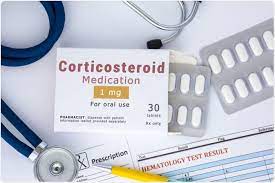
Side effects of using corticosteroid to treat Addison’s disease
Patients diagnosed with Addison’s disease needs to take up their medication daily in order to replace the inadequate hormones. This normally helps the patients to live a normal life. Treatment mainly involves use of corticosteroids (steroid therapy) to replace hormones lost and those not produced by the aldosterone. Although these medications are effective, corticosteroids are associated with short term and long term side effects (Bentley, 2011)
The short-term side effects includes stomach upset, increased irritability, weight gain due to water retention, increased fat on the face, unusual hair growth , high blood pressure, and risk of other infections. The long-term side effects include muscle weakness, brittle bones, and stunted growth among the children. To minimize such side effects, people taking the drugs should be watched carefully and of necessary, their doses reduced as low doses can be effective and have minimal side effects (In Arieti, 2014).
Want help to write your Essay or Assignments? Click here
Factors that make it problematic for management Addison’s disease in adolescents
The process of diagnosing Adrenal insufficiency is usually a challenge. This is because most of clinical manifestation are nonspecific, and tend to vary according to the underlying causative agent and extent of disease progress. It is important to make early diagnosis as the disease can be life threatening if not diagnosed early enough. The signs and symptoms and management of the diseases are the main challenges faced by the adolescents diagnosed with Addison’s disease. These include issues such as fatigue, malaise, and general muscle weakness. This negatively impacts on quality of life and their daily activities (Helms, 2015).
Importance of inter-professional team for treatment of Addison disease
Team-work in management of Addison disease is important as it aids in improving patient quality of life, reduce mortality, improve communication, reduce errors, and increase patient satisfaction. In this case study, healthcare staff from the following disciplines should work together when delivering care to Addison’s patients. These include physicians, nurses, nutritionists, pharmacists, and physiotherapists. This will help in developing a detailed case related information, which facilitates the decision making processes (Bar, 2013).
Want help to write your Essay or Assignments? Click here
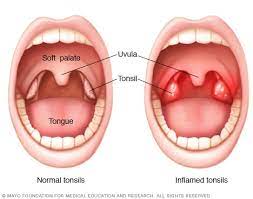
Tonsillopharyngitis Diagnosis
Patients presenting with sore throat and fever such as the one in question are primarily suspected for tonsillopharyngitis, whose primary cause is Group A Beta Hemolytic Streptococcus. Therefore, the diagnosis of acute tonsillopharyngitis relies on various tests such as white blood cell count (WBC), C-reactive protein (CRP), rapid antigen detecting test, and throat culture, a combination of which is called Center-Scoring or Clinical Scoring (Alper, 2013, p148).
This method can be well utilized in low income sections to prevent unnecessary use of antibiotics, which might lead to antibiotic resistance. Furthermore, Alper et al. (2013) give empirical data to support the reliability of this diagnosis procedure that is recommended in developed countries for being quick but efficient (p148).
Rapid antigen detection tests (RADT), as differential tests between viral and GAS tonsillopharyngitis, according to Toepfner et al. (2013) have gained a wide application in active diagnosis of group A streptococcal (GAS) tonsillopharyngitis. These include Rapid Agglutination Test or LAT and Lateral-Flow Immunoassay (p. 609). These tests have proved to be effective, this being the reason for the above state wide use in various countries, but they are sensitive and require prerequisite knowledge on how to conduct them accurately.
This is because according to a research done, comparing physicians and technicians, there is supported evidence that physicians may lack adequate technical knowhow when handling the tests. Often they might require an additional training before the results they deliver for the tests become reliable for any conclusions to be made in terms of whether Group A Beta Hemolytic Streptococcus tonsillopharyngitis infection is present or not. Technical errors, plus lack of experience and expertise have adverse consequences on accuracy of RADT (Toepfner, 2013, p609).
Want help to write your Essay or Assignments? Click here
An important aspect that comes out from the research done by Salatino et al. (2016) is that Rapid Streptococcus Test is the standard test, which is used by most physicians and Ear-Nose-Throat Specialists (p29). This method equivalently was found to allow for most diagnosis made per year, compared to other methods used for the same reasons. An important development is that there is common avoidance of antibiotic use in management of acute tonsillopharyngitis and other infections in the upper respiratory tract, due to the development of antibiotic resistance as earlier expounded on (Salatino, 2016, p29).
Alternatively, natural remedies which include homeopathy remedies are currently being used in complementary therapy. Tasar et al. (2015) note that an in depth examination of previously diagnosed cases of acute tonsillopharyngitis in children between the age of five to fifteen years, there is significant infections due to Group C and G streptococcus, though the most common presumption is that this infection is primarily caused by Group A streptococcus (p. 15). Therefore, it is always necessary to conduct differential diagnosis tests on throat cultures, when it comes to tonsillopharyngitis infections, in order to clearly put to record the type of streptococcus causing the infection.
Patient Care
Patient care for patients with acute tonsillopharyngitis encompasses to the various management approaches undertaken on both inpatients and outpatients. Al Alawi et al. (2015) state that, Outpatient parenteral antimicrobial therapy, or OPAT with ceftriaxone, is normally applied for treatment of acute tonsillopharyngitis (p279). This is applied on patients with infections that require medicines to be administered through the parenteral route and are adequately stable not to be admitted as inpatients (Al Alawi, 2015, p. 279).
This method according to this research is not only cost effective, but also saves bed spaces required for patient care and is found to reduce cases of acute tonsillopharyngitis infections by nearly half (Al Alawi, 2015, p279). Customer satisfaction is also recorded, with the administration of the drug being done at a minimum of three days in the clinic. This is an example of outpatient care and a reliable therapy that can be recommended for treatment of the acute condition in question, especially for if caused by streptococcal infections.
The OPAT treatment method began in USA around 1974 and has become a common mainstream practice (Al Alawi, 2015, p279). The treatment therapy is combined with the following aspects of patient care. Patients in the OPAT clinic are accorded close surveillance by officials who may be a family physician alongside a properly trained nurse (Al Alawi, 2015, p. 279).
Pharyngeal sterilization is also done using oral penicillin in the patient care before administration of IV ceftriaxone by the above named practitioners, who closely observe patient progress as the OPAT is undertaken. The patient is required before being put under the OPAT clinic care to be in safe social circumstances, such as have a telephone and means of transport in order to be able to rush quickly to the clinic in the event the illness becomes worse.
Want help to write your Essay or Assignments? Click here
Furthermore, patient safety is ensured in the care process by ensuring a close adherence to OPAT guidelines, as well as having a multidisciplinary team conducting the same which includes an infectious disease consultant, family physician, and a well-trained nurse (Al Alawi, 2015, p. 279). Proper interventions are initiated when any adverse effects or emanating complications are noted in the patients during their antibiotic intake.
Moreover, they are advised to report to the emergency and accident department at the clinic if any such effects are observed. During this period, fever recovery, sore throat period and number of returns to the clinic are assessed as the main markers of efficacy (Al Alawi, 2015, p. 279).
In patient care involves admission of patients who are dehydrated, have venous deficiencies or electrolyte imbalances. These are offered beds in the hospital, from where normal saline, dextrose, painkillers and antibiotics are administered intravenously. Oral penicillin is also given before ceftriaxone administration.
A similar assessment of efficacy is done in terms of dosage of drugs used versus fever recovery, sore throat relief period and time taken for the patient to gain stability. Once stable, the patients can be discharged with take home medicine to complete the relevant doses. This next step is normally follow up as discussed below.
Want help to write your Essay or Assignments? Click here
Follow Up
Vrca Botica et al. (2013) explain that there have been many reported cases of unnecessary prescriptions of antibiotics in diagnosis and treatment of acute tonsillopharyngitis (p440). In this regard, it is necessary to conduct follow up visits to ensure that there are no recurrent episodes of the infection, which might indicate improper prescription of the antibiotics maybe due to incorrect center scoring. Patient contacts should be kept in records of health in order to aid in communicating with the patient on the any follow up requirement by the physician.
Also, follow up notes should be taken and kept for future consultation plus decision making. These are important to elicit recurrence of the condition, which might dictate the type of prescription to be made in the future or even note some key details concerning the patient that were not covered during the earlier assessment. Significantly, follow up data collected can be used by a physician to assess the efficiency of a procedure applied in order to dictate using empirical evidence use or cessation such.
Another important element is the formulation of a follow up schedule for a patient post care assessment, which does not only keep the patient in the know about clinical follow up dates, but also enables a physician to arrange his or her schedule in a manner as to meet all follow up requirements. Gupta et al. (2015) report of a monthly follow up on a patient who had tonsillopharyngitis caused by EBV. Therefore, it is important for the physician involved to decide wisely on the time period that he or she will conduct the follow up, more conveniently with specific objectives in mind though flexibility will be best if embraced.
Sometimes it might require follow up in terms of throat culture RADT to ensure no recurrence of GAS related tonsillopharyngitis infection is recorded. Progress during the follow up in terms of the rapid test results can be tabulated, graphically analyzed and interpreted to give the management therapy a deeper insight into effectiveness of methodologies applied.
A secondary center scoring can also be done and the results manipulated in a similar fashion to obtain specific desired outcomes. This implies that follow up is outcome based, should be planned for appropriately with holistic patient involvement, and records on the same should be well documented or kept together with other health records for future consultations.
Patient Education
Tonsillopharyngitis is a condition that can be managed easily. Patients should be sensitized on the primary symptoms of tonsillopharyngitis so that they can seek medical attention at the right time before the condition progresses and becomes difficult to manage. Some of these symptoms include runny nose, fever, cough, and watery eyes.
Moreover, patients should be educated on how the condition is acquired so that they can refrain from exposing themselves in environments that put them at risk of acquiring tonsillopharyngitis infection as well as how they can stop the spread of this condition to their family members and friends. By so doing, the prevalence of tonsillopharyngitis will decrease considerably.
Alper, Z., Uncu, Y., Akalin, H., Ercan, I., Sinirtas, M., & Bilgel, N. G. (2013). Diagnosis of acute tonsillopharyngitis in primary care: a new approach for low-resource settings. Journal of Chemotherapy, 25(3), 148-155.
Bélard, S., Toepfner, N., Arnold, B., Alabi, A. S., & Berner, R. (2015). β-hemolytic streptococcal throat carriage and tonsillopharyngitis: a cross-sectional prevalence study in Gabon, Central Africa. Infection, 43(2), 177-183.
Salatino, S., & Gray, A. (2016). Integrative management of pediatric tonsillopharyngitis: An international survey. Complementary Therapies in Clinical Practice, 22, 29-32.
Tasar, M. A., Bostanci, I., Karakoc, A. E., Selver, B., Demirbilek, M., & Dallar, Y. (2015). Prevalence of group C and G streptococcus in pediatric acute tonsilopharyngitis in Turkey. Group, 14, 15.
Toepfner, N., Henneke, P., Berner, R., & Hufnagel, M. (2013). Impact of technical training on rapid antigen detection tests (RADT) in group A streptococcal tonsillopharyngitis. European journal of clinical microbiology & infectious diseases, 32(5), 609-611.
Vrca Botica, M., Botica, I., Stamenić, V., Tambić Andrašević, A., Kern, J., & Stojanović Špehar, S. (2013). Antibiotic prescription rate for upper respiratory tract infections and risks for unnecessary prescription in Croatia. Collegium antropologicum, 37(2), 449-454.
Want help to write your Essay or Assignments? Click here
Want help to write your Essay or Assignments? Click here
Delirium Diagnosis in Geriatric Patient
Case study 1
Delirium, dementia and depression are serious health complication common among geriatric population. The clinical manifestation of these healthcare complications is mainly impaired cognitive function, which makes it difficult to differentiate. This is usually a challenge because most of geriatric patients often present with multiple medical comorbidities which contribute to the affective and cognitive changes. Advanced nurse practitioners are expected to understand the key differences between these diseases as it is the first step to effective treatment (Holt, Young & Heseltine, 2013).
In this case study, the list of differential diagnosis would include dementia, depression and delirium. However, the fact that the patient is very confused, agitated, mental status fluctuates and rambles in an incoherent and disorganized manner, then, the most likely definitive diagnosis is the patient is derelict. Delirium is differentiated from the other two mental disorders by a) onset, b) Attention, c) and d) fluctuation of the symptoms.
Want help to write your Essay or Assignments? Click here
The onset of delirium in geriatric population occurs rapidly as compared to other two diseases where symptoms onset is mainly gradual and worsens progressively. In patients that are derelict, the patient is unable to remain focused. In early stages of dementia and depression, the patient is generally able to remain alert. In delirium patients, the signs and symptoms fluctuation is predominant throughout the day (Flaherty & Resnick, 2011).
To further confirm the diagnosis, the cognitive assessment should be done using comprehensive geriatric assessment tool. The physical exams, neurological exam, blood test and urine test should be conducted to check indicators of underlying health complications. I would not request from brain imaging test unless the aforementioned diagnostic tests fails to confirm delirium or underlying health complications (Featherstone, Hopton & Siddiqi, 2010).
The first step in treatment of the patient is to address underlying triggers. This includes terminating medication identified as underlying cause. With regard to pharmacological management of delirium, the patient should be give antipsychotics of choice, administered at lowest dosage.
Therefore, the patient should be administered Haloperidol and benzodiazepines. The healthcare provider must ensure that the patient gets an individualized care plan to treat and prevent further complications. This includes devising environmental interventions to address the disorientation and cognitive impairments (Holroyd-Leduc & Reddy, 2012).
Flaherty, E., & Resnick, B. (2011). GNRS. New York, NY: American Geriatrics Society.
Holroyd-Leduc, J., & Reddy, M. (2012). Evidence-based geriatric medicine. Chichester, West Sussex, UK: Blackwell Pub.
Holt, R., Young, J., & Heseltine, D. (2013). Effectiveness of a multi-component intervention to reduce delirium incidence in elderly care wards. Age and Ageing, 42(6), 721-727. http://dx.doi.org/10.1093/ageing/aft120
Want help to write your Essay or Assignments? Click here
Want help to write your Essay or Assignments? Click here
Intellectual Property in Electronic Health Records
Introduction
As a nurse, one comes into contact continually with issues of electronic health records. The Health Insurance Portability and Accountability Act is one of the Acts of the Federal Government that attempt to speak to the question of e-health records and classification of it as intellectual property. In this case, it is required that in the provision of cover for Americans, there is need to have a catalog of information kept by the health care providers which can be used in the offer of health covers (Hiller et al, 2011).
The HIPPA provides for mechanisms of protection of such information that is intellectual property by the privacy rule which demands that Personally Identifiable information ought not to be disclosed unless within the framework provided for under the Act (Bates, 2005).
Background
It is the case that such information may be used in the carrying out of research. However, there is no clear methodology of addressing intellectual property concerns in the information that is stored therein. Most certainly, the IP in the coming up with software that can store such information is squarely an entitlement of the software developer.
Where does this leave the information and the collector of information? This is a question that must be determined to inform agreements that organizations which offer IT services to the health care providers may have to craft in their Service Level Agreements. (Garde, 2007)
It cannot be avoided that this is an issue that deserves adequate attention because often, the patient will not know whether they have any rights regarding the information they give herein. This actually gives them impetus to lie about the information they give.
Even if they do not lie about the information they give, they may end up being a bit economical about the truth in the information they give. The growing need for enhancement and embrace technology in every area and the growing relevance of cloud storage means that the traditional ways of record keeping by health care providers is an idea of a bygone age. (Garde, 2007).
Want help to write your Essay or Assignments? Click here
It is a mundane principle of IP law that information gathering cannot amount to a situation where the gatherer is granted IP rights. This is because IP rights involve the exertion of mental capacities and the sweat of the brow cannot suffice for the abrogation of such rights by one such person. Ultimately, there is then a question that arises. Who then is entitled to such rights?
These information rights will inform how we handle such information and the procedures to be followed in the use or transfer of such information. The seriousness of the question of confidentiality and security of information is at the centre of electronic health records. In the event that this is not properly addressed, there is a real possibility that the policy on the creation of such records crumbles and the efficiency envisioned in such an instance fails in the main.
Findings
A priority, I perceive need to have a brief legislation on the IP rights regarding such scenarios. In such a case, there is need to properly brainstorm and see whether a law can be crafted to even sanction properly the actions of such persons who may handle such information, for instance nurses as they go about with their ordinary dealings.
It may then appear as though there shall be an overlap with the question of Confidentiality as already provided for in other pieces of legislation including HIPAA. However, this will be more specific and will spell out clearly the IP rights and offer a more comfortable pillow for the patient and users of such information will be under a more elaborate set of duties. (Zittrain, 2000)
Want help to write your Essay or Assignments? Click here
Procedure
There is an elaborate procedure for the making of laws. In this my case, I have already encountered the need by observation and from experience that there is no clear policy directive on such. There is also an alarming dearth of scholarly attention to such an area which has far reaching implications for research. A focus group discussion with members of the profession reveals that information may be abused without the knowledge of the proper owners of the said property which is actually a virtual violation of the fundamental right to dignity.
It is the case that information that is de-identified may be used for research with few qualms. However, this does not completely take away the need to have the proper owners of the information at the centre of such a procedure.
This procedure is made easier by the fact that a citizen like me may institute the procedure without being found to have lacked the requisite locus. As the law progresses, the question of locus is slowly being found to be merely procedural and cannot be allowed to supersede substantive societal needs and justice. As a matter of conjecture, this will need a bit of education of the stakeholders on the issues to which this law will speak to.
Only then will a critical mass be achieved because this is a fairly technical area that may not be fully appreciated by many. However, IP Law is an issue of concern to all policy makers because the traditional forms of property are slowly being phased out.
The presentation of such laws to both houses of congress, both of whom must ruminate over the proposals and determine whether or not they deserve parliamentary attention. (Mason, 2015) It is hoped that the idea shall not die at the committee stage, but shall sail through to help protect the rights of patients.
References
Bates, D., 2005. Physicians and ambulatory electronic health records.”. Health Affairs, 24(5), pp. 1180-1189..
Hiller, J., McMullen, M. S., Chumney, W. M., & Baumer, D. L. (2011). Privacy and security in the implementation of health information technology (electronic health records): US and EU compared. BUJ Sci. & Tech. L., 17, 1.
Zittrain, J., 2000. “What the publisher can teach the patient: intellectual property and privacy in an era of trusted privication.. Stanford Law Review, pp. 1201-1250.
Want help to write your Essay or Assignments? Click here
Want help to write your Essay or Assignments? Click here
Teenage Sexual Education
My project is on the provision of sexual education to teenagers. Teenagers that are sexually active are a matter of serious public concern. In the past years, several school-based programs have been designed for sole aim of holding up the initiation of sexual activity. Schools can play a central role in offering teenagers with a wide knowledge base that can aid them in molding their healthy lifestyle and coming up with informed decisions about their behavior (Shindel& Parish, 2013).
Detailed sexual education provides accurate information about gender identity, human sexuality, sexual health, reproduction and develops skills for communicating and relating to others in meaningful and satisfying ways. Additionally, it supports one’s ability to make sexual decisions with integrity and respect to other people.
Noddings (2015) reports that equal access to sexual education for teenagers of all cultures, races, gender identities, economic circumstances, and ethnicities are a matter of social justice. Young people who learn how to make respectful and intentional sexual decisions manage leading a healthy and safe lifestyle free from early teenage pregnancies, STIs such as HIV/AIDS, syphilis and gonorrhea as well as lost opportunities and barriers of economy that often follow. Parents, schools, religious institutions, and community based organizations have a crucial role of providing detailed sex education to young people (Wight & Fullerton, 2013).
Want help to write your Essay or Assignments? Click here
How it relates to the Field
As a health care practitioner, this project of sexual education is central to my practice. We are charged with the responsibility of ensuring that the public engages in activities that do not predispose them to health risks. We have a mandate of ascertaining that high health standards are maintained in the community. It is our duty to enlighten the public on the consequences of certain activities that impair the quality of life of the people and may lead to high mortality rates.
Therefore, provision of sexual education is one way of ensuring that people lead a healthy lifestyle by avoiding STIs and teenage pregnancies. The school is the appropriate environment of offering sexual education since it is often in regular contact with a large percentage of young people, with virtual all teenagers attending it before they engage in risky sexual behavior.
PICOT Question
Population: Teenagers attending public schools in the US. Students that were cognitively handicapped, school dropouts, delinquent, institutionalized, or emotionally disturbed were not considered for this project since they address different needs and characteristics.
Intervention: Sexual education on the importance of abstinence behavior.
Comparison: The results of this study were compared to those of studies that focused of a group of students in public schools who had not received sexual education
Outcome: The results that were determined include; delay in onset of intercourse, decease in intercourse frequency, and decrease in the number of sexual partners.
Timing: Evidence was gathered from studies where by the intervention was implemented for a period of one year and results obtained.
Want help to write your Essay or Assignments? Click here
IOWA Model
According to Schaffer et al., 2013, health care providers are encouraged to use updated research evidence to promote better patient outcomes and inform actions, decisions, and patient interactions to deliver quality care to patients. Different models have been developed by scholars to promote the use of EBP in healthcare.
One of these models is the IOWA model. This model is quite crucial in my project since it will serve as a guide on the steps I should follow for successful completion of this project. For instance, it has seven steps that each researcher should follow when conduct a study. These steps are;
Selection of a topic
Forming a team
Retrieval of evidence
Evidence grading
Developing an EBP standard
Implementing EPB
Evaluation
With this model, I will be in a better position to actively read, critique, and grade evidence that will aid in promoting my project of sexual education among young people.
Feedback
A well designed PICOT question is an essential guide in retrieval of evidence in literature research. The question provides information on the type of population to be considered in the study, the implemented interventions, the control parameter, the outcome as well as the timing of the research.
Adhering to these steps makes a literature research simple even for novice researchers. The formulation of the PICOT question also supports an EBP project since one can select literature on the research topic and use the steps to gather evidence, implement it, and determine the outcomes of the project.
Schaffer, M. A., Sandau, K. E., & Diedrick, L. (2013). Evidence‐based practice models for organizational change: overview and practical applications. Journal of advanced nursing, 69(5), 1197-1209.
Wight, D., & Fullerton, D. (2013). A review of interventions with parents to promote the sexual health of their children. Journal of Adolescent Health, 52(1), 4-27.
Want help to write your Essay or Assignments? Click here
Want help to write your Essay or Assignments? Click here
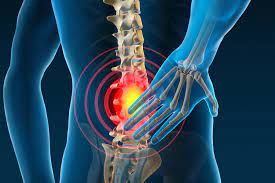
Back Pain
Introduction
Back pain is a common and costly disorder in Australia. Hoy et al., (2014) report that about 25% of Australians suffer from back pain and approximately half of them seek medical attention. The direct costs for treatment of this condition in Australia have been estimated to be approximately $ 1 billion with an addition of $ 8 used in indirect costs (Buchbinder et al., 2013).
The condition is also prevalent within the healthcare professionals where nurses have a higher likelihood of developing back pains unlike individuals from other professions. In South Australia alone, back injury accounts for over $2 million in every financial year (Lorig et al., 2013). Surveys of patient self-managing their back pain as well as those managed in primary care have indicated that usual care is not often evidence based hence hindering provision of best outcomes to patients.
Consequently, there has been a growing demand to address the ramifications of back pain through changes in health policies, investments, and service delivery. Healthcare providers, are charged with the responsibility of ensuring that patients receive effective prevention and treatment strategies to curb this menace.
In my visit to John’s home, there are a number of activities that I will conduct to examine John’s condition and the proper intervention that he needs for effective management of his condition. Some of these activities that I will examine include;
Want help to write your Essay or Assignments? Click here
Patient Education
In my initial visit, the first is educating John on chronic back pain. I will highlight clearly that the condition may arise due to an injury or diseases on different body structures such as the muscles, joints, ligaments, or nerves. According to Traeger et al., (2014), the type of pain varies and can be felt as muscle pain, bone pain, or nerve pain. I will also emphasize that it is important for patients to seek medical attention the moment they have back pains and not wait until the disorder worsens to promote effective management of the condition.
At this point, it will be of great significance for me to let John know that he is not the only one suffering from back pain. He should understand that back pain is a massive problem in Australia that sends more people to seek medical attention more than any other condition except common cold (Driscoll et al., 2014).
Nutrition and Weight loss
Normally, patients who are overweight and suffer from back pain, such as John, may not be aware their excess weight aggravates their condition (Brady et al., 2016). It is well known that obese patients are at a greater risk for back pain, muscle strain, and joint pain unlike those that are not overweight. Moreover, obese patients also complain of fatigue and shortness of breath which makes them refrain from exercises worsening their back pain (Heuch et al., 2013).
When patients do not get enough exercise for quite some time, the back’s supporting structures become weak, stiff, and deconditioned which further increases pain (Silisteanu & Covasa, 2015, November). It is for this reasons that I will encourage John to have a weight loss program which may involve gentle low-impact activities such as walking, jogging, or water therapy. I will also advise John to avoid eating foods with high fat content. He should also stick to a rational nutrition plan which involves changes in eating habits as a step toward effective management of his back pain.
During the visit, I will observe John’s posture and position. Reviewing of John’s curvature of the spine, shoulder symmetry, and the iliac crest will also be of great importance. I will conduct a physical examination through palpation of John’s paraspinal muscle to identify any form of tenderness and then initiate proper interventions as per the findings.
Pain Alleviation
For pain reduction, I will encourage John to take timed bed rests and adjust his position to improve flexion of the lumbar region. I will teach him to regulate and adjust the pains that traverse through the respiratory diaphragm. Relaxation can also help in reducing muscle tension that contributes to back pain. John should also adjust his sitting position regularly or even engage in other activities such as reading books, watching a movie or take part in yoga.
I will advise John to request his wife, Donna, to gently massage his back. It has been proven by Kumar, Beaton & Hughes, 2013; Schulz et al., 2014) that massage aids in reduction of muscle spasms, reducing damming, and improve blood circulation.
Want help to write your Essay or Assignments? Click here
Depression
Depression is the most common emotion linked to chronic back pain. Patients with chronic back pain have major depression which is said to be four times greater in such patients than in the general public in Australia. John is not an exception from this statistics since he reports that he is depressed because he can no longer take part in activities such as hiking and cycling that he has always loved.
Research has revealed that depression can trigger back pain (Steffens et al., 2012). It affects the intensity, frequency and the rate of healing of back pain. Consequently, I will advise John to communicate about the depression. Mostly, many patients do not talk to their physicians about their depression, anxiety, or stress (Center, 2012). Individuals that are stressed tend to tense their back muscles which in turn trigger the onset of low back pain or make it even worse.
They believe that the emotions will go away once the initial pain problem is solved. Therefore, John should regularly keep me updated about his feelings so that I may provide desirable care to him. I will also recommend John to interact with other people, for instance, he can occasionally visiting his daughter or son or play with his grandchild to avoid being lonely and stressed up.
The two activities that I will give priority in my subsequent visits are;
Adherence to Medication
Generally, healthcare providers are aware of the considerable increase in rates of opioid prescribing. Opioids have long been used as pain management agents. However, they are associated with adverse reactions such as nausea, vomiting, constipation, respiratory depression, addiction, and even death. The side effects usually limit their use by patients. Therefore, in my first visit and subsequent visits, this is an issue I will be reviewing.
In these visits, I will assess the effectiveness of the prescribed analgesics and inquire from John on whether what he feels after taking the drug. I will then initiate appropriate adjustments according to the patient’s condition for effective pain management. Besides, other pain management therapies such as acupuncture, yoga, chiropractic care, and herbal medicines such as ginger, capsaicin and feverfew can be used (Ferreira et al., 2014).
Want help to write your Essay or Assignments? Click here
ii) Exercise
According to Searle et al., (2015)exercise should be the first treatment choice for a patient with back problems such as John. This is because exercise matches the fact that individuals with chronic back pain should be physically active and involve themselves in their management. Moreover, treatments such as massage, acupuncture, and manipulative therapy are passive hence the patient is not involved in the therapy.
Falla et al., (2014) further highlight that exercise provides other health benefits beyond back pain management, for instance, in terms of bone and cardiovascular health. Therefore, I will encourage John to take part in usually low grade oscillatory exercises such as knees side to side rotation, knee to chest stretches, pelvic tilts, and press ups. I will also help John to come up with an exercise program which I will be supervising to ensure he follows it.
There are several forms of exercise and there is no genuine reason of expecting that one approach would be better than the other (O’Sullivan, 2012; Elden et al, 2013). As a result, I will give John a list of beneficial exercises he can engage in and enquire from him which type he would prefer so that it is included in the exercise program. The best form of exercise for any patient is the one they are enthusiastic about and willing to continue with.
For instance, John says he likes cycling; an activity that has been recorded to have desirable outcomes in patients with back pains. This can be included in his program. I will advise John not to take part in heavy physical activities, circular motions, and sways which often worsen the condition. I will encourage John to switch activities while sitting, lying or walking for a long time.
Want help to write your Essay or Assignments? Click here
Conclusion
Back pain is a common health problem in Australia (Cramer et al., 2013). However, its prevalence can be reduced significantly if patients and clinicians work together. Patients, for instance, should seek early medical attention and adhere to the prescribed medications and the recommended activities. On the other hand, physicians should keep a close surveillance on these patients and ensure that desirable patient outcomes are realized.
References
Brady, S. R., Hussain, S., Brown, W. J., Heritier, S., Billah, B., Wang, Y., & Cicuttini, F. M. (2016). Relationships between weight, physical activity and back pain in young adult women. Osteoarthritis and Cartilage, 24, S10-S11.
Buchbinder, R., Blyth, F. M., March, L. M., Brooks, P., Woolf, A. D., & Hoy, D. G. (2013). Placing the global burden of low back pain in context. Best Practice & Research Clinical Rheumatology, 27(5), 575-589.
Center, C., Relief, P., Covington, L. A., & Parr, A. T. (2012). Caudal epidural injections in the management of chronic low back pain: a systematic appraisal of the literature. Pain Physician, 15, E159-E198.
Depression Goesling, J., Clauw, D. J., & Hassett, A. L. (2013). Pain and depression: an integrative review of neurobiological and psychological factors. Current psychiatry reports, 15(12), 1-8.
Driscoll, T., Jacklyn, G., Orchard, J., Passmore, E., Vos, T., Freedman, G., & Punnett, L. (2014). The global burden of occupationally related low back pain: estimates from the Global Burden of Disease 2010 study. Annals of the rheumatic diseases, annrheumdis-2013.
Elden, H., Gutke, A., Kjellby-Wendt, G., Fagevik Olsén, M., Stankovic, N., & Östgaard, H. C. (2013). Back pain in relation to pregnancy: A longitudinal 10-year follow-up of 369 women diagnosed with pelvic girdle pain during pregnancy. In Advances in multidisciplinary research for better spinal/pelvic care. The 8th Interdiciplinary World Congress on Low Back & Pelvic Pain, Oct, 2013. Dubai.
Falla, D., Gizzi, L., Tschapek, M., Erlenwein, J., & Petzke, F. (2014). Reduced task-induced variations in the distribution of activity across back muscle regions in individuals with low back pain. PAIN®, 155(5), 944-953.
Ferreira, P. H., Ferreira, M. L., Maher, C. G., Refshauge, K. M., Latimer, J., & Adams, R. D. (2013). The therapeutic alliance between clinicians and patients predicts outcome in chronic low back pain. Physical therapy, 93(4), 470-478.
Heuch, I., Heuch, I., Hagen, K., & Zwart, J. A. (2013). Body mass index as a risk factor for developing chronic low back pain: a follow-up in the Nord-Trøndelag Health Study. Spine, 38(2), 133-139.
Hoy, D., March, L., Brooks, P., Blyth, F., Woolf, A., Bain, C., & Murray, C. (2014). The global burden of low back pain: estimates from the Global Burden of Disease 2010 study. Annals of the rheumatic diseases, annrheumdis-2013.
Kumar, S., Beaton, K., & Hughes, T. (2013). The effectiveness of massage therapy for the treatment of nonspecific low back pain: a systematic review of systematic reviews. Int J Gen Med, 6, 733-741.
O’Sullivan, P. (2012). It’s time for change with the management of non-specific chronic low back pain. British journal of sports medicine, 46(4), 224-227.
Schulz, C., Leininger, B., Evans, R., Vavrek, D., Peterson, D., Haas, M., & Bronfort, G. (2014). Spinal manipulation and exercise for low back pain in adolescents: study protocol for a randomized controlled trial. Chiropractic & manual therapies, 22(1), 1.
Silisteanu, S. C., & Covasa, M. (2015, November). Reduction of body weight through nutrition intervention reduces chronic low back pain. In E-Health and Bioengineering Conference (EHB), 2015 (pp. 1-3). IEEE.
Steffens, D., Ferreira, M. L., Maher, C. G., Latimer, J., Koes, B. W., Blyth, F. M., & Ferreira, P. H. (2012). Triggers for an episode of sudden onset low back pain: study protocol. BMC musculoskeletal disorders, 13(1), 7.
Traeger, A. C., Moseley, G. L., Hübscher, M., Lee, H., Skinner, I. W., Nicholas, M. K., & Hush, J. M. (2014). Pain education to prevent chronic low back pain: a study protocol for a randomised controlled trial. BMJ open,4(6), e005505.
Want help to write your Essay or Assignments? Click here
Want help to write your Essay or Assignments? Click here
Sports Medicine Practices: Reflective Essay
In this exercise, I had an opportunity to observe sports medicine practices at the clinic. Watching the Professor deliver various treatment services to athletes was an informative experience. This facilitated the transition of knowledge gained in class into practice. A basketball player had come to the clinic for her follow up clinical measures. The patient had suffered from knee injury during a tournament and had undergone surgical process three weeks ago.
According to the Professor, her condition had improved and needed therapeutic exercise to improve function and performance. During this exercise, the Professor was tapping muscle to recruit muscle with isometric exercises. This was interesting and it gave me the desire to explore and learn more about isometric exercises.
The athlete was made to practice the following exercises; in prone position and sandbag on the athlete ankle, she was asked to move her body up and down for five minutes. In supine position, she was asked to move up and down with her legs straight for five minutes.
The athlete was also made to balance using one leg. I think these activities are neuromuscular re-education aimed at ensuring that her gait and posture is improved. All this time, I was reflecting on muscle actions as taught in class, which helped me understand better the importance of evaluating the level and strength of therapeutic exercise based on the athlete’s needs.
Want help to write your Essay or Assignments? Click here
The professor asked the athlete to have brace on her ankle throughout. This is important because there are many unexpected situations and her injured knee needs to be protected. I also observed many other athletes in taking therapeutic exercises in the clinic. One practice I observed is that after every training session, they did some stretching to relax the muscles so as to prevent injuries and to reduce soreness. Other preventive measures they used included TENS, hot pack, ice pack, and whirlpool. This was a great experience as I got to observe how these techniques worked practically.
This was a great opportunity to learn the responsibilities and practices in the sports medicine clinic. I realized that treating people is not easy task as perceived theoretically in sports medicine publications. There are many decision making processes that requires one to be adequately informed in sports medicine practices. I will continue studying hard to acquire adequate knowledge. This will ensure that I apply appropriate treatment measures that are patient centered in the future. I am grateful to the Professor for giving this opportunity.
Want help to write your Essay or Assignments? Click here
Want help to write your Essay or Assignments? Click here
21st Century Solutions Health Care Hospital
Introduction
Hospitals have diverse responsibilities in making sure that they save the lives of patients under different situations. Therefore, it is crucial for all the medical institutions to ensure that they render high-quality services to the patients. In this case, it is important to consider evaluating the duties that were undertaken in the 21st Century Solutions Health Care Hospital in order to determine various methods and strategies which can help in ensuring effective care is given to the patients.
In order for a health institution to be effective, all the legal issues pertaining to that particular institution should be followed vigilantly. Additionally, it is vital for a hospital to ensure that comprehensive information concerning the general operations of the department is provided at an every month. This paper will also analyze the structure and the method used while hiring employees of the 21st Century Solutions Health Care Hospital
21st Century Solutions Health Care Hospital Organizational Structure
The figure below illustrates the structure of the 21st Solution Health Care Hospital organization. It shows the description of various professionals in the organization as well as the roles and responsibilities of all the seniors in the department.
LEVEL
POSITION
ROLES &RESPONSIBILITIES
Top Level Management Team
This Position comprises of the Board of Directors in the Hospital, including the heads of different Administrative functions
Ensure that the activities of the organization run coherently.Ensure that the mission and the vision of the organization is developed and that the employees are familiar with them.They also ensure that the health facility is in adherence with the government’s regulations and safety standards.
Middle Level Management Team
Comprises of the Heads of Departments
The heads of departments ensure that the organizations activities run in a coherent way within each department.They are also responsible in coordinating and guiding the staff members within each and every department.They ensure that the employees within their departments stick to their ethical work place practices and follows in the procedures and policies of the organization.
Lower Level Management Team
Consists of the Departmental Employees
Work towards the achievement of their departments goals.They also ensure that the goals of the department and meet.They also make sure that the tasks and duties within each and every department are achieved as specified in the schedules.
Figure.1.1 21st Century Solutions Health Care Hospital
As illustrated above, it is important to establish that the structure of the 21st Century Solutions Health Care Hospital comprises of the Top Level Management, Middle level and the Low Level overall administration board. These management teams ensure that all the daily activities in the hospital are carried out effectively in order to offer adequate and satisfactory services to the patients (Booth, Zwar, & Harris, 2013).
It also specializes in implementing and making sure that the institution acts according to the laws and regulations provided by the government. These personnel are responsible for making plans on the strategies to be followed when executing the functions of different departments within the institution and therefore they have the authority to make choices concerning the allocation of resources.
Additionally, these management teams specialize in formulating the visions and missions of the hospital making sure that the workers stick to them. It synchronizes the seniors in different departments within the organization. In this structure, the middle level heads are also considered important in ensuring that the institutions are managed efficiently. However, they are mostly allocated in particular departments unlike the top board directors who usually exercise their mandates on the entire organization (Booth, et.al.2013).
It is equally important to consider that their powers are limited and are therefore not allowed to interfere with the budget of the organization. Their main duty is to ensure that all the significant activities in their respective department are run smoothly and are often answerable to the top directors in case they encounter with any defaults. In contrast with the directors who ensure that the government rules are adhered to, this head of department makes sure that the rules of the hospital are followed by the employees in order for the goals of the institution to be achieved.
The lower level department comprises of the employees whose duty is to work towards achieving the target of the hospital. They achieve this by attending effectively to the patient and ensuring that the tasks assigned to them are completed on time (Booth, et.al.2013). The workers are also given the platform to speak out their issues as well as come up with influential and innovative ideas that can help to enhance the performance of the hospital. In this department, a manager is chosen whose obligation is to report to the middle department and later to the top directors.
Duties of Each Major Head within the Organization
It is important to consider the fact that the 21st Century Solutions Health Care Hospital is comprised of different departmental health that a given the roles to handle different functions of the organization. These therefore include:
Departmental Administrators:
The departmental leaders primarily instituted the top management team who are under the management of the organization are given the role of overseeing different departments within the health facility (Nakrem, 2015). On the other, hand, the departmental administrators have their assistants who work in their absence and report to them on the functions of departments allocated to them.
Patient Care Managers:
The patient managers are tasked with the responsibility of monitoring and ensuring that the well being of patients is in line with the organizations determination to offer quality services to the patients. They therefore include the supervising physicians, nurse managers and other personnel’s within the organization (Nakrem, 2015). They also assign different tasks to different personnel’s within their departments in order to provide care to the patients. The patient care managers are equally determined to ensure the staff members have the capacity to address their roles on every occasion. They also engage in problem solving within the organization.
Service Providers:
The service providers remain the primary teams that handle the daily operation of the facility. They include the cooks, lauders; the organizations security personnel, suppliers and other personnel are that make the process of care complete (Richer, Ritchie, & Marchionni, 2012). These personnel therefore ensure that their daily responsibilities are met in order to ensure the facility is running.
Mission and Value Statement for the Hospital
It is essential to determine that the 21st Century Solutions Health Care Hospital remains one of the top quality health care service providers within the community we serve. The organization is therefore nationally respected in providing quality and excellent patient care and is additionally considered as the most trusted in a personalized and coordinated care approach.
Our Mission:
To immensely contribute in improving the health of the populations we serve within the community.
Our Values:
The21st Century Solutions Health Care medical staff personnel’s have a commitment to touch the lives of different patients from diverse backgrounds through the development of an organizational culture that is committed to serve the patients with compassion and kindness. The healthcare personnel’s are also apt in striving to understand the needs of the community and develop appropriate care services that meet their diverse and varied needs.
In consideration of the fact that different families and patients place their lives in the hands of the facility, the organization has therefore prioritized in the rule of medicine that is directed towards protecting them and mitigating anything that may harm their lives. This therefore determines that the organization is committed in ensuring that the highest safety standards are adhered to with the aim of delivering high-quality care.
Our medical teams also bring the aspect of technology in practice, a factor that has enhanced the manner in which care is provided in the facility. This therefore gives the impression that the organization is committed in ensuring improvements, professionalism and excellence through the inclusion of technology is achieved (Richer, Ritchie, & Marchionni, 2012). Our actions and the manner in which we carry out care within this facility therefore remain out voice to the world. In this case, it is essential to determine that our mission and values define our organization and clearly gives the reason for our existence.
Hiring of Medical Personnel’s and Allied Professionals
It is imperative to consider that the 21st Century Solutions Health Care Hospital is committed in ensuring that its personnel’s are qualified and have the required expertise and experience to meet the job functions within the facility (Harlez, & Malagueño, 2016). In hiring the new personnel’s, the organization will ensure it advertises these posts on its websites and conduct a vetting process for the new employees. The Board of Directors will therefore oversee the vetting process to ensure that the right personnel’s with the required skills fill in the positions.
The hired employees will then be assimilated into the organization and assigned their roles in order to determine their effectiveness. The organization has an efficient work culture that will allow the employees to quickly adopt in different work groups within the organization. The Board will additionally discuss on their pay packages to motivate them into achieving their goals and those of the organization (Harlez, & Malagueño, 2016). Trainings will also be initiated to equip these new personnel with the required experiences to be effective in service.
Want help to write your Essay or Assignments? Click here
Information Technology (IT) to Increase Patient Services
It is essential to consider the organization has been at the cutting edge of technology in enhancing the manner in which functions and services are offered within the facility. In this case, the element of technology has immensely impacted service delivery in the facility, a factor that has seen an improvement in the manner in which patients information are stored and retrieved during care (Menon, Yaylacicegi, & Cezar, 2013).
The 21st Century Solutions Health Care Hospital has therefore initiated different technologies within its functions to enhance the manner in which care is administered. One of the recent technologies that have been incorporated in the facility is the use of the EMR in storing and retrieving the patient’s medical records. This has adequately made the process of care simpler since the physicians have the capacity to access patient’s medical records through their gadgets and also receive and store such medical data in the organizations systems.
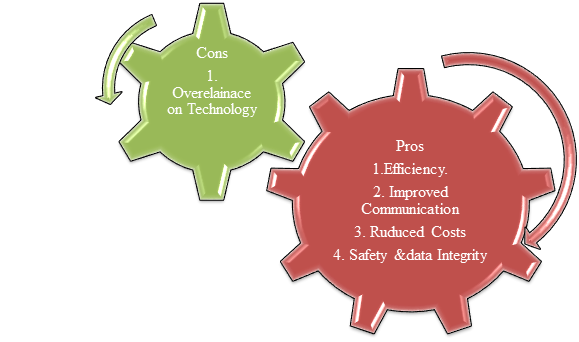
On the other hand, the health practitioners have also included the use of social media in following up the patients to determine the outcomes of care even after they are discharged from the facility (Menon, et.al.2013). This has enhanced communication between the patients and their care providers, a factor that has proved essential in the manner in which care is offered in the hospital. It is however essential to determine that the use of technology in healthcare has some of the advantages and disadvantages. In the case of these medical facilities, the pros in the use of IT tend to outweigh the cons and considered in the table below:
Table 1.2: Pros and Cons on the use of IT at 21st Century Solutions Health Care Hospital
Conclusion
The21st Century Solutions Health Care medical staff personnel’s have a commitment to touch the lives of different patients from diverse backgrounds through the development of an organizational culture that is committed to serve the patients with compassion and kindness. Our medical teams also bring the aspect of technology in practice, a factor that has enhanced the manner in which care is provided in the facility.
This therefore gives the impression that the organization is committed in ensuring improvements, professionalism and excellence through the inclusion of technology is achieved. Currently, the facility is ranked the best in terms of service delivery, an achievement that depicts the commitment and the efforts of different stakeholders in realizing this dream. We anticipate enhancing the manner in which care is provided in this facility in order to meet the diverse needs of the population.
References
Booth, B. J., Zwar, N., & Harris, M. F. (2013). Healthcare improvement as planned system change or complex responsive processes? a longitudinal case study in general practice. BMC Family Practice, 14(1), 51-62. doi:10.1186/1471-2296-14-51. Available From: http://search.ebscohost.com/login.aspx?direct=true&db=aph&AN=87956386&site=ehost-live
Harlez, Y., & Malagueño, R. (2016). Examining the joint effects of strategic priorities, use of management control systems, and personal background on hospital performance. Management Accounting Research, 302-17. doi:10.1016/j.mar.2015.07.001. Available From: http://search.ebscohost.com/login.aspx?direct=true&db=bth&AN=112906275&site=ehost-live
Menon, N. M., Yaylacicegi, U., & Cezar, A. (2013). Differential Effects of the Two Types of Information Systems: A Hospital-Based Study. Journal Of Management Information Systems, 26(1), 297-316. Available From: http://search.ebscohost.com/login.aspx?direct=true&db=bth&AN=43590939&site=ehost-live
Richer, M., Ritchie, J., & Marchionni, C. (2012). ‘If we can’t do more, let’s do it differently!’: using appreciative inquiry to promote innovative ideas for better health care work environments. Journal Of Nursing Management, 17(8), 947-955. doi:10.1111/j.1365-2834.2009.01022.Available From: http://search.ebscohost.com/login.aspx?direct=true&db=aph&AN=45269889&site=ehost-live
Want help to write your Essay or Assignments? Click here