Want help to write your Essay or Assignments? Click here
Identifying a Problem
The diagnosis and management of depression within the American population remains one of the health factors affecting the health sector. Sources determine that the prevalence of depression within the American population is ascertained to stand at 8.5%, a factor that has seen less people seek medical attention (Wagner, Müller, Helmreich, Huss, & Tadić, 2015). Thus paper therefore seeks to develop a PICOT question in determine the aspect of depression and its effects within this population.
PICOT Question
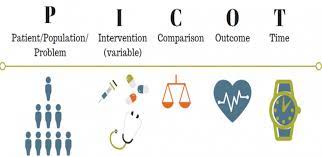
It is essential to consider that the PICOT P, Population: I Intervention C, Comparison, O, Outcome and T Time is developed in guiding this study. In the American population between the ages of 30-35 of the working class (P), is there a need of developing a tool that will analyze depression (I), compared with the other approaches of care (C) that ensures appropriate procedures are developed in order to detect depression (O) within a specified time (T)? The aim of the PICOT question is developed to determine enough evidences that justify the element of depression among the American population through the use of effective tools.
Selecting Sources of Literature
In considering the results of this paper, it is essential to search through multiple databases that include EBSCOhost, Google Scholar, PsycINFO and the Cochrane and other sources from Health Care research centers. In getting the results of this study, there are key search words that need to be considered (Wagner, et.al.2015). These words include: screening, depression, depressive disorders, BECK or BDI-ii and the population. The use of both the published and the unpublished materials in searching the literatures was incorporated with the materials reviewed dating back between 2005-2010.
Selecting Sources of Literature
According to Wagner et.al.2015, a metal-analysis was conducted to determine the effects of depression on the American population. The findings of the study identifies that a majority of the population presented traumatic symptoms. This material determines that depressive disorders among the younger generation may lead to suicidal and homicidal thoughts and attempts (Jackson, Dianne & Garnefski, 2015).
Some of the symptoms that are presented by this author include chest pains, headaches, painful urination, dizziness an excessive sweating. This source intrinsically supports the specified area of study since it provides evidence to some of the effects of depression among the American population.
Want help to write your Essay or Assignments? Click here
Jackson et.al.2015 in his literature consequently revealed that the screening of depression among the American population undergoes a process of identification, assessment, and initiation of approaches aimed at managing this disease within the American population (pp.197). This author details a quantitative randomized study within this population and establishes that the abuse of substances is as a result of depression, a factor that explains the reasons why several Americans engage in risky sexual behaviors.
On the other hand, the population is also likely to engage in drugs and substance abuse as a result of depression. The author determines that there is a need of developing a concurrent treatment method that uses psychotropic drugs and other stable stimulants in the management of depression. The inclusion of psychotherapeutic method is also essential in the management of depression.
The author also mentions that depression within this population needs to be effectively managed since discoveries have been made that establish individuals in this state engage in unprotected sex and the inclusion of multiple sexual partners, a factor that would result into a health concern within a nation.
References
Wagner, S., Müller, C., Helmreich, I., Huss, M., & Tadić, A. (2015). A meta-analysis of cognitive functions in children, adults and adolescents with major depressive disorder. European Child & Adolescent Psychiatry, 24(1), 5-19. doi:10.1007/s00787-014-0559
Want help to write your Essay or Assignments? Click here
Diabetes Mellitus
Being newly diagnosed with diabetes mellitus can be overwhelming and confusing due to the several things that a patient needs to learn and understand. However, for millions of diabetic patients learning about their diabetes is the first step towards living a longer and healthier life. According to Shaw (2014), Registered Nurses (RNs) play an important role of educating individuals that have just been diagnosed with diabetes mellitus encouraging them that they can live longer if they follow important guidelines for managing diabetes.
First, the RN should let the patient understand what type 1 diabetes is and how its symptoms present by highlighting the classic symptoms associated with diabetes mellitus such as excessive thirst and hunger, fatigue, unexplained weight loss, nausea, and vomiting. She should encourage the patient that he is not the only one suffering from type I diabetes.
Most youth with type 1 diabetes do not adhere to clinical guidelines (Wood et al, 2013). Therefore, the nurse can use examples of patients of almost similar age to the patient and are coping well with diabetes mellitus. The nurses should also explain to the patient that insulin injections are the central treatment for type I diabetes and for the patient to lead a quality life she should adhere to her medication.
For proper management of type I diabetes, some of the factors that the RN should focus on mainly includes control of blood glucose, insulin management, nutrition, exercise, and support (Atkinson, Eisenbarth & Michels, 2014). The nurse should advise the patient to measure his blood glucose levels regularly and administer insulin appropriately. Exercise on the other hand is a significant component of proper care for type I diabetes as it aids the body to respond with more stable levels of blood glucose (Haas et al., 2013).
Want help to write your Essay or Assignments? Click here
However, patients should be cautioned against extreme exercise which lowers their glucose levels considerably. Additionally, the nurse should aid the patient understand how various foods affect blood glucose and enlighten them on how to come up with solid meal plans (Chiang et al., 2014). She should also encourage the patient to seek help from other people with the same condition and be free to visit the medical center in case of any clarification.
The steps of the teaching learning process that were most likely not well employed are the implementation and the evaluation steps. In the implementation step, the nurse should have delivered content in a manner that is more organized with the aid of planned teaching strategies. The evaluation step could be improved if the nurse questioned the patient on some aspects such as why insulin is important in management of type I diabetes and more so the rationale of giving it as an injection instead of pills.
References
Atkinson, M. A., Eisenbarth, G. S., & Michels, A. W. (2014). Type 1 diabetes. The Lancet, 383(9911), 69-82.
Chiang, J. L., Kirkman, M. S., Laffel, L. M., & Peters, A. L. (2014). Type 1 diabetes through the life span: A position statement of the American Diabetes Association. Diabetes Care, 37(7), 2034-2054.
Haas, L., Maryniuk, M., Beck, J., Cox, C. E., Duker, P., Edwards, L., … & McLaughlin, S. (2013). National standards for diabetes self-management education and support. Diabetes care, 36(Supplement 1), S100-S108.
Shaw, R. J., McDuffie, J. R., Hendrix, C. C., Edie, A., Lindsey-Davis, L., Nagi, A., … & Williams, J. W. (2014). Effects of nurse-managed protocols in the outpatient management of adults with chronic conditions: a systematic review and meta-analysis. Annals of internal medicine, 161(2), 113-121.
Wood, J. R., Miller, K. M., Maahs, D. M., Beck, R. W., DiMeglio, L. A., Libman, I. M., … & T1D Exchange Clinic Network. (2013). Most youth with type 1 diabetes in the T1D Exchange Clinic Registry do not meet American Diabetes Association or International Society for Pediatric and Adolescent Diabetes clinical guidelines. Diabetes care, 36(7), 2035-2037.
Want help to write your Essay or Assignments? Click here
Want help to write your Essay or Assignments? Click here
Introduction
There is an increased focus on geriatric dermatology due to the growing trend towards aging populations in several countries across the globe. Elderly individuals are predisposed to many dermatological conditions as a result of senile changes in their skin. Although sometimes skin problems seem to be minor compared to major chronic diseases frequently seen in elderly patients, proper diagnosis and management aids in reducing the morbidity and influences positively their quality of life.
How to Properly Diagnose Skin Wounds in Frail Elders
Diagnosis is based on patient history. It is also founded on physical examination whereby a physician inspects the appearance of the condition, mode of distribution, arrangement and configuration, size of individual lesion, color. Surface characteristics such as rough, smooth, waxy or warty, and shape which can either be oval, round, or linear. Diagnostic tests can also be carried our such as skin scrapings that are important in detecting fungal infections, skin prick tests for allergies, and skin biopsies.
In an infection, germs are present in the body and are responsible for signs and symptoms such as pus from wounds, fever, and increased leukocyte count. Conversely, in colonization germs are present in the body but the patients do not present any signs and symptoms.
Type of Skin Wound
I selected herpes. This is an infection caused by the herpes simplex virus. Individuals with this infection have sores anywhere on their skin. Usually, it occurs around the nose, mouth, genitals, and buttocks. The infection is a painful experience, embarrassing and recurs time after time. Herpes is generally associated with genital herpes. However, herpes is actually a term referring to a family of viruses ranging from Epstein-Barr virus (causes infectious mononucleosis), varicella zoster virus (causes shingles), herpes virus 1/HSV-1, to herpes virus 2 HVS-2. Under a microscope, HSV-1 and HSV-2 look identical. Either type can infect the genitals and the mouth.
Herpes simplex has been ranked as one of the most common infections with approximately one out every five individuals in US having HSV-2 and about half to three quarter of all adults having a positive test for HSV-1. However, just ten percent of exposed persons get visible sores.
During the infection, the viruses, HSV-1 and HSV-2, traverse into the nerves where they blend with the DNA forcing the body to make copies of them so that they can be spread easily to other people. However, the body’s immune system attacks the viruses and the products overcoming them. In individuals with a weakened immune system, the virus traverses to the skin where it leaks out in tiny blisters that are painful, burning or unusually tender.
Herpes infection is severe in individuals whose immune system is weak such as children and the elderly. Often, it is a mild infection in that it goes unnoticed in majority of the people who are infected. The infected persons perceive the infections as normal skin irritation or chaffing. However, HSV can recur years later and be mistaken as an initial attack resulting in unfair accusations of infidelity between partners.
Want help to write your Essay or Assignments? Click here
Treatment
Anti-viral pills such as acyclovir, famyclovir, and valacyclovir are used in treatment herpes. Topical application ointments also help in reducing the healing time as well as the duration of symptoms. Some of the topical applications that are prescribed include penciclovir, acyclovir, and docosanol cream.
There are several risk factors in geriatric dermatology that can predispose one to developing herpes. Some of these factors include, a history of a prior sexually transmitted infection, engaging in sexual intercourse at an early age, having several sexual partners, and poor socioeconomic status. Research by Bernstein et al., (2013) indicated that HSV-2 is transmitted easily from men to women than vice versa. This explains why females have a high likelihood of developing HSV-2 infection than men. Individuals whose immunity is compromised such as patients with HIV are also at a high risk of acquiring herpes infection.
Prevention
Herpes is a contagious infection whose prevention before and after an outbreak is of great significance. If signs of recurrence such as itching, tingling, burning or tenderness are felt at any area of the body, then that area should be kept away from other people. Patients that have mouth lesions should avoid sharing cups, lip makeup, or kissing. Sharing of towels and clothing should be avoided strictly.
Avoidance of sexual activity among patients with genital herpes is an important intervention. Sharing of sexual toys should also be avoided highly as they may promote transmission of herpes. Use of condoms is the most effective intervention of preventing herpes transmission. Partners should also go for medical check-ups in case one of them experiences herpes symptoms.
Conclusion
Individuals who have had the infection should maintain general good health and keep stress as low as possible to lit chances of having recurrences which fortunately are milder than the initial attack. Infected patients should take care of the affected skin area by keeping it dry and clean during outbreaks to facilitate healing. Physical contact should be avoided until all skin sores heal completely, not just scabbed-over.
If one touches a sore he/she should wash hands thoroughly with soap and water failure to which the hands can transmit the virus to other body parts such as eyes causing herpes keratitis a condition that causes pain and sensitivity to light and is accompanied with discharge. Geriatric dermatology practice has to be by professional who have studied and understand their geriatric patients.
Want help to write your Essay or Assignments? Click here
Pressure Ulcer
Immaculate Mart Home has an occupancy rate of 99% with 293 patients occupying its total of 296 beds. The facility is a non-profit home and is not part of a multiple nursing home ownership. It has a below average RN per resident per day of approximately 43 minutes compared to that of the state of Pennsylvania of 55 minutes.
It has a Long Term Pressure Ulcer Percentage (LTPUP) of 2.4% and a short term pressure percentage (STPUP) of 2.1%. In September 24th 2015, PA was awarded a rating of 5 out 5 by the CMS of the Dept. Health for Human Services. This rating means that the nursing home is way above average based on quality measures, staffing, and health inspections.
Chapel Manner Nursing Home has a 95% occupancy rate with 229 patients using its total of 240 beds. It is part of a multiple nursing home ownership and it is a for profit organization. Its RN Hours/Resident/ Day is 57 minutes with an average of 2.29 minutes of Physical Therapy Staff. It has a LTPUP of 2.3% and a STPUP of 1.4%. It received a 2 out 5 overall rating. A score that implies that the facility is rated below average based on staffing, quality measures, and health inspections.
Fair View Care Center is a for profit nursing home that accepts Medicaid. It has a capacity of 36 beds. Its RN Hours/Resident/Day is averaged at 44 minutes and that of physical therapy staff is less than one minute. Moreover, it has 0.0% of its long staying patients as well as short staying patients with pressure ulcers.
Want help to write your Essay or Assignments? Click here
Baptist Health Care Center: This is a non-profit nursing home that has a total of 140 beds, all fully sprinkled with 138 beds occupied. It has an occupancy rate of 99%. It accepts both Medicaid and Medicare and it is not located within a hospital. It has a LTPUP of 2.8% and a STPUP of 1.6%
Its reported physical therapy hours are 0.03 per day and the total nurse staffing hours per patient daily is 4.47. In addition, it has a quality rating of 3 and a RN staffing rating of 4.
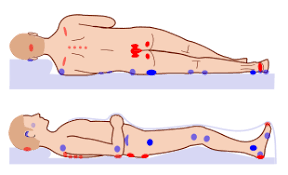
Some of the risk factors that predispose an individual to developing pressure ulcers include immobility, inactivity, smoking, poor nutrition, use of corticosteroids, and urinary or fecal incontinence.
Some of the strategies that can be used to prevent pressure ulcers include frequent weight shifting, using cushions or specialized mattresses that relieve pressure, protect and clean affected skin, maintaining a balanced diet, and proper health standards such as avoidance of smoking (Coleman et al., 2013).
Awareness can be increased by first laying out facts to the nursing home staff about the consequences of pressure ulcers, how they develop, and how easily they can be prevented. For instance, the staff should be aware that in 2013, the condition caused a totally of 29, 000 deaths up from 14, 000 in 1990 (Lachenbruch et al., 2016). This therefore, begs the nursing staff to implement urgent interventions against pressure ulcers.
Lachenbruch, C., Ribble, D., Emmons, K., & VanGilder, C. (2016). Pressure Ulcer Risk in the Incontinent Patient: Analysis of Incontinence and Hospital-Acquired Pressure Ulcers from the International Pressure Ulcer Prevalence (TM) Survey. Journal of Wound Ostomy & Continence Nursing.
Want help to write your Essay or Assignments? Click here
Want help to write your Essay or Assignments? Click here
Polypharmacy: Health Journal
In my practicum setting a patient visited for a follow up check on several complex medical conditions. During the process, patient history was conducted whereby a variety of clinical and statistical data was captured. The history examined the past medical account of the patient whereby a review was conducted on the conditions that the patient was suffering from.
The history was also geared towards determining the past surgical history of the patient, his family history, current medication, possible allergies, and the systems review. Murphy et al., (2014) highlights that follow ups are vital since they enable practitioners to assess patient’s needs and implement proper interventions to avoid readmitting of patients.
Researchers have well-established that polypharmacy is associated with an increase in the risk of adverse reactions, such as falls, poor vision, memory and hearing loss, decline in renal function, cognitive, functional impairment, as well as changes in metabolic rates (Maher et al., 2014; Jeffery & Kruse, 2014). However, from this patient it can be deduced that the adverse effects commonly linked to polypharmacy do not usually occur in all patients.
Want help to write your Essay or Assignments? Click here
This evidenced through the findings obtained in the patient history especially under the review of systems section whereby the patient denies having any adverse effects in most of her body system except for musculoskeletal system where the patient reports of experiencing back pain, joint pain, and shoulder pain.
For this patient, my plan will be to carry out diagnostic tests to identify the potential causes of the musculoskeletal signs and symptoms that the patient reports about. Moreover, examine the whether the patient is experiencing any progress from the treatment plan that she is undertaking.
My goal will be to ensure that the musculoskeletal signs and symptoms that the patient is complaining about are well controlled. Health care providers are charged with the responsibility of ensuring that patients receive the quality care delivery at all times (Martin-Misener & Bryant-Lukosius, 2014). Therefore, it will be my responsibility to ensure that the patient receives quality care delivery with improved outcomes.
References
Jeffery, L., & Kruse, M. G. (2014). CP-084 Pharmacist identification of potential side effects in patients with multimorbidity and polypharmacy. European Journal of Hospital Pharmacy: Science and Practice, 21(Suppl 1), A34-A34.
Maher, R. L., Hanlon, J., & Hajjar, E. R. (2014). Clinical consequences of polypharmacy in elderly. Expert opinion on drug safety, 13(1), 57-65.
Murphy, R., Bartlett, L., Pace, D., Boone, D., Smith, C., Lester, K., & Twells, L. (2015). Providing Obesity Treatment Information, Assessment and Follow-up: Improving Patient Access through Technology in One Province of Canada. Canadian Journal of Diabetes, 39, S50.
Want help to write your Essay or Assignments? Click here
Want help to write your Essay or Assignments? Click here
Teenage Psychotherapy Application
Discussing about underage alcohol consumption can be tough. It is important for the healthcare provider to have a discussion plan as most of the teens are likely to dodge the discussion. To obtain a meaningful discussion, in psychotherapy the first step is to find out the teens perception about alcohol. This will help the healthcare providers debunk the myths that alcohol consumptions gives one pleasure and share the facts that alcohol is a depressant, normally associated with aggressiveness and sadness.
This will help the health care provider appeal the teenager self-respect and empower them with strategies to manage peer pressure. The CDC alcohol consumption statistics is accurate. Most of the adolescents take alcohol without their parent knowledge. Most of these incidences are attributable to peer-pressure (Tanner-Smith and Risser, 2016).
The Neuman Systems Model of psychotherapy is used to give theoretical framework for developing Anorexia. The Neuman Systems Model of psychotherapy helps establish a mutual partnership between patients and their care givers, which helps in understanding the patient environment and in designing appropriate preventive, rehabilitative and corrective measures that will ensure that the desired outcomes are met.
When managing patient diagnosed with Anorexia, the model is used to assess the patient profile, identify stressors perceived by the patients, developmental factors, psycho-social, cultural and spiritual factors, learn the patient’s lifestyle patterns and interventions needed by the client to meet the desired outcome. This is helpful as it helps one deliver care in a comprehensive manner using the primary, secondary intervention as well as the tertiary interventions to promote the client’s health (Neuman and Fawcett, 2012).
The Imogene theory of goal attainment focuses in achieving the set life goals. According to this theory, nurse and patient relationship is important as it facilitates effective communication that will enable then set goals and together design action plan that will enable them achieve the set goals. Anorexia eating disorder results due to a sequence of behaviours which revolve around mental and physical action. According to this theory, to help the patient maintain their health and functionality, the nurse is expected to interact during assessment.
This will help the nurses gather data on patient perceived stressors, cultural and social cultural goals. The theory helps during nursing diagnosis in that through the interaction with the patient, problems and disturbances are identified. This helps in designing an effective care plan that will be used to solve the challenge identified is made. This phase involves making of decision and setting of goals. The continuation of transaction is reflected by implementation phase. This theory guides during the evaluation phase to determine if the goals have been achieved (Alligood, 2010).
Nurses play an integral role in facilitating recovery in patient diagnosed with eating disorders. For this reason, it is important for a healthcare provider understand the helpful strategies that will help the patient restore their health. A comprehensive assessment should be done using the following questions (CDC, 2013);
a) Are you happy with eating pattern?
b) Do you eat in secret?
c) How do you feel about your weight?
During this treatment, the patient should be advised on the effective dietary which will help them achieve the desired weight range. This exercise should be complemented using psychotherapy. The counselling section should involve education on body weight, impacts of starvation and clarification of myths on dietary misconceptions. This will help the patient regain self-esteem and self-control (Moy et al., 2013).
References
Alligood, M. (2010). Family Healthcare with King’s Theory of Goal Attainment. Nursing Science Quarterly.
Moy, J., Petrie, T., Dockendorff, S., Greenleaf, C. and Martin, S. (2013). Dieting, exercise, and intuitive eating among early adolescents. Eating Behaviors, 14(4), pp.529-532.
Neuman, B. and Fawcett, J. (2012). Thoughts about the Neuman Systems Model: A Dialogue. Nursing Science Quarterly, 25(4), pp.374-376.
Tanner-Smith, E. and Risser, M. (2016). A meta-analysis of brief alcohol interventions for adolescents and young adults: variability in effects across alcohol measures. The American Journal of Drug and Alcohol Abuse, 42(2), pp.140-151.
Want help to write your Essay or Assignments? Click here
Want help to write your Essay or Assignments? Click here
Critical patient care
Within the case provided, critical patient care coordination especially communication between medical providers and the patient including his family remains essential. As a NP, having been asked by Mr. Wiggin’s wife to make a decision in regards to progressive, critical patient care for the husband, I would consider the state of the patient, his unsuitability for dialysis. This factor has attributed to the general decline of his functionality resulting to complications that include organ failure (Cowan, 2016). The condition of this patient will deteriorate if other conventional treatment methods are not introduced.
I would incorporate a symptoms management approach in this stage in order to ensure t the patient gets opportunity to discuss his wishes in considering other conventional treatment options(‘Hare, Rodriguez,& Bowling, 2016). Before arriving at the decision, there will be a need to conduct consultations with other practitioners and engage the patient in the treatment discussion. In this instance it would be essential to also include the entire family especially in this state, thus providing the patient with support that encourages him to arrive at the decision of choosing another conventional treatment option.
Want help to write your Essay or Assignments? Click here
In facilitating critical patient care to this patient, it is essential to meet the patient’s needs, a factor that would require a shift from the tradition methods that focused on the disease to a more patient-centered approach where quality of live is considered as key (Garcin, 2015). Considering that this patient’s health condition is deteriorating, it is essential to encourage the patient through support in reviewing other treatment options that may be of benefit.
In addressing the need of the patients and their families, it is essential to consider including good communication with the aim of facilitating an informed decision (Thirsk, Moore, & Keyko, 2014). This would require an explanation of the results and progression of the disease and its prognosis are including the consideration of managing the patient within a home setting.
References
Cowan, D. 2016. Understanding The Journey Travelled By Patients And Carers Living With End Stage Kidney Disease And Haemodialysis. Australian Nursing & Midwifery Journal, 23(8), 27-29.Available from: http://search.ebscohost.com/login.aspx?direct=true&db=aph&AN=113232640&site=ehost-live. (25th April 2016)
‘Hare, A. M., Rodriguez, R. A., & Bowling, C. B. 2016. Caring for patients with kidney disease: shifting the paradigm from evidence-based medicine to patient-centered care. Nephrology Dialysis Transplantation, 31(3), 368-375. doi:10.1093/ndt/gfv003. Available From: http://search.ebscohost.com/login.aspx?direct=true&db=aph&AN=113310258&site=ehost-live (25th April 2016)
Thirsk, L. M., Moore, S. G., & Keyko, K. 2014. Influences on clinical reasoning in family and psychosocial interventions in nursing practice with patients and their families living with chronic kidney disease. Journal Of Advanced Nursing, 70(9), 2117-2127. doi:10.1111/jan.12370. Available From: http://search.ebscohost.com/login.aspx?direct=true&db=aph&AN=97431961&site=ehost-live (25th April 2016)
Want help to write your Essay or Assignments? Click here
Want help to write your Essay or Assignments? Click here
A Social Issue or Governmental Concern
Introduction
Obesity is currently a serious social issue that is increasing rapidly. Whoever considered both woman and children to have different perceptions about their body index, the knowledge in surgical and medical issues that are connected to this disease (Li, et.al.2015). It is important to establish that the US is considerably experiencing a larger growth of obese generation, a factor that needs address.
Thesis:
Obesity is a fast growing epidemic due to several factors such as poor diet, lack of physical activity and stress and has become a serious social issue requiring greater government involvement through nutritional content regulation and increased physical education in schools.
Obesity as a Governmental Concern
It is essential to determine that obesity as a health problem has had a considerable amount of economic impact within the health care system of the United States of America. This can be attributed to the increasing prevalence of overweight individuals that are directly associated with costs for a nations. These costs are incurred by the government in the development of preventive, diagnostic and treatment approaches that are connected to this disease (Li, et.al.2015).
On the other hand, the indirect costs that nations are bound to experience includes the wages that are lost by individuals who do not have the capacity to work since they are diagnosed with this ailment including the value of the future costs that a state is bound to encounter as a result of this ailment, a factor that makes it more of a governments concern as well. Additionally, it is imperative to determine that nations divert resources with the aim of dealing with the challenges that these issues present in a nation thus affecting the economic state of a nation.
Governments are additionally pushed in the acquisition of healthy foods that are more available, with the aim of reducing the supply chain and the promotion of other foods. The government is also obligated to develop awareness programs that encourage the population of healthy feeding in order to mitigate the effects of this disease, encourage physical activity and make the changing of policies easier for individuals who preset such illnesses. In other words, the government is forced to use its potentials in changing the social causatives of obesity
Obesity has been found to affect the health, economy, and social status of different individuals including the economic nation. This can be depicted as individuals who present this illness spend on medication including the government’s efforts aimed at managing this disease. The government in handling this situation is forced to pool several resources aimed at training the healthcare professionals on how to help in managing obesity (Li, et.al.2015).
The health professionals help patients on decreasing their weight stigma and encouraging patients on the need of being sensitive through an approach that involves education. The healthcare professionals are then trained and equipped with appropriate skills in managing this disease. This has seen the development of an obesity management approach that teaches the patients on how to diet and manage the disease. These approaches remain effective in managing obesity in a nation, a factor that requires a joint effort of both the health and government sectors. This determines the fact that obesity remains a health concern in a state.
Want help to write your Essay or Assignments? Click here
Obesity as a Social Issue
Obesity is characterized as a condition that allows the accumulation of excess fats in the body. However, when people accumulate unnecessary weight as a result of this disease, it results into a social factor since it develops several implications within the society, legal, economic, religious and political elements (Li, et.al.2015). In determining the social aspects of obesity in Americans, it is essential to consider that Americans have turned out to be conscious about obesity currently than they did in the past, with many considering it as a societal issue that is viewed to be serious as compared to smoking or drinking.
The rates of Obesity has immensely grown, thus resulting in other nutritional related chronic diseases including the significant burdens that families, healthcare systems and the community encounter in caring for patients with this disease.
It is additionally important to consider the fact that individuals who are obese are viewed differently in the society. The society is more likely to consider them as suffering from unwanted illnesses, a factor that depicts the fact that these individuals are prone to suffer from discrimination and prejudice in different societies (Li, et.al.2015). On the other hand, obese people are considered to also have few friends, lower employment and education opportunities.
Following sources, we considered the perceptions of women especially those who suffer from obesity and their levels of knowledge on the medical and surgical elements as related to this disease as social (Li, et.al.2015). This has seen many of overweight women grow in large numbers, a factor that has caused them to underrate their body mass index (BMI). Since a majority of women that are obese are faced with the challenge of underrating their body mass index.
This can be depicted in the less educated women who we considered whom as having issues that result in the underestimation of their BMI. As depicted in the research, several of these women do not consider knowing their BMI status (Li, et.al.2015).Women are more likely to suffer from obesity without considering to it. It is now essential to call for support systems among the medical fraternity in administering advice to this population.
It is essential to consider that there are some misconceptions that have been developed and that have dominated policy initiatives directed towards combating and managing obesity. Several schools of thought believe that diet restrictions and the element of weight stigmatization may be ineffective in the fight against obesity (Li, et.al.2015).
However, it is important to consider applying psychological science in enacting new regulative approaches that aid in weight management in the local and national level. This essentially discourages individual’s willpower that is in strategies developed to fight obesity and encourage the initiation of policies that support environmental changes that nurture health for the populace.
In managing diabetes, it is vital to consider that there have been misconceptions dominating the policy initiatives in mitigating this disease. This determines the fact that the misconceptions dwelt on diet restrictions and weight stigmatization as not effective in mitigating this disease. In addressing this health concern, there is a need of inclusively incorporating psychological science in helping patients with weight management.
Studies have discovered that there is a need of employing scientific policies in improving the health of patients who suffer from this disease (Li, et.al.2015). This encourages the patients to develop a willpower approach in fighting obesity, whereas there is a need of encouraging policies that support environmental changes in nurturing a healthy society for all. Working conditions require that employees develop a healthy lifestyle that entails eating healthy foods, exercise and inclusion of education.
As determined in this paper, Obesity has turned out to be a health concern since it affects the economic, health, and social lives of individuals in a nation. In a nut shell, obesity is a social concern that has grown rapidly over the years. This a major cause for concern in the long list of issues that obesity can lead to.
Many people do not realize just how damaging obesity can be to their body and their overall health. It is in our hands to put an end to obesity and the extra toll that it is taking on the lives of US citizens conclusively. Let’s change the trend of obesity by making the initiative to live better lifestyles so that we can build towards a healthier America.
Want help to write your Essay or Assignments? Click here
Conclusion
As determined in this study, Obesity remains a fast growing epidemic due to several factors such as poor diet, lack of physical activity and stress and has become a serious social issue requiring greater government involvement through nutritional content regulation and increased physical education in schools. Obesity has been found to affect the health, economy, and social status of different individuals including the economic nation (Li, et.al.2015).
This can be depicted as individuals who present this illness spend on medication including the government’s efforts aimed at managing this disease. However, it is important to consider applying psychological science in enacting new regulative approaches that aid in weight management in the local and national level.
This essentially discourages individual’s willpower that is in strategies developed to fight obesity and encourage the initiation of policies that support environmental changes that nurture health for the populace. This therefore determines the rationale behind this ailment being a social issue and a governmental concern that is widely affecting several nations both socially, economically, religiously and politically.
References
Li, W., Buszkiewicz, J. H., Leibowitz, R. B., Gapinski, M. A., Nasuti, L. J., & Land, T. G. (2015). Declining Trends and Widening Disparities in Overweight and Obesity Prevalence among Massachusetts Public School Districts, Retrieved from http://www.medscape.com/medline/abstract/26270317
Want help to write your Essay or Assignments? Click here
Want help to write your Essay or Assignments? Click here
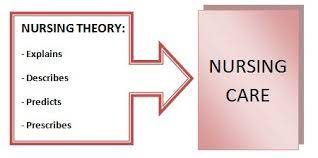
What is nursing theory?
1. What is nursing theory? What is the relationship and importance of nursing theory to the discipline of nursing?:
Nursing theory is the concept that aims to establish a creative and rigorous idea reconstruction to explain the theorem or phenomena being applied in health care. This is a routine concept that supports the ideas and reference of ideas that is pointing towards nursing practice in both clinical and community setting.
The relationship and importance of nursing theory towards nursing is about the systematic organization of knowledge and skills towards health care. This is applicable towards patient advocacy by being able to provide patient care, which seeks to promote relevant health care practice in both hospital and community setting.
2. Grant theory is the process wherein there is a sociological imagination that is similar with other concept to form an abstract theory. The difference is that it is conceptualizing about the probable outcome that can be associated with its planning activity. Middle range theory is an approach that is aiming to establish collaboration, which seeks to promote social construction of practices.
In nursing perspective, the difference is about the intervention applied when the nurse is now going to apply plan into action. As for the practice theories, this how social beings uses their diverse intentions in order to accomplish certain tasks. The difference is that they always take to create a critical analysis such as evaluating the outcome of each practice.
3. Dorothy Johnson’s theory is applied for the advocating of effective and efficient behavioral functioning, which is similar with other theories that utilize emotions. The difference is about the application of psychological issues that affects nursing practice. The theory of goal attainment aims to direct nurses with the efficient application of health care between nurses and patients. The difference is about the application on interaction, perception, and communication that seeks to improve growth and development.
Estrine Levine’s theory is about the process of conservation principles in nursing, in which nursing is a continuous practice of enhancing skills and knowledge to be progressive. The difference is the concept of keeping together, which means that nursing process should be always intact regardless of what situation that the nurse and client are currently experiencing.
Want help to write your Essay or Assignments? Click here
4. Jean Watson applies caring theory being applied in both clinical and community practice. In contrast, it is all about the science of caring theory focusing on humanitarian caring process. Leininger’s transcultural theory is about the application of interpersonal relationship. The difference is about the cultural aspect that the nurse applies when providing care. Boykin & Schoenhofer‘s grand caring theory is a major application of clinical practice that seeks to promote nursing skills by guiding nurses. The difference is about the application of framework in nursing practice to improve client patient relationship.
5. Newman’s theory of health as expanding consciousness is the chosen theory. This supports the view of nursing profession by indicating that nursing is a continuous process. Nursing values becomes competent when nursing practice will be supported by additional insights and applications. This can be processed through trainings and seminar workshops to transform nursing practice competitive and reliable.
6. As an understanding of SDS, this is about the concept that focuses on the evolution of stress due to environmental stimuli. As a scenario in clinical setting, patients in distress who are seeking for health care service are suffering from psychological and physiological stress. Applying this model can be applied during physical assessment procedure and intervention, which enables to assess the problems and then address patient’s health care problems to prevent further injury and promotes health as related by Chinn & Kramer (2010).
Reference
Chinn, Peggy &Kramer, Maeona (2010). Integrated Theory & Knowledge Development in Nursing (8 ed.). St. Louis: Mosby. ISBN0323077188.\
Want help to write your Essay or Assignments? Click here