

Family background effect on Career choices

Family background effect on Career choices

A qualitative research analysis of how family background influences their career choices for the international students at the University

2.0  Rationale of the Project

The issue of accountants’ shortage has been reported in many areas across the globe with countries such as New Zealand, UK., Ireland, Australia, Japan and the USA was reported the greatest impact (Jony Hsiao, 2015).There has also been an occurrence of high profile scandals in businesses such as Worldcom, Parmalat, and the Enron that are outstanding in global economy where there is a predominance of service as well as knowledge.

Such occurrences have triggered a rise in the demand for recruiting highly skilled and experienced accountants who can offer extensive services in auditing. With the introduction of the 2002 Sarbanes-Oxley Act, there emerged the Big 4 public accounting corporations along with the public listed organizations that have been craving for the services of qualified auditors, which offers accounting students an opportunity to maximize their advantages in accounting education through obtaining chances for employment as well as evaluate their capabilities in the accounting profession (Yew Ming Chia, 2008).

In recent years, the majority of the students take their courses in accounting in foreign countries where they need funding of greater magnitude but they still have expressed strong desire to study. The family background could be poor therefore posing a challenge to the students who aspire to complete their courses. While western vocational psychology has conventionally focused on the individual’s values and interests in making career choices, it is suggested that social factors such as family background is of vital role to be considered in one’s career development (Fouad et al., 2010).

The shortage of talent accountants therefore is an important forecast that point at the necessity for establishment of programs for training and retention of accountants, especially international students who can acquire the requisite qualities for successfully uplifting satisfaction in the dynamic professional accounting area, thus deduce the job turnover rate and alleviate the declining enrollment trend of accounting systems.

3.0 Preliminary Review of the Literature

The review of literature shall be executed in view of identification of the family background influences on international accounting students’ career choice for their preferred career path. Based on past research in the same filed, some factors that have been identified to have significant contribution include intrinsic as well as extrinsic interests and the perception of intrinsic has been taken more focus.

It shall also be prudent to revisit the previous literature because there is evidence to suggest an inadequacy examination of the impact of family influences and anticipated work-family conflicts in predicting the intentions of the student to choose accounting as a future career. Available information indicates that, earlier investigations focused mainly on evaluation of the perception of the student towards accounting as well as the roles of accountants in attempts of addressing the declining trend of students’ enrolment in accounting programs.

Earl & Bright (2007) conducted an investigation to analyze the relationship that exists between the work outcomes and career decisions. The findings indicated that, the decision of the career graduate was moderated by the extent to which the expectations of the job role were addressed. This decision was also related to the level of job satisfaction. In this regard therefore, the students who made independent decision to take a program in accounting made effective contributions to the organizations where they worked.

When intrinsic value was observed as major influential driver of accounting students, job availability and flexibility in career options ranked relatively high among various career predictions. The extrinsic factors are also mainly based on the size of financial rewards and working environment that associate with job satisfaction (S. Sugahara and G. Boland, 2009).

Research findings also indicate that, the beliefs of the accounting graduates changed soon after they were hired and that the dissonance in the job contributed significantly to job dissatisfaction, thus increasing the tendency for job turnover. This was therefore deemed as a potential explanation to the high rates of job turnover of the newly hired accounting employees in the majority of the accounting firms (Liu, B., Liu, J. and Hu, J., 2010)

Intrinsic interest can generally be explained as individual’s pursuit in enjoyment, creativity and challenge derived from job (S. Sugahara and G. Boland, 2009). An investigation targeted towards Japanese accounting students indicated that the nature of job and the chance to make contributions that compose intrinsic value was a major factor of accounting graduates’ career prospects.

The influence of persons, such as parents, classmates, close friends and business people in workplace, however, was revealed to have a weak impact for accounting students. Similarly, Zauwiyah Ahmad Hishamuddin Ismail R. N. Anantharaman, 2015 has discovered that  internal satisfaction that contained challenging, interesting and exciting was positively linked to accounting students’ career decisions, but social factors were neglected in this investigation.

There are however some researches claiming that family influences within collectivistic cultures are of increasingly significant role in career development especially for those non-White people. Fouad, 2010 discovered that family expectation and information support were the most potential attributes among ethnic groups.

Compared with African American and Whites, Asian American posed to be heavily attached to hard work and achievements on both education and career development. They indicated their path way determined by parents from very early age while their self-attributes failed to be considered, thus leading them to place higher value on prestige and initial salary when making career choices.

It was also found that information support of family was of extensive effect on Korea’s accounting students’ career beliefs and decisions. Family financial support as well as emotional support linked directly to the anticipation of future jobs (S. Kim., T. Ahn and N. Fouad, 2015).

Weer et al. (2006) has also investigated the contribution of anticipated conflict between family and work life in the choice of an accounting career. The majority of the students are keen to analyze the potential conflict or the possibility interference between the family roles and their future job as a career program in accounting. There is evidence that, work-family conflict can exist in the accounting profession.

This relationship has further been extended to have implication on the job turnover as evident in the majority of accounting firms (Aizzat & Khor, 2008). Research highlighted that appropriate work time, active work involvement positively contribute to a responsible family role. Family-related factors such as the number of independent children as well as the family involvement also weigh among work-family conflicts (Aminah , 2008).

Further literature in the career development points out that, most students are likely to change their career in the future as a result of the conflicts (Pasewark and Viator, 2006). Cinamon, (2010) indicated that, such students tend to choose a career that has lower anticipated risks. It is, therefore certain that the students with high anticipated conflict in accounting as their future career shall have lower intentions to pursue a program in accountancy.

, classmates, close friends and business people in workplace,

4.0 Research objectives and questions

4.1 research objectives

  1. To determine whether or not family background influence the career choices
  2. To establish whether or not classmates and friends influence career choices of international students.
  3. To determine whether career choices by people influence career choices of international respective?

4.2 Research Questions

  1. Does family background influence career choices of international students?
  2. Do classmates and friends influence career choices of international students?
  3. Do career choices by people influence career choices of international respective?

4.3 Hypothesis

1: H0 There is not any single association between family background and career choices

2: H1 There is a direct association i.e. single association between family background and career choices

3: H0 There is not direct relationship between family member persuasion and professional option

4: HThere is a direct relationship between family member persuasion and profession        option

5= H0 Career choices by people do not influence career choices of international students

6= H1 Career choices by people influence career options of international students  

5.0 Research Plan

5.1 Research Design

Positivism research design complies with the standpoint that factual knowledge can be collected through measurement (Muijs, 2011). In a positivist project, the researcher is in charge of data collection as well as interpretation in an objective manner and the collected data is quantified. Owing to the fact that this is quantitative project will adopt positivist paradigm to increase understanding of how family background influences career choice of international students in the University. In this case, the paradigm will allow the researcher to draw knowledge from positive data because it is easier to present numerical evidence of each rationally justified allegation (Collis & Hussey, 2013).

In addition, the reality of incidents is not connected to what is being explored; therefore, positivism design allows researchers to build knowledge of a reality beyond individual intelligence (Muijs, 2011). Based on this fact, a quantitative researcher creates hypothesis from existing theory and use suitable statistical tests, to determine if the finding is in line with theory or theoretical framework. Ultimately, the hypothesis is either accepted or rejected.

5.2 Data collection

This study will use questionnaires to collect primary information. In a quantitative research project, the aim of the researcher is to assess mathematical or statistical analysis of the collected information (Saunders, Lewis & Thornhill 2012). In addition, the researcher purposes to make general views of the entire population. This means that quantitative research places emphasis on gathering mathematical data and generalize it to the whole population to explain an occurrence (Bryman, 2016). 

For that reason, questionnaires will present detailed information on how family background influences career choice of international students in the University. Primary information is also suitable for this study when it comes to recognizing different family backgrounds of an international student. Again, primary information will offer useful insights important in understanding the link within data.   

The questionnaire is an appropriate data collection technique in this study because I will allow the research to collect detailed information from international students on how family background affects their career choices in short period (Leedy & Ormrod, 2014). Much as the questionnaire is cost-effective, it will suitable for this project since it will enable the researcher to gather international students’ views with limited impact on reliability and viability. 

Moreover, the questionnaire is fit for this study since it results can be quantified easily and quick with the help of software like SPSS.  Compared to other data collection methods, questionnaires can be analyzed objectively and such information is vital in developing not just theories but also testing hypotheses.

5.3 Data Analysis

While there are several programs applicable in data analysis, the SPSS application will be used in this study. SPSS is the most suitable application for the study because it’s comprehensive, flexible and generates tabulated graphics, distribution trends as well as complex data analysis. Again, the SPSS software is user-friendly and intuitive for all users. There is quite a number of tests that may be employed to evaluate data, however, the selection of test is informed by the data collected and what we intend to achieve in the first place (Saunders, Lewis & Thornhill, 2012).                                                                                      

The t-test, for instance, is employed to determine whether the means of two clusters are different from each other statistically. So this type is pertinent for means in two clusters. When determining the relationship between two variables, the Pearson’s correlation is the best approach. The analysis of variance, on the other hand, is important when comparing the association between a number of groups.

5.4 Limitations

According to Saunders, Lewis & Thornhill (2012), the research method works as the backbone of the study. Its central purpose, however, is the enumeration of statistics. It enables the broad view of the outcomes by determining the conceptions and feedbacks of the sample populace. However, the improper representation of the target populace is a major drawback for this approach.

This prevents the researcher from realizing its expected purposes and objectives. Regardless of a suitable sampling schedule, the representation of subjects relies on the possibility of observed statistics. This often culminates into the misrepresentation of the proposition. Nonetheless, a large sample size is often needed in for quantitative research methodology, and yet, owing to minimal resources, the broad-based research becomes a mirage (Collis & Hussey, 2013).                                                                 

The researcher is also unable to control the environment because feedbacks to the question are provided by respondents. In addition, because of the closed nature of questions in a quantitative study, it restricts the outcomes of a research, as such; the outcomes may not necessarily represent the reality of the ground. To ensure a far-reaching randomization and correct description of control groups, considerable time is needed. Furthermore, the process is capital intensive. In the end, data analysis may be so complex to realize especially when the researcher does not have a background in statistics.

6.0 Ethical Considerations

The consideration of ethical issues in a quantitative research, where human beings are involved is essential. Previously, various studies have caused a mental and physical impact on respondents an issue that necessitates the moral consideration. For instance, the researcher is required not just to obtain informed consent from respondents but also inform respondents about the dangers and advantages that come with the study (Creswell, 2014).

Moreover, confidentiality of respondents should be guaranteed with regards to disclosing values, beliefs, and characters. The confidentiality implies that the researcher will not be required to collect and record data in stealth mode. Again, the researcher should not falsify information; in any case, the researcher should ensure that the collected information is as accurate as possible. In this respect, the use of fictitious respondents is not only unethical but defeats the very purpose of research.

References

Aizzat, M.N. and Khor, L.H. (2008), “The influence of support at work and home on work-family conflict: does gender make a difference?” Research and Practice in Human Resource Management, Vol. 16 No. 1, pp. 18-30.

Bryman A. 2016. Social research methods. Oxford: Oxford University Press.

Cinamon, R.G. (2010), “Anticipated work-family conflict: effects of role salience and self-efficacy”, British Journal of Guidance and Counselling, Vol. 38 No. 1, pp. 83-94.

Collis, J. & Hussey, R. (2013) Business Research: A Practical Guide for Undergraduate and Postgraduate Students. 4th ed. London: Palgrave-MacMillan.

Creswell, J. W. 2014. Research Design Qualitative, Quantitative, and Mixed Methods Approaches (4th ed., p. 304). Thousand Oaks, CA: SAGE Publications.

Earl, J.K. and Bright, J.E.H. (2007), “The relationship between career decision status and important work outcomes”, Journal of Vocational Behaviour, Vol. 71 No. 2, pp. 233-46.

Leedy, P. D., & Ormrod, J. E. 2014. Practical research: Planning and design (10th ed.). Upper Saddle River, NJ: Prentice Hall.

Liu, B., Liu, J. and Hu, J. (2010), “Person-organization fit, job satisfaction, and turnover   intention: an empirical study in the Chinese public sector”, Social Behaviour and Personality, Vol. 38 No. 5, pp. 615-26.

Muijs D. 2011. Doing quantitative research in education with SPSS. Los Angeles, [Calif.]: SAGE.

Pasewark, W.R. & Viator, R.E., (2006), “Sources of work-family conflict in the accounting profession”,Behavioral Research in Accounting, Vol. 18 No. 1, pp. 147-165.

Saunders, M., Lewis, P. & Thornhill, A. (2012) Research Methods for Business Students, 6th ed. Pearson Learning Solutions

Want help to write your Essay or Assignments? Click here
Operations Management: Case Analysis of Hilton Hotel UK

Operations Management

Operations Management

Case Analysis: Hilton Hotel UK

Introduction

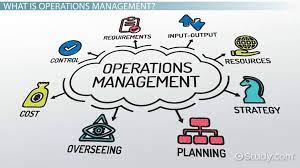
This paper intends to discuss operations management. Operations management is a term used to describe the supervision and organization of business practice as a way of creating a high level of efficiency in an organization (Brandon-Jones, Slack, Chambers, Johnston, and others 2016, p.8). 

Furthermore, operations management is also concerned with the conversion of materials along with labor into profitable goods and services for an organization (Hodari, and Sturman 2014, p. 434). Notably, in order to effectively discuss operations management, the paper will consider Hilton Hotel UK.

Task 1

General Model of Operations

The paper will look at the concern of Hilton Hotel UK towards the environment, how it retains and empowers employees, and how it addresses the needs of society. Moreover, the paper will also look at the relationship of Hilton Hotel UK with its suppliers, and the relationship and responsibility of Hilton Hotel UK towards investors.

In addition, the paper will also pay special attention to customers by analyzing the quality of products offered to customers by Hilton Hotel UK and assessing whether the products ensure customers receive the value for the price they pay for products. Furthermore, the paper will analyze if the management of the business addresses the needs of owners.

Task II

Operations Strategy

            Service Operations Concept

At Hilton Hotel UK, customers are allowed to make on line reservations through a website for Hilton Hotels http://www.hilton.com/en/hi/customersupport/index.jhtml that offers customer support (Bohdanowicz, Zientara, and Novotna 2011, p.797). However, Hilton Hotel UK also provides the option of making a reservation for a room, from a Hilton Hotel UK office desk, where customers present themselves physically.

Notably, when customers are already at Hilton Hotel UK, they are served with special meals from the restaurant section of the hotel, a children’s menu and beverages from the bar section (Gerritzen 2014). In addition, Hilton Hotel UK also provides a fitness center for its customers, as it aims at giving customers a homely feeling when they are far from home.

As customers check out from Hilton Hotel UK, lounge services are provided by the hotel to enhance on comfort to customers (Chen, Wang, and Chu 2011, p.213). Furthermore, Hilton Hotel UK also offers luggage hold, baggage storage and delivery services to its customers as they check from the hotel (Chon, and Yu, 2012).

Competitive Objectives Spider Diagram

In terms of competitive objectives, Hilton Hotel UK focus on increasing the efficiency of its services through increasing online platforms for service delivery, which impacts on the speed and efficiency of service delivery and also interconnecting of Hilton Hotels branches. Moreover, Hilton Hotel UK also observes the quality of services it offers.

For instance, the hotel provides a separate menu for children meals to make a visiting whole family comfortable (Boone, Veller, Nikolaeva, Keith, Kefgen, and Houran 2013, p.230). In addition, Hilton Hotel UK also observes the value of being dependable. For instance, the hotel offers services of foreign exchange to its customers.

Furthermore, Hilton Hotel UK observes flexibility in service delivery through attending to different types of customers with different needs, such as business men, families, and customers seeking comfort. The cost charged for getting services from Hilton Hotel UK depends on the services a customer requires. Therefore, there are a number of variations in costs charged to clients. For instance a client who requires Wi-Fi services will be charged more.

The four V’s Diagram

Hilton Hotel UK is a branch of a hotel that is believed to be the fifth largest globally. Therefore, Hilton Hotel UK is believed to serve a volume of more than 10 million customers every year (Brookes, and Roper 2012, p.580). Moreover, Hilton Hotel UK offers a variety of services, including recreational services, fitness services, comfort, relaxation and luxury services, along with business convenience services.

Therefore, Hilton Hotel UK enjoys variability in demand from customers who want to conduct business, customers who want to travel but still keep up with their routine for fitness, and also customers who want to enjoy quality family time Boone, Veller, Nikolaeva, Keith, Kefgen, and Houran 2013, p.230). Hilton Hotel UK also has visibility to end user, where its website is restrictive to only people who can form legal binding contracts (Alon, Ni, and Wang 2012, p.379). Moreover, the website also gives restrictions on the materials to be used by the website visitors.

Task III

Focused Analysis

Product/Service and Process Design: Hilton Hotel UK provides a number of products for its customers. However, the products are divided into various categories depending on the target group and requirements of the target group. The diagram below summarizes the two main target groups for Hilton Hotel UK, the products category of the products offered to the two main groups and their process.

Convenience to Business Men: Notably, Hilton Hotel UK offers business men with an appropriate environment for doing both their money generating activities, and their relaxation activities. First, Hilton Hotel UK provides rental services to business men for audio equipment and visual equipment (Brookes, and Roper 2012, p.580).

Therefore, business men can be able to conduct their meetings from Hilton Hotel UK. Secondly, Hilton Hotel UK has a special business center. Within the special business center, Hilton Hotel UK allows business men to have business phone services. Therefore, business men can still coordinate and control their firms and companies back at home, from Hilton Hotel UK.

 In addition, Hilton Hotel UK also provides and arranges for courier services to business men utilizing their services. Thus, business men cannot complain of their business reports, and personal messages not getting to them on time. Consequently, business men are able to have regular monitoring of their businesses even when they are physically available in their home offices (Eva M Smith 2015).

In case a business man wants to record a message through speech, which the business man intends to use later or on another day for transcription, then Hilton Hotel UK has a Dictaphone for attending to such a business man’s needs.  In another scenario, a business man may want to telephonically transmit materials that have been printed and scanned to his company back at home. To address such a need, Hilton Hotel UK has an available fax machine, which has been set aside for use by business men staying in Hilton Hotel UK rooms (Gerritzen 2014).

Markedly, Hilton Hotel UK has been receiving customers from around the world, who converge at Hilton Hotel UK with a sole aim of conducting a meeting, or a series of meetings. Therefore, Hilton Hotel UK has addressed the need by its clients by constructing and reserving a number of rooms as meeting rooms. Moreover, when a meeting is held, all members available in the meeting are issued with flyers, programs and agendas for the meeting to be held on that day. T

hus, Hilton Hotel UK identified that their customers require photo copying services, hence started providing business men with the service (Hanioglu, and Arditi 2013, p.370). In addition, Hilton Hotel UK also has a printer set aside for providing printing services to business men, who are utilizing services of Hilton Hotel UK. 

Outstandingly, Hilton Hotel UK is an international hotel therefore the customers seeking the services of Hilton Hotel UK are from different social classes in society. In several cases customers may be high profile personalities, and people holding influential positions in their companies (Tufts 2014, p.52).

Therefore, the work load mandated to such personalities is huge, which then implies that such people require assistance. Thus, Hilton Hotel UK has attended to this need by providing secretarial service. Hilton Hotel UK also identifies that some of its customers work through team work. Hence, there is need for communication between the business men and their home offices.

Thus, Hilton Hotel UK provides the service of video conferencing (Petrović, Jovičić, Marković, and Gagić 2013, p.76). Moreover, some business men value communicating with people when they can see their faces, thus Hilton Hotel UK has a video phone to cater for the need. In addition, most business men require the internet to efficiently conduct their business therefore Hilton Hotel UK has Wi-Fi available in the rooms.

Comfort and Luxury to Business Men: Hilton Hotel UK attends to the comfort needs of business men by providing exchange services for foreign currency, staff members that communicate in different languages, a deposit box for safety and also baggage storage (Ransley, and Ingram 2012). Moreover, Hilton Hotel UK also offers an executive lounge that business men can hire, gives laundry services, room services, elevators for getting to the private rooms, and also allows for visitors (Henderson 2013, p.452).

Comfort and Luxury to families: Hilton Hotel UK identifies that a large number of its customers are families who intend to get a special experience away from home together. Therefore, Hilton Hotel UK has a number of plans in its delivery of services that suit families perfectly. Among the plans is providing two menus. One of the menus is a children’s menu while the other one is an adults menu (Hoefakker 2014). 

The reason for having two menus is to ensure that, the family gets as much comfort as possible, while at the same time living a healthy lifestyle. In order, to comfortably fit and spend time together, Hilton Hotel UK provides cribs to accommodate families. In the cribs there are high chairs that add on to the comfort and uniqueness of the stay at Hilton Hotel UK (Jung, Ineson, and Green 2013, p.394).

In addition, Hilton Hotel UK offers families with tours, which are meant for sightseeing. Such tours impact on the feelings of family members, make them have a more close relationship and also turn the stay at Hilton Hotel UK to be a memorable one for the family (Kim, Palakurthi, and Hancer 2012, p.198). At Hilton Hotel UK, the management identifies that for any family, health is the number one priority. Therefore, all family members require achieving fitness for their bodies.

Thus, Hilton Hotel UK attends to the need by family members through providing a fitness room. Additionally, bathroom and bedroom doors are built with enough entrance space of 32 inches (Niewiadomski 2015, p.178). The aim of concentrating on the size of bedroom and bathroom doors is to make people feel at home despite their sizes, since some are plus sized, while others are slim and others medium sized.

Task IV

Improvement

From the analysis of Hilton Hotel UK, it is evident that a number of areas need improvement. First, Hilton Hotel UK charges extreme high prices for clients using Wi-Fi services at the hotel. This problem is attributed to using Swisscom as their internet provider. Swisscom is globally known as unstable and outdated. The offering given by Swisscom is very complex while its reliability is extremely low. Moreover, customers are given restrictions on the number of megabytes that they can download (Jung, Ineson, and Green 2013, p.395).

Consequently, a customer is forced to purchase a number of vouchers if they intend to do video streaming. In addition, the network provided by Swisscom has regular changes occurring to the bandwidth, along with the speed of surfing. In some cases changes in speed of surfing may turn from great into poor and later to disconnect (Lee 2013, p.35). It is therefore recommended that Hilton Hotel UK makes changes to their internet network.

Moreover, it is also worth noting that, at Hilton Hotel UK phone reception may be a problem in some cases. This is due to poor network at the hotel rooms, since there are no signal boosters or stable routers for surfing network. Therefore, customers who work from indoors are inconvenienced and forced to seek better network connections in nearby areas such as malls and shops (Kim, Palakurthi, and Hancer 2012, p.198).

Furthermore, Hilton Hotel UK charges exaggerated prices for drinks taken from the Hotel’s mini-bars (Kasim, Gursoy, Okumus, and Wong 2014, p.1092). For instance, a bottle of Coke with a capacity of 0.2L is sold at 4.5 Euros, which further implies that if one is interested in buying a whole liter of Coke then he/she will be expected to part with 22.5 Euros. Notably, 22.5 Euros are further expensive compared to the prices charged for a wine bottle in Hilton Hotel UK (Chen, Wang, and Chu 2011, p.213).  

Additionally, though the bathrooms of Hilton Hotel UK are ok, it would be expected that the shower would be separate. However, that is not the case. It therefore becomes even more irritating that the shower is separated by a curtain. Hence, when a customer is in the bathtub, they might regularly feel the touch of the curtain on their skin (Kasim, Gursoy, Okumus, and Wong 2014, p.1098).

Management of allocation of rooms at Hilton Hotel UK is another important thing to review. Notably, customers who pay for rooms online have a higher likelihood of getting rooms that are lower in value that what they have paid for. Evidently a number of customers who paid online to book for rooms at Hilton Hotel UK have complained on the Hotel’s website. This is brought about by poor management of online platforms (Hodari, and Sturman 2014, p. 445).

In addition, since Hilton Hotel UK is located in a very busy place, it would be recommendable to provide cab services to customers. Cab services from Hilton Hotel UK would help in reducing the inconveniences Hilton Hotel UK customers undergo when trying to check in to Hilton Hotel UK or to check out of Hilton Hotel UK (Tufts 2014, p.52).

Furthermore, in order to improve on the convenience of customers travelling around UK it is important for Hilton Hotel UK to review the interconnection and interrelation policies of all Hilton Hotels UK, to enable customers move from one branch to another, by being allocated rooms of the same value they have paid for.

Hilton Hotel UK should also focus on holding regularly, team building activities for their employees and also increase the motivational activities held for employees. This is in a bid to improve on customer attendance services. Notably, when employees are in a good mood, and love their work, then they are likely going to offer high level services to customers, show concern and even try to form friendly relationships with customers (Kim, Palakurthi, and Hancer 2012, p.200).

For security of customers’ belongings, though Hilton Hotel UK offers a safety deposit box, it would be recommendable to construct large safes inside customers’ rooms, which can fit a laptop in. The safe should also be protected by electric cables.

Notably, Hilton Hotel UK uses key cards for getting access to the rooms. Sadly, key cards are known to have a tendency of getting mysteriously deactivated (Ransley, and Ingram 2012). Deactivation can be attributed to proximity of the key card to a customer’s mobile phone, but also it can be attributed to having misunderstandings over the time the customer is expected to check out from the room. Therefore, one issue that needs attending by Hilton Hotel UK is the efficiency of operation of key cards in accessing rooms.

Citing the need for controlling the temperatures of rooms at Hilton Hotel UK, the hotel has a system for climate control. Though the system works in a favorable way, it is recommendable for Hilton Hotel UK to upgrade the system into a system that produces minimal or no noise at all. Moreover, Hilton Hotel UK should consider issuing customers with earplugs when they issue toiletries (Henderson 2013, p.452).

The need for earplugs is to deal annoyance on customers when they have noisy neighbors or when there is construction going on. In addition, it is also important to construct hotel rooms with windows that all customers can comfortably reach and open when they feel the need for fresh air. Mostly, the hotel rooms at Hilton Hotel UK have raised windows that a majority of customers can barely reach to open (Gerritzen 2014). It would be important for Hilton Hotel UK management to address this issue when renovating the rooms.

Most customers of Hilton Hotel UK complain on the website of Hilton Hotel about the position of power outlets. In most rooms customers are expected to bend below the desk and plug in whatever they want to charge. It would be a thoughtful idea to move the power outlets to desk level or have power outlets stuck on the nightstand of every room.

Task V

Challenges and Conclusion

Challenges

In the near future Hilton Hotel UK is likely to face two challenges. The first challenge will be an influx of customers to Hilton Hotel UK yet the number of employees at Hilton Hotel UK cannot be able to meet their demands. In addition, Hilton Hotel UK might also experience a shortage of rooms to accommodate the large number of customers visiting from different parts of the world.

The second challenge Hilton Hotel UK might be facing in the near future, is competition from upcoming hotels. Many investors have identified that there is great opportunity in the hotel industry, and the rewards from investing in the hotel industry are also attractive. Hence, many investors are turning to the hotel industry, where they are coming up with new hotels that offer latest facilities.

Conclusion

The paper above has discussed operations management by looking at the case of Hilton Hotel UK. Using a general model of operations the paper has analyzed the environment of Hilton Hotel UK, how Hilton Hotel UK relates with suppliers, owners, investors, society and the employees. The paper has gone ahead to discuss operations strategy at Hilton Hotel UK by looking at the service operations concept, the competitive objectives by the use of a spider diagram, and the four Vs diagram.

In addition, the paper has also provided a focused analysis of Hilton Hotel UK by looking at product and process design at Hilton Hotel UK. Furthermore, the paper has further given recommendations on improvements that Hilton Hotel UK might consider doing and also revealed possible challenges that Hilton Hotel UK may encounter in future.

Reference List

Alon, I., Ni, L. and Wang, Y. (2012). Examining the determinants of hotel chain expansion through international franchising. International Journal of Hospitality Management31(2), pp.379-386.

Bohdanowicz, P., Zientara, P. and Novotna, E. (2011). International hotel chains and environmental protection: an analysis of Hilton’s we care! programme (Europe, 2006–2008). Journal of Sustainable Tourism19(7), pp.797-816.

Boone, J., Veller, T., Nikolaeva, K., Keith, M., Kefgen, K. and Houran, J. (2013). Rethinking a glass ceiling in the hospitality industry. Cornell Hospitality Quarterly54(3), pp.230-239.

Brandon-Jones, A., Slack, N., Chambers, S., Johnston, R., Lysons, K., Farringhton, B., Stevenson, W., Russell, R., Taylor, B., Krajewski, L. and Ritzman, L. (2016). Operations Management. Pearson Education Limited.

Brookes, M. and Roper, A. (2012). Realising plural-form benefits in international hotel chains. Tourism Management33(3), pp.580-591.

Chen, Y.C., Wang, W.C. and Chu, Y.C. (2011). A case study on the business performance management of Hilton Hotels Corp. International Business Research4(2), p.213.

Chon, K.S. and Yu, L. (2012). The international hospitality business: Management and operations. Routledge.

Eva M Smith, S. (2015). Hotel Revenue Management Strategies during Fall Foliage Travel Season. Journal of Hotel & Business Management, 04(01).

Gerritzen, N. (2014). Hilton Olympia Hotel London. NHTV Breda University of Applied Sciences.

Hanioglu, M.N. and Arditi, D. (2013). Teaming/timing sequences in hotel development projects. Construction Management and Economics31(4), pp.369-385.

Henderson, J.C. (2013). Selling the past: Heritage hotels. Turizam: znanstveno-stručni časopis61(4), pp.451-454.

Hodari, D. and Sturman, M.C. (2014). Who’s in charge now? The decision autonomy of hotel general managers. Cornell Hospitality Quarterly55(4), pp.433-447.

Hoefakker, C. (2014). Hilton London Gatwick Airport Hotel. NHTV Breda University of Applied Sciences.

Jung, T.H., Ineson, E.M. and Green, E. (2013). Online social networking: Relationship marketing in UK hotels. Journal of Marketing Management29(3-4), pp.393-420.

Kasim, A., Gursoy, D., Okumus, F. and Wong, A. (2014). The importance of water management in hotels: a framework for sustainability through innovation. Journal of Sustainable Tourism22(7), pp.1090-1107.

Kim, Y.J., Palakurthi, R. and Hancer, M. (2012). The environmentally friendly programs in hotels and customers’ intention to stay: An online survey approach. International journal of hospitality & tourism administration13(3), pp.195-214.

Lee, S. (2013). Cruise Operations Management: Hospitality Perspectives. Tourism Management, 37, p.35.

Niewiadomski, P. (2015). International hotel groups and regional development in Central and Eastern Europe. Tourism Geographies17(2), pp.173-191.

Petrović, M.D., Jovičić, A., Marković, J.J. and Gagić, S. (2013). Territorial expansion of hotel chains in countries of South-Eastern Europe. J. Geogr. Inst. Cvijic63(4), pp.75-92.

Ransley, J. and Ingram, H. (2012). Developing hospitality properties and facilities. Routledge.

Tufts, S. (2014). 5 The hotel sector in an age of uncertainty. A Hospitable World?: Organising Work and Workers in Hotels and Tourist Resorts, p.52.

Want help to write your Essay or Assignments? Click here
Advancing Cultural Mindset and Integration

Advancing Cultural Mindset and Integration

Advancing Cultural Mindset and Integration

Introduction

            Technological advancement has led to tremendous growth of the international trade owing to increase in the rate of global connectivity, a phenomenon referred to as globalization. Globalization provides numerous advantages to both small business enterprises and large corporations some of the advantages include; a large number of untapped client pool and the ability to outsource labor to overseas countries at lower prices than the domestic countries.

On the other hand, globalization also presents numerous challenges, for instance the elimination of international trade barriers has led to increase in competition. Global organizations compete for limited resources such as labor and low materials (Mathews, 2016). Labor forms one of the critical factors of production. In the global markets an organization’s leadership is not only tasked with the onus of hiring top talents but also the responsibility of ensuring that a cultural mindset and diversity of the workforce does not inhibit the productivity of the firm.

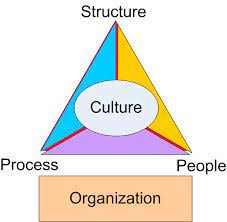
According to Wilson (2013), for firms to be successful in the global markets there is need for developing a global mindset that allows cultural mindset and integration. The essay thus evaluates strategies and negotiation process that lead to cultural mindset and integration in global organizations.  

Adopting a Diverse perspective

            The international workforce comprises of cultural mindset diverse individuals. Culturally diversity provides a large pool of untapped talent with the potential of elevating the firm’s productivity owing to the prevalence of creative and innovative employees. However, classical management theories such hierarchy model tends to hinder creativity. This is because the model is based on the need to monitor and control hence workers are tasked oriented and tend to act in the best interests of the superiors as opposed to the best interests of the firm.

The hierarchy model is thus inappropriate in the global market. Executive leaders of international firms should adopt a diverse perspective; that is recognize the individual differences of the workers and strife to encourage creativity of each employee.

            According to Wilson (2013), a diverse perspective elevates the levels of creativity and increases the firm’s productivity by maximizing talent exploitation within the firm. To develop diverse perspective, the leaders should create an enabling environment that encourages individual growth. The basic step in developing a direct perspective is adoption of an inclusive leadership system. According to Davies & Brundett (2010), there is no ideal leadership system that would guarantee success of the firm.

However, the inclusive leadership system incorporates all the necessary leadership skills hence more suited in developing diverse perspective. The basic leadership skills include; technical, human and conceptual skills (Davies & Brundett, 2010 p 78). Technical refers to skills acquired in training while human skills entail the ability to socialize and influence people. On the other hand, conceptual skills refer to the understanding of how the industry function.

            Incorporation of these skills allows the leaders to effectively influence the workforce. They are able to identify motivating factors of each worker and thus set into places mechanisms to ensure that the workers are motivated. One should note that for inclusive system to function, the labor force should be intrinsically motivated. Intrinsic motivation occurs when each labors contributions to the end unit is appreciated.

Wilson (2013), argues that appreciation of each worker contributions to the end product occurs through enhancing the relationship between the leader and each individual worker. According to Wilson (2013), a dyadic level perspective is a prerequisite in developing a diverse perspective, this is because it enhances the leader’s capacity and ability to influence each workers actions.

            In essence, developing and integrating a diverse perspective requires; a leadership model that incorporates all the necessary leadership skills and a healthy leader employee relationship. An inclusive leadership model is not only important in developing direct perspective but also in responding to dynamic changes in the international market system (Mathews, 2016).  Diverse perspective is important in developing a global mindset when dealing with cultural mindset diverse employees. However, the success of the business leadership models crucial in cultivating a diverse perspective greatly depends on the strategies employed.

Strategies that enhance global mindset.

            Effective business strategizing require rigorous evaluation of the business environment and assessment of the organization’s capacity to capitalize on available opportunities while maintaining its productivity. Global organizations require to employ strategies that allow simultaneous capitalization of the international markets and the domestic markets (Vandermootele, 2012).

Therefore, these firms are tasked with the onus of ensuring that the international market strategy fits with the organization’s goals. According to, the success of a firm in acquiring a full culturally integration require superb culturally self-awareness, cognitive complexity, and suspended judgements. In order to develop these capabilities the global organization leadership should employ a glocal strategy.

            The glocal strategy entails incorporating both the local and international business international structures in the organizations operations (Wilson 2013 p 48). However, the leaders and staff need to adopt a global mentality in order to effectively develop a global mindset. According to Mathews (2016), global mentality comprises of three important components which include; global thinking, local thinking and the ability to think and act glocally (p41).

Global thinking allows the organization’s to evaluate cultural mindset differences that would inhibit the success of its international operations, it facilitates the development of cultural cognitive abilities thus help in formulation of the best international expansion plan.

            On the other hand, local thinking creates cultural mindset awareness within the organization’s leadership. Local thinking creates understanding of the local cultures thus enables the organization to implement policies that would facilitate the motivation of its local employees and thus enable maximum exploitation of international workforce through efficient workforce adoption. This is necessary for companies that seek to enter the international market through acquisitions and mergers.

The ability to think locally creates cultural mindset sensitivity and cognition ability that enhance leaders’ ability to influence local labor force by ensuring that the firms operations do not jeopardize culturally obligations of their employees (Mathews, 2016). An example is a firm seeking to operate in an Islamic nation, the leaders need to understand that the Islamic religion sets Fridays as worship days while in most European countries Friday is a normal working day. Such as organization will thus have to close its operations in order to enable its local workers to attend to religious matters.

            Correspondingly, ability to act and think glocally eliminates conflicts that would result from a culturally diverse workforce. As mentioned earlier, the leader’s actions should influence the workforce. Therefore, a leader who is culturally cognitive will influence expatriates in the local company to respect culturally boundaries and thus enhance team building. The global mindset strategy incorporate open communication strategies that enhance team building.

Communication Methods  

            As mentioned earlier, open communication methods enhance the global mindset strategy. This is because they facilitates the acquisition of effective leader work relationship and team building among the employees. Therefore, formulation of effective communication methods is important in developing a diverse workforce while at the same time ensuring consistent productivity.

According to Davies & Brundett (2010), work place productivity and group cultures interrelate. However, in a culturally diverse work place there are numerous barriers to effective communication. Formulation of the communication method thus requires critical evaluation of the barriers and identification of possible methods of evading the obstacles.

         Language barrier is the most common barrier. Language barrier impacts on network heterogeneity which refers to the ability of culturally diverse members to communicate. Another communication barrier is intrinsic competition which impacts on the ability of group members to communicate. Leaders are thus tasked with ensuring that the communication methods employed facilitate to network density and network homogeneity (Vandermoortele, 2012).

To eliminate language barrier, workers should be encouraged to acquire a second language while employing a translator and language translation software should occur in the initiation stages. On the other hand, intrinsic competition can be eliminated through employing effective motivation strategy that is based on individual contributions rather than performance hence encourage information sharing.

            Additionally, upward and downward communication should be encouraged through open group brainstorming. Group forums will not only encourage upward and downward communications but also lead to higher integration which will eventually create a positive interaction of the organization’s productivity and group interactions.

Conclusion

            Globalization has led to rapid increase in business competition. In order to oust competition, global organizations are tasked with the onus of developing a global mindset that encourages labor force cultural mindset diversity while at maintain constant productivity.  A global mindset enables the organizations to maximally utilize the diverse talents through adopting a diverse perspective and developing a glocal strategy. Open communication methods also play a critical role in enhancing the inclusive leadership model which supports efficient global mindsets.   

References

Davies, B., & Brundrett, M. (Eds.). (2010) Developing Successful Leadership (Vol. 11). London: Springer

Mathews, J. (2016). Toward a Conceptual Model of Global Leadership. IUP Journal of Organizational Behavior, 15(2), 38.

Vandemoortele, J. (2012). Advancing the global development agenda post-2015: some thoughts, ideas and practical suggestions. New York: UN System Task Team on the Post-2015 UN Development Agenda.

Wilson. W. (2013). Coaching with a global Mindset. International journal of evidence based Coaching & Mentoring.  11. 33-52.

Want help to write your Essay or Assignments? Click here
Titanic Movie Review

Titanic movie review
Titanic Movie Review

Titanic Movie Review

Introduction

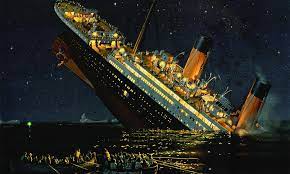
As directed by James Cameron, the movie Titanic is both fiction and non-fiction story that was based on love. The film acted on the ship known as unsinkable, Titanic was a marvel on its era. Events unfolding in the movie reveals at the introduction a salvage crew who are in the search for a diamond nicknamed the “Heart of The Ocean.” The diamond is worth several millions and is alleged to be on the Titanic. The movie entails more than just a description of the events surrounding the demise of the mighty ship, but the love story that lives to be told to hundreds of generations to come.

The movie Titanic combines several techniques used by the director to narrate the tale of two lovers faced with several obstacles in their lives but end up conquering most of them (“Movie Review – FILM REVIEW; A Spectacle As Sweeping As The Sea – Nytimes.Com”). The question remains how James Cameron managed to bring out the story clearly without losing the attention of his audience. Therefore, the paper will perform an analysis of the various mise-en- scene applied in the making of the movie to captivate and communicate important themes.

In the next subtopics, content analysis is employed in the analysis of the film ‘Titanic’. The techniques applied in the analysis of the qualitative perspectives include mise-en-scene elements such as cinematography, lighting, and editing.

Cinematography

In the film, only two settings are evident, the RMS Titanic and the salvage ship. On the introductory part of the movie, the rescue ship dominates as it is the most taken place in the film. It exhibits the working place of Brock Lovett, the treasure hunter alongside other team members. They explore the remaining of the RMS Titanic (“TITANIC FILM ENGLISH”). In their search for the diamond, they discovered a portrait of a nude lady wearing it.

The date scribed on the sketch was the night the RMS Titanic sunk, April 14, 1912. Rose Dawson, an old woman, recognized the painting as her and alongside her granddaughter, they visit the treasure hunter on his salvage ship. As the movie proceeds, Rose recalls her memories while answering the question about the RMS Titanic from Brock Lovett. The setting here is the secondary setting, while the primary setting is that of the RMS Titanic.

The primary setting of the Titanic ship has both the outdoor and the indoor. Starting with the indoor, there are several levels in the RMS Titanic (“RMS Titanic”). The first one being the upper level which contains a restaurant, a church, an extravagant hall, and VIP room. The upper level portrays a sense of high-class culture. The director used this setting to make the audiences feel that this level belongs to the rich and higher level individuals in that society.

On the other hand, the lower level is portrayed slightly as a contrast to the higher standard. Starting with the rooms and restaurant being of low standard, has less decoration and small in size. The room in the upper level is large with a king size bed, while that on the lower level is small and has a double-decker bed set. The room only fits a few individuals who create a perception of the poor or those living in low-class condition.

Secondly, the outdoor of providing a clear picture of the grand of the RMS Titanic ship. Some scenes were taken at the outdoor. The scenes include that where the main character Jack gets excited to get into the Titanic.  He pronounces himself as the King of the World. At the outdoor, the scene where Rose wants to commit suicide by jumping into the sea, gets shot. The dialogue in the site is memorable as Jack tells Rose that in the event she jumps, he also drops. The flying scene is also shot at the outdoor where Rose is seen holding Jack while says she says ‘I can fly.’ The scene is a romantic one hence a memorable part of the movie making the audience glued to the film.

Lighting

It involves an emphasis on the time of day or night, mood, shape, texture, distance, season, glamor, and the season. In the analysis, the movie gets divided into three parts. The beginning part entails where the salvage ship is seen employing the use of a submarine in treasure hunting, the climax part or the rising action part which involves the meeting of Jack and Rose in the ship and the ending part where events occur when RMS Titanic collided with the iceberg (Stevens).

In the introductory section, the director utilizes lighting of low key. It is used in the treasure hunting process as the treasure hunter and his team search for the diamond in the ship which is submerged in the ocean. Low key light was used to create the atmosphere of being in the ocean floor. A spotlight used belonging to the submarine was just for the purpose of illuminating some parts of the RMS Titanic. The director used this to communicate the sense of loneliness and sadness of the ship while submerged under (“TITANIC FILM ENGLISH”).

The other part is the rising action section which takes place after the main character, Rose, gets aboard on the ship and gets to find her soul mate, Jack. In this section of the film, high key is seen alongside yellow lighting emerging from the top section of the Titanic. It promotes the notion and ideology of extravagant and noble-culture. A good example involves the stage where Jack steps into the upper-class level lobby for the first time.

The high-key lighting differs from the standard light in the lower level. In the end, audiences get the feel of the crude and straightforward of lower level alongside the extravagant of the upper section. This particular scene showing the place of working for the manual laborers uses low key light. This communicates the conditions of those poor laborers who work in such a bad surrounding (Rogers).

The climax part involves the part after the Titanic hits the iceberg hence about to sink. The scenes in this section of the movie use the subtle lighting. This is to portray the sense of death approaching those in the Titanic. It strongly contrasts with the extravagant of the Titanic. It shows how the Titanic is about to get destroyed and the attempts of survival by the humans who were on board while it is happening. Since the ship is placed directly in the middle of the Ocean at midnight, the ship is in darkness. While the ship goes under, the light becomes less bright gradually since the lights on the ship are going out.

Editing

The editing of the film involves the proximity, depth, proportions and size of the places and objects within a scene which can be manipulated through editing. It can be managed using the camera shot and camera position among others. Few interesting scenes in the film can be utilized for this analysis.

In the first scene, where Rose recalls onboarding the Titanic, the detail shot is from a high angle to her costume. The camera detail clearly tells the audience that Rose comes from the privileged class. The shot also made clear the meaning of the words ‘it was a slave ship to me, taking me back in chains to America’ by the voice-over (Stevens).

On the outside, Rose was all that a well-brought-up girl should look like while her inner-self was troubled and kept in slavery. The Titanic was a dream to many if not everyone but this was never the case for Rose. The camera shot of the RMS Titanic across the sea as it passed smaller boats in the sea portrays how grand the ship was while contrasted to others.

At night, when Rose is seen running out from the restaurant with the intention to jump out of the ship, a high angle shot taken from the scene contrasts the size of the ship to that of a human being. The sea is vast and the human, in this case, Rose, is small. The editing of the scenes where Jack enters for the first time in the first class lobby presents extravagance alongside contrasting the low class and noble people.

The tilt up of the camera to the ceiling and a follow shot of Jack portrayed how tall and wide the first level lobby is to show prestige. The shot where Jack is seen drawing nude pictures of Rose nude while taking a close-up of Rose’s eyes, convey a strong sense of trust, love, and romance dominating the scene.

Conclusion

The film represents much more than the disaster that occurred in the sinking of the unsinkable. The director managed to utilize several techniques to ensure that the audience gets glued to the screen. The methods have been discussed in the film, and it makes more sense when watched (“TITANIC FILM ENGLISH”). It was a masterpiece by James Cameron and his mise-en- scene made the movie quite a unique one in its times.

Works Cited

“Movie Review – – FILM REVIEW; A Spectacle As Sweeping As The Sea – Nytimes.Com”. Nytimes.com. N.p., 2016. Web. 13 Dec. 2016.

“RMS Titanic”. En.wikipedia.org. N.p., 2016. Web. 13 Dec. 2016.

Rogers, Kara. “Visual Design Analysis: Titanic”. Kararogersfilmaslit.blogspot.co.ke. N.p., 2016. Web. 13 Dec. 2016.

Stevens, Dana. “I Dismissed Titanic The First Time Around. This Time I Fell In Love.”. Slate Magazine. N.p., 2016. Web. 13 Dec. 2016.

TITANIC FILM ENGLISH“. YouTube. N.p., 2016. Web. 13 Dec. 2016.

Want help to write your Essay or Assignments? Click here

Hourly Rounding in improving Patient Safety in Geriatric Population

Patient Safety
Patient Safety
HOURLY ROUNDING IN IMPROVING PATIENT SAFETY IN GERIATRIC POPULATION

Aim: Unintentional patient fall clinical economic burden cannot be contested. The increased incidences of geriatric patient falls combined with the impacts of nurse shortages results to increased staff workloads. In turn, the increased workloads are associated with noncompliance with patient safety interventions and basic falls preventive measures. The shortage of nurses, increased of patient acuity, and time constraints increase the probability of creating a stressful environments with low compliance of  fall prevention protocol, leading to fatal fall related injuries and mortality.

Methodology: This mixed research paper explores on the evidence based practice for fall prevention strategies are significant to nurse profession because they will significantly reduce unintentional patient fall incidences, and lower workloads that cause increased nurse burnout.

Results: Evidence based study indicates that hourly rounding promote patient safety, quality of care and patient satisfaction. The evidence based practice outcome have been documented in systematic reviews that it results into reduction of patient falls by 52%, use of call lights and bells by 37%,  pressure ulcers by 14% and increases patient satisfaction by 12%.

Conclusion: The proposed recommendation is to initiate hourly nurse rounding program in geriatric population ward. Hourly rounding is a systematic nursing intervention that is designed to address the needs of hospitalized geriatric population using an approach that reduced patient falls and related complication.

Introduction

Patient falls are strong indicators of quality of care that is often used to monitor quality performance within departments, local and national level. The physical injuries include bruising, pain, scratches, lacerations, fractures and intracranial bleeding.  Patient falls and related injuries not only affect patient safety, but also damages hospitals reputation. Hourly rounding has positive impact on healthcare facility in four major variables namely a) reduction of patient fall, b) low emergency care due to fall related injuries, c) reduce hospitalization days and d) increase patient outcomes (Lee et al. 2013).

Therefore, this paper explores whether “In geriatric patients admitted in the orthopedic ward, is use hourly rounding’s (I) or call light use (C) more effective in improving patient safety, in six months (T)?” (Bennett, Ockerby, Stinson, Willcocks, & Chalmers, 2014).

Proposed solution

Patient falls and injury prevention still remains a considerable challenge across the care continuum. Hourly rounding is an effective and wining strategy. Once approval and training is done, the nurses will be expected to make purposeful rounds after every hour between the A shift (0600hrs-2200hrs) and after every two hours during the B shift (2200hrs-0600hrs).

The proposed solution of hourly rounding in the orthopedic ward is expected to reduce patient falls by 50%, reduce skin breakdowns by 14% and increase patient satisfaction by 12%. The solution is also expected to contribute to increased teamwork and efficiency in addressing patient safety matters (Dunne, Gaboury, & Ashe, 2014).

Incorporated theory

Initiating change in any organization is a complex process. Introducing hourly rounding within a healthcare facility is a potential solution to patient safety problems such as patient falls and pressure ulcers. Although research on effectiveness of hourly rounding fall-prevention programs has proliferated in the recent past, it is still unclear if most organizations are willing or have the capacity to adopt and use this evidence based practice. This calls for an effective change model that will facilitate unfreezing old practices, introduce new ones and facilitate the process of refreezing the new evidence based practice (Neumeier, 2013).

References

Colvin, A, & Gough, M 2015, ‘Individual Employment Rights Arbitration in the United States’, Industrial & Labor Relations Review, 68, 5, pp. 1019-1042, Business Source Complete, EBSCOhost,viewed14April2016.Retrieved From: http://search.ebscohost.com/login.aspx?direct=true&db=bth&AN=110155333&site=ehost-live\

Want help to write your Essay or Assignments? Click here

Patient Safety in Geriatric Population

Geriatric population
Patient Safety in Geriatric Population

SIGNIFICANCE OF HOURLY ROUNDING IN IMPROVING PATIENT SAFETY IN GERIATRIC POPULATION

Aim: Unintentional patient fall clinical economic burden cannot be contested. The increased incidences of geriatric patient falls combined with the impacts of nurse shortages results to increased staff workloads. In turn, the increased workloads are associated with noncompliance with patient safety interventions and basic falls preventive measures. The shortage of nurses, increased of patient acuity, and time constraints increase the probability of creating a stressful environments with low compliance of  fall prevention protocol, leading to fatal fall related injuries and mortality.

Methodology: This mixed research paper explores on the evidence based practice for fall prevention strategies are significant to nurse profession because they will significantly reduce unintentional patient fall incidences, and lower workloads that cause increased nurse burnout.

Results: Evidence based study indicates that hourly rounding promote patient safety, quality of care and patient satisfaction. The evidence based practice outcome have been documented in systematic reviews that it results into reduction of patient falls by 52%, use of call lights and bells by 37%,  pressure ulcers by 14% and increases patient satisfaction by 12%.

Conclusion: The proposed recommendation is to initiate hourly nurse rounding program in geriatric population ward. Hourly rounding is a systematic nursing intervention that is designed to address the needs of hospitalized geriatric population using an approach that reduced patient falls and related complication.

Introduction

Patient falls are strong indicators of quality of care that is often used to monitor quality performance within departments, local and national level. The physical injuries include bruising, pain, scratches, lacerations, fractures and intracranial bleeding.  Patient falls and related injuries not only affect patient safety, but also damages hospitals reputation. Hourly rounding has positive impact on healthcare facility in four major variables namely a) reduction of patient fall, b) low emergency care due to fall related injuries, c) reduce hospitalization days and d) increase patient outcomes (Lee et al. 2013).

Therefore, this paper explores whether “In geriatric patients admitted in the orthopedic ward, is use hourly rounding’s (I) or call light use (C) more effective in improving patient safety, in six months (T)?” (Bennett, Ockerby, Stinson, Willcocks, & Chalmers, 2014).

Nature of the problem

 Research indicates that the most common etiology for nonfatal injuries in geriatric population is unintentional falls.  Approximately, 25-32% of geriatric patients experience falls each year, where females experience frequent falls as compared to males(Iaboni et al. 2015). In addition, unintentional fall-related injuries are the major cause for accidental deaths among the geriatric patients, which results to approximately 41 deaths related to unintentional falls per 100,000 people annually.

Injury and mortality rates continue to rise dramatically for geriatric populations across the ethnic populations. Research indicates that the increased unintentional fall rates among the geriatric population continues to drift away from the Healthy people fall-prevention goal, indicating that unintentional fall is a growing public health concern that needs  to be addressed adequately ( Iaboni et al. 2015).

Reference

Neumeier, M. (2013). Using Kotter’s change management theory and innovation diffusion theory in implementing an electronic medical record. Canadian Journal of nursing informatics Vol.8 (2). Retrieved from http://cjni.net/journal/?p=2880

Want help to write your Essay or Assignments? Click here

Managing Human Resources in Health and Social Care

Managing Human Resources in Health and Social Care

Managing Human Resources in Health and Social Care

Introduction

Recruiting efficient workers remains an important factor to the success of every organization. Consequently, organizations adopt approaches involving training and developing the most effective employees. Within the health and social care fields it is imperative measures aimed at understanding systems used to monitor and promote the development of employees are integrated. The paper explores the various legislative frameworks that must be observed during recruitment processes. This includes exploring leadership theories which can promote effective team spirit.  This is particularly important to progress the healthcare organization leadership and management of the employees as well as the recruitment processes.

How Individuals Interact In Groups within Health and Social Care Settings

It is essential to note that the theories of behavior can be defined as the behaviors that are displayed by leaders since behavior remains the single most predictor of a leader’s results, success and influences. The Tuckman’s model remains the most famous theory that explains the manner in which individual’s work in groups. Tuckman divided the team interaction stages in four phases that include the forming phase, storming, norming, and performing.

Linking the Theories to Health and Social Care

In light of the formation of group’s theory, it is important to determine that the theory primary guides on how effective groups can be developed within the health and social care industry. The theory can be incorporated within this industry in the formation of effective groups that goes through the formation process (Rodgers, pp. 373.2014).  The Belbin theory on the other hand provides appropriate approaches through which groups can work in partnership. The two theories in this case would aid in the formation of an effective group that incorporates the element of teamwork in the achievement of goals.

References

Downey, L, Lee, B, & Stough, C 2011, ‘Recruitment Consultant Revenue: Relationships with IQ, personality, and emotional intelligence’, International Journal Of Selection & Assessment, 19, 3, pp. 280-286, Academic Search Premier, EBSCOhost, viewed 14 April 2016.Retrived From: http://search.ebscohost.com/login.aspx?direct=true&db=aph&AN=64905370&site=ehost-live

Want help to write your Essay or Assignments? Click here

Swansea TV Digital Marketing

Digital Marketing

Swansea TV Digital Marketing

Digital marketing: Competition

Competition in an industry presents itself in various ways. Thus, a company should always seek a means of gaining a competitive advantage over its competitors. Michael Porter’s industry analysis approach is a useful mechanism of ascertaining where the power in a market lies. In the lead industry, there are several companies producing lead products which mean that the competition is high. Rivalry within the industry is high because of the high rate of substitution within the industry.

The threat of substitution, according to Michael Porter, regards a situation where the clients of a company can get a similar product that fulfills a similar need from a different source at comparatively lower prices (Yeonshin et al., 2016). That means that the customer base of the organization will be affected. The threat of substitution increases because the product is also imported by other companies which render the competition even stiffer.

Gaining a competitive advantage against the competition requires that Swansea TV embraces a new marketing strategy and that is digital marketing. The use of this mechanism will increase the company’s ability to connect to more clientele which will increase the customer base of the organization. The following are mechanisms that Swansea will use to gain traffic over the Internet:

Referral traffic

Persuading other websites to connect to Swansea TV website is costly and time-consuming. For example, some will demand remuneration for creating traffic while some may not agree. Averting this situation is possible through the use of referral traffic. That can be done by creating website content that is good to the extent that other sites seek linkage from the Swansea TV website (Barry et al., 2015).

An instance can be traced back to the Google’s Panda update regarding the kick in the proverbial teeth. The content was attractive so much that eBay was willing to purchase. Having attractive content on the website will require prolific content writers who are creative and innovative.

Implementation of schema micro data

Corredoira and Sood (2015) define schema markup as a code or semantic vocabulary put on a website with the purpose of helping search engines provide much more informative outcomes. Therefore, the schema can tell the search engine the meaning of the data on a website and not just what it says. For the users, this is helpful while they search the internet. For Swansea TV, this will be extremely helpful in ensuring that the website is among the first options that come when someone searches for related content.

Digital marketing: Email marketing

Critchlow et al. (2016) describe email marketing as a direct marketing form involving the use of electronic mail as a medium of disseminating fundraising or commercial messages to a specific audience. Swansea TV can seek to use this mechanism as it is one of the simplest digital marketing tools to employ. It is also less costly, and the fact that it is a direct means of reaching out implies that it has great potential of directing traffic to the company’s website.

It entails crafting a message to the potential clients of the organization driving them towards the Swansea TV company website (Summers, Smith and Walker, 2016). That means that the message will advertise the competitive prices of the company’s products as a basis of attracting the clients.

Conversion tracking

This is a tool whose purpose is to show the events that take place once a customer clicks on an advertisement (Xia and Pedraza-Jiménez, 2015). That is, it informs the owner if the customer signed up for the business newsletter, downloaded the app, called the business call center or even if they purchased the product. Swansea TV will utilize the server to server tracking method which stores the tracking information on the servers instead of using cookies. The need of a conversion approach is to evaluate the success of the digital marketing approaches that will be used.  

References

Barry, A. E., Johnson, E., Rabre, A., Darville, G., Donovan, K. M., & Efunbumi, O. (2015). Underage Access to Online Alcohol Marketing Content: A YouTube Case Study. Alcohol & Alcoholism, 50(1), 89-94.

Corredoira, L., & Sood, S. (2015). MEETING NEW READERS IN THE TRANSITION TO DIGITAL NEWSPAPERS: LESSONS FROM THE ENTERTAINMENT INDUSTRY. El Profesional De La Información, 24(2), 138-148. doi:10.3145/epi.2015.mar.07

Critchlow, N., Moodie, C., Bauld, L., Bonner, A., & Hastings, G. (2016). Awareness of, and participation with, digital alcohol marketing, and the association with frequency of high episodic drinking among young adults. Drugs: Education, Prevention & Policy, 23(4), 328-336. doi:10.3109/09687637.2015.1119247

SUMMERS, C. A., SMITH, R. W., & WALKER RECZEK, R. (2016). An Audience of One: Behaviorally Targeted Ads as Implied Social Labels. Journal Of Consumer Research, 43(1), 156-178. doi:10.1093/jcr/ucw012

Xia, H., & Pedraza-Jiménez, R. (2015). CHINESE SOCIAL MEDIA STRATEGIES: COMMUNICATION KEY FEATURES FROM A BUSINESS PERSPECTIVE. El Profesional De La Información, 24(2), 200-209. doi:10.3145/epi.2015.mar.14

YEONSHIN, K., SANGDO, O., SUKKI, Y., & HWASHIN HYUN, S. (2016). CLOSING THE GREEN GAP: THE IMPACT OF ENVIRONMENTAL COMMITMENT AND ADVERTISING BELIEVABILITY. Social Behavior & Personality: An International Journal, 44(2), 339-351. doi:10.2224/sbp.2016.44.2.339

Want help to write your Essay or Assignments? Click here

WORKING IN PARTNERSHIP IN HEALTH AND SOCIAL CARE

Working in partnership in health and social care

Working in partnership in health and social care

Working in partnership in health and social care is a vital aspect.  Partnership refers to a shared jointness and power, marked by respect for one another, divisions of roles, accountability and individual input. Different terms are used to define partnership including cooperation, shared learning, teamwork, participation and multi-disciplinary working.  The staffs in healthcare have the responsibility to recognize the importance of promoting autonomy within the service users and the service providers. 

They are not only expected to be attentive to their own roles but also learn to relate with each other’s within the within St Andrew’s healthcare facility.  This is important particularly in the view of the unrest and cynicism observed in the NHS. Therefore, it is important for those concerned about their commitment in developing a mutual relationship for the good of the service users (Soni 2014).

For this reason, there is need to explore the philosophy that facilitate the staff to work in partnership at the St Andrew’s hospital. The philosophy is needed for several reasons but the ultimate goal is to providing quality care to the service users. The philosophy ensures that there is equity, quality and efficiency in the delivery of the healthcare and social care services. The philosophy is governed by ethics- a complex activity that is concerned with the moral obligations and dilemmas.  Ethics in healthcare philosophy are governed by the ethical theories.

For example, the theory of deontology is concerned with the moral duty as well as the action rightness (Petch, Cook, and Miller 2013). Therefore, this theory suggests that a healthcare staff must always do what is morally right irrespective of the associated consequences.  The other theory is the utilitarianism proposed by Jeremy Bentham, which is based on the principle of utility. Although these theories do not describe exactly on how a staff should behave, it gives the healthcare staff an understanding on how to motivate each other and pull ideas especially when confronted by ethical dilemmas and in accordance to ethical principles of autonomy, non-maleficence, justice and beneficence (Paterson, Nayda & Paterson 2012). 

 The working in partnership in health and social care at St Andrew’s hospital should be governed by the partnership philosophies such as respect, autonomy, and empowerment, power sharing, and making informed choices.  The philosophy of empowerment involves sharing power with other partners who may not have the power.  This philosophy is centered in healthcare service users and providers to enable them take greater charge of themselves. 

It involves the process of recognizing, enhancing and empowering other people’s ability to meet their demands and to resolve their own issues with the available resources, making them feel in control of their lives.  This enriching experience is associated with satisfaction and often leads to smooth partnership relationship (Robert& Cornwell 2011).

Reference

Cameron, A., Lart, R., Bostock, L. and Coomber, C. 2013. Factors that promote and hinder joint and integrated working between health and social care services. 1st ed. [ebook] Available at: http://www.scie.org.uk/publications/briefings/files/briefing41.pdf

Want help to write your Essay or Assignments? Click here