This is author biographical info, that can be used to tell more about you, your iterests, background and experience. You can change it on Admin > Users > Your Profile > Biographical Info page."
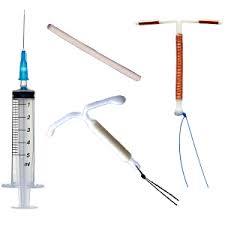
This discussion is very informative. According to the patient’s health history, your decision to put the patient on long-acting reversible contraception (LARC) method is appropriate. LARC method includes the intrauterine device (IUD) and birth control implant. The advantage of LARC method is that it is long-term, easy to use and reversible- that is if she wants to get pregnant she will just have them removed.
The long-acting reversible contraception methods are effective and is estimated that 1 in 100 women using LARC method becomes pregnant. In addition, LARC methods are 20 times effective than other birth conceptions methods such as the patch, pill or ring (Stoddard, McNicholas, & Peipert, 2011).
You have made a great discussion regarding IUDs including the available types (ParaGard and Mirena). These types if IUDs work by preventing the sperm from fertilizing the egg. For hormonal IUDs, they thicken the cervical mucus making it very difficult for the sperm to enter and to fertilize the uterus. The main challenge with this method of contraception is that it is associated as a high risk factor for pelvic inflammatory disease and some women may experience frequent bleeding in the first few months or amenorrhea (Schuiling & Likis, 2013).
Another option that can be explored is the birth control implant. This is a flexible rod that is inserted under the skin in the upper arm. The main challenge of this method is unpredictable bleeding pattern. In some women, they may stop bleeding completely. Other common side effects with this method are mood swings and headaches.
The benefits of long-acting reversible contraception methods is that once it is put in place, one needs to do nothing else to prevent pregnancy. It does not interfere with sex or daily activities and can be reversed when one wants to become pregnant. In addition, no one can tell that one is using contraception (Stoddard, McNicholas, & Peipert, 2011).
References
Schuiling, K. D., & Likis, F. E. (2013). Women’s gynecological health (2nd ed.). Burlington, MA: Jones and Bartlett Publishers.
1: In order of priority, identify which tasks you yourself will undertake and which tasks you will delegate with critical thinking and decision making skills.
2: Document your rationales in detail.
Parham, (2012) states that Registered Nurses (RNs) are charged with the key responsibility of prioritising care whereby they ensure that patients receive safe and quality care within clinical settings. Care prioritization should be based on the condition of a patient as well as the severity of the disease. Critical thinking and decision making skills are some of the important parameters that nurses need for them to prioritize care (Levvet-Jones, 2013). From the scenario, I would first give priority to the elderly woman who has collapsed on the floor.
Usually, an unconscious condition can predispose an individual to situations that are life threatening when urgent medical interventions are not provided (Parham, 2012). I will employ the primary survey technique DRABCDE so that I can optimize the condition of the patient quickly and initiate met call or code blue if necessary (Thim et al, 2012). Usually, post-operative individuals are predisposed to the risk of clinical deterioration.
In managing the elderly woman my primary concern would be to stabilize her airway. This is because the analgesic and anaesthetics used during the operation depress the respiratory system and this can worsen her condition if not well managed (Farrell & Dempsey, 2014). Moreover, I will maintain contact with the met call teams for documentation and medication.
Similarly, I would assign tasks to the enrolled nurses (EEN) as well as assistants in nursing (AINs) to evaluate and offer support to the individual that fainted in the living room to reduce the potential risk. The delegation of these tasks will be done according to the scope of practice of an individual. I will frequently supervise them to ensure there is patient safety and legal requirements are observed (Eager, Cowin, Gregory & Firtko, 2010).
I would also give priority to Mr Esposito who is meant to leave the ward for cardiac catheterization and requires perioperative medication. I will therefore ask an EEN to administer the medication to reduce the risk and complications encountered after surgery (Farrell & Dempsey, 2014). Moreover, I will double check the patient’s perioperative check list and consent to avoid any legal or ethical issues (Nursing and Midwifery Board of Australia, 2015). I would then request the AIN to help in transferring Mr Esposito to have cardiac catheterization.
Thereafter, I would call the ward clerk and inform him about the toilet overflow; this is a code yellow criteria due to crisis and mechanical damage (Government of Western Australia, 2013). The overflow may increase chances of infections spreading and smell in the hospital environment, and therefore, proper and timely intervention should be put in place by the members responsible (Government of Western Australia, 2013).
In the patient that is due for antibiotic, I will check the IV cannula site to determine whether there is any sign of infiltration or inflammation. Any sign of inflammation will prompt me to remove the cannula and I will inform the doctor on the need for the patient’s recannulation. I would also notify the EEN to prepare antibiotics for Mrs Chew and I will supervise the EEN closely when she is preparing the antibiotics.
According to the Nursing and Midwifery Board of Australia (2015), enrolled nurses can administer most medications but they are not competent enough to administer IV antibiotics without completion of the IV medication competency. I will lastly discuss with the VMO about medication error that were recorded the previous week. I will then convey the information to the next shift staff to offer clarification of this discussion to avoid similar risks to patient and clinicians.
References
Eager, S. C., Cowin, L. S., Gregory, L., & Firtko, A. (2010). Scope of practice conflict in nursing: A new war or just the same battle? Contemporary Nurse: A Journal for the Australian Nursing Profession, 36(1/2), 86-95. Retrived from http://search.informit.com.au/browseJournalTitle;res=IELHEA;issn=1037-6178
Farrell, M., & Dempsey, J. (2014). Text book of medical surgical nursing (3rd ed.). Philadephia PA
Levvet-Jones, T. (2013). Clinical reasoning: Learning to thinking like a nurse. Pearson, Melbourne Australia,
Nursing and Midwifery Board of Australia. (2015). Enrolled nurses and Medication Administration Fact Sheet. Retrieved from:file:///C:/Users/Owner/Downloads/Nursing-and-Midwifery-Board—Fact-Sheet—Enrolled-nurses-and-medicine-administration.PDF.
Parham, G. (2012). Recognition and response to the clinically deteriorating patient. Australian Medical Student Journal, 3(1), 18-22. Retrieved from: www.amsj.org/ Thim, T., Krarup, Grove, Rohde, & Lofgren,. (2012). Initial assessment and treatment with the Airway, Breathing, Circulation, Disability, Exposure (ABCDE) approach. International Journal of General Medicine,117. http://dx.doi.org/10.2147/ijgm.s28478
Want help to write your Essay or Assignments? Click here
Identify and explain any legal implications that exist for failure to adhere to a standard of care
Standard of care in nursing refer to the general guiding frameworks on how a nurse /he should do or not do during delivery of care in their professional capacity. Deviating from nursing standards can results into serious legal implications. For instance, Ivan a newborn baby developed brain injury due to complications during delivery that led to spastic quadriplegic cerebral palsy. The mother labor was induced and they were discharged without monitoring their progress.
In this case, medical negligence claim can be made against obstetrician for failing to adhere with the recommended nursing care standards of monitoring them for at least 48 hours before discharge. The legal implications of violating the standard of care, the nurse will be suspended as his case is investigated. If the investigations indicate that he is guilty, then his practice license can be revoked or judgment awards hefty fines and penalties to be given to the patient directly affected (American Nurses Association, 2013).
Identify and explain the key elements of malpractice
The four key elements of malpractice include duty, breach of duty, damages and causation. Duty refers to what patient is owed. This includes safe environments and quality care. Breach of duty refers to scenarios where duties owed to the patient is neglected (Legal Information Institute, n.d.). In this context, the obstetrician did not monitor the child’s health status as required by the facility nursing standards.
Damages are the consequences due to breach of duties. In this context, patient brain injuries due to medical negligence are the damages that should be claimed. Causation generally refers to what led to the series of events. This is the most difficult element to prove in malpractice lawsuit (Buppert, 2014). In this case, causation was lack of patient monitoring soon after delivery.
Compare the differences in malpractice policy options
Health policy is a trade-off among three dimensions of cost, quality and access. There are 3 general categories of medical malpractice including claims – made coverage, claims paid coverage and occurrence coverage. Claims made coverage are the most common because their premiums are based on healthcare provider past and current experiences. Therefore, the premiums paid are lower. Claims paid policy and occurrence coverage premiums are higher and are not flexible enough to allow a healthcare provider increase liability limits like claims made coverage policy (Reising, 2012).
References
American Nurses Association. (2013). nursing: Scope and standards of practice (2nd ed.). Silver Spring, MD: Author.
Buppert,C.(2014). Nurses practitioner business practice and legal guide. Jones and Barlett publishers. Burlington
Legal Information Institute. (n.d.). Requirements for and assuring quality of care in skilled nursing facilities, 42 U.S.C. § 1395i–3. Cornell University Law School. Retrieved from http://www.law.cornell.edu/uscode/text/42/1395i-3
Reising, D. L. (2012). Make your nursing care malpractice-proof. American Nurse Today, 7(1), 24–28.
Want help to write your Essay or Assignments? Click here
It is paramount to ensure that any research conducted follows the protocol and right procedures to ensure it is completed and implemented in the most efficient manner. The inclusion of the literature review in the research protocol is important since its one of the essential elements that make any research to be quality in nature. The literature review would efficiently cover research done previously which relates to the topic and issue of interest thus providing a platform for basing the current research (Snelson, 2016, p.g 64).
Through the literature review, an assessment of the existing research in a given topic would be possible thus also having extensive information about the findings. The literature review would ensure the researcher makes discoveries on the new angles or areas requiring further exploration which is only made possible through reviewing. Determination of the previously used methodologies is actualized through the inclusion of literature review in the research protocol thus providing a basis for learning about the previous approaches and how to improve on the same to ensure efficiency during the whole process.
Every new research done should eliminate the potential weaknesses identified in previous studies. The inclusion of the literature review in the research protocol would help one learn more about the weaknesses and strengths thus providing knowledge on how to handle the previously encountered shortcomings (Ward, 2016, p.g 71). There is a relationship between all parts of research with the literature review which makes it integral to nature.
However, the literature review should be conducted in a comprehensive manner to reveal its importance in a research study. A literature review that is comprehensive in nature ends up providing up-to-date understanding of the research subjects and the significance it has to the current practice been adopted (Snelson, 2016, p.g 103). In this case, any research protocol should contain the literature review element due to the many benefits it has to any study.
The research procedures should adhere to various requirements which make it a successful study. The necessity to link the research questions and research methodology since essential since it adds to the quality of any research conducted. Linking the research questions with the design of the method adopted is vital since the questions are shaped by the research methods (Amankwaa, 2016, p.g 82).
The quality of any research is improved whenever the appropriate design or research method is adopted in answering the various research questions. Failure to align could lead to the fundamental undermining of the quality of the research. Purpose and quality are identified as crucial elements and utility in any research process conducted.
Linking and effective aligning of the research questions with the research methods offers the vital opportunity to shape up and ensure the purpose is properly identified with checks on quality (Bailis et al, 2016, p.g 94). Such cases make it essential to match the research questions with the research methods.
Answering the research questions of a given study can be cumbersome in nature thus requiring the best design to make this possible. The design and research methods adopted in a study would determine the extent and the success in handling such overarching questions.
Such reasons reveal the importance of linking the research methods and the research questions. According to the previous research studies done before it has been proved that the whole foundation of the research process is underpinned by the research question and research methods used (Amankwaa, 2016, p.g 91). In this case, the relationship between the two and the quality they add to the research process necessitates their linkage.
BAILIS, P, PETER, S, & SHERRY, J 2016, ‘Introducing Research for Practice’, Communications Of The ACM, 59, 9, pp. 38-41, Business Source Complete, EBSCOhost, viewed 16 December 2016.
Snelson, CL 2016, ‘Qualitative and Mixed Methods Social Media Research: A Review of the Literature’, International Journal Of Qualitative Methods, pp. 1-15, Academic Search Premier, EBSCOhost, viewed 16 December 2016.
Ward-Smith, P 2016, ‘The Fine Print of Literature Reviews’, Urologic Nursing, 36, 5, pp. 253-254, Academic Search Premier, EBSCOhost, viewed 16 December 2016.
Identify and explain any legal implications that exist for failure to adhere to a standard of care
Standards of care in nursing refer to the general guiding frameworks on how a nurse /he should do or not do during delivery of care in their professional capacity. Deviating from nursing standards can results into serious legal implications. For instance, Ivan a newborn baby developed brain injury due to complications during delivery that led to spastic quadriplegic cerebral palsy. The mother labor was induced and they were discharged without monitoring their progress.
In this case, medical negligence claim can be made against obstetrician for failing to adhere with the recommended nursing care standards of monitoring them for at least 48 hours before discharge. The legal implications of violating the standard of care, the nurse will be suspended as his case is investigated. If the investigations indicate that he is guilty, then his practice license can be revoked or judgment awards hefty fines and penalties to be given to the patient directly affected (American Nurses Association, 2013).
Identify and explain the key elements of malpractice
The four key elements of malpractice include duty, breach of duty, damages and causation. Duty refers to what patient is owed. This includes safe environments and quality care. Breach of duty refers to scenarios where duties owed to the patient is neglected (Legal Information Institute, n.d.). In this context, the obstetrician did not monitor the child’s health status as required by the facility nursing standards.
Damages are the consequences due to breach of duties. In this context, patient brain injuries due to medical negligence are the damages that should be claimed. Causation generally refers to what led to the series of events. This is the most difficult element to prove in malpractice lawsuit (Buppert, 2014). In this case, causation was lack of patient monitoring soon after delivery.
Compare the differences in malpractice policy options
Health policy is a trade-off among three dimensions of cost, quality and access. There are 3 general categories of medical malpractice including claims – made coverage, claims paid coverage and occurrence coverage. Claims made coverage are the most common because their premiums are based on healthcare provider past and current experiences. Therefore, the premiums paid are lower. Claims paid policy and occurrence coverage premiums are higher and are not flexible enough to allow a healthcare provider increase liability limits like claims made coverage policy (Reising, 2012).
References
American Nurses Association. (2013). nursing: Scope and standards of practice (2nd ed.). Silver Spring, MD: Author.
Buppert,C.(2014). Nurses practitioner business practice and legal guide. Jones and Barlett publishers. Burlington
Legal Information Institute. (n.d.). Requirements for and assuring quality of care in skilled nursing facilities, 42 U.S.C. § 1395i–3. Cornell University Law School. Retrieved from http://www.law.cornell.edu/uscode/text/42/1395i-3
Reising, D. L. (2012). Make your nursing care malpractice-proof. American Nurse Today, 7(1), 24–28.
Want help to write your Essay or Assignments? Click here
John is a 62 y/o attorney presents to the clinic with complaints of erectile dysfunction. For the past two years, he has refused lab work. He is a heavy smoker and has not had chest X-ray or ECG in the last 3 years. He takes HCTZ 25 mg po daily. His BMI is BMI 29 and the vital signs are normal. He has agreed take Prevnar vaccine.
In this case, the main goal is to identify the barriers that cause noncompliance and risky healthy lifestyle. The first step when dealing with this patient is to establish a therapeutic alliance. This will help assess patient factors that could be triggering non-adherence. Through this interactive discussion, I asked John why he refused lab work for the past two years. He hesitated, and then he said that he cannot afford them. He said that he has always wanted to tell the healthcare provider but always feels embarrassed. The patient stated that if he could afford them he would take them as requested.
The nursing diagnosis for this patient is noncompliance related to challenges to access financial support as evidenced by the patient verbal statements that he cannot afford the procedures. In this context, I notified the hospital social worker to help the patient set for medication financial assistance. In addition, I discussed with the patient on the importance of taking these laboratory tests in improving his health, and in identifying underlying issue that is causing his erectile dysfunction (Kleinsinger, 2011).
It is important to empower patients with enough information regarding their health condition and the treatment recommendation and in a format that format that is clear to understand. Although the patient has the right to refuse treatment, the healthcare provider must inform them on the risks associated with refusal of care. Most providers will dismiss habitual non compliant patient because it increases risks for professional liability exposure.
However, in my opinion it is important to assess the patients the underlying factors. To defuse the negative emotions associated with shame and sense of failure by non compliant patient, the healthcare provider should provide non-accusatory and problem solving stances (Kleinsinger, 2011).
This case study is on a 69-year old patient who has been hospitalized for permanent Cardiac pacemaker procedures. Mr. Scott is admitted at Hillcrest Hospital in Cleveland. The total Medicare-approved charges incurred are $ 150,000. The values indicated in the table below are based on services provided to Mr. Scott.
.Question 1: Calculating the operating payment that should be paid to the hospital (Medicare Payment Advisory Commission, 2014).
Operating system = DRG relative weight x [(Labor related Large Urban Standardized Amount X Core-Base Statistical Area CBSA wage index) + (Non-labor related National Large Urban Standardized Amount x Cost of Living adjustment) x (1+ 1ndirect Medical Education+ Disproportionate Share Hospital).
Operating Payment= [($ 3,397.52 x0.9127) + ($ 1, 476.97 x 1) x (1+ 0.0744+0.1413)] x 4.1370 = $ 20,256.70
Question 2: calculating the capital payment is as follows (Centers for Medicare and Medicaid, 2010);
Capital payment = [(DRG relative weight x Federal Capital Rate x Large Urban add on x Geographic cost adjustment factor x cost of living Adjustment) x (1+ Indirect Medical education+ Disproportionate Share Hospital)]
Capital payment= [(4.1370 x $ 427.03 x 1.03 x1.3452 x1) x (1+ 0.0744+0.1413) = $ 4,614. 75
Question 3: To know if the hospital is eligible for Medicare outlier payment, the following steps should be followed;
Determine the Federal operating payment =$ 20,256.70
Determine Federal Capital payment == $ 4,614. 75
Determine the capital and operating cost as shown below
Operating cost = Billed charges x operating cost to change ratio
= $ 76,000
Capital cost= Billed charges x Capital cost to charge ratio
=$ 8,000
Determine the operating and capital outlier threshold
Operating CCR: Total CCR= Operating CCR/operating CCR+ Capital CCR= 0.9048
Capital CCR: Total CCR= Capital CCR/ operating CCR+ Capital CCR= 0.0952
Operating outlier Threshold = [ (fixed loss Threshhold x{labor related portion x wage index} + Nonlabor related portion] x operating CCR to total CCR+ Federal payment with IME AND DSH= $ 32 514.40
Capital outlier threshold = Fixed Loss Threshold x Geographic Adj. Factor x Large Urban Add on x Capita CCR to total CCR + Federal payment with IME AND DSH= $ 5,153.16
Determine if the Total costs are greater than threshold combined
If operating cost+capital cost is higher than the operating threshhod and capital threshold, then calculate the capital outlier
In this case; $76000+$8000=$ 84,000 which is greater than $ 5,153.16 +$ 32 514.40= $ 37, 667. 60; therefore, the capital outlier = (Capital costs-capital outlier threshold) x marginal cost factor.
= ($8,000- $ 5,153.16) x 0.8= $ 2, 277.47
Therefore, hospital is eligible for Medicare outlier plan.
Question 4: Calculating the total payment for the hospital
Total payment= operating payment+ capital cost+ capital outlier
Medicare physician payment is based primarily on three key factors namely; a) resource-based relative value scale (RBRVS), b) the geographic cost index, and c) the conversion factor. The formula of calculating the Medicare allowable payment is indicated by the formula below (Centers for Medicare and Medicaid, 2014).;
The Medicare reimburses 80% for participating doctor, whereas the patient pays the 20% coinsurance.
Question 1: In this context, the first step is to calculate the Total RVU;
Total RVU= (27.45 x1.092) + (43.05 x1.743)+ (10.32 x0.543)=29.98+ 75.04+5.6=110.62
The Total RVU is multiplied with the conversion factor. The conversion factor is important as it acts as the scaling factor of each adjusted RVU into dollar Medical physician payment. In this case study, the conversion factor is set at $64.43.
Therefore; the total Medicare allowable payment= 110.62 x 64.43 = $7,127.50
Because Dr. Robinson is Medi-care Participating physician, Medi-care will reimburse 80% of the total allowable payment which equals; 80% x$ 7,127.50= 5,702.
Mr. Roberts will be responsible of paying the remaining 20% which is calculated as follows; 20% x$ 7,127.50= $1425.5.
Participating doctors refers to physicians who accept Medi-care and will always take assignment. These doctors are expected to submit medical claim (bill) to Medi-care in order they can get reimbursement. Patient seeing a participating doctors are only responsible for paying only 20% of coinsurance fee for Medi-care-covered services (Centers for Medi-care and Medicaid, 2014).
Question 2: If the Doctor is non-participating but elect an assignment, the doctors are required to submit 95% Medicare approved medical claim to Medicare for all care cost Mr. Robert received. This is equal to 95% x$7,127.50= 6,771.10.
Mr. Robert will generally pay 20% of the 95% Medi-care approved claim which is equal to 20% x 6,771.10= $1,354.20
Medicare reimburses Doctor 80% of 95% Medi-care approved payable fee which is 80% x 6,771.10 = 5, 416.90. .
Question 3: If Dr. Robinson is Medic is non-participating and does not elect assignment, the Doctor can charge the patient more than the Medicare allowable payment by 15% – which is referred to as the limiting charge (MPAC, 2014). This is about 9.25% more than the fee schedule, which would total to $7,786.8. In this case, Mr. Robertson will pay the total amount $7, 786.8 which will be reimbursed directly to the patient by Medi-care. The reimbursement done is 80% of 95% Medicare approved payable fee which is 80% x 6,771.10 = 5, 416.90. This indicates that the patient will have to foot for the extra $2,369.9.
It is essential for the healthcare team to ensure efficient collaboration and adherence to the requirements of interprofessional practice while caring for patients for the effectiveness of every task performed. The interprofessional practice and collaborative approach among health care team members are explored during the management of Ms.Tuckerno’s care. There are barriers hindering effective collaboration between the internist and the nurse practitioner which leads to disagreements of the decisions made by each of them (Mulvale et al, 2016).
These barriers include poor communication between the internist and the nurse practitioner which affects the readiness to work together and interprofessional collaboration which might lead to problems in ensuring patient-centered and quality care. The other barrier to effective collaboration is caused by the failure to understand each other’s professional role and responsibilities while caring for the patient (Matziou et al, 2014).
The internist and nurse practitioners need to collaboratively agree in using each other’s capabilities and expertise professionally and in a patient-centered way rather than discrediting the different tasks performed by each of them. Such poor collaborations between them which also does not involve the patient in the care process is a poor approach in addressing the health conditions facing Ms.Tuckerno.
The position of the nursing organization that I want to work for in future is strong regarding interprofessional practice and the best collaborative approach. The American nurses association holds that collaborative care would involve the integrated enactment of skills, knowledge, and values that define professional ways of working together with the objective of improving health outcomes.
The position of the organization when it comes to interprofessional practice is that patients should be put first during the process of care, effective communication between the healthcare team members is also essential in ensuring effective outcomes after collaborations in treating the patients(Sangster,2015). Ensuring patient-centered approach while adhering to the ethics and values of interprofessional practice is also vital. The final position holds that the leadership should be committed to prioritizing the inter-professional collaboration. The best approach should be adopted in handling the case for Ms.Tuckerno leading to the desired results.
Professional communication between the internist and nurse practitioner or other workers would strengthen interactivity thus eliminating cases of conflicts while making decisions which slows the adoption of the best medication approaches (Jean et al, 2016). The understanding of the responsibilities and roles of each is essential in enhancing effective functioning which influences the provision of quality treatment to Ms.Tuckernon thus improving her condition. In a nutshell, the shared responsibility between the healthcare team members would ensure the effectiveness in executing roles thus better health outcomes for the patient (Parke et al,2014).
References
Jean Jacques van Dongen, J., Lenzen, S. A., van Bokhoven, M. A., Daniëls, R., van der Weijden, T., & Beurskens, A. (2016). Interprofessional collaboration regarding patients’ care plans in primary care: a focus group study into influential factors. BMC Family Practice, 171-10. doi:10.1186/s12875-016-0456-5
Mulvale, G., Embrett, M., & Razavi, S. D. (2016). ‘Gearing Up’ to improve interprofessional collaboration in primary care: a systematic review and conceptual framework. BMC Family Practice, 171-13. doi:10.1186/s12875-016-0492-1
Park, J., Hawkins, M., Hamlin, E., Hawkins, W., & Bamdas, J. M. (2014). Developing Positive Attitudes Toward Interprofessional Collaboration Among Students in the Health Care Professions. Educational Gerontology, 40(12), 894-908.
Sangster-Gormley, E. (2015). Interprofessional Collaboration: Co-workers’ Perceptions of Adding Nurse Practitioners to Primary Care Teams. Quality In Primary Care, 23(3), 122-126.
Want help to write your Essay or Assignments? Click here
Scientific Experiment: The effect of varied intensities of light on the growth of a sunflower plant
Introduction
Purpose
The purpose of this scientific experiment was to conduct an investigation in order to determine the effect of varied intensities of light on the growth of a sunflower plant. This is of significant relevance because it would enable the determination of the appropriate light intensity exposure for specific plant species, which is imperative for optimal plant growth to be achieved.
Background
Sunflowers are seed-producing herbaceous plants. The sunflower plants are dichotomous angiosperms; therefore, this means that they produced both flowers as well as seeds, which are attached or carried in the flower part of the sunflower plant. The basis of sunflower reproduction is through its seeds (National Sunflower Association, 2007).
When planted, these sunflower seeds under necessary conditions usually grow to form other sunflower plants. According to National Sunflower Association (2007), sunflower plants have composite flowers, which are composed of numerous smaller florets; which means in a sunflower each petal is actually a distinct floret.
Literature Review
Sunflower plants are native to South and North America, and have their cultivation has been practiced since around 3000 BC (National Sunflower Association, 2007). According to Masefield et al. (1999), oil extracted from sunflower seeds is the chief reason for the cultivation of sunflowers plants today, and the extracted oil is used for cooking as well as in the manufacturing of soaps. National Sunflower Association (2007) reported that the name of sunflowers was coined from the ability of unopened flowers of the sunflower plants to turn and face the sun throughout the day from the time it arises to the time it sets, which increases the number of daylight hours that sunflowers receive.
Like other plants, sunflower plants photosynthesize to obtain energy and food from the sun as well as carbon dioxide from the atmosphere, while releasing oxygen to the atmosphere as the reaction’s waste product. The reaction shown below uses energy and carbon dioxide from ultraviolet radiation and atmosphere respectively to synthesize carbohydrates, which are useful for the growth of the plants (Vendrame, Moore & Broschat, 2014). Therefore, since the atmosphere has abundant carbon dioxide, the amount or intensity of light exposure per day could be the determinant factor that limits the growth of plants.
CO2 + energy → O2 + starch
Light intensity has the possibility of affecting plant form in terms of plant growth, flowering, leaf color and size in both woody and herbaceous species. Shade tolerant plants have both physiological and morphological adaptations that are essential in allowing them towards adapting to low-light conditions (Schwartz, 2007). However, phenotypic responses to light intensities can be varied within a plant species, which suggests that appropriate selection of the plant species may allow for cultivars to develop that have enhanced tolerance to shade or low-light conditions.
Furthermore, plant response to different light intensities can also be varied among genotypes within a plant species (Smith, 2012). Therefore, this experiment is an important scientific inquiry which is greatly essential in determining how varied light intensity conditions can affect the growth of plant species, including sunflower plants selected for this experiment.
However, an increase in the amount or intensity of light that is received by a plant will not necessarily increase its growth for a long time. This is mainly because at excessive levels of light exposure, the plant leaves often begin to shrivel and wilt, causing the plant distress which hinders continued growth (Squire & Sutherland, 2013). Therefore, most plants usually show an increased rate of growth as light exposure is also increased, but an abrupt decrease in their growth will be observed past a certain light exposure threshold.
Hypothesis
If sunflower plants are exposed to 4 hours, 6 hours, 8 hours, 10 hours or 20 hours of ultra violet light per day, it is hypothesized that their tallest growth will be observed in the 10 hours per day experimental condition since the extra hours of daily exposure to ultra violet light will allow photosynthesis of more carbohydrates by the plants; therefore, this will enable them to have the tallest growth when the heights of the seedlings is measured in centimeters.
Alternatively, if the sunflower plants are exposed to too much ultra violet light, such as 20 hours daily exposure to light sample, then their growth will be shorter compared to other plants, because prolonged exposure to ultra violet is damaging.
Materials and Method
According to Einstein, Newton and Hawking (2006) and Squire and Sutherland (2013), it is very important for all the steps stipulated in the lab manual for the scientific experiment to be stringently followed and adhered to in order to ensure that credible, reliable, valid and reproducible results are obtained. The materials needed for this scientific experiment included: 100 grams of sunflower seeds; 5 plant pots; soil thoroughly mixed with manure and water.
In this experiment, sunflower seeds are planted in 5 separate plant pots filled with soil that is thoroughly mixed with manure and watered frequently. Upon germination, the experimental conditions of varied light intensity were introduced to the 5 different plant pots already with young sunflower plants including 4 hours, 6 hours, 8 hours, 10 hours, and 20 hours of light exposure per day respectively. The heights of the sunflower seedlings were taken from the 5 plant pots after week 1, week 2, week 3 and week 4; and the measured heights were recorded.
Results
Table 1: A Table of Seedling Heights
Hours of Light Per Day
Week 1 (cm)
Week 2 (cm)
Week 3 (cm)
Week 4 (cm)
4
1
3
6
7
6
0
4
7
11
8
2
4
7
10
10
0
3
9
14
20
1
4
5
6
A line chart was plotted for the results obtained in the scientific experiment to visually represent the heights of the sunflower seedlings in centimeters after week 1, week 2, week 3 and week 4 with regards to hours of light exposure per day which are 4 hours, 6 hours, 8 hours, 10 hours and 20 hours respectively. The plotted line chart is illustrated in Figure 1 shown below:
Figure 1: A Line Chart of Seedlings Heights
The results illustrated in Table 1 and Figure 1 show that as the amount of or exposure to light is increased through prolonged hours of light per day, there was an increase in the growth of the sunflower plants, with the exception of the sunflower plants that were exposed to 20 hours of light per day, in which less growth was observed. With increasing light exposure from 4 hours to 10 hours per day, there was an exponential increase in the plant height, but the plant height was the least at 20 hours of light exposure per day.
Discussion
The experiment results for between 4 and 10 hours of light exposure per day affirmed my proposed hypothesis that the growth of plant increases with increasing exposure to light. In the lowest light exposure or intensity experimental condition, there were only 4 hours per day in which the sunflower plants received light; and as shown in Table 1, the plant height growth was 7 cm. Moreover, the height of sunflower plants that received 6 and 8 hours of light exposure per day grew by 11 and 10 cm respectively. However, the optimal growth of the sunflower plants’ heights was observed in those that received 10 hours of light exposure per day experimental condition, which support the proposed hypothesis.
Alternatively, shortest growth in height was observed in the sunflower plants that were exposed to 20 hours of ultra violet light per day experimental condition, with a height of 6 cm. There was also a yellowish color observed in the leaves of these sunflower plants compared to their counterparts that were exposed to less light, which had bright green leaves suggesting that the extra hours of light exposure have a damaging effect to the leaves of the sunflower plants subsequently preventing them from thriving. This affirms with the known characteristics and behaviors portrayed by plants when subjected to excessive exposure of light (Squire & Sutherland, 2013).
Conclusion
During the scientific experiment that was performed to investigate how the amount or intensity of light exposure the sunflower plants received is related to their heights of growth for varied hours of light exposure per day over a period of four weeks. Sunlight exposure of the sunflower plants to between 4 and 10 hours per day made the height of the plants to grow taller as the hours of light exposure were increased. This is in concurrence with the proposed hypothesis that increased light exposure encourages plant growth, but not beyond the threshold level after which further increase in light exposure damages the plants.
References
Einstein, A., Newton, I., & Hawking, S. (2006). Biology 083 Lab Manual. Vancouver, BC: Vancouver Community College.
Masefield, G. B., Nicholson, B. E., Harrison, S. G., & Wallis, M. (1999). The Oxford Book of Food Plants. London, UK: Oxford University Press.
Schwartz, B. (2007). Filling the shadows with light. American Nursery Management, 185(8), 44-51.
Smith, H. (2012). Light quality, photo-perception, and plant strategy. Annual Review Plant Physiology, 33(2), 481-518.
Squire, D. & Sutherland, N. (2013). The Step by Step Guide to Houseplant Care. Vancouver, BC: Whitecap Books Ltd.
Vendrame, W., Moore, K. K., & Broschat, T. K. (2014). Interaction of light intensity and controlled-release fertilization rate on growth and flowering of two New Guinea impatiens cultivars. Horticultural Technology, 14(3), 491-495.
Want help to write your Essay or Assignments? Click here