

Alphabet Inc Leadership Model and Organizational Structure

Alphabet Inc Leadership Model and Organizational Structure

Want help to write your Essay or Assignments? Click here

Leadership Model and Organizational Structure

Background Information

Organizations today have recognized that their success and competitive nature relies on the need to heavily depend on information technology (IT) in enhancing their management practices. This has resulted in a demand for qualified IT leaders and professionals who have the capacity to increase the performance of an organization; an aspect that confronts the element of boundary spanning that requires the collaborative efforts of different users in ensuring the success of projects.

Alphabet Inc is one of the multinational conglomerates in America that was founded in October 2015. The company is an affiliate of Google among several other entities that bases its portfolio on life sciences, technology, research, and investment capital (Eshaq et.al. 2015).

Alphabet Inc Leadership Model and Organizational Structure

Alphabet Inc has a cross-functional organizational structure that uses the element of function as an approach in grouping its employees. The company has a developed engineering and design team, sales operators, and project management teams.

On the other hand, Alphabet also uses products as a form of grouping its employees and achieves this by grouping its employees in developing Nexus products and devices (Eshaq et.al.2015). Lastly, the employees of the organization are also grouped on the bases of its fiber business, an aspect that depicts the flatness of the company’s structure. This clearly indicates that the employees, groups and teams of this company have the capacity to bypass the management team and directly report to the CEO.

Alphabet’s structure is developed to prosper through its strong leadership systems that give its management independence in conducting the functions of the organization (Vaccaro, et.al.2012). Generally, the company’s model is based on an approach that gives the CIO an opportunity to run the business of the company. The CEO is assisted by manager’s who are tasked with handling the company’s capital allocations. They also ensure that the business functions of the organization are executed.

Want help to write your Essay or Assignments? Click here

Comparison and Contrast of Two Leadership Theories

The transactional leadership approach as employed in Alphabet Inc is a style that primarily maintains a normal flow of functions within an organization. Transactional leaders within this organization keep shifts afloat by incorporating disciplinary powers and incentives in an approach aimed at motivating employees to achieve their goals.

Alternatively, the transformational leadership approach incorporates approaches aimed at crafting strategies directed towards improving the performance and success levels of an organization, an aspect that draws its strength from collaboration, motivation and team-building within employees (Vaccaro, et.al.2012). It is imperative to acknowledge that both the transactional and transformational leadership styles ensure that leaders set their goals and motivational approaches aimed at ensuring subordinates achieve their goals while ensuring that opportunities are available in advancing their personal growth.

On the other hand, transactional leaders are not driven towards guiding an organization to a market position of leadership since the leaders are primarily focused on ensuring an organization flows in a smooth way daily (Zhiqiang Liu, et.al.2012). However, transformational leaders apply the element of charisma as an approach of inspiring their subordinates to achieve goals. This aspect is inspired by the inclusion of ideals, values, and morals in the process.

Table 1: Transaction and transformational leadership styles

 Transformational LeadershipTransactional Leadership
1Encourages change and thinking outside the boxWorks to maintain things the same, tends to avoid change
2Private and public acknowledgment of accomplishments – higher-level needsPunishments and rewards – low-level needs
3Concerned with ideas over processesConcerned with processes over ideas
4Delegates tasks for members to act in small groupings or independentlyMicro-manages teams to make sure that the set standards are attained
5Inspires followersDoes not inspire followers. Improves productivity

It is essential to establish that these two leadership theories are applicable to IT management leadership since transactional leaders have the capacity to address small operational details efficiently. In this case, it is essential to ascertain that transactional leaders build strong reputations within a marketplace through their efforts of ensuring the employees are productive (Zhiqiang Liu, et.al.2012).

However, a transformational leadership approach remains effective in IT management since it aids an organization to achieve its goals through a well-developed strategy that incorporates the element of team-building within the functions of an organization.

Leadership Theory Used In Alphabet Inc

Alphabet Inc believes in the transactional leadership model, an aspect that results in its leaders basing their style on transactions with their subjects. In this case, the leaders of this organization view their human relations as transactions, and thus rewards, reciprocates, and punishes their subjects as a basis of this approach (Norshima&Vimala, 2015). This approach gives the leaders of this organization an opportunity to emphasize on the importance of meeting their short-term goals. The employees are consequently required to adhere to the procedures and standards that are set by the organization.

In addition to this, the leaders of Alphabet invest in efforts aimed at enhancing the employee’s creativity, an aspect that has enabled the organization to improve its productivity and cut its costs. This leadership model is evident in the company’s functions since it makes its followers empowered, satisfied, and self-motivated in achieving their goals more than what is contained in their job descriptions (Norshima&Vimala, 2015).

Comparison and Contrast of Two Organizational Structure Models

The organizational structure of Alphabet Inc influences the manner in which the company conducts its functions. In accordance to how the company is organized, the organization incorporates the functional and product structure in order to meet its goals. In this case, it is essential to establish that an organization that is developed around a functional structure delivers its tasks based on the aligned skills and training of team’s and employee’s (Clegg, Kornberger, Pitsis, 2011).  This structure remains simple to explain to employees, customers, and suppliers while incorporating effective approaches of communication and problem solving since knowledge is identified and shared.

Figure 2: Functional Organizational Structure

In comparison to the product structure model, companies are attracted by responsive changes that occur as a result of the new trends in technology. This aspect enables such organizations to group employees and groups on the basis of skills and expertise, and is additionally supported by infrastructures within a unit.

On the other hand, the functional structure helps in the development of leaders and functional leaders, superiors, and peers that can be accessed within the functions of an organization (Clegg, et.al.2011). In contrast to this, the product structure ensures that the aspect of skill expansion and diversification can be incorporated within an organization. However, this model has the capacity to initiate unnecessary competitions internally between particular product groups and business units, an aspect that may be detrimental to the functions of an organization, and an aspect that may inhibit a negative implication in the IT industry.

Figure 3: Product Organizational Structure

Alphabets organizational structure allows the interaction between employees and their leaders, an aspect that makes them feel free to share their opinions and ideas. Innovation remains the centre piece of Alphabet Inc, thus requiring every employee to contribute innovative ideologies towards the development of the company (Clegg, et.al.2011).  In this case, the company is structured in a manner that supports the element of excellence and innovation through an approach that enables the employees to share their capabilities and ideas within the organization.

Organizational Structure Model used in Alphabet Inc.

Alphabet Inc is developed on the foundations of a simple organizational structure that is comprised of hierarchical functions consisting of executive leaders who have the capacity to delegate authority and responsibilities down to the leaders within the organization (Strese, et.al. 2016). This approach is effectively implemented in the company and allows the founders of the organization (Google) to direct its operations to the leadership of the organization in regulating the manner in which the organization operates.

This approach ensures the initiation of tight compliance approaches that requires the leaders within the organization to adhere to procedures and policies. The structure remains effective in Alphabet since it coordinates activities through its line of authority and slowly reacts of external factors since information travels up the chain of command in the organization and instructions are expected to travel back down (Strese, et.al.2016). This critically impacts the manner in which decisions are processes and the application of an efficient leadership style that matches the structure of the company.

The Relationship between Leadership Style and Organizational Structure

Alphabet Inc builds its competitive advantage is critically seen in its approach to enhance and enlarge its functions through the company’s organizational structure.  In this case, it is important to note that Alphabets IT governance changes require that the company makes its decisions to organize its processes and efficiently define its organizational culture (Strese, et.al.2016).

The leadership style of Alphabet Inc influences the culture of the organization as detailed in its vision. On the other hand, the leadership element shapes the manner in which values and morals are instilled within the organization that defines the manner in which employees conduct themselves.Decisions within the company are made by the leaders who make consultations from teams, an aspect that is evident in the top down system in which decisions are made by the senior management and the implemented down (Strese, et.al.2016).

For instance, when the company undergoes some management problems, the leaders within the organization conduit a solution to such a problem and additionally acts as adapters to these factors. Once the decisions are arrived at, the company dispenses the solution to the bottom leaders who are expected to implement these solutions within the organization.

References

Clegg, S., Kornberger, M., Pitsis, T. (2011).Managing & Organizations: An Introduction to the Theory & Practice, 3rd Edition, London: Sage Publications Ltd Cunliffe. Retrived From: http://search.ebscohost.com/login.aspx?direct=true&db=bth&AN=3985839&site=ehost-live

Eshaq M. Al Shaar, Shadi Ahmed Khattab, RaedNaserAlkaied, &Abdelkareem Q. Manna (2015). The Effect of Top Management Support on Innovation: the Mediating Role of Synergy between Organizational Structure and Information Technology. Leadership Quarterly.Retrived From:www.irmbrjournal.com

NorshimaHumaidi&VimalaBalakrishnan (2015): Leadership Styles and Information Security Compliance Behavior: The Mediator Effect of Information Security Awareness. International Journal of Information and Education Technology, Vol. 5, No. 4, April 2015

Strese, S., Meuer, M. W., Flatten, T. C., &Brettel, M. (2016). Organizational antecedents of cross-functional coopetition: The impact of leadership and organizational structure on cross-functional coopetition. Industrial Marketing Management, 5342-55. doi:10.1016/j.indmarman.2015.11.006. Retrived From: http://search.ebscohost.com/login.aspx?direct=true&db=bth&AN=112743859&site=ehost-live

Vaccaro, I.G., Jansen, J.P., Van Den Bosch, F.A. J., and Volberda, H.W.(2012). Management innovationand leadership: the moderating role of organizational size. Journal of Management Studies, 49(1), 28-67

Zhiqiang Liu, ZhenyaoCai, Ji Li, Shengping Shi &Yongqing Fang (2012): Leadership style and employee turnover intentions: a social identity perspective. Retrived From: www.emeraldinsight.com/1362-0436.htm

Want help to write your Essay or Assignments? Click here

Generalist Practices: A Case Study of Brenna

Generalist Practices

Want help to write your Essay or Assignments? Click here

Generalist Practices: A Case Study of Brenna

Introduction

            According to Langer & Lietz (2015), generalist practices refers to the sociological concept, which defines the general guideline for carrying out the social work. The new individuals are introduced into some of the concept considered significant in improving their lives. Langer & Lietz (2015) avers that some of the sociological activities stressed on during the implementation of  generalist practices include the promotion of the welfare of a human, as well as the application of the intervention and preventive measure to different social challenges and also problems affecting an individual (Langer & Lietz, 2015).

Here, ethical principles and practices, as well as the critical thinking are some of the issues taken into considerations. Therefore, this paper will seek to identify how generalist approach has been employed in the Brenna’s case study.

Three Examples of Generalist Practices Depicted in Brenna’s Case Study

            First, it is worth noting Brenna is a victim of dating abuses, as well as domestic violence. As a result, she was subjected to a very difficult life, after falling out with her mother, as she was not even able to complete her education (Working with Survivors of Sexual Abuse and Trauma, n.d). Soon after she became pregnant, her boyfriend, Cameron, denied he was the father of the unborn, forcing Brenna to live in deplorable shelter in order to give birth. Thus, she had to undergo through the generalist practices to restore her life back to normalcy. Some of the three generalist practices applied in this case are listed below.

            First, the social work manager helped Brenna to set up her goals in issues such as attaining financial stability, medical care, and permanent housing. Secondly, the manager assisted Brenna in advancing her education by facilitating her enrolment in the GED, ‘General Education Development,’ training (Working with Survivors of Child Sexual Abuse, n.d.). Thirdly, the social worker also encouraged her to undertake therapeutic sessions in order to raise her self-esteem.

Want help to write your Essay or Assignments? Click here

General Characteristics That Validate These Examples to Be Regarded As Generalist Practices

            The first practice, concerning helping Brenna set her goals, was very important. Some of the characteristics that validate it as a generalist practice include; the social worker helped Brenna become eligible and be approved for the Medicaid services (Working with Survivors of Child Sexual Abuse, n.d.). The worker also helped her get her residence. The next practice can be validated based on the facts that Brenna was able to join GED in order to advance her education (Working with Survivors of Sexual Abuse and Trauma, n.d).

She also benefitted through attaining a new and beneficial network from other single mother she met. Thirdly, her decision to attend the therapeutic session enabled her attain resilient and overcome her fears and worries in life. As such, she was able to set up difficult life goals.

The Effectiveness/Ineffectiveness of Each Example In Terms Of Benefits to the “Client”

            The first practices, concerning attaining her life goal, was very effective. This is due to the fact that Brenna was able to get the approval on accessing Medicaid services. Furthermore, she was also able attend prenatal services when she was still pregnant. Moreover, she was also able to secure a well-furnished house. Secondly, Brenna was able to attend GED, thus, improving her education.

This can be validated by the fact that she was able to make informed decisions such as sticking to the proper nutritional practices and budgetary measures (Working with Survivors of Sexual Abuse and Trauma, n.d). Lastly, her decision to attend the therapeutic sessions enabled her feel free to make a new beginning in life. She was also to set her goals without informing her former boyfriend, Cameron.

References

Langer, C. & Lietz, C. (2015). Applying theory to generalist social work practice: a case study approach. Hoboken, New Jersey: John Wiley & Sons, Inc.

Working with Survivors of Sexual Abuse and Trauma (n.d). The Case of Brenna. Social Work Case Studies: Foundation Year, 31-33, 107-104.

Want help to write your Essay or Assignments? Click here

Product Vision Essay Paper

Product Vision
Product Vision

Want help to write your Essay or Assignments? Click here

Product Vision

 In an existing and competitive market, the need to develop a compelling and innovative product is important. The new product should meet the needs of all the stakeholders, and be part of the company’s mission and vision. To ensure that the new product creates customer traffic, an intensive feasibility study is essential in determining the expectations of the market.

Moreover, a business model that showcases the qualities needed for business to succeed would be created about the company’s business and corporate values. To succeed in the competitive market, a well-articulated product vision acts as a motivator to stakeholders and is key to bringing growth and profitability to the business. The new market is in food and beverage industry, and it seems viable due to low restrictions to entry, low start-up capital, and a high market share. 

Product vision and organizational values

Product vision is an outline of the expectations of the product. According to Tim (2015), a good product vision incorporates the needs of the customers, the value the product will add to the customer, and how it will gain a competitive edge. To develop a persuasive product vision, one should illustrate the elements of motivation towards the new product, make the vision be an inspiration to all stakeholders, integrate all parties to the product, and make sure the vision gives guidance towards decision-making processes.

For a start up, a compelling product vision goes a long way in ensuring the business gets a substantial market share. If the vision does not meet the standards of the product and market competition, the business is bound to fail. For the new product, the product vision will be “Our vision is to improve the lives of people daily. Our organizational goal supports the vision by making sumptuous and natural foods and beverages that help people preserve their health.”

Business and corporate values define and support product vision and mirror the company’s image (Wendy, 2013). These values incorporate internal and external structures of the business, assist in decision making and are used by customers and potential investors to evaluate the company.

Thus, there is a dire need to come up with business and corporate values that will help the new business realize its goals. The business and corporate values that I intend to create are: commitment to a quality product and other aspects of the business, exercising utmost integrity towards all stakeholders, innovation for product and brand improvement, corporate social responsibility, and having a balanced work life for the employees.

Want help to write your Essay or Assignments? Click here

Need for the product and market overview

As a start-up company, there is a need to diversify the product portfolio to ensure that the business is sustained. Depending on one or a few products is risky thus it is important to develop the new product so as to tap a new target market for increment in revenue generation. There is a market gap in the form of unsatisfied customers who are ready to exploit new products thus if the necessary components are incorporated into the product the potential for business success is high. Thus, the need for a new product is to increase product portfolio for the business, increase market share, increase revenue and profits and increase value to customers.

The new market is in foods and beverage industry. Though it’s one of the most competitive industries in the world, entry is free and restrictions are few, initial capital set up is low since raw materials are easily and cheaply accessible, a high number of potential customers and operational costs are low. Though competition is high due to a high number of substitutes, customers go for healthy and nutritious products which most competitors haven’t been able to provide.

Currently, most customers have filed complaints regarding the service and quality of products offered by most of the existing businesses thus creating a golden opportunity for the business to introduce the product. Customers will flock in the firm to try out the new product and will be looking forward to a product that satisfies their needs. Therefore, since the business is committed to the provision of a quality product as per the product vision, customer traffic, and revenue will increase leading to sustained growth for the whole organization.

Business model

The business model is the layout that a business uses to describe what it intends to offer in the market, project profitability and market expectations. A great business model is one that attracts customers to the new product, retains the customers, increases value to the customers, and generates revenue to the business. On the other hand, a business model that makes it hard to satisfy customers does not position the product in the market, and does not provide required capital for growth should be avoided.

Thus, for a business model to qualify for application, it should bring value to the customer and the business (Andrea, 2015). Some of the elements of the business model include a statement describing what the business has to offer that the competitors do not have, product choices in the form of a menu, the targeted customer base, profitability and financial forecasts, and strategies the business will use to penetrate the market.

By using the example of Amazon, the applicable business model will be price cut so as to first penetrate the market for long-term sustainability at a later stage. The first thing to do is to get market share, and since the industry is already over-populated, provision of quality products at low prices to the target market.

Afterward, given that the company will grow, supplies will be engaged so that they can reduce the price for the supplies, more investment will be made on capital structures and technology so that service and product delivery will be enhanced. As a result of reduced product costs, the business will continue to provide the products at low prices and market share will increase.

Feasibility analysis

The main reason for carrying out a feasibility study is to identify root issues that relate to a particular product or service. At the end of the analysis, the business idea should be termed as viable or be rejected (UWCC, 2013). Most importantly, the feasibility study should identify potential roadblocks for the business idea so that necessary precaution measures can be undertaken. For the analysis, the areas covered include market, financial, and organizational analysis.

  1. Market analysis: Competition is intense in food and beverage industry due to low start-up costs and not restrictions on entry, market is in existence for the product due to high number of unsatisfied customers, raw materials are readily available since most of them come from nearby town that is agricultural based, the target population for the product is the working population since it the premises are within the town centre.
  2. Technology and organizational analysis: Since the company is partnership form of business, the partners will take full control of managing the business thus it will be possible implement the idea. It is easy to plan and execute the idea when owners of the business are the ones involves since they have undivided interest towards the business. To tap into technology, use of online marketing tools would serve as an innovative tool to access a market share.
  3. Financial analysis: initial set-up costs and operating costs will be funded by partners from the capital contributed during the start-up process.

From the feasibility analysis, the business idea is feasible since most of the required resources are available. However, some of the roadblocks the new product may face are competition from substitutes, financial problems since it’s hard to source for revenue without enough security, and conflict of interest among the partners.

Want help to write your Essay or Assignments? Click here
Future financial position of the company

The future of the company depends on the success rate of the new product line. Getting into a new venture is usually a risky process, and it requires proper implementation and dedication to succeed. Based on the feasibility analysis, there is a high chance that the product will succeed and bring profits both in the short-term and long-term. If all the stakeholders have a common goal and use the product vision and set up business and corporate values, the future financial position of the business will be high.

From the market analysis, it is evident that a market gap exists in the form of value addition to the customers. It, therefore, calls for the business to acquire quality materials and manufacture products that meet the desires of the customers, which will drive sales and profits thereby. Additionally, supplies are available from the nearby community thus costs will reduce and make it possible to offer the new products at low prices.

The premises are based within the town center, and the target market is composed of the working people who have specific times for accessing the stores. Thus it makes it easy to plan for processing, packaging, and sales. The use of the online platform is meant to increase awareness of the new products and increase market share. Though competition will be high due to existing substitutes, financial success is likely to be realized in the short term.

Penetrating a new market and get a consistent flow of customers usually takes time but if a proper feasibility analysis is carried out and right resources put in place, success is guaranteed. Food and beverage industry is one of the most competitive due to few restrictions to entry and low start-up capital requirements. However, it takes a compelling product vision and company values to be able to make right decisions that will see the business satisfying the needs of the customers and generates profits.

If all the needs of the stakeholders are met and every employee works towards realization of the product vision, a business is guaranteed of future financial growth if the right resources are matched with the market needs. The business already has enough capital to implement the idea, the owners will take responsibility for managing the resources, a gap exists in the market for possible product penetration, and fresh and quality raw materials are readily available.

References

Andrea O. (2015). Business model, 2. Retrieved from https://hbr.org/2015/01/what-is-a-business-model

Roman P. (2014). Tips for creating a compelling product vision. Retrieved from http://www.romanpichler.com/blog/tips-for-writing-compelling-product-vision/

Tim F. (2012). Product vision. Retrieved from https://www.quora.com/What-are-some-good-examples-of-a-product-vision

UWCC (2013). Conducting a feasibility study. Retrieved from http://www.uwcc.wisc.edu/manual/chap_5.html

Wendy (2013). Company core values: Why to have them and how to define them. Retrieved from https://7geese.com/benefits-of-having-core-values-and-how-to-set-them-in-your-organization/

Want help to write your Essay or Assignments? Click here

Chronic Back Pain Essay Paper

Chronic Back Pain
Chronic Back Pain

Want help to write your Essay or Assignments? Click here

CHRONIC BACK PAIN

Chronic back pain is identified as a common problem in healthcare which calls for the careful examination to identify the particular type of back pain. These types include back pain due to the spinal cause, due to the nonspinal source, nonspecific low back pain, and spinal stenosis. Evaluation of the patient experiencing chronic pain is necessary so as to commence the appropriate treatment to manage the situation (Buttaro et al, 2013).

The evaluation of chronic of back pain entails the physical and history examination of the patient. There are various factors that I would put into consideration while carrying out the assessment. Differential diagnosis includes evaluation for congenital disease, lumbar strain, the traumatic fracture and presumed instability (Buttaro et al, 2013).The description of how the pain started and also the intensity, duration or pattern of the pain by the patient would help in evaluating the symptoms and sites of pain.

 Assessment of the chronic back pain related symptoms such as numbness, weakness, or bladder problems is essential in the evaluation. Previous episodes of back pain and the type of treatment adopted are essential in tracing the history and the experiences of the patient and the effectiveness of the management strategies used.

The working history about the patient is important so as to get a link between the back pain and work. Assessment of the sensory and muscular problems would be performed through a series of movements performed by the patient (Buttaro et al, 2013). The assessment factors would help in the evaluation of the patient who presents with chronic back pain.

Want help to write your Essay or Assignments? Click here

There are various warning signs that indicate that the patient is abusing the drugs prescribed by the healthcare profession. Finishing the prescription earlier than recommended raises a red flag that treatment schedule has not been properly followed (Buttaro et al, 2013). Requesting for specific dosages and medication is an indicator of poor pain management. Borrowing of medication from other people is a warning sign of abusing medication. Using medication prescribed for others or stealing drugs raises a red flag.

Losing the prescription provided as medication for pain management is a warning sign of drug abuse. In cases where the patient rates pain as ten on a numerical scale. Such rates create suspicion of whether the prescription is of help to the patient or is abused so as to get more falsely. Visiting the emergency rooms without the conscience of the doctor so as to get additional medication raises a red flag (Buttaro et al, 2013).

There are several implications that should be considered when giving prescriptions for narcotic pain. Ethical implications arise when the providers prescribe narcotic drugs as per their self-serving reasons or to have some financial gain (Buttaro et al, 2013). The drug-seeking reasons that are illegitimate in nature can lead to an ethical implication when the medication is provided to the patient. The providers have high pressure to prescribe controlled substances such as narcotics. In this case, the providers are faced with the dilemma of whether to serve the patients as per their interests or to do what is indicated as ethically appropriate.

Narcotic dependence and addiction by the patient make it cumbersome for the care provider to prescribe the medication as per clinical standards (Buttaro et al, 2013). Considering the modified treatment strategies e.g. deep tissue massage to manage pain instead using narcotic that pose some problems in making clinical decisions resulting to ethical implications is crucial during treatment (Buttaro et al, 2013). Due to the arising ethical implications, health professionals should advocate the use of narcotics as indicated medically.

Reference

Buttaro, T. M., Trybulski, J., Polgar Bailey, P., & Sandberg-Cook, J. (2013). Primary care: A collaborative practice (4th ed.). St. Louis, MO: Mosby.

Want help to write your Essay or Assignments? Click here

Non-adherence to lifestyle change during pregnancy

Non-adherence to lifestyle change during pregnancy

Want help to write your Essay or Assignments? Click here

Non-adherence to lifestyle change during pregnancy

Adoption of the right and recommended lifestyle changes during the pregnancy period is essential for every woman to ensure thy experience an exciting time with minimal problems. Positive changes in lifestyle behaviors during pregnancy has the massive impact both on the patient and the fetus (Pinto et al, 2015). However, there are cases of non-adherences to the recommended changes which lead to negative consequences.

Some of the symptoms caused by the poor adherence to changes include problems in the flow of blood in the blood vessels which make it difficult for efficient circulation in the placenta slowing the growth of the fetus. The consumption of alcohol can cause the fetal alcohol syndrome leading to effects such as cleft palate and defects of legs and the arms on the fetus (Pinto et al, 2015).

Non-adherence also leads to change in the function and development of organs thus can, later on, result in birth defects. Poor eating habits would result in malnutrition of the patient who shows frequent signs of fatigue and be weak in nature also affecting the fetus. Headaches, pains, constipation, breathing or heart problems are also signs and symptoms experienced due to non-adherence to recommendations during pregnancy (Leppanen et al, 2014).

Want help to write your Essay or Assignments? Click here

Non-adherence leads to negative impacts both the patient and the fetus. Abnormal development and birth defects are one of the major impacts on the fetus. The poor circulation of blood can affect the patient’s blood pressure at the same time hindering the supply of nutrients and oxygen to the fetus affecting growth (Zheng et al, 2016). Contraction of the uterus can also happen to cause injuries on the fetus.

The non-adherence also results in chronic diseases among the patient who might suffer from diabetes or heart problems later (Zheng et al, 2016). Abnormal bleeding by the patient during delivery that can cause anemia is experienced as a negative impact due to poor adherence to the recommended changes during pregnancy.

Public health initiatives are required to handle the issue of non- adherence among the pregnant patients. Such initiatives include the provision of efficient education, counseling and creation of awareness of the implications and the necessity of adopting the recommended changes (Leppanen et al, 2014). The management through education would eliminate fears such as side effects of taking drugs and also ensure full adherence by the patients.

Substitute therapy is a treatment plan adopted to reduce the high instance of drug addiction which has negative impacts. Providing the right drugs, encouraging medication and providing patients with supplements for nutrition would help handle the signs and symptoms resulting due to adherence.

References

Leppänen, M., Aittasalo, M., Raitanen, J., Kinnunen, T., Kujala, U., & Luoto, R. (2014). Physical Activity During Pregnancy: Predictors of Change, Perceived Support and Barriers Among Women at Increased Risk of Gestational Diabetes. Maternal & Child Health Journal, 18(9), 2158-2166. doi:10.1007/s10995-014-1464-5

Pinto, T. P., Farias, D. R., Rebelo, F., Lepsch, J., Vaz, J. S., Moreira, J. D., & … Kac, G. (2015). Lower Inter-Partum Interval and Unhealthy Life-Style Factors Are Inversely Associated with n-3 Essential Fatty Acids Changes during Pregnancy: A Prospective Cohort with Brazilian Women. Plos ONE, 10(3), 1-17. doi:10.1371/journal.pone.0121151

Zheng, W., Suzuki, K., Tanaka, T., Kohama, M., Yamagata, Z., & null, n. (2016). Association between Maternal Smoking during Pregnancy and Low Birthweight: Effects by Maternal Age. Plos ONE, 11(1), 1-9. doi:10.1371/journal.pone.0146241

Want help to write your Essay or Assignments? Click here

Criminal behavior, the Legal Consequences that Follow and the Causes of Crime

Criminal behavior
Criminal behavior

Want help to write your Essay or Assignments? Click here

Criminal behavior, the Legal Consequences that Follow and the Causes of Crime

In the criminal justice system, deterrence refers to the lawful act of taking peoples’ ability to commit a crime in order to prevent them from committing it. Rehabilitation is on the other hand aimed at ending an individual’s desire to commit a crime by curing him/her from the desire and habits that incline them to felony (Andrews & Bonta, 2010). In that sense, deterrence is seen as a consequence that involves the punishment of the offenders, while rehabilitation involves practices that changes their perspectives and personalities in such a way that their criminal tendencies are eliminated.

The main objective therefore rests on the development of effective measures that prevent crime from happening, as such, it is necessary to understand the reasons why people are inclined to committing crimes. There are many theories that have been advanced in order to understand, explain and find solutions to criminal activities, and as such, they form the basis on which criminal psychology and forensic science operates in the criminal justice system.

The main theories that have been developed to explain criminal activity are the Psychological, Biological and Sociological theories. Each one or a combination of all the theories is used to understand criminal behavior, and the information obtained is used to determine the best ways to control crime.

According to Psychologists, there are three theories or approaches that could be used to explain criminal tendencies and behavior. These are; the biological approaches; the psychological approaches; and the sociological approaches (Bartol & Bartol, 2014). The psychological approach is based on the assumption that an individual bears the responsibility of his or her actions, and as such, prevention of criminal activity is focused on specific persons through programs that educate, train, rehabilitate or change the social and psychological perspective of the individual. However, this is based on the premise that the past behavior of an individual can be used to predict their future behavior (Bartol & Bartol, 2014).

The biological approaches are based on the assumption that people commit crimes because of some problem in their biological make up that could be hereditary or caused by trauma. As a result, crime prevention through biological approaches is usually achieved through un-natural interference in an individual’s body through initiatives such as psychosurgery, stimulation of the nervous system, and the use of chemical therapy among many others (Bartol & Bartol, 2014).

On the other hand, the sociological approach looks at crime from a broader perspective. It focuses on societal aspects that influence the environment in which the criminal lives in, and as such, does not directly hold an individual as being entirely responsible for his actions, but rather having acted from the pressure exerted on them by the social environment (Bartol & Bartol, 2014). Consequently, the sociological approach focuses on positioning how political and economic factors in the environment contribute to the occurrence of crime in a particular society.

Deterrence vs Rehabilitation

Deterrence as an approach that is aimed at preventing criminal activities takes place prior to the occurrence of criminal activity. Therefore, deterrence works towards preventing a crime from occurring and if done effectively, there would be zero cases of crime, and this because deterrence makes the subjects fear committing crime or takes away their physical ability to commit crime (Stein & Levi 2015).

It is therefore easy to argue that deterrence is less costly when compared to rehabilitation since is it is effectively done, loses from crime would not be incurred, and that the state would have not prisons to run or criminals to secure and incapacitate. Rehabilitation as an approach that is aimed at preventing crime may be effective in that; it works towards taking away an individual’s desire to commit a crime.

The approach is therefore taken into consideration after an individual has committed a crime as a means of eliminating the desire to re-commit the crime in the future (Andrews & Bonta, 2010). Therefore, it can be argued that rehabilitation is more costly to the state when compared to deterrence since costs associated with the loss that result from criminal activity coupled with those of rehabilitating the criminal are shouldered by the state at the same time. In other words, deterrence may be seen as a preventive approach and rehabilitation as a curative one.

Want help to write your Essay or Assignments? Click here

Deterrence is effective in that it prevents anyone from committing a crime regardless of their inclination towards it, while on the other hand, rehabilitation only focuses on those who participate criminal activities with the intention of changing their behavior (Stein & Levi 2015). This implies that while deterrence is a sure way to preventing crime, rehabilitation depends on the individual’s willingness to avoid crime in the future.

In the criminal justice system, deterrence has proved to be more effective in preventing crime as compared to rehabilitation, which is mainly because most individuals who attend rehabilitation programs only do it to be given early release. The state would therefore find it more effective to adopt deterrence as a fundamental approach and maybe integrate rehabilitation programs in the system for those individuals who wish to benefit from the service (Stein & Levi 2015).

The fact that deterrence takes the individual’s physical ability to commit crime is satisfactory in as far as prevention of crime is concerned. However, the individual’s desire to commit crime may still be present, implying that the individual may revert to criminal activities whenever he or she is released (Stein & Levi 2015). In contracts to deterrence, rehabilitation would prevent the individual from desiring to commit a crime even when supervision is withdrawn. As such, it would be more effective to provide rehabilitation services to in mates so as to discourage them from reverting to crime when they are released from prison (Andrews & Bonta, 2010).

References

Andrews, D. A., & Bonta, J. (2010). Rehabilitating criminal justice policy and practice. Psychology, Public Policy, and Law, 16(1), 39.

Bartol, A. M., & Bartol, C. R. (2014). Criminal behavior: A psychological approach. Boston: Pearson, c2014. xxiii, 644 pages: illustrations; 24 cm.

Stein, J. G., & Levi, R. (2015). In Partnership with the Center on Law and Security at NYU School of Law and the NYU Abu Dhabi Institute: Navigating Deterrence: Law, Strategy,     & Security in the Twenty-First Century: The Social Psychology Of Denial: Deterring Terrorism. NYUJ Int’l L. & Pol., 47, 409-855.

Want help to write your Essay or Assignments? Click here

Assessing the Financial Health of a Company

Financial Health of a Company

Want help to write your Essay or Assignments? Click here

Financial health of a company

1. Depending on your review of the financial statements, suggest a fundamental insight about the financial health of the company. Speculate on the likely reaction to the financial statements from various stakeholder groups (employee, investors, shareholders). Provide support for your rationale

Universal Health Services is a publicly traded company and know for operating acute care hospitals, surgical and behavioral health centers. The firm also operates in ambulatory surgery as well as radiation centers. The company is recognized as the largest hospital management in the United States having more than 240 acute care hospitals and employing more than 74,000 workers (UHS, 2016).

Based in Pennsylvania, the firm is known to register billions in earnings enabling it to be classified as a top performer. This has also allowed the company to create franchises in rapidly-growing markets. However, the efforts are owed to its management which works on the principle of integrity to effectively be competent and compassionate. As such, most of its revenues are gotten from its various departments with acute care hospitals bringing in 73% of income (UHS, 2016).

Nonetheless, it is believed that behavioral health services bring in more than hospitals due to the high occupancy rate. In other words, it could be said that the behavioral centers bring in the highest amount of revenue than hospitals. The fact that the health management is large in size, there are bound to be numerous accounting concepts.

Since the financial statement is helpful in monitoring the financial health of a company, integrity should be applied. Accurate financial information gives the position of the firm in the market. According to the recorded UHS’S financials, the company’s revenue have been increasing.

Nonetheless, the business should make correct entries on the financial statements especially when recognizing income and expenses. Therefore, it could be said that the financial health of the company is stable but may be complicated with the numerous acquisitions. However, the higher returns on investments have been attracting investors.  

Current Industry Trends

There is no doubt that firms get into business in a bid to make money rather than meeting the full needs of the market. This is no different from the health care industry where the industry players are focusing on financial aspects instead of providing quality care to their patients (UHS, 2016). More so, what is taught in schools also involve economic aspects as part of its curriculum.

What people fail to apprehend is that quality care attracts more people and eventually increasing the amount of revenues. At the same time, having more patients and clients raises the spending of resources raising the overall costs (Kaplan & Witkowski, 2014). Besides, hospitals are turning to technology, and this also increases the overall costs and stakeholders are not left behind (Jena & Philipson, 2013). 

In fact, they are behind every planning, developing, and implementation of hospital projects. Therefore, the trend that hospitals are now following is not new but something that is rapidly gaining acclamation in the industry. Additionally, the future health direction the industry players are taking is gaining momentum (Gengler, 2011). All in all, what is more, important is that lack of quality care in hospitals affects the firm’s financial performance.

Sadly developing sound business practices does not stick with the industry players. Gambling with people’s health in a bid to reduce hospital costs is undesirable and a recipe for disaster. It is, therefore, essential for hospitals and health care providers to practice good business ethics that entails focusing on providing quality care to patients.

Want help to write your Essay or Assignments? Click here

3. As the CFO, suggest one (1) basic strategy that you might use in order to improve the financial performance of the organization. Recommend an approach to implementing the proposed plan. Provide support for your recommendation.

For the above reasons, it is my responsibility as the CFO to ensure that individual and organizational goals are aligned. In turn, this translates to increased revenues since both employees and the employers would be satisfied. Better still, there would be increased customer loyalty and brand image. It is crucial to note that stimulating individual motives will lead to greater motivation and will to work efficiently.

This, therefore, means that core values have to be instilled as a culture that appreciates everyone’s efforts is cultivated (Baker & Baker, 2013). This is so because formal business policies will integrate both individual and organizational goals towards one direction. Still, group objectives should be recognized as essential for success and continuity of business growth. In turn, the organization’s missions and vision will be met entirely as the strategies would be linked to the goals.

In essence, if personal objectives would be fulfilled, group goals would be easy to attain. For instance, if UHS decides to align its overall goal of increasing revenue with individual needs of providing quality care, there would be smooth operations. As such, the strategy is found to be useful in all types of organizations. While little is being done on performance, the critical focus is lost. In our case, the focus should be on creating a balance between providing good quality health care and make more revenues at the same time.

In as much, as it is a medical institution, it operates as a business and requires funding as other firms do. However, even though there is no harm in wanting more money, it should be made clear that patient health outcomes matter. In supporting this performance program, the health care provider should ensure they include customer and business profitability is achieved through proper alignment of goals and strategies. As a result, there will be reduced costs, increased efficiency, and increased income levels.

References

Baker, J. J., & Baker, R. W. (2013). Health care finance. Jones & Bartlett Publishers. Retrieved from https://books.google.co.ke/books?hl=en&lr=&id=yfuBAAAAQBAJ&oi=fnd&pg=PR1&dq=Baker,+J.+J.,+%26+Baker,+R.+W.+(2013).+Health+care+finance.+Jones+%26+Bartlett+Publishers.&ots=Jeyce1VgVc&sig=ZHe-D_48p6mJ4JmRSbBGEDEAyNg&redir_esc=y#v=onepage&q&f=false

Gengler, A. (2011). The future of your health care. Retrieved from http://money.cnn.com

Jena, A. B., & Philipson, T. J. (2013). Endogenous cost-effectiveness analysis and health care technology adoption. Journal of health economics, 32(1), 172-180. Retrieved from http://www.sciencedirect.com/science/article/pii/S0167629612001555

Kaplan, R. S., & Witkowski, M. L. (2014). Better accounting transforms health care delivery. Accounting Horizons, 28(2), 365-383. Retrieved from http://www.aaajournals.org/doi/abs/10.2308/acch-50658

UHS, (2016). 2014 Annual Report- Universal Health Services. UHS. Retrieved from http://www.uhsinc.com/media/288196/2014-annual-report.pdf

Want help to write your Essay or Assignments? Click here

Global North and South Essay Paper

Global North and South

Global North and South

Introduction

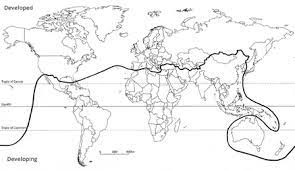
The element of the Global North and South are currently in a phase of change that is considered to be growing further from the loving and real relationship with God. This has seen the North and South turn out to be a religion closer to what Christ had initially intended for the Church.  In the North, there is a rise in individualism, an ideology that is has consequently forgotten the element of sin in religion, thus substituting the grace of God for self-knowledge (Johnson & Sun Young, 2014).

As a result of this, Christ’s mission of global salvation has turned into self-help, thus contrary to the mission of Christ who was to be a Christ of faith and who commended the concretization of cultures in order to transform their destructive tendencies. This clearly denotes that the objective of evangelization was directed towards seeking life-giving aspects in these cultures with the aim of giving flesh to the vision of the gospel of peace, reconciliation, compassion, love and justice.

North and South Growing Together: The Differences It Makes

The establishment of a Christian life and message in relation to the context of cultural living is not considered as clear, thus making its manifestation inappropriate within different cultural contexts. Christian traditions are structured on the traditions of Jesus; however, this is jeopardized by the errors of man in effectively carrying these traditions and teachings without the interference of personal characteristics that soil the word of God (Johnson & Sun Young, 2014). This depicts the fact that man is not in a position to carry out the will of God without the guidance of His Spirit, with this explaining the fact that the global south has failed in recapturing the themes and trends of early Christianity.

The primary themes that the church in the global north and south need to learn are deeply rooted in Pedro Arrupe’s statements that necessitated the need to ensure that faith in Christ is only achieved through concretizing the gospel within the existing cultures in order to transform the destructive tendencies of these cultures (Johnson & Sun Young, 2014).

This requires an exploration of the changing religious aspects, faith identities and cultural aspects of the north and south. This is attributed to the fact that the incarnation of Christian life and the message within different cultural contexts finds a principle that animates, unifies, directs, and transforms cultures with the aim of recapturing the themes and trends from the early history of Christianity.

Want help to write your Essay or Assignments? Click here

The primary themes and trends which the churches of the global South have recovered and that the churches of the north can learn from include the changes experienced in incorporating the Gospel of relationships and love in their ways of life. This is considerably essential in achieving the missionary work that Christ begun, that was significantly centered on the prospects of love and relationships in restoring the relationship between man and God (Johnson & Sun Young, 2014).

Traditionally, the Southern religious aspect depicted as Liberation theology was considered as normative in the manner in which the exercised their religious beliefs. However, the advent of Pentecostalism has seen the southern religious sects resorting to the reading of the Gospel with an application that determines how to live it. As a result of this, a reformation to the lost themes and trends of Christianity are being restored, an aspect that is turning to be a religious trend in the northern Churches.

Conclusion

In consideration of this, it is important to ascertain that the Global North and South are currently experiencing changes that are considered to be growing towards recapturing the themes and trends from the early history of Christianity. This is embedded in the global southern Churches efforts in the body of Christ that is currently being spurred by the Spirit in ensuring that the modern cultures adapt to the Christian ways as established in the history of Christianity. 

References

Johnson, T. M., & Sun Young, C. (2014). Tracking Global Christianity’s Statistical Centre of Gravity, AD 33-AD 2100. International Review Of Mission, 93(369), 166-181. Retrived From: http://search.ebscohost.com/login.aspx?direct=true&db=aph&AN=13991642&site=ehost-live

Want help to write your Essay or Assignments? Click here

Professionalism of a Student Doctor

Professionalism of a Student Doctor

Want help to write your Essay or Assignments? Click here

Professionalism of a Student Doctor

What is professionalism in the context of being a student in a doctor of physical therapist degree program?

A student training to be a doctor of physical therapy should have the professionalism to prepare for the responsibility taking care of patients as a physical therapist in the future. A physical therapist is a health care provider whose professionalism affects the lives of actual patients. Within the field of professionalism, I believe that interpersonal skills, problem solving and behavior responsibility are three key factors in being an effective physical therapist. Having worked in a physical therapy clinic, I can attest to the importance of each of these attributes in ensuring that a person acts with professionalism around patients.

Firstly, interpersonal skills are extremely important to master when working with people.  Interpersonal skills form the basis of personal relations between people. Because wellness within the human body is not only due to physical, but also mental health, a physical therapist who can connect with a patient can treat that person more easily. When patients get injured and have trouble moving, their exhausted physical and mental state means that they have to rely on a health care provider.

If the therapist can create a strong relationship with the patient, the patient can more easily open up to the therapist give more details about their life and activities, which can sometimes provide clues as to the reason why that person is in pain to begin with. Awhile back, I was working with a patient who had suffered a mild stroke. He was suffering from pain in his left arm, and from his sullen facial expressions, he seemed to not want to talk. Connecting with him seemed to be a very difficult task, as he did not seem interested in communicating.

Because I knew that he used to be a chef, I focused on using that fact to build up a level of empathy between us. I had previously worked in the restaurant industry as a chef’s assistant, and told him all about the fun I had while in working in the job. With a great smile, he then started telling me about earlier parts of his life and explained why he had a mild stroke. By building a better relationship with him, I was able to notice that he usually leaned on the left side of his body, which caused the pain.

Want help to write your Essay or Assignments? Click here

Secondly, problem solving is another extremely important skill for a therapist to have. Patients are affected by many mental and physical factors. It is a physical therapist’s job to investigate what factors seem to relate to current symptoms and aggravate them more. This process of figuring out what factors affect symptoms is key in diagnosing symptoms, along with healing patients faster by picking out factors that are worsening their health, such as unconscious habits like bad posture and repetitive movements.

If a physical therapist is able to solve a problem, he or she has to have an extremely extensive amount of medical knowledge ultimately figure out what the problem is. While at my university, I learned about medial epicondylitis. I was working with a patients who had a pain on the medial side of her elbow. With a couple special tests of the symptoms, I was able to find out that she had medical epicondylitis. Experiences like these fascinate me, as they show how knowledge and problem solving can offer solutions.

Thirdly, behavior responsibility is extremely important in providing effective treatment to patients. By understanding behavior, it allows a therapist to make informed decisions that allow people to have healthier and more quality lives. By understanding behavior, a physical therapist can also lead patients towards a style of treatment with motivation and encouragement that will then help speed up improvement.

While working with my boss as a physical therapist, he gave me a great lesson in responsibility working with patients and improving care by understanding human behavior. Even though patients asked many questions, he always listened very carefully and patiently before tell them gently what patents should do and should not do for treatments.

Thought talking with him, I realized that listening is often more powerful than speaking. One day, a patient I was working with who had previously received sub-par care in physical therapy, started asking me many questions with a slightly aggressive tone. Although I felt discomfort, I calmed down and listened to him carefully. To the best of my knowledge, I explained to him how all treatments worked and why they were needed with my physical therapist’s permission.

Now, he only comes to the clinic on the days when I work. When patients sometimes bring up misconceptions about physical therapy, a therapist might be able to change their minds by first listening to them and then addressing their concerns, so they can experience the correct concepts within physical therapy. Mastering this skill however, can be accomplished by understanding behavior responsibility.

All types professionalism closely connect to each other. Interpersonal skills allow for good communication and assists in problem solving. Along with behavior responsibility, a physical therapist who understands all three components can truly become an individual who works with professionalism.

Want help to write your Essay or Assignments? Click here