

Gerontology perspective of Azerbaijan

Azerbaijan: from a perspective of Gerontology

Want help to write your Essay or Assignments? Click here

Azerbaijan: from a perspective of Gerontology

Studying aging process is a complex course as age itself is a multidisciplinary field. The study of aging process is referred as gerontology. Gerontology integrates information from various disciplines including sociology, biology, and psychology. It involves the study of people’s mental, physical and social changes as they age.  The investigation of these changes in the society is important because the information collected is used to guide the elderly health policies and the healthcare programs in Azerbaijan (Ibrahimov et al. 2010).

Ageing and its associated problems concerning the elderly has been the domain of developed countries. However, recent past indicates that developing countries are experiencing the burden of aging population. This is attributable to the fact that previous Government policies on elderly care were a least priority as the elderly population represented a small percentage of Azerbaijan’s population.  This paper discusses situation, behaviour and experiences of elderly people in Azerbaijan from gerontology perspective (Rzaev et al. 2015).

Background: Socio-demographic characteristics

Azerbaijan demography is undergoing transition which is attributable to the low growth rate and steady decline in its fertility rates in the past several decades. Research estimated that the population of Azerbaijan is 9 826397 people, which indicates a 1.39% increase compared to the previous population of 9 691 874.  There were 205 568 new live births and 67 649 deaths. The population density is estimated to be 113.5 people/square kilometre.  The age structure is as shown below;

This pyramid structure is a stationary type which is described by declining birth rate and low death rate. This type of pyramid structure is common in developed countries. The dependency ratio in Azerbaijan is 42.1%. This indicates that the dependant part of the population is more than the working population. The aged dependency ratio is reported at 9.2% in Azerbaijan (Caravanos et al. 2014).

Similar to many East and South East Asia, the ageing population is a demographic reality that results into a decline in fertility and improved life-expectancy. According to World population report, Azerbaijan has experienced increase in the population rate of people above 60 years from 3.7% in 1960s to 9.7% in 2011. The figure is projected to increase by 2% by 2020 and by to 25% by 2050. This indicates that a substantial burden on resources will be experienced (Rabbi & Karmaker, 2015).

 Aging in Azerbaijan

 Aging in Azerbaijan and across Asia is occurring more rapidly   in comparison to the other developing countries. This is supported by Asia/Pacific Regional Conferences Ageing 2012 report which indicates that the proportion of the elderly population is growing at a very faster pace as compared to the rest parts of the world. This increased percentage of the older people in Azerbaijan implies that the percentage of the working adults is reduced and increased dependency ratio. The following are the consequences of the demographic changes.

To start with, there is rapid increase of old-older women. This is a major crisis because like in other countries, women are the primary caregivers in the family. Additionally, the old-older women are the most vulnerable group in the society who need acute care. Most of these women in Azerbaijan are widowed and live alone. Most of them have fewer assets as compared to men and are likely to be poor. This heightens their vulnerability and need for care. (International Action Plan on ageing problems, 2010).

Older Azerbaijan’s are spread throughout the country. However, the number of older people living in rural area is higher than in urban region. This is attributed to massive immigration of the young people to urban areas to seek greener pastures. The family is the most important support system for the elderly in Azerbaijan. Most of the elderly people in this country live with their family members. Only a small percentage of elderly live alone (Habibov, 2010). Azerbaijan is undergoing a social change. The society is shifting from larger extended family towards a nuclear family groups.

This change is associated with globalization and western culture influence. However, only few elderly persons reside in aged care homes. The nursing homes are managed by the government. The low number of residents is due to cultural influences.  The Azerbaijan culture demands that it is the young child responsibility to take care of their parents. Culturally, it is shameful for the family to admit their elderly parents to these care facilities (Babaie et al. 2015).

Body changes observed are due to changes occur in individual cells and within the entire body organ systems. These changes are manifested through changes in function and appearance. The aging cells function capacity is usually reduced. The normal functioning of the body, the old cells must die as part of normal functioning of the body system. The genes are programmed in a way that causes old cells death to create room for new cells (Namazova & Taghi-Zada, 2015).

 The first indicators of aging are the musculoskeletal system. This is followed by reduced eyesight and hearing capacity. Most internal organs function disorders do decline with age, but extensive reduction of the body organ functionality is associated with disorders and infections. Therefore, decline in function ability implies that the elderly are less able to manage strenuous activities such as physical activity, infections or temperature changes.  This also implies that the elderly people are more likely to experience medication side effects. The most commonly affected internal organs include heart, kidney and brain (Bui et al. 2015).

Mental health disorders

 The expansion of the elderly people in the population is unavoidably accompanied by increased number of age-related health disorders such as Alzheimer disease (D), Mild cognitive impairments (MCI) and Vascular Dementia (VD). There lacks adequate reports of Alzheimer disease in Azerbaijan but from the population dynamic and the world health reports, AD is a health issue that needs to be addressed among the elderly in Azerbaijan.

According to World Alzheimer reports, Alzheimer Disease International (ADI) estimates that there are over 36 million incidences worldwide about dementia. The numbers is doubling every two decades and it is projected that there will be 66 million dementia incidences by 2030. Most of these incidences are reported in the low and the low income countries (World Population Ageing, 2014). 

 The common mental disorders in Azerbaijan are depression, anxiety and dementia.  From the statistics collected, depressive disorders in Azerbaijan have increased rapidly. However, the precise aetiology of depression and anxiety is unknown, but the environment, genetic factors and psychological factors contribute to these disorders. Research conducted in Arabic countries, obesity, physical activity, psychological distresses are the major risks for mental disorders in Azerbaijan. 

The cultural expectations of this country have women have significantly lower physical activeness than men. In terms of dietary intake, 55% of the Azerbaijan is obtained from carbohydrates (grains). The increased carbohydrate intake and reduced physical activity among the elderly is a key risk factor for mental disorders in Azerbaijan (Caravanos et al. 2014).

The important characteristics of dementia and AD in Azerbaijan are determined by the public knowledge aspect, culture as well as socioeconomic aspects. There lacks adequate public knowledge on dementia. Therefore, the elderly person’s behavior that presents with the early disease symptoms are considered as natural results of aging.  This implies that most of the elderly and their care hivers will only seek medication in the moderate stage of the disease.

One of the core indicators of social development in any community is the rate of literacy. Illiteracy is an important aspect in gerontology because it is a risk factor that facilitates the development of AD due to low knowledge on disease prevention; or control of the modifiable risks factor for age related disorders such as diabetes, coronary artery, stroke, osteoporosis, hypertension, hypercholesterolemia and depression.

Although illiteracy levels have reduced in the last decades, the reduction rate is considerably low in Azerbaijan. The higher illiteracy is a risk factor for the increased rates of dementia and Alzheimer disease among the elderly in Azerbaijan (World Population Ageing, 2014). 

 There is sufficient evidence that culture and peoples life experiences shape the mental stability of a person. The society culture, behaviours and experiences shape the person’s ability to react to cognitive impairments such as dementia. This is because cultural values impact the elderly person’s responses to illness and ways they interact with the healthcare professionals.

For instance, in Azerbaijan cultural values of individualism as well as collectivism regarding the elderly care can negatively impact the treatment regimen and care. Azerbaijan collectivistic culture values the elderly and it demands that they should be treated with respect by the rest members of the family (Habibov, 2010).

The changes in the patient’s behaviour due do dementia might threaten their family respect to the elderly. One of the issues that affect the dementia patients in this country is the forgetfulness nature of the disease. This is the root of their problems. Most of these elderly patients feel bad whenever they realise that they have forgotten things which makes it troublesome for them to live with their family members. Some complain that the disease is a teasing disorder as sometimes one cannot recognise relatives and can no longer identify their friend’s face which really breaks them down (Habibov, 2010).

 The challenges of difficulties in the management of forgetfulness nature of the elderly and distractibility caused by the disease makes the elderly feel stressed. The elderly person’s life is described by use of many reminders and a lot of comments for their mistakes or failures.  This makes the patients feel deeply unfulfilled in their own views as well as their lives.

Most feel that their intellect is disrespected due to their altered mental stability especially each time they are disrespected or treated in a harsh manner. In Azerbaijan, the elderly greatly depends   on other family members in conducting most of the daily tasks and daily living activities.  Majority feel that they are bothersome and   the burden to the family members (Caravanos et al. 2014).

 Financial difficulties are another issue that affects the elderly. Most of the elderly have feelings of hopelessness and deprivation. Most feel miserable when they are financially dependent on others.  The elderly diagnosed with dementia in this community long to re-establish their own lives in order to be respected and to be valued by the rest of the society. They need recognition, appreciation and acceptance.

In Azerbaijan, the elderly people from low income households suffer disproportionately from the mental disorders. People’s health is determined by their socio-economic situations. The social determinants of health includes the conditions the live, work, age and the health systems. These are shaped by the economic and socio-political status.  The differences in these circumstances are produced by the society systems (Habibov, 2010).

Despite the fact that there is significant improvement in care and management of chronic illness which are the modifiable risk factors for mental health among the elderly, the primary focus of the healthcare system in Azerbaijan has been on maternal health and pediatric health.  The caregiver burden is high due to strong bonds between the elderly person and the family members.

This makes most of the people become opposed to the idea of institutional homes. The limited number of qualified mental healthcare providers in these healthcare facilities is also a contributing factor to negative attitude towards these healthcare facilities.  This indicates that the number of elderly people benefiting from the few mental health services available (World Population Ageing, 2014). 

 Gender also plays a major role in aspects of gerontology as aged women are likely to present with multiple health and mental disorders as compared to men. Education status and individuals physical health dictates the mental health status in Azerbaijan. For instance, depressive mood disorders in Azerbaijan are common in elderly men diagnosed with chronically ill disease.

In women, depressive mood disorders in this community are associated with their sense of belonging level of isolation, faith, and family cohesion. Additionally, life events such as bereavement, poor physical health and loss of status are other factors associated with depressive disorders in this community (Rabbi & Karmaker, 2015).

Elderly abuse has recently gained increased attention in the past Decade. This is common societal problems that have serious consequence on health as well as the wellbeing of the elderly people. Elder abuse remains one of the most hidden types of interfamily conflict in Azerbaijan. There are only few studies that have been conducted on elderly mistreatment in Azerbaijan, thus, little is known about the prevalence rates or risk factors.

Although the issue of child and female abuse in Azerbaijan is well recognised, the issue of elder mistreatment is overlooked.  This is probably because most people believe that elder mistreatment cannot occur due to the culture that supports strong family support. The lack of valid statistics, limited information, and consistent denial of the family members perpetuate vulnerability of the elderly. This could be a contributing factor for psychosomatic disorders among the elderly (Rzaev et al. 2015).

Want help to write your Essay or Assignments? Click here

Mental healthcare systems

 According to old Soviet model, mental healthcare in Azerbaijan leans towards the institutional approach. However, the Azerbaijan psychiatric institution does not meet the basic standards.  Although all kinds of the mental health services are at the level of special care, the primary care for the elderly mental health is not well developed. The principles mental healthcare providers for the elderly are psychiatric dispensaries, psychiatric hospitals and in private practice.

There are about 22 psychiatrists per 100,000 people. Each administrative districts of the country have outpatient clinic that have a consulting room for psychiatrist. There are eight cities at inter-regional psycho-neurological dispensaries (PNDs).  In Baku city, there are about two PNDs; one offers paediatric mental services and the other offers adult mental services (Caravanos et al. 2014).

There are nine psychiatric hospitals that provide in-patient services. In addition, there are psychosomatic services in two General hospitals and psycho-neurological services that are provided in military healthcare facilities. The main challenge of elderly mental healthcare in Azerbaijan is finance. The healthcare provider’s salary is low, which makes them demand for fee for their services even in public sectors.

This indicates that there are illegal demands for payment in health care services including medication and food fee in inpatient services. Most of the elderly people are not able to afford mental healthcare treatment. Another challenge is that there is over-centralization of mental care services. The community care as well as rehabilitative care is carried out by non-governmental organizations (Habibov, 2010).

 In order to ensure better life for the old population, it will require the harmonic interactions between policy making, health systems, medical education and the public sector.  The government should establish policy that will ensure that elderly people cost of care is effective and manageable. The government should establish programs that will focus on prevention of the old age associated healthcare condition. 

There are reports that support that the government should apply “spend to save” strategies.  This implies that the cost of care in treating dementia in its early stages is more effective than when the disease has progressed. The benefits include reduced institutionalization and improved on quality of life for patients with dementia. 

The healthcare policies should enhance the insurance systems in order to ensure patients get adequate support. The quality and quantity of the social services available in the community should be compatible to the medical standards, the community needs as well as the community culture (International Action Plan on ageing problems, 2010).

 The health systems should establish strategies that will promote early diagnosis of the disease. This includes increasing community awareness to facilitate early diagnosis of people mental disorders among the elderly. This will help them get the necessary information and non-pharmacological treatments which will improve the elders cognitive impairments, manage the behavioural symptoms and reduce their quality of life. There is need to increase knowledge and awareness on the age-related disorders and the normal aging process. There is need for the community to understand that the elderly person’s physical and mental health may decline but these are also indicator of mental disorders. They should seek medical attention (World Population Ageing, 2014). 

The elder community centres can also increase the society awareness in order to maintain their independence, leading to purposeful and productive lives. The support and enhanced family care must be emphasised through the help of support groups.  There is need to collaborate to reduce stigma and to improve care.  The area of concern in this community includes discrimination, elderly abuse, improve the standards of living such as housing, improve independence, autonomy and promote independence, increased participations as well as social protection including social security and pension (World Population Ageing, 2014). 

New strategies to improve health in Azerbaijan

Recently, more resource centres for the elderly people have been established to protect the physical and psychological health of the elderly. The centres do so through constitutional rights for the elderly and legal consultations.  There is need to have consultations and a range of public hearings and participation of every person in the community including the elderly representatives and those with disabilities. This will provides an opportunity for every person to express their feelings. The recommendations should be put into the considerations during the policy making processes (World Population Ageing, 2014).  

The increased awareness and the promulgation of the multidisciplinary disciplines is expected to foster respect for the elderly and improve social defence for the families as well as the relevant authorities.  There are undergoing plans such as the draft of “state program to strengthen the social protection of the elderly 2016-2020 years” which is focusing the issue of elderly empowerment by eliminating incompetence and useless relation between the elderly and the communities. Understanding the legal status for the elderly people will help the relevant authorities to protect the vulnerable group taking into the account of the essential contribution to the family, community and the societies (World Population Ageing, 2014). 

There is much that will be learned by giving the regional municipalities’ space and involvement of the specialist.  This will provide the necessary environment for the elderly people to engage them in activities such as sewing, hand works and weaving. Establishing such centres for the elderly people in Azerbaijan will be beneficial in improving the elderly quality of life (International Action Plan on ageing problems, 2010).

Conclusion

 Currently, the Azerbaijan economic has grown due to the foreign investments and ongoing reforms. The population poverty level has decreased considerably from 49% in 2003 to 16% in 2016.  . This has generally improved the life expectancy, improved the level of education and advanced healthcare systems.  The fact that more people are getting best education and health care have made the people to live longer and stay healthy for longer period. The humanitarian needs still prevail as the socio economic indicators have continued to drop. Poverty is the greatest issue facing the elderly people.

Millions of elderly people in the Azerbaijan continue to face unequal treatment and infringement of their fundamental rights. Most of the older people living in the rural areas are still having poor living condition and lack adequate education making them have little information on their rights and law. Most of the elderly people are excluded from the social life. Therefore, the question of human rights of the elderly is increasing becoming more and more sensitive to this society.

The important aspect to improve the health of the elderly people in Azerbaijan is promoting their physical and psychological attributes such that they can remain independent and productive to the communities and their families. It is important to ensure that the elderly people remain in good health. In order to do so, the health workers and social workers should be adequately trained so that they can effectively prevent or manage the mental disorders that are associated with age.  There have been some improvements, but the government need to establish sustainable care policies that are long-term, and develop services that are favourable to the elderly.

References

Babaie, J., Ardalan, A., Vatandoost, H., Goya, M., & Akbari Sari, A. (2015). Performance Assessment of a Communicable Disease Surveillance System in Response to the Twin Earthquakes of East Azerbaijan. Disaster Medicine And Public Health Preparedness, 9(04), 367-373. http://dx.doi.org/10.1017/dmp.2015.34

Bui, A., Lavado, R., Johnson, E., Brooks, B., Freeman, M., & Graves, C. et al. (2015). National health accounts data from 1996 to 2010: a systematic review. Bulletin Of The World Health Organization, 93(8), 566-576D. http://dx.doi.org/10.2471/blt.14.145235

Caravanos, J., Gualtero, S., Dowling, R., Ericson, B., Keith, J., Hanrahan, D., & Fuller, R. (2014). A Simplified Risk-Ranking System for Prioritizing Toxic Pollution Sites in Low- and Middle-Income Countries. Annals Of Global Health, 80(4), 278-285. http://dx.doi.org/10.1016/j.aogh.2014.09.001

Ibrahimov F, Ibrahimova A, Kehler J, Richardson E.  (2010). Azerbaijanb: Health system review. Health Systems in Transition, vol12(3):1–117

Habibov, N. (2010). On the socio-economic determinants of antenatal care utilization in Azerbaijan: evidence and policy implications for reforms. HEPL, 6(02), 175-203. http://dx.doi.org/10.1017/s1744133110000174

Namazova, A., & Taghi-Zada, T. (2015). Bioethics in Azerbaijan: History and Development of Bioethics in Azerbaijan. Asian Bioethics Review, 7(5), 433-439. http://dx.doi.org/10.1353/asb.2015.0044

Rabbi, A., & Karmaker, S. (2015). The Socio-economic Determinants of Antenatal Health Care Utilization in Bangladesh: Evidence from Multivariate Techniques. Dhaka University Journal Of Science, 63(1). http://dx.doi.org/10.3329/dujs.v63i1.21762

Rzaev, E., Rasulov, S., & Rzaev, A. (2015). Developing Mathematical Models for Cardiovascular System Functional Assessments. Kazan Med Zh, 96(4), 681-685. http://dx.doi.org/10.17750/kmj2015-681

International Action Plan on ageing problems. (2010). WHO. 02.12.2004. EB115/29. World Health Statistics 2010, World Health Organization. Retrieved from, www.who.int/whosis/whostat/EN_WHS10_Full.pdf

World Population Ageing (2014):  World Population Ageing: 1950-2050 (2014). Department of Economic and Social Affairs,Population Division.  Retrieved from www.un.org/esa/population/publications/worldageing19502050/

Want help to write your Essay or Assignments? Click here

21st Century Solutions Health Care Hospital

21st Century Solutions Health Care Hospital

Want help to write your Essay or Assignments? Click here
21st Century Solutions Health Care Hospital

Introduction

Hospitals have diverse responsibilities in making sure that they save the lives of patients under different situations. Therefore, it is crucial for all the medical institutions to ensure that they render high-quality services to the patients. In this case, it is important to consider evaluating the duties that were undertaken in the 21st Century Solutions Health Care Hospital in order to determine various methods and strategies which can help in ensuring effective care is given to the patients.

In order for a health institution to be effective, all the legal issues pertaining to that particular institution should be followed vigilantly. Additionally, it is vital for a hospital to ensure that comprehensive information concerning the general operations of the department is provided at an every month. This paper will also analyze the structure and the method used while hiring employees of the 21st Century Solutions Health Care Hospital                                                           

21st Century Solutions Health Care Hospital Organizational Structure

The figure below illustrates the structure of the 21st Solution Health Care Hospital organization. It shows the description of various professionals in the organization as well as the roles and responsibilities of all the seniors in the department.

LEVELPOSITIONROLES &RESPONSIBILITIES
Top Level Management TeamThis Position comprises of the Board of Directors in the Hospital, including the heads of different Administrative functionsEnsure that the activities of the organization run coherently.Ensure that the mission and the vision of the organization is developed and that the employees are familiar with them.They also ensure that the health facility is in adherence with the government’s regulations and safety standards.
Middle Level Management TeamComprises of the Heads of DepartmentsThe heads of departments ensure that the organizations activities run in a coherent way within each department.They are also responsible in coordinating and guiding the staff members within each and every department.They ensure that the employees within their departments stick to their ethical work place practices and follows in the procedures and policies of the organization.
Lower Level Management TeamConsists of the Departmental EmployeesWork towards the achievement of their departments goals.They also ensure that the goals of the department and meet.They also make sure that the tasks and duties within each and every department are achieved as specified in the schedules.

Figure.1.1 21st Century Solutions Health Care Hospital

As illustrated above, it is important to establish that the structure of the 21st Century Solutions Health Care Hospital comprises of the Top Level Management, Middle level and the Low Level overall administration board. These management teams ensure that all the daily activities in the hospital are carried out effectively in order to offer adequate and satisfactory services to the patients (Booth, Zwar, & Harris, 2013).

It also specializes in implementing and making sure that the institution acts according to the laws and regulations provided by the government.  These personnel are responsible for making plans on the strategies to be followed when executing the functions of different departments within the institution and therefore they have the authority to make choices concerning the allocation of resources.

Additionally, these management teams specialize in formulating the visions and missions of the hospital making sure that the workers stick to them. It synchronizes the seniors in different departments within the organization. In this structure, the middle level heads are also considered important in ensuring that the institutions are managed efficiently. However, they are mostly allocated in particular departments unlike the top board directors who usually exercise their mandates on the entire organization (Booth, et.al.2013).

It is equally important to consider that their powers are limited and are therefore not allowed to interfere with the budget of the organization. Their main duty is to ensure that all the significant activities in their respective department are run smoothly and are often answerable to the top directors in case they encounter with any defaults. In contrast with the directors who ensure that the government rules are adhered to, this head of department makes sure that the rules of the hospital are followed by the employees in order for the goals of the institution to be achieved.

The lower level department comprises of the employees whose duty is to work towards achieving the target of the hospital. They achieve this by attending effectively to the patient and ensuring that the tasks assigned to them are completed on time (Booth, et.al.2013). The workers are also given the platform to speak out their issues as well as come up with influential and innovative ideas that can help to enhance the performance of the hospital. In this department, a manager is chosen whose obligation is to report to the middle department and later to the top directors.

Duties of Each Major Head within the Organization

It is important to consider the fact that the 21st Century Solutions Health Care Hospital is comprised of different departmental health that a given the roles to handle different functions of the organization. These therefore include:

Departmental Administrators:

The departmental leaders primarily instituted the top management team who are under the management of the organization are given the role of overseeing different departments within the health facility (Nakrem, 2015). On the other, hand, the departmental administrators have their assistants who work in their absence and report to them on the functions of departments allocated to them.

Patient Care Managers:

The patient managers are tasked with the responsibility of monitoring and ensuring that the well being of patients is in line with the organizations determination to offer quality services to the patients. They therefore include the supervising physicians, nurse managers and other personnel’s within the organization (Nakrem, 2015). They also assign different tasks to different personnel’s within their departments in order to provide care to the patients. The patient care managers are equally determined to ensure the staff members have the capacity to address their roles on every occasion. They also engage in problem solving within the organization.

Service Providers:

The service providers remain the primary teams that handle the daily operation of the facility. They include the cooks, lauders; the organizations security personnel, suppliers and other personnel are that make the process of care complete (Richer, Ritchie, & Marchionni, 2012). These personnel therefore ensure that their daily responsibilities are met in order to ensure the facility is running.

Mission and Value Statement for the Hospital

It is essential to determine that the 21st Century Solutions Health Care Hospital remains one of the top quality health care service providers within the community we serve. The organization is therefore nationally respected in providing quality and excellent patient care and is additionally considered as the most trusted in a personalized and coordinated care approach.

Our Mission:

To immensely contribute in improving the health of the populations we serve within the community.

Our Values:

The21st Century Solutions Health Care medical staff personnel’s have a commitment to touch the lives of different patients from diverse backgrounds through the development of an organizational culture that is committed to serve the patients with compassion and kindness. The healthcare personnel’s are also apt in striving to understand the needs of the community and develop appropriate care services that meet their diverse and varied needs. 

In consideration of the fact that different families and patients place their lives in the hands of the facility, the organization has therefore prioritized in the rule of medicine that is directed towards protecting them and mitigating anything that may harm their lives. This therefore determines that the organization is committed in ensuring that the highest safety standards are adhered to with the aim of delivering high-quality care.

Our medical teams also bring the aspect of technology in practice, a factor that has enhanced the manner in which care is provided in the facility. This therefore gives the impression that the organization is committed in ensuring improvements, professionalism and excellence through the inclusion of technology is achieved (Richer, Ritchie, & Marchionni, 2012). Our actions and the manner in which we carry out care within this facility therefore remain out voice to the world. In this case, it is essential to determine that our mission and values define our organization and clearly gives the reason for our existence.

Hiring of Medical Personnel’s and Allied Professionals

It is imperative to consider that the 21st Century Solutions Health Care Hospital is committed in ensuring that its personnel’s are qualified and have the required expertise and experience to meet the job functions within the facility (Harlez, & Malagueño, 2016). In hiring the new personnel’s, the organization will ensure it advertises these posts on its websites and conduct a vetting process for the new employees. The Board of Directors will therefore oversee the vetting process to ensure that the right personnel’s with the required skills fill in the positions.

The hired employees will then be assimilated into the organization and assigned their roles in order to determine their effectiveness. The organization has an efficient work culture that will allow the employees to quickly adopt in different work groups within the organization. The Board will additionally discuss on their pay packages to motivate them into achieving their goals and those of the organization (Harlez, & Malagueño, 2016). Trainings will also be initiated to equip these new personnel with the required experiences to be effective in service.

Want help to write your Essay or Assignments? Click here

Information Technology (IT) to Increase Patient Services

It is essential to consider the organization has been at the cutting edge of technology in enhancing the manner in which functions and services are offered within the facility. In this case, the element of technology has immensely impacted service delivery in the facility, a factor that has seen an improvement in the manner in which patients information are stored and retrieved during care (Menon, Yaylacicegi, & Cezar, 2013).

The 21st Century Solutions Health Care Hospital has therefore initiated different technologies within its functions to enhance the manner in which care is administered. One of the recent technologies that have been incorporated in the facility is the use of the EMR in storing and retrieving the patient’s medical records. This has adequately made the process of care simpler since the physicians have the capacity to access patient’s medical records through their gadgets and also receive and store such medical data in the organizations systems.

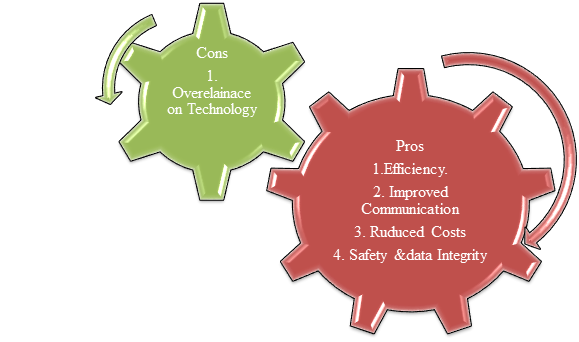
On the other hand, the health practitioners have also included the use of social media in following up the patients to determine the outcomes of care even after they are discharged from the facility (Menon, et.al.2013). This has enhanced communication between the patients and their care providers, a factor that has proved essential in the manner in which care is offered in the hospital. It is however essential to determine that the use of technology in healthcare has some of the advantages and disadvantages. In the case of these medical facilities, the pros in the use of IT tend to outweigh the cons and considered in the table below:

 Table 1.2: Pros and Cons on the use of IT at 21st Century Solutions Health Care Hospital

Conclusion

The21st Century Solutions Health Care medical staff personnel’s have a commitment to touch the lives of different patients from diverse backgrounds through the development of an organizational culture that is committed to serve the patients with compassion and kindness. Our medical teams also bring the aspect of technology in practice, a factor that has enhanced the manner in which care is provided in the facility.

This therefore gives the impression that the organization is committed in ensuring improvements, professionalism and excellence through the inclusion of technology is achieved. Currently, the facility is ranked the best in terms of service delivery, an achievement that depicts the commitment and the efforts of different stakeholders in realizing this dream. We anticipate enhancing the manner in which care is provided in this facility in order to meet the diverse needs of the population.

References

Booth, B. J., Zwar, N., & Harris, M. F. (2013). Healthcare improvement as planned system change or complex responsive processes? a longitudinal case study in general practice. BMC Family Practice, 14(1), 51-62. doi:10.1186/1471-2296-14-51. Available From: http://search.ebscohost.com/login.aspx?direct=true&db=aph&AN=87956386&site=ehost-live

Harlez, Y., & Malagueño, R. (2016). Examining the joint effects of strategic priorities, use of management control systems, and personal background on hospital performance. Management Accounting Research, 302-17. doi:10.1016/j.mar.2015.07.001. Available From: http://search.ebscohost.com/login.aspx?direct=true&db=bth&AN=112906275&site=ehost-live

Menon, N. M., Yaylacicegi, U., & Cezar, A. (2013). Differential Effects of the Two Types of Information Systems: A Hospital-Based Study. Journal Of Management Information Systems, 26(1), 297-316. Available From: http://search.ebscohost.com/login.aspx?direct=true&db=bth&AN=43590939&site=ehost-live

Nakrem, S. (2015). Understanding organizational and cultural premises for quality of care in nursing homes: an ethnographic study. BMC Health Services Research, 151-13. doi:10.1186/s12913-015-1171-y. Available From: http://search.ebscohost.com/login.aspx?direct=true&db=aph&AN=110957403&site=ehost-live

Richer, M., Ritchie, J., & Marchionni, C. (2012). ‘If we can’t do more, let’s do it differently!’: using appreciative inquiry to promote innovative ideas for better health care work environments. Journal Of Nursing Management, 17(8), 947-955. doi:10.1111/j.1365-2834.2009.01022.Available From: http://search.ebscohost.com/login.aspx?direct=true&db=aph&AN=45269889&site=ehost-live

Want help to write your Essay or Assignments? Click here

Dissemination of Evidence in Nursing

Dissemination of Evidence

Want help to write your Essay or Assignments? Click here

Dissemination of Evidence

Effective dissemination of evidence means that the right audience gets the correct information on the right time, format, and manner. The general aim of communicating information is to encourage all stakeholders to understand the progress and achievements of the project so that they can take part in it (McCormack et al, 2013; Beidas et al., 2012).

The pioneer nurses who will have gone through the teaching program will be posted in different units where they will reach out to other nurses in these units about the initiative. They will be allowed to use posters outside the unit, post reminders outside the unit, or post important updates on the hospitals’ website. The nurses will also be expected to explain to fellow colleagues in other units about the CAUTI prevention program through the hospital newsletter, tweets, blogs or even during hospital-wide nursing meetings. This will be a sure way of ascertaining that equal protection is met for all patients in the hospital (Edmunds et al., 2012).

To further facilitate spread of information, the trained health care providers will be encouraged to meet with interested hospitals within the region where they will share what they will have learned and communicate the achievements they have made in reducing the rates of CAUTI within this hospital. During this activity, they will be expected to start with units with higher rates of CAUTI, share the prevention program manual and other essential resources available in the website, and avail themselves whenever they are requested to train more members.

Project leaders will also be requested to attend monthly regional coaching and monthly national content webinars where they will share crucial information about “why and what” the implementation program is all about. The project leaders will be encouraged to attend the webinar calls with at least two or three nurses who will help further in dissemination of information.

Reference

McCormack, L., Sheridan, S., Lewis, M., Boudewyns, V., Melvin, C. L., Kistler, C., … & Lohr, K. N. (2013). Communication and dissemination strategies to facilitate the use of health-related evidence.

Edmunds, J. M., Beidas, R. S., & Kendall, P. C. (2013). Dissemination and implementation of evidence–based practices: training and consultation as implementation strategies. Clinical Psychology: Science and Practice20(2), 152-165.

Beidas, R. S., Edmunds, J. M., Marcus, S. C., & Kendall, P. C. (2012). Training and consultation to promote implementation of an empirically supported treatment: A randomized trialPsychiatric Services.

Want help to write your Essay or Assignments? Click here
Regulatory mechanisms for the oil and gas industry in a developing world setting

oil and gas industry

Want help to write your Essay or Assignments? Click here
Regulatory mechanisms for the oil and gas industry in a developing world setting

Introduction

As today’s society is organized, oil plays a critical and immense role. Petroleum products represent a lot more than just a major energy source that mankind uses. Other than being a vital source of energy, oil serves as feedstock for a number of consumer goods, and it therefore plays a pertinent and increasing role in the lives of people (Mariano & Rovere, 2012). Conversely, the oil and gas industry holds a significant potential of hazards for the environment and it might impact the environment at dissimilar levels including soil, water and atmosphere, and subsequently every living being on earth.

In this context, pollution is the most dangerous and extensive consequence of the activities of the gas/oil industry (Buchsbaum, 2013; Mariano & Rovere, 2012). This essay critically examines the regulatory mechanisms for the gas and oil industry within the context of the developing world. The essay does so by presenting theoretical, legal framework and environmental policies employed by developing countries in managing the impacts of the gas and oil industry.

The essay will particularly explore the regulatory mechanisms in the following oil-producing developing countries located in the Middle East, Asia, Africa, and South America: Venezuela, Peru, Colombia, Trinidad and Tobago, Algeria, Yemen, Philippines, Cambodia, and Sudan. Others are Papua New Guinea, Kazakhstan, Thailand, Afghanistan, Mauritania, Angola, and the Democratic Republic of Congo.

This essay will also examine the efficacy of the regulatory mechanisms in the aforementioned oil producing developing nations. This will help to determine whether or not the regulatory mechanism has actually been effective in preventing companies in the oil and gas industry from contaminating the environment in their operations.

The paper may determine that in some oil-producing developing nations, there are regulatory mechanisms but their enforcement is weak. This poor implementation of regulatory mechanisms could be due to a number of reasons such as lack of monetary and human resources required to ensure effective environmental governance, as well as corruption (Ingelson & Nwapi, 2014). In the countries with weak environmental laws, this essay provides a number of recommendations to ensure strict enforcement of environment laws for environmental protection in oil-producing developing nations.

Environmental impact of oil and gas industry

Pollution is linked to almost every activity throughout every phase of the production of gas/oil from exploratory activities to refining. Exploration of oil brings about many environmental problems such as the environmental degradation and economic loss due to gas flaring; soil contamination as a result of oil leaks and spill; and increased deforestation (Perunović & Vidić-Perunovié, 2012).

Gas emissions, waste waters, aerosols, and solid waste produced throughout drilling, production, refining and shipping amount to more than 810 dissimilar chemicals, amongst which prevail petroleum and oil products. The other impacts on the environment include contamination of the ground water, poorer quality of water, acid rain, and the intensification of the greenhouse effect (Klare, 2014). Additionally, the gas/oil industry might contribute to the loss of biodiversity and the destruction of ecosystems, which might be unique (Mariano & Rovere, 2012).   

In any nation around the world, particularly developing nations, the discovery of natural resource could be the start of economic growth in that nation. If managed well, the wealth derived from that natural resource can promote sustained economic development within that nation. Duncan (2013) noted that the exploration and exploitation of natural resources usually comes with a number of challenges, the major one being the industry’s negative environmental impact.

It is notable that the environmental impact of the gas and oil industry could be very disastrous to the country, that it necessitates a properly designed policy for managing controlling, and monitoring the industry’s negative impact on the environment (Ingelson & Nwapi, 2014). In many developing countries such as Mauritania, Cambodia, Kazakhstan, Colombia, Algeria, Nigeria, Trinidad and Tobago, Argentina, Peru, Angola, Venezuela, and Ghana among others, the gas and oil industry is marred by various environmental challenges (Tan, Faundez & Ong, 2015).

The environmental challenges are even considered a significant national concern since most of these developing nations have actually not performed well in terms of managing environmental problems brought about by the oil and gas industry (Vining, 2012).

The regulatory mechanisms in developing countries

The aim of environmental regulations in the natural gas and oil industry is basically to develop the framework in which regulatory programmes ensure that safeguarding of the environment is given greatest consideration as regards the development of gas and oil resources (Duncan, 2013). The goals of gas and oil regulation are to: present an effective and efficient framework for facilitating development and exploration of the nation’s oil/gas resources; reduce or eliminate risks to public safety and health and the environment and ensure proper resource management; and provide certainty and clarity to license holders with regard to the regulator’s requirements (Anejionu et al., 2015).

There are many developing nations that are producers or potential producers of oil and gas. These are illustrated in the table below:

Sub-Saharan AfricaThe Caribbean and South AmericaEurope and AsiaNorth Africa and Middle East
NigeriaMexicoPapua New GuineaYemen
Sao Tome and PrincipeVenezuelaThailandSyria
AngolaColombiaChinaEgypt
MauritaniaPeruPhilippinesAlgeria
Democratic Republic of CongoArgentinaAzerbaijan 
GabonEquadorKazakhstan 
CameroonTrinidad and TobagoAfghanistan 
SudanBrazilCambodia 
Ghana Indonesia 

In most of these developing nations, there is in place an adequately appropriate, though mostly theoretical, legal framework and environmental policy that is used to manage the impacts of the gas and oil industry (Tan, Faundez & Ong, 2015). On the whole, the regulatory system principles that have been adopted already in many developing nations are for the most part transposed onto the national legislation of these countries.

Put simply, most developing nations that produce oil have developed, in theory, a regulatory and legal framework consistent with the ones in place for the benchmark nations (Tan, Faundez & Ong, 2015). Most of these nations have established a dedicated institution whose purpose is to manage the social and environmental impacts of gas and oil industry; in most cases, this is usually a ministry for environment.

The regulatory, legal, and contractual frameworks in oil producing developing nations are as described below: environmental governance objectives – in these countries, the legal system is mainly reliant upon incentives or penalties to accomplish its environmental objectives. Constitutional rights and obligations – in oil producing developing countries, there are constitutional obligations and rights which specifically address ownership of natural resources, address the status of indigenous communities, sustain and protect the environment, and protect the health of people (The World Bank, 2011).

Environmental policy for the oil and gas industry – in the oil producing developing nations,

(i) specific laws have been put in place which establish policy for the development of this industry. Relevant regulations have also been duly enacted which give direction to executing the policy.

(ii) There are environmental laws which set policy for addressing environmental issues which arise from the exploration and development of oil and gas. There are a number of regulations duly passed providing direction for execution of policy (The World Bank, 2011).

(iii) Within the context of gas and oil industry development, oil producing developing countries have a set of laws which establish policy regarding use of water; emissions and effluents into the water, into the atmosphere, and onto land; noise; pollution; abandonment and decommissioning; and waste management including the management of hazardous wastes (The World Bank, 2011).

In addition, appropriate regulations have been duly enacted which give direction to the execution of the policies and have quantitative standards.      

Production-sharing agreement/host government agreement

(i) in the oil producing developing countries, there is a particular host government agreement which clearly spells out the contractual obligations and rights of the host government that arise out of a gas and oil development. In addition, this specific agreement directly addresses the host government’s related environmental obligations and rights (The World Bank, 2011).

(ii) In these oil producing developing countries, there is a particular production-sharing agreement which spells out the contractual obligations and rights of the proponents of a gas and oil development. Moreover, this production-sharing agreement addresses the proponents’ related environmental obligations and rights (The World Bank, 2011). International agreements and obligations

(i) most national governments of the oil producing developing countries have included international law rights as well as obligations in their legal system which addresses the environmental issues that arise out of gas and oil industry development.

(ii) The governments of these developing nations have established policy for addressing possible environmental impacts which affect adjacent nations by means of consultation or notification.

(iii) For transnational firms that operate in the gas and oil industry in these nations, the companies are required to comply with the corporate policies developed due to the jurisdictional requirements followed within its country of origin (The World Bank, 2011).

Environmental disputes

(i) in these nations, there is actually an important access to a quasi-judicial commission or board as well as access to a national court system for every stakeholder to a functioning judiciary for ultimate, independent adjudication of disputes and determination of remedies that arise out of the environmental implications of the gas and oil industry development.

(ii) These countries also have laws which identify and establish public hearings or appeals process for projects that are complex and/or controversial.

(iii) Members of the public have access to the legal system and the court to get remedies for environmental nonconformity (The World Bank, 2011).

Protected areas, parks, and other restrictions on gas and oil activities – in many oil producing developing nations, the development of gas and oil is inadmissible within protected areas and parks. Before the bidding process, there are clearly identified restrictions which apply (The World Bank, 2011).

Want help to write your Essay or Assignments? Click here

Many developing nations have in place regulations and laws on the environment that seek to regulate the activities of companies in the oil and gas industry to minimize the negative impact of their activities on the environment (Abdalla, Siti-Nabiha & Shahbudin, 2013). There are oil/gas drilling and production regulations that restrict oil/gas companies operating in the developing country from using land within 50 yards of any public road, reservoir, dam or building; establish that oil/gas companies should take appropriate measures to prevent pollution of water, and to stop it if it happens; and prohibit oil and gas companies, without rightful permission, from cutting down of trees in the developing country’s forest reserves (Abdalla, Siti-Nabiha & Shahbudin, 2013).

Furthermore, many oil-producing developing nations have in place petroleum refining regulations which require the manager of an oil refinery to take the reasonable measures in preventing and controlling environmental pollution, and which stipulate how infringement of the regulation would be punishable, for instance through imprisonment or fine (Anifowose et al., 2014).

Oil-producing developing nations have also put in place regulations that set down the necessary precautions that any oil and gas company in the production, loading, transportation as well as storage of petroleum products is required by law to take in order to prevent pollution on the environment (Laurent, 2015). There are also relevant regulations concerned with the control and licensing of oil and gas refining activities. Such regulations prohibit unlicensed refining of hydrocarbon oils and petroleum products in locations outside an oil refinery, and require hydrocarbon oil refineries in the oil-producing developing country to maintain pollution prevention facilities (Aldhous, 2012).

In addition, these countries have in place regulations that seek to prevent the discharge of hydrocarbon oil and petroleum products from ships. Such regulations prohibit ships of oil and gas companies in the oil-producing developing country from discharging oil into shorelines or territorial waters (Abdalla, Siti-Nabiha & Shahbudin, 2013). These regulations have also made it an offence for companies that transport petroleum products to discharge any oil on the waters of the developing nation.

Oil and gas companies are required to install antipollution equipment in their ships (Atsegbua, 2012). The laws actually make such discharge punishable with a heavy fine and require the oil/gas company to keep records of incidences of oil discharge into the country’s shorelines or territorial waters. The oil-producing developing nations in which oil/gas is extracted offshore have in place relevant laws for oil pollution prevention offshore (Laurent, 2015). All discharges of oil from gas/oil offshore installations need to be controlled in a careful manner in order to reduce marine environment contamination and the contamination of the living resources which the marine environment supports (Farrington, 2014). 

Many oil producing developing nations also have some type of Environmental Impact Assessment (EIA) process which has been included in their regulatory and legal framework. Nonetheless, the emphasis of the process is largely directed towards regulatory approval of gas and oil projects and not towards developing a life-cycle approach for reducing social and environmental impacts all through the life of the whole project (Duncan, 2013).

Environmental Impact Assessment is essentially a legal procedure wherein the oil and gas company is required to present environmental information to a consenting body so that the information could be utilized to make better informed decisions. In addition, EIA entails publication and public disclosure/comment or consultation. Visser and Larderel (2012) reported that this information is often presented in an Environmental Impact Assessment Report.

There are a number of goals of an Environmental Impact Assessment. An EIA is a tool for identifying possible environmental impacts of a proposed project, assessing how important or significant these environmental impacts are and propose suitable mitigation, monitoring and management measures for preventing or reducing impacts to levels that are good enough (Visser & Larderel, 2012).

Environmental Impact Assessment is also a tool and process that aids decision-making. The information collected during an Environmental Impact Assessment could feedback into project design. Outcomes of Environmental Impact Assessment are usually utilized in managing subsequent stages of project design, construction, as well as operation (Visser & Larderel, 2012).

As dictated by best practice, the full extent of the Environmental Impact Assessment process in some oil-producing developing nations has yet to be executed. What lacks in particular is adequate and systematic participation of local stakeholders and the public, access to baseline social and environmental information within the affected areas, comprehensive examination of project alternatives, as well as consideration of cumulative and regional impacts further than the project level (Visser & Larderel, 2012).

In most of these nations, project follow-up and environmental monitoring are seen as part of the Environmental Impact Assessment framework regulatory enforced. Even so, actual enforcement practices is usually insufficient, there is inadequate environmental monitoring, and monitoring data are either not divulged or they are not made extensively accessible to the affected stakeholders and the public (The World Bank, 2011). Furthermore, many oil producing developing nations have inadequate – at times completely absent – enforcement and control mechanisms in the post-Environmental Impact Assessment approval stage.

Although a lot of oil-producing developing nations claim that risk management procedures and regulatory enforcement mechanisms for gas and oil activities are included into the regulatory framework, actual enforcement of Environmental Impact Assessment approval conditions and regulatory limits on-the-ground is not happening systematically and effectively (The World Bank, 2011).        

Regulations and policies to reduce environmental impact of pit-wastewater: some oil-producing developing countries such as Brazil, Venezuela, Mexico, Colombia and Thailand have in place appropriate regulations aimed at reducing the environmental impact of pit-wastewater which include wastewater and sludge that is generated through drilling activities (Mariano & Rovere, 2012). Oil and gas companies are required to install pit-wastewater processing systems.

To avoid affecting local environments, these companies are expected to return pit-wastewater – wastewater that treatment facilities emit and production water attendant to gas and oil – underground, and treat pit-wastewater with the use of microorganisms and discharge the treated water into the ocean (Perunović & Vidić-Perunovié, 2012). Companies are also required to design and install their facilities and establish operating manuals basing upon their risk assessment in order to prevent contamination as a result of crude oil and pit-wastewater leaks (Anomohanran, 2012).

Gas and oil companies are also required to establish an operating structure under which they monitor the operations of their facility with the use of twenty-four hour patrols and remote systems. This ensures that even in case of an accident, any leakages could be reduced (Mohamed & Al-Thukair, 2013)

Regulations and policies to prevent air pollution: in a number of oil-producing developing nations including Argentina and Thailand and Egypt, there are laws that require oil and gas companies to avoid air pollution as much as possible. Emissions from combustion equipment utilized in production sites such as gas engines and boilers are required to be below the regulation standard limits for concentrations of nitrous oxide and dust (Managi et al., 2012).

Critique of the impact and application of the regulatory framework in oil-producing developing nations 

Even though these developing nations have a regulatory framework, the efficacy of the regulatory frameworks is compromised by the lack of an adequately organized administrative structure which facilitates effective regulatory conformity and enforcement. Furthermore, the other factor that compromises the effectiveness of regulations is the lack of monetary and human resources required to ensure effective environmental governance.

In the oil producing developing nations, the institutions that are responsible for environmental management generally have inadequate or little resources – information systems, technology, training, personnel, and budget – to properly execute their strategies and perform their regulatory mandate (The World Bank, 2011).

Although the governance structure and frameworks are in existence in oil producing developing countries, the execution of governance in an effective and efficient environmental management system for gas and oil activities is not well established. As such, efforts are required for strengthening the technical and administrative capabilities of governments in such countries so as to improve the environmental governance of the gas and oil industry (Duncan, 2013).    

Nowadays, environmental concerns are not regularly taken into account in plans for offshore gas and oil exploration and development. Depending on the oil producing nation where they are working, most oil and gas corporations also operate to different social and environmental standards. In some oil producing developing nations, this implies that even the most fundamental requirements are not met (Tan, Faundez & Ong, 2015).

Decommissioning of infrastructure is also a key issue and is rarely taken into account during planning and control. The life of a lot of oil exploration wells is limited; some wells with as short as just 1 – 3 months, though their construction often has long-term impacts. If planning for decommissioning is taken into consideration in the process of design, then environmental disruption will be decreased (Vining, 2012). All in all, thanks to weak environmental laws in many oil producing developing countries, many oil and gas companies continue to cause irreparable damage to the environment through their gas and oil exploration and development activities.

What the governments need to do to strengthen their regulatory framework

Governments of these nations need to establish stringent laws and regulations and take drastic actions against any oil and gas company that violates such laws and regulations not only through paying of fines (Anejionu et al., 2015). Firms that violate the established laws/regulations have to be fined very exorbitantly to serve as a deterrent against other oil and gas companies that plan on deliberately and carelessly polluting the environment during their gas/oil exploration and development in developing nations.   

Conclusion

In conclusion, most developing nations that produce oil have developed, on paper, a regulatory and legal framework similar to the ones established in the benchmark nations. Many oil-producing developing countries have established a dedicated institution whose main purpose is to manage the environmental impacts of gas and oil industry. Although oil-producing emerging economies have a regulatory framework in place, the efficacy of the regulatory frameworks is compromised by the lack of a properly organized administrative structure that actually facilitates effective regulatory conformity and enforcement.

References

Abdalla, Y. A., Siti-Nabiha, A. K., & Shahbudin, A. (2013). Examining the regulatory frameworks for the oil and gas industry in Sudan. Journal Of Environmental Assessment Policy & Management, 15(1), -1. doi:10.1142/S1464333213500063

Aldhous, P. (2012). Drilling into the unknown. New Scientist, 213(2849), 8-10.

Anifowose, B., Lawler, D., Horst, D., & Chapman, L. (2014). Evaluating interdiction of oil pipelines at river crossings using Environmental Impact Assessments. Area, 46(1), 4-17. doi:10.1111/area.12065

Atsegbua, L. A. (2012). The Nigerian Oil and Gas Industry Content Development Act 2010: an examination of its regulatory framework. OPEC Energy Review, 36(4), 479-494. doi:10.1111/j.1753-0237.2012.00225.x

Buchsbaum, L. (2013). Oil & gas and agriculture look for common ground on water and environmental issues. Coloradobiz, 40(8), 34.

Duncan, C. (2013). Mediation in the oil and gas industry: Taking the best for the future. Dispute Resolution Journal, 68(4), 71-85.

Farrington, J. W. (2014). Oil Pollution in the Marine Environment II: Fates and Effects of Oil Spills. Environment, 56(4), 16-31. doi:10.1080/00139157.2014.922382

Hamso, B. (2015). New drive to end routine flaring. Energy Policy, 34(7): 21-27

Ingelson, A., & Nwapi, C. (2014). Environmental impact assessment process for oil, gas and mining projects in Nigeria: A critical analysis. LEAD Journal (Law, Environment & Development Journal), 10(1), 1-22.

Klare, M. T. (2014). Petro-machismo. Nation, 298(12), 30-32.

Laurent, G. (2015). A New Regulatory Paradigm for Over-the-Counter Oil Forward Contracts. Economic Affairs, 35(2), 299-305. doi:10.1111/ecaf.1212.

Managi, S., Opaluch, J. J., Di, J., & Grigalunas, T. A. (2012). Environmental Regulations and Technological Change in the Offshore Oil and Gas Industry. Land Economics, 81(2), 303-319.

Mariano, J., & Rovere, E. L. (2012). Environmental impacts of the oil industry. Encyclopaedia of Life Support Systems. (EOLSS).

Mohamed, L., & Al-Thukair, A. A. (2013). Environmental Assessments in the Oil and Gas Industry. Water, Air & Soil Pollution: Focus, 9(1/2), 99-105. doi:10.1007/s11267-008-9190-x

Perunović, Z., & Vidić-Perunovié, J. (2012). Environmental Regulation and Innovation Dynamics in the Oil Tanker Industry. California Management Review, 55(1), 130-148.

Senze, M., Kowalska-Góralska, M., Pokorny, P., Dobicki, W., & Polechoński, R. (2015). Accumulation of Heavy Metals in Bottom Sediments of Baltic Sea Catchment Rivers Affected by Operations of Petroleum and Natural Gas Mines in Western Pomerania, Poland. Polish Journal Of Environmental Studies, 24(5), 2167-2175. doi:10.15244/pjoes/40273

Tan, C., Faundez, J., & Ong, D. M. (2015). Regulating environmental responsibility for the multinational oil industry: Continuing challenges for international law. International Journal Of Law In Context, 11(2), 153-173. doi:10.1017/S1744552315000051

The World Bank. (2011). Environmental governance in oil-producing developing countries. Extractive Industries for Development Series, 17(6): 1-48

Vining, S. K. (2012). Improve emissions monitoring. Hydrocarbon Processing, 77(1), 79.

Visser, J. P., & Larderel, J. A. (2012). Environmental management in oil and gas exploration and production: An overview of issues and management approaches. American Journal of Scientific and Industrial Research, 3(8): 65-77

Want help to write your Essay or Assignments? Click here
Compensation as a Change Agent

Compensation
Compensation

Want help to write your Essay or Assignments? Click here

Compensation as a Change Agent

Compensation plan of the employees refers to the various components and manner in which incentives, bonuses, and remunerations are paid to the workers in the company. Compensation can work as an effective agent for the change of employees’ behavior through the positive effects and benefits (Chung et al, 2013). My employer bramble consultant has various improvements that lead to the positive change of the worker’s behavior.

Rewarding of the high performing employees in the company using bonuses and incentives on top of their salaries creates positive reinforcement making the workers demonstrate desired behaviors such as self-drive and hard work (Chung et al, 2013). The company has started the learning interventions that are knowledge based in nature. Training interventions have been adopted to gain intelligence and insight into the workers who are also provided with allowances and bonuses after undergoing such training programs. Such actions have secured the commitment to change in the company.

Want help to write your Essay or Assignments? Click here

Incorporation of the better strategies such as offering promotions after the performance ratings while still providing better bonuses and incentives shall foster better positive changes related to consistency (Chung et al, 2013). Workers have adopted the change whereby they practice the appropriate customer service skills with the aim of better performance to get the rewards and compensations acting as motivation.

There are policies and procedures used when designing the effective compensation plan in the company that will consequently lead to the change of behavior among the employees. Extinction process involving the elimination of the policies and behaviors inhibiting the ability for the efficient performance of work and also communication is a modification during the design of the compensation plan (Chung et al, 2013).

To get the desired change, the risks involved during the compensating process need to be eliminated. The design of the internal locus of control incorporated in an appropriate manner mitigates the high risks involved. The efficient strategies adopted during compensation of workers in a company leads to overall positive behavior changes consequently speeding up development.

Reference

Chung, D. J., Steenburgh, T., & Sudhir, K. (2013). Do bonuses enhance sales productivity? A dynamic structural analysis of bonus-based compensation plans. Marketing Science, 33(2), 165-187.

Want help to write your Essay or Assignments? Click here

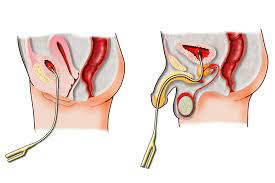
(CAUTI) Catheter Associated Urinary Infection

Catheter Associated Urinary Infection (CAUTI)
Catheter Associated Urinary Infection

Want help to write your Essay or Assignments? Click here

Catheter Associated Urinary Infection (CAUTI): Evidence Based Practice

Abstract

After selecting the topic of study, a team will be responsible for implementation and evaluation of the project will be formed. The selection of the team members will be directed by the topic and involve all responsible stakeholders. Thereafter, a brainstorming session will be held to determine the available sources and the key terms that will be used as guide in the research. Electronic databases such as Proquest, Cinhahl, and Cochrane will be used as a source of evidence.

The obtained evidence will be graded, an EBP standard developed and implemented and later an evaluation of the project outcomes will be done. The aim of this project is to reduce incidences of Catheter Associated Urinary Infections (CAUTIs). CAUTIs are ranked as the most common nosocomial infections. Surveys indicate that CAUTIs account up to 40% of all infections acquired in hospitals per year. Approximately 80% of these infections worldwide have been associated with insertions of indwelling urethra catheters.

In the US alone, hospital related infections account for about 5 to 10% of all hospitalized patients every year. The risk of developing CAUTI increases proportionately with the duration of catheterization. CAUTI pose a huge economic burden in the health care sector. It has been estimated that about 45 billion dollars are spent in the US for maintaining direct health costs and account for over 100, 000 deaths each year. CAUTIs also cause several complications such as gram –ve bacteremia, epididymitis, and orchitis in males, cystitis, and pyelonephritis, endocarditis, meningitis, prostatis, and septic arthritis in all patients.

These complications cause discomfort among patients, increased care cost, prolonged hospital stay, and high mortality Researchers report that there is need for re-education of clinicians about insertion of catheters to ascertain that best practice is maintained. Therefore, the project will be geared towards using this evidence-based intervention in promoting patient outcomes.

Project Proposal

Problem Description

Hospital acquired infections in the urinary tract are classified as the most common infections acquired in nursing homes as well as hospitals. Research has indicated that these infections are caused by insertion of indwelling catheters. It has been projected that these infections would be more worse were it not for the current modifications that have been done on the catheter itself (Gordon, 2015). CAUTIs reduce the quality of life of patients by subjecting them to discomfort, prolonged hospital stay, increased health costs as well as high mortality.  

Solution Description

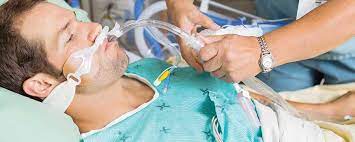
Management and care of an IUC patient is within the scope of nursing practice. One of the most effective ways that will be used to prevent CAUTI will be through re-education of nurses on placement, early removal, and management catheters. According to Meddings, (2014), improved care processes and care outcomes can be achieved through examination of best evidence serve as a guide in nursing practice and developing support systems that offer education and enhanced product accessibility to attain maximum care.

Although challenging, online learning programs will be created to serve as a guide for registered nurses. The intervention will also aim at updating clinical policy in a manner that it provides consistent, factual, and succinct content that will be an essential vessel for improving current practice (Scanlon et al., 2012). More importantly, clinicians will be re-instructed on how to best insert catheters and how to appropriately locate the drainage bag to minimize occurrence of reflux and CAUTI risks.

However, it has been documented that the most important strategy for preventing CAUTI is to maintain awareness on the existence of a catheter (Sutherland et al., 2015). It is for this reason that practitioners will be educated about how to use catheter reminder interventions such as daily checklists, electronic reminders, and sticker reminders.

Implementation Plan

The first step during implementation of this project will be to request for approval. It will be crucial for the entire organization to understand the necessity of reducing CAUTI. Project leaders will shed light to the leaders in the top management regarding the prevalence of catheter use, the risk that CAUTI predisposes to patients, and the health care costs related to management of CAUTI.

The project leaders will also engage fellow staff/colleagues by first making the problem real. This will be done through narrating a story of a patient who is suffering from CAUTI in the clinical area. Additionally, it will be illustrated that hospital acquired infections occur in 25% of the patients with indwelling catheters which in turn increases the cost of care (Bartlomé et al., 2015; Clarke et al., 2013).

The members will then be urged to join the fight against CAUTI, which is ranked as one of the conditions that can be easily controlled. The clinicians will be notified that the Centers for Medicare & Medicaid Services has stopped reimbursing costs associated with CAUTI since it can be prevented (Parry et al., 2013). Therefore, it is the duty of health care providers to come up with effective strategies for maintaining CAUTI.

Want help to write your Essay or Assignments? Click here

Evaluation Plan

After implementation, some of the variables that will be evaluated include;

Clinical outcomes

The evaluation team will identify the number of patients with symptomatic CAUTIs in the clinical setting monthly. Data from National Health Safety Network (NHSN) will be used to benchmark the progress. The data is essential because it provides the limitations on the number of CAUTI cases that an institution should record (Stacy, 2015). Comparison will also be done between the rates of ICU occurrence in the clinical setting and compared to the occurrences in other clinical settings in the hospitals with similar conditions.

Process Evaluation

Under process evaluation, some of the factors that will be monitored include indications for catheter placement, maintenance of aseptic conditions during catheter use, and the proper removal of catheters that are no longer useful to the patient. The daily prevalence rate will also be collected by dividing the number of patients that are catheterized in the ICU by the total number of patients admitted in the ICU (Zhou et al., 2015; Calfee, 2013). If the survey notes that the rate of CAUTI has spiked, an in-depth investigation will be conducted to identify the causes of the occurrence.

Patient Safety Culture

A survey will be conducted to assess this variable. The survey will be done after every three months annually. The results obtained will be used in the identification of improvement opportunities and allow project managers in designing specific strategic plans that will be used in addressing areas that indicate that staff perception is not as desired (Bell, et al., 2015; Andreessen et al., 2012). Some of the tools that will be used in accomplishing the evaluation process include brochures, Power Point presentation, and handouts.

Dissemination of Evidence

Nurses who will have gone through the education program will be posted in the various units in the hospital where they will serve as important vessels for teaching fellow colleagues about how the project is vital and why they should embrace it. Trained practitioners will also be encouraged to visit neighboring hospitals and help on spreading the message. The progress will be posted in blogs and hospital website where health care providers across the globe can easily access.

Review of Literature

Various scholars ascertain that UTI infections due to indwelling catheters are the most common hospital acquired infections. For instance, according to Giles et al., (2015), the major determinant of CAUTI development is the catheterization duration. Marra et al., (2011) propose that the most significant intervention to prevent these conditions is to discontinue the use of catheters the moment they are feasible and to limit the indwelling use of catheters.

References

Andreessen, L., Wilde, M. H., & Herendeen, P. (2012). Preventing catheter-associated urinary tract infections in acute care: the bundle approach.Journal of nursing care quality27(3), 209-217.

Bartlomé, N., Conen, A., Bucheli, E., Schirlo, S., & Fux, C. A. (2015). Change management with empowerment of nursing staff to reduce urinary catheter use. Antimicrobial Resistance and Infection Control4(Suppl 1), P217.

Bell, N., Eagan, J., Warren, M., Graham, J., Kamboj, M., & Sepkowitz, K. (2015). Catheter Associated Urinary Tract Infection (CAUTI) Surveillance: Less Charts, More Prevention. American Journal of Infection Control43(6), S35.

Calfee, D. P. (2013). Catheter-Associated Bloodstream Infections. InEssentials of Hospital Medicine: A Practical Guide for Clinicians (pp. 703-716).

Clarke, K., Tong, D., Pan, Y., Easley, K. A., Norrick, B., Ko, C., & Stein, J. (2013). Reduction in catheter-associated urinary tract infections by bundling interventions. International journal for quality in health care25(1), 43-49.

Giles, M., Watts, W., O’Brien, A., Berenger, S., Paul, M., McNeil, K., & Bantawa, K. (2015). Does our bundle stack up! Innovative nurse-led changes for preventing catheter-associated urinary tract infection (CAUTI). Healthcare Infection20(2), 62-71.

Gordon, P. R. (2015). The Effects of Nursing Education on Decreasing Catheter Associated Urinary Tract Infection Rates.

Marra, A. R., Camargo, T. Z. S., Gonçalves, P., Sogayar, A. M. C. B., Moura, D. F., Guastelli, L. R., & Edmond, M. B. (2011). Preventing catheter-associated urinary tract infection in the zero-tolerance era.American journal of infection control39(10), 817-822.

Meddings, J. (2014, October). Systematic Review of Interventions to Reduce Catheter-Associated Urinary Tract Infection in the Long-Term Care Setting. In ID Week 2014. Idsa.

Oman, K. S., Makic, M. B. F., Fink, R., Schraeder, N., Hulett, T., Keech, T., & Wald, H. (2012). Nurse-directed interventions to reduce catheter-associated urinary tract infections. American journal of infection control, 40(6), 548-553.

Parry, M. F., Grant, B., & Sestovic, M. (2013). Successful reduction in catheter-associated urinary tract infections: focus on nurse-directed catheter removal. American journal of infection control41(12), 1178-1181.

Scanlon, M. K., Deluca, G., & Bono-Snell, B. (2012). Reducing Catheter-Associated Urinary Tract Infections in Home Care: A Performance Improvement Project. Home Healthcare Now30(7), 408-417.

Stacy, K. M. (2015). Challenges in Hospital-Associated Infection Management: A Unit Perspective. AACN advanced critical care26(3), 252-261.

Sutherland, T., Beloff, J., McGrath, C., Liu, X., Pimentel, M. T., Kachalia, A., & Urman, R. D. (2015). A Single-Center Multidisciplinary Initiative to Reduce Catheter-Associated Urinary Tract Infection Rates: Quality and Financial Implications. The health care manager34(3), 218-224.

Zhou, Q., Lee, S. K., Hu, X. J., Jiang, S. Y., Chen, C., Wang, C. Q., & Cao, Y. (2015). Successful reduction in central line–associated bloodstream infections in a Chinese neonatal intensive care unit. American journal of infection control43(3), 275-279.

Appendix A

Credible Sources

Author(s) (Formatted as in-text citation)Database (CINAHL, EBSCO, Cochrane, Pro-Quest)Peer-Reviewed(Yes/No)Applicability   (Yes/No)Evidence Grade(Strength/ Hierarchy)Appraisal (Briefsummary of findings; how findings inform your project?)Inclusion   (Yes/No)
Meddings, 2014)CochraneYesYes4/Cross-SectionalSystematic Review of Interventions to Reduce Catheter-Associated Urinary Tract Infection in the Long-Term Care SettingYes
Gordon, 2015).CochraneYesYes4/Cross-SectionalThe Effects of Nursing Education on Decreasing Catheter Associated Urinary Tract Infection RatesYes
Stacy, 2015).Pro-QuestYesYes4/Cross-SectionalChallenges in Hospital-Associated Infection ManagementYes
Clarke et al., (2013)Pro-QuestYesYes4/Cross-SectionalReduction in catheter-associated urinary tract infections by bundling interventionsYes
Andreessen et al., (2012)Pro-QuestYesYes4/Cross-SectionalPreventing catheter-associated urinary tract infections in acute care: the bundle approachYes

Want help to write your Essay or Assignments? Click here

Use of Chlorhexidine to Prevent Ventilator-associated Pneumonia

Chlorhexidine to Prevent Ventilator-associated Pneumonia

Want help to write your Essay or Assignments? Click here

Use of Chlorhexidine to Prevent Ventilator-associated Pneumonia: Research Critique

Introduction

The critical appraisal of articles is an important aspect in promoting evidence based practice. In nursing care, critical analysis is conducted for three major reasons; to broaden the nursing knowledge, to understand the evidence based practice and to improve nurse practice. During the critical appraisal, the nurse is required to evaluate the study findings, and relate their appropriateness in clinical practice. This helps assure delivery if effective and safety care in hospitalized patients and in intensive care unit (ICU).

 In this context, this paper critically appraises the following article; Zhang, T., Tang, S. and Fu, L. (2013). The effectiveness of different concentrations of chlorhexidine for prevention of ventilator-associated pneumonia: a meta-analysis. Journal of Clinical Nursing, 23(11-12), pp.1461-1475. doi: 10.1111/jocn.12312. The article’s problem statement, study purpose, research question, literature view and conceptual framework are critiqued.

 Problem statement

 This article explores the effectiveness of using chlorhexidine to prevent ventilator-associated pneumonia. Ventilator-associated pneumonia (VAP) is pneumonia that develops in people who have medical devices to assist in controlling respirations through tracheostomy and through endotracheal intubation.  The risk factors for VAP include reintubation, aspirations, supine positioning, as well as failed subglottic aspirations. However, the most common mechanism for onset of VAP is colonised oropharyngeal secretions. Therefore, reduction in number of the oral microorganisms is important in preventing VAP (Zhang, Tang, and Fu, 2013).

Research indicates that chlorhexidine (CHX) has antimicrobial compound that effectively works against aerobic and anaerobic bacteria.  However, the study results of randomised controlled trials (RCTs) findings are inconsistent.   Most of the studies have indicated that CHX effectively prevent VAP but Pineda’s research indicates that use of CHX oral decontamination is not significant in reduction of nosocomial pneumonia in patients who had received MV (Pineda et al., 2006). 

This indicates that if the use of CHX for oral care in preventing the onset of VAP is still controversial. Therefore, the article explores other published studies (meta-analysis) to determine the efficacy of CHX and to determine the appropriate concentrations as described by RCTs (Zhang et al., 2013).

  The significance of the study is derived from the fact that VAP represents the most common nosocomial infection in ventilated patients. It occurs in about 9-27% of intubated patients. VAP is associated with lengthened hospital stay. It is estimated to increase hospital stay by $50,000-57,000 per occurrence. The disease mortality rate is estimated to be 15-45%. Therefore, it is important to establish the most effective strategy to prevent development of VAP in intubated patients (Zhang et al., 2013).

Purpose and Research questions

 The author has not clearly stated the purpose of this study, but the purpose is well indicated as the study objectives and aims.  The study aim is to determine the effectiveness of chlorhexidine in the prevention of VAP and to evaluate the preferred CHX concentrations for oral decongestants (Zhang et al., 2013).

The study research questions are as follows (Zhang et al., 2013). ;

a) Is CHX effective in reduction and   prevention of VAP?

b) What is the preferred CHX concentration that can effectively reduce the rates of VAP pneumonia?

 The purpose and research questions are related to the study problem. The qualitative methods are appropriate to answer these questions because it has the capacity to answer inconclusive study questions. This is attributable to the research method ability to identify sources across various types of studies which helps detect biased and unbiased information.  Additionally, this method can help stimulate improvements in the data collected in order to optimize care (Zhang et al., 2013).

 Literature review 

The literature review is summative but conjoined with the introductory part of the paper. The researchers report the findings of other papers as a narrative. The literature review points out the controversial information on the effectiveness of the CHX and the preferred concentrations. The information provided is current and adequate to establish a logical argument. For instance, the study indicates that patients on mechanical ventilation drugs have their mouth wide open   to facilitate the insertion of the intubation tube.

This breaks the balance of the oral cavity and production of saliva, which makes it easy for bacterial colonization. The literature also states that the mechanical process of intubation compromises the natural barrier that exists between the trachea and oropharynx, which facilitates the entry of the bacteria into the patient lungs (Zhang et al., 2013). Therefore, oral hygiene during intubation is important factor in the control of VAP in ICU and hospitalized individuals.

 The literature review also summarizes the current knowledge  relevant to research purpose and research questions that is, effectiveness of CHX in prevention of VAP and   the preferred concentrations of CHX that effectively prevent the development of VAP.  The authors have utilized both quantitative and qualitative studies that focus on prevention of VAP.  The articles used also includes  randomized controlled study on adults above 15 years  who are receiving oral care with CHX as compared to placebo and standard care (Zhang et al., 2013).

The author has not indicated the weakness of the studies available. The articles used in development of the literature are current which are not older than 5 years.  However, the study also evaluates studies that were published earlier to facilitate development of logical argument of the study (Zhang et al., 2013).

Theoretical Framework/ conceptual

 The author has not identified specific perspectives in which the study was established.  The theoretical framework is not well described, but the article has applied the classic grounded theory to analyse the secondary data collected (Maltby, 2010). The paper draws its conclusion from 18 research papers. The aim of the paper is to explore the various mechanisms for VAP management to identify the effectiveness of CHX.  

According to this article, the implementation of effective oral care measures effectively reduces the incidences of VAP. However, the several randomised controlled trials conclusion on the effectiveness of chlorhexidine is controversial. Using the classical grounded theory, secondary data is explored to check if the use of CHX in different concentration will yield different outcome. Using this framework, the previous pre-framed data and small data set from the previous papers is improved by comparing the information (Zhang et al., 2013).

Conclusion

 This article provides information that will help improve the delivery of care especially in hospitalized patients. It is important to critically appraise articles which help in identification of knowledge gaps (Burns & Grove, 2011).  The article aims at establishing  evidence based practice that  prevents the development of VAP. The article concludes that VAP, which is the leading cause of mortality and morbidity in hospitalized patients and in ICU, is effectively managed through oral care. The article indicates that CHX can reduce the incidences of VAP. The preferred concentration identified by practice is 0.12%.

 References

Burns, N., & Grove, S. (2011). Understanding Nursing Research (5th ed.). Elsevier. ISBN-13: 9781437707502

Maltby, J. (2010). Research methods for nursing and healthcare. Harlow, England: Pearson Education.

Pineda, L. A., Saliba, R.G., & El Solh, A. A .(2006). Effect of oral decontamination with chlorhexidine on the incidence of nosocomial pneumonia: a meta-analysis. Critical Care 10, R35.in Zang et al., (2013). The effectiveness of different concentrations of chlorhexidine for prevention of ventilator-associated pneumonia: a meta-analysis. Journal of Clinical Nursing, 23(11-12), pp.1461-1475

Zhang, T., Tang, S. and Fu, L. (2013). The effectiveness of different concentrations of chlorhexidine for prevention of ventilator-associated pneumonia: a meta-analysis. Journal of Clinical Nursing, 23(11-12), pp.1461-1475. Retrieved from http://eds.b.ebscohost.com/eds/detail/detail?sid=9415ccf3-7260-4097-91b5-822ab962dfbd%40sessionmgr106&vid=0&hid=111&bdata=JnNpdGU9ZWRzLWxpdmU%3d#AN=23952970&db=cmedm

Want help to write your Essay or Assignments? Click here

Medication Errors in Nursing Essay Paper

Medication Errors
Medication Errors

Want help to write your Essay or Assignments? Click here

Medication Errors

Introduction

 This study basically analyzes the perception of nurses with regards to errors in medication. It has been pointed out that different nurses have diverse perceptions in relation to the causes of medication errors. Some of the major causes include indecipherable handwritings by physicians, distractions, exhaustion, and tiredness. A few nurses believe that many cases of medication errors have been reported and those that have not been reported are often as a result of peer pressure or fear of the managers. The results of this study can be essential in the programs intended to encourage detection of medication errors and the elimination of the obstacles that prevent people from reporting such incidences.

Medication Error among Nurses

Medication errors can be described as failure to follow the physicians’ prescription. Medication errors in hospitals are extremely common and are realized almost each and every day. The most common sources of these errors include provision errors, calculation errors, administration errors, and monitoring errors (Feleke, Mulatu, & Yesmaw, 2015). All the staff in the medication department including pharmacists, nurses, unit clerks and physicians can cause the occurrence of a medication error.

When it comes to drug administration errors, nurses are ranked at the fore front since they are responsible for administering those drugs to the patients. These errors have adverse negative impacts on the nurses such that they are often victims of psychological effects since most nurses who get involved in medication errors face trauma while others end up being devastated.

First and foremost, nurses care about their patients; hence, those errors can cause guilt and some of them feel extremely terrified and upset (Oshikoya, Oreagba, Ogunleye, Senbanjo, MacEbong, & Olayemi, 2013).In addition, they lose confidence in their professional abilities. Also, they get angry at themselves and end up criticizing their own selves. Any nurse is capable of committing medication errors regardless of their years of practice, education or age.

Application of Evidence-Based Literature

Most medical institutions rely on the nurses to identify and report any medication errors regardless of the cause of the errors. Researchers have pointed out that most nurses do not report such incidences (Feleke, Mulatu, & Yesmaw, 2015).In order for the prevalence medication errors to be reduced, the nurses have to take the initiative of accurately reporting such cases so as to help in establishing appropriate remedies that would help to deal with the crisis. In case an incident of medication error is not reported, it conceals the defective systems which can lead to more damages.

It is important to consider the fact that the medical institutions that rely on reports of such incidences to provide information often tend to overlook issues to do with date errors. Reports are provided by the nurses who recognize the errors which are then forwarded to the administration, department of risk management, or quality department. The systems of reporting primarily depends on the conviction of the nurse that he or she has committed the mistake, ability to identify the occurrence of an error, accepting that there is a probability that the nurse in question might be dismissed , and the belief that the error needs to be reported (Russo, Buonocore, & Ferrara, 2015). 

The most underreported incidences in medical institutions concern administration of medicine.  This occurs mainly because the nurses believe that this does not have adverse effects on the patient’s health. On the other hand, the most often reported cases involve overmedication. Nurses intentionally choose not to report medication errors due to fear of punishment that may often lead to termination of their services. They also fear that they might be mistaken to have committed the medication errors intentionally.

Want help to write your Essay or Assignments? Click here

Analysis of Literature

In healthcare institutions, drug interventions are intended to accomplish positive results for different patients as well as preventing the occurrence of undesirable drug reactions. It has been pointed out that most cases of deaths occur due to medication errors hence creating a significant need to research more on these errors; thus,  placing high attention on the nurses (Russo, Buonocore, & Ferrara, 2015). The management of medication is acknowledged as an elemental aspect of the role of nurses since it is mostly connected with extensive risks.

Continuous observation should be maintained so as to evade the possibility for medication errors. Nurses have been assigned with the task of administering medicines to all the patients; hence, they should be at a position to report any incident of medication errors.  Medication errors can be stated as failure of completing planned action or using a wrong method to achieve a medical based objective (Ammouri et al, 2015). Most events that have been realized are often as a result of dispensing, distribution, errors in professional practices and wrong prescription. Hospitals which lack disciplinary actions are likely to report a rise in the occurrence of medication errors amongst their staff especially the nurses.

Conclusion

All the staff in the medication sector including nurses, pharmacists, unit clerks and physicians can lead to the occurrence of a medication error. Whenever medication error is identified, and no action is taken, this can lead to an increase in costs. It is essential to note that any nurse is capable of committing medication errors regardless oftheir years of practice, education or age. In medical institutions where disciplinary action is not considered important as such, there is a likelihood of an increase in the number of incidences to do with medication errors.

References

Ammouri, A.,et al  (2015). Patient safety culture among nurses. International Nursing Review, 62(1), 102-110. doi:10.1111/inr.12159. Available From: http://search.ebscohost.com/login.aspx?direct=true&db=aph&AN=101004061&site=ehost-live

Feleke, S. A., et al (2015). Medication administration error: magnitude and associated factors among nurses in Ethiopia. BMC Nursing, 141-8. doi:10.1186/s12912-015-0099-1. Available From: http://search.ebscohost.com/login.aspx?direct=true&db=aph&AN=110594788&site=ehost-live

Oshikoya, K., et al. (2013). Medication administration errors among paediatric nurses in Lagos public hospitals: An opinion survey. International Journal of Risk & Safety In Medicine, 25(2), 67-78. doi:10.3233/JRS-130585. Available From: http://search.ebscohost.com/login.aspx?direct=true&db=aph&AN=88365311&site=ehost-live

Russo, M., et al (2015). Motivational mechanisms influencing error reporting among nurses. Journal Of Managerial Psychology, 30(2), 118-132. doi:10.1108/JMP-02-2013-0060. Available From: http://search.ebscohost.com/login.aspx?direct=true&db=bth&AN=101076797&site=ehost-live

Want help to write your Essay or Assignments? Click here

Myocardial Infarction: Case Study

Myocardial Infarction

Want help to write your Essay or Assignments? Click here

Myocardial Infarction: Case Study

Causes, Incidence, and Risk Factors for Myocardial Infarction

Myocardial infarction (MI) is an impairment of heart functioning characterized by diminished blood supply to cardiac muscles following myocardial ischemia (Wong et al., 2012). Myocardial cells are destroyed but not repaired as the rate of their degeneration exceeds the capacity of repair mechanisms, which are usually slowed by poor blood supply. The causes of MI include myocardial ischemia that results when metabolic needs of the heart are too high and exceeding a certain threshold or ischemia that results after the coronary circulation is inefficient and affecting oxygen and nutrient delivery to heart muscles (Wong et al., 2012). In some cases, the two causes may co-occur and eventually result in MI. 

The prevalence of MI in Australia is significantly high with data indicating a correlation between disease occurrence, age and sex (Wong et al., 2013). Statistics indicate higher prevalence among older persons, with more than 3,800 cases of male patients 85 years and above having been reported in 2011.  On the other hand, about 11 cases of female patients of ages between 25 and 34 were recorded on the same year. Nevertheless, MI prevalence in Australia was reported to have been decreasing between the years 2007 and 2011 (Heart Foundation, 2014).

Studies indicate that risk factors for MI are those that also increase people’s susceptibility to atherosclerosis. These include tobacco use, being of the male gender, a positive family history for the condition, and pre-occurring conditions such as diabetes mellitus (DM), hypertension, and hyperlipidemia (Gehani et al., 2015).  The risk of MI is highest in persons with multiple predisposing factors.

In the case of Mr. Savea, several factors could have predisposed him to MI. These include his history of tobacco use, being clinically obese, having high blood pressure, being at a considerably advanced age, and of course being a male. Research links components of tobacco to damage of blood vessels hence increasing the risk of atherosclerosis and MI. Obesity is also linked to diabetes and hyperlipidemia, both which are risk factors for MI (Gehani et al., 2015). Age and gender are unavoidable risk factors for MI.  

Want help to write your Essay or Assignments? Click here

5 Common Signs and Symptoms of MI

Signs and symptoms of MIUnderlying pathophysiology
Chest pain likened to a sensation of squeezing caused by application of pressure at the mid-thorax (Haasenritter et al., 2012)Caused by hypoxia and ischemia result in MI. Impaired cardiac function also contributes to pain as muscles in other body parts do not get sufficient supply of oxygen and nutrients, hence becoming weak and unable to contract and relax normally.  Reduced cardiac output also contributes to dyspnea hence causing the squeezed sensation.
Loss of consciousness (Heart Foundation, 2015a)Patients of MI may become unconscious due to poor blood supply to the brain as manifested in the disease. The occurrence results from cardiogenic shock whereby the heart is unable to pump blood efficiently since cardiac muscles are damaged.
Tachycardia and hypertension (McSweeney et al., 2010)Patients with MI often present with tachycardia and hypertension. The phenomena are linked to anxiety and pain that patient experience when they get other symptoms of the disease. The anxiety and pain stimulates the sympathetic system hence causing cardiac activation and vascular constriction. As a result, patients develop hypertension and tachycardia as secondary manifestations.
Shortness of breath and dyspnea (Heart Foundation, 2015a)The symptom is associated with the damage and impairment of heart muscles that occur in MI. The functioning of the left ventricle is affected hence reducing its pumping ability. Consequently, ventricular failure precedes pulmonary edema. Accumulation of fluid in the lungs in turn reduces the pulmonary volume, and hence causes difficulties in breathing.
Increased perspiration (Heart Foundation, 2015a)Diaphoresis that characterizes MI is due to the activation of the sympathetic pathway. Usually, the pathway is activated as a counter mechanism for the maintenance of arterial pressure which is usually high in patients with MI. The activation of the pathway is a compensatory mechanism effected via baroreceptor response following decreased cardiac output.

Pharmacological Treatment of MI

Several classes of drugs have been approved for the treatment of MI in Australia. These include beta-blockers and angiotensin converting enzyme inhibitors (ACEIs). Drugs in the same class often work in the same mechanism in MI treatment.

ACEIs

The pharmacodynamics of these drugs in treating MI includes causing vascular dilation, hence reducing the myocardial afterload (Clauss et al., 2015). So as to attain optimal effectiveness, treatment is initiated with a low dose of an ACEI that has a short half-life (Song et al., 2015). The dose is then titrated upwards until a stable maintenance dose is achieved within 24 to 48 hours. The short-acting agent may then be continued at the maintenance dose or replaced with a longer-acting agent.

Angiotensin receptor blockers (ARB) may be co-administered with ACEIs if the patient is intolerant to the latter (Gadzhanova et al., 2016).  ACEIs are recommended for diabetic and hypertensive patients while contraindicated for those with low blood pressure or patients of kidney failure (Blood Pressure Lowering Treatment Trialists’ Collaboration, 2014). Some of the commonest ACEIs used in the management of MI include captopril, lisinopril, and ramipril (Monroy et al., 2014).  Patient data collected in Mr. Savea’s case suggest high applicability of ACEIs.

Beta Blockers

The physiological effects of beta blockers include decreasing the force and rate of myocardial contraction and subsequent reduction of oxygen demand in cardiac muscles (Atrial Fibrillation Association Australia, 2014). The medication should be administered the earliest possible after the onset of symptoms, preferably within the first 12 hours of diagnosis (Scot, 2010). Early treatment with beta-blockers does not only reduce the incidence of re-infarction, recurrent ischemia, and ventricular arrhythmias, but it also decreases the size of the infarct and so the chances of short-term death (Scot, 2010).

The medications are particularly essential when the disease condition is characterized by poor oxygen supply owing to the drugs’ effects on reducing oxygen demand in the myocardia. Common beta-blockers used in MI management include carvedilol, atenolol, and metoprolol (Martin et al., 2014). The drugs are also associated with hypotensive effects, and therefore, their use is safe in the case of Mr. Savea.

Post-Admission Nursing Care Strategies for Mr. Savea

Nursing care for the presented patient should prioritize on patient comfort and safety (Martin et al., 2014). Measures that should be taken to ensure safety for the patient include facilitating the accessibility of intravenous drug therapy services. Safety should also be promoted by ensuring that the patient has the access of resuscitation facilities, and he can be easily monitored and supervised. On the other hand, measures to increase the comfort of the patient include early administration of oxygen therapy, pain relievers, vasodilators, and anti-emetic medications.

Oxygen Therapy

The registered nurse should ensure that Mr. Savea receives oxygen therapy so as to avert arterial hypoxaemia that could occur within 24 hours of admission (Martin et al., 2014). The strategy would also facilitate the use of medications such as opioid analgesics whose use could cause hypoxia. Research also indicates that administration of oxygen to patients of MI would counter the development of infarcts hence reducing the possibility of short-term mortality, and subsequently increasing survival chances for the victims (Burgess, 2012).  

Pain and Emesis Management

Mr. Savea presents with severe chest and abdominal pain, and therefore, the registered nurse should prioritize on relieving the pain. Opioids such as diamorphine would be applicable in analgesia as they are considerably highly potent. However, such drugs could induce emesis and it would be necessary to counter the side effect using anti-emetic agents. Such drugs include metoclopramide and cyclizine (Department of Health and Human Services, 2012). The hypoxaemic effects of opioid analgesics should be countered by the use of oxygen therapy.

Vasodilation

The nurse should prioritize on increasing blood flow to the heart by using vasodilators. Nitrates would be an applicable class of drugs as they would reduce myocardial oxygen demand by decreasing both the preload as well as the afterload (Branson & Johannigman, 2013). By promoting cardiac blood flow, the drugs would also help in reducing pain associated with ischemia (National Prescribing Service, 2010).

Administration of Anti-Clotting Agents

After stabilizing the patient, the nurse should proceed with long-term measures to protect the victim’s myocardia. The approach involves re-canalizing the affected blood vessels so as to promote cardiac function (National Prescribing Service, 2010). Drugs that may be used for this case include aspirin. The patient may take the drug at a low dose on a daily basis if he can tolerate it. Thrombolytic agents may also be used for the protection of the myocardium. Streptokinase is an example of an intervention that is thrombolytic and applicable in the management of MI (Heart Foundation, 2015b). 

References

Atrial Fibrillation Association Australia. (2014). Beta blockers. Retrieved from http://www.atrialfibrillation-au.org/files/file/Publications/AFA%20Australia%20Beta%20Blockers%20FACT%20sheet%281%29.pdf

Blood Pressure Lowering Treatment Trialists’ Collaboration. (2014). Effects of blood pressure lowering on cardiovascular risk according to baseline body-mass index: a meta-analysis of randomised trials. The Lancet, 385(9571), 867-874.

Branson, R. D., & Johannigman, J. A. (2013). Pre-hospital oxygen therapy. Respiratory Care, 58(1), 86-97.

Burgess, S. (2012). Oxygen therapy for myocardial infarction. Australian Journal of Paramedicine, 8(2), 1-3.

Clauss, F., Charloux, A., Piquard, F., Doutreleau, S., Talha, S., Zoll, J., & Geny, B. (2015). Angiotensin-converting enzyme inhibition prevents myocardial infarction-induced increase in renal cortical cGMP and cAMP phosphodiesterase activities. Fundamental & Clinical Pharmacology, 29(4), 322-361.

Department of Health and Human Services. (2012). About medicines of nausea and vomiting. Retrieved from http://www.dhhs.tas.gov.au/__data/assets/pdf_file/0005/36950/Nousea_and_Vomiting_Mediciation_130509.pdf

Gadzhanova, S., Roughead, S., & Bartlett, L. (2016). Long-term persistence to mono and combination therapies with angiotensin converting enzymes and angiotensin II receptor blockers in Australia. European Journal of Clinical Pharmacology, 2016(1), 1-7.

Gehani, A., Hinai, A, Zubaid, M., Almahmeed, W., Hasani, M., Yusufali, A., & … Yusuf, S. (2015). Association of risk factors with acute myocardial infarction in Middle Eastern countries: the INTERHEART Middle East study. Preventive Cardiology, 21(4), 400-410.

Haasenritter, J., Stanze, D., Widera, G., Wilimzig, C., Abu Hani, M., Sönnichsen, A. C., & Donner-Banzhoff, N. (2012). Does the patient with chest pain have a coronary heart disease? Diagnostic value of single symptoms and signs – a meta-analysis. Croatian Medical Journal, 53(5), 432–441.

Heart Foundation. (2014). Australian Heart Disease Statistics. Retrieved from https://heartfoundation.org.au/images/uploads/publications/HeartStats_2014_web.pdf

Heart Foundation. (2015). Australian acute coronary syndromes capability. Retrieved from http://heartfoundation.org.au/for-professionals/clinical-information/acute-coronary-syndromes

Heart Foundation. (2015a). Will you recognize your heart attack? Retrieved from http://heartfoundation.org.au/images/uploads/main/Your_heart/Heart_attack_warning_signs_fact_sheet.pdf

Martin, L., Murphy, M., Scanlon, A., Naismith, C., Clark, D., & Faraoukwe, O. (2014). Timely treatment for acute myocardial infarction and health outcomes: An integrative review of the literature. Australian Critical Care, 27(3), 111-118.

McSweeney, J. C., Cleves, M. A., Zhao, W., Lefler, L. L., & Yang, S. (2010). Cluster Analysis of Women’s Prodromal and Acute Myocardial Infarction Symptoms by Race and Other Characteristics. The Journal of Cardiovascular Nursing, 25(4), 311–322.

Monroy, F., Ferrario, C. M., Hernandez, C., & Martinez, L. (2014). Comparative Effects of a Novel Angiotensin-Converting Enzyme Inhibitor versus Captopril on Plasma Angiotensins after Myocardial Infarction. Pharmacology, 94(2), 21-28.

National Prescribing Service. (2010). Ischemic heart disease. Retrieved from http://www.nps.org.au/__data/assets/pdf_file/0004/16969/ppr31.pdf

Scot, I. (2010). Up the dose of beta blockers after MI. Medical Journal of Australia, 2010(160), 435-442.

Song, P. S., Seol, S., Seo, G., Kim, D., Kim, K., Yang, J. & Kim, D. (2015). Comparative study of angiotensin 2 receptor blockers. Journal of Cardiovascular Drugs, 12(4), 43-54.

Wong, C. X., Sun, M. T., Lau, D. H., Brooks, A. G., Sulivan, T., Worthley, I. M., & Sanders, P. (2013). Nationwide Trends in the Incidence of Acute Myocardial Infarction in Australia, 1993–2010. AJC, 112(2), 169-173.

Wong, C., Brooks, A., Leong, D., Thompson, K., & Sanders, P. (2012). The Increasing Burden of Atrial Fibrillation Compared With Heart Failure and Myocardial Infarction: A 15-Year Study of All Hospitalizations in Australia. Arch Intern Med, 172(9), 739-742.

Want help to write your Essay or Assignments? Click here