This is author biographical info, that can be used to tell more about you, your iterests, background and experience. You can change it on Admin > Users > Your Profile > Biographical Info page."
Client Address: 49 Featherstone Street, London, United Kingdom
Background This patient care action plan is for William. William currently has liver cancer and he is very much worried about his condition and how his wife Gladys will cope with the situation. When William was growing up, he thought that he would live to reach ninety years old, like his parents, without any serious illness. His dream of living longer has just been shattered after he recently discovered the presence of blood in his stool. On visiting the hospital, William has received a confirmation from Dr. Maxwell that he has liver cancer. William’s immediate carer is his wife, Gladys, who provides assistance with daily living activities as well as with social support. Since William’s kids have their own families and they are mostly committed to work, he has limited access to family support. His living setting is the home environment, and he frequently visits the hospital from where he is cared for by Dr. Maxwell and nurse Linda. Dr. Maxwell has involved other physicians in William’s care. The doctor is working together with other highly qualified healthcare professionals to ensure that William receives the support that he needs for the longest period possible. William’s health condition is not that severe, and his recent health care trajectory indicates that he has a positive progress. His positive health progress is mainly attributed to good communication and a positive relationship with his healthcare providers, including the social worker. At the moment, William largely depends on services obtained from only one GP healthcare resource.
Needs Assessment From the PCC4U Needs Assessment, it is evident that some of Williams needs have been met while there are others, which have not been effectively addressed. Needs that are currently met The positive progress that is being observed in the patient is attributed to primary health care services that he is now receiving from the doctors and nurse Linda (Llobera, Sanso, and Leiva, 2017). Through support obtained from the doctors, William has learned and can apply various health promotion options that are available to him. Also, William has been informed about the right people he should approach in case his health condition gets worse. Immediate needs that should be met It is important to prioritize patients’ unmet needs to plan effectively on how to help them manage their health conditions (Khosla, Patel, and Sharma, 2012). There are two major immediate needs that William should be assisted to meet. During his interaction with nurse Linda, William explains that he is in a bit of pain and that he still has a lousy appetite. These conditions are common among older people with terminal illnesses (Goodman, Dening, and Zubair, et al., 2016). In this regard, William should be taught how he can solve his appetite problems and how he can effectively manage pain. Potential needs that might arise William’s healthcare providers should be prepared to address potential needs that might arise in the course of care. It is important to identify possible emotional and physical health problems that may arise to formulate strategies that can be used to prevent them early (Clarke, Bourn, Skoufalos, Beck, and Castillo, 2017). To meet William’s physical and emotional needs, the healthcare providers should engage specialists in palliative medicine and palliative nursing, as well as family members, to provide necessary care as early as possible (Llobera, Sanso, and Leiva, 2017).
Local Resources and Services Scan
Service name and brief description
Address/contact details and website URL (if available)
Opening hours/contact hours
How to access (e.g. is a referral required?)
What needs can this service help to meet?
Healthcare team member responsible for referral/action
Open Monday to Friday from 8.00 am to 6.00 pm, Saturday 11.00 am to 6.00 pm, and Closed on Sunday
No referrals are necessary
Offers emotional and social support for patients with terminal illness and their families.
Lead nurse Angel and Marilyn can assist patients with making appointments and follow-up.
William can get necessary emotional and social support from this facility.
Hospice UK
34-44 Britannia St, Kings Cross, London WC1X 9JG +44 20 7520 8200 http://www.hospiceuk.org/
Open Monday to Friday from 9.00 am to 5.00 pm, Closed on Saturday and Sunday
No referrals are necessary
Provides all types of home-based care needed by patients with serious illness.
Carol Warlford is the Chief Clinical Officer in charge of all forms of palliative care in the facility.
This facility is appropriate for meeting William’s physical, social, physiological, and emotional needs both now and in future.
St. Christopher’s Personal Care
Sydenham, UK +44 20 8768 4500 http://www.stcpersonalcare.org.uk/
Open every day from 9.00 am to 5.00 pm.
No referrals are required
Offers support with all forms of care including medication, nutrition, activities of daily living, social support, and emotional support.
Denise, Maxine, Tony, and Sandra are highly trained to offer palliative care to all patients with various needs.
The facility is a useful back up for William’s palliative care needs.
Action Plan
Medication: The nurse should plan a visit to the physician to provide the right prescription for William to enable him to manage pain effectively (Ramanayake, Dilanka, and Premasiri, 2016; & Al-Mahrezi, and Al-Mandhari, 2016). This arrangement should be made as soon as possible.
Nutrition: The nurse should contact a nutritionist to help with the development of a feeding plan for William and his wife. Since appetite is one of William’s problems that should be solved urgently, this action should be started as soon as possible (Forbat, Haraldsdottir, Lewis, and Hepburn, 2016; & Caccaialanza, Pedrazzoli, and Zagonel, et al., 2016).
Physical Activity: William’s wife should contact a trainer to help William with physical exercise (Lowe, Tan, Faily, Watanabe, and Courneya, 2016; & Chandrasekar, Tribett, and Ramchandran, 2016). This arrangement should be made before William’s next meeting with the GP.
Counselling: The nurse should plan a visit to a professional psychologist to plan counselling sessions for William and his family (Pino, Parry, Land, Faull, Feathers, and Seymour, 2016). This plan should be ready before William’s next meeting with the GP.
Referral to Hospice: The nurse should contact a social worker to provide William and his wife with detailed legal information related to the procedures he should follow when he will be required to relocate from home-based care to the hospice (Hui and Bruera, 2016). This arrangement should be made when William will no longer be in a position to make decisions by himself.
Reference List
Al-Mahrezi, A. & Al-Mandhari, Z. (2016). Palliative care: Time for action. Oman Medical Journal, 31(3): 161-163. doi: 10.5001/omj.2016.32
Caccaialanza, R., Pedrazzoli, P…& Zagonel, V. (2016). Nutritional support in cancer patients: A position paper from the Italian Society of Medical Oncology (AIOM) and the Italian Society of Artificial Nutrition and Metabolism (SINPE). Journal of Cancer, 7(2): 131-135. doi: 10.7150/jca.13818
Chandrasekar, D., Tribett, E. & Ramchandran, K. (2016). Integrated palliative care and oncologic care in non-small-cell lung cancer. Current Treatment Options in Oncology, 17: 23. doi: 10.1007/s11864-016-0397-1
Clarke, J., Bourn, S., Skoufalos, A., Beck, E. & Castillo, D. J. (2017). An innovative approach to health care delivery for patients with chronic conditions. Population Health Management, 20(1): 23-30. doi: 10.1089/pop.2016.0076
Forbat, L., Haraldsdottir, E., Lewis, M. & Hepburn, K. (2016). Supporting the provision of palliative care in the home environment: A proof-of-concept single-arm trial of a palliative carers education package (PrECEPt). BMJ Open, 6(10): e012681. doi: 10.1136/bmjopen-2016-012681
Goodman, C., Dening, T…& Zubair, M. (2016). Effective health care for older people living and dying in care homes: A realist review. BMC Health Services Research, 16: 269. doi: 10.1186/s12913-016-1493-4
Hui, D. & Bruera, E. (2016). Integrating palliative care into the trajectory of cancer care. Nature Reviews Clinical Oncology, 13(3): 158-171. doi: 10.1038/nrclinonc.2015.201
Khosla, D., Patel, F. D. & Sharma, S. C. (2012). Palliative care in India: Current progress and future needs. Indian Journal of Palliative Care, 18(3): 149-154. doi: 10.4103/0973-1075.105683
Llobera, J., Sanso, N….& Leiva, A. (2017). Strengthening primary health care teams with palliative care leaders: Protocol for a cluster randomized clinical trial. BMC Palliative Care, 17: 4. doi: 10.1186/s12904-017-0217-9
Lowe, S., Tan, M., Faily, J., Watanabe, S. & Courneya, K. (2016). Physical activity in advanced cancer patients: A systematic review protocol. Systematic Reviews, 5: 43. doi: 10.1186/s13643-016-0220-x
Pino, M., Parry, R., Land, V., Faull, C., Feathers, L., & Seymour, J. (2016). Engaging terminally ill patients in end of life talk: How experienced palliative medicine doctors navigate the dilemma of promoting discussions about dying. PLoS ONE 11(5): e0156174. https://doi.org/10.1371/journal.pone.0156174
Ramanayake, R., Dilanka, G. & Premasiri, L. (2016). Palliative care: Role of family physicians.Journal of Family Medicine and Primary Care, 5(2): 234-237. doi: 10.4103/2249-4863.192356
Want help to write your Essay or Assignments? Click here.
The patient care that I have provided has greatly influenced my career and my decision to advance my nursing education. Although I am a licensed practical nurse (LPN), the nature of patient care that I have provided is far much above my professional level. Most of the care services I offer perfectly match those that should be performed by a registered nurse. For instance, I have been able to obtain a specialty in allergies just like a registered nurse.
Due to my commitment to patient care, I have been promoted to head the sub-acute unit of the hospital where I currently work. I have frequently had the privilege to train registered nurses who are deployed at my unit despite the fact that I belong to a lower rank than them. Surprisingly, a large percentage of registered nurses whom I have interacted with have succeeded in their careers, not only in my current hospital but also in other facilities.
These achievements have influenced me to continue my nursing education. As Farinaz (2016) explains, there is always a limit of the nature of patient care that an LPN can provide. Being an LPN, there is a limit of what I can do to my patients and my fellow nurses. In this regard, I feel that by advancing my education, I will acquire additional nursing knowledge and skills that will enable me to possess competencies that resemble those of a registered nurse.
With these academic qualifications, I will be in a position to perform more advanced caring roles than the ones that I can offer at the moment. Furthermore, I believe that advancing my nursing education will increase the salary that I shall be able to earn. Being a single mother of three, I honestly think that I should be compensated well to motivate me to work hard because most of the tasks that are delegated to me should be performed by a registered nurse.
Question Two
With the nursing knowledge and skills that are currently possessed, together with those that are yet to be acquired, I see myself contributing positively to the nursing profession. According to Arabi, Rafii, Cheraghi, and Ghiyasvandian, (2014), nurses make an enormous contribution to the nursing profession by protecting the quality of health care. I believe that the goal of a successful nurse is always to make a meaningful contribution to his or her profession.
I am highly committed to achieving this goal, and I increasingly utilize my work experience to make a significant change to nursing. With seven years of professional experience, I stand out as a nurse who can deliver quality patient care. Furthermore, I always strive to provide care by my educational training to protect my licensure. I work hard every day to become part of highly qualified nurses who can deliver the highest quality care as recommended by the Institute of Medicine (The Institute of Medicine, 2010).
Furthermore, I will contribute to the nursing profession by utilizing my skills and knowledge to assist my supervisors as well as my fellow nurses. As I continue to deliver extraordinary care to patients, I extensively interact with my supervisors because this helps me to evaluate my strengths and weaknesses.
I am eager to learn to fill my knowledge gaps and to fit to work in the rapidly changing medical and nursing fields. In this manner, I will be in a position to make meaningful reforms to the nursing profession and to take patient care to a higher level. The contribution that I can make to nursing encompasses both patient advocacy and change implementation (Arabi et al., 2014).
Reference List
Arabi, A., Rafii, F., Cheraghi, M. A. & Ghiyasvandian, S. (2014). Nurses’ policy influence: A concept analysis. Iranian Journal of Nursing and Midwifery Research, 19(3): 315-322.
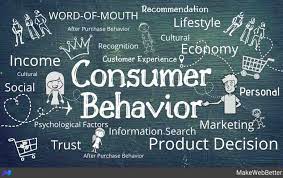
Consumer behavior can best be understood by recognizing that each individual has unique tastes and preferences. In marketing, consumer behavior plays an imperative role in designing marketing strategies, through an understanding of consumer psychology, consumer decision making process, implications of consumer knowledge on decision making, and motivation associated with the purchase of different products (Johnson et al, 2014). This way, marketers can effectively improve their marketing strategies and campaigns to ensure that they appeal to the customer.
In making a decision, customers go through a process that involves need recognition, information search, evaluation of alternatives, purchase and post-purchase evaluation. To influence demand for its products or services, a company must ensure that it maintains quality to meet customer needs and provides adequate information about its products and services.
A useful strategy in understanding consumer behavior is to remain in the limelight so that when customers are in the process of decision making, the company’s product or service comes to mind. Through advertising, marketers can promote brand awareness, reinforce attitude on brands and influence external searches. A company that has successfully achieved this is Proctor & Gamble, which is considered the world’s largest advertiser. Its constant advertisements on television, online, social media and printed media has ensured revenue growth to a great extent.
The #LikeAGirl Always sanitary pads advertisement for example has over 64 million views. The Smell Like a Man, Man advertisement featuring Old Spice products also became widely famous as well as ‘Best Job’ that sought to recognize the importance of mothers. These advertisements by Proctor and Gamble could have easily influenced decision making among customers.
To take advantage of the customer decision making process, companies must design marketing strategies that capture the attention of consumers and thus invoke interest in the program ((Johnson et al, 2014). Coca Cola remains one of the products that has managed to consistently capture the attention of customers. Most of Coca Cola advertisements are a call to action and this plays a major role in influencing decision making. In the advertisement catch phrases ‘Taste the Feeling’, ‘Share a Coke with a Friend’, ‘Obey your Thirst’, all these are aimed at encouraging customers to buy Coca Cola beverages.
Organizations in designing their marketing strategies must establish which of the three types of decision making the consumer is likely to make. Cognitive decision making is a deliberate, sequential and rational process and the effort put towards decision making depends on the degree of involvement. To enhance decision making, companies should design and advertise their products in such a way that it catches the attention of the customer.
In purchasing a car for example, the process of decision making is cognitive and this explains why brands such as Mercedes, Volkswagen, Nissan and Toyota ensure high quality and performance of their cars, given that the customer is likely to check specs and the experience of other users before purchasing. This differs from habitual decision making where the process is mostly unconscious, behavioral and automatic and hence lack evaluation or information search (Ciravegna, Fitzgerald & Kundu, 2013).
Examples include everyday use products such as toiletries and food supplies. While companies may not spend much on advertising for such products, there is need to ensure customer satisfaction because it determines customer retention capability.
Marketing – STP
Customer needs are unique to each individual and no particular product can satisfy everyone, hence the growing importance of segmentation, targeting and positioning (Ciravegna, Fitzgerald & Kundu, 2013). Large conglomerates such as Coca Cola, Walmart, Dell Inc., Apple Inc., Amazon, L’Oreal, H & M, Louis Vuitton, Rolex and Rolls-Royce among others attribute their success to effective market segmentation.
This means that in order for organizations to effectively meet customer needs, they must tailor their products and services to meet different groups of customers. This is known as segmentation and is defined as the process through which a company identifies individuals and organizations whose characteristics are similar; in order to base their marketing strategy on such information.
Segmentation is an important aspect of marketing because it ensures effective identification of target markets, development of marketing mix to suit market characteristics, identification of differentiated marketing strategies and an opportunity to take advantage of marketing opportunities (Kotler & Armstrong, 2015). Rolls Royce, Rolex and Louis Vuitton for example target high end customers who are lovers of luxurious products and are willing to pay high prices in order to gain prestige.
Accordingly, such companies must ensure that their products are expensive when analyzing consumer behavior and that not everyone can afford them. Failure to do so would lead to loss of customers because it is no longer prestigious to own their brands. This means that customer segmentation has helped them in designing a marketing strategy and a marketing mix that works for its customers.
Identifying customer segments may be based on various approaches including geographical segmentation, demographic segmentation, behavioural segmentation and psychographic segmentation. Subway and McDonalds target families, thus indicating demographic segmentation; Target aims at reaching people in urban areas, thus demographic segmentation; Nike targets sports personalities which represents interests and is therefore psychographic segmentation; Mercedes targets brand loyalty and is thus behavioural segmentation.
Customized marketing is growing in popularity and locomotive companies, airplane manufacturing companies and design companies have taken a lead. Customized marketing is used in markets where individual customers have sufficient purchasing power to warrant the design of a unique marketing mix for each (Kotler & Armstrong, 2015).
Ferrari for example specializes in the development of tailor-made cars to provide their clients with unique cars that match their personality. ‘Build your own Ferrari’ is a mantra of Ferrari’s Personalization Programme, which seeks to give a personal touch to all customers (Ferrari, 2017). To achieve this, customers can choose their own fabric, colors, wood, leathers and finishes to suit their individual tastes and desires.
References
Ferrari 2017, Ferrari’s personalization programme, Retrieved from
The relevance of effective leadership in enhancing the quality of pedagogy continues to gain significant importance in the field of early childhood, as stakeholders seek to achieve greater professionalism and enhanced outcomes as illustrated by children’s performance (Heikka, 2014). “The field of early childhood education and care has had a growing interest in pedagogical leadership rising from the need to increase quality and influence organisational change (Alameen, Male & Palaiologou, 2015).” In this regard, there is greater focus on building relationships, mentorship, diversity and inclusiveness. Individuals in leadership work in partnership with others, providing leadership opportunities to other staff, students and others in the education community. This insinuates that leadership as traditionally defined does not always apply to early education realms. It is because while business and other sectors may observe leadership from a hierarchical perspective, effective early years leadership is mostly more collaborative or transformational in nature. The traditional way of envisioning a leader as the one on top of the hierarchy is a just incomplete definition of how leadership is. Leadership is a process that is influenced by the shared vision and purpose by individuals or teams in connecting with each other. Effective leadership while being guided by the principal who provides direction goes beyond this by recognising the role played by all stakeholders as defined in shared values, visions and expectations. Leadership in early childhood education is an in-depth human quality that does not follow the conventional rule of authority.
Children are purely innocent to what this society gives to them in early childhood. If the society provides them with effective skills of leadership then that is what they are going to get regardless of gender or sect. If children are exposed to negative traits from the society then this would only end up in criminal activities. Children tend to strive hard to learn the way of living which society provides them. The importance of early childhood education can be imagined from Siraj-Blatchford and Hallet’s (2014) idea of leadership, which states that “Effective and caring leadership is an evolving area of importance in developing quality provision for young children and families (p. 9).” Early childhood leadership is not only about the business of academics but it involves everyday routine of children’s services.
In recognition of the growing importance placed on leadership in early childhood education, this paper explores the concept of leadership in the context of early education and how it influences the quality of education. In this relation, it will focus on what leadership means in the context of early childhood education, leadership styles in ECE, effective pedagogy in the early years, effective leadership in the early years and challenges and issues in early childhood leadership.
The Effective Provision of Preschool Education (EPPE) project changed the education landscape in Europe, and can be considered an influential study in the emerging importance of leadership in early childhood education (Siraj‐Blatchford, et al., 2008). The longitudinal study was the first of its kind and consisted of a young children’s development sample with the objective of investigating the impact of preschool education among three and four year children. Information for the study was collected from 3000 children and also involved interaction with their parents, home environment and school settings (Sylva, et al., 2004) Through the research which as conducted between 1997 and 2004, it was established that education quality made a significant impact in the development of children (Sylva, et al., 2004). This is a function of leadership, which the study also established as being instrumental in ensuring quality and better outcomes among children.
Based on the study results, it was established that high performing centres included in the study had resilient leadership and a strong shared philosophy, and that managers ensured a strong lead in planning and curriculum development. In addition, leaders in these centres encouraged staff development, education focus, child-adult interaction, all essential aspects of leadership in early childhood education. Therefore this study illuminated the importance of effective leadership in preschool in a bid to enhance outcomes and it remains a point of reference in the realms of ECE.
Effective Leadership in the Early Years Sector (ELEYS) and Researching Effective Pedagogy in the Early Years (REPEY) also played an imperative role in illuminating leadership as an important issue in early education. The ELEYS research demonstrated the ideal setting for early year schools, noting that adult-child interaction, good curriculum knowledge among practitioners, parent involvement, formative feedback and behaviour policies influenced good outcomes for children Siraj-Blatchford et al (2007). REPEY on the other hand argues for the provision of leadership for learning as a fundamental requirement in early learning. This can be done through social context considerations, collective working and a focus on children’s learning outcomes. This research is based on the passing of the Children Act of 2004 in England and the commitment of the government to reform children services through the ‘Every Child Matters’ campaign (Siraj-Blatchford, I & Manni, 2007). These two studies have influenced commitment towards leadership in ECE and are a good source of reference for leadership literature.
Early childhood is a sensitive stage where all leadership efforts should be directed towards ensuring the best outcome for the children. Leadership in early childhood education has been considered a pacesetter and a major influence of quality, hence the need to effectively understand what really consists of leadership in ECE.
Kagan and Bowman (1997) proposed five faces of leadership that early childhood leaders should seek observe in order to promote the outcome of children in their schools.
The first face of leadership is administrative leadership. This involves the everyday operational activities and management of services (Kagan & Bowman, 1997). In executing administrative leadership, a leader is expected to maintain skills necessary in:
Dealing with people: This involves building effective relationships with staff, children, families, board members and colleagues among others
Structure: This entails the maintenance of infrastructure, complying with regulations, security issues and fire procedures among others
Processes: This includes the development of policies and procedures for governing school activities, including interaction of children and families.
Culture: this involved possessing knowledge on resource and referral agencies as well as changes in legislation.
Outcome: This includes maintenance of occupancy rates, fees, wages, budgets, petty cash and resources among others.
Environment: This involves awareness of the health and safety issues related to the occupation as well as the legislative requirements and aesthetics.
Pedagogy is understanding how learning process takes place which is supported by philosophy and practice.Pedagogical leadership entails the recognition of the best approaches in ensuring quality of early childhood care and education (Heikka, 2014). At the core of early childhood education lies the need to ensure that the quality of children’s lives is improved through enhanced growth, learning and development (Cheng, 2013; Kivunja, 2015). In this relation, leadership in ECE is about identifying how best the children can learn. It is associated with the philosophy of the program, its goals and everyday practices that are advocated for in the managing the organisation (Murray & Clary, 2013). A leader is also expected to stay informed about issues and trends in early childhood education and care, and propagate the same information to staff. Leaders are expected to work closely with families and the community and ensure that all their actions demonstrate their knowledge of pedagogical leadership in everything they do (Sullivan, 2010).
Leaders is early education have an obligation to disseminate the importance of early childhood education to the community. This means that leaders must promote advocacy for best practices in early childhood education in order to influence the community and the overall outcome of ECE in the community (2008). It involved being increasingly visible in the community where one operates, developing community partnerships and participating in the education and training of ECE professionals through mentorship and networking. An early childhood leader is required to collaborate with community members and play a vital role in influencing policy making within the community.
Conceptual leadership is about being actively involved in the creation of new ideas with the aim of advancing the profession. This means that a leader should be capable of contributing to the ECE profession through innovative and futuristic thinking that leads to the development of pioneering ideas to influence early childhood education success (Kagan & Bowman, 1997; Rodd, 2013). This is equated to visionary leadership and is best achieved if one has a social conscience. This means that ideas are based on what leaders believe is the best for the advancement of children in early years.
Leaders in early childhood are expected to actively advocate for early childhood issues in order to improve the welfare of children and their families (Kagan & Bowman, 1997; Woodrow, C & Busch, 2008). Leadership involves taking a lead in looking out for better education quality and advocating for issues affecting early childhood education such as licensing requirements, affordable childcare, teacher salaries and other important issues (Rodd, 2013). Leadership in ECE is not only about working with individuals and organisations within their immediate sector but rather collaborating with others beyond their environment to create better outcomes in the early childhood sector.
Effective leadership in early childhood is defined by the ability of the leadership to effect high quality, through involvement of different stakeholders and upholding professionalism. This can be demonstrated in the following illustration, which demonstrates the importance of well set goals, high quality educators, professionalism in leadership, programming quality, and the involvement of families in ensuring outcomes for children.
Pedagogical Leadership tells us to reconsider the way we learn and work alongside with other adults. It is a common observation that development and growth take time and the best way children learn is by the interest and engagement with adults. Characteristics like curiosity, purposefulness and openness create an environment of learning both for the child and for the adult.
The Pedagogical Leader has an important role in creating a setting that supports values and vision for a healthy and quality learning environment. In this kind of environment, habits like organising time, spending money and supporting others come from the vision for growing child. In this way, children are nourished to produce leadership qualities and sense of responsibility. (Coughlin & Baird, 200)
It has been recognised that effective leadership is the key to the growth of education and care. Teaching, learning and sustaining high-quality learning environment cannot be shaped without the skilled and committed leaders. There are minimal chances for effective leadership in early childhood without these skilled pedagogical leaders. According to a research, leadership comes only second when teaching has an influence on learning. Leadership is essential to an improved outcome and equality in education. (Leithwood et al., 2006: 4)
The style of leadership that is adopted within the organisation to a great extent determines the organisation’s performance. In this respect, the leadership style adopted should match the objective of the organisation in order to ensure that set goals are met. In early childhood, it has been established that leadership is more about inclusiveness and that the traditional idea of leadership, demonstrated through hierarchical outlook is considered outdated. Leadership is seen as a practice that is socially constructed and where the need to promote the quality of education and outcomes for children determines the leadership style adopted. The following leadership styles consist of some of the leadership styles adopted among early education institutions.
Directive leadership: In directive leadership, leaders are required to guide followers by spending as much time as possible with learners who are learning new tasks. The leader is expected to observe the learner provide feedback and develop suggestions for improving performance (Wieczorek-Ghisso, 2014). Directive leadership in ECE is seen as a means to ensure that the learner acquires the best knowledge possible to enhance the quality of education.
Facilitative leadership: This style seeks to empower group members by providing them with the resources necessary to execute their work. This style is aimed at ensuring that the needs of group members are met and that the outcome is satisfactory to the children and their families. While it may be directive at times, facilitative style is never authoritarian.
Participative leadership: This is where the leader promotes a collaborative atmosphere with teachers, such that everyone has an opportunity to participate in decision making. Ideas from followers are held in high regard and each view is considered important. Leaders are open with teachers and communication ensures that they can contribute to the everyday running of the school (Aubrey, et al, 2013). Participative leadership enhances motivation and is considered effective in advancing performance due to its ability to identify new ideas that would otherwise go unutilised.
Transformational leadership: Leaders depicting transformational leadership lead by showing concern to personal development of followers, such that they are committed to ensuring that they can discover their potential by acting as their role models. Through providing them with the required knowledge and resources, transformational leaders develop their followers into leaders and moral leaders through inspirational motivation, intellectual stimulation, idealised influence and individualise consideration (Hughes, 2014). In ECE, this plays a role in enhancing motivation and thus high performance of teachers; consequently contributing to changes in school education. Transformational leadership is such that both the leaders and followers learn from each other and is therefore not about power holding.
Situational leadership: A commonly used leadership style is situational leadership, where leaders tend to apply different approaches in dealing with different issues. This according to Wieczorek-Ghisso (2014) is an approach which in the early years education context is based in levels of competency, such that continuous professional development is enabled. This is evidenced through the Blanchard model which provides four different leadership styles for four competence levels identified. Blanchard’s quadrant, consists of four leadership styles namely directing, coaching, supporting and delegating. Each style is useful for different competency levels through which staff go through before they can be considered highly effective to work without much support.
Blanchard’s first competence level consists of staff portraying high commitment and low competence. These are members who are probably new in context and therefore lack the necessary skills to carry out required activities. This group may display high enthusiasm and willingness to learn but lack the skills to perform effectively. The suggested leadership style is the ‘directing’ approach, aimed at providing them with guidance to undertake activities through providing specific instructions and making follow up. An employee who effectively succeeds in this quadrant such that they no longer require close supervision then moves to the second quadrant, representing low or some competence and low commitment. This group requires ‘coaching’ as the leadership approach. This requires leaders to explain the importance of task completion and monitoring of progress while providing encouragement and support.
When a staff is ready to move to the next quadrant, this means that they no longer need coaching but rather ‘supporting’. These are staff with high competence but with variable commitment. While they may have adequate experience, such teachers may lack confidence, motivation or initiative to undertake independent tasks. By supporting their daily activities, a leader can ensure that staff effectively accomplish tasks and that they develop high commitment. This means that they are ready to graduate to the next quadrant, consisting of staff with high commitment and high competence. These are individuals who have mastered their roles and who are confident in their ability, experienced, knowledgeable and self-motivated, such that they do not require much supervision. In this situation, the leader employs ‘delegating’ approach, such that these individuals may be trusted with responsibilities without the need for monitoring or direction.
The model is considered effective because it aims at gradually developing staff capabilities to ensure that they can effectively respond to delegated tasks. It considers the different needs of staff and the required form of support needed to enhance competency and is thus considered an effective approach to leadership.
Leadership is an undertaking that requires individuals to demonstrate their ability to influence processes and other people for the attainment of set goals, such that leaders are expected to possess certain qualities that differentiate them from others (Ang, 2012). It is not any different in early childhood and the following qualities of a leader ensure enhanced outcomes. Teachers with early childhood development degree give them the right skills to help every child learn. Practically speaking, teachers of early education of children must possess certain qualities that will enable them to motivate children along with finding joy every day (Aubrey, 2011).
When it comes to young children, leaders having the confidence of working with the children require enthusiasm and dedication to the work. Only this way, they could think of achieving the successful completion of their leadership duties. Teachers should have the enthusiasm to unlock each child’s door to learning. In addition, every child is different which makes the job even more challenging; thus requiring a patient nature along with good sense of humour to help the teacher to face this sloping path of ups and downs every day.
Every child has a different learning style and personality when he comes to school for early education. Each child would have his or her own style of doing anything. Due to this reason, teacher must always respect the differences and mange to teach in each child’s style rather than imposing on the child to adapt another style. Furthermore, each day teaching young children and at the same time educating them requires creativity. Adapting to the style of learning that each child possess is flexibility. Regardless, the planning a teacher has done for each day, there should be flexibility to handle all the glitches that can throw off the day. A successful early childhood teacher would be the one who is always creative and flexible to make each day a positive one.
An effective leader takes approaches that are unique and whose execution ensure that organisational goals and objectives are met. This skill requires critical thinking to ensure that ideas and strategies set the organisation apart from competitors through quality outcomes. Additionally, an inspirational leader motivates followers to perform by helping them discover their strengths. He or she should be capable of influencing followers to perform by helping them discover their potential, providing them with the needed guidance and rewarding good performance (Murray & Clary, 2013).
Contemporary leadership literature indicates that active involvement of employees and other stakeholders in leadership decisions and undertakings can have an influential role on organisational outcomes (Grant, 2016). In early education, there is need to involve teachers, boards, students and the community in leadership, thus ensuring that the management can understand what the needs of others are. When leadership considers the input of others, the likelihood of success is enhanced through diversity in ideas. In a world where leadership entails greater involvement of stakeholders in leadership and decision making, having a leader who is open and accommodating can have a considerable impact on the organisation. In early education, being open can encourage contribution from followers and thereby improve the outcome of schools.
Every leader’s mandate is to achieve the organisation’s goals and objectives and thus contribute to the overall performance of the organisation. In this relation, a leader must not lose focus on the main goals that the organisation seeks to achieve (Grant, 2016). This ensures that he or she can effectively lead others in achieving the goals, correct deviations, mentor and encourage others to achieve. In doing so, the ability to influence others through endowing them with the power to perform is considered a major leadership quality. Leaders in early childhood should not only provide teachers with the necessary skills to perform tasks but they should also build their capacity to perform roles that are considered as being beyond their level, including independent decision making (David, 2012).
A leader should be concerned about the welfare of others, such that their decisions should be considerate about the feelings of others. This is essential in ensuring that followers feel appreciated, which promotes their productivity and willingness to contribute in organisational activities (Cheng, 2013). Being collegial involves recognising every individual as being important and avoiding self-exalting behaviour. An effective leader sees themselves as part of the team and thus encourages others to work to work together towards achieving the organisation’s goals (David, 2011). This demonstrates the adoption of a give-and-take approach, such that the leader can learn from followers, just as followers learn from them.
Developing skills necessary to enhance the performance of early education institutions is imperative in enhancing pedagogical leadership. Waniganayake (2014) notes that while a majority of institutions have ECE graduates, most of these individuals are not equipped with the leadership strategies necessary to enhance performance. Waniganayake (2014) further notes that given the budding nature of ECE, the number of schools has grown significantly, leading to the demand for managers and principals. This means that more ECE teachers find themselves in positions of leadership when they are fresh graduates with minimal knowledge and skills on leadership. In order for them to successfully execute the mandate given to them, such teachers require training to help them acquire the necessary leadership skills and qualities. This may be enhanced through different approaches as discussed below.
Learning communities
Group of individuals when come together to share passion and interest in collaborative learning is known as professional learning communities. Individuals participating in this learning communities build up knowledge through their interactions. There is a need of facilitator who helps them to start a dialogue of ideas that could enhance the connection to values and perspective. The professional learning communities is a powerful staff development strategies to help shift the focus from teaching to learning. (Coughlin & Baid, 2013)
Giving Time to absorb
Time is very precious and a necessity for any skill or development to be fully absorbed by both children and adults in the early learning environment. It is often practiced that learning communities make quick fixes and single training session to introduce change. However, to make changes sustainable, educators must be given time to share their complexities and practice growth in collaborative work.
Selection of Pedagogical Leaders for preschools
The building of strong leadership in the field, teacher’s education serves as an important role for building new resources and learning environment for the children. Student teachers should be selected on the merit of their experience that includes teamwork, engagement with kid and reviews from their pedagogical courses. These pedagogical leaders are also asked to provide a reflection of their leadership journey and opinions for life-changing experiences.
While the above discussion demonstrates approaches to developing pedagogical leadership skills, it is notable that there are various issues related to early years leadership that could affect such processes. Some of the challenges witnessed in early years leadership are discussed as follows.
Like in any other profession, the issue of age in leadership is prominent and the question of the age at which an individual can take up leadership is of concern. In ECE, a high number of young professionals are increasingly joining leadership, more so with the increase in the number of institutions and the consequent demand for managers and principals. Whether these individuals, some who are fresh from college have the requires skills and capabilities is what makes it challenging for them to pursue their careers. This is more so where there the individual needs to manage older staff who may not appreciate their position as leaders.
A significant issue in early education is that individuals in leadership are not as adequately remunerated as their counterparts in other sectors. Given the significantly low pay among early childhood education professionals, taking up a position of leadership is not as motivating as it would be in other sectors where it would come with attractive perks. As a result, individuals are more likely to be adamant to take up leadership positions because the amount of work involved may not be adequately compensated.
Early childhood education for a considerable portion of its history mostly constituted of a female workforce. According to Siraj and Hallett (2014), early education workforce could comprise up to 98-99% women. This can be attributed to the fact that women were considered more caring and motherly to children, and as playing the nurturing role which they did best (Kelleher, 2011). Mistry and Sood (2013) also note that stereotyping of men who work in early childhood education as either paedophiles or homosexuals has led to slow growth in the number of men in the sector. This feminisation has an impact on leadership in that men who have since joined early childhood education still find it difficult to settle into the female dominated career. As a result, leadership roles among men tend to be few in the sector. According to Mistry and Sood (2013), the gendered perception about men in the early education profession may lead to leadership prejudice because men still tend to be treated with suspicion when handling children. This could deny men an equal chance at being in leadership positions despite being qualified.
Leadership remains a challenging undertaking and some individuals tend to shy away from such responsibility. This means that despite their qualifications, they may be reluctant to lead. According to Mistry and Sood (2012), early years leaders tend to be reluctant on taking on the leadership of whole schools because they believe that it is not given adequate significance. In addition, some leaders are reluctant to take on management roles because they feel that such responsibilities divert their attention from their preferred role as child developers and educators. Mistry and Sood (2012) add that reluctance could also be based on lack of confidence in their level of training on leadership such as adult management and budgeting among others. Reluctance may also be observed among males, mostly due to the desire to remain inconspicuous based on the feminisation issue discussed above.
A major issue is the existence of the hierarchical leadership mentality in some institutions. Some early childhood schools are still run using the traditional leadership approaches, such that it becomes difficult for an inclusive workplace to be maintained. This may impact leadership effectiveness and consequent leadership outcomes.
The effectiveness of leadership in ECE can be measured against the learning outcomes of children, such that the key role played by school principals can be recognised based on the performance of their schools. However, leadership issues discussed above must be addressed in order to ensure that leadership is enhanced for better outcomes.
An important aspect to consider is the defeminisation of the profession. Currently, the profession still remains a female dominated field and encouraging men to participate would play a relevant role in enhancing leadership efficiency. To succeed in this, there is need to eliminate the stereotypes surrounding men as early childhood educators and instead advocate for male participation in ECE leadership.
Achieving high level motivation as far as leadership is concerned is a challenging task for this sector, given the low motivation to lead. To achieve this, authorities in ECE must recognise that leadership in ECE is just like leadership in other professions and that there is need to motivate leaders through improved pay and providing opportunities for skill development (Jor’dan, et al, 2013). Mentorship would work effectively in promoting performance of upcoming leaders and ensuring that they remain focused.
It is apparent that individuals in ECE are increasingly taking up leadership positions at a young age, which implies that their leadership skills may not be well developed. In this relation, leadership should be incorporated into graduate programs to ensure that leadership in an ingrained skill among ECE graduates. By preparing graduates for leadership as part of their learning objectives, it is easier for them to fit into leadership positions.
It is important to recognise that children are emotionally bonded to their parents. The workforce in early year education is most comprises of female. The Daycare Trust reports that 97.5% of the workforce for childcare comprises of females. This gender discrimination in child care needs to end. Men should be actively involved in this workforce. Other than this, research also tells that there is a strong need for collaborative leadership training for pedagogical leaders for better future of early childhood education (Siraj-Blatchford & Manni, 2007).
Bring the educators and parents together with the photos of children with observations of children behaviour when engaged in focused activity. Star the conversation by asking questions like: What appearance can be noticed from child’s face when focused in any activity? What interests him the most? How much child tries to give effort to area of his interest? How child’s point of view can be considered a factor of influence for the thinking of educator?
Importance of Home Learning
Other than preschool learning at early age, EPPE study has found out that children’s intellectual and social development is more influenced through Home Learning Environment (HLE) then by their parent’s education, occupation, and income. Due to this, the study also concludes that children’s learning by their parent’s support is far more important than who the parents are. The study clearly suggests that the parents should opt for giving more time and affection to their children. Children need a healthy environment to get morally stronger. In this fast-moving world, people have generally less time for their children due to work load and professional responsibilities. That is why there is preschool where children are taught in a proper systematic way to nourish their skills and to provide them with the environment which they couldn’t get at home (Siraj-Blatchford & Manni, 2006).
Leadership in the context of early childhood education has recently been illuminated as an important aspect in determining the quality of outcomes among children. Evidently, effective leadership in ECE is directly related to the performance of early years institutions and the need to develop such skills is necessary. This paper discussed the concept of leadership as it applies to early childhood education, with specific attention to the nature and facets of leadership in ECE, the application of leadership styles, qualities of good leadership and the challenges facing effective leadership in ECE. It can be established that leadership in ECE has not effectively matured and that there are certain issues that still require to be addressed in order for institutions to function effectively. However, training and application of effective leadership styles could play an important role in enhancing leadership outcomes in ECE settings.
Alameen, L., Male, T., & Palaiologou, I., (2015) ‘Exploring pedagogical leadership in early years education in Saudi Arabia,’ School Leadership & Management, 35:2, 121-139.
Ang, L., (2012) ‘Leading and managing in the early years: A study of the impact of a NCSL programme on children’s designated leaders’ perceptions of leadership and practice,’ Educational Management Administration & Leadership, 4:3, 289‐304.
Aubrey, C., Harris, A., Briggs, M., & Muijs, D., (2013) ‘How do they manage? An investigation of early childhood leadership,’ Educational Management Administration & Leadership, 41:5, 5‐29.
Aubrey, C., (2011) ‘Journeys into leadership.’ In: Aubrey, C. (2011) Leading and Managing change in the Early Years. London: Sage.
Cheng, J. N., (2013), ‘The Effect of kindergarten principals’ leadership behaviors on teacher work performance,’ Social Behavior and Personality: an international journal, 41:2, 251-262.
Woodrow, C., & Gillian B., (2008) ‘Repositioning early childhood leadership as action and activism,’ European Early Childhood Education Research Journal, 16:1, 83-93, DOI: 10.1080/13502930801897053
Coughlin, A. M., & Baird, L., (2013) Pedagogical leadership. London: London bridge child care services & Karwartha child care services.
David, F., (2011) Strategic Management: Concepts and Cases (13th ed.). Upper Saddle River, Pearson Education.
Grant, RM., (2016) Contemporary Strategy Analysis: text and cases, 9th edn. Chichester, Wiley & Sons.
Hughes, T. A., (2014) Idealized, Inspirational, and Intellectual Leaders in the Social Sector: Transformational Leadership and the Kravis Prize. Retrieved from scholarship.claremont.edu/cgi/viewcontent.cgi?article=1845&context=cmc_theses
Jor’dan, J., Munoz, M., Figlar, M & Rust, F., (2013) ‘Creating space: Leader development in early childhood education,’ Yong Children, 68:1, 62-66.
Kagan, S.L., & Bowman, B.T., (Eds.). (1997). Leadership in early care and education. Washington, DC: NAEYC.
Kelleher, F. (2011) Women and the Teaching Profession Exploring the Feminisation Debate. Retrieved from unesdoc.unesco.org/images/0021/002122/212200e.pdf
Kivunja, C., (2015) ‘Leadership in Early Childhood Education Contexts: Looks, Roles, and Functions,’ Creative Education, 6, 1710-1717. http://dx.doi.org/10.4236/ce.2015.616172
Leithwood, K., Day, C., Sammons, P., Harris, A., & Hopkins, D., (2006). Seven strong claims about successful school leadership. England: National College for School Leadership.
Mistry, M., & Sood, K., (2012) ‘Challenges of Early Years leadership preparation: a comparison between early and experienced Early Years practitioners in England,’ Management in Education 26:1, 28–37 DOI: 10.1177/0892020611427068
Mistry, M., & Sood, K., (2013) ‘Why are there still so few men within Early Years in primary schools: views from male trainee teachers and male leaders?’ Education3-13: International Journal of Primary, Elementary and Early Years Education, DOI:10.1080/03004279.2012.759607
Murray, J., & Clary, R. M., (2013) ‘Reframing leadership as a participative pedagogy: the working theories of early years professionals,’ Early Years, Vol 33, Issue 3, pp. 289-301.
Rodd, J., (2013) Leadership in early childhood: The pathway to professionalism (4th ed.), Crows Nest. Australia, Allen & Unwin.
Siraj, I., and Hallett, E., (2014) “Part 1, Leadership in early Childhood” in Effective Caring and Leadership in the Early Years. London: Sage.
Siraj-Blatchford, I., & Manni, L., (2007) Effective Leadership in the Early Years Sector: The ELEYS Study. London, Institute of Education Press.
Siraj‐Blatchford, I., Taggart, B., Sylva, K., Sammons, P., & Melhuish, E., (2008) Towards the transformation of practice in early childhood education: the effective provision of pre‐school education (EPPE) project, Cambridge Journal of Education, 38:1
Sullivan, D. R., (2010) Leadership in early childhood education. Learning to lead: Effective leadership skills for teachers of young children, (2nd Ed). St. Paul, MN: Redleaf Press.
Sylva, K., Melhuish, E., Sammons, P., Siraj-Blatchford, I., &Taggart, B., (2004) The Effective Provision of Pre-School Education [EPPE] Project. Retrieved from webarchive.nationalarchives.gov.uk/20090608233417tf_/ http://www.dcsf.gov.uk/everychildmatters/publications/0/1160/
Waniganayake, M., (2014) Being and Becoming Early Childhood Leaders: Reflections on Leadership Studies in Early Childhood Education and the Future Leadership Research Agenda,’ Journal of Early Childhood Education Research 3:1, 65−81. Retrieved from jecer.org/wp-content/uploads/2014/09/Waniganayake-issue3-1.pdf
Woodrow, C., & Busch, G., (2008) ‘Repositioning early childhood leadership as action and activism’ The Journal of European Early Childhood Education Research Association. Vol 16, Issue 1, pp. 83-94
Want help to write your Essay or Assignments? Click here.
The basic understanding of literacy is the ability to read and write. Early literacy differs from literacy in that it is a process through which children are prepared for literacy. Neuman & Dickinson (2011) define early literacy as what children recognize about reading and writing before they can learn to read and write in reality. It is about laying a foundation to ensure children have the skills necessary when they are developmentally prepared to read and write.
While literacy pays much attention to reading and writing, developments in early education provide a wider learning range by including talking about books, book sharing, early mark making and environmental awareness in addition to reading and writing (Foundation Years, 2009). Early literacy as we know it today has a rich history, entrenched in the need to improve how children learn and the inclusion of play pedagogy in enhancing literacy.
Albright, Delecki & Hinkle (2009) retrace early evolution of literacy to the 1940s and 1950s when the development of storytelling techniques including rhyme and repetition started gaining importance. Story hours were first offered by librarians in the 1940s as a response to the ‘reading readiness’ theory aimed at ensuring that children were mentally equipped to read. Story hours would involve dramatization, clapping, repetition, songs and rhymes and were seen as an avenue for children to interact with peers and gain interest for reading.
Over the decades, new concepts such as dialogic reading to promote more enjoyable reading, entertainment and education have been developed through research and development. Historically, the government in England made little intervention towards preschool provision and curriculum (Kwon, 2002). However in 1996, the Desirable Outcomes for Children’s Learning on Entering Compulsory Education framework was introduced to guide early years curriculum. This was later revised as Early Learning Goals in 2000 and was aimed at providing learning goals for children (Kwon, 2002).
Early literacy strategies
Early literacy strategies have evolved significantly over the years and the emphasis on play and innovative learning methods in England is apparent. The House of Commons Education Select Committee in December 2000 issued a report indicating that creative play should be the main form of learning for children under five (Clouder, 2017). In England, the development of rules and policies guiding early childhood education aims at improving early literacy by providing guidance to teachers and caregivers (Department of Education, 2017). As a result, England’s statutory frameworks are keen on the fundamental role played by literacy.
The Early Years Foundation Stage (EYFS) statutory framework, first introduced in 2008 and revised in 2012, 2014 and 2017 is a law provides rules and regulations to guide early literacy and its statutory framework as provided in Learning and Development Requirements is that ‘All the areas must be delivered through planned, purposeful play, with a balance of adult-led and child-initiated activities’ (Foundation Years, 2009, p.10).
Early literacy and play pedagogy are mutual, based on the role of play pedagogy in promoting literacy. Contemporary research labels play as the most effective approach in setting the foundation for literacy in early years.
References
Albright, M, Delecki, K, & Hinkle, S 2009, ‘The Evolution of Early Literacy: A History of Best Practices in Storytimes’, Children & Libraries: The Journal Of The Association For Library Service To Children, 7, 1, pp. 13-18
Play pedagogy has gained increased popularity as a preferred method of learning in early years, based on children’s natural attraction to play (Shanahan & Lonigan, 2013). Play pedagogy according to Rogers (2011) has historically been dominant in Western-European pedagogy and educationists, theorists and philosophers have sought to establish the importance of play in childhood learning and development.
More recently, policy makers are applying research on traditional and contemporary theories on play to develop curriculums, policies and rules aimed at improving education outcomes among children (Rogers, 2011; Platz & Arellano, 2011). The Early Years Foundation Stage (EYFS), which provides learning, care and development standards for children under 5 years provides that learning in early years should mostly be through games and play.
First introduced in 2008, EYFS as a statutory curriculum sought to address different demands from stakeholders in relation to children’s learning and development (Silberfeld & Horsley, 2013). The importance of physical development is emphasized in a bid to enhance learning and the use of play and games is emphasized to promote learning in communications and language, personal, emotional and social development, literacy, expressive art and design, understanding the world and mathematics (Department of Education, 2017).
According to Foundation Years (2009), learning through play is guaranteed to enhance knowledge assimilation among children and that designing a range of strategies aligned with the needs of the children can greatly enhance their ability to learn. Foundation Years (2009) notes that children are not passive and that they enjoy involvement in ‘brains-on’ and ‘hands-on’ activities, and have a significant role in driving their own development through individual interests, knowledge seeking, asking questions and quest to perform competently.
The EYFS framework enables this by providing guidelines for schools and teachers to promote early learning. The application of play pedagogy in England is undeniable and has improved significantly over the years. Silberfeld & Horsley (2013) note that play is predominant in early education in England and that this plays an imperative role in promoting learning among children in the early ages.
Much of the motivation to integrate play into learning is from the EYFS statutory curriculum that aims at supporting the development of children, which is targeted at school leaders, staff, childcare providers and childminders. EYFS guidelines are mandatory and are based on four themes namely, ‘a unique child, positive relationships, enabling environment and learning and development’ (Foundation Years, 2009, p. 2). In relation to play pedagogy, the themes enabling environments and learning and development are more related to play and learning activities.
Enabling environment require that schools, teachers and caregivers offer stimulating resources that enable children learn in the context of their culture and community, rich opportunities for learning through playful teaching and support for children to explore and take risks (Department of Education, 2017). This generally includes significant play activities as a means of learning.
The learning and development themes provides that children are different and will learn in different ways, hence the need for a framework that ensures the best outcome for all children including consideration for special needs and disabilities. This theme calls for playing and exploration, critical thinking and active learning, which essentially spells out the importance of play in pedagogy.
Literacy introduction in the modern learning world is not only confined to books but also to playful interaction with pictures, talking, telling and listening to stories, singing nursery rhymes and imitation among other activities that create a foundation for reading and writing skills development (Platz & Arellano, 2011). In England, it is common practice for nursery schools, kindergartens, daycares and government schools to teach using these skills and play can actually be established as the main approach to learning in Europe (Butler, 2016).
Silberfeld & Horsley (2013) note that learning is sustained through encouraging lived experiences, hence the importance of play in Europe’s early education. This includes helping children to play by utilizing structured games and open-ended activities, pretending and being imaginative, role acting, and playful activities such as homour, singing, riddles, chanting, clapping, mimicry and using available materials and resources imaginatively. Butler (2016) notes that play and play creativity could be the secret to Britain’s top-notch education system, exemplified by the commitment of teachers to provide vital skills for learning through play as opposed to classwork.
This is achieved through teacher-directed play as well as free play, which enables imagination and creativity. Children are then evaluated based on observation and not through testing and new approaches designed to ensure that their skills are continually upgraded (Rogers, 2011). According to Shanahan & Lonigan, 2013), adults must be both thoughtful and skillful in helping children learn and play and exploration play a vital role in enhancing learning.
Early language and communication skills are considered an imperative phase in early literacy and is thus given significant attention. Providing such skills to children however requires innovative approaches to get the attention of children, hence the importance of play (Brown, 2014). By creating the statutory framework EYFS, the United Kingdom ensured that play can be effectively applied in early literacy.
References
Brown, C.S., (2014). Language and Literacy Development in the Early Years: Foundational Skills that Support Emergent Readers. Language and Literacy Development in the Early Years, 24, 35-49.
Platz, D., & Arellano, J., (2011) Time tested early childhood theories and practices. Education, 132: 54–63.
Rogers, S., (Ed.). (2011) Rethinking play and pedagogy in early childhood education: concepts, contexts and cultures. Albingdon, England; New York: Routledge.
Shanahan, T., & Lonigan, C.J., (Eds.). (2013). Literacy in preschool and kindergarten children: The National Early Literacy Panel and beyond. Baltimore: Brookes Publishing
Thomas, L., Warren, E., & de Vries, E. (2011). Play-based learning and intentional teaching in early childhood contexts. Australasian Journal of Early Childhood, 36(4), 69–75
Want help to write your Essay or Assignments? Click here.
Types of prescriptions, roles of intra and interprofessional teams, and medicine storage and disposal
This error management reflection covers what I have learnt from the hospital placement by considering Borton’s model. Specifically, I have explored the error reporting process in the hospital and how it has helped me to understand the principles of clinical governance. Furthermore, this error management reflection describes the difference in error reporting processes in community pharmacy compared to hospital pharmacy.
During my placement, I have discovered that the main types of prescriptions in the pharmacy are outpatient prescriptions, cleansing preparation prescriptions, and ward order prescriptions. The pharmacy rarely uses hospital charts and it does not use TPN requests at all. Furthermore, I have learnt that the pharmacy team members perform roles, which are complementary to one another.
For instance, the pharmacist checks medicine history, the technician reviews medicine history and dispenses drugs, and ATO checks stock of drugs and delivers medicines to the wards. Again the pharmacy has well documented standard operating procedures related to storage and disposal of medicines. In the pharmacy, drugs are stored in shelves and they are categorized based on their functions. Moreover, medicines must be checked and reviewed before they are disposed.
Error management: How error reporting improves clinical governance
Error reporting plays a significant role in improving clinical governance. According to Freedman (2006), NHS institutions rely on clinical governance to deliver quality care to patients by allowing parents to get involved in their treatment process. Since the patient is the first priority in clinical governance, there is always great need for hospitals to ensure that their error reporting systems are working well in order to improve clinical governance.
Medication errors are avoidable mistakes that are made by health care practitioners during prescription, dispensation, and administration of drugs. Such errors negatively impact on patient safety and outcomes. As MRA (2014) explains, error reporting is one of the ways through which health care practitioners learn their mistakes and it therefore plays a big role in improving patient safety.
During my placement, I have discovered that the main source of medication errors in the facility is incorrect drug labelling, and that error reporting greatly improves clinical governance. Specifically, I have discovered that the hospital has a stable system for detecting and reporting medication errors. In addition, I have learnt that, since it is possible to detect medication errors, the facility should have a plan of how such errors can be prevented.
According to Polnariev (2016), through error reporting, healthcare organizations can easily identify and mitigate risks early enough. Therefore, the facility should employ appropriate measures to prevent recurrence of medication errors in future in order to improve clinical governance.
Difference in error reporting in community and hospital pharmacies
Error reporting in community pharmacy differs significantly from that of a hospital. During my placement, I have been able to identify two major differences in error reporting between a community pharmacy and a hospital pharmacy during my placement. First, while delegated authorities are charged with the responsibility of overseeing medication errors in the hospital, the board of directors is directly involved in error reporting process in the community pharmacy (Brunsveld-Reinders, Arbous, Vos, and Jonge, 2016).
Second, community pharmacy mainly relies on voluntary reporting while hospital pharmacy utilizes voluntary, confidential, non-confidential, and mandatory reporting processes. Voluntary reporting process that is mainly used by community pharmacy is not very effective because it leaves some errors unreported. However, mandatory reporting by hospitals ensures maximum error reporting and it helps healthcare practitioners to avoid lawsuit.
In this regard, community pharmacies should use mandatory reporting instead of voluntary reporting in order to improve error reporting (Brunsveld-Reinders et al., 2016).
In conclusion, the most enjoyable parts of my placement were getting to learn the role played by error reporting in clinical governance, and the difference between error reporting process in a community pharmacy and a hospital pharmacy. Through error reporting, hospitals can greatly maximize patient safety and improve their health outcomes.
Unfortunately, effective identification of errors cannot be achieved because some errors go unreported. In order to prevent recurrence of medication errors in future, health care organizations should introduce strict measures of reporting such incidents. However, the least enjoyable part of my placement was retrieving information related to medication errors and error reporting process from employees at the pharmacy.
In order to facilitate easy interaction between the student and the hospital’s workers in future, learners should be allowed to choose facilities which they feel would be comfortable for them to undertake the placement.
Reference List
Brunsveld-Reinders, A. H., Arbous, M. S., Vos, R. V. & Jonge, E. D. (2016). Incident and error reporting systems in intensive care: a systematic review of the literature. International Journal for Quality in Health Care, 28(1), 2-13. https://doi.org/10.1093/intqhc/mzv100
Freedman, D. B. (2006). Involvement of patients in clinical governance. Clinical Chemistry and Laboratory Medicine, 44(6): 699-703.
MHRA. (2014). Patient Safety Alert. Retrieved from https://www.england.nhs.uk/wp-content/uploads/2014/03/psa-sup-info-med-error.pdf
Polnariev, A. (2016). Using the medication error prioritization system to improve patient safety. Pharmacy and Therapeutics, 41(1): 54-59.
Want help to write your Essay or Assignments? Click here.
The self-sufficient electric generator is a new invention that will help to increase the supply of renewable energy in the society. The electric generator will help many people to meet their energy needs considering that it can be used for several purposes. Moreover, this invention is an appropriate source of electricity in today’s society because it is less costly and it does not cause environmental pollution (Islam, Hasanuzzaman, Rahim, Nahar, and Hosenuzzaman, 2014).
Self-sufficient electric generator Invention
The invention discloses a self-sufficient electric motor and generator system accessories connected to each other. The motor will generate rational energy while the generator will produce electric energy. The two connected accessories will produce three-phase energy from the rational energy. Since both the motor and the generator can use either alternating current (AC), or direct current (DC), the invention can be made in either two or three-phase wires to produce AC or DC power. The system will serve general electric purposes including camping out, housing, industrial, and an excellent replacement of Gas, diesel, or any other engine petroleum dependency such as small or large car engines, heavy equipment, and machinery, among others. Additional advantages of the system include; easy portability, a home-based electric station for re-charging electric power cars, minimized maintenance costs, and lack of pollution because it does not produce smoke and noise. (Phoolari, Pavanasudan, and Uday, 2014).
Self-sufficient electric motor and generator system is efficient regarding energy, expenses, and environmental protection. Specifically, the invention offers an alternative for electric energy and does not require extra expenses for purchasing fuel tanks, oil filters, and for system maintenance. Moreover, the energy source will help to solve the problem of global warming because there will be no smoke and tailpipe emissions from automobiles.
Reference List
Islam, M. A., Hasanuzzaman, M., Rahim, N. A., Nahar, A. & Hosenuzzaman, M. (2014). Global renewable energy-based electricity generation and smart grid system for energy security. The Scientific World Journal, 2014: 197136. doi: 10.1155/2014/197136
Phoolari, S. V., Pavanasudan, M. & Uday, M. (2014). Self-proclaiming generator for automobiles. International Journal of Advancements in Research & Technology, 3(11): 50-61.
Want help to write your Essay or Assignments? Click here.
This paper explores the Irish Republican Army (IRA) regarding its organizational structure and operations. The paper shows the determination and overwhelming support that the IRA had in its bid to unify Ireland and secure socialist independence from the British rule.
The IRA Operations
The Provisional Irish Republican Army (Provisional IRA) was an Irish republican paramilitary organization established with the purpose of rendering British rule in Ireland ineffective and securing socialist independence during the Troubles-era.
The IRA, known by different names including the Provisional IRA, the Provos, and PIRA among others aimed at unifying Ireland by all means. The Provisional IRA took over from the original IRA in 1969 after the republican movement split. From its inception, the group’s operations were independent of political influence.
The Troubles had begun in 1968 when the Royal Ulster Consabulary (RUC) and Ulster loyalists attacked a Catholic-constituted civil rights group (Cottrell, 2014). As a result of the violent attack on the peaceful campaigners, a riot ensued in August 1969 leading to the deployment of British troops.
Whereas the IRA’s initial campaign was defensive, the group resorted to an offensive campaign in 1971 aimed at forcing the British to withdraw from Northern Ireland. The IRA employed guerilla tactics against RUC and the British army in both urban and rural establishments. The group also ran a bombing campaign in England and Northern Ireland with the aim of achieving socialist independence.
Following the re-admission of the IRA’s political wing into the Northern Ireland peace talks, the group called a final ceasefire in July 1997. The IRA disarmed in 2005 under international supervision. Since the Provisional IRA ceasefire, there have been several groups that have emerged such as the Continuity IRA and the Real IRA. These splinter groups are still operating in the low-level nonconformist Irish Republican campaign.
Organizational Structure and Scope
Leadership
According to Horgan and Taylor (2007), the IRA was one of the most sophisticated and highly organized paramilitary groups in the world. The IRA’s organization was structured hierarchically. The IRA Army Council was the top leadership of the organization, headed by the Chief of Staff.
The Chief of Staff appointed the General and the Quartermaster General, consisting of heads of departments for security, operations, publicity, intelligence, training, engineering, finance, and armory. The Council is responsible for the day-to-day running of the organization (Boyne, 1996).
The General Army Convention (GAC) was the supreme decision-making arm of the IRA and met on relatively rare occasions. The IRA Constitution provided for GAC meetings to be conducted once every two years but for exceptional circumstances which would call for a postponement of the meeting.
GACs met regularly before 1969, after which they have only met thrice in 1970, 1986 and 2005. The rarity of their meeting has been a result of the need to maintain secrecy for the large IRA group. The GAC thus elected an executive comprising of 12 members, who selected seven volunteers to the IRA Army Council.
Regional Command
The IRA comprised of the Northern Command operating in the nine Ulster counties and the Louth and Leitrim border counties, and a Northern Command which operated in the other parts of Ireland. Most of the IRA members came from Northern Ireland and the Border counties, while others come from Louth-Armagh border area, Donegal, Derry, and Belfast. Initially, the IRA’s leadership was based in Dublin, but in 1997, the Northern Command was granted the “war-zone” command parallel to the introduction of local cell structures (Kennedy-Pipe, 2014).
Brigades
The IRA’s ordinary members were referred to as volunteers (Moran, 2016). They were organized into units according to conventional military structures. Volunteers based in one area established a company as part of a battalion or brigade. The brigades were organized in county lines although at times they were subdivided especially in major urban settings.
The Belfast Brigade comprised of three battalions in the east, north and west parts of the city. During the initial years of the Troubles, the Belfast Brigade expanded very fast from just 50 members in 1969 to 1,200 members at the end of 1971. The Belfast Brigade became large but loosely controlled.
In 1972, the Derry Battalion was upgraded to a brigade following a rapid increase in membership. The increased membership was due to the killing of 13 unarmed demonstrators at a civil rights march during the Bloody Sunday. The Derry Brigade further controlled the northeastern County Donegal and northern County Londonderry (Boyne, 1996).
County Armagh comprised of four battalions; with the two battalions in South Armagh being more active than the two units in North Armagh. Particularly, Tyrone consisted of a large IRA presence with three Brigades operating in the east, mid and west. The notorious East Tyrone Brigade also commanded county Monaghan.
The IRA battalions and companies were structured similarly with each comprising of a commanding officer, quartermaster, intelligence officer, and explosives officer. Some battalions and companies further recruited a finance officer or training officer.
Active Service Units
The operational arm comprised of cells referred to as Active Service Units (ASUs). Each cell comprised of five to eight members (Boyne, 1996). From 1973, due to security vulnerability, the organization began to break the larger conventional military structure. Battalion structures were replaced by a system of two parallel types of unit within the brigades.
The company structures were reconstituted to deal with such tasks as hiding weapons, intelligence-gathering, and “policing” nationalist areas. Whereas the old “company” structures provided support services, ASUs were tasked with the bulk of actual tasks. For purposes of improving operational capacity and security of the IRA, ASUs were smaller, tight-knit cells. The brigade’s quartermaster controlled weapons in the unit cells.
Apart from the rest of brigades and battalions, the South Armagh Brigade retained its traditional hierarchical structure and deployed a relatively larger number of volunteers in its operations. The reason for the brigade’s smooth running of operations is because it did not have as many security problems as the other brigades.
The Southern Command comprised of a Southern Brigade and various ASUs in rural areas, which were responsible for importing and storing arms for the Northern units and mobilizing finances through robberies and other means.
It is not clear on the number of people that joined the IRA during the Troubles. In the late 1980s, the IRA’s membership in Northern Ireland was estimated at 300 in ASUs and about 450 in supporting roles. This did not account for the IRA units in the Republic of Ireland or Britain, and continental Europe. In 2005, the government recorded an approximation of 1,000 to 1,500 active IRA members.
Logistical and Operational Requirements
During the initial stages of the Troubles, the IRA was poorly armed. It used the traditional World War II weaponry such as Thompson submachine guns and M1 Garands. However, in the early 1970s, the IRA obtained sophisticated weapons from they’re the United States and Libya supporters and purchased more weapons from dealers in the Middle East, America, Europe and other parts of the world.
The support from the IRA’s allies was regarding sharing training techniques, weapons and funding (Gill et al., 2014). Whereas Libya’s donation of arms to the organization was prevalent in the 1980s, the IRA attracted massive support from its Irish-American allies who provided funding and guns. The IRA was well funded to the extent that they provided a stipend to its members and offered support to families of incarcerated members.
The IRA organized for fundraising in the Irish Republic, the United and across the continent to provide for the relief of the families of IRA prisoners. Sinn Fein, the IRA political wing, is reported to the richest political party in Ireland. Most of the funding for Sinn Feinn was from the United States (Taylor, 2014). The Irish Northern Aid Committee based in the United States is reported to have been the principal source of IRA funds.
Supporters of IRA in the United States raised funds directly and indirectly, at lectures, film shows, house parties, dinners and collections in clubs and bars. Cash was also raised through Sinn Fein’s commercial activities such as books, pamphlets, and Christmas cards.
The IRA supplemented imported weaponry by developing their own. The rationale behind the production of weapons was to avoid dependency on supply into Ireland by air or by the sea, which was not fully reliable. Thus, the IRA called on the services of experienced engineers to help in building weapons such as home-made mortars. The organization also engaged the use of university-educated computer experts to volunteer in the construction of sophisticated timing and remote-control mechanisms that were used in mortars and bombs.
Reports indicate that the IRA utilized the ceasefire period for upgrading these mechanisms and developing techniques for combating the ‘disruptive’ radio signals used by the British Army. In 1993, the Garda uncovered an IRA workshop, where a wide range of advanced electronic detonators was being produced (Gill & Horgan, 2013).
During the initial years of the conflict, the IRA majorly focused on the provision of support to nationalist rioters and defending of nationalist areas. As a result, the IRA obtained support for its activities due to their perceived efforts to defend the Irish nationalist and Catholics against aggression.
Between 1971 and 1994, the IRA engaged in offensive operations targeting the RUC, the Ulster Defence Regiment (UDR), the British army and Northern Ireland economic targets, while some IRA members attacked Protestant civilians. The IRA also targeted British government officials, the British Army in England, judges, and politicians.
During the Troubles era, IRA members became skilled in the production of explosives from substances such as fertilizers and nitrobenzene. These explosives were utilized in both small devices for throwing at the North’s security forces and large bombs for blowing up buildings. The NRA also produced home-made weapons such as the drogue bomb and nail bomb. The IRA used the ceasefire period to produce the ‘Mark 17’ mortar, which to date is one of the most destructive weapons in the world (Gill, 2017).
The IRA decommissioned its weapons in 2005 under international supervision. The weapons decommissioned included; handguns, hand grenades, rocket-propelled grenade launchers, detonators, flamethrowers, surface-to-air missiles, heavy machine guns, tonnes of Semtex, and rifles.
Conclusion
While the public reacted to the IRA’s activities with love and criticism in equal measure, it is evident that the organization played a huge role in raising economic and political activism in Ireland and the development of modern warfare equipment. The organization stands out as one of the most properly structured paramilitary groups in the world.
Cottrell, P. (2014). The Anglo-Irish War: The Troubles of 1913–1922. Bloomsbury Publishing.
Gill, P. (2017). Tactical Innovation and the Provisional Irish Republican Army. Studies in Conflict & Terrorism, 40(7), 573-585.
Gill, P., & Horgan, J. (2013). Who were the volunteers? 1 The shifting sociological and operational profile of 1240 provisional Irish Republican Army members. Terrorism and Political Violence, 25(3), 435-456.
Gill, P., Lee, J., Rethemeyer, K. R., Horgan, J., & Asal, V. (2014). Lethal connections: The determinants of network connections in the Provisional Irish Republican Army, 1970–1998. International Interactions, 40(1), 52-78.
Horgan, J., & Taylor, M. (1997). The provisional Irish Republican army: Command and functional structure. Terrorism and Political Violence, 9(3), 1-32.
Kennedy-Pipe, C. (2014). The origins of the present troubles in Northern Ireland. Routledge.
Moran, J. (2016). From Northern Ireland to Afghanistan: British military intelligence operations, ethics and human rights. Routledge.
Taylor, P. (2014). The Provos: The IRA and Sinn Fein. A&C Black.
Want help to write your Essay or Assignments? Click here.