This is author biographical info, that can be used to tell more about you, your iterests, background and experience. You can change it on Admin > Users > Your Profile > Biographical Info page."
Health care professionals and practitioners use theory in practice and apply it in rendering or conducting patient care and as leaders determining and promoting system change. A health behavior change I would choose is the integrated theory of behavioral change which is a new mid-range descriptive theory. I believe that an individual’s health is influenced by their behavior and such improvement in health can be achieved by managing chronic conditions or employing health promotion practices (Ryan, 2009).
Health promotion, requires individuals to come up with healthy behavior variations which positively influence health. These practices include activity and exercise, management of stress, moderate alcohol consumption, proper nutrition, and cessation of smoking. Prevention behaviors such as cancer screening and immunization are also vital. Therefore, for primary health promotion, healthy lifestyles must be incorporated to improve and maintain people’s health status.
This assumption goes hand in hand with health models such as the health belief model. For example, a person’s perceived susceptibility, a severity of an illness and the benefits of taking action will influence the person’s health-related behavior. Therefore, he/she will address any health concern by changing the behavior. For instance, an individual would abstain from sexual behavior to avoid the possibility of contracting HIV/AIDS.
The trans-theoretical model also advocates for behavioral change through some stages for modification of lifestyle. This will help clients adopt new positive changes in lifestyle which is important in their health promotion and maintenance (Ryan, 2009). The theory of planned behavior also assists in understanding the various ways we can change people’s behavior through a prediction of deliberate conduct. This behavior influences a person’s lifestyle; therefore, the knowledge and beliefs stated in the theory help understand health behavior.
Reference
Ryan, P. (2009). An integrated theory of health behavior change: background and intervention development. Clinical nurse specialist CNS, 23(3), 161. http://dx.doi.org/10.1097/nur.0b013e3181a42373
Want help to write your Essay or Assignments? Click here
Strategic planning management is a process that aims to predict future events and plan for them. Strategic planning management is faced by many problems including frequent criticism, skepticism, poor leadership, lack of consensus, over ambition, and lack of momentum in the long term. In this paper, we will discuss the common challenges that face strategic planning (Brassard and Ritter, 2010)
Poor leadership is one of the problems that face strategic management teams. If the leaders in an organization do not support the strategic planning management process cannot succeed (National Center for Healthcare Leadership, 2009). Some key leaders show little interest in the strategic planning management process after the strategic planning process has taken off. Sometimes these leaders may fail to show up for important meetings. Other times, leaders fail to provide a mission to guide the strategic planning process. If leaders fail to provide ongoing leadership and a vision for the project plan the process is bound to fail.
Lack of consensus is one of the other challenges that face strategic planning. Most members of the strategic planning team have different ideas about what should be done (O’Dea, de Chazal, Saltman and Kidd, 2006). Disagreements are likely to occur on the appropriate course of action to achieve the strategic objectives. Unfortunately, the strategic planning process cannot succeed if the planning team fails to reach a consensus.
Setting unrealistic and over ambitious strategic goals is also a major problem in the strategic planning process. Often, the people charged with strategic management are often young, bright, visionary, highly motivated (Rollof, 2009). In most case, these fertile minds often end up coming with over ambitious and unrealistic goals. Getting these over ambitious individuals to abandon their goals can be a cause of tension among the strategic planning team. Overly ambitious goals may overstretch the organizations resources.
References
Brassard, M., & Ritter, D. (2010). Memory jogger 2: Tools for continuous improvement and effective planning. (2nd ed.). Salem, NH: GOAL/QPC. ISBN: 9781576811139
O’Dea, N. A., de Chazal, P., Saltman, D. C., & Kidd, M. R. (2006). Running effective meetings: A primer for doctors. Postgraduate Medical Journal, 82(969), 454?461. Retrieved fromhttp://www.ncbi.nlm.nih.gov/pmc/articles/PMC2563767/
The only way that knowledge can be implemented is by using the information available, to tackle the problems or even scrutinize the available opportunities. In a global market, creation and management of knowledge are done through bringing out the distinctive characteristics between mediocrity and competitive superiority (Gimlin, 2012).
The ability to manage the complicated systems of information and communication that usually come together to build up knowledge in an Organization that is dynamic is a difficult assignment. For this to comprehend, one needs first to understand the flow of information and communication in the diverse areas and activities that take place in an organization, including its processes or workflow (JDA, 2013).
Workflow management encompasses various factors including, the utilization of a minimum amount of available resources, maximizing the value that is built for customers, ensuring that all the measures concerning total quality management have been met and re-engineering (Gimlin, 2012). When workflow has been well managed, it steers an organization in attaining its objectives and the goals set for the identification of problems and establishing decision- making processes that eradicate those problems (JDA, 2013).
Going’s manufacturing division, so as to streamline its workflow, it requires monitoring process planning and scheduling. Therefore, the organization is to ensure that there are comprehensive harmonized, possible responsive solutions to tackle, balance and assign across all the operations spectrum of the firm. Perfect solution for Going Inc. production planning needs should incorporate all of the above.
Thus acquiring a customizable functionality that helps in providing the required support for all of its precise needs (JDA, 2013). Production planning offers solutions to the problem of poor relationships with its unions. Putting in plans the right programs to allow employees air out their opinions and grievances is part of production planning. Thus enabling the organization to optimize performance and ensure its desired results are achieved and provide an appropriate responsiveness to the market (Gimlin, 2012).
Going’s Inc. can solve the problems involved in production planning process through drawing a workflow diagram. It helps conceptualize how tasks and activities will follow between resources whether they are people or machines and provide the conditions that allow a smooth flow of these activities. It can be adopted for the purposes of documentation and implementation because it gives a complete over view of a business process (Gassmann, 2012).
Going Inc. workflow can be streamlined if it focuses on its capacity and the problems associated with how much airplanes they produce and deliver to their clients. One efficient way of streamlining work log is the use of technology and control systems in the production process so that the human element is reduced and machines are embraced. In Going Inc. there is a problem of work backlog.
The number of planes produced, is low than the demanded ones. For this problem to be corrected, the company can adopt the time study measurement of all activities and study on line balancing, study of re-work/scrap dollars as the immediate methods of improving the problem of backlog encountered in the production of planes. A time study measure helps establish a bottom-line from which to direct the improvement efforts.
It also helps in assisting on setting the work standard to regulate performance (JDA, 2013). It is very difficult to know whether there is improvement in work or differences in performance in a unit if there is no time study measure. Line balancing on the other hand levels the workload across all the processes in a unit or value stream so as to eliminate bottlenecks and excess capacity. Any problem slows the process and capacity in excess yields to waiting and usually there is no absorption of fixed costs.
Inventory management is a system within a company that controls the ordering process of plane components required for production, it also ensures that these components are stored property without damages and finally that they are used in the right scale in the planes already manufactured and ready for sale. Inventory department in Going Inc. also ensures quality check and quality of the final products.
Going basically has 10,000 parts going into the models of planes under production. Her inventory and stock taking is done once a year and it is done by an external firm. Of those 10,000 components, 30,000 are stored at Goings assembly point in hanger (JDA, 2013).
Through a critical analysis Going’s inventory, it is evident there exists a gap. Inventory and stock taking is a sensitive area and it should not be solely left to an external firm. Heavy losses could be incurred in case of a go slow leaving Going with completely no parts to go into production. Considering that only 30% of these parts are stored in Hanger, queue/moving of the remaining 70% should possibly occur more frequently leading to exposure of these delicate parts to hazards such as accidents and carjacking.
As a recommendation, Going should come up with a department within the company to help in inventories and also expand the warehouse at Hanger to accommodate more parts.
References
Burrows, R. (2012). a revolutionary model for sales and operations planning in the new on-demand economy. . New York: Amacom.
Gassmann, H. (2012). applications in finance,energy, planning and logistics. london: world scientific. london: world scientific.
Gimlin, R. J. (2012). Optimization of SKU creation process and adherence improvement through use of workflow management. Massachusetts : Massachusetts Institute of Technology,.
Influenza results after infection by the influenza virus. There are several factors which predispose an individual to develop the disease. To start with, infants and children less than five years of age are prone to the virus since their immune system is not entirely developed. The complications tend to be more than order children especially if they have chronic conditions such as diabetes or asthma (Harper & Bridges, 2009).
Adults older than 65years of age are also at increased risk of influenza since the immune system weakens with age. Individuals working or living in high densely populated areas such as army barracks, college dormitories, hospitals and refugee camps are also at risk due to a close interpersonal contact. In case an individual has influenza, there is an increased possibility of the spread of the influenza virus (Fukuda & Singleton, 2012).
Additionally, people with a weakened immune system such as those with diabetes, asthma tend to develop the disease because their body is unable to fight off the flu virus. Pregnant women are prone to illnesses since their bodies undergo various changes during the pregnancy period which affects their ability to fight infection (Harper & Bridges, 2009). The use of certain medications, which impairs the immune system, such as steroids by individuals who have undergone organ transplant is also associated with the influenza virus.
Goals and Objectives
Prevention and containment of influenza can be managed through various ways. Vaccination is known to be the best method of prevention. The Center for Disease Control in 2014 recommended that children under the age of six months and those individuals who are at risk such as health care workers, caregivers, and patients above 64 years be immunized annually. There should also be routine vaccination of people working in hospitals and facilities which offer long term care. Chemoprophylaxis using antivirals such as amantadine can help contain an outbreak. This should be done in case an outbreak is suspected; chemoprophylaxis should be administered to risk groups (Harper & Bridges, 2009).
Also, implementation of hand hygiene, cough etiquette, screening and isolation of infected individuals, adherence to set standard precautions for all patients and implementation of environmental infection prevention measures are some of the ideas that can be put in place to help in prevention of influenza. Measuring vaccination coverage will help in evaluation of existing prevention programs (Fukuda & Singleton, 2012). The use of protective gears, for example, for any contact with a potentially infectious material and the change of gloves, when handling different patients. Wear a gown when handling infected patient to avoid coming into contact with body fluids such as respiratory secretions (Harper & Bridges 2009).
Limiting access and movement of patients within the facility to avoid environmental infection control programs should be put in places such as disinfection and cleaning of frequently touched surfaces and objects in the health care setting. Waste products should be discarded according to layer down policies (Harper & Bridges, 2009). Also, proper planning by the health cares facilities during an outbreak is important.
Health facilities should come up with policies regarding infection control in care settings, health care and social settings, case-finding, treatment and management protocols regarding influenza (Fukuda & Singleton, 2012). Proper implementation of routine laboratory biosafety, proper specimen handling and hospital infection control policies. There should be a clear definition of an outbreak and protocol for management of the influenza virus in preparedness of an outbreak.
This can be managed through initiating a surveillance strategy to help identify infected persons or potential outbreaks through disease testing (Fukuda & Singleton, 2012). Also, it can be done through educational programs to help review laid down protocols for transmission, manifestation, and treatment of the disease. Healthcare facilities should ensure proper disease surveillance. These facilities should also ensure adequate availability of all materials and pharmaceuticals that may be required in the management of influenza outbreaks.
Educational Interventions
All healthcare providers should receive training concerning influenza disease, including symptoms, transmission, and prevention during orientation to a health care setting. There should be provision of updates to these healthcare providers through seminars and ongoing training programs (Harper& Bridges, 2009). Health care providers should be educated on prevention aspects which include proper use of gloves and gowning.
Health care providers should be given current protocols during seminars and conferences. Furthermore, media campaigns on vaccination of influenza should be done to ensure information reach targeted individuals. The society should be informed about the disease and the benefits of vaccinations to ensure that even the risk groups can take the necessary measures particularly the children and the aged (Fukuda & Singleton, 2012).
Health Promotion Behavior Theory
Health belief model would be the fittest for curbing and treating influenza affected individuals. This is because they will tend to seek medical attention in case of flu symptoms in case they understand the severity or seriousness of the disease basing on the knowledge they have acquired through training (Rosenstock, 2012).
Also by understanding that they are at risk of influenza, they will tend to seek medical attention when certain symptoms are experienced. When these individuals understand the benefits of immunization, they will tend to go for it.
References
Fukuda, K. & Singleton, J. A. (2012). Prevention and control of influenza. Recommendations of the Advisory Committee on Immunization Practices (ACIP). MMWR. Recommendations and reports: Morbidity and mortality weekly report. Recommendations and reports/Centers for Disease Control, 51(RR-3), 1-31.
This section examines previous academic material on insourcing of business organization functions. The section reviews why businesses are moving from outsourcing activities towards developing own competencies and capacity to handle various functions that were previously handled by contracted firms. Critical examination is made of journals, books, and other reliable literal material to establish reasons behind the growing trend of insourcing as opposed to outsourcing. In this respect the section draws upon previous materials to evaluate the reasons firms are shifting from outsourcing to insourcing.
This is followed by an examination of the benefits for insourcing as compared to outsourcing. The section then examines the implementation process as the organization moves from outsourcing to insourcing. This is done by examining how implementation is conducted for continuous improvement in the organizations. The section draws on diverse theoretical underpinnings to develop critical review of the concepts and establish the common understanding about the insourcing phenomenon.
The concept of insourcing
Insourcing is defined as the performance of business functions internally rather than contracting them to outside parties (Schniederjans et al., 2005). Insourcing may be conducted with the help of third parties that may be contracted to work on-site or are allowed to perform the task independently. Insourcing therefore is viewed as the opposite of outsourcing as the business decides to conduct all functions within the premises.
Foerstl et al. (2016) argue that insourcing is usually a business decision that is usually taken by the organization with the primary aim of maintaining control of important functions, tasks and competencies. Moreover the authors argue that businesses usually use insourcing as an avenue for reducing costs such as transport, labor and taxation especially for production firms. Agreeing with these opinions, Stille and Narayanan (2016) posit that insourcing involves bringing a third party outsourcer to an organization’s facility to work from within.
For instance, an organization may hire IT firm personnel to work within their department or within the company’s facilities. In another instance, an organization may hire outside experts as consultants within the company to help improve various processes and internal functions. Such experts work with the organization staff to implement recommendations through an insourcing program.
Stentoft et al. (2015) posit that insourcing also involves assigning projects within an organization such as research, or manufacturing to its subsidiary or another company within the same industry or location. Some authors argue that this is outsourcing but Chorafas (2003) states that these organizations are hired to perform these services in house and therefore is insourcing in a broader sense. According to the author, insourcing also involves bringing back activities that were previously performed outside the country to an organization within the country whether inside or outside.
In this regard the author argues that this is insourcing since the company has greater control over the processes and tasks being carried out through regular monitoring of progress and performance updates. Warner and Hefetz (2012) supports these arguments, positing that insourcing includes reshoring which is the practice of bringing back home projects that were previously being performed by organizations in another country.
Through reshoring, an organization is therefore able to better meet its needs by stipulating the ideal terms under which such projects are performed in accordance with its needs. In this regard the authors caution against confusing insourcing of this kind with other types such as onshoring or backsourcing.
Accordingly, onshoring involves bringing back jobs from overseas while backsourcing involves conducting all jobs and processes in-house. In order for an organization to be considered to insource its jobs and processes therefore it has to meet the criteria of involvement of a third party that is performing duties within the organization. Therefore in other cases where organizations make decisions to bring back jobs to the home country but do not conduct them internally that cannot be considered to be insourcing (Schniederjans et al., 2005).
Insourcing has therefore become a common trend in the modern business world with organizations increasingly bringing back jobs that were previously outsourced and hiring individuals and organizations to work internally. According to Červinka et al. (2012) this trend is driven by the changing market dynamics as well as the increased need for internal monitoring and control as businesses seek to reduce uncertainties from the external market environment. Moreover businesses are able to cut down labor costs through insourcing further driving the trend up across multiple industries.
Reasons why firms shift from outsourcing to insourcing
Multinational firms are continually moving production and other processes back home from the outsourced facilities abroad. This recent trend is attributable partially to the problems encountered in the foreign countries and partially by the business changing needs preempting them to focus more on the local customer needs. Bovaird (2016) observes that the most recent recession has tipped scales in favor of domestic manufacturing.
Accordingly, issues such as wage deflation increased labor supply and political sentiments have all forced American companies to shift their manufacturing operations back home from their outsourced locations mostly in Asia. The author posits that one of the leading reasons for organizations moving back their operations to America is the increased labor costs in China.
Furthermore the author opines that the shipping costs have risen over time thus minimizing the benefits gained from outsourcing these activities. In support of these assertions, Candelaria et al. (2015) point out that the average wages in Asia have nearly doubled over the past decade. According to the author the increased labor costs between 2000 and 2011 have therefore reversed the low cost benefits that outsourcing firms operations used to gain.
Moreover, organizations have suffered from the negative publicity of their outsourcing partners in Asia further driving the need to insource these jobs. For instance, Nike suffered from sweatshop allegations, Apple was criticized for suicides inside Foxconn’s facilities and Mattel had several toy recalls. According to Lejeck (2016) these issues tied to outsourcing are the result of low degree of control and lack of monitoring by the firms. On the other hand, consumers have become more conscious of organization’s behaviors and rely on such information in their decision making.
As a result firms such as Apple and Nike have suffered from negative consumer behavior and purchase patterns thus prompting the firm to reconsider outsourcing. As aforementioned, insourcing is viewed as the opposite of outsourcing and rightfully so in application. For instance, where outsourcing limits organization control and monitoring over processes, insourcing allows the business oversight of all tasks and activities and as such they are able to assess all functions and take appropriate actions to remedy any issues that arise (Chaudhury et al., 2015).
To this end, businesses are increasingly moving towards insourcing as they seek to regain control of their operations and minimize any negative issues that may arise from their outsourcing partners’ actions.
Drauz (2014) agrees with these assertions and points out that businesses are increasingly insourcing their activities to benefit from the expertise and competencies of third parties while ensuring that they are in control of all operations. In this regard therefore, the author points out that the organization is able to adhere to standards and quality due to the increased oversight of domestic operations.
Another reason that firms are moving towards insourcing is the growing availability of skilled personnel and competent third parties domestically at competitive pricing. Due to globalization, pricing of labor is continually evening across multiple markets across the globe. Therefore the cost incentives that used to drive organizations towards outsourcing are slowly disappearing thus making insourcing a more viable approach for business enterprise. Any disparities in the labor costs is made up for by the higher degree of control further prompting businesses to return jobs and operations back home.
The benefits firms gain from insourcing
Insourcing helps firms save time and money. According to Jong Chul (2015) insourcing is more efficient as compared to outsourcing and as such helps businesses save time and minimize on labor costs through effective management of the insourced staff. In this light the author argues that often, outsourcing includes some hidden costs that eventually increase the operational expenses for the firm.
Accordingly, these costs can be avoided by contracting third parties to work from within the organization thus raising efficiency and minimizing the overall expenses. In support of these arguments Šmite et al. (2013) aver that outsourcing is quite a hectic procedure that consumes organization time, resources and money and therefore is quite costly. For instance, the author points out that the vendor selection process is quite involving with lengthy and tedious processes.
Furthermore the problem is intensified where organizations outsource activities to individuals thus translating to multiple negotiations and lengthy vetting processes. Also the firm incurs substantial resources in training the outsourced firms and individuals to aid them understand the functions of the organization amongst other things. Such activities are resource intensive and may lead to high productivity lags during the transition periods.
Insourcing enables firms to better utilize the internal talent rather than use outsourced labor. Flinders (2016) argues that often organizations have a substantial talent pool within its ranks that can be developed to boost the overall performance. The author posits that often organizations cite skills gap as the major reason for outsourcing whereas this might actually be a failure of evaluating the existing employees’ capabilities and competencies.
Insourcing allows the organizations to utilize the existing talent pool through professional development in a continuous basis thus ultimately raising the overall productivity of its workforce. Agreeing with these assertions, Pinheiro and Sarmento (2013) posit that outsourcing often overlooks internal talent which in turn may result in negative impacts on the employees and organizational culture.
Therefore underutilized employees are less engaged, will be less productive and subsequently are more likely to leave the organization. Therefore insourcing allows organization to tap into these underutilized employees and their skills thus maximizing the return on investment in the talent pool.
Insourcing allows organizations greater control over the operations as activities are performed in-house. Evans (2015) argues that insourcing provides management with direct oversight and better control through the direct supervision of the workers and functions. Accordingly this is a distinct advantage over outsourcing that involves hiring external employees such as IT experts to handle the organizational infrastructure.
Stentoft et al. (2015) concur with this position and opines that using an in-house team provides organizations with greater oversight of the employees thus helping them achieve higher quality of production. Moreover the authors are of the opinion that insourcing can help boost the employees morale as it is a positive sign that the organization is willing to invest and develop their staff further enhancing their productivity.
According to the authors, it is the combination of these factors that provides multiple benefits to the organization and boosts their performance and quality as compared to outsourcing. Accordingly, the greater degree of control afforded to the management coupled with augmented employee skills and morale helps the firm develop synergies between teams and departments which results in higher quality production. As such, firms are increasingly shifting from outsourcing to insourcing so as to realize these benefits that can provide competitive edge over their rivals in the market.
Implementation process from outsourcing to insourcing
Organizations need to effectively manage the transition from outsourcing to insourcing to guarantee continuous performance. Proper management of the change from outsourcing helps the firm to benefit from efficient flow of processes as well as create environment for improvements as the organization continues adapting to the changing internal environment (Yoong and Huff, 2007).
Some of key IT services which a firm can consider to change from outsourcing to insourcing include computer programming‚ adopting digital security checks and website design services among others. These services can be successfully implemented within the enterprise. Organizations need to invest in human capital thus helping its employees learn and embrace the changes required.
Moreover enterprises can elect to improve the existing employees and talent pool through training and development to facilitate smooth implementation of insourcing for multiple activities. Utilizing the philosophy of Six Sigma and Lean Management can be very much useful in training the staff to be self-dependent thus improving performance in the enterprise (Drohomeretski et al., 2014). According to Silverstein et al. (2008) management works effectively given well-structured decision-making model in the enterprise while at the same time upholding high level of autonomy and coordination among various departments to be insourced.
To achieve successful improvements of services which were initially being outsourced systematic approach will be paramount. It is categorically phased into three steps and management should first understand the system and approach in which it operates. The first step in the implementing changes from outsourcing to insourcing is determining the flow of the communication in the enterprises which can either be vertical or horizontal (Warner and Hefetz, 2012).
All processes linked to supporting processes should be evaluated to determine the extent of adjustment needed before acquiring new resources or employees, or training the existing staff to equip them with necessary skills set. For instance, when a firm is considering establishing in-house facilities, it will still need IT company supplier in order form links with IT services providers to ensure smooth running in case there internal failures within the organization.
The second step will involve planning and implementing the insourcing program to improve the process where a team of professionals should be utilized (Mark, 2015). At this stage, the organization should conduct proper evaluation of their outsourcing programs to identify major processes that can be easily insourced as well as those that require significant changes internally to ensure success.
Moreover, at this stage, the organization will need to identify the factors that led them to outsource in the first place. By so doing they will be able to develop appropriate plans to mitigate the negative effects of these factors as well as establish solid structures to facilitate the success of subsequent insourcing.
The third step is implementation and will include integration of the previously outsourced tasks with the internal processes in a well-coordinated approach. Williamson (2013) posits that existing programs should be integrated in such a way that they cross cut the project to enhance effectiveness upon implementation. All interested parties must be included in this stage with the integration required to adhere to the established plans in order to facilitate the evaluation process.
Lastly‚ actual performance is measured against the planned performance hence ensuring continuous improvements (Lima et al., 2013). All facilities in place should be carefully evaluated at this stage to establish the actual performance against the initial plan. Where the current program is weak, the management should consider adopting remedial measures to ensure successful implementation of in-house facilities (Pichler, 2012).
Six Sigma is an ideal systematic approach that can be adopted by organizations shifting from outsourcing to insourcing to ensure effective implementation and continuous improvement of the organizational functions (Desai, 2010). DMAIC cycle is one of the well-known elements of six-sigma projects and entails define‚ measure‚ analyze‚ improve and control. This data driven cycle seeks to optimize, improve and enhance business stability and processes (Besseris, 2011).
It plays a significant role in ensuring the delivery of high-quality projects within an enterprise and as such its main purpose is mainly to articulate the issues affecting the business prospected resources together with project timeline or scope (Chen, Li & Shady‚ 2010). Subsequently, correct facts are drawn out of charter project record.
The second step is measuring which involves considering present performance level hence establishing areas which need to be improved that can include product and service differentiation (Blazeska & Ristovska, 2016). Upon completion of the project, performance appraisal is carried out to evaluate whether the project has achieved its intended purpose.
The next step involves analyzing which is aimed at finding out the cause of the discrepancy for elimination (Laureani et al., 2010). The problems and their corresponding causes are arranged according to management criteria with the procedure helping understand the correlation of how outputs are affected by the inputs. The next step involves providing the solutions to the identified problems through improving the current processes and ways of doing things which entails changing from outsourcing to insourcing of vital IT services solutions to the firm.
Lastly‚ is control which is geared towards ensuring sustaining the business processes and implemented changes in future hence achieving high excellence in enterprise (Corbett, 2011). At this stage management will need to provide positive reinforcement through motivation and rewarding the best performing department hence ensuring intended changes achieves their purpose (Antony, 2011).
Lean management can also be employed in aiding organizations manage the transition from outsourcing to insourcing. According to Post (2013) lean management is a long term approach of running organizations by supporting continuous improvements. Therefore under leans management the organization seeks small but consistent and incremental changes in its processes to raise efficiency and improve quality. In this respect, lean management is therefore an ideal approach for managing the change from outsourcing to insourcing by identifying the various steps in business processes and finding suitable remedies for minimizing wastage.
Fishman (2012) asserts that lean management follows four guiding principles. Firstly it involves defining value from a customer’s perspective thus helping the organization identify the most useful processes that enhance customer value. Secondly the approach entails identifying all business processes and elimination those that do not contribute to value addition.
Third involves enhancing value by making the value adding processes to occur in tight sequence. Fourth involves repeating these steps until all wastage is eliminated. Therefore lean management is a suitable approach for implementing insourcing since the organization will be able to analyze the processes as performed by the external firms. Subsequently the organization will be able to identify those processes that do not add value or those that create wastages within the value chain and subsequently eliminate them (Pezziardi, 2010).
By so doing the enterprises will be able to enhance the value offered to customers at the same time recording continuous improvements that boost their performance in the market. Through lean management the organization will be able to develop internal competencies by utilizing internal resources and minimizing wastage leading to time and cost saving.
References
Antony, J. (2011) Six Sigma vs Lean: Some Perspectives from Leading Academics and Practitioners. International Journal of Productivity and Performance Management, 60(2), pp. 185–190.
Besseris, G. J. (2011) Applying the DOE Toolkit on a Lean-and-green Six Sigma Maritime-operation Improvement Project. International Journal of Lean Six Sigma, 2(3), pp. 270–284.
Blazeska, C., & Ristovska, D. (2016) The product design as a significant element of differentiation for achieving market competitiveness. Economic Development / Ekonomiski Razvoj, 18(1/2), pp. 41-57.
Bovaird, T. (2016) The ins and outs of outsourcing and insourcing: what have we learnt from the past 30 years?. Public Money & Management, 36(1), pp. 67-74.
Candelaria, C., Daly, M., & Hale, G. (2015) Persistence of Regional Wage Differences in China. Pacific Economic Review, 20(3), pp. 365-387.
Červinka, M., Štverková, H., & Humlová, V. (2012) Insourcing as a key factor of competitiveness in aviation. Issues Of Business & Law, 4, pp. 86-93.
Chaudhury, R., Gerdemann, D., & Kapoor, B. (2015) Innovation advantage: insourcing engineering. Strategy & Leadership, 43(6), pp. 3-9.
Chen, J. C., Li, Y., and Shady, B. D. (2010) From Value Stream Mapping Toward a Lean/Sigma Continuous Improvement Process: An Industrial Case Study. International Journal of Production Research, 48(4), pp. 1069–1086.
Chorafas, D. N. (2003) Outsourcing, insourcing and I.T. for enterprise management. New York: Palgrave Macmillan.
Corbett, L. M. (2011) Lean Six Sigma: The Contribution to Business Excellence. International Journal of Lean Six Sigma, 2(2), pp. 118–131.
Desai, D. K. (2010) Six sigma. Mumbai [India: Himalaya Pub. House.
Drauz, R. (2014) Re-insourcing as a manufacturing-strategic option during a crisis—Cases from the automobile industry. Journal Of Business Research, 67(3), pp. 346-353.
Drohomeretski, E., Gouvea da Costa, S., Pinheiro de Lima, E., & Garbuio, P. ( 2014) Lean, Six Sigma and Lean Six Sigma: an analysis based on operations strategy. International Journal Of Production Research, 52(3), pp. 804-824.
Evans, R. (2015) It’s coming home. Supply Business, 3(1), pp. 22-26.
Fishman, C. (2012) The insourcing boom. Atlantic, 310(5), pp. 44-52.
Flinders, K. (2016) AstraZeneca IT insourcing programme motivates staff and beats savings target. Computer Weekly, pp. 4-7.
Foerstl, K., Kirchoff, J. F., & Bals, L. (2016) Reshoring and insourcing: drivers and future research directions. International Journal Of Physical Distribution & Logistics Management, 46(5), pp. 492-515.
Jong Chul, W. (2015) Insourcing or outsourcing: the entrepreneurship approach. Academy Of Entrepreneurship Journal, 21(1), pp. 13-31.
Laureani, A., Antony, J., and Douglas, A. (2010) A. Lean Six Sigma in a Call Centre: A Case Study. International Journal of Productivity and Performance Management, 59(8), pp. 757–768.
Lejeck, D. W. (2016) Insourcing vs. outsourcing. Smart Business Pittsburgh, 22(12), pp. 9.
Lima, E. P., Costa, S. E., Gouvea, D., Angelis, J. J., & Munik, J. (2013) Performance measurement systems: A consensual analysis of their roles. International Journal of Production Economics, 146(4), pp. 524–542.
Pezziardi, P. (2010) Lean management. Paris: Eyrolles – Éd. d’organisation.
Pichler, S. (2012) The social context of performance appraisal and appraisal reactions: A meta-analysis. Human Resource Management, 51(5), pp. 709-732.
Pinheiro, C., & Sarmento, P. (2013) R&D Offshore Insourcing in Portugal: Drivers and Motivations. Working Papers (FEP) — Universidade Do Porto, (501), pp. 1-32.
Post, A. (2013) Part 1 Lean and Mean. Insidecounsel, 24(255), pp. 47-50.
Schniederjans, M. J., Schniederjans, A. M., & Schniederjans, D. G. (2005) Outsourcing and insourcing in an international context. Armonk, N.Y: M.E. Sharpe.
Silverstein, D., DeCarlo, N., & Slocum, M. (2008) Insourcing innovation: How to achieve competitive excellence using TRIZ. New York: Auerbach Publications.
Šmite, D., Wohlin, C., Aurum, A., Jabangwe, R., & Numminen, E. (2013) Offshore insourcing in software development: Structuring the decision-making process. Journal Of Systems & Software, 86(4), pp. 1054-1067.
Stentoft, J., Mikkelsen, O. S., & Johnsen, T. E. (2015) Going Local: A Trend towards Insourcing of Production?. Supply Chain Forum: International Journal, 16(1), pp. 2-13.
Stille, R., & Narayanan, S. (2016) Bringin’ it all back home. Supply Chain Management Review, 20(4), pp. 40-45.
Warner, M. E., & Hefetz, A. (2012) Insourcing and Outsourcing. Journal Of The American Planning Association, 78(3), pp. 313-327.
Williamson, C. (2013) ‘Insourcing’ trend growing among big institutions. Pensions & Investments, 41(10), pp. 1-33.
Yoong, P., & Huff, S. L. (2007) Managing IT professionals in the internet age. Hershey, PA: Idea Group Pub.
Want help to write your Essay or Assignments? Click here
Management refers to the people who are tasked with the responsibility of setting the strategy of organizations and coordinating the efforts of employees so as to achieve set objectives. Primarily, their plans depend on the use of available organisational resources. Therefore, to be a manager, there are various factors that one has to understand. Moreover, one has to learn continually so as to improve their skills and abilities in leading their organisations. This assignment involves reflecting on five different activities that are related to management.
Each activity is a learning process for learners, I included. Therefore, the knowledge gained is vital for improving my skill levels, understanding class discussions, and enhancing my experiences. There is a reflection on each topic highlighting the various lessons I learned and the importance of that particular study. The reflection is based on the class activity experiences, personal knowledge, and researched findings. Moreover, vital information was obtained from activity reflection sheet, which I used to fill after each topic.
Primarily, information contained in the reflection write up of each event includes; the importance of the activity study at the workplace, importance of concepts studied during each task, ways in which I used the knowledge covered in carrying out the excercise, and lastly, what I learned personally from the activities. Also important to note is that that I perfumed different tasks in different topics. However, I took the initiative of learning other activities that were assigned to other group members or other groups.
Elements of Effective Self-Management in the Workplace
Self-management involves personally taking up the responsibilities of organizational functions (Whetten, & Cameron, 2012, 21-29). Tasks associated with management such as directing, controlling, staffing, organizing, and planning become a responsibility of one’s self. As a result, self-management helps to spontaneously bring an organisational structure to a business establishment. Self-management is, therefore, an alternative to the more familiar hierarchical organizing method.
Various elements need to be understood at the workplace so as to establish effective self-management. This includes understanding the competencies of individuals in an organization, knowing the existing intelligence levels of the workforce and understanding the boundaries that govern one’s freedom to communicate and interact with other people regarding their teams (Cheung, & Cheng, 2016, 17-29). These factors have to be clearly identified so as to understand the nature of organization duties as to whether they are urgent, important, not urgent, not important, or not urgent and not important.
Through this activity, I managed to learn the various self-management levels that a manager has to cope with beginning from my own self to my personal relationship with the business. Moreover, I was able to learn the three different types of intelligence that apply to businesses. This included the IQ, the EQ, and the CQ (Thomas & Adams, 2015, 99-114). From the study, it is clear that for effective self-management, one has to possess both the intelligence and be able to combine them well according to situations.
Another key lesson was learning about various competence areas. There are technical related competencies, human, business, and personal traits competencies. The activity also involved understanding the core requirements for effective self-management. For instance, there are particular qualities such as likeness for solving problems, understanding client’s needs, and being able to work virtually that are crucial for those who want to manage themselves.
The concepts involved in self-management are vital at the workplace. For instance, they help in proper prioritizing of activities to be carried out. Moreover, they are important in dealing with fragmentation, change, or ambiguity. Personally, I was able to self-evaluate myself regarding my self-management abilities. Moreover, I have thoroughly evaluated myself regarding self-awareness and stress management. Borrowing from Johari’s window explanation, I was able to identify and group business information regarding what is known to myself and what is known to others.
Individual Strategies and Techniques for Self-Development
The course description of self-development is that it is a range of activities that are undertaken with an aim of bettering one’s self. It involves learning new and better skills while doing away with bad habits (Garman, et.al, 2012, 219-222). In this activity, I participated in the identification of needs, priorities and choosing options. This was one if the five activities that are important for self-development.
Self-development involves various concepts which are all kick-started by carrying out a self-assessment on yourself. After that, one has to identify their needs, be able to prioritize them and chose the best options. Moreover, self-development requires that one sets smart goals and identify areas of weakness that they can enhance through training and development.
My task involved identifying various personal needs that motivated me towards perusing my career. I had tothink about some other things that made me chose to study for this career apart from financial benefits, recognition, and the ability to afford. I realised that some internal needs led to my preference of my current career choice aside from others.
This included factors such as satisfaction, career recognition, and passion, among others. Moreover, I discovered that it was important to prioritize needs (Joy, et.al, 2012, 17-23). This is because all needs however insignificant they may seem may affect a person’s decision-making and the process of personal development in many ways. Needs have to be prioritized in order of their importance and urgency. However, one needs to be careful with needs that seem to be urgent because in most casesthese needs are less significant to a person’s self-development.
The other two self-development concepts; goal setting and conduction of a needs analysis, are also vital. This is because the goals a person sets goes a long way in defining the skills one might choose to better through training and development. On the other hand, a needs analyse is important as it indicates the areas a person needs to improve on.
In my task, I depended majorly on carrying out my personal needs analysis, assessing myself and going back to evaluate the goals I had set earlier which led me to peruse this career. These activities were important as they helped me complete my task and identify what means more to me between job satisfaction and financial benefits.
Elements of Effective Interpersonal Relationships in the Workplace
Interpersonal relationship refers to a deep, close, and strong association between two or more individuals. The period which the interaction lasts may be brief, or enduring. In this concept, the interpersonal relationship is based on business interactions. However, as per the topic, the relationship needs to be formed in various contexts including cultural, social, and economic influences.
Effective interpersonal relationship is influenced by certain abilities. I was able to understand that communication is crucial for forming and maintaining relationships. This is because people who are in a relationship need to communicate and understand each other. As a result, communication skills have to be enhanced for effective management. The course was very wide and as a result, it enabled us to be introduced to reaction time as a critical factor in communication. This is the time taken for one communicating party to respond to the other party after being spoken to (Steiner, 2011, 153-156).
At the workplace, interpersonal relationships are imperative. As part of my activity, I was able to learn that the relationship that exists between working individuals in an organisation influences the output that comes from such people. For instance, a junior employee is likely to give his or her best if he has a good relationship with his supervisor or manager. Moreover, I felt that strong interpersonal relationship at the workplace helps to maintain workplace or rather professional ethics. Consequently, this goes a long way in creating an enabling environment for business operations (Adams, 2014, 327-330).
My task during this activity involved assessing various conflict management approaches. According to my Adams (2014, 340-343), conflict arises when individuals fail to understand each other due to the existence of a bad relationship between them. Using individual elements of effective interpersonal relationships, I was able to comprehend how one can be able to manage conflict in the workplace.
As per my findings, having good workplace relationship helps in minimizing conflicts that might arise in the workplace. On the other hand, good and efficient communication between disputing parties helps in managing already existing conflicts (Byrkjeflot & Jespersen, 2014, 448-451). These discoveries were important to me because they erased my initial beliefs.
This is because I used to think that interpersonal relationship, especially at the workplace, has no influence on conflict. Moreover, I used to believe that only professional relationships existed at the workplace. However, this is contrary to the activity studies as both interpersonal and personal relationships can exist at the workplace
Personal Leadership Approache Qualities and Their Impacts on Others
Personal leadership simply refers to the leadership of the self. It involves personally taking the responsibilities of all life aspects affecting you and leading them towards a direction that best suits you. Various qualities of personal leadership were discussed in this seminar. However, the qualities were not presented directly but were put forward in the form of theories. These theories include; leadership trait theories, leadership behaviour theories, contingency leadership theories, leadership transformational theories, and charismatic leadership.
For the theories to apply and be effective, certain influencing tactics have to be put in place (Donsophon, Jhundra-indra, & Raksong, 2015, 59-76). I was able to understand that tactics are means through which individuals who hold leadership positions transform bases of power into various specific actions. Moreover, the topic expanded my knowledge of personal leadership by describing the meaning of each of the nine influencing tactics.
Primarily, these tactics included; legitimacy, reciprocal exchange, rational persuasion, inspirational appeals, personal appeals, consultation, coalitions, pressure, and integration. To add on that, I was able to learn about three specific responses to personal leadership that influence tactics.
This are resistance: comes about when the target to be influenced repels the request, compliance: comes about when the target of influence obeys a request unwillingly, and commitment which comes about when the target of influence agrees and supports a request (Joyce, Nga, & Mun, 2013, 505-519). Lastly, I was able to understand the most efficient influencing tactics and the least effective tactics as well as the direction of influence in an organisation.
My primary activity involved analysing and assessing charismatic leadership. As per my findings, this type of leadership involves having the ability to motivate and inspire. According to Thomas (2014, 335-337), Charismatic leaders are able to achieve excellent outputs by inspiring and motivating their juniors to be committed to their organizational course and be able to perform at the topmost levels.
I was able to understand that motivation achieves this through use of the knowledge gained in studying influencing tactics (Buchanan & Huczynski, 2013, 56-61). Moreover, I was able to comprehend that the choice of a leadership theory or style is mainly influenced by factors such as sequencing of tactics, the ability to use a tactic, and the relative power of a tactic. Overall, the seminar was very educating especially on ways to effectively lead others well and be able to obtain optimum outputs.
Engaging with others in the workplace
There are various factors which govern the level of engagements at the workplace. This seminar revolved around enhancing professionalism through workplace engagements. This means that irrespective of the engagements carried out at the workplace, professionalism has to be observed and fostered through them (Heller, 2012, 307-315).
Various terms and concepts come into play regarding workplace engagements. These concepts include ethics, diversity, cultural stereotypes, and CV evaluation. Through the study of this course, I was able to understand the meaning and importance of these terms and other factors as explained below.
Ethics refers to the generally accepted code of conduct. Different workplaces have distinct ethical requirements. However, most of these requirements are closely related as they are all aimed at enhancing professionalism. As I discovered through studying the topic, ethics is the chief influencing factor regarding an individual’s professional development (Holden, et al., 2012, 245-254). This is because it ensures that one sticks to the right behaviour so as to uphold the organization’s morals and values.
On the other hand, diversity refers to accepting another person as they are. In this concept, the seminar involved enlightening us on how to accept other people irrespective of their ethnicity, origin, gender, or skill levels. I was also able to understand the relationship that exists between diversity and stereotyping. Stereotyping can be said to be a product of diversity in which people develop certain thoughts about individuals with certain traits (Steiner, 2011, 150-156).
My activity during the study of this topic involved analysing diversity and ways in which people are different. These are the tasks that were assigned to group three. In handling my task, I relied on the concepts stated to be important regarding engagement of people in the workplace. For instance, in understanding diversity and how people are different, I considered various stereotypes that are associated with my culture and those of my group members.
Diversity and ethics are crucialin the workplace. Ethics helps maintain professionalism and ensure good working relationship between juniors and their supervisors and among employees (Kalbers, & Fogarty, 2015, 64). On the other hand, diversity helps an organization to have a broad range of skills. This is because people from different backgrounds and cultures offer different and unique skills. Moreover, an organization is able to enjoy a broad view of options from a diverse workforce.
Conclusion
Efficient management is essential for the success of an organisation. Therefore, individuals tasked with the duty of managing have to possess various vital skills in order to achieve desired organisational objectives. From the study, there are different ways of managing. This is because; there exist many theories which explain different modes of leadership. For instance, charismatic leadership is different from traits leadership theory. However, a choice of a leadership theory might not be sufficient to steer an organisation to success; it needs to be accompanied with other abilities.
Having self-management qualities, effective leadership qualities, and high level of professionalism with the capacity to self-develop helps one become a good manager. In the assignment, I was able to use the knowledge and skills I gained during the class discussions to carry out my own activities. This means that various management concepts can be grasped easily if one has interest and the desire to learn.
Regarding self-management, one has to learn to differentiate important and urgent factors from the non-insignificant. This is vital as it will help the management in prioritizing organizational activities. On self-development, managers have to understand their needs and choose the sections that they can improve through further skill acquisitions through training and development.
On the other hand, leaders have to be able to choose good leadership styles that will be effective. This is important as it will help them to appropriately use the leadership influencing factors to motivate employees and be able to obtain optimum results. The exercise was very educating; I was able to learn many new concepts relating to management and how to use them.
Buchanan, D.A., & Huczynski, A.A. (2013). Organisational Behaviour: An introductory text (8th ed). London: Financial Times/Prentice Hall.
Byrkjeflot, H., & Kragh Jespersen, P. (2014). Three conceptualizations of hybrid management in hospitals. The International Journal of Public Sector Management, 27(5), 441-458. Retrieved from http://search.proquest.com/docview/1662675378?accountid=45049
Donsophon, K., Jhundra-indra, P., & Raksong, S. (2015). A CONCEPTUAL MODEL OF MANAGERIAL PROFESSIONALISM STRATEGY AND FIRM SUCCESS. Allied Academies International Conference. Academy of Strategic Management. Proceedings, 14(2), 59-76. Retrieved from http://search.proquest.com/docview/1764885668?accountid=45049
Heller, J. C. (2012). professionalism, revenue enhancement, and self-interest: An ethically ambiguous association. HEC Forum, 24(4), 307-15. Doi: http://dx.doi.org/10.1007/s10730-012-9198-5
Holden, M., Buck, E., Clark, M., Szauter, K., & Trumble, J. (2012). Professional identity formation in medical education: The convergence of multiple domains. HEC Forum, 24(4), 245-55. doi:http://dx.doi.org/10.1007/s10730-012-9197-6
Joy, Gemini V, MBA, M.Phil, & James, P. S. (2012). Do prestige goods enhance self-esteem and professionalism? A study on users of luxury-branded shirts. Marketing Review St.Gallen, 29(1), 17-23. doi:http://dx.doi.org/10.1007/s11621-012-0106-9
Joyce, K.H. Nga, & Mun, S. W. (2013). The perception of undergraduate students towards accountants and the role of accountants in driving organizational change. Education & Training, 55(6), 500-519. doi: http://dx.doi.org/10.1108/ET-07-2012-0074
Thomas, M., & Adams, J. (2015). ADAPTING PROJECT MANAGEMENT PROCESSES TO THE MANAGEMENT OF SPECIAL EVENTS: AN EXPLORATORY STUDY. Academy of Strategic Management Journal, 4, 99-114. Retrieved from http://search.proquest.com/docview/215099782?accountid=45049
Whetten, D. A., & Cameron, K. S. (2012). Developing management skills (8th ed.; Global ed.). London: Financial Times/Prentice Hall. Anderson, L.E., & Bolt, S.B. (2014). Professionalism: Skills for workplace success (3rd ed.; International ed.). Harlow, UK: Pearson.
Want help to write your Essay or Assignments? Click here
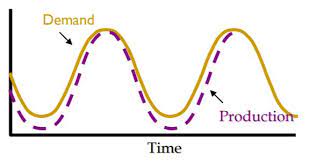
Chase strategy on the other hand involves the idea of companies balancing production capacity and the demand from time to time. This strategy can involve the hiring and firing of employees with changes in demand. The strategy may result to unhappy employees due to the high rates of layoffs (Olhager, 2013). However, many firms are able to save on costs since inventory can be held as low as possible.
From the given data, the cost breakdown when chase strategy has been used can be represented as below.
Month
Demand
Production
No. of Extra hired workers
Total cost arising from the added workforce (in $)
January
600
600
5
5,000
February
700
700
10
10,000
March
800
800
15
15,000
April
700
700
10
10,000
May
600
600
5
5,000
June
500
500
0
0
July
600
600
5
5,000
August
700
700
10
10,000
September
800
800
15
15,000
October
900
900
20
20,000
November
700
700
10
10,000
December
600
600
5
5,000
Totals
8,200
8,200
110
$ 110,000
When chase strategy will be used in this scenario, the demand of the products will coincide with the production level. This was due to the ability of the firm to hire new workforce that will ensure that there will be more production that meet the current demands of the consumers. Every extra employee can be able to produce 20 extra units every month.
Since there will be 110 employees who would be required to fill the gaps, then a total of $ 110,000 would be needed to compensate them. Since there will be 110 employees, each producing 20 units in a month, there will be a total of 2,200 extra units that will be produced by the extra workforce. This would not be the case when the level strategy will be applied. It is an added advantage and profit for the firm.
Level Strategy
Level strategy in production involves the kind of plan that seeks to maintain a stable production rate or employment level. Companies must either lower or raise inventory levels as they seek to satisfy the demands emanating from the consumers (Olhager & Johansson, 2012). When the demand is deemed to be low, the firm maintains a steady workforce and a constant rate of output.
Through doing this, the firm will be able to achieve a higher inventory level than the amount that will be presently needed. Even when the rate of demand is increasing, the firm still will continue to maintain a steady rate of production and still be able to use the surplus from the inventory as a means of handling the increase in demand. One of the alternatives used by the level strategy is the use of backorder or backlog (Bevly et al., 2016).
In this case, the firm may promise to deliver the units or products at later stages when they will be readily available. The level strategy is usually used by firms that aim to meet their demands while at the same time maintaining their output. When this strategy is used several issues come up. For instance, there is always the cost of excess inventory, overtime costs, as well as the loss of goodwill from consumers.
Month
Demand
Production
No. of Extra hired workers
Total cost arising from the added workforce
January
600
700 (200 from inventory)
0
0
February
700
500
0
0
March
800
500
0
0
April
700
500
0
0
May
600
500
0
0
June
500
500
0
0
July
600
500
0
0
August
700
500
0
0
September
800
500
0
0
October
900
500
0
0
November
700
500
0
0
December
600
500
0
0
Totals
8,200
6,200
0
0
For the level strategy, the production and workforce are fixed. Any extra units produces will be stored in the inventory awaiting the high season. The demand was 8,200 while the firm would produce only 6,200 units. There is a deficit of 2,000 units which will be needed to satisfy consumer demands. This is a massive loss in case this strategy was used. In case the company would have agreed to be flexible in their business activities, hiring workforce as well as increasing production would produce a positive change in the financial returns.
Conclusion
From the analysis, chase strategy seems more profitable than the level strategy. However, the concept of hiring and firing workforce seems unethical. From a firm’s perspective, though, the technique can be very valuable to produce grater profits than the level strategy. From an insightful perspective, a combination of the chase and the level strategy can be very effective in meeting organisational policies and goals. This can be termed as a hybrid or a mixed strategy approach. It can assist the firm to meet the required demand while at the same time lowering the costs as opposed to the use of pure chase or level strategies.
References
Bevly, D., Cao, X., Gordon, M., Ozbilgin, G., Kari, D., Nelson, B., & Redmill, K. (2016). Lane Change and Merge Maneuvers for Connected and Automated Vehicles: A Survey. IEEE Transactions on Intelligent Vehicles, 1(1), 105-120.
Olhager, J., & Johansson, P. (2012). Linking long-term capacity management for manufacturing and service operations. Journal of engineering and technology management, 29(1), 22-33.
Want help to write your Essay or Assignments? Click here
Erikson’s Psychosocial Development theory: Stages Case Study
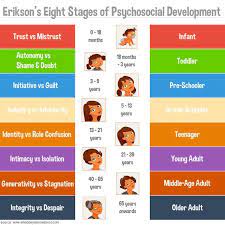
Divorce or parents separation is associated with behavioral issues displayed by children. This is because family separation is a challenging obstacle for the whole family. Children are usually not emotionally mature to understand the situation; therefore, their stress and frustrations are often manifested by changing some aspects of their behavior. Erikson’s psychosocial development theory indicates that human undergo through a series of developmental stages. These include; Trust vs. Mistrust, Autonomy vs. shame, initiative vs. guilt, industry vs. inferiority and identity vs. confusion (Burn et al. 2013).
Explanation of John’s behavior
In this case, John developmental stage falls under identity vs. identify confusion stage of the Erikson’s psychosocial development theory. This indicates that John’s behavior is driven by feelings of frustration, confusion and anger. These negative emotions are associated with diminished school performances and achievements. The fact that he leaves school early without permission or late of school in the past 60 days indicated that he could be indulging in risky behavioral activities such as alcohol and drugs (Bowden & Greenberg, 2010).
Two priority nursing concerns and nursing interventions
The main characteristic of divorce is impaired parenting. This refers to the inability of either parent to maintain or establish an environment that promotes optimum development of John. Therefore, the two priority nursing concerns are (Paul, 2016):
Poor academic performance related to social isolation, poor family cohesiveness and lack of communication.
Intervention: The nurse should use active listening to explore the child developmental expectations and needs within the context of socio-cultural influences. This will be achieved by interviewing the child in absence of his care taker in order to make him express his frustrations freely (Burn et al. 2013).
Incidence of psychological trauma related to social isolation, changes in family unit and maladaptive coping skills.
Intervention: The parenting styles and behaviors should be examined including the child’s environment, type of interaction and presence of other behavioral problem. The nurse should institute neglect/abuse protection measures if risk of neglect and abuse is suspected (Murphy, 2012).
Reference
Bowden, V. & Greenberg, C. (2010). Children and their families. Philadelphia: Lippincott Williams & Wilkins.
Burns, Catherine, Dunn, A., Brady, M., Starr, N. B., Blosser, C. (2013). Pediatric Primary Care, 5th Edition. [VitalSource Bookshelf Online].
Murphy, M. (2012). Parental divorce: Relationship between ego strengths and impact of divorce on adult children from an Eriksonian perspective. Retrieved from http://library.argosy.edu
Balanced Score Card Implementation & the Internal Business Process Perspective
Introduction
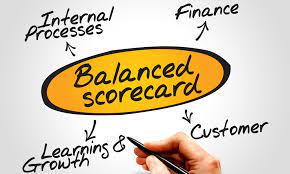
The balanced score card is a very important management as it can improve the overall performance of the organization (Braam & Nijssen, 2011). The tool can only be highly effective in case the organization, as a whole, is willing to implement the management changes (MacKay, 2004). In several instances, the organizations have failed to realize the target changes mainly due to the lack of enthusiasm and corporation from the members. Nonetheless, there are few cases where the use of the BSC has been deemed highly fruitful.
For instance, BAE is one of the best company where the use of the BSC tool has been proved to be highly effective. Therefore, this paper will examine the degree of the BAE system’s effectiveness in implementing the BSC management tool. In particular, it will evaluate the efforts it made in trying to compel the employees to be receptive towards the introduced BSC initiative and how the move paid off.
The Use of the Balanced Score Card by BAE System
According to Murby & Gould (2005), the BAE System was initially owned by the British government before, it was privatized in the year 1979. Therefore, the sudden change of hand in the management of the organization meant that there had to implementation and use of the Balanced Score Card tool. Nonetheless, the tool was implemented on a partial manner where the effective management skills were maintained (Murby & Gould, 2005).
There had to be the implementation of the cultural change where the five vital values. Any organizational aspect that could boost the company in realizing its values and goals in an easier manner was also encouraged. BAE endorsed a number of initiatives that would ensure there was higher reception of the management changes upon the implementation of the Balanced Score Card tool.
First, the company ensured it retained all the positive values associated with the initial British Company. It carried out analysis of the earlier management procedures where all the major strengths were identified in order to be retained. For instance, it identified that the management team had a very good reputation in addition to making use of advanced technology (Murby & Gould, 2005).
Murby & Gould (2005) also point out that the cash-flow was also positive while at the same time having an excellent outreach towards the export market. The company also enjoyed a pool of skilled employees. As a result, the company had to retain these positive value in as much it wanted to execute an overhaul in the management program.
MacKay (2004) avers that the identification and retention of the positive values and attributes associated with an organization is highly effective in trying to make the current employees in an organization feel appreciated. As a result, makes it easy for the employees to accept any major organizational changes to occur with minimal resistance as they also feel part and person of the organization.
The BAE proceeded in identifying the weaknesses of the initial company. It incurred huge production cost especially during the initial design stage (Murby & Gould, 2005). Furthermore, it also lacked proper marketing strategies when it came to the exploitation of the new markets (Murby & Gould, 2005). BAE experience a lot of poor response from the customers due to the ever changing in their tastes and preferences.
The business prospective for the company was also nose-diving mainly due to the eroding of its initial shares from the target market. BAE experienced a lot of stiff competition from the American rivals and the other Europe companies. Braam & Nijssen (2011)assert thatthe identification of the areas of weaknesses, in any organization, is highly important. It, simply, acts as an important basis for the initiation of the recommended changes.
The employees also tend to be highly receptive towards the implementation of the effective managerial changes as they would like to see their organization prosper. In short, the identification of the weakness as the basis for implementing the significant managerial changes acts as an important basis for the full cooperation from the overall pool of employees.
The management team also ensured the Balanced Score Card program was implemented in a procedural and not in an authoritative manner. At this juncture, BAE had to employ an important strategy where the businesses were arranged in an interlocking manner where each and every employee stood a chance of benefiting from the changes (Murby & Gould, 2005). Moreover, the company also dismantled the top-bottom or the authoritative managerial approach and enacted the more employee friendly, democratic managerial approach.
In fact, the move enabled each and every employee to feel valued, thus, helping in bringing the best side out of them (Braam, 2012). BAE wanted to use the Balanced Score Card tool to change the organizational culture as this was deemed the main hindrance towards the implementation of the proper working principles and the eventual realization of ever jading profit margin.
BAE used a seven-step management platform in order to implement the recommended changes. There was reviewing of the company’s competitiveness, the inclusion and the top management team, and the creation of a new vision (Murby & Gould, 2005). The proper communication channels were created in order to realize the new vision of the company in addition to the creation of important short terms objectives.
The company also implemented or created a teamwork spirit as its main organizational culture (Murby & Gould, 2005). The last step entailed the determination of the successful implementation of the cultural changes. BAE wanted to assess whether the employees remained committed towards maintaining the recommended changes.
Conclusion
Despite the use realization of an overhaul change in the management practices being a no easy thing, the BAE case can be regarded different. For instances, the dismantling of the authoritative organization system and making use of the division of the responsibility was a very important step. The change helped to boost the image of the company as its one of the most important contemporary issue where organization are required to be liberal.
References
Braam, G.J.M. (2012). Balanced Scorecard’s interpretative variability and organizational change. In C.-H. Quah & O.L. Dar (Eds.), Business Dynamics in the 21st Century (pp. 99-112). Retrieved from Trident University Library.
Braam, G.J.M., & Nijssen, E.J. (2011). Exploring antecedents of experimentation and implementation of the balanced scorecard. Journal of Management & Organization, 17(6), 714-728. Retrieved from Trident University Library.