
Knowledge Management Research Paper

Knowledge Management

Want help to write your Essay or Assignments? Click here

Knowledge Management

Introduction

Knowledge refers to awareness or a theoretical or practical understanding of someone or something that originates from a combination of data, information, experience, discovery, learning and individual interpretation (Edvardsson, and Durst, 2013). Knowledge can also be defined as the ability of an individual to respond to a body of facts and principles that have been accumulated over a period within his or her environment (Groff and Jones, 2012).

In an organizational viewpoint, knowledge is seen as the total of what is known by the people/employees within an organization. It is the intelligence and ability of the people within the organization. This intelligence and ability are what helps an organization to be more successful regarding achieving the organizational set goals and objectives. Failure to use the peoples’ intelligence and ability in an organization well may be fatal to an organization as far as organizational goals and objectives achievement is a concern.

Knowledge is what makes the difference within organizations. Most of the well-performing organization has useful and relevant knowledge they use to outdo their competitors. As such, this knowledge must be managed to ensure continued performance of an organization as a whole.

Knowledge has lately been recognized as a key factor in an organization. Additionally, knowledge is crucial in production and operation of an organization. It is, therefore, important to manage knowledge within an organizationn. There are different types of knowledge including explicit knowledge, tacit knowledge, embedded knowledge, procedural knowledge, detailed knowledge and so on (Groff and Jones, 2012).

This paper evaluates knowledge management in small businesses. Moreover, the paper will set out by defining what knowledge management is, its significance and purpose with respect to tacit and explicit management. The paper will also examine assumptions made by KMS, and also SMEs definitions.

What is a KMS and what does it do?

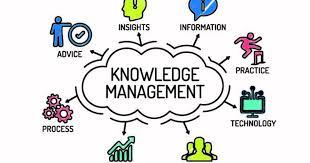
Knowledge management is a systematic process of capturing, processing, assessment, sharing, storing, distributing and using of knowledge (Croteau, 2016). It involves the best use of knowledge for achieving organizations set goals and objectives. Knowledge management consists of the initiatives, processes, strategies, and systems that ensure and heighten the creation, improvement, sharing, storage and application of the knowledge (Croteau, 2016).

Knowledge management is based on two main activities. The first activity is about capturing and documenting of all employees knowledge within the organization. With this capturing and recording of such knowledge, the organization can know what kind of assets it has regarding human manpower is a concern. That fact that people drive organizations, it makes it more logical to know what the organization has. It is people within the organization that sets the organization’s goals and objectives. As such, these employees are likely to work hard to achieve their organizational set goals and objectives.

The second activity is about the distribution of the valuable knowledge to all staff around the organization. Dissemination of such knowledge can be done through various means including; on the job training, direct supervising by respective line managers or heads of departments, through one on one talks with employees of an organization, hiring a trainer to come and train the employees and so on. As such, Knowledge management will not only allow the organization to have all the relevant information needed by the organization but also to use such information to organizational benefit.

Knowledge management encourages or focuses more on organizational learning with an aim of achieving the organization’s objectives such as continuous improvement in employee’s performance, acquiring more market share, being more innovative, improved profits, teamwork and togetherness through sharing of information learned or trained and so forth.

Valuable knowledge is very crucial for the success of any organization. As such, the organization that can create and diffuse knowledge to its employees is likely to gain a competitive age against its competitors. Having knowledge employees is great for an organization though it’s difficult to keep such employees within the organization. They may be lost through turnover, competition or even through retirement (Dalkir, 2011).

Knowledge management is closely linked to organizational success. It highlights the importance of managing useful knowledge to an organization. This useful knowledge is the one that will help in the achievement of organizational set goals and objectives.

Knowledge management is also defined as a systematic coordination of organizational resources in a way that can add value to an organization through use, reuse and innovation. These organizational resources include; people within the organization, processes within an organization, technology, organization structure and so on. This coordination is realized through creation, processing, distributing and application of the knowledge.

Knowledge management is the use of organizational brain power in a systematic manner to ensure that an organization gains a competitive age against its competitors, to achieve efficiencies in operations of an organization and to spur innovation within the organization (Groff and Jones, 2012).

Continuous organizational learning is crucial to an organization. People especially of an organization need to keep learning the environment an organization operates in keep changing every time and then. As such, employees ought to keep learning so as to gain more and more knowledge that will help in the achievement of organizational goals and objectives.

Knowledge management helps to keep an organization running at a high and efficient level. As such, organizational goals and objectives are likely to be achieved.

Knowledge management was recognized in the 1980s as a competitive asset to an organization. It was fueled by the development of Information and technology systems which made it simple for creation, storage, display and dissemination of information (Edvardsson, and Durst, 2013). Currently, most organizations have or are trying to adopt to knowledge management systems mostly due to its efficiency.

Want help to write your Essay or Assignments? Click here

What is Knowledge and what is the purpose of managing tacit and explicit knowledge?

Knowledge

Knowledge is different from information as well as data. Individuals absorb information and data in the development of knowledge. With knowledge can easily convert data information Knowledge is the total of what is recognised, resides in intelligence and competency of in individuals. In the recent past, knowledge is considered as production factor; however it is related to labor. This is a clear indication of the connection between knowledge-information-data.

For instance, policy an analyst is requested to establish if changes in policy about marketing of ABC products, in the clothing sector. The analysts begin by assessing the numbers on the ABC sales for the previous three years. The analysts use these numbers and develop a pattern for ABC products demonstrating that they have significantly increased for 3 years, especially after policy changes.                                                                                                            

Such data is converted to information. To get practical descriptions that maximises sales, the analysts looks for further information, speaks with famous clothe retailers and distributers. Upon completion, the analyst and based of the analyst’s understanding, she states that attempts to market local fashion items expanded after policy implementation and positively increased the sales volume. In this case, the analysts used current and new knowledge. User her skills to recognise a certain element. Transforming data to information, while using current knowledge she reached a conclusion. In fact, she produced new knowledge (Hislop, 2013).                          

Knowledge is imperative because it encourages innovation – knowledge management system fosters innovation within an organization. Through sharing of information, employees of an organization can pick relevant information that may help them to develop some new within the organization. Knowledge management encourages the creation of knowledge. As such, new ways of doing things in an organization may be discovered. Knowledge is crucial to decision making since managers can access all relevant information they want for decision making within the organization.

In addition, knowledge, customers’ responses are timely received and may be acted upon quickly. Any organization that can respond to customers’ needs will be loved by its customer, hence more revenues to an organization.  Knowledge helps in staff retention within an organization. This `is done by recognizing of employees’ within an organization. Recognition may be in the form of rewards such as increased salaries or wages.

Again, knowledge improves organization’s revenues. The knowledge management system ensures improved revenues when products and services get to the market faster. Knowledge management system provides the necessary information of what is required at any particular point in time. As such, an organization can easily and quickly respond to customers’ needs well. 

With the adoption of knowledge system, an organization is likely to grow as far as technology is a concern since they can create, process, store, share and access all the relevant information that is beneficial at easy and quick. Consequently, knowledge is driving businesses to extend to other parts of the world. This international expansion is good for any business though it has to be undertaken carefully so as to reap all the benefits of globalization and avoid all the challenges that come with globalization such as management issues or difficulties.

Purpose of Managing Tacit and Explicit Knowledge

Tacit and Explicit Knowledge

People hold divergent forms of tacit and explicit information and employ their information in various ways. Moreover, people use divergent viewpoints to contemplate about anomalies and formulate solutions. Again, research shows that knowledge is disseminated in creative ways.

Tacit knowledge

This is knowledge that comes from common sense, it is automatic, and does not involve thought process. Tacit knowledge is critical when it comes to assisting firms not just in decision making processes but also impacting the corporate culture. In short tacit knowledge is individual, slanted form of information is informal. This type of knowledge is never found in books or written materials.

Mental tacit information integrates implicit mental representation and perspectives that are so entrenched and often never taken seriously.  Perceptive models impact how people conceptualize world events. People can investigate story content and actions and employ useful tacit information in executing work-related functions.

For example, workers of Datafusion Inc, an ICT consulting organisation, capture and shares meeting footages with employees.  This is to say that employees will

Explicit knowledge

Explicit knowledge is largely methodological or academic. Moreover, explicit knowledge is documented in formal prose such as manuals, computational formulas and shared through print media and electronic media among others. Explicit information is technical and involves a level of scholarly information or understanding that is attained through formal education, or structured education.

Explicit information is cautiously codified, stored in a hierarchy of repositories and is accessed with high quality, dependable fast data reclamation structures. Once classified, explicit knowledge assets can be used time and again to solve many comparable forms of issues or unite people with valuable reusable information.

For instance, Ernst & Young have developed an international brain of explicit data to comprise cultural disparities. Their database of best practices with a global reach is anchored on sharing and documenting information. The company’s approach to business issues stems from an array of perceptions.

Regardless of where problems occur, there is no right answer, but several practical methodologies. Ernst & Young see knowledge objects as templates of core insights that can be employed in any cultural setting.

Andersen Consulting for instance, developed ostentatious ways to classify, store and reuse explicit data. With this approach, any client sensitive data is removed while selected information is reprocessed. In short, data is transformed into a verified successful solution that can be employed in a similar industry.

Importance of knowledge management system

What are the assumptions made about KMS (Objective / practice-based)?

There are various assumptions of Knowledge management system. For example, KMS is associated with free circulation of information; it is assumed that information within an organization flows freely from one employee to another the information maybe about products an organization deals with, strategies, and structure. In reality, free flow of information within some organization is not possible. Some organizations have levels in which certain information can flow up to. Organizational information is mostly kept secretly and only shared with some few senior employees of an organization source

When it comes to knowledge sharing between employees – it is assumed that all employees of an organization trust each other and as such, they freely share whatever kind of information they have. In reality, particularly, where employees try to outdo each other in term of their performance and rewards. Source

There is the aspect of efficient research and retrieval system, which is assumed that all staff or employees of an organization can easily and efficiently search and retrieve all relevant information they need to help them perform their respective duties well. The reality may be different depending on an organization. Some organizations do not have efficient systems that can allow employees to search and retrieve information without difficulties.

Easy combination of different sources of information under KMS it is assumed that all employees of an organization can combine various sources of information and use that information for the better of an organization. This may not be true to some organization. Some organizations have departments or units in which employees are confined. As such, employees are restricted to what kind of information they can access depending on their respective departments or units. Source

With regards to employees’ abilities or competences information is easily accessible its assumed that all information about all employees abilities or competences within an organization is readily available in electronic form, and it can easily be accessible by anyone within an organization. In reality, some firms do not have such employees’ information on electronic yellow pages where everyone can access. Furthermore, some employees are not comfortable to have all their information available and accessible to anyone else apart from the ones they want them to get access to such personal information (Aggestam, 2015).

Owing to the fact that employees are experts in the particular area and can easily educate other employees, however in KMS; it is assumed that employees of an organization are experts in the certain field of their work and can quickly train and support other staff. This may not be true to some organization. Some employees may not be will to share their knowledge with each other for free. Unless some incentives are attached to information sharing within an organization, it will be difficult to for some employees to open up and share information with their colleagues.

It is widely acknowledged that project teams have virtual project offices, but under KMS, it is assumed that project teams have special virtual project rooms where all information and correspondence with internal and external customers is collected there. In reality, some organizations do not have such teams and rooms where such information and communication can be collected. Source

Bonus schemes are widely used in companies; nevertheless, it is assumed that most organizations have bonus schemes that are created to activate further knowledge sharing or flow with an organization. In reality, most organization do not have such bonus schemes to encourage employees to share and allow flow of information within the organization.

How do you define a small to medium enterprise (startup?)

Small and medium-sized enterprises (SMEs) are independent firms that employ fewer numbers of employees or workers. They are non-subsidiary firms. Small and medium-sized enterprises are those firms with fewer than 50 workers or employees, but this number of employees or workers may vary across countries all over the world (Hislop, 2013).

What is the Knowledge Economy and what does it have to do with SMEs?

Most of the small and medium-sized enterprises face several problems in their operations. Such problems include lack of enough capital, less marketing competition from large organizations, lack of quality operational knowledge (Croteau, 2016).

Some of these problems hinder Small and medium-sized enterprises to successful compete with other firms. It is, therefore, important for Small and medium-sized enterprises to adopt knowledge management system to help them improve their competitiveness. A good understanding and use of knowledge is an important boost to firms’ competitiveness. 

Knowledge management system aims at improvement of firms, profits. As such, Small and medium-sized enterprises should adopt it. Small and medium-sized enterprises will benefit since knowledge management ensures effective communication within the firm and knowledge sharing which is very critical to any firm’s success or failure (Hislop, 2013).

Small and medium-sized enterprises should aim at improving their competitiveness so as to be able to survive in this tough market. With the adaptation of knowledge management system, Small and medium-sized enterprises will definitely improve their competitiveness hence a high chance of becoming large organizations.

Why would SMEs want to have KMS (eCommerce)?

Small and medium-sized enterprises want to have knowledge management system so as to; Increase revenues – since knowledge management systems enhance business revenues through getting products and services to the market faster, small and medium-sized enterprises desire to make more revenues so as to expand will drive them to knowledge management system use (Dalkir ,2011).

Knowledge management encourages innovation – knowledge management system fosters innovation within an organization. As such, small and medium – sized enterprises also desire to be more innovative so as to acquire a competitive age to help them grow to large organizations.

Improved customer services – knowledge management system ensures improved client services. As such, small and medium – sized enterprises will also desire to satisfy their customers. Satisfied customers are likely to remain loyal to an organization. With loyal customers’, small and medium – sized enterprises are more guaranteed to grow or develop to large organizations.

Discuss key challenges to the implementation of KMS in SMEs.

Implementation of knowledge management system in SMEs is hindered by various challenges. For instance, SMEs considerably rely on technology – knowledge management system relay more on technology. Therefore, a failure in technology may have a negative effect on the operation as well as the profits of an organization. It’s worth noting that knowledge management system is a technology-driven system. As such, it’s intricate to distinguish knowledge management system and technology.

Moreover, it is difficult to get employees to effectively use information – availing information to employees is not enough. Getting employees to effectively and efficiently use available information is more critical. Some people take the time to get interested in some information. As such, knowledge management system implementation in SMEs may take time for it to be accepted and put in effective and efficient use.

Constraints of information circulation among employees are somehow difficult in SMEs particularly when such information is likely to empower another employee to become more relevant and competitive within an organization. Employees do compete for promotions in some organization. As such, it will be very difficult for an employee to share with other (Aggestam, 2015).

Another challengelle is the unwillingness of information sharing amongst employees’ of an organization – it is a great deal to get an employee to share whatever information he or she has free of charge. Therefore, implementation of knowledge management system may not be possible for some SMEs.

References

Aggestam, L. (2015). Learning Organization or Knowledge Management–Which Came First, The Chicken or the Egg? Information technology and control, 35(3).

Borchardt, U. (2012, January). Selecting KMS for SME-A Need for Value-Orientation. In Workshops on Business Informatics Research (pp. 26-37). Springer Berlin Heidelberg.

Croteau, J. (2016). Knowledge Management Best Practices.

Dalkir, K. (2011). Knowledge management in theory and practice (2nd Edition). Cambridge, MA: MIT Press.

Edvardsson, I. R., & Durst, S. (2013). The benefits of knowledge management in small and medium-sized enterprises. Procedia-Social and Behavioral Sciences, 81, 351-354.

Groff, T., & Jones, T. (2012). Introduction to knowledge management. Routledge.

Hislop, D. (2013). Knowledge management in organizations: A critical introduction. Oxford University Press.

Holtshouse, D. K. (2013). Information technology for knowledge management. U. M. Borghoff, & R. Pareschi (Eds.). Springer Science & Business Media.

Jung, J. J. (2013). Semantic wiki-based knowledge management system by interleaving ontology mapping tool. International Journal of Software Engineering and Knowledge Engineering, 23(01), 51-63.

Lin, Y. C., & Lee, H. Y. (2012). Developing project communities of practice-based knowledge management system in construction. Automation in Construction, 22,         422-     432.

Matayong, S., & Kamil Mahmood, A. (2013). The review of approaches to knowledge management system studies. Journal of Knowledge Management, 17(3), 472-490.

Montequín, V. R., Fernández, F. O., Cabal, V. A.,& Gutierrez, N. R. (2006). An   integrated framework for intellectual capital measurement and knowledge management implementation in small and medium-sized enterprises. Journal of Information Science, 32(6), 525-538.

Natek, S., & Zwilling, M. (2014). Student data mining solution–knowledge management system related to higher education institutions. Expert systems with applications, 41(14), 6400-6407.

Powell, W. W., & Snellman, K. (2004). The knowledge economy. Annual review of  sociology, 199-220.

Premkumar, V., Krishnamurty, S., Wileden, J. C., & Grosse, I. R. (2014). A semantic knowledge management system for laminated composites. Advanced engineering informatics, 28(1), 91-101.

Rehman, M., Mahmood, A. K., K Sugathan, S., & Amin, A. (2009). Implementation of Knowledge Management in Small and Medium Enterprises–Malaysian Perspective.

Wang, S., Noe, R. A., & Wang, Z. M. (2014). Motivating knowledge sharing in knowledge management systems a quasi–field experiment. Journal of Management, 40(4), 978-1009.

Wiig, K. (2012). People-focused knowledge management. Routledge.

Zaim, S., Bayyurt, N., Tarim, M., Zaim, H., & Guc, Y. (2013). System dynamics modeling of a knowledge management process: A case study in Turkish Airlines. Procedia-Social and Behavioral Sciences, 99, 545-552.

Want help to write your Essay or Assignments? Click here

Sports Medicine Practices: Reflective Essay

Sports Medicine
Sports Medicine

Want help to write your Essay or Assignments? Click here
Sports Medicine Practices: Reflective Essay

 In this exercise, I had an opportunity to observe sports medicine practices at the clinic. Watching the Professor deliver various treatment services to athletes was an informative experience.  This facilitated the transition of knowledge gained in class into practice.  A basketball player had come to the clinic for her follow up clinical measures. The patient had suffered from knee injury during a tournament and had undergone surgical process three weeks ago.

According to the Professor, her condition had improved and needed therapeutic exercise to improve function and performance. During this exercise, the Professor was tapping muscle to recruit muscle with isometric exercises. This was interesting and it gave me the desire to explore and learn more about isometric exercises.

 The athlete was made to practice the following exercises; in prone position and sandbag on the athlete ankle, she was asked to move her body up and down for five minutes.  In supine position, she was asked to move up and down with her legs straight for five minutes.

The athlete was also made to balance using one leg. I think these activities are neuromuscular re-education aimed at ensuring that her gait and posture is improved. All this time, I was reflecting on muscle actions as taught in class, which helped me understand better  the importance of  evaluating the level and strength  of therapeutic exercise based on the athlete’s needs.

Want help to write your Essay or Assignments? Click here

The professor asked the athlete to have brace on her ankle throughout. This is important because there are many unexpected situations and her injured knee needs to be protected. I also observed many other athletes in taking therapeutic exercises in the clinic. One practice I observed is that after every training session, they did some stretching to relax the muscles so as to prevent injuries and to reduce soreness. Other preventive measures they used included TENS, hot pack, ice pack, and whirlpool. This was a great experience as I got to observe how these techniques worked practically.

 This was a great opportunity to learn the responsibilities and practices in the sports medicine clinic.  I realized that treating people is not easy task as perceived theoretically in sports medicine publications.  There are many decision making processes that requires one to be adequately informed in sports medicine practices. I will continue studying hard to acquire adequate knowledge. This will ensure that I apply appropriate treatment measures that are patient centered in the future. I am grateful to the Professor for giving this opportunity.

Want help to write your Essay or Assignments? Click here
.

Utilizing Community Emergency Response Teams

Community Emergency Response Teams

Want help to write your Essay or Assignments? Click here
Research topic: Obstacles and Barriers Utilizing Community Emergency Response Teams for emergency incidents in the northeast region of the United States.

Emergency Management is an imperative aspect in reducing the impact of disasters and which should be given significant priority (Sylves, 2014). Unfortunately, utilization of community emergency response teams presents considerable barriers and obstacles.

The significance of this research to psychology lies in the need to identify how emergency incidents are handled at the community level and the prevailing obstacles and challenges that affect this approach. These may be explained through psychology theories that affect behavior and possible challenges in community emergency management (Ejeta, Ardalan & Paton, 2015). Community emergency response involves the use of community members to respond to incidences within the community (Medina, 2016). The target population constitutes of community members and emergency department officials from the northeast region of the United States.

References

Ejeta, L.T., Ardalan, A. & Paton, D. (2015). Application of Behavioral Theories to Disaster and Emergency Health Preparedness: A Systematic Review. Retrieved from www.ncbi.nlm.nih.gov/pmc/articles/PMC4494855/

Medina, A. (2016). Promoting a culture of disaster preparedness. Journal of Business Continuity & Emergency Planning, 9(3), 281-290. Retrieved from eds.a.ebscohost.com/ehost/pdfviewer/pdfviewer?sid=a6330788-437d-4f4a-9f00-8c2f795dcb63%40sessionmgr4005&vid=1&hid=4105

Sylves, R. (2014). Disaster Policy and Politics: Emergency Management and Homeland Security: Emergency Management and Homeland Security.  Thousand Oaks, CA: SAGE Publications.

  1. Research Topic

Research on emergency management indicates that engagement of communities in emergency management can have significant benefits due to their valuable input before the arrival of first responders (Miehl, 2012; Orkin et al, 2012). We know that other parts of the United States have utilized Community Emergency Response Teams (CERT).

However we do not know whether this has been successfully implemented whether these teams have been an asset or obstacle in emergency management before arrival of first responders. Obstacles and challenges involved in community emergency management have not been exclusively studied.

References

Miehl, G. F. (2011). Community Emergency Response. Professional Safety, 56(12), 35-41. Retrieved from eds.a.ebscohost.com/ehost/pdfviewer/pdfviewer?sid=b654225c-2694-4a93-beab-fe9e76ea952d%40sessionmgr4001&vid=1&hid=4105

Orkin, A., VanderBurgh, D., Born, K., Webster, M., Strickland, S., & Beardy, J. (2012). Where There Is No Paramedic: The Sachigo Lake Wilderness Emergency Response Education Initiative. Plos Medicine, 9(10), 1-5. doi:10.1371/journal.pmed.1001322

2.1. Research Problem Background

Plough et al (2013) and Wells et al (2013) describe CERTs as a connection between citizens and homeland security. Chandra, et al (2013) and Orkin (et al, 2012) establish that community engagement is important in promoting disaster preparedness and management.

CERTs however face challenges that must be addressed to ensure they deliver (Mayunga, 2013). These include inadequate skills, equipment, poor organization and collaboration and lack of knowledge required in the management of disasters (Kapucu, 2008).

In addressing challenges of CERT management, Medina (2016) describes the need for improved infrastructure, communication, networking and increased awareness on disaster management. Connolly (2012); Citizen Corps (2016) and E P A. (2016) emphasize the importance of knowledge and education on emergency response for CERTs. Miehl (2012) notes the importance of proper area awareness in successful use of CERTs. 

Want help to write your Essay or Assignments? Click here
References

Chandra, A., Williams, M., Plough, A., Stayton, A., Wells, K. B., Horta, M., & Tang, J. (2013). Getting Actionable About Community Resilience: The Los Angeles County Community Disaster Resilience Project. American Journal of Public Health, 103(7), 1181-1189. doi:10.2105/AJPH.2013.301270

Citizen Corps website. (2016). Benefits of continued training. Retrieved from http://www.citizencorps.gov/cert/start-2-3a.shtm

Connolly, M. (2012). Creating a Campus Based Community Emergency Response Team (CERT). Community College Journal of Research & Practice, 36(6), 448-452.

E P A. (2016). Emergency planning and community right to know act. Washington, DC.

Kapucu, N. (2008). Collaborative emergency management: better community organising, better public preparedness and response. Disasters, 32(2), 239-262. doi:10.1111/j.1467-7717.2008.01037.x Retrieved from eds.a.ebscohost.com/ehost/pdfviewer/pdfviewer?vid=16&sid=7e8d6c65-1efc-4387-9209-ada9122748df%40sessionmgr4004&hid=4105

Mayunga J. S. (2013). Understanding and applying the concept of community disaster resilience: a capital-based approach. Working paper for the Summer Academy for Social Vulnerability and Resilience Building. Retrieved from http://www.ehs.unu.edu/file/get/3761.

Medina, A. (2016). Promoting a culture of disaster preparedness. Journal Of Business Continuity & Emergency Planning, 9(3), 281-290.. Retrieved from eds.a.ebscohost.com/ehost/pdfviewer/pdfviewer?sid=a6330788-437d-4f4a-9f00-8c2f795dcb63%40sessionmgr4005&vid=1&hid=4105

Miehl, G. F. (2011). Community Emergency Response. Professional Safety, 56(12), 35-41. Retrieved from eds.a.ebscohost.com/ehost/pdfviewer/pdfviewer?sid=b654225c-2694-4a93-beab-fe9e76ea952d%40sessionmgr4001&vid=1&hid=4105

Orkin, A., VanderBurgh, D., Born, K., Webster, M., Strickland, S., & Beardy, J. (2012). Where There Is No Paramedic: The Sachigo Lake Wilderness Emergency Response Education Initiative. Plos Medicine, 9(10), 1-5. doi:10.1371/journal.pmed.1001322

Plough, A., Fielding, J. E., Chandra, A., Williams, M., Eisenman, D., Wells, K. B., & … Magaña, A. (2013). Building Community Disaster Resilience: Perspectives from a Large Urban County Department of Public Health. American Journal of Public Health, 103(7), 1190-1197. Retrieved from eds.a.ebscohost.com/ehost/pdfviewer/pdfviewer?sid=62250a9a-93d3-4285-af03-c902e525baa7%40sessionmgr4004&vid=1&hid=4105

Wells, K. B., Tang, J., Lizaola, E., Jones, F., Brown, A., Stayton, A., & … Plough, A. (2013). Applying Community Engagement to Disaster Planning: Developing the Vision and Design for the Los Angeles County Community Disaster Resilience Initiative. American Journal of Public Health, 103(7), 1172-1180. doi:10.2105/AJPH.2013.301407.

3.1. Advancing scientific knowledge

Community Emergency Response Teams have been used in other parts of the United States as a reinforcement to county emergency response teams. Their participation in emergency management is however influenced by various obstacles and challenges. While a considerable number of studies have studied the importance of CERTs in emergency management, the challenges and obstacles faced in their utilization has not been exploited.

Wells, et al (2013) establish that the use of CERT promotes emergency management by ensuring that immediate emergencies can be managed before first responders arrive. Challenges and obstacles ranging from lack of proper knowledge, equipment and lack of adequate commitment and availability of the teams, given that they are not employed to ensure that they concentrate on this role only (Miehl, 2011; Mayunga, 2013). Through this research, factors affecting CERTs are studied to determine how these can be managed to enhance the effectiveness of CERTs.

References

Mayunga J. S. (2013). Understanding and applying the concept of community disaster resilience: a capital-based approach. Working paper for the Summer Academy for Social Vulnerability and Resilience Building. Retrieved from http://www.ehs.unu.edu/file/get/3761.

Miehl, G. F. (2011). Community Emergency Response. Professional Safety, 56(12), 35-41. Retrieved from eds.a.ebscohost.com/ehost/pdfviewer/pdfviewer?sid=b654225c-2694-4a93-beab-fe9e76ea952d%40sessionmgr4001&vid=1&hid=4105

Wells, K. B., Tang, J., Lizaola, E., Jones, F., Brown, A., Stayton, A., & … Plough, A. (2013). Applying Community Engagement to Disaster Planning: Developing the Vision and Design for the Los Angeles County Community Disaster Resilience Initiative. American Journal of Public Health, 103(7), 1172-1180. doi:10.2105/AJPH.2013.301407.

3.2. Theoretical Implications

This research will create a better understanding of the fundamentals of emergency management including the need for immediate response, importance of emergency management tools, communication and relevance of community involvement in emergency response. The research will demonstrate challenges that exist in emergency management, particularly where CERTs are involved and thereby significantly inform theory.

3.3. Practical implications

The usefulness of CERTs in emergency management cannot be underestimated because their vicinity to the emergency location ensures they can take action before first responders arrive (Medina, 2016). This research will be of great relevance to emergency management authorities including emergency managers, emergency planners, FEMA representatives and the stakeholders in the northeast region of the United States by providing valuable insights on the obstacles and challenges associated with CERTs. This will ensure that they are fully aware on whether CERTs should be utilized in enhancing emergency management and how obstacles and challenges can be overcome to ensure CERTs are effective. 

References

Medina, A. (2016). Promoting a culture of disaster preparedness. Journal of Business Continuity & Emergency Planning, 9(3), 281-290. Retrieved from eds.a.ebscohost.com/ehost/pdfviewer/pdfviewer?sid=a6330788-437d-4f4a-9f00-8c2f795dcb63%40sessionmgr4005&vid=1&hid=4105

4.3. Ethical considerations

This research involves human beings as research subjects and will therefore ensure that high ethical standards are maintained (Glaser and Strauss, 2009). This will include promoting privacy of respondents throughout the research period, requiring voluntary participation in the research and avoiding bias in data collection and analysis (Berg, 2009). The researcher intends to discuss the study with the institutional review board to ascertain whether they can proceed with the research and that these ethical considerations will be actioned.

References

Berg, B. L. (2009). Qualitative Research Methods. Boston, MA, United States: Allyn & Bacon.

Glaser, B. G. & Strauss, A. L. (2009). The Discovery of Grounded Theory: Strategies for Qualitative Research. Piscataway, NJ, United States: Aldine Transaction.

Want help to write your Essay or Assignments? Click here

A Social Issue or Governmental Concern

A Social Issue or Governmental Concern

Want help to write your Essay or Assignments? Click here
A Social Issue or Governmental Concern

Introduction

            Obesity is currently a serious social issue that is increasing rapidly. Whoever considered both woman and children to have different perceptions about their body index, the knowledge in surgical and medical issues that are connected to this disease (Li, et.al.2015). It is important to establish that the US is considerably experiencing a larger growth of obese generation, a factor that needs address.

Thesis:

            Obesity is a fast growing epidemic due to several factors such as poor diet, lack of physical activity and stress and has become a serious social issue requiring greater government involvement through nutritional content regulation and increased physical education in schools.

Obesity as a Governmental Concern

It is essential to determine that obesity as a health problem has had a considerable amount of economic impact within the health care system of the United States of America. This can be attributed to the increasing prevalence of overweight individuals that are directly associated with costs for a nations. These costs are incurred by the government in the development of preventive, diagnostic and treatment approaches that are connected to this disease (Li, et.al.2015).

On the other hand, the indirect costs that nations are bound to experience includes the wages that are lost by individuals who do not have the capacity to work since they are diagnosed with this ailment including the value of the future costs that a state is bound to encounter as a result of this ailment, a factor that makes it more of a governments concern as well. Additionally, it is imperative to determine that nations divert resources with the aim of dealing with the challenges that these issues present in a nation thus affecting the economic state of a nation.

Governments are additionally pushed in the acquisition of healthy foods that are more available, with the aim of reducing the supply chain and the promotion of other foods. The government is also obligated to develop awareness programs that encourage the population of healthy feeding in order to mitigate the effects of this disease, encourage physical activity and make the changing of policies easier for individuals who preset such illnesses. In other words, the government is forced to use its potentials in changing the social causatives of obesity

Obesity has been found to affect the health, economy, and social status of different individuals including the economic nation. This can be depicted as individuals who present this illness spend on medication including the government’s efforts aimed at managing this disease. The government in handling this situation is forced to pool several resources aimed at training the healthcare professionals on how to help in managing obesity (Li, et.al.2015).

The health professionals help patients on decreasing their weight stigma and encouraging patients on the need of being sensitive through an approach that involves education. The healthcare professionals are then trained and equipped with appropriate skills in managing this disease. This has seen the development of an obesity management approach that teaches the patients on how to diet and manage the disease. These approaches remain effective in managing obesity in a nation, a factor that requires a joint effort of both the health and government sectors. This determines the fact that obesity remains a health concern in a state.

Want help to write your Essay or Assignments? Click here

Obesity as a Social Issue

            Obesity is characterized as a condition that allows the accumulation of excess fats in the body. However, when people accumulate unnecessary weight as a result of this disease, it results into a social factor since it develops several implications within the society, legal, economic, religious and political elements (Li, et.al.2015). In determining the social aspects of obesity in Americans, it is essential to consider that Americans have turned out to be conscious about obesity currently than they did in the past, with many considering it as a societal issue that is viewed to be serious as compared to smoking or drinking.

The rates of Obesity has immensely grown, thus resulting in other nutritional related chronic diseases including the significant burdens that families, healthcare systems and the community encounter in caring for patients with this disease.

It is additionally important to consider the fact that individuals who are obese are viewed differently in the society. The society is more likely to consider them as suffering from unwanted illnesses, a factor that depicts the fact that these individuals are prone to suffer from discrimination and prejudice in different societies (Li, et.al.2015). On the other hand, obese people are considered to also have few friends, lower employment and education opportunities.

Following sources, we considered the perceptions of women especially those who suffer from obesity and their levels of knowledge on the medical and surgical elements as related to this disease as social (Li, et.al.2015). This has seen many of overweight women grow in large numbers, a factor that has caused them to underrate their body mass index (BMI). Since a majority of women that are obese are faced with the challenge of underrating their body mass index.

This can be depicted in the less educated women who we considered whom as having issues that result in the underestimation of their BMI. As depicted in the research, several of these women do not consider knowing their BMI status (Li, et.al.2015).Women are more likely to suffer from obesity without considering to it. It is now essential to call for support systems among the medical fraternity in administering advice to this population.

It is essential to consider that there are some misconceptions that have been developed and that have dominated policy initiatives directed towards combating and managing obesity. Several schools of thought believe that diet restrictions and the element of weight stigmatization may be ineffective in the fight against obesity (Li, et.al.2015).

However, it is important to consider applying psychological science in enacting new regulative approaches that aid in weight management in the local and national level. This essentially discourages individual’s willpower that is in strategies developed to fight obesity and encourage the initiation of policies that support environmental changes that nurture health for the populace.

In managing diabetes, it is vital to consider that there have been misconceptions dominating the policy initiatives in mitigating this disease. This determines the fact that the misconceptions dwelt on diet restrictions and weight stigmatization as not effective in mitigating this disease. In addressing this health concern, there is a need of inclusively incorporating psychological science in helping patients with weight management.

Studies have discovered that there is a need of employing scientific policies in improving the health of patients who suffer from this disease (Li, et.al.2015). This encourages the patients to develop a willpower approach in fighting obesity, whereas there is a need of encouraging policies that support environmental changes in nurturing a healthy society for all. Working conditions require that employees develop a healthy lifestyle that entails eating healthy foods, exercise and inclusion of education.

As determined in this paper, Obesity has turned out to be a health concern since it affects the economic, health, and social lives of individuals in a nation. In a nut shell, obesity is a social concern that has grown rapidly over the years. This a major cause for concern in the long list of issues that obesity can lead to.

Many people do not realize just how damaging obesity can be to their body and their overall health. It is in our hands to put an end to obesity and the extra toll that it is taking on the lives of US citizens conclusively. Let’s change the trend of obesity by making the initiative to live better lifestyles so that we can build towards a healthier America.

Want help to write your Essay or Assignments? Click here

  • Conclusion

As determined in this study, Obesity remains a fast growing epidemic due to several factors such as poor diet, lack of physical activity and stress and has become a serious social issue requiring greater government involvement through nutritional content regulation and increased physical education in schools. Obesity has been found to affect the health, economy, and social status of different individuals including the economic nation (Li, et.al.2015).

This can be depicted as individuals who present this illness spend on medication including the government’s efforts aimed at managing this disease. However, it is important to consider applying psychological science in enacting new regulative approaches that aid in weight management in the local and national level.

This essentially discourages individual’s willpower that is in strategies developed to fight obesity and encourage the initiation of policies that support environmental changes that nurture health for the populace. This therefore determines the rationale behind this ailment being a social issue and a governmental concern that is widely affecting several nations both socially, economically, religiously and politically.

References

Li, W., Buszkiewicz, J. H., Leibowitz, R. B., Gapinski, M. A., Nasuti, L. J., & Land, T. G. (2015). Declining Trends and Widening Disparities in Overweight and Obesity Prevalence among Massachusetts Public School Districts, Retrieved from http://www.medscape.com/medline/abstract/26270317

Want help to write your Essay or Assignments? Click here

What is nursing theory? Essay Paper

nursing theory
nursing theory

Want help to write your Essay or Assignments? Click here

What is nursing theory?

1. What is nursing theory? What is the relationship and importance of nursing theory to the discipline of nursing?:

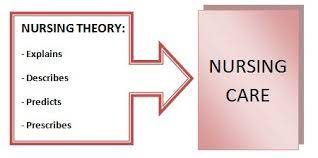
Nursing theory is the concept that aims to establish a creative and rigorous idea reconstruction to explain the theorem or phenomena being applied in health care. This is a routine concept that supports the ideas and reference of ideas that is pointing towards nursing practice in both clinical and community setting.

The relationship and importance of nursing theory towards nursing is about the systematic organization of knowledge and skills towards health care. This is applicable towards patient advocacy by being able to provide patient care, which seeks to promote relevant health care practice in both hospital and community setting.

2. Grant theory is the process wherein there is a sociological imagination that is similar with other concept to form an abstract theory. The difference is that it is conceptualizing about the probable outcome that can be associated with its planning activity. Middle range theory is an approach that is aiming to establish collaboration, which seeks to promote social construction of practices.

In nursing perspective, the difference is about the intervention applied when the nurse is now going to apply plan into action. As for the practice theories, this how social beings uses their diverse intentions in order to accomplish certain tasks. The difference is that they always take to create a critical analysis such as evaluating the outcome of each practice.

3. Dorothy Johnson’s theory is applied for the advocating of effective and efficient behavioral functioning, which is similar with other theories that utilize emotions. The difference is about the application of psychological issues that affects nursing practice. The theory of goal attainment aims to direct nurses with the efficient application of health care between nurses and patients. The difference is about the application on interaction, perception, and communication that seeks to improve growth and development.

Estrine Levine’s theory is about the process of conservation principles in nursing, in which nursing is a continuous practice of enhancing skills and knowledge to be progressive. The difference is the concept of keeping together, which means that nursing process should be always intact regardless of what situation that the nurse and client are currently experiencing.

Want help to write your Essay or Assignments? Click here

4. Jean Watson applies caring theory being applied in both clinical and community practice. In contrast, it is all about the science of caring theory focusing on humanitarian caring process. Leininger’s transcultural theory is about the application of interpersonal relationship. The difference is about the cultural aspect that the nurse applies when providing care. Boykin & Schoenhofer‘s grand caring theory is a major application of clinical practice that seeks to promote nursing skills by guiding nurses. The difference is about the application of framework in nursing practice to improve client patient relationship.

5. Newman’s theory of health as expanding consciousness is the chosen theory. This supports the view of nursing profession by indicating that nursing is a continuous process. Nursing values becomes competent when nursing practice will be supported by additional insights and applications. This can be processed through trainings and seminar workshops to transform nursing practice competitive and reliable.

6. As an understanding of SDS, this is about the concept that focuses on the evolution of stress due to environmental stimuli. As a scenario in clinical setting, patients in distress who are seeking for health care service are suffering from psychological and physiological stress. Applying this model can be applied during physical assessment procedure and intervention, which enables to assess the problems and then address patient’s health care problems to prevent further injury and promotes health as related by Chinn & Kramer (2010).

Reference

Chinn, Peggy &Kramer, Maeona (2010). Integrated Theory & Knowledge Development in Nursing (8 ed.). St. Louis: Mosby. ISBN 0323077188.\

Want help to write your Essay or Assignments? Click here

Lotschberg Base Tunnel Project

Lotschberg Base Tunnel

Want help to write your Essay or Assignments? Click here

Lotschberg Base Tunnel Project

Introduction

Project management is an exercise that requires proper handling. This is because if weaknesses occur in the process of project management, a project may fail to be completed successfully. Project managers are supposed to ensure that all success measures are fulfilled. One of the success measures that stand out is proper risk management. A project that gets completed with low level of risk incidents is deemed to be successful.

This calls for the need to have proper risk management during implementation of projects. Another success measure for projects is use of suitable tools and technology. Projects are known to use tools and technology to carry out the different processes towards completion. This means that proper selection and application of tools and technology is necessary.

This essay is focusing on Lotschberg Base Tunnel project that was successful. The risks that were identified are well explained together with the management that was done. This is done properly through identification of specific risks and approaches that were used to mitigate them.

The essay goes further and gives details of the tools and techniques that were used in the implementation of Lotschberg Base Tunnel project. The suitability of each tool and technique is also explained fully. To sum it up, conclusion is drawn for the matters arising from the essay.

The project

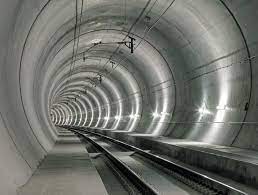
The Lotschberg Base Tunnel project was constructed in Switzerland. The project resulted into a 34.57 km long tunnel. The Alps accommodates this mega tunnel. This project was initiated in the year 2005 and continued until 2007.

The purpose of the project

All projects are supposed to have clear goals. The project goals determine the suitable approach to use. The purpose of the Lotschberg Base Tunnel was to provide transport solution to the area of location. This tunnel was aimed at enabling growth of railway transport.

Management of risks and uncertainties

It is common knowledge that projects are full of risks and uncertainties. Some of the risks are so dreadful that they threaten the progress of a project. In cases where the project is complex, the probability of having numerous risks goes high unlike the case of simple projects, thus the need to have a working approach (Kwan 2011, p. 91).

The management of risks for Lotschberg Base Tunnel project was done through proper planning. This commenced through with definition of the strategy likely to spearhead risk management efforts. The risk strategy advocated that there should be a team mandated with risk management. In risk management for projects, it is advisable to have a reliable risk management wing (Sullivan 2001, p. 35). Additionally, the strategy for risk management during this project defined clearly the process of managing risk. The phases defined included;

  1. Risk identification
  2. Risk overview
  3. Examination of risk
  4. Mitigation of risk

After defining the risk management approach above, it was easy to manage the identified risks for the project. The risks identified for during implementation of Lotschberg Base Tunnel project were handled as below;

  1. Complexity risk

Upon identifying the risk identification approach, this is one of the noted risks. This project was a complex one thus attracting risk associated with projects of that size. This risk was associated with the probability of failing o meet the various aspects of the project. To manage this risk successfully, the risk management function started by coming up with a strategy to identify all aspects of the project.

This gave the project managers an insight into the big picture of the project. With this done, a risk management plan was created. The risk management plan for Lotschberg Base Tunnel project ensured that all parts of the project were well factored in all activities. Additionally, managing the complexity risk for this project involved identifying and clarifying the small bit of tasks that had to be handled.

This came as a way of simplifying the complex processes and activities for Lotschberg Base Tunnel project. Having created clarity of the internal tasks, it became easy for each of the risk management team members to understand their responsibility in the project without confusion related to high level of complexity of this project.

  1. Finance risk-cost funds

Mega projects are known consumers of large amounts of money. To implement complex projects, it requires proper planning on matters of financing (Didraga 2012, p. 89). According to Strazewski, L 2009, p. 82), finance risk should be handled as a priority risk. This is because poor finance risk planning leads to inadequate funds thus affecting the progress of a project. During the implementation of Lotschberg Base Tunnel project, risk related to finances was identified.

This risk was broken down into two categories. One of these categories was source of funds while the other risk category was about financial cost. Regarding the risk about sources of financing, proper planning was done to ensure that there would be no financial drought during the progress of this project. This ensured that all requirements were financed for when needed.

On the other hand, the cost risk was about the level that would be used to completion of Lotschberg Base Tunnel project . To manage this risk, the project managers ensured that aspects that would lead to increased risk were handled well. Firstly, proper stock management was carried out. This enabled the project to adhere to good practices on stock management such as equilibrium order quantity. Additionally, the project risk function ensured that the assumptions regarding finance risk were realistic. This is because each risk has to be managed through the assistance of assumptions.

  1. Communication risk

In implementation of a project, there has to be proper communication system. This means that absence of proper communication leads to unsuccessful flow of project activities. According to Jafari et al. (2011, p. 16), lack of proper project communication sometimes leads to stalled or abandoned projects. As the identification of risks for Lotschberg Base Tunnel project was taking place, communication risk was identified.

There was fear that lack of proper communication could affect this project. To handle this risk, the risk management function for this project ensured that a working project communication system was put in place. Firstly, everybody who was working on Lotschberg Base Tunnel project  was informed of the need to have proper communication. This was done with support given to those who were likely to have communication challenges. Moreover, proper management of barriers to efficient communication were broken.

To make it better, the project managers ensured that communication equipments were acquired for efficient system. To make communication risk well managed, each individual was urged to ensure that clarity of communication messages was observed. This was aimed at ensuring that the actions that were intended to be carried out were easily picked.  As the project progressed, the risk regarding communication was put away through ensuring that there was continuous improvement of the communication channels. This was supported by review of the communication related policies.

Want help to write your Essay or Assignments? Click here

  1. Human resource risk

Risk related to human resource for the project was also identified. One of the identified events that would lead to this risk was poor recruitment process. There was fear that the recruitment process would not be on time together with hiring of incompetent people. To manage this, the recruiting function ensured that timelines were adhered to throughout the process. Additionally, evaluation of the skills held by the potential employees was done thoroughly. Induction, monitoring and control of the successful individuals were also done appropriately.

The other risky event was the fear that some employees would abandon their duties. To manage this, the human resource management function for the project ensured that close supervision was carried out. Another identified contributor of human resource risk was project team disagreements. Whenever there are conflicts within the workforce, the human resource risk escalates (Pardo 2009, p.86).

To handle this, the human resource management group ensured that proper conflict resolution was applied. This increased the number of conflicts solved amicably. Time to time team building activities were also helpful in ensuring that the human resource risk as a result of conflicts was mitigated. To ensure that the workforce stayed on duty, the human resource function identified health and safety aspect of workplace as qualifying for management to avoid the related risk.

This was done through having health and safety experts advise accordingly. From the health and safety experts consulted proper assessment was done. This was followed by education cum advice on health and safety matters. This was made better by support of the aspects that make employees motivated and geared towards completion of their tasks.

These included attractive wages and incentive programs. Through this, the employees felt appreciated and workforce turnover was reduced throughout the project. To make it better, the working conditions were made friendlier to the workers. Proper management of working conditions ensures that the human resource risk is managed properly (Riley 2013, p.54).

  • Technological risk

Technology has become one of the greatest aids to creation of efficiency in the implementation of projects. According to Nikolova (2015, p.34), technological aspect of a project should always be considered in risk management.. The events that were feared might cause technological risk included the use of wrong technology or use of technology that is not tested yet.

To manage the risk, the issue of using the wrong technology for Lotschberg Base Tunnel project was handled through proper comparison of the project with the available technologies. This exercise led to elimination of the irrelevant technologies. To settle on the final right technology, the benefits of each relevant technology were looked at and decision was made. Regarding use of untested technology for the project, elimination was done. This led to a clear picture of the suitable technology.

  • Environmental risk

Regarding the identified environmental risk, the negative effects that the project would have on environment were considered. According to Ali, M et al. (2008, p. 56), environmental conservation is a success measure in projects. First, the physical interference with land through excavation for tunnelling was considered. Secondly, this project has part of its length constructed on the Alps thus the need to consider the effects on the beautiful topography.

To manage the environmental risk as per the identified aspects of the project, proper research and consultation was carried out. This let to proper input regarding the processes that would be friendly to the environment within the project location. Additionally, materials that are friendly to environment were used. This was followed by proper use of equipments to ensure that they maintain the stability of the environment. The processes and techniques used in a project should always help in improving life through environmental carefulness (Sharma, Pablo & Vredenburg 2009, p. 21)

  • User risk

Project users have become an integral part of project management (Huang 2010, p. 25). This is because the role they play as stakeholders is priceless. With this in mind, proper risk searching was carried out and the risk function felt that there was need to consider user risk for management. To manage this risk, proper rapport was created between the project and users. Constructive meetings were scheduled for the users to interact with the project team.

This was useful in ensuring that there was better understanding of the project progress. Additionally, proper interaction with the users created a platform where confusing aspects of the project were made clear. With clarification of confusing elements of the project, it was easy to explain some of the challenges that the project was coming through. This brought about a situation where more support was given by the stakeholders.

  • Supplier risk

Projects are usually sustained by material availability. Breakdown in material requirement was identified as an occurrence that may lead to supplier risk. According to Vivian and Shen (2012, p. 86), this is usually brought about by the fear that some suppliers may be inefficient in their supply.

To handle this, the stock management for the project was made more efficient. This included proper management of the re-order level to ensure that proper levels of stock are maintained. Additionally, adherence to supplier payment plans was done to avoid supplier unrests. To make it better, suppliers were warned against going against their contracts.

Benefits to the project from proper risk management

It is worth noting that when risk management is done well, a project benefits from it. During Lotschberg Base Tunnel project, risk management was done in a way that brought about several benefits.

  1. Budget adherence

Risk management has a positive correlation with budget movements. The budget that was set for this project did not skyrocket beyond. This was caused by various reasons, proper risk management being one of them. Eventually, Lotschberg Base Tunnel project was completed within the estimated budget one reason being there was no risk related compensation to make.

  1. Certification

During the implementation of this project, proper risk management let to certification of the various phases. It is worth noting that projects are usually halted or stopped whenever they operate under circumstances that are too risky. With this project managing its risks properly, it was easy to obtain certificates from the relevant authorities.

  1. Reduced disruptions

Whenever risky incidences occur during implementation of a project, disruptions take place. This means that the project schedule is affected among other aspects of the project. Luckily, Lotschberg Base Tunnel project saw few disruptions. This is because there was proper management of risks identified for the project.

  1. Reduced insurance premiums

This project ran to completion successfully with few incidents. This means that insurance evaluation did not find need to increase the premiums already set for various covers. Interestingly, there was an effort to negotiate for lower premiums since the project was progressing within safe operation.

  • Cost stability

As a result of proper risk management during implementation of this project, the cost involved was stable. This project operated within the cost range planned. The stability of the cost was brought about by the fact that there were no much additions as a result of response to risky incidences.

Tools, techniques and their suitability for Lotschberg Base Tunnel project

This project called for the use of reliable tools for project management. According to Loo (2009, p. 46), the need for project management tools is brought about by the complex nature involved. The tools are known to simplify activities that would have proved complex without.

During the implementation of Lotschberg Base Tunnel project, the Program Evaluation Review Technique (PERT) was used as a tool. This project management tool was applied manually in the project. It is worth noting that it can be used with the aid of computer software. PERT is a very useful project management tool since it identifies the activities that are required for a project to continue up to completion (Radek 2016, p. 14-24). This tool is known to give proper guidance when it comes controlling the flow of activities.

Through the use of PERT as a project management tool, the specific project activities were identified successfully. The identification of these activities assisted in planning better for the project. During the progress of Lotschberg Base Tunnel project, this tool of project management enabled the project managers control all processes successfully.

With the aid of this project management tool, the project managers were able to identify the time requirement for each of the identified tasks. This enabled the project managers come up with suitable schedules as per the identified timeframe of the projects. Additionally, this project tool was used in identifying the challenges that were embodied to each activity.

Proper identification of challenges facing a particular project activity is very important since it creates a good opportunity for finding solution (Sunday Business Post 2011, p. 16). Therefore, this tool enabled the project managers come up with ways of overcoming challenges facing the project.

The use of Program Evaluation Review Technique (PERT) was advisable. The suitability of this project management tool was encouraged by its ability to address several aspects of a project at the same time. It does away with instances of omissions that other project techniques have.

Importance of using suitable tools and techniques for Lotschberg Base Tunnel project

It is advisable for projects to be handled properly through use of the suitable tools and techniques. The tools and techniques used were able to bring benefits regarding the following.

The use of PERT enabled the project to run within the expected cost level. According to Engwall (2012, p. 595) says that this is because this tool for project management enables proper planning. Proper planning is known to be useful in cost management of a project.

Communication

Through the use of the identified tools and techniques, communication within the stakeholder community was made efficient. Selection of proper techniques ensures that the project system is coordinated in terms of communication.

Risk

It is worth noting that project techniques play a big role in risk management. Through the use of the suitable techniques for Lotschberg Base Tunnel project, risk management was made easy thus reaping benefits of having proper risk management for a project.

Resource allocation

The use of PERT as a tool for this project enabled the project manager is able to manage the available resources well. This was through the ability of this tool to give forecasts for resources. This is very useful in projects since it makes planning easy.

Efficiency

Through the use of suitable tools and techniques for this project, efficiency was created in all activities of the project. The tools assisted in identifying the main activities for the project. Upon identification, the activities were scheduled according to the design of the project. This was merged with proper time plan that let to successful completion of Lotschberg Base Tunnel project.

Conclusion

Projects should be handled with a lot of care. This is necessary because it brings about identification of all aspects that need to be put under control. Risk management should be planned for whenever a project is being implemented. The project manager should ensure all aspects of risk management are put in order. This should be through assignment and investment in risk management. Additionally, the process of risk management should be defined properly to avoid confusion.

The tools and techniques to be used for a particular project should be identified in time. Testing practically or through precedent should be done. This should be supported by detailed proof of their suitability. This should be motivated by the need to gain from the benefits associated with project tools and techniques. It is worth noting that the tools and techniques used in project management require continuous review. This is always important since it enables the project managers update the appropriately.

References

Engwall, M 2012, PERT, Polaris, and the realities of project execution, [Online]  Available at: http://search.proquest.com/business/docview/1112233880/F6CAB9846CF14773PQ/1?accountid=45049, [Accessed 2 May 2016].

Ali, M et al. 2008, developing environmental impact statement (EIS) guidelines for the management of environmental quality at major projects in Kuwait, [Online]  Available at: http://search.proquest.com/business/docview/204618562/13EB17FBF311442APQ/2?accountid=45049, [Accessed 2 May 2016].

Didraga, O 2012, The importance of risk management for achieving success in it projects, [Online] Available at: http://search.proquest.com/business/docview/1287028821/4C6CD6EFE1EE4787PQ/1?accountid=45049,  [Accessed 2 May 2016].

Huang, T 2010, Dynamic Quality Management in Complex Construction Projects, [Online] Available at: http://search.proquest.com/business/docview/733014523/13EB17FBF311442APQ/1?accountid=45049, Last accessed 28th April 2016

Jafari, M, Rezaeenour, J, Mohammad M & Atefe H 2011, Development and evaluation of a knowledge risk management model for project-based organizations, [Online]  Available at: http://search.proquest.com/business/docview/857707230/4C6CD6EFE1EE4787PQ/29?accountid=45049, [Accessed 2 May 2016].

Kwan, TW 2011, A Risk Management Methodology for Project Risk Dependencies, [Online] Available at: http://search.proquest.com/business/docview/893974664/4C6CD6EFE1EE4787PQ/26?accountid=45049, [Accessed 2 May 2016].

Loo, R 2009, A multi-level causal model for best practices in project management, [Online] Available at: http://search.proquest.com/business/docview/217359658/2F4FAD9DE7DB443DPQ/8?accountid=45049, [Accessed 2 May 2016].

Nikolova, LV, Kuporov, JJ & Rodionov, DG 2015, Risk Management of Innovation Projects in the Context of Globalization, [Online]  Available at: http://search.proquest.com/business/docview/1753590788/4C6CD6EFE1EE4787PQ/32?accountid=45049, [Accessed 2 May 2016].

Pardo, IS et al. 2009, Looking into the black-box: analysis of the effectiveness of human resources strategy*, [Online] Available at: http://search.proquest.com/business/docview/225146340/1B854395A7974BD1PQ/16?accountid=45049, [Accessed 2 May 2016].

Radek, D 2016, The Level of Use of Project Management Methods, Techniques and Tools and Their Impact on Project Success – Selected Region of Czech Republic, [Online] Available at: http://search.proquest.com/business/docview/1752861959/B741D3FD890042F6PQ/1?accountid=45049, [Accessed 2 May 2016].

Riley, JM 2013, Understanding the antecedent competencies of organizational risk management capabilities, [Online] Available at: http://search.proquest.com/business/docview/1437003886/B69B4A30BC934996PQ/19?accountid=45049, Last accessed 2nd May 2016

Sharma, S, Pablo, A & Vredenburg, H 2009, corporate environmental responsiveness strategies: The importance of issue interpretation and organizational context. [Online]  Available at: http://search.proquest.com/docview/236358217/5524C7862854D96PQ/14?accountid=45049, [Accessed 2 May 2016].

Strazewski, L 2009, Benefits/Financial Products Fit Risk Management Strategy, [Online]  Available at: http://search.proquest.com/docview/200367306/88A8C3FB34ED4BF3PQ/2?accountid=45049, Last accessed 28th April 2016

Sullivan, L 2001, Enterprise wide: Building a Risk Management program from the ground up, [Online] Available at: http://search.proquest.com/docview/227018296/A25516E0136242C6PQ/2?accountid=45049, [Accessed 2 May 2016].

Sunday Business Post 2011, Project Management: Tools of the trade, [Online] Available at: http://search.proquest.com/business/docview/1112233880/F6CAB9846CF14773PQ/1?accountid=45049, [Accessed 2 May 2016].

Vivian, Y & Shen, Y 2012, Risk Management for Contractors in Marine Projects, [Online] Available at: http://search.proquest.com/business/docview/1317621947/4C6CD6EFE1EE4787PQ/4?accountid=45049, [Accessed 2 May 2016].

Want help to write your Essay or Assignments? Click here

Beck’s Cognitive Theory of Depression: Incorporating Theory

Beck’s Cognitive Theory of Depression

Want help to write your Essay or Assignments? Click here

Beck’s Cognitive Theory of Depression: Incorporating Theory

Description

For the proposed research, the PICO question that guides the study is as follows: In young adults aged 30 to 35 years-old (P), is using a screening tool for depression (I), in comparison to the usual standard of care (C), more accurate in detecting depression (O). This PICO question helps in finding out whether or not there is sufficient evidence to support screening young adults aged 30 years to 35 years for depression with the use of a suitable screening tool.

Utilization in Supporting Solution

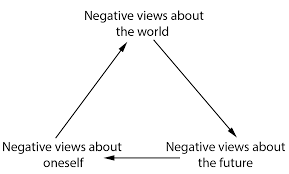
The theory that could be utilized in supporting the proposed solution is Beck’s Cognitive Theory of Depression. Beck identified 3 main components or mechanisms which are responsible for depression. These include: (i) negative self schemas; (ii) the cognitive triad; and (iii) errors in logic, that is, faulty processing of information (Abela & D’Allesandro, 2012). The cognitive triad are 3 types of negative thinking which are common in people who have depression: that is negative thoughts concerning the future, the world, and the self.

These negative thoughts are automatic in individuals with depression since they occur impulsively. Beck pointed out that people who are prone to depression develop a negative self-schema. Such an individual possesses various expectations and beliefs regarding himself or herself which are pessimistic and negative. Individuals who have negative self schemas are inclined to making logical errors in their thinking. They are also inclined to focusing mainly on particular facets of a situation whilst disregarding other information that is equally pertinent (Abela & D’Allesandro, 2012).

Want help to write your Essay or Assignments? Click here

The rationale for selecting this theory is that this theory helps to describe what really is central to depression; that is, the main cause of depression. According to Beck, the cognitive symptoms of depression in fact precede the mood and affective symptoms of depression, and not the other way round. What is central to depression, as Beck pointed out, are the negative thoughts and not low reinforcement rates or hormonal changes as other theorists had suggested (Abela & D’Allesandro, 2012).

This theory works to support the proposed solution in that using depression screening tools, the researcher will be able to determine more accurately the main cause of depression amongst young adults in the United States. In other words, using appropriate screening tools for depression, it would be possible to detect the negative thoughts in people aged 30-35 in the United States considering that negative thoughts are central to depression as per Beck’s Cognitive Theory of Depression.

Incorporation

The theory would be incorporated into the project by using screening tools for depression which are in line with Beck’s Cognitive Theory of Depression. One particular screening tool that would be used is the Beck Depression Inventory-II (BDI-II) which was developed by the same theorist who conceptualized Beck’s Cognitive Theory of Depression. The BDI-II screening tool for depression would be utilized to detect depression among 30-35 year-old young adults and it would be compared with the usual standard of care currently being practiced in the country.

In essence, using Beck’s Cognitive Theory of Depression, the negative thoughts of people would be carefully monitored using Beck Depression Inventory. It is expected that depressed people negatively misunderstand information and experiences, as they limit their focus to the negative facets of a situation, therefore feeling hopeless regarding the future (Abela & D’Allesandro, 2012). Using Beck’s Cognitive Theory of Depression in the project, a direct correlation is postulated between severity of symptoms of depression and negative thoughts.

References

Abela, J. R. Z., & D’Allesandro, D. U. (2012). Beck’s cognitive theory of depression: The diathesis-stress and causal mediation components. British Journal of Clinical Psychology, 41, 111-128.

Want help to write your Essay or Assignments? Click here

Azerbaijan: from a perspective of Gerontology

Azerbaijan: from a perspective of Gerontology

Want help to write your Essay or Assignments? Click here

Gerontology perspective of Azerbaijan

Studying aging process is a complex course as age itself is a multidisciplinary field. The study of aging process is referred as gerontology. Gerontology integrates information from various disciplines including sociology, biology, and psychology. It involves the study of people’s mental, physical and social changes as they age.  The investigation of these changes in the society is important because the information collected is used to guide the elderly health policies and the healthcare programs in Azerbaijan (Ibrahimov et al. 2010).

Ageing and its associated problems concerning the elderly has been the domain of developed countries. However, recent past indicates that developing countries are experiencing the burden of aging population. This is attributable to the fact that previous Government policies on elderly care were a least priority as the elderly population represented a small percentage of Azerbaijan’s population.  This paper discusses situation, behaviour and experiences of elderly people in Azerbaijan from gerontology perspective (Rzaev et al. 2015).

Background: Socio-demographic characteristics

Azerbaijan demography is undergoing transition which is attributable to the low growth rate and steady decline in its fertility rates in the past several decades. Research estimated that the population of Azerbaijan is 9 826397 people, which indicates a 1.39% increase compared to the previous population of 9 691 874.  There were 205 568 new live births and 67 649 deaths. The population density is estimated to be 113.5 people/square kilometre.  The age structure is as shown below;

This pyramid structure is a stationary type which is described by declining birth rate and low death rate. This type of pyramid structure is common in developed countries. The dependency ratio in Azerbaijan is 42.1%. This indicates that the dependant part of the population is more than the working population. The aged dependency ratio is reported at 9.2% in Azerbaijan (Caravanos et al. 2014).

Similar to many East and South East Asia, the ageing population is a demographic reality that results into a decline in fertility and improved life-expectancy. According to World population report, Azerbaijan has experienced increase in the population rate of people above 60 years from 3.7% in 1960s to 9.7% in 2011. The figure is projected to increase by 2% by 2020 and by to 25% by 2050. This indicates that a substantial burden on resources will be experienced (Rabbi & Karmaker, 2015).

 Aging in Azerbaijan

Aging in Azerbaijan and across Asia is occurring more rapidly in comparison to the other developing countries. This is supported by Asia/Pacific Regional Conferences Ageing 2012 report which indicates that the proportion of the elderly population is growing at a very faster pace as compared to the rest parts of the world. This increased percentage of the older people in Azerbaijan implies that the percentage of the working adults is reduced and increased dependency ratio. The following are the consequences of the demographic changes.

To start with, there is rapid increase of old-older women. This is a major crisis because like in other countries, women are the primary caregivers in the family. Additionally, the old-older women are the most vulnerable group in the society who need acute care. Most of these women in Azerbaijan are widowed and live alone. Most of them have fewer assets as compared to men and are likely to be poor. This heightens their vulnerability and need for care. (International Action Plan on ageing problems, 2010).

Older Azerbaijan’s are spread throughout the country. However, the number of older people living in rural area is higher than in urban region. This is attributed to massive immigration of the young people to urban areas to seek greener pastures. The family is the most important support system for the elderly in Azerbaijan. Most of the elderly people in this country live with their family members. Only a small percentage of elderly live alone (Habibov, 2010). Azerbaijan is undergoing a social change. The society is shifting from larger extended family towards a nuclear family groups.

This change is associated with globalization and western culture influence. However, only few elderly persons reside in aged care homes. The nursing homes are managed by the government. The low number of residents is due to cultural influences. The Azerbaijan culture demands that it is the young child responsibility to take care of their parents. Culturally, it is shameful for the family to admit their elderly parents to these care facilities (Babaie et al. 2015).

Body changes observed are due to changes occur in individual cells and within the entire body organ systems. These changes are manifested through changes in function and appearance. The aging cells function capacity is usually reduced. The normal functioning of the body, the old cells must die as part of normal functioning of the body system. The genes are programmed in a way that causes old cells death to create room for new cells (Namazova & Taghi-Zada, 2015).

 The first indicators of aging are the musculoskeletal system. This is followed by reduced eyesight and hearing capacity. Most internal organs function disorders do decline with age, but extensive reduction of the body organ functionality is associated with disorders and infections. Therefore, decline in function ability implies that the elderly are less able to manage strenuous activities such as physical activity, infections or temperature changes.  This also implies that the elderly people are more likely to experience medication side effects. The most commonly affected internal organs include heart, kidney and brain (Bui et al. 2015).

Mental health disorders

The expansion of the elderly people in the population is unavoidably accompanied by increased number of age-related health disorders such as Alzheimer disease (D), Mild cognitive impairments (MCI) and Vascular Dementia (VD). There lacks adequate reports of Alzheimer disease in Azerbaijan but from the population dynamic and the world health reports, AD is a health issue that needs to be addressed among the elderly in Azerbaijan.

According to World Alzheimer reports, Alzheimer Disease International (ADI) estimates that there are over 36 million incidences worldwide about dementia. The numbers is doubling every two decades and it is projected that there will be 66 million dementia incidences by 2030. Most of these incidences are reported in the low and the low income countries (World Population Ageing, 2014).

The common mental disorders in Azerbaijan are depression, anxiety and dementia. From the statistics collected, depressive disorders in Azerbaijan have increased rapidly. However, the precise aetiology of depression and anxiety is unknown, but the environment, genetic factors and psychological factors contribute to these disorders. Research conducted in Arabic countries, obesity, physical activity, psychological distresses are the major risks for mental disorders in Azerbaijan.

The cultural expectations of this country have women have significantly lower physical activeness than men. In terms of dietary intake, 55% of the Azerbaijan is obtained from carbohydrates (grains). The increased carbohydrate intake and reduced physical activity among the elderly is a key risk factor for mental disorders in Azerbaijan (Caravanos et al. 2014).

The important characteristics of dementia and AD in Azerbaijan are determined by the public knowledge aspect, culture as well as socioeconomic aspects. There lacks adequate public knowledge on dementia. Therefore, the elderly person’s behavior that presents with the early disease symptoms are considered as natural results of aging. This implies that most of the elderly and their care hivers will only seek medication in the moderate stage of the disease.

One of the core indicators of social development in any community is the rate of literacy. Illiteracy is an important aspect in gerontology because it is a risk factor that facilitates the development of AD due to low knowledge on disease prevention; or control of the modifiable risks factor for age related disorders such as diabetes, coronary artery, stroke, osteoporosis, hypertension, hypercholesterolemia and depression.

Although illiteracy levels have reduced in the last decades, the reduction rate is considerably low in Azerbaijan. The higher illiteracy is a risk factor for the increased rates of dementia and Alzheimer disease among the elderly in Azerbaijan (World Population Ageing, 2014).

There is sufficient evidence that culture and peoples life experiences shape the mental stability of a person. The society culture, behaviours and experiences shape the person’s ability to react to cognitive impairments such as dementia. This is because cultural values impact the elderly person’s responses to illness and ways they interact with the healthcare professionals.

For instance, in Azerbaijan cultural values of individualism as well as collectivism regarding the elderly care can negatively impact the treatment regimen and care. Azerbaijan collectivistic culture values the elderly and it demands that they should be treated with respect by the rest members of the family (Habibov, 2010).

The changes in the patient’s behaviour due do dementia might threaten their family respect to the elderly. One of the issues that affect the dementia patients in this country is the forgetfulness nature of the disease. This is the root of their problems. Most of these elderly patients feel bad whenever they realise that they have forgotten things which makes it troublesome for them to live with their family members. Some complain that the disease is a teasing disorder as sometimes one cannot recognise relatives and can no longer identify their friend’s face which really breaks them down (Habibov, 2010).

The challenges of difficulties in the management of forgetfulness nature of the elderly and distractibility caused by the disease makes the elderly feel stressed. The elderly person’s life is described by use of many reminders and a lot of comments for their mistakes or failures. This makes the patients feel deeply unfulfilled in their own views as well as their lives.

Most feel that their intellect is disrespected due to their altered mental stability especially each time they are disrespected or treated in a harsh manner. In Azerbaijan, the elderly greatly depends on other family members in conducting most of the daily tasks and daily living activities. Majority feel that they are bothersome and the burden to the family members (Caravanos et al. 2014).

Financial difficulties are another issue that affects the elderly. Most of the elderly have feelings of hopelessness and deprivation. Most feel miserable when they are financially dependent on others. The elderly diagnosed with dementia in this community long to re-establish their own lives in order to be respected and to be valued by the rest of the society. They need recognition, appreciation and acceptance.

In Azerbaijan, the elderly people from low income households suffer disproportionately from the mental disorders. People’s health is determined by their socio-economic situations. The social determinants of health includes the conditions the live, work, age and the health systems. These are shaped by the economic and socio-political status. The differences in these circumstances are produced by the society systems (Habibov, 2010).

Despite the fact that there is significant improvement in care and management of chronic illness which are the modifiable risk factors for mental health among the elderly, the primary focus of the healthcare system in Azerbaijan has been on maternal health and pediatric health. The caregiver burden is high due to strong bonds between the elderly person and the family members.

This makes most of the people become opposed to the idea of institutional homes. The limited number of qualified mental healthcare providers in these healthcare facilities is also a contributing factor to negative attitude towards these healthcare facilities. This indicates that the number of elderly people benefiting from the few mental health services available (World Population Ageing, 2014).

Gender also plays a major role in aspects of gerontology as aged women are likely to present with multiple health and mental disorders as compared to men. Education status and individuals physical health dictates the mental health status in Azerbaijan. For instance, depressive mood disorders in Azerbaijan are common in elderly men diagnosed with chronically ill disease.

In women, depressive mood disorders in this community are associated with their sense of belonging level of isolation, faith, and family cohesion. Additionally, life events such as bereavement, poor physical health and loss of status are other factors associated with depressive disorders in this community (Rabbi & Karmaker, 2015).

Elderly abuse has recently gained increased attention in the past Decade. This is common societal problems that have serious consequence on health as well as the wellbeing of the elderly people. Elder abuse remains one of the most hidden types of interfamily conflict in Azerbaijan. There are only few studies that have been conducted on elderly mistreatment in Azerbaijan, thus, little is known about the prevalence rates or risk factors.

Although the issue of child and female abuse in Azerbaijan is well recognised, the issue of elder mistreatment is overlooked. This is probably because most people believe that elder mistreatment cannot occur due to the culture that supports strong family support. The lack of valid statistics, limited information, and consistent denial of the family members perpetuate vulnerability of the elderly. This could be a contributing factor for psychosomatic disorders among the elderly (Rzaev et al. 2015).

Want help to write your Essay or Assignments? Click here

Mental healthcare systems

According to old Soviet model, mental healthcare in Azerbaijan leans towards the institutional approach. However, the Azerbaijan psychiatric institution does not meet the basic standards. Although all kinds of the mental health services are at the level of special care, the primary care for the elderly mental health is not well developed. The principles mental healthcare providers for the elderly are psychiatric dispensaries, psychiatric hospitals and in private practice.

There are about 22 psychiatrists per 100,000 people. Each administrative districts of the country have outpatient clinic that have a consulting room for psychiatrist. There are eight cities at inter-regional psycho-neurological dispensaries (PNDs). In Baku city, there are about two PNDs; one offers paediatric mental services and the other offers adult mental services (Caravanos et al. 2014).

There are nine psychiatric hospitals that provide in-patient services. In addition, there are psychosomatic services in two General hospitals and psycho-neurological services that are provided in military healthcare facilities. The main challenge of elderly mental healthcare in Azerbaijan is finance. The healthcare provider’s salary is low, which makes them demand for fee for their services even in public sectors.

This indicates that there are illegal demands for payment in health care services including medication and food fee in inpatient services. Most of the elderly people are not able to afford mental healthcare treatment. Another challenge is that there is over-centralization of mental care services. The community care as well as rehabilitative care is carried out by non-governmental organizations (Habibov, 2010).

In order to ensure better life for the old population, it will require the harmonic interactions between policy making, health systems, medical education and the public sector. The government should establish policy that will ensure that elderly people cost of care is effective and manageable. The government should establish programs that will focus on prevention of the old age associated healthcare condition.

There are reports that support that the government should apply “spend to save” strategies. This implies that the cost of care in treating dementia in its early stages is more effective than when the disease has progressed. The benefits include reduced institutionalization and improved on quality of life for patients with dementia.

The healthcare policies should enhance the insurance systems in order to ensure patients get adequate support. The quality and quantity of the social services available in the community should be compatible to the medical standards, the community needs as well as the community culture (International Action Plan on ageing problems, 2010).

 The health systems should establish strategies that will promote early diagnosis of the disease. This includes increasing community awareness to facilitate early diagnosis of people mental disorders among the elderly. This will help them get the necessary information and non-pharmacological treatments which will improve the elders cognitive impairments, manage the behavioural symptoms and reduce their quality of life. There is need to increase knowledge and awareness on the age-related disorders and the normal aging process. There is need for the community to understand that the elderly person’s physical and mental health may decline but these are also indicator of mental disorders. They should seek medical attention (World Population Ageing, 2014). 

The elder community centres can also increase the society awareness in order to maintain their independence, leading to purposeful and productive lives. The support and enhanced family care must be emphasised through the help of support groups.  There is need to collaborate to reduce stigma and to improve care.  The area of concern in this community includes discrimination, elderly abuse, improve the standards of living such as housing, improve independence, autonomy and promote independence, increased participations as well as social protection including social security and pension (World Population Ageing, 2014). 

New strategies to improve health in Azerbaijan

Recently, more resource centres for the elderly people have been established to protect the physical and psychological health of the elderly. The centres do so through constitutional rights for the elderly and legal consultations.  There is need to have consultations and a range of public hearings and participation of every person in the community including the elderly representatives and those with disabilities. This will provides an opportunity for every person to express their feelings. The recommendations should be put into the considerations during the policy making processes (World Population Ageing, 2014).  

The increased awareness and the promulgation of the multidisciplinary disciplines is expected to foster respect for the elderly and improve social defence for the families as well as the relevant authorities.  There are undergoing plans such as the draft of “state program to strengthen the social protection of the elderly 2016-2020 years” which is focusing the issue of elderly empowerment by eliminating incompetence and useless relation between the elderly and the communities. Understanding the legal status for the elderly people will help the relevant authorities to protect the vulnerable group taking into the account of the essential contribution to the family, community and the societies (World Population Ageing, 2014). 

There is much that will be learned by giving the regional municipalities’ space and involvement of the specialist.  This will provide the necessary environment for the elderly people to engage them in activities such as sewing, hand works and weaving. Establishing such centres for the elderly people in Azerbaijan will be beneficial in improving the elderly quality of life (International Action Plan on ageing problems, 2010).

Conclusion

 Currently, the Azerbaijan economic has grown due to the foreign investments and ongoing reforms. The population poverty level has decreased considerably from 49% in 2003 to 16% in 2016.  . This has generally improved the life expectancy, improved the level of education and advanced healthcare systems.  The fact that more people are getting best education and health care have made the people to live longer and stay healthy for longer period. The humanitarian needs still prevail as the socio economic indicators have continued to drop. Poverty is the greatest issue facing the elderly people.

Millions of elderly people in the Azerbaijan continue to face unequal treatment and infringement of their fundamental rights. Most of the older people living in the rural areas are still having poor living condition and lack adequate education making them have little information on their rights and law. Most of the elderly people are excluded from the social life. Therefore, the question of human rights of the elderly is increasing becoming more and more sensitive to this society.

The important aspect to improve the health of the elderly people in Azerbaijan is promoting their physical and psychological attributes such that they can remain independent and productive to the communities and their families. It is important to ensure that the elderly people remain in good health. In order to do so, the health workers and social workers should be adequately trained so that they can effectively prevent or manage the mental disorders that are associated with age. There have been some improvements, but the government need to establish sustainable care policies that are long-term, and develop services that are favourable to the elderly.

References

Babaie, J., Ardalan, A., Vatandoost, H., Goya, M., & Akbari Sari, A. (2015). Performance Assessment of a Communicable Disease Surveillance System in Response to the Twin Earthquakes of East Azerbaijan. Disaster Medicine And Public Health Preparedness, 9(04), 367-373. http://dx.doi.org/10.1017/dmp.2015.34

Bui, A., Lavado, R., Johnson, E., Brooks, B., Freeman, M., & Graves, C. et al. (2015). National health accounts data from 1996 to 2010: a systematic review. Bulletin Of The World Health Organization, 93(8), 566-576D. http://dx.doi.org/10.2471/blt.14.145235

Caravanos, J., Gualtero, S., Dowling, R., Ericson, B., Keith, J., Hanrahan, D., & Fuller, R. (2014). A Simplified Risk-Ranking System for Prioritizing Toxic Pollution Sites in Low- and Middle-Income Countries. Annals Of Global Health, 80(4), 278-285. http://dx.doi.org/10.1016/j.aogh.2014.09.001

Ibrahimov F, Ibrahimova A, Kehler J, Richardson E.  (2010). Azerbaijanb: Health system review. Health Systems in Transition, vol12(3):1–117

Habibov, N. (2010). On the socio-economic determinants of antenatal care utilization in Azerbaijan: evidence and policy implications for reforms. HEPL, 6(02), 175-203. http://dx.doi.org/10.1017/s1744133110000174

Namazova, A., & Taghi-Zada, T. (2015). Bioethics in Azerbaijan: History and Development of Bioethics in Azerbaijan. Asian Bioethics Review, 7(5), 433-439. http://dx.doi.org/10.1353/asb.2015.0044

Rabbi, A., & Karmaker, S. (2015). The Socio-economic Determinants of Antenatal Health Care Utilization in Bangladesh: Evidence from Multivariate Techniques. Dhaka University Journal Of Science, 63(1). http://dx.doi.org/10.3329/dujs.v63i1.21762

Rzaev, E., Rasulov, S., & Rzaev, A. (2015). Developing Mathematical Models for Cardiovascular System Functional Assessments. Kazan Med Zh, 96(4), 681-685. http://dx.doi.org/10.17750/kmj2015-681

International Action Plan on ageing problems. (2010). WHO. 02.12.2004. EB115/29. World Health Statistics 2010, World Health Organization. Retrieved from, www.who.int/whosis/whostat/EN_WHS10_Full.pdf

World Population Ageing (2014): World Population Ageing: 1950-2050 (2014). Department of Economic and Social Affairs,Population Division. Retrieved from www.un.org/esa/population/publications/worldageing19502050/

Want help to write your Essay or Assignments? Click here

Management of Complex Projects: The Seikan Tunnel in Japan

Management of Complex Projects

Want help to write your Essay or Assignments? Click here

Management of Complex Projects: The Seikan Tunnel in Japan

Introduction

Project management is one of the aspects that cannot be ignored whenever there is need to have a project. This may be for simple as well as complex projects.  Management of complex projects is demanding. This is because the complexity of the projects involves many requirements. This calls for dedication from those tasked with seeing a complex project to completion.

The completion should be within the expected standards. This essay is focusing on various aspects of mega projects. This is done through analyzing one of the complex projects that have been carried out across the globe. This essay will focus on the Seikan Tunnel in Japan.

The project

The Seikan Tunnel in Japan is a project that brought to birth a dual gauge railway line. This tunnel is 53.85 kilometers long. It is worth noting that part of this length is under water. The length of portion of this tunnel that is under water is 23 kilometers. It is interesting to learn that the portion that is immersed under water is found 302 feet below the sea level. It is worth noting that the Seikan Tunnel comes second in terms of tunnel lengths in the world. This means that it is beaten in length by the Channel Tunnel.

The project goal

Each project set for implementation should always have a goal (Huang 2010, p.28). The purpose of implementing this project was to offer transports solution to users in the location of this project. The Seikan Tunnel connects Honshi and Hokkaido Islands in Japan. The fact that it is dual carriage gives users an opportunity to maximize on efficiency. It is interesting to learn that the need to give people returning home after World War II contributed immensely in calling for a project like the Seikan Tunnel.

Additionally, the increased traffic witnessed in the route that eventually accommodates this tunnel pushed for implementation of this project to ease it. This project was meant to reduce the transport challenges facing users in this area such as ferry accidents. For example, sinking of 5 ferries ferrying about 1430 passengers increased the need for this project.

Type of project approach

The Seikan Tunnel project was implemented through the use of traditional project framework. This was through planning around the general processes of a project. The traditional approach concentrated on commencement, proper planning and design, construction, contrl and finishing of the project. This framework created ease in handling each task.

The project success measures

For a project to be successful, there are certain measures that have to be put in place (Weissenberger & Kotch 2007, p. 24). For that matter, this project had its success measures too. One of the success measures for this project was completion within the set time. This project had time set for all stages. Completion within the stipulated time would deem this project successful. As a matter of fact, it was completed within the expected time.

The other success measure for this project was continuous progress. The project was to be declared successful if all phases continued without stalling. The continuity was necessary since it means that the project would be completed within the set duration. Thirdly, acceptance of this project was the other success measure. In project management, acceptance from stakeholders is very crucial (Windapo & Goulding 2013, p.431).

This is because implementing a project that none of the targeted persons would not want to be associated with is useless. Luckily, this project received wide acceptance from stakeholders thus being declared successful.

The other vital success measure for this project was based on budgeting. This measure guided that the project’s completion within the set budget would deem it successful. The Seikan Tunnel was planned to operate with a budget of about $4.0 billion. Fortunately, it was completed with US $3.6 billion. This means that the budget was adhered to thus the project becoming successful as per this measure.

The project web

The implementation of this project saw the presence of a wide project web. This touched on the contractors, government, media, observers and multinationals among others. The Japan Railway Construction public was created to handle this project. Several suppliers were given tenders to supply the required materials. Most of these suppliers were multinational companies.

The media and observers ensured that information about the project trickled to the stakeholders. Zeng et al. (2009, p.19) say that the media is an important partner in project management. On the other hand, the government ensured that the project was properly secured and funded.

The Seikan Tunnel project organization

This project had project-based organization. This was evident from the fact that various functional sections were created during the project implementation. These departments had individuals assigned to them for the long periods of the implementation. This led to the project having defined authority from the project managers. Additionally, each and every individual in the project implementation group had tasks to handle thus need for upholding high levels of responsibility.

The Project life cycle of Seikan Tunnel

This project took a total of 43 years to be completed. Over the 43 years, the project went through several stages. Below is a matrix showing the stages and events over the 43 years of the project.

DateMain event
April 1946Surveying for the project commenced
March 1954The Japan Railway Construction public was established to oversee implementation of the Seikan Tunnel
September 1971The main tunnel construction kicked off
January 1983The Seikan Tunnel piloting was done
March 1985The Seikan main tunnel  was confirmed
March 1988The Seikan Tunnel was opened

Problem areas that had to be overcome during the project life cycle

Mega projects are known to have problems that have to be overcome for a project to be completed (Zolkos 2012, p. 21). For the Seikan Tunnel, the problem areas were found in;

  • Inadequate expertise

Expertise is one thing that each project should have (Sullivan 2001, p. 78). This means lack of adequate expertise becomes a problem that should be dealt with so that it does not disrupt a project. At some point during the implementation of this project, certain expertise became inadequate. This threatened the success of this project. In a bid to save the project from failure, the project managers moved with speed and acquired individuals who had the required expertise to drive this project to completion.

For example, the use of tunnel boring machines had to be stopped for sourcing of blasting expertise. This was brought about by discovery of hard rock that could not be bored successfully.

  • Design

The design of a project is very important in implementation. The design for this project had to be altered to make it more suitable for the project. It is worth noting that only small alterations were done.

  • Unforeseen Disruptions

The implementation of this project saw some minor disruptions. The weather and surroundings would get turbulent sometimes. The weather sometimes disrupts continuity of projects (Sharma 2009, p. 45). This would affect continuity of operations for this project. This was a major threat to the time that was set for completion of this project.

Areas of good practice in the Seikan Tunnel project implementation

In the implementation of this project, several areas witnessed good practices. These good practices led to successful completion of the Seikan Tunnel. These good practices include;

  • Environmental practices

The environment is one thing that many implementers of mega projects fail to respect (Ali et al. 2008, p.670). It is worth noting that taking care of the environment should be concern for everyone involved in implementation of complex projects (Loo 2009, p. 30). With this in mind, this project saw the environment taken care of. This was through the use of environment friendly technology. This project was implemented in a way that had efforts to see carbon emissions reduced. Additionally, the other habitats of the environment were not affected.

During the implementation of this project, eco-friendly materials were used. The project managers ensured that material selection was proper to avoid those unfriendly to environment. The suppliers were informed that they should adhere strictly to the specifications forwarded to them.

For example, water was not contaminated in any way. The soil was also prevented from effects of corrosive processes.

  • Human resource

Human capital is usually the backbone of a project (Pardo et al. 2009, p. 31). Human resource management during the implementation of The Seikan Tunnel project was excellent. It is worth noting that the best practices in the management of human capital were put into use. This made the project managers have the best of their time when implementing this project.

The working conditions for the employees for this project were made good. Each one of the employees was made to work under conditions that respect human dignity. Additionally, matters of employee safety were handled properly. This was through ensuring that standards related to safety of employees were adhered to. The procedures regarding the use of tools and machinery were put in a way that protected the employees better.

To make it better, the human resource function ensured that the employees felt appreciated. This was through recognizing exceptional performance during the implementation of this project. The employees were given attractive incentives. This boosted their morale thus increasing the level of output.

  • Accountability

This project was able to be declared full of accountability. The project managers were found to have taken care of the allocated resources. This means that after taking stock of what was allocated to them; auditors were satisfied with the use of all resources that were offered for use during implementation of this project. There were no cases of mass corruption reported as is the case when other major projects are being implemented. Proper records were available for any interested party to go through.

  • Innovation

The Seikan project was one of the projects where innovation is known to have played a major role. This project saw the project managers coming up with new ways of doing things. The processes and equipments used had creative aspects that led to increased efficiency.

User participation in the project

Users of a project are the stakeholders. These are the people who are beneficiaries of a project that is being implemented (Ling et al. 2015, p .45). During the execution of this project, the users had full participation. The project managers ensured that there was freedom for the users to interact with all stages of the project. This was arrived at for the purpose of reducing the negative impacts of criticism as a risk in project implementation. The users had full access to all information regarding the designs and progress of this project.

This brought about wide acceptance. The project managers would listen to the perspectives of the users. This was necessary for the purpose of building on the plan that the project was based on. From the fact that users participated well, the project management became more geared towards completing it. This is because the users became source of assurance that the project was necessary for them.

The users had a huge influence of standards set for the project. It is worth noting that many mega projects end up not fulfilling the expectations of users due to project managers who disregard the standards agreed for the project. This did not happen during execution of this project. The users were keen when looking at the design and other documented standards. This close monitoring put pressure on the project managers to a point of making the implementation of this project follow rules to the letter.

The users were able to succeed in getting the expected standards through arranging meetings. They would discuss deeply about the progress of this project. Each one of the users would give contributions for the benefit of the meeting. The fact that the meetings were consistent made the user participation strong.

Want help to write your Essay or Assignments? Click here

Core capabilities or competencies involved in implementation of the Seikan Tunnel

During the implementation of this project, there were evident core competencies. These competencies are always credited for the success of this project. One of the core competencies is the integration of technology into the project implementation process. Technology is known to increase efficiency in projects (Meyers 2013, p.65). Technology was widely used to drive most of the processes for the project.

Information was managed through the use of the best information handling technological platforms. This made it easy to use and execute the project from an informed perspective. Additionally, technology was integrated into the communication bit during the project. Technological involvement in the communication channels for the project was a major plus for the project.

The second core competence during the implementation of this project was proper project management. It is worth noting that the project managers were quite skillful. This led to proper execution of all aspects of the project.

Another core competence for this project was proper risk management. Risk management is a very important aspect to consider while handling projects (Sridhar 2011, p.63). During the execution of this project, risk management was done efficiently. This led to reduction of negative effects of risks that were identified. Qiao (2007, p. 14) says that proper risk management reduces project hardships.

Another key competence factor during the execution of this project was proper management of human capital. The human resource management function for the project is credited for having done its job properly. All the time that the project was continuing, all matters related to the affairs of the workforce were handled as expected. This reduced unrests and disruptions from the workers for the project. Strazewski (2009, p. 34) says that mitigation of employee related risks is very important since it makes project implementation successful.

Broader issues affecting megaprojects; The Seikan Tunnel in focus

Mega projects are usually faced by several broad issues. Theodore (2014, p. 88) says that broad issues affect projects are usually caused by the fact that numerous processes and operations take place. Generally, the complexity of mega projects brings rise to issues that have to be managed. These broad issues include;

  1. Risks

Risk is always present in all projects, whether minor or complex. However, the risk level in major projects is much higher. This calls for a very solid risk management function for complex projects. During the execution of this project, several risks were identified. One of the identified risks was about the project design. There was fear that the design would show some weaknesses towards the end of the project life cycle.

This made the project managers become apprehensive throughout the project. To mitigate this risk, the project handlers ensured that the designers of the project kept confirming the reliability of the project design. Additionally, the project managers made several consultations with experts in design to try and get assurance. At the end of the project, only immaterial alterations were made to make the project design a success.

The other risk that was identified by the risk function for this project was high labor turnover. Generally, complex projects are known to be full of work. Many a times workers tend to burn out or opt out due to poor conditions at work (Suriyamathi et al. 2013, p. 54). This identified risk did not affect the project since proper human resource management was done during the project.

To do away with this risk, all project employees for the project were treated as per the international labor standards. This was through ensuring that remuneration to the employees was as per the expected standards. Additionally, payments to the employees were disbursed on time to avoid workforce unrest. To ensure that the risk does not disrupt the project continuity, the project managers ensured that the conditions at work were up to the expected standards. This made employees work properly thus avoiding negative effects of high employee turnover risk.

  1. Decision making

For projects to be completed successfully, decision making should be done in an efficient way. This is because decisions that are made determine the level of achievement to be expected. Proper decision making in projects leads to continuity of projects in proper ways. On the other hand, if decision making for a project is poor, negative occurrences will affect the plan towards successful completion. For complex projects, decision making is usually very difficult.

During execution of this project, several challenges occurred during decision making. It is worth noting that complex projects call for many decision makers. Therefore, the process of decision making becomes very complicated and slow. The decision making process for this project was very hard since managers were many. The many decision makers took long time for decision making. This is because they had to consult each other. Opposed suggestions by some of the decision makers took more time for the purpose of discussions and explanations as to why certain opinions could not be upheld.

  1. Cultural

Cultural differences usually affect mega projects. This is because the many employees are required for complex projects are drawn from diverse cultures. This brings about cultural diversity within the workforce in a project. This was the case during the lifecycle of this project. The project managers brought in individuals from various cultures. This was caused by many reasons, need for expertise being one. With cultural differences, attitudes towards tasks approaches were different. This created some sort of sluggish participation from laborers. As a result, the project time was consumed in the process of harmonizing the cultures.

  1. Labor

Labor management is the other broad issue that affects mega projects. This happens to be a very sensitive issue since complex projects are usually labor intensive. Therefore, the project handlers should always ensure that labor matters are managed in a way that does create stability of the workforce. During the life cycle of this project, the workforce was well handled. This means that project was able to continue without alarming cases of workforce dissatisfaction. The minor cases of complains that were forwarded were amicably settled.

  1. Political

The politics prevailing in areas where complex projects are being held affects the continuity. It happens that in areas where there is political instability projects tend to stall or become abandoned completely. During the lifecycle of this project, the political waters were cool. This gave this project an opportunity to continue without disruptions. It is worth noting that the political leaders within the geographical location of the project did not want to interfere with the project. The instances that saw the political leaders enquire about the project were all friendly. This gave motivation to the managers of the project thus pushing for completion.

  1. Criticism

It is common practice for people to criticize projects. It is a global thing for people to spoil the image of mega projects (Riley 2013, p. 91). This is always through trashing those projects on basis of prioritization. During the execution of this project, criticism was identified as one of the risks.

The criticism directed towards this mega project was based on the fact that the amount of money used could be used for other projects that are better in terms of meeting the needs of the common citizens. To ensure that this did not affect this mega project, the project managers ensured that proper public participation was done. The project managers created a system that made all stakeholders aware of what the project was all about.

Conclusion

Management of complex projects is known to be quite demanding. Therefore, the people in charge of such kind of projects should ensure that proper planning is done. The goal of the project should be the guiding tool for all processes. To make it better, the life cycle of mega projects should be monitored to ensure that it does not get disrupted. The stakeholders should be managed well to ensure that the project continues with understanding. All challenges should be handled with sobriety and efficiency. It is worth noting that good practices should be priority when drawing the strategic plan for complex projects.

Risk management during project implementation should be done in a good way. This calls for the need to have a reliable risk function during the life cycle of a mega project. All risks should be identified and mitigated properly to ensure that the project does not become disrupted.

References

1.      Ali, M et al. 2008, Developing environmental impact statement (EIS) guidelines for the management of environmental quality at major projects in Kuwait, Retrieved from http://search.proquest.com/business/docview/204618562/13EB17FBF311442APQ/2?accountid=45049, Last accessed 28th April 2016.

2.      Huang, T 2010, Dynamic Quality Management in Complex Construction Projects, Retrieved from http://search.proquest.com/business/docview/733014523/13EB17FBF311442APQ/1?accountid=45049, Last accessed 28th April 2016

  1. Ling, F et al. 2015, Effect of adoption of relational contracting practices on relationship quality in public projects in Singapore, Retrieved from http://search.proquest.com/business/docview/1660895554/13EB17FBF311442APQ/15?accountid=45049, Last accessed 28th April 2016.

4.      Loo, R 2009, A multi-level causal model for best practices in project management, Retrieved from http://search.proquest.com/business/docview/217359658/2F4FAD9DE7DB443DPQ/8?accountid=45049, Last accessed 28th April 2016.

5.      Meyers, GR 2013, Investigating New Tools, Technologies for the Permian Basin. Retrieved from http://search.proquest.com/business/docview/1540778404/53066480327B4D1DPQ/3?accountid=45049, Last accessed 28th April 2016.

6.      Pardo, IS et al. 2009, Looking into the black-box: analysis of the effectiveness of human resources strategy*, Retrieved from http://search.proquest.com/business/docview/225146340/1B854395A7974BD1PQ/16?accountid=45049, Last accessed 28th April 2016.

8.      Riley, JM 2013, Understanding the antecedent competencies of organizational risk management capabilities, Retrieved from, http://search.proquest.com/business/docview/1437003886/B69B4A30BC934996PQ/19?accountid=45049, Last accessed 28th April 2016.

10.  Sridhar, V 2011, The practice of risk management in outsourcing and its impacts: An empirical investigation, Retrieved from http://search.proquest.com/business/docview/916760095/B69B4A30BC934996PQ/7?accountid=45049, Last accessed 28th April 2016.

11.  Strazewski, L 2009, Benefits/Financial Products Fit Risk Management Strategy, Retrieved from http://search.proquest.com/docview/200367306/88A8C3FB34ED4BF3PQ/2?accountid=45049, Last accessed 28th April 2016

  1. Sullivan, L 2001, Enterprise wide: Building a Risk Management program from the ground up, Retrieved from http://search.proquest.com/docview/227018296/A25516E0136242C6PQ/2?accountid=45049, Last accessed 28th April 2016.
  2. Suriyamathi, S, Velavan, M & Radhiga, TD 2013, Importance of Leadership in Innovations of HR Practices. Retrieved from http://search.proquest.com/docview/1470793027/5AD72EE4297469CPQ/6?accountid=45049, Last accessed 28th April 2016.
  3. Theodore, J 2014, the Importance of Imbedding the Concept of Continuous Development in The Formulation Of Global Strategies. Retrieved from http://search.proquest.com/docview/1516952897/5524C7862854D96PQ/8?accountid=45049, Last accessed 28th April 2016.

15.  Weissenberger, M, & Kotch, DJ 2007, Importance of industrial services and service innovations, Retrieved from http://search.proquest.com/docview/233255106/5AD72EE4297469CPQ/4?accountid=45049, Last accessed 28th April 2016.

16.  Windapo, AO & Goulding, J 2013, Value-based perspectives of stakeholders’ building requirements in low cost and government subsidised housing projects in South Africa, Retrieved from http://search.proquest.com/business/docview/1432234099/1B854395A7974BD1PQ/12?accountid=45049, Last accessed 28th April 2016.

17.  Zeng, Sx et al. 2009, Managing information flows for quality improvement of projects, Retrieved from http://search.proquest.com/business/docview/208736728/13EB17FBF311442APQ/18?accountid=45049, Last accessed 28th April 2016.

18.  Zolkos, R 2012, Strategic outlook key to successful risk management: Organizational goals must be considered at program’s outset, Retrieved from http://search.proquest.com/business/docview/1009713401/B69B4A30BC934996PQ/5?accountid=45049, Last accessed 28th April 2016.

Want help to write your Essay or Assignments? Click here