
Visual culture in Rock and Roll

Visual culture in Rock and Roll

Visual culture in Rock and Roll

Introduction

The Rock and Roll industry has been in existence in the world for quite some time. This genre of began in the late 1940s in the United States. The industry has evolved and in the 1950s, the music genre became distinct and separated from other styles of music such as jazz, gospel, country, and rhythm and blues of the 1920s. Upon later developments, the Rock and Roll in 1960s, became internationally accepted and labelled as Rock Music.

The major set of instruments used to play Rock and Roll was either saxophone or the piano in the 1940s. As time passed, they got replaced by the guitar alongside the use of snare drums. After the mid-1950s, electric guitars became part of the instruments in collaboration with a drum kit and an electric or string bass guitar. This paper is going to shed light on how visual images have encourage the production of music in the rock and roll industry.

 The influence of Rock and Roll in peoples’ lifestyle has been paramount as more of its musical style is displayed in print media, TV, and movies. The industry has been forefront in the communication of fashion, language and even attitude among the youth. At some civilizations, it contributed to civil rights movement as teens accommodated Rock and Roll music (Teachrock.org, 2016).

The use of visual images in the industry has grown massively over time. Several printed attire containing Goth pictures and art have attracted teens to enjoy rock music. The King of Rock and Roll famously known as Elvis Aaron Presley led the onset of image use as an actor during his time. The first film produced was Blackboard Jungle in 1955. The movie introduced the culture of rock to people in the 1950s.

Other films such as Rock Around the Clock followed after the Blackboard Jungle paved way despite facing several controversies. The first image production of Rock and Roll had depicted a lot of unacceptable culture and behavior such as notoriety.

The influence of the use of a picture in the Rock and Roll industry has been seen mainly in stage performances by rock artistes. However, much research has not been done to determine its impact. Hence the paper will focus on how the use of imagery has influenced the production of music in the Rock and Roll industry.

Study Area

The research will look at the extent to which use of visual image has propelled the production for rock music.

Specific Objectives

  1. To determine the extent of influence of visual images in music production

Research Questions

  1. What is the extent of influence of visual images in music production?

Theoretical Background

The use of imagery in any form of production has always led to a positive impact. The impact can mainly be assessed by the increased number of users of such content in the event they get exposure. The impact of this in the production of rock music can be evaluated by looking at the listeners of Rock music (Paglia 2016). The number of people addicted to rock music is huge and has coverage across the world.

The history of rock music is that of African-American but the listeners of today paint the picture of Rock music as associated only with whites. The mindset is linked to several rock music videos, photos and videos are populated with whites.  The use of imagery has been behind the increased production of rock music and the influence on individuals has been that of youth rebellion. Below are some of the aspects of the use of visual images and how they justify the effect on rock and roll music production. 

Visual image in Youth culture

The onset of the youthful arrogance and angst started way back in the 1950s. The baby boomers generation who were born around this time tends to believe that they are the products of Rock and Roll rebellion. Jon Savage in his book, “Teenage: The Creation of Youth Culture,” narrates the events of that time and how visual image used in stage performance shaped the lives of the youth. (Savage 2007).

During the time, boys were shaped to be in the imperial service and the author remembers the vision in the mind of every youth. The vision was to become aggressive and to serve in the military as his fellows however, this was brought about by the rise of rock and roll. The book documents about the sudden rise of youth empowerment regarding the youth culture through Hollywood movies. The film productions have used tantalizing fashions alongside themes that are provocative.

Use of visual image on Fashion

Fashion has always been influenced by artists and the trend is determined by what is brought on stage during performances. The rock and roll industry is not an exception and through the book, “Fashion and Music,” by Janice Miller, it promoted cultural significance during the 1950s. The rock and roll artists and musicians used style to portray a way of life, and this attracted so many individuals who identified with them.

The musicians were a center of focus, and they shaped taste, consumption, and identity among many people (Miller 2011). The book reveals how attitudes developed in the contemporary world were formed through fashion and music. The use of style promoted several themes that existed in the society, and this ranged from sexuality, consumer culture, aging and youth, postmodernity, gender and body image.

Fans dressed similar to Rock and Roll stars, and they listened to their music. It became a religion and a lifestyle that took most of their time. The clothes worn resembled their beliefs and association with similar taste of fashion to that of their iconic figures. Music and image became one, and they could not be separated (Paglia 2016). The culture of visual image was a part of music that escalated demand for more music. Music merchandise was high in demand, and most people loved looking similar to their music stars.

Semiotics – Roland Barthes

Barthes’s often interrogated particular cultural materials with an attempt to reveal how the wealthy members of the society asserted its values using Mythologies. He, therefore, came up with the semiotics, which entailed the study of signs. Fundamental principles underlying the Semiotics entail; all activities and products rising from culture are results of a sign. Therefore it suggests that, according to Roland Barthes, that their meaning is either natural or inherent.

The second principle of semiotics is that there are several relations, which may be arbitrary, between the signified and signifiers. The world of rock and roll entails a lot of symbols and each with its different meaning, and this forms the third and last principle of the semiotics. There exist several levels of meanings and not just one associated with one symbol. Such signs are images, and they include icons, symbols, and index (Barthes 2010).

Within the Fashion industry, he played quite a huge role using his studies of signs. He demonstrated how adulteration of signs could lead to actual words that could be understood. Using his works, Barthes shed light on how words could translate and loaded with idealistic wealthy lifestyle. He noted that if a particular attire like the blouse is thought as ideal for a certain occasion, then it became accepted as truth immediately. This is despite the fact that the blouse could be interchangeable with several other combinations.

Visual Kei subculture

Visual Kei refers to a Japanese subculture and music movement. It that has been in existence and acquired popularity since the 1980’s. Visual Kei has elaborate hairstyles, wear makeup, alongside costumes combined with androgynous aesthetics.

The period of these artists was characterized by the glam rock era in the 1970s. At this time, the world of music was surpassed by glam rock. However, the Glam Rock era had two features or themes that stood out. The first being the fact that it was sexual flamboyance as exemplified by David Bowie. Secondly, it was proto-punk aggression as exemplified by Iggy Pop. The members of the Visual Kei movement claim that it is not a genre of music, but it involves the expression of fashion, freedom and collective participation in the associated subculture.

Goth culture

The Goth culture has its roots in England. It began in the early 1980s after an offshoot of the genre of music known as the post-punk. The gothic rock scene created a platform for the Goth culture during the period. The culture was influenced by other subcultures of music such as Punk, Glam, and New Wave.

The Goth culture also obtained inspiration from horror films, movies, vampire cults, traditional mythology, Gothic literature, and Neo-noir science fiction film. The influential mythologies in Goth included various traditions of Paganism, Christian mythology, Celtic mythology, and Egyptian mythology (Teachrock.org 2016).

Research Methodology

Visual analysis Wes Borland

Visual analysis entails looking at the art used in rock and roll culture through artists. It explains the imagery used by such artists and how they help them in performing on stage for their fans. I used the example of Wes Borland and managed to tap in the interviews of why he adopts stage attires that are quite unique and how it helps in attracting audiences. Stage attires are a representation of what the artist believes in and many fans adore such clothing.

Looking at the visual style used by Wes Borland, it is evident that he loves having many faces. His attire have been described as outrageous but people still love him. The eccentric Limp Bizkit guitarist is known for having the scary but unique attires while he performs.

An interview with him, revealed that he uses the attire to entice and appeal to the crowd. Fans love his way of dressing and stage performance. The attire gives him life and he says he is the face of rock music. Fans have identified with the visual culture portrayed by Wes Borland and many of them attend his concerts just to get a peek of his latest attire (Paglia 2016).

In the late 1990s, Wes was in the initial stages of self-discovery as a visual artist and as he performed in the Amphitheatre in California, he portrayed his insanity through his dead black eyes. Ten years down the line, Wes while performing in Italy, was in a white body paint and had black contacts. He went further and strapped a glitter ball to his face alongside a startling red lipstick. His ribcage was full of color and this made it hard for anyone to look away. It was astonishing and at the same time captivating to his audience.

In the same year in another stage performance, he wore a white suit to symbolize the power of Daz washing powder while spreading across his chops the blood of Smurfs. In 2010, he transformed his look to reflect his inner self which resembled the Wicked Witch of the West. However his choice of visual presentation ranged from glowing sunglasses, body paint, red pants, a fetching mask and a hat that looked like a tree of blood growing out of his head. He admits that his fans loved the way he can make anything look cool and it enhances his stage performance.

Conclusion

In conclusion, the world has changed, and the use of visual images has taken over the entertainment and music industry. The impact of visual culture on rock and roll industry has resulted in positive sales hence demand production of rock music. The culture has traveled over decades to the present.

The world has become well connected via the internet and now fans of rock music can easily connect and share their culture (Teachrock.org, 2016). They identify themselves with images, signs, and symbols which may seem cultic to the outside world. Fans paint their walls with Goth art and rock symbols to ensure they are in touch with the realm of their understanding.

The art itself has been depicted as full of paganism and contains themes of violence and rebellion. The character of resistance is common among the youth and teens. They tend to identify with a lot of social sites hence keep in touch with latest trends and fashion. A good example is a Gothic fashion which has often been stereotyped as eerie, dark, complex, exotic and complex. The fashion among teenagers is portrayed as stark black clothing.

The youth apply dark eyeliner, have dyed black hair and black fingernails. The style is often from the Victorian or the Elizabethan to express religious imagery. They are always surfing and with the access to YouTube and other video sites, they can easily stream their favorite rock songs and download album covers containing Rock and Roll culture. In the end, it is clear that the visual culture has profoundly impacted the industry and with the use of sight, connection to the culture gets more real. 

References

Barthes, R. (2010). Roland Barthes. 1st ed. New York: Hill and Wang.

Miller, J. (2011). Fashion and music. 1st ed. Oxford: Berg.

Paglia, C. (2016). Teenage: The Creation of Youth Culture – Jon Savage – Books – Review. [online] Nytimes.com. Available at: http://www.nytimes.com/2007/05/06/books/review/Paglia.t.html [Accessed 8 Dec. 2016].

Savage, J. (2007). Teenage. 1st ed. London: Pimlico.

Teachrock.org, (2016). Rock and Roll Goes to the Movies | TeachRock. [online] Teachrock.org. Available at: http://teachrock.org/lesson/rock-and-roll-goes-to-the-movies/ [Accessed 8 Dec. 2016].

Want help to write your Essay or Assignments? Click here
Integrating Qualitative and Quantitative Data

Integrating Qualitative and Quantitative Data

Integrating qualitative and quantitative data

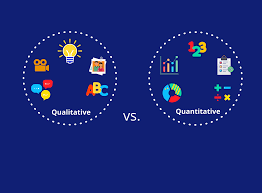
The mixed method, qualitative and quantitative, research design has been viewed as the most complicated process when it comes to research analysis. For this reason, different tactics which are essential have been implemented for a sound approach and the implementation of the rules of the data coming together. However, the mixed method research design is of greater significance due to the following reasons.

  1. Triangulation: When a researcher uses different sources to look for data validation of each of the method’s findings, (Fielding, 2012)
  2. Initiation: The results from either method may bring out new research questions which require being analyzed further, initiating the other study project with multiple sources of data, (Bazeley, and Kemp,  2012)
  3. Expansion: The researcher tends to develop one technique by using the find of the other.
  4. Complimenting: The researcher complement findings from a particular source with the utilization of the various source of data.

Ethical issues and feasibility constraints

When conducting research, the moral deliberation should be at the front position as the researchers get on ant capable future research. It is vital for the researcher to be by the ethical requirements. It means that the researcher has to consider the following ethical issues:

  1. Confidentiality: Companies might opt to be anonymous, and it is okay to employ pseudonyms for the firms and the person in a business enterprise studied.
  2. Permission: The researcher should not assume that they can video/sound record or even take photographs. It is necessary to seek for approval before undertaking the process and also request permission when in need to employ direct quotation and secure the image of the quoted author where appropriate, (Bryman, and Bell, 2015)
  3. Communication: The researcher is mandated to officially write to the person to be involved in the research highlighting the agenda to be discussed, (Mertens, 2014)

Budget and time constraints constrain the feasibility of the study.  It is vital for the mixed methods to carefully consider the access of different source of data in line with the significance permission as well as the extra time required to gather and analyze various types of evidence, (Bell, J., 2014).  It is usually impractical for a comparatively green student researcher to get the appropriate time and more so resources for such a complicated and time-consuming manner.

Significant barrier to the integration of qualitative and quantitative data

The most important barrier as far as the combination of the qualitative and quantitative data is concerned different audiences, (Glogowska, 2015). After the researchers have used both the methodology to come up with complete results, they at times feel that they end up writing their results from the qualitative and quantitative analysis for diverse audiences. That is, either the scenery of the content is attractive a particular audience or the notion of the readers and vice versa.

The mixed method’s expectation at times means that whichever set of data draws attention to or employed more or less entirely.  The opinion of such expectation of the viewers or readers might cause the researcher to be biased on the keeping out one of the research method or make it of less significance while stressing on the other, (Venkatesh, Brown, and Bala, 2013)

Bibliography

Bazeley, P. and Kemp, L., 2012. Mosaics, triangles, and DNA metaphors for integrated analysis in mixed methods research. Journal of Mixed Methods Research, 6(1), pp.55-72.

Bell, J., 2014. Doing Your Research Project: A guide for first-time researchers. McGraw-Hill Education (UK).

Bryman, A. and Bell, E., 2015. Business research methods. Oxford University Press, USA.

Fielding, N.G., 2012. Triangulation and mixed methods designs data integration with new research technologies. Journal of Mixed Methods Research, 6(2), pp.124-136.

Glogowska, M., 2015. Paradigms, pragmatism and possibilities: mixed-methods research in speech and language therapy. International Journal of Language & Communication Disorders, pp.1-10.

Mertens, D.M., 2014. Research and evaluation in education and psychology: Integrating diversity with quantitative, qualitative, and mixed methods. Sage publications.

Venkatesh, V., Brown, S.A. and Bala, H., 2013. Bridging the qualitative-quantitative divide: Guidelines for conducting mixed methods research in information systems. MIS quarterly, 37(1), pp.21-54.

Want help to write your Essay or Assignments? Click here

Family background effect on Career choices

Family background effect on Career choices

A qualitative research analysis of how family background influences their career choices for the international students at the University

2.0  Rationale of the Project

The issue of accountants’ shortage has been reported in many areas across the globe with countries such as New Zealand, UK., Ireland, Australia, Japan and the USA was reported the greatest impact (Jony Hsiao, 2015).There has also been an occurrence of high profile scandals in businesses such as Worldcom, Parmalat, and the Enron that are outstanding in global economy where there is a predominance of service as well as knowledge.

Such occurrences have triggered a rise in the demand for recruiting highly skilled and experienced accountants who can offer extensive services in auditing. With the introduction of the 2002 Sarbanes-Oxley Act, there emerged the Big 4 public accounting corporations along with the public listed organizations that have been craving for the services of qualified auditors, which offers accounting students an opportunity to maximize their advantages in accounting education through obtaining chances for employment as well as evaluate their capabilities in the accounting profession (Yew Ming Chia, 2008).

In recent years, the majority of the students take their courses in accounting in foreign countries where they need funding of greater magnitude but they still have expressed strong desire to study. The family background could be poor therefore posing a challenge to the students who aspire to complete their courses. While western vocational psychology has conventionally focused on the individual’s values and interests in making career choices, it is suggested that social factors such as family background is of vital role to be considered in one’s career development (Fouad et al., 2010).

The shortage of talent accountants therefore is an important forecast that point at the necessity for establishment of programs for training and retention of accountants, especially international students who can acquire the requisite qualities for successfully uplifting satisfaction in the dynamic professional accounting area, thus deduce the job turnover rate and alleviate the declining enrollment trend of accounting systems.

3.0 Preliminary Review of the Literature

The review of literature shall be executed in view of identification of the family background influences on international accounting students’ career choice for their preferred career path. Based on past research in the same filed, some factors that have been identified to have significant contribution include intrinsic as well as extrinsic interests and the perception of intrinsic has been taken more focus.

It shall also be prudent to revisit the previous literature because there is evidence to suggest an inadequacy examination of the impact of family influences and anticipated work-family conflicts in predicting the intentions of the student to choose accounting as a future career. Available information indicates that, earlier investigations focused mainly on evaluation of the perception of the student towards accounting as well as the roles of accountants in attempts of addressing the declining trend of students’ enrolment in accounting programs.

Earl & Bright (2007) conducted an investigation to analyze the relationship that exists between the work outcomes and career decisions. The findings indicated that, the decision of the career graduate was moderated by the extent to which the expectations of the job role were addressed. This decision was also related to the level of job satisfaction. In this regard therefore, the students who made independent decision to take a program in accounting made effective contributions to the organizations where they worked.

When intrinsic value was observed as major influential driver of accounting students, job availability and flexibility in career options ranked relatively high among various career predictions. The extrinsic factors are also mainly based on the size of financial rewards and working environment that associate with job satisfaction (S. Sugahara and G. Boland, 2009).

Research findings also indicate that, the beliefs of the accounting graduates changed soon after they were hired and that the dissonance in the job contributed significantly to job dissatisfaction, thus increasing the tendency for job turnover. This was therefore deemed as a potential explanation to the high rates of job turnover of the newly hired accounting employees in the majority of the accounting firms (Liu, B., Liu, J. and Hu, J., 2010)

Intrinsic interest can generally be explained as individual’s pursuit in enjoyment, creativity and challenge derived from job (S. Sugahara and G. Boland, 2009). An investigation targeted towards Japanese accounting students indicated that the nature of job and the chance to make contributions that compose intrinsic value was a major factor of accounting graduates’ career prospects.

The influence of persons, such as parents, classmates, close friends and business people in workplace, however, was revealed to have a weak impact for accounting students. Similarly, Zauwiyah Ahmad Hishamuddin Ismail R. N. Anantharaman, 2015 has discovered that  internal satisfaction that contained challenging, interesting and exciting was positively linked to accounting students’ career decisions, but social factors were neglected in this investigation.

There are however some researches claiming that family influences within collectivistic cultures are of increasingly significant role in career development especially for those non-White people. Fouad, 2010 discovered that family expectation and information support were the most potential attributes among ethnic groups.

Compared with African American and Whites, Asian American posed to be heavily attached to hard work and achievements on both education and career development. They indicated their path way determined by parents from very early age while their self-attributes failed to be considered, thus leading them to place higher value on prestige and initial salary when making career choices.

It was also found that information support of family was of extensive effect on Korea’s accounting students’ career beliefs and decisions. Family financial support as well as emotional support linked directly to the anticipation of future jobs (S. Kim., T. Ahn and N. Fouad, 2015).

Weer et al. (2006) has also investigated the contribution of anticipated conflict between family and work life in the choice of an accounting career. The majority of the students are keen to analyze the potential conflict or the possibility interference between the family roles and their future job as a career program in accounting. There is evidence that, work-family conflict can exist in the accounting profession.

This relationship has further been extended to have implication on the job turnover as evident in the majority of accounting firms (Aizzat & Khor, 2008). Research highlighted that appropriate work time, active work involvement positively contribute to a responsible family role. Family-related factors such as the number of independent children as well as the family involvement also weigh among work-family conflicts (Aminah , 2008).

Further literature in the career development points out that, most students are likely to change their career in the future as a result of the conflicts (Pasewark and Viator, 2006). Cinamon, (2010) indicated that, such students tend to choose a career that has lower anticipated risks. It is, therefore certain that the students with high anticipated conflict in accounting as their future career shall have lower intentions to pursue a program in accountancy.

, classmates, close friends and business people in workplace,

4.0 Research objectives and questions

4.1 research objectives

  1. To determine whether or not family background influence the career choices
  2. To establish whether or not classmates and friends influence career choices of international students.
  3. To determine whether career choices by people influence career choices of international respective?

4.2 Research Questions

  1. Does family background influence career choices of international students?
  2. Do classmates and friends influence career choices of international students?
  3. Do career choices by people influence career choices of international respective?

4.3 Hypothesis

1: H0 There is not any single association between family background and career choices

2: H1 There is a direct association i.e. single association between family background and career choices

3: H0 There is not direct relationship between family member persuasion and professional option

4: HThere is a direct relationship between family member persuasion and profession        option

5= H0 Career choices by people do not influence career choices of international students

6= H1 Career choices by people influence career options of international students  

5.0 Research Plan

5.1 Research Design

Positivism research design complies with the standpoint that factual knowledge can be collected through measurement (Muijs, 2011). In a positivist project, the researcher is in charge of data collection as well as interpretation in an objective manner and the collected data is quantified. Owing to the fact that this is quantitative project will adopt positivist paradigm to increase understanding of how family background influences career choice of international students in the University. In this case, the paradigm will allow the researcher to draw knowledge from positive data because it is easier to present numerical evidence of each rationally justified allegation (Collis & Hussey, 2013).

In addition, the reality of incidents is not connected to what is being explored; therefore, positivism design allows researchers to build knowledge of a reality beyond individual intelligence (Muijs, 2011). Based on this fact, a quantitative researcher creates hypothesis from existing theory and use suitable statistical tests, to determine if the finding is in line with theory or theoretical framework. Ultimately, the hypothesis is either accepted or rejected.

5.2 Data collection

This study will use questionnaires to collect primary information. In a quantitative research project, the aim of the researcher is to assess mathematical or statistical analysis of the collected information (Saunders, Lewis & Thornhill 2012). In addition, the researcher purposes to make general views of the entire population. This means that quantitative research places emphasis on gathering mathematical data and generalize it to the whole population to explain an occurrence (Bryman, 2016). 

For that reason, questionnaires will present detailed information on how family background influences career choice of international students in the University. Primary information is also suitable for this study when it comes to recognizing different family backgrounds of an international student. Again, primary information will offer useful insights important in understanding the link within data.   

The questionnaire is an appropriate data collection technique in this study because I will allow the research to collect detailed information from international students on how family background affects their career choices in short period (Leedy & Ormrod, 2014). Much as the questionnaire is cost-effective, it will suitable for this project since it will enable the researcher to gather international students’ views with limited impact on reliability and viability. 

Moreover, the questionnaire is fit for this study since it results can be quantified easily and quick with the help of software like SPSS.  Compared to other data collection methods, questionnaires can be analyzed objectively and such information is vital in developing not just theories but also testing hypotheses.

5.3 Data Analysis

While there are several programs applicable in data analysis, the SPSS application will be used in this study. SPSS is the most suitable application for the study because it’s comprehensive, flexible and generates tabulated graphics, distribution trends as well as complex data analysis. Again, the SPSS software is user-friendly and intuitive for all users. There is quite a number of tests that may be employed to evaluate data, however, the selection of test is informed by the data collected and what we intend to achieve in the first place (Saunders, Lewis & Thornhill, 2012).                                                                                      

The t-test, for instance, is employed to determine whether the means of two clusters are different from each other statistically. So this type is pertinent for means in two clusters. When determining the relationship between two variables, the Pearson’s correlation is the best approach. The analysis of variance, on the other hand, is important when comparing the association between a number of groups.

5.4 Limitations

According to Saunders, Lewis & Thornhill (2012), the research method works as the backbone of the study. Its central purpose, however, is the enumeration of statistics. It enables the broad view of the outcomes by determining the conceptions and feedbacks of the sample populace. However, the improper representation of the target populace is a major drawback for this approach.

This prevents the researcher from realizing its expected purposes and objectives. Regardless of a suitable sampling schedule, the representation of subjects relies on the possibility of observed statistics. This often culminates into the misrepresentation of the proposition. Nonetheless, a large sample size is often needed in for quantitative research methodology, and yet, owing to minimal resources, the broad-based research becomes a mirage (Collis & Hussey, 2013).                                                                 

The researcher is also unable to control the environment because feedbacks to the question are provided by respondents. In addition, because of the closed nature of questions in a quantitative study, it restricts the outcomes of a research, as such; the outcomes may not necessarily represent the reality of the ground. To ensure a far-reaching randomization and correct description of control groups, considerable time is needed. Furthermore, the process is capital intensive. In the end, data analysis may be so complex to realize especially when the researcher does not have a background in statistics.

6.0 Ethical Considerations

The consideration of ethical issues in a quantitative research, where human beings are involved is essential. Previously, various studies have caused a mental and physical impact on respondents an issue that necessitates the moral consideration. For instance, the researcher is required not just to obtain informed consent from respondents but also inform respondents about the dangers and advantages that come with the study (Creswell, 2014).

Moreover, confidentiality of respondents should be guaranteed with regards to disclosing values, beliefs, and characters. The confidentiality implies that the researcher will not be required to collect and record data in stealth mode. Again, the researcher should not falsify information; in any case, the researcher should ensure that the collected information is as accurate as possible. In this respect, the use of fictitious respondents is not only unethical but defeats the very purpose of research.

References

Aizzat, M.N. and Khor, L.H. (2008), “The influence of support at work and home on work-family conflict: does gender make a difference?” Research and Practice in Human Resource Management, Vol. 16 No. 1, pp. 18-30.

Bryman A. 2016. Social research methods. Oxford: Oxford University Press.

Cinamon, R.G. (2010), “Anticipated work-family conflict: effects of role salience and self-efficacy”, British Journal of Guidance and Counselling, Vol. 38 No. 1, pp. 83-94.

Collis, J. & Hussey, R. (2013) Business Research: A Practical Guide for Undergraduate and Postgraduate Students. 4th ed. London: Palgrave-MacMillan.

Creswell, J. W. 2014. Research Design Qualitative, Quantitative, and Mixed Methods Approaches (4th ed., p. 304). Thousand Oaks, CA: SAGE Publications.

Earl, J.K. and Bright, J.E.H. (2007), “The relationship between career decision status and important work outcomes”, Journal of Vocational Behaviour, Vol. 71 No. 2, pp. 233-46.

Leedy, P. D., & Ormrod, J. E. 2014. Practical research: Planning and design (10th ed.). Upper Saddle River, NJ: Prentice Hall.

Liu, B., Liu, J. and Hu, J. (2010), “Person-organization fit, job satisfaction, and turnover   intention: an empirical study in the Chinese public sector”, Social Behaviour and Personality, Vol. 38 No. 5, pp. 615-26.

Muijs D. 2011. Doing quantitative research in education with SPSS. Los Angeles, [Calif.]: SAGE.

Pasewark, W.R. & Viator, R.E., (2006), “Sources of work-family conflict in the accounting profession”,Behavioral Research in Accounting, Vol. 18 No. 1, pp. 147-165.

Saunders, M., Lewis, P. & Thornhill, A. (2012) Research Methods for Business Students, 6th ed. Pearson Learning Solutions

Want help to write your Essay or Assignments? Click here

Research Protocol Formative Assessment

Research Protocol
Research Protocol

Research Protocol

It is paramount to ensure that any research conducted follows the protocol and right procedures to ensure it is completed and implemented in the most efficient manner. The inclusion of the literature review in the research protocol is important since its one of the essential elements that make any research to be quality in nature. The literature review would efficiently cover research done previously which relates to the topic and issue of interest thus providing a platform for basing the current research (Snelson, 2016, p.g 64).

Through the literature review, an assessment of the existing research in a given topic would be possible thus also having extensive information about the findings. The literature review would ensure the researcher makes discoveries on the new angles or areas requiring further exploration which is only made possible through reviewing. Determination of the previously used methodologies is actualized through the inclusion of literature review in the research protocol thus providing a basis for learning about the previous approaches and how to improve on the same to ensure efficiency during the whole process.

Every new research done should eliminate the potential weaknesses identified in previous studies. The inclusion of the literature review in the research protocol would help one learn more about the weaknesses and strengths thus providing knowledge on how to handle the previously encountered shortcomings (Ward, 2016, p.g 71). There is a relationship between all parts of research with the literature review which makes it integral to nature.

However, the literature review should be conducted in a comprehensive manner to reveal its importance in a research study. A literature review that is comprehensive in nature ends up providing up-to-date understanding of the research subjects and the significance it has to the current practice been adopted (Snelson, 2016, p.g 103). In this case, any research protocol should contain the literature review element due to the many benefits it has to any study.

The research procedures should adhere to various requirements which make it a successful study. The necessity to link the research questions and research methodology since essential since it adds to the quality of any research conducted. Linking the research questions with the design of the method adopted is vital since the questions are shaped by the research methods (Amankwaa, 2016, p.g 82).

The quality of any research is improved whenever the appropriate design or research method is adopted in answering the various research questions. Failure to align could lead to the fundamental undermining of the quality of the research. Purpose and quality are identified as crucial elements and utility in any research process conducted.

Linking and effective aligning of the research questions with the research methods offers the vital opportunity to shape up and ensure the purpose is properly identified with checks on quality (Bailis et al, 2016, p.g 94). Such cases make it essential to match the research questions with the research methods.

Answering the research questions of a given study can be cumbersome in nature thus requiring the best design to make this possible. The design and research methods adopted in a study would determine the extent and the success in handling such overarching questions.

Such reasons reveal the importance of linking the research methods and the research questions. According to the previous research studies done before it has been proved that the whole foundation of the research process is underpinned by the research question and research methods used (Amankwaa, 2016, p.g 91). In this case, the relationship between the two and the quality they add to the research process necessitates their linkage.

References list

Amankwaa, L 2016, ‘CREATING PROTOCOLS FOR TRUSTWORTHINESS IN QUALITATIVE RESEARCH‘, Journal Of Cultural Diversity, 23, 3, pp. 121-127, Academic Search Premier, EBSCOhost, viewed 16 December 2016.

BAILIS, P, PETER, S, & SHERRY, J 2016, ‘Introducing Research for Practice’, Communications Of The ACM, 59, 9, pp. 38-41, Business Source Complete, EBSCOhost, viewed 16 December 2016.

Snelson, CL 2016, ‘Qualitative and Mixed Methods Social Media Research: A Review of the Literature’, International Journal Of Qualitative Methods, pp. 1-15, Academic Search Premier, EBSCOhost, viewed 16 December 2016.

Ward-Smith, P 2016, ‘The Fine Print of Literature Reviews’, Urologic Nursing, 36, 5, pp. 253-254, Academic Search Premier, EBSCOhost, viewed 16 December 2016.

Differential Reinforcement of Alternate behavior

differential reinforcement of alternate behavior
Differential reinforcement of alternate behavior

BEHAVIORAL CHANGE PROJECT: Differential reinforcement of alternate behavior

1. Author: Felicia Omotosho

2. Title: a) An investigation of differential reinforcement of alternate behavior on adults with autism who exhibit self-injurious behavior.

            b) An investigation of differential reinforcement of alternate behavior on individuals with Developmental Disabilities Who Engage in Inappropriate Sexual Behavior

3. Participant(s) and setting: a) 4 adults with autism at a community day program setting

                                               b) 2-4 adults with developmental disabilities

4. Behavioral definition (only): a) Self-injurious Behavior (SIB)

                                                   b) Inappropriate sexual behavior

5. Social significance of the target behavior:

 Some people with developmental disabilities often develop inappropriate behaviors such as self injury, risky sexual behaviors or aggressiveness. These behaviors are taboo in most communities and are associated with negative consequences. In this context, it is important to equip the care givers with appropriate best reinforcement strategies in order to reduce the incidences of this inappropriate behavior in people with developmental disabilities. The aim of this study is to evaluate the strengths and weakness of Differential Reinforcement of Alternate behavior (DRA) in managing inappropriate behavior in people with developmental disabilities (Bloom and Lambert, 2015).

6. Measurement system (include session length):

 The selected participants are individuals with developmental disorders who have engaged in inappropriate behavior that need to be rectified. The data measurements that will be gathered include participant’s age, gender, diagnosis, inappropriate behavior, and expected outcome after integrating the proposed intervention.

The session for each participant will be 5-15 minutes per day, per week (5 days). The sessions will be 10 min in duration, with 5-minn break between each session. The Multi-element design will be used during functional analysis, and the subsequent analysis will apply the reversal designs (Athens & Vollmer, 2010).

7. Reliability (include IOA procedures, formula, computations)

  Reliability will be determined using interobserver agreement (IOA). This will be calculated as follows; two independent observers will collect data of the inappropriate behavior. The observations will be divided into 10-s bins and the number of the responses will be scored in each bin.  The smaller number of responses observed in each bin will be divided by larger of the observed responses and converted into percentages.

The interobserver agreement (IOA) scores is >90%.  The generalized matching equations (GME) provide robust, reliable and precise information about the best alternative between 2 or more available reinforcement and a response allocation. The logarithmic GME version is as follows (Athens & Vollmer, 2010);

Log (B1/B2) = a log (R1/R2) + log b

Where B1 and B2 are frequency of responding to the reinforcement method,

 R1 and R2 are the relative response rates from obtained reinforcement from the alternative

Y intercept (b) is the bias of independent relative reinforcement rates and slope (a) is the function reflecting sensitivity reinforcement rates,

8. Procedures

 The sessions will be conducted by trained clinicians who will serve as experimenters. The observers will be clinicians (will receive in-vivo training on behavioral observation). The observers will seat behind a one-way mirror. The data will be collected on laptop and desktop, which will provide real time and scoring events in terms of frequency (disruption, aggression, SIB or screaming) and duration (escape from instructions or response time etc). The sessions will be conducted 4-16 times daily for five days in a week.

 Before performing the experimental analyses with the participants, a reinforce assessment will be done using procedures described by Piazza et al. (1999). The reinforcing efficacy will be achieved using appropriate activities such as use of praising words, toys, musical instruments or physical contact.

Baseline:

 The functional analysis of baseline will be performed as identical as the reinforcement assessment, but only that is associated with problem behavior. To obtain a baseline data, each instance of inappropriate behavior will result in delivery of reinforcement from the instructor. During this assessment, no programmed consequences will be put in place to ensure appropriate behavior so as to collect the baseline data that will be used for comparison purposes.

In addition, equal concurrent schedules of reinforcement will be put in place for both the problem and appropriate behavior. The intervals will be selected based and described and will consist of 30s during the delivery of a reinforcer and 30 s after reinforcing.

Intervention (complete and precise):

 Equal concurrent reinforcement schedules will be put in place for both inappropriate behavior and expected appropriate behavior after intervention. The intervals will be timed and the data will be collected in the same manner as in baseline analysis. For all participants, after the interval reinforcer access is complete, it will be removed and timer will be reset for another response.

9. Experimental design:

 The experiment design used in this study is phenomenological qualitative research design. This is because the study explores on how humans experience certain phenomena. The design sampling strategy is the purposive sampling which provides samples that are highly representatives of the targeted population. The research method also saves time, effort and money (Bloom and Lambert, 2015).

10. Graph (simply describe the scales of the horizontal and vertical axes and conditions):

The vertical axis will consists of responses (both for appropriate and inappropriate behavior) per time intervals versus the number of sessions attended. This will help in identifying the impact of differential reinforcement of alternate behavior on individuals with Developmental Disabilities in generating appropriate behavior (Bloom and Lambert, 2015).

References

Athens, E. S., & Vollmer, T. R. (2010). An investigation of differential reinforcement of alternative behavior without extinction. Journal of Applied Behavior Analysis, 43(4), 569–589. http://doi.org/10.1901/jaba.2010.43-569

 Bloom, S.E., and  Lambert, J.M. (2015). Implications for practice; Resurgence and differential reinforcement of alternative responding: Journal of applied behavioral analysis 48(4):781-784 doi: 10.1002/jaba.266. Epub 2015 Oct 19.

Want help to write your Essay or Assignments? Click here

JUVENILE JUSTICE CORRECTIONAL FACILITIES

Juvenile justice correctional facilities

Juvenile justice correctional facilities

Draft Survey

Research Question: What are the optimal types of programs, implemented in the juvenile justice correctional facilities that would resolve the problem of juvenile delinquency?

Spatial definition of the subject of research (area of research): This case study will discuss juvenile justice correctional facilities in the United States

Time frame of the subject of research: The period from year 1990 to year 2017

Target group: Minors

Methods: comparative method, historical method, qualitative method, description, method of proof

Techniques: data collection, including: interview, surveys, content analysis

Key words: minors, juvenile, correction facilities, program, crime, reintegration, society, substance abuse, recidivism

Results: The main purpose of undertaking any research process is coming to new and undiscovered solutions about the specific topic, as well as coming to those findings which may help the profession and the community itself.  This research study aims to prove that a well implemented program can lead to the reintegration of minors in the society and can therefore have an impact both on social security, improvement of the life of specific minors and at the same time help the government budget.

Terms and definitions:

Minorunder the legal age of full responsibility (this age varies in different countries); the term which legally demarcates childhood from adulthood.

(http://www.dictionary.com/browse/minor)

Correctional facility – any residential facility with construction fixtures or staffing models designed to restrict the movements and activities of those placed in the facility. It is used for the placement of any juvenile adjudicated of having committed an offense, or, when applicable, of any other individual convicted of a criminal offense (https://www.ojjdp.gov/mpg/litreviews/Correctional_Facilities.pdf)

Program – a plan of action aimed at accomplishing a clear objective, with details on what work is to be done, by whom, when, and what means or resources will be used (http://www.businessdictionary.com/definition/program.html)

Reintegration – restoration to a unified state; to integrate again into an entity; restore to unity (http://www.dictionary.com/browse/reintegration)

Society – an organized group of persons associated together for religious, benevolent, cultural, scientific, political, patriotic, or other purposes

(http://www.dictionary.com/browse/society)

Recidivism – a tendency to relapse into a previous condition or mode of behavior; especially: relapse into criminal behavior (https://www.merriam-webster.com/dictionary/recidivism)

1. Introduction on Intervention Problem

The subject and the intervention problem of this case study is determined by the chosen theme – Juvenile Justice Correctional Facilities. The structure of this case study will be handled by presenting the theoretical basis of the research subject and then the practical basis of the research subject.

The theoretical basis of the object of research will include the research of this topic in the existing literature – Juvenile Justice Correctional Facilities and minor behavior / juvenile delinquency as perceived in the theory, their classification and purpose; the practical part of this case study will include the application of scientific knowledge in practice – finding and implementing the optimal program in selected juvenile justice facilities and the track of its implementation in practice. 

Foundations of this research paper are based on the research and therefore identification of the optimal type of program that would resolve the problem of juvenile delinquency. This case study has the pretension to explain this aspect from various points of view; primarily from the legal, security and criminological point of view.

Why is it important to identify and implement the best program of juvenile justice correctional facilities? In simple terms – juvenile offenders, due to their young age, must be, after leaving the juvenile facility, reintegrated as equal members of the society. 

One other question that arises in this aspect is the following: how can the state ensure the implementation of the given program (program that would lead to the reintegration of the minor) along with the necessary human or material resources needed in order to do so? States are already spending enormous amounts of money in this sector.

Costs and resources needed to obtain juveniles in correctional facilities are quite big. On report given by The Justice Policy Institute in 2009 said that it costs on average of $240.99 per day for one juvenile to obtain juveniles in correctional facilities founded by the state. This is approximately $88,000 per year.

(https://www.ojjdp.gov/mpg/litreviews/Correctional_Facilities.pdf)

But although the spending, this approach does not contribute to improving the problem of minor delinquency. Therefore and due to the budget constraints, many states are rethinking their steps in this area. Implementing a program which would reduce the number of juvenile offenders and contribute to general security is certainly a step in the right direction.

2. Program to Resolve the Problem

 This part of the case study will provide the answer to the previously stated research question: what is the optimal program / are the optimal types of programs, implemented in the juvenile justice correctional facilities that would resolve the problem of juvenile delinquency?

The program that would be optimal for the problem identified in this case study is a program that would contribute both to the deterrence of the existing juvenile offenders from committing criminal offenses while at the same time combating crime rates among this population in general. This is according to Gendreau and Goggin (1996) the main principle of effective correctional programming.

The program that will be presented in this case study represents a program that will be a result of research and discussion between different focus groups and created primly in order to contribute to reducing the number of juvenile offenders. The program provides direct work with minors and individuals employed in selected juvenile facilities as well as other professionals working on its implementation.

The analysis showed that there is a need to introduce effective mechanisms for preventing and combating juvenile delinquency; the need of a program that would be effective in combating crime among minors, lead to less drug and alcohol abuse among this population, educate the minors and would in the long run lead to lower state costs for this particular subject. (Juvenile Detention Alternatives Initiative)

The purpose of the adoption of the program is to sensitize professionals, parents, children and young people as well as the entire society to the problem of juvenile delinquency and increase their level of awareness of the existence of this problem, the establishment of systems solutions and mechanisms of action for the prevention of its occurrence and to alleviate its consequences.

For this purpose, the program is designed as a series of practical steps in the area of ​​prevention juvenile delinquency. This program aims to promote various forms of communication in order to create a healthy and stimulating environment for the targeted group: the minors, and all of this by using different scientific methods and techniques that will be described further on.

Also, special attention is paid to the mechanism of introducing new interactive methods in the existing education system, both in schools as well as while the minor is incarcerated in the juvenile correctional facilities.  Educational background aims to build better grounds providing a healthy environment in which juvenile delinquency is minimized. As it can see, the backbone of this program is education.

2.1. Duties and principles on which the program is based

The main tasks of the Program are as following:

  • to create a positive attitude towards respect for basic human values;
  • to mobilize social resources in promoting the prevention of juvenile delinquency;
  • to teach the culture of peace, tolerance, communication skills and mediation;
  • to develop the skills of critical thinking, analysis and non-violent conflict resolution.

The main principles on which the program will be based are:

  • equality,
  • pluralism of opinion,
  • dialogue,
  • priority of educational tasks,
  • unity of experts from different areas of expertise,
  • creative organization of educational activities,
  • connection with other programs (eg. Program against drug addiction and the like.),
  • maximum involvement of minors in practical activities,
  • involvement of family or community as a source of information and an active participant in the process,
  • implementation of interactive educational forms and methods.

This program does not aim to completely abolish juvenile violence nor has any country done this so far; this program aims to reduce the rate of juvenile delinquency and to put it under social control. Accordingly, in addition to the above, this program is expected to do the following:

  • increase the overall level of knowledge of all participants in the educational process about the problem and the consequences of juvenile delinquency as well as other socially unacceptable behavior (drug and alcohol abuse among others);
  • encourage civil / parental initiatives, initiatives by nongovernmental organizations, as well as initiatives for children and young people in different states and areas;
  • reduce the rates of juvenile delinquency on other types of behavior to a reasonable, socially acceptable level.

2.2. Main aspects of the program – implementation of the program

The initial steps in this program will include the following activities:

  • introduction to the program;
  • mobilization of teams to support the program;
  • training for different professionals;
  • finding the juvenile justice correction facilities which will implement the program;
  • linking with other governmental and nongovernmental institutions;
  • lobbing support for changes in laws and regulations;
  • support of NGOs dealing with the protection of children’s and minors rights, drug and substance abuse and other similar aspects;
  • implementation of the program in specific juvenile facilities on specific individuals –juveniles;
  • track and measurement of the results of the program.

Introduction to the program – the society will be properly introduced with the program and its main elements and purposes. This will be done by promoting the program in the media, different institutions, schools and other relevant aspects of the society.

Mobilization of teams to support the program – prior to the implementation of the program, team of specialized professionals from different fields of expertise will be recruited. These trained professionals will work on different aspects of the program, from its start to the final steps leading to its finalization and implementation.

Training for different professionals – upon their recruitment, professionals will be trained in order to provide their best skills and knowledge in the implementation process.

Finding the juvenile justice correction facilities which will implement the program – various juvenile justice correction facilities in different part of the United States will be approached to participate and take part in this program. Those juvenile facilities that fulfil the set conditions will be made part of the implementation process. It is important that these facilities are based in different part of the US in order that economic, social, cultural and other factors can be taken into consideration when analyzing the results.

Linking with other governmental and nongovernmental institutions – the implementer of the program, will make an effort to link the program with relevant governmental and nongovernmental subjects.

Lobbing support for changes in laws and regulations – the team members will make an active effort lobbing support for changes within the legal framework (introduce the program to relevant policymakers).

Support of NGOs dealing with the protection of children’s and minors rights, drug and substance abuse and other similar aspects – within the entire process, the program shall make an effort to be linked and supported by nongovernmental organizations dealing with similar topic and implement certain strategies together with these organizations.

Implementation of the program in specific juvenile facilities on specific individuals –juveniles – the implementation is the crucial step of the program. The program will be implemented on individuals incarcerated in juvenile facilities, not taking into consideration the following subjective aspects:

  • the gender of the minor;
  • the age of the minor;
  • crime (type of the crime) committed by the minor;
  • number of previously committed felonies,
  • his or hers economic or social background;
  • his or hers national, ethnic or religious background;
  • his or hers family status;
  • his or hers educational level;
  • or any other subjective aspect of the person of the minor.

This will provide transparency, an equal and objective approach as well as the diversity of the given results.

This program will be implemented in at least six different juvenile justice correctional facilities, in different parts of the United States as previously stated.

In this aspect the juvenile justice correctional facilities play a huge role: if these facilities are established in a way that the juveniles exit them “transformed”, this has a significant value for the entire society. (Snyder, H, 1999)

Want help to write your Essay or Assignments? Click here

ORGANIZATIONAL CHANGE AND DEVELOPMENT

Organizational change and development

Organizational change and development

Executive summary

The need to embrace workable and sustainable strategies as touching organizational development and change has been pressing for modern day organizations.  Whereas organizational development encompasses the efforts made by firms over duration of time to come up with better problem solving abilities organizational change connotes the process that enables organizations to optimize their performance whilst working towards an ideal and projected state.

Dyson, a multinational company has had to consider embracing strategies for effective development and change due to the changing strategic situation engraved in the current global economic turbulence that has challenged the firms operations, sales, and profitability. The existing strategy for the company being based on cost leadership and differentiation has thus necessitated the adoption of a future strategy entrenched in e-commerce. The internal and external environment of the firm is captured by economic aspects, technology, and low prices. 

Introduction

Organizational development and organizational change are directly related. However, the two differ in terms of their definitions. Scholars have repeatedly concurred that organizational development connotes a planned process to stir up change within the culture of a firm by utilizing research, theory, and behavioral science expertise. Additionally, other scholars have defined organizational development as corporate efforts made over a long duration with the intention of enhancing the ability of a firm to solve problems as well as its capacity to deal with alterations in the external environment.

Further, others have argued that the term connotes a systemic process performed via collection of data, analysis, action planning, intercession, and assessment in order to improve congruence in structure, procedure, stratagem, human resource, and culture culminating in the development of more effective problem solving as carried out through organizational team work with the assistance of change agents.

On the other hand, organizational change is a process that enables organizations to optimize their performance whilst working towards an ideal and projected state (Meyers 2013, p. 43). Moreover, studies indicate that organizational change is usually triggered by the business environment that is ever-changing causing organizations to respond in order to avert a crisis. In most cases, organizational development precedes organizational change except in cases where firms are forced to change and adopt new strategies in order to deal with a foreseen problem.

In both cases of development and change, the processes involved always encounter resistance to change as firms seek to make adjustments in operational strategies and culture. This paper takes the form of a report and focuses on Dyson, a multinational company in order to explore its changing strategic situation engraved in the current global economic turbulence that has challenged the firms operations, sales, and profitability.

Review of Literature

Review of literature indicates that in the light of the current turbulent times, companies, and especially multinationals need to come up with new strategies for development and change. Studies also indicate that organizations are fastly adopting to such strategies in order to acquire the ability to stay afloat amidst the unpredictable economic changes. Conversely, Sullivan (2001, p. 7) argues that only few of modern multinationals have fully embraced the need to see change as an organizational project rather than viewing it from the traditional perspective of it being a core organizational process.

Further review of literature also suggests that unless organizations develop the ability to merge development and change into a single process they may not be able to stand the test of time during the turbulent economic times (Weissenberger& Kotch 2007, p. 7). Additionally, firms need to realize the importance of developing the competencies of their core personnel in a way that helps them enhance their objectivity, imagination, consistency, and flexibility (Balzac, 2011, p. 14). However, Sridhar (2011, p. 2) argues that this alone will not help enhance development and change strategies without multinationals embracing the requirements entrenched in efficient collection of data, assessment, forecasting, diagnostics, , design, and implementation procedures.

The company

Dyson  is a company based in Britain and has grown over the years since its inception in the year 1974 into one of the largest  multinational. The organization basically operates many  stores currently having infiltrated markets in over 70 countries with over 7,000 employees. By the year 2014, the company had already been crowned as the number one corporation in terms of annual revenues. However, the current global economic turbulence has recently caught up with the company causing it to experience declines in sales, efficiency in operations, and profitability in virtually all the 70 countries within which it operates.

Actually, records indicate that in the year 2015, the company for the first time since its inception recorded a decline in both sales and revenues. Despite spending over 11 million dollars to advertise in the 70 countries, the company has not been able to produce the level of sales and revenues it anticipates. This as studies indicate is because the target clients in these countries no longer have the financial capability to make purchases as they did before because of the global economic crisis.

Existing strategy

According to Sridhar (2011, p. 3), companies should always ensure that proper strategies are in place. Strategies define the output of a company (Meyers 2013, p. 45). The existing strategy for Dyson is based on cost leadership and differentiation. This simply means that the company endeavors to provide their clients with an assortment of products and services offering similar or improved quality with their competitors at prices that are much more relatively cheaper.

The company took up this strategy since the day it went public having realized that it could source raw materials and acquire products at prices that could pose a threat to its competitors. However, critics have argued that despite the strategy having worked well for the organization in the past decades it may not be sufficient to help it maintain its competitive supremacy given the current agitating global economic problems (Balzac, 2011, p. 18).

This is because despite its low prices the purchasing ability of its target clients is gradually dwindling making them unable to make the same volumes of purchases. Nevertheless, the organization has kept up with this strategy by always looking out for newer ways to provide products and services at lower prices. Additionally, Dyson is relentlessly rethinking new ways via which it can complete its primary and support activities so that it can further lower the costs while simultaneously preserving competitive echelons in terms of differentiation.

Actually, studies indicate that this is the reason why its competitors have not been able to gain the upper hand over the last three decades because they have not appreciated the need to lower their prices due to the emphasis they have been giving to the maintenance of escalating revenues. The role of the firms supply chain in terms of fostering efficiency in this strategy is evidenced by the efficient internal logistics made possible by the usage of just in time inventory .

Consequently, the company has been able to reduce the costs emanating from outbound logistics. This explains the creation of better levels of fuel efficacy in the firm’s trucks and the bulk purchases that have also served to enable the organization cut down its costs. It is also imperative to consider the role played by technology in advancing and implementing the strategy under discussion.

Technology has given the organization the capacity to forecast demand in an accurate manner and has also sharpened its ability to come up with routes of transport that are more efficient than those used by its competitors. Additionally, technology has also enhanced the ability of Dyson to manage its clients. Conclusively, the cost leadership and differentiation strategy has given the organization the upper hand due by placing high barriers of entry to its competitors (Meyers 2013, p. 49). 

Future strategy

The future strategy of Dyson is entrenched in E-commerce. The company came up with this strategy having realized that its sales and revenues had declined greatly over the last few years. By using this strategy, the company intends to rely on technology by setting up a framework that will use the internet as a platform to serve its customers across all conduits. The agenda behind the strategy is to come up with a unique shopping experience (Weissenberger& Kotch 2007, p. 7).

However, one would wonder whether the same strategy will enable the organization to lower its costs below the current ones being offered. However, there is a possibility that this could enable the company to do so bearing in mind that it will lead to a reduction in operational costs. Thus, the strategy could well enable Dyson to lower its prices by approximately 10-15% compared to those offered by its competitors (Sullivan 2001, p. 8). Whereas critics argue that this may not be possible, some scholars believe that it could work with clients that make bulk purchases.

The use of this strategy is also aimed at positioning the firm to become the future of retail as well as catering for the declining purchasing abilities of its globally positioned clients by enabling them to save money. Nevertheless, before agreeing to this possibility one would have to consider the existence of competitors in e-commerce such as Amazon.

Evidently, Dyson will have to do more than just enter into e-commerce because Amazon is currently the giant in this line of business making around 60 billion dollars per year. Whereas Dyson has built its reputation based on logistics, it is almost impossible to achieve the echelons of delivery that Amazon has when it comes to e-commerce. Nonetheless, Dyson  intends to start relying on computer sales and the growth of e-commerce by lessening the investments made in starting new stores to focus more on directing capital towards e-commerce.  

Transition process

The transition process for Dyson to move from emphasizing on cost leadership and differentiation strategy to directing its resources towards e-commerce must first take into consideration redirecting the company’s resources towards expansion of its e-commerce infrastructure (Riley 2013, p. 23). This means that the organization has to forego its previous efforts geared towards opening new physical stores and focus more on enhancing its online business.

Actually, Dyson has already embarked on the acquisition of jet.com as it seeks to pursue its digital aspirations (Zogjani & Raçi, 2015, p. 3). However, pumping financial resources towards e-commerce alone is not enough to ensure an effective transition. As studies indicate, transition processes only prove effective when organizations realize the need to focus on the needs of target clients by ensuring that the needs of the customers become the platform for business growth.

Bearing in mind the fact that the need for strategy change has been triggered by the adversity of global economic conditions that have decreased the sales and profitability of the company, the transition process must involve a careful consideration of how shifting to e-commerce will enable Dyson  to lower its prices to levels that global clients can afford bulk purchases.  In addition, the transition process must involve the training of personnel so that the people deployed to work in the digital line will have full comprehension of their duty related obligations (Sharma & Vredenburg 2009, p. 11).

As such, functional training will be necessary so that the e-commerce personnel will have the skills needed as well as the new process information for the transition to be fruitful. Nevertheless, studies indicate that functional training works best when an organization has particular people in mind. This means that prior to the training exercise Dyson  will have to identify and recruit specific individuals and sharpen their performance standards based on the e-commerce strategy (Denyer, 2013, p. 135). 

Further, the transition process must encapsulate a communication strategy. This means that the current employees must be involved and updated concerning the new changes in order to give each of them the ability to leverage their knowledge, decipher probable pitfalls, and make a commitment towards working with the new strategy.

More importantly, the process of transition should not be considered as an opportunity for the organization to lay down its former strategy entirely but should rather be viewed as an opportunity to merge the useful attributes of the old with the new strategy. Studies indicate that organizations that have viewed the process of strategy transition as an opportunity to completely do away with old strategies have seldom reaped the projected benefits of their new strategy (Denyer, 2013, p. 137).

Consequently, for the e-commerce strategy to help the organization deal with the challenge posed by the turbulent economic crisis Dyson must be able to adopt the new strategy while simultaneously seeking to implement useful and workable aspects of the cost leadership and differentiation strategy it has been using (Suriyamathi, Velavan & Radhiga 2013, p. 31). 

Analysis of internal and external environment

The most significant factor in the organizations external environment with regard to the turbulent economic times is the economic aspect. Consequently, Dyson is undergoing a lot of pressure as it seeks to adapt its new e-commerce strategy to the prices of its products and services (Windapo & Goulding,  2013, p. 10). This single factor has led to the reduction of revenues since the countries within which the organization operates are having problems with economic stability.

However, the economic factor still presents an opportunity for the company because of the levels of economic growth being experienced by developing countries in which Dyson has not yet started to operate. Technology is another external factor since the organization must now focus on addressing the current technological trends and especially with regards to e-commerce. Additionally, there is an opportunity because the company can automate its operations and increase its revenue levels.

The aspect of technology also presents an opportunity for Dyson because of the escalating levels of mobile device usage. The threat however is that companies like Amazon have already made their successful entry into e-commerce and it may take a lot of time and effort before Dyson catches up. The most significant internal factor for the company is its low prices. This is a great advantage for the organization because customers have become accustomed to the fact that its products and services are lower than those of its competitors.

Critical analysis of the changing situation

The changing situation as engraved in the turbulent economic times and the future strategy of e-commerce is more of a planned than emergent change. It is a planned change because the company is currently making intentional changes to make its products available over the internet. However, Ali (2008, p. 56) argues that he change is more of emergent than planned because the company has been forced to make amendments in order to respond to the changing customer preferences for online shopping as well as the turbulent economic times.

Although the company has decided to use e-commerce as the future strategy for combating the effects of the turbulent economic times, this may not remedy the situation because of the presence of already existing online companies like Amazon.

While some deem the move to adopt the new strategy the best option for the company to respond, Ali (2008 p. 7) says that it may not be possible for the company to reap the anticipated results unless it persists and focuses on delivery. The ability of Dyson to deal effectively with the challenges emanating from the turbulent economic times will depend on how well it is able to make fitting structural changes that are aligned with the new strategy.

The most significant structural change that will be experienced by Dyson as it seeks to adopt the e-commerce strategy will affect teams and team work in the organization. This is because Dyson will have to come up with technology efficient teams that will work together for the success of the strategy. Additionally, this structural change will influence the culture of the organization.

According to Strazewski (2009, p. 137), e-commerce teams have to be so cohesive that any changes in the customer demands and prices are passed to each member of the team to help businesses stay afloat. This means that the organization will have to focus more on the culture of timeliness and transparency. However, the company is likely to experience problems in entrenching this culture because its current employees have not been accustomed to online business. 

The cultural web of Dyson has played a major role in the past in helping achieve organizational competence (Prasad & Nori 2008, p. 50). For instance, the control systems of the firm have enabled the company to effectively monitor and sustain its supply chain (Zendg 2009, p.44). However, the current control system may not be compatible with the strategy that the company aims to deploy.

According to Cloutier and others (2015, p. 21), it is impossible for companies that have engaged in e-business before to expect success by deploying the same control system. Further, the current rituals in the organization have been focusing on the supply chain as well. This means that the firm will have to adopt a new set of rituals that emphasize more on the performance of e-business.

The role of technology at Dyson as the company seeks to introduce the e-commerce strategy is irreplaceable. Firstly, this is because the organization will most likely have to make some changes in terms of human resource in order for the strategy to work. This means that the company may have to replace some of its employees with others that are technology efficient (Loo 2009, p. 9).

Further, there will be need for constant training so that the strategy works as anticipated. Although Dyson expects the new strategy to lead to higher profit margins, this may not be the case in the short-run. According to Huang (2010, p. 140), e-commerce forces organizations to lower their prices more than expected because customers can easily find the same products at similar or lower prices over the internet. Nevertheless, the catch is that technology will help Dyson to do business in every country of the world. This is because of the ability of technology to break geographical barriers (Jones & Parry 2011, p. 16). 

This means that the organization will have the capacity to increase the volume of sales and consequently the profit margins due to the global expansion of its market (Theodore, 2014, p. 71). There is however a possible problem in that the use of technology has a way of altering consumer loyalty and purchasing behaviors. This is because of the increasing presence of online retailers causing clients to begin evaluating their options and may opt to go for retailers that have already made their impact in online business like Amazon (Ling. 2015, p. 75).

Recommendations

It is highly recommendable for Dyson that the company instead of completely doing away with the cost leadership and differentiation strategy to try and merge the existing strategy with the future strategy based on e-commerce. This is because the existing strategy has helped the company achieve the current levels of competitiveness and completely setting it aside will deprive the company of the benefits attached. Due to the presence of competitors like Amazon the company should also consider taking time to research on better online platforms although this will take time.

Conclusion

Business strategies should be set up in line with structures of businesses. Well selected strategies always thrust businesses into good performances. Change management should be handled properly till completion. This should be guided by organization culture and company leadership as seen in the case of Dyson company.

References

Ali, M 2008, Developing environmental impact statement (EIS) guidelines for the management of organizational quality at major projects in Kuwait, Retrieved from http://search.proquest.com/business/docview/204618562/13EB17FBF311442APQ/2?accountid=45049, Last accessed 9th February 2017.

Cloutier, O, Felusiak, L, Hill, C, Pemberton, Jones & Enda J 2015, The Importance of Developing Strategies for Employee Retention. Retrieved from http://search.proquest.com/docview/1726791378/5524C7862854D96PQ/5?accountid=45049, Last accessed 9th February 2017.

Denyer, M., 2013. Organizational Policy Changes. Guidelines for Managing Process Safety Risks During Organizational Change, pp.135–147. Retrieved from http://search.proquest.com/business/docview/204618562/13EB17FBF311442APQ/2?accountid=45049, Last accessed 9th February 2017.

Huang, T 2010, Dynamic Quality Management in Complex Construction Projects, Retrieved from http://search.proquest.com/business/docview/733014523/13EB17FBF311442APQ/1?accountid=45049, Last accessed 9th February 2017

Jones, R & Parry, S 2011, Business support for new technology-based firms: a study of entrepreneurs in north Wales. Retrieved from http://search.proquest.com/docview/893890243/4A01D25259254328PQ/16?accountid=45049

Ling, F et al. 2015, Effect of adoption of relational contracting practices on relationship quality in public projects in Singapore, Retrieved from http://search.proquest.com/business/docview/1660895554/13EB17FBF311442APQ/15?accountid=45049, Last accessed 9th February 2017.

Loo, R 2009, A multi-level causal model for best practices in project management, Retrieved from http://search.proquest.com/business/docview/217359658/2F4FAD9DE7DB443DPQ/8?accountid=45049, Last accessed 9th February 2017.

Meyers, GR 2013, Investigating New Tools, Technologies for the Permian Basin. Retrieved from http://search.proquest.com/business/docview/1540778404/53066480327B4D1DPQ/3?accountid=45049, Last accessed 9th February 2017.

Pardo, IS et al. 2009, Looking into the black-box: analysis of the effectiveness of human resources strategy*, Retrieved from http://search.proquest.com/business/docview/225146340/1B854395A7974BD1PQ/16?accountid=45049, Last accessed 9th February 2017.

Prasad VC & Nori, KV 2008, Systems Approach for Adoption of Innovations in Organizations, Retrieved from http://search.proquest.com/docview/211465538/5AD72EE4297469CPQ/20?accountid=45049, Last accessed 9th February 2017.

Riley, JM 2013, Understanding the antecedent competencies of organizational risk management capabilities, Retrieved from, http://search.proquest.com/business/docview/1437003886/B69B4A30BC934996PQ/19?accountid=45049, Last accessed 9th February 2017.

Sharma, S, Pablo, A & Vredenburg, H 2009, Corporate environmental responsiveness strategies: The importance of issue interpretation and organizational context. Retrieved from http://search.proquest.com/docview/236358217/5524C7862854D96PQ/14?accountid=45049, Last accessed 9th February 2017.

Sridhar, V 2011, The practice of risk management in outsourcing and its impacts: An empirical investigation, Retrieved from http://search.proquest.com/business/docview/916760095/B69B4A30BC934996PQ/7?accountid=45049, Last accessed 9th February 2017.

Strazewski, L 2009, Benefits/Financial Products Fit Risk Management Strategy, Retrieved from http://search.proquest.com/docview/200367306/88A8C3FB34ED4BF3PQ/2?accountid=45049, Last accessed 9th February 2017

Sullivan, L 2001, Enterprise wide: Building a Risk Management program from the ground up, Retrieved from http://search.proquest.com/docview/227018296/A25516E0136242C6PQ/2?accountid=45049, Last accessed 9th February 2017.

Suriyamathi, S, Velavan, M & Radhiga, TD 2013, Importance of Leadership in Innovations of HR Practices. Retrieved from http://search.proquest.com/docview/1470793027/5AD72EE4297469CPQ/6?accountid=45049, Last accessed 9th February 2017.

Theodore, J 2014, the Importance of Imbedding the Concept of Continuous Development in The Formulation Of Global Strategies. Retrieved from http://search.proquest.com/docview/1516952897/5524C7862854D96PQ/8?accountid=45049, Last accessed 9th February 2017.

Weissenberger, M, & Kotch, DJ 2007, Importance of industrial services and service innovations, Retrieved from http://search.proquest.com/docview/233255106/5AD72EE4297469CPQ/4?accountid=45049, Last accessed 9th February 2017.

Welborn, J.A., 2001. Changing organizations: a meta-analysis of change implementation strategies’ effects on organizational outcomes, Cengage learning. Retrieved from http://search.proquest.com/docview/1516952897/5524C7862854D96PQ/8?accountid=45049,  Last accessed 9th February 2017.

Windapo, AO & Goulding, J 2013, Value-based perspectives of stakeholders’ building requirements in low cost and government subsidised housing projects in South Africa, Retrieved from http://search.proquest.com/business/docview/1432234099/1B854395A7974BD1PQ/12?accountid=45049, Last accessed 9th February 2017.

Zogjani, J. & Raçi, S., 2015. Organizational Change in Business Environment and the Main Barriers during Organizational Changes.Academic Journal of Interdisciplinary Studies, pp.1–19. Retrieved from http://search.proquest.com/business/docview/208736728/13EB17FBF311442APQ/18?accountid=45049, Last accessed 9th February 2017.

Want help to write your Essay or Assignments? Click here

Quantitative Research Critique

Quantitative Research Critique

Quantitative Research Critique

To deliver quality care for patients, it is essential for nurses to apply the best current practice.  However, the old adage “all that glitter is not gold” is also applicable in research.  This is because not all nursing research is of high standard, which implies that nurses should not just take research based on the fact that it is being published.  Critiquing of quantitative study follows a systematic approach to appraise the strengths and weakness of the piece of research, with the aim of determining their applicability or credibility to practice.

In this context, this paper will critically analyze this study: – Dobson, R., Whittaker, R., Jiang, Y., Shepherd, M., Maddison, R., Carter, K., Cutfield, R., McNamara, C., Khanolkar, M., and Murphy, R. (2016). Text message-based diabetes self management support (SMS4BG): Study protocol for a randomized controlled trial. Trials 17: 179. doi: 10.1186/s13063-016-1305-5

Background of study

 The title is the first thing observed in this article. An appropriate title should be about 10-15 word long.  Too short or long title can be confusing as well as misleading. In this context, the title clearly identifies the purpose of study, which is randomized controlled study on the impact of text message based diabetes support program.

The study’s abstract provides a succinct overview of the study research, including the aim of the study, sample size, study method, findings and conclusion. Reading the abstract, one is able to determine the relevance of the study to the researchers interest, and to whether continue or not continue reading the article (Melnyk and Fineout-Overholt, 2015).

The research problem is well presented in the back ground if the study. The statement in this section broadly informs a reader about the purpose of the study. For instance, the study highlights that the prevalence of diabetes is increasing internationally, and the burden of this disease is reported among the minority groups, especially those from low income household.

The quantitative research critique reports that effective self management strategies should include frequent monitoring of diabetic patient, empowering the patient with healthy behaviors, and appropriate dosages insulin administration in order to enhance improvement in glyceamic control.  In this section, the significance of the issue in nursing is also explored.

The study proposes that use of text message services to deliver health services and vital information is effective in supporting healthy behaviors and appropriate disease management.  The increasing ownership of mobile phones makes it possible to reach populations that would otherwise be difficult to reach (Hinshaw & Basu, 2015).

The research question is thorough and is well elaborated using substantial yet relevant details as well as the explanation process.  The study aims, research question and hypothesis helps the researcher to form a link between stated purpose and research problem. In this study, these concepts are clearly.

The aim of this quantitative research critique is to evaluate the effectiveness of mobile health diabetes in supporting program (SMS4BG) in patients diagnosed with diabetes type1 and type 2. The specific objectives includes a) enhancing self management processes to improve glycosylated  haemoglobin (HbA1c) and b) to assess its ability to improve diabetes management in remote populations (Dobson et al., 2016).

Methods of study

Methodology can be compared to nuts and bolts of a research study.  The study followed the Standards Protocol Items Recommendation for Interventional Trials (SPIRIT) 2013. The study intervention was done based to the Consolidated Standards of Reporting Trials (CONSORT)-EHEALTH checklist. The research method used in this study is quantitative research method.

There are various research method including experimental, non- experiment and quasi experimental design. In context, the study applied randomized controlled design to determine cause and affect relationship of the study variables. This type of research design is appropriate because it reduces potential sources of bias. This research method is easier to blind mask the participants because the treatment are identified clearly (Melnyk and Fineout-Overholt, 2015).

The sample size used was 1000 participants (500 per arm).  The stratification was done per health district with the urban and remote areas. This sample size was adequate and provided 90% power and 5% significance level to detect changes in 0.5% HbA1c within baseline of 9 months.  Randomization and blinding was done in a ratio of 1:1. The stratification was done according to health district categories i.e. high urban or remote and status of diabetes.

To enhance vigor, the randomization process was done using computer program based on block sizes of 2 or 4. The nature of intervention made it difficult to conceal treatment allocation to participants and the research staff. To improve study outcome validity, the primary patient outcome such as HbA1c, hospital emergency visits and admissions were the objective assessors of the intervention (Dobson et al., 2016).

 The next element is method of data collection. There are many strategies that can be adopted when collecting data in quantitative research including interviews, observational tools and attitude scales. This study used tailor made questionnaires that consisted of closed questions that had fixed answers. The paper outlines the process of data collection in clear and logical processes (Melnyk and Fineout-Overholt, 2015).

The last phase is analysis of data collected, which is often identified as the most daunting tasks. This is because it is associated with complex statistical tests. The study clearly identifies the statistical tests that were undertaken including descriptive and inferential statistics in order to identify the causal and effect relationship between the variables. In this context, the demographics attributes were summarized using descriptive statistics. The study’s continuous variables was summarized using mean, standard deviation, and mean (Dobson et al., 2016).

Results of study

            The discussion of the study findings flow logically and have been associated with literature review. However, the researcher does not indicate if the hypothesis supports the findings or not. The study discussions do not indicate if the findings relate to conceptual framework or not. However, the interpretations as well as the inferences met are clearly associated with study results.  The significance of study findings is stated. The researcher also explores clinical significance and its clinical implication of the study (Polit and Beck, 2006; Jackson et al., 2014).

In this context, the paper explains the protocol for the proposed intervention which is use of SMS4BG trial to explore its impact on diabetes self management program. According to the study findings, this kind of intervention provides tailored support for people with poorly controlled diabetes, especially those living in remote areas. The study develops a protocol that builds on previous evidence on the impact of technology in people with diabetes. The researcher states that the pilot study indicates that the intervention is applicable and is perceived and important in patients diagnosed with diabetes across the country (Dobson et al., 2016).

Ethical considerations

There are four fundamental ethical principles including justice, non-maleficence, autonomy and beneficence.  The principle of autonomy implies that participants have the right to decide whether or not they want to participate in research without any coercion or have fear of what the research is investigating. The Non-maleficence principle implies that the participants are protected from any kind of physical or psychological harm.

Beneficence principle in this context implies that the research should have positive impact to the patient and the society. Justice in case implies that the research should ensure that all participants are treated equally. In addition, moral rules connected with these ethical principles include fidelity, veracity, privacy and confidentiality (Melnyk and Fineout-Overholt, 2015).

To ensure that these ethical considerations are observed is by ensuring that the institutional review boards approve research before it takes place. This is to ensure that the principles and moral rules are adhered to. In this context, the research team sought ethical approval from Health and Disability Ethics Committee (14/STH/162), and that each participant signed an informed consent (Dobson et al., 2016).

Conclusion

The paper concludes by discussing the significance of the study findings. The study makes generalization but indicates that caution should be taken when implementing the recommendations depending on the study purpose and design. The paper does not make any meaningful recommendations for further investigations (Polit and Beck, 2006).

References

Dobson, R., Whittaker, R., Jiang, Y., Shepherd, M., Maddison, R., Carter, K., Cutfield, R., McNamara, C., Khanolkar, M., and Murphy, R. (2016). Text message-based diabetes self management support  (SMS4BG): Study protocol for a randomized controlled trial. Trials 17: 179. doi: 10.1186/s13063-016-1305-5.

Hinshaw, L., & Basu, A. (2015). Technology Use for Problem Solving in Adolescent Type 1 Diabetes. Diabetes Technology & Therapeutics, 17(7), 443–444. http://doi.org/10.1089/dia.2015.0175

Jackson, I. L., Adibe, M. O., Okonta, M. J., & Ukwe, C. V. (2014). Knowledge of self-care among type 2 diabetes patients in two states of Nigeria. Pharmacy Practice, 12(3), 404.

Melnyk, B. M., and Fineout-Overholt, E. (2015). Evidence-Based Practice in Nursing and healthcare; a guidance to practice, 3rd Edition.

Polit, D. and Beck. C. (2006). Essentials of Nursing Care: Methods, Appraisal and Utilization. 6th edn. Lippincott Williams and Wilkins, Philadelphia

Want help to write your Essay or Assignments? Click here

Public-Private Partnership Research Paper

Public-Private Partnership

Public-Private Partnership

The research topic explains the position played by the public-private partnership in the emergency management in New Hampshire. It is identified that efficient mobilization and stakeholders collaboration is a must for the success of the public-private partnership, (Nohrstedt, 2016). On the other hand, there exists a challenge inside stakeholder’s collaboration and mobilization that is linked with the inter-organizational and intra-organizational forces which merge to public-private partnership, (Moshtari, & Gonçalves, 2016).

The researched literature about the emergency management explains that we recognize the active stakeholder’s relationship among various stakeholders during the disaster reaction plays a vital role in influencing disaster result success. If the public-private partnership is efficiently utilized, it will be a success in motivating the emergency management. It is because it promotes efficiency in performance on resources available in the individual department and links them to the state resources and its capabilities.

To meet the requirements of the research, the following research questions were asked.

What are the biggest challenges of collaboration in public-private partnerships in emergency management in New Hampshire?

What are the biggest challenges of mobilization in public-private partnerships in emergency management in New Hampshire?

Can the challenges listed above be solved using local knowledge?

What ideologies can be utilized in enhancing collaboration in public-private partnerships in emergency management?

What ideas can be used in improving collaboration in public-private partnerships in emergency management?

What are some of the innovative ideas that can be utilized in increasing efficiency in mobilization and cooperation?

Phenomenology research design was used because it explains, in particular, the identified obvious fact throughout how it is apparent to a specific research by the researcher, (Leew, & Dillman, 2012).  It assists in collecting in-depth information by inductive and qualitative techniques such as discussion, observation, and interviews.

To comprehensively come up with incredible findings, a sample of ten people was used to help the research find the answers to the mentioned research question ns. They received the questionnaires through email and gave their feedback through email. Purposive sampling techniques were used to sample the data since the method is regarded judgmental and nonprobability.

Qualitative coding was used to analyze the data. The most often answers were recognized and helped to follow a pattern of the trending responses. Additional, the coded date was categorized into the table. It was meant to help in arranging the results thus playing a crucial role in discussion and analysis, (Klenke, 2016).

References

Klenke, K. (2016). Qualitative Research in the Study of Leadership: Second Edition. Bingley: Emerald Group Publishing.

Leew, E. D., Hox, J & Dillman, D. (2012). International Handbook of Survey Methodology European Association of Methodology Series. London:  Routledge.

Moshtari, M. & Gonçalves, P. (2016). Factors Influencing Interorganizational Collaboration within a Disaster Relief Context. VOLUNTAS: International Journal of Voluntary and Nonprofit Organizations, 1-22.

Nohrstedt, D. (2016). Explaining Mobilization and Performance of Collaborations in Routine Emergency Management. Administration & Society, 48 (2), 135-162.

Yin, R. K. (2013). Case Study Research: Design and Methods. New York: SAGE Publications

Want help to write your Essay or Assignments? Click here