

Evolving practice of nursing and patient care delivery methods

nursing and patient care delivery methods

Want help to write your Essay or Assignments? Click here

Nursing and patient care delivery methods

Introduction

 The evolving practices in patient care delivery system indicate that the nursing profession need to transform in order to meet the healthcare’s demand.  The nursing practice is expected to change in its approach to leadership and education so that it can deliver its functions effectively (Nursing’s Social Policy Statement, 2010).  In this context, this paper aims at analysing how nursing practice is expected to change. The paper will also discuss the concepts of continuum of care, nurse-manage healthcare clinics (NMHCs) and accountable care organizations (ACO’s) (Perry & Hoffaman, 2010).

 The transformations are associated with the Patient Protection and Affordable Care Act of 2010 (PPACA) changes which focuses on provisions that will intertwine cost efficient care with high quality of care.   For a long time, the healthcare systems arrangements have been somewhat fragmented, lacking coordination and individual responsibility, which affected the quality of care.  The integrated care delivery models aims at improving coordination and quality of healthcare services by allocating resources in the underserved areas.

The law attempts to restore the healthcare system by rewarding quality of services rather than the volume of services delivered. Consequently, the nurses are expected to become adjusted to the reorganized structure as they are the focal point of patient care. They play a huge role in the attainment of objectives for the emerging healthcare delivery methods (Quad Council of Public Health Nursing Organizations, 2011).

Want help to write your Essay or Assignments? Click here

The continuity of care concepts refers to the interaction between a patient and practitioner that goes beyond the clinical encounters. It is defined by two core aspects; a) the focus on individual (patient) context and their health demands, and b) continuity of care i.e. patients care over time- present and future. The restructuring of the USA healthcare system aims at ensuring continuity of care, which entails developing a discharge care plan that will enable smooth transition from acute care to home self-care (Quad Council of Public Health Nursing Organizations, 2011).

This will call for extremely trained nurse practitioners, who are equipped with great nursing skills, competencies and knowledge. Therefore, looking forward to the challenging but exciting roles, nurse educators must ensure that the basic value of nursing is reemphasised. This is a profession that delivers care based on scientific knowledge. They must work in partnership with other disciplines to efficiently meet the healthcare goals (Nursing’s Social Policy Statement, 2010).  

 Arguably, various factors have converged to transform the healthcare system. Consequently, this affects the responsibilities of a nurse practitioner. The changes in the healthcare system are radical and occurring more rapidly than it used to be in the past.   Previously, health care facilities used to be the main avenue for nursing practice.  Today, the role has reversed. 

This is because patients are in the hospital for the shortest time possible. Only patients under critical conditions stay in the hospitals for the longest time. This calls for nurses who understand and value patient’s demands, and who have the capability to facilitate smooth transitions from healthcare settings to home (Quad Council of Public Health Nursing Organizations, 2011).

Want help to write your Essay or Assignments? Click here

 Accountable care organizations (ACO’s) were implemented to ensure that the various healthcare organizations focus on delivering comprehensive care to the patients. It comprises of an association of healthcare providers who join together to ensure a collective accountability to ensure delivery of quality and cost effective care. The ACO has developed pre-defined quality performance indicators to ensure that quality standards of care are maintained. 

The National Health Care Workforce commission (NHCWC) facilitates the analysis of the workforce to ensure that only qualified and determined people are permitted to practice. The processes of this commission are steered by nurse educators in conjunction with policy makers with the aim of identifying ways to improve delivery of care. This includes deploying resources in rural areas (Perry & Hoffaman, 2010).

 NMHC’s are primary healthcare services at community levels. It is under the leadership of the APN and is very important especially, with the new changed in the healthcare system that aims at providing medical cover to over 30 million people in rural areas. NMHC’s models are well established with the aim of providing health education, disease prevention and health promotion in the underserved areas (Quad Council of Public Health Nursing Organizations, 2011).

Currently, there are 200 NMHCs in 37 states. They currently attend about 2 million patients every year. Most of them are uninsured.  If the healthcare systems are restructured, it will facilitate the NMHC’s to operate at its full capacity.  If the healthcare reforms are made, the changes are expected to focus more on preventive care in the community. The advancement of technology will improve delivery services.  Therefore, nurse practitioners will be expected to be knowledgeable and competent on preventive health and in healthcare technological advancement (Nursing’s Social Policy Statement, 2010).  

Want help to write your Essay or Assignments? Click here

 Evidently, the restructuring of the healthcare systems will shape the nursing practice.  This implies that nurse educators should ensure that nurse student skills, abilities theoretical, practical and technological knowledge are improved. Additionally, the students must be equipped with leadership skills as they are intricate part of these healthcare changes.

This approach will ensure that the new professionals are adequately equipped with skills that will enable them to manage sensitive and ethical dilemmas in a healthcare that have uniform regulated systems. This will help in ensuring that the patient healthcare receives effective care and at a cost effective (Perry & Hoffaman, 2010).

Nurses feedback summaries:

 Feedback 1: Stephany is a RN with four years’ experience. She believes that nursing practice is a vocation. It requires one to be enthusiastic to deliver effective care. The practice is dynamic, which requires one to continue   researching to learning and understand the futuristic technological advancements that are emerging in this profession. She supports NMHC’s programme arguing that it will help reach many vulnerable population, and simultaneously offer new opportunities which will enable the nurses to cultivate their competencies.

 Feedback 2:

 Alfred has a 10 years’ experience in nursing profession. He has worked as an APN in both the traditional and current healthcare systems. His commitment to delivering effective care has made him become a nurse educator. He says that nursing practice is a sensitive field and only strong willed survive. He supports the concept of continuum of care arguing it is the only way one is assured that the patient healing is holistic.

He says that during teaching, he ensures that the students understand the benefits of establishing a good interaction with their clients.  He says that technological advancement   has improved the delivery of care as it helped reduce medical errors. The interoperability in healthcare practice has ensured that nurses can learn evidenced based practice. He states that he happy and confident that nurses are ready to face the future emerging trends in healthcare.

Want help to write your Essay or Assignments? Click here

Feedback 3:

 Aria is a passionate RN, who has worked in this field for the last five years. She began her nursing career as clinical assistant nurse and has consistently worked hard. The issue of Accountable Care Organization (ACO’s) is thrilling and has helped improve delivery of care in other healthcare institutions.  She says that she has analysed the ACO’s concepts and its intentions. She says that the model supports growth in healthcare system. She also supports NHMC’s arguing that their approaches of preventive care us strategic in ensuring that the community health is protected.

Want help to write your Essay or Assignments? Click here

Therefore, it is evident that nursing professionals act as the controllers of new healthcare system. This healthcare industry comprises of wide range of professionals with diverse knowledge and capabilities. Due to these increased changes in the healthcare industry, the nurses are ultimately responsible for the patient’s outcome. Therefore, the nurses are expected to be very knowledgeable in discussions of the proposed reforms.

The nursing professionals must participate in these policy making meetings. This evolution of collaborative approach is beneficial as it has enabled policy makers to address patient issues foreseen. This facilitates the uniformly regulated   healthcare systems to ensure that patients are well taken care of through the implementation of the care plans identified (Quad Council of Public Health Nursing Organizations, 2011).

References

Nursing’s Social Policy Statement (2010). The Essence of the Profession. 2010 Ed., 3rd ed. Silver Spring, Md.: American Nurses Association, 2010. Print.

Perry, C. & Hoffaman, B. (2010). Assessing tribal youth physical activity and programming using a community-based participatory research approach. Public Health Nursing, 27(2). 104-114.

Quad Council of Public Health Nursing Organizations. (2011). Core competencies for public health nurses. Washington, DC: Quad Council of Public Health Nursing Organizations

Want help to write your Essay or Assignments? Click here

Comprehensive Heart Failure SOAP Note

Comprehensive Heart Failure

Want help to write your Essay or Assignments? Click here
Comprehensive Heart Failure SOAP Note

Patient Initials: ______Mrs S. H._             Age: _57 Years______                               Gender: __ Female_____

SUBJECTIVE DATA: \

Chief Complaint (CC): “I have been experiencing shortness of breath and fatigue in the last two weeks.”

History of Present Illness (HPI):  Patient complains of shortness of breath, and general fatigue. Patient has been experiencing swelling of the feet and has been having difficulty in completing tasks that she would normally.

Medications: Synthroid 100mcg daily, Lisinopril 10 mg daily and Metoprolol 25 mg daily

Allergies: None

Past Medical History (PMH): measles at age 3, mumps at age 4

Past Surgical History (PSH): None

Family history;

Father died at age 65 y/o due to CAD.

Mother 70 y/o, alive diagnosed with hypertension

Brother (35) alive and healthy

Want help to write your Essay or Assignments? Click here
Personal and Social History:

 She is born and raised in this community. She is a college graduate with a diploma in business management. She works as an assistant in one of healthcare facilities within the community.  She lives with her daughter. She interacts with the community members. Pt denies smoking, but takes a lot of salt. The pt takes two cups of caffeine.  Pt states that she is physically inactive.

Review of Systems:

HEENT: EOMI, PERRL,

CV: RRR, S3 present, m/r/g absent

RESP: breathing symmetrical, SOB, CTAB x mild crackles

ABD- NABS, Palpable masses absent, s/nt/nd, HSMeg absent

MS: 5/5 strength

NEURO: Normal sensation to stimuli, normal gait, DTRs 2/4, Patellar and brachiorad

PSYCH: Congruent mood and appropriate

OBJECTIVE DATA:

t 98.9, HR 87, RR15, BP 114/69 Height 5’3 , weight  270ibs BMI  47.8

Gen: A&O X 3

HEENT: EOMI, PERRL,

CV: RRR, S3 present, m/r/g absent

RESP: breathing symmetrical, SOB, CTAB x mild crackles

ABD- NABS, Palpable masses absent, s/nt/nd, HSMeg absent

MS: 5/5 strength

NEURO: Normal sensation to stimuli, normal gait, DTRs 2/4, Patellar and brachiorad

PSYCH: Congruent mood and appropriate

 Labs: CBC, BMP

Imaging: CT

Want help to write your Essay or Assignments? Click here
ASSESSMENT:

Differential diagnosis (Dains, Bauman, and Scheibel, 2012):

a) Congestive heart failure

 Due to elevated blood pressure, swelling of the extremities and shortness of

b) Asthma

  Due to shortness of breathe, but not likely because patient denies history of asthma.

c)  COPD exacerbation

  Due to shortness of breath and general body weakness, but not likely because patient does not complain of productive cough.  

d) Pneumonia

 Due to shortness of breath and general body weakness, but not likely because patient denies chills, fever or coughs.  

 Final diagnoses: Congestive heart failure

 This is because the patient experiences edema, and dyspnea and shortness of breath.

Want help to write your Essay or Assignments? Click here

Plan:

Therapeutic intervention

Simvastatin 20 mg once a day

Lisinopril 25 mg once daily -continue
Metformin 1000 mg two times a day
Metoprolol 25 mg once a day

Loratadine 10mg one times daily

Glimepiride 4 mg one times daily
Follow up in two weeks

Non therapeutic interventions 

Lifestyle modification – reduced sodium chloride intake, caffeinated drinks, alcohol, clean eating, and physical activeness

Health promotion

Mammogram

Cervical screening test

Health prevention

 Healthy dietary is recommended to boost the immune system

Maintain hygiene to protect themselves from communicable diseases.

Reflections

  Congestive heart failure (CHF) is the leading cause for hospitalization in this community. There is no cure of the disease, but can effectively be managed through therapeutic and non-pharmacological measures (Esposito, Bagchi, and Verdier, 2009).  My preceptor and I were on the same page in during care delivery and treatment of this pt.  From the comprehensive assessment, I learnt that the patient was non-compliant to medication.I was assigned to research on the strategic ways that would be used to educate the patient and to ensure that she adhered to the recommended medication (Bickley, 2013

References ‘

Bickley, I.S. (2013). Bates Guide to physical examination and history taking .Wolters Kluwer/Lippincott Williams&Wilkins.

Esposito, D.,  Bagchi, A., Verdier,  J.M. (2009).  Medicaid beneficiaries with congestive heart failure: Association of medication adherence with healthcare use and costs. The American journal of managed care 15(7); 437-445

Dains, J.E., Bauman, L.C., Scheibel, P. (2012). Advanced Health Assessment and Clinical Diagnosis in Primary Care.

Want help to write your Essay or Assignments? Click here

Sexually Transmitted Infections (STIs)

Sexually Transmitted Infections (STIs)

Want help to write your Essay or Assignments? Click here

    Sexually Transmitted Infections (STIs)

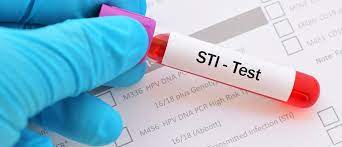
         Sexually transmitted disease among the youths is a global concern to public health.  The rates of sexually transmitted infections (STIs) such as syphilis, simplex virus, chlamydia, and gonorrhoea have dramatically increased among the heterosexual youths, especially among women of childbearing age.  Research indicates that two-thirds of the estimated 12 million new incidences of STIs in the USA are women.  

Women are twice likely to acquire infections after a single exposure to pathogens causing Hepatitis B, Chlamydia infection, Chancroid, and gonorrhoea as compared to men.  These STIs are the leading causes of reproductive morbidity among the women of childbearing age (Mittal, Senn, & Carey, 2011).

Want help to write your Essay or Assignments? Click here

This highlights that STIs are of particular distress among women due to their potential acute complications which can be life threatening especially during pregnancy.  These include complications such as fetal death secondary, pneumonia, sepsis and premature delivery.   My main inspiration for this topic is derived from the many cultural and religion expectations of women on mutual monogamy during and after their marriage.

This expectation contradicts most STI teachings resulting into the dramatic increase in STIs prevalence rates among this group. I feel obliged to conduct this research as women need to understand their STI risks, and learn the most effective preventive measures, chiefly because we live in a generation that lacks any assurance of mutual monogamy (Mittal, Senn, & Carey, 2011).

Without any interventions, a dramatic increase of the incidences is anticipated. This is has earned my interest as there is limited research on knowledge and perceived risk among women in the childbearing age. Due to the rising incidences of the STIs among the youths, evidence-based research indicates that behavioural interventions should aim at empowering women to increase their knowledge and perceptions of risk factors (Mittal, Senn, & Carey, 2011). Well, it is said that when a woman is educated (empowered) the whole nation is educated.


References

Mittal, M., Senn, T., & Carey, M. (2011). Mediators of the Relation between Partner Violence and Sexual Risk Behavior among Women Attending a Sexually Transmitted Disease Clinic. Sexually Transmitted Diseases, 1. http://dx.doi.org/10.1097/olq.0b013e318207f59b

Want help to write your Essay or Assignments? Click here

Acute Tonsilitis SOAP Note

Acute Tonsilitis
Acute Tonsilitis

Want help to write your Essay or Assignments? Click here

Acute Tonsilitis

Subjective Data:

Name: J.W. Date: 2/27/2016 Time: 
Case ID #: 8008-20164545-015 Age: 35 years old Sex: Female
SUBJECTIVE

CC: Patient feels sick, with multiple symptoms including skin rash, fever, headache, pain in swallowing, sore throat, abdominal pain, nausea and vomiting.

 HPI: 

The patient is a 35 year old female who presented to the clinic on Saturday, complaining that she has been feeling sharp pain in her abdomen and severe headache. She also notes that she has been experiencing the following symptoms sore throat, pain when swallowing food and nausea plus vomiting.

Patient is accompanied by her 15 year old daughter and 42 year old husband, who bring her to the clinic. J.W. further notes that she has fever and the symptoms began about three days ago, with the sore throat setting in suddenly. This is the first incident that the patient reports to the clinic. The patient notes that she took acetaminophen to relieve the fever and headache, but she decided to consult further treatment once she developed a skin rash.

Medications Currently in Use: Acetaminophen

Past Medical History

Allergies: Allergic to sulfa containing compounds. Had complications after using sulfonamides

Medication Intolerances: Intolerant to sulfonamides and generally sulfa containing drugs

Chronic Illnesses/Major traumas: no major illness/traumas
Hospitalizations/Surgeries: No surgical history recorded; hospitalized once due to pneumonia infection
Family History: No family history recorded on major illnesses; patient’s mum in good health

Want help to write your Essay or Assignments? Click here

Social History

Patient is a casual laborer living with her daughter and husband, plus her 54 year old mum. She takes her lunch from a local cafeteria, but cooks breakfast and supper at her home when she arrives from job in the evening. Her mum helps her cook food, but rarely when she is not present, ill or too tired to cook.

The patient states that she started to suspect food from the cafeteria after a change in management about a month ago. However, she continued to take lunch at the same place, but notes quality had significantly dropped. Also, she had heard a complaint from a regular customer, John, that the food was making him bloat his stomach two weeks ago though the condition disappeared without him attending to hospital.

Review of Systems
General 

Positive for fever: No Cardiovascular symptoms. This time she was using acetaminophen
Denies chest pain, palpitations, PND, orthopnea, edema

Has a history of hx pneumonia but negative at the time of admission

Only reports for pain in her abdomen

Skin
Denies bruising, delayed healing, bleeding or skin discolorations. Has no lesion changes or moles but presents with a skin rash

Respiratory
Patient denies cough, breathing regular and symmetrical.

Eyes
Denies eye discharge, no blurred vision, sees clearly without any aid

Gastrointestinal
Reports pain in the abdomen

Ears
Denies pain in ears has no ear discharge, hearing loss, or ringing in ears.

Genitourinary

 Denies concerns

Nose/Mouth/Throat
Positive for sore throat

Musculoskeletal
Denies concerns

Breast
Negative history

Neurological
Denies syncope, seizures, transient paralysis, weakness, paresthesia, black out spells

Psychological: Denies depression, suicidal thoughts, irritability,
sleep disturbances, and anxiety

Heme/Lymph/Endo
HIV status, bruising, blood transfusion hx, night sweats, swollen glands, increase thirst, increase hunger, cold or heat intolerance Psychiatric
Denies concerns 

Want help to write your Essay or Assignments? Click here

Objective Data

Physical exam is done in the clinic, after which the patient is sent for a lab test out of the clinic. Case is suspected to be upper respiratory bacterial infection particularly streptococcal infection. The following data is recorded from the physical exam;

Vital Signs

Weight 125 BMI 20.7 Temp 101 BP 120/80
Height 170 Pulse 80 Resp 24

General Appearance
Constitutional marked as unremarkable: well developed: well nourished; no acute distress. Vital signs also noted as within acceptable limits. Patient dehydrated. General impression: A&Ox3, nicely dressed, appear appropriate, restless but cooperative, complains of chronic pain in the abdomen and headache

Skin
Skin is black, warm, dry, clean and intact. No lesions noted upon examination. Scarlatiniform rashes noted
HEENT
Head is normocephalic, atraumatic and without lesions; hair evenly distributed. 

Eyes: PERRLA. EOMs intact. No conjunctival or scleral injection.

Ears: Canals patent. Bilateral TMs pearly grey with positive light reflex; landmarks easily visualized. 

Nose: Nasal mucosa pink; normal turbinates. No septal deviation. 

Neck: Supple. Full ROM. 

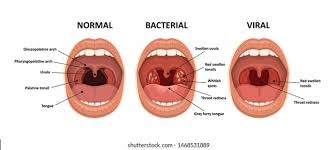
Pharynx redness or exudates over the tonsils noted plus erythema. Beefy red swollen uvula: Anterior cervical Adenitis and Soft Palate Petechiae noted. Teeth and gums are however unremarkable

Want help to write your Essay or Assignments? Click here

Cardiovascular
S1, S2 with regular rate and rhythm. Heart location and apex is normal. No murmurs; no rubs, gallops, or click; femoral pulses normal.

Respiratory
Respiratory unremarkable; respiratory rate and pattern normal; lungs clear to auscultation bilaterally.

Gastrointestinal
Abdomen is soft, non tender and non-distended. No palpable masses. Liver and spleen normal; no hernias; normal bowel sounds, no bloating, only pain in the abdomen noted 

Breast
Chest/breast unremarkable, no masses palpitated, no redness

Genitourinary
Bladder is non-distended, no UTI present

Musculoskeletal
Full ROM seen in all 4 extremities as patient moved about the exam room.

Neurological 
Speech is clear, Good tone plus Posture erect. Balance is stable; gait normal.

Want help to write your Essay or Assignments? Click here

Assessment

Diagnostics & Lab Tests

Throat smear culture and blood specimen used

Incubation of the culture done for 48 hours before test

The suspected case is streptococcal infection by S. pyogenes or GAS

Positive rapid streptococcal test

Positive results for Antistreptolysin O test

Special Tests

Latex agglutination immunoassay test positive

Want help to write your Essay or Assignments? Click here

Assessment Findings and Plan

Diagnosis:

Patient confirmed to be having Group A Beta hemolytic Streptococcal infection, related acute pharyngitis and acute tonsilitis

Medication:

Penicillin V 500 mg tid for daily 10 days or Amoxicillin 500 mg tid for 10 days

Continue with Acetaminophen till fever completely subsidizes

Amoxicillin is a substitute in the event the patient reports to be allergic to Penicillin

Drugs to be taken orally and in full dosage given by a pharmacist

There are no generic substitutes available

Education

 Advice patient to take the following measures:

Use OTC acetaminophen only for fever if relapsing occurs

Wash hands well with soap and water after using bathroom or before eating

Rinse food well and cook properly before eating

Drink water that has been purified or filtered only

Not to smoke or drink alcohol before medication is over and tests negative for GAS

If possible carry packed lunch or change the place she takes lunch from

Want help to write your Essay or Assignments? Click here

Further Notes:

The likely cause of the GAS infection is food from the cafeteria that the patient takes lunch. This, she should refrain from consuming food from the place to avoid a recurrence of the infection. High hygiene standards must be maintained to ensure zero infections to the members of her household, who include her daughter, husband and mum. Also, if convenient to her report the matter concerning the low quality food being sold at the cafeteria to public health offices, for further investigation.

Follow up Schedule

The patient is advised to report to the clinic after a week, for assessment of dosage coverage and progression of the illness. This is to ensure she completes the dosages of all medications in order to eliminate all GAS in her system and avoid development of antibiotic resistance to the Penicillin V given, which results from an incomplete dosage. In this regard, the patient should be advised strongly on the importance of completing her medications, with two follow up meetings being scheduled after a week each.

Want help to write your Essay or Assignments? Click here

Evaluation and Revisions:

The subjective and objective data was collected accordingly but the diagnostics did not cover all possible infections. Since the above are confirmatory of GAS infection, as the cause of the acute pharyngitis and acute tonsillitis, there was deemed no need to conduct tests for other upper respiratory bacteria on the cultures.

This is not only to eliminate the chances of it being a multiple infection case, but also to dictate the medicine given. This revision is necessary alongside a confirmation from the patient concerning her status in connection penicillin allergy, which should dictate the type of antibiotic given. This should be handled accordingly by the pharmacist addressing the prescription.

Metronidazole, Trimethoprim, Tetracyclines and flouroquinolones should not be used for the following reasons. Metronidazole is not effective against S. pyogenes while the patient is allergic to sulfa compounds hence Trimethoprim is contraindicated.

On the other hand, Tetracyclines pose a very high susceptibility to resistance by the bacterial species, that is GAS. Finally, Flouroquinolones are very expensive and have an unnecessary broad spectrum of activity, hence a more specific antibiotic is necessary including the above named plus Azithromycin, Clarithromycin, Clindamycin and various Cephalosporins.  

References

Anjos, L. M. M., Marcondes, M. B., Lima, M. F., Mondelli, A. L., & Okoshi, M. P. (2014). Streptococcal acute pharyngitis. Revista da Sociedade Brasileira de Medicina Tropical, 47(4), 409-413.

Camara, M., Dieng, A., & Boye, C. S. B. (2013). Antibiotic susceptibility of streptococcus pyogenes isolated from respiratory tract infections in dakar, senegal. Microbiology insights, 6, 71.

John, L. J., Cherian, M., Sreedharan, J., & Cherian, T. (2014). Patterns of Antimicrobial therapy in acute tonsillitis: A cross-sectional Hospital-based study from UAE. Anais da Academia Brasileira de Ciências, 86(1), 451-457.

Spinks, A., Glasziou, P. P., & Del Mar, C. B. (2013). Antibiotics for sore throat. Cochrane Database Syst Rev, 11.

Want help to write your Essay or Assignments? Click here

Rhinitis Patient Diagnosis Essay

Rhinitis Patient Diagnosis

Want help to write your Essay or Assignments? Click here

Rhinitis Patient Diagnosis

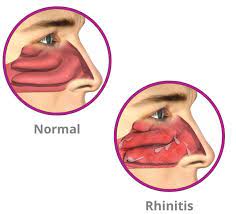
Richard presented to the healthcare facility with complaints of postnasal drainage, sneezing, rhinorrhea, and nasal congestion. These clinical manifestations are common in patient diagnosed with Rhinitis. Therefore, the Advance practitioner differential diagnoses are correct. Allergic rhinitis is most likely because patient complains of runny nose, sneezing, red itchy watery eyes, sore throat and nasal congestion (Kaliner, 2011).

This is confirmed by allergy test, nasal smear for eosinophils. It is important that the advance practitioner nurse requested for nasal smear as it helps confirm the presence of eosinophils in the nasal secretions. Presence of eosinophils indicates that the patient is diagnosed with allergic rhinitis.  Blood test is also important to check for IgE antibodies which will help to confirm the diagnosis of allergic rhinitis (Dains, Baumann, & Scheibel, 2016).

Infectious Rhiniti is suspected because of patient’s signs and symptoms such as sneezing, rhinorrhoea, cough, and congestion. This is ruled out by the laboratory test findings. Non-allergic rhinitis is suspected nasal congestion, sneezing and runny nose. The immunological tests results rules out the likelihood infection (Kaliner, 2011).

 Rhinitis medicamentosa is suspected due to presence of nasal congestion. This mainly occurs when the patient uses certain oral medications such as topical decongestants and some oral medications. These medications make the blood vessels to constrict causing nasal congestion.  This is not likely because the patient denies use of oral medications and topical decongestants (Kaliner, 2011).

Want help to write your Essay or Assignments? Click here

Nasal speculum is also good as it helps visualize the patient’s nasal turbinate’s and mucosa. Presence of pale and boggy turbinates’ is an indicator of allergic rhiniti. However, I think further diagnostic tests should have been considered. This includes imaging tests such as CT scans to check if the patient has sinusitis, associated structural defects or chronic inflammation.  Rhinoscopy should have been conducted as it would help to check for nasal polyps and associated complications (Ball et al., 2015).

References

Ball, J. W., Dains, J. E., Flynn, J. A., Solomon, B. S., & Stewart, R. W. (2015). Seidel’s guide to physical examination (8th ed.). St. Louis, MO: Elsevier Mosby.

Dains, J. E., Baumann, L. C., & Scheibel, P. (2016). Advanced health assessment and clinical
diagnosis in primary care (5th ed.).
St. Louis, MO: Elsevier Mosby.

Kaliner, M. (2011). Rhinitis. Philadelphia, Pa.: Saunders.

Want help to write your Essay or Assignments? Click here

Continuous Quality improvement and patient satisfaction

Continuous Quality improvement and patient satisfaction

Want help to write your Essay or Assignments? Click here

Continuous Quality improvement and patient satisfaction

Constant Quality improvement and patient contentment focuses on activities conducted within the healthcare institution to ensure that health care is patient-centered and good health is acknowledged as an integral part of the medical evaluation. Nursing leadership and management must put into consideration the quality and satisfaction of their patients and the health care as a whole.

Continuous Quality Improvement and Patient satisfaction are established as an efficient partnership between the medical practitioner, their patients and family. They ensure that patients are granted the standardized medical attention, their needs and want are respected and that they acquire the best support and direction in making a decision and practicing medical care.  Every nurse leader and manager must consider directing their effort towards establishing quality care and patient satisfaction (McFadden, et al., 2014).

Nursing leaders and managers have different responsibilities and roles when it comes to ensuring continuous quality improvement and patient satisfaction. Subsequently, when focusing on continuous quality improvement this paper will concentrate on factors that ensure health care services are offered at a quality standard and the health environment is well established and cared for effectively. On the other hand, patient satisfaction is based on how patient receive quality service and care. It is structured to ensure that staff care and patient care are well established and maintained in any healthcare institution.

Want help to write your Essay or Assignments? Click here

In light of this continuous quality improvement and patient satisfaction, the essay will offer a comparison between nursing leaders and managers through supportive theories, rationale, principles, skills and roles.

Comparison between Health Manager and Nursing Leader

Dissimilarity

Nursing leaders and nursing managers have different roles, responsibility, and skills when it comes to ensuring continuous quality improvement and patient safety. Their distinction can be defined through how each corresponds to their department in ensuring quality health and patient care. While nursing leaders acquire their roles through their ability to lead, influence and motivate others to perform better, managers are appointed into their positions officially and hence play the role of overseeing activities and processes within the facility (Meehan, 2012).

In regard of Continuous Quality improvement and patient satisfaction, nursing leaders are likely to approach the matter of constant eminence development as well as patient satisfaction in distinct ways. One of the basic dissimilarities between nursing leaders and managers can be attributed to their roles. Nursing managers are responsible for direct patient care. They ensure that all the patients in a medical institution attain the medical attention and care they deserve by ensuring that all protocols are observed and that required resources are availed.

On the contrary, leaders play a motivational and individual development role, with an objective of encouraging others to perform their duties effectively. They keep vigilance on the issues and concerns of their patients to ensure that their safety and care is given priority. Through nursing leaders, staff can see quality improvement and patient satisfaction as a moral issue that will guarantee the happiness of patients and thus work towards achieving this objective. This is as opposed to managers who expect quality improvement and satisfaction through following set rules and expectations (Thompson, 2006). 

Want help to write your Essay or Assignments? Click here

Nursing leaders play the role of streamlining the institution’s workforce as well as ensuring that the resources allocated are effectively used to achieve the organization’s objectives. This means that to ensure continuous quality improvement, nursing leaders would work towards ensuring that available resources are optimized to bring out maximum impact and enhance patient satisfaction (McFadden, et al, 2014).

Managers on the other hand would promote continuous quality improvement and satisfaction by promoting resource allocation and providing an appropriate working environment. They are in charge of medical staff and patient welfare at large in ensuring continuous quality improvement and patient satisfaction. Moreover, it is the duty of the manager to offer the nursing leader a viable platform through which they can conduct quality service to their patients. Thus, the manager plays an overall duty in ensuring health quality and patient care compared to a nursing leader whose primary focus is to their patient health and concern (Fleishman, 2002). 

Manager skills ensure continuous quality improvement and patient safety through striking a balance coordinating resources, financial matters, and personnel in healthcare. Furthermore, the managers are responsible for ensuring goals and objective such as ensuring quality patient care are achieved. On the other hand, the nursing leader exhibits different responsibilities and skills in establishing continuous quality improvement and patient safety.

Nursing leaders must establish good communication and interpersonal relationships and expertise with their patient, staff, and other clients of the medical facilities. They are also responsible for empowering, motivating, inspiring and encouraging other towards achieving and establishing quality service and care.

Want help to write your Essay or Assignments? Click here

On the contrast, it can be established that managers envision the future for medical operation and create a path towards productivity and efficiency. The manager is in charge of growth and opportunities in healthcare to ensure new medical staffing are accounted and quality service in rendered throughout the season. However, nursing leaders are different as they do not have the power figure but can envisage socio-adaptive component that helps ensure a good relationship between the patients and the clinical staff. The nursing leader is task oriented and conducted their duty with the aim of offering their patients and clients a favorable environment.

Similarity

Despite their numerous dissimilarities, nursing leaders and managers share some equal responsibility and characteristics to establish continuous quality improvement and patient satisfaction. Both of them are responsible for ensuring job satisfaction for their clients. Managers can act as motivators and risk takers same applies to nursing leaders who take risk and chances to provide quality improvement and patient satisfactory (Thompson, 2006).

Additionally, managers, just like nursing leaders, are enforcing work unity and envision goals. They all strive towards cohesion at the health institution and encourage mutual tolerance in health care to boost quality and satisfactory service. Their duty is to maintain a conducive working environment comply with the various demand and obligation in ensuring continuous quality improvement and patient satisfactory is retained in the health care.

Both managers and nursing leaders are a representative of each group or unit they lead and hence act as role models. They are therefore expected to possess qualities that do not contradict their position and value. They should maintain a high standard of professionalism that is acceptable within their jurisdiction and adhere to different roles, responsibility, and accountability.

Want help to write your Essay or Assignments? Click here

Personal and Professional Philosophy of Nursing

The most appropriate personal and professional philosophy than can be considered in this case is accountability. Nursing is a calling and is held to high professional standards and obligations hence the need to show a high level of accountability (Meehan, 2012). Nevertheless, when dealing with a patient, nurses, and medical practitioners take their lives in their own hands, making them responsible for any outcome and consequences that their patients might face.

Hence, it is recommended for a nurse to exhibit a high standard of accountability. They should not be limited from performing their duties with utmost care and accountability based on self-esteem, belief or negativity.

Accountability is suitable for personal leadership skills as it helps to build self-responsibility, improve tolerance and acceptance. It also fosters competence, determination and goal orientation within an individual. Being accountable is also being responsible for others. This means one is able to take the risk for the sake of saving and helping others.

It is also suitable for personal leadership skills as it improves personal relationships, communication skills and fosters social engagement with other people. Accountability can therefore be perceived as effective in promoting personal and public relationships with other people in the healthcare institution.

Want help to write your Essay or Assignments? Click here

References

Fleishman, R. (2002). The RAF method for regulation, assessment, follow-up and continuous improvement of quality of care: Conceptual framework. International Journal of Health Care Quality Assurance, 15(6), 303-310. Retrieved from http://search.proquest.com/docview/229598851?accountid=45049

McFadden, K. L., Lee, J. Y., Gowen, Charles R., I.,II, & Sharp, B. M. (2014). Linking quality improvement practices to knowledge management capabilities. The Quality Management Journal, 21(1), 42-58. Retrieved from http://search.proquest.com/docview/1503666127?accountid=45049

Meehan, T. C. (2012). The Careful Nursing philosophy and professional practice model. Journal Of Clinical Nursing, 21(19/20), 2905-2916. doi:10.1111/j.1365-2702.2012.04214.x

Thompson, J. M. (2006). Nurse managers’ participation in management training and nursing staffs’ job satisfaction and retention (Order No. 3230066). Available from ABI/INFORM Complete. (304937671). Retrieved from http://search.proquest.com/docview/304937671?accountid=45049

Want help to write your Essay or Assignments? Click here

Continued Nursing Education Essay

Continued Nursing Education

Want help to write your Essay or Assignments? Click here

Continued Nursing Education

Indeed, continued nursing education should be mandatory as it enhances the professionalism that all nurses strife strive to achieve and greatly benefits the patients as well. The field of healthcare changes and regularly progresses, with new ideologies on diseases, patient care trends, technological advances, medical breakthroughs, new and revised protocols as well as research findings not to forget the wide range of information that affects nursing practice and patient care.

It is for this reasons that continued nursing education should be encouraged so that nurses can acquire the most up-to-date and accurate information present. Understanding this new information boosts the knowledge, competence, and skills of the nurse which in turn results in improved patient care and positive patient outcomes.  

Continued nursing education gives the nurse the opportunity of interacting with peers of varying levels of skills which motivates them to be educated (Rosen et al., 2012). This form of networking with peers is a great way of staying updated with the latest patient care trends in healthcare which is the ultimate goal in practice. The nurses also exchange contact information and share some of their successes and failures throughout their practice with other nurses.

This, in turn, provides invaluable insights into what services work well and what can be avoided when it comes to nursing practice. Moreover, continued nursing education touches on the latest trends in certain specialties accompanied with case scenarios that help healthcare practitioners in putting information together. The education also exposes nurse to vendors that contain certain products that may be of benefit to the particular patient population. These products can aid in the creation of a safer work environment or enhance the delivery of care.

Want help to write your Essay or Assignments? Click here

Continued nursing education is a crucial tool that improves safe and efficient nursing care (Iwasiw ET AL., 2014). The amount of knowledge required to look after patients that are critically ill cannot be acquired simply through unit experiences or at the bedside. It is the professional and legal duty for nurses to update their knowledge and apply the knowledge in their practice.

References

Iwasiw, C. L., Goldenberg, D., & Andrusyszyn, M. A. (2014). Curriculum development in nursing education. Jones & Bartlett Publishers.

Rosen, M. A., Hunt, E. A., Pronovost, P. J., Federowicz, M. A., & Weaver, S. J. (2012). In situ simulation in continuing education for the health care professions: a systematic reviewJournal of Continuing Education in the Health Professions32(4), 243-254.

Want help to write your Essay or Assignments? Click here

Case Study on Moral Status of the Fetus

Moral Status of the Fetus

Want help to write your Essay or Assignments? Click here

Case Study on Moral Status of the Fetus

            The “Fetal Abnormality” case study case involving a couple, Marco and Jessica in which the latter is found to be pregnant with identified abnormalities in the fetus. The news regarding the fetus brings about conflicting theories concerning the moral status of the fetus. Marco employs the conflict model theory, which is often used in decision making processes. Marco uses this theory when he is reluctant about his wife discovering the news since he believes that Jessica would undergo some level of stress and make the wrong decision in the process.

Maria, on the other hand, employs the dual-concern theory, which is evidenced by the fact that she thinks that the fetus has the moral right to live because it is part of God’s creation (Grand Canyon University, 2015). However, she prays for Jessica when she gets the news because she has already lost hope in the life of the fetus. This propels her to support Jessica and convince her to keep the child. 

Want help to write your Essay or Assignments? Click here

            Jessica is not sure about the best decision to make since she values life by indicating that, “all life is sacred” (Grand Canyon University, 2015). At this point, she uses the sentience theory by indicating that the child has the right to live. Nonetheless, she also has an obligation to the fetus as a mother, which highlights the use of the relationship theory. This aspect might change her decision due to their financial status.

Marco also uses the sentience theory by stating that he will support the decisions of his wife (Grand Canyon University, 2015). This means that his actions would indeed support the moral status of the fetus. Conversely, the doctor uses the virtue theory by convincing the couple to opt for an abortion since it helps in alienating the burden of raising an abnormal child and suffering from the involved costs. Based on all these theories, the virtue theory is the most effective since the couple has financial problems and an abnormal child would just add onto their challenges.

Reference

Grand Canyon University. (2015) Case Study: Fetal Abnormality. Arizona: Grand Canyon University.

Want help to write your Essay or Assignments? Click here

The Role of an Advanced Practice Nurse in Communities

Advanced Practice Nurse

Want help to write your Essay or Assignments? Click here

Advanced Practice Nurse

Introduction

As a nurse in Plainfield community at union county New Jersey, it is essential for me to prepare for the metamorphosis within the nursing practice.  Expanding my role of practice within this region remains an essential factor that needs to be achieved through the advancement of nursing practice that entails a transformative effect within the healthcare system of Plainfield community at Union County in New Jersey. This paper therefore needs to analyze the significant roles and status of my practice within the state of New Jersey as an advanced practice nurse.

The States Report Card

According to the New Jerseys report card, the state of New Jersey has a population estimate of 8,938,175 with the poverty rate of this state standing at 11.4%. The health indicators within this state indicate that some of the chronic diseases that are prevalent among this population include cancer, asthma, diabetes, chronic kidney diseases, HIV/AIDS, Heart diseases and stroke, and tuberculosis (Centers for Disease Control and Prevention. 2013).

The reports also clearly indicates that the access to health care services and resources is more than the lack of health insurance with the understanding of public health care systems and having care providers remaining some of the key elements that determine the manner in which access to these services are employed(Green, Tones, Cross & Woodall, 2015). This indicates the reason why this state is captured in the health report card.

Want help to write your Essay or Assignments? Click here

How this Impacts Community Needs In Terms Of Access to Health Care

In other words, this factors impact the needs of the community in relation to access to resources as a result of the decentralization of resources and nursing staff that is steadily rising. This critically points to the need of advancing my nursing knowledge in order to provide quality services within this community.

How These Community Needs May Impact my Nursing Roles

It is vital to consider that the needs within this community have an impact in my nursing roles. In this case, there is a need of developing good skills through the acquisition of education with the aim of performing the required roles within this region. On the other hand, there is a need of having a clear understanding of the community and their health needs in order to perform my nursing roles effectively (The National Organization of Nurse Practitioner Faculties, 2012). This therefore requires the application of knowledge on the specified areas that are of challenge within this community in order to meet there health needs.

The role of the advanced practice nurses in my practicum clinic setting and how they differ

In determining the role of my practicum setting and the manner in which they differ with that of an advanced practice nurse within my community, it is vital to consider that the aspect of resource dispensation and nursing education varies to a wider extent. These roles are considered to vary in accordance to their purposes and the philosophy that critically focuses on specified roles within the environment (U.S. Department of Health & Human Service, 2013). However, this points out to the need of effective skills and education in achieving the expected outcomes within this community.

Want help to write your Essay or Assignments? Click here

My Community and the Impact It Has On My Clinical Practice

On the other hand, it is also vital to consider that my community has an impact on my clinical practice. This is attributed to the fact that there are several health needs that need to be met and that require the appropriate skills in handling. As a result of this, there is need to ensure that appropriate measures are in place to aid in addressing the communities health needs including staffing the community health centers with an advanced practice nurse.

Conclusion

Expanding my role of practice within remains an essential factor that needs to be achieved through the advancement of nursing practice that entails a transformative effect within the healthcare system of Plainfield community at Union County in New Jersey as an advanced practice nurse.

References

Centers for Medicare & Medicaid Services. (n.d.). Retrieved June 11, 2013, from http://www.cms.gov/

Green, J., Tones, K., Cross R., & Woodall, J. (2015). Health promotion: Planning and strategies (3rd ed.). Thousand Oaks, CA: Sage. Chapter 5, Information Needs? (pp. 211-256)

The National Organization of Nurse Practitioner Faculties. (2012). Nurse practitioner core competencies. Retrieved from http://c.ymcdn.com/sites/www.nonpf.org/resource/resmgr/competencies/npcorecompetenciesfinal2012.pdf

U.S. Department of Health & Human Services. (2013). About the law. Retrieved from http://www.hhs.gov/healthcare/rights/index.html

Want help to write your Essay or Assignments? Click here