
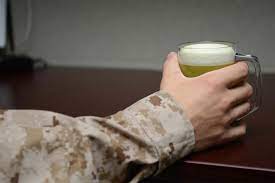
Active Duty Military and Alcohol

Active Duty Military and Alcohol

Active Duty Military and Alcohol

1.      Introduction

Active duty military is understood as the younger workforce serving the military workforce, where many of the enlisted force comes in between the age of 17 through 24 years old; while seniors of active duty comprises of 27 through 34 years (Wooten, 2015). They are those who are directly or indirectly involved in mobilized military operation including combat.  Alcohol abuse has always been common among these active duty military, making ubiquitous practice of heavy drinking as nothing new to the American military system (Larson et al., 2014).

Considered as an accepted custom, drinking is simply considered by military army as a reward for their hard work, and as a commodity that ease their personal tensions since socializing with drinks promotes camaraderie (O’Brien, Oster, & Morden, 2013; Westermeyer & Kimbrel, 2013). There is no denying the fact that heavy drinking is conditioned by the easy availability of alcohol beverages which military personnel received at a reduced rate.

The essay looks into how alcohol consumption has become common among those in active duty military, and how there are risks involved in drinking like physical decline and mental and psychological comorbidities. The essay also provides a conceptual approach towards prevention and treatment of alcohol related issues in military department, by taking up certain structured measures taken up by the government to prevent the cause and spread of alcohol consumption.

  • Active Duty Military and Alcohol Related Matters in the United States

2.1. Identifying unique PROBLEMS IN Active Duty Military

Earlier, the combat at the Vietnam War caused many military men to become addicted to drugs in 1960 and 1970s, since many were serviced with drugs to make them tolerate the challenges of war environment (O’Brien et al., 2013). Reportedly there was misuse of drugs during this time, and this misuse has been attributed towards the military personnel using drugs for pain relieving and mental trauma issues.

Over the years, prescription of drugs has simply increased because of the availability of more drugs, and because of the wider prescription of medications, followed by intake of alcohol among the military department (O’Brien et al., 2013). This increase in intake of alcohol among military personnel has come to be associated with the recent military combats at Iraq and Afghanistan.

Such increase in the intake of alcohol emanates from many issues associated to their work, like the challenges of war, the stress involved with their work, and experiencing traumatic events that triggers off mental and psychological issues (Robert M. Bray, 2006; Cook, 2007; O’Brien et al., 2013). Many of those engaged in military operations at Iraq and

Afghanistan showed that they have been experiencing stress and strains over long deployments, extreme combat exposure, facing physical injuries, traumatic brain injuries, and post-traumatic stress disorder (PTSD), thereby making them to easily succumb to alcoholic abuse (NIDA, 2011).

Wide availability of prescribing drugs also culminates toward drug abuse. According to the report by NIDA (2011, p. 1), “soldiers screened 3 to 4 months after returning from deployment to Iraq showed that 27 percent met criteria for alcohol abuse and were at increased risk  for related harmful behaviors (e.g., drinking and driving, using illicit  drugs).” Alcohol usage has also been strongly identified with Post-Traumatic Stress Disorder (PTSD), which comes from the traumatic experiences that military members experienced during the war (Leskin, 2015).

Such suffering culminates towards the victim to fail in becoming good parents and good members of the society, owing to lack of communication and social skills. To quote (NIDA, 2011, p. 1) again, “Mental illness among military personnel is also a major concern. In another study of returning soldiers, clinicians identified 20 percent of active and 42 percent of reserve component soldiers as requiring mental health treatment.

Drug or alcohol use frequently accompanies mental health problems and was involved in 30 percent of the Army’s suicide deaths from 2003 to 2009 and in more than 45 percent of non-fatal suicide attempts from 2005 to 2009.”

Many of the military personnel also consume alcohol simply to experience pleasure. The pursuit of pleasure through alcohol makes them to forego pain, and feel normal or feel euphoric for some time. The reward in term of such sensations allows them to release neurotransmitters called endorphins, thereby experiencing psychological and physiological exhilaration (O’Brien et al., 2013). Such engagement does not lead to any constructive behaviors, but only makes the person to become nonproductive and harmful in nature. Excess of alcohol consumption makes them to suffer from hijacking or from the aberration of normal brain function, thereby making them to become active in their work or when they are deployed.

Excess of alcohol consumption among active duty military men are known to lose their productivity or contract alcohol related diseases that leads to premature death (O’Brien et al., 2013). The difficulty with this situation is that many of them are left untreated, or do not undergo treatment. Thus, the prevention and remedies for alcohol abuse is not only a matter of diagnosis, but it is also about treating the alcohol abusing patients among active duty service members, and also among those in post-deployment stage.  

2.2. Comparative Analysis of Active Duty Military with the OVERALL POPULATION of the United States

Although not in similar excess trend with the military personnel, American civilians often resorts to binge drinking occasionally (Cucciare et al., 2015). Access drinking as a problem of the society has simply become a part of American culture, which is slowly degrading the public health and safety system. Even among civilians, alcoholism has always been the problem and the disease, making the National Institute on Alcoholism and Alcohol Abuse (NIAAA) since 1970 to identify ‘alcohol abuse’ as the main national health priorities (Cook, 2007).

Alcoholism related issues such as drunk driving, domestic violence, and other alcohol related abuse is nothing new to the American citizens. Thus, taking social context into perspective, the Americans suffer from innate propensity towards alcoholism, making alcohol consumption a part of their innate culture.

The abuse of alcohol among military and civilians has been acknowledged by the United States military department as having adverse effects on the user’s health and behavior, as well as to their civilian families. It is true that alcohol usage is considered illegal for those who are under the age of 21 in the country, but rampant availability of liquor continue to have negative impact on the functioning of the society as a whole.

This excess of alcohol consumptionhas always been fairly consistent and studies by Westermeyer & Kimbrel (2013) that heavy drinking among military men are always twice as much as military men, and military men also consumes four times higher than military women, while military women consumes twice as more than civilian women. Thus, civilians are as likely to develop alcohol consumption disorders as any military personnel.

Research by Bray et al., (1991) shows that while military people are more likely to consume more alcohol than the civilians, drugs and tobacco are consumed more by the civilians. Drinking within the military group is again higher with the younger military men and women, and even among civilians, intake of alcohol is higher among the younger men and women.

Civilians as well as military efforts to deal with alcohol and drug issues are also directed towards solving the issues of the younger people, so that alcoholic and addiction do not grow on them. Again, many of the military men who suffer from alcohol addiction are higher among unmarried men, which is similar to civilians (Bray et al., 1991). In fact, when demographic comparisons among the unmarried alcoholic men are taken up, addiction and alcohol rate consumption remains the same.

2.3. Treatments and Other Practical Remedies for the issues relevant to the Active Duty Military population

Given the alcohol availability, any military personnel become vulnerable to addiction and are put to risk. To solve the issues of alcohol related issues, several researchers, public health entities, host of government agencies, and laws are working together in the country. Prevention policies in terms of detecting drinking problem at an early stage, and holding specific intervention remains as the best remedy to cure alcoholism.

Treatment and practical remedies in regard to alcohol consumption should initially start with educating the population on how alcohol consumption can lead to risky behavior and how it is harmful to their health (O’Brien et al., 2013). In military department, such policies are enforced during the training process, although effective acknowledgement among the military unit remains inapplicable.

Standard drinking level, like the requirement of not exceeding 14 standard drinks per week for men and 7 drinks per week for women can be imposed or made known to the people, in order to avoid excess consumption (O’Brien et al., 2013). Among military personnel as well as the civilians, environmental strategies prevent alcohol problems remain effective.

These include, raising minimum legal drinking age (21); enforcing the legal minimum purchasing age; increasing taxes on alcoholic drinks; offering no discount to any alcohol beverages; and holding the liquor retailer to be responsible for any issues that comes out of alcoholic drinks (O’Brien et al., 2013). In the words of Cook (2007, p. 1), excess of alcohol consumption can be maneuvered by “both public and private, to reduce excess drinking directly – education, persuasion, counselling, treatment, sanctions of various sorts, [and by ] restricting availability or raising the price – licensing, product and sales regulation, liability rules, taxes, partial or complete bans”.

Owing to many alcohol related cases in military department, the department itself in the United States has also been undertaking comprehensive steps over the past many years to solve these complex issues. Certain legal measures have been taken up by the United States Government to control excess of alcohol consumption among US military personnel from 1980s onward.

This initially started with the Supreme Court of the country declaring in 1988 that the ‘Department of Veterans Affairs’ as not responsible towards paying benefits of alcoholic drinks for the military veterans, since such benefits always results into willful misconduct (O’Brien et al., 2013). In regard to the Department of Defense’s (DoD’s) specifically, they offered series of policies that could help in controlling and preventing the use of alcohol.

The DoD’s effort started in 1970s, when the department passed “The Controlled Substances Act of 1970”, targeting to reduce the usage of drugs at the outset, and later towards smoking and tobacco consumption (Robert M. Bray, 2006). Later, the act also targeted the consumption of alcohol by detection at an early stage and undergoing intervention through law enforced testing (like the urinalysis testing program).

Since legal court disbanded this testing program, DoD later came up with a new measurement that stated that alcohol consumption does not live up to military performance standards (Bray, 2006; Harbertson et al., 2016). Vietnam War and it subsequent result like the prevention of the atrocious war memories that led to high substance abuse among war veterans led to the department to again re-enforced drug and alcohol testing, and emphasizing zero tolerance policies on alcohol and drugs while on duty (Robert M. Bray, 2006; Cook, 2007).

The turn of the millennium saw the DoD and its policies continuing to condemn alcohol abuse (binge or heavy), and other drugs usage, since such abuse brings down the health and the military readiness (active participation) of the military personnel, and since the country needs to maintain high standards of performance and discipline. All such measures are expected deployment military department to decrease their alcohol intake, and perform better as a unit.

3.      Finding and Conclusion

It is seen that alcohol abuse remains substantially common among the military personnel that requires stringent efforts on the part of the government (laws and acts), the DoD, medical institutions, and other individual and public efforts to solve and mitigate the issues. Since the Americans involvement in world politics has become popular and regular, military deployment and combat is expected to continue for the American military department.

Contextualizing such issues, the institutions and laws trying to prevent the abuse should use structured approach that will target the entire military populations of the country, and try to mitigate the issue. In this way, the risk to develop alcohol abuse and disorder emanating from such abuse becomes less relevant and less probable in nature. Taking a comprehensive approach to decrease alcohol abuse will allow the fostering of opportunities for military personnel during and after deployment in the field.

It also means that there will be more positive role models for the younger and older citizens to look up to, and also for their own military peer. These efforts to curb alcohol abuse are expected to make military personnel to appreciate and become culturally responsive to military lifestyles and structures.

References

Bray, R. M. (2006). Department of Defense survey of health related behaviors among active duty military personnel: A Component of the Defense Lifestyle Assessment Program. RTI International, (December), 1–307.

Bray, R. M., Marsden, M. E., & Peterson, M. R. (1991). Standardized comparisons of the use of alcohol, drugs, and cigarettes among military personnel and civilians. American Journal of Public Health, 81(7), 865–869. http://doi.org/10.2105/AJPH.2014.301901

Cook, P. J. (2007). Paying the Tab: The Costs and Benefits of Alcohol Control. Princeton: Princeton University Press. Retrieved from https://books.google.co.in/books?id=pMpThh2C6ccC&dq=THE+COST+AND+BENEFITS+OF+ALCOHOL+CONTROL…AUTHOR+PHILLIP+J.+COOK.&source=gbs_navlinks_s

Harbertson, BR, H., EY, A., NL, M., & PT, S. (2016). Pre-deployment Alcohol Misuse Among Shipboard Active-Duty U.S. Military Personnel. American Journal of Preventive Medicine, 51(2), 185–194.

Larson, M. J., Mohr, B. A., Adams, R. S., Wooten, N. R., & Williams, T. V. (2014). Missed Opportunity for Alcohol Problem Prevention Among Army Active Duty Service Members Postdeployment. American Journal of Public Health, 104(8), 1402–1412. http://doi.org/10.2105/AJPH.2014.301901

Leskin, G. (2015). Preventing Substance Abuse in Military Members and Their Families. Prevention Tactics, 9(14), 1–10.

M.A., C., A.G., S., M.A., M., J.C., T., G.M., C., X, H., & B.M., B. (2015). Associations between deployment, military rank, and binge drinking in active duty and Reserve/National Guard US servicewomen. Drug and Alcohol Dependence, 153, 37–42.

NIDA. (2011). Substance Abuse among the Military , Veterans , and their Families. National Institute on Drug Abuse, (April), 1–2.

O’Brien, C. P., Oster, M., & Morden, E. (2013). Substance Use Disorders in the U.S. Armed Forces. Washington DC: National Academy of Sciences.

Westermeyer, J., & Kimbrel, N. A. (2013). Substance Use Disorders Among Military Personnel. In B. A. Moore & J. E. Barnett (Eds.), Military Psychologists’ Desk Reference. New York: OUP USA.

Wooten, N. R. (2015). Military Social Work: Opportunities and Challenges for Social Work Education. Journal of Social Work Education, 51(1), S6–S25. http://doi.org/10.1007/s11121-011-0234-5

Want help to write your Essay or Assignments? Click here

Financial Resources

Financial Resources
Financial Resources

Financial Resources

Introduction

Financial resources are critical to the success of organizations because, with sound financial backgrounds, the institution can achieve efficiencies in some areas. However, a robust financial background implies having effective and relevant financial management strategies. This is even more essential when it comes to the health or social care sector where there are diverse departments and many personnel. This essay explains some of the aspects related to financial management in the health or social care sectors.

1.1The Principles of Costing and Business Control Systems

In the health or social care organizations, costing applies to the financial process of estimating the amount of money spent while generating services to patients or clients (Field & Brown 2007).

The main principles of costing in the institution are based on the cost-benefit analysis (CBA) in health care. Understanding the concept of costing and business control system in health and social care organization, it gives a comparison to the expected monetary benefit that is derived from several varied health care interventions with the anticipated cost of providing each intervention to establish what is the best or the most profitable option. Underpinning the different internal and external cost that includes institution maintenance, clinical workers or health care workers, and health care treatment to the residents of the institution; which may involve supplies and labor.

In order for the institution to take control of its business, it is also highly important for the company to include basic needs for a health care institution to succeed; such as preventive controls for both patients and health care workers, defective, and security controls.

Preventive controls are the most basic but vital in business. It provides protection that separates staff to the patient. For instance, home care workers often deal with stress and pressure; thus, to prevent health care worker errors, it is imperative for the institution to provide assurance of job safety and security. Moreover, it allows the institution to identify and monitor inaccuracy of information data.

1.2Information needed to manage financial resources

Management defines the process of controlling things while financial resources are the money the organization has at its disposal to spend and is available in different formats such as credit lines, liquid securities, and cash (Field & Brown 2007). The management of financial resources does not occur in a vacuum but instead require certain critical information.

The institution’s responsibility for managing financial resources is gathering and pay respect to the past performance, availability and or shortage of funds that may also occur in the present operational process.

Finance and health care personnel must have great collaboration during financial difficulties and how to maintain financial flow and solvency. Thus, during financial difficulties, the management are able to recover costs, cash flow forecasting possibilities of inaccuracy in cash flow and assets, and other working capital.

On another aspect, it is also imperative to provide accuracy in consumable items such as food, bed sheets, towels, and soaps to mention but a few. The information that arises from the use of consumables is significant in the management of financial resources because failing to establish the pattern may mean not having an appropriate control system.

Administration refers to the process of management, and because there are equipment, technology, and personnel tasked with the administration purposes, the information from the administration is also key to the management of financial resources. Lastly, income streams apply to the organization’s sources of income, and this information is crucial for the management of financial resources because it helps to determine the balance between income and expenditure (HFMA 2015).

 1.3The Regulatory Requirements for Managing Financial Resources

Regulatory requirements are the policies and legislations that control the financial operations of the organization. It is the regulatory requirements that function to align the financial operations of the organization with the statutory provisions standards expected. For instance, in the UK, the Health and Social Care Act of 2012, governs all the financial operations in the health sector (HFMA 2015). In healthcare, there are external influences to business costs from a regulatory requirement perspective.

One of the external influences to business costs revolves around changes in policies. When there is a change in healthcare policy, the organization has to embrace changes that will reflect the adaptation to the new policy and the integrations of the new requirements means expenditure (Lindsay et al. 2014). Competitive factors such as the pricing of health care services or diagnostic costs also represent another external influence to business costs in the healthcare sector.

With the competitive factors, the healthcare organization is forced to introduce new technologies or professionals, and this means additional costs (Field & Brown 2007). Legal requirements are the other external influences that add costs in the healthcare sector. The legal requirements imply that the organization has to be regulated by certain bodies and this implies subscription fees and other necessities to be fulfilled.

The financial legislation and codes of practice also have their associated implementation costs, and when the healthcare institution implements them, there are costs incurred. Another source of regulatory cost to the business is an audit. Although internal auditors can undertake auditing activities, sometimes it is a requirement that external auditors have to be used.

In such case, external auditing firms have to be given the job on a fee or contract, and this means additional costs to the business. Lastly, accountability is another external factor that influences business costs. Accountability generates costs in the sense that the organization has to implement systems and establish external associations to oversee accountability (Monitor 2016).

1.4 System Evaluation for Management of Financial Resources

            Collectively, the institution shall utilize Financial Management System (FMS) to manage the institute’s finances. Financial Management System (FMS) according to Anderson (2007), FMS is an efficient software and methodology that enables the management to control its allocation on expenses, income, and assets. Additionally, as its goal to maximize profits and ensure the institution’s sustainability, it allows the health care facilitator to monitor the institution’s total expenditures freely.

Thus, by adopting this process in managing the financial resources, the management will be able to timely record all the budget line items such as salaries, utilities, equipment, and other expenses needed in the health care institution. Furthermore, by practicing the financial management system, it shall assist the management to produce financial records on time.

                        The institution is able to produce reliable analysis on budgets and costs with the data produced through the utilization of Financial Management System. For instance, the institution is able to decide on budget allocation on products and services through the financial reports produced by FMS.

2.0 Planning and Management on Social and Health Care Budgets

2.1 Diverse Source of Income in Health and Social Care

            Understanding budget and planning have its internal and external sources of income. Like other health care institutions, the institution utilizes resources such as customers, government institutions, private sectors, and corporation. The institution may encounter income non-stabilization due to funding mechanisms that influence the institution’s profit, which is similar to other health care homes. However, through the utilization of a diverse source of income, the institution is capable of sustaining its needs. For instance, contributions to tax, loans, social insurance, grants from different government and private sectors.

            Charity donations from private sectors individuals, who are interested in aiding elderlies and disables, are another diverse source of income that helps sustain the institution. Additionally, these types of the collection do not negatively influence the institution’s finances since the latter are not generated from the main financial source unlike insurance, tax for payments and health and patients’ payments.

2.2The Factors That May Influence the Availability of Financial Resources in Health And Social Organizations

Despite the presence of various sources of income in the health and social care, there are factors that determine the availability of the financial resources. One such factor is the availability of resources. In some cases, only a few sources of income may be available while in other cases, the health or social organizations may be swarmed by the various sources (Ball et al. 2013). Therefore, the more the financial sources are available, the more the financial resources are likely to be available.

The institution is mainly influenced by varied risks on financial resources and the payments from service providers, service seekers, and business corporations. Under availability of resources, the funding priorities also determine the availability of financial resources in the sense that where health or social care are not given priority, then financial resources will be limited and vice versa.

Moreover, similar to other home care institutions, the operating system of the institution faces similar challenges when raising funds because of the level of income and due to the institution and limited administrative capacity (Erxton & Marel, 2011). Thus, the availability of financial resources depends on the capacity of the state to pay for the service.

The second factor that may influence the availability of financial resources in health and social organizations relates to agency objectives and policies regarding financing. If the potential contributors of income establish that the objectives and policies related to finance are sound or advancing health or social, they are likely to channel their contributions to the organization (Field& Brown 2007).

2.3The Different Types of Budget Expenditure in Health and Social Care Organizations

In health and social care, budget refers to the estimated financial data relating to the different departmental and operational activities in the organizations based on the trends. On the hand, expenditure applies to the actual finance spent on different aspects while the organizations deliver care (Broadbent & Cullen 2003).

The institution is mainly concerned with its budget expenditures including operating budgets, personal budgets, and sales budget. Operating budget are the expenses with significant influence to the incurred expenses within a financial year; this includes labor costs. Personal budget, on the other hand, receives a major impact due to the growing competition and the level of the financial resources dependency caused by demand on technology and other human resources utilization.

Lastly, when it comes to sales budget the actual estimation of the sales and services provided by the current financial year and reported. Mainly, the focus of the budget is to provide estimation in the sales expenses, the estimated amount of services and products during the budget year, and the estimated on the accrued revenue by selling the institutes services and products.

2.4How the Decisions about Expenditure Are Made Within a Health or Social Care Organization

There are various reasons to make decisions in health and social care. The institution’s decisions are based on understanding the needs of residents, altogether with its detailed analysis. Thus, ensuring the financial resources are well managed is one of the utmost priorities in making decision within the health care institution. Moreover, with the help of internal and external financial analysis, the institution is capable of deciding on the estimated accrued expenses for monitoring of current and future expenditure (Herman, 2008).

The expenses and value added services expenses incurred are taken into a strategic, operational planning to ensure financial resources sustainability. Moreover, the institution assures that decision making shall include varied project management capabilities, estimations on financial risks, and calculations of the cost benefits and more. The advantage of this factor is that it enables the organization to distribute its financial resources in the right ways. Its disadvantage is that it can confuse the long and short-term objectives and create financial shortfalls.

3.0 Importance of Monitoring the Budget Expenditure

3.1How Financial Shortfalls Can Be Managed

            Financial shortfall refers to a situation whereby the amount of finance available is lower than the amount that is needed to fulfill a given organizational function (Armit & Oldham 2015). In other words, it means having fewer amounts than what is required. One of the obvious reasons for financial shortfalls in health or social care concerns embezzlement or misappropriations. This can take place when those charged with financing and budgeting divert the financial resources for their personal or other uses (Iacobuci 2013).

Second, financial shortfalls can be caused by poor forecasting and budgeting techniques that may engender discrepancies between what is budgeted and what takes place in reality (Field & Brown 2007). The lack of costs controls can also be a source of financial shortfall because not all departments may observe the projections guidelines. Lastly, changes in the external environment such as currency value as well as changes in technology and employee aspects can also lead to financial shortfalls (Broadbent & Cullen 2003).

            In this case, the institution does not consider cost-cutting nor inappropriate decision making without strategic, operational analysis; while, the institution focuses on the generated wastage during operations. In this stance, wastage reduction within the operational process shall enable the institution to gain performance improvement charted by covering the shortage. Additionally, to reduce shortage, the institution anticipates the future financial requirements; thus, all planning are based on strategic analysis. Strategic planning and analysis includes assessment of satiation of the market and tends to gauge the level of future shortage in resources.

3.2The Actions to be Taken In The Event of Suspected Fraud

            Fraud is defined as an intentional act to gain financial rewards unfairly. This can be done by hiding the identity and manipulating the financial spreadsheets that contain financial information of the healthcare organization (Field & Brown 2007). So to speak, to handle fraud and other related frauds within the institution, the management has considered a separate department that will be responsible for the investigation and evaluating the situation.

The institution understands that most of the frauds are brought about by misinformation and miscommunication on the rules and process of the operation. Therefore, a good investigation and justification of evidence when analyzing improper behavior will lead to an immediate solution.

            Since the institution had instilled a group that will handle fraud cases, they are also responsible for providing accurate data analysis on the fraud cases. This analysis may include the incident inquiry, determining the culprits, the development and how the fraud incident was handled, a detailed incident report, and recommendations on preventing similar fraudulent activity.

3.3Evaluations of Budget Monitoring Arrangements in Health or Social Care Organization

Budget monitoring according to Scheiber et al. (2001), is a process of evaluating the organization’s ability in fulfilling the financial goals and objectives in accordance to the institutes’ budget preparation. 

Example of the organization budget for the year 2016

Sources of incomeAmountExpenditureAmount
Public$10000000Employees’ salaries$1200000
Private$6000,000Equipment$3000000
Local$3000000Consumable goods$2000000
National$5000000Maintenances/regulatory requirements$1000000
Total$24000000Total$7200,000

To monitor the budget, the organization has adopted different strategies. One of the strategies is the establishment of cost centers which are departments created specifically to evaluate the budgets and financial practices of the organization (Armit & Oldham 2015). Through the cost centers, the organization is able to discern the wasteful practices and the spending trends and consequently adopts the relevant practices.

Accountabilities represent another approach used to monitor the budgets, and this means the integrations of systems that facilitate transparencies and responsibility on financial matters (Broadbent & Cullen 2003). The organization also uses regular audits to identify variances in budgets and promote compliances with the established standards.

4.0 Systems and Process for Managing Financial Resources

4.1The Information Required To Make Financial Decision Related To Health and Social Care Service

When making financial decisions related to health and social care service, there is certain information that is of significance. Information on expenditure which is the amount spent on different areas is important because it shows the organization what it needs to spend to realize its objectives or obligations (Lingg et al. 2016). Budget information is also important because it provides the estimations of the income and expenditures as well as their trends.

Capital information is another component that is important because it gives the picture of the assets that the company has and how such assets can be used. The health or social care organization must also understand its sources of income so that financial decisions reflect the available income to the institution (Pflueger 2015).

Cost-benefit-analysis information is also essential in the making of financial decisions in the sense that it facilitates the adoption of the best decisions with the greatest impacts. It is also imperative that the financial information is analyzed for reliability and validity before making the financial decision so that issues of malpractices are avoided (CIMA 2016a).

4.2The Relationship between a Health and Social Service Delivered, Costs and Expenditure

The institution focuses on the development of health care services to its clients; this includes issuing provisions in providing utmost satisfaction and quality to its clients. Service delivery refers to the health or social care component that describes the interaction between the organization and the patients/clients whereby the organization provides services, and the clients/patients derive value from the services.

Expenditure talk about to the amount of money that has been spent while the cost is the amount to be disbursed in order to obtain something (Mccan et al. 2015). From a cost –benefit analysis perspective, the service delivered is usually connected to the cost and expenditure in direct ways. Where the quality is of service delivered is high, the costs and expenditure are also the same and vice versa.

Concerning pricing policies, service deliveries of premium prices are often linked to high costs and expenditure. Additionally the expenditures within the health and social care sector, according to OECD (2001) have been spent on elderlies, patients with terminal and complicated diseases.

Therefore, the health and social care point of collaboration and connection should be improved for the purpose of achieving a suitable saving arrangement for the organization’s resources. For instance, the institute can save the cost wastage if the primary focus and objective are primarily based on improving the quality health care services even accompanied with issues.

Unnecessary hospital admissions can be undermining to the institute’s operational revenue; thus, it is reasonable to avoid such tendencies for the purpose of reducing cost expenditures. Modification and technological enhancement can be considered as significant barriers to cost reduction. Ideally, to provide quality service to its clients, the Institute is obliged to keep all the institutes’ structure in order; however, this requires funding and expenditures.

For this matter, the institute must consider reviewing the needed enhancement and technological upgrades that will is capable of withholding on a long-term basis. Furthermore, the institute must have purchasing arrangements to determine the efficiencies of the services delivered and eliminate unnecessary costs and expenses (Lingg et al. 2016).

4.3How Financial Considerations Impact Upon an Individual Using Health and Social Service

 Financial considerations impact upon an individual using health and social services in two primary ways. For starters, financial consideration affects the quality of care given because where there are budget constraints, some services, technologies, or expertise have to be overlooked, and this lowers quality (Mann et al. 2016). In this stance, the institute must have strategies in obtaining an improved and modified health care and social service since it is undeniable that the industry is facing an upsurge of cost and expenditures.

Critically, the since the industry demands technological advance to provide quality service to its clients, there are significant changes in the growth of public health care institutes even with the declining quality service. Correspondingly, private sectors are more focused on improving the quality service; thus, this includes high expenditures that lead to a costly service for its clients. Then, with the high cost of service, this does not only impact the revenue but the customers who may consciously consider that the term quality service is based on the price they need to pay.

4.4Ways to Improve the Health and Social Care Service through Changes to Financial Systems and Resources

Health and social care services such as the National Health Service (NHS) are facing various problems such as huge and unsustainable budget deficits on a yearly basis (Iacobucci 2013). The reason for the persistence of this problem is that the organization uses irrelevant resources and systems in some areas yet such resources or systems are expensive. To overcome this challenge, it is worth considering certain recommendations.

The financial decision makers should shift huge parts of the budgets to preventive strategies as opposed to treatment strategies. Another recommendation is that such organizations should adopt evidence-based practices in services delivery. Studies have shown that where preventive measures are stressed, health and social services considerably reduce their budgets (Turner-Stokes et al. 2011). The benefits of these recommendations are that they eliminate the need for treatments, which increase costs and encourage the use of true and tested approaches to service deliveries that eliminate wastes. 

In conclusion, the benefits of effective financial management are varied and evident. Nonetheless, management of financial resources in health and social care organizations continues to be a problem. At the heart of the problem are ineffective financial systems, lack of compliance with the code of ethics, and financial malpractices. Health and social care organizations should thus develop approaches that address these factors. 

References

Anderson GF.,2007, In search of value: An international comparison of costs, access, and outcomes. Health Affairs, 116:163-171

Armit, K. and Oldham, M., 2015.    The Ethics of Managing and Leading Health Services: a view from the United Kingdom. . Asia Pacific Journal of Health Management, 10(3), pp.118–121. Retrieved, 2016 from Ebscohot.com

Ball, R., Eiser, D. and King, D., 2013. Assessing Relative Spending Needs of Devolved Government: The Case of Healthcare Spending in the UK. Regional Studies, 49(2), pp.323–336. Retrieved, 2016 from Ebscohot.com

Broadbent, M. and Cullen, J., 2003. Managing financial resources. Oxford: Butterworth-Heinemann.

CIMA, 2016a. [online] CIMA Financial Management Magazine | Chartered Institute of Management Accountants. Available at: <http://www.fm-magazine.com/> [Accessed 15 Nov. 2016].

CIMA, 2016b. HELPING PEOPLE AND BUSINESSES TO SUCCEED. [online] CIMA. Available at: <http://www.cimaglobal.com/> [Accessed 15 Nov. 2016].

Erxtin,F. and Marel, E. V., 2011. “What is driving the rise in health care expenditures? An Inquiry into the Nature and Causes of the cost Disease.” SciencePO ECIPE

Field, R. and Brown , K., 2007. Managing with plans and budgets in health and social care. Exeter: Learning Matters.

Herman, L., 2008, What Do We Really Know About International Trade in Health Care Services? Brussels: European Centre for International Political Economy (ECIPE)

Iacobucci, G., 2013. NHS cash props up private health sector as recession cuts private patients’ spending. Bmj, 346(may22 16). 24(1)-p13-18. Retrieved, 2016 from Ebscohot.com

Lindsay, C., Commander, J., Findlay, P., Bennie, M., Corcoran, E.D. and Meer, R.V.D., 2014. ‘Lean’, new technologies and employment in public health services: employees’ experiences in the National Health Service. The International Journal of Human Resource Management, 25(21), pp.2941–2956. Retrieved, 2016 from Ebscohot.com

Lingg, M., Wyss, K. and Durán-Arenas, L., 2016. Effects of procurement practices on quality of medical device or service received: a qualitative study comparing countries. BMC Health Services Research, 16(1). Retrieved, 2016 from Ebscohot.com

Mann, R., Beresford, B., Parker, G., Rabiee, P., Weatherly, H., Faria, R., Kanaan, M., Laver-Fawcett, A., Pilkington, G. and Aspinal, F., 2016. Models of reablement evaluation (MoRE): a study protocol of a quasi-experimental mixed methods evaluation of reablement services in England. BMC Health Services Research, 16(1), pp.2–9. Retrieved, 2016 from Ebscohot.com

Monitor , 2016. Monitor. [online] About – Monitor – GOV.UK. Available at: <https://www.gov.uk/government/organisations/monitor/about> [Accessed 15 Nov. 2016].

Pflueger, D., 2015. Accounting for quality: on the relationship between accounting and quality improvement in healthcare. BMC Health Services Research, 15(1).pp1-10. Retrieved, 2016 from Ebscohot.com

Scheiber GJ., Poullier J-P., and Greenwald, L., 2001, Health care system in twenty-four countries. Health Affairs. 10:22-38

Turner-Stokes, L., Sutch, S. and Dredge, R., 2011. Healthcare tariffs for specialist inpatient neurorehabilitation services: rationale and development of a UK casemix and costing methodology. Clinical Rehabilitation, 26(3), pp.264–279. Retrieved, 2016 from Ebscohot.com

Want help to write your Essay or Assignments? Click here

Quality of care: Article Review

Quality of care
Quality of care

Quality of care Article Review

Introduction

 The international agencies and national nursing associations acknowledge the fact that unhealthy working conditions affect the quality of care, employee’s health, and are associated with nurse sensitive patient outcomes. In their article “Hospital magnet status, unit work environment and pressure ulcers,” Ma and Park explored the relationship between the RN environment nurse outcomes (job satisfaction, turnover rates and intent to stay) and patient safety outcomes (pressure ulcers, falls, and quality of care).

The article suggests that the hospital administration  and  nurse leaders should understand the importance of nurse work environments, as it sets  the stage for quality care and provides competitive advantage in current’s  value driven healthcare system (Ma &Park, 2015).

This essay is a critical analysis of Ma & Park article’s that aims to assess if the information improves nursing practice, increases nursing knowledge and understanding on patient safety. The main topics that will be critically analyzed include the article’s research design, data collection, data analysis, findings, discussion and nursing implication.

The research problem and its significance

 Creswell   states that a study’s research problem should be described using an approach that orientates the reader to the research subject (Creswell, 2014; Jaul, 2014).  The article states that better nurse work environments are associated with lower hospital acquired pressure ulcers. Pressure ulcers are critical patient issue because they are associated with prolonged hospital stays, increases patient risks for adverse events and increased consumption of the healthcare costs (Cai, Rahman, & Intrator, 2013; Buttaro et al., 2013, p. 304).

The research problem in this study is the organization’s factors or nurse work environment that negatively influence patient’s outcome, such as increasing HAPU incidence. “The unit-level work environments have major impact on the nurse work environment” (Ma & Sharks, 2015, p.65). The research problem is a focal point of research. It is well stated in this article and generates questions in which the research study aims to address (Stafford & Brower, 2012, p. 11; Suttipong & Sindhu, 2011, p. 373).

The study hypothesizes that nurses play crucial role in preventing pressure ulcers. However, the degree of patient safety is determined by the nurse work place environment, “The organizational factors in work-environments facilitate or constrain the professional nursing practice” (Ma & Parks, 2015, p. 566).  The article evaluates the nursing factors at both the hospital and unit level associated with Hospital acquired pressure ulcers (HAPU).

On the other hand, the significance of a study is the rationale of the study.  The researcher proves to the audience that the research is vital and worth doing it.  For instance, the study indicates that the need to reduce hospital acquired pressure ulcers has gained national attention. “There are approximately 2.5 million pressure ulcers that occur in the USA, and coasts $9.1-11.6 billion (Ma &Sharks, 2015, p. 65).”

 The research design and methods

Richardson-Tench and colleagues state that research design is the overall strategy chosen by the researcher to integrate different components of the study. It should be constructed in a logical manner to ensure that the researcher effectively address the research problem using the appropriate data collection and analysis approach (Melnyk & Fineout-Overholt, 2014; Richardson-Tench et al., 2014).

 The research method is used in this article is qualitative. The research design used in this article is the Cross-sectional observational study of data collected from the National Database of Nursing Quality Indicators (NDNQI). This research design is appropriate for this study because it examines the relationship of exposure and outcome in a defined population at one point in time.

In addition, the research design is inexpensive, less time consuming and provides a good but quick picture of prevalence of the research problem and its outcome. Although appropriate for this study, the main issue with this research design lacks time element making it difficult to determine the temporal relationship between the research problem and the outcome of the proposed intervention (Ma & Sharks, 2015, p.567).

 Data used in this article was collected from NDNQI. The data collected was supplemented with the NDNQI RN survey.  The total participants for RN survey was 33, 845 from 1,381 units in 373 healthcare facilities in 44 States. The inclusion criteria for this survey were nurses who had spent 50% of their time in general units in the hospital within the last three months. The researcher also established measures to ensure reliability of the data collected (Ma & Sharks, 2015, p.566).

Data analysis of the collected data was analyzed using t tests to compare the nurse work environments, staffing levels, HAPU rates and the RN skill mix of the NDQI member hospitals.  Three multilevel logistic regression models were used to estimate the effect of nurse work environment and healthcare facilities management of HAPU. The data analysis used is appropriate for this nature of the study as it provides conclusive comparative analysis (Ma & Sharks, 2015, p.568).

 Findings and their relevance to contemporary nursing policy and practice

 The study findings indicate that improving working environments both at hospital level and unit level results to lower HAPU rates. The data findings presentation in this article  is concise and appropriately used non-textual elements such as table summaries and figures to present data findings effectively.  The data provided is critical in answering the research question. For instance, Magnet hospital units had 21% low odds of having HAPU as compared to the non-magnet hospital.  

There are several limitations noted in this study. To start with, participation of hospitals in NDNQI is voluntary, which indicates overrepresentation or underrepresentation of hospitals with certain characteristics. Secondly, the study omitted some specific information such as ethnicity, socioeconomic status and other co-morbidities that could introduce residual confounding effects. In addition, patient level information in most of quality indicators is limited.

Despite the limitations, the study findings are consistent with the previous studies that better nurse work environments is associated with lower hospital acquired pressure ulcers, lower readmission rated and a higher overall rating.  The nursing implication of this study is that it improves the understanding of work environments in relation to patient’s outcomes (Guihan et al., 2016, Matsuo, Oie, & Furukawa, 2013).

The quality of care is influenced by the nurse work environment characteristics such as the administrative support, nurse-physician relations and nurse resource adequacy.  Effective nurse work environments are established through better communication, team work between the healthcare providers and higher autonomy/practice control.

Nurses in such types of environments are less likely to suffer from burnout or express intent to quit their jobs, but are likely to function efficiently, deliver superior quality of care that ultimately improves patient’s overall outcome (Demarre et al., 2014, p. 392; Singh et al., 2015, p.7; Neilson et al., 2014, p. 21).

Conclusion

Critical appraisal is important process as if facilitates a thorough understanding of the research study in order to establish the study strengths and weaknesses and to evaluate the quality, and if the study’s strength is effective and appropriate for its use in the reader’s practice. This study generates new ideas that will help improve the quality of care and patient safety and quality of care in nursing practice. The study findings in this study facilitate the understanding the link between organizational environments and the patient outcomes. This study highlights the effectiveness of unit-specific quality improvement initiatives in today’s highly specialized care.

References

Buttaro, T. M., Trybulski, J., Polgar Bailey, P., & Sandberg-Cook, J. (2013). Primary care: A collaborative practice (4th ed.). St. Louis, MO: Mosby.

Cai, S., Rahman, M., & Intrator, O. (2013). Obesity and Pressure Ulcers Among Nursing Home Residents. Medical Care, 1. http://dx.doi.org/10.1097/mlr.0b013e3182881cb0

Creswell, J. W. (2014). A concise introduction to mixed methods research. Sage Publications.

Demarre, L., Verhaeghe, S., Van Hecke, A., Clays, E., Grypdonck, M., & Beeckman, D. (2014). Factors predicting the development of pressure ulcers in an at-risk population who receive standardized preventive care: secondary analyses of a multicentre randomised controlled trial. J Adv Nurs, 71(2), 391-403. http://dx.doi.org/10.1111/jan.12497

Guihan, M., Murphy, D., Rogers, T., Parachuri, R., SAE Richardson, M., Lee, K., & Bates-Jensen, B. (2016). Documentation of preventive care for pressure ulcers initiated during annual evaluations in SCI. The Journal Of Spinal Cord Medicine, 160204031040002. http://dx.doi.org/10.1080/10790268.2015.1114225

Jaul, E. (2014). Multidisciplinary and comprehensive approaches to optimal management of chronic pressure ulcers in the elderly. Chronic Wound Care Management And Research, 3. http://dx.doi.org/10.2147/cwcmr.s44809

Matsuo, M., Oie, S., & Furukawa, H. (2013). Contamination of blood pressure cuffs by methicillin-resistant Staphylococcus aureus and preventive measures. Irish Journal Of Medical Science, 182(4), 707-709. http://dx.doi.org/10.1007/s11845-013-0961-7

Ma, C., & Park, S. H. (2015). Hospital Magnet status, unit work environment, and pressure ulcers. Journal of Nursing Scholarship, 47(6), 565-573. 

Melnyk, B., & Fineout-Overholt, E. (2014).Evidence-based practice in nursing & healthcare: A guide to best practice, 3rd Edition. Philadelphia: Wolters Kluwer/Lippincott Williams & Wilkins

Neilson, J., Avital, L., Willock, J., & Broad, N. (2014). Using a national guideline to prevent and manage pressure ulcers. Nursing Management – UK, 21(2), 18-21

Richardson-Tench, M., Taylor, B., Kermode, S., & Roberts, K. (2014). Research in nursing: Evidence for best practice (5th ed.). Cengage Learning Australia: South Melbourne.

Singh, R., Dhayal, R., Sehgal, P., & Rohilla, R. (2015). To Evaluate Antimicrobial Properties of Platelet Rich Plasma and Source of Colonization in Pressure Ulcers in Spinal Injury Patients. Ulcers, 2015, 1-7. http://dx.doi.org/10.1155/2015/749585

Stafford, A., & Brower, J. (2012). Letʼs get comfortable. Nursing Management (Springhouse), 43(9), 10-12. http://dx.doi.org/10.1097/01.numa.0000418777.69056.f7

Suttipong, C., & Sindhu, S. (2011). Predicting factors of pressure ulcers in older Thai stroke patients living in urban communities. Journal Of Clinical Nursing, 21(3-4), 372-379. http://dx.doi.org/10.1111/j.1365-2702.2011.03889.x

Want help to write your Essay or Assignments? Click here
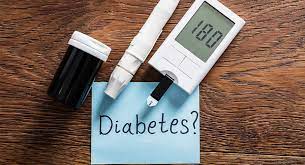
Diabetes mellitus: Web based intervention

Diabetes mellitus
Diabetes mellitus

Diabetes mellitus: Web based intervention

Introduction

Diabetes mellitus is one of the most prevalent non-communicable diseases in the world. The disease is associated with societal and economic burden particularly among patients from low and middle income countries.  Particularly, Diabetes is an important public health concern in the USA as it affects about 29.2 million people (Centers for Disease Control and Prevention, 2014).  

The burden of morbidity and mortality caused by diabetes mellitus is evident among the Americans as more than 4% of people diagnosed with Type 2 diabetes mellitus are diagnosed with diabetes related health complications. The management strategies are complex processes as they entail controlling multiple risk factors that cause complications. There is emerging evidence on effective socio- behavioral interventions that are effective in diabetes management and prevention of chronic diseases such as diabetes but most effective strategy is self management practices (Ramadas et al., 2015).

 Web based media have improved patient knowledge, lifestyle modifications and clinical outcomes for a range of health conditions. Web-based interventions have the potential to close the gaps in diabetes self care and self management intervention on the clinical (glycemic control, blood pressure and weight) and psychological (self care and quality of life) outcomes (Kalsen et al., 2016). However, previous web- based interventions have focused on the principles of effective education behavioral modification in diabetic patients and very few have emphasized on diet.

The proposed study is unique as it puts into consideration the ethnic and cultural background of diabetic patients to tailor the dietary change based on individual needs and preferences. Therefore, the proposed study will explore a web-based dietary intervention program (myDIDeA) for people diagnosed with Type 2 Diabetes Mellitus to evaluate the interventions feasibility and acceptability by the population. 

Proposed PICOT

 Despite the extensive actions to educate the diabetic population on effective management strategies for diabetes mellitus, there are still several issues that hinder this goal. One of the obstacles that have not been explored adequately is educating the patients about the most effective dietary changes. 

Health care providers use the strategy of ‘one size fits all’ strategy, ignoring the fact that dietary needs and preferences are unique for each patient. Consequently, most of the patients diagnosed with diabetes report poor control associated with inappropriate diabetes management and preventive measures (Plaete et al., 2016).

There is need to narrow the gap between nursing knowledge regarding diabetes management and preventive processes (Kalsen et al., 2016). The purpose of this evidence based project is to develop a web- based intervention that incorporates diabetic dietary management practices in patient’s diagnosed with diabetes mellitus with the aim of reducing HbA1c levels within a period of nine weeks. 

In this context, the PICOT statement is: In patients diagnosed with diabetes Mellitus (P), web-based dietary intervention program (myDIDeA) (I) is more effective than the standard care (C) in maintaining the Hb1Ac within normal range, (O) within a period of nine weeks (T).

 The primary aim of this study is to evaluate the effect of web based diet intervention on patient’s knowledge, attitude and behavior in patients diagnosed with diabetes mellitus. The study aims to determine the impact of the intervention on blood biomarkers and nutrient intake.  The eligible participants will be randomly allocated to the control group and the web based diet intervention.

The control group will receive standard treatment to patients with diabetes mellitus. The web-based dietary intervention program (myDIDeA) is borrowed from Ramadas and colleagues. The dietary plans developed based on the Nutrition Recommendations and Interventions for diabetic patients by American Diabetes Association (Kalsen et al., 2016).

The content of each lesson plan will be studied for its relevance to local community and fine tuned to suit each patient. Each lesson plan will have five Likert scale items that start from strongly agree =5 to strongly disagree =1).  The participants will be assigned to the dietary recommendations will be based on scores generated. The recommendations aims at addressing the dietary barriers in order to motivate the participants based in the lesson plans.

The participants will be briefed on web-based dietary intervention program (myDIDeA) and will be given unique username and password   through e-mail and SMS after randomization. Login reminders will be emailed each time the website is updated with new lesson plan. Participants will be also encouraged to send their questions to nutritionist through the email.

Reflection

Given the fact that diabetic patient control their health, self management training is an important strategy to improve the quality of care. Patient self management interventions have been indicated to be beneficial in both glycemic control and quality of life, but its participation is low and its effectiveness wanes over time. In addition, accessing professional support for self management is limited. This calls for strategic interventions that are promising and those that offer ease of access for patients who are computer literate or illiterate as they can be scaled up at a little cost (Kalsen et al., 2016).

Health care limited to clinic visit is not meeting the demands of the patients diagnosed with diabetes.  Healthcare systems that use Web-based communication offer a great opportunity to shift focus from office based healthcare towards daily lives at home. This health information technology is important because it improves the interaction between the service user and the healthcare providers which enhance effectiveness of chronic illness (Yu et al., 2014).

However, there is little research on the impact of web based interventions and shared electronic records in primary care for patients diagnosed with diabetes. The internet has emerged as an effective medium for exchange of information. The healthcare industry has recognized the internet’s potential and web- based education programs and is slowly being integrated in nursing prevention and management of chronic care in diabetes management. They have demonstrated some favorable outcomes thereby bridging gaps in diabetes self care and management (Pal et al., 2013).

Conclusion

Diabetes has become a very important health issue in the world. There is urgent need to improve the overall self management education on best strategies for diabetes self management.  Increasing use of web based interventions by consumer for promoting health information is an ongoing revolution in the health information technology, and it implies that the service users are accepting the new era of health information technology.

However, the full potential of this technology is yet to be achieved due to high attrition rates as well as limited uptake. This study aims to shed light in these limitations by identifying the characteristics related to web base interventions and attrition and in suggesting effective strategies that will help optimize these clinical outcomes.

References

Centers for Disease Control and Prevention. (2014). National diabetes statistics report: estimates of diabetes and its burden in the United States, 2014. Atlanta, GA: US Department of Health and Human Services, 2014. Retrieved from https://www.cdc.gov/diabetes/pdfs/data/2014-report-estimates-of-diabetes-and-its-burden-in-the-united-states.pdf

Karlsen, B., Oftedal, B., Lie, S. S., Rokne, B., Peyrot, M., Zoffmann, V., & Graue, M. (2016). Assessment of a web-based Guided Self-Determination intervention for adults with type 2 diabetes in general practice: a study protocol. BMJ open, 6(12), e013026.

Ramadas, A., Chan, C. K. Y., Oldenburg, B., Hussien, Z., & Quek, K. F. (2015). A Web-Based Dietary Intervention for People with Type 2 Diabetes: Development, Implementation, and Evaluation. International Journal of Behavioral Medicine, 22(3), 365–373. http://doi.org/10.1007/s12529-014-9445-z

Pal, K., Eastwood, S. V., Michie, S., Farmer, A. J., Barnard, M. L., Peacock, R., … & Murray, E. (2013). Computer‐based diabetes self‐management interventions for adults with type 2 diabetes mellitus. The Cochrane Library.

Plaete, J., Crombez, G., Van der Mispel, C., Verloigne, M., Van Stappen, V., & De Bourdeaudhuij, I. (2016). Effect of the Web-Based Intervention MyPlan 1.0 on Self-Reported Fruit and Vegetable Intake in Adults Who Visit General Practice: A Quasi-Experimental Trial. Journal of medical Internet research, 18(2).

Yu, C. H., Parsons, J. A., Mamdani, M., Lebovic, G., Hall, S., Newton, D., … Straus, S. E. (2014). A web-based intervention to support self-management of patients with type 2 diabetes mellitus: effect on self-efficacy, self-care and diabetes distress. BMC Medical Informatics and Decision Making, 14, 117. http://doi.org/10.1186/s12911-014-0117-3

Want help to write your Essay or Assignments? Click here
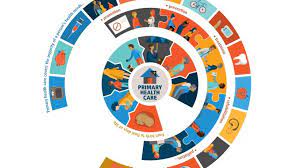
Primary Health Care Organizations in Georgia

primary health care
Primary Health Care

Primary Health Care Organizations in Georgia

Organizations that deliver primary health care here include Georgia’s Voice to end Breast Cancer, Georgia Public Health Association, Georgia Advocacy Office and Georgia Charitable Care Network among others.

Georgia’s Voice to end Breast Cancer is an organization founded by breast cancer survivors. Their focus is helping the people of Georgia put to an end the devastating disease cancer. They want to make a difference to about eight thousand Georgians who are yearly diagnosed with breast cancer (Kohler et al., 2015). They receive funding from collaborations with National Breast Cancer Coalition and individuals who were willing.

Georgia Public Health Association is a non-profit organization started in the role of promoting the public and personal health of the people of Georgia. It provides training, technical help and strategies to expand Federally Qualified Health Centers. Joining this organization gives one access to other health professionals, scholarships, recognition awards and opportunities for continuing education. Georgia Public Health Association receives most of its funding from government grants (Murray et al., 2013). This organization has for sure improved the environmental and personal health conditions of Georgia.

Georgia Advocacy Office is yet another organization that delivers primary health care in Georgia. They provide an array of services to people with disabilities in Georgia (Livermore, 2015). Examples are Investigation of an allegation of abuse, neglect, or violation of rights, assistance in negotiation on behalf of individuals and multicultural outreach to underserved or unserved persons with disabilities. Donations and grants from individuals and corporations fund this organization’s activities.

Finally, Georgia Charitable Care Network was founded in 2003 as a clinic network to offer free medical services to the people of Georgia. It consisted of a network of compassionate caregivers. They work with communities interested in starting clinics and solicit funds to distribute to members. This care network gets its primary funds from individuals and private foundations. This organization has been of great value Georgians for providing easier access to medical facilities.

References

Kohler, B. A., Sherman, R. L., Howlader, N., Jemal, A., Ryerson, A. B., Henry, K. A., … & Henley, S. J. (2015). Annual report to the nation on the status of cancer, 1975-2011, featuring incidence of breast cancer subtypes by race/ethnicity, poverty, and state. Journal of the National Cancer Institute107(6), djv048.

Livermore, G. A., & Honeycutt, T. C. (2015). Employment and economic well-being of people with and without disabilities before and after the great recession. Journal of Disability Policy Studies26(2), 70-79.

Murray, C. J., Abraham, J., Ali, M. K., Alvarado, M., Atkinson, C., Baddour, L. M., … & Bolliger, I. (2013). The state of US health, 1990-2010: burden of diseases, injuries, and risk factorsJama310(6), 591-606.

Want help to write your Essay or Assignments? Click here
Sexually Transmitted Diseases

Sexually Transmitted Diseases

Sexually transmitted diseases

Use of social media platform to affect the perceived norms of Sexually Transmitted Diseases by college students

Introduction

Sexually transmitted diseases (STD) among the American youth remains are a social problem and persistent health issue of concern. According to Center for Disease Control and Prevention (CDC), the adolescents and young adults between the ages of 15-24 years are at risk of acquiring STDs (Tyler & Melander, 2012).

The prevalence rate of unprotected sex and sexually transmitted diseases among the college students is an increasing concern for the public health. Young people are sexually adventurous and often tend to engage in unsafe sexual practices which are often associated with sexually transmitted infections and unwanted pregnancies (Bull et al., 2012).

Despite the fact that sexually transmitted diseases are preventable, there are more than 15 million sexually transmitted infections incidences in the USA. Individuals infected with STDs are two times are likely to acquire STI that have no cure such as Human Papilloma Virus (HPV) and HIV.

The most effective approaches to control sexually transmitted diseases among the college students include use of condoms and abstinence. Previous intervention have focused on educational programs to reduce sexually transmitted and negative consequences associated with risky sexually behavior. However, these programs are less effective (Young & Jordan, 2013).

The youth’s risks are influenced in part by their perception about risky sexual behaviors and the peer’s perceptions. Therefore, if their peers engage in risky behaviors, they are likely to engage in risky behaviors and if they believe that the peers engage in healthy behavior, then they are likely to engage in healthy behavior too.

This behavior is best described by the Theories of Reasoned Action and Planned Behavior (TRA/TPB). According to these theories, if a person believes that the other reasons like him or her, they will endorse a particular behavior or will behave in a specific way and is more likely to enact the behavior regardless of their internal knowledge (Young & Jordan, 2013). This study aimed at evaluating if the use of social norms media strategies affects the perceived norms of risky sexual behavior among youths (Aged 17-24 years) (Guse et al., 2012).

Description of the evidence based topic

Social norms media campaigns have been found successful at lowering unhealthy lifestyles such as alcohol and tobacco campaigns.  The research was a youth driven social media based campaign that aimed at increasing knowledge about risky sexual behaviors among the youth 18-24 years.  Social media technology is constantly used by the youths making it a strategic outlet to provide interventions to risky sexual behaviors to the adolescents.

The campaign used combined the traditional media (print materials) and the modern approaches (Facebook, twitter). The primary objective of this project was to evaluate the preliminary influence of using social media to increase health awareness and knowledge about risky sexual behaviors (Black, Schmiege, & Bull, 2013).

In order to reduce the high risk behaviors, it is important to close the gap between the actual norm and perceived norm. To determine the actual and perceived norms of sexual behaviors among the college students, a thorough literature review was conducted from the National Health Statistics 2011 Reports. The data collected was then used design the print materials for poster and Facebook campaign for Southeast University Campus.

The posters were distributed among the college students.  After eight weeks, an electronic short multiple choice survey was conducted among the college students in the campus to evaluate the impact of the social media poster captains on believability, retention of messages, recall of the poster signs, and their perception of risky sexual behaviors.

Presentation of evidence analysis

  According  to National Health Statistics 2011 Reports reported that 11% women aged 15-25  have never had sexual encounter, 69%  had one partner and nearly 8% of the youths had multiple partners in the past 12 months (Chandra, Copen, & Mosher, 2013). Data analysis was done to evaluate if the perceptions of peer risky sexual behavior have a narrow normative gap as compared to the previous analyzed data.

From the 124 participants, 46% of the participants did not believe the message and had higher perceived norm of multiple sexual partners had in the past 12 months, whereas 24% believed the message had one number of sexual partners.  Approximately 30% of the participants recalled the posters and social media content and had lower perceived number of sex partners as compared to those who did not see the media content.  

However, the extent of risky sexual behavior obtained from the regional data was significantly different from the post intervention data. There was less number of perceived partners and sexual activity for students in this college than the post-intervention than the data.

 From this study, it is evident that youths have poor knowledge on the dangers of risky sexual behavior. Unfortunately, it was difficult to determine the extent of interaction had with the campaign media prior to the completion of the survey. Therefore, it was difficult to interpret if the campaign was effective in changing their perception and believes about risky sexual behavior.

However, it is evident that peer behaviors are an important factor when predicting the actual risk behavior among the youth (Dowshen et al., 2015). The understanding of peer influence through social media is still limited. There is need to research the relationship between the perceived norm and actual norm. The widespread use of social networking sites by the youths is an ideal venue to reach the youth with tailored strategic health awareness knowledge.

It has been demonstrated that internet based interventions will improve sexual behavior and health outcomes. This study indicates that technology based initiatives can be superior as compared to the traditional methods, especially in changing youths attitudes towards the reproductive health information (Tyler & Melander, 2012).

Conclusion

 This study highlights the need to the need to adopt new strategies to educate the youths regarding risky sexual behavior. The interventions should engage the youth while respecting their privacy. The new interventions should include mobile optimization because most of the new media information is best consumed this way by the youths. Ultimately, the campaign indicated some feasibility in informing the young adults with optimal social media strategies and it provided a platform that can be used to shape the future social media based campaigns.

References

Black, S. R., Schmiege, S., & Bull, S. (2013). Actual versus perceived peer sexual risk behavior in online youth social networks. Translational Behavioral Medicine, 3(3), 312–319. http://doi.org/10.1007/s13142-013-0227-y

Bull, S. S., Levine, D. K., Black, S. R., Schmiege, S. J., & Santelli, J. (2012). Social media–delivered sexual health intervention: a cluster randomized controlled trial. American journal of preventive medicine, 43(5), 467-474.

Chandra, A., Copen, C. E., & Mosher, W. D. (2013). Sexual behavior, sexual attraction, and sexual identity in the United States: Data from the 2006–2010 National Survey of Family Growth. In International handbook on the demography of sexuality (pp. 45-66). Springer Netherlands.

Dowshen, N., Lee, S., Lehman, B. M., Castillo, M., & Mollen, C. (2015). IknowUshould2: Feasibility of a Youth-Driven Social Media Campaign to Promote STI and HIV Testing Among Adolescents in Philadelphia. AIDS and Behavior, 19(0 2), 106–111. http://doi.org/10.1007/s10461-014-0991-9

Guse, K., Levine, D., Martins, S., Lira, A., Gaarde, J., Westmorland, W., & Gilliam, M. (2012). Interventions using new digital media to improve adolescent sexual health: a systematic review. Journal of Adolescent Health, 51(6), 535-543.

Tyler, K. A., & Melander, L. A. (2012). Individual and Social Network Sexual Behavior Norms of Homeless Youth at High Risk for HIV Infection. Children and Youth Services Review, 34(12), 2481–2486. http://doi.org/10.1016/j.childyouth.2012.09.012

Young, S. D., & Jordan, A. H. (2013). The Influence of Social Networking Photos on Social Norms and Sexual Health Behaviors. Cyberpsychology, Behavior and Social Networking, 16(4), 243–247. http://doi.org/10.1089/cyber.2012.0080

Want help to write your Essay or Assignments? Click here
Morbidity

Morbidity
Morbidity

Morbidity

Introduction

“Morbidity refers to the prevalence or the frequency of a particular disease in a specific region or population. Medically it can be used to describe the medical complications that arise due to a special treatment” (Cancer Research UK, 2017). Mortality, on the other hand, involves the figure of deaths reported among a population within a set duration of time. Simply put, it is the state of being destined to pass away.

“Report on mortality can be based on people living in a specific area or country, people deceased from a particular illness, and deaths of a certain age or gender or ethnic population” (Cancer Research UK, 2017). The cause of both mortality and morbidity lies in several factors found within the surroundings, and this may include technological factors, pollution of the environment among others. However, the purpose of this study is to mainly look at the environmental, economic and social factors that impact the morbidity and mortality rate of the UK population.

Social factors

It is evident from past studies done in the policy paper, Healthy Lives, Healthy People: our strategy for public health in England – GOV.UK., by the UK government reveal that citizens of the UK are living longer and healthier than people from other nations (Bennett et al., 2015). The positive aspect brought by the decline in mortality and morbidity is associated with several primary enhancement in the social dimension of their lives such as they achieved high ratings for overall life satisfaction, the economy and personal finances.

“The decrease in the death rate of both infants and adults has attributed innovations within the public health that comprises of mass immunization initiatives, enhanced sewerage services alongside water quality that significantly minimized cases of infectious ailments” (Policy Paper-GOV.UK, 2017). The impact has been positive as social factors such as healthy living have prolonged life, therefore, reducing both morbidity and mortality rates. “For instance, 501, 424 deaths were recorded in Wales and England which is a 1.1% decrease compared to the 506, 790 deaths that were recorded in 2013” (Policy Paper-GOV.UK, 2017).

Economic Factors

People have put the interest of their health first, and as a result, they have invested heavily in it by increasing the spending to 8.9% in a report by OECD in 2015 (Devaux, 2015). Some opt for insurance and health schemes to ensure their health gets taken care of in the event of an illness. Investment in health helps in ensuring that the people can consume more and at the same time reduce the occurrence of illness. “The inequalities witnessed in the UK population reveal high levels of health inequalities, and the result of this is economic status” (Balia & Jones, 2008).

A person’s socioeconomic status directly correlates with the health care they receive. Therefore, based on the statistics of deaths reported and registered by the Office for National Statistics in the UK in 2017 indicated that the mortality rate rises from the highest social class as it goes down to the lowest social classes (McLaren, 2017). In some lower social classes, the death rate doubled the rate in the highest social class.

The same observation was also made in the morbidity rate as those in the lower social class had challenges in accessing proper care and healthy living due to their economic status. The table below provides statistics on the important findings on mortality rate based on socio-economic factors such as social classes, education, and gender.

Table 1. Percentage death rate in different socio-economic groups 2014-2015

Source: (“Death registrations summary tables – England and Wales- Office for National Statistics”, 2017)

The statistics on the table provides a clear picture of the number of deaths over the ten-year period. The data reveals that there are high death rates among the older generation compared with the younger population. However, there is a considerable general decline in the number of deaths reported in the ten-year period. A good example is the number of deaths reported among the age bracket of 10-14 whose death rates had reduced by 50% ((McLaren, 2017).

Environmental factors

These factors entail pollution of the environment through the use of toxic chemicals. Contamination of the environment affects water and the air of the affected region. Several deaths have been reported within the UK as a result of chemical, air and water pollution. However, such deaths and illnesses created by such pollution can be avoided.

However, the reduction in environment pollution in the UK has reduced deaths and diseases considerably making the nation a safe environment for its citizens. Therefore,, the effect on morbidity and mortality has been a positive one as it has reduced the rates in UK over the ten year period.

Review of statistical and research evidence

Research conducted in the field of health regarding eating disorders reveal the following facts. “People in the UK estimated to have an eating disorder are estimated at 725,000 in a report produced by PwC” (“Eating Disorder Statistics – Beat,” 2017). The report further identified the common types of disorders defined in the population as mainly (BED) Binge Eating Disorder, Bulimia, and anorexia.

However, the most common among the three eating disorders was binge eating disorder. The eating disorder was attributed to starting mainly among adolescents without negating the fact that even children young as six years and adults as old as 70 years could develop it. The level of eating disorders reflect on the reduced level of morbidity happening in the UK because of careful watch on their health.

In a correlated research carried out by Institute for Health Metrics and Evaluation in 2013, it was discovered that approximately two-thirds of the male and female population in the UK are overweight. “The study identified the largest victim of obesity being men with a representation of 67% while women came close with 57%” (Sedghi, 2014). In a cancer research, it was estimated that around 50% of cancer patients in Wales and England have survived for ten years or more.

However, in the UK the results are more positive as the rate of cancer survival has moved from 24% to 505 within the same duration of time. “The variation in survival of different types of cancer has grown further to 98% in the UK” (B-eat.co.uk, 2017). The improved rate of cancer survival has impacted the mortality rate in the UK hence reduced it substantially.

Patterned inequalities in health and illness

Bennett et al., among other authors have recognized variations in the delivery of health by age, gender, ethnicity and social class (Bennett et. al, 2015). Disparities in access to healthcare have become measured through application of many different outcomes such as mortality rates, infant deaths, morbidity, life expectancy, and disability.

The Black report in 1980 was done to identify the inequality challenge as the health of the nation had improved but not equivalent to societal classes (Sim, & Mackie, 2006). The findings revealed that standards of health care were linked directly to social class. “One of the leading causes of the inequalities involved unemployment, low income, substandard housing, poor education and poor environment (B-eat.co.uk, 2017).”

As for gender, research showed that men in industrialized countries such as the UK live shorter than women and show to less experience of the adverse condition. “Although men have greater death numbers from causes of deaths such as lung cancer and ischemic heart disease, more women than men feel pain from somatic grievances such as a headache, tiredness, and muscular aches (Bartley, 2004).”

Table 2: Selected developed countries by order of life expectancy at birth in 2014

Source: (“Health status – Life expectancy at birth – OECD Data”, 2014).

Evaluation of sources

The sources for the information obtained above include the office for national statistics in the United Kingdom. The source is credible as it is a national website and information provided to the public has to be evaluated for credibility before posting. “The other sources entail data and statistics from research conducted by credible scholars in the field of economics and the field of health care (McLaren, 2017).”

The work by McLaren provides a detailed analysis of the health inequalities happening in the UK. A clear and structural look is provided by the policy paper supports the same information provided by McLaren that provide similarity and confirms consistency as well as reliability of the sources. Article reviews written by other authors have provided support to the applied sources. The reviews assist in making the sources applied credible as well as reliable.

Evaluation of contrasting reasons for health inequalities

The structural material explanation.

“The argument entails the lack of proper housing and access to health facilities due to poverty contribute to health inequalities (Policy Paper-GOV.UK, 2017).” It requires assessment of factors such as the workplace, the neighborhood and the home environment. The attempt to reduce health inequality through reduction of health inequality is viable and reasonable. The explanation is not applicable in the modern environment as most of the health facilities have been upgraded to quality standards.

The artefact explanation.

It attempts to account for the health inequalities as a creation of the process of measurement. It looks at the class differentials in two aspects, all-cause and specific cause data for both mortality and morbidity. “However, the explanation as reviewed by several critiques proved pervasive and complex (McLaren, 2017).” The application of this explanation is still relevant and applicable in the current period but its complexities requires proper understanding.

The social selection report.

Social selection involves the concept of personal health affecting their mobility in the social setting, leading to a particular state in the social hierarchy which is an essential element that contributes towards social class variation seen in health care. It provides a clear framework of how social selection positions an individual in the society and results to health inequalities. The social selection report is very applicable today as social hierarchy still exists. Social variation remains a challenge in the society and the report provides a clear explanation.

The behavioural-cultural explanation.

            The description clearly describes the interconnection between culture and behaviour. The behavior of individuals such as association with aggressive and violence acts result to a culture of crime, and drug abuse will lead to discrimination in health care provision. The connection between behavior and culture is still a prominent factor in 2017 that contributes to health inequalities. Therefore, the behavioral-cultural explanation is a reliable explanation for the inequalities within the health care in UK.

Relationship between welfare inequalities and theories of health alongside health policies development

• Cultural/behavioral.

            The cultural or behavior of an individual can be explained better using the social cognitive theory. The theory suggests that people learn from their experiences as individuals alongside the interaction with the environment. “It helps in the provision of self-efficacy and application of observational learning which can easily be applied to various populations and setting in the formulation of health policies (Sedghi, 2014).”

The cultural and behavioral theory provides observational data that provides foundation for health policies. An example is the policy regarding a culture of safety that heavily relies on data collected on behavior of patients.

Material structural.

The material structure can well be defined through the use of the theory of planned behavior. The application of health policies requires determination of a pattern of individual behaviors within a specified population. Therefore, the material and structural model applied in solving health inequality will be suitable in ensuring that people receive the material support needed.

The material structural theory focuses on the established patterns which provide a framework that can be used in forecasting hence helps in formulation of health policies. An example of such a policy is an injury prevention policy done at the community level heavily relies on the material structural theory where individuals planned behavior are recorded.

Collectivism.

The collectivism approach entails the use of class to define the constructs of a health belief. Therefore, the health belief model is appropriate in providing understanding on the health inequality concern in the UK. It is a theoretical structure applied in conducting health advancement and illness deterrence programs.

The constructs of health belief provided by the collectivism theory assist in establishing sound health policies within the required health guidelines. An example entails the stewardship as a policy in health that helps in ensuring that the health of people in the society is a social obligation.

• New Right.

The approach asserts that constant provision of aid by the government affects the process of a free market. “The argument states that regular provision of assistance contributes to perpetual poverty among the affected population” (Sedghi, 2014).

The policies within health care require quality attention, and when own standards of health care outperform those of public care, then health inequalities arise. The theory provides a framework under which health policies are formulated. Policies created that rely on family such as social policy heavily employ the New Right approach in the health sector.

Conclusion

The provision of health in the UK is perceived to have grown and improved tremendously. However, the Black Report in 1980 and the Acheson report in 1998 among others have identified that the improvement has several inequalities ranging from various factors such as economic, social, ethnic and environmental factors.

The differences can be seen across gender, age, social class, and ethnicity. The solutions and various explanations in the paper reveal that it is possible to bridge the gap created as a result of social class differences among other factors as highlighted through the use of the health theories.

References

B-eat.co.uk. (2017). Eating Disorder Statistics – Beat. [online] Available at: https://www.b-eat.co.uk/about-beat/media-centre/information-and-statistics-about-eating-disorders [Accessed 24 Apr. 2017].

Bennett, J. E., Li, G., Foreman, K., Best, N., Kontis, V., Pearson, C., … & Ezzati, M. (2015). The future of life expectancy and life expectancy inequalities in England and Wales: Bayesian spatiotemporal forecasting. The Lancet, 386(9989), 163-170.

Cancer Research UK. (2017). Cancer survival statistics. [online] Available at: http://www.cancerresearchuk.org/health-professional/cancer-statistics/survival [Accessed 24 Apr. 2017].

Death registrations summary tables – England and Wales- Office for National Statistics. (2017). Ons.gov.uk. Retrieved 27 April 2017, from https://www.ons.gov.uk/peoplepopulationandcommunity/birthsdeathsandmarriages/deaths/datasets/deathregistrationssummarytablesenglandandwalesreferencetables

Devaux, M. (2015). Income-related inequalities and inequities in health care services utilization in 18 selected OECD countries. The European Journal of Health Economics16(1), 21-33.

Health status – Life expectancy at birth – OECD Data. (2017). The OECD. Retrieved 27 April 2017, from https://data.oecd.org/healthstat/life-expectancy-at-birth.htm

McLaren, E. (2017). Death registrations summary tables – England and Wales- Office for National Statistics. [online] Ons.gov.uk. Available at: https://www.ons.gov.uk/peoplepopulationandcommunity/birthsdeathsandmarriages/deaths/datasets/deathregistrationssummarytablesenglandandwalesreferencetables [Accessed 24 Apr. 2017].

National Cancer Institute. (2017). NCI Dictionary of Cancer Terms. [online] Available at: https://www.cancer.gov/publications/dictionaries/cancer-terms?cdrid=44514 [Accessed 24 Apr. 2017].

Policy Paper-GOV.UK (2017). Healthy Lives, Healthy People: our strategy for public health in England – GOV.UK. [online] Dh.gov.uk. Available at: http://www.dh.gov.uk/en/Publicationsandstatistics/Publications/PublicationsPolicyAndGuidance/DH_121941 [Accessed 24 Apr. 2017].

Ruralhealthinfo.org. (2015). Module 2: Rural Health Promotion and Disease Prevention Program Approaches – RHIhub Toolkit. [online] Available at: https://www.ruralhealthinfo.org/community-health/health-promotion/2/program-approaches [Accessed 24 Apr. 2017].

Sedghi, A. (2014). How obese is the UK? and how does it compare to other countries?. [online] the Guardian. Available at: https://www.theguardian.com/news/datablog/2014/may/29/how-obese-is-the-uk-obesity-rates-compare-other-countries [Accessed 24 Apr. 2017].

Sim, F., & Mackie, P. (2006). Health inequalities: The Black Report after 25 years. Public Health, 120(3), 185-186. http://dx.doi.org/10.1016/j.puhe.2006.01.005

Want help to write your Essay or Assignments? Click here
Diabetes Education

Diabetes Education
Diabetes Education

Diabetes Education

Description of The Learners

The class is made up of young adults ranging from 20-26 years. Some of the listeners are people with the condition but have not publicly spoken about it, or have close relatives or friends with the condition. Others might have the condition but do not know their status since they have not and cannot go for examination. This is a group that wants to learn about the various types of diabetes to adopt appropriate ways of living their lives better.

For those with the condition already, they want to understand the right course of action to take and for those without; they want to learn about how they can modify their lifestyles and prevent themselves from engaging in the way of life that can result in them acquiring the condition. Also, the fact that they are relatively young, most in their 20s, they are energetic and keen about life. For some too, this is the age to enjoy life without limits.

They lust for knowledge but must be handled with care so as not to antagonize them. Their opinions, whether well informed or not, must be listened to and accorded the respect. Thus, the best way to progress with the class is through discussion. It should be highly interactive to give room for them to air their opinions confidently.

Educational Setting

The setting of the class is a college. The staff working here are mostly degree and diploma holders depending in their area of specialization and the department they work. All the academic staff is made up of degree holders as a requirement by the government. The support staff, on the other hand, is mostly people with diplomas. However, we must face the fact that the students mostly meet with the teachers and interact more with them.

It is thus safe to conclude that they interact with well-educated and informed people in the school whether the academic or support staff. Another fact that cannot go unmentioned is that most of the staff is made up of young adults ranging from 30-45 years. It shows the institution’s aim of trying to integrate the student body and the staff better. Several in-service training for the staff exists to continuously equip the staff with necessary skills in dealing with the students.

Being college students, they are knowledgeable about diabetes. They are aware of the causes, and the fact that it has no cure is universal knowledge among all the students. However, most of them have never dealt or cared for a diabetic patient. They only feel it is beyond their league. They believe it is a specialty for the medical personnel. And others too feel it is an exaggerated illness. They believe diabetes is not a top killer as they consider cancer and HIV being the worse illnesses.

The learners come from diversified family backgrounds. It is quite hard to put them into categories regarding their education. Some parents are semi-educated while others are well educated. But one fact is, all the parents are socially educated. They know what is right and what is wrong with their children. However, most of these parents believe in some myths surrounding the diabetes calamity. The good thing is that they agree about the causes of the disease.

Learner Assessments

The class is made up of college students. At the end of their course, they will be qualified diploma holders. This is a relatively educated group, which can grasp the fairly complex material and do what is expected of them. If well taught about a certain subject, they will understand the concepts and how to implement the ideas.

Also, at this age, they are eager to conquer the world. They understand the importance of education and thus are eager to learn more. They want to show the world that they are knowledgeable and that keeps their academic thirst going. The reason for choosing this seemingly normal disease is that it resonates well with the class. The class is made up young people who are mostly dating. To most of them, it is a thrill being in a relationship, which is cool by itself. However, the peak of these relationships is engaging in harmful lifestyles about their diets and lack of exercises.

This is despite the fact that most cases of diabetes are caused by lack of proper exercise and the consumption of sugary food. The lesson is to question why this continually happens with parents and teachers guiding these young people. Can the prevalence be blamed on the teachers, parents or the students themselves? To fill this gap, the lesson is very vital since the answer lies in the minds of these students.

Topic Selection Rationale

The main teaching philosophy is through discussion. The discussion is the best method of delivery due to the nature of this sensitive subject. Despite the fact that the young people know the dangers of not exercising proper diet, it is still an increasing trend. Moreover, most people hate being guided in such intimate matters. They feel like the others are intruding into their private life.

They want to be left alone and do what they want with their lives. In any case, they say they are adults albeit naïve ones. The discussion thus becomes handy in such a situation. This becomes easier with college students since they are educated, eager to explore and ever ready to be heard. The discussion should start with a simple introduction. A brief introduction to the topic, reasons for the topic and specifically why the class is chosen.

It is to remove further any imaginary boundaries between the educator and the students that may exist in the minds of the students. The discussion should focus on a patient suffering from the disease. It should be a right scenario where the focus rotates on how the patient acquired such a disease. Also, on how he behaved upon learning of his condition and how he lives with the condition.

The discussion will be around a man living with diabetes known as Peter. He is 28 years of age, which is a small deviation from the age of some students. The only minor difference is that he was diagnosed with the disease while still in the university some five years ago. The description of his college social life leaves nothing to be desired though it clearly resonates with the young students.

He was a person that did not like practicing and used to consume a lot of sugary food. He slept with almost all of them who were too eager to be linked with the campus celebrity. Besides the lazy behavior, Peter was an alcoholic and would regularly be found in the clubs if he was not in his room sleeping. This behavior made him have a very poor hygiene with no regular exercises and the use various sugary foodstuffs besides the alcohol that had turned to be his best friend.

After some time, Peter developed some complications that were associated with often urination, regular feelings of thirst, blurry vision, extreme fatigue, loss of weight and numbness in the hands and feet (Herr, et al. 2013). This led to him being examined by the doctor for the symptoms of diabetes. After the examination, received the shock of his life when the results returned positive of diabetes mellitus.

He felt as if his celebrated life was over. It took some time and the efforts of his parents to make him accept the situation. He followed the doctors’ advice, and he coped well. His winning attitude helped a lot too. And now, he has four years to his name living with diabetes. His simple advice to young people is; avoid inappropriate diet and alcohol and also practice regularly through running or other field events.

Conclusion

The students discussed all aspects of this case above from the causes to the final stage of accepting one’s status. They found out that speaking out also helps a great deal. The discussion is fruitful if the class participates well. The interactions amongst themselves and also between them and the educator equip them with knowledge on diabetes. The discussion is the best mode of teaching a young class which is expected to impart this knowledge to others further. It gives them the freedom to think on any angle and widen their knowledge gap due to the peer discussion.

References

Herr, R., Pouwer, F., Holt, R. I. G., & Loerbroks, A. (2013). The association between diabetes and an episode of depressive symptoms in the 2002 World Health Survey: an analysis of 231 797 individuals from 47 countriesDiabetic Medicine30(6), e208-e214.

Want help to write your Essay or Assignments? Click here

Health Promotion

Health Promotion
Health Promotion

Health Promotion

Task 2

Topic and significance

 This campaign focuses on elderly falls. World Health Organization (WHO) defines fall as “an event that results in a person coming to rest inadvertently on the ground, floor or lower level” (2013). Many older adults fall, making them succumbs to severe injuries, many of which make them lose the ability to be self-independent and cause financial strains. On an annual basis, approximately 30-40% of the people aged over sixty-five years experience a fall at least once a year (Nicklett & Taylor, 2014).

Similarly, about 50% of those in nursing homes have experienced a decline in the within the last one year. Falls are recognized as the leading cause of accidental deaths in this age group, and in the UK, it is the 7th principal death cause.  Studies indicate that 75% of the deaths among the elderly are associated with unintentional falls (Robertson & Gillespie, 2013).

Moreover, about 258,000 of the old people are admitted to hospitals annually as a result of hip fractures that result from falls (Rau et al., 2014). This hinders a high quality of life and causes immense medical costs. In 2013, direct medical expenses incurred from falls were as high as thirty billion (Robertson & Gillespie, 2013).

There is a projection that by 2020, over forty-four billion dollars will be dedicated towards these injuries (Robertson & Gillespie, 2013). These statistics make it apparent that falls among the elderly are a topic that needs to be campaigned on so that communities can take preventive measures. This would contribute to the lesser prevalence of the challenge.

Theories

Social learning theory

Social learning theory was developed by Albert Bandura (1977).  Bandura explains that people learn in social environments by observing others and then imitates the behavior of others.  In essence, this theory indicates that learning process is not just through reinforcement but also through influence from others (Cubas et al., 2015).  There are four principles of social learning theory that have been developed namely attention, retention, reproduction and motivation. Inattention principle, learning will not occur if people are not focused.

Therefore, to obtain attention, it is important to design the training materials for patient fall prevention intervention differently so as to reinforce targeted group perceptions (Aliakbari, Parvin, Heidari, & Haghani, 2015).  The targeted group includes nurses, elderly people representatives, unit nurse manager, registered nurses, nurse educators, orthopedic, physicians and community leaders.

The second principle is retention which states that people learn by internalizing the information stored in their memories. In this context, the training information will be designed in a manner that one can recall and respond appropriately (as taught). The third principle is reproduction which states that people actions are based on the information (behavior, knowledge or skills) previously learned (Aliakbari, Parvin, Heidari, & Haghani, 2015).

The training will be done in a way that it improves mental and physical rehearsal to ensure that the targeted populations reproduce the actions learned.  Motivation is the last principle of this theory which states that most people’s actions are motivated, especially when they observe other people getting rewarded after for their actions. This motivation will help the people to do the same act (Cubas et al., 2015). 

This theory works as a bridge between cognitive and behaviorist learning theories as it entails of motivation, memory, and attention. Therefore, when developing the campaign tool, one will focus on the novel as well as unique contexts that capture the targeted population attention in a manner that it stands out in their memory (Cubas et al., 2015). 

The designing of the campaign tool will be done in a way that helps the targeted population to develop this self- efficacy individually through constructive feedback and confidence building. This concept in social learning theory is referred to as social modeling, and has been shown to be an effective method of education (which is the campaigns tool focus) (Aliakbari, Parvin, Heidari, & Haghani, 2015).  

Stages of change model

            The stages of change model also known as Transtheoretical Model was developed by James Prochaska and Carlo Diclemente in the early 1980s (Prochaska, 2013).  According to this model, one should not assume that every person is ready for change because each individual has differing readiness to change.  Therefore, when designing the campaigning tool, it is important to identify the target group position in the change process to match intervention to the people’s readiness to change. It is a bio psychosocial, integrative model for conceptualizing the intentional behavior change’s process (Lee, Park, & Min, 2015).

 The stages of changes identified by this model included a) pre-contemplation, b) contemplation, c) preparation, d) action and e) maintenance. During the pre-contemplation, the target group is likely to be ignorant because they are not ready to adopt interventions foreseeable in the future (Prochaska, 2013).   In this context, the campaigning tool is designed in a way that it encourages a re-evaluation of the existing behavior, explains, and supports self- exploration.

The contemplation stage is where the person is totally not ready for the change.  The second stage is the consideration stage where people start becoming ambivalent to change. Therefore, the campaign tool is designed to ensure that it promotes the adoption of the suggested interventions (Lee, Park, & Min, 2015).

The third stage is the preparation stage which a stage where people are ready to change.  In the action stage, people make specific overt modifications in their lifestyles (Prochaska, 2013). The campaigning tool is designed to enhance self-efficacy especially when dealing with obstacles and to help guard the frustrations. The last stage of this model is the maintenance stage which mainly focuses on the ongoing changes. In this case, maintenance will be reinforced through follow-up support (Lee, Park, & Min, 2015).

The rationale of the health promotion campaign based on stages of change model

 This theory emphasizes on the role of other people during decision-making processes. The stages of change model apply in the elderly fall’s campaign. The first step was the presentation of negative impacts associated with old peoples’ falls. This is aimed at convincing the stakeholders about the urgency and need for change. Secondly, the theory helped one to expand people’s understanding of the social processes that influence the success of an implementation process (Prochaska, 2013).

 Based on this model, some resistance is expected because most of the stakeholders already had a particular lifestyle and therefore making the changes needed to prevent falls would be met with some reluctance. The target group would move through the various stages as they try to weigh whether to change or not (Karlsson et al., 2013).  The value of this approach is that it lays emphasis on professional communication where the caregiver’s providers can support one another.  As such, offering them accurate information would be essential in promoting the change (Prochaska, 2013).

Effectiveness of the approved health promotion activity

The health promotion activity was sufficient because it explored the facilitators and barriers of elderly falls to develop strategic, evidence-based support aids in the reduction of the old falls (Prochaska, 2013). The training campaign on elderly falls preventive measure was useful because it was cost friendly (that is no huge costs are required to implement them)  easy implementation process and it reached a large number of people at the same time (Balzer et al., 2012).

Own participation in the approved health promotion activity

The own primary involvement was through advocacy and mobilizing of the campaign to the stakeholders. The campaign took place at a community center hall for two days from 10.00Am to 3.00Pm.  The participation involved creating rapport with the interested parties involved (nurses, elderly people representatives, unit nurse manager, registered nurses, nurse educators, orthopedic, physicians and community leaders).

This was critical in ensuring that they were open and at ease to discuss the factors that were contributing to elderly falls.  This was vital as it made the target group and other involved stakeholders understand the importance of addressing the unique demands of older patients, which require patience as some of the seniors may have the hearing, language, and cognition problems. I also offered education on the strategic preventive measures against falls.

Whether the campaign was successful and had value and impact

The whole campaign was successful as detailed planning was done at every stage. The older adults and caregivers understood the reasons as to why falls had to be prevented. The campaign’s value and the impact were evident from the reduced prevalence of falls among the elderly, lesser hospitalizations, smaller costs dedicated towards falls, and an improved general wellbeing and health of the target group.

Strengths and weaknesses

The community members were able to learn a lot of insights about falls. The uptake of training on effective fall prevention measures was quite active; which increased awareness to the population that the aspect of fall is a healthcare concern (Gillespie et al., 2012). S

ome caregivers who previously did not have a caring attitude towards the elderly changed their attitudes and behavior after training, and most of the organizations were keen to implement some of the suggested change initiatives. However, a lot of time and resources had to be taken during the planning and implementation stages. This was quite strenuous. At the same time, reaching the seniors was a challenge due to their limited mobility.

Barriers and three recommendations on improving the campaign

The main obstacles were a lack of knowledge and motivation of healthcare providers, lack of change champions among the healthcare staff, language barriers, and lack of adequate resources. In future, the language barrier issues can be addressed by having a translator during any interaction with English non-speaking group. More efforts will be made so as to mobilize adequate resourced from stakeholders (Karlsson et al., 2013). This includes applying for funding from the government.

Lastly, leadership is an important aspect in implementing change in all organizations. The healthcare staff will be encouraged to attend leadership and management training so that they can understand better about their leadership roles and to offer a strong support and direction to the team members when implementing change. This will help the healthcare professionals to embrace their role as champions and facilitator in promoting and implementing change in their respective workstation (Karlsson et al., 2013).

Involvement in the campaign

The stakeholders involved in this campaign included; nurses, elderly people representatives, unit nurse manager, registered nurses, nurse educators, orthopedic, physicians and community leaders. Involving all the relevant stakeholders is very pivotal in promoting success.  This is because they shape the direction of change in the early stages (Prochaska, 2013).

Involving the stakeholders will also ensure that all the project’s resources are available and provide insight about the probable reaction to project’s outcome or the necessary adjustments that must be made so as to win the community’s support.  The benefits of all inclusive stakeholders involvement in this campaign is that it reduced distrust of the campaign’s outcome, increased commitment to the campaign processes and objectives and heightened the credibility of this campaign (Robertson &Gillespie, 2013).

Reflection

Collectively, this theory was useful in developing the multifaceted interventions that targeted change, promoted caregivers behavior, and ultimately improved the outcome of the campaign. An evaluation would be made after some duration after the changes have been embraced as a way of ensuring that the right things are being done appropriately (Balzer et al., 2012).  Also, there are several elements identified after listening to other group’s presentation that we can adopt in the future. For instance, the use of pamphlets would have been effective as it would ensure that the information is widespread. Some groups used T-shirts to brand their campaign and to increase their coverage.

Conclusion

The campaign went well as the change model and theoretical frameworks used were correct for the topic. There are few aspects that many need to be refined according to our reviewer’s constructive criticism. However, participating in this activity was a good learning experience.

References

Aliakbari, F., Parvin, N., Heidari, M., & Haghani, F. (2015). Learning theories application in nursing education. Journal of Education and Health Promotion, 4, 2. http://doi.org/10.4103/2277-9531.151867

Balzer, K., Bremer, M., Schramm, S., Lühmann, D., &Raspe, H. (2012).Falls prevention for the elderly.GMS Health Technol Assess 8: Doc01.

Cubas, M. R., Costa, E. C. R. D., Malucelli, A., Nichiata, L. Y. I., & Enembreck, F. S. (2015). Components of social learning theory in a tool for teaching Nursing. Revista Brasileira de Enfermagem, 68(5), 906-912.

Gillespie, L. D., Robertson, M. C., Gillespie, W. J., Sherrington, C., Gates, S., et al. (2012).Interventions for preventing falls in older people living in the community. Cochrane Database Syst Rev.

Karlsson, M. K., Vonschewelov, T., Karlsson, C., Cöster, M., &Rosengen, B. E. (2013). Prevention of falls in the elderly: a review. Scand J Public Health 41: 442-454.

Lee, J. Y., Park, H. A., & Min, Y. H. (2015). Transtheoretical Model-based nursing intervention on lifestyle change: A review focused on intervention delivery methods. Asian nursing research, 9(2), 158-167.

Michael, Y. L., Lin, J. S., Whitlock, E. P., Gold, R., Fu, R. et al. (2010).Interventions to Prevent Falls in Older Adults: An Updated Systematic Review. Rockville (MD): Agency for Healthcare Research and Quality (US).

Robertson, M. C., &Gillespie, L. D. (2013). Fall prevention in community-dwelling older adults. JAMA 309: 1406-1407

Nicklett, E. J., & Taylor, R. J. (2014). Racial/ethnic predictors of falls among older adults: The Health and Retirement Study. Journal of Aging and Health, 26(6), 1060–1075. http://doi.org/10.1177/0898264314541698.

Rau, C.-S., Lin, T.-S., Wu, S.-C., Yang, J. C.-S., Hsu, S.-Y., Cho, T.-Y., & Hsieh, C.-H. (2014). Geriatric hospitalizations in fall-related injuries. Scandinavian Journal of Trauma, Resuscitation and Emergency Medicine, 22, 63. http://doi.org/10.1186/s13049-014-0063-1

Prochaska, J. O. (2013). Transtheoretical model of behavior change. In Encyclopedia of behavioral medicine (pp. 1997-2000). Springer New York.

Want help to write your Essay or Assignments? Click here