This case study is on a 69-year old patient who has been hospitalized for permanent Cardiac pacemaker procedures. Mr. Scott is admitted at Hillcrest Hospital in Cleveland. The total Medicare-approved charges incurred are $ 150,000. The values indicated in the table below are based on services provided to Mr. Scott.
.Question 1: Calculating the operating payment that should be paid to the hospital (Medicare Payment Advisory Commission, 2014).
Operating system = DRG relative weight x [(Labor related Large Urban Standardized Amount X Core-Base Statistical Area CBSA wage index) + (Non-labor related National Large Urban Standardized Amount x Cost of Living adjustment) x (1+ 1ndirect Medical Education+ Disproportionate Share Hospital).
Operating Payment= [($ 3,397.52 x0.9127) + ($ 1, 476.97 x 1) x (1+ 0.0744+0.1413)] x 4.1370 = $ 20,256.70
Question 2: calculating the capital payment is as follows (Centers for Medicare and Medicaid, 2010);
Capital payment = [(DRG relative weight x Federal Capital Rate x Large Urban add on x Geographic cost adjustment factor x cost of living Adjustment) x (1+ Indirect Medical education+ Disproportionate Share Hospital)]
Capital payment= [(4.1370 x $ 427.03 x 1.03 x1.3452 x1) x (1+ 0.0744+0.1413) = $ 4,614. 75
Question 3: To know if the hospital is eligible for Medicare outlier payment, the following steps should be followed;
Determine the Federal operating payment =$ 20,256.70
Determine Federal Capital payment == $ 4,614. 75
Determine the capital and operating cost as shown below
Operating cost = Billed charges x operating cost to change ratio
= $ 76,000
Capital cost= Billed charges x Capital cost to charge ratio
=$ 8,000
Determine the operating and capital outlier threshold
Operating CCR: Total CCR= Operating CCR/operating CCR+ Capital CCR= 0.9048
Capital CCR: Total CCR= Capital CCR/ operating CCR+ Capital CCR= 0.0952
Operating outlier Threshold = [ (fixed loss Threshhold x{labor related portion x wage index} + Nonlabor related portion] x operating CCR to total CCR+ Federal payment with IME AND DSH= $ 32 514.40
Capital outlier threshold = Fixed Loss Threshold x Geographic Adj. Factor x Large Urban Add on x Capita CCR to total CCR + Federal payment with IME AND DSH= $ 5,153.16
Determine if the Total costs are greater than threshold combined
If operating cost+capital cost is higher than the operating threshhod and capital threshold, then calculate the capital outlier
In this case; $76000+$8000=$ 84,000 which is greater than $ 5,153.16 +$ 32 514.40= $ 37, 667. 60; therefore, the capital outlier = (Capital costs-capital outlier threshold) x marginal cost factor.
= ($8,000- $ 5,153.16) x 0.8= $ 2, 277.47
Therefore, hospital is eligible for Medicare outlier plan.
Question 4: Calculating the total payment for the hospital
Total payment= operating payment+ capital cost+ capital outlier
Medicare physician payment is based primarily on three key factors namely; a) resource-based relative value scale (RBRVS), b) the geographic cost index, and c) the conversion factor. The formula of calculating the Medicare allowable payment is indicated by the formula below (Centers for Medicare and Medicaid, 2014).;
The Medicare reimburses 80% for participating doctor, whereas the patient pays the 20% coinsurance.
Question 1: In this context, the first step is to calculate the Total RVU;
Total RVU= (27.45 x1.092) + (43.05 x1.743)+ (10.32 x0.543)=29.98+ 75.04+5.6=110.62
The Total RVU is multiplied with the conversion factor. The conversion factor is important as it acts as the scaling factor of each adjusted RVU into dollar Medical physician payment. In this case study, the conversion factor is set at $64.43.
Therefore; the total Medicare allowable payment= 110.62 x 64.43 = $7,127.50
Because Dr. Robinson is Medi-care Participating physician, Medi-care will reimburse 80% of the total allowable payment which equals; 80% x$ 7,127.50= 5,702.
Mr. Roberts will be responsible of paying the remaining 20% which is calculated as follows; 20% x$ 7,127.50= $1425.5.
Participating doctors refers to physicians who accept Medi-care and will always take assignment. These doctors are expected to submit medical claim (bill) to Medi-care in order they can get reimbursement. Patient seeing a participating doctors are only responsible for paying only 20% of coinsurance fee for Medi-care-covered services (Centers for Medi-care and Medicaid, 2014).
Question 2: If the Doctor is non-participating but elect an assignment, the doctors are required to submit 95% Medicare approved medical claim to Medicare for all care cost Mr. Robert received. This is equal to 95% x$7,127.50= 6,771.10.
Mr. Robert will generally pay 20% of the 95% Medi-care approved claim which is equal to 20% x 6,771.10= $1,354.20
Medicare reimburses Doctor 80% of 95% Medi-care approved payable fee which is 80% x 6,771.10 = 5, 416.90. .
Question 3: If Dr. Robinson is Medic is non-participating and does not elect assignment, the Doctor can charge the patient more than the Medicare allowable payment by 15% – which is referred to as the limiting charge (MPAC, 2014). This is about 9.25% more than the fee schedule, which would total to $7,786.8. In this case, Mr. Robertson will pay the total amount $7, 786.8 which will be reimbursed directly to the patient by Medi-care. The reimbursement done is 80% of 95% Medicare approved payable fee which is 80% x 6,771.10 = 5, 416.90. This indicates that the patient will have to foot for the extra $2,369.9.
It is essential for the healthcare team to ensure efficient collaboration and adherence to the requirements of interprofessional practice while caring for patients for the effectiveness of every task performed. The interprofessional practice and collaborative approach among health care team members are explored during the management of Ms.Tuckerno’s care. There are barriers hindering effective collaboration between the internist and the nurse practitioner which leads to disagreements of the decisions made by each of them (Mulvale et al, 2016).
These barriers include poor communication between the internist and the nurse practitioner which affects the readiness to work together and interprofessional collaboration which might lead to problems in ensuring patient-centered and quality care. The other barrier to effective collaboration is caused by the failure to understand each other’s professional role and responsibilities while caring for the patient (Matziou et al, 2014).
The internist and nurse practitioners need to collaboratively agree in using each other’s capabilities and expertise professionally and in a patient-centered way rather than discrediting the different tasks performed by each of them. Such poor collaborations between them which also does not involve the patient in the care process is a poor approach in addressing the health conditions facing Ms.Tuckerno.
The position of the nursing organization that I want to work for in future is strong regarding interprofessional practice and the best collaborative approach. The American nurses association holds that collaborative care would involve the integrated enactment of skills, knowledge, and values that define professional ways of working together with the objective of improving health outcomes.
The position of the organization when it comes to interprofessional practice is that patients should be put first during the process of care, effective communication between the healthcare team members is also essential in ensuring effective outcomes after collaborations in treating the patients(Sangster,2015). Ensuring patient-centered approach while adhering to the ethics and values of interprofessional practice is also vital. The final position holds that the leadership should be committed to prioritizing the inter-professional collaboration. The best approach should be adopted in handling the case for Ms.Tuckerno leading to the desired results.
Professional communication between the internist and nurse practitioner or other workers would strengthen interactivity thus eliminating cases of conflicts while making decisions which slows the adoption of the best medication approaches (Jean et al, 2016). The understanding of the responsibilities and roles of each is essential in enhancing effective functioning which influences the provision of quality treatment to Ms.Tuckernon thus improving her condition. In a nutshell, the shared responsibility between the healthcare team members would ensure the effectiveness in executing roles thus better health outcomes for the patient (Parke et al,2014).
References
Jean Jacques van Dongen, J., Lenzen, S. A., van Bokhoven, M. A., Daniëls, R., van der Weijden, T., & Beurskens, A. (2016). Interprofessional collaboration regarding patients’ care plans in primary care: a focus group study into influential factors. BMC Family Practice, 171-10. doi:10.1186/s12875-016-0456-5
Mulvale, G., Embrett, M., & Razavi, S. D. (2016). ‘Gearing Up’ to improve interprofessional collaboration in primary care: a systematic review and conceptual framework. BMC Family Practice, 171-13. doi:10.1186/s12875-016-0492-1
Park, J., Hawkins, M., Hamlin, E., Hawkins, W., & Bamdas, J. M. (2014). Developing Positive Attitudes Toward Interprofessional Collaboration Among Students in the Health Care Professions. Educational Gerontology, 40(12), 894-908.
Sangster-Gormley, E. (2015). Interprofessional Collaboration: Co-workers’ Perceptions of Adding Nurse Practitioners to Primary Care Teams. Quality In Primary Care, 23(3), 122-126.
Want help to write your Essay or Assignments? Click here
Health systems Fraudulent Billing refers to the inappropriate payments that occur between healthcare providers, service users and other healthcare stakeholders such as the insurance companies. In the USA, this issue has gained popularity and has become major priority issue for health systems. Healthcare fraud can be classified into consumer fraud, provider fraud and insurer/payer fraud.
The most common type of fraud is provider healthcare fraud, and could be committed by dentists, physicians or provider organizations. The fraudulent behaviors can be diagnostic services, pharmaceutical services or manufacturers of medical device. Other fraudulent behaviors can involve other groups such as insurer representatives or patients (Rashidian, Joudaki, and Vian, 2012).
The healthcare systems are vulnerable to corruption and fraud. This is because many factors exacerbates the problem including inelastic demand for healthcare services, asymmetry of information between service users and service providers and the huge budget on healthcare (Joudaki et al., 2016). Despite the attentions paid to healthcare fraud by the political, administrative and legislative, combating it remains a huge struggle to the healthcare systems. The interventions to combat healthcare fraud aim at detecting, preventing and responding to fraudulent actions. Traditional methods of fraud detection rely mainly on auditing procedures which are not only time consuming but also ineffective (Rashidian, Joudaki, and Vian, 2012).
The article chosen for this topic is; Rashidian, .A, Joudaki, H., and Vian T. (2012). No Evidence of the Effect of the Interventions to Combat Health Care Fraud and Abuse: A Systematic Review of Literature. PLoS ONE 7(8): e41988. doi:10.1371/journal.pone.0041988
Rashidian and Joudaki conducted a systematic review on effectiveness of interventions to combat health systems fraudulent billing in US and Taiwan. The analysis of the available literature indicated some knowledge gap on effective strategies to eradicate healthcare fraud. The paper recommended for robust research in healthcare fraud in order to assess an effective intervention that will help to prevent, detect and react to fraudulent billing.
References
Joudaki, H., Rashidian, A., Minaei-Bidgoli, B., Mahmoodi, M., Geraili, B., Nasiri, M., & Arab, M. (2016). Improving Fraud and Abuse Detection in General Physician Claims: A Data Mining Study. International Journal of Health Policy and Management, 5(3), 165–172. http://doi.org/10.15171/ijhpm.2015.196
Rashidian, .A, Joudaki, H., and Vian T. (2012). No Evidence of the Effect of the Interventions to Combat Health Care Fraud and Abuse: A Systematic Review of Literature. PLoS ONE 7(8): e41988. doi:10.1371/journal.pone.0041988
Want help to write your Essay or Assignments? Click here
Health care is a necessity for everyone and the expenses are inevitable. Everyone deserves the health care they need from the right provider at the right time (Quincy, 2016). Another difference is the cost of drugs compared to other nations and a lot of people consider it to be unreasonable. In majority of the countries, there is negotiation done by the government to control drug prices with the manufacturers, but the existence of Medicare Part D denies Medicare to negotiate prices. This is why a branded drug costs higher when bought in the U.S.A. compared to other countries. However, this is beneficial to the doctors because of the higher earning they get if they do this compared to other countries. Additionally, a lot of drug suppliers charge more in the U.S. for medical equipment.
The top drivers of health care are chosen lifestyle, utilization, price inflation and mandated benefits. The society today is a culture that favors diagnosis and treatment rather than living healthily and preventing disease. It is still a necessity for consumers to have a healthy mindset and practice a better lifestyle for disease prevention. Due to the increase in utilization, there has been a rise in health care costs and the forms are not all the same (Smart Business, 2009). There is a total of 70% health care costs that come from employee behavior linked to cancers, diabetes, cardiovascular disease, and obesity. Moreover, advertising deceives consumers and make them think prescriptions and procedures could cure their conditions. This is why consumers end up getting unnecessary treatment and the rise of new technology is also a factor why health care costs increase.
Supply and demand seems to be an automatic reason why health care costs more in the USA. There are two answers for this because there can be an increase in prices due to demand and the other reason is because of limited supply, prices are higher (Theory and Applications of Microeconomics, 2012). However, price is not the only thing that matters in supply and demand in health care because it is a fundamental commodity that is relevant to a person’s well-being. A lot of people want health improvement and this is why they demand for health care. Although, the health’s relationship to health care is not direct because even if health care impacts health, a lot of other things can be a factor. Health is considered as a good, but other goods are more tangible compared to it due to its characteristics. People cannot pass on or trade their health with others, except for certain diseases.
Quality health care had always been a main focus and the medical professionals attempted to improve their practice and give the best care in the world, but the results are not equal. The number of medical practitioners in an area is linked with the type of health care they can provide. Therefore, if there is a shortage in workforce, the quality of health care in the area with fewer medical practitioners are going to suffer. There is a health care reimbursement model to pay-for-performance that provides incentives or penalties from patient outcomes and frequency of readmission (Anderson DNP, RN, CNE 2014). If the workforce is weak, pay-for-performance will suffer in some areas. This will lead to a higher demand for services, but limits the access of patients to health care.
Technology and computers could increase health costs of today since majority of medical equipment needs digital platforms to function properly that makes medical facilities dependent on software. This increases health care costs so it becomes inaccessible to those who cannot afford it. Furthermore, there are a lot of elements that cause an increase in health care costs. And to an average patient, technology gives them helplessness and vulnerability.
One example is echocardiography which has the immense capability to detect ailments and it is safe for everyone. In order to interpret the images, an expert is called to do this. Unfortunately, not all companies have this machine and there is no way to make it inexpensive so any patient can have access to its services (Kumar, 2011). Therefore, technology and computers improve the quality of healthcare, but it contributes to the increase in costs.
Since resources are scarce, organizations have disease management. Those suffering from chronic illnesses need more healthcare attention like hospitalization, physician visits, and prescription drugs. The objective of disease management is to improve the condition of those with chronic illnesses and lessen the use and cost of health care services that are linked to preventing complications (Georgetown University, 2017).
Before the organization implements disease management, they first have to know the population and how patients will enroll. They use demographics to find out which patients are going to need disease management program the most. The chronic diseases such as diabetes, asthma, and hypertension are included.
Furthermore, this increases public awareness which has a significant impact in the way decisions are made on the medical care received by the patient.
Diabetes self care us an integral part of diabetes therapy and entails active involvement of family members. Effective self management is associated with positive clinical outcomes in diabetic patients. However, effective self management can be challenging because of the naturally evolving and age appropriate attitudes as well as biological factors in young adults. Several studies have shown low self discipline and management which results into higher hemoglobin A1C (HbA1c) (Jackson, Adibe, Okonta, & Ukwe, 2014).
In addition, standard self care of diabetes management involves prescribing constant drug dosages, which are often titrated based to patients condition during their clinic visits. The clinical visits for most patients are usually 2-3 times every month. Consequently, the patient drug dosage is determined by only these visits, which is not the true representation of daily patient health needs. This is associated with significantly elevated levels of blood glucose and frequent recurrent admission episodes attributed to treatment failure (Hinshaw & Basu, 2015).
In this context, the study aims at investigating whether the use of social network (SocialDiabetes.com) can reduce the incidences of hypoglycaemia in adolescents patients diagnosed with diabetes type 1. The PICOT statement is as follows: In adolescent patients diagnosed with diabetes type 1 (P), is integration of social network (SocialDiabetes.com App) (I), in comparison with standard care (C), reduce hypoglycaemia incidences (O), in a period of eight months?
Literature review
De Jongh, T., Gurol-Urganci, I., Vodopivec- Jamsek, V., Car, J., Atun, R. (2012). Mobile phone messaging for facilitating self management of long term illnesses. Cochrane Database System Rev 12 (12) : CD007459. doi: 10.1002/14651858.CD007459.pub2.
This paper assesses the impact of mobile phone messaging applications in self management of chronic illnesses. The study evaluates the health outcomes and patients capacity to manage their health complication. This systematic review examined randomized controlled trials, quasi controlled studies, interrupted time series (ITS) and controlled before- after (CBA) studies to ass the effects of mobile phone messaging.
The paper found some limited information regarding the implication of integrating technology in improving self management for chronic diseases. However, the study found some significant knowledge gaps regarding long term effects, costs, acceptability and risks associated with these interventions.
Dobson, R., Whittaker, R., Jiang, Y., Shepherd, M., Maddison, R., Carter, K., Cutfield, R., McNamara, C., Khanolkar, M., and Murphy, R. (2016). Text message-based diabetes self management support (SMS4BG): Study protocol for a randomized controlled trial. Trials 17: 179. doi: 10.1186/s13063-016-1305-5.
According to this article, utilization of technology to deliver self management is an effective support strategy that allows people to have patient centered care. The Self- Management Support for Blood Glucose (SMS4BG) is a novel technology that is text message based, and is used to support people diagnosed with diabetes to support self management strategy and to achieve better glycaemic control as well as patient education that is tailored to individual patient needs and preferences.
This randomized controlled study was conducted in New Zealand Health districts, where one thousand participants were randomized into 1:1 ratio to receive SMS4BG and usual standard care. The study findings indicated that this technology is associated with better glycaemic control (HbA1c), enhanced self efficacy, diabetes distress, and perceived social support and improved health related quality of life.
Hinshaw, L., & Basu, A. (2015). Technology Use for Problem Solving in Adolescent Type 1 Diabetes. Diabetes Technology & Therapeutics, 17(7), 443–444. http://doi.org/10.1089/dia.2015.0175
According to this article, technology and use of social media in adolescent care has been associated with improved glucose control among the adolescents because it provides them with practical platform to solve their therapeutic issues, thereby improving their quality of life. The qualitative study evaluated the relationship between use of modern technology and glycemic control.
The study findings indicated that the modern technologies have significant impact in enhancing self care management because it provides an opportunity for individualized care for a given patient, making it need based and focuses. However, the paper warns that one size fits all approach in this approach may not effective due to unique health demands and preferences.
Jackson, I. L., Adibe, M. O., Okonta, M. J., & Ukwe, C. V. (2014). Knowledge of self-care among type 2 diabetes patients in two states of Nigeria. Pharmacy Practice, 12(3), 404.
This study aims at exploring knowledge of self care practices and factors responsible patients knowledge deficiency in patients diagnosed with diabetes type 2. The cross sectional survey was conducted on patients attending the University of Uyo teaching Hospital, where Diabetes Self Care Knowledge (DSCK-30) was used to assess the self care knowledge.
The study found that nearly 70% of the population had basic knowledge about self care, but it was associated with the level of education, household income and the length the patient has suffered from the disease. The study recommended for further investigations that will help enhance self care and individualize care based on patient’s health needs or demands.
Ng, S. M. (2015). Improving patient outcomes with technology and social media in paediatric diabetes. BMJ Quality Improvement Reports, 4(1), u209396.w3846. http://doi.org/10.1136/bmjquality.u209396.w3846
According to this article, there has been significant increase in the number of people diagnosed with diabetes Type 1 in Europe, but only small percentage of people attain better diabetes control. Recent studies have established novel digital strategies with the aim of improving overall patient health care.
The quantitative study evaluated 3 digital initiatives with the aim of implementing electronic diabetes information system that would help to undertake routine blood glucose values and calculate drug dosages with the aim of improving clinical outcomes. The study concluded that use of digital initiatives is effective in empowering patients, improving efficiencies, satisfaction, communication, reduction on emergency admissions, and to reduce diabetes related complications.
Marques, M.B., da Silva, M., Coutinho, J.V., & Lopes, M.V. (2013). Assessment of self-care competence of elderly people with diabetes. Revista da Escola de Enfermagem da USP, 47(2), 415-420. https://dx.doi.org/10.1590/S0080-62342013000200020
The prevalence rated of diabetes is highest among the USA population. Diabetes self care management is complex as it contains important recommendation for physical activity, nutrition, glucose levels and medications. Young adults and the elderly have issues that uniquely impact self care.
This is because as people age, their health status, mental abilities, nutritionl requirements and physical abilities change. Depression is also common among the diabetic patient is associated with the deterioration of self care behaviors. This descriptive cross-sectional and correlation study assess self care competencies among the population through Scale to Identify Diabetes Mellitus Patient’s Competence for Self Care as well as other factors associated with it.
The study findings indicated that only 6% of the participants had self competence, highlighting the need to integrate other health promotion activities that target this population, assess their skills and to encourage effective self care practices that enhance planning of health interventions.
References
De Jongh, T., Gurol-Urganci, I., Vodopivec- Jamsek, V., Car, J., Atun, R. (2012). Mobile phone messaging for facilitating self management of long term illnesses. Cochrane Database System Rev 12 (12) : CD007459. doi: 10.1002/14651858.CD007459.pub2.
Dobson, R., Whittaker, R., Jiang, Y., Shepherd, M., Maddison, R., Carter, K., Cutfield, R., McNamara, C., Khanolkar, M., and Murphy, R. (2016). Text message-based diabetes self management support (SMS4BG): Study protocol for a randomized controlled trial. Trials 17: 179. doi: 10.1186/s13063-016-1305-5.
Hinshaw, L., & Basu, A. (2015). Technology Use for Problem Solving in Adolescent Type 1 Diabetes. Diabetes Technology & Therapeutics, 17(7), 443–444. http://doi.org/10.1089/dia.2015.0175
Jackson, I. L., Adibe, M. O., Okonta, M. J., & Ukwe, C. V. (2014). Knowledge of self-care among type 2 diabetes patients in two states of Nigeria. Pharmacy Practice, 12(3), 404.
Ng, S. M. (2015). Improving patient outcomes with technology and social media in paediatric diabetes. BMJ Quality Improvement Reports, 4(1), u209396.w3846. http://doi.org/10.1136/bmjquality.u209396.w3846
Weinger, K., Beverly, E. A., & Smaldone, A. (2014). Diabetes Self-Care and the Older Adult. Western Journal of Nursing Research, 36(9), 1272–1298. http://doi.org/10.1177/0193945914521696
Want help to write your Essay or Assignments? Click here
An evaluation and critical analysis of Ebola control: A global Health case study
Introduction
Emerging infectious disease seems to be risk in conflict affected regions. For instance, the impact of Ebola outbreak in 2014-15 was highest in regions that were conflict affected in the recent past. Despite the slow response, the 2014-15 outbreaks in West Africa received most attention than other public health issues. However, the public health institution has paid very little attention to evaluate the complex interaction of conflict, its consequences and its implication for the local, regional and international health systems (Corsi, 2014).
This research conducts a critical analysis on Ebola control to evaluate the elements of conflict affected societies that hinder effective control of emerging infections outbreak, and to evaluate the strategies that facilitate or hinder effective control of these emerging infections before a catastrophic situation occurs. The global perspective case study is expected to have implications for the types of strategies needed to facilitate effective response to Zoonotic diseases such as Ebola in conflict afflicted regions.
Summary of the case study
A new outbreak of Ebola Virus (EV) was identified in West Africa in March, 2014. The first cases of EV virus were reported on the border of Guinea Conakry with Liberia and Sierra Leone. The transmission of the virus became intense in the aforementioned country, but there were few outbreak incidences in the neighboring countries including Nigeria, Senegal, and Mali.
By January 2015, the EV virus outbreak in West Africa had affected more than 22,000 people and 8,800 deaths. Small unrelated EV virus outbreak also occurred in Democratic Republic of Congo (DRC) between the months of July and October 2014. The cases were also reported in other countries outside Africa including Spain (1 person was infected) and 2 incidences in America (McPake et al. 2015).
The first outbreak of EV virus took place in Zaire (now known as DRC) in 1976; and was named after a nearby river – Ebola River. Similar outbreaks was experienced Sudan, but the EV strain was different from that of DRC. Since then, there are more than 25 EV outbreaks that have occurred in Africa, and five EV virus strains have been identified (McPake et al. 2015).
The latest EV virus outbreak in West Africa was the largest ever, given the number of people it affected and the countries involved. This is followed by the 2000 EV virus outbreak in Uganda which affected more than 425 people. Prior to these aforementioned EV virus outbreaks, these regions were conflict affected in the recent past which suggests a complex interaction between conflict and emerging infections outbreaks (Okware et al., 2002).
Discussion
It is known that wars, conflicts and population displacement pose significant risk for outbreaks of infectious diseases due to overpopulation, combined livelihood, water and food shortages. Some of the health outbreaks related to conflicts includes re-emergence of African Trypanosomiasis in Angola, Uganda and Sudan (Ford, 2007). Bausch and colleagues also describes the impact of political unrest in DRC and delayed response to Marburg virus outbreaks (Bausch et al., 2003). Several studies have confirmed the statistical relationship between the occurrence of conflicts, natural disasters and epidemics (McPake et al., 2015).
Undeniably, war drives a society towards marginal substance and is associated with multiple implications on the society’s health and economy. For instance, during conflicts vegetation may be deliberately become destroyed and residents may permanently or temporarily lose access to these lands, and often become separated from their normal means of livelihood. The conflict implications may last into post conflict periods.
Consequently, the states may become dysfunctional and weak. The fragile governance finds it challenging to deliver core functions to most of its people. This is because they lack political capacity and will to deliver the basic functions of a society such as security, human right, economic development and public health.
Newbrander and colleagues describes conflict affected health systems as poorly coordinated with insufficient coordination and monitoring. This results into reduced equity of health resources due to poor mechanisms to develop, establish and to implement the health strategies. In these types of systems, the health information system is non-operational due to inadequate management capacity, lack of infrastructure, non existence referrals and inadequate capacity to deliver health services to a large population (Newbrander et al., 2011).
Despite the fact that this list is comprehensive, it basically outlines the typical characteristics of Middle income healthcare systems. The main domain that is absent in this list is health human resource shortages, making preventive care to stall during the conflict periods, thereby increasing the likelihood of emerging infections outbreaks (Corsi, 2014).
Other proposed description of health systems in conflict affected areas are best understood when one evaluates the consequences of violence and conflict. For instance, in most conflict affected areas, the health workers tend to desert especially if there is a specific risk factor that affects them in excess as compared to the rest of the population. Conflicts also damages healthcare infrastructures used to make disease surveillance and to monitor controls of emerging infections (Annan, 2014).
Notably, the flight of healthcare human resource in conflict affected areas does not result to generalized shortages, but skewed shortages in areas perceived as most insecure- often rural and remote areas. In some incidences, the prolonged conflicts could result into missing a generation of healthcare providers due to prolonged periods of no or little recruitment and training.
This may lead to absurd events such as having inexperienced staff being promoted in senior positions such as the management of public health at national level and representing negotiations with other international health agencies. This undermines the ability to effectively collaborate with the international agencies to monitor or provide support in order to curb potential outbreaks in the conflict affected region (Newbrander et al., 2011).
For instance, Ebola virus outbreak in Uganda (2000) emerged in conflict afflicted region – Gulu district. The index case of this outbreak is yet to be identified, but it is associated with movement of people across Sudan, Uganda and DRC. The incidence was speculated that the disease was carried by Sudanese rebels that operated in Gulu district, or Uganda armed forces that had returned from Congo. This highlights that movements of people from conflict affected areas to other regions may carry emerging disease pathogens with them. This has also been demonstrated by cholera outbreaks in Haiti (McPake et al., 2015).
The EV virus outbreak in Uganda was controlled effectively and the success can be attributed to prompt action and proper coordination of care. Effective public communication created an appropriate community protocols that were effective when dealing with infectious diseases among the communities. There was also extensive surveillance mechanism that reached into rural communities, and in cases of suspicious death, they used trained burial teams.
Okware and colleagues report that media have major role to play during outbreaks in conflict affected areas. Fortunately, the media reports back then was supportive and performed a major role in controlling behaviors by delivering reassuring news that limited anxiety and panic. This implies that the government should use the media strategically to advise their community about the effective precautions and control measures (Okware et al, 2002; Linda and Ndebe, 2015).
Some of failures in healthcare system in this case study are that the healthcare providers were forced to work even in areas that still had conflicts. The healthcare providers were escorted by Ugandan army to insecure areas. Due to the continued conflicts, medical supplies were insufficient during the early phase of the outbreak, which led to infection of 14-22 health workers. Initially, the health workers were not compensated for additional risks and there were no compensations to their families incase of their deaths until two months later into the EV virus outbreak (McPake et al., 2015).
In addition, during an outbreak, the communities have their own perspective about the disease. In this case, the community would seek for traditional treatment and when it failed, the illness would be classified as a curse and most people responded by isolating the sick. In the first phase, burials were the main source of transmission, especially in females exposed to traditional practices.
Another common issue evident in this case study is the issue of distrust between the locals and the international social workers. It is suggested that most people feared visiting the hospitals due to rumors that their body parts would be stolen if they died. This stigmatization between the locals and foreigners also contributed to the spread of the outbreak. Therefore, it is evident that distrust between the national government and the regional conflict constrains the outbreak control efforts. For instance, there were high suspicions regarding the rationale behind the rapid and isolated burial tradition (Roca et al., 2015).
The Sierra Leone EV virus outbreak in 2014-15 is believed to have originated from a 2 years old child in Guinea forest, in 2013, who was most likely infected by a fruit bat. The disease reached the health workers by January 2014, but the ministry of health was notified in March.
Although basic control measures such as early diagnosis, quarantine, infection control strategies, contact tracing, disinfection and safe burial were implemented; they were implemented slowly in the three West Africa countries due to shortages of staffs trained in infection prevention and control (McPake et al., 2015). They also lacked protective gears and had limited clinical management as well as surveillances capacities.
The success of outbreak control measures were hindered by lack of cooperation between the residents, States healthy system and international response. In addition, the deep rooted cultural values and beliefs resulted into lack of trust on the government- which could be linked to distrust created by increased regional conflicts and rivalries. The disease transmission spread across the borders due to population movement. In addition, the initial media response was unhelpful as it pointed fingers to the government claiming that incompetence in ministry of health and corruption failed to support the public health adequately (Ebola, n.d.).
Despite the fact that the international agencies declared the outbreak as a “Public Health Emergency of International Concern,” the international response in West Africa was sluggish. In addition, the health workforce in the West Africa was inadequate, unequally distributed and lacked skillful training for the task at hand. Medical teams in middle income countries are generally understaffed, de-motivated, overworked and ill equipped to manage an outbreak of such magnitude.
It is also documented that these countries delay payment of financial incentives to attract, motivate and retain health workers in rural areas. In this case, the environment is not conducive to practice infection preventive surveillances and control. The collective factors increased attrition from healthcare providers and reduced trust between health services providers and users. Therefore, the service users became more accustomed to seeking treatments from traditional healers (Annan, 2014).
Recommendations
From this critical analysis, the study identifies the main recommendations that will help improve detection and control of infectious diseases. To start with, detection and control of emerging infectious diseases demands for functional healthcare systems. This implies that the government should invest in human resources, infrastructure, training and provision of the necessary medical supplies such as drugs, vaccines and equipment.
The international agencies such as non-governmental organizations and United Nations Agencies must recognize their roles in middle income countries, especially those conflicts affected in order to provide adequate humanitarian assistance and coordinate care during outbreaks (McPake et al., 2015).
In such incidences, good hygiene and appropriate standard infection control strategies in the region are required so as to reduce potential transmission and amplification of the disease. The healthcare providers should give the correct guidance on the rationale of infection control and use of PPE, and quarantine based on the potential exposure and the risk of infection. The guidance should be supported with consistent supply of PPE, disinfectants and drugs because shortages in these supplies may become a breach in infection control (Annan, 2014).
Surveillances on the disease incidence and trends are essential because they help to identify priorities, plan and implement interventions. The surveillance system should rely closely with NGOs, community and international organizations so that they can provide resources and capacities of present organizations. The system must demand for immediate reporting for potential outbreaks to the relevant authorities (Linda and Ndebe, 2015).
Lastly, every nation should establish and implement epidemic preparedness such s training of staff on ways to manage an outbreak, use of surveillance tools to manage epidemic prone infections and equipping the conflict affected regions with appropriate infrastructures and means of communication. They should have ample isolation facilities, lab and mechanism to transport the specimen to the relevant authority (Roca et al., 2015).
Conclusion
Beyond the public health objectives of preventing the emergence and spread of infectious disease, it is important for the international agencies to alleviate the impacts of the outbreaks on the vulnerable conflict- affected areas. This is because the conflict afflicted regions represent the weakest links in health security globally, and must be prioritized by the international agencies so as to provide adequate support in operational and technical support, and to implement core capacities to detect and respond to potential epidemics effectively.
References
Annan, N. (2014). Violent conflicts and civil strife in West Africa: causes, challenges and prospects. Stability. 3(1):3
Bausch, D.G., Borchert, M., Grein, T., et al.(2003). Risk factors for Marburg hemorrhagic fever, Democratic Republic of the Congo. Emerg Infect Dis. 9(12):1531–7
McPake, B., Witter, S., Ssali, S., Wurie, H., Namakula, J., & Ssengooba, F. (2015). Ebola in the context of conflict affected states and health systems: case studies of Northern Uganda and Sierra Leone. Conflict and Health, 9, 23. http://doi.org/10.1186/s13031-015-0052-7
Newbrander, W., Waldman, R., Shepherd-Banigan M. (2011). Rebuilding and strengthening health systems and providing basic health services in fragile states. Disasters. 2011;43(4):639–60.
Okware, S. I., Omaswa, F.G., Zaramba, S., Opio, A., Lutwama, J.J., Kamugisha, J, et al. (2002) An outbreak of Ebola in Uganda. Trop Med Int Health. 7(12):1068–75.
Roca, A., Afolabi, M. O., Saidu, Y., & Kampmann, B. (2015). Ebola: A holistic approach is required to achieve effective management and control. The Journal of Allergy and Clinical Immunology, 135(4), 856–867. http://doi.org/10.1016/j.jaci.2015.02.015
Want help to write your Essay or Assignments? Click here
Risk management is an intrinsic component of any healthcare organization’s regular business practice. Risk management encompasses of recognizing risks, evaluating risks and coming up with implementations that could help reduce or completely eliminate risk (Cagliano, Grimaldi & Rafele, 2011). This risk management plan is developed for to guide new employees to ensure risk is effectively managed within the healthcare center to reduce or completely eliminate risk while dealing with patients. The rationale why I chose to develop a risk management plan for new employees is that new employees need to be taught about risk management practices within the organization to ensure smooth transition and minimization of risks in future.
Administrative steps and processes
Be as it may risk management program is often administered through the risk manager who is expected to report to the healthcare administrator. It is the duty of the risk manager to work in tandem with the administration, healthcare workers, staff as well as other professionals to ensure that risks are minimized. It is imperative to note that the risk manager has the power to cross operation lines to ensure that the risk management goals are met. It is also the duty of the risk manager to chair all activities concerning patient safety and risk management committee.
The five typical steps of risk management in healthcare include
Establish the context: It is paramount to establish the context of risks in the risk management process. High priority areas for risk management include ICU (Intensive Care Unit), E. R (Emergency Room), O.R (Operation room), CCU (Coronary Care Unit) and blood transfusion services (Cagliano, Grimaldi, & Rafele, 2011). Likewise, it is important for new employees to identify the context based on their assigned duty.
Risk Identification: This process enables healthcare professionals and employees to become aware of the risks prevalent in health care services and the environment. All risks identified must be documented in the Risk Management Tool (RMT). This is a typical process and thus new employees should be able to identify risks win the health care services and the environment.
Analyze risks: This step enables new employees to understand the risk identified. Typically, this process encompasses of understanding the risk score, underlying causes, and existing control measures.
Evaluate risks: The goal of risk evaluation is to prioritize risks depending on risk analysis score. Similarly, it enables the risk management team to make a decision on risks that need treatment and how it can be treated.
Risk treatment/ risk mitigation: The decision concerning risk mitigation should be in tandem with the internal, external and risk management context put in place.
Key Agencies and Organizations that Regulate the Administration of Safe Healthcare
American Society for Healthcare Risk Management (ASHRM)
This body provides guidelines that help healthcare professionals to comply with risk management. ASHRM is made up of members from AHA that represent risk management, issues to deal with patient safety, low, insurance, finance among others.
The Agency for Healthcare Research and Quality (AHRQ)
This organization help in risk management. AHRQ is under HHS (department of Health and Human Services). Their main role is to conduct research with the aim of bettering the quality of healthcare, reduce costs, and address medical errors and the issue of patient safety.
The Joint Commission on Accreditation of Health Care Organization (JCAHO)
This organization is a non-profit organization that operates to make certain that health care organizations offer quality care. This is achieved by examining health care organization and ranking them using scores of 1-100.
Centers for Disease Control and Prevention
The CDC is a public health regulation program that examines public health and warns of possible health threats arising from infectious diseases. The agency achieves this by monitoring disabilities, birth defects, conditions, diseases, environmental health, genetics, workplace safety and health.
Other agencies include Food and Drug Administration (FDA) for controlling the safety as well as the effectiveness of drug supply used for the treatment of humans and animals, Environmental Protection Agency (EPA) for protecting the environment as well as human health.
Analysis of New Employee Risk Management Plan
Be as it may, the American Society for Health Care Risk Management encompass of approximately 6,00 members that represent risk management, issues to deal with patient safety, low, insurance, finance among others. Their mission is to “advance patient safety, reduce uncertainty and maximize value through management of risk across the healthcare enterprise” (The American Society for Healthcare Risk Management, 2017). The new employee risk management plan has been tailored to comply with ASHRM standards.
Privacy of new employees in the risk management program is maintained. New employees record risk issues identified in the risk management tool without including their private information such as name and contacts. All documents and records that are part of the risk management program are privileged and confidential as stipulated by the federal law. The confidentiality covers on attorney work product, attorney-client privilege among other peer review protections.
The risk management program has also put in place measures to ensure the safety of the healthcare worker. The program provides the guidelines and safety measures that health care worker should adhere to while in the workplace to ensure their safety. New employees are also trained in risk management and given effective strategies to ensure that they cushion themselves against risk while attending to patients. The environment in which healthcare workers carry out their duties is also inspected to ascertain if it meets Occupation & Health Safety (OHS) standards.
The new employee risk management program is also tailored towards patient safety. Patient safety is enhanced by adequately training health care workers and staff, encouraging good communication among the patient and staff members. The program also provides counseling services to employees that work with patients. On the same note, competency assessment is conducted regularly.
Recommendations
One area of concern in risk management is avoiding potential financial concerns. Therefore, plans designated for risk management should cover patient-specific risks. On the same note, these plans should be well documented and made accessible to all health care workers working with patients. New employees should be trained and provided all the requisite information concerning risks and safety in the workplace. New employees working with patients should also be provided counseling services. Adequate training of staff help reduce the prevalence of risks in healthcare organizations.
The plan should also encourage strong communication among staff members and patients. Good communication between different stakeholders enable the risk manager to identify potential risk as the health care workers are able to communicate freely and note some of the risks they encounter while in the workplace.
References
Cagliano, A. C., Grimaldi, S., & Rafele, C. (2011). A systemic methodology for risk management in healthcare sector. Safety Science, 49(5), 695-708.
The American Society for Healthcare Risk Management. (2017). About ASHRM – The American Society for Healthcare Risk Management. Ashrm.org. Retrieved 25 February 2017, from http://www.ashrm.org/about/index.dhtml
Want help to write your Essay or Assignments? Click here
This paper will focus attention on aspects of the functions of the human body, which impact more on care delivered by health care settings along with social care settings. Therefore, the paper will critically analyze how the whole body functions. The case study is, however, intended to give a holistic general idea of the composition and performance of the body of human beings. Moreover, the case study aims at educating individuals working in the field of health or social care.
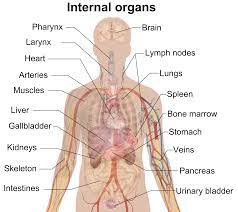
Markedly, along with major vital organs of the body of human beings, the anatomical features of the human body also consist of various biological systems. The first system is the circulatory system, which is responsible for transporting blood, hormones, different nutrients, and gasses such as oxygen and carbon dioxide all over the human body. The circulatory system consists of veins, blood vessels, the heart, the heart, and blood (“Respiratory Structure and Function”, 2012).
The second system is the digestive system, which is made up of interconnected organs, which coordinate in enabling the human body to effectively break down food, absorb then remove the waste. The digestive system comprises of the esophagus, the rectum, the mouth the stomach, the small and large intestines along with the anus. However, the liver together with the pancreas are also influential of activities carried out by the digestive system since they generate juices used in digestion.
The third system is the endocrine system, which comprises of eight main glands responsible for secreting hormones to the blood. The hormones, consecutively, travel through different tissues to regulate different functions of the body, among them, being metabolism, sexual function and also growth. The fourth system is the immune system, which acts as a defense of the body against all bacteria, harmful pathogens and also viruses.
The immune system consists of lymph nodes, the lymphocytes, which include B-cells plus T-cells, the spleen, the bone marrow, the leukocytes and thymus that constitute the white cells of the blood (Kelly, & Ramanan, 2011). The fifth system is the lymphatic system, which comprises of lymph nodes, the lymph ducts, and the lymph vessels. The lymphatic system is responsible for the body’s defense, however, its greatest task is making lymph and moving it. Lymph is a fluid containing white cells of blood, which fight infection in the body.
The sixth system is the nervous system, which is responsible for controlling actions within the body that are both voluntary and involuntary. In addition, the nervous system also sends signals across to diverse body parts. The nervous system comprises of nerves, the brain plus then spinal cord (Hammond-Browning, 2011). The seventh system is the muscular system, which is made up of approximately 650 muscles which facilitate movement, the flow of blood, along with other functions in the body.
The eighth system is the reproductive system, which enables human beings to reproduce. The male system of reproduction consists of the penis, testes, and sperms. The female system of reproduction consists of vagina, ovaries, uterus and eggs. The ninth system is the urinary system, which is used in the elimination of waste from the human body after food ingested by an individual is broken down. The urinary system is made of two kidneys and urethras, a bladder, urethra and sphincter muscles.
The tenth system is the integumentary system, which actually is the largest organ in a human being’s body. The integumentary system consists of skin, hair and also nails. The integumentary system acts the body’s protection against pathogens, different viruses, and bacteria. Moreover, the skin also regulates temperatures of the body and also helps in elimination of waste from the body by the process of perspiration.
AC 1.2: How systems of the human body interact as a way of ensuring growth and proper functioning of the human body.
Systems of the body interact through metabolism. Metabolism is a process that involves all chemical processes taking place in the body of human beings (Berge, 2011). Notably, metabolism is involved in influencing growth in a human being through anabolism. Moreover, metabolism helps the body of human beings to perform efficiently through catabolism. Thus, metabolism in the body of human beings involves building up the body, repairing the body and ensuring that storage takes place within the body of human beings.
Consequently, metabolism is effective in the generation of energy for the body of human beings. For instance, when an individual takes carbohydrates, it is usually in form of starch or in form of sugars. Through metabolism, the carbohydrates taken by an individual are broken to form glucose. The glucose is later broken down through further metabolic processes to form pyruvate which is a compound. Hence, supplementary metabolic processes result in the breaking down of pyruvate to form a molecule known as acetyl-CoA, which is responsible for the production of energy.
The acetyl-CoA molecule rotates around the tricarboxylic acid cycle (Gluckman, Low, Buklijas, Hanson, & Beedle, 2011). Consequently, energy carriers in the body of human beings transport energy through a chain for electron transport, thus generating a chemical known as ATP, which is the energy for human beings. During the breakdown, process water is also given off. Moreover, for the cycle to be complete oxygen along with carbon dioxide is required thus necessitating the breathing process for human beings.
Relevance of the information to a care home
Knowing the anatomy of human beings is relevant to all health care givers. Notably, with information on the anatomy of human beings, one is able to know how the human body is expected to function when in a healthy state (Mansfield, 2012). A health caregiver cannot effectively detect health problems in a patient if he/she does not know how the body functions when normal first. In addition, some of the treatment plan administered to patients relies on the organs of the body which are affected, along with bodily functions which are interfered with.
Notably, the bodies of human beings function just like a machine. Like a machine, the human body has special parts that perform specific functions. Moreover, just like a machine, all parts have to operate in an optimal state collectively for the body to function well. In a machine when one part breaks down, the machine works ineffectively (Burns, 2011). Equally, human beings also operate the same. If a body part is functioning ineffectively then the individual is said to be sick.
Thus, for a health care provider to be able to know what a patient is suffering from, it is mandatory to know how different organs are expected to function first. Furthermore, to know how organs function, it is also important to know their structure. One cannot be able to have reliable knowledge of disease processes along with the effects they have on human beings, without knowing about human structure plus different functions of the human body in advance (Roberts, Lightfoot, & Porter, 2011).
For one to solve a problem, it is recommended to know the root of the problem and the best methods of handling the problem. Notably, a person cannot solve a problem of an organ if they have no knowledge of how the organ works. Just like a car engine, one cannot fix the car engine when it breaks down yet one is not aware of how the engine functions when at its best.
Notably, in a setting of health care, patients, and their family are accustomed to asking about the diseases affecting the patients. Therefore, if a caregiver is not able to answer the questions, then patients and their family lose trust in the caregiver. However, when a caregiver has sufficient knowledge about parts of the human body and the way they function, then it will be easy for the caregiver to explain to patients and their families in understandable words. A person cannot be able to explain a concept they have knowledge about, as it leads to confusion and development of mistrust if one doubts their words.
The human body uses glucose stored from foods taken by individuals to generate energy to be used in contraction of muscles to facilitate movement.
When performing heavy activities such as exercising the human body takes in more oxygen by up to 15 times, this makes a person breathe heavily and fast. The rate at which a person is breathing increases to the point where muscles which surround his/her lungs, have no ability to move any faster.
The muscle tissue is responsible for maintaining uprightness of the human body, facilitating movement, pumping blood and moving food via the digestive area. Muscle cells are usually referred as muscle fibers. Notably, muscle cells comprise of the protein actins, and the protein myosin, which are responsible for the contraction of muscle cells.
AC 2.3: How internal activities within the human body are coordinated by the body
Mostly, internal activities within the human body are coordinated by the body through the nervous system in coordination with the endocrine system. The endocrine system has eight main glands, which emit hormones into the blood (Turney, Lee, & Mehta, 2011). The hormones, in turn, control different bodily functions like growth, sexual function along with metabolism. Conversely, the nervous system regulates actions that are voluntary like movement and also involuntary actions such as breathing.
Reference
Alimova, K. & Shadmanov, T. (2011). Principles of organization, diagnostics, and treatment of children with associated trauma. Medical And Health Science Journal, 5, 68-72. http://dx.doi.org/10.15208/mhsj.2011.84
Czepczyńska-Krężel, H. & Krop-Wątorek, A. (2012). Human carcinoembryonic antigen family proteins, structure, and function. Postępy Higieny I Medycyny Doświadczalnej, 66, 521-533. http://dx.doi.org/10.5604/17322693.1004113
Gluckman, P., Low, F., Buklijas, T., Hanson, M., & Beedle, A. (2011). How evolutionary principles improve the understanding of human health and disease. Evolutionary Applications, 4(2), 249-263. http://dx.doi.org/10.1111/j.1752-4571.2010.00164.x
Kawashima, T. & Sasaki, H. (2011). Gross anatomy of the human cardiac conduction system with comparative morphological and developmental implications for human application. Annals Of Anatomy – Anatomischer Anzeiger, 193(1), 1-12. http://dx.doi.org/10.1016/j.aanat.2010.11.002
Kelly, A. & Ramanan, A. (2011). The principles of pharmacological treatment of juvenile idiopathic arthritis. Paediatrics And Child Health, 21(12), 563-568. http://dx.doi.org/10.1016/j.paed.2011.07.010
Kilham, H. (2011). Expressing ethical principles of treatment and care in a charter: What value?. Journal Of Paediatrics And Child Health, 47(9), 590-593. http://dx.doi.org/10.1111/j.1440-1754.2011.02158.x
Mansfield, S. (2012). Understanding Health and Social Care – Second editionUnderstanding Health and Social Care – Second edition. Nursing Standard, 26(44), 31-31. http://dx.doi.org/10.7748/ns2012.07.26.44.31.b1380
Montgomery, K., Kim, J., & Franklin, C. (2011). Acceptance and Commitment Therapy for Psychological and Physiological Illnesses: A Systematic Review for Social Workers. Health & Social Work, 36(3), 169-181. http://dx.doi.org/10.1093/hsw/36.3.169
Roberts, M., Lightfoot, E., & Porter, W. (2011). Basal Metabolic Rate of Endotherms Can Be Modeled Using Heat-Transfer Principles and Physiological Concepts: Reply to “Can the Basal Metabolic Rate of Endotherms Be Explained by Biophysical Modeling?”. Physiological And Biochemical Zoology, 84(1), 111-114. http://dx.doi.org/10.1086/658084
Shamsiev, J. (2011). Principles of diagnostic and treatment of echinococcosis in children. Medical And Health Science Journal, 5, 88-90. http://dx.doi.org/10.15208/mhsj.2011.89
Turney, K., Lee, H., & Mehta, N. (2011). Special issue call for papers: Social determinants of child health. Social Science & Medicine, 73(11), 1674. http://dx.doi.org/10.1016/j.socscimed.2011.09.002
WU, J., LIU, Z., WANG, L., LIU, L., ZhANG, Y., & FENG, D. et al. (2011). Age-related changes in expression of human leukocyte antigen-DR and levels of cytokines in peripheral blood mononuclear cells. Chinese Journal Of Multiple Organ Diseases In The Elderly, 10(4), 315-317. http://dx.doi.org/10.3724/sp.j.1264.2011.00007
Want help to write your Essay or Assignments? Click here
Certain populations in the society are said to be more vulnerable than others based on certain conditions or situations in life. The World Health Organization (WHO) defines high risk populations as individuals who cannot anticipate, resist, or cope and recover from the impacts of a disease or disaster. Elderly people, children, malnourished and immunocompromised individuals, and are all classified as high-risk population.
Some of the factors that have been attribute to expose people into vulnerability include poverty, poor housing, homelessness, ethnicity, race, genetic predisposition, as well as poor housing. Current economic indicators in the United States suggest that the most disadvantaged healthcare segments have been lagging behind despite overall increase in economic trends as well as that of racial, ethnic, and socioeconomic disparities.
For instance, the rates of infant mortality which have been falling for a number of years are now increasing among the African Americans; a trend that has been linked highly with poverty (Flynn et al., 2013). This has prompted the government to introduce some important health programs such as the Earned Income Tax Credit and the Social Security fund which have decreased poverty significantly induce major desirable health effects.
Nichols, O’Connor & Dunn, (2014) point out that DNP nurses play a crucial role of addressing and providing solutions in the healthcare field whose complexity keeps increasing. DNPs can impact a healthcare policy by solving disparities that surround the access to quality health care. Mostly, DNPs are the solution to a number of conflicting healthcare issues. One of the major roles that has been adopted by DNPs is identification of high-risk populations.
Predictive analysis has stood out as an important technique for effective identification. This method employs the use of historical and current data as well as modeling so as to predict future events. In predictive analytics, the decision-making process is data driven. Therefore, DNPs use available patient records to identify individuals that need assistance, such as high risk populations.
The African Americans are one of the high risk populations in America. This because of their high likelihood to develop hypertension. Researchers propose that these individuals could be carrying a gene that makes them salt sensitive hence increasing their risk to hypertension. Additionally, African Americans are affected significantly by obesity.
Studies by (Diaz et al., 2014) report that among non-Hispanic Blacks who are 20 years and above 77 percent of women and 63 percent of men are obese. This population also has a high prevalence of diabetes. It is important to note that diabetes and obesity are among the leading risk factors for hypertension and this could therefore be the reason behind the high incidence of hypertension among African Americans.
Evidence-based interventions
Several evidence-based interventions have been put forward to aid in the management of hypertension among the African Americans. One such intervention is the use of advance health care technologies. Technology advances have proven to be an integral part for the management of high-risk populations (James et al., 2014). For instance, technology will be used to support robust communication with high-risk individuals.
Text messaging, emails, social media, and video conferencing will be used by physicians to follow up on hypertensive patients so that they can understand their progress upon medical intervention. The technology will be used to enhance patient accessibility to healthcare. Additionally, health care providers can use remote monitoring or smart phones to optimize the healthcare strategies hence improving patient outcomes.
Another important intervention will be to education the African Americans about the etiology, causes, risk factors, and management of hypertension (Ogedegbe et al., 2014). There is need for patients to be enlightened about the importance of lifestyle changes. For instance, the African Americans will be encouraged to eat healthy foods such as the Dietary Approaches to Stop Hypertension (DASH) diet which stress that patients should take vegetables, fruits, fish, poultry as well as foods that are rich in potassium.
High levels of potassium aid in preventing and controlling high blood pressure. They should also regulate their intake of fats especially the trans-fat which has been proven to be responsible for arteriosclerosis that narrows blood vessels hence worsening hypertension.
Research has proven that one of the reasons behind the high prevalence of hypertension among black Americans is their increased sensitivity to salt (Diaz et al., 2017). Therefore, they should be educated about their need to reduce the intake of salt in their diet. A salt level of about 1500 mgs per day is recommended for a hypertensive patient who is about 50 years and above.
For other healthy individuals, advised not to increase their intake above 2000 mg as this could result in hypertension development. Obesity, smoking, and diabetes are other major risk factors that all African Americans will be taught about their management. They will be encouraged to present themselves to the healthcare centers for diabetes testing. Similarly, they will be encouraged to watch on their weight and desist from cigarette smoking as well as alcohol intake which can predispose them or increase the severity of hypertension.
The other strategy for managing and reducing hypertension will be by helping patients to design their hypertension treatment plan. Through this plan, patients will be instructed on how to check their blood pressure regularly, follow their treatment plans consistently, and consult their physicians regularly whenever need a clarification about their condition.
Outcome measurements
One of the measurements that will be used to evaluate the outcomes of the hypertension management is the recording of the mean systolic and diastolic pressure of the hypertensive patients who have been taught hypertension management interventions. The recording will be done over a period of one month and plotted on a graph where the shape of the graph will be used to determine whether the patient complied with what he/she learned.
The proportion of patients who will visit to the clinic after the education program will also be determine. A high turnout will be indicate that the patients understood that follow up care is an important pillar in the management of hypertension. Additionally, the physicians will use clinical records to determine how many more individuals have been diagnosed with hypertension since the implementation of the various evidence-based interventions. The number is expected to be lower compared to that of other years.
Epidemiological terminology in the description of interventions and outcomes
A systemic approach is required for effective management of hypertension. The approach entails identification of hypertensive patients, aggressive treatment of hypertension with antihypertensive drugs, proper patient education, and follow-up care. With this approach, modest reduction in the mortality and morbidity of cardiovascular agents will be realized.
However, it is important that note that all this strategies should be combined for clinically significant reductions in hypertension prevalence to be achieved. Supplemental interventions such as self-monitoring of hypertension and adoption of healthy behavior are other important indicators for use in assessing the effectiveness of the implemented strategies.
Lessons learned from developing this interventional program
This project has help me learn that communication is one of the most effective clinical intervention for use during management of a disease. Proper communication helps the public to understand the causes, risk factors, and their role in the prevention and management of a condition. Individuals who are well-informed know what they ought to do and therefore avoid visiting hospitals for treatment or hospitalization which is very expensive.
Secondly, I learned that healthcare providers should accord high-risk population optimum attention and conduct proper research in order to meet their desired goals. This is because interventions used in other parts of the world may not work when dealing with high risk populations hence the need of evidence-based programs. Through this intervention, I believe I can easily take care of an African American patient and also be at the front line in identifying other high risk-populations in the society and the clinical programs that can be used to ensure they live quality lives.
References
Diaz, K. M., Booth, J. N., Seals, S. R., Abdalla, M., Dubbert, P. M., Sims, M., … & Shimbo, D. (2017). Physical Activity and Incident Hypertension in African Americans. Hypertension, HYPERTENSIONAHA-116.
Flynn, S. J., Ameling, J. M., Hill-Briggs, F., Wolff, J. L., Bone, L. R., Levine, D. M., … & Ephraim, P. L. (2013). Facilitators and barriers to hypertension self-management in urban African Americans: perspectives of patients and family members. Patient Prefer Adherence.
James, P. A., Oparil, S., Carter, B. L., Cushman, W. C., Dennison-Himmelfarb, C., Handler, J., … & Smith, S. C. (2014). 2014 evidence-based guideline for the management of high blood pressure in adults: report from the panel members appointed to the Eighth Joint National Committee (JNC 8). Jama, 311(5), 507-520.
Nichols, C., O’Connor, N., & Dunn, D. (2014). Exploring early and future use of DNP prepared nurses within healthcare organizations. Journal of Nursing Administration, 44(2), 74-78.
Ogedegbe, G., Tobin, J. N., Fernandez, S., Cassells, A., Diaz-Gloster, M., Khalida, C., … & Schwartz, J. (2014). Counseling African Americans to Control Hypertension (CAATCH): cluster randomized clinical trial main effects. Circulation, CIRCULATIONAHA-113.
Want help to write your Essay or Assignments? Click here