Prevention and Management of Hypertension among Blacks
Abstract
Research done over time has shown that hypertension among blacks is prevalent. It is evident from several types of research done that more African American men are exposed to hypertension compared to other races. Such health outcome is associated with several factors. They include socioeconomic factors, barriers to access to appropriate health care and mostly because of a genetic predisposition for high blood pressure.
A study done focusing on recognition of hypertension in older persons reveal that; hypertension is the most commonly diagnosed illness among persons over the age of 60. Hypertension is also associated with other several chronic diseases such as cardiovascular diseases. These diseases include heart failure, stroke and ischemic heart disease (Peters & Flack, 2016).
Studies have been done on prevention and management of hypertension, and some of them have proved to be valid to the rest of the populations, but unfortunately, more has to be done for the African American community. This study will focus on various strategies for early detection or recognition of hypertension among blacks as it also occurs in the first ages for them compared to other races (Huntley & Heady, 2013). Blood sugar level reduction has been an appropriate mechanism designed for the blacks to minimize the mortality rate and morbidity of cardiovascular disorders stemming from hypertension.
Most researchers have recommended the use of thiazide diuretics and calcium channel blockers after careful evaluation of the sick, for the initial drug therapy process. The study will focus on the management and prevention of hypertension among the elderly African American population. This is because the age, from 60 years and above, and mostly blacks are categorized as high-risk groups. The study will seek to understand the problems associated with previously advised recommendations and why they failed to achieve intended purpose.
Theoretical Framework
Salt sensitivity
This theoretical framework indicates that there is a linear relationship between salt sensitivity and age. There are various categories, specifically five, associated with salt sensitivity and these include social and racial factors, demographic factors, dietary habit factors, hormonal factors and renal function factors. The study further concluded that a direct and positive relationship exists between salts sensitivity and age (Fox et al., 2011).
This means that salt sensitivity escalates as an individual continues aging or getting older. The increased salt sensitivity among African-Americans has been proven through using i.v. NaCl loading alongside using dietary sodium designs (Peters & Flack, 2016).
Cooper et al. attempted to disassociate the environmental, social, and genetic aspects of race through studying sodium intake and hypertension within populations of the Africans in Diaspora. Seven populations originating from West African revealed a regressive rise in prevalence of hypertension from 33% in U.S to 26% in the Caribbean and 16% in West Africa.
The study unveiled strong cross-cultural relations of high blood pressure risk based on social-environmental aspect and intake of sodium-potassium responsible for approximately 70% of the geographic variation in prevalence of hypertension. However, the report failed to discuss the psychosocial factors that dumbfound the hypertension risk among the subjects (Huntley & Heady, 2013).
It should also be noted that in this study, the prevalence rate of hypertension in West Africa is lower compared to that for Caucasians in the U.S. The findings show the profound essence of environmental exposure in salt sensitivity development among patients. Therefore, it is quite debatable the racial reason behind high prevalence of hypertension among blacks in the US environment, but the concept of high salt sensitivity among the older people remains unaltered (Sandra, 2016).
Diagnostic Approach
A general evaluation of the population to be investigated is done. A thorough clinical assessment is conducted and includes initial and periodic orthostatic blood pressure measurement among older black adults. It involves closer investigation and analysis of historical data of the patient (Still, Ferdinand, Ogedegbe, & Wright, 2015). In the process, it is also essential to enquire about factors that may impact prognosis and therapy of the patient ranging from lifestyle behaviors to socioeconomic status, to psychosocial and also environmental factors.
Lifestyle Modifications
This includes dietary modification, weight reduction, and increased physical activity. They were particularly significant in the treatment of old African Americans as both primary and secondary level of interventions considering the high prevalence of obesity in this group (Still, Ferdinand, Ogedegbe, & Wright, 2015).
Research Questions
How effective is the diagnostic approach of preventing hypertension among the older African American population?
How can the prevalence be controlled among the aged and are the interventions appropriate?
Target population
The target population entails the hypertensive African-American over the age of 60, and the population will be selected through sampling method.
Research Design
The study design adopted by this study is descriptive and will focus on management and prevention of hypertension among the elderly blacks over age 60 years. The main aim of using a descriptive design is to carry out a survey of randomly selected individuals that fit the sample criteria identified for this study. In addition to this, research articles will be used to determine the methods prescribed and their effectiveness.
The data will be collected from 50 homes of African Americans from every region. However, the validity of data gathered from the survey may limit the scope of this research regarding full details. The other factor includes researcher biases that restrict objectivity in the study. This is because of the time limit factor that prevents considering the whole population.The threats identified above can be addressed through the use of more respondents in future studies and use of patient records in the hospital after seeking the patient’s consent. To minimize biases then proper and non-prejudgment approach will be employed.
Sample
The sample size is 50 hypertensive patients within the states. The selection method of participants is through convenience sampling. The representatives of this study involve willing and able participants in the study which improves the reliability of data provided by them for the study. The threats identified include; individuals selected may provide unreliable or tailored responses to the questionnaires used during the survey.
The sample size is reliable within the time framework provided and is a good representation of the whole population. However, for a more reliable data, a larger sample size is recommended for the research. The information or any data obtained from the patient will be treated with confidentiality, and patient anonymity will be maintained as per the regulations of the IRB. Written consent will be signed by the then patient without revealing any identity and filed before filling out the questionnaire.
Methods
Within this research, several variables underlying the prevention and management of hypertension can be seen. This includes the dependent variable as the prevalence of hypertension and the independent variables which include lifestyle modifications and proper interventions such as the primary, secondary and tertiary interventions as mentioned above. They are the strategies employed towards preventing and managing high blood pressure (Peters & Flack, 2016).
References
Fox, E., Young, J., Keating, B., Li, Y., Dreisbach, A., & Musani, S. et al. (2011). Association of genetic variation with systolic and diastolic blood pressure among African Americans: the Candidate Gene Association Resource study. Human Molecular Genetics, 20(11), 2273-2284. http://dx.doi.org/10.1093/hmg/ddr092
Huntley, M., & Heady, C. (2013). BARRIERS TO HEALTH PROMOTION. A CASE OF AFRICAN AMERICAN MEN WITH HYPERTENSION. American Journal of Health Studies, 28(1).
Sandra, A.M., (2016). Hypertension in African Americans & its related chronic diseases.-PubMed – NCBI. Ncbi.nlm.nih.gov. Retrieved 22 October 2016, from https://www.ncbi.nlm.nih.gov/pubmed/20069804
Still, C., Ferdinand, K., Ogedegbe, G., & Wright, J. (2015). Recognition & Management of Hypertension in Older Persons: African Americans. Journal of The American Geriatrics Society, 63(10), 2130-2138. http://dx.doi.org/10.1111/jgs.13672
Want help to write your Essay or Assignments? Click here
Question 1: In my opinion, Mr. Willy Watt should not bid in order to avoid conflicts of organization. The main responsibilities of board of members are to ensure financial accountability of the healthcare organization. The Board members are the trustee’s of organization assets. If he must bid, the governing board must exempt him from fiduciary duty. There is no problem with governing boards fiduciary as long as they remain trustworthy, loyal and accountable. However, there would be an issue with Mr. Watt’s fiduciary duty because there is conflict on Mr. Watt’s loyalty and interest (Gannons Solicitor, 2013).
Question 2: Dr. Wilson the gastroenterologist actions are permitted expect in situation where the healthcare providers acts are proven as gross negligence. There is problem’s with contract unless he coerces a patient to sign his contract without the knowledge of the liability exemption clause. If a patient sues him for negligence, he cannot be accused because the patient signed the contract knowingly (AHIMA, 2013).
Question 3: The areas associated with high incidences with fraudulent billing practices that are problematic are up-coding, patient identification error, cloning, phantom billing, repeated billing and service fragmentation and unbundling (AHIMA, 2013).
Question 4: There are six tips that facilitate effective compliance program. These include establishing culture of compliance, outlining procedures, policies, training, and effective communication, establishing corrective system and performing audits. These tips are all important, but the most important one is training. This is because continuous training will help the staff understand importance of providing commitment plan with technical and monetary support. Through training, the staff will understand the policies and procedures specific to their job function. Training process provides an opportunity for interaction between the various departments (National Law Review, 2016).
Diagnosis (es): DSM 5 Code Diagnostic Classification 309.81 (F43.10) Posttraumatic stress disorder (PSTD) Medications: Prazosin and sertiline Supports/Strengths: Prazosin would be appropriate for this patient because it has been shown to reduce insomnia and nightmares. Sertiline is also necessary since it is an anti-depressant hence will help in management of anxiety and depression. This agent also aids in improving the patient’s concentration and sleeping problems. Presenting Problems: Leah presents with flashbacks and nightmares to an extent that she fear sleeping alone. She has disturbing thoughts, dreams as well as feelings related to the terror attack that occur at her school. Moreover, Leah develops distressing and repetitive images of the attack. The event has made it difficult for her to concentrate in class or even remember what was taught in previous classes. Treatment Recommendations: a) Psychotherapy is the primary treatment for patients suffering from PSTD. Leah should therefore be subjected to exposure therapy, a form of psychotherapy, which helps a patient to safely face what they find frightening so that she can learn to cope with the negative thoughts that she has. This technique uses virtual reality programs that would help Leah to re-enter the setting similar to that of the attack. Cognitive therapy should also be used to help Leah change her ways of thinking.
b) Medications such as diazepam an anxiolytic agent or sertraline an anti-depressant can be used to manage Leah’s symptoms.
Desired Goals of Tx: The psychotherapy treatment will help Leah learn ways of coping with the symptoms of the attack that she witnessed. They drugs can help in relieving symptoms of fear, depression, and anxiety that Leah is going through. This will in turn improve Leah’s sleeping problems and concentration in class. Additionally, Leah is expected to start socializing with her classmates just like she used to. Frequency of Tx: Treatment should be initiated immediately and maintained and the patient is stable enough. The initial dose of sertiline should be 10mg once daily and increased to 20 mg after one week. Adjustments should be made weekly based on patient presentation. However, the patient should be monitored since administered agents, that is, sertraline and diazepam are associated with severe side effects.
Project Length of Treatment: Approximately 2- 3months Supportive Background Documentation for Diagnoses and Meds:
PSTD is the primary diagnosis in the case study presented. This is because the disorder occurs as a result traumatic events such as traffic collisions, sexual assault, or terror attacks. Patients suffering from PSTD present with nightmares, flashbacks as well as distressing and repetitive images (Williams et al., 2013). These findings are consistent to those presented in the case study, hence proving that the Leah has PSTD. TREATMENT GOALS/INTERVENTIONS CLINICIAN NAME: LEAH CLIENT NAME: GINA S. Long Term Goals:
– Exercise proper sleeping patterns
– Patient should demonstrate proper control and relaxation techniques Short Term Goals:
– Patient should manage her feelings and fear.
– Improved social interaction
-Improved concentration
TREATMENT GOALS/PROBLEMS, STRENGTHS, BARRIERS, PERSON RESPONSIBLE
Goal #1: Leah should demonstrate control and relaxation techniques OBJECTIVES: Distinguish between present and memory. She should also recognize environmental triggers and react to them appropriately. INTERVENTIONS: Evaluate the patient’s symptoms, encourage her to identify terrors, use de-escalation techniques in her management, and use virtual programs to boost Leah’s courage. Target Date: December 20th, 2016 |Review Date: |Completed ?yes, ?no | New Target Date: |Review Date: |Completed ?yes, ?no TREATMENT GOALS/PROBLEMS STRENGTHS BARRIERS PERSON RESPONSIBLE Goal #2: Improved social interaction OBJECTIVES: Patient will interact effectively with her peers. Her concentration in class should also improve. Leah should also use proper skills when initiating and maintaining an interaction. INTERVENTIONS: Enquire which symptoms she experiences when she starts feeling anxious. Leah should be trained on how to briefly remove herself when she feels agitated and engage in exercises that relief anxiety such as deep breathing. This will aid in improving her sense of control in public.
Target Date: January 7th, 2017 |Review Date: |Completed ?yes, ?no | New Target Date: |Review Date: |Completed ?yes, ?no
Signature of Client/Date Signature of Therapist/Date
The Role of Public Health in Health Care and Social Care
Public Health
Introduction
The concept of public health has grown in importance and stature since its inception in the UK. The main aim of public health is prevention of illness and diseases in the entire population as well as promoting and sustaining health of the citizens. This is facilitated by recognizing many social factors that contribute to health (WHO, 2015).
This paper aims at investigating the roles of different agencies that work within the community to reduce the incidence of diseases. This paper will investigate both non-infectious and non-infectious diseases which are widespread as well as explore the various strategic approaches and statistical methods applied to evaluate, monitor, and regulate the incidence of the diseases. The paper will also explore the various effects of illness and diseases in delivery of health care and social care services. The paper will put into consideration the current lifestyle in the community that impacts the delivery of quality health and social care services (Department of Health, 2013).
Roles of different agencies in the UK
Public health refers to science and art of ailment prevention and prolonging of life using planned efforts to help the society make informed choices. The main role played by the different agencies is to identify incidences of diseases within various communities. The different agencies involved in public health include International agencies such as World Health Organization (WHO) and European Union (EU); National level agencies (Government and UK Department of Health (DH) and the local authorities and local health trusts (Social welfare 2013).
The World Health Organization (WHO) has six core functions. To begin with, they provide strong leadership on critical health issues and engage in partnership especially in areas that are in need joint action. They are also responsible in research agendas that facilitate dissemination of knowledge on health issues.
The organization also sets norms and standards that should be used to promote and monitor the effectiveness of specific interventions of public health issues. The organization facilitates the establishment of evidence based policies that are ethical. This includes provision of technical support by catalyzing change and developing sustainable institutional policies. WHO also monitors the health situation and evaluates the current health trends (Forest & Denis 2014).
The European Union has the responsibility of complementing the national policies. It does so by helping the EU affiliated governments to achieve the established shared objectives, pool resources so that they can generate the scale of economies as well as tackle the shared challenges. The role of this international organization also includes promotion of healthier lifestyle, and ensuring equitable distribution of resources to tackle the serious health threats that are predominant among EU member countries (Social welfare 2013).
At the national level, the UK Department of Health (DH) leads the strategy, policy and outcomes of health improvement. The agency leads by establishing policies that protect the citizens from a range of health threats. It leads in emergency preparedness, providing health programs for Olympics and Paralympics et cetera. It helps the health care providers at the national level to harness the cutting edge in the advancement of medical science to improve health care. The agency also designs the systems for England public health.
The Department of Health (DH) helps the UK residents to have better and longer life. The role of the agency is to lead, shape, and provide funds for the healthcare system in the UK. This ensures that people have adequate support as well as helping to, maintain the dignity of the citizens. The agency also creates national policies and healthcare legislation. It also supports the integrity of the healthcare system by ensuring delivery of quality care and accounting for the funds provided to it by parliament in a way which represents the interests of the patients.
The agency also champions innovation and supports research and technology, transparency, openness, and honesty. This improves the out-patient care by establishing the safest and highest quality of healthcare services. Ultimately, the efficiency and productivity of the healthcare system is improved (Department of Health, 2013).
The local authorities have a convening role and also promote co-existence between the Local authorities and the GP consortia. The key role of the local authorities is to lead joint strategic needs assessments (JSNA) to ensure coordinated and coherent strategies. The agency also supports local voice and promotes patient’s autonomy. The local agency also leads on local health in order to prevent occurrence of diseases. The agency promotes the commissioning of the social care and Local NHS services to improve delivery of quality care (Reiner et al. 2013)
Epidemiology of infectious and non-infectious disease
Epidemiology refers to the study of distribution of infectious and non-infectious diseases, and the determinants of these health related events within a specified population, and application of research studies to control the health issue. Epidemiology involves studying of global patterns, risk factors, and preventive measures that can be applied to improve the health issue.
Non infectious disease is also referred to as non-communicable disease. This refers to a health condition that is non transmissible. More often than not,, most of non-communicable diseases are chronic and progress slowly. Examples include asthma, obesity, malignant disease. and cancer. Infectious diseases are highly contagious, which implies that they are transmitted from one person to another. They are often caused by pathogens. Examples of infectious diseases include HIV/AIDS, tuberculosis, influenza, childhood diseases, MRSA, influenza, food and water borne diseases (Social welfare 2013).
UK is reported to have the highest level of obesity in the Western Europe. Obesity is a non-infectious disease and it refers to body mass index (BMI) that is between 25 and above. According to the Health and Social Care Information Centre, 24.9% of the population is obese and approximately 61.7% is overweight. The levels have increased in the past three decades, and it is projected that if intervention measures are not put in place, half of the population will be obese by 2050.
This trend is attributed to the fact that most people have adopted modern lifestyles which includes unhealthy dietary and physical inactiveness. Obesity is the biggest health crisis in the UK because it is also associated with other health complications such as diabetes, cancer, and cardiovascular disorders (National Obesity Forum n.d).
The most common type of infectious diseases is influenza. The latest epidemiological reports indicate that influenza has continued to increase considerably. The influenza virus is the leading cause of respiratory tract infections, which is associated with severe complications which lead to hospital admission and mortality. The internet based surveillance indicates that influenza affects 18.4 per cent out of a population of 1000 people. However, 20-44 people report higher rates of infection which is reported at 23.1 per cent out of a population of 1000 people (Social welfare 2013).
The effectiveness of different approaches as well as strategies of diseases control
There are various approaches being utilized by the Department of health in controlling obesity and influenza in the UK. Some of these approaches include screening, vaccination, legislation, education, and creating awareness and surveillances (Social welfare 2013).
The Department of health has established interventions that will help people make healthier choices by ensuring that they are in a position to make healthy dietary and to become more active. This includes programs such as Change4life. The department has established strategies that will help effective labeling of drinks and food which will help people to make informed choices.
The legislation requires the factories to include ingredients such as calories. The National institute of Health and Care Excellence (NICE) has established a series of initiatives that aims at reducing obesity. This includes improving the physical environment and leisure parks to improve the amount of physical activeness among the population (Public Health England 2014).
The departments at national and community level encourage the use of school based programs as the main strategy to tackle obesity. For example, the Croydon Healthy Schools program was established in order to ensure that local schools support healthy food programs and promote physical activeness. The public health agencies at the national level deal with four specific networks including food, physical activity, alcohol, and health safety at the workplace. These initiatives have helped people to adopt healthy lifestyles. In addition, regular education has helped to reduce discrimination as well as enhance self confidence among people with obesity (Social welfare 2013).
The Public health of England also conducts surveillances of the Influenza after every week to monitor the influenza activity at community and national level. Influenza is the leading cause of hospitalization in the UK. For this reason, the healthcare agencies at the government level (Department of Health) supported by the local authorities have developed annual a flu program that seeks to vaccinate individuals at high risk of developing influenza. The high risk individuals include the older people, infants and toddlers, pregnant women, immune-suppressed, and those suffering from cardiac diseases.
In addition, the program provides training to help the citizens in detecting signs and symptoms of influenza. The public health department also requires that any suspected case of avian flu must be reported to the nearest animal and Plant Health agency. This helps the agencies to effectively control the infection. A recent case of low severity (H5N1) avian flu was reported in Dunfermline early this year, but the agencies managed to control the infection by using restricted movement (Public Health England 2014).
The current priorities and approaches
The priorities for delivery of health services are influenced by evaluating the burden of a disease. The analysis of the community burden of disease provides comparable assessment of the cost of health, injuries, risk factors and mortality rates. This is normally done using the disability-adjusted life year (DALY). DALY that normally evaluates the number of years lost as a result of premature deaths within a certain time (Social welfare 2013).
According to DALY report in the UK, the leading health burden is mental illness, heart complications, cancers diseases and respirational diseases respectively. In 2010, the leading causes of DALY were cardiovascular disease, chronic osteoporosis (back pain), as well as chronic obstructive pulmonary disease (COPD). Most of these disorders are associated with unhealthy lifestyles such as poor dietary, alcoholism, smoking, and lack of exercises.
Therefore, the current healthcare priorities in the UK include preventive services for mental health, smoking, diet control, alcoholism as well as promoting physical activeness. The second priority is to improve the clinical services by providing adequate support for mental health services, respiratory disorders, and cardiovascular disorders (Public Health England 2014).
The approaches being used to provide healthcare include primordial prevention. This involves identification of legislation that aims at delivering quality services. Other approaches include education and awareness, environmental controls and social welfare. The second approach is through primary prevention. This primarily focuses on health promotion interventions such as health education on immunization, chemoprophylaxis, and serophaylaxis. Environmental modifications will help to protect the community from various hazards in the environment. The nutritional interventions and behavioral changes will ensure that people adopt healthy lifestyles (Social welfare 2013).
The other approach is the secondary prevention which mainly focuses on halting the progression of the disease and prevents complications. The main activities in this stage include screening tests, laboratory findings, and adequate treatment programs. The fourth approach is through tertiary prevention. This involves use of all interventions to limit disabilities and impairments associated with the health event and help promote a patient’s health condition.
This mainly focuses on interventions that prevent disability limitation as well as rehabilitative services. Rehabilitative services are coordinated through medical, vocational, educational, and social training measures to help the patient retain their functional ability to the highest level (Public Health England, 2014).
The approaches being used include monitoring and surveillances. Monitoring is used to describe the performance and analysis of measurements that are aimed at evaluating the environmental changes such as water quality and other forms of pollution, dietary intake et cetera. Monitoring also entails all other forms of measurements of health services and the extent to which patients adhere to the advice provided by healthcare professionals. On the other hand, surveillance is the inspection of the determinants of health, and the distribution of the other health related illnesses (Public Health England, 2014).
Relationship that exists between the prevalence of disease and the service requirements
There are considerably adequate healthcare resources including hospital, community health services, personal medical services, and community health services. The community health services providers (HCHS) and dental staffs are about 105,000. There are bout 41 300 healthcare providers who provide consultation services and an additional 53,000 who provide training services.
There is about 971,000 non-medical staff whereby 319,000 are qualified nurses, 136,000 are technical and therapeutic professionals, 187,000 in infrastructure support, and 36,000 are managers. In the new health and social care setting, these healthcare providers consist of clinical commissioning groups (Department of Health, 2013).
The UK health and well-being board brings together organizations to work in partnership in order to deliver powerful that advocate for the needs of communities and patients.
These healthcare professionals have combined efforts to help people lead healthier lives. This involves ensuring that people have adequate support, care and treatment as needed, and in the most compassionate, respectful, and dignified manner. The specialists are working together to ensure that they provide evidence based care. This is achieved by bringing in the multidisciplinary teams together in health and social care to manage healthcare efficiently and effectively.
This facilitates timely referrals which are important in reducing time for making diagnosis. Although there have been massive improvements in healthcare, the public health of England continues to be burdened by diseases such as obesity and influenza. This often calls for strategic frameworks and policies (Department of Health, 2013).
Impact of current lifestyle choices on the health care future needs
The UK people’s health is determined by their lifestyle choices. This is attributed to the increased globalization and busy schedules that make it difficult for people to engage in healthy lifestyle. For instance, obesity is associated with poor dietary and increased physical inactiveness. The food available in the UK today is just refined ingredients mixed with some chemicals. These food products are cheap, and taste very good that one cannot have enough.
This makes the food to become hyper-palatable which makes people eat them in high quantity due to food addiction. Food addiction is a complex issue that can be very difficult to overcome. This often leads to mental disorders and increases a person’s susceptibility to other infectious diseases such as influenza (Health Protection Agency 2010).
Obesity is associated with energy imbalance. The main variable factor and one that can be modified is physical activity. Most people are not active. Physical activity has continued to decline in developed countries. The pattern is being reflected in developing countries. Over the past decades, each household in the UK own second hand carts and appliances that help to cut on labor. Outdoor activities have also reduced considerably; consequently, one in every four people in the UK is at risk of becoming obese. The impact of physical inactivity affects the future of the healthcare industry because increases cardiovascular disease burden through the increased cost of preventive care (Department of Health 2013).
Most of the health complications are associated with behavioral risk factors. Chief among the behavioral risk factors includes smoking and binge drinking. It has been hypothesized that smoking helps in reduction of weight gain. However, these beliefs are over-simplistic. Both smokers and non-smokers are at risk of becoming obese if they feed on unhealthy foods and are physically inactive. The impact of tobacco smoking and alcohol affects the future of the healthcare industry because it increases the cost of preventive care (Enfield 2013).
Priorities for people in specific health setting
The well-being and health of the populace in this community are highly related to each other. According to WHO, health has a great influence on the nation’s economic development. The healthier a community is the more productive it becomes. The healthcare settings of a community are influenced by many factors such as communication, poverty and social services.
These determinants can be categorized by many physical factors such as the individual health factors which include hormonal imbalance, genetic disorders, and immune system. These factors increase people’s risks of cardiovascular and metabolic disorders. These factors also affect the behavioral, cultural and psychological factors. For instance, stress is a psychological factor whereas unsafe sexual behavior, abuse of alcohol, and smoking are behavioral factors that have an impact on an individual’s health. (Public Health England, 2014).
The environmental factors involve all factors that affect the wellbeing of humans. These include safe water and a clean environment. Other factors include chemical factors, biological and physical environment. The socioeconomic factors such as income affect the well-being of an individual. For instance, in the UK, health disparities are evident between the high income and low income earners. The high income households get better medication and education, and are less likely to be affected by infectious and non-infectious diseases (Social welfare 2013).
Priorities of elderly people’s health should be based according to the health issues facing the age group, and are projected to face the age group if not addressed adequately. Infectious diseases such as Influenza affects the elderly people especially those living in low economic zones. Such diseases are associated with long term effects; hence, they need immediate and appropriate health solutions such as preventive management.
Abuse of the elderly people is another issue that must be prioritized. The elderly people are abused physically, emotionally and psychologically. The protection agency must ensure that they are adequately prepared to help the frail human beings. This is to ensure that they are housed, fed, and their healthcare is taken care of (Paterson 2014).
Effectiveness of strategies systems and polices
The effectiveness of the policies that are implemented in taking care of the elderly involves enactment of policies by the various agencies of the public health. There are various agencies that contribute towards the enhancement of children’s health and are all working to meet the same goal. The partnerships established by these institutions are designed to facilitate incorporation of effective healthcare services.
These services include involvement of the PCTs, CCCs and other local authorities. Due to the modifications conducted in the white paper, these policies and systems have been found to be very effective in delivering care .However; there are some areas where the ground level implementation has not been successful. In such instances, there is need to establish more interventions to help implement the policies more effectively (Stewart, Cutler, & Rosen 2009)
Changes that could be established to improve the healthcare
The changes that are needed in the UK healthcare system are changes that will influence positive behavior. For example, there are limited opportunities that promote physical activity. In this context, the public health agencies should respond to the private sector to ensure that recreational facilities are not interfered with to ensure that there is enough space for physical activity. This includes maintaining of the cycle routes, sports areas, children play ground areas and pedestrianisation (Social welfare 2013).
The second priority is to change the local culture and beliefs of physical activity. Most people in the UK do not value physical activity. The public health agencies must put in place awareness programs that will help to ensure physical activity is valued by everybody in the community. The public health is also responsible for community safety. There have been few worries regarding personal security especially when exercising. The public health must liaise with the community groups and the police to help restore a safe community (Public Health England 2014).
The public health community must work in partnership with the groups such as educational institutions and communities to increase awareness on preventive measures such as healthy foods, physical activeness, and vaccination programs. The commissions should improve access to organic food at affordable prices especially among the socially marginalized people (Public Health England, 2014).
Task 3.4 Evaluation of an activity that have been implemented to promote behavior change
Under the Health and Social Care Act 2012, the main agency in charge of improving the health of the populace is the local authorities. They have a statutory function to improve public health by providing advice to the clinical commissioning groups. The local authorities are entrusted to deliver National Child Measurement Program. One of such program is “cooking from scratch”. This is an initiative established by NHS and Bristol county council.
The scheme targets to teach the low household income on ways to make simple healthy foods that can be achieved at specific budget. The program also trains the community on importance of physical activeness and adhering to vaccination programs. The program has been successful as it trains people from diverse settings including the elderly in community day care centers, staff working in these centers, youth clubs, and new mothers. This has helped to reduce the rates of obesity in this county (Public Health England 2014)
Reiner, M., Et al. (2013) Long term health benefits of physical activity- a systematic review of longitudinal studies. BMC Public Health 13; 813
Stewart,S., Cutler, D. & Rosen, A., 2009. The New England Journal of Medicine. Forecasting the Effects of Obesity and Smoking on U.S. Life Expectancy [Online]. 361, p.2252-2260. Available at: http://www.nejm.org/doi/full/10.1056/NEJMsa0900459 [ Accessed May 24 2016]
Old age is associated with different aging problems such as diseases, depression, loneliness, ego-integrity among others. However, leading to a successful old age is a dream of each person, but still, some factors affect older adults’ health. Thus, the primary objective of this report is to evaluate factors that influence health of aged people. The influencers of the health problems in old age will be analyzed to determine the factors that are highly associated. This will lay a foundation on what can be done to improve the life of aged people, increase the longevity and successful life.
A sample of adults aged 50 years and above will be randomly selected, and given the questionnaire to fill. Collected data will be analyzed to determine the correlation of different variables that might be attributed to the health of old aged people. More specific, the participation on leisure, life satisfaction, attending social clubs/events, positivity about their health, among others. The dependent variable is the number of times a person visits the doctors (only when sick). The research will be designed to answer the following question: What are the main factors affecting old age health?
Literature Review
Aging is a process that is inevitable. Aging makes people susceptible to illness and other disabilities. Although this process is inevitable, measures can be taken to reduce the effects of the aging, as well as maintaining good health. This is because most of the old people are prone to risk factors that increase the chances of getting sick. These factors need to be addressed amicably, which will reduce the likelihood of old age problems.
This is in agreement with Risk factors of ill health among older people(2016), health practitioners need to address the following factors adequately to risk factors. First, old people need to be protected from injuries, like falling. Most of the old people become wearisome, making their bodies weak, which increases chances of injuries. Also, they should be protected from noncommunicable diseases, which may cause premature death.
Most of the harmful behavior in early life may cause premature death. Poor nutrition and becoming physically inactive as well as taking alcohol or smoking may contribute to chronic diseases (Strollo et al., 2015). Among other factors that need to be kept in check to avoid old age illness are like; poverty which can be tackled through encouraging social security saving. Avoiding social isolation, or exclusion and ensuring that people at old.
(Han et al., 2015) Stipulates that aging is a psychological, physical, social and wellness of a person in the later age. Just like a chain of reaction, the previous stage of life affect the subsequent in one way or the other. Therefore, people should prepare well in preparation for the next stage of their life. It is imperative to understand how to prepare at early age so that they can prepare for a healthy life in future.
That’s why (Han et al., 2015) carried out research to determine some of the vital factors that are associated with old age illness and disability. Such preparations are critical in ensuring that one has a quality of life, as well as improving other health-related attitudes. In an attempt to improve the quality of life, different scientific research have been conducted, utilizing biological means. Biological research has been done to understand healthy aging.
These investigations aim at finding a combination of factors that optimize opportunities that retain the mental wellness, the excellent transition at old age stage.
Different biological explorations have been conducted to revolutionize the perspective of healthy aging. For instance, molecular, genetic, and cellular factors, which affect the aging processes. This, has revealed different environmental factors, social attributes, behavioral factors, co-existing conditions, among other factors that pose risks to successful aging.
Biologists are aiming at improving and maintaining physical and psychological wellness. Different terms have been used to mean healthy aging, such as successive aging, productive aging, positive aging, and active aging. These terms can be used interchangeably without losing the meaning. Paramedics have done different tasks in identifying cellular and molecular factors that highly influence the aging process; that may fasten the aging pace.
This includes monitoring various stress, immune system, and the science behind the deterioration of cells (commonly referred as senescence). Thus, recent researches have been carried to isolate and identify some additional factors that increase the aging, and more importantly strategies of eluding those effects.
Also, deeper analysis has been conducted to understand how cellular, and molecular structure changes with aging. That is, using therapeutic approach has been used in determining the underlying aspect of what causes the decreasing function of the cells as well as the increased cases of illness among the aged people. Studies have been conducted to ensure that even after aging the physiological processes are maintained. In fact, most studies have pointed that increased number of chronic diseases are associated with the weakening of the molecular and cells in animals and the human body.
As earlier stated, life is a cycle, and people have to pass through different stages to become mature and become of age. Importantly, the researcher can understand whether developmental, early life and prenatal life is associated with the success old age. Consumption of harmful substances can have a detrimental effect on the human body, and when stem cell is affected, it is not good news.
This is because stem cells are responsible for replenishing cells and tissues throughout and organism’s life. Thus, epidemiology has explored, to identify factors that may affect earlier stages of life that may contribute to reduces life longevity. Through these studies, they are able to point out some measures that can be adopted to minimize these factors effect during the old age.
It is with great concern investigations have been performed to determine the underlying association between obesity and metabolic status especially on old age. Most of the chronic diseases such as diabetes, hypertension, cardiovascular diseases, insulin signal, thus, studies have assessed the association between these factors and old age. Different studies have been completed on how to maintain quality life, at the same time have a nutritional, and cognitive practices that improve the successive old age.
In this way, it has been pointed that physical exercise is highly associated with overweight, which increases risks of old age. Thus, as people emphasize on eating responsibly, people should have ample time sleeping, taking physical exercise classes, increasing social events attendances. This will act as a method used to mitigate chances of getting cancer, diabetes, digestive diseases, musculoskeletal disorders among the aged people.
Life satisfaction has nowadays been considered as a basic necessity for healthy life. This includes a desire to maintain a good leading life, live a good lifestyle with physical and social participation. That is, successful life is beyond disease free living, rather it extends to the mental wellness of an individual, physical participations, and social wellness.
The state of mind plays a significant role in helping the positive health, which reduces the stress that may maybe a root cause of chronic diseases, depression, and self-pity (Singh, 2015). This has paved the way for significant research to be conducted on different factors attributed to the mental ill-health. The mind is thought to be connected to psychological which impacts on the body making it weak and thus may lead to falling sick.
Thus, the state of mind is associated with disease intervention and prevention on old people (Singh, 2015). Thus, it is important to determine the psychological factors associated with the mental ill-health, which helps in reducing cases of depression, loneliness, self-efficacy, and self-esteem.
In that light, different research has been carried out to examine the how factors such as self-esteem, ego-integrity, leisure participation (as a physical as well as a social activity), loneliness, depression as the leading factors associated with healthy old age. Thus, mitigations need to be adopted to curb these problems. In accordance with (Luo et al., 2012), the mentality of aged people about their health plays a vital role in their wellbeing and at the same time their mortality. Therefore, this needs to be checked to improve the psychological problem the old aged people might be undergoing.
All these factors have a close relationship with old age health, and they play a vital role in the wellbeing of the elderly. However, this paper will exclusively use five factors to determine whether they are associated with the dependent variable. These number of variables makes the paper have a wider scope since most of the study assess one or two independent variables.
Ethical consideration
A number of issues will be considered to protect the participants, where questions will be design to ensure that they will not evoke psychological torment. Also, the participants will be made aware on the importance of the research, and they will be informed that they can discontinue anytime they wish. The information shared will not be disclosed to anyone, and will be treated with great confidentiality.
The data will be enough in answering the research question. Also, hypothesis test will be executed successfully since the data used will be in nominal scale, which will use non-parametric tests like chi-square to infer whether there is any association. This is because the non-parametric tests can also be performed using small sample sizes.
Conclusion
Based on the literature review obtained, there is great need to understand old age health, improve their condition to ensure that they live a successful and longevity life. The variable selected will show the nature of association as well as the magnitude. Also, using simple random sampling technique, sufficient information can be collected to make inference about the influences of the old age. The researcher will make a recommendation on the best practices that can yield productive/healthy old age, which interns if adopted can lead to improving the quality of life the aged people live. In achieving this, the researcher would have met the desired goal of the research.
References
Han, K., Lee, Y., Gu, J., Oh, H., Han, J., & Kim, K. (2015). Psychosocial factors for influencing healthy aging in adults in Korea. Retrieved 9 December 2016, from https://www.ncbi.nlm.nih.gov/pmc/articles/PMC4367838/
Strollo, S. E., Caserotti, P., Ward, R. E., Glynn, N. W., Goodpaster, B. H., & Strotmeyer, E. S. (2015). A review of the relationship between leg power and selected chronic disease in older adults. The journal of nutrition, health & aging, 19(2), 240-248. From http://link.springer.com/article/10.1007/s12603-014-0528-y
Tchkonia, T., Zhu, Y., Van Deursen, J., Campisi, J., & Kirkland, J. L. (2013). Cellular senescence and the senescent secretory phenotype: therapeutic opportunities. The Journal of clinical investigation, 123(3), 966-972. From http://www.jmir.org/article/view/2439/1
Want help to write your Essay or Assignments? Click here
Old age is associated with different aging problems such as diseases, depression, loneliness, ego-integrity among others. However, leading to a successful old age is a dream of each person, but still, some factors affect older adults’ health. Thus, the primary objective of this report is to evaluate factors that influence health of aged people.
The influencers of the health problems in old age will be analyzed to determine the factors that are highly associated. This will lay a foundation on what can be done to improve the life of aged people, increase the longevity and successful life.
A sample of adults aged 50 years and above will be randomly selected, and given the questionnaire to fill. Collected data will be analyzed to determine the correlation of different variables that might be attributed to the health of old aged people.
More specific, the participation on leisure, life satisfaction, attending social clubs/events, positivity about their health, among others. The dependent variable is the number of times a person visits the doctors (only when sick). The research will be designed to answer the following question: What are the main factors affecting old age health?
Literature Review
Aging is a process that is inevitable. Aging makes people susceptible to illness and other disabilities. Although this process is inevitable, measures can be taken to reduce the effects of the aging, as well as maintaining good health. This is because most of the old people are prone to risk factors that increase the chances of getting sick. These factors need to be addressed amicably, which will reduce the likelihood of old age problems. This is in agreement with Risk factors of ill health among older people(2016), health practitioners need to address the following factors adequately to risk factors.
First, old people need to be protected from injuries, like falling. Most of the old people become wearisome, making their bodies weak, which increases chances of injuries. Also, they should be protected from noncommunicable diseases, which may cause premature death. Most of the harmful behavior in early life may cause premature death.
Poor nutrition and becoming physically inactive as well as taking alcohol or smoking may contribute to chronic diseases (Strollo et al., 2015). Among other factors that need to be kept in check to avoid old age illness are like; poverty which can be tackled through encouraging social security saving. Avoiding social isolation, or exclusion and ensuring that people at old.
(Han et al., 2015) Stipulates that aging is a psychological, physical, social and wellness of a person in the later age. Just like a chain of reaction, the previous stage of life affect the subsequent in one way or the other. Therefore, people should prepare well in preparation for the next stage of their life. It is imperative to understand how to prepare at early age so that they can prepare for a healthy life in future. That’s why (Han et al., 2015) carried out research to determine some of the vital factors that are associated with old age illness and disability.
Such preparations are critical in ensuring that one has a quality of life, as well as improving other health-related attitudes. In an attempt to improve the quality of life, different scientific research have been conducted, utilizing biological means. Biological research has been done to understand healthy aging. These investigations aim at finding a combination of factors that optimize opportunities that retain the mental wellness, the excellent transition at old age stage.
Different biological explorations have been conducted to revolutionize the perspective of healthy aging. For instance, molecular, genetic, and cellular factors, which affect the aging processes. This, has revealed different environmental factors, social attributes, behavioral factors, co-existing conditions, among other factors that pose risks to successful aging. Biologists are aiming at improving and maintaining physical and psychological wellness. Different terms have been used to mean healthy aging, such as successive aging, productive aging, positive aging, and active aging.
These terms can be used interchangeably without losing the meaning. Paramedics have done different tasks in identifying cellular and molecular factors that highly influence the aging process; that may fasten the aging pace. This includes monitoring various stress, immune system, and the science behind the deterioration of cells (commonly referred as senescence). Thus, recent researches have been carried to isolate and identify some additional factors that increase the aging, and more importantly strategies of eluding those effects.
Also, deeper analysis has been conducted to understand how cellular, and molecular structure changes with aging. That is, using therapeutic approach has been used in determining the underlying aspect of what causes the decreasing function of the cells as well as the increased cases of illness among the aged people. Studies have been conducted to ensure that even after aging the physiological processes are maintained. In fact, most studies have pointed that increased number of chronic diseases are associated with the weakening of the molecular and cells in animals and the human body.
As earlier stated, life is a cycle, and people have to pass through different stages to become mature and become of age. Importantly, the researcher can understand whether developmental, early life and prenatal life is associated with the success old age. Consumption of harmful substances can have a detrimental effect on the human body, and when stem cell is affected, it is not good news.
This is because stem cells are responsible for replenishing cells and tissues throughout and organism’s life. Thus, epidemiology has explored, to identify factors that may affect earlier stages of life that may contribute to reduces life longevity. Through these studies, they are able to point out some measures that can be adopted to minimize these factors effect during the old age.
It is with great concern investigations have been performed to determine the underlying association between obesity and metabolic status especially on old age. Most of the chronic diseases such as diabetes, hypertension, cardiovascular diseases, insulin signal, thus, studies have assessed the association between these factors and old age. Different studies have been completed on how to maintain quality life, at the same time have a nutritional, and cognitive practices that improve the successive old age.
In this way, it has been pointed that physical exercise is highly associated with overweight, which increases risks of old age. Thus, as people emphasize on eating responsibly, people should have ample time sleeping, taking physical exercise classes, increasing social events attendances. This will act as a method used to mitigate chances of getting cancer, diabetes, digestive diseases, musculoskeletal disorders among the aged people.
Life satisfaction has nowadays been considered as a basic necessity for healthy life. This includes a desire to maintain a good leading life, live a good lifestyle with physical and social participation. That is, successful life is beyond disease free living, rather it extends to the mental wellness of an individual, physical participations, and social wellness. The state of mind plays a significant role in helping the positive health, which reduces the stress that may maybe a root cause of chronic diseases, depression, and self-pity (Singh, 2015).
This has paved the way for significant research to be conducted on different factors attributed to the mental ill-health. The mind is thought to be connected to psychological which impacts on the body making it weak and thus may lead to falling sick. Thus, the state of mind is associated with disease intervention and prevention on old people (Singh, 2015). Thus, it is important to determine the psychological factors associated with the mental ill-health, which helps in reducing cases of depression, loneliness, self-efficacy, and self-esteem.
In that light, different research has been carried out to examine the how factors such as self-esteem, ego-integrity, leisure participation (as a physical as well as a social activity), loneliness, depression as the leading factors associated with healthy old age. Thus, mitigations need to be adopted to curb these problems. In accordance with (Luo et al., 2012), the mentality of aged people about their health plays a vital role in their wellbeing and at the same time their mortality. Therefore, this needs to be checked to improve the psychological problem the old aged people might be undergoing.
All these factors have a close relationship with old age health, and they play a vital role in the wellbeing of the elderly. However, this paper will exclusively use five factors to determine whether they are associated with the dependent variable. These number of variables makes the paper have a wider scope since most of the study assess one or two independent variables.
Ethical consideration
A number of issues will be considered to protect the participants, where questions will be design to ensure that they will not evoke psychological torment. Also, the participants will be made aware on the importance of the research, and they will be informed that they can discontinue anytime they wish. The information shared will not be disclosed to anyone, and will be treated with great confidentiality.
The data will be enough in answering the research question. Also, hypothesis test will be executed successfully since the data used will be in nominal scale, which will use non-parametric tests like chi-square to infer whether there is any association. This is because the non-parametric tests can also be performed using small sample sizes.
Conclusion
Based on the literature review obtained, there is great need to understand old age health, improve their condition to ensure that they live a successful and longevity life. The variable selected will show the nature of association as well as the magnitude. Also, using simple random sampling technique, sufficient information can be collected to make inference about the influences of the old age.
The researcher will make a recommendation on the best practices that can yield productive/healthy old age, which interns if adopted can lead to improving the quality of life the aged people live. In achieving this, the researcher would have met the desired goal of the research.
References
Han, K., Lee, Y., Gu, J., Oh, H., Han, J., & Kim, K. (2015). Psychosocial factors for influencing healthy aging in adults in Korea. Retrieved 9 December 2016, from https://www.ncbi.nlm.nih.gov/pmc/articles/PMC4367838/
Strollo, S. E., Caserotti, P., Ward, R. E., Glynn, N. W., Goodpaster, B. H., & Strotmeyer, E. S. (2015). A review of the relationship between leg power and selected chronic disease in older adults. The journal of nutrition, health & aging, 19(2), 240-248. From http://link.springer.com/article/10.1007/s12603-014-0528-y
Tchkonia, T., Zhu, Y., Van Deursen, J., Campisi, J., & Kirkland, J. L. (2013). Cellular senescence and the senescent secretory phenotype: therapeutic opportunities. The Journal of clinical investigation, 123(3), 966-972. From http://www.jmir.org/article/view/2439/1
Want help to write your Essay or Assignments? Click here
HOURLY ROUNDING IN IMPROVING PATIENT SAFETY IN GERIATRIC POPULATION
Aim: Unintentional patient fall clinical economic burden cannot be contested. The increased incidences of geriatric patient falls combined with the impacts of nurse shortages results to increased staff workloads. In turn, the increased workloads are associated with noncompliance with patient safety interventions and basic falls preventive measures. The shortage of nurses, increased of patient acuity, and time constraints increase the probability of creating a stressful environments with low compliance of fall prevention protocol, leading to fatal fall related injuries and mortality.
Methodology: This mixed research paper explores on the evidence based practice for fall prevention strategies are significant to nurse profession because they will significantly reduce unintentional patient fall incidences, and lower workloads that cause increased nurse burnout.
Results: Evidence based study indicates that hourly rounding promote patient safety, quality of care and patient satisfaction. The evidence based practice outcome have been documented in systematic reviews that it results into reduction of patient falls by 52%, use of call lights and bells by 37%, pressure ulcers by 14% and increases patient satisfaction by 12%.
Conclusion: The proposed recommendation is to initiate hourly nurse rounding program in geriatric population ward. Hourly rounding is a systematic nursing intervention that is designed to address the needs of hospitalized geriatric population using an approach that reduced patient falls and related complication.
Introduction
Patient falls are strong indicators of quality of care that is often used to monitor quality performance within departments, local and national level. The physical injuries include bruising, pain, scratches, lacerations, fractures and intracranial bleeding. Patient falls and related injuries not only affect patient safety, but also damages hospitals reputation. Hourly rounding has positive impact on healthcare facility in four major variables namely a) reduction of patient fall, b) low emergency care due to fall related injuries, c) reduce hospitalization days and d) increase patient outcomes (Lee et al. 2013).
Therefore, this paper explores whether “In geriatric patients admitted in the orthopedic ward, is use hourly rounding’s (I) or call light use (C) more effective in improving patient safety, in six months (T)?” (Bennett, Ockerby, Stinson, Willcocks, & Chalmers, 2014).
Proposed solution
Patient falls and injury prevention still remains a considerable challenge across the care continuum. Hourly rounding is an effective and wining strategy. Once approval and training is done, the nurses will be expected to make purposeful rounds after every hour between the A shift (0600hrs-2200hrs) and after every two hours during the B shift (2200hrs-0600hrs).
The proposed solution of hourly rounding in the orthopedic ward is expected to reduce patient falls by 50%, reduce skin breakdowns by 14% and increase patient satisfaction by 12%. The solution is also expected to contribute to increased teamwork and efficiency in addressing patient safety matters (Dunne, Gaboury, & Ashe, 2014).
Incorporated theory
Initiating change in any organization is a complex process. Introducing hourly rounding within a healthcare facility is a potential solution to patient safety problems such as patient falls and pressure ulcers. Although research on effectiveness of hourly rounding fall-prevention programs has proliferated in the recent past, it is still unclear if most organizations are willing or have the capacity to adopt and use this evidence based practice. This calls for an effective change model that will facilitate unfreezing old practices, introduce new ones and facilitate the process of refreezing the new evidence based practice (Neumeier, 2013).
SIGNIFICANCE OF HOURLY ROUNDING IN IMPROVING PATIENT SAFETY IN GERIATRIC POPULATION
Aim: Unintentional patient fall clinical economic burden cannot be contested. The increased incidences of geriatric patient falls combined with the impacts of nurse shortages results to increased staff workloads. In turn, the increased workloads are associated with noncompliance with patient safety interventions and basic falls preventive measures. The shortage of nurses, increased of patient acuity, and time constraints increase the probability of creating a stressful environments with low compliance of fall prevention protocol, leading to fatal fall related injuries and mortality.
Methodology: This mixed research paper explores on the evidence based practice for fall prevention strategies are significant to nurse profession because they will significantly reduce unintentional patient fall incidences, and lower workloads that cause increased nurse burnout.
Results: Evidence based study indicates that hourly rounding promote patient safety, quality of care and patient satisfaction. The evidence based practice outcome have been documented in systematic reviews that it results into reduction of patient falls by 52%, use of call lights and bells by 37%, pressure ulcers by 14% and increases patient satisfaction by 12%.
Conclusion: The proposed recommendation is to initiate hourly nurse rounding program in geriatric population ward. Hourly rounding is a systematic nursing intervention that is designed to address the needs of hospitalized geriatric population using an approach that reduced patient falls and related complication.
Introduction
Patient falls are strong indicators of quality of care that is often used to monitor quality performance within departments, local and national level. The physical injuries include bruising, pain, scratches, lacerations, fractures and intracranial bleeding. Patient falls and related injuries not only affect patient safety, but also damages hospitals reputation. Hourly rounding has positive impact on healthcare facility in four major variables namely a) reduction of patient fall, b) low emergency care due to fall related injuries, c) reduce hospitalization days and d) increase patient outcomes (Lee et al. 2013).
Therefore, this paper explores whether “In geriatric patients admitted in the orthopedic ward, is use hourly rounding’s (I) or call light use (C) more effective in improving patient safety, in six months (T)?” (Bennett, Ockerby, Stinson, Willcocks, & Chalmers, 2014).
Nature of the problem
Research indicates that the most common etiology for nonfatal injuries in geriatric population is unintentional falls. Approximately, 25-32% of geriatric patients experience falls each year, where females experience frequent falls as compared to males(Iaboni et al. 2015). In addition, unintentional fall-related injuries are the major cause for accidental deaths among the geriatric patients, which results to approximately 41 deaths related to unintentional falls per 100,000 people annually.
Injury and mortality rates continue to rise dramatically for geriatric populations across the ethnic populations. Research indicates that the increased unintentional fall rates among the geriatric population continues to drift away from the Healthy people fall-prevention goal, indicating that unintentional fall is a growing public health concern that needs to be addressed adequately ( Iaboni et al. 2015).
Reference
Neumeier, M. (2013). Using Kotter’s change management theory and innovation diffusion theory in implementing an electronic medical record. Canadian Journal of nursing informatics Vol.8 (2). Retrieved from http://cjni.net/journal/?p=2880
Want help to write your Essay or Assignments? Click here
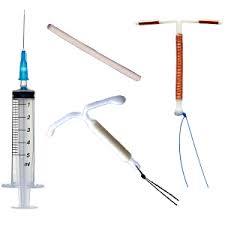
This discussion is very informative. According to the patient’s health history, your decision to put the patient on long-acting reversible contraception (LARC) method is appropriate. LARC method includes the intrauterine device (IUD) and birth control implant. The advantage of LARC method is that it is long-term, easy to use and reversible- that is if she wants to get pregnant she will just have them removed.
The long-acting reversible contraception methods are effective and is estimated that 1 in 100 women using LARC method becomes pregnant. In addition, LARC methods are 20 times effective than other birth conceptions methods such as the patch, pill or ring (Stoddard, McNicholas, & Peipert, 2011).
You have made a great discussion regarding IUDs including the available types (ParaGard and Mirena). These types if IUDs work by preventing the sperm from fertilizing the egg. For hormonal IUDs, they thicken the cervical mucus making it very difficult for the sperm to enter and to fertilize the uterus. The main challenge with this method of contraception is that it is associated as a high risk factor for pelvic inflammatory disease and some women may experience frequent bleeding in the first few months or amenorrhea (Schuiling & Likis, 2013).
Another option that can be explored is the birth control implant. This is a flexible rod that is inserted under the skin in the upper arm. The main challenge of this method is unpredictable bleeding pattern. In some women, they may stop bleeding completely. Other common side effects with this method are mood swings and headaches.
The benefits of long-acting reversible contraception methods is that once it is put in place, one needs to do nothing else to prevent pregnancy. It does not interfere with sex or daily activities and can be reversed when one wants to become pregnant. In addition, no one can tell that one is using contraception (Stoddard, McNicholas, & Peipert, 2011).
References
Schuiling, K. D., & Likis, F. E. (2013). Women’s gynecological health (2nd ed.). Burlington, MA: Jones and Bartlett Publishers.