

CLINICAL QUALITY AND CUSTOMER SERVICE QUALITY

Clinical Quality
Clinical Quality

Want help to write your Essay or Assignments? Click here

CLINICAL QUALITY AND CUSTOMER SERVICE QUALITY

The clinical quality and the customer service quality which brings about the patient experience is used in the evaluation of the type of healthcare provided to the patients. The patient experience that results from the type of health care received is an essential outcome that is linked with the organization quality which is relevant when it comes to the management and assessment of care (Ahmad et al, 2015).

Despite the relationship between customer service quality and clinical quality, there exist some differences that are brought about by various factors. These factors include poor communication affecting the compliance to treatment, poor standards of care and also poor access to services for the customers which affect the provision of Medicare (Amin et al, 2013). The increased aspect of clinical quality is bound to deteriorate the patient-centered care which is enhanced by enhancing quality customer services.

The lack of satisfaction of the services offered at the health centers has prompted the customers to file complaints related to allegations of poor quality care, mistreatment, abuse and also neglect by the care providers. The East view health Centre is one medical nursing home that has received such complaints from the customers. The nursing home is located in the Birmingham has a 59% occupancy rate.

Want help to write your Essay or Assignments? Click here

The health Centre has a bed capacity of 112 beds occupied by the patients. The health Centre is part of the multiple nursing homes ownership under the for-profit corporation (Ihle et al, 2016). The complaints that are reported by the customers are attributed to the challenges and problems experienced in the center. All challenges and problems are closely related to the delivery of care to the patients.

The issue of protecting the patients from misappropriation of personal property, neglect and also mistreatment is highlighted as one of the complaints reported. The complaint relating to the provision of healthcare by the qualified practitioners to each of the patient’s written care plan. The issue of the provision of adequate supervision to reduce the cases of accidents and other health related hazards in the nursing home is also filed as a complaint received from the customers (Ihle et al, 2016).

There are various customer service quality and quality clinical operations that take place in the health Centre. Some of the customer services offered at the health Centre include social work services, therapy services, activities services and physician services among other many. The nurses in the health centers offer services that aim at ensuring the patients are safe and included in the treatment planning process which enhances the patient-centered care for the satisfaction of the customers (Ahmad et al, 2015).

The center also provides care and treatment to patients to reduce the cases of injuries healing the existing bed sores and also prevention of the new bed pressure. The nursing facilities are provided to the patients in the health Centre where the services are expected to be quality with cleanliness and visual appealing facilities. There has been questions and issues about the service quality in the health Centre, which influences the patient’s satisfaction and perception about the nursing home.

The problems and complaints reported by the patients fault some of the quality customer services offered by the health Centre. In this case, the quality is not given full credit for its services. Misappropriations and mistreatment of the patient are some of the complaints relating to customer services that show some inefficiencies (Ihle et al, 2016).

 The customer service quality when it comes to staffing and the timely delivery of care indicates lower quality of care as per the expectations of the patients. The have been complaints about the satisfaction of the patients as per the services they received in the nursing home. There are mental health services, as well as other therapy services offered by the nursing home, has been faulted by the complaints relating to the maintenance and recognition of the individuality of the patients. The patients respect the practitioners to ensure their dignity and respect is fully upheld to enhance a good nurse-patient relationship and satisfaction to quality of care provided.

The clinical quality refers to the accuracy of the procedures and diagnosis tasks carried out by the care providers to the patients (Ihle et al, 2016). The East view health Centre has tried to ensure that the quality of care is offered as per the professional specifications. Special attentions should be on delivering service quality. The health Centre has made efforts aimed at prevention of the infections in the health Centre and also enhancing the proper mechanisms that control the spreading of the infections (Burwell, 2015).

However, there has been complaints relating to the efforts by the nursing home to ensure efficient control of infections and prevention of diseases and injuries which indicates some improvements need to be done to ensure the clinical quality of all operations. The East view health center has effectively kept organized, accurate and complete records for its patients as per the professional standards set.

The availability of qualified professionals that provide care by the written care plan of the patients has led to complaints about the clinical quality in the health Centre. By the inspection results the nursing home is expected to improve their care operations for the patients requiring special services to ensure clinical quality. These services include respiratory care, tracheostomy care, injections and prostheses among other many offered to the patients. Recommendations by the inspection unit to improve on the safety measures is an indicator of the substandard quality care that needs the remedy (Burwell, 2015).

There are various techniques that can be adopted to improve the clinical care and customer service quality in the health Centre. Proposing the implementation and adherence to the patient-centered type of care is one of the techniques that would seek to improve the quality of customer service care at the health Centre. The technique seeks to address issues such as delays of care and lack of full involvement in the treatment plans which highlight some of the complaints reported at East view center.

Training the healthcare providers and offering the technical assistance as well as providing the evidence-based recommendations is a key technique in enhancing them to provide the quality customer service care to the patients. The technique of ensuring inspection to take disciplinary measures for those mistreating the patients and neglecting them to the extent of offering substandard care is vital to improving the quality of the customer service care (Amin et al, 2013). Adoption of these techniques effectively addresses the complaints and the problems that hinder quality services to the customers.

The quality clinical care in the nursing care requires some improvement to ensure the services are offered as per the professional specifications. The shape up of the administration and the staff to enhance the coordination between healthcare providers through the formation of teams which leads to cooperation is a technique that improves clinical care in the nursing home (Ahmad et al, 2015). The technique ensures they care to work together to meet the standards of quality care.

Appointing an internal inspection to identify regularly the areas that need some quality improvement is an important technique that enhances improved clinical care quality. Ensuring the integrated health services and designing a program that controls, investigated and manages infections in the nursing home is an efficient technique in ensuring the improved quality of clinical care. The effective adoption and implementation of the techniques lead to the overall improvement in the quality of care offered in the East view health center.

References

Abuosi, A. A., & Atinga, R. A. (2013). Service quality in healthcare institutions: establishing the gaps for policy action. International journal of health care quality assurance, 26(5), 481-492.

Ahmad, A., Nurhanis Syazni, R., Jamilah Al-Muhammady, M., & Muhamad Saiful Bahri, Y. (2015). Medical Graduates’ Perception on the Quality of Clinical Education. Education In Medicine Journal, 7(4), e52-e59. doi:10.5959/eimj.v7i4.401

Amin, M., & Zahora Nasharuddin, S. (2013). Hospital service quality and its effects on patient satisfaction and behavioural intention. Clinical Governance: An International Journal, 18(3), 238-254.

Burwell, S. M. (2015). Setting value-based payment goals—HHS efforts to improve US health care. N Engl J Med, 372(10), 897-899.

Ihle, C., Ateschrang, A., Grünwald, L., Stöckle, U., Saier, T., & Schröter, S. (2016). Health-related quality of life and clinical outcomes following medial open wedge high tibial osteotomy: a prospective study. BMC Musculoskeletal Disorders, 171-11. doi:10.1186/s12891-016-1076-x

Want help to write your Essay or Assignments? Click here
STATIN THERAPY: PICOT

STATIN THERAPY
STATIN THERAPY

DEVELOPING A QUESTION – STATIN THERAPY: PICOT

Want help to write your Essay or Assignments? Click here
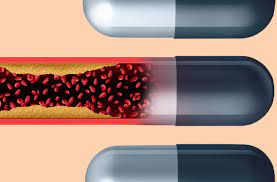
Patients with high levels of cholesterol in their body usually undergo the statin therapy which helps in preventing and reducing the high risks of suffering from the cardiovascular disease, are the statins drugs right for the patients or lead to the increased cases of liver disease?

The nursing problem relating to the proper management of the cardiovascular disease and ensuring that administration of statins therapy leads to the desired impact is observed mainly among the patients having heart and liver diseases in the health centers. Statins are the group of drugs that help in lowering the levels low-density lipoprotein in one’s blood.

The statins are responsible for blocking the substances that form cholesterol in the liver (Shehata et al, 2015). The recent incidents related to the effectiveness of the statins prompts the researchers to conduct the interventional studies to establish whether the statin drugs cause the increase of the liver diseases among patients (Shehata et al, 2015).

The statin drugs ensure that any excess cholesterol within the body is converted into bile salts that absorb the vitamins and fats in the intestines (Shehata et al, 2015). Scientific research gives out evidence that high levels of the low-density lipoprotein cause the progression of the cardiovascular diseases. By the previous studies conducted, there is a significant relationship between the high LDL cholesterol and the cardiovascular disease among the patients. Therefore, cholesterol has been seen as a risk factor for the high mortality rates among the cardiovascular disease patients (Shehata et al, 2015).

Want help to write your Essay or Assignments? Click here

 Taking the prescribed medication appropriately, maintenance of a healthy diet and involvement in the physical exercises is efficient in controlling the cholesterol levels in the body. The populations that are more vulnerable to the disease are the elderly and the smokers. The people above the age of fifty are the most likely to suffer from diseases. The smokers take in a chemical that transports the cholesterol from the deposits of fat to the liver.

The elderly population is vulnerable as the arteries usually narrow causing atherosclerosis. The increased levels of serum cholesterol make the smokers and elderly more vulnerable to the heart disease. The various health institutions are therefore monitoring the liver function test among the patients that have undergone the statin therapy (Shehata et al, 2015).

Joint British Societies and also the NICE has recommended the adoption of statin therapy as the remedy to help in the reduction of cardiovascular disease related mortality rates. There has been significant reduction in the mortality rate by about 10% which gives credit to the intervention adopted. The remedy is significant in the nursing profession as it enhances the better and more efficient management of the problem.

The management of the disease is highly beneficial to the people most vulnerable to developing the disease. The efficient monitoring of the liver function tests among the patients is highly recommended to ensure the proper management (Shehata et al, 2015). Prior to the establishment of the significant results of the tests conducted, the statin therapy seems to be cumbersome in nature. Such a case acts as a fault to the statin drugs been used to manage and properly intervene for the problem.

The statin drugs also induce liver enzymes which cause the high levels of alanine transaminase which requires the testing to be done several months in the early weeks of ALT (Shehata et al, 2015). The patients might develop obesity or the drug-induced toxicity influencing the function of the liver. In addition to the liver function tests’ monitoring, it is essential to include the histological techniques.

Considering other factors that might influence abnormalities during the liver functions test is essential before identifying the probability of the influence caused by the statins on the disease. Measuring the patient’s baseline during the statin therapy while conducting the liver function test results into reduced cases of the cardiovascular disease which is the required outcome.

Population used is the adults between 18-55 years of age who have been clinically diagnosed with the cardiovascular disease in the past and have undergone the statin therapy at least ones during their medication process. The patients facing the liver diseases are also include to identify whether the statin therapy contributes to increased levels of their illness.

Intervention for the problem is adoption of statin therapy as the remedy to help in the reduction of cardiovascular disease related mortality rates. The management of the disease is highly beneficial to the people most vulnerable to developing the disease. The efficient monitoring of the liver function tests among the patients is highly recommended to ensure the proper management among the patients experiencing the liver disease (Shehata et al, 2015).

The standards supervised process that would not involve the establishment the significant liver test conducted which acts as a control group for the patients is used for comparison. The nitrates used by the cardiovascular patients as drugs to manage the disease would be administered to the patients for comparison with the stating therapy and the effects.

The outcome assessed during the research of the issues includes the changes in number of LDL receptors in the liver of the patients. The reduced risk of suffering from cardiovascular disease and the mortality and morbidity rates are also measured as an outcome (Shehata et al, 2015). The time frame for the outcome would be evaluated and measured monthly for 6 months.

Patients with high levels of cholesterol in their body usually undergo the statin therapy which helps in preventing and reducing the high risks of suffering from the cardiovascular disease, are the statins drugs right for the patients or lead to the increased cases of liver disease?

Rapid appraisal

  1. How does each article describe the nature of the problem, issue, or deficit you have identified?

The article has efficiently described the issue of statin therapy, its effectiveness among the cardiovascular disease patients and other impacts it causes.

  • Does each article provide statistical information to demonstrate the gravity of the issue, problem, or deficit?

The article has been helpful in describing the problem and its gravity to the extent of providing a clear insight about the issue of interest.

Example(s): morbidity, mortality, rate of incidence or rate of occurrence in the general population.

 There has been significant reduction in the mortality rate by about 10% which gives credit to the intervention adopted

  • Does the article support your proposed change?

The article has provided more information regarding the proposed change by describing the positive impacts for the intervention.

Reference

Shehata, M., Fayez, G., & Nassar, A. (2015). Intensive Statin Therapy in NSTE-ACS Patients Undergoing PCI: Clinical and Biochemical Effects. Texas Heart Institute Journal, 42(6), 528-536. doi:10.14503/THIJ-14-4891

Want help to write your Essay or Assignments? Click here
Breast Abscess Patient Diagnosis and Treatment

Breast Abscess Patient Diagnosis and Treatment

Want help to write your Essay or Assignments? Click here
Breast Abscess Patient Diagnosis and Treatment

Journal Entry

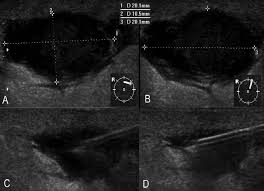
In my 4th week clinic I have learned more about patient diagnosis and treatment. Breast abscess can be caused by several different factors. To begin with, it can develop as a defensive reaction against infections and similarly, due to presence of foreign objects which causes accumulation of pus in the breast tissue. In this case the effect manifested itself in form of a greenish drainage. 

Abscess can occur anywhere in the body. However, most breast abscess develops in women who are lactating and breast feeding. Breast abscess occurring in non lactating women are a bit unusual and initially can be a sign and symptom for breast cancer. A woman who has undergone breast cancer treatment is likely to have the abscess (Bosma, Morden, Klein, Neal, Knoepp & Patterson, 2016).

Want help to write your Essay or Assignments? Click here
The abscess is normally accompanied with pain and breast tenderness. However, not all abscesses are accompanied by inflammation making their diagnosing a difficult matter. My patient’s pus in this case the greenish drainage will be collected and tested to know the type of infection. The type of bacteria causing the abscess should be examined so as to give the best treatment since same bacteria are prone to some kind of treatment (Bosma, Morden, Klein, Neal, Knoepp & Patterson, 2016).

Blood test and ultrasound can also be done to check the patents immune and determine what structures of the skin are being affected by the infection.  The above information is more likely to relate to an individual living with breast cancer. My patient is likely suffering from breast cancer. Breast cancer does not only show itself through inflammations but also breast abscess especially in non-lactating women.

The collection of fluids in the breast that is the greenish fluid commonly turns out to be an invasive cancer. The complains of the abscess in breast cancer normally associate itself with non-healing breast abscess despite use of antibiotics; through the previous weeks, patients not lactating, elderly patents and breast abscess associated with hard lumps in the breast (Bosma, Morden, Klein, Neal, Knoepp & Patterson, 2016).

References

Bosma, M. S., Morden, K. L., Klein, K. A., Neal, C. H., Knoepp, U. S., & Patterson, S. K. (2016). Breast imaging after dark: patient outcomes following evaluation for breast abscess in the emergency department after hours. Emergency radiology, 23(1), 29-33.

Want help to write your Essay or Assignments? Click here

Chronic Venous Insufficiency (CVI)

Chronic Venous Insufficiency (CVI)

Chronic Venous Insufficiency (CVI)

Chronic Venous Insufficiency (CVI)

Chronic Venous Insufficiency (CVI) arises due to incompetence of vascular walls as well as valves of the veins. This disorder leads reduction in blood flow to the heart resulting in pooling of blood or stasis in the extremities especially the lower limbs. Patients with CVI usually complain of pain and swelling in the limbs.

Conversely, deep venous thrombosis (DVT) arises when clotting occurs in the deep veins in the lower limbs (Patel & Brenner, 2013). Patients suffering from DVT usually complain of pain as welling as swelling just as those with CVI. The presentation of these conditions is almost similar. It is for this reason that health care providers take extra caution when diagnosis CVI and DVT.  

The Pathophysiological Presentation of DVT and Chronic Venous Insufficiency

The key pathophysiological difference between CVI and DVT is that DVT occurs in deep veins whereas CVI occurs majorly in superficial veins. Chronic Venous Insufficiency affects popliteal, femoral, and peroneal veins while DVT mail affects the soleal vein. Chronic Venous Insufficiency arises as a result of damage of the endothelial walls and valves in the veins (Eberhardt & Raffetto, 2014).

Some of the common causes of CVI include pelvic tumors, DVI, and vascular malformations. The valves of patients suffering from CVI are incompetent in that they cannot hold blood back against the force of gravity. Consequently, blood pools in the lower extremities leading to swelling especially in the ankles and the legs. Moreover, individuals with CVI present with venous stasis ulcers, varicose veins, pain the feet, and itching and flaking of the skin.

On the other hand, DVT develops due to clotting in the veins. Severe clinical complications occur when the formed clots lyse and get into the general circulation. Blood from deep veins usually flows into the lungs. Therefore, when this blood carries clots with it, it may lodge them in the lungs causing pulmonary embolism, one of the most severe result of DVT (Goldhaber & Bounameaux, 2012).

Often CVI presents with dermatitis and ulceration due to the structural difference between the deep veins and superficial veins. That is, the superficial veins have an adipose layer and a connective tissue whereas the deep veins have a fascia and muscles. This gives deep veins more protection and structural support.

Venous and arterial thrombosis have a number of similarities although they differ in terms of their pathophysiology, clinical interventions, and epidemiology. Venous thrombosis occurs in undamaged parts of venous walls and in areas that have low sheer pressure. This disorder leads to formation of red thrombi. Conversely, arterial thrombosis occurs in parts that have high sheer stress and are rich in plaques. Unlike, venous thrombosis, arterial thrombosis forms white thrombi.

Patient Behavior

The predisposition and pathophysiological advancement of DVT and Chronic Venous Insufficiency relies heavily on the lifestyle of an individual. The pathophysiology of DVT and CVI is enhanced when a person engages in activities that enhance the metabolic syndrome. Some of the most notable practices that have been cited to predispose individuals to CVI and DVT include lack of physical exercises, smoking, intake of meals rich in cholesterol, and psychosocial behavior (Csordas & Bernhard, 2013).

Smoking affects the circulation of blood and enhances blood clotting. On the other hand, inactivity such as sitting for long periods causes calf muscles to contract hence inhibiting proper circulation of blood. Lack of activity may also result in increase of weight which then increases pressure in veins especially in the legs and the pelvis.

When diagnosing of CVI and DVT based on behavior, a physician should enquire the social history of the patient. For instance, s/he can ask the patient whether s/he smokes or has ever smoked. If the patient smokes, he should enquire when the patient started smoking and how many sticks he smokes in a day. Questions on whether the patient engages in physical exercises such as jogging or long distance travelling are also essential in finding a differential diagnosis.

Clinical interventions for these patients involves the use of pharmacological as well as non-pharmacological approaches. If the patient smokes, a physician should assess the willingness of the patient to quit smoking. If s/he is willing to make a quit attempt, a brief counselling session should be introduced, medications such as bupropion will be offered as well as self-help resources. Follow-up visits should also be scheduled. The patient should also be advised to engage in physical exercises such as jogging. The patient should also limit his/her intake of cholesterol, leading factor in DVT development. 

References

Berkman, L. F., Kawachi, I., & Glymour, M. M. (Eds.). (2014). Social epidemiology. Oxford University Press.

Csordas, A., & Bernhard, D. (2013). The biology behind the atherothrombotic effects of cigarette smoke. Nature Reviews Cardiology10(4), 219-230.

Eberhardt, R. T., & Raffetto, J. D. (2014). Chronic venous insufficiency.Circulation130(4), 333-346.

Goldhaber, S. Z., & Bounameaux, H. (2012). Pulmonary embolism and deep vein thrombosis. The Lancet379(9828), 1835-1846.

Patel, K., & Brenner, B. (2013). Deep venous thrombosis. Medscape reference.

Want help to write your Essay or Assignments? Click here
Influenza: Health Education

influenza
Influenza

Influenza

Risk factors of the Condition

Influenza results after infection by the influenza virus. There are several factors which predispose an individual to develop the disease. To start with, infants and children less than five years of age are prone to the virus since their immune system is not entirely developed. The complications tend to be more than order children especially if they have chronic conditions such as diabetes or asthma (Harper & Bridges, 2009).  

Adults older than 65years of age are also at increased risk of influenza since the immune system weakens with age. Individuals working or living in high densely populated areas such as army barracks, college dormitories, hospitals and refugee camps are also at risk due to a close interpersonal contact. In case an individual has influenza, there is an increased possibility of the spread of the influenza virus (Fukuda & Singleton, 2012).

Additionally, people with a weakened immune system such as those with diabetes, asthma tend to develop the disease because their body is unable to fight off the flu virus. Pregnant women are prone to illnesses since their bodies undergo various changes during the pregnancy period which affects their ability to fight infection (Harper & Bridges, 2009). The use of certain medications, which impairs the immune system, such as steroids by individuals who have undergone organ transplant is also associated with the influenza virus.  

Goals and Objectives

            Prevention and containment of influenza can be managed through various ways. Vaccination is known to be the best method of prevention. The Center for Disease Control in 2014 recommended that children under the age of six months and those individuals who are at risk such as health care workers, caregivers, and patients above 64 years be immunized annually. There should also be routine vaccination of people working in hospitals and facilities which offer long term care. Chemoprophylaxis using antivirals such as amantadine can help contain an outbreak. This should be done in case an outbreak is suspected; chemoprophylaxis should be administered to risk groups (Harper & Bridges, 2009).  

Also, implementation of hand hygiene, cough etiquette, screening and isolation of infected individuals, adherence to set standard precautions for all patients and implementation of environmental infection prevention measures are some of the ideas that can be put in place to help in prevention of influenza. Measuring vaccination coverage will help in evaluation of existing prevention programs (Fukuda & Singleton, 2012). The use of protective gears, for example, for any contact with a potentially infectious material and the change of gloves, when handling different patients. Wear a gown when handling infected patient to avoid coming into contact with body fluids such as respiratory secretions (Harper & Bridges 2009).   

Limiting access and movement of patients within the facility to avoid environmental infection control programs should be put in places such as disinfection and cleaning of frequently touched surfaces and objects in the health care setting. Waste products should be discarded according to layer down policies (Harper & Bridges, 2009).  Also, proper planning by the health cares facilities during an outbreak is important.

Health facilities should come up with policies regarding infection control in care settings, health care and social settings, case-finding, treatment and management protocols regarding influenza (Fukuda & Singleton, 2012). Proper implementation of routine laboratory biosafety, proper specimen handling and hospital infection control policies. There should be a clear definition of an outbreak and protocol for management of the influenza virus in preparedness of an outbreak.

This can be managed through initiating a surveillance strategy to help identify infected persons or potential outbreaks through disease testing (Fukuda & Singleton, 2012). Also, it can be done through educational programs to help review laid down protocols for transmission, manifestation, and treatment of the disease. Healthcare facilities should ensure proper disease surveillance. These facilities should also ensure adequate availability of all materials and pharmaceuticals that may be required in the management of influenza outbreaks.

Educational Interventions

All healthcare providers should receive training concerning influenza disease, including symptoms, transmission, and prevention during orientation to a health care setting. There should be provision of updates to these healthcare providers through seminars and ongoing training programs (Harper& Bridges, 2009).  Health care providers should be educated on prevention aspects which include proper use of gloves and gowning.

Health care providers should be given current protocols during seminars and conferences. Furthermore, media campaigns on vaccination of influenza should be done to ensure information reach targeted individuals. The society should be informed about the disease and the benefits of vaccinations to ensure that even the risk groups can take the necessary measures particularly the children and the aged (Fukuda & Singleton, 2012).

Health Promotion Behavior Theory

Health belief model would be the fittest for curbing and treating influenza affected individuals. This is because they will tend to seek medical attention in case of flu symptoms in case they understand the severity or seriousness of the disease basing on the knowledge they have acquired through training (Rosenstock, 2012).

Also by understanding that they are at risk of influenza, they will tend to seek medical attention when certain symptoms are experienced. When these individuals understand the benefits of immunization, they will tend to go for it.

References

Fukuda, K.  & Singleton, J. A. (2012). Prevention and control of influenza. Recommendations of the Advisory Committee on Immunization Practices (ACIP). MMWR. Recommendations and reports: Morbidity and mortality weekly report. Recommendations and reports/Centers for Disease Control, 51(RR-3), 1-31.

Harper, S. A , & Bridges, C. B. (2009). Prevention and control of influenza. MMWR Prev Control, 53, 1-40.

Rosenstock, I. M. (2012). The health belief model and preventive health behavior. Health Education & Behavior, 2(4), 354-386.

Want help to write your Essay or Assignments? Click here
Chlamydia Fact Sheet

What is chlamydia?

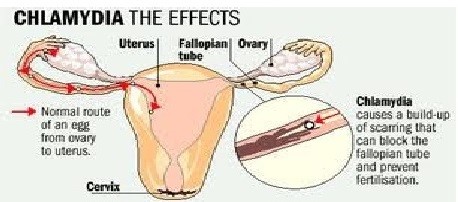
According to the Centers for Disease Control and Prevention (CDC, 2016), chlamydia is one of the common sexually transmitted infections (STIs). It is caused by Chlamydia trachomatis bacterium that damages women reproductive system. While the signs are mild, severe complications can lead to irreversible issues such as infertility. In addition, e Chlamydia may cause discharge from the male sexual organs.

chlamydia effects
Chlamydia effects

Figure 1: Chlamydia Effects

Risk factors

Some of the factors that increases the risks of contracting chlamydia are;  people below 24 years; engaging in unprotected sex; various sexual partners; and previous history of STIs.

Prevention

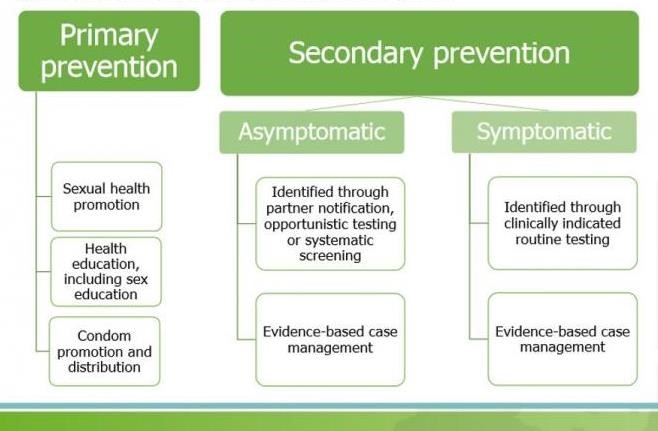
The effective approach of preventing transmission is abstaining from sexual behaviour or being involved in a monogamous relationship with uninfected partner. Male condoms if used correctly and consistently can significantly minimize the risks of transmitting chlamydia (CDC, 2016). Moreover, it is recommended for all active sexually female below 24 years to undertake annual screening for chlamydia. Older female with risk factors for this disease are required to undergo annual screening.

Pregnant women must also undergo screening. Screening is considered the best prevention approach since a number of reproductive complications associated with chlamydia are common among women and its symptomatic. Additionally, genital signs such as discharge, a rash, sores or burning sensation during urination is an indication to seek medical advice.

In the event that an individual has been treated for this disease or other types of STIs, he or she must notify their sex partner to be treated by a health care specialist. This is important, particularly, when it comes to minimizing the risk severe complications while reducing the chances of being re-infected. Such a person and his or her sexual partner must abstain from sex till they finish treatment.

chlamydia prevention

Figure 2: Chlamydia Prevention

Prevention

The surest way to prevent chlamydia infection is to abstain from sexual activities. Short of that, you can:

  • Use condoms. Use a male latex condom or a female polyurethane condom during each sexual contact. Condoms used properly during every sexual encounter reduce but don’t eliminate the risk of infection.
  • Limit your number of sex partners. Having multiple sex partners puts you at a high risk of contracting chlamydia and other sexually transmitted infections.
  • Get regular screenings. If you’re sexually active, particularly if you have multiple partners, talk with your doctor about how often you should be screened for chlamydia and other sexually transmitted infections.
  • Avoid douching. Douching decreases the number of good bacteria in the vagina, which can increase the risk of infection.

Two-thirds of new chlamydial infections occur among youth aged 15-24 years.3 It is estimated that 1 in 20 sexually active young women aged 14-24 years are infected.

  • More than 1 million sexually transmitted infections (STIs) are acquired every day worldwide (1, 2).
  • Each year, there are an estimated 376 million new infections with 1 of 4 STIs: chlamydia, gonorrhoea, syphilis and trichomoniasis (1, 2).
  • More than 500 million people are estimated to have genital infection with herpes simplex virus (HSV) (3).
  • More than 290 million women have a human papillomavirus (HPV) infection (4).
  • The majority of STIs have no symptoms or only mild symptoms that may not be recognized as an STI.
  • STIs such as HSV type 2 and syphilis can increase the risk of HIV acquisition.
  • 988 000 pregnant women were infected with syphilis in 2016, resulting in over 350 000 adverse birth outcomes including 200 000 stillbirths and newborn deaths (5).
  • In some cases, STIs can have serious reproductive health consequences beyond the immediate impact of the infection itself (e.g., infertility or mother-to-child transmission)
  • The Gonococcal Antimicrobial Resistance Surveillance Programme has shown high rates of quinolone resistance, increasing azithromycin resistance and emerging resistance to extended-spectrum cephalosporins. Drug resistance, especially for gonorrhoea, is a major threat to reducing the impact of STIs worldwide.

                                                   References

CDC (2016) Chlamydia – CDC Fact Sheet. Accessed 10th Sep 2016 from; http://www.cdc.gov/std/chlamydia/stdfact-chlamydia.htm

Want help to write your Essay or Assignments? Click here

Sensory Impairment Essay Paper

Sensory Impairment
Sensory Impairment

Sensory Impairment

An individual experiencing sensory impairment may face quite a number of challenges in life. With respect to higher level needs that are defined in Maslow’s hierarchy of needs. A visually challenged individual may find it harder to actualize these higher level needs. The higher level needs that include self-actualization, self-esteem and love and belonging needs, are among the particular needs that this paper will try to elaborate on how challenging they are to a visually challenged individual to meet them.

Love and belonging is nature to most if not all human beings.  These needs depict the nature of the interpersonal relationships that are adopted by most humans. However, for a Sensory Impairment person. It may be quite difficult for them to find a sense of belonging in an environment that does not favor him or her. Creating interpersonal relationships with people without actually seeing their physical appearance will be the main issue to be dealt with.

Consequently, self-esteem needs are quite important in Maslow’s hierarchy. But for a Sensory Impairment person, attaining this needs may be a challenge. They may find it extremely hard to gain confidence. It might be quite difficult for this particular individual to be able to satisfy his or her desire to be valued by other people when he or she is visually challenged.

Lastly, self-actualization needs is on the pinnacle of Maslow’s hierarchy. Self-actualization entails five key things that are key to human beings. However, for visually challenged individuals, to fully satisfy their self-actualization need may prove to be hard if the person has not yet accepted the impairment condition that faces him or her.

The nursing intervention that would be applied by a registered nurse may include the following practices. First of all when meeting the patient, the nurse will have to make a good first impression. Reason being first impression go a long way into helping visually impaired patients feel cared for.

This also helps in creating a healthy relationship between the two parties (Treas & Wilkinson, 2013). Second of all, the nurse would help the patient meet their self-esteem and self-actualization goals by helping then get to know the environment they are staying in. This would help them feel confident by not requiring aid all the time to perform the basic life activities from time to time.

Therefore, for a visually impaired individual, the attainment of the love and belonging, self-esteem and self-actualization goals may be a cumbersome task. However, with the application of the right nursing intervention by a registered nurse. The attainment of these needs in the long run may be an overcome able situation.

References

Treas, L. S., & Wilkinson, J. M. (2013). Basic nursing: concepts, skills, & reasoning. FA Davis.

Want help to write your Essay or Assignments? Click here

Stroke can occur at any age

Stroke
Stroke

Stroke can occur at any age

In recent times, it has become essential for the RN and other medical practitioners to understand the need for stroke patients in different age groups to adopt the best strategies for continuing care to them. Despite some identified similarities, there exists different needs and experiences of the young and old stroke patients. The differences are attributed to stroke effects on self-image, age normative activities, roles and the stage in the life cycle.

Some of the needs for younger patients include work disruptions, family plans, childcare responsibilities and overall disturbances of family routines (Kee et al, 2015).  There is a hidden disrupted sense of self, cognitive impairment of suffering an older person’s disease among the young patients. In this case, the young patients have more unmet needs compared to their old counterparts.

The older people are at a higher risk of suffering from the stroke as compared to the young ones. Such reasons make the young patients have more specific needs both psychological and practical in nature (Kee et al, 2015). The added psychological need involves reconciling their perceived incongruity concerning suffering a disease for the old. 

The old patients fail to receive constant high-intensity neurorehabilitation as compared to the young patients thus the old survivors need less therapy intensive settings (Kee et al, 2015). Compared to the old, young patients feel different about their stroke experience due to their early life stage and the effects caused by the disease.

Different psychological therapies and practices are adopted in correspondence to needs of either the old or young patients. There is a similarity between the needs of the young and old patients since both receive high amounts of therapy and specialized inpatient neurorehabilitation during their care period (Kee et al, 2015).

 The therapist is an important member of the interprofessional healthcare team that would assist the RN in the provision of quality care to the stroke patient. One of the roles performed by the therapist involves promoting and teaching healthy lifestyle routines and habits to the patients to minimize the risks of secondary stroke.

Assistive technology training for the patient and home modifications requiring interventions made by the therapist are vital roles performed enhancing an effective collaboration with the RN (Kee et al, 2015). In a nutshell, adoption of the right strategies while providing care to stroke patients results to the positive and desired outcomes.

Reference

Kee, J., Hayes, E., & McCuistion, L. (2015). Pharmacology: A patient-centered nursing process approach (8th ed.). St. Louis, MO: Elsevier.

Want help to write your Essay or Assignments? Click here

Fever Case Study

Fever
Fever

Case study 1: fever

  The case study is about a 5-year old child who is diagnosed with right ear infection. The patient’s mother reports that the child is very irritable, fatigued and have a fever for 102 F for the past 2 days. The mother also states that the child has been eating but has been drinking fluids only. The healthcare provider described the tympanic membrane (TM) as erythmatic, bulging with fluid levels and was dull. 

Based on these clinical presentations, the differential diagnosis for this patient is Acute Otitis Media, Acute Otitis Media with effusion, Mastoiditis and foreign body in the ear (McCance, & Parkinson, 2010).  From the clinical manifestation of fever, erythmatic TM, swollen TM and otalgia is an indicator that the patient is having bacterial infection in his right ear. The patient is not because the patient could be having swollen lymph nodes caused by immune response to the infection (CDC, 2016).

Add New Post

about:blankChange block type or styleChange text alignmentAdd titleFever Case Study

Fever
Fever

Case study 1: fever

  The case study is about a 5-year old child who is diagnosed with right ear infection. The patient’s mother reports that the child is very irritable, fatigued and have a fever for 102 F for the past 2 days. The mother also states that the child has been eating but has been drinking fluids only. The healthcare provider described the tympanic membrane (TM) as erythmatic, bulging with fluid levels and was dull. 

Based on these clinical presentations, the differential diagnosis for this patient is Acute Otitis Media, Acute Otitis Media with effusion, Mastoiditis and foreign body in the ear (McCance, & Parkinson, 2010).  From the clinical manifestation of fever, erythmatic TM, swollen TM and otalgia is an indicator that the patient is having bacterial infection in his right ear. The patient is not because the patient could be having swollen lymph nodes caused by immune response to the infection (CDC, 2016).

Question 1: Fever is commonly considered to be triggered by viral or bacterial infection. The body has the ability to regulate its body temperature to maintain it at 37ºC. The hypothalamus –part of brain-helps control body temperature by triggering changes to the effectors such as muscles and sweat glands (McCance, & Parkinson, 2010). The temperature receptors in the human skin detect the external temperature that is transmitted to the hypothalamus.

This is the processing centre automatically trigger changes to effectors (muscles and glands). For instance, when it is too cold, the processing centre sends nerve impulses to skin where erector pilli muscles contract, causing skin hairs to erect and trap more warmth, reducing the heat loss, when heat is high, and skin muscles to relax causing hairs to lay down flat facilitating heat loss.

In addition, when it is too hot, the sweat glands in the skin secrete sweat on the surface that increases heat loss through evaporation, thereby cooling the body.  Other responses include reducing blood flow to peripheral organs or increasing blood flow to the peripheral organs when it is cold, and inducing shivering (McCance & Parkinson, 2010).

Fever occurs if thermostat resets to higher temperature mainly due to an infection.  When the bacteria invade the tissue, one of the immune system reactions is production of pyrogens. These chemicals are carried to the brain where they inhibit the heat sensing neurons while exciting the cold sensing neurons, these alterations of the temperature sensors makes the hypothalamus to trigger mechanism of raising temperature, which causes fever (Lieberthal et al. 2013).

Question 2: The clinical manifestation that indicates localized inflammatory response in this case study is erythema, fever, otalgia and swelling of the eardrum. The physiological factor associated with erythema is increased vasodilatation that increased blood flow to the infected area. This is mediated by release of inflammatory chemicals such as prostaglandins, histamine, and leukotrienes.

The physiological factor that caused swelling of the eardrum is increased permeability in order to increase fluid loss at the inflammation area (McCance, & Parkinson, 2010). This causes an increase mobility of the immune cells and also works as coagulation system that prevents spread of infection. The swelling is also associated with exudates behind the eardrum. Pain (otalgia) is associated with increased release of prostaglandins- chemical mediators that increases stimulation of pain receptors at the site of infection.

The physiological factor for fever is due to increased blood flow, which increases warmth in the infection site. The high levels of temperature increase production of the white blood cells. The increased blood flow is also secondary to release of chemical mediators such as histamine (Shaikh et al. 2011).

Question 3: A complete blood count (CBC) is important during clinical decision-making. This is because it provides information of relative different types of cells in the circulation system. In patients with bacterial infection, the white blood count is generally the most powerful piece of information from CBC. The CBC  indicates  elevated  levels of WBC (leukocytosis).Bacterial  infections are also associated with increased in neutrophil levels (polymorphonuclear cell) (McCance, & Parkinson, 2010).

 These CBC findings are due to systemic responses where the epithelial cells in the middle ear release beta defensins whose main role is to stimulate production of pro-inflammatory cytokines that acts as chemo-attractants for mast cells, T cells, neutrophils and dendritic cells that will inhibit bacterial toxins directly. Therefore, the elevated levels of neutrophil and WBC is systemic response to bacterial infection in the middle ear (McCance & Parkinson, 2010).

 Conclusion

 Ear infections are most common infections in pediatric primary care settings.  The infections are mainly caused by bacterial infection. The main goals of treatment are to manage clinical symptoms and to manage hearing loss. For bacterial infections, the child should be treated using Amoxicillin in the right dosages. Sometimes ear infections can heal without use of antibiotics. However, the ‘watch and wait’ approach should be only be applied for 48-72 hrs, if no improvements are reached, then the patient must be treated with appropriate antibiotics.

References

CDC. (2016). Get smart: Know when antibiotics work. Otitis media: Physician information sheet (pediatrics) retrieved from http://www.cdc.gov/getsmart/campaign-materials/info-sheets/child-otitismedia.html.

Lieberthal, A.S., Carroll,A.E., Chonmaitree ,T., et al.(2013).The diagnosis and management of acute otitis media. Pediatrics, 131:e964..

McCance, K. & Parkinson, C. (2010). Study guide for Pathophysiology, the biologic basis for disease in adults and children, sixth edition. St. Louis, Mo.: Mosby.

Shaikh, N., Hoberman, A., Kaleida ,P.H., et al. (2011).Otoscopic signs of otitis media. Pediatr Infect Dis J 30:822.

Want help to write your Essay or Assignments? Click hereRank Math https://www.bestessaywriters.com/?p=524398

Question 1: Fever is commonly considered to be triggered by viral or bacterial infection. The body has the ability to regulate its body temperature to maintain it at 37ºC. The hypothalamus –part of brain-helps control body temperature by triggering changes to the effectors such as muscles and sweat glands (McCance, & Parkinson, 2010). The temperature receptors in the human skin detect the external temperature that is transmitted to the hypothalamus.

This is the processing centre automatically trigger changes to effectors (muscles and glands). For instance, when it is too cold, the processing centre sends nerve impulses to skin where erector pilli muscles contract, causing skin hairs to erect and trap more warmth, reducing the heat loss, when heat is high, and skin muscles to relax causing hairs to lay down flat facilitating heat loss.

In addition, when it is too hot, the sweat glands in the skin secrete sweat on the surface that increases heat loss through evaporation, thereby cooling the body.  Other responses include reducing blood flow to peripheral organs or increasing blood flow to the peripheral organs when it is cold, and inducing shivering (McCance & Parkinson, 2010).

Fever occurs if thermostat resets to higher temperature mainly due to an infection.  When the bacteria invade the tissue, one of the immune system reactions is production of pyrogens. These chemicals are carried to the brain where they inhibit the heat sensing neurons while exciting the cold sensing neurons, these alterations of the temperature sensors makes the hypothalamus to trigger mechanism of raising temperature, which causes fever (Lieberthal et al. 2013).

Question 2: The clinical manifestation that indicates localized inflammatory response in this case study is erythema, fever, otalgia and swelling of the eardrum. The physiological factor associated with erythema is increased vasodilatation that increased blood flow to the infected area. This is mediated by release of inflammatory chemicals such as prostaglandins, histamine, and leukotrienes.

The physiological factor that caused swelling of the eardrum is increased permeability in order to increase fluid loss at the inflammation area (McCance, & Parkinson, 2010). This causes an increase mobility of the immune cells and also works as coagulation system that prevents spread of infection. The swelling is also associated with exudates behind the eardrum. Pain (otalgia) is associated with increased release of prostaglandins- chemical mediators that increases stimulation of pain receptors at the site of infection.

The physiological factor for fever is due to increased blood flow, which increases warmth in the infection site. The high levels of temperature increase production of the white blood cells. The increased blood flow is also secondary to release of chemical mediators such as histamine (Shaikh et al. 2011).

Question 3: A complete blood count (CBC) is important during clinical decision-making. This is because it provides information of relative different types of cells in the circulation system. In patients with bacterial infection, the white blood count is generally the most powerful piece of information from CBC. The CBC  indicates  elevated  levels of WBC (leukocytosis).Bacterial  infections are also associated with increased in neutrophil levels (polymorphonuclear cell) (McCance, & Parkinson, 2010).

 These CBC findings are due to systemic responses where the epithelial cells in the middle ear release beta defensins whose main role is to stimulate production of pro-inflammatory cytokines that acts as chemo-attractants for mast cells, T cells, neutrophils and dendritic cells that will inhibit bacterial toxins directly. Therefore, the elevated levels of neutrophil and WBC is systemic response to bacterial infection in the middle ear (McCance & Parkinson, 2010).

 Conclusion

 Ear infections are most common infections in pediatric primary care settings.  The infections are mainly caused by bacterial infection. The main goals of treatment are to manage clinical symptoms and to manage hearing loss. For bacterial infections, the child should be treated using Amoxicillin in the right dosages. Sometimes ear infections can heal without use of antibiotics. However, the ‘watch and wait’ approach should be only be applied for 48-72 hrs, if no improvements are reached, then the patient must be treated with appropriate antibiotics.

References

CDC. (2016). Get smart: Know when antibiotics work. Otitis media: Physician information sheet (pediatrics) retrieved from http://www.cdc.gov/getsmart/campaign-materials/info-sheets/child-otitismedia.html.

Lieberthal, A.S., Carroll,A.E., Chonmaitree ,T., et al.(2013).The diagnosis and management of acute otitis media. Pediatrics, 131:e964..

McCance, K. & Parkinson, C. (2010). Study guide for Pathophysiology, the biologic basis for disease in adults and children, sixth edition. St. Louis, Mo.: Mosby.

Shaikh, N., Hoberman, A., Kaleida ,P.H., et al. (2011).Otoscopic signs of otitis media. Pediatr Infect Dis J 30:822.

Want help to write your Essay or Assignments? Click here