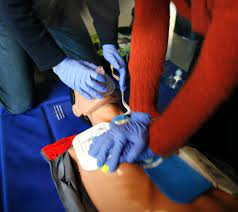
Resuscitation: Case Study

Resuscitation
Resuscitation

Resuscitation: Case Study

Part 1: Code Blue educational video from the Regina Qu’Appelle Health Region.

Time sequenceIssue notedcodecomments
0-22 seconds  Breach of Australian Resuscitation Council Guidelines:  BARCG- Guideline 2 priorities in an emergency        Finds Mr. Smith unresponsive. Fails to follow the Guide 2 BLS algorithm because she failed to assess danger, but she assessed the airway, as she is seen checking for the escape of air from the patients mouth or nose as recommended by guide 5.  Implications: Delay in resuscitation processes increases the risk of reduced cardiac output to the brain due to poor compressions.

 
Time 3.26Poor technical skills  PTS – BARCG Guide 6 & 8Chest compressions inadequate as recommended by Guide 6. The recommended chest compressions are 30 chest compressions followed by two breaths.
The chest compressions are slow than required by Guide 8. “A good CPR should deliver chest compressions over the lower half of the sternum at a depth of 5 cm” (ARC guide 8). Long pauses in CPR before shock delivery. Guide 6 discourages long pauses and distractions during a CPR Implications: Long pauses, distractions, slow and inadequate chest compressions lower the chance of  patient’s survival
Poor Non-Technical skills PNTS
Time 0.30Situation awarenessPNTS- SA The nurse did not press the emergency push button system to call for help immediately and instead used the overturn
Implications: Delayed response  by the code blue team
Time 0.30 secs Time 2.26 minutesDecision makingPNTS- DMDelay in full code response. The team arrived 2 minutes later after the call alert Implications: This led to delay important activities such as defibrillation. However, the rest of the decisions such as medication, hyperventilation and defibrillation activities went on well once the code blue captain arrived.
Time 3.36Task managementPNTS-TMCompressors for more than five cycles. One compressor was working for almost 5 minutes which is too long for a compressor. According to Guide 5, “the compressor roles approximately after 2 minutes or after five cycles of compressions and ventilations at a ratio of 30:2 so as to maintain the quality of compressions” (ARC guide 5).  However, other task management processes such as airway positioning, nasopharyngeal airway placement, bag-valve mask ventilation were correctly performed.
Time 5.28   Time 12.55CommunicationPNTS- comm  Occasionally fails to use the closed up communication which leads to miscommunications. For instance, at minute 12.55, the recorder had missed recording the endotracheal tube particulars due to poor communication strategy.
  The team used the SBAR technique to report the patient’s medical history to the code blue team leader. All the information was recorded including all the medication administered and other CPR outcomes such as cardiac rhythm before a shock was delivered. This is vital for future references.
 TeamworkPNTS-TeamNo introduction was done by the team members, but they delegated the resuscitation duties appropriately. The team consisted of a coordinator, compressor nurse, airway manager, nurse in charge of defibrillator, captain/leader and crash cart manager.
 LeadershipPNTS- LeadershipThe leader failed to evaluate the BLS on arrival. However, Mr. Sellinger (the code captain) performed his tasks effectively including identification of cardiac rhythm, initiation of ACLS protocol, and evaluation of the protocol reviewed the code blue documentation form and signed the code blue form after completing the code blue.

PART 2: Analysis of the issues covered

Code blue should be contacted immediately for all unresponsive patients. Calling for help and initiation for help should be done simultaneously.  One of the issues identified in this case study is delayed in the response of code blue code due to poor call out systems. The code team member should call out loudly for help through the facility-wide response system. In this technology, the nurse should have pressed the Blue code push button to ensure that the code blue team were notified accordingly (Bayramoglu et al., 2013).

As the nurse in charge waits for code blue team, he or she should initiate CPR (Clarke, Apesoa-Varano, & Barton, 2016). The code team are expected to introduce themselves as they arrive as well as and their roles statements such as “Am Mr. J. and will take document” or “I’ll take the airway” which helps in ensuring there is clear role differentiation. The service user physician should be contacted  immediately.

According to Price, Applegarth & Price (2012), the healthcare provider should first assess the patient dangers and risks before they start the air management. This was not done in the case study and violated the ARC guide four which states that the patient’s mouth should be opened and head slightly turned downwards to remove the airways (Australian Resuscitation Council, 2008).

 An ineffective cough indicates a severe obstruction. In this case, if the patient is responsive, the healthcare provider should give about five back blows, and if still, it is ineffective, they should give at least five chest thrusts (McInnes et al., 2012). This article states that for all unresponsive patients, the healthcare should send for help and start CPR immediately. Similarly, guideline 5 recommends that all patients who are breathing abnormally or are unresponsive require being resuscitated.

The first thing when assessing breathing, the rescuers should check for   movement around the chest (lower part) and abdomen (upper part). They should check for the exhalation through the patient’s oral cavity or nose, and feel the movement of air in the patient’s mouth or nose. The guide recommends a ratio of compressions to rescue breaths as 30:2 (Australian Resuscitation Council, 2008).

According to this article, the first nurse to respond should start saving the patient’s life by performing chest compressions immediately (100 compressions per minute). Although important, the nurse should not wait for backboard , they should start chest compressions as it can be put in place later when  the code team arrives. The switching the compressor roles in the case study is present but it took quite a long time than that recommended by ARC guide 6 which is approximately after 2 minutes.

To maintain the quality,  the ventilations ratio should be maintained at 30:2 (Castelao et al., 2013). This is supported by Guide 6 which recommends that interruptions to chest compressions should be minimized. The  best location to perform the compressions is the sternum- the lower half part of it. The healthcare provider’s heel is placed at the central part of the chest and put the other hand on top it. The recommended rates of compressions are 100 to 120 compressions per minute which are about two compressions per second.  

The guide also outlines on the quality of compressions ( which is identified as poor in the case study)  where it suggests that depth of compressions should be “at least 2 inches (5cm) with complete chest recoil after every compression” this helps the heart to re-fill completely by the next round of compressions. The number of interruptions should be minimized to ensure maintain the quantity and quality of compressions (Eroglu et al., 2014).

 According to the article, the patient should be given 2 ventilations for every 30 seconds of  oxygen-bag-mask device assisted ventilation. The oxygen level should be set to the flow meter 15 L/min, and where applicable, the reservoir should be fully open ensure that  the patient gets 100% oxygen for each breath. One strength observed in the study is the fact that bag-mask device is best done by two blue code team members where one open the airway to fasten the mask on whereas the second one squeezes the oxygen bag.

Also, the article states that defibrillation is very critical and that the use of placement hands-free defibrillation pads is a safer option than hands held defibrillation paddles (Girotra et al., 2012; Prince et al., 2014). The article states that the deployment of automated external defibrillators (AED) should be used as soon as possible as it reduces mortality and morbidity associated with cardiac arrest caused by either ventricular fibrillation or ventricular tachycardia (Australian Resuscitation Council, 2008).

The compressions should resume immediately after delivering shock even with a normal heart rhythm as it will not provide enough cardiac output that will ensure adequate perfusion. It is recommended that 2 minutes the cardiac rhythm should be assessed after 5 cycles of a CPR (Merchant et al., 2014). The use of vasopressors in cardiac arrest is recommended only when there are no high-quality CPR. It is important to be extra cautious when administering a drug. This is because miscommunication is a common issue which often leads in the administration of incorrect drug doses or medications.

This can be prevented by using “closed loop” method of communication (Segon et al., 2014; William et al., 2016). For instance, when a nurse receives an order to inject some medicine, they should repeat the information of drug prescribed out loud, inject it and then announce it again after administration (Price et al., 2012). This method was used in some instances, but in the instance that it was absent, the recorder was prone to miss out some key aspects; for example, in this code blue simulation, the recorder had missed recording the endotracheal tube measurements.

The article suggests that an effective code blue team should have leader who controls the all the procedures and efforts of resuscitation. They communicate with the staff involved and evaluate the cardiac rhythm of a patient. Mr. Sellinger is the team captain of the case study and was standing in a position such that he could effectively see all of the resuscitation procedures and efforts. If the organization allows, the family member can be allowed into the room. It is also important to ensure that the information is well recorded.

In the case study, the recorder is shown documenting all the resuscitation process. However, it is important to understand that documentation process is done according the healthcare facility’s policy (McEvoy et al., 2014; Sahin et al., 2016). The recorder should remind the code team when time for a specific task has elapsed and must record all the activities taking place including the medicines prescribed. The article also suggests that all clinical areas should grant quick access to equipment such as blood glucose, blood pressure, and equipment of pulse oximetry and other equipment so as to effectively manage a deteriorating patient (Clarke, Carolina Apesoa-Varano, & Barton, 2016).

Through this case study, it is evident code training programs using simulation is beneficial and has been recommended by various healthcare institution organizations since 1999. This training will help the learners to improve cardiac resuscitation outcomes as it offers an opportunity  for  regular hands-on practice within the hospitals.  This also helps the team to understand the various roles and responsibilities expected during a full code. Along with continuing education and mock codes, the team members become confident in their responsibilities (Gutwirth, Williams, Boyle, & Allen, 2012).

References

Australian Resuscitation Council. (2008). Standards for Resuscitation: Clinical Practice and Education. Retrieved from  http://www.resus.org.au/clinical_standards_for_resuscitation_march08.pdf

Bayramoglu, A., Cakir, Z. G., Akoz, A., Ozogul, B., Aslan, S., & Saritemur, M. (2013). Patient-Staff Safety Applications: The Evaluation of Blue Code Reports. The Eurasian Journal of Medicine, 45(3), 163–166. http://doi.org/10.5152/eajm.2013.34

Castelao, E. F., Russo, S. G., Riethmüller, M., & Boos, M. (2013). Effects of team coordination during cardiopulmonary resuscitation: A systematic review of the literature. Journal of critical care, 28(4), 504-521.

Clarke, S., Apesoa-Varano, E. C., & Barton, J. (2016). Code Blue: Methodology for a qualitative study of teamwork during simulated cardiac arrest. BMJ open, 6(1), e009259.

Eroglu, S. E., Onur, O., Urgan, O., Denizbasi, A., & Akoglu, H. (2014). Blue code: Is it a real emergency? World Journal of Emergency Medicine, 5(1), 20–23. http://doi.org/10.5847/wjem.j.issn.1920-8642.2014.01.003

 Girotra, S., Nallamothu, B. K., Spertus, J. A., Li, Y., Krumholz, H. M., & Chan, P. S. (2012). Trends in Survival after In-Hospital Cardiac Arrest. The New England Journal of Medicine, 367(20), 1912–1920. http://doi.org/10.1056/NEJMoa1109148

Gutwirth, H., Williams, B., Boyle, M., & Allen, T. (2012). CPR compression depth and rate about physical exertion in paramedic students. Journal of Paramedic Practice, 4(2).

McEvoy, M. D., Field, L. C., Moore, H. E., Smalley, J. C., Nietert, P. J., & Scarbrough, S. (2014). The Effect of Adherence to ACLS Protocols on Survival of Event in the Setting of In-Hospital Cardiac Arrest. Resuscitation, 85(1), 10.1016/j.resuscitation.2013.09.019. http://doi.org/10.1016/j.resuscitation.2013.09.019

Merchant, R. M., Berg, R. A., Yang, L., Becker, L. B., Groeneveld, P. W., & Chan, P. S. (2014). Hospital Variation in Survival After In‐hospital Cardiac Arrest. Journal of the American Heart Association: Cardiovascular and Cerebrovascular Disease, 3(1), e000400. http://doi.org/10.1161/JAHA.113.000400

McInnes, A. D., Sutton, R. M., Nishisaki, A., Niles, D., Leffelman, J., Boyle, L., … Nadkarni, V. M. (2012). The ability of code leaders to recall CPR quality errors during the resuscitation of older children and adolescents. Resuscitation, 83(12), 1462–1466. http://doi.org/10.1016/j.resuscitation.2012.05.010

Price, J. W., Applegarth, O., Vu, M., & Price, J. R. (2012). Code Blue Emergencies: A Team Task Analysis and Educational Initiative. Canadian Medical Education Journal, 3(1), e4–e20.

Prince, C. R., Hines, E. J., Chyou, P.-H., & Heegeman, D. J. (2014). Finding the Key to a Better Code: Code Team Restructure to Improve Performance and Outcomes. Clinical Medicine & Research, 12(1-2), 47–57. http://doi.org/10.3121/cmr.2014.1201

Segon, A., Ahmad, S., Segon, Y., Kumar, V., Friedman, H., & Ali, M. (2014). Effect of a Rapid Response Team on Patient Outcomes in a Community-Based Teaching Hospital. Journal of Graduate Medical Education, 6(1), 61–64. http://doi.org/10.4300/JGME-D-13-00165.1

Sahin, K. E., Ozdinc, O. Z., Yoldas, S., Goktay, A., & Dorak, S. (2016). Code Blue evaluation in children’s hospital. World Journal of Emergency Medicine, 7(3), 208–212. http://doi.org/10.5847/wjem.j.1920-8642.2016.03.008

Williams, K.-L., Rideout, J., Pritchett-Kelly, S., McDonald, M., Mullins-Richards, P., & Dubrowski, A. (2016). Mock Code: A Code Blue Scenario Requested by and Developed for Registered Nurses. Cureus, 8(12), e938. http://doi.org/10.7759/cureus.938

Want help to write your Essay or Assignments? Click here

How VITAMIN D Deficiency Affects the immune response in HIV patients

vitamin D deficiency
VITAMIN D Deficiency

How VITAMIN D Deficiency Affects the immune response in HIV patients

ABSTRACT

Vitamin D deficiency is a common issue in patients diagnosed with chronic conditions including Human Immunodeficiency Virus (HIV) infection. Research estimates that vitamin D deficiency in HIV infected people range between 12-100% (Lake & Adams, 2011). Generally, vitamin D deficiency is associated with various risk factors including age, race, overweight, geographical location and exposure to some antiretroviral therapy medication.

However, there is little research on the role of vitamin D in human immune system. This systematic review explores in depth analysis of on the factors associated with vitamin D deficiency. The paper also explores the role of vitamin D on the immune system (both adaptive and innate immune system).

However Ginde, Liu and Camargo(2009) believes, Vitamin D deficiency and supplementation in patients diagnosed with HIV is not well understood. The rationale of this dissertation is to provide to review current information on the role of vitamin D on HIV patient’s immune system.  The aim of this literature review is to understand the impact of Vitamin D in HIV patients.

The key words that were used during literature search were structured the dissertation topic which was to find the impact of vitamin D on HIV patients. This included; Vitamin D, HIV, Vitamin D deficiency, Vitamin D role in innate immune system, Vitamin D in adaptive immune system, ; disease progression, pathogenesis of HIV, CD4, CD4+ T cells, CD$ count, Vitamin D supplementation, CD4 percent, role of Vitamin D,25(OH)D and the immune system, and factors that influence Vitamin D levels in HIV patients

Current strategies to help manage HIV

Regardless of the fact of progress in antiretroviral treatment (ART) in the last 10 years, HIV diagnosis is still very high. Recent studies stress on the importance of nutrition in HIV patients, especially the Vitamin D. Most of HIV patients are diagnosed with vitamin D deficiency. The deficiency has been shown to affect the immune cells (B cells and T cells) because the immunologic cells may not metabolize the active part of the vitamin D which is D3. There are many factors that contribute to vitamin D deficiency such as skin colour and diet. These limitations will be discussed in more detail in chapter 2.

 Sun  (2010) suggests, vitamin D has an impact in anti-inflammation and anti-infection which has newly founded and important movement for calcitriol receptor . Salahuddin (2013) suggests that vitamin D increases protective immune responses to Mycobacterium tuberculosis (TB) by reducing Interferon-gamma (IFN-g) and suppressing diseases linked with inflammation in the host. This study suggests, increased vitamin D dosage helped TB patients and enhanced their host immune response compared to deficient vitamin D levels. This suggests vitamin D can be used to treat TB. Vitamin D deficiency causes patients to be more susceptible to autoimmune conditions such as tuberculosis (Norman & Henry 2006; Aranow,  2016).

Vitamin D deficiency in HIV populations

The published rate of associated with Vitamin D deficiency/ insufficiency in HIV infected people range between 12% and 100% posted by Lake & Adams(2011). Generally Lake & Adams, (2011) suggest the rates of low 25 (OH)D in HIV patients is high and is associated with  traditional risk factors such as age, race, overweight, seasonality, overweight and exposure to ART Research by Aranow (2011), suggests that the impact of Vitamin D status on health status of human being played a significant role.

Therefore, Ginde, Liu and Camargo(2009) believe the African community in Europe, UK, and USA are likely to be affected by the geographical location, such that their current vitamin D intake is low due to restriction due to high melanin content in their skin. In addition, the USA Black ethnic group is associated with vitamin D deficiency because they need longer exposure to produce the same level of vitamin D as the white ethnic people do. 

For instance, in USA, the average 25(OH) D concentrations are low for blacks is 17.4 ng/ml as compared to 21.9 ng/ml d 28.3 ng/ml  in fair skin tones respectively. Therefore Prietl et al(2013) suggests , HIV patients with darker skin pigment in these regions are likely to report Vitamin D deficiency These studies suggests that  in the future, skin pigmentation is an effective strategy to identify people who are at risk of vitamin deficiency, especially among the HIV infected population so as to reduce further HIV related issues.

In some specific ART sessions and agents are associated with Vitamin D deficiency. Some studies have indicated that non-nucleoside reverse transcriptase inhibitor (NNRTI) is associated with 25OHD deficiency.

Giusti, Penco, & Pioli (2011), suggest that the protective function of Vitamin D against disease progression and mortality in HIV patients can be explained by its role in immune response. Djukic et al., (2017) suggest 1, 25 (OH) 2D is active in all organ systems and plays an important role in human immune system.  Especially, 1, 25 (OH) 2 D reduces T cell activation and genes associated in cell differentiation and ability to spread.

Furthermore Djukic et al., (2017) believes it reduces the amount of pro-inflammatory cytokines such as Tumor Necrosis factor (TNF – α),Interlukin 2 and 12  (IL2, IL-12) and Interferons (IFN –γ) triggers the T cells to response to TH1 and TH2 responses; these responses also play an important function in controlling the immune cells and antimicrobial defense including monocyte chemotaxis and their differentiation into macrophages, releasing  nitric oxide by macrophages and production of ß defensin 4 and cathelocidin and anti-microbial peptides that stops virus from copying. Due to these antimicrobial and anti-inflammatory functions, it has been suggested that Vitamin D deficiency has a great role in immune anti-inflammatory (Giusti, Penco, & Pioli, 2011).

Effects of vitamin D on immune response

Bailey et al., (2010) suggest that Vitamin D triggers the immune system.  The results suggest that Vitamin D plays a major role in boosting the immune system.  Many studies including Rathish(2012), have looked at human T cells in the lab to study the complex process of Vitamin D in innate and the adaptive immune system, and how the different cells fights infection. These findings are supported by the discovery of people with vitamin D deficiency tend to be more likely to have  infections and that supplementation of vitamin D  may boosts immunity. This chapter explores the role of vitamin D in innate and adaptive immune response.

The studies provided suggest that Vitamin D deficiency allegedly had an effect on immune cells and the reaction quickly destroys CD4 count and furthers the disease. Evidence from Langfordet,al,(2007) does provide that low CD4 is associated with low vitamin D in HIV paitents knowing that, CD4 count are low compared to intracellular pathogens .

Moreover Sun (2010) suggests, enough vitamin D can help increase that natural immune system, fight pathogens, regulate infected CD4 cells and other immune cells. Vitamin D can reduce the progression of HIV progression through CD4 response, recognizing cytokines secretions.

References

Diamond, T., Levy, S., Smith, A. and Day, P. (2000). Vitamin D deficiency is common in muslim women living in a Sydney urban community. Bone, 27(4), p.27.

Djukic, M., Onken, M. L., Schütze, S., Redlich, S., Götz, A., Hanisch, U. K., … & Bollheimer, C. (2014). Vitamin D deficiency reduces the immune response, phagocytosis rate, and intracellular killing rate of microglial cells. Infection and immunity, 82(6), 2585-2594.

Giusti, A., Penco, G., & Pioli, G. (2011). Vitamin D deficiency in HIV-infected patients: a systematic review. Nutr Dietary Suppl, 3, 101-111.

Holick, M.F. (2007). Vitamin D deficiency. New England Journal ofMedicine, 357, 266–281.

Holick, M. (2007). Vitamin D Deficiency. New England Journal of Medicine, 357(3), pp.266-281.Prietl, B., Treiber, G., Pieber,

T. R., & Amrein, K. (2013). Vitamin D and Immune Function. Nutrients, 5(7), 2502–2521. http://doi.org/10.3390/nu5072502

Rona, Z. (2010). Vitamin D. 1st ed. Summertown, TN: Books Alive.

Rathish Nair, A. (2012). Vitamin D: The “sunshine” vitamin. [online] PubMed Central (PMC). Available at: https://www.ncbi.nlm.nih.gov/pmc/articles/PMC3356951/ [Accessed 28 Mar. 2017].

Want help to write your Essay or Assignments? Click here

Healthcare Delivery: Case Study

Healthcare Delivery
Healthcare Delivery

The Impact of Electronic Health Record (EHR) Systems on Healthcare Delivery in Australian Hospitals

Abstract

Variations in healthcare needs of today’s population compel modern healthcare organizations to change the manner in which they deliver healthcare. A good number of contemporary healthcare organizations have taken advantage of advancements in information technologies, and they increasingly integrate electronic health record (EHR) systems into healthcare delivery.

The current study aims at finding the impact of electronic health record systems on healthcare delivery in Australian healthcare organizations. The study will utilize a theoretical research approach that involves a review of records of selected companies in order to obtain relevant data. Findings obtained from this study will be used to advise modern healthcare organizations on some of the reasons why they should either adopt or avoid implementation of electronic health record systems.

The Impact of Electronic Health Record (EHR) Systems on Healthcare Delivery in Australian Hospitals

1.0 INTRODUCTION

With the rapid rate of advancements in information communication technologies, contemporary healthcare organizations have integrated electronic health record system into healthcare delivery to match healthcare needs of the current population (Zeng, 2016). An electronic health record (EHR) system is a computerized version of a patient’s health data, including past medical history, laboratory reports, vital symptoms, demographics, medications, and progress notes, that can be shared among healthcare practitioners within a healthcare organization (Bowman, 2013).

According to Gao, Sorwar, and Croll (2013), Australian healthcare industry began to consider electronic health record systems in 2000. Since then, many hospitals in the country have made an effort to develop and implement electronic health record systems. As opposed to the traditional paper records system, it is anticipated that electronic health record systems will enhance the quality of care, minimize medical errors, improve patient satisfaction, and reduce healthcare costs in Australian healthcare organizations (Gao, Sorwar, and Croll, 2013).

This proposal will direct a study on the impact of electronic health record systems on healthcare delivery in Australian hospitals. It provides a detailed analysis of existing body of literature on the study topic. Additionally, the paper outlines the procedures and processes that will be followed to gather data to answer the research question. It also highlights the relevance of the study approach as well as the implications of study findings.

1.1 Problem Identification

Traditionally, hospitals used to rely on paper records to keep important medical information of patients. Although clinicians used well-organized templates to document their patient’s health data, retrieving this information was sometimes difficult due to illegible handwriting. Furthermore, the handwritten information could not be shared among healthcare providers through computer systems.

Paper records were also easy to destroy, thereby resulting in loss of patient’s data. Advancements in information technology systems allow contemporary healthcare organizations to store patients’ medical data electronically to allow easy sharing and analysis. The number of hospitals which are implementing electronic health record systems is on the rise in today’s society due to the anticipated benefits of this new technological advancement.

In order to help Australian hospitals to evaluate the financial feasibility of implementing electronic health record systems, it is important to investigate and reveal the nature of impact that an electronic health record system has on healthcare delivery.

1.2 Significance of the Problem

An electronic health record system makes it much easier to track and retrieve patient data as compared to paper reviews. Availability of these systems in hospitals makes patient information available to authorized healthcare practitioners who may need it within the organization. For this reason, healthcare organizations that use electronic health record systems are highly likely to have a form of healthcare delivery that is different from those organizations that use paper records (Bowman, 2013).

1.3 Research Question

Have electronic health record systems improved healthcare delivery in Australian Hospitals?

1.4 Hypotheses

Alternate Hypothesis (H1): Electronic health record systems have improved healthcare delivery in Australian hospitals

Null Hypothesis (HO): Electronic health record systems have not improved healthcare delivery in Australian hospitals

1.5 Variables

Independent variable; an electronic health record system

Dependent variables; health care quality, medical errors, and patient safety

2.0 LITERATURE REVIEW

A number of studies have been performed with the aim of finding out the benefits of electronic health record systems as far as their influence on clinical outcomes is concerned. The main clinical outcomes that have been the center of focus in a large percentage of these studies are patient safety, healthcare quality, and medical errors (Menachemi and Collum, 2011). Healthcare quality is achieved when the healthcare provider delivers the right type of care, in the right manner, at the right time, and to the right patient, with the aim of having the best results possible.

In order to maximize patient safety, healthcare providers must avoid injuries for their clients and ensure that services offered are able to generate the intended help (Gao, Sorwar and Croll, 2013). As Gao, Sorwar and Croll (2013) explain, medical errors are minimized during care delivery when data is entered accurately and when there is clarity of medical records. According to Menachemi and Collum (2011), electronic health record systems generally minimize medical errors, improve health care quality, and enhance patient safety.

In a survey conducted across Australian health organizations in 2015, Australian Digital Health Agency revealed that electronic health records have got numerous benefits for healthcare providers which translate into improved healthcare delivery for patients. According to the Australian Digital Health Agency (2015), electronic health record systems enable healthcare providers to spend more time with their patients as they do not have to waste time looking for clinical information.

This gives patients an opportunity to share their important health information with health care providers thereby contributing to improved health care quality. Furthermore, healthcare providers in Australian health organizations which have implemented electronic health record systems are able to closely monitor their patients’ progress, including those with chronic health problems, while at the same time offering them necessary medical support. This helps patients to have a comprehensive understanding of their health problems (Australian Digital Health Agency, 2015).

Australia is one of the industrialized countries which support the integration of electronic health record systems into healthcare delivery. The version of electronic health record system which majorly operates in Australia is the Personality Controlled Electronic Health Record (PCEHR) system (Gao, Sorwar and Croll, 2013). The Australian public has demonstrated support for PCEHR system due to a number of benefits they have experienced since its adoption.

For instance, with PCEHR systems, patients can now have immediate access to their health information, easily track their prescriptions and medications, as well as make necessary changes to their health records. Basically, PCEHR system has helped Australian healthcare organizations to keep accurate patients’ health records, deliver the right care at the right time, and to maximize patient safety (Gao, Sorwar and Croll, 2013).

Several researchers agree that electronic medical systems are associated with reductions in medical errors in healthcare organizations because they improve the accuracy with which patients’ health data is maintained (Menachemi and Collum, 2011). In a study conducted by Bates, Leap, and Cullen (1998), an electronic health record system reduces medical errors in healthcare settings by approximately 50 percent.

In a similar study, Bowman (2013) found out that computerization of patients’ health data results into an error rate reduction of approximately 10 percent. These findings indicate that clarity and accuracy of medical records are greatly enhanced with the use of electronic health record systems in healthcare organizations.

Although electronic health record systems generate numerous benefits, healthcare organizations serious negative consequences by adopting the technology due to inappropriate design choice and careless use (Bowman, 2013). For instance, poor design choice of an electronic health record system will increase medical errors instead of reducing them. Additionally, poor use of the system may interfere with the integrity of data thereby endangering patient safety and decreasing the quality of care (Zeng, 2016).

In most instances, these are unintended consequences which may make an organization to face lawsuits and pay huge legal fines. As health information technology becomes increasingly involved in the delivery of care, healthcare organizations must be prepared to manage HIT-related risks which may damage their reputations if no appropriate actions are taken. The most appropriate ways through which such risks can be avoided are; choosing appropriate electronic health record system design, and ensuring proper use of the system (Sitting and Singh, 2011).

3.0 METHODOLOGY

The study will involve a detailed analysis of the impact of electronic health record systems on healthcare delivery in Australian hospitals. The first step of the study approach will involve selecting Australian health organizations which have already adopted electronic health record system. A list of this category of hospitals will be obtained from the Australian Public Health Database. Top 30 largest hospitals which have adopted the EHR systems will be used in the study.

The Chief Executive Officers of the selected organizations will be contacted via email in order to obtain an appointment to visit their organizations. The chosen healthcare organizations will be visited physically in order to obtain consent from them and to request usage of their health records for purposes of the study. During the visit, the Chief Executive Officers will be informed about the purpose of the study, the study objectives, how research findings will be used, benefits of taking part in the study, as well as the risks involved. Only those organizations that will agree with the provided terms will be used in the study.

Under the permission of Chief Executive Officers, health records and annual reports of the selected organizations will be reviewed. Changes in a number of factors will be recorded from when the selected companies used paper-based records to the period following adoption of the electronic health record systems.

Specific items which will be extracted from the health records include changes in; patients’ waiting time, the manner in which care is delivered, clarity of medical records, the accuracy of patients’ data, recovery period, readmission rates, and death rates. Similar data will be collected across all healthcare organizations which will have agreed to take part in the study. The collected data will be analyzed using Statistical Packages for Social Sciences (SPSS) software.

4.0 DISCUSSION
4.1 Relevance of the study approach

The proposed methodology is highly appropriate for this study because it will help in gathering data that will best answer the research question. A list of Australian healthcare organizations which have adopted electronic health record systems is found in country’s Public Health Database. The rationale behind selecting top 30 largest organizations in the list is the large volume of relevant data that these organizations can provide.

In addition, it is important to obtain consent from the Chief Executive Officers of the selected organizations due to high privacy concerns associated with the release of important health records. The Chief Executive Officers of the chosen health care organizations must be convinced that their health records will be used solely for purposes of research before they can allow anybody to access them.

The effectiveness of healthcare delivery in hospitals are best measured in terms of major clinical variables namely; quality of care, medical errors, and patient safety (Gao, Sorwar and Croll, 2013). The type of data collected during health records’ review can easily tell the degree of health care quality, medical errors, and patient safety in the selected hospitals. For instance, data related to changes in patients’ waiting time and the manner in which care is delivered will help the researcher to understand the quality of care in the selected organizations.

Data related to changes in clarity of medical records and accuracy of patients’ data will tell more about medical errors, while data related to changes in the recovery period, readmission rates, and death rates will inform the researcher more about patient safety in the selected hospitals. By analyzing the collected data using SPSS software, the researcher will be able to see the impact of electronic health record systems on healthcare delivery in Australian hospitals. This research approach will help the researcher to easily answer the research question.

4.2 Limitations of Methodology

            The main limitation of the methodology is reviewing health records of only 30 hospitals. By limiting the data collection process to only top 30 hospitals which have already adopted electronic health record systems, the researcher may leave out other small hospitals which might have successfully adopted HER systems, and which may have better information than the organizations used.

The other limitation of the methodology is over-reliance on secondary data which is available in company records and annual reports. Conducting actual research would produce more accurate data because the validity of information available in company records might be questionable.

4.3 How the study findings may lead to further research

            The proposed study focuses on how clinical factors may be impacted by the adoption of an electronic health record system. For instance, in the study, the researcher intends to evaluate how electronic health record system will impact health care quality, medical errors, and patient safety in Australian hospitals. Findings obtained from this study can guide further research on the impact of electric health record systems on organizational factors such as healthcare cost.

5.0 CONCLUSION

            The number of Australian hospitals which are adopting electronic health record systems is on the rise. Australian healthcare organizations which are implementing electronic health record systems anticipate that the new technology will help them to improve the quality of care, minimize medical errors, improve patient satisfaction, and reduce healthcare costs.

Prior to spending a lot of money in the implementation of electronic health record systems, Australian healthcare organizations should be aware of the financial feasibility of implementing those systems. Making a decision of whether the approach is financially possible requires a comprehensive knowledge of the nature of impact that EHR systems will have on the quality of care, medical errors, and patient safety.

The proposed study intends to investigate whether electronic health records systems have improved healthcare delivery in Australian hospitals, by focusing on three variable; quality of care, medical errors, and patient safety. A comprehensive analysis of available literature has been conducted to show previous studies on the topic.

In addition, a methodology that will help to answer the research question has been identified. Findings obtained from this study will be used to advise modern healthcare organizations on some of the reasons why they should either adopt or avoid implementation of electronic health record systems.

References

Australian Digital Health Agency. (2015). Retrieved May 19, 2017, from https://www.digitalhealth.gov.au/get-started-with-digital-health/benefits

Bates, D., Leap, L. & Cullen, D. (1998). Effect of computerized physician order entry and a team intervention on prevention of serious medication errors. JAMA, 280(15):1311-1316.

Bowman, S. (2013). Impact of electronic health record systems on information integrity: Quality and safety implications. Perspectives in Health Information Management, 10(Fall):1c.

Gao, J. X., Sorwar, G. & Croll, P. (2013). Implementation of E-health record systems in Australia. The International Journal Technology Management Review, 3(2):92-104.

Menachemi, N. & Collum, T. H. (2011). Benefits and drawbacks of electronic health record systems. Risk Management and Healthcare Quality, 4: 47-55. Doi:10.2147/RMHP.S12985

Sitting, D. F. & Singh, H. (2011). Defining health information technology-related errors. Archives of Internal Medicine, 171:1281.

Zeng, X. (2016). The impacts of electronic health record implementation on the health care workforce. North Carolina Medical Journal, 77(2):112-114. Doi:10.18043/ncm.77.2.112

Want help to write your Essay or Assignments? Click here

History and physical examination: Case Study

History and physical examination

Identification

Name: Mrs. Tiffany Jones

Age: 32

Sex: Female

Referring physician: Self-referred, seems reliable

Chief Complaint: “I have been having severe headaches for the last two days.”

History of Present Illness (HPI)

 For the previous five days, Mrs. Jones has been experiencing frontal headaches.  She describes the pain as bifrontal, throbbing and moderately severe. The pain began after a minor accident when she slid from a ladder and fell and hit her head.  The accident was minor states that she did not see the need for review.  She has been taking Tylenol as painkillers, but it is no longer effective. The headaches are not associated with nausea and vomiting. The pain is aggravated by activity and is relieved by rest and put a damp towel on her forehead. The patient denies associated paresthesias, motor-sensory deficits or visual changes.

Medications: Tylenol 400 mg 1 tablet after 4-6 hours

Allergies: Aspirin causes gastrointestinal discomfort

Tobacco: About five cigarettes per day (Since the age of 18)

Alcohol: Takes wine on rare occasions

Past Medical History (PHM)

Childhood illness: Chickenpox, Mumps, Measles

Adult Illness: None

Surgeries: Tonsillectomy at age 6

Ob/GYN: G200P2, normal vaginal deliveries, two living children. Menarche at the age of 13years and LMP a month ago. Not sexually active, No psychiatric disorders.

Health maintenance:  Not up to date

Family History

Father died at age 46 in an accident. Mother is 67 alive and diagnosed with dementia.  She has one brother 30 years old, alive and healthy. Her two daughters age 6 and four years are alive and healthy. No family history of TB, diabetes, cancer, or cardiovascular disease.

Physical examination: Psychosocial History

She is born and raised in Deltroit, finished college and married her high school boyfriend. She works as a librarian in a nearby college. She lives with her family in their mortgaged house. She gets little exercise but is watchful of her diets. She feeds on homemade foods only. She uses seat belt regularly and sunscreen lotions.

Review of System

 General: Denies fever, night sweats or chills

Skin: Pale and dry. Patient denies bruising rashes or skin discolorations

Eyes: Patient use corrective lenses

 Ears: No ear pain, discharge or any hearing changes

Nose/Mouth/Throat: No sinus complication, no nose bleeds, no dysphagia, or throat pains

Breast: Deferred

 Heme/lymph/ Endo:  No anemia or bleeding issue. No swollen glands. She does not feel excessive thirst or present cold intolerances

Cardiovascular: She denies orthopnea, peripheral edema or chest pains

Respiratory: She denies SOBs, wheezing, dyspnea or hemoptysis. She has no history of TB or pneumonia

Gastrointestinal: Denies NVD, has no abdominal pains, constipation or hemorrhoids. Denies eating disorders

Genitourinary/Gynecological: no hematuria, no night-time urination or changes in urine quantity

Musculoskeletal: Denies muscle pains, has mild back aches, no history of fractures of osteoporosis

Neurological: No seizures or syncope of transient paralysis

Psychiatric: No distress, no depression, psychosocial disorders or suicidal thoughts.

Objective data

Vital signs: Height 5’2”, Wt 143lb, BMI 39.0, Bp 130/70 right arm seated, HR 88, RR 18, t 98.6F

General Appearance: Patient is alert and oriented. Denies acute distress, she is well groomed and generally healthy

Skin: Skin is intact, pale and dry. No bruising, rashes or lesions

HEENT:

Head: Normocephalic and atraumatic

Eyes: Intact EOMs and PERRLA, no sclera infection or lesions

Ear: Positive reflex, no discharge, infection or foreign bodies, visible umbo and short process

Nose: bilateral canals, no rhinitis in both nares, oral pharyngeal mucosa is pink, moist and not erythmatous. No dental prosthesis, nodules or thyromegally.

Cardiovascular: S1 and S2 is heard with normal and regular rate, no peripheral edema, no murmurs or edema

Respiratory: No chest pain, wheezing, or un-labored respirations

Gastrointestinal: abdomen soft and non-tender, No palpable masses, no abdominal pain, normal bowel sounds, no change in elimination frequency or change of color.

Breast/Chest: no lymphadenopthy, nipples with no discharge, chest unremarkable

Genitourinary: Bladder is non-distended, no hematuria or dysuria, no changes in urine color or elimination frequency

Musculoskeletal: Normal gait, good stability, no complaints of foot pain or edema

Neurological: Clear speech, good tone and posture normal and erect. Intact cranial nerves II to XII

Psychiatric: Well groomed, alert and oriented, maintained eye contact and answers questions appropriately.

References

Ball, J.W., Dains, J.E., Flynn, J.A., Solomon, B.S., & Stewart, R.W. (2015). Seidel’s guide to physical examination (8th ed.). St. Louis, MO: Mosby (ISBN: 978-0-323-11240-6).

Want help to write your Essay or Assignments? Click here

Comprehensive patient assessment

Comprehensive patient assessment
General Patient Information

Name: Mrs. Joy Smith

Age: 38 y/o

Gender: Female

Ethnic group: African American

Chief complaint

“I feel increasing pain around the left thigh and buttock. I feel fatigued and have noticed some swelling in the affected part.”

History of Present Illness

 Joy reports that the pain and swelling in her left hip and buttocks that begun a week ago. The 38 y/o African American has been experiencing pain and swelling in multiple joints for the past three months. She has experienced active bilateral synovitis in her wrists and ankles. She has also observed small nodules on her left elbows. The hip joint swelling began five days ago.

She has been treating the pain using acetaminophen. Since then, she has been experiencing increasingly severe pain and edema in the affected region. The pain is relieved by rest but aggravated by mobility and physical activity. She reports the pain at scale 8 in 0-10 pain scale. She denied any history of trauma. She occasionally experiences morning stiffness that lasts for 30 minutes and low back pain that usually worsen at night. She has not experienced had any flares.

She is asthmatic and suffers from seasonal allergies. She is also allergic to aspirin as it causes gastrointestinal discomfort. The medication she has used recently is acetaminophen 500mg for pain management and Proventil HFA to manage an asthma attack. She has no chronic illness and has not undergone any surgeries. The only time she has been hospitalized is during delivery of her two daughters.

She does not smoke but occasionally takes a glass or two of wine. She has no appetite changes. She has been experiencing urinary tract infections occasionally but has no history of sexually transmitted illness. She denies no psychological disorders.

She began her menarche at age 13 years. Her LMP was last month, which she describes as a regular flow that lasted for three days. She is Gravida 2POO2. She carried all her pregnancy with no complication and breastfed all her children. She has sex 2 to 3 times a week but with no protection. She has been using IUD method of contraception which she removed six months ago.

She does not engage in any health maintenance screenings such as mammogram or Pap test.  Her father is 72 years old and hypertensive. Her mother is 68 years old and is diagnosed with diabetes.  She is happily married and lives with her husband and two daughters. She lives with her husband and her two daughters (age 12 and eight years old).  She is a housewife whereas her husband works as sales manager at a local supermarket.

She has a good rapport with her neighbors and is actively involved in local community programs especially those that promote healthy living. Her family is financially and socially stable. She is physically active and tries to eat homemade food as much as possible.

Review of systems

 The patient is alert and oriented. She denies fever or chills. She has no skin rashes, lesions or any discolorations. She uses corrective lenses and denies any changes in her vision and has the normal hearing ability. She denies dental complications, throat pains, dysphagia or nose bleeds. She denies skin discolorations, breast lumps, and breast masses. She denies SOB, chest pains, palpitations, or edema. This indicates that her respiratory system is in great shape. She denies wheezing, dysponea or hemoptysis. She has no history of pneumonia or TB.

She feeds on homemade foods. She denies any changes in appetite. She denies NVD. She has not seen any changes in bowel movement and elimination frequency.  She denies heartburn, constipation or presence of hemorrhoids.  She denies changes in urine quality and quantity. She denies hematuria. She complains of frequent muscle pain and complaints of a backache.

She has no history of fracture or trauma.  She reports that she is unable to lift her arms without extreme pain in the shoulder. In the last five days, it has been difficult to stand for long periods of time due to ankle and foot pain. Although acetaminophen 500 mg three times a day has helped her manage the pain and stiffness, it is no longer effective. 

She denies syncope of transient paralysis and seizures. She denies bleeding and has never been diagnosed with anemia. She denies presence swollen glands or excessive thirst. She looks slightly distressed but denies the history of psychosocial disorders or depression.

Objective data

 The patient is in acute distress. However, she is well groomed, alert and oriented. Her vital signs are as follows;   Weight 220 lb, Height 5’3”, BMI 39, BP 130/70 (taken on the right arm when seated), HR 80, RR 18 unlabored, T 97.5, SATs 99% at room temperature. The patient skin is moist and warm. No discoloration observed. The skin color is normal, intact and with no rashes, lesions or bruises. 

The head is normocephalic and atraumatic. EOMs and PERRLA are intact with no lesions. The ears have positive reflex, bilateral TMS with no discharge or infection. Umbo and short process are visible with no foreign body. Nose canals are bilateral with no rhinitis in both of the nares. The nasals turbinate’s are not swollen.

The oral-pharyngeal mucosa is moist and non-erythmatous pharynx. No nodules or dental prosthesis observed. S1 and S2 are regular with normal rate. No murmurs or peripheral edema noted.  The respirations are normal and unlabored. Wheezing sounds are absent in all of the four quadrants. She has normal bowel in all four quadrants.  The abdomen is soft and non- tender. No palpable masses noted. 

The chest and breast region is unremarkable with no lymphadenopathy.  The bladder is non-distended. No changes in urine quality or quantity. No hematuria. The gait is not normal. She is limping as she walks across the exam room which indicates discomfort or pain in the affected limb. The left hip is swollen and painful. The pelvic exams indicated no inguinal adenopathy, lesions or erythma on the genitalia. Vaginal discharge is normal.

The cervix is normal without palpable masses. The lower quadrants are tender. The adnexal and uterine are tender. No pain is indicated with cervical motion. The anterior and midline of the uterus is smooth and not enlarged. She has clear speech, good tone and intact cranial nerves II.  She appropriately maintains eye contact.

Differential diagnosis

 Based on the signs and symptoms, the patient is likely to be suffering from infections arthritis, psoriatic arthritis, gout or osteoarthritis. This is because these diseases are collectively grouped as arthritis as they commonly affect the small joints, hips, hands, lumber and cervical spine. Differentiating these diseases is challenging as they all present with joint stiffness and pain that worsen with activity (Buttaro, et al., 2013).

Psoriatic arthritis is suspected because of clinical manifestations such as generalized fatigue, swollen and painful joints, and limited range of motion. The disease will be confirmed by laboratory tests. Similar to Psoriatic arthritis, Rheumatoid arthritis and infection arthritis is suspected because of the presence of signs and symptoms such as joint stiffness, pain, fatigue, tenderness and limited range of motions.

Gout is suspected because of patient’s complaints about intense throbbing joint pains, discomfort and inflammation. However, gouts normally affect the large joints of the big toe. The disease will be confirmed by the laboratory findings. Similar to out, the patient may experience joint pain that hurt during and after movement. Joint stiffness is noticeable especially in the morning or after long periods of physical inactivity (Buttaro et al., 2013).

To reach a definitive diagnosis, it is important to undertake differentiating diagnostic investigations. For instance, diagnosis of psoriatic arthritis is supported by skin biopsy of the affected lesions. Infectious arthritis is self-resolving within six weeks whereas gout is confirmed by serum uric acid that is above 416 micromols/L. Rheumatoid arthritis, on the other hand, is confirmed by whereas osteoarthritis is distinguished from others by the rheumatoid factor, C-reactive protein, and erythrocyte sedimentation whereas osteoarthritis by radiographs that indicate loss of joints space, osteophytes and subchondral sclerosis (Kordasiabi et al., 2016).

Lab tests

Diagnosis should be conducted as early as possible to optimize patient’s outcomes. The patient presents with painful and swollen hip joint. In this case, appropriate laboratory tests include; CBC,  Renal function, erythrocyte sedimentation (ESR),  C- reactive protein (CRP), Level of RhF and citrullinated peptide antibody (CCP). Imaging tests such as radiography and X-rays will also be ordered to make the definitive diagnosis. Also, these tests are used to evaluate the particular erosive changes to assess the disease progression (Buttaro et al., 2013).

According to my preceptor, some lab tests such as complete blood count and renal function are necessary as they influence treatment options. For instance, if the patient is diagnosed with renal insufficient or thrombocytopenia, the healthcare provider must avoid prescribing a non-steroidal anti-inflammatory drug (NSAID). Some medications are also contraindicated with some hepatic disease.

Definitive diagnosis: Rheumatoid arthritis

The onset of the disease peaks between the ages of 30 and 50 years. It is the most common cause of disability in the USA. It is reported that 35% of people diagnosed with RA reports disability within ten years (Centers for Disease Control and Prevention, 2013). RA typically presents with pain and stiffness in multiple joints in the body. As the disease progress, other small joints including the interphalangeal joints and metacarpophalangeal become affected.

In most patients, they may experience morning stiffness that may last more than 30 minutes. In some cases, Boggy swelling may become visible caused by synovitis and subtle synovial thickening. Systemic symptoms include low-grade fever, fatigue and weight loss (Buttaro et al., 2013).

 According to the American College of Rheumatology and European League against Rheumatism 2010, RA diagnostic criteria are as indicated below (Aletaha et al., 2010):

Image result for rheumatoid arthritis diagnostic criteria

(Source: Aletaha et al., 2010)

The laboratory findings were as follows; CRP 5.7 mg/ dL(normal 0.1-0.9 mg/ dL); ERS 26 mm/h (normal 0-15mm/h) RhF 33.4 (normal 0-29 IU/mL) and CCP 40 (normal0-20).  Radiography results were still pending. The other parameters were within the normal limits. Rheumatoid arthritis (RA) is the most common type of arthritis. Based on this guideline, the patient complaint is 1-3 small joints with the involvement of a large joint (score 2); the serology tests indicates low positive RhF and High positive ACPA (score 3) and abnormal CRP and ESR levels (score 1).

The total score is 6 out of 10 which is the score needed for classification of the patient as having RA.  RA is a progressive disease, and it is difficult to know when the disease first developed. Most patients experience periods of alternating bothersome symptoms. Onset, severity and disease symptoms vary greatly from one person to another. Therefore, treatment should b tailored to meet individual medical needs (Buttaro et al., 2013).

Treatment and management of the disease

Once diagnosed, the initial treatment and evaluation should begin immediately. Due to different disease presentations, a patient specific and effective care plan was developed. The goal of this treatment was to minimize joint pain and swelling, slow disease progression, prevention of deformity and maintenance of quality of life. With the help of my preceptor, the pharmacological treatment was initiated using oral Methotrexate (MTX) 7.5mg per week (divided in 2.5 mg orally after 12 hours in 3 doses) plus 5 mg Prednisone per day. She was also given Diclofenac 50mg three times a day. She was advised to continue using acetaminophen when required.

 Secondly, I noted that the patient was obese (BMI 39). Therefore, the patient was advised to feed on healthy diets and to perform regular exercises. The diets recommended for this patient include eating plenty of fruits, whole grain cereals, and vegetables. The patient was also advised to feed on foods rich in omega -3 such as fish oils, and to feed a low-fat diet. She was also advised to limit alcohol intake and to consume moderate sugars and foods that have added sugars (Dains, Baumann, & Scheibel, 2012).

Whereas there is limited evidence-based practice on the impact of diet on RA, my preceptor advised that patient education on dietary modifications is acceptable. Therefore, it is always important to encourage parents to adopt and maintain healthy diet and weight. This intervention is particularly important for this patient because she has high body mass index (BMI).

Moreover, weight reduction helps reduce the weight bearing of joints and prevention of other disease comorbidities such as high blood pressure. It has also been indicated that people with unhealthy weight have poorer functional status; further emphasizing the need for healthy weight control in general disease management (Kordasiabi et al., 2016).

 Another important factor in weight control is physical activeness. The patient was referred to a physiotherapist for services relating to exercises s it has been statistically shown significant improvements in patients diagnosed with RA body functions and social component.  This is because exercises are well accepted to have a big role in combating the adverse effects associated with RA on muscle endurance, strength and aerobic capacity (Rudan et al., 2015).

However, fatigue is also common in patients diagnosed with RA.  The patient was advised to rest their inflamed joints. The patient was also advised on other strategies such as the application of heat and cold therapy to relieve pain. The patient was also advised on passive and active exercises to maintain range of motion in the affected joints (Dains, Baumann, & Scheibel, 2012).

Complementary therapies have been associated with some favorable outcomes. These include the use of acupuncture, use of gamma-linolenic acid from black currant seed oil, evening primrose and thunder god vine. However, the patient was informed about the potential adverse effects associated with the herbal therapy (Kordasiabi et al., 2016). 

The patient was also given folate or folic acid (400 mg). This is important because some RA medications such as methotrexate interfere with absorption of folic acid. Research also indicates that patients under corticosteroids make it difficult to absorb calcium; therefore, the patient was given calcium supplements (Buttaro et al., 2013).

Patient education

The main goal of health promotion is to empower patients with practices that empower them and makes them improve their well-being holistically ranging from mental and spiritual mental wellbeing. The patient was educated on the importance of participating in preventive care such as Pap test and mammogram screening. She was advised to perform Pap test and mammogram screening at least twice a year to facilitate early detection of the disease and effective management of the disease (CDC, 2013).

 The patient stated that she had removed IUD six months ago as it was making her bleed uncontrollably and developed frequent urinary tract infections. When asked if she is ready to have another child, she was hesitant saying that they had planned to have only two children. I advised her on the alternative contraceptive methods such as hormonal birth control methods that have been found to be effective.

These contraception methods cause the cervical mucus to thicken making it difficult for the sperm and pathogens to reach the uterus. The patient was also taught about hygiene practices such as wiping herself front to back after visiting the toilet to avoid introducing colon pathogens into her vagina (Buttaro et al., 2013).

Follow up care

Remission occurs in 10 to 50% of RA patients. It is more likely in males, people below 40 years, nonsmokers and the late onset of the disease. If the disease is well controlled, the medication dosages will be cautiously reduced to the minimum amount necessary (Healthy People 2020, 2013). Long-term monitoring of the disease is important because although RA is considered a disease of joints, it is also the disease that involves multiple organ systems.

For instance, patients diagnosed with RA are likely to have increased risk of lymphoma which is believed to be caused by underling inflammation and not a consequence of the disease. Patients diagnosed with RA have increased risk factors such as high blood pressure, high cholesterol. Also, caution is needed with the continued use of DMARDs as it is associated with malignancy. Lastly, the disease is associated with depression which affects more than 40% of people diagnosed with RA; which is associated with long-term use of corticosteroids (Kordasiabi et al., 2016).

 Therefore, ongoing monitoring of the patient will be done after every two weeks. This is important in assessing the patient progress and the overall management goals such as treatment efficacy, disease activity, other comorbidities and patient’s quality of life in general. It is also important to run the laboratory tests to monitor toxicity and adverse effects of the modification. The referral was made to a rheumatologist for further evaluation.

References

Aletaha, D., Neogi, T., Silman, A. J., Funovits, J., Felson, D. T., Bingham, C. O., … & Combe, B. (2010). 2010 rheumatoid arthritis classification criteria: an American College of Rheumatology/European League Against Rheumatism collaborative initiative. Arthritis & Rheumatism, 62(9), 2569-2581.    

Buttaro, T. M., Trybulski, J., Polgar-Bailey, P., & Sandberg-Cook, J. (2013). Primary Care: A collaborative practice. Elsevier Health Sciences.

Dains, J, E., Baumann, L.C., & Scheibel, P. (2012). Advanced health assessment and clinical diagnosis in primary care (4ed.) St. Louis, Mo.: Elsevier Mosby.

Centers for Disease Control and Prevention (CDC. (2013). State prevalence of self-reported doctor-diagnosed arthritis and arthritis-attributable activity limitation. Retrieved from https://www.cdc.gov/arthritis/data_statistics/national-statistics.html

Healthy People.gov. (2013). Arthritis, osteoporosis and chronic back conditions. Retrieved from https://www.healthypeople.gov/2020/topics-objectives/topic/Arthritis-Osteoporosis-and-Chronic-Back-Conditions/objectives

Kordasiabi, M. C., Akhlaghi, M., Baghianimoghadam, M. H., Morowatisharifabad, M. A., Askarishahi, M., Enjezab, B., & Pajouhi, Z. (2016). Self-Management Behaviors in Rheumatoid Arthritis Patients and Associated Factors in Tehran 2013. Global Journal of Health Science, 8(3), 156–167. http://doi.org/10.5539/gjhs.v8n3p156

Rudan, I., Sidhu, S., Papana, A., Meng, S., Xin–Wei, Y., Wang, W., … Global Health Epidemiology Reference Group (GHERG). (2015). Prevalence of rheumatoid arthritis in low– and middle–income countries: A systematic review and analysis. Journal of Global Health, 5(1), 010409. http://doi.org/10.7189/jogh.05.010409

Want help to write your Essay or Assignments? Click here
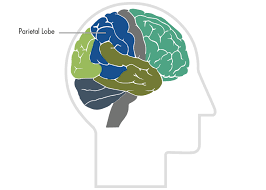
The Parietal Lobe

The Parietal Lobe
The Parietal Lobe

The Parietal Lobe

Question 1

The parietal lobe is located at the top region near the back of the brain. There are two parietal lobes – left and right parietal lobe. This part of the cerebral cortex is involved in vision, speech, sensation and interaction with other regions to connect sensory input from external environment and interpretation of the stimuli. Parietal lobe stroke occurs when the blood vessel supplying blood to this region ruptures or gets blocked.

This interferes with sensation of the entire opposite sides.  This is because motor system of the brain is mainly found in the frontal lobes (Knoefel, 2011). It starts with promoter regions for coordination of complex movements to the primary motor cortex where output is transmitted into the spinal cord leading to contraction and movement of the muscles.

The primary motor cortex located on the left side of the brain is responsible for the movement and muscle contractions in the right side of a person’s body and the primary motor cortex on the right controls movement of the left side. This explains why patient with right parietal stroke gets return of voluntary movement in the left hand (Migliaccio et al., 2014).

Question 2

Fronto parietal stroke affects the frontal and parietal lobes part of the brain. A right fronto-parietal stroke patient with better movement in the left hand side is also likely to may not necessarily have better attention of the side. This is because the frontal lobe is responsible for solving skills, emotions, and selective attention behavior. On the other hand, the parietal lobes control sensations such as touch and pressure.

Therefore, the indication of stroke will depend on the region of the brain involved. Stroke on the right hemisphere cerebrum affects left side whereas stroke in the left hemisphere affects the right side.  In addition, injury in the left lobe disrupts the patient understanding of the written and spoken word (Knoefel, 2011).

Question 3:

Visual motor integration refers to a person’s ability to perceive visual information, process it and move the motor system accordingly.  The idea that the front ends of visual system is responsible for breaking down stimulus for down into their constituent’s parts such as pattern, shape, motion, color and to glue the feature in the parietal lobe neuron.

Therefore, patients with right front parietal stroke make it challenging to grasp coordination. Visual- motor integration involves three processes; a) visual stimulus analysis, b) fine-motor control and c) conceptualization. Deficit in any of the three processes influence the final outcome. For instance, if fine motor control and visual analysis are within the normal range, then the challenge lies in the conceptualization (Johansson, 2012).

Question 4:

It can be challenging to farm with Parkinson’s disease because of tremors and rigidity that makes it difficult to hold hand tools and increases the likelihood of accidental injuries to self and others. In addition, the increased diminishing balance can increase risk for secondary injuries due to fall, slip or trip.

In addition, the medications used to treat the disease are associated with light headedness, confusion, insomnia and dizziness can dramatically reduce the patient’s energy. Therefore, these are the safety risks to consider when supporting the patient engage in his chosen hobby (Santos-García & de la Fuente-Fernández, 2013).

Question 5

Parkinson disease is a neurodegenerative disease described by non motor and motor symptoms that negatively impact the patient’s quality of life.  Most of PD patients are stigmatized because of the visible motor and non motor symptoms. The symptoms of this disease are difficult to hide and are perceived as unscrupulous by the public. This includes observable traits such as gait difficulties, tremor and drooling. These symptoms disrupt the autonomous integration into the society due to their exterior conditions. In addition, the deteriorated self esteem evokes feelings of embarrassment and shame which results into isolation (Santos-García & de la Fuente-Fernández, 2013).

In addition, stigma and seclusion is not only associated with the observable signs and symptoms but also due to progressive loss of functionality. This factor further contributes to bad self image, self efficacy and autonomy. In fact when interviewed about their life history, most of the patients explain symptoms as the key issue for seclusion and low self esteem due to increased physical dependence.

Stigma also arises from awkwardness and inability to do activities that require simple motor actions. This reduction to functionality results into increased social disengagement associated to stigmatization. Stigmatization may also occur due to hindrances to communication.  PD patients may be mislabeled for instance as drunkards. In addition, the delayed thinking and difficulty to convey their opinions easily can make them feel frustrated and isolated. The difficultness to decipher PD patient’s mute expressions makes them feel alienated and disconnected from others (Maffoni et al., 2017).

References

Johansson, B. B. (2012). Multisensory Stimulation in Stroke Rehabilitation. Frontiers in Human Neuroscience, 6, 60. http://doi.org/10.3389/fnhum.2012.00060

Knoefel, J. E. (2011). Clinical neurology of aging. Oxford University Press.

Maffoni, M.,  Giardini, A.,  Pierobon, A., Ferrazzoli, D., and Frazzitta, G.  (2017). “Stigma Experienced by Parkinson’s Disease Patients: A Descriptive Review of Qualitative Studies,” Parkinson’s Disease, Article ID 7203259, doi:10.1155/2017/7203259

Migliaccio, R., Bouhali, F., Rastelli, F., Ferrieux, S., Arbizu, C., Vincent, S., … & Bartolomeo, P. (2014). Damage to the medial motor system in stroke patients with motor neglect. Frontiers in human neuroscience, 8, 408.

Santos-García, D., & de la Fuente-Fernández, R. (2013). Impact of non-motor symptoms on health-related and perceived quality of life in Parkinson’s disease. Journal of the neurological sciences, 332(1), 136-140.

Want help to write your Essay or Assignments? Click here

Health Care Accreditation

Health Care Accreditation

Health Care Accreditation

Accreditation

 Mayo Clinic, Wisconsin receives accreditation from Wisconsin Accreditation Organization for Hospitals and The Joint Commission. Before offering accreditation, The Joint Commission evaluates health care organizations for compliance with the set standards. Wisconsin Accreditation Organization for Hospitals evaluates health care organizations at an interval of three years.

Accrediting is mandatory for Mayo Clinic, Wisconsin because the organization cannot be allowed to provide medical services to patients if it is not accredited. The main purpose of accrediting, therefore, is to validate if the Clinic meets quality standards documented by the two accrediting bodies. Accreditation supports Mayo Clinic to make improvements on its systems to meet the set quality standards (Mayo Clinic Health System, 2016).

            Accrediting of Mayo Clinic by Wisconsin Accreditation Organization for Hospitals and The Joint Commission is important to heath care because it results in improved care across all departments of the organization. Additionally, accreditation helps patients to receive the highest and best quality health care.

Furthermore, accrediting influences Mayo Clinic, Wisconsin to engage in socially responsible behaviors thereby promoting the safety of the community. Again, since Accreditation encourages Mayo Clinic to maximize quality in all its health care delivery processes, it has contributed significantly to the clinic’s expansion and growth (Alkhenizan and Shaw, 2011).

The accrediting requirements for Mayo Clinic include safe and high-quality patient care, effective communication with stakeholders, high level of coordination and planning to promote mitigation of risks, facility safety, and effective leadership. Mayo Clinic, Wisconsin requires highly performing technology systems and competent employees to maintain accreditation. If the organization loses accreditation, it will lose clients due to reduced quality of care and compromised patient safety. Failure to make improvements on its systems will result in closure (Mayo Clinic Health System, 2016).

Mayo Clinic should be accredited to offer medical services related to prevention, treatment, and control of infections. The organization requires licensure in the following areas; perinatal care, disease-specific care, palliative care, medication compounding, and health care staffing (Mayo Clinic Health System, 2016).

Licensure

            Mayo Clinic has been licensed to provide Acute Stroke Management and Diabetes Management services which fall under disease-specific care. These two licensures are mandatory because, without them, the clinic will not be authorized to offer acute stroke management and diabetes management services. The purpose of the licensures is to confirm that Mayo Clinic meets the standards required for an organization to offer acute stroke management and diabetes management services (Mayo Clinic Health System, 2016).

The licensures are important to Mayo Clinic because they help it to implement strategies that are aimed at improving the quality of care for acute stroke and diabetes management. Furthermore, the licensures contribute to the provision of the highest and best quality health care for patients (Alkhenizan and Shaw, 2011).

Moreover, they are essential to heath care in the sense that, it results in improved health care across all departments of the organization. Additionally, the licensures help Mayo Clinic, Wisconsin to become a socially responsible organization by influencing it to engage in activities that promote safety of the community (Rooney and Ostenberg, 1999)

 The licensure requirements for Mayo Clinic about the provision of acute stroke and diabetes management services include care delivery, admission, discharge and referrals, a continuum of care, and emergency management. Mayo Clinic, Wisconsin needs three significant resources to maintain these licensures, and they include competent and enough medical practitioners, highly performing technological systems, and a safe facility (Mayo Clinic Health System, 2016).

Suppose the Clinic loses the licensure, it will no longer be authorized to provide acute stroke and diabetes management services. While the loss of accreditation will prevent Mayo Clinic from serving as a health care organization in Wisconsin, loss of licensure will only prevent the organization from providing care services related to acute stroke management and diabetes management (Rooney and Ostenberg, 1999).

References

Alkhenizan, A. & Shaw, C. (2011) Impact of accreditation on the quality of healthcare services: A systematic review of the literature. Annals of Saudi Medicine, 31(4): 407-416. doi:10.4103/0256-4947.83204.

Mayo Clinic Health System (2016). Accreditation. Retrieved from mayoclinichealthsystem.org

Rooney, A. & Ostenberg, P. (1999). Licensure, accreditation, and certification: Approaches to health services quality. Wisconsin: Bethesda

Want help to write your Essay or Assignments? Click here
Evolving Nursing Practice and Patient Care Delivery Models

Evolving Nursing Practice
Evolving Nursing Practice and Patient Care Delivery Models

“This presentation will begin by welcoming remarks that are extended to everyone who is present in this session. The topic that will be explored in this presentation is, ‘The anticipated growth and changes in nursing practice over the coming years.”If you take your time to compare the health care delivery in traditional health care organizations with the one used in contemporary organizations, you will learn that modern approaches to care are better than the ones that were used in the past.

It is also important to recognize that the mode of care delivery in future will be far much better than it is today. Rapid health care reforms are currently taking place to enable nurses to provide care that meets the needs of the ever-changing population. As nurses, we must be conversant with the changes and growth that are expected to take place in nursing practice in the near future for us to be in a position to contribute positively to the reorganization of the United States’ health care delivery system (Salmond and Echevarria, 2017).

            For instance, it is anticipated that the number of nurses who will be required to deliver care in acute care hospitals will decrease while the number of those nurses who will be required to serve in the community will increase. Furthermore, it is expected that future health care organizations will reward nurses based on the quality of care they deliver, a system known as Accountable Care Organizations (Song, 2014).

In order to effectively meet the health care needs of the future community, nurses will be required to posses the right knowledge and skills to enable them to deliver quality care in accountable care organizations. Nurses are required to prepare adequately to deliver care both in hospital-based and community-based settings. The best way through which nurses can prepare for the future is by obtaining the highest level of academic qualifications from relevant academic institutions which have been accredited to provide nursing education in the United States. This way, they will adequately be equipped to deliver quality care that matches the trends and issues in United States healthcare system (Shortell, Colla, and Ramsay, 2017).

            Today’s society needs clinical advice on how it can effectively manage new infections that have a negative impact on health. As Kovner and Walani (2010) point out, the increasing need for health education among the current and future populations greatly influences the creation of nurse-managed clinics in the community. Advanced practice nurses will be assigned clinical roles in nurse-managed clinics from where they will be required to educate community members on how they can effectively manage infections which are affecting their health.

Since more jobs will be available in nurse-managed clinics in the community, nurses must be prepared enough to work as community nurses and to teach clients on how they can prevent and manage infections (Kovner and Walani, 2010).

            We should also recognize that the rates of deaths that are associated with chronic infections are on the rise in today’s society. It is anticipated that incidences of chronic infections such as cancer and diabetes will continue to rise in the near future due to the anticipated changes in lifestyle and because very few people are adequately informed of how they can effectively manage their health problems outside the hospital setting (Suter, Oelke and Armitage, 2009).

Therefore, advanced practice nurses will be expected to possess the right knowledge and skills to provide a continuum of care to patients who need clinical guidance after they will have been discharged from the hospital. In this manner, nurses will play a big role in reducing deaths that occur from ineffectively managed chronic infections (Haggerty, Reid and McKendry, 2003).

            It is anticipated that the future community will be in need of more personalized care than the current society. As Scribner and Kehoe (2017) explain, it is expected that patient-centered medical homes will be used more than hospitals in the next few years. From these medical homes, nurses will be deployed to offer constant personalized care as well as medical consultations to the community. For this reason, nurses will only be able to retain their job positions if they are competent enough to work in patient-centered medical homes and in hospital settings (Reynolds, Klink and Davis, 2015).

Based on the anticipated growth and changes in nursing practice over the coming years, I urge all of you to seek for training on how to deliver quality care in areas related to Accountable care organizations, nurse-managed clinics, continuum of care, and patient-centered medical homes in order to prepare adequately to fit in the job market in future. Thank you.”            

Nurse One supports the idea that nursing practice is expected to change and grow in the next few years, and that nurses are required to prepare adequately to deliver health care that will meet the needs of the future generation. According to Nurse One, the rate of deaths that occur as a result of chronic infections is on the rise in today’s society. It is reported everywhere in the media that the number of people who die of cancer, diabetes, and high blood pressure continue to increase each day as a result of poor health management practices.

The main reason why the number of deaths associated with chronic infections continues to rise is due to lack of knowledge on how these conditions can be managed once a patient leaves the hospital. For instance, some patients may suffer severe health consequence associated with either drug side effects or non-adherence to drugs.  In order to reduce deaths that are associated with chronic health problems from affecting the community in future, nurses will be expected to be competent enough to deliver continuum care to clients in the community.

Additionally, the number of nurses who will be expected to provide health care services in nurse-managed homes will be greater than that required to serve in hospitals. In Nurse One’s opinions, nursing practice is expected to grow and change in the next few years and only competent nurses will be able to find jobs.

Nurse One supports the idea that nursing practice is expected to change and grow in the next few years, and that nurses are required to prepare adequately to deliver health care that will meet the needs of the future generation. According to Nurse One, the rate of deaths that occur as a result of chronic infections is on the rise in today’s society. It is reported everywhere in the media that the number of people who die of cancer, diabetes, and high blood pressure continue to increase each day as a result of poor health management practices.

The main reason why the number of deaths associated with chronic infections continues to rise is due to lack of knowledge on how these conditions can be managed once a patient leaves the hospital. For instance, some patients may suffer severe health consequence associated with either drug side effects or non-adherence to drugs.  In order to reduce deaths that are associated with chronic health problems from affecting the community in future, nurses will be expected to be competent enough to deliver continuum care to clients in the community.

Additionally, the number of nurses who will be expected to provide health care services in nurse-managed homes will be greater than that required to serve in hospitals. In Nurse One’s opinions, nursing practice is expected to grow and change in the next few years and only competent nurses will be able to find jobs. The views of this nurse are consistent with ideas presented by Haggerty Reid and McKendry (2003) and by Suter, Oelke, and Armitage (2009) concerning the need for nurses to be prepared to deliver continuum care in the community over the coming years.

 References

Haggerty, J. L., Reid, R. & McKendry, R. (2003). Continuity of care: A multidisciplinary review. The British Medical Journal, 327(7425): 1219-1221.

Kovner, C. & Walani, S. (2010). Nurse-managed health centers. Nursing Research Network: Robert Wood Johnson Foundation.

Reynolds, P., Klink, K. & Davis, M. (2015). The patient-centered medical home: Preparation of the workforce, more questions than answers. Journal of General Internal Medicine, 30(7): 1013-1017.

Salmond, S. & Echevarria, M. (2017). Health care transformation and changing roles for nursing. Orthopedic Nursing, 36(1): 12-25.

Scribner, M. N. & Kehoe, K. (2017). Establishing successful patient-centered medical homes in rural Hawaii: Three strategies to consider. Hawaii Journal of Medicine & Public Health, 76(3): 18-23.

Shortell, S., Colla, C. & Ramsay, P. (2017). Accountable care organizations: The national landscape. Journal of Health Politics, Policy, and Law, 40 (4): 647-668.

Song, Z. (2014). Accountable care organizations in the US health care system. Journal of Clinical Outcomes Management: JCOM, 21(8):364-371.

Suter, E., Oelke, N. & Armitage, G. (2009). Key principles for successful health systems integration. Healthcare Quarterly, 13(1): 16-23.

Want help to write your Essay or Assignments? Click here.

End of life care

End of life care
End of life care

End of life care: Are they better off dead?

The most painful event in life is when one loses someone close to them. The people they shared memories with both good and bad. The extent of the hurt often does depend on the situation that they find their loving members. There is a huge difference between a person who dies suddenly and one whom the family members watch while he slowly fades makind end of life care a sentimental factor. The situation also does worsen when the family handles the responsibility of caring for their loved ones as they approach the end of their life. One gets to see the strong personality of their loved one that they cherish fade away replaced by pain (Gillan et al., 2014, p.332).

In the dying father and child image, the children are present, and they get to witness the death of their parent. It is a sad event and something that may end up leaving them traumatized or scarred for life. In the picture, one can see one of the children covering their eyes is inferred to mean that they do not want to see their father pass away or they are crying. Tears are a means of expressing our sadness especially in a dreadful situation like death (Murphy 2016 et al., p.254).

It is globally accepted that we will all die at one point in our lives, but no one is ready to see death approach especially when they are not ready (Rowland et al., 2016). As illustrated in the picture, the father is receiving home care as he nears his death. The aspect of patients being taken care of at home arises from two aspects either the hospital has done all they can and informed the patients who decide to spend their last days at home. The second reason deals with the lack of finances, where the family cannot afford to have their patient admitted in the hospital (Tong et al., 2014, p.915).

The family is better placed to understand what their suffering member requires as they near their death from an emotional and spiritual perspective. The emotional perspective is more important to the passing member as they need to feel that someone cares about them. The care they receive solidifies the concept that their lives were worthy in the long run. This is the reason that most members gravitate to their families as they approach their end days (Davies et al., 2014, p.919).

The care is given to the patient often takes different forms depending on their state of mind and disease.  In the case of members suffering from chronic diseases like cancer, the pain is often reflected in their eyes and weary bodies. The family members need to assist their loved ones with the help of the medical practitioner to aid the person spend their last days being as comfortable as possible. The aspect of treatment and euthanasia does come into play when discussing the end life care (Wilson, 2013, p. 504).

At times the treatment of people with chronic diseases becomes very expensive to the point that they decide to stop the treatment to save their families the burden of incurring a huge debt (Mathers et al., 2013, p.206). Does the family have a role to play in altering the decision made by the suffering member?

According to the Australian medical health system, the family members have a minimal role in altering the decision of the patient in the case they are still capable of making a sound decision. Despite, this they can discuss with the family member and convince them of continuing with the treatment if they have the finances (Visser, Deliens, and Houttekier, 2014, p.604).

Based on Ewing et al., 2014, p.248, the nursing team has the responsibility from the moral and legal perspective of discussing with the patients the decisions they are to undertake. Once the patient has made their decision, their role comes to an end. Some of the responsibilities that they undertake based on this context are; offering the family members and the patient advice on the treatment available, the cost and what they consider the best option.

The second scenario inferred from the picture focuses on elevating the suffering of both the dying father and the children is euthanasia also referred to as assisted dying. According to Quinlan (2016), euthanasia refers to the intentionally ending the life of a person with the aim of relieving them from the pain that they are undergoing. This is often encouraged in situations where the person is suffering from a chronic and painful disease or is in a coma that is irreversible.

From the legal perspective, the states of New South Wales and Victoria are moving towards drafting legislation that permits euthanasia for Australian citizens (Teno et al., 2013, p.470). The condition stimulated to allow euthanasia is when the patient is suffering an incurable disease that will necessitate them to terminate their life. The decision to give the go ahead for euthanasia lies with the family members and the patients as long as they are above the age of 25 years. Also, the family member at the end of their life needs to have a sound mind at the point of deciding (Morton et al., 2017).

In the case of the dying father and child picture, the love and pain are evident in the way they have gathered around the father. The children love their father and are very young to witness the end of his life. Traumatic events like death often inhibit the effective development of people especially children (Berg, 2014).

 Based on the picture the children are very young most of them are below the age of 15 a clear sign that their brain is still developing. I am certain that it is not right but in this case, it is not fair for them to witness such immense suffering of someone they love dearly. Euthanasia would have been a better way to end the pain that they are all experiencing. In this case, the father should have decided to decide to save the elder family member from experiencing any guilt from the incident (Anaf, 2017).

Conclusion

The end of life care is important to the person seeing their life fade away. Most prefer to spend their last days with their families to stay in the hospital. The picture that guides the reflective essay displays this concept. The love and care given by the members enable them to feel comforted as they prepare themselves psychologically for their departure. The end of life care takes different forms as discussed in the essay it can be through euthanasia, hospitalization or home care. One of the common denominators in all the three forms is the advice of the medical practitioner.

REFERENCES

Anaf, J. M. (2017). Voluntary euthanasia laws in Australia: are we really better off dead?. The Medical Journal of Australia, 206(8), 369.

Berg, L., Rostila, M., Saarela, J., & Hjern, A. (2014). Parental death during childhood and subsequent school performance. Pediatrics, peds-2013.

Davies, N., Maio, L., Rait, G., & Life, S. (2014). Quality end-of-life cares for dementia: What have family carers told us so far? A narrative synthesis. Palliative medicine, 28(7), 919-930.

Ewing, G., Grande, G., & National Association for Hospice at Home. (2013). Development of a Carer Support Needs Assessment Tool (CSNAT) for end-of-life care practice at home: a qualitative study. Palliative Medicine, 27(3), 244-256.

Gillan, P. C., van der Riet, P. J., & Jeong, S. (2014). End of life care education, past and present: A review of the literature. Nurse Education Today, 34(3), 331-342.

Mathers, S. (2013). End of Life Care in Progressive Neurological Disease: Australia. In End of Life Care in Neurological Disease (pp. 205-212). Springer London.

Morton, P. G., Fontaine, D., Hudak, C. M., & Gallo, B. M. (2017). Critical care nursing: a holistic approach. Lippincott Williams & Wilkins.

Murphy, B. J. (2016). Voluntary euthanasia laws in Australia: are we really better off dead?. The Medical Journal of Australia, 205(6), 254-255.

Quinlan, M. (2016). “Such is Life”: Euthanasia and capital punishment in Australia: consistency or contradiction?. Solidarity: The Journal of Catholic Social Thought and Secular Ethics, 6(1), 6.

Rowland, C., Hanratty, B., van den Berg, B., Pilling, M., & Grande, G. (2016). Valuing friends’ and family support for end of life cancer care: A national study of the economic costs of informal care giving. Palliative Medicine, 30(6), NP34.

Teno, J. M., Gozalo, P. L., Bynum, J. P., Leland, N. E., Miller, S. C., Morden, N. E., … & Mor, V. (2013). Change in end-of-life care for Medicare beneficiaries: site of death, place of care, and health care transitions in 2000, 2005, and 2009. Jama, 309(5), 470-477.

Tong, A., Cheung, K. L., Nair, S. S., Tamura, M. K., Craig, J. C., & Winkelmayer, W. C. (2014). Thematic synthesis of qualitative studies on patient and caregiver perspectives on end-of-life care in CKD. American Journal of Kidney Diseases, 63(6), 913-927.

Visser, M., Deliens, L., & Houttekier, D. (2014). Physician-related barriers to communication and patient-and family-centred decision-making towards the end of life in intensive care: a systematic review. Critical Care, 18(6), 604.

Wilson, D. M., Cohen, J., Deliens, L., Hewitt, J. A., & Houttekier, D. (2013). The preferred place of last days: results of a representative population-based public survey. Journal of Palliative Medicine, 16(5), 502-508.

Want help to write your Essay or Assignments? Click here.