This is author biographical info, that can be used to tell more about you, your iterests, background and experience. You can change it on Admin > Users > Your Profile > Biographical Info page."
Over the past few years, new cases of people with diabetes have been on the rise. The increased incidence has been attributed to factors such as overweight, obesity and unhealthy lifestyles. A health promotion program was planned and carried out with the principle objective of improving the health through health education, encouraging people to embrace healthy lifestyles and minimizing complications associated with diabetes type 2( Saunders & Evans 2012). After the health promotion program, information from the target group gathered through structured questionnaires and focused group discussions, so us to help evaluate whether the program added any value to their lives (Saunders & Evans 2012).
The diabetes health program was aimed at reaching five hundred individuals between the age of 28 and 50 years in the community (Saunders & Evans 2012). Unfortunately, only a few individuals of the target group turned up. Activities which were carried out included health education on predisposing factors treatment, complications, and screening of diabetes. However, not all the activities that were designed reached the target group, and this made the stakeholders de-satisfied with the project. The activities which were intended were not all implemented since there was poor turn up of people.
Immediately after the health promotion program, new cases of people with diabetes type two were being reported and also those with uncontrolled blood sugar were still noted in various healthcare settings. These results clearly indicated that the objectives of the health program were partially met. Nevertheless, this could have been attributed to external factors such as cultural background which hindered individuals from taking certain foods or low economic status which limited people from accessing medical services and buying materials for blood-sugar monitoring (Bauman & Nutbeam, 2013).
Since the program was unsuccessful, new strategies were raised so as to ensure the success of future programs. This would involve coming up with better modes of communication to the individuals such as brochures and through television. This would help in adding weight to various messages and also acting as constant reminders on diabetes avoidance (Bauman & Nutbeam, 2013).
In this case study, there is conflict between the nurse ethical responsibilities to her patient, legal responsibility to her employer and legal duty to the physician; which exposes the RN to professional risk. This is a challenging situation as there is inadequate guide in resolving such kind of dilemmas. For instance, the nursing standards and law are vague about rights to ethical decisions made by RNs. The code of ethics does not offer legal protection to RN who works as patient advocate (Hunt, 2013).
In this case, the role of the nurse is to remain cultural competent. The RN must respect the patient decision even when the patient’s decision is irrational or wrong. The RN should advise the patient about their clinical opinion without putting pressure on them to accept the RNs advice. While doing so, the RN should be careful not to use words and actions that disrespect the patient values and beliefs (Hinkle & Cheever, 2013).
RNs support to patient decision
The RN can offer support to patient’s decision by (Taylor, Lilis, LeMone, & Lynn, 2011);
Being an active listener
This is important as it helps establish mutual relationship and trust to the RN. It is a way for RN to show their concerns to the patient. The RN should ask the patient about their understanding of the health condition, which will help RN to address any misconceptions.
Explain medication detail
Most of the healthcare medical terms are jargons to ordinary people. It is important to discuss all the details associated with the medication, his risk level and programs which could help with the patient cost management and coping strategies.
Explore alternative approaches
Some of the patients could be comfortable to seek alternative medication such as herbal remedies or traditional healers. The RN must be thoroughly informed about the alternative medication because some of the treatment could be harmful. If considered as an alternative, the nurse can refer the patient to a certified practitioner. In Some cases, religious rituals such as prayers can be integrated into practice.
Example of major religion
An example of a religion that could possibly be holding similar doctrines is Muslim religion. Devout Muslims can reject medication containing alcohol such as those used during the peri-operative procedures, or medications made from pork derivatives. In medical situations which are not of emergency, the RN should educate the patient, but help them preserve their values and believes (Smith, 2013). This includes exploring other beliefs that do not contradict to their beliefs. These small accommodations could pay off the patient emotional well-being. Therefore, to remain culturally competent care, the RN must perform cultural assessment in order to understand their perception of illness and wellness (Kee, Hayes, & McCuistion, 2015).
Hunt, R. (2013). Introduction to community based nursing (5th ed.). Philadelphia, PA: Lippincott, Williams and Wilkins.
Kee, J., Hayes, E., & McCuistion, L. (2015). Pharmacology: A patient-centered nursing process approach (8th ed.). St. Louis, MO: Elsevier.
Taylor, C., Lilis, C., LeMone, P., & Lynn, P. (2011). Fundamentals of nursing: The art and science of nursing care (7th ed.). Philadelphia, PA: Lippincott, Williams and Wilkins.
Smith, L. (2013). Reaching for cultural competence. Nursing, 43(6), 30-38.
Want help to write your Essay or Assignments? Click here
United Nations Human Rights Commission (UNHRC) is an intergovernmental organization within the structure of the United Nations. It comprises of 47 Council positions intended to ensure a fair geographical representation. 13 members are drawn from Asia, 13 members from Africa, 8 from Caribbean and Latin American, 5 from Eastern Europe and 7 from Western Europe and other states.
The Council was established in 2006 by the United Nations General Assembly to succeed the United Nations Commission on Human Rights (UNCHR). UNCHR was widely criticized for failing to address human rights desecrations, and having a huge number of nations with a dismal human rights track record as its members. Despite overhauling UNCHR, several states and policymakers expressed their concerns over UNHRC’s lack of attention to contentious human right occurrences (Thompson, 2015).
Notwithstanding, the United Nations Human Rights Commission has been effective is addressing human rights violations in different nations. The effectiveness of the United Nations Human Rights Commission in accomplishing its objective of protecting global human rights largely depends on the influence of the major powers and cooperation of states.
Organizational Structure
Member countries in the General Assembly participate in an election to appoint individuals who will occupy the 47 seats of the United Nations Human Rights Council. Each position has a tenure of three years and there is no member who can hold a position beyond two consecutive terms. The General Assembly has the authority to suspend the privileges and rights of any Council member, if it persistently commits systematic or gross human rights violation during its membership term (Smith, 2014).
Suspension from the General Assembly necessitates a two-thirds majority vote to oust a member from the Assembly. The resolution that founded the United Nations Human Rights Commission shares that when appointing Council members, states should consider the candidates’ contribution to the protection and promotion of human rights and their voluntary commitments and pledges made.
Members selected to join the UNHRC are expected to exemplify highest human rights protection and promotion standards (Thompson, 2015). The Human Rights Council holds meeting three times every year in September, March and June. Nonetheless, the Council may decide to schedule a special session to discuss human rights emergencies and violations, at the approval of a third of the member countries.
Goals
The United Nations Human Rights Council serves as the main forum for addressing human rights issues and intergovernmental cooperation. The Council endeavors to aid member’s nations to manage their human rights infringement through dialogues, technical assistance, and capacity building. In addition, it makes proposals to the General Assembly to improve the advancement of international law in the arena of human rights.
Through the Universal Periodic Review, the United Nations Human Rights Council evaluates the human rights situation in 192 United Nations member states. The advisory committee offers advice and expertise in thematic human rights matters, thereby promoting the efficiency of the Council. Another responsibility of the committee is to forward complaints about violation of human rights to the Council. After a complaint is filed, the Council manages thematic issues or country situations through the special procedures system (Smith, 2014).
Evaluation
The United Nations Human Rights Council has been successful in promoting the protection of human rights across the globe. Nonetheless, the success has been varied with the greatest achievement being realized in Africa. In contrast to Western Nations, African nations have been accommodating refugees thereby incorporating the subject of human right issues.
Refugees have been granted asylum and accepted in these societies since African communities have a strong hospitality tradition. Most importantly, African nations have exemplified massive cooperation with the UNHCR thereby accelerating to the attainment of the Council’s goals. Zambia, Zimbabwe, Swaziland and Malawi are examples of some of the nations that granted asylum to a huge number of refugees from Mozambique in 1986 (Hammerstad, 2014).
Kenya has also granted asylum to a massive number of refugees from Somalia, Ethiopia and Sudan. In all the nations, the presence of the United Nations Human Rights Council has been crucial in protecting the rights of refugees and compelling host nations to grant refuge to refugees.
In Europe and North America, the UNHRC has encountered pressures due to the presence of stringent rules restricting entry of refuges. The outcome has been a lower level of refugee protection and refusal to enjoy asylum. In Western nations, the Council has failed in promoting the protection of human rights especially for refugees. UNHCR has resorted to reminding these nations of their duty to enhance the rights of all people whether citizens or refugees.
While the role of providing physical security or protection is the duty of the host nation, United Nations Human Rights Council has a facilitating mandate to ensure this obligation is observed. Although, the Council has failed in executing this role in certain nations and human rights situations, it has performed much better compared to its successor.
Major Powers such as the United Nations have had a major impact on the Council due to its financial donation and interest in advancing certain ideals (Smith, 2014). The United Nations should endeavor to cooperate with member states to ensure that human rights are protected and promoted. In the future, the council should review its membership slots due to population growth and to promote equality among member states.
Conclusion
The United Nations Human Rights Council has been successful in promoting and protecting human rights across the globe compared to its predecessor. Since the Council does not harbor enforcement powers, it has effectively accomplished its mission, ensuring that human rights are observed. The effectiveness of the Council in attaining its vision of global human rights protection rest with securing cooperation with major powers and host nations.
As exemplified in the African situation, the interpretation of refugee’s rights and rights relating to granting asylum rights has hindered observation of global human rights. The UNHRC has not been successful where nations have been uncooperative, such as the incident of Cuban, Haitian, and Mexican refuges residing in the United States. Nonetheless, on a global scale, the Council has largely demonstrated its efficiency in accomplishing its mandate.
In various workplace settings, employees are entitled to various benefits. Some of them come as privileges while some are the rights and are outlined by the labor laws. Some of the employers use their benefits packages as bait to attract and maintain a proficient and skilled workforce (Deakin & Morris, 2012). However, some companies find it difficult to extend the benefits fully citing tight budgets all at the plight of unaware employees. However, not all of these benefits are mandated by law hence being considered as privileges.
It is of importance for every workman to understand their benefits and draw a line between the mandatory ones and those that could be offered as opportunities. However, this is not so with various employees who lack adequate information associated with labor laws. They therefore end up being oppressed without their knowledge. This is ironical since the key factor any job seeker considers when looking for a job is what packages come with it (Deakin & Morris, 2012).
One of the benefits offered to the employee is the unemployment insurance. This is a package that incorporates a worker to an insurance program which provides payments to them in case they lose their jobs. The insurance package is fully covered by the employer. However, the employee must be eligible for the same. Another important benefit is family and medical leave.
This is entrenched in the FMLA (Family and Medical Leave Act) (Deakin & Morris, 2012). It provides an employee who has met eligibility requirement with job protection after taking a leave for specific reasons. For instance, a maternity leave is offered for a period between four and eight weeks (Snell & Bohlander, 2015).
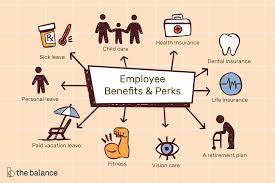
Other benefits entitled to workers are, workman compensation, sick pay, vacation, health care insurance and pension and retirement benefits. Pension and retirement are regulated by the tax laws. Workman’s compensation provides the employee with disability income and medical benefits. Holidays and vacations are provided for monotony-breaking and also for the employees to take time off and address personal issues that cannot be handled during the normal working session (Snell & Bohlander, 2015).
The cost of healthcare is increasing, and employees have to determine what is best for the employees while maintaining the company’s budget. Employers are giving employees choices to different type of benefit arrangements while sill exposing them to cost of providing health benefits and health care services the employees enjoys benefits such as specialized care, utilization of healthcare services, and improved health care expansion of health insurance coverage (Fronstin, 2012).
Health Maintenance Organization (HMO)
HMO offers its members with extensive medical services which are prepaid. An individual chooses a primary care physician within a network to coordinate care. Moreover, for a person to be attended by the primary care physician, referral is requiring besides an emergency. For one to receive healthcare, you have an obligation to follow your network, failure to which the health insurance does not cover (Fronstin, 2012). Provision of healthcare through the primary care physician helps in low healthcare cost for everyone.
Preferred Provider Organization (PPO)
PPO is a plan care of where an individual can access health care, inside or outside one’s network from any healthcare professional without necessarily without having been referred. By staying in your network, full coverage is assured, and less amount of money is incurred in case you use healthcare providers and one facility that belong to the same network.
However, if for health care received outside one’s network, minimal services are offered and the individual incurs more costs (Fronstin, 2012). In this type of plan, flexibility to be paramount regarding doctors specialists and hospitals. No primary care physician or referral is required for this type of project.
Point-of-Service Plan (POS)
This is a type of care program where a person is needed to select a personal care physician from a particular network provider; however, care can be sort from another network with reduced benefits. For a person to receive specialized care, one is not required to obtain a referral. Also, PPOs offers a wider network and is more flexible for individuals willing to pay more, though, with reduced benefits ( Robinson & Ginsburg, 2013).
This only applies to covered persons. This does not always apply since some specialists require one to be referred by a primary care physician. In the event a person seeks care outside the network, the in-network benefit will apply as long as a referral is authorized by aa primary care physician (Fronstin, 2012).
Health Reimbursement Arrangements (HRAs)
This type of account recompenses employees for specific medical services healthcare expenses. Employers set aside some money for their employees to refund any amount incurred during health care service provision. Contributions are only made by the Employer pay and pay only when expenses are incurred to the extent of contributions. When the employee leaves the company, the funds are left with the employer ( Robinson & Ginsburg, 2013).
Health Savings Accounts (HSAs)
It is a savings account used by individuals to pay immediate and prospective medical expenses. It is a requirement for one to be covered by a deductible health plan. The account can accumulate tax-deferred interest just as the retirement accounts (Fronstin, 2012). Money invested in this account is tax-free and can be withdrawn for non-medical purposes; however, a fee is incurred.
Employers are required to pay the total amount of money at the beginning of the year, whether expenses are incurred or not ( Robinson & Ginsburg, 2013). Contribution can be made by either an employer, an employee or a third party.in the event an employer leaves a company, the leave with the contribution. All the employees get the same amount of contribution made by the employer.
References
Deakin, S. F., & Morris, G. S. (2012). Labour law. Hart publishing. Education.
Fronstin, P. (2012). Private health insurance exchanges and defined contribution health plans: is it déjà vu all over again?. EBRI Issue Brief, (373).
Klingner, D. & Nalbandian, J. (2015). Public personnel management. Routledge.
Robinson, J. C., & Ginsburg, P. B. (2013). Consumer-driven health care: promise and performance. Health Affairs, 28(2), w272-w281.
Business process and information technology business alignment is paramount for organizations such as Capgemini as it determines the company’s flexibility as well as agility to transform and satisfy the emerging business needs. Therefore, it is important that Capgemini have reliable enterprise architecture that helps to unify the business and information technology concepts within the company.
This implies that enterprise architecture is vital for enhancing the company’s capabilities for innovation and information management in the present business environment that is highly demanding as well as complex by nature (Dijkman, Vanderfeesten, & Reijers, 2014).
As a result, enterprise architecture can be described as clearly defined application that determines analysis, planning, design and implementation of activities within the company through persistent holistic approach to develop and execute the specified strategy successfully. In light of this, it is necessary to recognize and appreciate the role of information technology business alignment and enterprise architecture and hence the preparation of this article.
Value of Information Technology Business Alignment
In response to the above requirement, it is important to recognize and understand significance of information technology business alignment in the enterprise architecture as Capgemini strives to accomplish the set goals. To start with information technology business alignment model is necessary as it ensures that the company objectives are in line with the requirement of information technology (Chiang & Nunez, 2012).
This is vital at Capgemini whereby the major goal is to help company clients realize the role of technology in enhancing the value of each business venture. Through proper information technology business alignment Capgemini as a company is able to develop technology based solutions that help its clients meet individual business objectives that fit into the technological requirements.
Secondly, another goal of Capgemini is to enhance client’s ability to transform their organizations through improved performance. This can be achieved through proper information technology business alignment because Capgemini is able to empower its clients react swiftly and instinctively to the constantly transforming market dynamics (White, 2015).
The company is focused at helping its clients harness the correct technology suitable for making its clients highly competitive and agile on the market. In other words, information technology business alignment strategy has enabled Capgemini to empower its clients to become change initiators on the market for proper performance.
Most importantly is the fact that proper information technology business alignment architecture facilitates high level of collaboration between the organization and other external parties. This means that Capgemini is able to undertake its operations in a reasonable manner by considering law enforcement authorities and its areas of jurisdiction (White, 2015). Through collaboration the company has been able to meet the expectations of its clients and hence referring to the approach as collaborative business experience.
Strategy for Aligning IT Portfolio
Research has revealed that there are so many enterprise architecture frameworks that any company might subscribe to depending on company concerns and guiding approaches to information technology within an organization. Tambouris, Zotou, Kalampokis, & Tarabanis, (2012) notes that there are three major enterprise architectures namely the Capgemini integrated architecture framework, the zachman framework and the Microsoft enterprise architecture.
This section examines the Capgemini integrated architecture framework (IAF) designed for analysis and development of project and enterprise level architectures. The starting point of implementing this strategy involves breaking down the general problem into various categories so that it is easier to resolve issue in each section independently.
In this case, Capgemini has categorized its system into business which entails people and processes, information that incorporates knowledge, technology infrastructure and information systems (Tambouris, Zotou, Kalampokis, & Tarabanis, 2012). These categories have facilitated easier governance and security structured into four major stages of abstraction namely conceptual, contextual, logical and physical.
The contextual level is designed to offer justification for the organization to undertake the suggested alignment models basing on the related environment. The conceptual stage helps in describing the requirements and the vision of the solution. The role of the logical view is to state how the solution and vision interact as well as their meeting point. The purpose of physical stage is to describe the artifacts of the solution so that other parties are able to recognize the role of the adopted alignment architecture (Steenkamp et al., 2013).
Through these stages it is easier to identify and recognize the reasons for implementing the suggested changes as well as anticipate the potential outcomes basing on the manner in which the vision and the solution coincide. It is evident that the integrated architecture framework developed and adopted by Capgemini helps to bring all business components with information technology requirements customized to suit the needs of specific organizations.
Value of Enterprise Architecture
Enterprise architecture is very important for any organization due to a number of advantages that comes with properly aligned business information technology system. Through enterprise architecture, the company is able to develop high value end to end models with full life cycle for software and system engineering, unified business and information technology systems as well as real time and embedded development.
Effective enterprise architecture is reliable for model design, analysis, test, implementation and maintenance (Seigerroth, 2011). This is supplemented by the fact that effective enterprise architecture increases systems speed, performance and stability. This implies that enterprise architecture is necessary for business simulation whereby suggested models can be transformed into functional units to understand the working of business systems.
This is achievable because enterprise architecture provides a platform for easy traceability, verification, impact analysis and validation of activities across the entire life cycle of models.
Enterprise architecture is vital for managing complexities through integration and interconnection of various structural as well as behavioral information systems. Through this alignment it enhances the company’s ability to produce reliable documents for effective information sharing within the company. Appropriate information sharing facilitates generation and reverse engineering within the company which are necessary for process reengineering such that the organization is able to satisfy market demands (Mezghani & Mezghani, 2014).
With dynamic transformations on the market, it is necessary that the company is able to visualize its applications an aspect that can be easily achieved through enterprise architecture. In case this if achieved it makes it easier for Capgemini to advance its model driven architecture for easier and customized operation within the company. In other words enterprise architecture is necessary for automation, database modeling, system simulation and effective project management.
Benefits of Enterprise Architecture
Business enterprise architecture has been pivotal at Capgemini as it has made it possible to identify and define business strategies, functions and process needs so that adequate application can be developed and linked with each of them. Through this, it is now easier to comprehend the requirements of information systems that can help in supporting each business activity hence facilitating adoption of goal achievement process through coordinated approach (Kurti, Barolli, & Sevrani, 2016).
On the other hand, information enterprise architecture has been essential in describing the manner in which the company has to undertake its operations and processes. Through this it is easier to coordinate the technological requirements with other types of information for proper governance and management.
Broadly, enterprise architecture has been helpful for resource allocation, process integration and wastage reduction in the company. This implies that the company is able to offer diversified services to diversified clients for satisfaction without being hindered by diversification aspects. In general terms, the integrated architecture framework adopted by Capgemini covers wider areas of application not only within the company but as required by its clients (Dijkman, Vanderfeesten, & Reijers, 2014).
The framework has proved to be powerful bearing in mind that it was established in 1990s based on experience acquired by practicing architects as they interacted with company clients. Since it is based on experience by Capgemini’s professionals, the architecture has undergone a series of evolutions to fit the real world experience as it encourages focusing on comprehension of business drivers and requirements.
Areas of Enterprise Architecture Improvement
It is high time that Capgemini reviewed its enterprise architecture system to enhance agility and efficiency. This is a necessity as the company will empower its clients with the ability to stay alert as well competent in the market despite the strong wave of technological transformations. This is necessary so that the company empowers its clients with the ability to counterattack the security attacks that might arise due to rapidly transforming technological aspects (Comuzzi, 2016).
This implies that the company needs to develop an e-governance system so that it is able to readily identify and rectify possible threats that its clients might fall victims. Through such improvements, it follows that the company has to expound in its architecture profession. This implies that the company should reshuffle its architecture such that they are able to consider the talent and individualized capabilities of its employees as well as the clients.
Most importantly is for the company to review its alignment and delivery system so as to cushion against the negative impacts of increasing complexities within company the systems. This must be supplemented by enhanced understanding and comprehension of the architectural structure not only to its employees but to the clients as well (Chiang & Nunez, 2012). In simple terms the architecture should be able to market itself by providing market leading solutions through adaption to specific company needs and expanding from individualized to organizational transformations.
Conclusion
In summary, it is evident that enterprise architecture is important for developing an effective and efficient information technology business alignment system within an organization. This is paramount for the company’s ability to accomplish the set goals especially in the current world whereby technology is taking over every aspect of company operations.
However, it is important that companies adopt specific informational technology strategy portfolios that coincide with the requirement of the system so that it is possible to satisfy company needs as well as the demands on the market. Having realized this, companies like Capgemini and Microsoft have developed customized enterprise architectural frameworks.
Through this custom framework it is easier for Capgemini to help its clients fit into the market by withstanding the current market waves as change initiators rather than becoming followers. The benefits of adopting this approach cannot be denied as they have unbearable benefits as highlighted above. However, it is vital that companies undertake constant assessment of their architecture so that appropriate improvements can be performed from time to time depending on the market situation.
References
Chiang, I. & Nunez, M. (2012). Strategic alignment and value maximization for IT project portfolios. Information Technology and Management, 14(2), 143-157. http://dx.doi.org/10.1007/s10799-012-0126-9.
Comuzzi, M. (2016). Alignment of process compliance and monitoring requirements in dynamic business collaborations. Enterprise Information Systems, 1-25. http://dx.doi.org/10.1080/17517575.2015.1135482.
Dijkman, R., Vanderfeesten, I., & Reijers, H. (2014). Business process architectures: overview, comparison and framework. Enterprise Information Systems, 10(2), 129-158. http://dx.doi.org/10.1080/17517575.2014.928951
Kurti, I., Barolli, E., & Sevrani, K. (2016). CRITICAL SUCCESS FACTORS FOR BUSINESS – ITS ALIGNMENT: A REVIEW OF CURRENT RESEARCH. Romanian Economic and Business Review, 8(3).
Mezghani, K. & Mezghani, L. (2014). Effects of Business Managers’ Skills on Enterprise Resources Planning Strategic Alignment. American Journal of Business and Management, 3(1). http://dx.doi.org/10.11634/216796061403518
Seigerroth, U. (2011). Enterprise Modeling and Enterprise Architecture. International Journal of IT/Business Alignment and Governance, 2(1), 16-34. http://dx.doi.org/10.4018/jitbag.2011010102
Steenkamp, A., Alawdah, A., Almasri, O., Gai, K., Khattab, N., & Swaby, C. (2013). Teaching Case Enterprise Architecture Specification Case Study. Journal of Information Systems Education, 24(2).
Tambouris, E., Zotou, M., Kalampokis, E., & Tarabanis, K. (2012). Fostering enterprise architecture education and training with the enterprise architecture competence framework. International Journal of Training and Development, 16(2), 128-136. http://dx.doi.org/10.1111/j.1468-2419.2012.00400.x
Leadership in health promotion is about the ability of the community to grasp the health concept and believe in what is being told to them. For instance, a leader who is influential and outspoken is likely to attract more followers and listeners than a leader who simply offers direction without influence (Street, Gold & Manning, 2013). In a leadership search for leaders to apply in a health promotion program, several categories of leaders can be used. Here is an explanation of the role and categorization for each.
Professionals
A professional is a person who studies a particular vocation and manages to grasp the concepts associated with the vocation. It may not be specifically associated with a particular vocation; but a leader will likely opt for certain decisions and choices over others if they subscribe to a particular vocation (Street, Gold & Manning, 2013). Professions such as public health and nursing offer such vocational leadership in health promotion.
Students
Students present a second category that is very important for the societal decisions that one has to make concerning the use of a product. They can critique and even promote a product very well. With the hand wash product for instance, it may not be possible to use the product on all prospective clients. However, advising them using influential students preferably from the medical profession can really change how they perceive these products.
Conclusion
Leadership in health promotion is very critical. It determines the perception of the prospective clients on a particular product (Street, Gold & Manning, 2013). However, where the leaders chosen are either professionals from the health field or the students partaking health-related courses, they are likely to promote the health product better than members of society who subscribe to different values would. Medicine gives these leaders the ability to reason not only from the client’s point of view but from a public health point of view.
There has been a great evolution of the nursing profession by which has become an independent modality in its practice of nursing theory. The evolution has also enhanced distinct nursing interventions and also better nursing models. The various nursing theorists have come up and developed the theories in the field which contribute positively to the nursing practice (Bluhm, 2014). A general focus regarding the design of the curriculum is provided by the nursing theories which generate new ideas and essential knowledge.
Virginia Henderson is of the nursing theorists that saw the importance for the needs theory. The needs theory was based on her education and practice. The needs theory focused on the promotion of the continued healing for patients even after leaving the hospitals through the emphasis on the increased independence of the patient (Bluhm, 2014). All the paradigms which include nursing, client, health and environment are focused on in the needs theory.
The basic human needs of the patients while receiving care is focused on while guidance and insight are provided as assistance for nurses on how to meet these needs. The selection of the needs theory is due to its deep insight on assessment, evaluation, and interventions in the nursing care. The needs theory has effectively provided guidance and direction essential in structuring professional research, education as well as nursing practice.
In this paper, the deeper insight of the theory would be explored by reviewing its theoretical structure, reflection which includes strengths and weakness while also looking at its application in the nursing field (Joly, 2016).
Description and Theoretical Structure
The nursing needs theory developed by Virginia outlines the functions and responsibilities of nurses in practice in contributing to improvements in the field. The purpose of the theory is the identification of the basic needs of the patients as wells as suggesting to the nurses the major functions they can perform so as to assist the clients efficiently(Joly,2016). The theory focuses on the nurse activities that would contribute to better recovery, promotion of health or the peaceful death of individuals.
Virginia gave the definition of the needs nursing theory as part of her efforts and objectives involving regulation of the practices in nursing through licensure. The definition of the theory has a greater impact where it outlines basic nursing care components that guide their practices (Joly, 2016).The theoretical structure of the needs theory focuses on the major concepts considered during its development. Individual is the first component where the theory identifies the need for basic needs as vital components in achieving independence and better health.
In this case, individuals are defined as requiring the psychosocial needs and the best nursing care. The environment is a major concept in the needs theory where it is identified as a fundamental element which should be maintained well to be conducive for health operations. In this conducive environment, nurses would focus their activities on efficiently assisting those who cannot function independently.
Health is another major concept in developing the structure of the theory where it is identified as a major problem since poor health affects people of all cultural backgrounds or age (Ahthisham & Jacoline, 2015). In this case, nurses are identified in the theory as key contributors in the prevention of illnesses thus promoting health. Nursing is another major concept essential in developing the theoretical structure. The needs theory has described the nursing roles with the major one been full support of patients so as to meet their health needs and provide an environment that enhances their independence to perform activities.
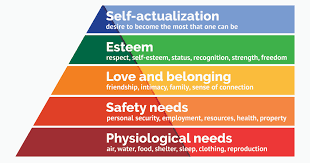
Despite the major concepts which provide a deep insight into the theoretical structure of the needs theory, there are various components that form it. Through the components which also form its structure, a holistic approach to nursing is clearly explained. The needs theory is composed of the social,physiological,spiritual and psychological needs. All the 14 components of the needs theory are found in the above categories. When represented in a hierarchy or relationship stress, the needs are categorized into physiological, love and belongingness, safety and esteem (Ahtisham & Jacoline, 2015).
There are major assumptions of the nursing needs theory as per Virginia Henderson. The desire by patients to have good health status is the first major assumption. The theory also assumes that nurses should provide quality care to patients until they become independent. Another assumption is that a person’s body and mind are interrelated and inseparable thus all their needs should be focused on properly. The needs theory has a major assumption that the nurses are willing and ready to serve patients by fully devoting their services and effort during day and night times (Ahstisham & Jacoline, 2015).
Reflection on the Needs Nursing theory
The nursing needs theory is based on education of the theorist as well as the nursing practices. The needs nursing theory has clearly identified its main purpose and components that are easily comprehensive to those who take interest to adopt it for implementation (Cypress, 2015). The definition of the needs theory and the provision of its components is logic in nature making its simple in nature.
The components are relatively simple which involve the basic activities by people. The nursing theory has components and theoretically structured in a way that it applies to people of all age brackets and cultural backgrounds. The needs theory has identified that poor health affects people of all ages and backgrounds thus generality is the main focus in its design and application. The wide acceptance of the needs theory and its incorporation into the nursing practice by many which prove its availability and accessibility by many.
The application of the nursing needs theory is essential for those in practice as it enhances adoption of most appropriate skills and functions that seek to improve the health status of many individuals. The needs theory is important in providing guidance to nurses on the performances and inform them on the best activities that would fulfill the patients’ needs effectively (Cypress, 2015). The wide acceptance of the concepts of the needs theory by many people all over the nursing practice is one of its major strengths.
The application of the needs theory made possible by its simple and logic components is also a major strength. Its strengths make it easy to be adopted by nurses in practice without major complications or challenges. The absence of a clear conceptual diagram interconnecting sub concepts and concepts of the theory is one of its weakness. Another weakness is the poor explanation of the roles and performance of the nurses to enhance a peaceful death of the patients (McCrae, 2012).
Application of the theory
Application of the needs theory is vital in the nursing field due to its massive benefits. The needs nursing theory would impact the project that I seek on regarding the nursing practice. The readmissions and long stays in the hospitals is one major problem experienced in the nursing field. Such issues are contributed to by the disparities in poor healthcare collaboration between the care providers and the patient thus most of the operations are not patient centered (McCrae, 2012).
The needs theory is applicable in such a problem where the nurses can use it to set goals of achieving the better interactions and patient-centered care based on the basic components of the theory. The theory applies to the topic since the nurse can adopt it to meet the set goals to ensure better performance towards care in the nursing field while also ensuring the patients receive the bests care to their satisfaction.
The needs theory is of interest in the nursing actions that aim at handling the problem of disparities in the healthcare sector. The fundamental concepts of the needs theory serve as the basis for research in the nursing practices which inform the best and evidenced based nursing actions that would help handle the problems in the healthcare sector effectively (Bluhm, 2014). In this case, application of research and nursing actions as informed by the needs theory results in positive impacts.
Conclusion
The needs theory has effectively provided guidance and direction essential in structuring professional research, education as well as nursing practice. The theory focuses on the nurse activities that would contribute to better recovery, promotion of health or the peaceful death of individuals.
The needs theory is applicable in various projects that address problems in the nursing sector where the nurses can use it to set goals of achieving the better interactions and patient-centered care based on the basic components of the theory (Joly, 2016). Informing on the best practices through research initiatives based on the components of the needs theory is beneficial in impacting the practices for solving problems positively.
References
Ahtisham, Y., &Jacoline, S. (2015). Integrating Nursing Theory and Process into Practice; Virginia’s Henderson Need Theory. International Journal of Caring Sciences, 8(2).
Bluhm, R. L. (2014). The (dis)unity of nursing science. Nursing Philosophy, 15(4), 250-260. doi:10.1111/nup.12062
Cypress, B. S. (2015). Theories guiding nursing research and practice: making nursing knowledge development explicit. Nursing Philosophy, 16(3), 167-169. doi:10.1111/nup.12084
Joly, E. (2016). Integrating transition theory and bioecological theory: a theoretical perspective for nurses supporting the transition to adulthood for young people with medical complexity. Journal Of Advanced Nursing, 72(6), 1251-1262. doi:10.1111/jan.12939
In recent times, technological advancements have been seen to have a massive impact on the healthcare sector in the USA. The healthcare system in the USA is faced with various challenges despite the major improvements implemented in the sector. The shortfalls in efficiency and quality care have resulted in the development of different perspectives regarding the healthcare system in the USA.
One of the historical perspectives is that there are still disparities in health care as patients are not fully satisfied with the care received despite the huge expenditure in the evolving health sector (Piscotty et al, 2015). There have been discussions regarding insurance coverage, poor quality, and escalating quality. Another historical perspective of the healthcare system in the USA is that it has some of the best professionals in the world, their system is overspecialized but inequitable and neglects preventative and primary care.
The different perspectives touch on the healthcare system. The technological advances would shape perspectives that have been there for long. Information technology has shaped the first perspective positively by enhancing better ways of ensuring efficiency in the delivery of care and addressing disparities (Piscotty et al, 2015).The new medicine, new machines, and treatment methods, as well as integration of electronic health records into the system, has improved the delivery of care thus shaping the perspective to a better one.
However, poor development of technology leads to lower satisfaction rates as the people expect improvements to be stimulated by innovations which require technological advancement. The advancement in technology ensures that the USA has a better healthcare system compared to other countries. The better integration of the advancement would shape the perspective for the better eliminating the issues of neglecting and inequity since care would be patient centered (Piscotty et al, 2015).
The low development in technology affects the perspective by making it evolve over time where the health system is regarded to be inefficient. The equitable primary care and concentration on it while adopting technologic advancement is essential for improvements in the healthcare systems while low development results to negative impacts.
There are various technological advancements that have positively impacted the healthcare system in the USA by revolutionizing it for the better. The electronic health records in the health systems in the USA is one of the major technological advancement. Through the technological advancement, the systems used in the healthcare centers has been successfully integrated into a single platform.
Previously there were disparate systems, but EHR has enabled a more structured platform thus enhancing a more efficient and integrated type of care for the patients (Piscotty et al, 2015). The advancement has impacted healthcare delivery by ensuring consistency in the medicine and treatment provided through efficiencies and centralization of patient’s information thus leading to desired outcomes. Another technological advancement is the new surgical procedures e.g. Anesthesia used in the healthcare system.
It contrasts from the electronic health records which is an advancement involving support system while anesthesia involves treatment and surgical procedures. The advancement involves the use of anesthetic practices and agents reducing patient’s burden of surgery. The advancement has led to positive impacts such as reduced medical errors and better surgery outcomes for the patients (Piscotty et al, 2015).
These technological advancements have influenced the opinion of the public in the USA while considering the changes that they have brought in the healthcare system. The surgery improvements and use of anesthetics have led to the positive opinion of the patients regarding the advancement. The patients have rated the improvement highly since it has ensured reduction of medical errors and stimulating quicker recovery which is regarded as the major improvement in healthcare delivery (Piscotty et al, 2015).
Positive opinions are also given by the public since they experience less suffering due to the effectiveness of procedures by health care professionals. One of the negative opinions is that despite the improvements through the advancement, the greater revolution in the medical field of surgery has made patients incur higher costs for the better services received. The patients have also given positive opinions regarding the incorporation of the electronic health records in the healthcare system.
The public is of the opinion that the advancement has consistency in health systems in the way they handle their health information thus resulting in better outcomes. The public has regarded the advancement as more satisfactory since through the system more coordination of their treatment and provision of medicine is made possible. The failure by some health organizations to implement the advancement and also to have a structured platforms in place makes the public regard the change as time-consuming and complicated which slows down the delivery of care in the health sector (Piscotty et al, 2015).
Technological advancements are crucial in impacting health care utilization and delivery. The electronic health records technological advancement would be essential in the centralization of information and might also be used in future as a population and data health tool. Such changes would enhance more efficient and consistent strategies of care delivery eliminating the many challenges faced by failure to integrate patient’s care effectively (Piscotty et al, 2015).
The advancements in aesthetics as part of the surgical improvements would impact the delivery of care through reduced number of medical errors, reduced hospital stays, and readmissions which are an improvement and positive impact in healthcare delivery. The advancement such us of aesthetic practices and agents leads to a greater utilization as compared to the older techniques. The substantial innovations in the advancement over years also leads to higher utilization in the healthcare systems in the USA.
The use of the electronic health records would affect the utilization of health care by eliminating the unnecessary medical procedures and duplicate tests thus lowering utilization in the healthcare system. Rather than the technological advancements, other factors that might affect utilization in health care are insurance, education, the need for the medical services and social networking issues (Piscotty et al, 2015). In a nutshell, the effective adoption and integration of the technological advancements in the healthcare has led to more positive changes in the health system.
Reference
Piscotty, R. J., Kalisch, B., & Gracey-Thomas, A. (2015). Impact of Healthcare Information Technology on Nursing Practice. Journal Of Nursing Scholarship, 47(4), 287-293. doi:10.1111/jnu.12138
Want help to write your Essay or Assignments? Click here
Living in a new country is an exciting experience since it encourages explorations in culture, terrain, foods, and lifestyle. However, the differences in culture and customs of different nations bring about frustrations if an individual is not well prepared to adopt and assimilate the new way of life (Ann 2016).
Kelly had high expectations on her new job in Japan which also served as her bridge to promotion if it was successful. Having moved with her entire family, she thought her children would enjoy being in a new environment; her husband would get a new job, and that together they would happily live in Japan.
Kelly did not know how to interact with Japanese employees, her children felt left out in school since most of the kids spoke in Japanese, her husband did not get a job as expected, and the room they were given was too small for its cost and her family. Everything did not turn out well for the family, and they were experiencing the frustration stage of the culture shock stages.
In America, people communicated in English while in Japan most of the people and schools used Japanese which was not familiar to Kelly and her children making it hard to interact and experience the new environment. Thus, the language barrier was one of the main cultural clashes that Kelly’s family experienced in Japan. Women are rarely given leadership positions in Japan such that the employees and client Kelly negotiated with thought she was a man.
While communicating to the employees, only Peter, who was familiar with her culture, openly communicated with her but the rest of the employees were conservative, and they avoided eye contact. Moreover, Michio did not communicate directly with Kelly but with Peter, which made her feel confused making the negotiation process uncomfortable. Japanese employers normally work in teams and have a collective relationship compared to Americans who tend give individual comments without consultations and Kelly had to wait for more than a week to get feedback on their suggestions since she had assumed that they would make individual presentations.
Thus, language differences, the perception of women in leadership, group versus individual working relationships, and expression of interest as seen when the client rejected Kelly’s proposal yet he had said it was good are some of the clashes attributable to culture and customs that Kelly’s family experienced in Japan.
Kelly children thought they would immediately make new friends and start exploring the new country. Kelly thought her proposals would be accepted by potential clients by operating as she used to while in American and other countries, and her husband thought he would get a new job without straining.
However, the children didn’t like the new school since most kids communicated in Japanese, Kelly did not understand her Japanese employees and client, and her husband did not get a job. The expectations of the family were frustrated due to differences in culture and customs of the new country.
Kelly’s family is experiencing frustration stage of culture shock phases. It’s at this stage that people get overwhelmed with language, gestures, and signs that are not familiar (Vif 2015). For instance, foods are served differently, roads are unfamiliar, and classes taught differently for the school going children. Kelly did not understand the gestures of the employees and the client and the house they lived was too small compared to the one they lived in America making life unbearable for the family. The whole family was homesick and desired to go back to America where life was familiar and comfortable.
When Kelly was offered the position in Tokyo, she should have first discussed the situation with the whole family and researched on the culture and customs of Japanese people to avoid extreme frustrations. Also, Kelly should have consulted about the workplace culture of Japanese people so that she would have been able to comfortably interact with her employees and the client for successful results. Prior knowledge of the expected changes in the new country would have helped the family to prepare and adjust without pressure.
Since going back to America would derail the promotion and result in unnecessary expenses and changes such as the school for the kids, if I were Kelly, I would accept the current situation, accept that I did not make proper preparation, and seek for a solution from foreigners who are living comfortably in Japan. As a family, we would identify the things that make us uncomfortable and deal with them without pressure and try to adapt to the new life.
Moreover, we would take Japanese language classes to learn the common vocabularies used by the people, and I would research and consult about the way Japanese carry out their business operations to better understand the employees and prospective clients.
Culture shock is common for people living in a foreign land, and it is important to research about the customs and culture of the foreigners to avoid frustrations. Kelly and her family had high expectations on arriving in Japan, but differences in language, culture, foods, and personal interactions made their stay unbearable. Accepting the new life and learning the customs of the people through research and interactions with other foreigners is essential in ensuring that the lives comfortably in the new country.