

Use of Chlorhexidine Bath to Reduce (CLABSI)

Chlorhexidine Baths
Chlorhexidine Baths

Want help to write your Essay or Assignments? Click here

Use of Chlorhexidine Bath to Reduce Central-Line Associated Bloodline Infections (CLABSI)

The study on the impact of daily use of chlorhexidine bath on the outcomes of ICU adult patients with central-line associated bloodstream infection guided by the PICOT question: In adult patients in Intensive care units (P), does daily use of chlorhexidine bath (I) compared to the use of ordinary soap and water (C), decrease the central-line associated bloodline infections (O), in a period of six months?

An understanding of the effect that chlorhexidine bath can have on improving patients’ outcome is an impact to nursing care and can serve as evidence to nursing practices. Poor nursing practices have adverse effects on patient’s outcomes and results to long hospital stay duration, which is associated with more other risks and complications. Investigation of the best practices on CLABSI, a condition whose outcomes is greatly dependent care is an important thing as it will better the care practices.

Findings

The results of the inquiry are in tandem with the proposition of implementation of chlorhexidine bath as a means in washing intravenous ports to control CLABSI. Results of the study undertaken indicate a decline in rates of infections due to the use of chlorhexidine bath are significant evidence for its adoptions. In investigating the outcomes of the impacts of chlorhexidine, some studies were used, all of which gave valid evidence that indicated a positive result in adult CLABSI patients. 

From the systematic reviews and other studies, it was reported that the use chlorhexidine bath in the management of infections is one of the most essential intervention. Systematic reviews linked the application of chlorhexidine bath as an approach of minimizing the level of HA-CLABSI as well as association health care and medication costs.       

A systematic review (Karki, & Cheng, 2012), realized that use of non-rinse CHG application has a positive impact as it substantially lowers the risk of CLABSI, SSI, and colonization with VRE or MRSA. Another study (Kim et al., 2016), which was conducted to investigate the effect the effects chlorhexidine bathing in CLABSI also gave a similarly positive conclusion.  Kim et al. carried out peer reviews and meta-analyses, which indicated that use of chlorhexidine on a daily basis reduced the incidences of CLABSI, MRSA, and VRE to a great extent (2016).

In addition, Kim et al. found out that the extended use of the approach improved patient outcomes. While conducting investigations using the same variables, a randomized controlled study on the effects of chlorhexidine bath interventions hospital-acquired infections, (Wong et al., 2013) gave positive findings linking the two. Wong et al., states that a daily use of washcloths impregnated with chlorhexidine protected patients from acquiring MDROs and central-line associated bloodstream infections.

Many other studies (Cullen et al., 2016; Denny 2016) reviewed gave additional evidence that supported the use of the intervention in reducing chances of the concurrence of hospital-based conditions and other conditions. The meta-analysis study conducted by (Cullen et al., 2016) found out that using 2 % chlorhexidine lowered the incidences of central-line associated bloodline infections. Moreover, by this mediation, this study reports that related costs of care are decreased by 10% as compared when there are no such interventions.

Want help to write your Essay or Assignments? Click here

Impact

The research will have positive results in the sense that it will provide pieces of evidence that will be used to trigger changes in health care practices. Findings from this study will be used to disprove poor practices which affect patients’ outcomes. As seen from some of the studies, besides improvement of patient’s outcomes, it is also evident that the intervention can improve the whole healthcare system as some of the unnecessary costs due to complex conditions, and increased hospital stay will be dealt with. 

The effect of this intervention will imply that there will be decreased cases of CLABSI, BCC among other conditions. If this intervention is not practiced, then hospital stay duration for patients may be increased and an ultimate increase in the cost of their medication. Generally speaking, without the evidence-based practice, then CLABSI incidences will continue being high as well poor patient outcomes.

Strategy:  Implementation and Challenges

The model can be used in the implementation is the Stetler model which is made up of five stages (Stetler et al., 2007; Aarons, Hurlburt, & Horwitz, 2011), all the parts in this model are designed to allow for critical thinking on the issue of implementation. The model is also a vital tool in minimizing errors in practice. Use of Stetler model in executing chlorhexidine bath will involve the following phases which will be crucial as a requirement of the design. 

Phase 1 (preparation for implementation of Evidence Based Intervention): The aim of this approach could be sited as use of chlorhexidine bath in patients in various patient care settings with the aim of decreasing the rates of CLABSI. In this stage, activities that will be used in support of this evidence-based practice will involve the systematic review randomized studies, the quasi-experimental intervention study, and the prospective multivariate study. In the preparation stage, factors that have the ability of affecting the implementation process such as nurse commitment are needed for best practice.

Phase two (validation): All the evidence and studies chosen to support evidence will be analyzed individually to confirm their suitability and credibility to use in enhancing the use of disinfection caps in the management of CLABSI. This process will be essential for determining the strength of the evidence and will be used in finding whether or not to use evidence from such sources for the preparation of the evidence-based practice.

Phase Three (Comparative evaluation): From in depth study of the various articles chosen for this research, it was noted that they have a great index of resemblance, considering the contents of PICO question. Though different designs were used, they managed to measure the impact of chlorhexidine bath on the incidences of CLABSI. Moreover, study population addressed was the adults. At this juncture, the possibility of the intervention will be chosen by use of triple ‘r’ Stetler’s concept in which  provision of necessary resources, risks and willingness of other stakeholders such as nurses and doctors will be considered before launching  on the evidence-based intervention.

Phase Four (Translation): This will involve a process that is written down on how the implementation process of using chlorhexidine bath will be used to promote the control of CLABSI.

Phase Five (Evaluation): The results of the evidence-based practice will be assessed in various ways. In most cases, this will be achieved by records or a realization of a decreased number of CLABSI and associated conditions.

The preferences and values of other persons including nurses and patients may accelerate or hinder the process. It is as indicated in the Stetler’s model of EBP in third phase where r’ r’ r’ concept is applied. The Evidence-based practice will not be achieved if the resources (R). Also, if other stakeholders are not ready(R) to adopt the approach, then it will not be easy for it to take root.

Lack of enthusiasm from both nurses and patients may pose as a challenge to the project in that clinicians are required to aid in executing it, so that when they object, they will adhere to their standard practice. Some patients have autonomy rights that prompt them to decline some forms of medical procedures. Therefore, the best way of overcoming implementation challenges will include convincing other healthcare workers and ensure that the practice is well funded and supported by stakeholders. 

Project Summary

This research entails collection of evidence that will be used to guide practices in nursing and healthcare as a whole. It focuses on investigating the impact of using chlorhexidine baths to reduce incidences central-line associated bloodstream infections and others conditions that are hospital-based. The project examines different types of researches, be it single-quantitative researches, systematic reviews, meta-analyses and other types of evidence.

To complete this project, research will be limited to the PICOT research question: In adult patients in Intensive care units (P), does daily use of chlorhexidine bath (I) compared to the use of ordinary soap and water (C), decrease the central-line associated bloodline infections (O), in a period of six months?.

Others studies carried on CLABSI, which will not address all these components will not be used as evidence to validate or disprove the intended intervention. Evidence will be gathered from studies that involve adult patients under intensive care or other high risks levels of care. In carrying out this inquiry, outcomes will be compared against that of patients who will not be under intervention programs.

Carrying out this survey is an important thing to healthcare practices in the sense that it will collect enough evidence that will be used to guide care practices so that there is an ultimate improvement in patient outcomes. Further, this research intends to find valid information that will be used to reduce the standard practices such as the use of water and soap, which have proved hurtful to patients’ outcomes.

References

Aarons, G. A., Hurlburt, M., & Horwitz, S. M. (2011). Advancing a conceptual model of evidence-based practice implementation in public service sectors. Administration and Policy in Mental Health and Mental Health Services Research, 38(1), 4-23. Retrieved from http://link.springer.com/article/10.1007/s10488-010-0327-7.

Climo, M. W., Yokoe, D. S., Warren, D. K., Perl, T. M., Bolon, M., Herwaldt, L. A., & … Wong, E. S. (2013). Effect of daily chlorhexidine bathing on hospital-acquired infection. The New England Journal of Medicine, 368(6), 533-542. doi:10.1056/NEJMoa1113849

Denny, J. (2016). Chlorhexidine Bathing Effects on Health-Care-Associated Infections. Biological Research for Nursing.

Karki, S., & Cheng, A. C. (2012). The impact of non-rinse skin cleansing with chlorhexidine gluconate on prevention of healthcare-associated infections and colonization with multi-resistant organisms: a systematic review. The Journal of Hospital Infection, 82(2), 71-84. doi:10.1016/j.jhin.2012.07.005

Kim, H. Y., Lee, W. K., Na, S., Roh, Y. H., Shin, C. S., & Kim, J. (2016). The effects of chlorhexidine gluconate bathing on health care-associated infection in intensive care units: A meta-analysis. Journal of Critical Care, 32126-137. doi:10.1016/j.jcrc.2015.11.011. 

Shah, H. N., Schwartz, J. L., Luna, G., & Cullen, D. L. (2016). Bathing With 2% Chlorhexidine Gluconate: Evidence and Costs Associated With Central Line-Associated Bloodstream Infections. Critical Care Nursing Quarterly, 39(1), 42-50. doi:10.1097/CNQ.0000000000000096

Stetler, C. B., Ritchie, J., Rycroft-Malone, J., Schultz, A., & Charns, M. (2007). Improving the quality of care through routine, successful implementation of evidence-based practice at the bedside: an organizational case study protocol using the Pettigrew and Whipp model of strategic change. Implementation Science, 2(1), 1. Retrieved from https://implementationscience.biomedcentral.com/articles/10.1186/1748-5908-2-3.

Want help to write your Essay or Assignments? Click here

Types of Operational Conflicts

Operational Conflicts

Want help to write your Essay or Assignments? Click here

Operational Conflicts

With the current globalization of the business environments, it is common for one to find themselves managing a company in a country away from theirs. Therefore, one has to get used to the culture in the country because it dictates the way the people of the environment do things. Usually, many aspects of culture among different people differ greatly, leading to environments that encourage operational conflicts. Therefore unless the manager understands the cultural diversity of different places, the operational conflicts may hinder the accomplishment of goals of the organization. There are several operational conflicts that the paper will examine.

One of the types of operational conflicts is time. While members of one culture may value time saving and the use of deadlines, individuals from another country may view time otherwise. An example of such differences in the view of the importance of time is between the America and the Arabic cultures. While Americans put deadlines and value keeping their time, the Arabs may see deadlines as disrespectful, and the word “bukra” is used to mean tomorrow (Al-Kandari & Gaither, 2011).

Change is another aspect that may result in conflicts in international organizations. While some cultures are skeptical about changes, others openly embrace change (Rinne, Steel, & Fairweather, 2012). Therefore, a person from a culture that is less skeptical about changes in the environment of work or even strategy may encounter a lot of hardship in another country. For instance, according to Hofstede’s cultural model, Russians a have higher degree of uncertainty avoidance index and therefore they may not like changes.

Want help to write your Essay or Assignments? Click here

Individualism may also result to operational conflicts in international organizations. The Hofstede’s cultural dimension model presupposes that some cultures are more individualistic and prefer that people’s achievements are attributed to individual employees rather than organizations (Rinne et al., 2012). In such cultures, people who believe more in teamwork may run into conflicts while trying to work with colleagues.

In summary, people from different cultures hold different beliefs and therefore operate differently. Hence, working in multicultural environments or foreign countries may present the challenge of many conflicts unless as a manager, one understands the local culture. The sources of conflict, among others, may include time, changes and the degree of individualism.

References

Al-Kandari, A., & Gaither, T. K. (2011). Arabs, the west and public relations: A critical/cultural study of Arab cultural values. Public Relations Review, 37(3), 266–273. http://doi.org/10.1016/j.pubrev.2011.04.002

Rinne, T., Steel, G. D., & Fairweather, J. (2012). Hofstede and Shane Revisited: The Role of Power Distance and Individualism in National-Level Innovation Success. Cross-Cultural Research, 46(2), 91–108. http://doi.org/10.1177/1069397111423898

Want help to write your Essay or Assignments? Click here

Interview with Nursing Information Expert

Interview with Nursing Information Expert

Want help to write your Essay or Assignments? Click here

Interview

I interviewed LD who is the Nurse in charge at St. Monica Hospital. The interview took place on 27th July, 2016. According to LD, there are many career pathways in nursing. Typically, all nurses are required to have at least two year training in areas such as psychology, anatomy, pharmacology and patient care practice. In her case she started as a Licensed Practical Nurse (LPN).

Nurses at this level are permitted to conduct simple medical procedures under the guidance of a registered nurse. Her common tasks at this level included measuring blood pressure, dressing wounds and keeping patient records. After two years of LPN, she acquired a nursing degree and became a Resisted Nurse (RN). At this level, she was able to supervise the work of LPNs and was responsible for the overall safety of the patients under her care.

LD indicates that one of the most important pillars of modern nursing is evidence-based care. This method of care is based on the need of improving patient outcomes through the delivery of high-quality care. Studies have indicated that when best evidence is used in care, the patient outcomes improve (Ginter, 2013). At St. Monica Hospital where the interviewee works, there are various best evidence practices at play.

For example, she indicates that they use oxygen therapy for patients with chronic obstructive pulmonary disease. They also use infection control practices to prevent infections and use non-invasive techniques to measure blood pressure in children.

There are various technologies that have been adopted in the healthcare systems. One of the most important electronic systems from a nursing perspective is the Electronic Health Records (EHR). EHR allows nurse to electronically store data and information about patients past and present health status allowing for better diagnosis, treatment and management of diseases. However, there are various safeguards that must be observed in using electronic health records.

One of the most important safeguards is the observance of privacy and confidentiality of the patients (Malaker, 2013). To this end, nursing professionals must know their limits with regards to, how to handle patient information. One requirement is the need to seek approval of the patients with regards to sharing of private and confidential data.

This means nurses must be conversant with laws such as the HIPAA which governs how confidentially can be achieved within the health sector (Malaker, 2013). Nonetheless, occasionally the need to offer quality care and improve patient outcomes can outweigh the need for confidentiality, and this is the main basis of electronic health systems.

  With regards to electronic records, garbage in, garbage out is used to make decisions regarding patient care. It is important for all information acquired from the patients to be accurate in order for the improved patient outcomes to be achieved. Remarkably, if wrong information is fed into the electronic systems, then wrong diagnosis and hence treatment might occur. Thus, nurses must work very hard to ensure that only the most appropriate and reliable patient’s data is used.

Reflection

This interview has modified my career expectations as a BSN-prepared nurse. I now understand the competency levels that are expected of me and the career path that I’m likely to take. For example, given that I will be entering the nursing field is a relatively high level of qualification, one of my roles will be to work with and supervise Licensed Practical Nurses. I will also be required to maintain patient privacy and confidentially, especially with regards to the electronic data of patients.

References

Ginter, P. M (2013). The strategic management of healthcare organizations. John. Wiley.

Malaker, K (2013). Personal medical record: Dominica’s low-tech, low-cost solution for a high-tech, high-cost problem. International Journal of Medicine and Medical Sciences, 3: 419-427.

Want help to write your Essay or Assignments? Click here
Implementation Plan

Implementation Plan
Implementation Plan

Want help to write your Essay or Assignments? Click here
Implementation Plan

Obtaining research approval

 The approval process will start from the department level. This entails conducting a comprehensive discussion on the project, its idea, its rationale and its economical relevance to the   healthcare system and the patient’s outcomes. The support and corrective criticism from the department will be of significant improvement to this capstone project.  The Administrative support and approval is particularly important because it influences the changes within the organization (Black et al. 2014).

To start with, key stakeholders will be identified. This includes representative from the staffing pool, patient population, the departmental managers, clinical operations director, research nurse scientist and the Chief nursing officer. This team is important as they will play integral role of evaluating the data collected, evaluation of the proposed strategy in providing additional strategic solutions that may seem feasible.

The research nurse scientist will brief the key stakeholders by outlining the research idea in respect to the negative impact to the healthcare system and to the patient’s safety.  The clinical relevance of the proposed solution to the problem will also be discussed. The questions asked will be answered and re-evaluated further in order to obtain the clinical relevance.

It is most likely that the stakeholders will not support the research idea, so I will avoid overwhelming the key stakeholders with ideas and instead, I will let them to participate actively to enable them reach their approval without any coercion or biasness (White et al. 2013).

After obtaining approval from the departmental level, I will consult the IRB to seek permission to carry out the research of human subjects. Seeking approval from the university ethics body is important because they ensure that the investigation content is legal, valid and ethical. This is because before approving the study, the appropriate protocol is followed, consent forms are filled and that ethical issues arising on HIPAA or data security plans are sorted out appropriately (Black et al. 2014).

Description of the healthcare problem

CHF is a chronic disease that affects approximately 5.8 million people in the USA. In addition, a further 670,000 are diagnosed with CHF annually. The large fraction of the people diagnosed with CHF is geriatric population.  The average readmission days are within 30 days after hospital discharge.  Approximately 25% of the patients diagnosed with CHF are readmitted shortly after they have been discharged from the hospital.

This is because of the patients are ill-prepared when discharged from the hospital, and they end up getting frustrated and confused.  The poor education is attributable to the low nursing ratio and inadequate patient-physician interaction period. Despite the guidelines established on the importance patient education to avoid readmissions, the most effective strategy of education is still unknown (Black et al. 2014).

Proposed solution

The  traditional classroom training as begun to shift towards a more contemporary appropriate approaches such as  integration of skill based and   interactive  kinds  of education. The patient education is increasingly shifting towards these trends whereby there is gradual incorporation of audiovisual and interactive technology based method of education.

The use of mobile and electronic platforms in this generation is paramount in order to improve the patients plans as it helps the healthcare providers to conduct ongoing educational needs that are beyond the inpatient setting through interaction and communication of needs for nurses (White et al. 2013).

The aim the capstone project is to explore if deploying the standardized patient education programs lowers the incidences of exacerbations, emergency visits and re-hospitalization. The proposed solution is the integration of technology to educate patient from the time they have been admitted and after they have been discharged using telemonitoring, telephone coaching and patient follow up assessment. The proposed solution aims to reduce the emergency visits and readmission rates by 80% (Black et al. 2014).

 Rationale for proposed solution

Poor education is the leading cause for high rates of admission among the patients diagnosed with CHF.  With the increased advancement of technology, there is numerous opportunities which can be used to address and improve the preventive measures. Therefore, using the teach back system to educate the geriatric population on the factors that are associated with exacerbation of CHF is an effective strategy.

This is even better in that the integration of the new electronic tablet based platforms will help train the patient to help them have a smooth transition of care, and to pre-discharge gaps of patient education, thus reduce the readmission rates which are estimated to consume approximately $26 billion annually, and wher $17 billion of it could be prevented.  As all research points out, the inadequate patient education is the contributing factor (White et al. 2013).

Literature review

Approximately 20-50% of geriatric patients diagnosed with CHF undergo readmission in 2 weeks -90 days after they have been discharged.  Research indicates positive impact of post discharge care in reducing the re-hospitalization rates and in improving patient’s quality of life (Adib-Hajbaghery, Maghaminejad, & Ali, 2013).

There has been a substantial increase on the number of hospital readmissions of patients diagnosed with CHF. There have been a considerable number of state-level variations in the discharge of skilled nursing facilities. However, there is limited information on hospital level variation of SNF rates and its association with increased re-admission rates.  Some research studies was conducted by evaluating the data obtained from fee charges of Medicare patients who had a principal diagnosis of CHF  indicated that shortage of skilled nurses resulted to an increase in readmission rates ( Chen et al., 2012).

Despite the fact that guidelines on the importance patient education to avoid readmissions  have been established, the most effective strategy of education is still unknown. One study conducted to explore if the teach back method of patient education aids in reduction of readmission rates found that teach back method of education reduced readmission rates by 8.4 %. The study concluded that the teach back method  is  an effective teaching method as it helps the patients retain the information  for significantly longer time than patients who had been taught using  briefer teaching (White et al. 2013).

 Another study conducted by Vedel and colleagues indicated that integration of Transitional care reduced the readmission rates by 8-29%. The paper concluded that high intensive training which involves the combination of telephone coaching, telephone follow up and clinical visits reduced readmission risk effectively. Therefore, it is highly recommended that that the healthcare providers should integrate these interventions in their healthcare facility (Vedel & Khanassov, 2015).

Want help to write your Essay or Assignments? Click here
Implementation logistics 

 The implementation process involves these 3 main aims including a) establishment of the value of the telephones and iPads mode of delivering education to the geriatric population, b) formulation of the responsibilities and competencies required by the team members for smooth running of activities and c) to develop the procedures and process of device protection, storage, safety and software maintenance. The main aim of implementation process is to ensure that staff competency is maintained high (Sawyer et al., 2016).

The approach of implementing comprehensive transition patient education among the geriatric population will begin from shared governance perspective. I am well aware that despite providing supportive evidence of integrating technology when delivering patient education during and after discharge, implementation of the evidence based change will be faced with challenges such as lack of adequate implementation support and insufficient time.

To address these issues, the research team will use the monthly briefing sessions to establish an environment that supports the implementation of modernized patient education program. This involves taking steps to ensure that the staffs have the tools and adequate tome to incorporate the evidence based practice into the existing work flows (Black et al. 2014).

In this context, the first step , the department based committee  leaders from the quality improvement department will identify staff who will engage in  “ transition patient education care using telemonitoring and telephone coaching role”  champions. These champions will participate in preliminary training session with the research nurse scientist in order to make them gain an understanding on what is expected of them, and their responsibility of developing a cohesive work groups with the other staff members.

These champions selected will lead the other team members through the implementation process using a comprehensive and structured approach that includes communication of the value of the project, staff training on work flow and the approach of integrating change into the organization’s culture (Sawyer et al., 2016).

This kind of involvement is important as it helps the leaders and staff to become supportive throughout the implementation process. The messages staff obtain from the leadership contributes to adoption or rejection of the proposed change. Positive message from the management brings out a culture of adoption which is instrumental in securing the front line nurses perception of the benefits of their involvement during the implementation process (Black et al. 2014).

Resources needed for the implementation

 The resources needed for successful implementation of this project is in terms of human resource, monetary resources and the time resources. This projected is expected to take approximately 6 months. During this period, the staff will be educated on the processes as well as the standard procedure for safe care of the electric devices to avoid patient contamination, and on the storage of these devices including the charging instructions and infection control measure. This is to ensure that each of the nurse champions receives comprehensive but simple instructions on the best strategies to educate the patients using the technology and teach-back strategy (Sawyer et al., 2016).

During study evaluation, the data will be collected using survey tests and questionnaires in order to establish a baseline of patient’s knowledge, which will be applied to evaluate the outcome of the intervention. The technologies that will be integrated include laptops, iPads and internet. The data collection will be done by two people. The estimated cost of operations is approximately $ 200,000 (White et al. 2013).

References

Adib-Hajbaghery, M., Maghaminejad, F., & Ali, A. (2013). The Role of Continuous Care in Reducing Readmission for Patients with Heart Failure. J Caring Sci., 2(4), 255-267. Retrieved from http://dx.doi.org/10.5681/jcs.2013.031

Black, J., Romano, P., Sadeghi, B., Auerbach, A., Ganiats, T., & Greenfield, S. et al. (2014). A remote monitoring and telephone nurse coaching intervention to reduce readmissions among patients with heart failure: study protocol for the Better Effectiveness After Transition – Heart Failure (BEAT-HF) randomized controlled trial. Trials, 15(1), 124. Retrieved from http://dx.doi.org/10.1186/1745-6215-15-124

Chen J, Ross JS, Carlson MD, Lin Z, Normand SL, Bernheim SM. et al.(2012). Skilled nursing facility referral and hospital readmission rate after heart failure or myocardial infarction. Am J Med. 125(1):100. e1–9.

Sawyer, T., Nelson, M., McKee, V., Bowers, M., Meggitt, C., & Baxt, S. et al. (2016). Implementing Electronic Tablet-Based Education of Acute Care Patients. Critical Care Nurse, 36(1), 60-70. Retrieved from http://dx.doi.org/10.4037/ccn2016541

White, M., Garbez, R., Carroll, M., Brinker, E., & Howie-Esquivel, J. (2013). Is “Teach-Back” Associated With Knowledge Retention and Hospital Readmission in Hospitalized Heart Failure Patients?. The Journal Of Cardiovascular Nursing, 28(2), 137-146. Retrieved from http://dx.doi.org/10.1097/jcn.0b013e31824987bd

Vedel, I. & Khanassov, V. (2015). Transitional Care for Patients With Congestive Heart Failure: A Systematic Review and Meta-Analysis. The Annals Of Family Medicine, 13(6), 562-571. Retrieved from http://dx.doi.org/10.1370/afm.1844

Want help to write your Essay or Assignments? Click here

Culturally Responsive Leadership in Action

Culturally Responsive Leadership

Want help to write your Essay or Assignments? Click here

Culturally responsive Leadership

1. Introduction:

Briefly summarize the multiple perspectives represented in the vignette, and describe your perspective on why the dialogue is relevant to culturally responsive education practices

The vignette comprises of different perspectives including policies, practices, and leadership principles that lead to creation of all-encompassing learning environments for not only learners but also families from ethnic and cultural varied backgrounds. The dialogue is important for culturally responsive education practices because it highlights the high expectations for learners’ achievement; integrates history; values and culture of learners’ community in the curriculum.

In addition, the dialogue encourages collaboration in developing critical understanding among the educators and learners to address inequality in the society (Garza et al. 2014). This is important in terms of developing organizational systems in schools as well as district level to empower parents and learners from diverse ethnic and racial societies. The discourse will promote educator leaders, school administrators and district level to lead diverse cultures while working with parents, teachers and the community to create curriculum s structures, education practices and organizational systems in line with cultural values of racially diverse learners as well as their families (Klar & Brewer, 2014).

The dialogue will also be important when it comes to incorporating classroom practices and school leadership. By and large, the dialogue will present deeper insights of cultural and racial inequity. Additionally, the discussion will act as the platform to communicate actions for education leaders can utilize in a transformative manner to promote change in a strength-oriented and enhance equity course in education.

Want help to write your Essay or Assignments? Click here

2. Strategic Leadership Approach:

Describe the immediate response you would have at the Leadership Team meeting, and what leadership theory(ies) supports your immediate response.

Institute Inclusion

I would first start off by instituting inclusion by putting more emphasis on the human determination of what is being learned and its connection to the learners’ experience.  I would also champion the need for unity of purpose where the teaching staff, students and other stakeholder team up on all fronts. With this approach, the institution will hopefully transition into an environment that fosters change.

Treatment of diverse groups equally will form the basis of my strategy. In this regard, practices that foster discrimination will be curtailed through shared learning methods, peer-teaching and discussion groups (Klar & Brewer, 2014).. The leadership team and learner will be governed by statutes.

2. Develop Positive Attitude       Towards creating a mental shift, the leadership would reiterate the need to relate teaching and learning activities to learners experience or previous information.  The institution as informed by the curriculum should encourage students to make choices in content and analytical approaches based on factors such as past experiences, values, needs and competences (Klar & Brewer, 2014).

Moreover, the procedure should support clear learning and problem resolution objectives; impartial and transparent benchmark of evaluation; significant learning concepts; instructional flexibility anchored on style and experiential learning. The need for conferences or meetings between teachers and students will play an imperative role when it comes to fostering culturally responsive educator versus student synergies (Klar & Brewer, 2014).  
3. Enhance Meaning – The institution should provide thought-provoking learning experiences that include higher level thinking and critical probe that highlight tangible issues in an action-oriented way. Discussions of pertinent experiences should not just be advanced but students’ dialect should be used in classroom dialogue (Klar & Brewer, 2014). Through a project and problem resolving approach, students should be allowed to question historical occurrences critically regardless of whether or not the topic is popular. 
Engender Competence – The analytical process of groups should be related to their world view, ethos and reference point.  Moreover, this may also include having in place various approaches for representing knowledge and dexterity that allows for realization of outcomes at diverse forms (Presley, 2014). This then calls for a feedback mechanism and contextualized review.
 

Then, describe how culturally responsive leadership theory would inform your long-term strategy to advance culturally responsive education practices with the Leadership Team. Your long-term strategy may include identifying what additional information you would need to proceed effectively.

            Culturally responsive leadership theory would be at the core of the long-term strategy in the sense that its principles will inform objective facilitation. In turn, this will have the ability to contribute to the development of practical equity structures to address the types of intricate inequities that involve attainment and other associated gaps in education system (Presley, 2014).

Owing to the fact that cultural responsive leadership use transformative principles, the theory would assist me to promote education equity of all learners regardless of their ethnicity, language or race (Garza et al. 2014). Nonetheless, to proceed effectively, I would require these extra information such as critical multiculturalism and also understand leadership actions of persons of color and champion education equity.

3. Synthesis:

Explain how you would use what you have learned from this exercise to address the culturally responsive education needs in the context you serve or hope to serve as an education leader.

I will use lessons learned from this exercise to create awareness among education leaders about the ways of moving their schools from basic understanding about equity to practical action with immediate use leading to changes in education practices. In addition, the lessons will be important in understanding all the vigenetes of culturally responsive leadership while taking into account gender, race, culture and language (Garza et al. 2014).

Besides, the lessons will help me to work towards attaining consciousness among leaders and faculty; instutionalizing organizational systems to help empower underserved learners, their families and the larger society. The exercise will also be a foundation upon which I will use to facilitate procedure to conceptualize equity agendas via meaningful organized activities to ensure schools understand ethnic and cultural differences leading to attainments and associated gaps.

Furthermore, I would use the lessons to comprehend the elements of transformative leadership and multiculturalism as influential strategies to tackle academic and factors separating students can be conceptualized. I would also use this exercise to explore culturally responsive leadership actions of underserved communities who depict a number of intersecting features from discernible; including language, ethnicity, and race to hidden like gender.

References

Klar, H., W., & Brewer, C., A. (2014). Successful leadership in a rural, high-poverty school: The case of county line middle school. Journal of Educational Administration, 52(4), 422. Retrieved from http://search.proquest.com/docview/1660746084?accountid=45049

Presley, S. P. (2014). How leaders engage in complexity leadership: Do action-logics make a difference? (Order No. 3611483). Available from ABI/INFORM Collection. (1502794919). Retrieved from http://search.proquest.com/docview/1502794919?accountid=45049

Garza, J., Encarnacion, Drysdale, L., Gurr, D., Jacobson, S., & Merchant, B. (2014). Leadership   for school success: Lessons from effective principals. The International Journal of Educational Management, 28(7), 798. Retrieved from    http://search.proquest.com/docview/1662671136?accountid=45049

Want help to write your Essay or Assignments? Click here

Developing an Evaluation Plan

Evaluation Plan
Evaluation Plan

Want help to write your Essay or Assignments? Click here

Evaluation Plan

Introduction

An evaluation plan refers to a summary that guides one on what requires being evaluated for effectiveness after the implementation. The evaluation plan effectively identifies the objectives and the manner in which data will be collected and analyzed (Grol et al, 2013). There are several benefits or having the evaluation plan. The plan is essential in giving a roadmap of what when and how to go about with a certain activity.

The plan enhances delivery of the best services and programs leading to the success of a given project. Through the evaluation plan for the project, the assessment practices, and data collection is refined so that the information acquired is helpful in advancing the objectives and mission of the project.

The delivery of quality Medicare to the patient by the nurses and other medical practitioners is an issue of concern in the health sector. The provision of substandard healthcare by the medical practitioners leads to many negative effects that mainly affect the patients who are the main recipient of the Medicare. The issue has prompted me to give a proposal for the project that aims at ensuring the issues is handled and managed in the most efficient manner (Grol et al, 2013). 

The enhancement of the patient-centered Medicare in the health care sector is the proposal of the project that would efficiently solve the problem and provide a viable solution. The adherence to the patient-centered Medicare by all health care providers is intended to improve the quality of healthcare by reducing the readmission, long hospitalization duration and also the high mortality rates among the patients in the healthcare centers.

The patient-centered Medicare ensures the healthcare system revolves around the patients. The enhancement of the patient-centered Medicare with strict observance by the heads of all the centers to ensure full adherence impacts the healthcare quality positively to the satisfaction of the patients and their family members.

Want help to write your Essay or Assignments? Click here

Various methods were adopted to assess the effectiveness of the solution proposed depending on the factors of interest. The readmission rates are one issue that would be solved through the implementation of the proposed solution for the poor Medicare provided to the patients. The high rate of uncontrolled infections among the patients and the disorders have contributed to the lengthy hospitalization of the patients due to the poor medical care where the system of healthcare is physician centered (Grol et al,2013).

The readmission and lengthy hospitalization of the patients before the implementation of the project led to the high costs of Medicare. The readmissions are potentially harmful cause the patients to incur high medical costs. The poor quality healthcare before initiating the change indicated the high cases of readmissions within twenty days of discharge with 30% of readmission cases reported in the healthcare centers.

The patient-centered Medicare will enhance the provision of medication on discharge and also lengthen the handoff process. The readmission rates have dropped significantly to 20% which indicates the importance of the solutions. The patterns of admission among the patients have changed for the better. Strict adherence to the patient-centered care enhances the reduction of high costs of health care incurred by patients.

The poor medication is a major factor that leads to the high mortality rates among the patients. The errors in medication and failure to fully involve the patients in their Medicare is a problem that requires quick intervention due to the negative impacts it has in the healthcare sector(Grol et al,2013). The communication barriers and lack of involvement in the treatment decision-making process have affected the delivery of quality care among the patients.

The patients do not get the appropriate information regarding their medication which affects their recovery from their illnesses. There are several cases where the poor medication leads to severe outcomes such as death among patients. The mortality cases are as a result of the medical practitioners failing to adhere to the patient-centered Medicare requirements.

Research indicates that the high mortality rates are attributed to the provision of quality healthcare which is associated with the failure to adhere to the patient-centered Medicare. The reduction of mortality cases by 5% after initiating change and enhancing strict measures to ensure the effectiveness of the solution is an efficient method of assessing the project’s outcomes. The involvement of the patients in the medication process has also raised the satisfaction levels by over 50% after initiating the change.

There are several variables used in the assessment of the effectiveness of the proposed solution and its viability after implementation. The mortality rates among the patients in the healthcare centers are one of the variables used for assessing my project. The rate of deaths is a variable and vital indicator for the type of healthcare quality offered to the patients in the health centers.

The significant reduction in the death rates and the reduced cases of injuries indicates the success of implementing the proposed solution to remedy the challenges in the healthcare sector (Grol et al, 2013). The rates of readmission in the hospitals is a variable of interest while identifying the effectiveness of the solutions. The lower rates of readmissions in the hospitals imply that there is quality Medicare offered by the practitioners.

The variable thus helps in assessing effectiveness as the quality of Medicare is closely related to the patient centered type of Medicare. The patient-centered Medicare is a wide aspect of providing health care to the patients that even shortens their stay and enhances their quick recovery. The positive impact indicated by the low rates of readmission is useful while evaluating the project. The patient satisfaction and their perception regarding the type of Medicare they receive are other variables for evaluation of the project.

The variances in the attitude of the various patients that receive the healthcare before initiating the changes and after is essential in assessing whether the project has had a positive impact. The reduced number of complaints and positive recommendation by the patients and their families gives credit to the project while the low levels of satisfaction indicate poor delivery of quality Medicare (Grol et al, 2013).

The cost of Medicare is a variable of interest during the evaluation of the project and its outcomes. The compliance to the patient-centered Medicare results in delivery of quality healthcare thus lower readmissions rates and consequently lower medication costs and insurance. In this case, the variances in the costs incurred by the patients are good in gauging the effectiveness of the project.

There are various tools used in the education of the project participant and also in evaluating the project outcomes. The questionnaire is an essential tool to be used in evaluating the project outcomes. The questions designed to assess the perception of the patients and their families depending on the type of Medicare and the way practitioners engage them during treatment are effective in the evaluation.

The nurses and healthcare practitioners should also fill the questionnaires related to how the implementation of the project has influenced their delivery of services whether positively or negatively. The surveys involving the collection of data about the different rates used as assessment methods for the project is used in the evaluation of the project. The survey shall be conducted in different hospitals where the changes have been initiated. The health practitioners who are the main participants in the implementation of the project require education to ensure they comply in the most efficient manner (Grol et al, 2013).

The use of seminars and training sessions for the health practitioners is aimed at creating awareness on the importance of patient-centered care. The training and seminars also help in the provision of guidelines on the effective ways to deliver quality services to the patients. The pamphlets are also distributed as teaching materials to educate them on the compliance and adherence to the project requirements to yield positive impacts.

Conclusion

In a nutshell, the enhancement of the patient-centered Medicare in the health care sector is the proposal of the project that would efficiently solve the problem and provide a viable solution. Through the evaluation plan for the project, the assessment practices, and data collection is refined so that the information acquired is helpful in advancing the objectives and mission of the project. Compliance to the patient-centered Medicare leads to a revolutionized health sector with the massive improvement in the delivery of services (Grol et al, 2013).

Reference

Grol, R., Wensing, M., Eccles, M., & Davis, D. (Eds.). (2013). Improving patient care: the implementation of change in health care. John Wiley & Sons.

Want help to write your Essay or Assignments? Click here

Differential Diagnosis Case Study

Differential Diagnosis

Want help to write your Essay or Assignments? Click here

Differential Diagnosis

The patient has presented with various symptoms and sign that prompt the need for a unique and proper differential diagnosis. The differential diagnosis is meant to enhance the better treatment and management strategies after identification of the main disorder. A differential diagnosis of endometriosis disorder which is also associated with musculoskeletal pain would be carried on the patient (Nelson et al, 2012).

The symptoms for endometriosis include heavy bleeding and irregular periods, dyspareunia problems, painful urination. E.g. during menstruation and pelvic pain especially in the lower abdomen. Some of the differential diagnosis include tests for generalized pelvic pain, pelvic adhesions and levators spasm. caused by musculoskeletal causes and also primary and secondary dysmenorrhea. Dyspareunia evaluation would be carried by assessment of pelvic vascular congestion. The patients only had irregular periods and dyspareunia problems as the main symptoms reported.

Primary Diagnosis

 The primary diagnosis for primary and secondary dysmenorrhea caused by   musculoskeletal pain is essential for the patient which is carried out through physical examination (Nelson et al, 2012). Primary phases is due to pain causes while secondary is due to organic diseases. Biochemical tests can also be used during clinical assessment. The patient reports pain in various parts of the body which necessitates the tests such as DNA probe testing and abdominal ultrasonography (Nelson et al, 2012).

Want help to write your Essay or Assignments? Click here

Treatment and Management

Medical treatment for endometriosis includes the use of medication such as danazol to relieve symptoms of the disorder. Use of agents such as goserelin and leuprolide is vital medication for relieving pain. Treatment for the musculoskeletal pain includes taking dosages like norepinephrine, serotonin, eszopiclone and ramelteon. Surgical treatment is recommended for the advances in endometriosis disorder (Apte et al, 2012).

Other pharmacological treatment measures include taking vaginal estrogens, local anesthetics, corticosteroids as management for dyspareunia. Clinical guidelines such as the emphasis on exercises, therapeutic massage, and osteopathic manipulations are essential for management of her condition (Lier et al, 2016).

Education would be provided to the patient regarding the importance of following the right prescription provided. Education on the necessity for modification of sexual positions during intercourse and offering psychological treatments would be vital in treatment and management of the condition suffered by the patient (Nelson et al, 2012).

The multidisciplinary approach would be adopted by incorporating effective pain management sessions for the patient, clinical psychology, physiotherapy as well as psychosocial drugs (Lier et al, 2016). The adoption of these strategies is effective in the management of the medical problems facing the patient.

References

Apte, G., Nelson, P., Brismée, J., Dedrick, G., Justiz, R., & Sizer, P. S. (2012). Chronic Female Pelvic Pain-Part 1: Clinical Pathoanatomy and Examination of the Pelvic Region. Pain Practice, 12(2), 88-110. doi:10.1111/j.1533-2500.2011.00465.x

Lier, R., Mork, P. J., Holtermann, A., & Nilsen, T. L. (2016). Familial Risk of Chronic Musculoskeletal Pain and the Importance of Physical Activity and Body Mass Index: Prospective Data from the HUNT Study, Norway. Plos ONE, 11(4), 1-13. doi:10.1371/journal.pone.0153828

Nelson, P., Apte, G., Justiz, R., Brismeé, J., Dedrick, G., & Sizer, P. S. (2012). Chronic Female Pelvic Pain-Part 2: Differential Diagnosis and Management. Pain Practice, 12(2), 111-141. doi:10.1111/j.1533-2500.2011.00492.x

Want help to write your Essay or Assignments? Click here

Nursing Pain Management Case Study

Nursing Pain Management

Want help to write your Essay or Assignments? Click here

Handling a Patient who Constantly Complains about Pain

As nursing students, we are trained on how to care for patients (Grace, 2013). In health care, pain is one of the symptoms that is primarily managed. The pain is of different kinds, various degrees and some of the patients might experience recurring pain or a onetime pain. We as nursing students come across all these patients and are tasked to care for them. As different diseases have different kinds of pains, they are dealt with differently. A migraine is a disease which has severe pain as the primary symptom (Hale & Paauw, 2014).This paper aims to discuss the ways a nursing student can handle a patient who frequently complains about pain.

Event

         I recently encountered a patient who complained of severe headaches. He said that his headaches began just after a nasty bout of vomiting, which he attributed to spoilt milk. As with most headaches, he bought a painkiller to help him relieve the pain. However, the pain did not recede but became more specific to one-half of the head. This migraine was pulsing and throbbing, and every time he moved it became even more painful. After a day of pain, he decided not to go to work, as his job involved moving around a lot. 

In addition to the ache, he experienced sharp sensitivity to light. He, therefore, had to resort to staying in places that are relatively darker. He also vomited twice, within twenty-four hours of the migraine, thus eating less as a result. He also learned to predict his headaches, just before the headaches, he would have a visual disturbance and then the severe migraine on one side of the head would start.

His chief complaint, however, was the throbbing headache. I asked him about how frequently he had severe headaches. He informed me that it was a regular thing, and would occur at least once a fortnight. He further told me that the headaches had started while he was quite young, and he had not attributed it to anything other than regular headaches. The reason why he never took his headaches into serious consideration was that he would feel quite well after taking the painkillers.

He further told me that the pain, for him, would last up to a maximum of twelve hours. The recent attack, however, lasted for twenty-four hours and in this case, the pain was throbbing. He noted that even though the previous headaches lasting for less than twelve hours were less painful, they all began just after a bout of vomiting. The regularity and severity of his pain indicated that he was suffering from a migraine (Rolan, 2014).

Want help to write your Essay or Assignments? Click here

Action: Diagnosis and Treatment of the Migraine

      As I was asking him about his symptoms, I took note of everything he told me to the detail. My diagnosis of the patient was a migraine. I came up with the diagnosis after observing that the headaches were a recurring symptom and that they were unilateral, specific to one side of the head (Stark et al.,).Furthermore, he experienced a bout of vomiting just before the headaches began, and they lasted for between twelve to twenty-four hours. To confirm my diagnosis, I consulted the doctor, who reviewed the patient and asserted the diagnosis.

There are two types of treatment plans for migraine: abortive prescriptions and preventive antibiotics (Lau &Nissen, 2015). Both medications were prescribed to the patient. The abortive prescriptions would aid to reduce the head pain he was experiencing, and get rid of the accompanying symptoms.

The preventive medications would be to reduce the severity and frequency of future migraines. I also warned that the preventive antibiotics might be accompanied by a few side effects. These side effects included nausea, sleepiness, fatigue and a bit of physical weakness (Martin et al., 2014). However, I assured him that the cases of people experiencing these side effects were few.

Result: The Patient after Treatment

      The patient before treatment was experiencing difficulty with movement and had stayed home from work as his job included a lot of movement. After treatment, he was able to move comfortably without experiencing debilitating ache. His sensitivity to light reduced and he became once more comfortable enough to stay in a well-lit room.

He was more relieved by the fact that he no longer felt the excruciating throbbing pain to one side of the head. The preventive drugs that were given to him reduced the occurrence of the headaches he felt were normal, and the severity of pain during one of the attacks was also reduced.

References

Hale, N., &Paauw, D. S. (2014). Diagnosis and treatment of headache in the ambulatory care setting: a review of classic presentations and new considerations in diagnosis and management. Medical Clinics of North America, 98(3), 505-527.

Lau, E., &Nissen, L. (2015). Nausea associated with migraines. Australian Journal of Pharmacy

Martin, P. R., Reece, J., Callan, M., MacLeod, C., Kaur, A., Gregg, K., &Goadsby, P. J. (2014). Behavioral management of the triggers of recurrent headache: a randomized controlled trial. Behaviour research and therapy, 61, 1-11.Silberstein, S. D. (2016). Considerations for management of migraine symptoms in the primary care setting. Postgraduate medicine, 128(5), 523-537.

Rolan, P. E. (2014). Understanding the pharmacology of headache. Current opinion in pharmacology, 14, 30-33.

Stark, R. J., Ravishankar, K., Siow, H. C., Lee, K. S., Pepperle,R., & Wang, S. J. (2013). Chronic migraine and chronic dailheadache in the Asia-Pacific region: a systematic review. Cephalalgia, 33(4), 266-283.

Want help to write your Essay or Assignments? Click here

Evidence Dissemination Strategy

Evidence Dissemination Strategy

Want help to write your Essay or Assignments? Click here

Dissemination Strategy

Disseminating Evidence

The ultimate desired impact of any project, campaign or process change squarely rests in the dissemination strategy effectiveness and presentation (Mitton, Adair & McKenzie, 2007). According to Lomas (2013), the term dissemination is used to describe a set of actions that are properly and purposefully organized and designed towards promotion and empowering incorporation as well as applications of strategies which are already validated.

Thus, dissemination is the actual process through which availability of a project outcomes and deliverables is made achievable and presented to stakeholders as well as the wider audience or community (Agency for Healthcare Research and Quality, 2012). This implies that the dissemination of results is imperative in to maintain the practice as well as the outcome for appropriate practices.

The dissemination of the project results will be carried out to the key stakeholders within a 3-month time frame. This dissemination will have a key purpose of presenting the project results to key stakeholders in order to inform project development, strategy of receiving feedback as well as assuring that the practice and outcome are going to be maintained upon the project implementation (Mitton, Adair & McKenzie, 2007).

The key stakeholders for the project and to who the project strategy will be disseminate to include: the hospital CEO, Director of Pediatrics, NICU staff, Director of Maternal and Child Health Nursing, NICU Nurse Manager, Nurse Educators, EBP committee, Director of Physical Therapy, and Director of Research and Development. The presentation of the project together with its obtained results will be done through staff meetings, news bulletins as well as e-mails.

Conferences or workshops will also be arranged concerning the project planning and development in order to ensure a high-profile implementation of the project, through which the participants, stakeholders and the community will learn from its achievements. In addition, through this strategy the project outputs and deliverables will be embedded and taken up or incorporated (U.S. Department of Health and Human Services, 2012).

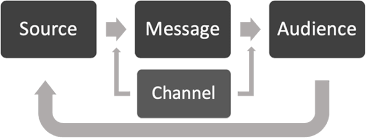
There is also another strategy which is offered by workshops or conferences as an appropriate strategy of dissemination because it helps in enabling a communication process with a feedback loop meaning it is two directions i.e. between the NICU community and the project implementers whereby stakeholders and the community can be invited for brainstorming and contribution of ideas on how the project results can be utilized (Lomas, 2013).

Furthermore, expanding the invitation of the workshops and conferences to the wider community will be vital in allowing the dissemination significance of the project outcomes or results to the greater nursing community. Evaluation of the project progress through a retrospective evaluation of project reports will ensure proper monitoring.

In conclusion, dissemination of significant importance in uplifting nursing practice, and uplifting of nursing is fundamental outcome and critical to healthcare delivery (National Institutes of Health, 2007). In addition, regular evaluation of the project implementation will play an essential role in monitoring its progress.

References           

Agency for Healthcare Research and Quality. (2012). Effective Health Care: What Is the Effective Health Care Program? Rockville, MD: U.S. Department of Health and Human Services; 2012. Available at www.effectivehealthcare.ahrq.gov/index.cfm/what-is-the-effective-health-care-program1/. Accessed July 5, 2016.

U.S. Department of Health and Human Services. (2012). Health.gov. Washington, DC: Office of the Assistant Secretary for Health, Office of the Secretary, U.S. Department of Health and Human Services. Available at www.health.gov/communication/resources/Default.asp. Accessed July 5, 2016.

Lomas, J. (2013). Diffusion, dissemination, and implementation: who should do what? Ann N Y Acad Science, 703:226-35; discussion 35-7. PMID: 8192299.

Mitton, C., Adair, C.E., & McKenzie, E. (2007). Knowledge transfer and exchange: review and synthesis of the literature. Milbank Q 85(4):729-68. PMID: 18070335.

National Institutes of Health. (2007). NIH Conference. Building the Science of Dissemination and Implementation in the Service of Public Health. 2007 Sep 10-11. Available at www.obssr.od.nih.gov/di2007/about.html. Accessed July 5, 2016.

Want help to write your Essay or Assignments? Click here