
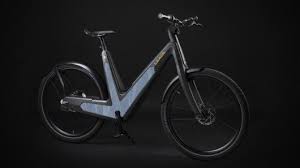
Infinity Solar-Powered E-Bike Business Plan

Infinity Solar-Powered E-Bike

Want help to write your Essay or Assignments? Click here

Infinity Solar-Powered E-Bike Business Plan

EXECUTIVE SUMMARY

The Infinity Solar-powered E-Bike is an innovative bicycle technology that allows users to enjoy a manual ride and experience an electric bike at the same time. While there are many varieties of e-bikes in the market, the Infinity bike is an exceptional model in that it is not only solar powered but it also has an electronic motor control, such that the rider can switch between three modes of propulsion.

Besides this, the bike comes with a speedometer, which helps the rider determine the speed at which they are riding. The Infinity solar-powered e-bike is bound to attract major fandom based on its unique features which make it ideal for protecting riders from knee and back injuries.

The Infinity solar-powered bike targets three customer segments: adventure riders, people seeking cheaper transport alternatives, and employees and students who commute regularly. To reach the customers, the company will utilize digital media and social media marketing. These methods are capable of effectively promoting the bike to the selected group.

To successfully implement this lucrative idea, a considerable amount of resources is required, including set up expenses, equipment and material, staff and marketing. The amount available to the owner is however limited, hence the need to seek funding. This business plan details information that may be necessary in informing the bank’s decision to fund the business. If successful, this will be the beginning of a highly rewarding business venture.

Introduction

As the world increasingly embraces ‘green energy’ to reduce the impact of global warming and natural resource depletion, valuable innovations have emerged in the market, with solar energy being described as one of the most sustainable sources of energy. Solar energy has been successfully used in lighting houses, water heating running machines and equipment and most recently for the solar-powered cars. In the same bearing, the motivation to build a solar E-Bike resulted from observing the endless possibilities that can be achieved using solar energy.

This is a form of energy that is not only freely available but cannot be depleted like other natural resources. This means that it will offer continuity while providing cheap energy to power the E-Bike. While the idea of the solar E-Bike is highly feasible based on research and projected benefit to individuals and the environment, the execution remains an enigma, partly due to the need for financial resources necessary to begin production.

This business plan details the major concepts behind the solar-powered E-Bike and the commercial viability of the venture. Through this business plan, it will be possible for the bank to understand the motivation behind this business venture and how the finances obtained will be used in setting up an exceptional idea that will influence future generations.

Business Plan

Business Name and Address

Name: Infinity Solar-Powered E-Bikes

Address: .,,.,,.,.,.,..,.

Proprietor’s Name and Address

Name: Jiachen Bonnie ZHANG

Address: ………………………

Business Form

This business is a sole proprietorship run and managed by the business owner.

Business Activity

            Infinity Solar E-Bike is the newest innovation in the market, featuring a bicycle that has an integrated electric motor and a solar panel which can be used for propulsion. The unique bike comes with a direct charging system that allows the user to charge the bike from a power socket and a solar panel that feeds solar energy into a battery. This power bike allow the user to not only take a manual ride but also use the electric motor control and solar motor control to propel the bike, thus increasing comfort and offering flexibility. The bicycle has an electronic display on the handlebar that shows the speed and battery level at any time.

An additional feature that makes the Infinity E-Bike attractive is the fact that it is a portable and foldable bike. This makes it suitable for expeditions and long-distance adventures since they can be easily transported in a motor vehicle and retrieved when needed. The flexibility of the bike also allows users to carry it around when taking public transport and then unfolding it for use in navigating areas that are not covered by public transport. It is therefore very versatile and convenient.

Aims of the business

            The solar E-bike was developed with the aim of providing users with a superior experience from ordinary bikes. The solar bike provides a cheaper option than driving a car, given that it can effectively run on solar power, requires to gas or insurance. The E-bike targets people who are working and constantly endure long hours of traffic during rush hour. With this bike, users can make it to work in good time.

            The bike is designed to increase user comfort. Compared to the traditional bicycle, the Infinity E-Bike is friendlier to knees and joints, thus minimizing discomfort and chances of injury. The Infinity solar-powered e-bike provides a more upright seating position and this plays an imperative role in reducing back and neck pain. The ride is also in a position to watch for obstacles and cars more easily, thus reducing risk of accident. The e-bike does not get hot when riding uphill and riding in the wind is no longer a challenge.  

The e-bike also comes with a security feature aimed at protecting the bike from theft. The e-bike requires a key to operate is heavier to move, hence making it harder to move than traditional bikes.

Objectives

  1. To reach 5000 customers within the first three months of operation
  2. To achieve $2,640,000 in sales in the first year of operation

Market size and growth

            The idea of a solar-powered bicycle is relatively new and has not been optimally explored. However, as solar panels become increasingly portable and affordable, competition is expected to rise significantly, thus saturating the market. Solar bikes first came into existence in the 1980s but their bulky nature which consisted of a trailer to carry the solar panels negatively affected their popularity. Currently, solar powered bikes are sleeker and less bulky.

The manufacture of solar powered e-bikes is still on small scale and not commercially exploited, with innovations mostly consisting of individual creations and custom-made orders. This is associated with high manufacturing costs and low adoption by potential users. The same applies for electric-powered bikes, which have continued to gain in recent years.

Competition analysis

Competitors

NameDeveloperStrengthsWeaknesses
eZee http://cdn3.metaefficient.com/wp-content/uploads/ezee-liv-electric-bike.gifNYCeWheels-Electric bike – Popular brand -Folding varieties -In the process of developing solar-powered bikes -Financial strength-Superior power in all terrains– Expensive to use -Better variety emerging in the market – Bulky
ELF http://cdn2-b.examiner.com/sites/default/files/styles/image_content_width/hash/19/bd/1375374416_8105_xx.jpg?itok=7Qkvk8cuOrganic Transit-Bicycle-car hybrid -Roofed -Stable and can be used by non-riders (Has 3 wheels) -No gas required, runs on solar energy– Lacks flexibility for use as a bike due to its size -Designed for smooth roads -Cannot navigate small spaces like a normal bike
Solarbike https://assets.rbl.ms/5234325/980x.jpgJesper Frausig, Germany-Sleek design -Solar panels on wheels saves on space Both manual and electric -Light and portable – full battery could propel the user for over 40 miles and go up to a speed of 30mph.– Still in product development stage -No backup source of energy, only solar

Infinity solar-powered E-Bike

    StrengthsWeaknesses
-Sleek design -Foldable -Speed reader -Solar and electric power -three riding modes -Cheap -No need for gar/insurance -High chair for easy survey of surroundings and traffic -Does not heat up when going uphill-Heavy -New in the market hence no customer base -Not yet tested by customers on the ground -Lacks funding for development

Competitive Advantages

            The Infinity Solar-Powered E-bike is designed in such a way that it seeks to provide great value for cyclists, by offering them three power modes. The user can choose to either ride manually or switch between solar and electric modes. This provides backup power and the rider is not likely to get stranded, such as when there is no sunlight. The bike provides a solution for people who want to enjoy a bicycle ride but may not desire the physical intensity involved in manual riding. Furthermore, the bicycle offers a cheap alternative to vehicle transport since it does not require the use of gas. The e-bike is of high quality and is expected to serve users in an effective manner while providing value for money.

Proposed Customers

Selecting a target market ensures that the company can design products that are tailored towards satisfying their customers (Chuwiruch, N, Jhundra-Indra and Boonlua, 2015). Proposed customer identification also ensures targeted marketing, thus enhancing efficiency (Johnson et al, 2014). The Infinity solar e-bike will target three types of customers:

  1. Adventure riders: The e-bike is designed in such a way that it can overcome tough terrains and uphill riding. It is therefore perfect for people who ride for fun or adventure.
  2. Individuals seeking cheap transport alternatives: The price of gas is highly volatile and maintenance of cars can be quite expensive. Public transport also has its limitations in terms of costs and convenience. The solar e-bike takes care of this by providing a cheap alternative that is also convenient.
  3. Employees and students: This group of customers consists of individuals who must either go to school or to work every day; often spending significant amount of time in traffic. The e-bike promises to reduce the time taken to get to work by a great percentage, thus enhancing convenience. Furthermore, the e-bike is useful for traversing areas where public transport is unavailable instead of walking. 

Want help to write your Essay or Assignments? Click here

Marketing Strategy

            Marketing strategy denotes the approaches taken in ensuring that the company’s products attract demand and that they can effectively compete with others in the market (Chuwiruch, Jhundra-Indra and Boonlua, 2015). A well-structured marketing strategy will assure high sales and profitability for the company. In reference to the marketing mix, the Infinity Solar-powered E-Bike will design its marketing strategy based on the following aspects.

Product

            The Infinity solar e-bike aims at providing the highest level of customer satisfaction. This will be attained through producing quality products that are long-lasting, made possible through investing in high technology machines and quality input materials (Najmaei, 2014). To ensure maximum customer satisfaction, the e-bike will be made to accomplish all the positive features described. A return policy will be put in place, such that customers can return any faulty bike.

People

            At infinity, the guiding principle will be to provide customers with the best quality e-bike and the best customer service possible, with the objective of turning them into loyal customers. Customer needs will be given first priority and every employee will be required to possess customer care skills and product knowledge necessary to provide effective feedback to customers. As noted by Valick, A. & Benavides (2011), responding to customer queries is not only a responsibility of customer care representatives and marketers but a common duty for all company staff; hence the need to familiarize with all product aspects.

Price

            Price is a direct determinant of demand and the company must therefore set a price that is attractive for the customer while allowing a reasonable profit margin (Davari and Strutton, 2014). The pricing policy at Infinity will be to provide e-bikes at a reasonably low price. Due to the uniqueness of the brand, the bike will not be the lowest priced but it will be lowly priced for a product of its caliber. All e-bikes will be sold at the same price even where distributors and re-sellers are involved. This will enhance uniformity in price and hence create consistency. The cost for one solar-powered e-bike will be set at $1,100 per piece.

Promotion

            This refers to the method of communication to targeted customers. This must be designed to appeal to the target market so that it can be effective in attracting customers (Davari and Strutton, 2014). Infinity solar-powered e-bikes will be advertised through digital media such as television and social media. Digital media is preferred due to its ability to show motion and hence give customers an idea of how the bike works instead of placing a still picture advertisement on print media (Kotler and Armstrong, 2015).

Social media is bound to be effective because the targeted market spends a significant proportion of their time on social media (Kumar, et al, 2016). Through videos and post shares, the company will ensure that the e-bike is advertised to target customers.

Place

The need to ensure that the customers can access the product easily calls for the creation of an effective supply chain (Kirovska, Josifovska and Kiselicki, 2016; Ashby, Leat and Hudson-Smith, 2012). In essence the company must ensure that the e-bike is accessible for potential customers through considering various channels of distribution including direct sales, franchising, wholesalers and retailers (Chelliah, et al, 2013). To begin with, the Infinity solar e-bike will be available in the United Kingdombefore expanding the company’s presence in other regions. The bike will be available in leading sports stores, supermarkets and individual retail stores besides direct sales from the factory.

Equipment

Effective production of solar-powered e-bikes will require the following equipment:

EquipmentCost
Fork fixture$1,675
Frame building tool$4,100
Grinders$300
Mill$234
Lathe$1500
Files$150
Vacuum cleaners$350
Bicycle assembly machine$4500
Rim making machine$7,000
Tube benders$3000
Handlebar machines$10,000
Welders$6,500
Grinding and polishing machines$13,000
End-forming machines$9,500

The number of equipment and costs involved may initially be too high for the start-up company to afford. Accordingly, some of the equipment required will be leased for the first one year.

Key people and job functions

Financial Highlights

Forecast Profit and Loss Account

Infinity Solar-Powered E-Bike

Profit and Loss Account

For Period between August 2016 to July 2017

Sales$2,640,000     (A)
Less variable costs
          Materials$550,000 
          Direct wages$40,000
          Transport$230,000
         Miscellaneous$160,000
         Total variable costs$980,000
Gross profit$1,660,000       (B)
Less Fixed costs
          Salaries and        wages$150,000
          Rent$120,000
          Equipment lease$300,000
          Electricity$60,000
          Telephone costs$170,000
          Advertising$250,000
          Insurance$24,000
          License renewal$2,000
          Taxes$230,000
          Depreciation$5,000
         Other costs$3,000
         Total fixed costs$1,164,000         (C)
Net profit$496,000

Break-even point

 (A) x (C)

(B)

= 1,851180 units

Cash flow Forecast

MonthAugSepOctNovDecJanFebMarAprMayJunJul
SALES
Volume355101520252730323335
Value33,00055,00055,000110,000165,000220,000275,000297,000330,000352,000363,000385,000
RECEIPTS
Sales – Cash33,00055,00055,000110,000165,000220,000275,000297,000330,000352,000363,000385,000
Sales – Debtors000000000000
Capital Introduced100,000140,000   250,000      
Grants, loans250,000           
Total (A)383,000195,00055,000110,000165,000470,000275,000297,000330,000352,000363,000385,000
PAYMENTS
Materials85,00040,00030,00030,00030,00030,00030,00030,00030,00030,00030,00030,000
Wages/Salaries8,00013,50015,50016,00016,00016,00016,00016,00016,00019,00019,00019,000
Rent10,00010,00010,00010,00010,00010,00010,00010,00010,00010,00010,00010,000
Equipment lease25,00025,00025,00025,00025,00025,00025,00025,00025,00025,00025,00025,000
Electricity5,0005,0005,0005,0005,0005,0005,0005,0005,0005,0005,0005,000
Telephone costs25,00022,00019,00014,00013,00011,00011,00011,00011,00011,00011,00011,000
Advertising30,00030,00025,00020,00020,00020,00020,00020,00020,00015,00015,00015,000
Insurance24,00000000000000
License renewal2,00000000000000
Taxes00000000000230,000
 Depreciation000000000005,000
Other costs250250250250250250250250250250250250
Capital Purchases200,00000000150,00000000
Loan repayments10,00010,00010,00010,00010,00010,00010,00010,00010,00010,00010,00010,000
Drawings/dividends000000000000
Total (B)424,250155,750139,750130,250129,250127,250277,250127,250127,250125,250125,250360,250
CASH BALANCES
Cash flow (A) – (B)-41,25039,250-84,750-20,25035,750342,750-2,250169,750202,750226,750237,75024,750
Opening balance350,000-41,250-2,000-86,750-107,000-71,250271,500269,250439,000641,750868,5001,106,250
Closing balance-41,250-2,000-86,750-107,000-71,250271,500269,250439,000641,750868,5001,106,2501,131,000

Approach to value creation

The process of value creation for the solar-powered bike business entails a five step process from when the product is developed, to when it achieves value creation.

The first step has mostly been accomplished, having developed the concept of the E-Bike and how it will operate. Gallego, Rubalcaba and Hipp (2013) present the case for innovation, stating that creating value is about presenting innovative products and services. The E-Bike presents a unique innovation which will allow users to use a E-Bike with three functions namely; manual ride, electric motor control and solar power motor control. Electronic display on the E-Bike allows the user to read speed and battery level; further demonstrating the level of innovation. The E-Bike, which is also foldable provides exceptional convenience.

The second step is demand creation, which basically includes marketing the E-bike to potential customers and convincing them to buy it. This will involve showing the value of the innovation and how it will impact their lives, affordability and durability of the E-bike (Lynch, 2012).

Once demand has been created and sales made, the next step is to convert buyers into loyal customers. This will be achieved through ensuring that the E-Bike meets their needs as expected during the marketing stage (Rath and Mousumi Singha, 2013).

Next is to enhance customer satisfaction through meeting their needs and addressing any concerns they may have regarding the E-Bike. At this level, the customers are likely to refer potential clients based on their level of satisfaction (Johnson et al, 2014). 

The final step to value creation is to make customers part of the organization. By working with customers as partners, the company can seek ways to further improve the E-Bike’s performance and probably develop a new product that is more innovative (Grant, 2016). This step sets pace for the next value creation process.

Factors encouraging entrepreneurship

In life, every day is a learning process and a chance to become a better person. When I initially lost my job as a Digital Social Media company manager where I worked for six years, the next best thing would have been to seek employment elsewhere. However, I was inspired by a drive for independence and an opportunity to make a difference in the society, hence my decision to venture into business.

Moving to entrepreneurship depends on the kind of product one is dealing with and whether customers might be interested. Having observed that bicycles are widely used as a means of transport and recreation, I thought that users might be interested in a bike that offered them greater capabilities than just the manual ride. Internet searches revealed that solar power is the next energy frontier and the idea of an E-Bike appeared best suited to help me achieve my objective.

It is notable that the high level of instability in the country has impacted employment significantly. Job security is no longer assured and even where available, the level of remuneration is barely enough to sustain a favorable purchasing power. Entrepreneurship however opens endless possibilities, particularly when the product is innovative and appealing to customers. I therefore found it reasonable to increase my earning capacity through entrepreneurship, not only to improve my life but also contribute to national building through creating employment opportunities for others.

Want help to write your Essay or Assignments? Click here

Developing and appraising personal potential as an entrepreneur

            As an entrepreneur, it is important to understand my competence and potential. In this regard, I will apply various techniques in developing and appraising personal potential as an entrepreneur. This will mostly include taking professional tests and self-assessments available online such as BDC Entrepreneurs First. The site provides a list of 50 questions on entrepreneurial attributes, motivation, attitudes and aptitudes which the user is expected to fill in.

Once completed, the site makes an analysis of the responses, which will then be used in determining entrepreneurial potential (BDC, 2016). Common professional assessment tools include Myers-Briggs Type Indicator, The Entrepreneur Equation, the StrengthsFinder, Teamability and FourSight Thinking Profile.

Functional skills appropriate to the management of SME

            In the management of SMEs, certain functional skills are necessary to enhance performance and resilience in a competitive environment (Botha, Vuuren and Kunene, 2015). These skills include:

Finance management: SMEs must be in a position to manage their finances in order to stay afloat. The management must therefore be capable of managing cash flow, credit and have knowledge on financial reporting (Ayub, 2014).

Marketing: Being a small business, there is need for high level marketing to promote growth. Every contact with customers should be a chance to market the company (Goodman and Dingli, 2013). Functional skills also necessary include advertising and public relations.

Personal business skills: These include oral and written communication, computer skills, negotiation skills and organizational skills among others (Botha, Vuuren and Kunene, 2015).

Problem solving: The management of an SME should be capable of dealing with challenges and problems whenever they occur (Goodman and Dingli, 2013).  

Dispute resolution: When working with a team, disputes and conflicts are also likely to emerge. The management should be in a position to resolve disputes amicably to enhance collaboration.

Conclusion

Infinity Solar-Power E-Bike presents an innovative product that is bound to change the face of solar e-bikes. The e-bike provides customers with a unique brand with flexible capabilities, demonstrated by its three function modes. This sets the bar higher because the rider can either use the manual, the electric motor control or the solar power motor control. The target customer group is expected to find the bike useful, both for navigation and fun expeditions.

As a cheap alternative to cars, the bike’s demand is expected to increase tremendously following its introduction. To enhance successful launch and sale of the product, various factors in the marketing mix are put into consideration to ensure that the product appeals to customers. The price of $1,100 is relatively cheap and the quality is excellent.

These characteristics coupled with effective promotional strategies, customer service and convenient access to the e-bikes will ensure that the company realizes adequate profits to make the business successful. The Solar E-Bike has great potential and at this juncture, the idea’s execution is only limited by unavailability of funds, hence the need to seek funding in the form of a business loan.

Reference List

Ame, AM 2013, “Factors influencing customers’ evaluation of service quality and customer satisfaction – findings from Tanzania”, International Journal of Marketing and Technology, vol. 3, no. 5, pp. 87-112. Retrieved from http://search.proquest.com/business/docview/1400678963/DDE5D366AA9240ADPQ/5?accountid=45049

Ashby, A., Leat, M., & Hudson-Smith, M 2012, “Making connections: A review of supply chain management and sustainability literature.” Supply Chain Management, 17(5), 497-516. doi:http://dx.doi.org/10.1108/13598541211258573

Ayub, KM 2014, Diverse Contemporary Issues Facing Business Management Education, Herhey, PA, IGI Global.

BCD 2016, Entrepreneurial potential self-assessment, Available at https://www.bdc.ca/en/articles-tools/entrepreneur-toolkit/business-assessments/pages/self-assessment-test-your-entrepreneurial-potential.aspx

Botha, M, van Vuuren, J, & Kunene, T 2015, ‘An integrated entrepreneurial performance model focusing on the importance and proficiency of competencies for start-up and established SMEs’, South African Journal Of Business Management, 46, 3, pp. 55-65, Business Source Complete, EBSCOhost, viewed 31 May 2016. Retrieved from eds.b.ebscohost.com/ehost/pdfviewer/pdfviewer?sid=039d867c-9fbc-4e0e-8d60-7cb40632e9b3%40sessionmgr104&vid=1&hid=121

Chelliah, S, Chin Kok, K, Annamalah, S, & Munusamy, J 2013, ‘Does Marketing Mix Still Relevant? A Study on Herbal Coffee in Malaysia’, International Journal Of Management & Innovation, 5, 1, pp. 31-45, Business Source Complete, EBSCOhost, viewed 31 May 2016. Retrieved from eds.b.ebscohost.com/ehost/pdfviewer/pdfviewer?sid=8c9f45cc-194e-432e-93cd-070f1f44bb6f%40sessionmgr120&vid=1&hid=121

Chuwiruch, N, Jhundra-Indra, P, & Boonlua, S 2015, ‘Marketing Innovation Strategy And Marketing Performance: A Conceptual Framework’, Allied Academies International Conference: Proceedings Of The Academy Of Marketing Studies (AMS), 20, 2, pp. 82-93, Business Source Complete, EBSCOhost, viewed 31 May 2016. Retrieved from eds.b.ebscohost.com/ehost/pdfviewer/pdfviewer?sid=d426671f-c0e2-45f0-a010-7a7ceb1a40e0%40sessionmgr107&vid=1&hid=121

Davari, A, & Strutton, D 2014, ‘Marketing mix strategies for closing the gap between green consumers’ pro-environmental beliefs and behaviors’, Journal Of Strategic Marketing, 22, 7, pp. 563-586, Business Source Complete, EBSCOhost, viewed 31 May 2016. Retrieved from eds.b.ebscohost.com/ehost/pdfviewer/pdfviewer?sid=5ecfe942-153a-4df9-a323-a73b06871484%40sessionmgr104&vid=1&hid=121

Gallego, J., Rubalcaba, L. & Hipp, C. 2013, “Services and organisational innovation: the right mix for value creation”,Management Decision, vol. 51, no. 6, pp. 1117-1134. Retrieved from http://search.proquest.com/business/docview/1398033404/FBD13FB131224195PQ/43?accountid=45049

Goodman, M., & Dingli, SM 2013, Creativity and Strategic Innovation Management, New York, Routledge.

Grant R 2012, Contemporary Strategy Analysis: Concepts, techniques, applications, 8th Ed, London, Blackwell.

Grant, R. M 2016, Contemporary Strategy Analysis: text and cases, 9th edn. Chichester, Wiley & Sons.

Johnson et al 2014, Exploring Strategy: text and cases, 10th edn, London, Pearson.

Kirovska, Z, Josifovska, A, & Kiselicki, M 2016, ‘Efficient Management Of Supply Chain In Achieving A Significant Competitive Advantage In The Market’, Journal Of Sustainable Development (1857-8519), 5, 14, pp. 5-22, Business Source Complete, EBSCOhost, viewed 19 April 2016. Retrieved from eds.a.ebscohost.com/ehost/pdfviewer/pdfviewer?vid=8&sid=aaeacbc0-639c-47a8-a0be-b74cdd38d404%40sessionmgr4005&hid=4103

Kotler, P., & Armstrong, G 2015, Principles of Marketing. Harlow, UK: Pearson Education.

Kumar, A., Bezawada, R., Rishika, R., Janakiraman, R., & Kannan, P. K. (2016). From Social to

Sale: The Effects of Firm-Generated Content in Social Media on Customer Behavior. Journal of Marketing, 80(1), 7-25. doi:10.1509/jm.14.0249. Retrieved from eds.b.ebscohost.com/ehost/pdfviewer/pdfviewer?sid=6a26cf54-0115-4e50-aca9-3a3123e7ba89%40sessionmgr104&vid=1&hid=114

Lynch, R 2012, Strategic Management, 6th Ed, London, Prentice Hall 

Najmaei, A 2014, ‘Towards an Integrative Model for Management of Organization’s Total Innovation: Insights from the Strategic-Process View’, IUP Journal Of Knowledge Management, 12, 3, pp. 61-73, Business Source Complete, EBSCOhost, viewed 25 March 2016. Retrieved from eds.b.ebscohost.com/ehost/pdfviewer/pdfviewer?vid=74&sid=7e831331-5b34-460b-b494-ea037a777b66%40sessionmgr112&hid=122

Rath, S, & Mousumi Singha, M 2013, ‘Brand Recognition and Advertising Effectiveness: Study of Youth Responses for Select Print Advertisements’, Journal Of Contemporary Management Research, 8, 2, pp. 82-88, Business Source Complete, EBSCOhost, viewed 27 March 2016. Retrieved from eds.b.ebscohost.com/ehost/pdfviewer/pdfviewer?vid=29&sid=7e831331-5b34-460b-b494-ea037a777b66%40sessionmgr112&hid=122

Valick, A. & Benavides, TJ 2011, Practical Human Resources for Public Managers: A Case Study Approach. Boca Raton, FL: CRC Press.

Want help to write your Essay or Assignments? Click here

TATA Group; A Critical Analysis

TATA Group

Want help to write your Essay or Assignments? Click here

TATA Group

Abstract

            TATA Group is among the largest Indian conglomerates, which has grown immensely over the years to become a well-recognized brand. The company is mostly known for its major businesses including TATA Motors, TATA Steel, TATA Power, TATA Consultancy Services, Titan, TATA Teleservices, TATA Communications and TATA Global Beverages. In this report, TATA’s environment is analyzed to determine internal and external environment factors that affect the company’s performance.

Through the SWOT and PESTEL analysis, the business environment is assessed. The company’s steel business is currently undergoing challenges after British Steel’s closure decision. In this relation, the company must seek alternative areas to invest in to ensure that the business continues to thrive.

Spain and China are suggested as potential countries and these are discussed in regard to their attractiveness. The paper also provides recommendations for TATA based on information collected from the report. By the end of the report, the reader will have a greater understanding of TATA, its operations and factors that affect its performance.

TATA Group

Introduction

TATA Group has developed its niche as a leading multinational company in India and in the world, having evolved from a small family business began 148 years ago. Taking advantage of increasing globalization, the company has expanded its business across borders and increased the types of businesses that it deals with by venturing into different industries. TATA’s success is associated with the favorable macro-environment, particularly in India that helped the company grow significantly.

The company’s commitment to success cannot be underestimated either and it is notable that by leveraging its strengths and market opportunities, TATA has grown its portfolio tremendously. TATA continues to expand its operations internationally through global acquisitions. However, not all its ventures have been successful, owing to country-specific factors that influence its business operations.

Selecting a potential country for further global expansion therefore requires that TATA performs thorough market research to establish marketplaces in which the company is likely to thrive.  This paper seeks to identify factors in the macro-environment, which may have influenced TATA’s success as a leading company in India. It also outlines some of the countries in which TATA could further expand its operations and provides a recommended country TATA’s steel business.

Company Background

TATA Group is considered one of India’s global pillar, whose multinational status has seen it become a major conglomerate in India. The company which was formed in 1868 is headquartered in Mumbai, Maharashtra. TATA owns several companies which are independently operated and has over 600,000 employees. Through the years, the company has made several acquisitions across the globe, further improving its international presence.

The company continues to enjoy a global reach and considerable profit levels, with the latest financial information indicating that the company garnered $108.7 billion in 2014/2015 financial year (tata.com). TATA Group consists of different sub-companies including TATA Motors, TATA Steel, TATA Power, TATA Consultancy Services, Titan, TATA Teleservices, TATA Communications and TATA Global Beverages.

Besides its many sub-companies, TATA’s growth can be attributed to the purchase of various businesses globally including Daewoo Commercial Vehicle Company, Land Rover, Jaguar Cars, Eight O’clock Coffee an Good Earth Corporation among others, propelling it to an internationally recognized organization (tata.com).

Discussion

Macro-environmental factors

SWOT Analysis

Strengths Strong financial performance Brand strength Foreign investment Diversification  Management professionalism and regard to employee welfare International acquisitions and collaboration Corporate social responsibility/ Commitment towards national growthOpportunities Favorable government policies Emerging markets and developing countries Strategic alliances and mergers New product lines Increasing per capita income Changing customer needs
Weaknesses Excessive debt Diversification Management and control Controversy on illegal land acquisition Environmental concernsThreats Rising cost of material and manufacturing Competition Economic and business volatility

Strengths

TATA’s strong financial performance plays a major role in enhancing its performance. Based on its last financial results, the group collectively earned $108.7 billion in revenue and $6.7 billion in profits in the 2014/2015 financial year. The company also owns major assets and property, which further enhance its financial position. Lynch (2012) notes that when a company is financially stable, it is more likely to mitigate any threats within the market place.

Brand strength remains a major boost for TATA. The company is not only well known in India but also internationally, mostly for its motor vehicle and steel business. This means that customers are more likely to trust its products and services.

TATA has invested significantly in foreign markets through direct investment, subsidiaries, strategic alliances and subsidiaries (Au, Ayyagari and Spencer, 2015). This gives the company a strong ground in the global market and also promotes its financial performance. Due to its global presence, TATA has gained tremendous experience on international trade and is therefore capable of enhanced success in terms of internationalization. 

TATA has invested in numerous industries and this form of diversification is of great significance to its portfolio. To begin with, it means that the company can shield itself in times of financial crisis by benefitting from companies that are performing well. In essence, other companies can support the company’s performance in the event that certain industries are affected by business or environmental factors; thus enhancing continuity (Ramachandran, Manikandan and Pant, 2013).

Management professionalism and regard to employee welfare has ensured retention of professional managers and high performing employees. TATA is known for its hands-off approach where managers are allowed to make independent decisions without influence from the owners. This hastens business processes and is therefore considered a major strength for the company. It also provides attractive benefits for its employees and is thereby considered an employer of choice.

International acquisitions and collaboration ensure that the company’s international presence continues to grow. These add to the company’s financial performance and international experience and are therefore of major significance.

TATA is known for its commitment to corporate social responsibility, having undertaken numerous projects to promote living standards in India. TATA has invested in education, research, art, sports and cultural endeavors and is well known for its philanthropy. In 2007, TATA received the Carnegie Medal of Philanthropy (Carnegie, 2015). Corporate social responsibility is hailed in the business world as an efficient way to create a strong brand by creating community trust (Grant, 2016).

Opportunities

Favorable government policies have ensured that TATA conducts its business effectively. The company has received major support from the government of India and this has to a great extent enhanced its performance. TATA has also been well received in other countries where it operates. This is an opportunity that the TATA could utilize by investing more in its business.

Emerging markets including rural areas and developing countries present a good opportunity for TATA to exploit. The company should therefore work towards reaching these markets before they are exploited by others.

Strategic alliances and mergers are still a lucrative approach towards enhancing the company’s global market. It is notable that many companies across the globe are seeking companies they can collaborate with to achieve various goals including technological innovation. Companies considering buy-outs due to financial difficulties are also increasing and TATA could take advantage of such opportunities for growth.

TATA Group can enhance its performance through diversifying into new product lines. This will enhance their performance and hence promote is global position.

Weaknesses

TATA operates numerous companies and is constantly engaging in investment activities that require large amounts of money, such that it has accumulated a significant level of debt. These are repaid from its business proceeds and this means that in the event that business is affected by unforeseen risks, it may be difficult for the company to effectively repay the loans (Boone and Kurtz, 2012).

Diversification is considered a positive aspect of business performance. However, it may also present difficulties in management, such that the company fails to ensure optimal performance for each product (Boone and Kurtz, 2012). This could threaten TATA’s performance.  

The TATA family is no longer managing the group of companies and this has been delegated to independent companies, which work under the board. Management and control issues could therefore be experienced if the respective managers are not as committed to success as the owners.

Controversy on illegal land acquisition has tainted TATA’s image to a significant extent. The company was a victim of public uproar on land grabbing accusations. This has affected TATA Tea and TATA Steel in India, where communities have claimed ownership of land possessed by TATA. 

Environmental concerns have also emerged, with the company being accused of encroaching natural endowments and polluting the environment (Masani, 2015). This may affect the company’s reputation and thus limit its performance.

Threats

The rise in the number of businesses globally cannot be underestimated and TATA therefore faces stiff competition from emerging and existing businesses.

Rising cost of material and manufacturing is affecting the company’s productivity, given that it has to contend with lower profits than it would if the conditions remained the same.

TATA like any other company faces a major challenge in the form of economic and business volatility. According to Grant (2016), the world economy is highly unstable and components including interest rates, inflation, availability of credit, per capita income and customer demand keep changing. This is a major risk for global companies such as TATA.

Want help to write your Essay or Assignments? Click here

PESTEL Analysis

Political Factors

These refer to factors in the political environment in which a company operates. India enjoys a generally stable political environment that is suitable for business. TATA is however exposed to changes in government regimes that may influence the business environment through new regulations and policies (Beneke et al, 2013).

An example of a new law that is bound to affect TATA is the new rule on corporate social responsibility, where companies may be expected to give 2% of net profit earned towards community development. Given that TATA operates in different countries, the risk of international trade regulations is eminent. An example is the adoption of policies aimed at protecting local organizations, which is bound to affect international companies in a significant manner.

Economic Factors

The global economic conditions in recent years have been volatile and this to s significant extent affects company performance. The global economic crisis for example hit most companies, affecting their profitability. The collapse of British Steel following market factors is also a demonstration of economic impact on the business. India’s steel market remains among the largest in the world and this has ensured that TATA’s steel business grows steadily.

Social

The community in which TATA operates has influenced the company’s operations both positively and negatively. As the company expands, there are greater expectations from the company to give back to the community (Masani, 2015). This is further exacerbated by competitive pressure. TATA must therefore invest more in community social responsibility in order to create a good name for itself. Globalization has led to changes in indigenous culture and this has prompted TATA to invest in activities aimed at preserving the Indian culture.

Technological

            In a world where technology is evolving rapidly, TATA is faced by the need to keep investing in newer technology. Customers are increasingly demanding highly sophisticated products and TATA is affected through increased expenditure for these products. In car manufacturing for example, the acquisition of Jaguar and Land Rover presents the company with a daunting task in terms of innovation, which will ensure that these cars maintain their class. The company must therefore be in touch with advances in technology to maintain its competitive position (Masani, 2015).

Environmental

There is growing pressure for companies to preserve the environment through exercising safe environmental practices; including the preservation of natural resources and reducing pollution. The company is striving to protect the environment through taking specific measures such as producing low fuel consumption cars and reducing gas emissions.

The company also participates in activities aimed at reducing industrial pollution, such as “Green Earth” campaigns; and preventing deforestation (tata.com). In the past, TATA has received criticism over river pollution, air pollution through gas emissions and natural resources encroachment.

Legal

            TATA operates in different countries where varying laws governing business operations and issues such as taxation, employment and environmental responsibility among other factors (Beneke, 2013). The company has also been exposed to various legal battles during its existence, including legal cases challenging land ownership such as the Kerala Government law suit. In this case, TATA Tea was accused of grabbing 3,000 acres of government land in Munnar.

Potential international marketplaces for TATA foreign acquisition

            As the world becomes increasingly interconnected following globalization, TATA may choose to invest in other countries, which also demonstrate great potential for business. Some of the countries in which TATA could invest in are discussed below.

Spain

The Forbes Magazine ranks Spain as the second-best country to invest in (Rapoza, 2015). This is based on its stable economic environment and the business environment has improved tremendously. The government recently reduced corporate taxation from 30-28% and tax rate on income from 56-47% (Rapoza, 2015). Tax on savings has also decreased, meaning that disposable income among consumers is bound to increase.

These conditions are favorable for the company and TATA should therefore consider investing in Spain. Currently, Spain’s GDP per capita is $1.7 trillion. At more than 3% per year, Spain’s economic growth can be considered strong; having recovered from the property boom effects. The country is highly ranked 16th in terms of purchasing power parity globally. TATA could therefore benefit significantly through investing in Spain for its steel business due to market availability.

China

            China has been considered an attractive market to invest in, mostly based on its vibrant economic growth and the low cost of inputs and resources, including cheap labor. China has in the recent past attracted major investors who seek to capitalize on the favorable business conditions and government policy aimed at attracting foreign direct investment (Jalil and Feridun, 2011). The country also enjoys a stable political environment. It is notable that China is slowing down in terms of inward foreign direct investment and increasingly favoring alliances (Davies, 2013). This is therefore a great opportunity for TATA to leverage on.

In recent years, China has witnessed increased economic strength. Until 2015 when India overtook China as the fastest growing economy, China was taking the lead and this still presents the country as a lucrative marketplace to invest in. The country’s growth has averaged 10% over the last 30 years and its GDP per capita was $19.392 trillion in 2015 (IMF, 2016). The GDP growth in 2015 was recorded at 6.9%.

            Preferred international marketplace for TATA Steel

TATA Steel faces a major challenge as British Steel heads for closure. Based on the discussion of potential global marketplaces where TATA could seek further acquisitions in China is recommended as the preferred location to further internationalize its steel making business. This is based on its favorability in terms of investment environment, government policy and steady economic environment.  Johnson et al. (2014) notes that in order to make a decision on investment, the macro-environment within the country must be effectively studied to ensure that it will enhance business performance.

One of the first indicators of a conducive business environment is the economic environment, which should favor business growth and continuity. In this case, it can be established that the company is performing well and that potential for growth is high. Secondly, government accommodation towards foreign companies is also an important consideration for TATA to consider (Au, Ayyagari and Spencer, 2012). The survey on China indicates that the government policy supports foreign direct investment and TATA can therefore invest with confidence.

China’s government is on a mission to promote economic performance and reduce poverty; which has resulted in aggressive approaches aimed at increasing investment within the country. According to the Five-year Plan for 2016-2020, China aims at eliminating poverty and enhancing China’s development through creating a ‘new normal’, where China will no longer be viewed as a ‘cheap’ hub but an established economy (Hong, Cheung and Sit, 2015). One of the major ways this will be achieved is through promoting innovation investment, which TATA could leverage.

Want help to write your Essay or Assignments? Click here

Conclusion

            This report explores TATA Group and its environment, establishing that it is influenced by various factors in its internal and external environments. It can be established that the company is performing exceptionally and that its current approach of managerial independence has contributed to its growth.

Owing to the high level of diversification, the company’s risks are spread across many sectors and this creates financial security. The company like any other company faces stiff competition and factors in the environment affect its operations. An example is British Steel which has been affected by economic factors, threatening its closure. In order to further expand its operations to other international markets, TATA could choose between Spain and China.

These two countries present perfect opportunities for the company, although China is considered as having greater potential for growth. This is because of its high economic growth and the fact that its steel industry has grown significantly.

Recommendations

TATA faces significant threats as established in the SWOT analysis. To address these challenges, the company needs to capitalize on its major strengths and opportunities to recover from such threats. An example is utilizing its strong financial position to invest more in new technology and innovation to create a competitive edge.

            Continued diversification efforts by TATA need to be managed in order to ensure that they do not overwhelm the company. As noted in Masani (2015), too much diversification may hurt the company’s prospects and it is best that it engages in only what is achievable.

            The need to protect the company from legal issues is imperative. This means that TATA should seek to refrain from activities that expose the company to such, including environmental degradation. In this relation, it should get more vigilant in terms of environmental conservation.

In its quest to invest more in the international market, the company must ensure that a thorough background is conducted to ensure that the country will accommodate the company.

Secondly, TATA needs to determine the possible unforeseen risks that may emerge in the market and thus develop a risk mitigation plan that can be applied in such a case.

References

Au, L. A., Ayyagari, M., & Spencer, J. (2015). Strategic Responses to FDI in Emerging Markets: Are Core Members More Responsive Than Peripheral Members Of Business Groups? Academy Of Management Journal, 58(6), 1869-1894. doi:10.5465/amj.2012.0521 Retrieved from eds.b.ebscohost.com/ehost/detail/detail?vid=5&sid=a0b3dfef-e1fe-4e6f-a386-ec4d7de005a4%40sessionmgr106&hid=103&bdata=JnNpdGU9ZWhvc3QtbGl2ZQ%3d%3d#AN=111855985&db=bth

Beneke, J., et al. (2013). The influence of perceived product quality, relative price and risk on customer value and willingness to buy: a study of private label merchandise. Journal of Product & Brand Management, 22(3), pp.218-228.

Boone, L. E., & Kurtz, D. L. (2012). Contemporary Marketing. New York: Cengage Learning. Carnegie. (2015). Announcing the 2015 Carnegie Medal of Philanthropy Honorees. Retrieved from https://www.carnegie.org/news/articles/announcing-the-2015-carnegie-medal-of-philanthropy/

Grant, R. M. (2016). Contemporary Strategy Analysis: text and cases, 9th edn. Chichester: Wiley & Sons.

Hong, W., Cheung, D. & Sit, D. (2015). China’s 13th Five-Year Plan (2016-2020): Redefining China’s development paradigm under the New Normal. Retrieved from https://www.fbicgroup.com/sites/default/files/China’s%2013th%20Five-Year%20Plan%20(2016-2020)%20Redefining%20China’s%20development%20paradigm%20under%20the%20New%20Normal.pdf

International Monetary Fund, IMF. (2016). Report for Selected Countries and Subjects. Retrieved from www.imf.org/external/pubs/ft/weo/2013/01/weodata/weorept.aspx?sy=1980&ey=2018&sort=country&ds=.&br=1&pr1.x=40&pr1.y=0&c=924&s=NGDP_RPCH%2CPPPPC&grp=0&a=

Jalil, A., & Feridun, M. (2011). Long-run relationship between income inequality and financial development in China. Journal of the Asia Pacific Economy, 16 (2). pp. 202-214

Johnson et al. (2014). Exploring Strategy: text and cases, 10th edn. London: Pearson.

Lynch R (2012). Strategic Management, 6th Ed. London: Prentice Hall 

Manikandan, K. S., & Ramachandran, J. (2015). Beyond institutional voids: Business groups, incomplete markets, and organizational form. Strategic Management Journal, 36(4), 598-617. doi:10.1002/smj.2226 Retrieved from eds.b.ebscohost.com/ehost/pdfviewer/pdfviewer?sid=88d6a802-f8b6-4c73-bae4-1116ab61ef00%40sessionmgr107&vid=1&hid=103

Masani, Z. (2015, February 6). Tata: India’s Global Giant. [Audio podcast]. Retrieved from www.bbc.co.uk/programmes/b0512j9b

Ramachandran, J., Manikandan, K. S., & Pant, A. (2013). Why Conglomerates Thrive (Outside the U.S.). Harvard Business Review, 91(12), 110-119. Retrieved from eds.b.ebscohost.com/ehost/pdfviewer/pdfviewer?sid=5262165e-4c89-48a6-9114-63d931dbabb8%40sessionmgr104&vid=1&hid=103

Rapoza, K. (2015). The Best Countries for Your Investment. Retrieved from www.forbes.com/sites/kenrapoza/2015/03/06/the-best-countries-for-your-investment/#52070d661e12

TATA Website. http://tata.com/

Valick, A. & Benavides, T. J. (2011). Practical Human Resources for Public Managers: A Case Study Approach. Boca Raton, FL: CRC Press.

Want help to write your Essay or Assignments? Click here

Current Product Offering within a Fashion Retailer

Fashion Retailer
Fashion Retailer

Want help to write your Essay or Assignments? Click here

A Report of Research and Analysis a Current Product Offering within a Fashion Retailer that has a UK Store Presence

Introduction

 With changing global fashion trends, the clothing and textile industry has undoubtedly become one of the most dynamic and competitive as well as rapidly changing sectors. This has prompted many fashion retailers across the world to embark on regular product offering as well as global sourcing in order achieve competitive advantage in the international market for them to remain relevant (Akhil, 2015).  The aims and objectives of this report is to research and analyse a current product offering for a fashion retailer that has a UK store presence and make recommendations on how the product could be progressed for the following season (Spring/summer ‘17) for an international market.  

This is done with an emphasis on produce Illustrator designs for the following season (Spring/summer ‘17) within the allocated budget of £600K, which are appropriate for an international market. In addition, an assortment or range plan is produced in an Excel spreadsheet to indicate budget spend. Through this approach it is possible to present the buy per garment that includes a number of aspects with regards to the designed garment including volume (ranking), spend, distribution, attributes as well as sourcing country. Finally, the report will provide analysis of sourcing criteria with recommendations including a valid critical path.

Overview of current offer

The fashion retail to be considered in this report is the H&M, which has grown from a single women’s wear shop in Västerås, Sweden, and has nowadays extensively expanded its operations across the world to have presence across international market through its six different brands and 4,000 fashion retail stores all around the world. Six independent brands are the main outlets through which H & M Hennes & Mauritz AB comprises six runs its day to day operations in marketing and sale of fashion products, and these brands are: H&M, COS, Cheap Monday, Monki, Weekday, and & Other Stories (H&M, 2016).

The team which has been mandated with the function of innovating and developing H&M’s fashion designs has been playing an imperative role in creating sustainable fashion for all, while striving to ensure that they are always offered for sale at the best price and quality. The collections of fashion designs that are developed by H&M designers include everything from quintessential functional and basics sportswear for children, teenagers, women, and men, to dazzling party collections for every occasion or season (H&M, 2016).

In addition, to shoes, bags, clothes, jewellery, underwear and make up as well as fashionable interiors for children and adults. The variety and width of the H&M collections is an indication that customers are always able to find something to suit their wardrobe as well as their style. The fashion has since inception tremendously expanded its operations globally and nowadays it has presence across many parts of the world through the H&M stores in 61 markets worldwide. In addition, the fashion retailer has an extensive online presence through which it makes a significant proportion of merchandise mainly because of its online shopping in 32 countries (H&M, 2016).

The current garments on offering which are under consideration are the special ladies’ dresses fashion collections for the Conscious Exclusive 2016 in the month of May

Want help to write your Essay or Assignments? Click here
Analysis on current garments

The current garments on offering which are under consideration are the special ladies’ dresses fashion collections for the Conscious Exclusive 2016 in the month of May.

The description of the current garment under consideration is as follows:

Title: Conscious Exclusive 2016

Price: £499

Description: A sleeveless round neck wedding or ready to wear dress made from two layers, whereby the outside layer is made from organic silk while the inner layer made from Tencel. The dress has been subjected to further decoration through embellishment with Art Deco inspired embroidery of glass beads that have been made from recycled glass. The dress was offered for sale in April 7, 2016 and the offer is still ongoing (H&M, 2016).

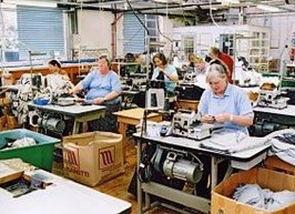
An illustration of the picture is shown the picture below:               

Product Development

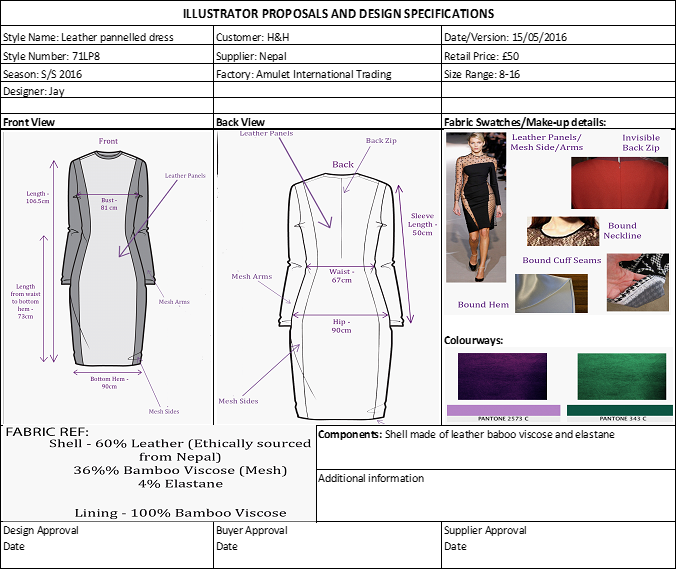
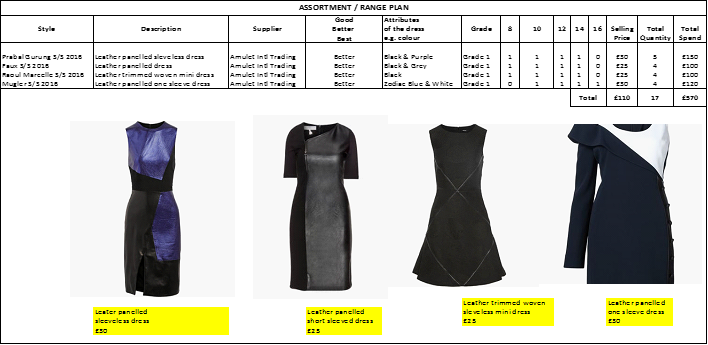
This part of the report will cover the Illustrator proposals for the fashion designs envisaged to be developed for next season (Spring/summer ‘17) for an international market. As a result, this part will be covered in two sections, the first one discussing the Illustrator proposals as well as the fashion design specifications for the considered garment, and the second part covering the assortment or range plan.   

Illustrator proposals

Through the illustrator proposals, designs are produced within the allocated budget of £600K for SS’17 season for an international market. This will include CAD drawings for each design showing two views (front & back) including colour ways or prints. Furthermore, specifications for each selected design will be provided starting with thumbnail sketches and using the mood boards as inspiration (Mayer, 2014).        


Assortment plan

The assortment range plan in this report was included for the purpose of compiling a collection of garments that was commercially acceptable within the design and financial parameters, before the mass production can commence. However, there are some procedures that is needed to be included and stringently followed in the assortment or range plan for the purpose of making sure that the buyer can have a glimpse or insight into the anticipated or planned collection offering.

For instance, the assortment plan has to include a number of factors of the production including the number of garments to be included in the collection range. In addition, there must also be inclusion of different types of garments or collection (fashion to classic, tops to bottom styles) as well as specific styles which are to be included e.g. color and fabrics used to make the garment. Furthermore, the assortment plan should also include the price at which each garment is to be sold, the cost price of producing each garment, sizes included, among others (Miller, 2008; Mayer, 2014).

Recommendations on how the product could be progressed for the following season for an International market (Spring/Summer ‘17)

In order to ensure that the most appropriate recommendations on how the product could be progressed for the following season for an International market (Spring/Summer ‘17), there is need to undertake an assortment fashion forecasting based on the prevailing fashion trends. This is attributable to the fact that fashion forecasting plays an important role in determining the fashion trends in future by focusing on upcoming fashion and lifestyle trends (Mayer, 2014).

For instance, the H&M must be able to specifically focus on fashion trends and predict the styles, fabrics, colours that have a high likelihood of presentation on the runaway as well as in the stores for the fashion events that are to take place in the near future. This concept of fashion forecasting applies across the entire fashion industry including mass market, ready-to-wear, haute couture as well as street wear (Miller, 2008).

Therefore, the product can be progressed for the following season for an International market through an appropriate and perfect merchandise mix by ensuring that the colours of leather and that of the fabric used are perfectly matched with a consideration of trending colours for the international market (Mayer, 2014). In addition, the product can also be progressed by accessorizing it in order to make it more appealing. However, the accessories to be used must be carefully selected bearing in mind the prevailing fashion, style, and social trends.

For example, the product can be progressed by decorating it through embellishment with Art Deco inspired embroidery of glass beads that have been made from recycled glass. Furthermore, variations of the bound cuff seams, necklines as well as hems can also be differentially used to give the dress distinctive appearances depending on the fashion trends. Moreover, inclusion of a side and/or arm mesh as well as invisible zip is the other way through which this product can be progressed (NPR, 2011).

Sourcing summary

Global Sourcing and International Trade

Global sourcing has become an important aspect of fashion industry in the international trade, and it involves the selection of a supplier of either a product or the raw materialcomponents and services used in the make up and delivery of the products. As a result, true global sourcing is when a business manufactures and sells a consistent product globally, sourcing some or the entire product from third parties chosen to enable cost-effective and efficient sourcing and coordinated globally.  

Global sourcing in contemporary international business is not solely concerned about reduction of production costs but also it focuses on improved on the supply and demand chains of finished products as well as raw materials. However, as observed in illustrations provided in the diagrams shown below it is important to note that, previously global sourcing was all about cost. As a result, the objective was to source product or components from a country with low labour costs with an ultimate goal of gaining cost advantage.

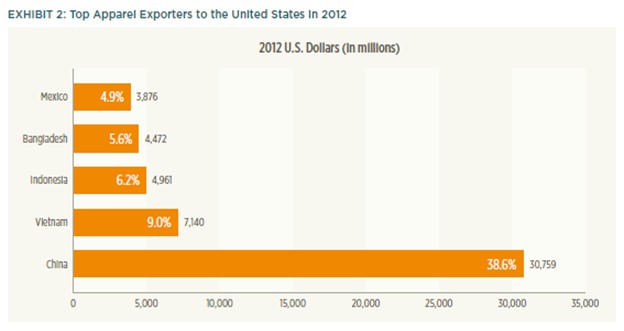
There has been changing trends in global sourcing whereby according to Kurt Salmon (2012) book acting as a global sourcing reference; the largest manufacturers of clothing and textiles are shown in the table shown below. The ranking is done based on the value of apparel exportation in terms of millions of U.S. Dollars expressed as percentages.

Source: Kurt Salmon Global Sourcing Reference, 11th Edition

In contrast, despite the fact that top apparel exporters are located in Asia most retailers are either found in the Europe or U.S. For instance, according to Salmon (2012), 88 per cent of clothing retailers are located within Europe and China is ranked as their number one sourcing destination. However, there has been an increasing trend of production costs over the recent past, where production costs have increased 160 per cent since 2005.

A comparison of production costs across the world reveals sharp variations which an important determinant of the choices of sourcing countries for fashion retailers in Europe and the U.S. For example, Bangladesh and Vietnam have lowest PCI’s of all sourcing countries. However, Southern China greater costs than Central USA meaning that specific locations or regions within a country also be considered but not generally considering the country as a whole.

The emerging markets are also playing a significant role where Ethiopia could be one to watch since many fashion retailers have expressed interest (i.e. H&M, Tesco & Primark are all running pilots) in the country whose attraction to fashion retailers is attributed to its lower social living costs and well established transportation infrastructure. The table below ranks countries based on their PCI

Source: Kurt Salmon Global Sourcing Reference, 11th Edition

Moreover, with regards to cost there have been significant changes in the global sourcing trends. For instance, according to fashion price tracker figures by RetailWeek Analytics shows that there has been significantly changing production on markdown expressed in percentage among the leading fashion retailers with online presence.

Source: Retail Week Analytics

Global sourcing also involve the issues of quality, ethics and social responsibility as well as supply chain management as discussed in the sections that follows.

Quality

  • No longer disposable fashion attitude
  • Ensures competitor advantage

As our business has become more fashion centric, we have been able to source products from Asia that are not just low cost, but also fit the needs of the customer. But perceived quality continues to be a factor – certainly globally sourced goods are seen by consumers to be inferior when tagged with “Made in China” when in fact the quality is higher than comparable goods sourced in the UK.

Ethical & Social Responsibility

  • Not just human rights and community development issues.
  • Concerns for security, carbon footprint, bribery, corruption and money laundering.
  • Media has placed this trend at the top of both retailer’s and consumers concerns.

Want help to write your Essay or Assignments? Click here
Supply Chain Management

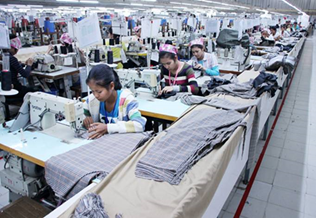
Supply Chain Management (SCM) is a network of connected and inter-dependent organisations mutually and co-operatively working together in order to control, manage and improve the flow of materials and information from suppliers to end users. Key Supply Chain Management (SCM) ensures that the supply chain process starts and finishes with the consumer by making sure that each interface in the supply chain represents: 1) movement of goods; 2) information flow; and 3) purchase and sale. As a result, strategic SCM consists of developing smarter ways to choose who to buy from and sell to your business partners.

Importance of the Supply Chain Management

It is aimed to achieve the following benefits for the company:

  • Competitive Advantage

Supply chain management is now well established as a key source of competitive advantage, and the competitiveness achieved in International market is without any doubt the most imperative gain attributable to global sourcing. However, this is usually based upon consumers’ perceptions of the added value aspects of the retailer’s overall offering (Mayer, 2014).

For major success, businesses need to achieve a clear performance differential over competition   on factors that are important to target customers. The most successful methods are built upon some combination of 3 advantages: 1) being better in providing superior quality or service; 2) being faster in responding to customers needs; as well as 3) being closer to establishing closer relationships with customers (Miller, 2008).

  • Improving Financial Performance (Sales & Profits)

This determines the overall performance of a company and it can subsequently be measured through a number of methods including: 1) Financial Review; 2) Quality performance and practice; 3) Delivery and physical flow of stock; and 4) Information sharing, extended relationships.

  • Consumer & Supplier Loyalty

The “value” may either take the form of selling undifferentiated products at below competitors’ prices or unique benefits that justify premium pricing. The value chain may be used to identify and understand the sources of competitive advantage and how they relate to creating added value for customers

As a result, Porter’s 5 Forces Model should be used by fashion retailers prior to choosing companies or partners to collaborate with in their global sourcing strategy in order to determine the extent of factors that directly influence business including:

  • Threat new entrants
  • Threat of substitutes
  • Bargaining power of buyers
  • Bargaining power of suppliers
  • Degree of rivalry

Proposed sourcing strategy

This part focuses on a discussion providing an analysis of sourcing criteria as well as recommendations on how the product could be progressed for the following season for an International market (Spring/Summer ‘17) including a valid critical path. The proposed sourcing strategy will mainly emphasize on the supply base analysis and the appropriate and valid critical path as discussed in sections below:

Supply Base Analysis

  • Current sourcing
    • Brief overview for current product

The current product is usually made of a mixture of fabrics whereby the shell of the garment is made from 60 % leather (which has been ethically sourced from Nepal) and 34% of Bamboo Viscose (Mesh) as well as 4 % of Elastane. In addition, the lining of the current product consists of 100% Bamboo Viscose. The current product is a leather panelled dress, and the assortment consists of sleeveless, short-sleeved as well as one-sleeved leather panelled dresses.

  • Proposed sourcing
    • Sourcing analysis for each garment, consider components

The proposed sourcing including H&M and Nepal will involve ethical sourcing of leather in Nepal through a partner based in the country. In addition, the processing of the bamboo viscose will also continue in Nepal and Bangladesh. However, the subsequent tanning or processing of the leather and the bamboo viscose will be shifted to Bangladesh which has the lowest Production Cost Index (PCI) of all sourcing countries across the world. Furthermore, the production of the garments upon approval of the designs will also continue in Bangladesh, and the finished products subsequently shipped to Europe.

  • PEST analysis for sourcing countries

The political situation in both Nepal and Bangladesh pose a risk to the sourcing activities undertaken considering that both countries are not significantly politically meaning that political upheavals may arise at any time and hinder production. There is also technology risk since both countries have not significantly adopted technology in the production processes meaning that the rate of production can not reach the level of the countries where technology has been significantly embraced.

  • Rationale for sourcing choice

A comparison of production costs across the world reveals sharp variations which an important determinant of the choices of sourcing countries for fashion retailers in Europe and the U.S. For example, many Asian countries have low Production Cost Index (PCI) with Bangladesh having the lowest Production Cost Index (PCI) of all sourcing countries across the world. Thus, these emerging markets are playing a significant role for many fashion retailers by acting sourcing countries, which is attributed to its lower social living costs and well established transportation infrastructure. As a result, there will b reduced production costs.

Critical Path   

The validated and appropriate critical path will be provided in the template shown below:

Conclusion                                                 

In conclusion, it can be observed that it is possible for a fashion product on offering by fashion retailers to be adequately analyzed and Illustrator proposals as well as assortment plans designed leading to the development of new garments which are more improved that those offered. However, in order for this to take place successfully the fashion retailer must establish an appropriate fashion forecasting trend mechanisms as well as an effective global sourcing and supply chain management systems.      

References

Akhil J. K. (2015). Fashion Forecasting. Retrieved from  http://libraries.uc.edu/libraries/daap/resources/researchguides/design/forecasting.html  

Birnbaum, D. (2000). Global Guide to Winning the Great Garment War.

Handfield, R. & Nichols, E. (1999). Introduction to Supply Chain Management.

H&M (2016). Conscious Exclusive 2016. Retrieved from http://about.hm.com/en/ImageGallery/fashion.html

Keiser, S. J. & Garner, M. B. (2008). Beyond Design: the Synergy of Apparel Product Development. New York, NY: Fairchild Publications.

Kerkhoff, G. et al. (2006).  Global Sourcing: Opportunities for the Future. Weinheim Düsseldorf: Wiley-VCH.

Kim, E., Fiore, A. M., & Kim, H. (2013). Fashion Trends: Analysis and Forecasting. Berg. ISBN 9780857853158.

Mayer, L. (2014) “Q&A with the Founder of SHIPSHOW”. Retrieved April 21, 2014.

Miller, C. C. (2008). Designers of High Fashion Enter the Age of High Tech: New York Times . 8 Sept. 2008. <http://www.nytimes.com/2008/09/08/technology/08trend.html?pagewanted=print&_r=0>.

Monczka, T. & Handfield, T. (2005). Purchasing and Supply Management, 3rd edition. New York, NY: Thomson South-Western.

NPR (2011) Forecasting Fashion Trends: NPR. NPR: National Public Radio: News & Analysis, World, US, Music & Arts: NPR. Web. 10 Apr. 2011. <http://www.npr.org/templates/story/story.php?storyId=1432978>.

Roth, T. & Pullman, G. (2008). Unraveling the Food Supply Chain: Strategic Insights from China and the 2007 Pet Food Recalls. Journal of Supply Chain Management, Vol. 44 Issue 1, pp. 22-39.

Websites

www.clothesource.net

www.labourbehindthelabel.org

www.businessoffashion.com

Want help to write your Essay or Assignments? Click here
Research Paper Outline Sample Assignment

Research Paper Outline

Want help to write your Essay or Assignments? Click here
Research Paper Outline

Abstract

This section will adequately pre-tell all about the paper/study. In particular, it will be a summary of how the Department of Homeland Security remains the great leader with the great demands of duties and responsibility ranging from airport security to securing and monitoring the borders including national disaster response even without being affected by the size capacity. It will summarize the findings of the research in the simplest way, with no technical words. In other words, this section relates.

Introduction

This is the vital part of the paper in which the problem of the research is presented and clarified. This section contains the thesis statement of the research (Altinay, 2015). Department of Homeland Security plays a vital role in ensuring that all the security issues within the countries border. In fact, their core duties are border security, customs, and emergency management and in most cases they find themselves with limited resources.

Nevertheless, without being affected by the size and capacity, the Department of Homeland Security remains the great leader with the great demands of duties and responsibility ranging from airport security to securing and monitoring the borders including national disaster response.

This section also discusses the relevance of the Department of Homeland Security in the social work, and most importantly it contains the research question. Thus, it is imperative to analyze the relationship between the size, capacity, and the Department of Homeland duties and responsibility.

Want help to write your Essay or Assignments? Click here
Literature Review

This section  gives some scholars recent literature on the topic of interest. Preferably, this should be less than five years old work. The literature will be connected and comprehensive to the topic. The researcher will explain how different variables affect the duties and responsibility and the Department of Homeland Security. A critical analysis and summary of the literature should be included, and the quality of the literature should be included (Altinay, 2015).

Methods

The research design used in the paper should be provided, and citations provided supporting the type and analysis technique utilized. The research at this point should include or explain the data analysis method used in collecting data from the Department of Homeland Security. If human subjects were used, in this section the technique used to protect them should be addressed (Mackey, 2015). The researcher should explain the type of measure used, and if possible, account for the survey utilized. Moreover, statistical procedures used should be described.

Sample

This is a subsection of methodology, and it presents the characteristics of the sample data. The technique used to select the data will be given and justification of its selection. That is, the researcher adopts a method that is convenient, cheap and results in a sample that represents the entire population.

Analysis

This section will exclusively explain different statistical approaches or techniques that were adopted in exploring the data. For instance, the descriptive analysis will be performed at the Department of Homeland Security data to estimate measures of central tendency and dispersion. Different techniques like correlation, regression modeling, and chi-square can be used in investigating the relationship between the variables. Thus, this section will give in detail statistical aspect that needs to be derived from the Department of Homeland Security data.

Results

This will contain a visual presentation of the Department of Homeland Security data. That is, different statistical presentation techniques like graphs, tables among others should be used in data presentation. Excessive use of tables and graphs should be avoided. A short narrative explanation of the findings should be included. Note, at this point all the results should be presented in an APA format. The tables and figures also should be formatted in APA writing style.

Discussion

This should contain an exclusive explanation of the results of analysis of the Department of Homeland Security data. The discussion should be based on the literature on the study. Furthermore, this is the section that gives rise to the conclusion.

Conclusion and Recommendation

This section presents the implications of the Department of Homeland Security in connection with the literature review of the study. If the implications are not there in the literature review, the researcher should cite new literature here. The strength and limitations of the study should be addressed well in this section. The researcher should give or suggest the direction of future research in the Department of Homeland Security.

References

Altinay, L., Paraskevas, A., & Jang, S. S. (2015). Planning research in hospitality and tourism. Routledge. Retrieved from https://books.google.com/books?hl=en&lr=&id=98XMCgAAQBAJ&oi=fnd&pg=PP1&dq=importance+of+introduction+section+in+research+paper&ots=2CkKNtvyVi&sig=47QiHmucOFJk9rqhcmfezaSc9_s

Mackey, A., & Gass, S. M. (2015). Second language research: Methodology and design. Routledge. Retrieved from https://books.google.com/books?hl=en&lr=&id=jDg-CgAAQBAJ&oi=fnd&pg=PP1&dq=sections+of+a+research+paper&ots=uH4_8vIg6I&sig=GUVCVVa4lT9VYGD2QEZ8d79pncE

Thomas, J. R., Silverman, S., & Nelson, J. (2015). Research Methods in Physical Activity, 7E. Human Kinetics. Retrieved from https://books.google.com/books?hl=en&lr=&id=3FR1CQAAQBAJ&oi=fnd&pg=PR1&dq=research+paper+format&ots=ltml1VKKVF&sig=iajRzRO4-FCU87a-ypIbdGaHdO8

Want help to write your Essay or Assignments? Click here

Health care Priority Policy Essay Paper

priority policy
priority policy

Want help to write your Essay or Assignments? Click here
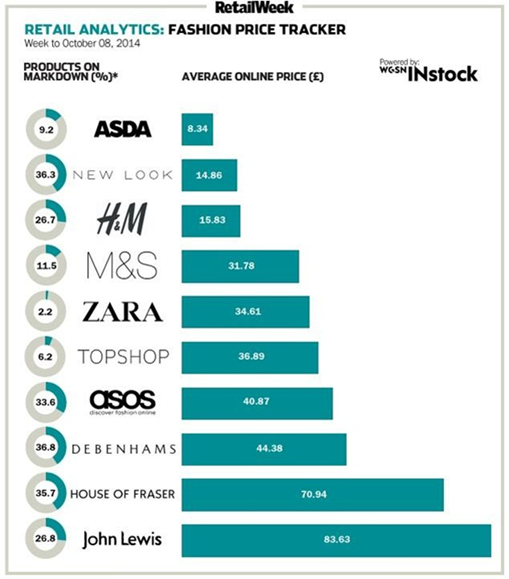
Health care Priority Policy

The health care priority policy that I feel is the most important among the six is that of ensuring that each person and family takes part as partners of their delivery. This priority policy perceives individuals using health services as equal partners when it comes to planning, implementation, and development of care.

It is not just about providing patients with whatever they want but it is tailored towards meeting the patients’ desires, family situations, values, lifestyle, and social solutions. Through this priority policy, the physicians are expected to be compassionate and think about the patient’s point of view. It is exercised through sharing important clinical decisions with patients and their families as well as helping them in managing their health.

Saleh et al., (2014) report that in the past patients were required to fit with the practices and routines that health care providers felt were most appropriate. However, through prioritization of patients and their families in care delivery services become more flexible and meet the patient’s needs.  The practitioners work with patients and families to determine the most effective way of providing care. A one-on-one basis is put into play whereby patients and their families are allowed to engage make important decisions regarding their health.

Want help to write your Essay or Assignments? Click here
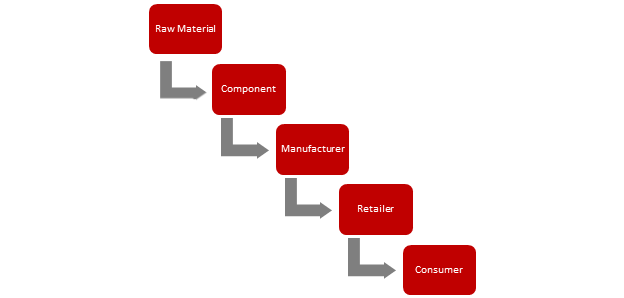
I believe that with the increasing demand for health services with limited resources, prioritization of patients and their families can be the best solution of improving patients’ health and minimize the burden of health care services. It is this fact that has led to implementation of health care policies that drift away from paternalistic model where practitioners ‘do things to’ patients. Moreover, the priority policy can encourage patients to lead a healthier lifestyle through eating a balanced diet or exercising since they have been educated about risk factors and etiology of chronic diseases.

This priority policy can also be used in prisons whereby lawyers engage in-mates and their families in court cases and obtain feedback from the in-mates about their desires and how they would like the court process to progress.

Reference

Saleh, S. S., Alameddine, M. S., & Natafgi, N. M. (2014). Beyond accreditation: a multi-track quality-enhancing strategy for primary health care in low-and middle-income countries. International Journal of Health Services, 44(2), 355-372.

Want help to write your Essay or Assignments? Click here
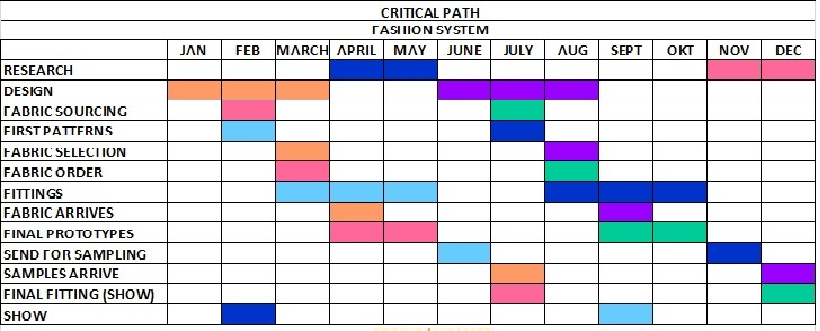
Endometriosis: Lack of knowledge and awareness

Endometriosis
Endometriosis

Want help to write your Essay or Assignments? Click here

Endometriosis: Lack of knowledge and awareness

Research questions

The critical challenge that faces endometriosis community is inadequate factual awareness. Endometriosis is a challenge that keeps most women mired in menstrual myths, misinformation, delayed or under-diagnosis, under treatment, and lack of support.  The societal and cultural bias about menstruation has kept the disease invalidated, diminished and ignored.  This legacy of misinformation covering this illness is spread from medical educators, patients and the next generation (Ferreira et al. 2016).

The paper seeks to explore existing knowledge on socio-psychological impact of endometriosis on the lives of women. By doing this, it will provide insight into ways of increasing awareness of the disease. The research question is “What is the socio-psychological impact of endometriosis on women’s health? What are the impacts of increased awareness of endometriosis on women’s health?”

Clinical relevance

Endometriosis has remained in the twilight for centuries because the society has failed to recognize the existence of this disease. Research estimates that one in ten women in their reproductive age suffer from endometriosis. Endometriosis is often dismissed as a ‘normal’ problem among women. It affects 176 million women across the globe causing them to endure a life of pain and in some cases, infertility. 

Endometriosis has exerted massive economic and social costs at individual and society levels. In the US, it is estimated that 7.6 million women are affected and this accounts for $ 80.4 billion a year. This number is comparable to diabetes yet there are only a small percentage of the afflicted patients who have sought help and are aware of the disease.  (Moradi et al, 2013).

Research estimates that most of the primary doctors are not aware of endometriosis markers, which often makes the vast number of women to be underdiagnosed and undertreated. It is estimated that 61% of women suffering from endometriosis were told that it is normal to have painful periods when under treatment. It takes about 9.28 years to get a definitive diagnosis.

An average woman will take 4.67 years to report the issue and the physicians will take about 4.61 years to make the definitive diagnosis. During that time, the women continue to suffer severe pain and they are not in a position to socialise, work, or have a stable sexual relationship (Heidemann et al, 2013).

Most of the research studies have covered various aspect of the disease. However, most of these aspects are redundant in nature and lack translational benefit. A better part of the research study is directed towards the pharmaceutical diagnosis, but it fails to examine the far-reaching impact of the disease. The enduring lack of awareness exists at all societal levels; hence, this has led to average diagnostic delay which is often a catalyst for delayed effective treatment (Moradi et al. 2013).

 Early intervention and increased awareness of the disease is important. This is because it helps to reduce the disease morbidity, incidences of infertility, and disease progression across women of all ages. Also, increased awareness is important because it helps the affected women to make informed decisions about their health. Furthermore, increased awareness will facilitate delivery of correct information upon which the healthcare providers can base their healthcare decisions to make timely diagnosis (Ferreira et al. 2016).

Want help to write your Essay or Assignments? Click here

Research design

 To effectively address these research questions, the systematic review method will be adopted. This method is preferred due to its ability to include diverse concepts in qualitative and quantitative studies from several disciplines. Therefore, this review draws its synthesis from critical narrative instead of performing the classic systematic review methodology. The classical narrative method will adhere to PRISMA principles as much as possible.

This method is preferred due to its ability to provide exhaustive review of the current literature and published papers on endometriosis awareness, and its impact on women’s lives. The method is cost effective as minimal resources and time is needed. The results generated from this study can be generalized, they are reliable, and can be considered on the context of evidence based practice (Burns & Grove, 2011).

 The study design pitfall is the issue of study variables. This is because systematic review study variables vary, but tend to have the same outcome. Some of the reviews will only analyse certain variables such as gender and age factors that may not be allocated to other studies.  During the critical synthesis of these ideas, the variables studied in each of original studies will be put into consideration.

A systematic search will be done on multidisciplinary data bases including PubMed, CINAHL plus, Cochrane Library, EBSCOhost, SU database, and PsyARTICLES. Appropriate terms for searching the disease will be developed by reviewing the abstracts, titles and keywords, which will help to identify papers that have information on socio-psychological impact of endometriosis and its increased awareness (Burns & Grove, 2011).

 The systematic review will take broad view of the issue because there are limited studies on the impact of endometriosis or the effects that arise due to lack of disease awareness. The work will include information from the various disciplines including sociology and psychology to establish the holistic picture on the impact of endometriosis. 

The articles that will be explored include the peer reviewed articles from English language journals.  Due to the scarcity of the information on endometriosis, its impact and prevention strategies, no date restrictions will be imposed.  However, reviews, commentaries, opinions, and clinical studies will be excluded (Burns & Grove, 2011).

 Conclusion

Increased   public knowledge and awareness will facilitate early identification of disease onset and facilitate timely intervention of the disease. This will reduce associated morbidity, infertility and associated clinical symptoms. It is time to alleviate the culture of menstrual misinformation by ensuring that the public get timely and authoritative education.  Therefore, increased knowledge and awareness will change the presumptuous perspectives and misleading attitudes that normally perpetuate myths about endometriosis.


References

Burns, N., & Grove, S. (2011). Understanding Nursing Research (5th ed.). Elsevier. ISBN-13: 9781437707502

Ferreira, A. et al  (2016). Quality of life of the woman carrier of endometriosis: systematized review. Reprodução & Climatério. http://dx.doi.org/10.1016/j.recli.2015.12.002

 Heidemann, L. et al (2013). The relationship between endometriosis and ovarian cancer – a review. Acta Obstetricia Et Gynecologica Scandinavica, 93(1), 20-31. http://dx.doi.org/10.1111/aogs.12255495. http://dx.doi.org/10.1111/aogs.12121

Moradi, M. et al (2014). Impact of endometriosis on women’s lives: a qualitative study. BMC Women’s Health, 14(1), 123. http://dx.doi.org/10.1186/1472-6874-14-123

Want help to write your Essay or Assignments? Click here
Employability Skills Essay Paper

Employability Skills

Want help to write your Essay or Assignments? Click here

Employability Skills

Introduction

Effective career readiness for college students requires the acquisition of excellent skills in terms of academic knowledge, technical experience and a collection of set competencies, referred to as employability skills (US Department of Education 2016). Employability skills can be defined as work competencies, which can drive success across all levels of employment in the labor market.

The skills include the ability to assess personal responsibilities and evaluate your performance, ability to improve interpersonally, ability to understand the dynamics of work relationships, and the ability to develop effective strategies for solving work related problems. However, the question is about how one can acquire or develop effective employability skills. The objective of this paper is to discuss the most efficient strategies for developing employability skills.

1.1 How to determine own responsibility

As a Practice Educator in Gold View Hospital, my duties are planning objectives, and monitoring team performance. In addition, I am tasked with the role of coordinating various departments, organizing meetings, and providing an enabling environment for employees to work better. Generally, my duty is to enhance performance objective.

How to enhance performance objective

Performance objective can be enhanced by improving one’s capabilities such as communication skills, problem-solving skills, work and team management skills et cetera.

Effective Communication skills: As a practice educator, my strategy to effective communication involves good listening skills, use of verbal and non-verbal messages. In addition, I should be able to relate well with issues and know when to speak.                                

Problem solving techniques: The best approach of solving problems includes: problem definition, problem analysis, developing options for solving the problem, selecting the most suitable option, implementing the option, evaluating the outcome, and learning from the problem.

Decision making skills: Before making a decision, it is important to learn and develop your decision within the work requirements. This often calls for embracing intuition approach by applying experience and personal values. Furthermore, the process should encourage reasoning and comprehensiveness of ideas without attaching emotional aspects to decision.                                

Organizing work: The best approach to handling any given assignment is by writing down every detail needed as well as any related information that you think might be useful to you. Develop a time schedule to ensure that all tasks are prioritized and accomplished within the set timeframe. Consult your friends, tutor, or anyone who might provide important information regarding your assignment.

Embrace leadership skills: Observe good relationship with coreworkers and the institution at large. Make use of negotiation, influence, and persuasion techniques in the case of divergent views.

Team management skills: This is equally an important aspect of increasing performance objective. The skills include effective communication, establishing team virtues, effective decision-making approach, and developing suitable conflict resolution techniques.

Work Ethics: Virtues such as credibility, honesty, industriousness and respect for others are also important factors to developing performance objective.                                                            

However, the above-highlighted skills are to some extent  too general to bring out an efficient objective performance. Therefore, they can be effective or not depending on a person’s nature and state of mind. However, the efficiency of this skills can be enhanced by addressing several factors considered to be obstacles to their effectiveness.

For instance, to promote aspects of effective communication skills, one should develop effective stress management skills (Robinson, Segal &Smith 2016).  Stress and emotions can lead to misinterpretation of other people or project. According to Robinson, Segal &Smith (2016), to deal with stress while communicating one is required to:

  • Take a moment of calm before you decide whether to continue the conversation or postpone it.
  • Carry out stress managing activities such as taking some deep breaths, relaxing and clenching muscles, and recalling a sensory image, which is soothing and rich in your memory.
  • Using humor in the conversation to ease tension and release emotions
  • Be able to appreciate the concerns of others even though may not appear so big to you

On the other hand, problem-solving techniques can be made better by applying the psychological theory of problem-solving such as the Herzberg’s Motivation-Hygiene Theory (Cooper 2014). Team management, building, and work ethics can be enhanced by introducing motivation and morale boosting factors.

According to Herzberg’s Motivation-Hygiene Theory, it is believed a happy and motivated person is more productive as compared to an unsatisfied person. Some requirements such as incentives and rewards to recognize people’s efforts will motivate them to be more committed to their work.

1.2 How to monitor and evaluate performance objective

Mind Tools (2016) outlines that the best approach to monitoring and evaluating performance objective is by embracing the SMART technique, which is an acronym for:

S- Specific

M- Measurable

A-Acceptable

R- Relevant

T-time bound        

Specific: This describes a project or work regarding what should be done, how it should be done, and the project outcomes in the most observable manner.

Measurable: It describes the objectives of the project in terms of quantitative and qualitative measures, frequency, project costs, and timeframes among others. This is to ensure that the project meets the expectations.

Acceptable/achievable: The aspect of ‘achieving’ involves ensuring that the team is in a position to carry out the assignment, and has the necessary experience and technical skills. In addition, it evaluates whether the objective can be attained within the given timeframes, opportunities, and resources.

Relevant: The techniques applied in carrying out the assignment should be relevant to the objectives and the implementation plan.

Time-bound: This determines the way of achieving the objectives within the set timeframe. It evaluates the progress of the project at specific time intervals. More often than not, timeframes are put in place to create a sense of urgency to help the team to complete the work on time.

1.3 Recommendation

Dubinsky, Jennings & Brans (2010) states that to improve the performance quality in work environment, the following recommendations should be implemented:

Adoption of performance appraisal techniques: Appraisal techniques such as 360-degree performance appraisal should be adopted to help keep employees on track towards their assignments. It involves the process of gathering feedback on individual performance from a variety of sources. It includes self-appraisal, management, appraisal, subordinate appraisal, and peer appraisal.

Self-appraisal enables employees to evaluate their performance, strengths and weaknesses, and achievements. Management appraisal involves the rating of employees’ performance by the senior management. Subordinate appraisal involves the evaluation of employees’ communication and motivating skills, their ability to deliver desirable results, and their leadership qualities.

Conclusion

Based on the issues outlined in the paper, it is evident that employability skills depend on determining an individual’s responsibility and ways of enhancing performance to meet the objectives.  To this effect, performance objective must be monitored in line with the SMART model, motivational methods such profit sharing and bonus et cetera.

In terms of developing solutions to work-based issues in health care setting, it is necessary to define and identify the problem; establish the main causes of the problem; choose the appropriate alternative; implement the alternative; and assess the results. In the long run, communication can only be effective through the use of not only verbal and non-verbal techniques, but also through good listening, assertive, mindful and responsive skills.

References

Borrill. C, West, M & Dawson, J 1998. The Effectiveness of Health Care Teams in the National Health Service http://homepages.inf.ed.ac.uk/jeanc/DOH-final-report.pdf

Cooper, B. 2014, Psychological Theories To Help You Communicate Better With Anyone. Available from:https://blog.bufferapp.com/3-psychological-theories-communication-insigh, [24th May 2016].

Dubinsky, I. Jennings, K &. Brans, B. 2010.  360-Degree Physician Performance Assessments for quality improvement Healthcare Quarterly Vol.13 No.2 2010 71

Hicks, T 2016, Seven Steps for Effective Problem Solving in the Workplace. Available from: <http://www.mediate.com/articles/thicks.cfm>, [24th May 2016].

 McLeod, S. 2014, Maslow’s Hierarchy of Needs. Simply Psychology. Available from <http://www.simplypsychology.org/maslow.html>, [24th May 2016].

Mind Tools 2016, Effective Scheduling Planning to Make the Best Use of Your Time. Available from: <https://www.mindtools.com/pages/article/newHTE_07.html>, [24th May 2016].

Messum, D., Wilkes, L. & Jackson, D.E., 2011. Employability skills: Essential requirements in health manager vacancy advertisements. Verified OK.

Mind Tools 2016, Golden Rules of Goal setting. Available from <https://www.mindtools.com/pages/article/newHTE_90.htm>, [24th May 2016].

Robinson, L., Segal, J., & Smith, M 2016, Effective Communication, Help Way Guide. Available from http://www.helpguide.org/articles/relationships/effective-communication.htm.>, [24th May 2016].

The U.S Department of Education 2016, College- and Career-Ready Standards. Available from <http://www.ed.gov/k-12reforms/standards>, [24th May 2016].

Want help to write your Essay or Assignments? Click here

Facilitating change in health and social care

health and social care

Want help to write your Essay or Assignments? Click here

Facilitating change in health and social care

Introduction

This paper evaluates the aspect of change in health and social care setting. Economic factors, operational framework, policy setting, and knowledge are highlighted as the core drivers of this change. Moreover, the paper evaluates not just the challenges brought about by this change but also its impact, and suitable service response mechanism. When it comes to essential principles of change management, PowerPoint presentation is employed.   Furthermore, planning of changes, monitoring process, the plan for determining current transformations, social care policy and benchmarks for measuring change are discussed.

1.1Main factors that lead to change

Change refers to the transformation from the current state to a preferred future state. The cycle of change is never ending in our organization. Some welcome and enjoy uncertainties it comes with it; others fear change because they think that something valuable will be lost, and they feel that change will bring unnecessary stress (Brown & Jones 2012). In health care and social services, care is about those who provide the service and those who need the service. People are receptive to impacts of change such as managers have to establish how changes will deliver intended care within the organization.

The main reason why change is always constant is because stimuli of change, as well as other factors that drive change, are economic factors, social factors, operational factors, change in policy, and technological developments. 

Economic factors

The cost of health services has been on an upward trend in spite of, the increased financing in the sector. For this reason, there is a need to reduce expenditures of the current services while looking for cost-efficient ways of delivering the services in the future. Of concern is to ensure that the skills of the existing workforce are up-to-date and specialization has to be enhanced.

Besides, cost reduction has to be maximized through the use of private and nonprofit, supplies (Hayes 2014). The rising user expectation also has to be addressed. This is because as roles develop, information becomes readily available meaning that a large group people will be able to quickly access the available information leading to more informed citizens on the services available.

Availability of information leads to a more informed choice. In other words, people will be in a position to analyze the risks involved, the value of treatment provided, and learn the long-term effects of the treatment method that they have chosen. This affects the demand for certain services and institutions depending on how people view them.

In a social point of view, consumers are encouraged to be active and choose how their needs will be met. This has been made possible through the provision of means for people to directly purchase services, meaning that intermediary parties have been eliminated. This option is boosted by the increasing number of individuals who understand their rights and what they are entitled to.

There is also an increase in the roles of women, and globalization of the medical sector has led to a changed workforce. These changes mean maintaining existing working patterns will be difficult to maintain. It also means that new ways of working will be created based on different career structures and patterns of recruitment. The mixed economy will also contribute to social care change.

This is further enhanced by the shift of authorities towards direct service provision. This method has enabled a shift towards efficiency and economy. Furthermore, it has led to the emergence of improved regulation due to improved knowledge, skills and training leading to long term changes.

Knowledge

With expanded knowledge, improved medications and new ways of doing things, expansion and improvement of services have been achieved. In areas such as drugs, the rate of change is slowing, while new discoveries are increasing. However, given the rising costs of healthcare, the expectation is that with the new developments and technological advancements, it will create new demand on available resources.

Innovations will strengthen or improve existing institutions. Expansion of clinical know-how boosts changes in health care. This is because increased specializations lead to improved healthcare and expands the range of roles leading to the development of new working opportunities.

Development of information technology has allowed professionals to search and present advice without the need for face-to-face consultation. Social care service provision widens staff groups which are providing specialized knowledge and skills. This leads to expansion of expectations, responsibilities, and requirements for new competencies and training.

Improved technology has led to new methods for storing and delivering information. The emergence of the internet has enabled people to do certain tasks online; thus, reducing the need for involvement of specialized staff. This gives them more time to concentrate on more complex care and management duties. Also, this has led to the increased number of individuals responsible for their care.

Operational Framework

Operating environment is also starting to change. For instance, the patient’s choice of where to be treated may undermine the financial position of health care provision centers. Likewise, the introduction of the private sector will, in the long run, affect the existing trusts and provide new opportunities for service delivery.

Policy Environment

Given the new regulations by the government aimed at improving performance, new ways of working and delivering care are evolving. Roles are changing as well as management and organizational structures. The need for improved performance occasioned by financial constraints is also bringing about change (Brown & Jones 2012). This is due to increased innovations in service delivery meaning that there is a continual change in professional roles. Policy changes are also reducing demarcation lines between different professional boundaries, making it much easier to effect changes. Increasing emphasis on interdependence has led to improvement in joint performance through joint monitoring and evaluation.

1.2Challenges and main factors of change

Inadequate capital affects final project outcomes owing to the costs related to the provision of social care service such as hiring new staff, acquiring new equipment, training, and staffing costs are significant challenges for health care provision. Staff resistance or difficulty in adapting to changes is difficult since workers are accustomed to certain ways of operating (Payne 2014). Switching to the new system could be very challenging to them. Political pressure can also compel the institution to achieve set targets.

The changing nature of healthcare comes with challenges and prospects. Staff training and the need for continued professional development are some of the challenges. Furthermore, maintaining quality health care and ensuring the safety of patients, requires extended care and meeting demands for integrated services. To reduce these challenges, there is need to increase the workforce, proper planning, and proper governance to enhance collaboration between administrators and medical providers 

Several opportunities will also come along health care transformation. The increase in skills depths provides advantages and serves to make use of skill mix and expertise in the team. This method also ensures proper staff utilization through identification of specialized knowledge and skills leading to proper utilization of resources (Kadushin & Harkness 2014). Better patient outcomes and more focused patient services, opportunities for development, and job satisfaction will be realized.

2.1Strategy and principles for assessing current changes

Making transformations in an organization involves the determination of the changes that worked and those that never worked; thus, leading to improvements. Therefore, it is expected that one collects data before, during and after the implementation to help measure the progress based on the set goals (Cameron & Green 2015).

Recognize the variables to be estimated and the data required. This relates to the kind of information to be analyzed such as staff attitudes, perceptions et cetera. Secondly, decide the best tools for data collection and develop the best ways to collect them. Thereafter, choose the best tools depending on information required such as the need to know staff attitudes by analyzing members of staff through individual interviews or groups.

Training the personnel is important in developing methods to allow for valid, reliable and accurate data collection.  The information gathered should be organized not just in a systematic way, but by considering the purpose, and technique for efficient data collection.  The data is then analyzed to understand the scale, nature, and the cause of a problem.

2.2. The impact of recent changes

Owing to improved health care standards, and increase population in will be experienced leading to congestion. This change will occasion improvement of transport systems due to the changing demands. The increase in the number of young people requiring social and health care will exert pressure on the providers of social amenities (Brown & Jones 2012)

Owing to the improved standards of living, higher wages are demanded to provide for the increased cost of living. This also means an additional charge for personal care. Improved health care means improved well-being and improvement of the quality of life. This is associated with delivery of high-quality primary care, better access to medical services, improved patient participation through tailored services, and continuity of attention.

Moreover, this will also lead to improved skills while making services available within the community. Collaborative working means provisions of full range services while utilizing available resources, getting access to a larger population leading to improved income generation;  hence; increased profitability.

2.3. The effects of current change in health and social care

Organizational transformations can lead to improved efficiency. This can be achieved by meeting set goals. All agencies should strive to be more efficient following modifications. This is connected to the utilization of available resources to attain the desired output. It also refers to resources utilized by a firm to generate the desired productivity.  Efficiency in organizations maximizes resources during production without wastage (Bourke et al. 2016)

Reduction in cost benefit is geared towards overall cost reduction. Benefits or outcomes should be more than costs incurred to achieve that end. Whether the organization aims to make profits or not, the total cost should be balanced with the outcome of the service so as to be viable. 

Referral in health care refers to the process of transferring patients from a low cadre hospital to a high cadre hospital for further treatment. This referral rates can be used to measure the effectiveness of a hospital based on the number of referrals done to a  high cadre hospital vs. the number of cured patients (Kadushin & Harkness 2014).                                                

This is often done through restructuring and training to improve their skills and technical know-how. The time the patient waits to be attended to is a significant method to evaluate impacts of changes in a health facility. Minimal waiting time indicates speedy patient care administration and by extension faster service delivery and timely intervention.

Want help to write your Essay or Assignments? Click here

2.4. Suitable Responses to recent changes

There should be improved employee participation through the creation of employment opportunities. The management should conduct proper staff training on different technologies. There should also be a change in the structure of the Directorate; new employees should be hired to handle the increased work occasioned by improvements and introduction of new facilities.

There should also be a change of equipment to handle new developments meaning new manpower should be hired to manage or train staff on how to handle new equipment (Cameron &Green, 2015). There should also be a change in service delivery and communication owing to improved facilities.

Local authorities should ensure that people are advised correctly to make good decisions about care and support and the range of available support providers. They should also promote caregivers, children, and families.

3.1. Fundamental principles of change management using Power Point Presentation

3.1.1 Address the “human side” systematically.

Any transformation creates issues touching people. New jobs will be set up new skill and capabilities will be required. Dealing with such changes requires the involvement of leadership, engagement of key stakeholders and leaders.  

3.1.2 Start at the Top.

CEO is seen as the main point as everybody looks to him for strength, support, and direction. Leaders should, therefore, embrace new challenges so as to motivate the rest of the institution. The executives should work together to get the best success.

3.1.3 Involve Every Layer.

Changes affect all sections in the organization and as such training must align individuals to the mission and vision of the organization with the bid of make change happen.

3.1.4 Make the Formal Case.

Legal case allows for creation and alignment of leadership. This is achieved through confronting reality, developing a faith that the company has a healthy future, and provides a clear roadmap that will guide behavior and decision-making.

3.1.5 Create Ownership.

Leaders should accept responsibility in all areas under their control. This achieved through involving people in all the processes and reinforcing by use of incentives and rewards.

3.1.6 Communicate the message.

Communication provides employees with the right information at the right time, and they get their feedback through various channels.

3.1.7 Assess the cultural landscape.

Effects of cultural change should be identified early and addressed to avoid backlash at later stages.

3.1.8    Prepare for the unexpected.

This is achieved through continual assessment of impacts and the willingness to adapt to transformation

3.1.9.    Speak to the individual.

This is intended to educate employees on the intended effects of change constituted, how it will be measured and what success or failures will be expected. By so doing, it will make people aware of the coming changes, and they feel involved in the change process.

3.2. Planning changes in health and social care

Planning for change in health and social care is necessary for continuity of the organization. Any projected effect should be expected. Detailed plan including support after implementation should be documented to ensure that the project is implemented successfully. There is also the need to think of possible mishaps that can occur after implementation. Possible mitigation strategies should be developed to counter the mishaps.

During planning, the goals of the organization are identified, goals are set, tasks are outlined, and schedules of how to accomplish those tasks are developed. It also involves deciding what to do, how, and who will do the tasks. This stage assists in determining the direction of the project (Bourke et al. 2016).  Planning also includes defining the  health tribulations within the society, identifying needs that have not been met, analyzing the resources to meet them, setting goals, and setting action plans for the accomplishment of those programs. Planning also involves establishing policies, programs, objectives, schedules, and budget.

When planning, the following factors, and methods can be considered: stakeholders, staff, management styles, consultation, and communication. All these factors should be aimed at improving health outcomes to reduce inequalities in health and produce effective approaches of care. The change has to be clinically-based; hence, each proposal should then meet the local status. Therefore, the senior management should be at the forefront of the design and development, and patients and members of the public should also be engaged. Local authorities are relevant stakeholders and they can be integrated when planning.

3.3. Monitoring recent changes

To evaluate changes, it is crucial to start with weighing the evidence against each other as this is the best way for determining change.  Several changes exist such as transformational, incremental; episodic, planned, and continuous changes. These changes may be considered by evaluating research, surveys, and sample assessments (Valentin, Schepman & Brinjzeels 2013).  Data collection may be based on people’s opinions regarding on what they view to be the truth, beliefs in what people know, preferences in what they choose, behaviors in what they do, and attitudes in terms of what they need.

Basic questions can be asked that are based on opening response, closed response through different scales that are agreeable, and ranking scales. When reviewing change through the survey, rewards and costs have to be taken into account; People should be more willing to help in evaluating the impact if there is a reward. Reliability and validity should be considered when reviewing the change.

Sampling technique is another method that can be used to monitor and evaluate the change.  This approach provides sample statistics for classifying the targeted people through obtaining controllable objects of study and quantitative representation of resident’s distinctiveness.

Group forums can also act as a basis for reviewing changes in social care services. This platform ensures discussion is carried out either online or through gatherings. Through this avenue, messages are posted and people can hold conversations regarding different topics. Through group feedback, it makes it easy to learn and assess the effect of health services.

Monitoring also ensures the improvement of essential functions in the implementation of health services. It enables one to determine if the service is meeting the set objectives, identify program challenges and benefits, and areas to be revised. This is achieved through analysis of program domains.

Conclusion

The paper has sought to assess the current transformations in health and social care settings. Economic factors, operational framework, policy environment, and knowledge were seen as the underlying factors that drive healthcare and social change. While the challenges and impacts of the change process were evaluated, effective service response mechanisms were proposed.

Essential principles of change management were presented through Microsoft PowerPoint application. In the end, the paper highlighted planning, monitoring, strategy for quantifying change, social care policy, and tools for measuring change.

References

Brown, K., & Osborne, S. P. 2012. Managing change and innovation in public service organizations. Abingdon: Routledge.

Bourke, A. et al 2016. Evidence generation from healthcare databases recommendations for managing change. Pharmacoepidemiology and Drug Safety.

Cameron, E. and Green, M., 2015. Making sense of change management: a complete guide to the models, tools and techniques of organizational change. London: Kogan Page Publishers.

Epstein, M.J. and Buhovac, A.R., 2014. Making sustainability work: Best practices in managing and measuring corporate social, environmental, and economic impacts. San Francisco: Berrett-Koehler Publishers.

Hayes, J., 2014. The theory and practice of change management. Basingstoke: Palgrave Macmillan.

Swayne, L.E., Duncan, W.J. and Ginter, P.M., 2012. Strategic management of health care organizations. New Jersey: John Wiley & Sons.

Payne, M., 2014. Modern social work theory. Basingstoke: Palgrave Macmillan.

Thompson, N., 2015. Understanding social work: preparing for practice. Basingstoke: Palgrave Macmillan.

Kadushin, A. and Harkness, D., 2014. Supervision in social work. New York: Columbia University Press.

Huber, D., 2013. Leadership and nursing care management. London: Elsevier Health Sciences.

Valentijn, P.P. et al 2013. Understanding integrated care: a comprehensive conceptual framework based on the integrative functions of primary care. International Journal of Integrated Care13(1).

Want help to write your Essay or Assignments? Click here

Abortion: Social, Political and Socio-cultural Factors

Abortion: Social, Political and Socio-cultural Factors

Want help to write your Essay or Assignments? Click here

Abortion: Social, Political and Socio-cultural Factors

Abortion is one of the issues that have been cited to affect women’s health. The issue of abortion has courted controversy and created a political, public as well as moral divide across the globe. Where as a section of the public are for the view that abortions should be legalized, another sect recommend that t should be restricted. The society on the other hand has often defined abortions from the perspective of when life truly begins and on what point during the gestation period that fetus acquires legal rights of a human being. A number of political, social, and socio-cultural issues surround abortions.

Social Factors

In most societies abortion is considered to be a taboo. Consequently, women have been forced to come up with alternative measures regarding their health. Incidents of women conducting abortions in hide outs are common in the society. Poverty has also played a major in promoting abortions in the society. This is because lack of funds to buy contraceptives forces some women to opt for abortions.

Cases have also been reported of women who prefer to abort due to their inability to raise children (Boyle et al., 2015). Lack of education, especially for the girl child has also led to cases of abortions. This is because a woman can prefer to do an abortion without sufficient knowledge on the consequences that are associated with the practice. Religions have also taken a strong stand against abortion arguing that no human being has the right to end the life of the other.   

Political Factors

According to Githens & Stetson (2013) the abortion issue is considered to be a question of personal privacy rights. Several government laws as well as decisions to have them have been based on two questions; whether it is right for a woman have an abortion and at what point are human rights accorded to the an unborn child. Some states have legalized abortion on medical grounds, that is, if the practice is aimed at safeguarding the health of the woman. Other states have enacted strict rules against abortion pointing out that it may encourage immorality.

Health care providers hold varying beliefs on abortion. A number of physicians may not provide the service due to the fear of the associated consequences whereas however others are ready to offer the service especially when it predisposes the woman to other health risks.

Socio-cultural Factors

Different communities have varied perspectives of sexual and reproductive behavior (Shrage, 2013). In most communities, abortion is termed as a taboo, and therefore, individuals who partake in it are considered to be rebels and hence rejected from by the community members.

References

Boyle, E. H., Kim, M., & Longhofer, W. (2015). Abortion Liberalization in World Society, 1960–20091. American Journal of Sociology121(3), 882-913.

Githens, M., & Stetson, D. M. (2013). Abortion politics: public policy in cross-cultural perspective. Routledge.

Shrage, L. (2013). Moral dilemmas of feminism: Prostitution, adultery, and abortion. Routledge.

Want help to write your Essay or Assignments? Click here