Morbidity

Morbidity
Morbidity

Morbidity

Introduction

“Morbidity refers to the prevalence or the frequency of a particular disease in a specific region or population. Medically it can be used to describe the medical complications that arise due to a special treatment” (Cancer Research UK, 2017). Mortality, on the other hand, involves the figure of deaths reported among a population within a set duration of time. Simply put, it is the state of being destined to pass away.

“Report on mortality can be based on people living in a specific area or country, people deceased from a particular illness, and deaths of a certain age or gender or ethnic population” (Cancer Research UK, 2017). The cause of both mortality and morbidity lies in several factors found within the surroundings, and this may include technological factors, pollution of the environment among others. However, the purpose of this study is to mainly look at the environmental, economic and social factors that impact the morbidity and mortality rate of the UK population.

Social factors

It is evident from past studies done in the policy paper, Healthy Lives, Healthy People: our strategy for public health in England – GOV.UK., by the UK government reveal that citizens of the UK are living longer and healthier than people from other nations (Bennett et al., 2015). The positive aspect brought by the decline in mortality and morbidity is associated with several primary enhancement in the social dimension of their lives such as they achieved high ratings for overall life satisfaction, the economy and personal finances.

“The decrease in the death rate of both infants and adults has attributed innovations within the public health that comprises of mass immunization initiatives, enhanced sewerage services alongside water quality that significantly minimized cases of infectious ailments” (Policy Paper-GOV.UK, 2017). The impact has been positive as social factors such as healthy living have prolonged life, therefore, reducing both morbidity and mortality rates. “For instance, 501, 424 deaths were recorded in Wales and England which is a 1.1% decrease compared to the 506, 790 deaths that were recorded in 2013” (Policy Paper-GOV.UK, 2017).

Economic Factors

People have put the interest of their health first, and as a result, they have invested heavily in it by increasing the spending to 8.9% in a report by OECD in 2015 (Devaux, 2015). Some opt for insurance and health schemes to ensure their health gets taken care of in the event of an illness. Investment in health helps in ensuring that the people can consume more and at the same time reduce the occurrence of illness. “The inequalities witnessed in the UK population reveal high levels of health inequalities, and the result of this is economic status” (Balia & Jones, 2008).

A person’s socioeconomic status directly correlates with the health care they receive. Therefore, based on the statistics of deaths reported and registered by the Office for National Statistics in the UK in 2017 indicated that the mortality rate rises from the highest social class as it goes down to the lowest social classes (McLaren, 2017). In some lower social classes, the death rate doubled the rate in the highest social class.

The same observation was also made in the morbidity rate as those in the lower social class had challenges in accessing proper care and healthy living due to their economic status. The table below provides statistics on the important findings on mortality rate based on socio-economic factors such as social classes, education, and gender.

Table 1. Percentage death rate in different socio-economic groups 2014-2015

Source: (“Death registrations summary tables – England and Wales- Office for National Statistics”, 2017)

The statistics on the table provides a clear picture of the number of deaths over the ten-year period. The data reveals that there are high death rates among the older generation compared with the younger population. However, there is a considerable general decline in the number of deaths reported in the ten-year period. A good example is the number of deaths reported among the age bracket of 10-14 whose death rates had reduced by 50% ((McLaren, 2017).

Environmental factors

These factors entail pollution of the environment through the use of toxic chemicals. Contamination of the environment affects water and the air of the affected region. Several deaths have been reported within the UK as a result of chemical, air and water pollution. However, such deaths and illnesses created by such pollution can be avoided.

However, the reduction in environment pollution in the UK has reduced deaths and diseases considerably making the nation a safe environment for its citizens. Therefore,, the effect on morbidity and mortality has been a positive one as it has reduced the rates in UK over the ten year period.

Review of statistical and research evidence

Research conducted in the field of health regarding eating disorders reveal the following facts. “People in the UK estimated to have an eating disorder are estimated at 725,000 in a report produced by PwC” (“Eating Disorder Statistics – Beat,” 2017). The report further identified the common types of disorders defined in the population as mainly (BED) Binge Eating Disorder, Bulimia, and anorexia.

However, the most common among the three eating disorders was binge eating disorder. The eating disorder was attributed to starting mainly among adolescents without negating the fact that even children young as six years and adults as old as 70 years could develop it. The level of eating disorders reflect on the reduced level of morbidity happening in the UK because of careful watch on their health.

In a correlated research carried out by Institute for Health Metrics and Evaluation in 2013, it was discovered that approximately two-thirds of the male and female population in the UK are overweight. “The study identified the largest victim of obesity being men with a representation of 67% while women came close with 57%” (Sedghi, 2014). In a cancer research, it was estimated that around 50% of cancer patients in Wales and England have survived for ten years or more.

However, in the UK the results are more positive as the rate of cancer survival has moved from 24% to 505 within the same duration of time. “The variation in survival of different types of cancer has grown further to 98% in the UK” (B-eat.co.uk, 2017). The improved rate of cancer survival has impacted the mortality rate in the UK hence reduced it substantially.

Patterned inequalities in health and illness

Bennett et al., among other authors have recognized variations in the delivery of health by age, gender, ethnicity and social class (Bennett et. al, 2015). Disparities in access to healthcare have become measured through application of many different outcomes such as mortality rates, infant deaths, morbidity, life expectancy, and disability.

The Black report in 1980 was done to identify the inequality challenge as the health of the nation had improved but not equivalent to societal classes (Sim, & Mackie, 2006). The findings revealed that standards of health care were linked directly to social class. “One of the leading causes of the inequalities involved unemployment, low income, substandard housing, poor education and poor environment (B-eat.co.uk, 2017).”

As for gender, research showed that men in industrialized countries such as the UK live shorter than women and show to less experience of the adverse condition. “Although men have greater death numbers from causes of deaths such as lung cancer and ischemic heart disease, more women than men feel pain from somatic grievances such as a headache, tiredness, and muscular aches (Bartley, 2004).”

Table 2: Selected developed countries by order of life expectancy at birth in 2014

Source: (“Health status – Life expectancy at birth – OECD Data”, 2014).

Evaluation of sources

The sources for the information obtained above include the office for national statistics in the United Kingdom. The source is credible as it is a national website and information provided to the public has to be evaluated for credibility before posting. “The other sources entail data and statistics from research conducted by credible scholars in the field of economics and the field of health care (McLaren, 2017).”

The work by McLaren provides a detailed analysis of the health inequalities happening in the UK. A clear and structural look is provided by the policy paper supports the same information provided by McLaren that provide similarity and confirms consistency as well as reliability of the sources. Article reviews written by other authors have provided support to the applied sources. The reviews assist in making the sources applied credible as well as reliable.

Evaluation of contrasting reasons for health inequalities

The structural material explanation.

“The argument entails the lack of proper housing and access to health facilities due to poverty contribute to health inequalities (Policy Paper-GOV.UK, 2017).” It requires assessment of factors such as the workplace, the neighborhood and the home environment. The attempt to reduce health inequality through reduction of health inequality is viable and reasonable. The explanation is not applicable in the modern environment as most of the health facilities have been upgraded to quality standards.

The artefact explanation.

It attempts to account for the health inequalities as a creation of the process of measurement. It looks at the class differentials in two aspects, all-cause and specific cause data for both mortality and morbidity. “However, the explanation as reviewed by several critiques proved pervasive and complex (McLaren, 2017).” The application of this explanation is still relevant and applicable in the current period but its complexities requires proper understanding.

The social selection report.

Social selection involves the concept of personal health affecting their mobility in the social setting, leading to a particular state in the social hierarchy which is an essential element that contributes towards social class variation seen in health care. It provides a clear framework of how social selection positions an individual in the society and results to health inequalities. The social selection report is very applicable today as social hierarchy still exists. Social variation remains a challenge in the society and the report provides a clear explanation.

The behavioural-cultural explanation.

            The description clearly describes the interconnection between culture and behaviour. The behavior of individuals such as association with aggressive and violence acts result to a culture of crime, and drug abuse will lead to discrimination in health care provision. The connection between behavior and culture is still a prominent factor in 2017 that contributes to health inequalities. Therefore, the behavioral-cultural explanation is a reliable explanation for the inequalities within the health care in UK.

Relationship between welfare inequalities and theories of health alongside health policies development

• Cultural/behavioral.

            The cultural or behavior of an individual can be explained better using the social cognitive theory. The theory suggests that people learn from their experiences as individuals alongside the interaction with the environment. “It helps in the provision of self-efficacy and application of observational learning which can easily be applied to various populations and setting in the formulation of health policies (Sedghi, 2014).”

The cultural and behavioral theory provides observational data that provides foundation for health policies. An example is the policy regarding a culture of safety that heavily relies on data collected on behavior of patients.

Material structural.

The material structure can well be defined through the use of the theory of planned behavior. The application of health policies requires determination of a pattern of individual behaviors within a specified population. Therefore, the material and structural model applied in solving health inequality will be suitable in ensuring that people receive the material support needed.

The material structural theory focuses on the established patterns which provide a framework that can be used in forecasting hence helps in formulation of health policies. An example of such a policy is an injury prevention policy done at the community level heavily relies on the material structural theory where individuals planned behavior are recorded.

Collectivism.

The collectivism approach entails the use of class to define the constructs of a health belief. Therefore, the health belief model is appropriate in providing understanding on the health inequality concern in the UK. It is a theoretical structure applied in conducting health advancement and illness deterrence programs.

The constructs of health belief provided by the collectivism theory assist in establishing sound health policies within the required health guidelines. An example entails the stewardship as a policy in health that helps in ensuring that the health of people in the society is a social obligation.

• New Right.

The approach asserts that constant provision of aid by the government affects the process of a free market. “The argument states that regular provision of assistance contributes to perpetual poverty among the affected population” (Sedghi, 2014).

The policies within health care require quality attention, and when own standards of health care outperform those of public care, then health inequalities arise. The theory provides a framework under which health policies are formulated. Policies created that rely on family such as social policy heavily employ the New Right approach in the health sector.

Conclusion

The provision of health in the UK is perceived to have grown and improved tremendously. However, the Black Report in 1980 and the Acheson report in 1998 among others have identified that the improvement has several inequalities ranging from various factors such as economic, social, ethnic and environmental factors.

The differences can be seen across gender, age, social class, and ethnicity. The solutions and various explanations in the paper reveal that it is possible to bridge the gap created as a result of social class differences among other factors as highlighted through the use of the health theories.

References

B-eat.co.uk. (2017). Eating Disorder Statistics – Beat. [online] Available at: https://www.b-eat.co.uk/about-beat/media-centre/information-and-statistics-about-eating-disorders [Accessed 24 Apr. 2017].

Bennett, J. E., Li, G., Foreman, K., Best, N., Kontis, V., Pearson, C., … & Ezzati, M. (2015). The future of life expectancy and life expectancy inequalities in England and Wales: Bayesian spatiotemporal forecasting. The Lancet, 386(9989), 163-170.

Cancer Research UK. (2017). Cancer survival statistics. [online] Available at: http://www.cancerresearchuk.org/health-professional/cancer-statistics/survival [Accessed 24 Apr. 2017].

Death registrations summary tables – England and Wales- Office for National Statistics. (2017). Ons.gov.uk. Retrieved 27 April 2017, from https://www.ons.gov.uk/peoplepopulationandcommunity/birthsdeathsandmarriages/deaths/datasets/deathregistrationssummarytablesenglandandwalesreferencetables

Devaux, M. (2015). Income-related inequalities and inequities in health care services utilization in 18 selected OECD countries. The European Journal of Health Economics16(1), 21-33.

Health status – Life expectancy at birth – OECD Data. (2017). The OECD. Retrieved 27 April 2017, from https://data.oecd.org/healthstat/life-expectancy-at-birth.htm

McLaren, E. (2017). Death registrations summary tables – England and Wales- Office for National Statistics. [online] Ons.gov.uk. Available at: https://www.ons.gov.uk/peoplepopulationandcommunity/birthsdeathsandmarriages/deaths/datasets/deathregistrationssummarytablesenglandandwalesreferencetables [Accessed 24 Apr. 2017].

National Cancer Institute. (2017). NCI Dictionary of Cancer Terms. [online] Available at: https://www.cancer.gov/publications/dictionaries/cancer-terms?cdrid=44514 [Accessed 24 Apr. 2017].

Policy Paper-GOV.UK (2017). Healthy Lives, Healthy People: our strategy for public health in England – GOV.UK. [online] Dh.gov.uk. Available at: http://www.dh.gov.uk/en/Publicationsandstatistics/Publications/PublicationsPolicyAndGuidance/DH_121941 [Accessed 24 Apr. 2017].

Ruralhealthinfo.org. (2015). Module 2: Rural Health Promotion and Disease Prevention Program Approaches – RHIhub Toolkit. [online] Available at: https://www.ruralhealthinfo.org/community-health/health-promotion/2/program-approaches [Accessed 24 Apr. 2017].

Sedghi, A. (2014). How obese is the UK? and how does it compare to other countries?. [online] the Guardian. Available at: https://www.theguardian.com/news/datablog/2014/may/29/how-obese-is-the-uk-obesity-rates-compare-other-countries [Accessed 24 Apr. 2017].

Sim, F., & Mackie, P. (2006). Health inequalities: The Black Report after 25 years. Public Health, 120(3), 185-186. http://dx.doi.org/10.1016/j.puhe.2006.01.005

Want help to write your Essay or Assignments? Click here

Higher Education: India Case Study

Higher Education
Higher Education

Reforming India’s Higher Education to Make India Globally Competitive

Abstract

 Higher education contributes to the development of every country.  Education is a vital part of human resource development and empowerment in a country. In all education system, the higher education plays a critical role in equipping people with knowledge, skills, and values that in return enhance the growth and productivity of a country. Therefore, investments in education contribute the economic prosperity of a country. Since independence Indian Governments has addressed key challenges facing the education system. 

The successive governments have improved access to education, expanded education infrastructure, and increased education funding. The government efforts have all contribute to a rise in literacy rates in India. The Indian education system has made progress in the last few decades. However, the system still faces significant challenges. There is a high student-teacher ratio that lowers the quality of education. There is a wide skill gap between industries and fresh graduates forcing companies to incur high cost in training and development of employees.

Additionally, there are high levels of inequality with students from poor background facing difficulties in accessing high education. The importance of the high education system in the nation cannot be ignored.  Previous studies have focused on determining how government funding impacts on higher education. This study will shift focus to improving the quality of education to enhance the global position of India.

To compete globally, India must have an effective high education system. The study examines the current state of higher education in India. It highlights the challenges that the system is facing. The main aim of the study is to come up with comprehensive recommendations to deal improve higher learning in India.

Key Words

  1. Globally competitive
  2. Higher learning
  3. Inequality
  4. Skills

Introduction

In the last decades, India has made significant progress in improving the education system, but dropout rates and low levels of learning continue to challenge the country. The India Education system has become a major concern to the leaders of the country. In 2016, Indian Parliament tabled a report that looked at the various challenges that the education system is facing. India education is facing significant challenges that are impacting on the quality of education. There is a high shortage of teachers and a rise in demand for education.

The report indicated that one teacher can handle a class of over 1000 students (Klemencic & Fried, 2015). India is a young nation, and according to the census, 600 million Indians are under 25 years (Klemencic & Fried, 2015). With the current status of the education system, these young people may not access quality education. The dropout levels are relatively high in India. Lack of infrastructure and inadequate higher education facilities causes some of the students to drop out. Additionally, there is a significant gap between education and skills.

The education system has failed to equip students with the right skills to use in the job market. According to Kaur (2015), only one out of every four graduates is employable. The vision of the higher education system in India is to realize India’s human resource potential to its fullest, but if the education system fails to equip students with the right skills, then this aim is not being achieved. The government is supposed to provide citizens with the quality education. The study will assess the challenges that higher education system is facing in India and identify the measures that the government should put in place to provide all citizens with the quality education.

Research Questions

  1. What is the current status of higher education in India?
  2. What challenges is higher education facing in India?
  3. How is higher education lowering India economic prosperity and increasing inequality rates?
  4. How can higher education be improved to make India globally competitive?

Literature Review

Higher education is an important part of developing nations. Higher education is supposed to increase human development and provide the country with skilled and innovative graduates (Coleman, 2015). Since Independence, the higher education in India has shown tremendous progress. India higher education has so far produced doctors, engineers, managers and teachers who not only in demand in India but across the world. However, the higher education system is facing certain challenges that are limiting the ability to deliver its main objective of providing India with employable graduates.

The Indian Education System

            The education system is under the Human Resource Development which consists of two departments the Department of School Education and Literacy and the Department of Higher Education (Kaur, 2015). The Department of Higher Education is responsible for higher education, technical education, and minority education. India Was colonized hence most of the education activities are in line with British education system. 

The India education system previously followed the British model, but it has been improved over the years. The Indians use the 10 +2+3 system. Students spend 10 years in basic education, 2 years in senior general secondary education and 3 years in higher education (Mehrotra, 2014). For children between the age of 6 to 14 school attendance is compulsory. Adult education focuses on increasing literacy. Higher education is provided by the public and private sector (Kaur, 2015). The private sector falls under the jurisdiction of the government and rules that apply to government schools concerning curriculum also apply private education.

 English is the language of instruction in India’s higher education system. The challenge is that at lower levels the language of instruction is the language of the region and it includes the following common languages Hindi, Punjabi, Tamil, Gujarati, and Bengali. English is introduced as a second language in Standard VI and in the last classes Standard XI and Standard XII the language of instruction is both English and Hindu (Pilkington, 2014). In higher learning, English is the main language of instructions, and some of the students who fail to acquire the right English skills have difficulties in higher education (Bhalla, 2015).

India has one of the largest education systems in the world.  India has expanded infrastructure over the last few decades. Currently, the country has 35,000 colleges and 600 universities. Higher learning education in India is composed of Universities which offer Bachelors, Masters and Doctor’s Degree. Polytechnics and colleges provide certificate and diploma education (Kapur & Perry, 2015). 

Universities in India are divided into two main categories the affiliating and unitary universities. The affiliating universities bring small colleges and institutions together.  India has around 15,000 affiliating universities, and most of these affiliating institutions are private (Kapur & Perry, 2015). The unitary universities have no affiliated institutions, and they provide undergraduate and graduate education.

There are deemed universities in India. Deemed universities are considered to be of national importance. Some of the deemed universities were private institutions specializing in specific areas such as technology. Deemed universities specialize in a limited number of fields, but they have the same rights and rules as the ordinary universities.

India has 13 deemed universities mainly specializing in the field of technology and medicine. India has developed open universities. The first Open University was established in 1985 in Hyderabad. Other states such as Rajasthan, Maharashtra, Bihar, Karnataka and Gujarat have also established open universities (Kaur, 2015).

Challenges Facing Higher Education

The Teacher-Student Ratio

A study compared India Education system to other developed nations indicated that the student ratio is relatively high in India. The study concluded that in developed countries the average student-teacher ratio is 11.4 (Kapur & Perry, 2015). India student teacher ratio is double, and it currently stands at 22.0 (Klemencic & Fried, 2015).  Research on Asian education system indicated that China stands ahead in the education system in Asia.

India and China have a large education system, but China has managed to improve the quality of education (Kapur & Perry, 2015). India education system was placed ahead of countries like Bangladesh. However, the study indicated that India is facing an acute shortage of teachers. Though India education system comes ahead of some of the underdeveloped countries, the teacher-student ratio was a major issue in India as opposed to other countries in Asia. In Western Asia,

For instance, the student teacher ratio was 15.3, and this is still better that India’s high student-teacher ratio (Rizvi & Gorur, 2014). The high student-teacher is causing serious impacts on education quality. The teachers have to handle many students, and this is increasing demotivation levels among teachers due to overworking.

Quality of Education

A survey conducted on engineering students indicated that only 25% of engineering graduates are employable (Mehrotra, 2014). Out five engineer graduates only 2 are qualified for jobs in the Indian market. This survey indicates the seriousness in the quality of education offered in higher learning. The main objective if higher learning in India is yet to be achieved.

The quality of education delivered in most higher learning institutions is poor. The students produced by the education system do not have the right skills at the job market. Industries face a problem of finding suitable employees, and they have to incur high costs in training and development of employees.

 Poor education quality is the lack of teachers is contributing to poor education quality. Teaching is not an attractive course in India.  In India, attractive courses are engineering and medicine. Families are putting a lot of pressure on children to become doctors and engineers.

Those who decide to take courses such as teaching are not held in high regard in the families making it a less attractive course. Teaching has been identified as the last choice of career. The number of teachers produced is low (Tomar, 2014). In higher learning institutions, the number of Ph.Ds that are required is very low. Some institutions are being forced to hire fresh graduates to teach in universities leading to poor quality of classroom instructions.

Inequality

The Indian government is facing a major challenge of providing access to quality education to students from poor families. Students from poor backgrounds are disadvantaged in India. India education system has been politicized (Coleman, 2015). Some of the private institutions are owned by politicians and use government influence to forward person interest. The Indian education is expensive, and some of the students from a poor background cannot afford higher learning education (Tomar, 2014). Additionally, students are further disadvantaged since they are not academically prepared to sit for a competitive entrance examination.  The urban elite and rich students are prepared for exams since they can access private tuition and coaching.

Reforming Higher Education

India has a young population unlike some developed countries such as China, Japan, and the USA are dealing with challenges of an aging population. India must take advantage of young population to improve the economic prosperity of India and global position. India can draw various lessons from China in reforming the education system.

China faced a shortage of higher learning institutions, and the government established a massive support for Chinese Nations in oversee schools (Kapur & Perry, 2015). The benefit of using this strategy is Indian Nationals will get education India hence they are more likely to bring new ideas. Educating students abroad will enhance the position of India globally because it will prepare students for the global market.

Elearning has been used in developed countries such as USA, France, Australia, and the UK (Pilkington, 2014). Elearning will enhance access to education and reduce the congestion of existing facilities.

Aims and Objectives

The study seeks to establish the current scenario in higher learning education in India. It is important to understand the current status of the higher learning education before coming up with strategies to deal with the issues that higher learning is facing.  The Indian education system has faced various challenges in the past, and every government has come up with various strategies to deal with challenges. The efforts of the government have contributed to the improvements of the current education system. 

For instance, in 1995, India only had 25 higher learning institutions, but today it has over 600 higher learning institutions (Jain, Kadri, Ramanathan, & Ahmed, 2015). India has improved education infrastructure to become one of the largest education systems in the world.  Statistics indicate that India is the third largest higher education system and comes behind the China and the United States (Jain, Kadri, Ramanathan, & Ahmed, 2015).  Understanding the current status of the education system will be useful in identifying various areas in the education system that is yet to be developed.

Going through past studies in India education system indicates that there is a gap between skills developed in higher learning education and those required in the marketplace. This form a good basis to evaluate the quality of high learning education and assessing certain factors that contribute to poor quality education.  Additionally, understating the current status will create a good foundation to come up with suitable recommendations to improve the quality of higher learning education.

The second objective is to examine the challenges and opportunities faced by Indian Higher Learning Education. Higher learning institutions are facing diverse challenges impacting on the quality of education. Inequality has been cited as a major challenge in higher learning. States that are relatively rich have higher learning institutions as opposed to states that are relatively poor. 

Additionally, the student-teacher ratio has become a major concern. The shortage in teachers is a nationwide problem that is not affecting higher learning but other levels of education. Examining the challenges that higher learning is an important objective of the research as it will show the need to improve the higher learning institutions. Most studies in India focus on government spending and infrastructure as the main challenge it is important to give other challenges additional attention in order to come up with comprehensive suggestions to transform education sector in India.

The third objective is to find out the role of higher learning education in making India globally competitive.  Higher learning education is an important factor in every country. Every country is investing in higher learning education to improve the global competitiveness of the country.in the global market knowledge determines the level of empowerment.

Research conducted by the University Grants Commission indicated that the India must increase universities by 1500 to compete in the globally (Pilkington, 2014). India is missing out on the opportunities offered by the global market. The gross enrolment of India in higher learning education is 11% which is small compared to China 20%, South Korea 91% and USA 83% (Coleman, 2015).  Previous studies have focused on showing the impact of low enrolment levels in higher education on the economic performance of the country.

This study will look at impact at the global level and show how countries that have invested in higher learning are ahead of India in the global market. This study can draw ideas from past studies in countries such as China, and South Korea which is in Asia but they have managed to improve the higher learning education. The ideas will be used to identify various measures of transforming higher learning education in India to make India globally competitive.

The fourth objective is to come up with suggestions to improve higher learning education in India. By assessing the current status of Indian education system, it is possible to come up with various strategies improve the quality of higher learning education, and lower inequality (Pilkington, 2014). The study will draw suggestion from developed nations that can be implemented in India.

One of the suggestions is establishing e-learning in India higher learning education to increase accessibility. India can also establish massive programs to fund oversee education for Indians to provide people from the disadvantaged background with an opportunity to study abroad. The study will recommend an increase in government funding in higher learning education. Government funding will be used to reduce inequality and increase research and development in higher learning institutions.

Methodology

Research methodology describes the methods and procedures used to conduct a study.  The effectiveness of a study is determined by choice of methodology for both collection and evaluation of data.  The research methodology will develop the research design, procedures, and data collection analysis method that will be useful in understanding the higher education in India.

Type of Research

The topic of the research is to study the higher learning education system in India. The study is focused on understanding the current status of India education, highlighting challenges and opportunities, evaluating the role of higher learning education in global competition and coming with suggestions to improve higher learning education (Altbach, 2015). The type of research that that is suitable for the study is descriptive research. Data will be collected from the higher learning institutions to assess the current performance and come up with strategies hence the descriptive research will be suitable for this study.

Research Design

The research will mainly make use of secondary data and primary data. Secondary data will be the main source of data for the study secondary data will be easier to access, and it will save on time and money to conduct the research.

Secondary Sources

 Secondary data involves data collected from another source.  There are wide sources of secondary data for this study. The main secondary sources of data that will be used include annual reports of UGC, and Education Department, Economic Surveys, journals, websites, books, and Planning Commissions publications (Mehrotra, 2014). This study will make use of government publication on higher learning institutions.

Government publications will be useful in identifying government funding in higher learning institutions. Additionally, it will be used to determine the measure that government has already put in place to improve higher learning education. The Ministry of Human development in India will be a good source of information to be used in this study.

The ministry publication and website will be used to provide information on the scenario of high learning education. From this ministry, it is possible to understand the Indian Education system and infrastructure levels. Statistics collected by the Higher Learning Department will be incorporated in this study to assess the enrollment levels, dropout rates and a number of graduates.

Industry data will further be used to assess the quality of higher learning education. The study will focus on engineering industry in India and determine if the graduates that are produced by higher learning institutions are ready to work in engineering industry (Rizvi & Gorur, 2014).  Industry data will be used to determine the amount of money that is spent on training and development of employees due to the skills gap in the marketplace and higher learning institutions.

It is important to examine the inequality levels in higher learning. To assess the inequality levels, the study will focus on two states, a rich and poor state. The rich state that will be used is Delhi, and poor state is Manipur. The two states were chosen on the basis that Delhi has a low poverty rate of 9.91 whereas Manipur has a high poverty rate of 36.89.

Secondary data sources will be used to determine the number of students who access quality high education in the state of Delhi compared to the state of Manipur. The comparison will also be made in terms of the number of higher learning institutions in Delhi and Manipur.

To ensure that credibility of the study is not compromised, only reliable sources will be used. The study will make use peer-reviewed journals, government websites, and higher learning institutions publications and websites. Only credible journals, books, and newspapers will be used to collect secondary data.

Primary Sources

Given that respondents are located at a long distance, the only primary data collection method is mail questionnaire. The study will make use of mail questionnaire to collect primary data. The research will focus on getting mail contact address and request individuals to respond to questionnaires. The mailed questionnaire will cover certain aspects which include general information on India education system, infrastructure, and facilities in higher learning institutions, student teacher ratio, and accessibility of high learning institutions.

The mailed questionnaire will target 100 students in the University of Delhi.  The study will be focusing on a large number because the rate response in mail questionnaire is relatively low. By sending many mailed questionnaires, the study is likely to get more responses.

Data Analysis

Data analysis will make use of various statically methods to evaluate the data. Collected data from secondary sources and primary sources will be used to test various hypotheses that the study focuses on.  The government collected from the government, department of higher learning and higher learning institutions will be used to develop tables to indicate the growth in higher learning enrolment. 

Tables on the expenditure of government on higher learning will be developed. To further enhance the analysis, the researcher can develop tables that compare the % of government funding in higher learning between India, and other countries. Graphs can also be developed to show how education facilities are distributed in the states of India. Based on data collected, past data will be used to determine the future needs of higher learning and show that the student-teacher ratio will continue to persist if it is not addressed today.

Limitations of Study

Relying on secondary sources will have various limitations on the study. There will be sampling issues since sample used in the previous studies may not adequately represent the whole population. Accessing certain secondary data will be difficult such as getting accurate data on the student-teacher ratio in certain universities.

Use of mail questionnaire causes certain limitations. Respondents can fill the questionnaire at own convenience hence may fail to provide the right information. The response rate is relatively low.

It is important to overcome the limitations and maintain the effectiveness of research.  The study will minimize the limitations by using credible and reliable secondary sources. The study will send many mail questionnaire to ensure that they get a large number of respondents.

Conclusion

Higher learning is instrumental to the development of a country. It provides the country with the right people to drive innovation and improve the economic status of a country. India high learning education is facing various challenges that are reducing ability to achieve its vision and objectives. There is a high student-teacher ratio. As a result, teachers are handling many students lowering the quality of education.

Inequality levels are relatively high in higher learning. The poor students are disadvantaged when it comes to handling exams and accessing higher learning institutions. The high cost of high learning institutions is causing a high rate of drop-out among the poor students.  The current status of India education indicates the need to transform high learning education. The study aims at finding effective measures that India can take to deal with higher learning education.

The study will recommend the use of e-learning to increase access. The government will have to increase expenditure on higher learning to upgrade higher education in India and move towards e-learning. The government can also establish massive abroad programs for Indian nationals. It can provide students from poor backgrounds to study abroad to lower the congestion at the existing universities. There is a need to establish industry and academia connection to ensure that students acquire skills required for the marketplace.

References

Altbach, P. (2015). The costs and benefits of world-class universities. International Higher Education, 1-15.

Bhalla, V. (2015). International students at Indian universities. International higher education, 1-5.

Coleman, J. (2015). Education and Political Development.(SPD-4) (Vol. 4). Princeton University Press.

Jain, S., Kadri, V., Ramanathan, K., & Ahmed, M. (2015). A Statistical Approach to Modernize the Indian Higher Education System for Rural and Vernacular Students.

Kapur, D., & Perry, E. (2015). Higher Education reform in China and India: the role of the State. Journal of Havard, 1.

Kaur, H. (2015). Raising the quality standards in Indian higher education system. An International Multidisciplinary Research Journal, 5(3), 251-259.

Klemencic, M., & Fried, J. (2015). Demographic challenges and future of the higher education. International Higher Education, (47).

Mehrotra, S. (2014). India’s Skills Challenge: Reforming Vocational Education and Training to Harness the Demographic Dividend. New York: Oxford University Press.

Pilkington, M. (2014). Converging higher education systems in a global setting: The example of France and India. European Journal of Education, 49(1), 113-126.

Rizvi, F., & Gorur, R. (2014). Harnessing Global Resources for Reforming India Higher Education.

Tomar, D. (2014). A comparative study of service quality perception between public and the private sector in the Indian Higher Education System. International Journal of Applied Services Marketing Perspectives, 3(4), 1304.

Want help to write your Essay or Assignments? Click here

Nursing care: Concept Analysis Critique

Nursing care: Concept Analysis Critique

Nursing care: Concept Analysis Critique

Introduction

 The concept analyzed in this article is nursing care. Evidently, nursing scholars, theorists, and healthcare professions have varying interpretations of the concept. However, in the middle of these disparities, nursing care is a vital aspect of nursing practice and a beneficial factor for both patients and nurses.

Several studies have explored the meaning of the concept (from both nurses and patients perspective) with the aim of identifying the relationship between nursing caring and patient satisfaction. Most textbooks, scientific articles, ethical codes and legal documents use the term nursing as a synonym to caring which are characterized as a nurse’s main ethical obligation (Dalpezzo, 2009).

Therefore, the aim of this concept analysis critique is to help clarify the vague concepts such that every person using it speaks the same thing. This is important in healthcare discipline because it helps people to develop knowledge related nursing concepts.

The overall intention of this analysis to provide a meaningful nursing care concept that can be used by nurse researchers and theorists to get its deeper insights and to identify better means that can be used to assess this complex nursing concept. The specific aims for this concept analysis article critique is; a) to clarify the nursing care concepts, b) identify the strengths of this article in clarifying the nursing concepts and c) to identify the weakness and d) to highlight its implication for practice.

Strengths

The concept analysis criterion background and purpose is clearly described which is to explore the concepts of nursing care and its essence with the aim of developing an operational definition of nursing care (Dalpezzo, 2009, p. 256). Also, the article analyzes the relevant literature to determine the definitions of the nursing care concept terms and in arriving at the core defining attributes of the nursing concept.

For instance, the researcher uses Dictionary.com Unabridged v 1.1, 2006a and the American Heritage Dictionary of the English to define the term ‘care’ and ‘nursing.’ The article also explores the basic definitions of the words ‘caring’ and ‘nursing’ in major nursing models and nursing theories (Dalpezzo, 2009, p. 259).

The author also explores the definition of the concept nursing care from the allied health literature; where he reviewed 16 randomly selected peer-reviewed articles. This research ensured that the analysis of the concept is done extensively, making it clear, distinct and is unambiguously differentiated from the other nursing concepts.

  The author develops the definition of the nursing concept in logically, and the discussions of the empirical referents and antecedents are clear. For instance, the author begins by identifying the purpose of the study. This is followed by a brief description of Walker and Avant’s concept analysis method. To start with, the rationale for the selection of the concept nursing care is well outlined which is the lack of clear definition within the nursing literature (Dalpezzo, 2009).

The article describes the purpose of the analysis and clearly identifies the uses of the nursing care concepts in different disciplines.  The author also determines concepts defining attributes which include a) nursing care procedures- those needed by patients, b) nature of nursing care – including the high quality of care, nursing skills, safe, holistic and evidence-based, and c) the core functions of nursing care including listening, assessing, preventing, advocating. 

The concept is further developed by reviewing additional cases to identify the antecedents and the consequences and to define the concepts empirical referents. This extensive research to define nursing care concept ensures that the analysis of the concept is accurately developed and illuminated (Dalpezzo, 2009).

Weakness

  Nursing discipline has set forth an explicit desire to serve the public and commitment to the overall well-being of the society. Therefore, concept analysis is performed to refine the definition of nursing care, with the aim of differentiating it from other similar or dissimilar concepts. The concept analysis of nursing care outlines the focus and boundaries of nursing discipline and also highlights the aspects of the concept that are significant to nursing practice, and can be traced back to the nursing field fundamental concepts(Dalpezzo, 2009).

The terms, meanings, usages, definition and attributes are derived from the nursing care concept analysis is derived from dictionaries, thesauruses, Walker and Avant (2005) method and the current literature. The term nursing care is used throughout the disciplines allied to health, but its meaning is not clear. There are varied themes of nursing care concepts in the literature which present the world’s views and perceptions about nursing care.

However, the concept analysis is limited in that the definition of nursing care concept is a context- based activity; however, the activities differ between the operational environments and the measures or methods used to assess the nursing care outcomes (Koy, Yunibhand, Angsuroch, 2015).

 Also, the concept analysis is limited because the attributes gathered from the literature are the only ones used to define nursing care concepts. For instance, the description of nursing care concept from the literature ranges from general conceptions of just being helpful to include divine oriented interventions.

Therefore, the lack of clear definition of nursing care concept in the context of socio-cultural and religious aspects is the greatest dilemma associated with quality nursing practice because it hinders nurse’s efforts to meet patient’s socio-cultural needs. Therefore, future nursing care concepts should put into consideration the cultural contexts (Koy, Yunibhand, Angsuroch, 2015).

Implication for practice

  Caring is a complex universal phenomenon and is deeply rooted in the primitive society. For instance, women care for their children and other dependent members of the family. Women involvement in all aspects of care is common in many cultures (Sarpetsa, Tousidou, & Chatzi, 2013). Also, the word ‘nursing’ is highly connected to the term ‘care.’ 

Nurses deliver nursing care to other people with the aim of maintaining and promoting their health during illness, ordeal or disability. Care is an important element of nursing; and that the conception of the term ‘care’ in nursing affects the way it is delivered. Therefore, people’s perception, experiential, and socio-political aspects of nursing influence provision of care (Schrijvers et al., 2012).

Nursing care is a continuous phenomenon that follows human existence since the time they are born to death.  According to Institute of Medicine (IOM) study, nursing care is patient-centric and is directly linked to quality and safety. Nurses have the potential to foster a quality healthcare environment through various ways (Kvist et al., 2014). Nursing care starts with non-verbal communication between the nurses and patients.

It has been found that emotions expressed by nurses towards their patient have an effect on their outcomes, with positive emotions improving their recovery rate. Also, it is through emotional empathy, a respectful, and trusting relationship with the patients is established. Patient-centric care provides a distinct advantage of consistent daily assessment of the patient’s health condition which allows the nurses to detect slightest changes in patients health that require them to proactively make some modifications to the patient care plan when needed (Cheung et al., 2008).

Addressing the variance in nursing care perception is important when interpreting inconsistencies of the concept in nursing literature because it affects patient care outcomes. Nursing care also influences the quality of interaction by the healthcare team (Samina et al., 2008).

While caring is vital between patients and nurses, it is equally important for the healthcare staff because it helps the team to adapt and work together and to understand each person’s individual responsibilities and to provide constructive feedback. Every nurse is a leader because they are in a unique position to make a difference in patient’s recovery. The concept of nursing care facilitates communication, especially when implementing care plans for the patients (Sarpetsa, Tousidou, & Chatzi, 2013).

At administration level, nurses utilize their hands on experience (nursing care) to identify the most effective strategies to delegate the available healthcare recourses to ensure positive patients outcome. Therefore, this concept analysis ensures that one gain the knowledge and technical know-how so that they car skilfully integrate their knowledge into practice (Sarpetsa, Tousidou, & Chatzi, 2013).

Understanding the concepts of nursing care helps one understand the nursing discipline, its culture and the changes needed to make changes that positively impact on the patient’s health outcomes. Tapping into the sufficient knowledge developed by the nursing care concepts analysis, nurses can foster a combination of personal skills, evidence-based practice to collaboratively improve patient outcomes (Schrijvers et al., 2012).

References

Cheung, R. B., Aiken, L. H., Clarke, S. P., & Sloane, D. M. (2008). Nursing care and patient outcomes: international evidence. Enfermeria Clinica, 18(1), 35–40.

Dalpezzo, N.K. (2009). Nursing Care: A concept analysis. Nursing Forum 44(4); 256- 264

Koy, V., Yunibhand, J., Angsuroch, Y. (2015). Nursing care quality: a concept analysis. International Journal of Research in Medical Sciences 3(8): 1832- 1838 DOI: http://dx.doi.org/10.18203/2320-6012.ijrms20150289

Kvist, T., Voutilainen, A., Mäntynen, R., & Vehviläinen-Julkunen, K. (2014). The relationship between patients’ perceptions of care quality and three factors: nursing staff job satisfaction, organizational characteristics, and patient age. BMC health services research, 14(1), 466.

Samina, M., GJ, Q., Tabish, S., Samiya, M., & Riyaz, R. (2008). Patient’s Perception of Nursing Care at a Large Teaching Hospital in India. International Journal of Health Sciences, 2(2), 92–100.

Sarpetsa, S., Tousidou, E.,  & Chatzi, M. (2013). The Concept of” Care” as Perceived by Greek Nursing Students: a Focus Group Approach. International Journal of Caring Sciences, 6(3), 392.

Schrijvers, G., van Hoorn, A., & Huiskes, N. (2012). The care pathway: concepts and theories: an introduction. International Journal of Integrated Care, 12(Special Edition Integrated Care Pathways), e192.

Want help to write your Essay or Assignments? Click here

SOCIAL COGNITION IN ADOLESCENTS WITH ASD

Social cognition in adolescents with ASD

SOCIAL COGNITION IN ADOLESCENTS WITH ASD

Study Sample

Parents have great influences in their children social cognition. For this reason, the eligible participants for this study include adolescents diagnosed with Autistic Spectrum Disorder (ASD), age 16- 23 years and together with their parents or the primary caregiver (Hartley, Schaidle, & Burnson, 2013; Loukas et al., 2015). The inclusion criteria for participants included the ability to communicate in English, and the adolescent is diagnosed with ASD.

Participant recruitment will take place at the community clinical settings. Emails requesting for participation will be sent to the adolescent’s parents/ caregivers diagnosed with ASD. The email will include the project’s description in detail, including the benefits and risks associated with their participation. The parents who are interested in participating will be requested respond to the email and will be contacted for official recruitment processes including the signing of the informed consent

Sample collection is an integral part of research design as it determines whether the research hypothesis will be appropriately tested. Therefore, it is important to establish a balance between an ideal sample and a convenient (Kandalaft et al., 2013). At the commencement of the study, the available study sample is estimated at ten pairs of participants, that is ten adolescents diagnosed with ASD and ten parents/caregivers of the adolescents diagnosed with ASD.  However, due to unavoidable circumstances, the study sample may slightly less than the estimated number.

The study sample will be pretested using questionnaires to evaluate the adolescent’s social cognition ability at the baseline.  This will be followed by the proposed intervention (training for adolescents and their parents for 15 weeks). After 15 weeks, a post-test and a focus group discussion will be performed to determine the impact of the intervention and to understand the challenges adolescent’s experiences during the transition.

References

Hartley, S. L., Schaidle, E. M., & Burnson, C. F. (2013). Parental Attributions for the Behavior Problems of Children and Adolescents With Autism Spectrum Disorders. Journal of Developmental and Behavioral Pediatrics : JDBP, 34(9), 651–660. http://doi.org/10.1097/01.DBP.0000437725.39459.a0

Kandalaft, M. R., Didehbani, N., Krawczyk, D. C., Allen, T. T., & Chapman, S. B. (2013). Virtual Reality Social Cognition Training for Young Adults with High-Functioning Autism. Journal of Autism and Developmental Disorders, 43(1), 34–44. http://doi.org/10.1007/s10803-012-1544-6

Loukas, K. M., Raymond, L., Perron, A. R., McHarg, L. A., & LaCroix Doe, T. C. (2015). Occupational transformation: Parental influence and social cognition of young adults with autism. Work, 50(3), 457-463.

Want help to write your Essay or Assignments? Click here

How VITAMIN D Deficiency Affects the immune response in HIV patients

vitamin D deficiency
VITAMIN D Deficiency

How VITAMIN D Deficiency Affects the immune response in HIV patients

ABSTRACT

Vitamin D deficiency is a common issue in patients diagnosed with chronic conditions including Human Immunodeficiency Virus (HIV) infection. Research estimates that vitamin D deficiency in HIV infected people range between 12-100% (Lake & Adams, 2011). Generally, vitamin D deficiency is associated with various risk factors including age, race, overweight, geographical location and exposure to some antiretroviral therapy medication.

However, there is little research on the role of vitamin D in human immune system. This systematic review explores in depth analysis of on the factors associated with vitamin D deficiency. The paper also explores the role of vitamin D on the immune system (both adaptive and innate immune system).

However Ginde, Liu and Camargo(2009) believes, Vitamin D deficiency and supplementation in patients diagnosed with HIV is not well understood. The rationale of this dissertation is to provide to review current information on the role of vitamin D on HIV patient’s immune system.  The aim of this literature review is to understand the impact of Vitamin D in HIV patients.

The key words that were used during literature search were structured the dissertation topic which was to find the impact of vitamin D on HIV patients. This included; Vitamin D, HIV, Vitamin D deficiency, Vitamin D role in innate immune system, Vitamin D in adaptive immune system, ; disease progression, pathogenesis of HIV, CD4, CD4+ T cells, CD$ count, Vitamin D supplementation, CD4 percent, role of Vitamin D,25(OH)D and the immune system, and factors that influence Vitamin D levels in HIV patients

Current strategies to help manage HIV

Regardless of the fact of progress in antiretroviral treatment (ART) in the last 10 years, HIV diagnosis is still very high. Recent studies stress on the importance of nutrition in HIV patients, especially the Vitamin D. Most of HIV patients are diagnosed with vitamin D deficiency. The deficiency has been shown to affect the immune cells (B cells and T cells) because the immunologic cells may not metabolize the active part of the vitamin D which is D3. There are many factors that contribute to vitamin D deficiency such as skin colour and diet. These limitations will be discussed in more detail in chapter 2.

 Sun  (2010) suggests, vitamin D has an impact in anti-inflammation and anti-infection which has newly founded and important movement for calcitriol receptor . Salahuddin (2013) suggests that vitamin D increases protective immune responses to Mycobacterium tuberculosis (TB) by reducing Interferon-gamma (IFN-g) and suppressing diseases linked with inflammation in the host. This study suggests, increased vitamin D dosage helped TB patients and enhanced their host immune response compared to deficient vitamin D levels. This suggests vitamin D can be used to treat TB. Vitamin D deficiency causes patients to be more susceptible to autoimmune conditions such as tuberculosis (Norman & Henry 2006; Aranow,  2016).

Vitamin D deficiency in HIV populations

The published rate of associated with Vitamin D deficiency/ insufficiency in HIV infected people range between 12% and 100% posted by Lake & Adams(2011). Generally Lake & Adams, (2011) suggest the rates of low 25 (OH)D in HIV patients is high and is associated with  traditional risk factors such as age, race, overweight, seasonality, overweight and exposure to ART Research by Aranow (2011), suggests that the impact of Vitamin D status on health status of human being played a significant role.

Therefore, Ginde, Liu and Camargo(2009) believe the African community in Europe, UK, and USA are likely to be affected by the geographical location, such that their current vitamin D intake is low due to restriction due to high melanin content in their skin. In addition, the USA Black ethnic group is associated with vitamin D deficiency because they need longer exposure to produce the same level of vitamin D as the white ethnic people do. 

For instance, in USA, the average 25(OH) D concentrations are low for blacks is 17.4 ng/ml as compared to 21.9 ng/ml d 28.3 ng/ml  in fair skin tones respectively. Therefore Prietl et al(2013) suggests , HIV patients with darker skin pigment in these regions are likely to report Vitamin D deficiency These studies suggests that  in the future, skin pigmentation is an effective strategy to identify people who are at risk of vitamin deficiency, especially among the HIV infected population so as to reduce further HIV related issues.

In some specific ART sessions and agents are associated with Vitamin D deficiency. Some studies have indicated that non-nucleoside reverse transcriptase inhibitor (NNRTI) is associated with 25OHD deficiency.

Giusti, Penco, & Pioli (2011), suggest that the protective function of Vitamin D against disease progression and mortality in HIV patients can be explained by its role in immune response. Djukic et al., (2017) suggest 1, 25 (OH) 2D is active in all organ systems and plays an important role in human immune system.  Especially, 1, 25 (OH) 2 D reduces T cell activation and genes associated in cell differentiation and ability to spread.

Furthermore Djukic et al., (2017) believes it reduces the amount of pro-inflammatory cytokines such as Tumor Necrosis factor (TNF – α),Interlukin 2 and 12  (IL2, IL-12) and Interferons (IFN –γ) triggers the T cells to response to TH1 and TH2 responses; these responses also play an important function in controlling the immune cells and antimicrobial defense including monocyte chemotaxis and their differentiation into macrophages, releasing  nitric oxide by macrophages and production of ß defensin 4 and cathelocidin and anti-microbial peptides that stops virus from copying. Due to these antimicrobial and anti-inflammatory functions, it has been suggested that Vitamin D deficiency has a great role in immune anti-inflammatory (Giusti, Penco, & Pioli, 2011).

Effects of vitamin D on immune response

Bailey et al., (2010) suggest that Vitamin D triggers the immune system.  The results suggest that Vitamin D plays a major role in boosting the immune system.  Many studies including Rathish(2012), have looked at human T cells in the lab to study the complex process of Vitamin D in innate and the adaptive immune system, and how the different cells fights infection. These findings are supported by the discovery of people with vitamin D deficiency tend to be more likely to have  infections and that supplementation of vitamin D  may boosts immunity. This chapter explores the role of vitamin D in innate and adaptive immune response.

The studies provided suggest that Vitamin D deficiency allegedly had an effect on immune cells and the reaction quickly destroys CD4 count and furthers the disease. Evidence from Langfordet,al,(2007) does provide that low CD4 is associated with low vitamin D in HIV paitents knowing that, CD4 count are low compared to intracellular pathogens .

Moreover Sun (2010) suggests, enough vitamin D can help increase that natural immune system, fight pathogens, regulate infected CD4 cells and other immune cells. Vitamin D can reduce the progression of HIV progression through CD4 response, recognizing cytokines secretions.

References

Diamond, T., Levy, S., Smith, A. and Day, P. (2000). Vitamin D deficiency is common in muslim women living in a Sydney urban community. Bone, 27(4), p.27.

Djukic, M., Onken, M. L., Schütze, S., Redlich, S., Götz, A., Hanisch, U. K., … & Bollheimer, C. (2014). Vitamin D deficiency reduces the immune response, phagocytosis rate, and intracellular killing rate of microglial cells. Infection and immunity, 82(6), 2585-2594.

Giusti, A., Penco, G., & Pioli, G. (2011). Vitamin D deficiency in HIV-infected patients: a systematic review. Nutr Dietary Suppl, 3, 101-111.

Holick, M.F. (2007). Vitamin D deficiency. New England Journal ofMedicine, 357, 266–281.

Holick, M. (2007). Vitamin D Deficiency. New England Journal of Medicine, 357(3), pp.266-281.Prietl, B., Treiber, G., Pieber,

T. R., & Amrein, K. (2013). Vitamin D and Immune Function. Nutrients, 5(7), 2502–2521. http://doi.org/10.3390/nu5072502

Rona, Z. (2010). Vitamin D. 1st ed. Summertown, TN: Books Alive.

Rathish Nair, A. (2012). Vitamin D: The “sunshine” vitamin. [online] PubMed Central (PMC). Available at: https://www.ncbi.nlm.nih.gov/pmc/articles/PMC3356951/ [Accessed 28 Mar. 2017].

Want help to write your Essay or Assignments? Click here
The Research Approval Process

The Research Approval Process

The Research Approval Process

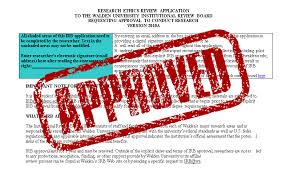
One of the guidelines of the Institutional Review Board (IRB) pertains research expounds about red flags of research that require Research Ethics Consultation. This guideline can affect the research process and the research approval process mainly because if a researcher wants to conduct research and collect data about sensitive topics or vulnerable population he/she is required to obtain ethics guidance that should be incorporated into research planning.

Examples of vulnerable populations that have been stipulated by the Institutional Review Board include the following; minors, that is individuals who are below 17 years, prisoners, mentally impaired or disabled persons, and undocumented immigrants, residents in nursing homes, patients of the research or adult students of the researcher (Chew-Graham, 2016).

Vulnerable populations can affect the research population because one should evaluate the degree to which it is appropriate to include the vulnerable populations in the research or if it is necessary to carry out research using information from individuals who do not have decision-making capacity such as the mentally disabled individuals as required by the research approval process guidelines.

Information from some of these individuals should also not be disclosed to the public; this, therefore, poses a challenge to the researcher when it comes to the presentation of the research findings. Chew-Graham (2016) reports that when dealing with vulnerable groups, it is advisable for one to consider any possible adverse impact that inclusion of the participants such as minors may have in later stages.

The Walden IRB also offers direction on the use of Archival researchers (Beyer et al., 2016). Mostly private or public records are used to provide IRB approval before data is analyzed. The IRB protects the data of the stakeholders. Therefore, when doing research one will ensure that he/she does not use an organization’s data without permission. If so, then the report should indicate the source of the data to avoid plagiarism issues with can prompt stakeholders to press charges against the researcher.

References

Beyer, T., Tiehen, J., Mahato, M., Ferrari, L., & Ramakrishnan, S. (2014). Institutional Review Board.

Chew-Graham, C. A. (2016). Reaching vulnerable groups. Health Expectations, 19(1), 3-4.

Want help to write your Essay or Assignments? Click here

Corruption in International Business

Corruption in International Business

Corruption in International Business

1. Introduction

Despite the promulgation of anti-corruption laws, corruption remains a menace in international business. Historically, cases of corruption in the international business arena have dominated news headlines, mostly as international firms seek to enter foreign markets or maintain market share. According to Transparency International, all countries are corrupt, and it is only the degree of corruption that differs.

Corruption in international business can be associated with increasing global competition which encourages unethical practices aimed at gaining market traction and rigidity in international laws that motivate businesses to use short-cuts to navigate the legal systems. This makes it difficult for companies that are attempting to maintain integrity to compete in a fair environment.

Consequently, corruption has created a negative impact on international trade by debasing the relevance of business ethics, which has to a great extent created a culture of corruption in international trade. Corruption costs the economy significantly, and as reported by Transparency International in 2013, approximately $2.6 trillion or 5% of the world’s GNP is lost through corruption (Makhlouf, 2016). Companies also lose significantly through increased project costs. 

Despite the consented efforts to deal with corruption that impacts international business, it is also notable that this remains the most difficult moral issue to fight. This is because as much there are smart anti-corruption strategies put in place across the world, the impact of corruption on international business still prevails. This paper is a discussion of corruption in International trade including the history, forms of corruption, the impact of corruption, anti-corruption strategies and possible solutions to corruption in international business.

2.      History

            Corruption in international business is as old as the business itself. Its origin can be associated with stringent rules placed on foreign entrants by different countries and the difficulties associated with penetrating new markets, such that bribing government officials helps companies in circumventing legal and social huddles (Eicher, 2012).

In the early days of international trade, bribery was not illegal, and it was considered normal for companies that sought to do or retain business in foreign countries to bribe government officials. Indeed, foreign bribes in some European countries were considered a cost of doing business and would be deducted from corporate tax returns.

As globalization continued to rise, the international business also grew at a high rate, and this propagated the growth of corruption. This was further enhanced by free market reforms led by international financial institutions and donor governments. More companies were investing internationally, and the trend of bribing government officials to facilitate entry of businesses or competitive advantage in the host country became a norm. It was so common that bribes were budgeted for as part of a company’s overseas operations.

In December 1975, the earliest international anti-corruption movement began when the U.N Assembly’s resolution titled “Measures against Corrupt Practices of Transnational and Other Corporations, their Intermediaries, and Others Involved” was passed (Ala’I, 2017). This resolution was a means of condemning corrupt practices that violated host country laws and regulations, by transnational corporations and others.

The UN Working Group was formed by the U.N. Economic and Social Council in the quest to provide recommendations for eliminating corruption. The Group called for international action, after discussions between 1976 and 1980.

The United States became the first country to implement anti-bribery law following the passage of the Foreign Corrupt Practices Act, which explicitly outlawed the practice in 1977 (SEC, 2012). The business community considered the decision by U.S. a wrong move because it would disadvantage the United States regarding competitive advantage, thus leading to major protest. However, the Act was passed, and this marked the beginning of a change in international business practices. Companies and individuals using the U.S financial system, according to the Act, were required to refrain from bribing or offering to bribe foreign officials for purposes of retaining or gaining business.

Interestingly, other countries did not follow suit until over 20 years later, an indication that bribery played a considerable role in international business. In Europe, corruption associated with foreign business was not given much attention as bribery was considered a necessary business expense. The same was applicable in a majority of countries, and it is not until recently when this perception changed globally, giving rise to anti-corruption laws that regarded bribing foreign officials a criminal offense (Hauser & Hogenacker, 2014).

In 1999, the OECD Convention on the Bribery of Foreign Public Officials in International Business Transactions came into being, with 29 members and five non-members signing the agreement. The convention provided guidelines for legislation implementation and tasked governments to criminalize active bribery in international business. This convention has led to the implementation of various other conventions across the world in a bid to fight corruption.  Also, this has resulted in increased awareness of the negative impacts of corruption, and global efforts to prevent bribery and corruption have increased as observed today.

3.      Forms of corruption

 Corruption in international business can be classified into two broad categories: corruption associated with foreign market entry and corruption that influences competitive advantage within the market. Foreign market entry mostly involves complex procedures and barriers to entry, perpetrated by the bureaucracy and rigid rules and regulations governing the entry of foreign organizations. Once in the market, firms still face significant challenges in the form of laws governing foreign companies and high levels of competition from local firms. This may trigger corruption because government officials are aware of the frustrations faced by foreign companies and the owners are desperate to gain market traction. In both of the categories described above, corruption may be executed in various forms as follows:

Bribery: Offering money in exchange for a favor

Extortion: Asking for money or other payments in return for services

Kickbacks: Percentage of income given to an individual for facilitating a business process.

Facilitation payments: These are payments made with the aim of achieving faster results.

Grand corruption: Payments to politicians, policy makers, and other high-level officials.

Petty schemes: Payments to lower and middle-class officials with influence and power.

Influence peddling: Obtaining money with the promise of connecting an individual to power influencers.

Nepotism: Requiring that the company hires friends and relatives in return for favors.

4.      Effects of corruption

 Corruption can have grave consequences on international business as established in the discussion below. 

Restricted entry

 The corruption that impedes market entry can be a great deterrence for honest firms. In such situations, entry requirements are normally very complicated or marred by bureaucracy, thus creating room for corruption. This means that corrupt government officials may entice organizations to pay bribes to have the registration processes speeded up or some of the entry requirements overlooked (Eicher, 2016).

Unfair competition

            Corruption affects the competitive environment by altering the competitive conditions. Corruption allows large corporations to control the market because they can bribe their way out of various legal circumstances or bypass certain regulations required in operation of their businesses (Makhlouf, 2016). This disadvantages honest dealers and thus creates an asymmetrical market environment. An example is where a corrupt company pays government officials to overlook the company’s potential environmental pollution and offer a clearance certificate in support of the organization’s activities.

Honest firms, on the other hand, may have to invest heavily in reducing environmental pollution to comply with the government requirements or have to pay fines for any deviation. When the two firms are compared, the corrupt firm has a competitive advantage because it will record higher profitability.

High prices for consumers

 Where corruption is prevalent, it also means that organizations must incur high costs in meeting their objectives. This translates into higher costs of production, which are consequently transferred to the consumer for the company to make desirable profits. This affects not only customers but also the economy at large because of reduced customer purchasing power. 

Poor quality products

 Corruption creates loopholes for the production and import of inferior products. When companies can get away with poor standards and the use of subnormal raw materials through corruption, the customer suffers due to the poor quality of products they receive. Also, corrupt officials allowing cheap goods to be imported into the country could be risking the lives of citizens. 

Corrupt business culture

            Thede & Gustafson (2012) notes that self-sustained unethical behavior is likely to result from corruption in international trade. This is because the more corrupt deals are made, the higher the corruption prevalence becomes. According to Thede & Gustafson (2012), corrupt agents are more likely to interact with corruptible agents for business, and these behavioral patterns end up being sustained as the norm. This further worsens corruption to the disadvantage of honest agents. A corrupt culture tends to raise honest exchange transactions, such that it is more expensive to find an honest business partner due to higher search costs. 

5.      Corruption and economic growth

 Corruption can have deleterious effects on economic growth. A majority of literature studies the negative impact of corruption, mostly as an ethical issue and a factor that impacts equilibrium of the business environment. Corruption is a costly affair, and it could limit economic growth, and as established by OECD (2014), corruption accounts for the loss of approximately 5% of the world’s GDP. This may be evidenced by inefficiencies resulting from corrupt practices. Also, the unequal distribution of income and resources that result from corruption leads to the rise of poverty rates (Makhlouf, 2016).

Corruption limits economic gains from international business. This is because only firms that are financially capable and which are corrupt get access to foreign market entry while the honest and less financially endowed are locked out. Based on this, corruption can be seen as a limiting factor for international business because the country may end up losing on entrants with great potential because the opportunities were given to those who could pay (Eicher, 2016). This further impacts domestic production opportunities due to obstruction of competition (Thede & Gustafson, 2012). 

Corruption impacts governance and control of the business environment. The existence of corruption makes it difficult for authorities to implement regulations and controls, thus making governance difficult. Rotberg (2017) notes that it undermines the efficiency of state institutions and undermines a country’s regulatory environment, thus distorting decision-making processes. This results in a skewed business environment, and it becomes difficult to provide a level playing ground for all firms in the market including incentives.

6.      Legal/political systems

A country’s legal and political systems greatly influence the prevalence of corruption and the extent to which this influences international business. In countries where strict measures are placed to control corruption, the levels of corruption are lower. This is because legal systems discourage such illegal practices. Further, political systems the level of control within government agencies, such that corruption may be lower in countries where the governing political body is committed to fighting corruption (Eicher, 2012).

In the initial periods of international business growth, foreign official bribery for purposes of business was not considered illegal in any country, and it is not until recently that legal and political systems were put in place to manage corruption. As a result, it is possible to state that the legal and political systems at the time perpetrated the occurrence of corruption, given that there were no laws to govern the practice (PBS, 2017).

The discussions above also establish that the main catalyst of corruption is the existence of trade barriers that limit the entry of foreign companies and effective business operations in the host countries, thus encouraging businesses to seek easier alternatives. By maintaining such conditions, governments played a significant role in promoting corruption, thus creating the menace observed today.

Given the high level of corruption emanating from international business, countries have taken different measures aimed at combating corruption. This represents a change in trends that has influenced legal and political systems through the development of laws that prohibit corruption and which promote prosecution of perpetrators. In the United States which was the first country to implement legal systems to deal with corruption, the Security Exchange Commission implements the Foreign Corrupt Practices Act through investigations and audit procedures aimed at discovering any possible bribery of foreign officials (SEC, 2012).

Political systems across the globe have also increasingly relaxed their international trade barriers to promote smoother processes that eliminate the need for corruption and bribery. According to Eicher (2012), reduction in trade barriers has been instrumental in reducing corruption because they eliminate incentives to corruption which were previously brought about by difficult processes, bureaucracy, and strict international business laws. 

Countries are increasingly participating in international conventions that encourage the implementation of legal systems to curb corruption in their countries. Examples of popular conventions against corruption and bribery include the OECD Convention on the Bribery of Foreign Public Officials in International Business Transactions, United Nations Convention against Corruption, EU Convention on the Fight against Corruption, The Inter-American Convention against Corruption and the African Union Convention on Preventing and Combating Corruption among others (UK Anticorruption Forum, 2017). 

These conventions have played a significant role in the development of more solid legal systems to deal with corruption and thereby improved international trade.

7.      Anti-corruption strategies

Regulations: These are laws and regulations developed to govern international business and which ban the use of corruption to achieve business objectives in the international markets.

Trade barriers relaxation: This is aimed at promoting international trade by eliminating trade barriers that often limit business between countries. It may involve reducing taxes, registration charges, policies and regulations that limit international business. The result has reduced the incentive to give or receive bribes because the processes are not limiting. 

Anti-corruption Conventions: These convene officials and business people from different countries to discuss and develop an agreement on how corruption can be combated.

Accounting practices and audit: To limit corruption, governments have continuously introduced strict accounting practices to discourage corruption. Public companies are also subjected to auditing to determine the existence of unscrupulous business practices. 

Trade agreements: These are agreements between countries to eliminate barriers to trade and thus ease international business. This may be in the form of mutual agreements to reduce regulations for businesses from the countries involved or tying of conditions to the benefitting country’s contribution to the host country. An example is where developing countries ease trade barriers in exchange for infrastructure loans.

Mobilization of public opinion: This strategy involves civil society engagement, mostly through non-governmental organizations to influence private and public organizations to end corruption by demonstrating its negative impacts.

8.      Cures of corruption

            Corruption has been singled out as one of the moral issues that is difficult to control and which may never be successfully eliminated. However, efforts towards corruption elimination should mostly focus on the cause of corruption.

Internationalization: Internationalization is a possible cure for corruption in international business. This is the process of in which barriers are eliminated or at least reduced to promote trade. This would encourage free investment across the world, and this would reduce the motivation for corruption.

Leadership and political will: Leaders have the ability to influence the end of corruption in their countries through influencing moral behavior, promoting political good will and setting up laws that discourage corruption. Rotberg (2017) notes that leaders have influence over their followers and that they can influence their actions if they are committed to ending appropriate behaviors. When a country’s leadership is committed to ending corruption, they will do anything in their capacity to achieve this objective. 

Anti-corruption commissions: Anti-corruption commissions are formed with the objective of creating an independent body to investigate and prosecute companies and government officials involved in corruption. According to Transparency International (2017), an anti-corruption agency that is independent and well financed can play a vital role in fighting corruption.

Unfortunately, anti-corruption commissions still face the threat of political influence and will only be effective if their permanence is legally guaranteed and independence of the commission is assured through the appointment of leaders who are competent, have an apolitical stance and demonstrate impartiality, independence, neutrality, and integrity (Transparency International, 2017).

Self-regulation: This approach to corruption is informal and mostly aims at promoting self-governance among businesses to end corruption. Such may be achieved through internal policies and codes of conduct. This approach is more about promoting moral duty among organizations by calling on organizations to be more responsible in their business dealings.

9.      Conclusion

Corruption in international business has mostly been associated with barriers to market entry in international markets. As a result, organizations seeking entry into such markets may be forced to bribe foreign officials to facilitate their entry and circumvent the regulations.

Once an entry is achieved, there are market dynamics that often make it difficult for foreign companies to operate including business laws and regulations, foreign business taxation policies, business marketing practices, sales and distribution, and competition dynamics among other factors. These limit foreign business operations and expansion, and consequently influence the perpetration of corruption, to ease business in foreign countries and speed up business growth.

Despite the increasing efforts towards fighting corruption, it remains a great menace that may hinder international business for a long time. In this paper, the history of corruption in international business, economic impact of corruption, legal and political systems and different anti-corruption strategies that have been utilized over the years are discussed. This paper also establishes various solutions that may eventually cure corruption including internationalization, leadership and political will, anti-corruption commissions and self-regulation of international firms.

10.  References

Ala’i, P. (2017). Controlling corruption in international business: the international legal framework. International Sustainable Development Law – Vol. II. Retrieved from https://www.eolss.net/Sample-Chapters/C13/E6-67-03-07.pdf

Eicher, S. (2012). Corruption in International Business: The Challenge of Cultural and Legal Diversity. Farnham, UK: Gower Publishing, Ltd.

Hauser, C., & Hogenacker, J. (2014). Do Firms Proactively Take Measures to Prevent

Corruption in Their International Operations?. European Management Review, 11(3/4), 223-237. doi:10.1111/emre.12035. Retrieved from web.b.ebscohost.com/ehost/pdfviewer/pdfviewer?vid=0&sid=4d18121e-f6b7-4cfd-98a2-91ab92914251%40sessionmgr120

Makhlouf, H. H. (2016). Corruption in the International Business Environment. The Journal of Human Resource and Adult Learning, 12(1), 32-39.

PBS (2017). Spotlight: History of the FCPA How a tough U.S. anti-bribery law came to pass. Retrieved from www.pbs.org/frontlineworld/stories/bribe/2009/02/history-of-the-fcpa.html

Rotberg, R. I. (2017). The Corruption Cure: How Citizens and Leaders Can Combat Graft. Princeton: Princeton University Press

SEC. (2012). A Resource Guide to the FCPA U.S. Foreign Corrupt Practices Act. Retrieved from https://www.sec.gov/spotlight/fcpa/fcpa-resource-guide.pdf

Thede, S. & Gustafson, N. (2012). International trade and the role of corruption. Retrieved from www.etsg.org/ETSG2009/papers/thede.pdf

UK Anticorruption Forum. (2017). Anti-Corruption Conventions & Instruments. Retrieved from www.anticorruptionforum.org.uk/acf/resources/instruments/

MENTAL HEALTH CARE

Mental health care
Mental health care

Mental health care

DIFFERENCE BETWEEN HISTORICAL AND CONTEMPORARY MENTAL HEALTH CARE

  1. INTRODUCTION

Mental health care practice began several years ago when relatively simple approaches to care were still being utilized. Like any other form of health care, mental health care can be evaluated based on a range of theories and models which have extensively been used to inform mental health nursing practice. This paper discusses the difference between historical and contemporary mental health care as it applies to nursing models and the nursing process.

This paper has described in details, the concepts of “nursing process” and “nursing model” and how they have evolved since conception. Moreover, this paper uses a case study to describe how the nursing process and a nursing model have been applied in nursing care provision for a patient who is suffering from a sexually transmitted infection characterized by depression.

  1. CONTEMPORARY AND HISTORICAL MENTAL HEALTH CARE

2.1 The Nursing Process and how it has Evolved since Conception

The principles of nursing process largely dominate mental health care practice in today’s nursing and health industry. The term “nursing process” is defined as the application of a scientific approach to care provision that involves strict adherence to distinct steps which are aimed at generating positive health outcomes for patients (Perez-Rivas, Martin-Iqlesias, Pacheco del Cerro, Arenas, Lopez and Lagos, 2016, p. 43).

According to Perez-Rivas et. al., (2016, p. 43), for a nursing process to be considered effective, the health care practitioner must complete all the documented steps because information gained from one step results into the success of subsequent steps. Approaching mental health care based on the principles of “nursing process” helps to develop critical thinking skills of nurses, which eventually translates into improved problem-solving and positive health outcomes for mentally-ill patients (Perez-Rivas et. al., 2016, p. 44).

Nursing process and its application in mental health care has greatly evolved from when it was introduced up to date. Traditionally, the nursing process extensively emphasized on health care assessment, implementation of intervention, and planning as the only phases involved in mental health care delivery. In those days, the process did not recognize the significant role played by cognitive processes in influencing decision making during care (Zamanzadeh et. al., 2015, p. 411).

However, as nurses continued to utilize the historical principles of the nursing process into practice, increasingly advanced nursing processes were integrated and this has greatly improved the overall image of the nursing process. For instance, the advanced nursing process currently integrates diagnostic reasoning that facilitates decision making which was absent in the traditional nursing process.

Through continued nursing research and practice, nursing professionals have contributed greatly to the evolution of the nursing process by identifying the need to incorporate health outcomes identification and planning into the nursing process. To date, health care professionals who handle mental health cases view the nursing process as an advanced form or practice that involves five steps: “assessment, diagnosis, outcome identification and planning, intervention implementation, and evaluation (Zamanzadeh et. al., 2015, p. 412).

2.2 How the Nursing Process was First Developed and How it is used in Contemporary Nursing

            The nursing process that is used in contemporary nursing differs significantly from the one used in traditional nursing as it applies to mental health care. This is attributed to the changes that have been made on the “nursing process” since it was developed (Perez-Rivas et. al., 2016, p. 44).  Nursing was first viewed as a process rather than a distinct activity in 1955 by Lydia Hall from United Kingdom.

Although many professionals in the nursing field were not sure as to whether Hall’s views were right, a few of them dwelled extensively on the topic and they began to refer to nursing as a process. Examples of authors who supported Hull in describing nursing as a process include Johnson, Orlando, and Wiedenbach and their opinions on the nursing process are available in their publications of 1959, 1961, and 1963 respectively.

By then, only three steps were used to define the nursing process and they include, “assessment, planning, and evaluation (Zamanzadeh et. al., 2015, p. 411).” These three steps provided the basis of the nursing process that traditional nurses used to deliver mental health care to patients.

            Later on in 1967, an additional step described as implementation of intervention was added to the nursing process by Walsh and Yura. It is not until 1973 when the American Nurses Association (ANA) felt in necessary to incorporate diagnosis into the nursing process. During the final revision and publication of the ANA standards in 1991, another step known as identification of outcome was integrated into the nursing process.

The step was made part of the planning phase and this resulted into the generation of a nursing process that comprised of five steps namely; “assessment, diagnosis, outcome identification and planning, intervention implementation, and evaluation (Zamanzadeh et. al., 2015, p. 412).” The development of the nursing process has progressed through a number of steps which have been modified across years to generate the process that is currently used in contemporary nursing to provide care for mentally-ill patients.

Based on the nursing process, contemporary nurses frequently assess, diagnose, identity outcomes, implement interventions, and finally evaluate the effectiveness of interventions whenever they are delivering mental health care to patients.

2.3 The Nursing Model and How they Have Evolved Since Conception

            Nursing models play a very important role in nursing practice in the sense that, they largely influence decision making processes by nurses concerning the most appropriate ways through which patients should be handled. A nursing model is defined as a framework of nursing concepts that act as a foundation for nursing care and that describe how given health care practices should be performed (Murphy, Williams and Pridmore, 2010, p. 23).  

Nursing models have been developed to help direct nurses on the best approaches they should take to improve patient outcomes and to explain why certain approaches as relevant. Different nursing models exist and their goal is to assist nurses to achieve various nursing components based on the nature of a mental health issue they are handling at any given time (Springer and Casey-Lockyer, 2016, p. 647).

            Nursing models have significantly evolved since their conception due to constant changes in patients’ needs and due to rapid technological advancements in the contemporary world which tend to change approaches to care. Nursing models were first developed in the United States way back in 1960s (Murphy, Williams and Pridmore, 2010, p. 23). In 1960, the United States was characterized by a number of cultural, technological and social transformations which influenced nursing professionals to make changes that were aimed at improving nursing practice.

For this reason, traditional nursing models were developed based on their effectiveness in meeting basic medical goals. For instance, the “medical model” provided a foundation only for the management of physical health problems. Nurses in the United Kingdom began to apply nursing models into practice in 1970s (Murphy, Williams and Pridmore, 2010, p. 24).

Since then, significant transformations in the world have helped nurses to build a body of knowledge that has been used to develop modern nursing models. Nursing models which are used in contemporary nursing to deliver mental health care have been developed to guide nurses on how they can handle patients with a wide variety of health problems as opposed to traditional models (Springer and Casey-Lockyer, 2016, p. 660).

2.4 Total Patient Care: A Historical Nursing Model

            An example of a historical nursing model that is rarely used by today’s nurses is Total Patient Care which is also known as Private Duty Nurses. Total Patient Care is a nursing model that conceptualizes that, for nurses to deliver quality patient care, they must have a small number of patients that they can effectively handle at any given time. The nurse should then work in collaboration with other registered nurses to ensure that the patients being attended to receive maximum care.  

Total Patient Care model guided traditional nurses to work with small groups of mentally-ill patients that they could effectively handle at any given time. Although Total Patient Care can still be used to guide clinical decisions in today’s health care settings, today’s health care organizations rarely utilize this model to deliver mental health care (Mary and Sandra, 2004, p. 291).

2.5 Watson’s Theory of Caring: A Contemporary Nursing Model

            Through his theory of caring, Jean Watson greatly influences clinical decision making processes by today’s nurses, especially those who deliver care to patients with mental health problems. This contemporary nursing theory conceptualizes that there are four major factors that determine positive patient outcome during care delivery. These factors include the personality of the care giver, the patient’s health status, the environment in which care is delivered, and the nursing process (Ozan, Okumus and Aytekin, 2015, p. 26).

These factors influenced Watson to assume that the most effective form of care is that which is delivered interpersonally. In addition, the nurse should take time to understand specific health problem that a patient is suffering from. Again, it is the responsibility of the nurse to create caring environment for his or her patient. Furthermore, nursing lies at the center of caring and intended health outcomes will only be achieved if the right nursing processes are followed. Watson’s theory of caring is widely used in nursing practice today (Ozan, Okumus and Aytekin, 2015, p. 25).

  1. SERVICE USER’S HISTORY

            A service user whom I have cared for in the past is a female patient aged 16 years and who suspected that she was suffering from a sexually transmitted infection and was therefore in need of medical care. I had to take historical data before I could identify the best component of the nursing process to use in order to confirm presence or absence of a sexually transmitted infection.

My patient was an orphan who stayed with her uncle at the time of visit. At the time of visit, she was feeling depressed and psychologically disturbed because of her health condition. In addition, she was part of a group of commercial sex workers in the city despite her young age, and she uses money earned from the business to earn a living. She had also been in an intimate relation with different partners without protection.

Her uncle used to beat her up every time he was at home and therefore, she feared staying at home. The patient had not taken any medication prior to visiting the health care facility. I applied the nursing process to deliver the most appropriate nursing care for the patient.

When I was handling my patient, I greatly relied on the nursing process that is majorly used in contemporary nursing. By following the five steps of the nursing process, contemporary nurses are able to provide quality care that addresses specific patients’ needs. During assessment phase, the contemporary nurse collects, verifies, organizes, interprets, and documents patients’ health data that will be used to accomplish the subsequent steps.

After collecting relevant data, the contemporary nurse ensues to diagnosis phase where he or she analyzes the collected data to make a clinical judgment which is aimed at identifying a specific health problem that the patient is suffering from (Perez-Rivas et. al., 2016, p. 44).

Once a specific health problem is identified, the contemporary nurse proceeds to the third phase where he or she identifies the most appropriate health outcomes that the patient should be assisted to achieve. It is in this phase where the nurse documents a plan of how the patient can be helped to achieve the proposed outcomes. In the fourth phase, the contemporary nurse implements the right intervention as documented in the plan (Zamanzadeh et. al., 2015, p. 416).

The nurse then proceeds to the fifth phase where he or she evaluates the effectiveness of the implemented intervention in generating the proposed health outcomes for the patient. In case the proposed health outcomes are not realized following intervention implementation, the nurse is compelled to change the intervention until the intended results are obtained (Perez-Rivas et. al., 2016, p. 44). 

            A component of the nursing process that I used to exercise care for the patient was taken from the Assessment, Diagnosis, Planning, Implementation, and Evaluation (ADPIE) model described above, considering the fact that it is the one that is widely used in contemporary nursing.  I decided to use Diagnosis component of the ADPIE to maximize nursing care for my patient.  

By choosing diagnosis component, I wanted to bring together all the historical data that I had gathered into meaningful information. Specifically, when conducting diagnosis on the patient, I used the data that I had already collected to make clinical judgment about my patient and the family. This enabled me to understand that risk factors that exposed by patient to acquiring sexually transmitted infections.

Furthermore, I was able to predict possible responses that she could receive from family members if she approached them with her health problem. Generally, diagnosis provided me with the basis for selecting the most appropriate nursing intervention that could generate positive health outcomes for my patient.

            The type of diagnosis that I conducted on the patient was possible nursing diagnosis. A possible nursing diagnosis is conducted when a patient’s problem requires additional analysis for the presence or absence of a health problem to be confirmed (Perez-Rivas et. al., 2016, p. 44). In the case that I was handling, it was not yet confirmed that the patient was suffering from sexually transmitted infections. The client was worried that she might have acquired sexually transmitted infections owing to her sexual behaviours in the recent past.      Such thoughts had severe impact on her mental health. Data obtained from this diagnosis helped me to confirm presence of a sexually transmitted infection (Zamanzadeh et. al., 2015, p. 416).

            Diagnosis was a very important component of ADPIE for my patient because it acted as a link to the other aspects of the nursing process namely; planning, implementation, and evaluation. The diagnosis was the second phase of the nursing process that was performed after collecting data in the assessment phase. Information gathered during diagnosis phase was extremely useful in the subsequent steps because I utilized it to identify the best health outcomes for my patient and to select a nursing intervention that could generate those outcomes for my patients. Diagnosis was very important in the overall nursing process because it helped me to come up with the right interventions that were intended to generate improved health outcomes for the patient (Zamanzadeh et. al., 2015, p. 416).  

When I was providing nursing care to my patient, I paid greatest attention to Watson’s Theory of Caring mode. I utilized the four major factors that determine positive patient outcome during care delivery as described in Watson’s theory of caring. Specifically, I strived to; build strong interpersonal relationship with the client, establish specific health problem the patient was suffering prove, create an environment suitable for nursing care, and to adhere to all steps of the nursing process (Ozan, Okumus and Aytekin, 2015, p. 25).

  1. CONCLUSION

Historical and contemporary mental health care differ significantly due to evolutions in nursing theories and models which have taken place over the years. For instance, while traditional mental health care was delivered using a nursing process that only involved three steps, delivery of contemporary mental care utilizes a nursing process with five steps.

Additionally, while traditional mental health care was based on historical nursing models, today’s mental health care is guided by contemporary nursing models such as Watson’s theory of caring model. The evolutions of the nursing process and the developments of nursing models have brought about significant improvements in health care delivery particularly in mental health care.

From this case study, I have learnt the importance of implementing contemporary nursing processes and nursing models in care delivery. I will utilize this knowledge to improve the quality of mental health care that I will deliver in future. As a student nurse, I will take my time to evaluate and understand changes in nursing models and components of the nursing process as they apply to mental health care.

References

Mary, T. & Sandra, L. 2004, “Traditional models of care delivery: What have we learned?” Journal of Nursing Administration, vol. 34, issue 6, pp 291-297.

Murphy, N., Williams, A. & Pridmore, J. A. 2010, “Nursing models and contemporary nursing 1: The development, uses and limitations,” Nursing Times, vol. 1, issue 106, p. 23-24.

Ozan, Y., Okumus, H., & Aytekin, A. 2015, “Implementation of Watson’s theory of human caring: A case study,” International Journal of Caring Sciences, vol. 8, issue 1, pp. 25-35.

Perez-Rivas, F., Martin-Iqlesias, S., Pacheco del Cerro, K., Arenas, C., Lopez, M. & Lagos, M. B. 2016 “Effectiveness of nursing process use in primary care,” International Journal of Nursing Knowledge, vol. 27, no. 1, pp. 43-47.

Springer, J. & Casey-Lockyer, M. 2016, “Evolution of a nursing model for identifying client needs in a disaster shelter: A case study with the American Red Cross,” Nursing Clinics of North America, vol. 15, no. 4, pp. 647-662.

Zamanzadeh, V., Valizadeh, L., Tabrizi, F., Behshid, M. & Lotfi, M. 2015 “Challenges associated with the implementation of the nursing process: A systematic review,” Irarian Journal of Midewifery Research, vol. 20, no. 4, pp. 411-419.

Want help to write your Essay or Assignments? Click here.

The IOM Future of Nursing Report

Future of Nursing
Future of Nursing

Implementation of the IOM Future of Nursing Report

Summary of the key messages of the IOM report

Following a comprehensive assessment of the major challenges facing the nursing profession, the Robert Wood Johnson Foundation (RWJF) came up with some recommendations that would help to make the nursing profession relevant and efficient in future. Furthermore, it identified four key messages that acted as the cornerstone for recommendations.

The key messages that were designed by the RWJF and that the recommendations were to focus on include; nurses should fully apply the knowledge and skills acquired through training and education as well as nurses should work in collaboration with other healthcare professionals to bring meaningful changes to the health care system of the United States.

Other recommendations were that nurses should seek to obtain higher levels of education that enhance academic progress by attending new academic institutions; and those nursing institutions can formulate the right policies and plan their workforce effectively through the use of improved technology to collect data (Altman, Butler and Shern, 2015).

Discussion of the work of the Robert Wood Johnson Foundation Committee Initiative

The Robert Wood Johnson Foundation (RWJF), in collaboration with the Institute of Medicine, held a meeting in 2008 to examine and take appropriate actions to address some of the pertinent issues facing the nursing profession. This meeting led to the documentation of the IOM report on “Future of Nursing: Leading Change, Advancing Health” that acts a foundation for today’s nursing practice.

According to the Committee, nurses in the United States are faced with several challenges that prevent them from meeting the health care needs of the nation, and which make them face difficulties as they attempt to fulfill the goals of health care reforms in the country (Altman, Butler and Shern, 2015).

The particular role of the RWJF committee initiative was to produce a report that details key recommendations for improving the nursing profession to make it fit the future needs of the United States citizens. The committee was also charged with the responsibility of highlighting policy changes that should be made by public and private institutions to foster an improvement in the nursing profession.

As a sign of its commitment towards improving the nursing profession in the United States, the RWJF Committee provides recommendations related to eight different areas namely and removal of practice barrier.  Other indicators were; expansion of opportunities for nurses, implementation of residency programs for nurses, increasing the percentage of nurses with baccalaureate degrees, doubling the percentage of nurses with doctorate degrees, promoting lifelong learning for nurses, preparing nurses to become change leaders, and in improving nurses’ abilities to collect relevant health care related data (The Institute of Medicine, 2010).

The importance of the IOM “Future of Nursing: Leading Change, Advancing Health.”

            The IOM report entitled, “Future of Nursing: Leading Change, Advancing Health” is extremely crucial to the field of nursing because it contains information that is relevant to improving nursing practice, nursing education, as well as in the development of the nursing workforce. Firstly, the report is important to nursing practice in the sense that, it defines transformed roles of nurses in the whole workforce in a manner that effectively addresses shortage of nurses, the need to integrate cultural and societal issues into practice, as well as the need to provide care using tools that match the ongoing technological trends. 

Additionally, the report examines the innovative solutions that can help to improve care delivery in future (Altman, Butler and Shern, 2015).

Second, the IOM report is critical to nursing education in the sense that, it acts as a guide to the nursing industry by providing information on how the industry can expand nursing faculty in order increase the number of institutions of higher learning. The institute of medicine believes that qualified academic institutions will produce graduate nurses with nursing knowledge and skills that can enable them to meet the health care needs and demands of today’s population (The Institute of Medicine, 2002).

Third, the IOM report is essential to workforce development in the sense that, it details how nursing organizations should attract, train, and retain competent nurses who can provide various levels of care to meet public demand (The Institute of Medicine, 2010).

The intent of the Future of Nursing Campaign for Action

            The Future of Nursing Campaign for Action was devised with an intention to help influence States to make health care reforms that are aimed at improving the nursing profession in the United States (AARP, 2011). For instance, the Campaign for Action is intended to push the Congress to push for expansion of programs that will enable nurses to practice to their full potentials as per the education and training that they possess.

Also, the intent of the Campaign for Action is influence both private and public funders to facilitate accomplishment of projects that will increase both training and learning opportunities for nurses (Campaign for Action, 2013).

            Moreover, the Nursing Campaign for Action intends to put pressure on the federal government, accrediting bodies as well as state boards of nursing to support the implementation of curricula that allow nurses to complete transition-to-practice or residency programs (AARP, 2011).

Again, the campaign intended to encourage health care organizations, academic nurse leaders, as well as accrediting bodies to develop additional institutions of higher learning for nurses to increase the number of nurses who enroll for baccalaureate degrees. In this manner, the institute of medicine believes that the number of nurses with baccalaureate degrees will increase to 80 percent in the next three years (AnneMarie, 2016; & The Institute of Medicine, 2010).

            Additional intentions of the Future of Nursing Campaign for Action include; influencing stakeholders in the nursing education sector to create additional academic institutions that provide doctorate degrees for nurses as this will help to double the number of nurses who graduate with doctoral degrees in the next three years.

Other intentions include; implement nursing education programs that will promote lifelong learning for the nurse, and to take responsibility of training nurses to become change leaders who can successfully implement reforms in the ever-changing health care environment (The Institute of Medicine, 2002).

Most importantly, by creating the campaign for action, the institute of medicine believes that the campaign would influence the National Health Care Workforce Commission to build infrastructure and provide necessary technology that future nurses can use to collect and analyze health care data (Campaign for Action, 2013; & The Institute of Medicine, 2010).

The rationale of state-based action coalitions

            The main role of the state-based action coalitions is to ensure that various states in the United States enact laws that will facilitate the realization of the recommendations documented in the IOM report entitled, “Future of Nursing: Leading Change, Advancing Health”(AARP, 2011). Additionally, these state-based coalitions work hard to ensure that the IOM recommendations are being implemented at regional and local level.

First, these coalitions work hard to make sure that possible barriers to nursing practice are removed in both educational and healthcare organizations (AARP, 2011). Second, action coalitions based in various states of the United States ensure that relevant programs that expand learning and training opportunities for nurses are implemented. Third, state-based action coalitions ensure that various states have programs in place to support nurse residency (Goode and Williams, 2004).

The fourth role of state-based action coalitions is to make sure that their respective states have enough academic institutions that offer baccalaureate and doctorate degrees for nurses. Additional functions of the state-based action coalitions are to ensure that states of the United States implement; programs that promote lifelong learning for nurses, programs that prepare nurses to become change leaders, and infrastructure that allow nurses to collect and analyze health care related data that can be used to improve nursing practice in future (Campaign for Action, 2013; & The Institute of Medicine, 2010).

Action Coalition Initiatives

An example of a state-based action coalition is the Alaska Action Coalition. This coalition comprises of individuals and organizations with a common goal of transforming the health care system of Alaska State. In Alaska, quite some nurse champion organizations work together in the Alaska Action Coalition to place the state forward as one of those regions that are committed to implementing the Future of Nursing recommendations (Alaska Action Coalition).

One of the initiatives spearheaded by Alaska Action Coalition is supporting the full realignment of the Advanced Practice Registered Nurse courses with recommendation documented by the Institute of Medicine. This initiative significantly contributed to the advancement of the nursing profession in the sense that it promotes the production of nurse graduates who are competent enough to deliver care that meets the need of the current population.

The other initiative that is being spearheaded by Alaska Action Coalition is the implementation of programs that educate nurses to lead change in their organizations. This initiative greatly contributes to the advancement of the nursing profession in the sense that it contributed to the preparation of nurses who can effectively lead change (Campaign for Action, 2013).

 The main barrier to advancement that is commonly faced by action coalitions in Alaska is limited finances to facilitate all the procedures required to ensure full compliance with existing regulations. Nursing advocates in Alaska can overcome this barrier by asking the state to review and try to reduce the financial expenses incurred by coalitions that are committed to implementing the Future of Nursing recommendations (Alaska Action Coalition).

References

AARP. (2011). Future of Nursing: Campaign for Action. Washington, DC: AARP Public Policy Institute

Alaska Action Coalition. Retrieved from https;//campaignforction.org/state/Alaska/

Altman, S., Butler, A. & Shern, L. (2015). Assessing progress on the Institute of Medicine report “The future of nursing.” Washington, DC: The National Academies for Sciences.

AnneMarie, P. (2016). The future of nursing: Leading change, advancing health…how are we doing? Nursing Critical Care, 11(3):4.

Campaign for Action. (2013). The future of nursing IOM report. Retrieved from https://www,campaignforaction.org

Goode, C. J. & Williams, C. A. (2004). Post-baccalaureate nurse residency program. Journal of Nursing Administration, 34(2): 71-77.

The Institute of Medicine. (2002). The future of the public’s health in the 21st century. Washington, DC: The National Academies Press

The Institute of Medicine. (2010). The future of nursing: Leading change, advancing health. Washington, DC: The National Academies Press.

Want help to write your Essay or Assignments? Click here.