Want help to write your Essay or Assignments? Click here
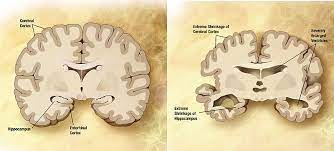
Alzheimer’s disease
Since patient wandering and confusion are common for the patient with moderate-to-severe Alzheimer’s disease, what would the RN teach the family about maintaining a safe environment? Provide three examples.
The RN should teach the family that patients diagnosed with Alzheimer can comfortably live in their homes, provided the safety measures are put in place. The family members must be educated on ways Alzheimer disease causes changes in the patient’s brain and body functions. This affects the patient reasoning, judgement, physical ability, behaviour, cognitive functions and sense of time (Bridenbaugh, Monsch & Kressig, 2012).
The family should be taught on ways to identify the possible dangers. The hazardous areas should be locked. Drugs and other chemical substances should be stored out of reach, in lockable cupboards. The family must be ready for emergencies. This implies that they should keep emergency phone numbers such as fire departments and local police helplines. The family members should ensure that the safety devices are working.
These include smoke detectors and carbon monoxide detectors and fire extinguishers. Walkways should be well lit to prevent falls. All weapons such as guns or other types of weapons must be removed. Basically, the home must be well lit, ventilated and free from hazards. The home should not be too restrictive, but one that encourage social interaction and independence (Schneider, 2011).
Want help to write your Essay or Assignments? Click here
To prevent the patient from wandering, the patient’s relatives and care givers should be taught the following strategies. To start with, they should create a daily activity plan. This helps identify the times of the day that wandering occurred. The patient must be reassured whenever they feel lost, disoriented or abandoned. The care giver must refrain from using correcting the patient using harsh voice.
All patients’ basic need must be met. They should not allow the patient to go places that trigger confusion and disorientation such as grocery stalls, malls or other venues that are busy. The doors must remain locked, and keys including car keys put out of sight. The patient must never be left alone i.e. they should always be under supervision. If the main issue is night wandering, devices that signal motions should be used (Lacey, Jones, Trigg & Niecko, 2012).
How would the RN adjust the teaching based on the family’s educational level, socioeconomic status or culture? Provide two examples
Despite the increase emphasis on patient centred care, when it comes to coping strategies for Alzheimer, the healthcare provider should focus on family centred care. In this case, the RN must conduct a family assessment to understand patient structure as well as style. This helps RN formulate effective teaching plan (Skoog, 2011).
To begin with, the RN should evaluate the barriers that would hinder the family ability to deliver health care. This includes the ages, sex and health status of the family member. The family socioeconomic status influences the teaching strategy. People from high socioeconomic status are most likely to be educated, thus basic healthcare can be used during the teaching process.
However, those from low income households tend to have low level of education which determines people’s attitudes and perceptions of care. Additionally, some family members lack basic knowledge of the disease. Cultural backgrounds could make some patients to believe in folk medicine. These factors must be addressed when teaching the patient’s family members (Trigg, Jones, Lacey & Niecko, 2012).
Want help to write your Essay or Assignments? Click here
What are common symptoms of caregiver role strain?
The demands of giving care to Alzheimer patients are very taxing which can lead to care givers strain and burnout. These are manifested through stress, anxiety, exhaustion, and sleep disturbances. Other common symptoms of care giver role strains include changes in appetite, depression, withdrawal and mood swings (Trigg, Jones, Lacey & Niecko, 2012).
Provide one nursing diagnosis statement (statement must include an actual nursing diagnosis, related factor and as evidenced by) that may be appropriate for a patient with moderate-to-severe Alzheimer’s disease.
Anxiety related to stress and situational crisis as evidenced by insomnia, restlessness, memory loss, and cognitive functions deficits.
References
Bridenbaugh, S., Monsch, A., & Kressig, R. (2012). How does gait change as cognitive decline progresses in the elderly?. Alzheimer’s & Dementia, 8(4), P131-P132. http://dx.doi.org/10.1016/j.jalz.2012.05.349
Lacey, L., Jones, R., Trigg, R., & Niecko, T. (2012). Caregiver burden as illness progresses in Alzheimer’s disease (AD): Association with patient dependence on others and other factors—Results from the Dependence in Alzheimer’s Disease in England (DADE) study. Alzheimer’s & Dementia, 8(4), P248-P249. http://dx.doi.org/10.1016/j.jalz.2012.05.660
Trigg, R., Jones, R., Lacey, L., & Niecko, T. (2012). Relationship between patient self-assessed and proxy-assessed quality of life (QoL) and patient dependence on others as illness progresses in Alzheimer’s disease: Results from the Dependence in Alzheimer’s Disease in England (DADE) study. Alzheimer’s & Dementia, 8(4), P250-P251. http://dx.doi.org/10.1016/j.jalz.2012.05.667
Want help to write your Essay or Assignments? Click here
Want help to write your Essay or Assignments? Click here
FUNCTION-BASED TREATMENTS FOR TODDLERS
Effectiveness of Function-Based Treatments Versus Non-Function-Based Treatments on Disruptive Behaviors for Toddlers with Developmental Disabilities
Young children with disruptive behaviours are more likely to be removed from early childhood programs (Brauner & Stephens, 2006; Webster-Stratton & Reid, 2003). Disruptive behaviours are a kind of problem behaviours. These behaviours are called disruptive since children with disruptive problem behaviours factually disrupt the individuals and activities around them at different settings, such as at home, at school, and outdoors (Sun & Shek, 2012). Arnold, McWilliams, and Arnold (1998) reported that these disruptive behaviours are one of the most problem behaviours faced by instructors.
Research revealed that the most common disruptive behaviours were crying, screaming, and yelling, followed by turning over materials, pushing materials away, and hiding (Sun & Shek, 2012). The results showed that instructors perceived student disruptive behaviours as those behaviours involving running around the classroom, pushing the task away, and being out-of-seat, disturbing learning and teaching, which mostly needed intervention from instructors (Sun & Shek, 2012).
Failure to address these disruptive behaviours with early and effective interventions may leave these children at risk for later academic and social failure (Campbell, 1995; Dunlap et al., 2006; Webster-Stratton & Taylor, 2001). Additionally, children with disruptive behaviours are three times more vulnerable to suspension from schools than are other children in K-12 (Gilliam, 2005), which cause a substantial reduction in social and academic learning opportunities (Wood, Ferro, Umbreit, & Liaupsin, 2011).
Want help to write your Essay or Assignments? Click here
Function-based treatments identify the reasons why children with developmental disabilities exhibit those disruptive behaviours (Horner, 1994). These treatments are designed and developed based on the findings of a functional behavior assessment (FBA), which determines the antecedents that precede the disruptive behaviours and the consequences that reinforce such behaviours (Sugai, Sprague, Horner, & Walker, 2000).
To decrease these disruptive behaviours, it is necessary to employ functional behaviour assessment (FBA), which identifies the antecedents that trigger and the consequences that maintain such behaviours (Dunlap & Fox, 2011). FBA consists of a variety of assessment approaches, including indirect descriptive assessments (e.g., rating scales, checklists, record reviews, and structured behavioural interviews), direct descriptive assessments (e.g., scatter plots, direct observations and recordings of antecedents and consequences, and conditional probability assessments), and experimental functional analysis, in which antecedent and consequent events are manipulated to identify the functional relationship between these events and the disruptive behaviour (Poole, 2011).
Following FBA, a function-based treatment can be developed and designed to; (a) eliminate the antecedents that lead to the disruptive behaviour, (b) teach replacement behaviours that serve the same function as the disruptive behaviours, and (c) provide consequences that reinforce the replacement behaviours (Sugai, Sprague, Horner, & Walker, 2000).
Want help to write your Essay or Assignments? Click here
Reviewers of function-based treatments have reported that researchers have adequately described how to implement these treatments, but have failed to provide full details about how to design and develop treatments based on FBA results (Scott et al., 2005). To remedy this, Umbreit, Ferro, Liaupsin, and Lane (2007) developed the Decision Model, which is a systematic process for designing and developing function-based treatments based on FBA data.
The Decision Model has been used to design and develop function-based treatments in general education, special education, and inclusive settings for children with intellectual disabilities (ID) (Blair, Liaupsin, Umbreit, & Kweon, 2006; Wood, Ferro, Umbreit, & Liaupsin, 2011), emotional and behavioural disorder (EBD) (Lane, Smither, Huseman, Guffey, & Fox, 2007; Nahgahgwon, 2008; Turton, Umbreit, Liaupsin, & Bartley, 2007), attention deficit hyperactivity disorder (ADHD) (Stahr, Cushing, Lane, & Fox, 2006; Wood et al., 2011), deafness and hard of hearing (DHH) (Liaupsin, Umbreit, Ferro, Urso, & Upreti, 2006), and autism spectrum disorder (ASD) (Reeves, Umbreit, Ferro, & Liaupsin, 2013; Wood et al., 2011).
For function-based treatments to be used in early childhood programs, comparisons must be made between the effectiveness of treatments that are and are not matched to behavioural function. Very few such evaluations have been carried out, though researchers have compared those interventions in a range of general education, special education, and inclusive settings for children with ID (Ellingson, Miltenberger, Stricker, Galensky, & Garlinghouse, 2000), learning disabilities (LD) (Meyer, 1999), ASD (Taylor & Miller, 1997), mild cerebral palsy (Ellingson et al., 2000), EBD (Meyer, 1999),
Down syndrome (Taylor & Miller, 1997), other health impairments (Newcomer & Lewis, 2004), and those with no disabilities (Bellone, Dufrene, Tingstrom, Olmi, & Barry, 2014; Ingram, Lewis-Palmer, Sugai, 2005).
Want help to write your Essay or Assignments? Click here
Previous studies have investigated the effectiveness of function-based treatments on problem behaviours compared to ‘time out’ (Repp, Felce, & Barton, 1998), standard treatment that may or may not be matched to the function of the problem behaviour (Schill, Kratochwill, & Elliott, 1998), positive behaviour support (BIP) treatment based on alternative hypotheses (Ingram et al., 2005), treatment based on the topography of the problem behaviour (Newcomer & Lewis, 2004), and Mystery Motivator (MM) treatment not matched to the behavioural function of the disruptive behaviour (Bellone et al., 2014).
All these studies demonstrated that the function-based treatment was more successful at reducing problem behaviours; however, inadequate evidence exists to conclude function-based treatments are more effective at decreasing disruptive behaviours than MM treatments that are selected based on their effectiveness at reducing disruptive behaviours with similar topographies (Bellone et al., 2014).
MM treatment uses randomized reward uncertainty to decrease the disruptive behaviour (Musser, Bray, Kehle, & Jenson, 2001; Schanding & Sterling-Turner, 2010; Theodore, Bray, Kehle, & Jenson, 2001) and increase the replacement behaviour (Jenson, Rhode, & Reavis, 1994). MM treatment includes two major elements: (a) a variety of unknown and appealing reinforcers, and (b) a variable schedule of reinforcement (Moore, Waguespack, Wickstrom, Witt, & Gaydos, 1994).
MM treatment has been used to decrease disruptive behaviours in high school, elementary school, and preschool programs for children with selective mutism (Kehle, Madaus, & Baratta, 1998), ADHD (Musser, et al., 2001), serious emotional disturbances (SED) (Musser et al., 2001), ID (LeBlanc, 1998), cerebral palsy (LeBlanc, 1998), oppositional defiant disorder (ODD) (Musser et al., 2001), LD (Valum, 1995), other developmental disabilities (LeBlanc, 1998), and no disabilities (Bellone et al., 2014; Murphy, Theodore, Aloiso, Alric-Edwards, & Hughes, 2007; Schanding & Sterling-Turner, 2010).
Previous studies have empirically demonstrated MM treatments can be effective in decreasing disruptive behaviours and increasing replacement behaviours. Some have argued that function-based treatments are more empirically substantiated than MM treatments (Bellone et al., 2014); however, there has been no research investigating the effectiveness of function-based treatments compared to MM treatments. It will be beneficial for specialists and other researchers to fill this research gap to provide and help special education teachers choose the best treatments for toddlers with disabilities.
Want help to write your Essay or Assignments? Click here
The intent of the present study was to extend FBA research by comparing the effectiveness of function-based and MM treatments at reducing the disruptive behaviours of toddlers with developmental disabilities. This research was conducted in three parts. In Part 1, an FBA was conducted to identify the function of the disruptive behaviour. In Part 2, both a function-based treatment and an MM treatment were developed and designed for each toddler. In Part 3, both treatments were implemented in the inclusive toddler program during the most problematic activities for each toddler.
Method
Participants and Setting
Each classroom had one early childhood and one special education teacher. Five special education teachers selected one toddler each from five different inclusive toddler classrooms from the same school district. Each classroom had one toddler out of five with an Individualized Family Service Plan (IFSP). All children received speech-language pathology services outside the classroom, so there were no language concerns. The special educators only provided support to the children with IFSPs.
Want help to write your Essay or Assignments? Click here
The special education teachers had between 15 and 20 years of teaching experience. All were experienced with the FBA process and completed at least 20 FBAs per year. Each teacher was involved in special education programs consisting of students diagnosed with developmental disabilities. All teachers had a bachelor’s degree in applied behaviour analysis (ABA) and participated in yearly intensive professional development workshops. Written informed consent was obtained from each participant’s parents and the teachers prior to the study.
The five toddlers were selected based on the following criteria: (a) the presence of consistently occurring disruptive behaviours leading to disrupted learning, (b) having an IFSP, (c) having their teachers contact their parent(s) at least three times (via calls or notes sent home) within the previous four weeks due to disruptive behaviour, (d) the absence of self-injury behaviour (SIB), (e) attending class five days per week for at least four hours each day, and (f) the independent confirmation of DSM-IV criteria by at least two professionals with expertise in the child’s disorder.
The following toddlers were selected for this study. Marcus was a 33-month-old boy who had been diagnosed with ASD. He lives with his both parents and he has two brothers with typically development. He received social skill therapy for two hours three times per week as part of a small group. His vocabulary consisted of 8 words. He displayed a variety of disruptive behaviours that included out-of-seat, crying, and turning over classroom materials (e.g., pushing over a bookshelf in the reading area).
Treatment and baseline sessions were conducted within the classroom during centre activities. Noah was a 34-month-old boy who had been diagnosed with mild ID. He lives with his mother and his oldest sister. His sister has diagnosed with ASD. He goes with his sister to his father home one time in a month. His spontaneous speech consisted of 2–3 word utterances. He displayed a variety of disruptive behaviours that included out-of-seat, pushing the task away, and hiding under his desk.
Want help to write your Essay or Assignments? Click here
Treatment and baseline sessions were conducted within the classroom during centre activities. Aubrey was a 32-month-old girl who had been diagnosed with ASD. She lives with her father and her grandparents. She is only child. Her mother died. She received individualized speech therapy for two hours four times per week. Her spontaneous language consisted of 10 words and sounds (e.g., ‘no’, ‘bye’, ‘hi’). She displayed a variety of disruptive behaviours that included screaming, crying, and running around the classroom.
Treatment and baseline sessions were conducted within the classroom during circle time. James was a 32-month-old boy who had been diagnosed with Down syndrome. He lives with his both parents and two sisters and one brother. His brother had diagnosed with mild intellectual disability. He received individualized social skills therapy for 1 hour four times per week.
He also received speech therapy for two hours four times per week. He was nonverbal, but had been taught a few signs (e.g., ‘help’, ‘more’, ‘bathroom/toilet’). He displayed a variety of disruptive behaviours that included yelling, crying, and closing his eyes (e.g., closing eyes when asked to look at a picture). Treatment and baseline sessions were conducted within the classroom during circle time. Kali was a 33-month-old girl who had been diagnosed with ID.
She lives with her mother and her stepfather. She has stepbrother with typically development. She received individualized speech therapy for two hours four times per week. Her vocabulary consisted of 8 words. She displayed a variety of disruptive behaviours that included yelling, pushing the task away, and hiding under her desk. Treatment and baseline sessions were conducted within the classroom during centre activities.
Want help to write your Essay or Assignments? Click here
Part 1: Functional Behavioural Assessment
Functional Assessment Interview. Each special education teacher interviewed each toddler’s parent using the Functional Assessment Interview Form (FAI; O’Neill, Horner, Albin, Sprague, Storey, & Newton, 1997). The special educators did not receive any additional FAI training. The FAI was used to identify information about the features of the disruptive behaviours (i.e., duration, frequency, topography, and intensity), the immediate antecedent events that triggered the disruptive behaviours, and the consequences that might reinforce the disruptive behaviours.
Certain items provided information about the ecological events that set up the disruptive behaviour, replacement behaviours, communication strategies used by the toddler, previously successful strategies, reinforcers, and the history of disruptive behaviour. Once the FAI was completed, a master’s level behaviour analyst identified the function of the disruptive behaviour and rated their assessment of it using a 6-point Likert scale from 1 (extremely uncertain) to 6 (strongly certain).
The researcher then interviewed each special education teacher using the same FAI forms to collect more details associated with each item. The researcher did not read the FAI form teachers administered to the parents. Again, using the FAI responses, the behaviour analyst identified and rated their certainty of the function of the disruptive behaviour.
For reliability, a second master’s level behaviour analyst examined the teacher and parent FAI responses, independently identified the function of the disruptive behaviour, and rated it using the same certainty scale. Both master’s level behaviour analysts were research assistants with BCBA certification.
Want help to write your Essay or Assignments? Click here
Student Observation. Using the Functional Analysis Observation Form (FAO; O’Neill, Horner, Albin, Storey, & Sprague, 1990), special education teachers observed each toddler’s disruptive behaviours, as indicated by the FAI results, while an early childhood teacher conducted their typical activities. Each observation consisted of five 20-minute sessions. The special educators did not receive additional FAO training. By using these event recording procedures, the special education teachers identified disruptive behaviours, antecedents, consequences, and the function of the disruptive behaviour.
The FAO sessions only occurred during centre activities (Marcus, Noah, and Kali) and circle time (Aubrey and James). Using a video recording, the first behaviour analyst observed the toddlers during the same observation period as the teachers and filled out an identical FAO. When a disruptive behaviour occurred, the behaviour analyst individually recorded the exact time, consequences, antecedents, and disruptive behaviours on the FAO.
The conditional FAO probabilities were examined to look for patterns related to antecedents and consequences related to the disruptive behaviours. The conditional probabilities were determined by following formula: the number of times each consequence and the antecedents occurred divided by the sum of the number of disruptive behaviour occurrences, multiplied by 100. The researcher interpreted these probabilities independently to identify the functions.
Inter-observer agreement. Agreement between the special education teacher and the behaviour analyst regarding the disruptive behaviour was indicated when each independently recorded the occurrence of disruptive behaviours within 5 seconds. Agreement between both observers on consequences and antecedents was indicated when they recorded the same antecedents and consequences associated with a disruptive behaviour. Inter-observer agreement (IOA) was calculated by dividing the number of agreements by the total number of both disagreements and agreements.
Want help to write your Essay or Assignments? Click here
Functional Assessment Results. We discuss the results of the functional assessments for each toddler, in turn.
Marcus. During the FAI, Marcus’s disruptive behaviour was consistently followed by peer attention with a confidence rating of 6 (indicating strong certainty). The results of the FAO indicated that his disruptive behaviours were consistently followed by peer attention particularly during centre activities. The IOA between the special education teacher and the behaviour analyst was high (range: 99–100%; mean: 99.6%).
Noah. During Noah’s FAI, his disruptive behaviour was consistently followed by teacher attention with a confidence rating of 5 (indicating moderate certainty). The results of the FAO indicated that his disruptive behaviours were consistently followed by special education teacher attention during centre activities. The IOA between the special education teacher and the behaviour analyst was high (range: 98–100%; mean: 99.4%).
Aubrey. During Aubrey’s FAI, her disruptive behaviour was consistently followed by attention from the special education teacher with a confidence rating of 6 (strong certainty). The results of the FAO indicated that her disruptive behaviours were consistently followed by special education teacher attention during circle time. The IOA between the special education teacher and behaviour analyst was high (range: 98–100%; mean: 99.4%).
James. During James’s FAI, his disruptive behaviour was consistently followed by special education teacher attention with a confidence rating of 6 (strong certainty). The results of the FAO indicated that his disruptive behaviours were consistently followed by special education teacher attention during the circle time. The IOA between the special education teacher and the behaviour analyst was high (range: 99–100%; mean: 99.6%).
Kali. During Kali’s FAI, her disruptive behaviour was consistently followed by peer attention with a confidence rating of 5 (moderate certainty). The results of the FAO indicated that her disruptive behaviours were consistently followed by peer attention during centre activities. The IOA between the special education teacher and first behaviour analyst was high (range: 99–100%; mean: 99.6%).
Want help to write your Essay or Assignments? Click here
Part 2: Treatment Development
Function-based Treatments. The Decision Model was used to design treatments based on the functions of the disruptive behaviour as assessed in the previous section. The Decision Model has three basic components: reinforcement of the replacement behaviour, antecedent modifications, and extinction of the disruptive behaviour. This model uses the two following questions: ‘Do the antecedent incidents indicate an evidence-based best strategy?’ and ‘Can the toddler perform the replacement behaviour?’
The answers to these two questions are used to select one of following four treatment methods. Method One, Teaching the Replacement Behaviour, is selected when the toddler cannot perform the replacement behaviour, even if the antecedent incidents indicate an evidence-based best strategy. Method Two, Improving the Environment, is selected when the toddler can perform the replacement behaviour but the antecedent incidents do not indicate an evidence-based best strategy.
Method Three, Adjusting the Contingencies, is selected when the child can perform the replacement behaviour and the antecedent incidents indicate an evidence-based best strategy. Methods One and Two are combined when the toddler cannotperform the replacement behaviour and the antecedent incidents do not indicate an evidence-based best strategy.
Treatment design and development. The researcher, the behaviour analyst, and the special education teachers were all involved in designing and developing function-based treatments using the Decision Model. The team was familiar with and frequently discussed the Decision Model process. The selected treatment methods addressed the function of the disruptive behaviours and each classroom’s needs. Below, we discuss how the treatment strategy decision was made for each toddler.
Marcus. Marcus was able to perform the replacement behaviours for centre activities with peers, which were sitting for the entire 10-min table activity, looking at storybooks, and playing with toys. The antecedent events indicated an effective intervention strategy for him. In the classrooms, visuals were used to show the order of steps necessary for the different activities, and visual rules were used to remind toddlers of ‘centre activity expectations’ (e.g., a picture demonstrating sitting in a chair).
Samples of the finished products were provided to help orient the toddlers to the task. Teachers provided attention and praise as these replacement behaviours were followed. Most other toddlers responded well to teacher praise. However, for Marcus the schedule of reinforcement did not maintain these replacement behaviours. Therefore, Method Three was selected to develop a function-based treatment. Marcus’s treatment is described in Table 1.
Want help to write your Essay or Assignments? Click here
Noah. Noah was able to perform the replacement behaviours, which were sitting for the entire 10-min table activity, colouring, and cutting. The antecedent incidents indicated an effective intervention strategy. As was the case with Marcus, visuals were used to show the order of the steps necessary to complete the activities (e.g., a photo of scissors for cutting), and visual rules were used to remind the toddlers of ‘centre activity expectations’.
Samples of the finished products were provided to help orient them to the task. Teachers provided attention and praise as these replacement behaviours were followed. Most other toddlers responded well to teacher praise. However, the schedule of reinforcement did not maintain the replacement behaviours for Noah. Therefore, Method Three was selected to develop a function-based treatment. Noah’s treatment is described in Table 2.
Aubrey. Aubrey was able to perform the replacement behaviours, which were looking at the teacher and verbally responding to the teacher’s questions during story time. The antecedent incidents indicated an effective strategy. Visual schedules were used to show the order of the circle-time activities. Visual rules were used to remind the toddlers of ‘circle time expectations’. A song was repeated to signal the beginning and end of circle time. Large, colourful books were used.
Each toddler’s name was placed on the floor around the circle, indicating the beginning of story time and his or her designated seats. Teachers provided attention and praise for Aubrey’s replacement behaviours. Most other toddlers responded well to teacher praise. However, the schedule of reinforcement did not maintain these replacement behaviours. Therefore, Method Three was selected to design a function-based treatment. Aubrey’s treatment is described in Table 3.
Want help to write your Essay or Assignments? Click here
James. James was able to perform the replacement behaviours, which were looking at the teacher and storybook during story time. The antecedent incidents represented an effective strategy. As was the case with Aubrey, visual schedules were used to show the order of the circle-time activities. Visual rules were used to remind the toddlers of ‘circle time expectations’. A song was repeated to signal the beginning and the end of circle time. Large, colourful books were used.
Each toddler’s name was placed on the floor around the circle, indicating the beginning of story time his or her designated seats. During circle time, the toddlers were directed to face the teacher. Teachers provided attention and praise for his replacement behaviours. The other toddlers responded well to teacher praise. However, the schedule of reinforcement did not maintain James’s replacement behaviour. Therefore, Method Three was selected to design a function-based treatment. James’s treatment is described in Table 4.
Kali. Kali was able to perform the replacement behaviours with her peers, which were sitting in her chair, playing with Play-Doh™, and drawing. As with the other toddlers in our study, visual rules and instructions were provided to remind them of ‘centre activity expectations’ (e.g., a picture demonstrating sitting in a chair). Samples of the finished products were provided to help orient the toddlers to the task.
Teachers provided attention and praise as these replacement behaviours were followed. Most other toddlers responded well to teacher praise. However, the schedule of teacher praise and attention reinforcement did not maintain the replacement behaviours for Kali. Again, Method Three was selected to design a function-based treatment. Kali’s treatment is described in Table 5.
Mystery Motivator Treatment. The MM was based on the alternative hypothesis that access to tangible rewards could promote replacement behaviours. Since gaining attention was identified as the primary function of disruptive behaviours across toddlers, teachers provided no attention to the toddler contingent on the occurrence of the replacement behaviour. The MM treatment focused instead on a tangible non-function-based reinforcement.
The toddlers and teachers underwent practice sessions to learn the process. The visual rules were posted on the board at the front of the classroom. At the beginning of each session, the special education teachers reminded the toddlers that if they followed the classroom rules, they would receive a check on their chart. If they earned five or more checks, they could choose a card from the MM box containing ten cards with pictures of surprise rewards.
Parents and teachers suggested what to include in the MM box. Children knew they had received all five checks and could pick a prize when the teachers handed them the box with minimal attention. If a child missed a check, they were told at the end of the session. At the end of each session, if a toddler met the criterion, he or she immediately chose a card from the MM box and received the corresponding reward (e.g., small toy car, popcorn, doll).
Toddlers who did not meet the criterion were told by the teachers that they would get another chance in the next session. The activities were the same during baseline, MM, and function-based phases.
Want help to write your Essay or Assignments? Click here
Part 3: Treatment Implementation
Method. A multiple-treatment reversal design was used to compare behavioural disruptions during: (a) baseline sessions, (b) sessions with function-based treatments, and (c) sessions with MM treatments. We observed toddlers during the sessions in which their behavioural disruptions were the most problematic. Baseline, treatment, and maintenance data were collected during centre activities (Marcus, Noah, and Kali) and circle time (Aubrey and James).
All sessions were video recorded. Data were collected using 10-second partial intervalsof 10 minutes in total duration. The teachers used the tone of the timer to signal the beginning of a new interval. By using the VCR timer, the behaviour analyst independently recorded the start and end times of the disruptive behaviours. The design consisted of alternating baseline (‘A’) and treatment phases (either function-based, ‘Treatment B’, or MM treatments, ‘Treatment C’).
Baseline sessions consisted of the early childhood teachers leading activities as usual, with no treatments or planned contingencies being utilized. Following the baseline measures, we counterbalanced and returned to the baseline phase between the treatments for each toddler to minimize internal validity threats and multiple-treatment interference.
The function-based treatment phase (B) was implemented first for Marcus, Aubrey, and James (i.e., ABACAB), while the MM treatment phase (C) was implemented first for Noah and Kali (i.e., ACABAB). The teachers reminded the toddlers of which treatment would be administered that day to ensure the toddlers could discriminate between the two treatments. The maintenance phase was conducted at the end of the final phase. The more effective treatment was implemented for a minimum of two weeks. Data were collected daily from recorded video sessions.
Inter-observer agreement. During IOA, video data were collected using the same methods, and all sessions were recoded. Training occurred to check for reliability before the video coding began. A secondbehaviour analyst independently collected data for 70% of each phase per participant to calculate the IOA. Using an interval-by-interval method, IOA for disruptivebehaviour was calculated by dividing the total agreements by the total number of observed intervals, multiplied by 100.
Treatment integrity. The behaviour analyst completed a treatment-specific yes/no checklist concerning theintegrity of the treatment and maintenance observations. There were 15 components for function-based and MM sessions. Treatment integrity was calculated by dividing the accurately completed components (i.e., adhering to the treatment) by the total number of treatment components, multiplied by 100. A second behaviour analyst independently completed this checklist for 70% of the treatment and maintenance phases. IOA for treatment integrity was calculated by dividing the total agreements by the total number of treatment components, multiplied by 100.
Social validity. At the end of the study, each teacher independently completed the Treatment Acceptability Rating Form-Revised (TARF-R) (Reimers, Wacker, Cooper, & DeRaad, 1992), which consists of 17 questions assessing each treatment’s disruptiveness/time required, side effects, effectiveness, willingness, cost, and reasonableness for use in the classroom. Responses are indicated on a 7-point Likert scale ranging from 1 (strongly disagree) to 7 (strongly agree). The total scores range from 17 to 119, with higher scores indicating higher acceptability and social validity.
Want help to write your Essay or Assignments? Click here
Results
Marcus (ABACAB)
During five baseline sessions, Marcus’s disruptive behaviour ranged from 80 to 90%, with a mean of 88%. When Treatment B (the function-based treatment) was implemented for six sessions, his disruptive behaviour decreased substantially to an average of 3.17% (range: 1–5%). His disruptive behaviour later increased back to an average of 83.3% (range: 70–90%) with a three-session return to baseline. When Treatment C (MM treatment) was implemented for six sessions, his disruptive behaviour decreased slightly to 15.2% (range: 14–17%).
With a final return to baseline for three sessions, his disruptive behaviour remained at an average of 90%. During the maintenance phase (Treatment B), his disruptive behaviour continued to decrease, ranging from 0 to 1% with a mean of 0.4%. The IOA for disruptive behaviour was 100% for all phases. Treatment integrity averaged 100% and the IOA for treatment integrity was 100% during the treatment and maintenance phases. Using the TARF-R, his teacher rated Treatment B at 118 and Treatment C at 100.
[Insert Figure 1 about here]
Noah (ACABAB)
During five baseline sessions, Noah’s disruptive behaviour ranged from 60 to 65%, with a mean of 63%. When Treatment C (MM) was implemented for seven sessions, his disruptive behaviour slightly decreased to 13% (range: 10–16%). With a three-session return to baseline, his disruptive behaviour increased to levels similar to those of his first baseline sessions, with a mean of 66.7% (range: 65–70%). When Treatment B (function-based) was implemented for six sessions, his disruptive behaviour decreased dramatically to 2% (range: 1–3%).
With an additional three-session return to baseline, his disruptive behaviour remained at an average of 65%. During the maintenance phase (Treatment B), his disruptive behaviour immediately decreased to 0.03% (range: 0–1%). The IOA for disruptive behaviour reached 100% for each phase. Treatment integrity averaged 100% and the IOA for treatment integrity was 100% during the treatment and maintenance phases. Using the TARF-R, his teacher rated Treatment B at 117 and Treatment C at 104.
Want help to write your Essay or Assignments? Click here
Aubrey (ABACAB)
During five baseline sessions, Aubrey’s disruptive behaviour ranged from 85 to 90%, with a mean of 89%. When Treatment B (function-based) was implemented for seven sessions, her disruptive behaviour decreased substantially to an average of 2.5% (range: 1–5%). With a three-session return to baseline, her disruptive behaviour rapidly increased to an average of 90%. When Treatment C (MM) was implemented for seven sessions, her disruptive behaviour gradually decreased to 13.7% (range: 11–17%).
Her disruptive behaviour returned to a frequency similar to the first baseline sessions, 88.3% (range: 85–90%), after an additional three-session return to baseline. During the maintenance phase (Treatment B), her disruptive behaviour decreased again to 0.02% (range: 0–1%). The IOA for disruptive behaviour reached 100% for each phase. Treatment integrity averaged 100% and the IOA for treatment integrity was 100% during the treatment and maintenance phases. Using the TARF-R, her teacher rated Treatment B at 118 and Treatment C at 105.
James (ABACAB)
During five baseline sessions, James’s disruptive behaviour ranged from 65 to 70%, with a mean of 68%. When Treatment B (function-based) was implemented for seven sessions, his disruptive behaviour decreased dramatically to 1.8% (range: 1–3%). With a three-session return to baseline, his disruptive behaviour increased to levels similar to those observed during the first baseline phase, with a mean of 65%. When Treatment C (MM) was implemented for six sessions, his disruptive behaviour gradually decreased to 13.5% (range: 11–16%).
His disruptive behaviour increased dramatically, with a range of 65% to 70% and a mean of 68.3%, following a three-session return to baseline. During the maintenance phase (Treatment B), his disruptive behaviour decreased again to 0.1% (range: 0–1%). The IOA for disruptive behaviour reached 100% for each phase. Treatment integrity averaged 100% and the IOA for treatment integrity was 100% during the treatment and maintenance phases. Using the TARF-R, his teacher rated Treatment B at 117 and Treatment C at 102.
Kali (ACABAB)
During five baseline sessions, Kali’s disruptive behaviour ranged from 85 to 90%, with a mean of 89%. When Treatment C (MM) was implemented for seven sessions, her disruptive behaviour slightly decreased to 15.5% (range: 14–17%). With a three-session return to the baseline phase, her disruptive behaviour increased to levels similar to those observed seen during the first baseline with a mean of 88.3% (range: 85–90%). When Treatment B (function-based) was implemented for six sessions, her disruptive behaviour decreased substantially to an average of 2.2% (range: 1–4%).
Her disruptive behaviour returned to an average of 90% following a three-session return to baseline. During the maintenance phase (Treatment B), her disruptive behaviour immediately decreased to 0.2% (range 0–1%). The IOA for disruptive behaviour reached 100% for each phase. Treatment integrity averaged 100% and the IOA for treatment integrity was 100% during the treatment and maintenance phases. Using the TARF-R, her teacher rated Treatment B at 118 and Treatment C at 105.
Want help to write your Essay or Assignments? Click here
Discussion
The purpose of the current study was to compare the effectiveness of function-based and MM treatments for the disruptive behaviours of toddlers with developmental disabilities. Both types of treatments were implemented in a counterbalanced manner across toddlers to minimize treatment-order effects. Marcus, Aubrey, and James received function-based treatments first, whereas Noah and Kali experienced the MM treatment first. All toddlers’ disruptive behaviours improved during both treatments as measured by direct observations during typical classroom activities. However, disruptive behaviours decreased more following function-based than following MM treatments.
One explanation for the different treatment outcomes on disruptive behaviours may be due to matching the treatment to the function of the behaviour. In function-based treatments, delivering praise and paying attention were more prominent reinforcers for decreasing disruptive behaviours, which was consistent with the attention-seeking function of the behaviours.
The MM treatment was designed to help the toddlers adjust their behaviours to gain tangible items unrelated to the function of the disruptive behaviours. Another explanation for the greater decrease in disruptive behaviour under function-based treatments is the use of an extinction component. In the MM treatment, teachers withheld tangible reinforcers and rewards contingent on disruptive behaviour. In function-based treatment, teachers ignored the occurrences of disruptive behaviour, which may have more significantly weakened the disruptive behaviours than did withholding the rewards.
Want help to write your Essay or Assignments? Click here
A greater decrease in disruptive behaviour under the MM treatment was observed for Noah, Aubrey, and James than for Marcus and Kali. This may have been due to interactions between teachers and toddlers during the MM treatment’s chart-checking process. Chart checking allowed the toddlers to receive attention from an adult at the start and end of the activity, possibly serving the attention-seeking functions of Noah, Aubrey, and James.
The alternating baseline phases were counterbalanced between the treatment B, Function-Based Treatment and the treatment C, Mystery Motivator Treatment (MM) for each toddler to minimize internal validity threats and the likelihood of interference and interaction that might impact the behaviours of each toddler. Responding in each treatment provides baseline phase for subsequent treatment in order to decrease sequence effects on each toddler’s behaviour. In counterbalancing, the treatments are withdrawn in order to reproduce the level of disruptive observed in a previous treatment.
Data collected on treatment integrity for all sessions of the treatment and maintenance phases showed that both treatments were implemented with high levels of fidelity. The measurement of treatment integrity allowed the validation and assessment of the functional relationship between treatments and disruptive behaviours. Our results highlight the significance of consistent data collection for ensuring treatment integrity in evaluating implementation outcomes (Horner et al., 2005). With these data, special education teachers can evaluate the internal and external consistency of the treatments delivered over time (Horner et al, 2005).
Finally, the special education teachers were satisfied with both treatments. Using the TARF-R (Reimers et al., 1992), they rated the feasibility, appropriateness, and design of the function-based treatments developed using the Decision Model as socially valid and more acceptable than MM treatment. Horner et al. (2005), and Newcomer and Lewis (2004) considered social validity an important indicator of the quality and effectiveness of a function-based treatment designed using the Decision Model.
Arelationship existed between the function-based treatments and the reduced occurrence of disruptive behaviours; the reduction in disruptive behaviours was maintained by fulfilling the function of gaining attention from adult and peers. For all toddlers, disruptive behaviour continuedto be reduced for 16 sessions under the function-based treatments. The results of this study are in line with findings of previous studies showing the effectiveness of function-based treatments (i.e., Blair et al., 2006; Lane et al., 2007; Liaupsin et al., 2006; Nahgahgwon, 2008; Reeves et al., 2013; Stahr et al., 2006; Turton et al., 2007; Umbreit, Lane, & Dejud, 2004; Underwood, Umbreit, & Liaupsin, 2009; Wood et al., 2011; Wood, Umbreit, Liaupsin, & Gresham, 2007).
This study also adds to the previous research by examining the effectiveness of function-based treatments using the Decision Model with toddlers with developmental disabilities conducted in inclusive early childhood classrooms. These results support and extend findings showing that function-based treatments that match the behavioural function of the disruptive behaviour decrease that disruptive behaviour.
Want help to write your Essay or Assignments? Click here
Limitations and Future Research
Several limitations should be addressed. First, the data were collected only in toddler classrooms. Disruptive behaviours do not happen in only one setting. Future research should extend the treatments across home and non-classroom settings (Dunlap et al., 2006; Powell, Dunlap, & Fox, 2006), with multiple, setting-specific, function-based treatments for those toddlers. Second, the results of this study have limited generalizability because data were collected only for toddlers with ASD, ID, and Down syndrome who displayed disruptive behaviour.
Additional research is needed to extend findings across different types of problem behaviours and different diagnoses. Third, a descriptive assessment was used to corroborate the function of the five toddlers’ disruptive behaviours. Future studies should replicate this study and utilize functional analysis to confirm that attention seeking is often a primary function that maintains the disruptive behaviours.
Finally, there were special education and early childhood teachers in all the inclusive toddler classrooms in this study. The special education teacher provided extensive attention to the selected toddlers during the FBA and treatment implementations, while the early childhood teacher conducted the typical activities. Future research should be conducted to determine the efficacy of conducting the FBA and implementing treatments in a classroom with only one teacher.
Want help to write your Essay or Assignments? Click here
Acknowledgments
The author would like to thank the behaviour analysts, teachers, and parents of the children for participating in this study.
Conflict of Interest
The author declares no conflicts of interest.
Funding
The authors received no financial support for the research and/or authorship of this article.
References
Arnold, D. H., McWilliams, L., & Arnold, E. H. (1998). Teacher discipline and child misbehavior in day care: Untangling causality with correlational data. Developmental Psychology, 34, 276–287.
Bellone, K. M., Dufrene, B. A., Tingstrom, D. H., Olmi, D. J., & Barry, C. (2014). Relative efficacy of behavioral interventions in preschool children attending head start. Journal of Behavioral Education, 23, 378–400.
Blair, K. C., Liaupsin, C. J., Umbreit, J., & Kweon, G. (2006). Function-based intervention to support the inclusive placements of young children in Korea. Education and Training in Developmental Disabilities, 41(1),48–57.
Brauner, C. B., & Stephens, C. B. (2006). Estimating the prevalence of early childhood serious emotional/behavioral disorders: Challenges and recommendations. Public Health Reports, 12, 303–310.
Campbell, S. B. (1995). Behavior problems in preschool children: A review of recent research. Journal of Child Psychology and Psychiatry, 36, 113–149.
Dunlap, G., & Fox, L. (2011). Function-based interventions for children with challenging behavior. Journal of Early Intervention, 33(4), 333–343.
Dunlap, G., Strain, P. S., Fox, L., Carta, J. J., Conroy, M., Smith, B. J., . . . Sowell, C. (2006). Prevention and intervention with young children’s challenging behavior: Perspectives regarding current knowledge. Behavioral Disorders, 32(1), 29–45.
Ellingson, S. A., Miltenberger, R. G., Stricker, J., Galensky, T. L., & Garlinghouse, M. (2000). Functional assessment and intervention for challenging behaviors in the classroom by general classroom teachers. Journal of Positive Behavior Interventions, 2(2), 85–97.
Horner, R. H. (1994). Functional assessment: Contributions and future directions. Journal of Applied Behavior Analysis, 27, 401–404.
Horner, R. H., Carr, E. G., Halle, J., McGee, G., Odom, S., & Wolery, M. (2005). The use of single-subject research to identify evidence-based practice in special education. Exceptional Children, 71(2), 165–179.
Ingram, K., Lewis-Palmer, T., & Sugai, G. (2005). Function-based intervention planning: Comparing the effectiveness of FBA function-based and non-function-based intervention plans. Journal of Positive Behavior Interventions, 7(4), 224–236.
Jenson, W. R., Rhode, G., & Reavis, H. K. (1994). The tough kid toolbox. Longmont, CO: Sopris West.
Kehle, T. J., Madaus, M. R., & Baratta, V. S. (1998). Augmented self-modeling as a treatment for children with selective mutism. Journal of School Psychology, 36(3), 247–260.
Lane, K. L., Smither, R., Huseman, R., Guffey, J., & Fox, J. (2007). A function-based intervention to decrease disruptive behavior and increase academic engagement. Journal of Early and Intensive Behavioral Intervention, 3(4), 348–364.
LeBlanc, D. M. (1998). Mystery motivator versus reward menu: An investigation of the effects of home-based reinforcement delivery systems used with home-school notes on disruptive/disengaged classroom behavior. (Doctoral dissertation).Retrieved from ProQuest Dissertations & Theses Global. (Order No. 9901341).
Liaupsin, C. J., Umbreit, J., Ferro, J., Urso, A., & Upreti, G. (2006). Improving academic engagement through systematic, function-based intervention. Education and Treatment of Children, 29(4), 573–591.
Meyer, K. A. (1999). Functional analysis and treatment of problem behavior exhibited by elementary school children. Journal of Applied Behavior Analysis, 32(2), 229–232.
Moore, L. A., Waguespack, A. M., Wickstrom, K. F., Witt, J. C., & Gaydos, G. R. (1994). Mystery motivator: An effective and time efficient intervention. School Psychology Review,23(1), 106–118.
Murphy, K. A., Theodore, L. A., Aloiso, D., Alric-Edwards, J. M., & Hughes, T. L. (2007). Interdependent group contingency and mystery motivators to reduce preschool disruptive behavior. Psychology in the Schools, 44(1), 53–63.
Musser, E. H., Bray, M. A., Kehle, T. J., & Jenson, W. R. (2001). Reducing disruptive behaviors in students with serious emotional disturbance. School Psychology Review,30, 294–304.
Nahgahgwon, K. N. (2008). Early intervention using function-based planning for children at-risk for emotional or behavioral disorders. (Unpublished doctoral dissertation). University of Arizona.
Newcomer, L. L., & Lewis, T. J. (2004). Functional behavioral assessment: An investigation of assessment reliability and effectiveness of function-based interventions. Journal of Emotional and Behavioral Disorders, 12(3), 168–181.
O’Neill, R. E., Horner, R. H., Albin, R. W., Sprague, J. R., Storey, K., & Newton, J. S. (1997). Functional assessment and program development for problem behavior: A practical handbook (2nd ed.). Pacific Grove, CA: Brooks/Cole.
O’Neill, R. E., Horner, R. H., Albin, R. W., Storey, K., & Sprague, J. (1990). Functional analysis of problem behavior. Sycamore, IL: Sycamore.
Poole, V. Y. (2011). Classwide functional analysis and comparison of function-based interventions with preschoolers. (Doctoral dissertation). Retrieved from ProQuest Dissertations & Theses. (Order No. 3491841).
Powell, D., Dunlap, G., & Fox, L. (2006). Prevention and intervention for the challenging behaviors of toddlers and preschoolers. Infants and Young Children, 19(1), 25–35.
Reeves, L. M., Umbreit, J., Ferro, J. B., & Liaupsin, C. J. (2013). Function-based intervention to support the inclusion of students with autism. Education and Training in Autism and Developmental Disabilities, 48(4),379–391.
Reimers, T., & Wacker, D. P. (1988). Parents’ ratings of the acceptability of behavioral treatment recommendations made in an outpatient clinic: A preliminary analysis of the influence of treatment effectiveness. Behavioral Disorders, 14(1), 7–15.
Reimers, T., Wacker, D. P., Cooper, L., & DeRaad, A. O. (1992). Clinical evaluation of the variables associated with treatment acceptability and their relation to compliance. Behavioral Disorders, 18(1), 67–76.
Repp, A. C., Felce, D., & Barton, L. E. (1988). Basing the treatment of stereotypic and self-injurious behaviors on hypotheses of their causes. Journal of Applied Behavior Analysis, 21(3), 281–289.
Schanding, G. T., & Sterling-Turner, H. E. (2010). Use of the mystery motivator for a high school class. Journal of Applied School Psychology,26(2), 38–53.
Schill, M. T., Kratochwill, T. R., & Elliott, S. N.(1998). Functional assessment in behavioral consultation: A treatment utility study. School Psychology Quarterly, 13, 116–140.
Scott, T. M., McIntyre, J., Liaupsin, C., Nelson, C. M., Conroy, M., & Payne, L. D. (2005). An examination of the relation between functional behavior assessment and selected intervention strategies with school-based teams. Journal of Positive Behavior Interventions, 7(4),205–215.
Stahr, B., Cushing, D., Lane, K. L., & Fox, J. (2006). Efficacy of a function-based intervention to decrease off-task behavior exhibited by a student with attention deficit hyperactivity disorder. Journal of Positive Behavior Interventions, 8(4), 201–211.
Sugai, G., Sprague, J. R., Horner, R. H., & Walker, H. M. (2000). Preventing school violence: The use of office discipline referrals to access and monitor school wide discipline interventions. Journal of Emotional and Behavioral Disorders, 8(2),94–102.
Sun, R. C. F., & Shek, D. T. L. (2012). Student Classroom Misbehavior: An Exploratory Study Based on Teachers’ Perceptions. The Scientific World Journal, 2012, 208907. http://doi.org/10.1100/2012/208907
Taylor, J., & Miller, M. (1997). When timeout works some of the time: The importance of treatment integrity and functional assessment. School Psychology Quarterly, 12(1), 4–22.
Theodore, L. A., Bray, M. B., Kehle, T. J., & Jenson, W. R. (2001). Randomization of group contingencies and reinforcers to reduce classroom disruptive behavior. Journal of School Psychology, 39(3), 267–277.
Turton, A. M., Umbreit, J., Liaupsin, C. J., & Bartley, J. (2007). Function-based intervention for an adolescent with emotional and behavioral disorders in Bermuda: Moving across culture. Behavioral Disorders, 33(1), 23–32.
Umbreit, J., Ferro, J., Liaupsin, C., & Lane, K. L. (2007). Functional behavioral assessment and function-based intervention: An effective, practical approach. Upper Saddle River, NJ: Prentice Hall.
Umbreit, J., Lane, K. L., & Dejud C. (2004). Improving classroom behavior by modifying task difficulty: The effects of increasing the difficulty of too-easy tasks. Journal of Positive Behavior Interventions, 6(1),13–20.
Underwood, M. A., Umbreit, J., & Liaupsin, C. J. (2009). Efficacy of a systematic process for designing function-based interventions for adults in a community setting. Education and Training in Developmental Disabilities, 44(1), 25–38.
Valum, J. L. (1995). Student-managed study skills teams: Academic survival for adolescents at risk of school failure. (Doctoral dissertation). Retrieved from ProQuest Dissertations & Theses Global. (Order No. 9542318).
Webster-Stratton, W., & Reid, M. J. (2003). Treating conduct problems and strengthening social and emotional competence in young children: The dina dinosaur treatment program. Journal of Emotional and Behavioral Disorders, 11(3), 130–146.
Wood, B. K., Ferro, J. B., Umbreit, J., & Liaupsin, C. J. (2011). Addressing the challenging behavior of young children through systematic function-based intervention. Topics in Early Childhood Special Education, 30(4),221–232.
Wood, B. K., Umbreit, J., Liaupsin, C. J., & Gresham, F. M. (2007). A treatment integrity analysis of function-based intervention. Education and Treatment of Children, 30(4), 105–120
Want help to write your Essay or Assignments? Click here
Want help to write your Essay or Assignments? Click here
THE ROLE OF CIVIL SOCIETY IN ENSURING A QUALITATIVE EITI REPORT
Introduction
The Extractive Industry Transparency (EITI) was established in 2002 at the World Summit on Sustainable development in South Africa. This brought together several key actors such as companies, the global coalition of governments, and civil society organizations with the aim of getting investors to promote transparency in the receipt and payment of natural resources and revenues.
This essay therefore seeks to examine the role of the civil society in ensuring a qualitative EITI report. This can be seen in the manner in which revenues generated from the minerals and oil is in this case utilized in the transformation of different economies with the aim of reducing poverty and raising the standards of living for different population in resource-rich nations (Sovacool, & Andrews, 2015).
When different states introduce the element of EITI, the governments within these states make a commitment of strengthening the aspect of transparency in its natural resource revenues with the citizens of these states also committing to holding the government accountable in the manner in which these resources are dispensed. This aids in the building of prosperous and stable societies that function in an effective manner in the global economy.
Want help to write your Essay or Assignments? Click here
On the other hand, much of ETI’s development is owed to the civil society. This clearly depicts the fact that without the existence of the civil society, ETI would not be functional. This is attributed to the fact that the civil society makes concerted advocacy approaches that sees the extractive companies publish their payments to the host governments. Consequently, close to 400 civil society organizations have been committed to the participation of governance through the implementation of ETI in resource rich states around the globe (Sovacool, & Andrews, 2015).
ETI in this case provides a governance approach that advances revenue transparency within the gas, mining and oil sector through an approach that stresses the need of multi-stakeholder approach with integrated roles of the civil society, the governments and extractive companies. Thus the key elements of the success of this approach lies in the ability of developing dialogue that fosters the collaboration between different players in the development, monitoring and evaluation of EITI.
The engagement of the civil society occurs in overseeing the implementation of EITI in countries and within the international EITI board. The civil society organizations therefore remains fully involved in the EITI process through the publication of EITI reports and in the use of figures within these reports. This paper therefore seeks to determine the role of civil society in ensuring a qualitative EITI report.
Want help to write your Essay or Assignments? Click here
The EITI Principles
According to Aaronson (2011), the EITI principles were first developed in one of the conferences that were held in London in 2003. During this conference, a diverse group of states, civil society organizations and companies including the investors agreed upon a statement of principles that were develop to ensure there is an increase in transparency over the payments of revenues in the extractive sector. These therefore saw the EITI principles that are considered as the cornerstone of this initiative. Some of the principles that EITI presents include:
EITI believes in the aspect of prudently using natural resources as an essential element for the development of a sustainable economy and development that would in turn impact poverty reduction approaches (Aaronson, 2011). If the proponents of EITI are not fairly management, this would result in a negative economic and social impact.
EITI on the other hand affirms the management of wealth accrued from natural resources to benefit the citizens of a country within the domains of sovereign governments, a factor that needs to be exercised within the interests of national development.
Additionally, EITI affirms that the benefit it’s accrued from the extraction of mineral resources occurs over a revenue stream over a long period of time, a factor that depicts the high dependency on the prices (Aaronson, 2011). In other words, EITI recognizes that there is a need that a public understanding of the revenue generated by the government and expenditures could aid in public debates that inform in the making of public choices and options that are driven for sustainable development.
The process also underlines the essence of transparency by governments and organizations within the extractive industry and the significance of enhancing a public financial management and accountability system through a strategy that focuses in respect of laws and contracts (Aaronson, 2011).
Want help to write your Essay or Assignments? Click here
Benefits for Local Communities and Civil Society Organisations
The general climate of transparency is one that ensures the civil society groups are empowered. An instance of this can be viewed in the implementation of EITI that facilitates the public participation in governance and improves the access to information for civil societies. The local community in this case benefits from the increases in revenues, while the aspect of accountability, justice, good governance and anti-corruption are promoted and reinforced (Aaronson, 2011).
Civil society organizations are also meant to benefit from the improved relations and influence with governments and companies including the increased opportunities that are directed towards building and strengthening different networks with the international organizations and investors, strengthened public institutions, enhanced governance and citizens who are aware of the empowerment.
The Role of Civil Society in Ensuring a Qualitative EITI Report
As argued, a solid participation of the civil society has the capacity to lead the way in the better implementation and a reinforced disclosure of high quality EITI reports. However, the participation of the civil society needs to be observed in the delivery of EITI results that go beyond the principles of dialogue and the dissemination of reports. It is essential to note that the civil society’s engagement role in ensuring a qualitative EITI report occurs both on the international EITI Boards and in the countries that implement the EITI process as part of the multi-stakeholder groups that have the capacity to oversee the EITI (Holden, & Jacobson, 2007).
Civil society organizations in this case are granted the opportunity for involvement in the process of EITI from the preparation to the publication of EITI reports and most essentially in the use of the figures presented in the EITI reports. These groups therefore mirror the structures of the EITI Board in which the relevant stakeholders are considered to play an inherent and valuable role in the determination of governance in the EITI priorities.
The civil society in this case has the capacity to discuss the aspects of revenue transparency and increasingly contribute their experiences and expertise in fostering dialogues with different stakeholders. In some states, the civil society groups are considered to be in the forefront in popularizing EITI. In other regions, the civil society also works to support the legislative process that aims at strengthening and advancing the agendas of resource and revenue transparency (Holden, & Jacobson, 2007).
This clearly depicts that the role of the civil society can be seen in their activities that can be viewed in the monitoring and implementation of national dialogue on the issues that are not covered directly by EITI including the use of revenues that are accrued from the extractive sector.
Want help to write your Essay or Assignments? Click here
Experiences that emerge from the implementation of EITI clearly shows that the civil society groups are bound to face several challenges within a state’s level that include the lack of capacity constraints, the lack of resources and other security issues (Pal, & Pantaleo, 2008). However, the EITI Board has a functionally developed range of policy responses that are determined in the strengthening of the EITI requirements aimed at ensuring the civil society groups are fully interdependent and are provided with the opportunity to get engaged within the stages of EITI process.
Within the context of governance and development, the civil society is considered as a third sector that is distinct from the business and government that are functioning as an intermediary institution in ensuring that the issues that deal with the interests of the public within the public domain are coordinated through advocacy (Pal, & Pantaleo, 2008).
The goal of this is to ensure these issues are addressed and effectively implemented in order to serve the common interest and good of the society. This depicts that the civil society includes and is not limited to institutions and other groups that include the independent media, religious groups, professional associations, student unions, labor unions, community and township union’s, citizen advocacy organizations among others.
The non-governmental organizations in this case through their activities, principled positions and strong beliefs have the capacity of voicing out their principled positions to the sectors of the society through an approach that promotes discussions, debates, and constructive engagements. These roles are developed to enrich the public’s participation in the decision making process thus strengthening good governance, accountability and democratic principles (Frynas, 2010).
It could be argued out that these reasons determine the manner in which the concepts of EITI is built on a multi-stakeholder approach that involves several key players such as the government, the civil society and other companies. These stakeholders therefore play distinct roles in the EITI process. However, the civil society plays an essential role in the streamlining of the processes of EITI even though these roles are considered as unclear in several implementing countries. Some of the roles of the civil society would also include:
Want help to write your Essay or Assignments? Click here
Identification
The civil society organizations beside the aspect of dialogue also share the view that it is their responsibility to identify the key issues that are within the interest of the public and that relate to the mandate of the EITI process that are directed towards extractive revenue transparency, the process of governance and ensure that the identified issues are addressed and brought within the public domain for debate and dialogue (Calland, & Bentley, 2013).
Some of the issues that the civil society organizations clearly focus on include the process of leasing, oil block allocations, bidding rounds, the issuance of mining licenses, physical, financial and process management, the environmental standards and so on. Governance in this case can only be improved in the event that the lapses in the issues that are identified with the civil society organizations are identifies and channeled as tools for advocacy.
Agenda Setting
The civil society is different states consider the aspect of agenda setting as their traditional responsibility and a primary tool of their engagement (Calland, & Bentley, 2013). Under these roles, the civil society organizations identify some of the issues that are related to the EITI mandate and use these issues to set national and international agendas for the publics discourse, debate and engagement with the governments and the extractive revenue companies with the aim of improving the aspect of governance through a transparent process and accountability that is done through the use of EITI frameworks.
Want help to write your Essay or Assignments? Click here
Public Education and Enlightenment
The element of public education and enlightenment in this case is another role of the civil society even though individuals tend to think these needs to be left for the media alone. The civil society therefore makes use of these roles to command influence through the use of both the informal and formal approaches of communication in a language that gives understanding to the people.
This would in some instances call for the development of deliberate staged events that would see the inclusion of conferences, workshops, town meetings and other events directed towards enlightenment and education on the EITI process and extractive revenues (Mejía Acosta, 2013). However, it is vital to consider the fact that where literacy levels are considerably low and the government’s involvement in the organization of programs are viewed with mistrust and suspicion, the achievement of this role may be challenging.
Agents of Social Mobilization and Change
The civil society organizations also make use of the fact that for the process of EITI to secure the public’s interests required within the sector, there is a need of providing a supporting role-that of acting as the agents of social mobilization and change (Mejía Acosta, 2013).
In this case, it is essential to consider that these roles include the sustained mobilization of the opinions of the public with the aim of advancing the course of the EITI process within the areas of legislative processes and policy formulations. These are known and have been considered to come in the form of peaceful protests, resource mechanization and petitions.
Want help to write your Essay or Assignments? Click here
Monitoring and Oversight
It is additionally essential to consider that the civil society organizations are also tasked with the responsibility of monitoring the processes and programs of EITI including the policies and the unfolding events within the extractive sector and ensure that accurate reports and facts are provided with the view of directing the appropriate course of action that can improve the process of governance (Mejía Acosta, 2014).
The monitoring and oversight in this case needs to be community based and people driven, In order to carry out these functions in an effective manner, the civil society organizations, there is a need of adequately equipping the civil society organizations on the issues that are directed towards strengthening the EITI process in discharging its full mandates.
Advisory
Advisory in this case gives the position of the civil society organizations as some of the professionals within this field that offer fair, profound, qualitative and constructive advice to the EITI processes and in the implementation of an effective EITI process (Mejía Acosta, 2014). The EITI Board in this case needs to be open to advices within the areas of their operations and publicly acknowledge the contribution of the civil society within the EITI process.
Want help to write your Essay or Assignments? Click here
Whistle Blowing
The civil society remains in a better position to blow the whistle in the event that extractive revenue transparency functions of the EITI process are not clearly following their mandates. This would therefore see the civil society active is in the exposition of fraudulent practices, process lapses, bribery, corruption, and dishonest dealings with individuals at any stage within the EITI process (Magner, 2015).
The functions of whistle blowing as conducted by the civil society may also be used to attract and draw the attention of the areas that have achieved poor performance and that have been neglected and the failures in the rise of statutory responsibilities (Mejía Acosta, 2014). The use of this tool in advocacy in this case comes in different dimensions. This function keeps the EITI Board involved in solving some of the issues that are raised in order to function in an effective manner. The civil society needs to be equipped with integrity, knowledge and facts within this interest.
Observation
The civil society has the mandate of taking up the roles of being the observers within certain activities in the EITI process in consultation with the Board and the secretariat. These roles also include the formulation of procurement processes for some of the projects, budget preparations, the development of annual work-plans, and meetings held with the public in situations that are advisable (Magner, 2015).
In performing these roles, civil society organizations are considered to have the right to engage in independent reporting of these events and give EITI Board the opportunity to make their final comments on these reports before they are disseminated.
Want help to write your Essay or Assignments? Click here
Feedback
The role of the civil society in providing feedback in this case is considered as essential and desirable within the processes of EITI (Mouan, 2010). Many of the civil society organizations in this case draw from professional groupings, coalitions, and clusters and take up the full charge and role of providing adequate feedback to their states through a process that extends to the larger publics interests with the aim of addressing the issues of interests.
In this case, it is arguable that the civil society besides engaging in dialogue within the EITI process is also engaged in several other processes. The general climate of transparency is one that ensures the civil society groups are empowered. An instance of this can be viewed in the implementation of EITI that facilitates the public participation in governance and improves the access to information for civil societies (Mouan, 2010).
The local community in this case benefits from the increases in revenues, while the aspect of accountability, justice, good governance and anti-corruption are promoted and reinforced. The engagement of the civil society occurs in overseeing the implementation of EITI in countries and within the international EITI board. The civil society organizations therefore remains fully involved in the EITI process through the publication of EITI reports and in the use of figures within these reports. This paper therefore seeks to determine the role of civil society in ensuring a qualitative EITI report.
Want help to write your Essay or Assignments? Click here
Conclusion
As determined in this study, the Extractive Industry Transparency (EITI) was established in 2002 at the World Summit on Sustainable development in South Africa. This brought together several key actors such as companies, the global coalition of governments and civil society organizations with the aim of getting investors to promote transparency in the receipt and payment of natural resources and revenues (Mouan, 2010).
EITI in this case provides a governance approach that advances revenue transparency within the gas, mining, and oil sector through an approach that stresses the need of multi-stakeholder approach with integrated roles of the civil society, the governments and extractive companies. Thus the key elements of the success of this approach lies in the ability of developing dialogue that fosters the collaboration between different players in the development, monitoring and evaluation of EITI.
The solid participation of the civil society has the capacity to lead the way in the better implementation and a reinforced disclosure of high quality EITI reports. This can be achieved when the civil society in this case has the capacity to discuss the aspects of revenue transparency and increasingly contribute their experiences and expertise in fostering dialogues with different stakeholders. In some states, the civil society groups are considered to be in the forefront in popularizing EITI.
In other regions, the civil society also works to support the legislative process that aims at strengthening and advancing the agendas of resource and revenue transparency (Mouan, 2010). Additionally, beside the aspect of dialogue, the civil society also shares the view that it is their responsibility to identify the key issues that are within the interest of the public and that relate to the mandate of the EITI process that are directed towards extractive revenue transparency, the process of governance and ensure that the identified issues are addressed and brought within the public domain for debate and dialogue.
Within the context of governance and development, the civil society is considered as a third sector that is distinct from the business and government that are functioning as an intermediary institution in ensuring that the issues that deal with the interests of the public within the public domain are coordinated through advocacy.
Want help to write your Essay or Assignments? Click here
Calland, R., & Bentley, K. (2013). The Impact and Effectiveness of Transparency and Accountability Initiatives: Freedom of Information. Development Policy Review, 31s69-s87. doi:10.1111/dpr.12020
Frynas, J. (2010). Corporate Social Responsibility and Societal Governance: Lessons from Transparency in the Oil and Gas Sector. Journal of Business Ethics, 93163-179. doi:10.1007/s10551-010-0559-1
Magner, A. L. (2015). Drilling for Disclosure: Resource Extraction Issuer Disclosure and American Petroleum Institute v. SEC. Journal of Corporation Law, 40(2), 521-537.
Mejía Acosta, A. (2013). The Impact and Effectiveness of Accountability and Transparency Initiatives: The Governance of Natural Resources. Development Policy Review, 31s89-s105. doi:10.1111/dpr.12021
Mejía Acosta, A. (2014). The Impact and Effectiveness of Accountability and Transparency Initiatives: The Governance of Natural Resources. Development Policy Review, 31s89-s105. doi:10.1111/dpr.12021
Mouan, L. C. (2010). Exploring the potential benefits of Asian participation in the Extractive Industries Transparency Initiative: The case of China. Business Strategy & the Environment (John Wiley & Sons, Inc), 19(6), 367-376. doi:10.1002/bse.687
Pal, N., & Pantaleo, D. C. (2008). From Strategy to Execution: Turning Accelerated Global Change into Opportunity. Berlin: Springer.
Sovacool, B. K., & Andrews, N. (2015). Does transparency matter? Evaluating the governance impacts of the Extractive Industries Transparency Initiative (EITI) in Azerbaijan and Liberia. Resources Policy, 45183-192. doi:10.1016/j.resourpol.2015.04.003
Want help to write your Essay or Assignments? Click here
Want help to write your Essay or Assignments? Click here
Globalization Effects on the International System
PART II
Introduction
Globalization refers to an approach that engages people, business entities, companies and governments from different regions in freely interacting with each other in an effective manner. It is essential to consider the fact that the element of interaction between people from different regions is enhanced by particular parameters that are an international system. These parameters include information technology, international trade, infrastructures, engagement in business activities, the ideal of exploiting different resources from various regions and social media (Mehrabanfar, 2015).
These factors therefore remain the main elements that drive people from different contexts to cross borders with the sole aim of engaging in activities geared towards the promotion of a common approach to life. The second part of this paper therefore seeks to determine the manner in which globalization affects the key actors of an international system.
In particularly, this essay examines the way in which globalization affects the main actors in the international system. The essay does so through analysis and critique of the subject matter and not just by describing the topic, as well as through the use of pertinent real-life examples in illustrating the arguments made in the essay. Some of the key actors in the international system as far as globalization is concerned include people, national governments and multinational corporations that have their business operations in multiple countries globally.
This essay also explores the topic further by analyzing the impacts and implications of globalization on different countries globally. Globalization as evident in the present day has largely been driven by policies implemented by countries in the international system which have served to open economies internationally as well as domestically (Zhang, 2015).
A lot of countries have espoused free-market economic systems that have significantly enhanced their productive potential and brought a wide range of opportunities for global trade and investment. In addition, countries have negotiated considerable decreases in barriers to trade and have created transnational agreements that are aimed at promoting trade in services, goods as well as investment. This essay will also clearly describe how this is affecting the main actors in the international system in globalization today.
Want help to write your Essay or Assignments? Click here
How Globalisation Affects the Key Actors in the International System
According to Mehrabanfar (2015), the process of globalization has been determined to influence different human development, cultures, and environments, including political and economic systems. It is essential to understand the process of globalization and its effects on the key actors within an international system. This gives a clear depiction of the manner in which the world is constructed by several changes in the social and economic lives of people (PP.24).
In this, it is therefore essential to determine that globalization is a powerful tool that enhances the course of the new worlds systems that represent the forces that are responsible describing the future of the planet. Globalization is in this case concerned with the economic, political, environmental, security, culture and health of different nations with emphasis placed in the status of different states (Qureshi & Jalbani, 2014).
It is however significant to consider that there are scholars who have different reactions in the interpretation of globalization, a factor that has seen some policy makers considering globalization as an essential element in the advancement of the world’s economy while other believe that this element places negative energy and serious danger upon the world’s economic systems (Baylis, John & Steve, 2001). In as much as globalization can be viewed as a contributor of conflicts, it has several benefits both at the state and individual levels.
Many observers allege that globalization is accelerating with these factors prevalent in the manner in which similar cultural practices have been created and the uniformity of markets. It is therefore important to consider that globalization effects are very strong that they undermine the powers of international and national governance (Popa, 2014).
This element therefore assumes that societies are strongly connected in this dispensation as compared to the past and that change emanates from a single center that is then radiated outward through a uni-directional fashion (Nederveen, & Dasgupta, 2009).
Want help to write your Essay or Assignments? Click here
Impacts of Globalisation
There are several effects that emerge from globalization which impacts different economies of the world. The production of goods and services is affected by different elements of globalization. This has also seen the development of different approaches of production such as capital and other inputs and labor that are primarily dependent on the levels of globalization.
Additionally, competitiveness as seen in producing a good or service has resulted in the diffusion of technology that has resulted in the initiation of nations to other developed cities (Gaur, 2015). Having considered this, globalization is therefore ascribed as the force behind the efficiencies that have been experienced in affecting investment opportunities of different organizations within different nations and markets.
Investments are known to play a central role in technological transfer, formation of global investment and in industrial restructuring which have an effect in the national level (Luković, 2015). New technological advancements in different economies additionally remain an essential factor in globalization that stimulate competition and enhances the diffusion of nations through foreign direct investments.
Want help to write your Essay or Assignments? Click here
International Commercial Transactions
One of the implications of globalization is increased rise of international commercial transactions that have opened opportunities for cross border trade on both small and large scale. Over the past, it is essential to consider that it was challenging to find developed economies engaging in trade with the developing countries. This was centrally because different economies were considered as superior to others, a factor that saw this economies gain big percentages in trade.
According to Francioni, Musso and Vardiabasis (2013), the manner in which organizations engage in international commercial transactions as that has seen the inclusion of electronic buying and selling depicts the manner in which globalization has affected trade in the entire world, a factor that depicts the impact of globalization (PP.240).
It is therefore essential to note that the perception of international commercial transactions also known as international trade can be viewed as an approach that offers a variety of business services to different market on both a small and large scale (Bourguignon, 2016). This concept has therefore been changed with the advent of technological developments, availability of social media, infrastructural development including the development of information communication technologies.
This has therefore transformed the manner in which people conduct their business functions and other affairs that relate to trade (Vadlamannati, 2015). Improvements in the way individuals move from one area to the other have also been enhanced by globalization, a factor that has seen the elimination of various barriers in the market.
Globalization as detailed by Faulconbridge (2008) has provided a clear guideline in the manner in which people from different regions integrate across different markets with each other through the development of an established law system also known as commercial law (PP.185). This according to the author depicts the fact that there are procedural laws that have been created as a result of globalization that regulate the levels people can interact for the sole purpose of ensuring that safety and the protection of the wellbeing of these parties that engage in international and commercial transactions are adhered to the latter.
Want help to write your Essay or Assignments? Click here
It is however essential to consider that Williams and Martinez (2012) believe that this approach does not create the element of free trade since it provides some restrictions through the developed laws that hinder international commercial trade to occur.
In as much as the element of commercial law remains paramount in regulating trade, it is essential to consider the fact that free trade opens different boarders that allows trade interactions and different activities that promote these practices (PP.79). In my view, I however believe that commercial laws are essential since they specify certain activities that promote trade and the manner in which individuals interact in this process.
States have additionally turned out to be interdependent through the implementation of free-trade that has seen the opening of national boarders for the purposes of trade. As a result of globalization, companies now have an easier way of setting up branches and different production sites in other nations where the market conditions remain favorable for a company (Westermann, Rehbein, & Fort, 2015).
However, it is significant to consider the fact that these have seen an increase in competition between different nations considering the fact that each of them would want such establishments made in their own economies. The element of free-trade has therefore seen countries turn out to be dependent on one another in order to present attractive markets for multinational corporations that seek to expand their operations in different markets.
Free-trade was to develop market conditions that would define the manner in which different states would conduct trade freely and with the presentation of equal opportunities with other states (Andreeska, 2015). However, the achievement of this objective was met by different reactions that alluded to the fact that such terms may not favor all nations in an equitable manner. This is because some nations had the capacity to export cheaper raw materials and labor as compared to others and are likely to be trade-partners.
Want help to write your Essay or Assignments? Click here
In this case, some countries needed to implement quotas and tariffs to protect their national economies in dealing with this element. This has therefore seen several states affected by other states tariffs and quotas in effectively trading in the markets (Seitan, 2014). This therefore implies that some states may not be in a position to trade particular goods with other countries considering the fact that meeting these requirement’s may turn out to be detrimental to their functions.
Globalization has in this contemporary time made international trade easier by incorporating online business transactions, a factor that has made it simpler for people to transact (Schelhase, 2008). Commercial laws have therefore been enhanced to cover several aspects within the business spectrum that involves the transfer of funds, accounting, marketing, operational management, book keeping and sales.
It is however essential to consider that the undeveloped nations that may not have access to internet as a result of various factors such as the lack of resources and underdevelopment also have the opportunity to interact with the traders from different regions through enhanced approaches of movement that involve different transport modes (Castro Pereira, 2015). These modes have therefore made movement. Globalization has impacted the transport modes with this making it easier to move from one region to the other without difficulties a factor that impacts international trade.
It is also essential to determine that an essential role was also played when various Inter-Government entities (IGOs) gained significance in the element of globalization. Before the advent of globalization, several states were in pursuit of approaches aimed at promoting their national interests. This therefore saw states primarily concerned with their own interests and safety that developing a global approach to security (Antonelli, & Fassio, 2016). This clearly indicates that states were primarily concerned with their own ways of dealing with their problems at a state level rather than inn an international level.
Want help to write your Essay or Assignments? Click here
Currently, it is essential to establish that issues and challenges have escalated with these affecting states on a global level, a factor that has seen several states unable to protect its citizens (Schelhase, 2008). States have therefore been incapacitated in dealing with these issues by their own means, with this therefore requiring the development of collective action plans with other states through the IGOs.
Through a joint effort, states are in a position to relinquish their sovereignty to a single body that collectively manages the decisions of other member-states (Taylor, et.al.2014). It is essential to consider that these joined sovereignty never existed, a factor that gives the impression that states are obligated to comply with the laid down decisions by the majorities and are in most times affected by such actions considering that this may be against their governance approaches.
States therefore depend upon the aid of other nations who are partisans of the decision making process with the aim of achieving their goals as depicted in the case of UN Security Council. This entity therefore ensures that member states needing to pass resolutions depend on their parameters (Kilic, 2015). Considering the fact that this entity holds veto-powers, they have the capacity to stop a state’s resolution even in the event that these resolutions are passed in their favor.
Another implication that has been noted in these IGOs and the manner in which they relate with members-states remains in the laid down obligations to act under defined circumstances (Verma, & Singh, 2010). In accordance to this, member states of NATO as agreed under Article 5 of the North Atlantic Treaty who lodge armed attacks against other states that reside within North America or Europe are bound to have an attack against them.
Want help to write your Essay or Assignments? Click here
It is also passed that in the event of such armed attacks each of the member-states in exercise of the rights accorded to them recognized by Article 51 of the Charter as described by the United Nations will take full responsibility in assisting the parties affected by taking part in actions as deemed fit that include the use of their forces in order to restore and ensure the security of such a nation (Bassens, & van Meeteren, 2015).
With this example it is therefore essential to note the manner in which member states belonging to NATO remain dependent on one another and are in most cases affected by the happenings in other member states (Bassens, & van Meeteren, 2015). This therefore ensures that the United States of America is required as described under Article 5 of this treaty to send its military forces to assist the European member states when attacks are lodged against them in as much as the US has nothing to do with the issues that arise and are not closer to the attacked states in any way.
This factor therefore implies the fact that in this contemporary society, events have turned out to be borderless, placeless and distancless, a factor that ascertains the fact that states remain unaffected by issues that arise in other nations but may be affected in a way (James, & Steger, 2014).
Another element that can be noted in the manner in which smaller numbers of nations my impact the whole world is in relation to the Organization of Petroleum Exporting Countries (OPEC). In the year 1970, OPEC raised the prices of oil considerably which affected many countries in the world. During this period, OPEC only had 12 member states with their decisions held intact with more states.
Want help to write your Essay or Assignments? Click here
It is also essential to consider the fact that it is not only IGOs and other member states that increase the dependence of other states on others. A Trans-border trade connection that occurs between different locations in different nations has also seen a similar impact as a result of globalization. It is therefore critical to determine that the developed bodies that are given the mandate of run these connections are the makers of decisions with their constituent regions taking the required actions which then impact the manner in which these systems are run globally (James, & Steger, 2014).
This has seen the development of regulatory bodies such as the Assembly of European Regions and the European Union’s Committee of the Regions that influence the manner in which trade is conducted in member-regions. This has therefore seen states turn out to be independent not by their own actions but due to the regions that form part of a regional organization.
On the other hand, it is also significant to note that another development that has been spurred by the element of globalization is in relation with the interconnections of different states within the modern international systems (Schaeffer, 2009).
This has therefore seen the unity of private sector institutions and other entities such as the International Federation of Stock and Exchange that were incorporated in 1961 with the sole purpose of making decision and taking the required actions in addressing issues such as food pricing and credit rates that have significantly impacted different economies over the world.
It is also important to consider the element of fusion of national capital markets and the development of integrated global economies as another factor that is augmented by globalization in the development of interdependent states (Schaeffer, 2009).
Considering the fact that states do not have control over their own economies, it is essential to point out that they primarily rely on a collective approach to governance by different bodies for instance International Monetary Fund (IMF) and the World Bank so as to develop effective approaches of regulating the international financial markets.
These dependencies have seen different member-states provided with protection in an even where their economies are troubled with financial difficulties. It is therefore essential to consider the fact that the element of interconnectedness may also have its negative effects as this can be determined in the recent economic crisis (James, & Steger, 2014).
This therefore gives an impression of the fact that the advent of a global economy may increase the risks of states being affected by different issues which may begin in a single country and stretch to different nations with this affecting the manner in which functions are conducted. Additionally, a countries economy may also be affected as a result of this crisis.
Want help to write your Essay or Assignments? Click here
It is therefore essential to determine that the element of globalization has overally impacted the international systems in a significant way by making states turn out to be interconnected through trade and independent. This therefore determines the fact that this contemporary society is not concerned with the independence of a single state but takes a collective responsibility in uniting the whole states for different purposes (Nederveen, & Dasgupta, 2009).
The issues that affect different nations are therefore solved through a collective approach rather than the engagement of individual states in finding solutions to those issues. It is significant to point out to the fact that intergovernmental organizations, global financial institutions, and the private sector organizations are the products of globalization and take the roles of solving the challenges that different economies and nations face in the development of a global market.
Conclusion
Globalization refers to an approach that engages people, business entities, companies and governments from different regions in freely interacting with each other in an effective manner. It is essential to consider the fact that the element of interaction between people from different regions is enhanced by particular parameters that include information technology, international trade, infrastructures, engagement in business activities.
The ideal of exploiting different resources from various regions and social media.it is therefore imperative to consider the fact that one of the implications of globalization is in its increased rise of international commercial transactions that have opened opportunities for cross border trade on both small and large scale.
Over the past, it is essential to consider that it was challenging to find developed economies engaging in trade with the developing countries. Globalization has therefore seen States turning out to be interdependent through the implementation of free-trade that has enhanced the opening of national boarders for the purposes of trade (Nederveen, & Dasgupta, 2009).
As a result of globalization, companies now have an easier way of setting up branches and different production sites in other nations where the market conditions remain favorable for a company. Additionally, globalization has also in this contemporary time made international trade easier by incorporating online business transactions, a factor that has made it simpler for people to transact.
Want help to write your Essay or Assignments? Click here
References
Andreeska, I. (2015). The Effect of Globalization to the World Poverty and Economic Inequality. Journal of Sustainable Development (1857-8519), 5(13), 5-15.
Antonelli, C., & Fassio, C. (2016). Globalization and the Knowledge-Driven Economy. Economic Development Quarterly, 30(1), 3-14. doi:10.1177/0891242415617239
Bassens, D., & van Meeteren, M. (2015). World cities under conditions of financialized globalization. Progress In Human Geography, 39(6), 752-775. doi:10.1177/0309132514558441
Bourguignon, F. (2016). Inequality and Globalization. Foreign Affairs, 95(1), 11-15.
Castro Pereira, J. (2015). Environmental issues and international relations, a new global (dis)order — the role of International Relations in promoting a concerted international system. Revista Brasileira De Political Internacional, 58(1), 191-209. doi:10.1590/0034-7329201500110
Francioni, B., Musso, F., & Vardiabasis, D. (2013). Key decisions and changes in internationalization strategies: The case of smaller firms. Journal of Strategic Marketing, 21(3), 240-259. doi:10.1080/0965254X.2013.790466
Gaur, A. (2015). Impact of Globalization on Trade and Employment. International Journal Of Multidisciplinary Approach & Studies, 2(5), 110-113.
Kilic, C. (2015). Effects of Globalization on Economic Growth: Panel Data Analysis for Developing Countries. Economic Insights – Trends & Challenges, 67(1), 1-11.
Luković, S. (2015). The Impact of Globalization on the Characteristics of European Countries’ Tax Systems. Ekonomski Anali / Economic Annals, 60(206), 117-139. doi:10.2298/EKA1506117L
Mcnally, C. A. (2013). How Emerging Forms of Capitalism Are Changing the Global Economic Order. Asia pacific Issues, (107), 1-8.
Nederveen Pieterse, J., & Dasgupta, S. (2009). Politics of Globalization. Los Angeles: SAGE Publications India Pvt., Ltd.
Popa, F. (2014). The Inference of Globalization from the Regionalization Process. Economics, Management & Financial Markets, 9(4), 486-493.
Qureshi, J. A., & Jalbani, A. A. (2014). The Puzzle of Mainstream and Deviant Globalization. IBA Business Review, 9(2), 106-118.
Schaeffer, R. K. (2009). Understanding Globalization : The Social Consequences of Political, Economic, and Environmental Change. Lanham, Md: Rowman & Littlefield Publishers
Schelhase, M. (2008). Globalization, Regionalization and Business: Conflict, Convergence and Influence. Basingstoke [England]: Palgrave Macmillan.
Seitan, S. (2014). Problems of the Impact which Globalization Has on the Macroeconomic Balance. Economic Insights – Trends & Challenges, 66(3), 49-57.
Taylor, P. J., Hoyler, M., Pain, K., & Vinciguerra, S. (2014). Extensive and Intensive Globalizations: Explicating the Low Connectivity Puzzle Of U.S. Cities Using A City-Dyad Analysis. Journal of Urban Affairs, 36(5), 876-890. doi:10.1111/juaf.12077
Vadlamannati, K. C. (2015). Rewards of (Dis) Integration: Economic, Social, and Political Globalization and Freedom of Association and Collective Bargaining Rights of Workers in Developing Countries. Industrial & Labor Relations Review, 68(1), 3-27. doi:10.1177/0019793914555851
Verma, S., & Singh, P. (2010). Organizing and Managing in the Era of Globalization. New Delhi, India: SAGE Publications India Pvt., Ltd.
Zhang, C. (2015). The Effect of Globalization on Inflation in New Emerging Markets. Emerging Markets Finance & Trade, 51(5), 1021-1033. doi:10.1080/1540496X.2015.1039894
Want help to write your Essay or Assignments? Click here
Want help to write your Essay or Assignments? Click here
Database Characteristics and the Language of Health Information
Introduction
Electronic information systems are a strategic idea that any organization can adopt. Information systems help organizations to store information in an organized format that can be easily retrieved. Using information systems in hospitals will guarantee the safety of information for both the patient and the provider by making it easy to store and access health care information.
This is a shift from the manual hard copy store of data to the digital store of information (Beaumont, 2000). This will enable the storage, retrieval and processing of health data easily. This data is stored on a database that keeps all the information according to the format that the administrator has assigned it. This overview is guided by the outlined questions that are highlighted.
The hospital is faced with the storage of records on paper copies and files. The patient records have to be searched through the numerous files within the hospital and its respective centres in order to access a record. Furthermore the hospital needs to have information from its centres linked to the main hospital for it to be easily accessed.
The aim of this project is to develop an electronic health information system that will capture all the information of the hospital and its centres n one database that is easy to access and reliable. This presentation gives an overview of the relevance of adopting a health management system. It highlights the relevance of shifting from the manual paper work to a digital model of record keeping.
Fundamentals of database characteristics and structure
A database is a collection of data that is related that can be produced to information that is relevant to the user. A database is large since it has to store a lot of information ranging from figure to word. Beaumont (2000) argues that data represents facts that are recorded and can be processed to produce information that is based on the facts that are stored in the database.
These data is maintained as a collection of files that are stored in a database management system. A database management system has several programs that enable the users to enter data into the system and processing it into information that is relevant to the end user.
Want help to write your Essay or Assignments? Click here
In changing the hospital system to an EHR a database will be developed where data is entered into the database for access by several users on different platforms. The database is self describing; it insulates programs and data, supports viewing of data from multiple sources and enables the sharing of data across several users.
The database will be easy t use since it has definition of its components like, storage format, individual files structure, and the data constrains that may exist. The database will have different users that are differentiated from the way they use the database. They can be programmers, sophisticated users, specialized users or native users.
All these users can access the database but their use is limited according to the administrator privileges that exist in the database (Versel, 2011). The administrator coordinates the whole database system and understands the needs of each user and the privileges that should be assigned to the user.
Types of medical data and information records relevant to this project
According to Szolovits (2003), Hospitals keep different types of data that is relevant to both the government and the healthcare facility. The information is used in government planning for specific cases of illness and also in determining the patient disease patterns. The database will contain patient records and health records
Patient medical records contain the identification of the patient like, name, sex, age, residence blood type, chronic diseases, family health history and previous prescriptions ever administered to the patient. This data is entered in a database that can be shared across hospitals in a digital format through a network connecting all hospitals.
This aids in ensuring that the medication given to the patient is consistent unlike the manual system where the patient may have to narrate the prescriptions given to them (Szolovits, 2003). Individual files for each patient are supposed to be kept that help in making diagnosis for future cases of illness. The records help the patient and the doctor to make a diagnosis that best fits the situation of the patient.
On the other hand health records give a summary of the healthcare services and patterns that have been registered in the facility. These records are classified using different indicators for example they can be according to the disease that has been diagnosed or can be based on the type of drugs that have been administered to patients. These records are used by planners and policy makers to make decisions that affect the healthcare system (Versel, 2011). The type of health information stored will depend on state requirements that have been set.
The records will be linked to the main server that is located in the main facility. Each facility will have a login ID that will be used to record the cases in that facility. This will ensure that the cases can be differentiated easily as having been registered in one centre or the other.
Want help to write your Essay or Assignments? Click here
The importance of uniform terminology, coding, and standardization of the data
Use of uniform terminology entails harmonising the health information systems that exist to use terms that are similar across. Since the health standards are equal and have been set by the WHO then it means the terminologies used should apply across the globe. The use of uniform terminologies enables the exchange of health information and data among systems in a uniform manner. Therefore the medical terms have to be understood universally (Ramez & Shamkant, 2003).
Coding enables the practitioners and the health information system to easily interpret the data using the health information that has been built in the system. Coding is computer assisted increases the efficiency of the codes so that the codes are not human generated universally (Ramez & Shamkant, 2003).
Coding is further used in clinical health surveillance and decisions support within the healthcare. Coding makes the interpretation of data easy thus increasing health surveillance and the application of health information universally (Ramez & Shamkant, 2003)..
On the other hand Ramez & Shamkant (2003) argue that universally standardization of data ensures a uniform platform that all practitioners work on. This improves quality and efficiency during health care. Standards are defined by several organizations like ISO that determine that ensure all practitioners use a standard platform in healthcare.
Want help to write your Essay or Assignments? Click here
Information standards and organizations that may be applicable, and possibly required, for this project
In the current world where quality is a prerequisite, there are standards that are required for every organization or application that is used. ISO TC 215 sets standards that are required for electronic health records. It provides international specifications that are required which are described in ISO 18308 (Szolovits, 2003).
However there are 55 countries that have subscribed to the global authority in health care information health seven international. Below are various standards that guide the use of electronic health records.
HL7- a texting protocol between the physician and record systems and practice management systems.
ASC X12(12), a protocol for transmitting data of patients, this is commonly used in the US.
Claims attachment standard; it guides the submissions and making of claims in a health care System.
Personal health records standard that ensures uniformity of patient health records across countries.
The healthcare information systems vendor that offers electronic medical record products
Acummedic health: it’s a practice management and EHR application that is customised to capture the health care flow from the contact with the patient to discharge. The advantage with this system is it gives the opportunity for the user to add modules that are relevant to their agency. It supports the HL7 standard and offers several packages like substance abuse, behavioural health, community service and many others. It has been in use since 1977 and offers better platforms for EHR (Versel, 2011).
Acumen Physician Solutions is designed for nephrologists; it offers physician guideline and ambulatory services and is wholly owned by Fresenius Medical Care North America. Therefore the services it offers are linked to Fresenius Medical Care North America (Versel, 2011).
BML MedRecords Alert LLC was designed to provide solutions that are more efficient and a better healthcare system. It provides physicians with a digital platform to interact and gather information from patients. It allows the patients to easily access their medical information from anywhere and can be effective during emergency. Further it has medical alerts that patients can use and an online library for referral. This leads to both quality and efficiency in achieving healthcare (McBride, 2012).
Want help to write your Essay or Assignments? Click here
From the three EHR vendors, it is noted that they vary in their application but offer interaction between the patient and the healthcare provider. However Acumen Physician Solutions offers ambulatory services apart from the services that all others offer, while BML MedRecords Alert LLC offers a patient profile that the patient can search through the website and get information that can be relevant for emergency.
The patient is able to easily access the health records and can interact directly with the physician without physical contact. While Acummedic health is an open platform that enables the user to change and add the modules that are relevant, this shows why it has been in use since 1977. Therefore all the EHR vendors are good and will depend on the user preferences and requirements. The cost of installing the system will range from a minimum of $3000 US dollars.
Conclusion
Electronic Health records system helps to coordinate and make healthcare provision easy and fast to patients. According to Grooves et al (2013), health facilities use the system to increase performance and efficiency of the healthcare system. It assists the health care providers to exchange and coordinate information from one source to another. The Electronic Health records system provider immediate access to health records and literature by practitioners that helps in diagnosing medical cases.
The sharing of information between the patient, the practitioner and other health facilities has improved the quality of care. This is the invention that has brought health care to the door step of the patient and further reduced the distance between the patient and the hospital.
Grooves P, Kayyali B, Knott D & Kuiken S (Jan 2013) The big data revolution in healthcare, accelerating value and innovation. Centre for US Health System Reform. McKinney & Company.
Michael McBride (July, 2012) Understanding the true costs of an EHR implementation plan. Medical Economics.
Ramez Elmasri & Shamkant Avathe (2003) Fundamentals ofdatabase systems. Fourth ed. Pearson. New York
Want help to write your Essay or Assignments? Click here
Impacts of FDI on Employment in China
Introduction
Foreign Direct Investment (FDI) has been defined by different scholars, with the common definition referring to an investment where a firm gets acquisition and control over another foreign firm or such a firm set up its subsidiary in another foreign country. Taking many different forms, such investments could include mergers and acquisitions, intercompany loaning facilities, reinvestment of profits in foreign countries and development of new facilities overseas.
A clear distinction is drawn between FDI and portfolio investment, which involves the investments in the security of another country, either equity or debt securities (Sornarajah, 2011).
Due to the rapid changes resulting from globalization, better opportunities arise in the FDI arena. Foreign investments have flowed to different countries and had great impact on these countries’ economy. Developing countries, for instance, have endeavored to set policies that are competent and able to attract foreign investors. China, in its developing stages, managed to conceptualize the Reform and Opening Policy as early as 1978, a move that started revolutionary policy guidance for Foreign Direct Investment in China (Hale & Long, 2011, p. 16).
Since its beginning, FDI in China has undergone rapid developments. Within 1979 and 1986, a total amount of about $8.304 Billion was transacted as a result of FDI with the main players being Taiwan, Hong Kong and Macao (Chen, 2011, p. 93). This good trend was distorted from 1987 through 1991, when China’s legal system was unsound and incapable of attracting foreign investments
Want help to write your Essay or Assignments? Click here
Mainly referred to as the Rapid Development Stage, happened between 1992 and 1997 after China embarked on their socialist market economic system, hence improving tremendously the opportunities for investments. During this time, China’s FDI hit the highest at $196.7 Billion.
Though the following years witnessed a dwindling trend in FDI, this changed in 2001 to the present, due to China’s involvement in the World Trade Organization and its conducive environment that attracts investments internationally. Mostly, the main sectors which China concentrated on to stabilize their FDI included technology and telecommunications, banking, retail and wholesale growth.
Other than this, China promulgated new government policies that were business friendly. By the year 2011, the country had invested in over 400,000 enterprises that were internationally funded (Deng, 2013, p. 213). Apart from the inflow on FDI, there was massive effect of such investment to the indigenous firms in China. Such effects are referred to as spillover effects, which are usually divided into monetary and demonstration effects.
Due to their technological advancements, multi-national firms are competent compared to the local companies hence giving excessive competition grounds. As a result, local companies seek better managerial skills, technological equipment and production efficiency to meet the standards of the multinational companies (Zhang, et. al., 2016, p. 180). Despite being advantageous, this kind of competition between firms can be detrimental on the local firms, where multinational companies using technological advancements and productivity snatch market shares from local firms.
Want help to write your Essay or Assignments? Click here
There are various forms of FDI in China, including; equity joint ventures, wholly foreign-owned enterprise, joint exploration, FDI shareholding and contractual joint ventures. As its name may suggest, equity joint ventures are owned jointly by foreign and Chinese companies, individuals or other governmental organizations. Both companies manage the company together, hence sharing profits and risks together on determined scales as per capital contributions.
Contractual joint ventures, on the other hand, are somewhat similar to the equity joint venture, only that obligations and duties arising on the parties are laid off in a contract. Wholly foreign owned refer to foreign companies, individual and enterprise investments who establish themselves in China. In this scenario, all capital derives from such foreign firms. FDI shareholding involves the purchase of equity by foreign investors, hence leading to foreign invested enterprise.
Joint explorations, on the other hand, refer to various economic cooperation on the international arena, usually divided into exploration, exploitation then production. In many instances, joint explorations venture into exploitation of natural resources (OECD, 2013, p. 53).
Want help to write your Essay or Assignments? Click here
As earlier mentioned, FDI has a spillover effect. Particularly, FDI ensures creation of jobs, explained through the greenfield and brownfield analogies. Greenfield analogy can be explained as an investment that creates new production lines in host countries, through starting of a new company. Brownfield investment, in contrast, involves overseas mergers and acquisition. Due to its nature, brownfield investments cannot be certainly denoted as job openers, considering no new companies are created.
Another effect of FDI experienced in China is the crowding-effect, considering many multinationals are investing in the country. Local firms are overly pressurized to exhibit good performance, or risk winding up. This leads to severe pressure on employees. The inter-dependency between FDI and employment is usually affected by diverse variables, including population, exports and growth of domestic economy (Michael, 2013, p. 24).
Literature review
In the recent years, China has been trying to support the foreign direct investment to enhance its purchasing power via wages and to create job opportunities. Through understanding factors that impacts on employment, particularly those associated with FDI, China can realize its potential expansion of its productive sector and the required production innovation techniques to improve its economy.
It is because FDI can create jobs through the direct hiring of individuals for the new industries. Moreover, the enhanced aggregate domestic employment via various types of jobs created, income distribution, wages levels, and skills transfer will result in indirect effects. The increased FDI inflow to China has led to the creation of many job opportunities, and as a result, many people have been employed (Hu, 2011).
Therefore, FDI has positively impacted on employment in the long-term since individuals who could have been unemployed, now can have jobs. However, since FDI bring new business culture and technology, its influence relies on the interaction between the growth of the productivity, labor specialization, and output growth.
Want help to write your Essay or Assignments? Click here
FDI has led to the improvement of technology, skills, and trade in the long-term in China. Moreover, it has facilitated adverse effects on jobs and wages as realized in China in the short-term. The findings in China in both secondary and tertiary firms for the period 1985-2008 indicated that FDI growth led to the creation of employment, enhanced skills and technology, and trade for the period.
FDI needed high-skilled personnel to work in their organizations that had sophisticated technologies, hence, necessitated an individual to acquire skills that matched FDI requirements, making one to have improved skills in the end. However, in situations where there was a bidirectional linkage between employment and FDI, in the short-term, FDI led to the loss of jobs because of displacements of workers, according to Liu (2012).
Furthermore, on one hand, new technology made industries more competitive that allowed them to employ more employees and to grow. On the other hand, new technology led to decrease in demand because of substitution of many low-skilled workers by fewer high skilled employees. Therefore, new technology had both merits and demerits attributed to job creation and employment.
Want help to write your Essay or Assignments? Click here
Recent empirical evidence studies show that China should not expect to have any job opportunities despite the benefits she gets from FDI (Zia & Rizvi,2011). It is because elasticity growth associated with employment in China is extremely low, which makes employment enhancing policies be priorities. Initially, when foreign investors and their companies came, many people were employed, but over time the rate of absorption became low. T
he new companies were able to attain the required number of employees in their organizations with time, meaning new people could not be employed leading to low elasticity growth associated jobs.
When China is studied using the two-sector dual economy model to show the influence of foreign investment on domestic capital accumulation and underemployment, it shows that foreign investment lower manufacturing sectors in the long-term. The manufacturing sector decline because some of the local companies were not able to compete adequately with foreign organizations associated with FDI as they had a lower level of technology and skills.
FDI also had a large effect in the high-wage manufacturing firms than on a one-for-one basis and crowds out domestic capital. The study of FDI effect using analysis of panel information to find labor demands roles for white and blue collar employees showed that FDI had significantly positive outcomes. However, the positive effect, especially with the blue-collar jobs, declined with the rise of the skilled intensity of manufacturing companies (Liu, 2012).
According to Duan (2011), labor market, market size and market potential, clustering and cluster, macroeconomic policies, openness, and scientific research level account for the reason of determining the FDI location. Labor productivity and labor costs also influence FDI location, which indicates that improved workforce skills level attracts FDI. Thus, FDI favors high-skill workers because they are the ones mostly likely to get employed in the new job markets, and makes low-skill workers liable to lose their employments due to replacement.
Want help to write your Essay or Assignments? Click here
Ownership that is so crucial in the creation of the jobs affects employment in China. Research indicates that the major reason for inadequate employment creation is because the state own enterprises absorb employees quickly than the private sector. The low absorption rate is attributed to the fact that both joint ventures and foreign-owned multinationals that are supposed to employ many people belong to the private sector.
Thus, it means that the private sector has a higher capacity of creating more employment opportunities when compared to the state-owned enterprises (Sjoholm, 2011). In a similar analysis of employment, Hale & Long (2012) found out that FDI indirectly and directly impacts jobs. According to them, FDI can directly increase jobs and indirectly lower jobs by improving productivity levels indirectly and supplanting domestic investment. However, when the effects of the two are combined, FDI has significant positive influence in China.
Liu (2012) analyzed the effect FDI has on employment creation in China as far as manufacturing companies are concerned. Liu relied on the industry-level data in the Chinese manufacturing industry for the period 2000-2009. Also, Liu presented an analysis of direct and indirect job impacts. The findings indicated that both the private domestic industries and FDI have higher employment growth than the non-private domestic companies in China.
Furthermore, firms with other types of ownerships had less advantageous features than the FDI, in particular, their access to the export market, when the cross-ownership comparison is done. The conclusion was that FDI had led to employment creation in the Chinese manufacturing sector.
Want help to write your Essay or Assignments? Click here
The impact of FDI on employment may not be beneficial to China. Hu (2011) illustrates that when crowding-out is taken into consideration, the crowding-out only becomes significant when foreign multinational enterprises focus on the recipient nation’ market. It is because the FDI influx may bring in more pressure on domestic firms. Moreover, the external investment requires higher efficiency and better technology, which implies that it will only need fewer employees than before, making the crowding-out effect of FDI lead to more workers being laid off as a result of more of the domestic companies going bankrupt.
Zia & Rizvi (2011) indicate that FDI has more favorable when China faces economic crises. It is because FDI has an advantage over other investments programs such as loans or portfolio as it often prove to be more resilient in times of economic crisis. The other types of investment are subject to large reversal when there is a financial crisis. Thus, economic crisis presents a major challenge to employees and employment.
Workers who are employed in other types of investment are more likely to be laid off because their organizations may go bankrupt, which is unlikely of FDI that is more resilient and stable in an economic crisis. In this scenario, FDI positively impacts on employment in China because workers are not likely to lose their jobs due to the economic crisis.
FDI has also led to the loss of employment among people in China, according to Zia & Rizvi (2011). The increased competition associated with FDI’s international corporations has pushed out some of the more productive local business enterprises as they are not able to compete. It is because the local business enterprises have lower technology and skills in most cases than the FDI’s companies making them less favorable to compete in the market.
Therefore, the increased competition brought in FDI has led to the loss of jobs, rather than creating. Moreover, it illustrates that FDI does not contribute to local economy development because the increased competition associated with FDI leads to people being laid off in local business ventures.
Want help to write your Essay or Assignments? Click here
The amount of FDI in China increased by 225.20 USD HML between December and February 2016. This is according to data the ministry of commerce of the people’s republic of china. The country averaged 416.01 USD HML between 1997 and 2016 hitting an ultimate high of 1262.7 HML in December 2015.
Labor is affected by a variety of factor in an economy both from either side of the border of the economic space of a country or an economy. Empirical research has given much more attention to the effects of trade on labor markets than to the impacts of FDI on employments. Analysis on the effect of FDI on employment is thus more complicated.
A large number of studies have been conducted that try to establish whether OFDI substitutes or complements domestic jobs and this is split into two. In the home employment effect of foreign direct investment: from empirical results, China’s OFDI contribution to the employment of the country is a noticeable difference in the studies conducted over time. It was found that FDI can stimulate exports thus, in turn, achieving more employment.
These multinationals, in the process of processing trade of foreign investments, source most of their materials from the domestic markets. This are raw materials, spare parts and other half finished products. This increases the demand for these goods in the domestic market hence raising the employment in the different industries producing them and those related to them.
However, with the surplus of china’s labor being serious and FDI still being at a start stage, many investments belong to the defensive industry. These investments cause an increase in the demand of domestic capital and goods thus edging out domestic investments from the market.
Research also shows that china’s FDI does not influence employment in the primary industries but gives a significant effect in secondary and tertiary industries. With the composition of capital in the tertiary industries being comparatively small, labor is higher compared to other industries at similar investment levels thus FDI achieving more influence in tertiary sectors.
Want help to write your Essay or Assignments? Click here
Research done on the effect of FDI on the home country have elicited mixed results. Research dealing in detail with the employment effect of FDI found a substitution effect between a foreign subsidiary’s activity and its parent’s employment. These studies have majorly concluded that change mainly occurs between countries with comparable endowments. This thus implies that low-wage countries make better substitute among themselves than.
Studies indicate that American multinationals are employing vertical FDI seem to be reducing employment back home compared to production by transferring labor intensive stages of their production processes to their affiliates in developing countries. Other studies have concluded that labor substitution is more likely to take place when factor proportions are different in various locations and vertical FDI prevails. The second group of research has found that the complementary effect prevails, this noted a positive effect on employment due to an affiliate activity in the host country.
The main reason behind this is that the opportunity to invest in a low-cost host country could increase the firm’s competitiveness, promote its use of economies of scale, and reduce its costs, which may lead to an increase in home-country employment.
This brings the picture of a scale effect dominating over a substitution effect for the parent country’s firms and the parent country’s employment. In the North American car industry, studies have found that jobs in Japan were growing as a consequence of investing abroad. This is explained as the result of allocating labor intensive production to developing countries thus increasing supervisory and ancillary employment to mainly service foreign operations.
According to Hu (2011), the two factors affecting employment are economic development and capital stock, with capital stock encompassing both domestic and foreign FDI.
Want help to write your Essay or Assignments? Click here
The third group of studies shows that outward investments can increase the demand and wages for skilled labor in both the parent and host countries. This is attributed to the differences in labor demand in both countries
Nunnenkamp, Bremont and Waldrich (2011) posed the question on whether foreign direct Investment contributed to employment creation in Mexico. An analysis of FDI and employment data covering manufacturing firms in Mexico were used. From this, they estimated the dynamic labor demand functions for blue and white collar workers, including both FDI and its interaction with major industry characteristics.
Using the GMM estimator proposed by Nunnenkamp, Bremont and Waldrich (2011) they accounted for the relatively short time dimension of the panel data (1994-2006). It showed that FDI had a positive though the quantitatively modest impact on manufacturing employment in Mexico. This was in contrast to a widely held view applying to both white collar and blue collar jobs.
Want help to write your Essay or Assignments? Click here
Hu (2011) found that it is very difficult to assess the outcome of FDI on employment in European nations mainly due to the different stages of economic development in the countries. According to him, the first stage of FDI is characterized by elimination unproductive jobs giving way to new productive jobs.
This is mainly due to the restructuring of jobs by extensive mechanization and automation leading to loss employment while the organisations became better and more profitable. From these, the multinationals create a better and more productive labor force. This process of creatively destroying labor ends up creating a more positive effect on employment. Finally, it is found that the research shows that FDI is not a golden wand to the creation of jobs.
Liu (2012) using data collected between 1986-2010, concludes that that the effect of FDI on employment was positive before 1996, but the effect was not noticeable after 1996.
According to established theory, the activities of affiliates can be related to the motives of FDI, namely efficiency seeking, market seeking and strategic-asset-seeking flows. The impact of these types of FDI on trade patterns are explained by distinguishing four kinds of trade linkages between the parent firm and her affiliates:
The substitution of former exports through FDI
Growing (re-)imports of goods and services produced abroad
FDI associated exports of goods and services
FDI induced exports of other product lines neither generated by the foreign affiliates nor exported earlier by the parent
Want help to write your Essay or Assignments? Click here
The overall impact of FDI on domestic employment is the sum of negative (export substitution, re-imports) and positive effects (associated and induced exports) and can be tested only empirically. Any distinction between direct and indirect FDI is justified only if their trade linkages differ. In a broad view, the literature reviewed shows that MNE (Multinational Enterprises) employment can promote growth and poverty reduction in host countries in four ways.
(i) Multinational Enterprises job has a direct and indirect impact on domestic employment: this is through direct employment and indirect employment through forward and backward linkages in the local firms.
(ii) Multinational Enterprises employment boosts wages in host countries:
A number of studies have shown that Multinational Enterprises pay higher wages than local firms even after controlling for firm and worker characteristics. The presence of multinationals will also at times cause wages to be higher in industries and in provinces that have a higher foreign direct investment
Through labor turnover, technology gets diffuse into the host countries as domestic employees move from foreign firms to local companies.
(iv) Multinational enterprises employment enhances labor force productivity in host country:
Several studies have shown that workers in foreign-owned enterprises are more productive than workers in domestically owned enterprises.
Want help to write your Essay or Assignments? Click here
Methods
Time series and AUTOREG process in SAS were used to access historical association between the inflows of FDI and employment in China. Since, dependent and independent variables are time series data, model error has a significant probability of not being independent based on time The AUTOREG procedure measures and predicts linear regression for time series in the event that errors are Autocorrelated.
Dependent and independent Variables
As indicated early, FDI has led to crowding-out influence on employment, as such an essential indicator of job opportunities. Besides FDI, various variables may impact employment including GDP, interest rates and wages. Some of the components of GDP include government expenditure, consumption, value of net exports and investment (Mankiw, 2012). The thesis uses China’s Statistical Yearbook that has FDI as an investment element.
For that reason, the assessment was performed using GDP values from this Statistical yearbook and provided values of GDP subtracted with FDI. The results were then utilized in testing the association between GDP and employment. For easier understanding, model outcomes of GDP are obtained from Statistical Yearbook of China. The estimates of the model are similar, with same independent variables under the requirements of alternative model. The model outcome of GDP with no adjusted FDI is demonstrated in analysis section.
Want help to write your Essay or Assignments? Click here
Moreover, since China’s FDI information from World Bank beginning in 2005 demonstrate considerably amounts in comparison to Statistical Yearbook, however, employment and GDP are similar in these sources, models were evaluated using FDI and other variables from World Bank and Statistical Yearbook respectively. The results are demonstrated in table 1.
Table 1: Chinese National Economy Data
Year
Emplo yment (100mi llion)
FDI
FDI ˄World Bank˅
GDP
GDP- FDI
total wage
intere st rate for depos its
intere st rate for loans
Exchan ge rate
1985
4.9873
19.56
16.59
2943.0 7
2923.5 1
430.9 1
8.28
7.92
3.2095
1986
5.1282
22.44
18.75
2816.2 3
2793.7 9
444.7 9
9.36
7.92
3.7314
1987
5.2783
23.14
23.14
3290.2 9
3267.1 5
504.1 3
9.36
7.92
3.7314
1988
5.4334
31.94
31.94
4124.0 9
4092.1 5
620.7 3
10.80
13.32
3.7314
1989
5.5329
33.92
33.93
4113.1 1
4079.1 9
622.1 5
14.94
19.26
4.2088
1990
6.4749
34.87
34.87
3695.7 1
3660.8 4
563.7 0
11.52
11.16
5.2352
1991
6.5491
43.66
43.66
4162.9 6
4119.3
612.8 8
9.00
9.72
5.4234
1992
6.6152
110.0 8
111.56
4739.0 5
4628.9 7
677.2 3
9.00
9.72
5.8166
1993
6.6808
275.1 5
275.15
6345.6 6
6070.5 1
844.5 6
12.06
12.24
5.8210
1994
6.7455
337.6 7
337.87
5906.2 7
5568.6
782.8 8
13.86
14.04
8.5024
1995
6.8065
375.2 1
358.492
7584.4 2
7209.2 1
966.4 9
13.86
14.04
8.3351
1996
6.8950
417.2 6
401.8
8904.2 7
8487.0 1
1076. 29
12.06
15.12
8.3290
1997
6.9820
452.5 7
442.37
9874.0 6
9421.4 9
1161. 11
6.66
10.53
8.2700
1998
7.0637
454.6 3
437.51
10463. 32
10008. 69
1228. 04
6.66
8.01
8.2700
1999
7.1394
403.1 9
387.53
11018. 74
10615. 55
1324. 66
2.88
6.21
8.2700
2000
7.2085
407.1 5
383.993
11940. 63
11533. 48
1324. 63
2.88
6.21
8.2700
2001
7.3025
468.7 8
442.41
13183. 56
12714. 78
1475. 86
2.88
6.21
8.2700
2002
7.3740
527.4 3
493.079 766
14567. 79
14040. 36
1649. 11
2.79
5.76
8.2700
2003
7.4432
535.0 5
494.568 471
16519. 16
15984. 11
1853. 64
2.79
5.76
8.2700
2004
7.5220
606.3 0
621.080 43
19462. 7
18856. 4
2129. 99
3.60
6.12
8.2700
2005
7.5825
603.2 5
1041.08 694
23208. 33
22605. 08
2554. 22
3.60
6.12
8.0757
2006
7.4978
630.2 1
1240.82 036
28471. 13
27840. 92
3101. 64
4.14
6.39
7.8224
2007
7.5321
747.6 8
1562.49 335
36166. 7
35419. 02
3998. 09
4.41
6.39
7.3714
2008
7.5564
923.9 5
1715.34 65
46083. 95
45160
5147. 09
5.58
7.47
6.8565
2009
7.5828
900.3 3
1310.57 053
51082. 38
50182. 05
5900. 70
5.58
7.47
6.8227
2010
7.6105
1057. 35
2437.03 435
60602. 15
59544. 8
7111. 57
4.20
6.14
6.6469
2011
7.6420
1160. 11
2800.72 219
73453. 39
72293. 28
9455. 83
5.00
6.60
6.3405
Table 2 Chinese National Economy GDP Disaggregated Data
Unit (100 million US$)
Year
Gross Domestic Product
household expenditure
government expenditure
Gross capital formation
Net export
1985
1460.48
404.70
1077.27
0.62
1986
1420.94
407.27
1056.41
-68.39
1987
1641.77
449.83
1195.80
2.89
1988
2108.62
528.33
1527.63
-40.49
1989
2093.85
558.73
1504.63
-44.10
1990
1805.26
504.20
1288.78
97.47
1991
1978.57
619.78
1450.75
113.86
1992
2235.00
722.62
1734.05
47.38
1993
2819.46
942.76
2700.17
-116.73
1994
2569.18
870.11
2392.40
74.58
1995
3403.64
1005.21
3055.76
119.81
1996
4076.83
1196.25
3455.99
175.20
1997
4464.51
1356.60
3623.70
429.25
1998
4743.57
1494.43
3786.48
438.84
1999
5068.97
1658.59
3984.46
306.72
2000
5544.69
1893.76
4213.16
289.02
2001
5977.74
2115.84
4808.88
281.10
2002
6415.55
2268.43
5509.67
374.14
2003
6970.96
2422.70
6766.99
358.51
2004
7886.15
2700.62
8363.77
512.16
2005
9034.35
3268.92
9640.88
1264.18
2006
10556.29
3902.69
11883.06
2129.09
2007
13068.41
4870.23
15050.50
3177.56
2008
16286.79
6089.42
20174.33
3533.41
2009
18100.47
6691.89
24087.65
2202.37
2010
21176.58
8027.25
29126.95
2271.37
2011
26014.54
10033.29
35487.21
1918.35
Data Source: China statistical yearbook.
Table 3 Chinese Economy Primary Sector Source Data
Unit (100 million US$)
Year
Employment (100 million)
FDI
GDP
GDP-FDI
Total Wage
1997
3.484
6.2763
1746.3
1740.02
31.78
1998
3.5177
6.2375
1791.73
1785.49
30.22
1999
3.5768
7.1015
1786
1778.9
30.58
2000
3.6043
6.7594
1807.1
1800.34
31.45
2001
3.6513
8.9873
1908.26
1899.27
32.43
2002
3.687
10.2764
1999.64
1989.36
33.63
2003
3.6546
10.0084
2101.78
2091.77
40.6
2004
3.5269
11.1434
2589.21
2578.07
42.46
2005
3.397
7.1826
2776.23
2769.05
45.65
2006
3.1941
5.9945
3073.23
3067.24
51.56
2007
3.0731
9.2407
3883.52
3874.28
63.03
2008
2.9923
11.9102
4915.34
4903.43
75.32
2009
2.889
14.2873
5159.28
5144.99
78.71
2010
2.7931
19.1195
6098.12
6079
94.34
2011
2.6594
20.0888
7489.35
7469.26
110.03
Data Source: China statistical yearbook.
Table 4 Chinese Economy Secondary Sector Data
Unit (100
million US$)
Year
Employment (100 million)
FDI
GDP
GDP-FDI
Total Wage
1997
1.6547
325.6989
4539.66
4213.96
556.41
1998
1.66
313.2749
4716.35
4403.08
514.97
1999
1.6421
277.8432
4961.74
4683.9
521.02
2000
1.6219
295.798
5508.57
5212.77
546.18
2001
1.6284
348.0844
5986.98
5638.9
575.7
2002
1.578
394.7185
6517.14
6122.42
627.26
2003
1.6077
391.9696
7549.94
7157.97
719.88
2004
1.692
454.6306
8936.43
8481.8
831.48
2005
1.8084
446.9243
10847.12
10400.2
1009.74
2006
1.8894
425.066
13259.3
12834.2
1248.39
2007
2.0186
428.6105
17070.21
16641.6
1587.29
2008
2.0553
532.5624
21731.71
21199.1
2018.55
2009
2.108
500.7582
23088.12
22587.4
2272.02
2010
2.1842
538.6037
28191.07
27652.5
2789.19
2011
2.2544
557.487
34762.69
34205.2
4030.86
Data Source: China statistical yearbook.
Table 5 Chinese Economy Tertiary Industry Data
Year
Employment (100 million)
FDI
GDP
GDP-FDI
Total Wage
1997
1.8432
120.5952
3263.38
3142.78
549.09
1998
1.886
135.1151
3697.76
3562.64
578.94
1999
1.9205
118.2424
4095.94
3977.7
642.53
2000
1.9823
104.5907
4681.25
4576.66
710.91
2001
2.0228
111.7042
5361.16
5249.46
822.43
2002
2.109
122.4337
6033.72
5911.29
930.53
2003
2.1809
133.0687
6772.03
6638.96
1093.16
2004
2.3011
140.5258
7806.69
7666.16
1256.05
2005
2.3771
149.14
9277.12
9127.98
1498.82
2006
2.4143
199.0819
11320.68
11121.6
1801.7
2007
2.4404
309.8277
15105.94
14796.1
2347.77
2008
2.5087
379.4812
19155.54
18776.1
3053
2009
2.5857
385.2817
21681.98
21296.7
3549.97
2010
2.6332
499.6292
26116.83
25617.2
4228.04
2011
2.7282
582.5342
32329.08
31746.5
5314.93
Data Source: China statistical yearbook.
Unit (100 million US$)
Model outcome of industry with respect to GDP without FDI are indicated in table 6
Table 6: Chinese National Economy Normal Least Squares Results
The AUTOREG Procedure
SSE
2.74028586
DFE
18
MSE
0.15224
Root MSE
0.39018
SBC
44.5152978
AIC
32.852766
MAE
0.22047964
AICC
43.4410013
MAPE
3.56510991
HQC
36.3206481
Durbin-Watson
0.7275
Regress R-Square
0.8492
Total R-Square
0.8492
Variable
DF
Estimate
Standard Error
t Value
ApproxPr > |t|
Intercept
1
5.4839
0.8842
6.20
<.0001
FDI
1
0.003170
0.001355
2.34
0.0310
household
1
-0.000139
0.000722
-0.19
0.8497
government
1
0.001427
0.001350
1.06
0.3044
GCF
1
-0.000182
0.000230
-0.79
0.4394
export
1
-0.000146
0.000220
-0.67
0.5144
wage
1
-0.000588
0.000951
-0.62
0.5443
deposit
1
0.006644
0.1214
0.05
0.9569
loan
1
0.0137
0.0893
0.15
0.8795
Additionally, wages influence employment. A number of studies have assessed the connection between wages and employment. Wages cannot affect employment, in other words, reducing real wages in not useful to increase job opportunities. On the contrary increased job opportunities do not affect wages. When job opportunities increase, it implies that increased demand while reducing real wages. Interest rates also affect employment.
For instance, a decrease in interest rate on deposit means that individuals will deposit less hence promote consumption in households while promoting production and recruitment as the market will require additional employees. In contrast, when there is a reduction of interest rate on loans, producers will borrow from banks at reduced costs thus assist in expanding production and a nation will need extra employees.
Want help to write your Essay or Assignments? Click here
Sources of data
In this study, to assess the connection between FDI and employment in China, eight independent variables were used including wages, FDI, government expenditure, consumption, net exports, investment, interest rates for loans and deposit from 1985 to 2011.
In china, the Reform and Opening Policy was introduced in 1978, a period when FDI started to flow. Nonetheless, as a result of inadequate information on FDI, interest rate for deposit and loans, wages while ensuring that independent variable , data was collected from similar source as well as period- 1985to 2011.When it comes to statistical analysis, three major industries in the economy of China, information on four elements of GDP and interest rates for loans and deposit was not available.
Want help to write your Essay or Assignments? Click here
Additionally, in the analysis of three major sectors; GDP, FDI and wages were used as independent variables. Information on industry analysis was available for 1997 to 201. And for national economy and industry analysis dependent variable was similar – number of employed individuals, which was represented as 100 million employment opportunities.
Consequently, original Chinese information source FDI units, household spending, net exports, wages, government spending and gross capital are represented by 100 million US dollars. On the other hand, household spending, net exports, wages, government spending and gross capital are represented based on Chinese currency RMB. To ensure that there is uniformity in the information, exchange rate for RMB to USD from 1985 to 2011 was employed to convert RMB to 100 million USD. The interest rates units are expressed as a percentage.
Owing to the fact that each industry has various units/sectors, the primary, secondary and tertiary data values are the totals of every sector in each industry. The primary sector comprises of forestry, agriculture, fishing and animal husbandry while the secondary industry involves manufacturing, mining, supply of water, gas, and waters. Addition, tertiary industry represents other sectors not in the primary and secondary industries.
Some of these sectors are storage, transport, information dissemination, hotels and catering; realtor, scientific research and so forth (China Statistical Yearbook).For that reason, the useful data for primary, secondary and tertiary sectors, and FDI information and wages were estimated. GDP information is collected from China’s yearbook. Information for the China’s economy is illustrated in Table 1 and Table 2. Table 3 presents primary sector data and Table 4 and Table 5 represents secondary and tertiary sectors for the economy of china respectively.
Want help to write your Essay or Assignments? Click here
Results
Data analysis was performed using AUTOREG procedure to demonstrate the connection between independent and dependent variables of employment. The modeling approach changes due to inadequate interdependence of data values as well as estimation error through modeling errors as lag-one autoregressive, or AR(1), framework. According to the model errors in the analysis, it demonstrates cases of moderate level of skewedness for particular model while approximating normality in certain cases.
Much as heteroskedasticity of errors is not directly tackled, AUTOREG process id developed to deal with such issues; based on the fact that there is insufficient volatility in the information to assess the models.
Findings for the national economy of China
Based on the findings from the overall economy of China, it is evident that independent variables including household spending, FDI, gross capital, government spending wages, net capital and interest rates of loans and deposits have a significant relationship with employment- the dependent variable. According to estimations from Ordinary Least Squares, 84.95 percent of changes in employment can be forecasted by independent variables (table 6).
In addition, from Maximum Likelihood that involves adjusted Autocorrelated errors, there were about 95.89 percent changes in employment, which can be estimated by eight predictor variables (Table 7). The association between every independent as well as dependent variable is illustrated in Tables 6 and 7. Since the information is focused on 27 year while standard errors are huge compared to large datasets, estimations demonstrate that particular p-values are more than 5%.
Want help to write your Essay or Assignments? Click here
Using, Ordinary Least Squares, it is clear that there is a strong correlation between FDI and employment- with a p-value of 0.031. There is no evident association between dependent variable and household spending, FDI, gross capital, government spending wages, net capital and interest rates of loans and deposits (Table 6 With respect to Maximum Likelihood that comprises of the impacts of autoregressive lag-1 framework there is a negative correlation between employment and interest rates loans, because the p-value is more than 5% at 0.0616.
While this is not a strong relationship, it indicates and provides areas fro further studies in future. Again, there is no correlation between employment and other independent variables (Table 7). First-order autoregressive or AR (1) model is utilized to address trends of high serial reliance within data. It is estimated at -0.9779 with a Pearson value of less than 0.0001. This suggests that independent errors associated with data for one time though closely associated. in other words, every year independent error is closer to the previous year’s error.
Based on Maximum Likelihood and Ordinary Least Squares, the association between independent and dependent variables are not similar. In the Ordinary Least Squares, there is a strong correlation between dependent and independent variables (Table 6), this is because the p-value is at 0.031 while estimate for parameter at 0.00317. On the other hand, for Maximum Likelihood, there is no significant correlation between employment and FDI; however, there is a negative association between employment and interest rates for loans (Table 7), since the Pearson value and parameter estimates at 0.0653 and -0.0653 respectively.
This variation is due to Maximum Likelihood put into account First-order autoregressive procedure and also the impact of independent variables that significantly affects parameter estimations of every predictor variable. This result indicates that putting into account autoregressive framework, the impact of FDI weakens while interest rates for loan demonstrate a significant influence on employment. Residual analysis is shown in Figure 6.
Residual analysis is important when it comes to measuring the variation between estimated and observed values for every year employment level. For employment- the individuals employed in China, every year’s residual is at -1 and 1 apart from 1988 to 1990. In other words, the observed and estimated values are closely, other than in 1988 t0 1990.
According to lag framework, the probability of white noise reduces as the lag time increases, when the lag period increase, it becomes challenging to forecast employment level. The autocorrelation function is a trend of autocorrelation in a given time series at several lags while the partial autocorrelation function is the trend of incomplete autocorrelation in any given time series at different lags
Findings for primary, secondary and tertiary sectors of the economy of China
In the primary sector it is evident that 3 independent variables including FDI, wages and GDP have a significant correlation with employment. With Ordinary Least Squares estimation, 97.36% of difference in the employment is described by these variables as demonstrated in Table 8while Maximum Likelihood represents 97.39 percent of difference in employment (Table 9).
Since the data used is fifteen year data, it is intricate to achieve a small Pearson value, which demonstrates a positive statistical association. With regards to Ordinary Least Squares, there is a strong connection between employment and FDI as the p-value is at 0.001. In addition, the Maximum Likelihood, there is a strong relationship between employment and FDI because the Pearson value is at 0.005.
When it comes to secondary industry, 3 independent variable such as GDP, FDI and wages have a strong correlation with employment. The Ordinary Least Squares, 96.63 percent and Maximum Likelihood estimations indicate that 97.91percent changes in employment level can be forecasted by wages, FDI and GDP (Table 4.5 and 4.6). Much as the Ordinary Least Squares value indicate that there is a strong connection between employment and FDI since the Pearson value is 0.0007, there is a strong negative association between employment and wages with a p-value of 00187 and -0.000276 parameter estimates.
Again, Maximum Likelihood demonstrates a strong positive association between FDI and employment since the p-value is less than 0.05 at 0.027 and parameter estimates at 0.0000461. While the there is no statistical significance between employment and wages, Maximum Likelihood is similar to Ordinary Least Squares Figure 8).
Want help to write your Essay or Assignments? Click here
In the tertiary industry, there is a strong correlation between 3 independent variables- wages, FDI and GDP. Ordinary Least Squares results shows 95.16 percent of difference in the employment level, which is due to these variables while Maximum Likelihood demonstrates a 98.27 percent of change in employment level, which can be described by wages, FDI and GDP.
In Ordinary Least Squares values, there is a negative association between FDI and employment, because the Pearson value is greater than 0.05 at 0.0251 and parameter value at -0.002095. There is a strong negative connection between wages and employment with Pvalue and parameter estimation at 0.0264 and -0.001326 respectively. However, there is a significant correlation between employment and GDP since Pearson value is at 0.0046 and parameter estimate at 0.00312.
Based on Maximum Likelihood outcome, the parameter estimations demonstrates a negative correlation between employment and FDI because the p value is more than 0.05 at 0.0251 and strong association between GDP and employment with a p value at 0.0604. The strong negative association between employment and wages in the Ordinary Least Squares results is not significant in Maximum Likelihood results (Figure 9).
To guarantee that these correlations are precise, further estimations were performed by subtracting FDI from GDP, rather than using GDP information from Chinese Statistical Yearbook to establish the reported association between employment and independent variables of primary, secondary and tertiary industries of China’s economy.
Want help to write your Essay or Assignments? Click here
These results are similar to the above results. Nonetheless, the new outcomes will assist in verifying the validity of previous relationships. Furthermore, FDI information collected from Chinese Statistical Yearbook were evaluated against those from World Bank to guarantee that past outcomes are in line with other sources of information. The results of primary industry demonstrate that with careful consideration of autoregressive system, the strong correlation between employment and FDI is still strong.
This confirms that without doubt FDI has a positive influence on employment in the primary industry. In the secondary industry, Ordinary Least Squares and Maximum Likelihood estimates demonstrate a similar correlation between independent and dependent variables, therefore, GDP as well as wages affect level of employment, where GDP has a strong relationship while wages has a negative correlation.
In the tertiary industry, the negative association between wages and level of employment is not statistically significant in Maximum Likelihood; GDP has a strong correlation on the employment in Ordinary Least squares; and GDP is closely a strong independent variable of employment in Maximum Likelihood. Apparently, FDI has a negative impact on employment in the tertiary industry. For the general economy of China, there is no strong correlation between FDI and employment; and there exists a strong negative association between interest rates on loan and employment.
Chen, C. 2011. Foreign Direct Investment in China: Location Determinant, Investor behavior and Economic Impact. Amazon: Edward Elgar Publishing.
Deng, Z. 2013. Foreign Direct Investment in China: Spillover Effects on Domestic Enterprises. New York: Routledge Publishers. draw amid world decline. United Nations Conference on Trade and Development report. The Wall Street Journal Eastern Edition, p. A8.
Duan, J. 2011. Location on Determination of FDI in China (1986-2009).
Hale, C., & Long, C. 2012. Foreign direct investment in China: Winners and losers.Singapore: World Scientific Publishing.
Hale, C., and Long, C. 2012. Foreign direct investment in China: Winners and losers. Singapore World Scientific Publishing.
Hannon, P., & Reddy, S. 2012. China edges out U.S. as top foreign-investment
Hu, B. 2011. An empirical research on impacts of FDI upon employment in China. Economy and Management, (9), 12-16.
Liu, B. (2012). Effect of FDI on employment in China. Modern Business Trade Industry, (17), 10-11.
Liu, L. 2012. FDI and Employment by Industry: A Co-Integration Study, Modern Economy, Vol. 3 No. 1, pp. 16-22.
Michael, H. (2013). Foreign Direct Investment in China: Theories and Practices. New Jersey State: Routledge Publishers.
OECD, (2013). Southeast Asian Economic Outlook 2013 With Perspectives on China and India. New Jersey: OECD Publishing.
Sjöholm, F. 2011. The Effect of FDI on Employment and Technology in China. Research Institute of Industrial Economics and Örebro University
Sornarajah, M. (2011). The International Law on Foreign Investment. United Kingdom: Cambridge University Press.
Zhang, L., LeGates, R. & Zhao, M. (2016). Understanding China’s Urbanization: The Great Demographic, Spatial Economic and Social Transformation. New York: Edward Elgar Publishing.
Zia, S., and Rizvi, A. 2011. The Impact of Foreign Direct Investment on Employment Opportunities: Panel Data Analysis. Institute of Business Management.
Want help to write your Essay or Assignments? Click here
Want help to write your Essay or Assignments? Click here
Cultural Change Concept
Introduction
The society today has turned out to become in full awareness of its status as a multi-cultural unit that is slowly transformed by the cultural change proponents of globalization that has turned the world into a small village. This has seen several cultural change within the society that include the awareness of the community of their rights and freedoms.
This aspect has been considered as a functional dilemma since it has thwarted the ethnic and cultural change appetites of most of the communities that still embrace the element of traditional customs (Delanty, 2011). Habits have been changed and behaviors transformed as a result of the new wave of transformation that has brought with it the aspect of development.
In a small village, South East of Timbuktu, a society is struggling to embrace the element of change. To this society, the aspect of change being a good element likened to rest does not make any sense. This society in other words has chosen to fight the arsenals of globalization that has wrought change in the community. However, their approaches to fighting these changes are as harmless as a toothless woman.
This paper therefore seeks to develop a fictional story that describes a fictitious persona living within a modern community that is inhibited by several challenges. The paper additionally seeks to inclusively incorporate the proponents of sociological concepts that include social construction of gender, the use of social imagination and the theoretical perspectives included within the fictional story.
Want help to write your Essay or Assignments? Click here
The Natives of Kumbaya
Kumbaya is one of the smallest sections of communities in the South Eastern parts of Timbuktu. This village upholds some of its traditional cultures and believes in the fact that the proponents of globalization are just but the Western approach of colonization. This determines the rationale behind their resistance to accept that changes that globalization is bringing within the towns around them.
This community consequently believes in their inherited traditions and cultures that are tied on by different elements such as language, values and beliefs (Delanty, 2011). The only language known to the natives of this community is Kumbayana that is widely spoken by the inhabitants of this community.
One of the village elders known as Kundida is considered as the right man of their god. Kundida is aged 85 years old and believes that before the community interacts in any activity, prior consultation should be done with their god to approve and consent to their activities. This has seen Kundida consulted to make incantations to their god during planting seasons and in allowing the community to even seek health care and education. Any individual within this community who goes against the directives of Kundida is considered a disgrace and in most instances punished for their actions.
Want help to write your Essay or Assignments? Click here
The village of Kumbaya also has a series of developed norms and values that are developed by the elders within the society before approval by Kundida who is considered as the final say in determining what is right for the people of Kumbaya. These values define the manner in which the population needs to act within the society (Delanty, 2011). In consideration of the norms and values in accordance to the views of this community, women are considered as junior to the male individuals within the society.
The manner in which the society views the women in this case is biased. Kundida has over time refuted the claims of the outside world on the development of their community’s norms and values that are against the freedoms and rights of the women. Women in this community are discriminated and treated as tools of trade that can be exchanged for the furtherance of a family’s objective.
Kundida also believes that education is one of the weapons that is developed by the Western World to negatively influence the minds of the communities younger generation, a factor that would lead to the wrought of their cultural values and norms. In an instance, one of the elites who went through the odds of the society to achieve his goal in pursuing education is considered as an outcast and burnished from the society (Ferreira, 2014).
Tumbali has been in the fore front to transform the manner in which the society views women and other social problems, a factor that has bore no fruits since the community has been trained to believe in their own systems and frown upon cultural change.
Want help to write your Essay or Assignments? Click here
It is also essential to consider the fact that Kundida does not believe in the aspect of his community’s prosperity and cultural change, a factor that determines the manner in which the Kumbayan community is socially stratified (Ferreira, 2014). The inhabitant of this population believe that no wealth belongs to a single individual and when there is a need, the community or the individuals have the authority to get whatever they require to meet these needs.
Poverty has in this case evaded the community of Kumbaya while the other communities that boarder this village prosper. According to Kundida, the accumulation of individual wealth is one of the sources and the root of evils within the society.
However, Kundida has ensured that there are traditions and cultural change that need to be adhered to by the community members. The community is required to daily bring food into his store house and ensure that there is enough for him to feed each and every day (Gangas, 2016). The communities even in abject poverty are forced to adhere to these traditions since there is a belief that individuals who fail to adhere to these traditions are likely to be stricken by thunders.
This has therefore developed a social unrest within the community of Kumbaya who are not allowed to even seek for medical help from intuitions of health within Timbuktu. The sick individuals within the society are required to use herbal medicines and if the situation worsens, they are required to seek prayers and meditations from Kundida who is believed to have access to god.
Want help to write your Essay or Assignments? Click here
Over time, Kundida has been sported as vocal about the changes that are developing within the society around him. In his view, he believes that development is evil, and the society is getting into the Western trap of colonization (Gangas, 2016). As a matter of this fact, the children within this society are only allowed to learn their traditional activities that include firming, fishing and hunting. Education in this community is therefore considered as one of the social evils that washes away the brains of the children and the youth and develops vices and immoral actions that consume the community values and morals.
Several organizations have held talks with Kundida to enlighten him of the important issues that would see the prosperity of his people with focus on education, health care and the well being of the community members. However, the people of Kumbaya believe that the final say rests with Kundida who has access to god and knows what is best for the people of Kumbaya.
Women are used to the manner in which they are viewed and discriminated and consider this as a normal act. On the other hand, the girls within this community are also subjected to such harsh treatments and are trained to take up their responsibilities as women as early as they can walk. The village of Kumbaya is still flowing under the annals of darkness even when there seems to be no hope at the end of a tunnel.
Want help to write your Essay or Assignments? Click here
Conclusion
It is essential to consider that the development of this fictional paper inclusively incorporated the elements of sociological concepts in developing the actions of the fictional character within a fictitious community. Some of the sociological concepts used in depicting the nature of this society include the proponents of values, beliefs, cultures and the language of the community.
On the other hand, the element of social construction of gender in this fictional story can be seen in the manner in which the community of Kumbaya views women, a factor that has resulted in discrimination of this gender. Women are in this case treated as junior to any male individual within the society be it their husbands or their male children, thus pointing out to the element of social construction of gender.
In this fictional story, the element of social imagination is employed in the manner in which this community is trained to believe. Kundida in this case has ensured that there are traditions that need to be adhered to by the community members. The community is required to daily bring food into his store house and ensure that there is enough for him to feed each and every day.
The communities even in abject poverty are forced to adhere to these traditions since there is a belief that individuals who fail to adhere to these traditions are likely to be stricken by thunders. This has therefore developed a social unrest within the community of Kumbaya who are not allowed to even seek for medical help from intuitions of health within Timbuktu. The theory of social stratification is additionally included in the paper.
Want help to write your Essay or Assignments? Click here
Want help to write your Essay or Assignments? Click here
Data set
Quantitative Section
Introduction to Data set
Data sets represent collected data from a single database or data matrix. Every column present in data sets represents a particular variable while every row represents a certain member of the data set in question. All values present in data sets are recorded as variables. Each value is referred to as datum. Data sets contain more than one form of data. The term data set was coined to mean a method of data collection from tables which are related and correspond to certain events or experiments (Bryman, 2012). Data sets have been utilised to identify and analyse both qualitative and quantitative data.
Data Management Analysis Technique
Quantitative data analysis bases on different statistical methods. The commonly used methods are measures of central tendency and measures of dispersion. Measures of central tendency include the mean, mode and median. Mean represents an average value while median refers to the centre value (Bryman, 2006). Mode refers to the value with the highest frequency.
The mean is the commonly used method that is used to analyse results since it monitors and determines the exact value that can be used to measure different variables. It can be used to compare different values. Measures of dispersion include variance and standard deviation and inter-quartile ranges (Mugenda, 2009). Measures of dispersion and central tendency are used together to analyse data. Standard deviation and variance are two forms used together with the mean. Variance and standard deviation show how much values differ from the mean.
Want help to write your Essay or Assignments? Click here
Presentation of Data
In this case an example of the disease affecting different parts of the world will be utilised. The data will be based on several continents. All the information that has been provided has been divided into data sets. The sets include the Africa region, western pacific region, South East Asia, Europe, Eastern Mediterranean, and the American region. The data provided included the different diseases that affected different areas in different years. The quantitative method that was used to analyse the data was the mean. It encompassed calculating all the different death values per disease. The following results were obtained
Mean value
Region
134.39
Western pacific region
132.23
South east Asia
194.65
Europe
117.50
Eastern mediterrean
117.92
Region of Americas
208.13
Africa
Table 1. Mean values showing the deaths of different diseases per 100,000 people per population
Description and Interpretation of Data
The above data compares different rates of morbidities across different continents. The average value when all values are incorporated equal 150.22. When this value is compared to mean values, the deviation and variances becomes easily established. The results reveal that Africa has the highest rates of mortality followed closely by Europe (Malterud, 2011). Eastern Mediterranean has the lowest value. All results reveal that the values lie within the accepted deviation standards.
Want help to write your Essay or Assignments? Click here
References to Research Methods
Mean values have been used to compare results from different samples. The mean as is used as a comparison method since it eliminates all outliers present in a set of data. Median and mode are two methods not utilised since they include outliers in their analysis. Additionally, the median shows the number that is in the middle while the mode shows the number appearing in most cases (Creswell & Clark, 2007). Such values cannot be utilised to compare different samples since they show bias in their analysis. Inclusion of standard deviation and variance in the mean provide a better method of analysis.
Relevance of Data to Policy
The above information can be utilised to implement new laws and heath standards that can be utilised to decrease morbidities rates. The above information provides a comparison of different health standards across the world. It can be used by non-governmental organisations health standards across the world (Neuman, 2005). The above information can be used to investigate the underlying the causes of high levels witnessed in some parts of the world.
Policy makers will be keen to address the underlying causes of the diseases. Policy makers may also opt to utilise information provided by the results to address the high levels witnessed in some areas. More specifically, it can utilise some of the policies implemented in areas that have shown low incidences. Policy makers are able to understand the number of people that affected.
Want help to write your Essay or Assignments? Click here
Qualitative Section
Introduction to Qualitative Data Sets
The qualitative section involves analysis of data sets that are not expressed numerically. These data sets will also be expressed in rows and columns. Data sets included in qualitative data sets will not be limited to descriptive and inferential statistics (Creswell, 2013). In this case values that are utilised to analyse the data are in nominal form or ordinal scales. This means that the data to be utilised will not base on number but in certain wordings which either shows the level or degree of sickness in this case or the number of people suffering from a given disease.
Data Management Analysis Techniques.
Two methods have commonly been used to analyse qualitative data. These methods are coding and theming processes (Mays & Pope, 2006). Coding refers to the arrangement of data by combing different aspects such as themes, categories and ideas. Coding as a method has been utilised to bring out certain themes that are dominate in qualitative data (Patton, 2005).
The theming process involves the identification of particular theme that is largely shown in qualitative analysis. It identifies the major themes that are easily brought out in different aspects. It normally focuses on outlining all major themes present in any form of qualitative study.
Want help to write your Essay or Assignments? Click here
Presentation of Data
The information provided below seeks to address the question on the most prevalent disease that affected individuals in the year 2000. The data was selected using the theming process where the disease status of the world was going to be compared. The disease states that are available are the 2000 and 2012. Therefore, one had to be chosen and investigated.
Thus in this case the disease that was investigated was the one shown in 2000. All relevant information containing the different disease that occurred in the year 2000 as well as their levels were analysed. Their means were then identified and formulated into a pie chart to show the levels.
Description and Interpretation of Data
From the above results it can be deduced that all causes of disease were the major contribution to the diseases rates witnessed . it was closely follwoed with cardiovascualr disease, mailgnant diseases, neoplam conditions, HIV/AIDS, malaria and tuberculosis. A pie chart is used to bring out this form of information because it represent one of the best methods that brings out qualititive data. A comparison can thus be carried to identify the disease thataffacted more people in the year 2000. From this information different piechrts can be made depending on the individual gender of individuals.
Want help to write your Essay or Assignments? Click here
References to Research Methods
Pie charts have been used in numerous occassions to bring out a qualititive method of analysis. Unlike other methods, a pie chart can be readily used to identify the disease that affected more people. it can also be further utilised to ideintify other small areas withi basing on other vraibales such as sex and region. From the above pie chart small pieces of infromation regarding the other variables can be easily collcted and utilised.
Qulitative data involves the idenfication of which disease was shon to affect more populations across the world. from the above values, one ca easily identify the differen values belonging to different data sets. For example , one can make a conclusion that cardiovascular diseases make up the huge percentage of diseases affecting people across the world as compoared to any other form of disease. This statement can be made in regard of the disease in the year 2000.
Relevance of Data to Policy
The above information becomes quite important to all policy makers. The identificatoon of the disease that casing more diseases across the world becomes a major concern for all policy makers. Once the disease has been identified, all necesaary measures required to decrease the disease are taken into consideration (Patton, 2005).Some of this measures include health promotion exercises, public awareness on the causes and prevention of some of this diseases.
Policy makers can also come up with laws aimed at decreasing the incidences of all the above diseases. Polyc makers can also manage their budgets so that more cash is allocated n fighting such diseases in the society (Smith, 2013). The piechart provides policy makers with an opportunity to identify disease that require immediate attention. At the same time it tells the polcy makers of the disease status of their society.
The information that has been provided an be used to as a standard measurement against the disease status of different individuals in the society. this is because the values represent the pricture of the world. It can also be used to compare results with the coming years for example the year 2012. Lastly, the pie chart can be dissected to adress all concerns of all parties in the society. It can be dissected basing on regions and gender.
Want help to write your Essay or Assignments? Click here
Want help to write your Essay or Assignments? Click here
Retirement Plans
Introduction
During the past three decades the retirement plans have shifted from Direct Benefit (DB) to Defined Contribution (DC).The trend is seen in both public and private sectors. The DC plans transfer much of the decisions like the investment and savings from the employer to the employee. The DC plans have attracted the employees in terms of their flexibility and portability.
The mentioned benefits come with the responsibility to choose in a wise manner. The plans have also provided the economists to study the saving behaviors of the individuals. In developed countries like US the plans have expanded themselves to several other factors like health care and time-off arrangements. Due to their wide adoption they have been implemented in different countries including Latin American Nations, Germany, Sweden and Russia.
As the power of decision is given to the individual it is assumed that the employee will behave as an active economic agent acting to maximize its self-interest. According to this implicit assumption it is assumed that the individual can interpret and judge the information presented as options from employees and governments. The individual is able to evaluate and balance the choices offered to him and can reach an informed decision.
In the recent years it is seemed that the people when trying to maximize the profitability make decisions which have less outcomes as expected. According to the studies the individuals have the right intention but they lack in the abilities to make necessary changes in the behavior. The philosophy of the people making such decisions has developed the rapidly increasing fields of behavioral economics and finance (Utkus et.al, 2003).
b) Purpose
This research will focus on the question of behavior adopted by the individuals while making economic decisions and the reaction of the market towards these decisions. In the research it will be analyzed that how the workers make decisions to save, manage the retirement investments and how they address their assets in retirement. The choices of making decisions have some consequences which are planned to be evaluated in this research. The research questions are as follows:
Are the employees well placed and informed about the plans offered by the employers or the governments?
How the DC plans are implemented in the various countries?
How the employees made decisions regarding their retirement plans?
Literature Review
Defined Contribution (DC) Plans in Various Countries
Stakeholders in the employment sector have an obligation of ensuring that retired employees attain the capacity of enjoying lifelong financial security. However, the approach of how and when this can be achieved remains a wide subject of discussion. Different nations across the globe adopt different mechanisms of implementing their policies regarding saving for the future. Defined contribution (DC) is one of the most adopted approaches of enhancing the employee saving concept for future financial security.
Edwards and Webb (2015)defines Defined Contribution as a retirement plan sponsored by the employer, which puts into account several factors like employee salary history and period of services. Under this scheme, the company exercises entire control of the investment risk and management of portfolio. According to Edwards and Webb (2015), the success retirement scheme is dependent on the input of the plan, levels of saving, and performance level of investments provisions relative to particular benchmarks.
However, these metrics do not sufficiently address the plans potential in providing employees with adequate retirement income. Similarly, there are several challenges, which the responsible institutions of implementing retirement schemes face in the line of deciding the most suitable retirement plan to employ (Beshears 2012). As a result, different countries employee employ different schemes suitable for the needs of its employees.
The objective of this paper is a literature review addressing how different countries implement defined contribution policy. This study also presents a discussion on the relevance of the said retirement plans and contribution schemes and some of the areas, which needs to be addressed to meet the needs of the participants.
Want help to write your Essay or Assignments? Click here
Implementation of Defined Contribution plan
Defined contribution plan is a retirement benefit policy adopted by most countries across the globe. For instance, the most adopted employer-sponsored retirement plan in the US pension system is the use of DC plans with 401(k), 403(b) plans, 457 plans among others (Brown 2016; Weisbenne; 2016). According to the 2010 annual report by then US Department of Labor, approximately 73.4 million citizens are members of the defined contribution plan of which 401(k) plan cohabits 60.5 million participants.
The 401(k) plans consists of various attractive characteristics for long-term participants, which includes deferral of tax, flexibility and portfolio control (Miller2015). The scheme provides for the delay of taxes on income and interests until the contributors start getting distributions from the scheme. Rollovers such as the transfer of 401(k) funds into an alternative competent scheme or a self-employed retirement plan can be done easily under this scheme.
This scheme caters for large participant expenses such as emergency loans and medical expenses. Furthermore, employees can be given a lump sum amount of their contributions when the saving period comes to an end. In case an employee decides to withdraw from the scheme, the employer is provided for by the law to retain 20 % of the distribution. However, in case of rollover to another scheme, the employer is required to transfer 1005 of the contribution.
Despite having attractive features, 401(k) the idea of increasing the rate of tax when deferring tax using a 401(k) may be considered unfavorable by the employees (Adkins 2016). Besides, participants may be frustrated by restriction to utilize their shares before the end of retirement period. Similarly, the 401(k) scheme limits participants to a particular amount of annual contribution, which stops automatically, in case they are forced out of work as a result of becoming disabled.
Adkins (2014) observes that, while there have been many structural improvements on the features of 401(k) scheme, there are several problems, which needs to be addressed. Adkins argues that the problems concerning structural flaws, horizons of long investment period, high administrative costs, lackluster keeping of records should be addressed. In addition, the providers of the plan should also look into the issue of sub-Par investment plan model and options of Marginal Quality Investment as well as implications of complex tax.
According to the overview of the Canadian Pension Plan (CPP), a person or the family is entitled to partial earnings replacement after retirement, disability, or death. Regardless of place of residence, one qualifies for a pension from the country of residence. Almost every working citizen in Canada contributes to the Canada Pension Plan. However, Brown (2016) observes that, most of the employees in current generation are not saving enough towards secure retirement benefits.
Besides, in a define benefit plan, employees are only entitled to income when they die, therefore their claim for further pension assets stops when the contributor dies. Nevertheless, under some provisions, the surviving dependents like a spouse can claim the asset. Therefore, Brown recommends that the scheme be upgraded to a defined contribution plan to address this problem.
Under a defined contribution plan, participants are not promised of any retirement benefit stream. Instead, an employee contributes a certain defined amount towards building a personal fund, which develops a financial asset portfolio for generation of retirement income. The participant decides on the investment approach from a wide range of options. However, according to Kolivakis (2015), the defined contribution approach is associated with various problems.
Among the limitations of this scheme is that, in some cases, the funds offered to workers is relatively high leading to insufficient returns. Secondly, the employees have picked unsatisfactory weightings of the portfolio particularly regarding the employer’s shares, which may turn disastrous incase the firm fails. Besides, the employees are not well vast with how large their contribution should be.
Want help to write your Essay or Assignments? Click here
Nonetheless, Kolivakis (2015) states that the above problems can be addressed through a well define retirement plan. He suggests that the scheme provider should ensure a reasonable allocation of expenses and portfolio. In addition, the sponsor should also ensure that the amount of contribution is adequate to realize the promised benefits (Jefferson 2011)
However, there has been a massive move-out by the private sector on the basis that there are extremely difficult to sustain in the present employment environment. The government is reluctant to chip in its support citing hidden political risks as the main reason. Compulsory pension benefits provisions
On the other hand, defined contribution is mandatory government requirement for all the citizens. For instance, the Malawian legislature enacted a pension act in 2011 and the 2010 employment amendment act to call for citizens to subscribe to retirement benefit schemes. According to Mhango (2012), the driving force behind these legislations was to ensure every employer provides a retirement plan for its employees by facilitating their membership to the national pension scheme.
In addition, the pension act also provides the minimum subscription amount that each employee should contribute. However, Coleman (2011) argues that the mandatory pension scheme is inconvenient for some people, who are forced to save at the time when it is not within their priority. Besides, participants are limited to invest in some assets, which are not of their preference.
The U.S for instance, is one of the nations that has adopted employer-sponsored retirement plan pension system with the use of DC plans with 401(k). However, some scholars argue that while there have been many structural improvements on the features of 401(k) scheme, there is still a lot to be done to make the scheme a completely inclusive. Adkins argues that the problems concerning structural flaws, horizons of long investment period, high administrative costs, lackluster keeping of records should be addressed.
An overview of the Canadian Pension Plan (CPP), states that a person or the family is entitled to partial earnings replacement after retirement, disability, or death. However, it is argued that in a define benefit plan, employees are only entitled to income when they die, therefore their claim for further pension assets stops when the contributor dies.
Besides, the limitation of this schemeis that, in some cases, the funds offered to workers are relatively high leading to insufficient returns. In some nations, the working citizens are by law required to subscribe to national pension plan. However, the disadvantage with this initiative is that, it may be inconvenient for some people, who are forced to save at the time when it is not within their priority.
Want help to write your Essay or Assignments? Click here
Employees understanding plans offered by the employers or the government
Employees benefits are the primary tool by which employers use to attract and retain qualified and experienced employees in an organization. Other reasons include; promotion of higher levels of morale among employees, aligning employees’ benefits with competitive offers in the market, providing promotional opportunities as employees move to other positions within the organization or when they retire and so on.
All over the world, employees’ benefits are categorized into two. The first category is about those that are required by law which aims at providing the most essential and important needs of employees and /or their families. They include; workers compensation, social security, unemployment insurance and others.
The second category is those that the employer offers voluntarily to compensate employees. They include a wide array of programs like; Life Insurance, defined benefit Retirement plan, Health care insurance, paid jury, paid funeral leave, Unpaid family leave, Vocational pay, Holiday pay, Employee assistance programs, Dental care, Flexible compensation, Health care insurance, Paid military leave, Subsidized commuting, Flexible work place, payroll deduction IRA, Wellness programs, dependent Care Reimbursement care account, Long term Disability, Short Disability, Paid family leave, Paid personal leave, Childcare, Stock options and many others. The reasons to why most employers voluntarily offer such benefits range from a desire to be more competitive in the labor market to a genuine concern for their employee’s wellbeing.
Employees benefit plans plays an important role in the lives of employees. As such, the benefits offered by employers can be a deciding factor for a potential employee’s decision to work for a given employer. Most employees seek to know what they will get before they decide whether to accept an offer or not.
Most employees are aware of the plans offered to them by either the employer or the government. For example, most employees prefer medical insurance, paid leave and retirement plan. If you deny them, they will easily head for the door when another opportunity that promises to offer them knocks.
Most of the employees are aware of the government benefits plans. For example, every employee is aware of social security of which every employer pays at the same rate paid by their employees.
Other benefits plans provided by the government. For example, workers compensation, and unemployment insurance are a must and therefore, employers and maybe the government will ensure that all employees are aware of such benefits. The employer will take the first step by not only ensuring that employees are aware but also complying by availing them to employees. A fail to do so may impact their business negatively.
During interviews for a new job, most employers inquire more on the kind of benefits a prospective employee would prefer. Such a question would not be asked by an employer when they know that a prospective employee is not aware of such kind of benefits.
Want help to write your Essay or Assignments? Click here
Although the law does not require the employer to offer a retirement program to his/her employees, if offered, it must be fully and well disclosed to employees. As such, the employees are made aware since the terms and condition of a retirement program are enforceable in some countries. More specifically, in California courts.
Most employers disclose all kind of benefits they will be offering to a new employee on the contractual letter. At this point in time, the new employee is made to know what kind of benefits her or she will be enjoying and vice versa.
All human beings fall sick at some point in their life time. Although it’s an unfortunate situation, a reasonable employee knows whether he or she like it or not, he or she will once fall sick. As such, an employee will definitely inquire from an employer if they provide a sick leave or not. Some employers will disclose such details during appointment.
Although most of the employees are made aware of the benefits plans they will or are entitled to by their respective employers, some employees who are not keen enough may to some extend not be aware of some benefits they will or are entitled to due to their ignorance.
Other employees simply do not mind some of other benefits their employers may or are offering apart from their normal salary or wages but majority of employees are aware.
Want help to write your Essay or Assignments? Click here
Employee choice of retirement plans
Making decision on when to retire may be one of the greatest decisions an employee makes during his lifetime. The decisions on retirement can significantly affect an individual well-being for many years. Many researches about retirement decision have explored the impact of health NIA (2007) and economic status, Gustman and Steinmeir (2002) on person decision to retire. Research shows that individuals with poor health, or whose family member or loved ones are experiencing negative health conditions, retire earlier than those in better health (McGarry 2002).
The role of the state, local government and private sectors as employers is simply to hire the right kind of employees to provide the best value services to the public or customers. It is not the responsibility of the employers to plan and prepare the employees for retirement. The truth that some individuals will make poor decisions in their retirements planning does not change this.
People still make bad decisions in their marriage and how they raise their children, but no one is suggesting that employers should intervene and make decisions for the employees. The financial services industry has invested a lot in innovating to provide the services that their clients’ needs. There are reputable financial advisors throughout the country in case an employee requires a financial advisor. If employees require an estimate amount they want to save, there is a calculator tools on internet.
In case they want low cost, diversified investments, there various company that provide this. In case of guaranteed life time income, there multiple insurance firms that offer annuity income. If employees do not use all these services, then they really do not need them. If people want to spend the money today and forget tomorrow, who then is the employer to say their decisions are wrong.
Many employees have a low level on financial knowledge, especially when it comes to retirement planning. Sometimes the employer can provide a valuable guidance and education to its employees on the matter regarding finances and retirement. These services will not only be valuable to employees but also the employers because financial problems are major distraction from work and absenteeism. Through helping employees prepare for retirements, employers enhance smooth transition from order employees to young employees.
Want help to write your Essay or Assignments? Click here
Through education, employees learn financial skills that will help them plan throughout their lives. Through working with an advisor, employees are able to alter the benefits to the certain needs of themselves and their families. Education and guidance have been proven to work and increase the employee’s saving rate. When individual decide to retire, they must have a method to support themselves financially, as their previous income from work will no longer be available.
Hence the question of how to support oneself should be a great consideration in retirement decision. Commonly, income during retirement is thought to come from personal saving, pension and social security benefits. Many employees fail to consider the matter of financial well-being in retirements until retiring become imminent (EBRI 2008).
Creating decision environments that enables people to make the best choices possible is the objective of careful choice architecture which can be used to “nudge” (Thaler and Sustein 2008) retirees toward retirement decisions that are beneficial to them. In such a case, behavioral decision making research can guide the ways policymaker and retirement advisors communicate with potential retirees.
The findings from behavioral decision making research also innovate new ways to approach matters surrounding the retirement’s decision. For instance Featherstonehaugh and Ross (1999) argued that providing retirees with the option to receive a one time, lump sum benefit could encourage delayed retirement. After the survey research, majority of respondent claimed that one-time, lump-sum payment provided a greater incentive to delay the retirement, this compared to Standard Social Security annuity increase.
When deciding when to retire, employees compare what their lives would be like under different scenarios. There also some trade-offs that employees may make when thinking about retirement; more comfortable life now, less money later, working longer now, a good retirements benefits later. An important prerequisite of the retirement decision is the accuracy prediction of one’s future emotions.
There are ways individuals use to help them make accurate predictions of their future well-beings, but sometimes cognitive biases lead to erroneous predictions (Hsee and Hastie 2006). Often errors can be caused by the impact bias (Wilson and Gilbert 2003), it describe people tendency to overestimate the duration and intensity of their emotions in reaction to negative and positive future events.
Understanding the role that affective forecasting can contribute in the retirement decision may be important for recognizing why individuals retire when they do. The same way patients mentally simulate the experience of receiving a mammogram before deciding to make an appointment, just the same employees mentally simulate how retirement would be like before even deciding to retire.
Gilbert and Wilson (2007) discuss four characteristic of affective forecasts and explained why those characteristic mismatch between mental simulations and actual experiences. They argued that the mental simulations are unrepresentative, essentialized, abbreviated, and decontextualized. Unrepresentative, means they are formed from memories of past events that does not display how future events will unfold.
People tend to remember the best and worst of an event, as well as the final part of it, neglecting the instances that were simply average (Kahneman 1997). Therefore when thinking about retirement individuals may form mental simulations of future work experiences using their best and worst work related memories.
Want help to write your Essay or Assignments? Click here
Mental simulations are also essentialized, which means that they only hold the main features of the events but not minor details. This may involve thinking about aspects of one’s job, such as feeling undervalued by a boss, while forgetting details such as interacting with coworkers. Mental simulations are also abbreviated, meaning they are shorter than the actual event being simulated. When thinking how retirement would be, an employee is likely to consider only the early stages of retirement.
Decontextualized, means that the contextual factors present during mental simulation of the future may not be present at the time the event actually occurs. For example when an employee decides to retire, they are earning an income that will not exist once theyretire. At this moment the individuals are not feeling the strain of limited income, and the situation in which they are simulating retirement will not include negative feelings associated with inadequate funds. All of the mentioned features of mental simulations may lead to inaccurate affective forecasts of retirements.
Workers may prefer to retire early both because they think working longer will be worse than it is and life after retirement would be better. Everyday throughout the world employees are preparing or finishing planning their retirement plan. There much to look into when organizing a plan so that you can meets your retirement goals. Most employees focus on what stock and bonds they would wish to invest in and also about 401k.
Employees find it difficult to determine which kind of stocks they would want to invest in. There are many different stocks in the stock market, therefore making it difficult for people to choose the best. Another problem would be kind of bonds they would also like to invest in. Investing in both stock and bonds does not make the individuals rich but use their money wisely as they near their retirement age.
Old age most of the time brings medical problems and health expenses. Without your own saving, living your younger years in comfort while also minding to cover your medical expenses may be a large burden to bear. To prevent any unforeseen sickness from eating on your retirement savings, you may consider obtaining insurance, such as medical and long term care insurance.
This will finance any health care that may arise. Employees considering retirement could be asked to write down the events that go down in a normal working day. This activity will help the employee paint accurate and complete picture of how it would be to worker much longer and without missing the minor details that somehow make their work more enjoyable.
Want help to write your Essay or Assignments? Click here
Methods
This study aims at assessing behavior adopted by the individuals while making economic decisions and the reaction of the market towards these decisions. Quantitative analysis was used to assess the correlation between dependent as well as independent variables. Understanding behavior adopted by the individuals while making economic decisions is vital when it comes to addressing the research questions of this study.
The study used quantitative technique to assess the gathered information. Different behavior adopted by the individuals while making economic decisions can be estimated by data. Information associated with behavior adopted by the individuals while making economic decisions can provide a detailed understanding regarding how DC plans implemented by various nations; decisions workers make about their retirement plans; and if employees are well placed and informed about the plans offered by the employers or the governments.
Data collection techniques
The purpose of this study is tobehavior adopted by the individuals while making economic decisions and the reaction of the market towards these decisions. The study also highlights on the how workers make decisions to save, manage the retirement investments and how they address their assets in retirement.
Data description
Much as plan-level information is an effective technique to assess the behavior adopted by the individuals while making economic decisions, a number of them are ineffective when it comes to analyzing the effect of how the workers make decisions to save, manage the retirement investments and how they address their assets in retirement. As such, survey data can address these challenges, such that it involves defined contribution plans with or without investment decisions.
This study embraces first wave from HRS, which is a household survey that was initiated in 1992. Moreover, detailed demographic information of the participants, supplementary issues, the spouse’s pension eligibility and benefits from present or previous employer or other sources of pension integrated in the questionnaire. Owing to the fact that survey technique is of elderly population, the sample does not represent pen-age group, particularly, the sample of elderly group and hence assessing this data cannot adequately depict behavior adopted by the individuals while making economic decisions.
Some characteristics of contribution degree must be highlighted. For instance, various employers offering plans require a default level of contribution rate for workers, in other words, individuals who choose to use DC plans must automaticallycontribute the default rate of their wages. However, without such data, it becomes challenging to evaluate the actual rate of contribution for individuals desiring to make contribution between 0 and default rate.
Again, employer-funded DC plans impose a maximum level of worker’s contribution. For that reason, if the individual contributes maximum rate, the desired contribution is likely to increase in comparison to the reported rate of contribution. The employer also offers certain percentage to workers’ contribution, however, to a certain proportion of salary.
This is widely known as match threshold. A number of people save in the retirement plans in terms of the amount of match threshold, which is the regarded as initial rate of rate. Nonetheless, HRS does integrate these questions, which can address the default level of contribution, match threshold and maximum amount
Regardless of these limitations imposed on individuals, they have the right to save, manage the retirement investments and how they address their assets in retirement. Firstly, individuals can chose to contribute positive rates or any amount between default or maximum rate. Moreover, individuals can contribute a higher figure that what employer or government match threshold.
This research concentrates on the aspect of workers position in terms of making informed choices regarding plans offered by the employers or the governments; implementation of DC plans in different nations; and the way in which employees make decisions regarding their retirement plans.
The decision to save, manage the retirement investments and how they address their assets in retirement used in this study is reported data by individuals in HRS. This is the aspect that differentiates limited and unlimited regulation over retirement investments. The study also integrates dummy variable showing that individuals are limited in terms of using their contributions of contribution from governments or employers. In many instance, this is common in profit-sharing and firm stock acquirement plans, whereby contributions from employers or governments are limited in firm stock and workers’ contribution in some circumstances.
When HRS was introduced it has a total of 2277 non-retired people with at least one retirement plan, of these 20.9% individuals indicated that they used DC plans.
Want help to write your Essay or Assignments? Click here
Analysis
The researcher used individuals with DC plans as well as those who provided their views to investment issues, which decreases the sample size to 476 individuals. Table 1 demonstrates a summary of individuals with DC plans, sub-sample of individuals with positive contributions to personal counts and people with zero contributions accordingly.
On average, these individuals contribute approximately 5.99% of their pay o DC plans, therefore, they contribute roughly 1.84 thousand and how they address their assets in retirement, it is accessible to 60% of individuals and about 16% of them have stock acquirement alternative or profit-sharing, implicitly workers have do not have power over employers’ contribution to retirement plan. There were about 47% women while 80% of the sample sizes were married. Furthermore, approximately 27% of the individuals have direct benefit plans and also DC plans.
In comparison to the subsample of individuals in this study who had 0 contribution, subsample with a positive demonstrated the capacity to control their savings, manage the retirement investments and how they address their assets in retirement decision, in other words roughly 71% of the subsample have the ability to make decisions about the retirement plans while 28% have such ability in the sub-sample with 0 contribution.
All individual who had access to positive contributions were less limited in the firm stocks, thus, they had additional income with less contribution from employers that is described based on the ratio contribution from employer to the worker’s pay.
Figure 1 demonstrates the distribution of levels of contribution in defined contribution plans and decision to invest and with no decision individually. In fact, individuals with the capacity to direct investment make more savings, manage the retirement investments and how they address their assets in retirement in DC plans, than those with no decisions to save or manage their retirement investment. However, there is a significant reduction among individuals that contribute 0 amounts and a considerable rise in those that save more than 15 % of their wages. The graph below shows that investment decision encourages the amount to save in defined contribution plans.
Results
This part provides results about how workers make decisions to save, manage the retirement investments and how they address their assets in retirement influence their level of contribution in defined contribution plans. There were about 476 individuals in the DC with roughly 22 different plans with 498 observations. Average contribution is 5.99% of their pay and standard deviation of 7.82. The mean of individual’s contribution is 8.9 while 123 individuals indicated 0 contributions.
According to the basic regression, there is asset decisions financial information, and demographic characteristics of participants. The contribution of employer in the defined contribution plans is demonstrated in Column 2, and column 3 shows other plans. Investment coefficient is not only positive but also significant, demonstrating that individuals with ability to select an investment and not limited by the design of retirement plan contribute about 3.25% more of their pay in DC plan compared to other respondents.
On the other hand, the coefficient is limited decisions is negative as well as significant, providing 3.53% less of workers contribution limited by firm stock of workers as well as employer’s contribution, indicating that individuals would not invest in the retirement plans if they do not completely self-direct their retirement plans.
Want help to write your Essay or Assignments? Click here
For instance, if contribution from employer is made in firm stock in defined contribution plans, such a system encourages workers to maintain risky portfolios. For that reason, workers with complete authority over their contributions, have to alternatives to balance such risks. On one hand is investing in less risky assets in the defined contribution plans and on the other hand is going for other risky retirement plans like direct benefit. Nevertheless, for workers with partial or no power over their contribution, the effective strategy is reducing DC plan contribution while selecting risk free retirement plans.
Interestingly, to speculate the technique of an individual decision convinces respondents to pay more to their retirement plans. People have conflicting expectations. Variation in retirement plans can tip internal balance while increasing the amount of saving. Such estimates demonstrate that with an investment decision increase salary percentage as such, the effect of employer rate- the initial rate of contribution.
It can be assumed that selecting some or even all investment decisions makes individuals to maximize the contribution level, because asset decisions partially determine the return. This contrasts passive behaviors in retirement plans, particularly, where employers are in charge of managing investment. This formulation suggests that influence of asset similar across genders. With a gender variation, significant impact of asset decision for men is about 4.01 and 0.76 as the standard error while the impact for female is 1.89 and 1.11 standard error, though not correlated to 95% confidence interval.
This shows that women investment decision is determined by investment choices to save in defined contribution plans and they are careful in risky ventures. This is guided by two reasons, for instance women have higher expectations to save maybe they have a longer life expectancy compared to men. Additionally, decision unit is household and in most scenarios women secondary income earners and their revenue supplement their spouses. In such conditions, women reported revenues are considerably lower compared to household revenue and their behavior demonstrates their level of household earnings.
Want help to write your Essay or Assignments? Click here
Conclusion
The paper has discussed behavior adopted by the individuals while making economic decisions and the reaction of the market towards these decisions. there are different extension that emerge. Firstly, individuals with DC plans cannot adequately control the exact amount of contribution from their salaries. Second the study offers econometric impact of investment decision , however, it does not examine the decision variable will be a constraint on the budget of the individuals.
Edwards, P. & Webb, C. 2015.Defined Contribution Plan Success Factors Framework for Plans with an Objective of Retirement Income Adequacy. Defined Contribution Institutional Investment Association
Jefferson,R. 2011. Rethinking the Risk of Defined Contribution Plans.
Mhango, M. 2012. Pension regulation in Malawi: Defined benefit fund or defined contribution Fund? Pensions (17, 270–282)
Miller, M. 2015. Pushing Aside 401(k)’s for Mandatory Savings Plans. New York Times the Catholic University of America. Columbus School of Law
Martocchio, J.J 2012. Strategic Compensation: A Human Resource Management Approach, 7th Edition.
Employees Benefit Research Institute (ENBRI). 2006.”How Many Retire Earlier than Planned? Why?” Fast Facts from EBRI No. 21.
Fetherstonhaugh, David, and Lee Ross.199 “Framing Effects and income Flow Preferences in Decisions about Social Security.”In Bahavioural Dimensions of Retirements Economics.
Gilbert, Daniel T, and Timothy D. Wilson. 2007. “Prospection: Experiencing the Future.”
Hsee, Christopher K, and Reid Hastie. 2006. “Decision and Experience: Why Don’t we Choose what makes Us Happy?”
McGarry , Kathleen. 2002. “ Health and Retirement: Do Changes in Health affect Retirements Expectation?”
Nuttman-Shwartz, Orit. 2007. “Is There Life Without Work?”
Theler, Richard H., and Cass R. Sunstein. 2008. Nudge: Improving Decisions about Health, Wealth, and Happiness.