
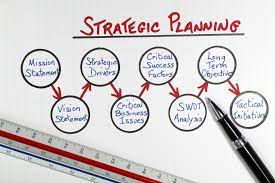
Strategic Planning Research Paper

Want help to write your Essay or Assignments? Click here

Strategic Planning

Task 1

1.1. Factors informing the process of strategic planning  

According to Bain (2014), the success of any strategy is determined by the strategic plans put in place. Effective strategy implementation requires a clear understanding of the process of strategic planning (Favoro, 2015). The set strategies should be in line with the firm’s goals and objectives since they represent the financial strength and sustainability of an organization. It is impeccable for strategic managers to show a clear strategic path for resource allocation and decision making to get the best strategies out of the available alternatives.

The vision of a business is the representative of what the organization wants to look like in future. Additionally, a vision statement tends to provide a picture of what the organization wants to achieve in the long run. On the other hand, the mission statement is short-term and aims to provide the purpose of the organization. The mission statement shows the stakeholders the position of the organization and its capability in the near future.

The goals of an organization provide the means with which it aims to achieve its mission statement, while the objectives are the desired returns that an organization would want to achieve (Iowa, 2011). Finally, the core competencies are the main differentiating factors of an organization from its competitors. Resources, skills, and activities that competitors cannot imitate provide for an organization’s core competencies.

All the laid strategic plans must be consistent with the goals, objectives, mission, core competencies, and vision of an organization since they are the determinants of the expectations of an organization’s stakeholders. Since strategic planning involves laying the foundation for achievement of strategies with the available resources, when all the stakeholders are satisfied as per the mission and vision statement, it becomes possible to implement the strategies for realization of positive results.

Want help to write your Essay or Assignments? Click here

There are a number of issues that affect the process of strategic planning. Strategic planning is referred to as a phase-by-phase procedure with the purpose of advancing the an organization. Of the issues that affect the process of strategic planning, there are five major factors that influence the procedure. Confusion of the strategy with the plan, disconnection from the reality, ineffective strategic analysis, lack of consistent ownership, and complicating the innovative process are some of the issues relating to strategic planning.

During the strategic planning process, some plans seem to liaise with already existing policies, making the current approaches seem void and managers may do away with the strategies. In the course of the process, some employees are not involved and still, the process is intellectual and involving making the strategic managers to be detached from the real world and come up with unreal plans (Bain, 2016). When there is great involvement and use of comprehensive analysis, the process ends up with so many details that make it unattainable.

Also, since it’s only a part of employees that are involved in strategizing and planning, it can be said that the process is now owned by all the employees hence making it difficult for them to be accountable and responsible for mistakes resulting from strategy implementation (Long, 2012). New strategies bring about new control measures which eventually reduces flexibility and innovative nature of an organization. All these issues dampen the process of strategic planning and it’s up to the strategic managers to deal with them before commencing the process to avoid loopholes for successful implementation.

Want help to write your Essay or Assignments? Click here

1.3. An evaluation of strategic plans systems

The techniques used for formulation of strategic plans differ in accordance to the strategy. There is a variety of techniques used for strategic planning but the chosen technique should provide the best possible strategic outcome. The main methods used for strategic planning include; directive, command, coordination, emergent and directive strategic techniques (Iowa, 2011).

A directive technique is used in large organizations that have a simple way of doing things. The technique involves a comprehensive study of the internal and external environment for the top management to carry out strategic plans. However, if the organization is large and complex, the suitable technique is coordination where all the departments and resources are integrated together to find the most suitable strategy.

A command technique is used in small and medium enterprises where the owner or owners get involved in the strategic planning process.  The owner is responsible for strategy formulation, planning, assessment, and implementation since there are few stakeholders involved in the process. A combination of internal and external team of experts is used for strategic planning in the case of emergent technique.

 Therefore, the effectiveness of a strategic technique is highly dependent on the type and nature of an organization. It is crucial for strategic managers to be familiar with their organizations in order to apply the best technique. Combining the different techniques provides for application of the internal and external environment, available expertise skills, as well as associating all the stakeholders in the strategic planning for effective results.  

Want help to write your Essay or Assignments? Click here

Task 2

Successful organizations understand the need to update the existing strategies as well as develop new ones to have a sustained growth. Apart from understanding the objectives, mission, core competencies, goals, and mission of an organization; it is important to understand the micro and macro environment before formulating new strategies. SWOT analysis, PESTEL analysis, and Michael Porter’s analysis are some of the main tools that can be used in assessing the environmental factors affecting an organization for the formulation of new strategies (Sun, 2015).

2.1. McDonalds

McDonalds operates as a food chain and has a presence in 200 nations. Founded in 1955, it has continuously grown in market share and revenue through diversification of products and engagement in online selling to increase customer value for maximum satisfaction.

2.2.     McDonald’s organizational audit

To carry out McDonald’s organizational audit, SWOT analysis is necessary.  SWOT analysis is carried out to determine the strengths and weaknesses of an organization, as well as identify the opportunities and threats that an organization faces for the formulation of a sustainable strategy for an increase in market share.

Strengths

  1. Ever since it was founded in 1955, the company prides itself in a great market share where it has established itself in 119 countries with more than 40 million customers.
  2. Offers a variety of products and menus for customers. The diversity of products makes the company have a sustained growth and increase in revenues over time.
  3. Utilizes up-to-date knowhow such as online marketing to increase customer value and market share.

Weaknesses

Although the company has a sustained organization environment, its main weakness is in the product delivery after the emergence of E-commerce. It is difficult to deliver products to all its consumers due to infrastructural problems and bad weather.

Threats

Just like other food chains, the company’s main threats are:

  1. Intense market competition since there is free market entry.
  2. Rapid changes in consumer tastes and preferences.
  3. Penetration of the web

Opportunities

  1. Globalization that has created numerous avenues for expansion of the company.
  2. Technology advancement leading to diversification of trade through e-commerce.

Want help to write your Essay or Assignments? Click here

2.3. McDonald’s environmental audit

The intention of carrying out an organization audit is to understand the market that a firm operates in. Since McDonald has an international manifestation, its environmentally friendly inventory is influenced by technological, political, legal, economic, environmental, and legal factors.  The environmental audit is a global one. Through the of PESTEL model, it is possible to carry out an environmental audit on McDonald’s.

2.4.      PESTEL Analysis

Some governments may encourage the company’s presence in their countries by giving out incentives while some may restrict operations hence influencing the strategies set up by McDonald’s strategic managers. Economic factors that affect the strategies set by the company include inflation, recessions, demand, and the supply of the products. Also, the company’s operations are socially affected in terms of the culture of the different market segments such that McDonald has to formulate strategies are consistent with certain cultural orientation.

There are some governments that impose high tariffs and taxes on foreign companies or reduce the rates to encourage the companies and McDonald is not left out. In addition, the strategy of the company is affected by innovations like information technology as well as electronic-commerce, which have an impact on the manner in which company operations are carried out. All these PESTEL factors influence the company and the way it formulates its strategies.

2.5. Significance of stakeholder analysis in strategy formulation

Stakeholders are the persons who are directly or indirectly affected by the operations of an organization. Like other businesses, McDonald’s stakeholders include: employees, customers, lenders, investors and the government. To effectively formulate a new strategy, it is important for a company to analyze all the stakeholders’ needs and expectations of the company (Duggan, 2014). A stakeholder analysis is a procedure used to assess and determine the effect of the key persons in an organization as well as their influence in the organization.

A company`s appraisal is considered to: decide the individuals that will undesirably or definitely have an influence on organizations operations, comprehend the influence of the shareholders on the business, and come up with approaches that are reinforced by all shareholders as well as reduce the difficulties the institute might go through  when implementing the strategies.

2.6.      Advantages of stakeholder analysis in formulating a new strategy

  1. It is possible to get expertise opinions that assist in shaping of a strategy as well as gaining support for effective strategy implementation.
  2. When stakeholders are involved in strategy formulation, an organization increases its chances of getting extra resources.
  3. It gives a clear understanding of the opinions people have for the company hence providing room for improvement through the new strategies.
    1. New strategy for McDonald’s

With the rapid changes that are taking place in the market, the best strategy that McDonald should adopt is e-commerce so as to increase its market share and increase consumer’s value.

Task 3

It is important that various alternative strategies are looked into before implementation. Each strategy has its advantages and disadvantages and it’s the strategy with the best outcome that should be taken (Duggan, 2013). In line with the vision and mission of Marks and Spencer, substantive growth, market entry, limited growth, and retrenchment are some of the available alternative strategies. This section outlines the four alternative strategies and recommends a strategy for Marks and Spencer

Want help to write your Essay or Assignments? Click here

3.1. Background

Mark and Spencer is a multinational retailer offers a variety of products in clothing and accessories (Mark & Spencer 2016). The company was founded in 1884 and is one of the leading retailers in the world.

3.2. Evaluation of the alternative strategies by Marks and Spencer

Substantive growth strategy is formulated through mergers and acquisition. Suppose a business if sturdy in terms of finances, then this implies that it is able to consider a strategy. Marks and Spencer has a big market share but it can merge with another firm to increase the share for sustained growth. Also, an expansion strategy exists by acquiring another business as it will be at a reduced cost and procedures.

An inadequate development approach is integrated using a joint venture thus leading to a diminished competitive edge, thus Marks and Spencer do not consider it. Reduction of cost and assets as well as revenue generation is some of the retrenchment strategies available for Marks and Spencer. The company can reduce its operation cost in Middle East. Moreover, the company should strategize on taking up extra market segments in the world to increase its market share.

3.3. Recommended strategy for Marks and Spencer

The company best alternative strategy is sustained growth through mergers and acquisition. The firm is already financially stable and strong hence is in a position to acquire or merge with other businesses in the same line. The strategy is the best of the other alternatives since it will lead to cost reduction with increased market share and sales.

Also, the microeconomic challenges faced in some of the countries can be phased out through mergers with firms that are already stable in those economies. The competitive nature of the clothing industry requires uniqueness of strategies which can only be achieved by liaising with firms that already understand the culture of the people in the various market segments.

Task 4

A strategy is void unless it is implemented. After successful strategic planning it is crucial to identify proper methods for implementation. Implementation is the final stage and the way it’s carried out determines if the strategy will be successful (Sage, 2014).

Want help to write your Essay or Assignments? Click here

4.1. Honda’s Background information

The company is multinational and operates in the automobile industry. It is the second largest automobile and was founded since 1959. The company operates globally and has sells a variety of products.

4.2. Responsibilities and roles of personnel in strategy implementation

The formulated strategy has to be communicated to the different stakeholders either formally or informally. The functions of each organization are influenced by the novel approach and needs the application of an informed communication to reach out regardless if it is horizontal or vertical.

The personnel equipped with the implementation process are responsible for mapping the strategy, integrating the organization for delivering the strategy, and carrying out the change process as impacted by the new strategy.

The personnel have the role of mapping the new strategy to the internal and external users to make them have an idea of the prospects of the new strategy to the operations and image of the organization. By mapping the strategy, the personnel will also be involved in positioning the strategy to the existing culture of the organization so that it fits with the firm’s expectations. Finally, the personnel are tasked with the change process that results from the new strategy.

The middle management and outside parties are the ones that take the responsibility of strategy implementation. The middle managers implement the strategic plan that has been set up by top managers through making sense of the strategy to other stakeholders, interpretation and re-adjustment of the stakeholders view on the strategies, and advising the senior management on the implications of the new strategy (Lewis & McKone, 2015). Shareholders are convoluted in the modification procedure and compelled to make the policy flexible as envisioned by the organization.

 4.3. Resource requirements for implementing a new strategy for Honda

Resource allocation is a strategic process aimed at aligning all of organizations resources to its goals and objectives. Resources are in form of finance, human labor, and infrastructure. All these resources must be used in such a way that they lead to the achievement of the strategies.

Honda required resources are finance and human resources since it is already in possession of the materials and tools required for strategy implementation. To achieve its innovative process of generating unique products, the company needs expertise skills as well as finance to undertake the process of research and development as well as start-up capital for the new venture.

4.4. SMART targets

For achievement of strategy implementation in Honda, SMART goals must be set. SMART stands for specific, measurable, attainable, realistic, and time-oriented. A strategy should be specific and clear to avoid complications during its implementation. A realistic target is achievable and falls within a specific time frame that is also measurable and is agreeable by all stakeholders. When a target is SMART it is easily implemented and is successful in the long run (Haughey, 2014).

Want help to write your Essay or Assignments? Click here

Conclusion

Strategic management is one of the crucial functions of a business. If all stakeholders are involved in the strategy formulation process, it becomes easier to implement and the required resources are made available. A strategy is said to be successful if it’s SMART has been analyzed using SWOT and PESTEL tools. After formulation, it requires different parties to take up the process of communicating the strategy in order to integrate all the functions of the organization for successful implementation of the strategies.

References

Bain, 2015. Strategic planning. [Online] available at: http://www.bain.com/publications/articles/management-tools-strategic-planning.aspx

Balanced Scorecard Institute 2016. Strategic planning [online] Available at: http://balancedscorecard.org/Resources/Strategic-Planning-Basics

Duggan, T 2013. Strategic management and how to allocate resources [online] available at: http://smallbusiness.chron.com/strategic-management-allocate-resources-11682.html

Duggan, T 2014. What are the roles and responsibilities of strategic project manager? [online] available at: http://smallbusiness.chron.com/roles-responsibilities-strategic-project-manager-10260.html

Favoro, K 2015. Defining strategy, implementation and execution [online] available at: https://hbr.org/2015/03/defining-strategy-implementation-and-execution

Haughey, D 2014. SMART goals: [online] available at: https://www.projectsmart.co.uk/smart-goals.php

Honda 2016. Honda[online] available at: http://corporate.honda.com/innovation/

Iowa 2011. Basics of strategic planning. Retrieved from: https://www.fpm.iastate.edu/worldclass/strategic_planning.asp

Lewis A & McKone D., 2016.  Strategic planning[online] available at: https://hbr.org/topic/strategic-planning

Long, N 2012. What is the role of an employee in the implementation process? [online]  available at: http://smallbusiness.chron.com/roles-employee-implementation-process-36334.html

Mark & Spencer 2016. Mark and Spencer Online. [online] available at: http://www.marksandspencer.com/?extid=ps_ggl_ROW_Brand_InternationalBrand&kwid=29649850_Google+Adwords&s_kwcid=AL!2750!3!76493220287!e!!g!!mark%20and%20spencer&device=c&ef_id=VqCuxgAAAWf@2QeZ:20160323111459:s

McDonalds 2016. Strategies. [online] available at : http://www.mcdonalds.co.uk/ukhome.html

Sun, L 2011. Environmental factors in strategic planning. Retrieved from: http://www.leoisaac.com/planning/strat016.htm

Sage, S 2015. Strategic implementation[online] available at.: http://onstrategyhq.com/resources/strategic-implementation/

Want help to write your Essay or Assignments? Click here
Transocean Strategic Management

Strategic Management

Want help to write your Essay or Assignments? Click here

Transocean Strategic Management

1.0 Introduction

The paper will evaluate the strategic position of Transocean, a major player in global offshore drilling services in the oil and gas industry. Strategic management is a process that entails formulating and implementing main objectives as well as initiatives a company takes based on the available resources. It also takes into consideration the evaluation of external and internal environment in which the firm operates.

Founded in 1953, the company is headquartered in Houston Texas. Transocean administrative division has since shifted to Vernier, Switzerland for tax and client servicing reasons. Various models such as STEEPLE, Ansoff and Porter’s Five Forces will be used to paint the company’s strategic position when it comes to, macro-environmental review, competition, diversification strategy, market development, product development and market penetration. To wrap up, the paper will make recommendations regarding the direction the company has to take to remain sustainable.

1.1 Analysis of Transocean Limited

Transocean is a prominent global provider when it comes to offshore drilling services for energy establishments. The company owns and operates the world’s most multipurpose flotillas that concentrate on deep-sea and extremely harsh environment drilling (Deepwater.com, 2016). With a fleet of sixty-one portable offshore drilling components, the company offers powerful rigs for deepsea drilling. Transocean helps clients to establish and develop oil as well as natural gas stockpiles.

The company offers an exceptional drilling performance that is anchored in a solid experience that spans more than a half a century. Transocean shares are listed on the New York Stock Exchange under the acronym RIG and Swiss Stock Market under the acronym RIGN.Transocean operates more than 140 offshore rigs in almost all mainmarine markets. Apart from offering drilling services offshore, the company offersdrill management services globally.  Transocean operates not just the largest extreme-deepsea flotilla of drill ships global, but it is also the largest offshore fleet worldwide.

The company hires more than 20,000 employees with the technical expertise that is the envy of their business rivals(Deepwater.com, 2016). Moreover, Transocean provides management and accomplishment services for assessment and production firms regarding offshore drilling schedules. The company’s mission is to become a leading offshore drilling organisation that provides rig-based services with a global reach, by incorporating a highly dedicated workforce,state of the art machinery and ultra-modern technology, while concentrating on technically demanding environments (Transocean, 2007b)..

The company is dedicated to values that represent its focus, innovativeness, safety, trust and reliability. The company promises to surpass not just the anticipations of theclient, but employees and shareholders as well (Deepwater.com, 2016). Transocean’s strategic goals include getting aligned with its customers when it comes to supporting and ensuring delivery of clients’ business objectives. 

The company conducts its operations with distinction which is characterized by safety and efficientoffshore solutions (Deepwater.com, 2016). In addition,Transocean keeps on enhancing its corporate culture and processes to optimize returns. Lastly, the company not only attracts but also nurtures and retains the industry’s best employees.

Want help to write your Essay or Assignments? Click here
2.0 Industry Trends

Drilling oil and gas was previously dependent on backlogs. Contract bores alter their rates based on their rig charges relative to retailing oil and gas prices. Usually, contract bores tend to wait on the day down, and speedily adjust their prices upwards depending on how the markets are performing (Redall, 2012). There has been a widespread pattern of extreme deepsea rig business with strong daily charges.

However, there has been a downward trend in mid-water rig markets. The most lucrative market lies of the Gulf of Mexico and West African coastal line, down to the south of Africa. The demand for deep-sea rigs is anticipated to remain jerky in the short-term(Helman, 2015).As of now, approximately 206 floaters are operating under contract across the industry (Deepwater.com, 2016).A large percentage of the total number is idle for completing major contracts.

3.0 Analysis the different types of strategic options

3.1Ansoff Matrix:

    Existing Markets    Market Penetration      Product Development  
    New Markets  Market Development      Diversification    

Existing Products

New Products

Transocean is a dominant player in a market that is not highly saturated. However, to remain at an edge over its closest business rivals, the company has adopted different approaches. Based on the Ansoff matrix, Transocean has been using a low pricing model to penetrate the market. When it comes to market development, Transocean has been offering ultra-deepsea drilling and management services in various parts of the world. What makes the company the envy of its business rivals is the fact that Transocean’s product development strategy works magic. Apart from ultra-deepsea boring services, the company offers rig and deepsea drilling consultancy services which is certainly some form of diversification hence competitive edge.

In short, Transocean operates in the same market by adopting a horizontal strategy in terms of expanding the product line. Lastly, Transocean has a predominantly diversified portfolio. To diversify risks, the company has necessitated mergers and acquisitions when it comes to financial management and technical expertise. The company operates in various regions such as the United States, the Gulf of Mexico, the North Sea, West Africa, and Southeast Asia, Middle East and the Arctic.

3.2Porter’s Five Forces

3.2.1Competition

Transocean threat of competition is moderate to high. For example, following a merge in mid-2007 between Rig and Transocean’s chief rival Global Sante Fe, this attempt reduced competition particularly, in ultra deep-water segments. While Transocean has almost a monopoly in ultra deep-water drilling, It is likely to enjoy less competition in ultra deep-water, especially in harsh climates that require technical personnel.

In fact, this contributed to the need for anti-trust lawsuit following the merger between RIG and GSF. Nonetheless, the firm has exposure to different offshore markets such as jackupsegment that is associated with intense competition in various regions globally as well as pricing (Porter, 2008). By and large, the organisation has less competition in ultra deep-water segments, with a somewhat intense competition in mid-water floater and also jackup segments.

Want help to write your Essay or Assignments? Click here

3.2.2 New entrants

Transocean enjoys a low threat of new entrants. With respect to offshore contract drilling sector, it requires huge investment in fleet and rigs before getting inflows from gas and oil organisations (Porter, 2008). This makes nearly impossible for new firms to enter this sector.

3.2.3 Substitute

The main threat of substitute is the changing the energy source from hydrocarbon to renewable sources across the world, which is not likely in the short-run (Turner, 2007). Therefore, the threat of substitute is low.

3.2.4Purchasing power

Transocean’s purchasing power is moderate. Much as exploration and production firms have power when it comes to negotiating, especially in mid-water floaters and jackupsegments, they have sufficient ability and provision of idle rigs. In essence, the buyers are in aposition to negotiate low daily rates in the contracts while ultra deep water segments maintain stringent rates (Schlumberger, 2008).

3.2.5Suppliers’ power

The supplier power is moderate. Transocean providers have some degree of power. For instance, suppliers like National Oilwell Varco take part in the decision making in constructing Transocean’srigs andother essential parts. Luckily, this is crucial for Transocean since National Oilwell Varco has a few plans of increasing the fleet of drillships. In general, benefits from pricing since they are the main clients to themajority of their specialised providers (Porter, 2008).

Want help to write your Essay or Assignments? Click here

3.3 STEEPLE

3.3.1 Social

The organisation takes part in various social activities, including charitable contributions to developing environmental initiatives to increase its reputation.

3.3.2 Technological

Technology is necessaryfor drilling sector as such Transocean gets its strength in technological development. While oil drilling and the ecology are related, so is technology and demand. Drilling in deepwater is more and more vital from drilling organisations since they are considered to be more profitable. The firm is positioning itself to capitalize in this segment. For instance, in 2007, Transocean acquired a drillship worth USD 470m to take advantage of deep-water drilling, which allows the firm to drill up to ten thousand feet.

Due to advanced underwater drilling, there has been a decrease in jackup rigs demand (Associated Press, 2007). This presentsTransoceanwith the opportunity to beat their rivals like Noble Corporation in the struggle for innovation. Currently, the firm is leading in deep-water exploration (Katsaros & Christy, 2005).

3.3.3 Economic

Cost is a major challenge for drilling organisations. As oil price rises, the cash flow increases too, which makes organisationsinvest considerably in drilling activities? Furthermore, the new techniques of recovering oil though they are essential in the growth of petroleum production, are leading to an increase in the gasoline price. Implicitly, thehigh price of oilis required to make drilling firms profitable. High global investment drives drilling.

With great interest to drill in foreign regions, global investors are significantly investing, hence leading to expansionof oil and gas sector (Maksoud, 2007).Even though raising oil cost will adversely influence Transocean, in reality, will be beneficial in the long run. Oil cost is inelastic. In other words, afluctuation will insignificantly affect demand. Therefore, increasing oil prices willboost cash flow for Transocean, which means additional business like funding new drilling projects.

3.4.4 Environmental

On environmental protection, Transocean is committed to enhancing its stringent police on Environmentalmanagement system (EMS). Transocean’s EMS visitation is conducting its operations in a standardised manner that fulfills the high levels of stipulated laws to drive continuous enhancements while instilling ownership across its facilities (Transocean, 2007a). The organisation is environmentally sustainable by way of using green products and assessment is utilized as part of routine operations.

The firm also focuses on recycling. Additionally, Transocean has set up a recycling plan, where recyclables are sorted and compressed in rigs. After compression, they are transported to Tech Oil Products and donated to a recycling hub in the ARC of Iberia.

Transocean has collaborated with different oil and gas firms such as Subsea 7, and BP in the SERPENT project. Thisentails necessitating access to the installations, in partnership with their customers to present scientific knowledge to experts in the SERPENT project (Dictionary.Cambridge 2012). In turn, the analysts conduct various projects including assessing biodiversity and effects of drilling on the environment.

The analysts also work on the company’s rigs to study marine species (Transocean, 2007a). By and large, Transocean protects the environment in which it operates to demonstrate that the company recognises the consequences of natural demand shifters.

3.4.5 Political/Legal

Oil presents this organisation with a strong political force. Because oil is the primary source of energy internationally, thus, the supply of oil is related to power regardingpolitics; oil firms leverage authority over regimes (Dictionary.Cambridge 2012).   With no oil organisations, United States is likely to lose its dominance in developing nations remarkably. Though oil drilling firms are fundamental in giving regimes the authority, they are still regulated and work as per government laws, such as prohibiting drilling in particular regions like the Gulf of Mexico to protect the environment.

In 2007, the Congress was promoting the closure of a quarter-century ban on the production of offshore energy. This decree banned 85 percent of all drilling in United States’ continental shelf, greatly affecting oil drilling firms including Transocean (Kamalick, 2007). Furthermore, the Congress were supporting the opening of additional shorelines, which was associated with renewable sources of energy, as such they sought for support from environmentalists. While regimes exercise their authority on oil and gas providers, these providers, in turn, have authority over the very regimes.

Want help to write your Essay or Assignments? Click here

3.4.6Ethical Standards

Transocean aspires to ensure financial discipline in their disclosure, honesty and candor in all their engagements with clients, ahigh esteem for employees, customers and suppliers, the safety of employees, property and the ecosystem and technical leadership. Loyalty to these core values demands the company to execute its operations in tandem with thelaw and the utmost standards of business ethics.

In advancing that objective, the company embraces the Code of Business Conduct and Morality, the firm’s environment is also a corrupt free zone and an Anti-Corruption and Business Conduct Policy takes care of that. Again, directors and employees are not allowed to enhance the culture of inside trading. Nonetheless, all employees should adhere to the privacy policy.

4.0 Recommendations

Since oil is directly associated with international authority, oil drilling organisations have authority over regimes, nevertheless, with another alternative, Transocean should continuously go this direction to maintain the lead if the primary source changes

Much as the company has advanced drillship tools, it should take a notch higher by researching new products in comparison to its rivals.When it comes to maintaining competitiveness in oil and gas industry, Transocean should use differentiation strategy that will be vital in developing clients’feedback and service delivery. The differentiation strategy should focus on quality rigs, particularlydeep-water drilling and ability to survive environmental disasters such as hurricanes.

While this threat of substitute islow, in future it may reduce the demand for oil. For that reason, Transocean should create awareness among clients about the benefits of oil in comparison to other energy sources. This can be carried out through advertisements. For instance, the organisation should use ads that demonstrate even with the use of alternative sources such as ethanol, which is considered environmentally sustainable compared to oil. Ethanol requires aconsiderable quantity of biomass. In the even that US, ethanol from corn is employed on a large scale, then it will contribute to increased costs of corn.

The prices of beef will also skyrocket remarkably as cows feed on corn products. On the other hand, if Brazilian corn is used thatis produced from sugar; rainforests in the region will be cut to provide land to grow sugar. Creating awareness through ads will help Transocean increase the demand for oil while increasing the demand for petroleum products from the company.

The company should embrace Ansoff model to diversify its portfolio. Instead of concentrating on drilling and consultancy, the company can take a leap of faith and venture in other business like marine transport, finance, healthcare, real-estate, heavy metal processing among others. Diversification is critical because it will help the company spread risks, when oil business is at its low. 

Want help to write your Essay or Assignments? Click here

5.0 Conclusion

The study set out to evaluate Transocean position in the offshore drilling services. The company’s background, values and strategic goals were highlighted at the outset. To understand the company’s product and market development; market penetration and diversification, the Ansoff Matrix was used. The Porter’s Five Forces were employed to establish the intensity of the competition. However, STEEPLE model was used to evaluating the company macro-environment. In the end, the paper touched on the best practices as assured by ethics codes. Recommendations were made regarding the corporation’s future. 

6.0 Bibliography

Associated Press 2007. JP Morgan Securities analyst upgrades GlobalSantaFe, Transocean to “neutral.” Retrieved 17th March. 2016 from Factiva.

Berman, A. 2007. Drilling advances. World Oil, 19. Retrieved March 17, 2016 from Business Source Premier Database

Deep Sea Drilling Project 2015.” The Columbia Encyclopedia, 6th ed.. 2015. Encyclopedia.com. 17 Mar. 2016 <http://www.encyclopedia.com>.

Dictionary.Cambridge 2012. PESTLE analysis. [online] Available at: http://dictionary.cambridge.org/dictionar0y/business-english/pestle-analysis?q=pestle+analysis [Accessed: 6th august 2012].

Helman, C, 2015. Forbes.com, Retrieved March 17, 2016  from http://www.forbes.com/sites/christopherhelman/2015/03/16/oil-layoffs-itemized-75000-andcounting/

Deepwater.com, 2016. Deepwater.com accessed on 18th March. 2016 at <http://www.deepwater.com/>

Katsaros, J.&Christy, P. 2005. Getting It Right the First Time: How Innovative Companies Anticipate Demand. Westport, CT: Praeger

Kamalick, J. 2007. Untitled. Chemical Business Americas, p. 26. Retrieved March 17, 2016

Maksoud, J. 2007. International investment pours into Africa. Pipeline and Gas Journal,pp. 42-44.

Porter, M. 2008. The Five Competitive Forces That Shape Strategy. Harvard Business Review, 15 January 2011.

Redall, B, 2012. Reuters.com, Retrieved March 17, 2016 from http://www.reuters.com/article/us-fieldservices-powerstruggleidUSBRE8AC05S20121113#y2LttEqUfwzf4Kja.97

Schlumberger 2008. Day rate. Oilfield Glossary. Retrieved March 17, 2016 from http://www.glossary.oilfield.slb.com/Display.cfm?Term=day%20rate

Transocean, Inc. 2007a. Responsibility. Retrieved March 17, 2016 from www.deepwater.com

Transocean, Inc. 2007b. Our company. Retrieved March 17, 2016 from www.deepwater.com.

Turner, H. (2007). Conversation about Transocean and alternative fuels. 

Want help to write your Essay or Assignments? Click here

Sexually Transmitted Infections Practicum Journal Entry

Sexually Transmitted Infections

Want help to write your Essay or Assignments? Click here

Sexually Transmitted Infections

This practicum is one of the most fascinating experiences in my clinical practice. Dealing with patients diagnosed with sexually transmitted infections (STIs) is challenging as most of the patient are hesitant to talk openly to a nurse or doctor about their experiences, which makes it challenging during clinical decision making processes (American Congress of Obstetricians and Gynaecologists, 2011).

Mrs. Kate (pseudo name)  a 21 year old college student presented to the clinic with complaints of itchiness around her genitalia, sharp burning sensation during sexual intercourse and had noted whitish discharge that had foul smell. From the clinical manifestation, I gathered that the patient is suffering from an infection, which could be either sexually transmitted infections (STIs) or urinary tract infections (UTIs). There is a thin line that separated the two, which indicated the need for  further laboratory test.

 According to Centre for disease control and prevention (CDC), UTIs and STIs clinical manifestations are non-specific and are a common to problem for females. This highlights the likelihood of misdiagnosis. The common clinical manifestation for the urogenital diseases includes a burning sensation during urination, vaginal discharges and pelvic pain. However, in UTIs infection, vaginal discharge with awful smell is normally absent. The patient with urinary tract infection tends to have fever. A pelvic exam, urine culture and vaginal culture results indicate that the patient had yeast vaginal infection (CDC, 2013).

Want help to write your Essay or Assignments? Click here

One of the challenges experienced during this practicum was during sexual history assessment. Initially, the patient was hesitant to disclose the information because it is a taboo and also she believed that disclosing this information would victimize her.  After reinforcing the issue of confidentiality, the patient became relaxed and disclosed the sensitive information.

The sexual history assessment was done using the general guide  of the ‘5 Ps.’ This included the number of sex partners, the type of sexual activity, the rates of use of protection, and use of contraceptives.  This helped me understand the patient literacy and perspectives about UTI (Schuiling and Likis, 2013).

The patients seemed somewhat distressed when I gave her the diagnosis results. However, she was cooperative all through the care plan.  The patient was advised to have regular check up with the gynaecologists. This is because sexually transmitted infections (STIs) have short and long term impacts that can be life threatening. The short term impacts include emotional disturbances due to physical changes.

The long term effects include genital sores, inflammation, infertility issues and pelvic inflammatory reactions. Fortunately, genital yeast infections like other sexually transmitted infections (STIs) is manageable if diagnosed early and proper medication regimen is provided (CDC, 2013).

 The patient had tried to manage the itchiness and pain using Tylenol (OTC) and vaginal cream, which yielded little success. The patient was given fluconazole 150 mg and Terconazole 80 mg both orally administered one suppository/day for at least 3 days. The medication ensured that the patient did not get recurrent infection. The patient was encouraged to observe hygiene and practice abstinence during the medication regimen. Other hygiene measures such as mutual monogamy, abstinence and avoid of douching practices.

Want help to write your Essay or Assignments? Click here

This practicum was very enlightening, especially on ways to practice cultural competency. I noticed that sexually transmitted infections (STIs) education focuses in specific information on signs and symptoms which seems to be the worst case scenarios and a taboo to most of the community.

The only down to earth guidance is abstinence and use of condom. If not handled with care, the interaction with the patient could affect patient psychosocial status. I have learnt a lot from this practicum and will use the knowledge to help other patients to identify risk factors and practice preventive measures (Schuiling and Likis, 2013).

References

American Congress of Obstetricians and Gynecologists. (2011). Guideline for adolescent health care (2nd ed.). Retrieved from http://www.acog.org

Centers for Disease Control and Prevention (CDC). (2013). Incidence, prevalence, and cost of sexually transmitted infections in the United States. Retrieved from http://stacks.cdc.gov/view/cdc/13174

Schuiling, K. D., & Likis, F. E. (2013). Women’s gynecologic health (2nd ed.). Burlington, MA: Jones and Bartlett Publishers. 

Want help to write your Essay or Assignments? Click here

Back Pain: Research Study in Australia

Back Pain
Back Pain

Want help to write your Essay or Assignments? Click here

Back Pain

Introduction

Back pain is a common and costly disorder in Australia. Hoy et al., (2014) report that about 25% of Australians suffer from back pain and approximately half of them seek medical attention. The direct costs for treatment of this condition in Australia have been estimated to be approximately $ 1 billion with an addition of $ 8 used in indirect costs (Buchbinder et al., 2013).

The condition is also prevalent within the healthcare professionals where nurses have a higher likelihood of developing back pains unlike individuals from other professions. In South Australia alone, back injury accounts for over $2 million in every financial year (Lorig et al., 2013). Surveys of patient self-managing their back pain as well as those managed in primary care have indicated that usual care is not often evidence based hence hindering provision of best outcomes to patients.

Consequently, there has been a growing demand to address the ramifications of back pain through changes in health policies, investments, and service delivery. Healthcare providers, are charged with the responsibility of ensuring that patients receive effective prevention and treatment strategies to curb this menace.

In my visit to John’s home, there are a number of activities that I will conduct to examine John’s condition and the proper intervention that he needs for effective management of his condition. Some of these activities that I will examine include;

Want help to write your Essay or Assignments? Click here

Patient Education

In my initial visit, the first is educating John on chronic back pain. I will highlight clearly that the condition may arise due to an injury or diseases on different body structures such as the muscles, joints, ligaments, or nerves. According to Traeger et al., (2014), the type of pain varies and can be felt as muscle pain, bone pain, or nerve pain. I will also emphasize that it is important for patients to seek medical attention the moment they have back pains and not wait until the disorder worsens to promote effective management of the condition.

At this point, it will be of great significance for me to let John know that he is not the only one suffering from back pain. He should understand that back pain is a massive problem in Australia that sends more people to seek medical attention more than any other condition except common cold (Driscoll et al., 2014).

Nutrition and Weight loss

Normally, patients who are overweight and suffer from back pain, such as John, may not be aware their excess weight aggravates their condition (Brady et al., 2016). It is well known that obese patients are at a greater risk for back pain, muscle strain, and joint pain unlike those that are not overweight. Moreover, obese patients also complain of fatigue and shortness of breath which makes them refrain from exercises worsening their back pain (Heuch et al., 2013).

When patients do not get enough exercise for quite some time, the back’s supporting structures become weak, stiff, and deconditioned which further increases pain (Silisteanu & Covasa, 2015, November). It is for this reasons that I will encourage John to have a weight loss program which may involve gentle low-impact activities such as walking, jogging, or water therapy. I will also advise John to avoid eating foods with high fat content. He should also stick to a rational nutrition plan which involves changes in eating habits as a step toward effective management of his back pain.

During the visit, I will observe John’s posture and position. Reviewing of John’s curvature of the spine, shoulder symmetry, and the iliac crest will also be of great importance. I will conduct a physical examination through palpation of John’s paraspinal muscle to identify any form of tenderness and then initiate proper interventions as per the findings.

Pain Alleviation

For pain reduction, I will encourage John to take timed bed rests and adjust his position to improve flexion of the lumbar region. I will teach him to regulate and adjust the pains that traverse through the respiratory diaphragm. Relaxation can also help in reducing muscle tension that contributes to back pain. John should also adjust his sitting position regularly or even engage in other activities such as reading books, watching a movie or take part in yoga.

I will advise John to request his wife, Donna, to gently massage his back. It has been proven by Kumar, Beaton & Hughes, 2013; Schulz et al., 2014) that massage aids in reduction of muscle spasms, reducing damming, and improve blood circulation.

Want help to write your Essay or Assignments? Click here

Depression

Depression is the most common emotion linked to chronic back pain. Patients with chronic back pain have major depression which is said to be four times greater in such patients than in the general public in Australia. John is not an exception from this statistics since he reports that he is depressed because he can no longer take part in activities such as hiking and cycling that he has always loved.

Research has revealed that depression can trigger back pain (Steffens et al., 2012). It affects the intensity, frequency and the rate of healing of back pain. Consequently, I will advise John to communicate about the depression. Mostly, many patients do not talk to their physicians about their depression, anxiety, or stress (Center, 2012). Individuals that are stressed tend to tense their back muscles which in turn trigger the onset of low back pain or make it even worse.

They believe that the emotions will go away once the initial pain problem is solved. Therefore, John should regularly keep me updated about his feelings so that I may provide desirable care to him. I will also recommend John to interact with other people, for instance, he can occasionally visiting his daughter or son or play with his grandchild to avoid being lonely and stressed up.

The two activities that I will give priority in my subsequent visits are;

  1. Adherence to Medication

Generally, healthcare providers are aware of the considerable increase in rates of opioid prescribing. Opioids have long been used as pain management agents. However, they are associated with adverse reactions such as nausea, vomiting, constipation, respiratory depression, addiction, and even death. The side effects usually limit their use by patients. Therefore, in my first visit and subsequent visits, this is an issue I will be reviewing.

In these visits, I will assess the effectiveness of the prescribed analgesics and inquire from John on whether what he feels after taking the drug. I will then initiate appropriate adjustments according to the patient’s condition for effective pain management. Besides, other pain management therapies such as acupuncture, yoga, chiropractic care, and herbal medicines such as ginger, capsaicin and feverfew can be used (Ferreira et al., 2014).

Want help to write your Essay or Assignments? Click here

ii)  Exercise

According to Searle et al., (2015)exercise should be the first treatment choice for a patient with back problems such as John. This is because exercise matches the fact that individuals with chronic back pain should be physically active and involve themselves in their management. Moreover, treatments such as massage, acupuncture, and manipulative therapy are passive hence the patient is not involved in the therapy.

Falla et al., (2014) further highlight that exercise provides other health benefits beyond back pain management, for instance, in terms of bone and cardiovascular health. Therefore, I will encourage John to take part in usually low grade oscillatory exercises such as knees side to side rotation, knee to chest stretches, pelvic tilts, and press ups. I will also help John to come up with an exercise program which I will be supervising to ensure he follows it.

 There are several forms of exercise and there is no genuine reason of expecting that one approach would be better than the other (O’Sullivan, 2012; Elden et al, 2013).  As a result, I will give John a list of beneficial exercises he can engage in and enquire from him which type he would prefer so that it is included in the exercise program. The best form of exercise for any patient is the one they are enthusiastic about and willing to continue with.

For instance, John says he likes cycling; an activity that has been recorded to have desirable outcomes in patients with back pains. This can be included in his program. I will advise John not to take part in heavy physical activities, circular motions, and sways which often worsen the condition. I will encourage John to switch activities while sitting, lying or walking for a long time.

Want help to write your Essay or Assignments? Click here

Conclusion

Back pain is a common health problem in Australia (Cramer et al., 2013). However, its prevalence can be reduced significantly if patients and clinicians work together. Patients, for instance, should seek early medical attention and adhere to the prescribed medications and the recommended activities. On the other hand, physicians should keep a close surveillance on these patients and ensure that desirable patient outcomes are realized.

References

Brady, S. R., Hussain, S., Brown, W. J., Heritier, S., Billah, B., Wang, Y., & Cicuttini, F. M. (2016). Relationships between weight, physical activity and back pain in young adult women. Osteoarthritis and Cartilage24, S10-S11.

Buchbinder, R., Blyth, F. M., March, L. M., Brooks, P., Woolf, A. D., & Hoy, D. G. (2013). Placing the global burden of low back pain in context. Best Practice & Research Clinical Rheumatology27(5), 575-589.

Center, C., Relief, P., Covington, L. A., & Parr, A. T. (2012). Caudal epidural injections in the management of chronic low back pain: a systematic appraisal of the literature. Pain Physician15, E159-E198.

Cramer, H., Lauche, R., Haller, H., & Dobos, G. (2013). A systematic review and meta-analysis of yoga for low back pain. The Clinical journal of pain, 29(5), 450-460.

Depression Goesling, J., Clauw, D. J., & Hassett, A. L. (2013). Pain and depression: an integrative review of neurobiological and psychological factors. Current psychiatry reports15(12), 1-8.

Driscoll, T., Jacklyn, G., Orchard, J., Passmore, E., Vos, T., Freedman, G., & Punnett, L. (2014). The global burden of occupationally related low back pain: estimates from the Global Burden of Disease 2010 study. Annals of the rheumatic diseases, annrheumdis-2013.

Elden, H., Gutke, A., Kjellby-Wendt, G., Fagevik Olsén, M., Stankovic, N., & Östgaard, H. C. (2013). Back pain in relation to pregnancy: A longitudinal 10-year follow-up of 369 women diagnosed with pelvic girdle pain during pregnancy. In Advances in multidisciplinary research for better spinal/pelvic care. The 8th Interdiciplinary World Congress on Low Back & Pelvic Pain, Oct, 2013. Dubai.

Falla, D., Gizzi, L., Tschapek, M., Erlenwein, J., & Petzke, F. (2014). Reduced task-induced variations in the distribution of activity across back muscle regions in individuals with low back pain. PAIN®155(5), 944-953.

Ferreira, P. H., Ferreira, M. L., Maher, C. G., Refshauge, K. M., Latimer, J., & Adams, R. D. (2013). The therapeutic alliance between clinicians and patients predicts outcome in chronic low back pain. Physical therapy93(4), 470-478.

Heuch, I., Heuch, I., Hagen, K., & Zwart, J. A. (2013). Body mass index as a risk factor for developing chronic low back pain: a follow-up in the Nord-Trøndelag Health Study. Spine38(2), 133-139.

Hoy, D., March, L., Brooks, P., Blyth, F., Woolf, A., Bain, C., & Murray, C. (2014). The global burden of low back pain: estimates from the Global Burden of Disease 2010 study. Annals of the rheumatic diseases, annrheumdis-2013.

 Kumar, S., Beaton, K., & Hughes, T. (2013). The effectiveness of massage therapy for the treatment of nonspecific low back pain: a systematic review of systematic reviews. Int J Gen Med6, 733-741.

Lorig, K., Ritter, P. L., Plant, K., Laurent, D. D., Kelly, P., & Rowe, S. (2013). The South Australia health chronic disease self-management Internet trial. Health Education & Behavior40(1), 67-77.

O’Sullivan, P. (2012). It’s time for change with the management of non-specific chronic low back pain. British journal of sports medicine46(4), 224-227.

Schulz, C., Leininger, B., Evans, R., Vavrek, D., Peterson, D., Haas, M., & Bronfort, G. (2014). Spinal manipulation and exercise for low back pain in adolescents: study protocol for a randomized controlled trial. Chiropractic & manual therapies22(1), 1.

Searle, A., Spink, M., Ho, A., & Chuter, V. (2015). Exercise interventions for the treatment of chronic low back pain: A systematic review and meta-analysis of randomised controlled trialsClinical rehabilitation29(12), 1155-1167.

Silisteanu, S. C., & Covasa, M. (2015, November). Reduction of body weight through nutrition intervention reduces chronic low back pain. In E-Health and Bioengineering Conference (EHB), 2015 (pp. 1-3). IEEE.

Steffens, D., Ferreira, M. L., Maher, C. G., Latimer, J., Koes, B. W., Blyth, F. M., & Ferreira, P. H. (2012). Triggers for an episode of sudden onset low back pain: study protocol. BMC musculoskeletal disorders13(1), 7.

Tekur, P., Nagarathna, R., Chametcha, S., Hankey, A., & Nagendra, H. R. (2012). A comprehensive yoga programs improves pain, anxiety and depression in chronic low back pain patients more than exercise: an RCT.Complementary therapies in medicine20(3), 107-118.

Traeger, A. C., Moseley, G. L., Hübscher, M., Lee, H., Skinner, I. W., Nicholas, M. K., & Hush, J. M. (2014). Pain education to prevent chronic low back pain: a study protocol for a randomised controlled trial. BMJ open,4(6), e005505.

Want help to write your Essay or Assignments? Click here

Type 2 Diabetes Patients’ Lack of Proper Education

Lack of Proper Education on Patient with Type 2 Diabetes

Want help to write your Essay or Assignments? Click here

Lack of proper education on patient with type 2 diabetes

Locating the Best Evidence

            Often, type 2 diabetes patients lack proper education mainly because of the different barriers that they face as well as the receiving education that lacks a proper algorithm. Therefore, there is a great need for these measures to be acted upon so that the patients can realize more positive outcomes. Mshunqane, Stewart and Rothberg (2012) indicated that diabetes type 2 is associated with numerous complications, many of which can cause death if not managed appropriately.

In addition to this, at the worldwide level, the disease is acknowledge as a main challenge that nags the policymakers each day. There is presently some staggering statistics of the increasing prevalence as well as the linked economic and health impact.

            Further, the World Economic Forum, World Health Organization, as well as the United Nations recognize the challenge. All these bodies suggest for collective dedication to improve the life quality of the patients as well as prevent the disease. They are clear that the challenge is universal, urgent, and critical. There is also the acknowledgment that the disease is serious for two main reasons (Stults-Kolehmainen & Sinha, 2014).

First is the health impacts linked to it which are more critical including increased likelihood for lower limb amputations, blindness, heart attacks, kidney failure, as well as stroke. Second, there are indirect and direct costs which are a major drain on the healthcare budgets as well as productivity.

            The issue is very urgent considering that its prevalence is rising. Moreover, managing the complications associated with the disease is very costly, same as incorporating appropriate measures to ensure that the patients lead a high quality and independent life. The mentioned bodies also agree that proper education is one of the strategies through which the disease can be prevented and managed efficiently.

However, there are a number of barriers that prevent this and the education algorithm normally used is inappropriate. Therefore, this systematic review will aim at finding information suggesting the appropriate algorithm as well as the common barriers as well as how they can be addressed.

Want help to write your Essay or Assignments? Click here

Methods

Search strategy

            Peer-reviewed academic journals will be sought from different databases, and these will be used to conduct the systematic review (Lee et al., 2013). The intention will be creating a proper algorithm on diabetes type 2 education, as well as identify some of the barriers to proper education and how they can be addressed. The databases to be used for the systematic review are CENTRAL, Social Science Citation Index, Science Citation Index, PSYCLinfo, Medline, ERIC, and CINAHL.

The references to the articles that were selected were also evaluated for leads. Reading the reviews was necessary as it helped identify if the article was appropriate. In relation to the inclusion criteria, there was selection of articles that were not older than five years. Particularly, there was selection of those discussing the barriers to proper diabetes type 2 education and their solutions, and those discussing proper education standards (Kapoor & Kleinbart, 2012).


Critically Analyzing the Evidence and Synthesis

Proper education algorithm

            Type 2 diabetes education preventive measures will be informed to all the people through local barazas. This would ensure that all people engage in appropriate lifestyles to prevent the disease. Cultural competent educators, and those with proper listening and communication skills will be used to offer the education so that no one can be left behind (Garber, Gross & Slonim, 2010).

It will be necessary to educate the patients on all aspects of the disease including the causes, risk factors, predisposing factors, preventive strategies, available treatments, and management. In addition, awareness on how a patient can ensure self-care should be offered, same as the complications and the direct and indirect costs that a family can suffer because of the disease.

Moreover, the educator should go into details when elaborating on the preventive measures including the diet and physical activity. The more the patients and all people know about the disease and how it is connected to other chronic conditions, the more efficiently they can engage in self-care (Green, 2014).

Barriers and addressing them
            for patients to be able to receive the recommended type 2 diabetes education, they should really be concerned about their healthcare and ready to access or seek quality medical education. However, because of the ignorance some patient have, they prefer using over-the-counter medications or seeking traditional medicine men. They never seek the quality healthcare services because of their ignorance and low socioeconomic backgrounds. 

Therefore, even the use of preventive services among these patients is very minimal. To address this, the local authorities will be given a chance to mobilize people from their living areas, so that education can start at the grassroots level before even being offered at the healthcare institution (Zoepke & Green, 2012).

            In addition, there are many elderly people suffering from type 2 diabetes and with hearing, memory, and vision challenges. These will be offered the education in the presence of caregivers who can assist them around (Chijioke, Adamu &Makusidi, 2010).

Feasibility, Benefits, and Risks

Feasibility

            The project of delivering proper education to the type 2 diabetes, patients is feasible, especially if the most appropriate education is being delivered, with a consideration of the personal factors, and if the barriers that might hinder the education have been considered and measures to address these put in place. Healthcare providers would only need to offer patients attending the institution for medical care services the pamphlets containing all the necessary information.

However, when dealing with type 2 diabetes patients, it would be necessary to find out first what they already know and later creating awareness while dispelling the misconceptions. This would be relatively cheap. It would also be necessary to explore other factors that affect individual patients so that advice can be offered (Rosenstock & Owens, 2008).

Barriers

            After proper education is offered and the barriers to it addressed, some patients might still lack the funds to purchase even the affordable local foods. Considering that some patients might be elderly, there might be issues such as improper vision, hearing loss, and memory loss, which might influence practice of the education.

Benefits

            Ensuring that the patients are receiving proper education and implementing it is essential in that it can go a long way in reducing the high prevalence of the disease, preventing complications, reducing the high costs needed to treat and manage the condition, as well as the losses related to loss of productivity and need for a higher quality of life (Ruffin, 2016).

Risks

            Some of the anticipated risks include limited resources to ensure that adequate and proper education on type 2 diabetes is being delivered to the patients (Valencia &Florez, 2014).  In addition, there might be absence of cultural competence professionals to deal with patients from different backgrounds. In addition, tracking the patients at their homes to ensure that they are implementing the proper education appropriately can be difficult and costly.

References

Chijioke, A., Adamu, A. N., &Makusidi, A. M. (2010). Mortality patterns among type 2 diabetes mellitus patients in Ilorin, Nigeria : original research. Journal of Endocrinology, Metabolism and Diabetes in South Africa, 15, 2, 79-82.

Garber, J. S., Gross, M., & Slonim, A. D. (2010). Avoiding common nursing errors. Philadelphia: Wolters Kluwer Health/Lippincott Williams & Wilkins.

Green, B. (June 06, 2014). Diabetes and diabetic foot ulcers : an often hidden problem : review. Sa Pharmacist’s Assistant, 14, 3, 23-26.

Kapoor, B., & Kleinbart, M. (2012). Building an Integrated Patient Information System for a Healthcare Network. Journal of Cases on Information Technology (jcit), 14, 2, 27-41.

Lee YK, Ng CJ, Lee PY, Khoo EM, Abdullah KL, Low WY, Samad AA, Chen WS, & Lee, Yew Kong. (2013). What are the barriers faced by patients using insulin? A qualitative study of Malaysian health care professionals&rsquo; views. Dove Press.

Mshunqane, N., Stewart, A. V., & Rothberg, A. D. (January 01, 2012). Type 2 diabetes management : patient knowledge and health care team perceptions, South Africa : original research. African Primary Health Care and Family Medicine, 4, 1, 1-7.

Rosenstock, J., & Owens, D. (January 01, 2008). Treatment of Type 2 Using Insulin: When to Introduce?.

Ruffin, T. R. (January 01, 2016). Health Information Technology and Change.

Stults-Kolehmainen, M. A., & Sinha, R. (January 01, 2014). The Effects of Stress on Physical Activity and Exercise. Sports Medicine, 44, 1, 81-121.

Valencia, W. M., &Florez, H. (January 01, 2014). Pharmacological treatment of diabetes in older people. Diabetes, Obesity & Metabolism, 16, 12, 1192-203.

Zoepke, A., & Green, B. (January 01, 2012). Diabetes and diabetic foot ulcers : an often hidden problem : general review. Wound Healing Southern Africa, 5, 1, 19-22.

Want help to write your Essay or Assignments? Click here

Weight Management for Overweight/Obese Children: Parents Take Charge (PTC)

Weight Management for Overweight/Obese Children: Parents Take Charge (PTC)
Weight Management for Overweight/Obese Children: Parents Take Charge (PTC)

Want help to write your Essay or Assignments? Click here

Weight Management for Overweight/Obese Children: Parents Take Charge (PTC)

Abstract

This proposal is designed to halt the increasing rate of childhood obesity.  Modifications in nutrition, behavior and physical activity are well documented to produce successful outcomes for obesity with the main change agent being the individual.  Due to the complexities of childhood obesity, an intervention that includes proven elements that prevent obesity and addresses the special factors that affect children is needed. 

Parents Take Charge (PTC) is a multi-component family-based childhood obesity intervention that includes modification in nutrition, behavior and physical activity, but focuses on the parent(s) being the primary change agent for the child, age 10-13 years.  Addressed in this evidenced-based proposal are the assessment of need, an analysis of best evidence, design aspects, implementation, evaluation, integration and maintenance of the practice change in a primary care setting. 

The focus of the intervention is to teach healthy lifestyle behaviors to the child through parental involvement instead of focusing on weight reduction as the primary outcome. 

Weight Management For Overweight/Obese Children:  Parents Take Charge (PTC)

Quality care can be defined as appropriately identifying, evaluating, diagnosing and treating patients.  The term quality in healthcare is correlated to professional knowledge and desired health outcomes (Institute of Medicine, 2012).  It is also defined as being closely associated with patient safety (Mitchell, 2008).  Clinical excellence is the goal of providing quality care.  The process for achieving clinical excellence includes patient-centered care. 

The patient is the focus and includes their concerns regarding their illness, values, beliefs and support network. Making the patient an active participant in their health care results in informed decision-making by the patient.  Autonomy, nonmalfeasance, beneficence, justice and fidelity are ethical principles that are addressed as definitions of providing quality care and achieving excellence in primary care. 

America Nurses Association, American League of Nursing, and Center for Applied and Professional Ethics are organizations that set guidelines for excellence (Stanley, 2011).  Quality and excellence in a clinical site is achieved through appropriate, comprehensive and timely care. 

Examples of methods of providing clinical excellence include providing evidence-based treatment, the timely manner in which patients are seen from when they sign in, the offer of generics versus brand-name medications, patient education, open dialogue with patients and referrals to specialist as needed.  Ethical considerations taken in account are the patient’s autonomy.   The patient is provided information for full understanding of their illness, evaluation, treatment and alternative treatments so that the capability for informed decision-making is established.

Guidelines for the prevention, identification, assessment and management of overweight and obesity in adults and children include how to assess whether people are overweight or obese; what should be done to help people lose weight; how to care for people who are at risk due to their weight and how to help people improve their diets and increase their physical activity (The National Institute for Health and Clinical Excellence NHS, 2012).  

The intention of this paper is to present an evidence-based project (EBP) proposal for childhood obesity.  Included in this paper is assessing the need for change in practice, appropriate theoretical models and frameworks, statement of problem, intervention, goals, systematic review of current research and design.  Assessing the need for change in practice consists of identifying stakeholders, collecting internal data about current practice, comparing external data with internal data, identifying the problem and linking the problem with interventions and outcomes (Larrabee, 2012). 

Step 1:  Assessing the Need for Change in Practice

Stakeholders

The first step for the model of evidenced-base change is assessing the need for change in practice.  To facilitate this, identification of stakeholders is needed.  The target population is children, age 10-13 years and their families.  Final decisions to change behaviors lies with the children, but parents have great influences over the young child’s meals, snacks and physical activities. 

Participating parents therefore, will be the change agent, adding them to the list of stakeholders.  Parents make informed decisions regarding the health of their children with the help of a primary healthcare provider (Burns, Dunn, Brady, Starr, & Blosser, 2013).  Primary healthcare providers or nurse practitioners (NPs) are stakeholders that will assist in facilitating and implementing change.

Barriers to Change

Barriers for children’s outcomes include their maturity level; ability to understand or commit to the program and their parents, if they are reluctant to participate.  The primary barrier to change is participation of the parents.  Physical activity and dietary behaviors will need modification in and out of the home.  Without the participation of the parents the goal for long lasting results will not occur. 

Barriers for the parents include health literacy level; language, if the primary language is not English and attitudes towards modifying foods and physical activity.  Another barrier is the participant’s adherences to the nutritional guidelines provided because diet plans do not include the cultural foods that the family consumes. 

Want help to write your Essay or Assignments? Click here

Facilitators to Change

Facilitators to change include support from their primary care provider or NP that the participants know and trust, educational classes that will be designed to meet their family’s cultural and specific needs and physical activities that can be done as a family that includes utilizing the workout facilities and pool in the local gym.

Internal Data

            Internal data (date retrieved within Porterville Valley PromptCare Medical Center) provides overweight/obesity information that is defined by height, weight, body mass index (BMI), frequency of physical activity and anthropometric measurements of children in rural Tulare County, California. 

External Data

            External data (data retrieved outside of Porterville Valley PromptCare Medical Center) include the following (Ogden, Carroll, Kit & Flegal, 2012; California Center for Research on Women & Families, 2011):

a).  Approximately 31.8 percent of children and adolescents aged 2—19 years are obese in the United States

b).  Approximately 1 in 3 (33.2 percent) of children and adolescents age 6 to 19 years are considered to be overweight or obese in the United States

c).   An estimated 30.5% of children and adolescents aged 10-17 years are presently overweight or obese in California

d).   The total percentage of overweight and obesity from 1999 to 2009 rose from 34.0% to 37.6% for 9-11 year olds in California

e).   For teens ages 12-17 years in California, African American youth had the highest percentage of overweight/obesity (39.9%), followed by Latinos (29.4%), Asian/other (18.0%) and white youth (12.0%)

            Internal data presents an estimated 30% of the children seen in Porterville Valley PromptCare Medical Center are overweight or obese.  When comparing Internal data and External data a change in practice is needed to prevent the incidence of childhood obesity from continuing to grow at an alarming rate.  

Want help to write your Essay or Assignments? Click here

Theoretical Model and Framework

            Since this EBP proposal involves changes in physical activity and dietary behaviors understanding the effects of behavioral and social aspect of the child is necessary.  With this in mind, the Transtheoretical Model will be discussed as an integral element in the design of PTC, an overweight/obese child intervention proposal. 

Transtheoretical Model (TM)

The TM integrates clinical psychology and concepts to support a framework to understand the behavior and motivate behavioral change. The concepts of TM are decisional balance, processes of change, self-efficacy and temptation. The five stages of the transtheoretical model are the following:  precontemplation (not intending to change), contemplation (considering a change), planning or preparation (actively planning change), action (actively engaging in a new behavior) and maintenance (taking steps to sustain change and resist temptation to relapse) (Kadowki, 2012).

Decisional balance occurs in each stage and involves the weighing of advantages and disadvantages towards changing behavior.  The processes of change are the steps that facilitate understanding and behavioral change.  Self-efficacy is essential and will vary depending on the TM stage.  Temptation to revert back to previous stages will exist throughout the model.  Support from the individual’s social network will provide the encouragement to continue within the program’s parameters.

Problem

A correlation between obesity and chronic diseases such as cardiovascular disease, diabetes mellitus and hypertension has been documented.  Life expectancy for those who are obese is lower than those that maintain a normal Body Mass Index (BMI) (Centers for Disease Control and Prevention, 2011).  Earlier death rates in adulthood have been linked to excess weight in the younger ages (American Heart Association, 2013). 

The prevalence of obesity has increased three-fold over the past few decades and is reported as a public health problem within the United States (Singh & Kogan, 2010).  The cost of health care for obesity-related diseases (diabetes mellitus, hypertension, cardiovascular disease, etc) has skyrocketed and is predicted to continue to grow. 

In the year 2000 an estimated $117 billion and $61 billion was spent both directly (medical costs) and indirectly (lost work time, disability, premature death and subsequent loss of income, etc) on overweight and obese individuals in the United States (Ward Smith, 2010).  Chronic diseases linked to obesity were once seen mainly in adults, but are now becoming more and more prevalent in children. 

The National Center for Chronic Disease Prevention and Health Promotion (NCCDPHP), Division of Adolescent and School Health (2010) reported “the prevalence of obesity among children aged 6 to 11 years increased from 6.5% in 1980 to 19.6% in 2008…and among adolescents aged 12 to 19 years increased from 5.0% to 18.1%” (NCCDPHP, Division of Adolescent and School Health, 2010).  Health concerns for obese children are a reality that must be addressed since the effects of early obesity will impact their health for the rest of their lives.

Want help to write your Essay or Assignments? Click here

Problem Statement

The problem addressed in this EBP proposal is the growing rate of childhood obesity and the negative effects on the child, parents, family and community.

Possible Interventions

Intervention of childhood obesity includes early identification and participating in health promotion activities such as eating healthier and becoming more physically active, as early as possible, to reduce the likelihood of chronic diseases and increase the health in those at risk.  Wojcicki and Heyman (2010) stated “studies have shown that early interventions can potentially prevent the development of obesity in school-age children, along with associated health conditions” (Wojcicki & Heyman, 2010, p. 1457). 

Interventions of childhood obesity include promoting a balanced diet and increased frequency of physical activity.  But, with the complexity behind childhood obesity, it requires other interventions as well.  Vos, Wit, Pikl, Kruff and Houdijk (2011) stated their family-based cognitive behavioral multidisciplinary lifestyle treatment “aims to establish long-term weight reduction and stabilization, reduction of obesity related health consequences and improvement of self-image by change of lifestyle and learning cognitive behavioral techniques” (Vos et al., 2011).  

Education and physical activity should be provided to the whole family in order to ensure successful lifestyle change to occur for the child.  It is hoped that by encouraging whole family participation that a lasting positive outcome would result. 

Pender, Murdaugh and Parsons (2011) stated “the significant role the family plays in the development of both health-promotion and health-damaging behaviors, beginning at a very early age is well documented” (p. 243).  Golley, Magarey, Baur, Steinbeck and Daniels (2007) stated “parenting-skills training combined with promoting a health family lifestyle may be an effective approach to weigh management in prepurbertal children, particularly boys” (p. 517).

Critical Outcome Indicators

            Outcome indicators aim to achieve results that matter to the patient (Larrabee, 2012).   Critical outcome indicators include improved BMI, improved laboratory measurements, improved health behavior, improved dietary patterns and increased frequency of physical activity. 

Goals and Purpose

The health goal is to improve outcomes of obese children living in rural Tulare County, California.  Quality goals are to improve access to diagnostics, early treatment and continuity of care with the use of evidence-based practices that include family participation.  Quality measures include the participant’s understanding of the nature of obesity, treatment, the negative impact of obesity on lifestyle and overall health.  These aspects will be measured through documentation of BMI status, weight classification, percent of physical activity and nutritional counseling.

Purpose Statement

            The purpose of the EBP proposal is to promote health and well being in overweight/obese children and their whole family through participation in a nine-week multi-component, family-based community intervention program. 

Want help to write your Essay or Assignments? Click here

Designing a Practice Change: Evidence Based Practice

Designing a Practice Change

Want help to write your Essay or Assignments? Click here

Designing a Practice Change

Introduction

Trends have indicated an increase in prevalence in diabetes with 42% of the patients with diabetes aged over 65 years (Chen et al., 2012). Projections have been conducted and proved that this ratio will increase to over 60% by 2050. This increase in diabetes prevalence has also impacted related health care costs. 

For instance, the average acute hospital cost for managing diabetic patient with a diabetic foot was estimated to be $9,900 in the USA (Dabelea et al, 2014). According to Wong et al, this rise in the prevalence of diabetes has made it imperious to offer training and practice care for clinicians to manage diabetes (Wong et al., 2015).  

This paper is going to focus on the design of Evidence Based Practice training program for practice change that will be aimed at training healthcare practitioners on diabetes and improving the outcomes of patients with diabetes.

Timeline

The training module will involve one basic 50-minute presentation which will be conducted by a well-trained diabetes educator and a physician. The presentation will be conducted on Monday, Wednesday and from 0800hrs to 0850hrs for a period of two months. The presentation will be divided into two parts.

The first part will concentrate on enlightening the trainees on diabetes for practice change, that is, the causes, risk factors, onset, types, signs and symptoms, treatment, and management of this disease. This part will also highlight the complications associated with diabetes. The second part of the presentation will concentrate more on patient education which is an integral component of comprehensive patient care.

Several long term care facilities will be contacted as potential recruitment sites. Comprehensive training modules and assessment measures will also be developed to aid in the evaluation of immediate and long term impact of the training project.

Want help to write your Essay or Assignments? Click here

Key Personnel

To achieve the educational needs of the clinicians the program will focus on training licensed practical nurses (LPNs), registered nurses (RNs), and physical therapists. The module will conduct a follow-up of learning outcomes in one group (RNs). The training will be designed for a small group of between 20-30 trainees in each session. This will ensure that close interaction is maintained between the participants and the instructors, with time set aside for participant comments and questions.

Want help to write your Essay or Assignments? Click here

Supplies Needed

Some of the material that will be required include; PowerPoint presentation, videos, and handouts.

  • PowerPoint Presentation: Will consist of 40 slides. These slides will entail a brief overview of diabetes, and the associated complications such as foot problems, risk of amputation, blurred vision, and kidney problems. It will also offer information on appropriate history taking, keeping of records, conducting physical examination, and appropriate specialist referral.
  • Video: This will demonstrate the proper techniques of carrying out patient examination such as conducting a monofilament examination with the aid of a tuning fork.
  • Handout: Will be issued to the participants for daily patient explaining and for explaining how to conduct physical examination on a patient with diabetes.
  • An official website that will contain all that will have been taught during this period.

Cost

For successful completion of this module, funds will be used in paying two diabetes instructors, paying the IT technicians who will compile the PowerPoint presentation, the video, creation of website and typing of the handout. Funds will also be used in buying enough training materials such as tuning forks for the monofilament examination and glucometers. All this will be allocated a total of $ 2,000.

How do these items tie up to project goals?

These items will help in achieving the set goal of 10-15% increase in diabetes practice change two month post training. Such training promotes clinical judgment and advance patient care quality. The clinicians will understand how to acquire, interpret, and incorporate the best available research evidence with clinical observations and patient data which are important aspects in clinical practice (Wong et al., 2015).  

References

Chen, L., Magliano, D. J., & Zimmet, P. Z. (2012). The worldwide epidemiology of type 2 diabetes mellitus—present and future perspectives. Nature Reviews Endocrinology, 8(4), 228-236.

Dabelea, D., Mayer-Davis, E. J., Saydah, S., Imperatore, G., Linder, B., Divers, J., … & Liese, A. D. (2014). Prevalence of type 1 and type 2 diabetes among children and adolescents from 2001 to 2009. Jama, 311(17), 1778-1786.

Wong, C. K. H., Wong, W. C. W., Wan, Y. F., Chan, A. K. C., Chan, F. W. K., & Lam, C. L. K. (2015). Effect of a Structured Diabetes Education Programme in Primary Care on Hospitalizations and Emergency Department visits among people with type 2 diabetes mellitus: results from the Patient Empowerment Programme. Diabetic Medicine.

Wong, C. K., Wong, W. C., Wan, Y. F., Chan, A. K., Chan, F. W., & Lam, C. L. (2015). Patient Empowerment Programme (PEP) and Risk of Microvascular Diseases Among Patients With Type 2 Diabetes in Primary Care: A Population-Based Propensity-Matched Cohort Study. Diabetes care, 38(8), e116-e117

Want help to write your Essay or Assignments? Click here

Feasibility, Benefits, and Risks: Type 2 Diabetes

Feasibility, Benefits, and Risks

Want help to write your Essay or Assignments? Click here

Feasibility, Benefits, and Risks

 Feasibility of the implementation of change in practice

  Undeniably, several studies have reported on the dramatic increase of Diabetes type 2, especially among people below 30 years. This dramatic increase and complications associated with the disease are important public health issues that feasibility must be addressed amicably. Recent surveys have recommended that the application of education strategies facilitates changes in lifestyle among patients diagnosed with diabetes Type 2.

This is specifically in subjects identified as high risk of developing diabetes type 2. Research indicates that integration of the proposed practice in the clinical setting will reduce approximately 60% risk of developing diabetes Type 2 within 3 years of intervention. Secondly, the effects of these interventions are long- term (Inzucchi, et al., 2012).

Want help to write your Essay or Assignments? Click here

Potential barriers for the implementation

 One of the major barriers for the implementation of the practice is inadequate resources. This will make it difficult for the healthcare providers to balance between their workloads and the demand of practicing proposed intervention- integrative patient education.  Other potential barriers are organizational cultural and policy barriers that could lead to staff resistance.

Due to the low level of research in the clinical setting, most of the healthcare providers would be sceptical regarding the evidence based research.  Therefore, prior to the onset of the research, the healthcare providers will be trained to ensure they understand the concept and project outcomes (Inzucchi, et al., 2015).

Main Risks of the integration of the practice

 The main risk involved in integration of the practice into the clinical setting is the concern that too much content about diabetes type 2 could result in confusion  and reduce its utility. Additionally, communication barriers could reduce the opportunity for the patient-physician interaction, which would make it difficult to realize the project’s objectives (Steinsbekk, et al., 2012).

Want help to write your Essay or Assignments? Click here

Benefits for integration of the practice into the clinical setting

 Integrative patient education is beneficial as it will increase the patient’s ability of understanding the disease pathophysiology, and in establishment of the relevant coping strategies. This is because it will facilitate the process of diagnosis and treatment alternatives, as well as the consequences of various patient activities. Additionally, it will help the patient to make appropriate decision, thereby reducing the readmission rates, length of hospitalization and slows the disease progression (Kayshap et al., 2013).

The intervention justifies the time as well as cost toward the improvement of the feasibility of clinical outcomes.

 The proposed study is an expensive study as it involves a lot or resources such as educating material, employment of additional nurse assistants and time. However, the outcome of the ontervention justifies these costs as it increases patients satisfaction, improve the patient compliance to the regulatory standards and improve the efficiency of care. Lastly, better informed patients are more alert and attentive, which minimizes the risk of malpractice. 

Ethical concerns

 The researcher will seek permission from ethical review board committee at the institution. The work will require to be approved by the IRB as it involves interaction with human beings. This is to ensure that the study is safe and does not pose potential dangers to the participants. Each of the participants will be required to fill in a consent form.  

References

Inzucchi, S. E., Bergenstal, R. M., Buse, J. B., Diamant, M., Ferrannini, E., Nauck, M., … & Matthews, D. R. (2012). Management of hyperglycemia in type 2 diabetes: a patient-centered approach position statement of the American Diabetes Association (ADA) and the European Association for the Study of Diabetes (EASD)Diabetes care35(6), 1364-1379.

Inzucchi, S. E., Bergenstal, R. M., Buse, J. B., Diamant, M., Ferrannini, E., Nauck, M., … & Matthews, D. R. (2015). Management of hyperglycemia in type 2 diabetes, 2015: a patient-centered approach: update to a position statement of the American Diabetes Association and the European Association for the Study of Diabetes. Diabetes Care38(1), 140-149.

Kashyap, S. R., Bhatt, D. L., Wolski, K., Watanabe, R. M., Abdul-Ghani, M., Abood, B., … & Kirwan, J. P. (2013). Metabolic Effects of Bariatric Surgery in Patients With Moderate Obesity and Type 2 Diabetes Analysis of a randomized control trial comparing surgery with intensive medical treatment. Diabetes care36(8), 2175-2182.

Steinsbekk, A., Rygg, L., Lisulo, M., Rise, M. B., & Fretheim, A. (2012). Group based diabetes self-management education compared to routine treatment for people with type 2 diabetes mellitus. A systematic review with meta-analysis. BMC health services research12(1), 213.

Want help to write your Essay or Assignments? Click here

Dementia PICO Analysis Method

Dementia
Dementia

Want help to write your Essay or Assignments? Click here

Dementia PICO Analysis Method

Part I: PICO analysis of research topic

Step 1: Frame clinical question using PICO method

P: the patients include people with dementia and psychosis

I: the anticipated intervention is to utilize typical antipsychotic drugs

C: the current standard or comparison group is atypical antipsychotics

O: the desired outcome is to have less mortality rates for elderly people with dementia and psychosis

The PICO question basically stands for patient, intervention, comparison and outcome (Elkins, 2014).

Part II: Search strategy

The PICO question is as follows: In elderly patients who have dementia and psychosis (P), does treatment with typical antipsychotics (I) or atypical antipsychotics (C) result in less mortality (O).

Step 1: Resources utilized to find articles

A number of scholarly articles relating to the identified issue are identified. The resources that were used in finding the articles that relate to the topic include the following: handbooks, electronic databases research, encyclopaedias, relevant books, and reputable journals.

Step 2: Search terms and criteria

With regard to search terms and criteria that were utilized, the search terms include the following: dementia, mortality, psychosis, atypical antipsychotics, and typical psychotics. The inclusion criteria was as follows: scholarly peer-reviewed journal articles only, articles not older than 5 years, articles that are published in the English language, articles that focus on dementia and psychosis among the elderly population, and article that reports on primary research.

Step 3: Boolean search strings

With regard to the exclusion criteria, the articles that would be excluded are as follows: articles that are older than 5 years, articles not published in English, and articles that do not focus on the elderly patients with dementia. Using different Boolean search strings, keywords would be combined with operators like OR, NOT as well as AND in order to generate additional results that are relevant. For this research, the Boolean search strings that would be utilized include the following: atypical antipsychotics and psychosis, atypical antipsychotics and dementia, typical antipsychotics and dementia, typical antipsychotics and psychosis. Therefore, the search results would be limited only to the two keywords.

Want help to write your Essay or Assignments? Click here

Part III: Analysis of literature

Step 1: Summary of five articles

The following 5 articles in the table below were selected from the research effort.

Table 1: Summary of analyzed articles

CitationConceptual framework / theoryMain findingResearch MethodStrengths of studyWeaknesses of studyLevel of evidence
Ballard, C., Creese, B., Corbett, A., & Aarsland, D. (2011). Atypical antipsychotics for the treatment of behavioural and psychological symptoms in dementia, with a particular focus on longer term outcomes and mortality. Expert Opinion on Drug Safety, 10(1): 35-43Not specifiedAtypical antipsychotics medications provide modest benefits up to twelve weeks /short term treatment of psychosis and dementia. Nonetheless, these benefits should be balanced against the risk of major adverse events such as increased death. With longer term prescribing, there are clear benefits, but the risk of death also increase. Review of existing studies. The authors provide a summary of the evidence that pertain to safety and efficacy from short-term randomized controlled trials, as well as main findings from case register studiesStudy is thorough. Presents both benefits and shortcomings of atypical antipsychotic drugs. The review provides an up-to-date and balanced overview of the safety concerns and effectiveness that relate to atypical antipsychotics in elderly patients with dementia, giving a full overview of mortality riskThe study only focuses on atypical antipsychotic drugs and does not also look into the safety concerns and efficacy of typical antipsychotics.High level
Haddad, P. M., & Sharma, S. G. (2012). Adverse effects of atypical antipsychotics: Differential risk and clinical implications. CNS Drugs, 21(11): 911-936Not specifiedBroad statements that compare the comparative risk of specific adverse effects between conventional and atypical antipsychotics are mainly insignificant. Instead, comparisons need to be made between particular typical and particular atypical antipsychotic drugs.  The authors reviewed various studies including post marketing, surveillance studies, and observational studies and randomized controlled trials.The study is comprehensive, thorough and up-to-dateA small number of studies were reviewedHigh level
Piersanti, M., Capannolo, M., Turchetti, M., Serroni, N., De Berardis, D., Evangelista, P., Costantini, P., Orsini, A., Rossi, A., & Maggio, R. (2014). Increase in mortality rate in patients with dementia treated with atypical antipsychotics: A cohort study in outpatients in Central Italy. Riv Psichiatr, 49(1): 34-40Not specifiedUsing atypical antipsychotics to treat dementia amongst older adults is linked to a higher rate of mortality. A cohort study was conducted that comprised 696 elderly patients with Alzheimer The study recommends new approaches for managing dementia to replace the use of atypical antipsychotic drugs which have potential risks of mortalityA small sample size was used and the study was carried out within a single hospital. This affects the generalizability of the findingsMedium level
Rochon, P. A., Gruneir, A., Gill, S. S., Wu, W., Fischer, H. D., Bronskill, S. E., & … Gurwitz, J. H. (2013). Older Men with Dementia Are at Greater Risk than Women of Serious Events After Initiating Antipsychotic Therapy. Journal Of The American Geriatrics Society, 61(1), 55-61. doi:10.1111/jgs.12061Not specifiedShortly after initiating oral atypical antipsychotic drug, the likelihood of developing a major event in elderly people with dementia was high.This was a population-based, retrospective cohort study.A large sample size was used that comprised 21,526 elderly men and women with dementiaThe study had more women that. Women were 13,760 while the number of men was 7,766.High level
Schneider, L. S., Dagerman, K. S., & Insel, P. (2012). Risk of death with atypical antipsychotic drug treatment for dementia – Meta-analysis of randomized placebo-controlled trials, JAMA, Journal of the American Medical Association, 294(15): 1934-1943 Atypical antipsychotic medicines might be linked to a slight increased likelihood for death in comparison to placebo where typical antipsychotic drugs were used.The authors assessed the evidence for high death rates from atypical antipsychotic medications for patients who have dementia. The data sources were obtained from Cochrane Controlled Trials Register, MEDLINE, and meetings and presentations.A large sample size is used hence the findings could be generalized. There a total of 5,101 participantsSome very old data materials from the 1960s were used which may not be relevant for use todayHigh level

Step 2: History and purpose of research question 

Every antipsychotic drug has warnings of increased mortality for elderly patients (Schneider, Dagerman & Insel, 2012). Antipsychotic medications are broadly utilized in managing psychological and behavioural symptoms in dementia in spite of concerns as regards their safety (Ballard et al., 2011; Piersanti et al., 2014). Compared to typical or conventional antipsychotic drugs, atypical antipsychotic drugs are linked to a statistically significant rise in the likelihood of mortality for older men and women who have dementia (Haddad & Sharma, 2012).

The purpose of the research question is to find out whether the use of typical antipsychotic medication, which is the intervention, results in less mortality rates than atypical antipsychotic medication, which is the comparison group, in elderly patients who have dementia and psychosis.

Step 3: Strengths and weaknesses of existing literature

The strengths of the existing literature is that there are studies which focus mainly on the atypical antipsychotics and others that focus mainly in typical/conventional antipsychotics and their correlation with mortality. The weakness of the existing literature is that there are no studies that compare typical antipsychotics and atypical antipsychotics on the rates of mortality on elderly patients with dementia and psychosis (Rochon et al., 2013).

Step 4: Gap in current literature

At the moment, the gap in current literature is that there are no studies which have focused specifically on the association of atypical and typical antipsychotic medications on the rates of mortality among the older adults who have dementia.

Want help to write your Essay or Assignments? Click here

Conclusion

In conclusion, the PICO question for the research study is as follows: In elderly patients who have dementia and psychosis (P), does treatment with typical antipsychotics (I) or atypical antipsychotics (C) result in less mortality (O). The purpose of the research question is to find out whether the use of typical antipsychotic medication results in less mortality rates than atypical antipsychotic medication in elderly patients who have dementia and psychosis. The resources used to find articles included electronic databases research, relevant books, and reputable journals. The search terms that were utilized include dementia, mortality, psychosis, atypical antipsychotics, and typical psychotics.

References

Ballard, C., Creese, B., Corbett, A., & Aarsland, D. (2011). Atypical antipsychotics for the treatment of behavioural and psychological symptoms in dementia, with a particular focus on longer term outcomes and mortality. Expert Opinion on Drug Safety, 10(1): 35-43

Elkins, M. Y. (2010). Using PICO and the brief report to answer clinical questions. Nursing, 40(4), 59-60. Retrieved from the Walden Library databases.

Haddad, P. M., & Sharma, S. G. (2012). Adverse effects of atypical antipsychotics: Differential risk and clinical implications. CNS Drugs, 21(11): 911-936

Piersanti, M., Capannolo, M., Turchetti, M., Serroni, N., De Berardis, D., Evangelista, P., Costantini, P., Orsini, A., Rossi, A., & Maggio, R. (2014). Increase in mortality rate in patients with dementia treated with atypical antipsychotics: A cohort study in outpatients in Central Italy. Riv Psichiatr, 49(1): 34-40.

Rochon, P. A., Gruneir, A., Gill, S. S., Wu, W., Fischer, H. D., Bronskill, S. E., & … Gurwitz, J. H. (2013). Older Men with Dementia Are at Greater Risk than Women of Serious Events After Initiating Antipsychotic Therapy. Journal of the American Geriatrics Society, 61(1), 55-61. doi:10.1111/jgs.12061

Schneider, L. S., Dagerman, K. S., & Insel, P. (2012). Risk of death with atypical antipsychotic drug treatment for dementia – Meta-analysis of randomized placebo-controlled trials, JAMA, Journal of the American Medical Association, 294(15): 1934-1943

Want help to write your Essay or Assignments? Click here