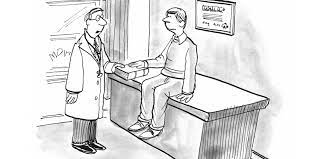
John is a 62 y/o attorney presents to the clinic with complaints of erectile dysfunction. For the past two years, he has refused lab work. He is a heavy smoker and has not had chest X-ray or ECG in the last 3 years. He takes HCTZ 25 mg po daily. His BMI is BMI 29 and the vital signs are normal. He has agreed take Prevnar vaccine.
In this case, the main goal is to identify the barriers that cause noncompliance and risky healthy lifestyle. The first step when dealing with this patient is to establish a therapeutic alliance. This will help assess patient factors that could be triggering non-adherence. Through this interactive discussion, I asked John why he refused lab work for the past two years. He hesitated, and then he said that he cannot afford them. He said that he has always wanted to tell the healthcare provider but always feels embarrassed. The patient stated that if he could afford them he would take them as requested.
The nursing diagnosis for this patient is noncompliance related to challenges to access financial support as evidenced by the patient verbal statements that he cannot afford the procedures. In this context, I notified the hospital social worker to help the patient set for medication financial assistance. In addition, I discussed with the patient on the importance of taking these laboratory tests in improving his health, and in identifying underlying issue that is causing his erectile dysfunction (Kleinsinger, 2011).
It is important to empower patients with enough information regarding their health condition and the treatment recommendation and in a format that format that is clear to understand. Although the patient has the right to refuse treatment, the healthcare provider must inform them on the risks associated with refusal of care. Most providers will dismiss habitual non compliant patient because it increases risks for professional liability exposure.
However, in my opinion it is important to assess the patients the underlying factors. To defuse the negative emotions associated with shame and sense of failure by non compliant patient, the healthcare provider should provide non-accusatory and problem solving stances (Kleinsinger, 2011).
It is essential for the healthcare team to ensure efficient collaboration and adherence to the requirements of interprofessional practice while caring for patients for the effectiveness of every task performed. The interprofessional practice and collaborative approach among health care team members are explored during the management of Ms.Tuckerno’s care. There are barriers hindering effective collaboration between the internist and the nurse practitioner which leads to disagreements of the decisions made by each of them (Mulvale et al, 2016).
These barriers include poor communication between the internist and the nurse practitioner which affects the readiness to work together and interprofessional collaboration which might lead to problems in ensuring patient-centered and quality care. The other barrier to effective collaboration is caused by the failure to understand each other’s professional role and responsibilities while caring for the patient (Matziou et al, 2014).
The internist and nurse practitioners need to collaboratively agree in using each other’s capabilities and expertise professionally and in a patient-centered way rather than discrediting the different tasks performed by each of them. Such poor collaborations between them which also does not involve the patient in the care process is a poor approach in addressing the health conditions facing Ms.Tuckerno.
The position of the nursing organization that I want to work for in future is strong regarding interprofessional practice and the best collaborative approach. The American nurses association holds that collaborative care would involve the integrated enactment of skills, knowledge, and values that define professional ways of working together with the objective of improving health outcomes.
The position of the organization when it comes to interprofessional practice is that patients should be put first during the process of care, effective communication between the healthcare team members is also essential in ensuring effective outcomes after collaborations in treating the patients(Sangster,2015). Ensuring patient-centered approach while adhering to the ethics and values of interprofessional practice is also vital. The final position holds that the leadership should be committed to prioritizing the inter-professional collaboration. The best approach should be adopted in handling the case for Ms.Tuckerno leading to the desired results.
Professional communication between the internist and nurse practitioner or other workers would strengthen interactivity thus eliminating cases of conflicts while making decisions which slows the adoption of the best medication approaches (Jean et al, 2016). The understanding of the responsibilities and roles of each is essential in enhancing effective functioning which influences the provision of quality treatment to Ms.Tuckernon thus improving her condition. In a nutshell, the shared responsibility between the healthcare team members would ensure the effectiveness in executing roles thus better health outcomes for the patient (Parke et al,2014).
References
Jean Jacques van Dongen, J., Lenzen, S. A., van Bokhoven, M. A., Daniëls, R., van der Weijden, T., & Beurskens, A. (2016). Interprofessional collaboration regarding patients’ care plans in primary care: a focus group study into influential factors. BMC Family Practice, 171-10. doi:10.1186/s12875-016-0456-5
Mulvale, G., Embrett, M., & Razavi, S. D. (2016). ‘Gearing Up’ to improve interprofessional collaboration in primary care: a systematic review and conceptual framework. BMC Family Practice, 171-13. doi:10.1186/s12875-016-0492-1
Park, J., Hawkins, M., Hamlin, E., Hawkins, W., & Bamdas, J. M. (2014). Developing Positive Attitudes Toward Interprofessional Collaboration Among Students in the Health Care Professions. Educational Gerontology, 40(12), 894-908.
Sangster-Gormley, E. (2015). Interprofessional Collaboration: Co-workers’ Perceptions of Adding Nurse Practitioners to Primary Care Teams. Quality In Primary Care, 23(3), 122-126.
Want help to write your Essay or Assignments? Click here
DNP Essentials Pertinent To Health Care Leadership and Inter-Professional Collaboration
Introduction
The push for one to acquire a doctoral level before practicing nursing is a matter of contention. Some people argue that there are simply inadequate reasons amounting to forced matriculation of the present and future nurse practitioners to attain a doctoral-grade. On the contrary, some health care experts consider DNP as an essential tool in developing an efficient system of administering health care services (Chism, 2013).
The introduction of DNP Essentials (AACN, 2006) recommended several measures geared towards developing clinically skilled and competent educators with the ability to administer skills and evidence-based practice knowledge using innovative methods. In this reflective essay, I will focus on the learning practices, which are designed to meet the DNP Essentials (AACN, 2006) pertinent to healthcare leadership and inter-professional collaboration.
Reflection on DNP Essentials for enhancing Health Care Leadership and Interprofessional Collaborations DNP essentials associated with enhancing inter-professional collaboration and health care leadership include,
Essential II: Organizational and Systems Leadership for Quality Improvement and Systems Thinking
Essential VI- Interprofessional Collaboration for Improving Patient and Population Health Outcomes (DeCapua, 2016).
Essential II consists of a description of procedures of organizational and system leadership, which subsequently affects healthcare service delivery and the outcomes of patients’ care. According to AACN, (2012) preparation facilitates DNP graduates with the necessary expertise in evaluating organizational structure, identification of system challenges and enhancing organization-wide changes in discharging their service. Under this essential, the graduate is prepared to take leadership roles at different levels. This involves advancement from informal leadership at a clinical stage to formal leadership at an executive level (Chism, 2013).
On the other hand, Essential VI helps the graduates to understand the significance of inter-professional collaboration in the health care environment. Since nurses collaborate with other health practitioners in carrying out their duties, Essential VI focuses on enhancing the collaboration by equipping the graduates with leadership skills necessary to enhance cohesion amongst themselves and other team members. In some cases, graduates assume the roles of consultants.
In an attempt to evaluate the relevance of DNP essentials, the following are reflection examples demonstrating how we can relate our active learning to achieving competencies of DNP essentials. The main courses in this study provide an understanding of practice management principles, strategies of productivity assessment and quality care. For instance, the ability to evaluate current procedures and practice policies is facilitated by the development and implementation of an algorithm, which describes the protocols in health care personnel management.
This is in consistency with the procedures provided by the US Public Health Services (2013). According to Thompson and Alexandroy (2013), DNP courses promote one’s ability in strategies of improving quality both at the organizational and policy stages. Some of the main courses that enhance proficiency in quality improvement include, Application of Best Practises, where assignments are protocol and accompanied by a citation of levels of evidence. Another course is in healthy policy and politics, which involves assignments on healthy policy analysis and field project in an organization. Attending conferences are also significant in attaining the requirements of an independent study.
Similarly, Advanced Practice Registered Nurses (APRN) must adjust to collaborate with other health care practitioners to assess the impact of nursing on the health of the individuals and populations. For instance, American Association of Colleges of Nursing, (2012) states that the restructuring of the current health system in America promotes collaboration among different teams to provide a comprehensive, cost-effective and risk-free health care for persons with chronic conditions.
Similarly, attending the UAB DNP conferences creates a wider awareness on inter-professional collaboration. In addition, Thompson and Alexandroy, (2013) states that there exists a working gratitude amongst physicians, assistants and the nursing practitioners within her work environment.
Complex health situations are resolved by sharing abilities, skills, and knowledge among team members. This was facilitated Population Health in Advanced Practice course accompanied by a project assignment in Community of Interest. In addition, Interdisciplinary Leadership and Role Development for Practice is another course promotes leadership and inter-personal According to DeCapua (2016), students at the University of South Florida were provided with a direct care cognate option for ARNPs in direct clinical care or indirect cognate care for education and leadership. For a person who has practiced teaching, it easier to take indirect cognate care in nursing education.
Conclusion
In conclusion, DNP Essentials are significant implementing effective health care policy. In accordance with the Essential II and VI of the DNP Essentials, health care leadership and inter-professional collaboration can be achieved by developing courses, which will promote a better understanding of management practice principles, productivity evaluation techniques and quality health care delivery (DeCapu, 2016).
According to Thompson and Alexandrov (2013), DNP courses develop one’s ability in developing strategies for improving quality care both at the organizational and policy stages. Essential II involves a description of procedures of organizational and system leadership, which affects healthcare service delivery and the outcomes of patient care. On the other hand, Essential VI equips graduates with knowledge on the significance of inter-professional collaboration in the health care environment (Chism, 2013).
Nursing is a very challenging and demanding career. I am willing to follow a career in which I am able to help and care for people, becoming a nurse would allow me to achieve this determination. Nursing is a career for enthusiastic, consistent, trusting people who are able to improve relations with patients quickly.
I have this expertise and I sincerely want to make a difference to people, to contribution them and their families over and done with challenging times when they are at their most vulnerable. The role of nursing is changing as nurses are distant more involved in the prosperity of patients and this is insertion more responsibility on nurses.
Nursing has constantly been there an ambition of mine and appreciative this takes potentials such as being faithful, spontaneous, supportive and appreciating outstanding communication skills. The ability to play delicately and being self-confident when handling the suffering of parents. Nursing profession plays an important role and also be reliable, trusting, able to develop relationships, be interactive, compassionate, motivated, ambitious and hardworking.
My course has given me the opportunity to gain new and inspiring understanding from each of the various units we have studied. I believe I have these potentials and will improve further knowledge, skills, and abilities. Overall I believe I am right for this course I am very much a people person, easy going and very responsive.
I can correspondingly manage in a multiplicity of situations, I always effort my inflexible as I am highly enthusiastic as well as self-motivated. In my opinion, it is significant to have good communication skills, be caring, concerned and open-minded and always be point toward to improve.
There are times when I find my job concentrated and strenuous but it agrees me to grow as a being and develop as a caring expert. I want a job that is inspiring, that will reduce my restrictions and always make me learn. I am responsive of the implication research plays in improving healthcare and accomplished a research project. This involved a lot of arrangement, training and time management. My study turns around sustaining self-respect and high opinion in the care of older patients.
It is a topic I feel intensely about and one which I reflect every day at work. Although training as a work-related therapist, I worked together with other healthcare medical practitioner and became progressively more interested in the nursing profession. I worked with people of all ages with physical, mental and learning ill health in a range of diverse backgrounds and saw the positive effect nurses had on people. Resulting finishing point of my degree I initiated work as a health care associate.
To become a nurse would be to live my life doing something I am passionate about. I will bring determination, a preparedness to learn and a positive frame of mind. I want to do a job that difficulties to people and I want to be able to increase vitality and encouragement the mental state of patients.
I am both motivated and anxious at the observation of becoming a nurse and I am more than agreeable to set all I can interest in pleasant a great one. I am self-confident of taking on this challenge and to take advantage of these changes and opportunities and use them to further my career. I am deeply obsessive about nursing and I am now looking forward to an extensive and achieving career in this field.
How are nursing theories used in day-to-day nursing practice to ensure patients have positive outcomes?
Nursing science is a discrete of knowledge that comprises of paradigms, theories and frameworks. Nursing practice is deliberative, action- oriented, goal directed and coordinate work with many health stakeholders to enhance healthful living and death with dignity in both the patients and ontological realities of human features. Nursing practice consists of coordinated process of technological problem solving processes, human to human engagement to deliver quality and cost effective care (Alligood, 2014).
The last two decades have witness an increased support and recognition for the importance of nursing theory in education sectors and clinical practice. Examples of nursing theory important to clinical practice includes Rogers, Neuman, Orem (grand theories), middle range theories and general nursing theories such as Eriksson, Nightingale, Watson, Newman among others.
Theories in nursing are developed to explain vital nursing phenomena. These theories are used to guide clinical practice especially when collecting patient data, organizing, interpreting and making appropriate decisions related to nursing interventions. The theories act as frameworks that provide direction and frameworks for structuring nursing professionalism, education and research (Green, 2012).
Nursing theories have various utilities in clinical practice. For instance, the theories have the general unspecified role which is basically providing of general clinical practice orientations, commitments and attitudes towards fundamental nursing practice features that improves patient’s outcome. The situation specific role involves theories that are used selectively, for specific clinical situations.
In clinical practice, theories serve as guide to patient assessment, identifying patient specific intervention and evaluation of nursing care plan. Nursing theories provide rationale for collecting of valid and reliable data regarding the health status of clients, and especially those that are effective during decision making and implementation of interventions. The theories enhance autonomy of nursing, thereby defining its own dependent functions.
This is because it enhances communication between nurses, thereby providing a common theoretical knowledge base from which the clinical practice is built. The manner in which the theory is developed influences its potential for communication during research and its applicability into practice (Alligood, 2014).
The multiple theories in nursing practice are important because they aid in illuminating, appreciating and understanding the different components of nursing knowledge. However, it is important to understand that nursing theories do not directly explain what one is expected to do in clinical situations. They are basically abstractions that help a registered nurse to understand, describe and prediction of patient’s outcome theoretically.
Uniqueness of each clinical situation indicates that there are complex interconnections of nursing phenomena. This is because clinical situations comprises of different human meaning and interpretations, and that the situations flow with their own time, own trajectories and histories (indicates that the clinical situations re never stable and are highly unique (Carrington, 2012).
References
Alligood, M. R. (2014). Nursing theorists and their work (8th ed.). St. Louis, MO: Elsevier Mosby.
Carrington, J. M. (2012). Development of a conceptual framework to guide a program of research exploring nurse-to-nurse communication. Computers, Informatics, Nursing, 30(6), 296-299. http://dx.doi.org/10.1097/NXN.0b013e31824af809
Green, C. (2012). Nursing intuition: A valid form of knowledge. Nursing Philosophy, 13, 98–111. Im, E., & Chang, S. J. (2012). Current trends in nursing theories. Journal of Nursing Scholarship, 44(2), 156-164. http://dx.doi.org/10.1111/j.1547-5069.2012.01440.x
Want help to write your Essay or Assignments? Click here
The historical evolution of advance nurse practice indicates the importance of Advance practice nurses are in delivering of quality and cost effective care. This class outlined the theoretical foundation of nursing practice which has enabled me gain credibility and develops the necessary practice skills and core competencies in this dynamic and complex nursing environment.
It has empowered me with appropriate skills to navigate the complex healthcare systems and to promote evidence based practice and knowledge. The course provides an opportunity to evaluate the traditional and current nursing practice by exploring nursing theories and theories in other discipline. This has provided an opportunity to understand the various theories, and to explore the best framework that reflects my role as a Family nurse practitioner (Shearer and Adams, 2012).
Reflecting on this course outcomes, I recognize several outcomes that I can relate with to develop my professionalism. The course has enabled me to integrate knowledge gathered from previous courses to deliver quality care. I have developed critical thinking skills that are essential in developing differential diagnoses; and competences that will help one to relate and address the health dilemmas encountered in my discipline.
The unit course on facilitates the development and interdisciplinary leadership provided; thereby providing an opportunity to interact collaboratively with other professions, and their role in delivering cost effective and quality care. The course outcome provides an opportunity to exhibit advanced communication skills, thereby ensuring that I can appropriately and confidently engage as a team member and collaborator and simultaneously functioning as part of the multi-disciplinary team (Zanetti, 2015).
The Advance nurse practitioner functions in various role territories including the family nurse practitioners, nurse specialists, certified nurse anesthetists, administrators and nurse researchers. Through this course, one can differentiate the distinct role territories; for instance, nurse specialist focus on illness management in acute care, during consultation, education and research.
Nurse administrators work as clinical leaders within the field or expertise. On the other hand, the Family nurse practitioner focus on primary care where they provide care plan, comfort, educate and in promotion of health and wellness strategies. As a family nurse practitioner, my core role as primary care clinician is to coordinate the healthcare team, educate/instruct patient and to work as care managers (Fitzgerald et al., 2012).
The advance nurses (family nurse practitioners) are patient’s advocates and must deliver this role actively to ensure that patient’s rights and dignity are protected. The course is structured in such a way that one can synthesize knowledge from ethics, regulatory statutes and theory, to develop personal philosophy in my career.
This includes development of cultural competence so as to champion as a social and culture ambassador and to ensure that care is available, accessible, and delivered equitably without any bias. I have explored the ethical and legal principles in my State, and as required as a professional member of the nursing community (Shearer and Adams, 2012).
This course outcome provides an opportunity to utilize research so as to identify health promotion strategies, diseases prevention and to deliver cost effective and quality care as evidence based, while respecting sensitivity towards population or patient’s unique attributes.
The introduction to scholarly project development helped me in gaining skills on the importance of consulting with preceptors, identifying problems in clinical practice, explore on evidence of achievements and to disseminate findings. I find these skills to be very useful even upon graduation, and also when pursuing professional advancement (Morgan, Barry, & Barnes, 2012).
As a future advance nurse practitioner, I now understand that learning is not just an act of momentary acquisition of skills and knowledge, but a process where skills and knowledge become honed so that they can manifest in every aspect of clinical practice. Looking at my future career, it is my hope that I will apply the core competencies gained to develop critical awareness in all the different role functions. Thank you for your immense guidance and support throughout the course.
References
Fitzgerald, C., Kantrowitz-Gordon, I., Katz, J., & Hirsch, A. (2012). Advanced Practice Nursing Education: Challenges and Strategies. Nursing Research and Practice, 2012, 854918. http://doi.org/10.1155/2012/854918
Morgan, C., Barry, C., & Barnes, K. (2012). Master’s programs in advanced nursing practice: new strategies to enhance course design for subspecialty training in neonatology and pediatrics. Advances in Medical Education and Practice, 3, 129–137. http://doi.org/10.2147/AMEP.S29270
Shearer, D., and Adams, J. (2012). Evaluating an advanced nursing practice course: student perceptions, nursing standard 26(21):35-41. DOI:10.7748/ns2012.01.26.21.35.c8888
Zanetti, M. L. (2015). Advanced nursing practice: strategies for training and knowledge building. Revista Latino-Americana de Enfermagem, 23(5), 779–780. http://doi.org/10.1590/0104-1169.0000.2614
Want help to write your Essay or Assignments? Click here
The need for a trajectory plan cannot be ignored in the life of a nurse. This is based on the fact that it ensures that goals are set to guide the career path. Despite the career path chosen by a nurse, there is a great need to have this plan, both on a short- and long-term basis, and revise it regularly so that appropriate adjustments can be made. For a novice advanced practice nurse intending to transit successfully to a professional informatics role and specialize in the same, the trajectory plan can help to a very great extent.
Purpose statement; for me to be able to transition properly to the informatics nurse specialist role, being very dynamic and focused can promote efficiency.
The plan
As a nurse I possess some strengths that have enabled me practice effectively with time, as well as ensure positive outcomes at the work environment and for the patients. I possess strong communication skills and I can manage applying problem solving skills to different scenarios to solve practice issues. Whenever offering care, I use the patient-centered or individualized approach, that enables me assess the personal factors contributing to the state of health.
I have strong critical analysis and judgment skills, and I normally apply the various ethical frameworks and code of practice, as well as the professional standards when offering care. This enables me practice based on the requirement. To develop as the informatics nurse specialist, I would need to be more computer competent and be more knowledgeable about the various technologies (Robin, Xavier & Agrawal, 2016). My coordination and time management skills would also need to improve so that I would not cause delays and inconvenience other multidisciplinary team members.
As an informatics nurse specialist, I can easily become a nurse educator or nursing administrator. In case I intend to concentrate on information technology, then I would easily become an information technology nursing advocate or even a chief information officer. At the same time, I would be acting as the bridge between information technology and the clinical universe spheres. Therefore, both professional growth and career opportunities are immense in this role (Robin, Xavier & Agrawal, 2016). Other related specialties include consumer needs consultant, research nurse or public health nurse.
The talents and strengths that I would need to focus on so as to be highly competent in the role include decision making and judgment. This would enable me choose appropriate actions considering the relative benefits and costs. Moreover, critical thinking, active listening, and reading comprehension would enable me remain highly relevant to the needs of my patients. At the same time, the complex problem solving skills would need to be emphasized. Monitoring and assessing performance would enable uptake of proper actions at all times.
Additional skills and knowledge would also help. One of these is instructing, that is, teaching others on how they can do different things. Technology design would enable me adapt and generate technology and equipment to the server user needs. At times, it would be necessary to apply mathematics in solving problems, making this a very essential skill.
The coordination skills would greatly help me to adjust actions based on the actions of other people. With negotiation skills, I can easily manage personnel resources by directing, developing, and motivating people as they carry out their various roles. These skills and knowledge are indispensable in enabling me function appropriately as an informatics nurse specialist (Nelson & Staggers, 2013).
One of the strategies for promoting a successful transition would be reading and attending trainings where I would learn more about the role and what it requires to be effective in it. While acquiring the different knowledge and skills, I would visualize myself in the role and begin practicing while applying these. The second strategies would be talking to people who are already practicing as informatics nurse specialists.
This would be done with the aim of ensuring that all the challenges they face are highlighted so that while getting into the practice, I can know what to expect. The essentials would also be highlighted, making me prepare my mind effectively so as to be effective (Robin, Xavier & Agrawal, 2016). Apart from attending trainings, I would also carry out personal researches to know how the experiences of people has been. At the start of my role as an informatics nurse specialist, I would work alongside a more experienced person who can guide and orient me accordingly.
Within the next 2 or 5 years, I intend to join a network of informatics nurse specialists, either online or at the workplace. this will enable me remain connected and be conversant with all the issues that are coming up and how to address them. I intend to contribute actively in the network and in case there is none at the moment, I can create an online group. I also intend to have explored one or more of the career growth and advancement opportunities I have.
I am really interested in being a nurse education, as this will enable me transfer the immense knowledge and skills I have to others (Fitzpatrick & Ea, 2012). While doing this, I will also be learning a lot. At the same time, I intend to explore the research nurse role, where based on the issues that are being raised by the nurses I am educating, I can conduct some researches. This would enable me transform the practice and promote the uptake of the evidence-based practice.
To achieve these goals, I intend to manage my time very well. On a daily basis, I will have a list of the most important things I should do and ensure that procrastinating is avoided. Through proper time management, I will have adequate time to do many of the things I intend to engage in, as well as assist my colleagues (Fitzpatrick & Ea, 2012).
The second action will be ensuring that I am focusing on efficiency and keeping away from errors. This will greatly prevent a situation where the errors can make me keep going back, which would mean wasting a lot of time. at the same time, the need for a proper work-life balance cannot be ignored. This will constitute of ensuring that work time is dedicated to work while personal issues and family have their time.
Conclusion
The trajectory plan above can greatly promote success as an informatics nurse specialist. It is apparent that there are career growth opportunities with this role, and proper time management and planning can greatly promote success. Moreover, coordinating with others through networks can promote acquisition of knowledge. More importantly, efficiency would ensure that errors are avoided, which would prevent time wasting.
References
Fitzpatrick, J. J., & Ea, E. E. (2012). 201 careers in nursing. New York, NY: Springer.
Nelson, R., & Staggers, N. (2013). Health informatics: An interprofessional approach. New York, NY: Springer.
Critical appraisal is conducted for 3 main reasons; a) to improve nursing practice, b) to increase nursing knowledge and understanding c) to provide a baseline for the study to be conducted. There is need for thorough understanding of the research study so as to establish the study strengths and weaknesses, and to evaluate the quality if strength of the evidence developed by the study as well as the appropriateness of its use in the reader’s practice.
In this context, this essay is a critical appraisal of the following article; Ma, C., & Park, S. H. (2015). Hospital Magnet status, unit work environment, and pressure ulcers. Journal of Nursing Scholarship, 47(6), 565-573.
Critical analysis
The article introduces the topic in a way that orientates the reader to the subject. It provides the background information using succinct statements. The last sentence of the introduction part is the thesis statement (Creswell, 2014; Jaul, 2013). Pressure ulcers are critical patient issue because they are associated with prolonged hospital stays, increases patient risks for adverse events and increased consumption of the healthcare costs (Cai, Rahman, & Intrator, 2013; Buttaro et al., 2013, p. 304).
Nurses play crucial role in preventing pressure ulcers. However, the degree of patient safety is determined by the nurse work place environment, “The organizational factors in work-environments facilitate or constrain the professional nursing practice” (Ma & Parks, 2015, p. 566). The article evaluates the nursing factors at both the hospital and unit level associated with Hospital acquired pressure ulcers (HAPU).
The research problem and its significance
The research problem in this study is the organization’s factors or nurse work environment that negatively influence patient’s outcome, such as increasing HAPU incidence. “The unit-level work environments have major impact on the nurse work environment” (Ma & Sharks, 2015, p.65). The research problem is a focal point of research. It is well stated in this article and generates questions in which the research study aims to address (Stafford & Brower, 2012, p. 11; Suttipong & Sindhu, 2011, p. 373).
On the other hand, the significance of a study is the rationale of the study. The researcher proves to the audience that the research is vital and worth doing it. For instance, the study indicates that the need to reduce hospital acquired pressure ulcers has gained national attention. “There are approximately 2.5 million pressure ulcers that occur in the USA, and coasts $9.1-11.6 billion (Ma &Sharks, 2015, p. 65).”
The research design and methods
Melnyk & Fineout-Overholt state that research design is the overall strategy chosen by the researcher to integrate different components of the study. It should be constructed in a logical manner to ensure that the researcher effectively address the research problem using the appropriate data collection method and analysis of data. In this context, design includes the study setting, description of the study sample, data collection method and data analysis. This part describes all the instruments used and their rationale; (Melnyk & Fineout-Overholt, 2014; Lewis, 2014).
The research method is used in this article is qualitative. The research design used in this article is the Cross-sectional observational study of data collected from the National Database of Nursing Quality Indicators (NDNQI). This research design is appropriate for this study because it examines the relationship of exposure and outcome in a defined population at one point in time.
In addition, the research design is inexpensive, less time consuming and provides a good but quick picture of prevalence of the research problem and its outcome. Although appropriate for this study, the main issue with this research design lacks time element making it difficult to determine the temporal relationship between the research problem and the outcome of the proposed intervention (Ma & Sharks, 2015, p.567).
Data used in this article was collected from NDNQI. NDNQI is a repository for nursing quality data in the USA that enables the researchers to conduct comparative analysis in order to develop evidence based practices for nursing-sensitive patient practices and outcomes at unit level.
The data collected was supplemented with the NDNQI RN survey, which collected information related to nurse work conditions such as work content, environments and demographics. The total participants for RN survey was 33, 845 from 1,381 units in 373 healthcare facilities in 44 States. The inclusion criteria for this survey were nurses who had spent 50% of their time in general units in the hospital within the last three months.
The researcher also established measures to ensure reliability of the data collected, “To ensure reliability of the aggregated unit measures…… units with RN response rate below 50% were excluded from data analysis (Ma & Sharks, 2015, p.566).”
Data analysis of the collected data was compare the nurse work environments, staffing levels, HAPU rates and the RN skill mix of the NDQI member hospitals. Three multilevel logistic regression models were used to estimate the effect of nurse work environment and healthcare facilities management of HAPU. The data analysis used is appropriate for this nature of the study as it provides conclusive comparative analysis (Ma & Sharks, 2015, p.568).
Findings and their relevance to contemporary nursing policy and practice
The study examined work environments impact on management of HAPU at hospital and unit level. The study findings indicate that improving working environments both at hospital level and unit level results to lower HAPU rates. The data findings presentation in this article is concise and appropriately used non-textual elements such as table summaries and figures to present data findings effectively. The data provided is critical in answering the research question. For instance, Magnet hospital units had 21% low odds of having HAPU as compared to the non-magnet hospital.
There are several limitations noted in this study. To start with, participation of hospitals in NDNQI is voluntary, which indicates overrepresentation or underrepresentation of hospitals with certain characteristics. Secondly, the study omitted some specific information such as ethnicity, socioeconomic status and other co-morbidities that could introduce residual confounding effects. In addition, patient level information in most of quality indicators is limited.
Despite the limitations, the study findings are consistent with the previous studies. The nursing implication of this study is that it improves the understanding of work environments in relation to patient’s outcomes. In this context, the nurse work environment refers to the context in which the nurses provide patient centered care (Guihan et al., 2016, Matsuo, Oie, & Furukawa, 2013).
The quality of care is influenced by the nurse work environment characteristics such as the administrative support, nurse-physician relations and nurse resource adequacy. Effective nurse work environments are established through better communication, team work between the healthcare providers and higher autonomy/practice control.
Nurses in such types of environments are less likely to suffer from burnout or express intent to quit their jobs, but are likely to function efficiently, deliver superior quality of care that ultimately improves patient’s overall outcome (Demarre et al., 2014, p. 392; Singh et al., 2015, p.7; Neilson et al., 2014, p. 21).
Conclusion
The study findings in this study facilitate the understanding the link between organizational environments and the patient outcomes. This study highlights the effectiveness of unit-specific quality improvement initiatives in today’s highly specialized care. This study generates new ideas that will help improve patient safety and quality of care in nursing practice.
References
Buttaro, T. M., Trybulski, J., Polgar Bailey, P., & Sandberg-Cook, J. (2013). Primary care: A collaborative practice (4th ed.). St. Louis, MO: Mosby.
Creswell, J. W. (2014). A concise introduction to mixed methods research. Sage Publications.
Demarre, L., Verhaeghe, S., Van Hecke, A., Clays, E., Grypdonck, M., & Beeckman, D. (2014). Factors predicting the development of pressure ulcers in an at-risk population who receive standardized preventive care: secondary analyses of a multicentre randomised controlled trial. J Adv Nurs, 71(2), 391-403. http://dx.doi.org/10.1111/jan.12497
Guihan, M., Murphy, D., Rogers, T., Parachuri, R., SAE Richardson, M., Lee, K., & Bates-Jensen, B. (2016). Documentation of preventive care for pressure ulcers initiated during annual evaluations in SCI. The Journal Of Spinal Cord Medicine, 160204031040002. http://dx.doi.org/10.1080/10790268.2015.1114225
Jaul, E. (2013). Cohort study of atypical pressure ulcers development. International Wound Journal, 11(6), 696-700. http://dx.doi.org/10.1111/iwj.12033
Jaul, E. (2014). Multidisciplinary and comprehensive approaches to optimal management of chronic pressure ulcers in the elderly. Chronic Wound Care Management And Research, 3. http://dx.doi.org/10.2147/cwcmr.s44809
Matsuo, M., Oie, S., & Furukawa, H. (2013). Contamination of blood pressure cuffs by methicillin-resistant Staphylococcus aureus and preventive measures. Irish Journal Of Medical Science, 182(4), 707-709. http://dx.doi.org/10.1007/s11845-013-0961-7
Ma, C., & Park, S. H. (2015). Hospital Magnet status, unit work environment, and pressure ulcers. Journal of Nursing Scholarship, 47(6), 565-573.
Melnyk, B., & Fineout-Overholt, E. (2014).Evidence-based practice in nursing & healthcare: A guide to best practice, 3rd Edition. Philadelphia: Wolters Kluwer/Lippincott Williams & Wilkins
Neilson, J., Avital, L., Willock, J., & Broad, N. (2014). Using a national guideline to prevent and manage pressure ulcers. Nursing Management – UK, 21(2), 18-21
Singh, R., Dhayal, R., Sehgal, P., & Rohilla, R. (2015). To Evaluate Antimicrobial Properties of Platelet Rich Plasma and Source of Colonization in Pressure Ulcers in Spinal Injury Patients. Ulcers, 2015, 1-7. http://dx.doi.org/10.1155/2015/749585
Suttipong, C., & Sindhu, S. (2011). Predicting factors of pressure ulcers in older Thai stroke patients living in urban communities. Journal Of Clinical Nursing, 21(3-4), 372-379. http://dx.doi.org/10.1111/j.1365-2702.2011.03889.x
Want help to write your Essay or Assignments? Click here
The international agencies and national nursing associations acknowledge the fact that unhealthy working conditions affect the quality of care, employee’s health, and are associated with nurse sensitive patient outcomes. In their article “Hospital magnet status, unit work environment and pressure ulcers,” Ma and Park explored the relationship between the RN environment nurse outcomes (job satisfaction, turnover rates and intent to stay) and patient safety outcomes (pressure ulcers, falls, and quality of care).
The article suggests that the hospital administration and nurse leaders should understand the importance of nurse work environments, as it sets the stage for quality care and provides competitive advantage in current’s value driven healthcare system (Ma &Park, 2015).
This essay is a critical analysis of Ma & Park article’s that aims to assess if the information improves nursing practice, increases nursing knowledge and understanding on patient safety. The main topics that will be critically analyzed include the article’s research design, data collection, data analysis, findings, discussion and nursing implication.
The research problem and its significance
Creswell states that a study’s research problem should be described using an approach that orientates the reader to the research subject (Creswell, 2014; Jaul, 2014). The article states that better nurse work environments are associated with lower hospital acquired pressure ulcers. Pressure ulcers are critical patient issue because they are associated with prolonged hospital stays, increases patient risks for adverse events and increased consumption of the healthcare costs (Cai, Rahman, & Intrator, 2013; Buttaro et al., 2013, p. 304).
The research problem in this study is the organization’s factors or nurse work environment that negatively influence patient’s outcome, such as increasing HAPU incidence. “The unit-level work environments have major impact on the nurse work environment” (Ma & Sharks, 2015, p.65). The research problem is a focal point of research. It is well stated in this article and generates questions in which the research study aims to address (Stafford & Brower, 2012, p. 11; Suttipong & Sindhu, 2011, p. 373).
The study hypothesizes that nurses play crucial role in preventing pressure ulcers. However, the degree of patient safety is determined by the nurse work place environment, “The organizational factors in work-environments facilitate or constrain the professional nursing practice” (Ma & Parks, 2015, p. 566). The article evaluates the nursing factors at both the hospital and unit level associated with Hospital acquired pressure ulcers (HAPU).
On the other hand, the significance of a study is the rationale of the study. The researcher proves to the audience that the research is vital and worth doing it. For instance, the study indicates that the need to reduce hospital acquired pressure ulcers has gained national attention. “There are approximately 2.5 million pressure ulcers that occur in the USA, and coasts $9.1-11.6 billion (Ma &Sharks, 2015, p. 65).”
The research design and methods
Richardson-Tench and colleagues state that research design is the overall strategy chosen by the researcher to integrate different components of the study. It should be constructed in a logical manner to ensure that the researcher effectively address the research problem using the appropriate data collection and analysis approach (Melnyk & Fineout-Overholt, 2014; Richardson-Tench et al., 2014).
The research method is used in this article is qualitative. The research design used in this article is the Cross-sectional observational study of data collected from the National Database of Nursing Quality Indicators (NDNQI). This research design is appropriate for this study because it examines the relationship of exposure and outcome in a defined population at one point in time.
In addition, the research design is inexpensive, less time consuming and provides a good but quick picture of prevalence of the research problem and its outcome. Although appropriate for this study, the main issue with this research design lacks time element making it difficult to determine the temporal relationship between the research problem and the outcome of the proposed intervention (Ma & Sharks, 2015, p.567).
Data used in this article was collected from NDNQI. The data collected was supplemented with the NDNQI RN survey. The total participants for RN survey was 33, 845 from 1,381 units in 373 healthcare facilities in 44 States. The inclusion criteria for this survey were nurses who had spent 50% of their time in general units in the hospital within the last three months. The researcher also established measures to ensure reliability of the data collected (Ma & Sharks, 2015, p.566).
Data analysis of the collected data was analyzed using t tests to compare the nurse work environments, staffing levels, HAPU rates and the RN skill mix of the NDQI member hospitals. Three multilevel logistic regression models were used to estimate the effect of nurse work environment and healthcare facilities management of HAPU. The data analysis used is appropriate for this nature of the study as it provides conclusive comparative analysis (Ma & Sharks, 2015, p.568).
Findings and their relevance to contemporary nursing policy and practice
The study findings indicate that improving working environments both at hospital level and unit level results to lower HAPU rates. The data findings presentation in this article is concise and appropriately used non-textual elements such as table summaries and figures to present data findings effectively. The data provided is critical in answering the research question. For instance, Magnet hospital units had 21% low odds of having HAPU as compared to the non-magnet hospital.
There are several limitations noted in this study. To start with, participation of hospitals in NDNQI is voluntary, which indicates overrepresentation or underrepresentation of hospitals with certain characteristics. Secondly, the study omitted some specific information such as ethnicity, socioeconomic status and other co-morbidities that could introduce residual confounding effects. In addition, patient level information in most of quality indicators is limited.
Despite the limitations, the study findings are consistent with the previous studies that better nurse work environments is associated with lower hospital acquired pressure ulcers, lower readmission rated and a higher overall rating. The nursing implication of this study is that it improves the understanding of work environments in relation to patient’s outcomes (Guihan et al., 2016, Matsuo, Oie, & Furukawa, 2013).
The quality of care is influenced by the nurse work environment characteristics such as the administrative support, nurse-physician relations and nurse resource adequacy. Effective nurse work environments are established through better communication, team work between the healthcare providers and higher autonomy/practice control.
Nurses in such types of environments are less likely to suffer from burnout or express intent to quit their jobs, but are likely to function efficiently, deliver superior quality of care that ultimately improves patient’s overall outcome (Demarre et al., 2014, p. 392; Singh et al., 2015, p.7; Neilson et al., 2014, p. 21).
Conclusion
Critical appraisal is important process as if facilitates a thorough understanding of the research study in order to establish the study strengths and weaknesses and to evaluate the quality, and if the study’s strength is effective and appropriate for its use in the reader’s practice. This study generates new ideas that will help improve the quality of care and patient safety and quality of care in nursing practice. The study findings in this study facilitate the understanding the link between organizational environments and the patient outcomes. This study highlights the effectiveness of unit-specific quality improvement initiatives in today’s highly specialized care.
References
Buttaro, T. M., Trybulski, J., Polgar Bailey, P., & Sandberg-Cook, J. (2013). Primary care: A collaborative practice (4th ed.). St. Louis, MO: Mosby.
Creswell, J. W. (2014). A concise introduction to mixed methods research. Sage Publications.
Demarre, L., Verhaeghe, S., Van Hecke, A., Clays, E., Grypdonck, M., & Beeckman, D. (2014). Factors predicting the development of pressure ulcers in an at-risk population who receive standardized preventive care: secondary analyses of a multicentre randomised controlled trial. J Adv Nurs, 71(2), 391-403. http://dx.doi.org/10.1111/jan.12497
Guihan, M., Murphy, D., Rogers, T., Parachuri, R., SAE Richardson, M., Lee, K., & Bates-Jensen, B. (2016). Documentation of preventive care for pressure ulcers initiated during annual evaluations in SCI. The Journal Of Spinal Cord Medicine, 160204031040002. http://dx.doi.org/10.1080/10790268.2015.1114225
Jaul, E. (2014). Multidisciplinary and comprehensive approaches to optimal management of chronic pressure ulcers in the elderly. Chronic Wound Care Management And Research, 3. http://dx.doi.org/10.2147/cwcmr.s44809
Matsuo, M., Oie, S., & Furukawa, H. (2013). Contamination of blood pressure cuffs by methicillin-resistant Staphylococcus aureus and preventive measures. Irish Journal Of Medical Science, 182(4), 707-709. http://dx.doi.org/10.1007/s11845-013-0961-7
Ma, C., & Park, S. H. (2015). Hospital Magnet status, unit work environment, and pressure ulcers. Journal of Nursing Scholarship, 47(6), 565-573.
Melnyk, B., & Fineout-Overholt, E. (2014).Evidence-based practice in nursing & healthcare: A guide to best practice, 3rd Edition. Philadelphia: Wolters Kluwer/Lippincott Williams & Wilkins
Neilson, J., Avital, L., Willock, J., & Broad, N. (2014). Using a national guideline to prevent and manage pressure ulcers. Nursing Management – UK, 21(2), 18-21
Richardson-Tench, M., Taylor, B., Kermode, S., & Roberts, K. (2014). Research in nursing: Evidence for best practice (5th ed.). Cengage Learning Australia: South Melbourne.
Singh, R., Dhayal, R., Sehgal, P., & Rohilla, R. (2015). To Evaluate Antimicrobial Properties of Platelet Rich Plasma and Source of Colonization in Pressure Ulcers in Spinal Injury Patients. Ulcers, 2015, 1-7. http://dx.doi.org/10.1155/2015/749585
Suttipong, C., & Sindhu, S. (2011). Predicting factors of pressure ulcers in older Thai stroke patients living in urban communities. Journal Of Clinical Nursing, 21(3-4), 372-379. http://dx.doi.org/10.1111/j.1365-2702.2011.03889.x
Want help to write your Essay or Assignments? Click here