
Application of Systems Theory

Application of Systems Theory

Want help to write your Essay or Assignments? Click here

Application of Systems Theory

Description of System

Health care systems may be established in different settings, making it vary the elements it is composed of. A number of challenges may be experienced depending on the nature of the environment of a health care system. Home care is one kind of the systems of nursing care, where patients receive support and care from their homes or where care is delivered within a community locale.

Considering the elements forming a home based care system, it is predictable that nurses and other health practitioners are bound to experience challenges in their daily work.  Among the many issues that home health care faces, communication hitches are the most common. Open system theory can be used to analyze a home based care unit so as to describe the challenges it experiences.

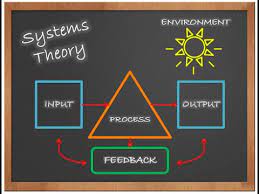
In this case, home-based care may be taken as a nursing production unit. Basing on the Systems theory, a number of elements should interact to form the whole. There should be inputs to feed the system while outputs are as a result of operations and transformations that inputs are subjected to. This nursing production unit is kept in motion by throughput and feedback processes. 

Therefore, basing on Systems theory, home care as a unit is made complete by inputs, outputs, throughput, and feedback processes. A thorough appraisal of this components can play a big role in determining potential sources of issues affecting home-based care, and therefore, it helps in formulating necessary solutions.

Inputs

In a home care system, some of the important factors that contribute to inputs include a number of energic sources like information, resources, nurse characteristics and the features of care receivers.

Characteristics of care receivers: In a home-based care, young or old age is an important feature of those who benefit from this kind of nursing production. Basically, the aged and the young forms this group as they may experience access challenges to health facilities. Chronic health conditions are predominant in this system, where patients have developed conditions that are ever recurring.

More than 80 percent of adults, who are over sixty-five years of age suffer from at least one long-term condition, while 50 percent of the same category of adults suffer from two or more chronic diseases (Brennan-Cook, & Molloy, 2016).  This indicates that caregivers have a huge workload of addressing the large number of the elderly, who develop complex conditions and other comorbidities day after day. 

Old age is yet another factor that makes health conditions to persist over a long period. Language and speech of these group of persons are troublesome in most cases. As Brennan-Cook & Molloy (2016) states, older people undergo a number of natural physiological changes that interfere with their communication abilities. Old age, as a characteristic of the nursing care recipients in the home care system, is the most significant issue. Health care recipients in this system may be resilient and conservative which affects care delivery.

Characteristics of caregivers: In a home care system, nurses and other care deliverers need to have a high level of competency to meet demands. Nurses form part of the inputs of the system, feeding the system in the sense that they provide care and services needed by home care recipients. Community or home care nurses should be well experienced and conversant with chronic conditions in this setting. They also need to have high levels of expertise so that they can handle a diverse nature of complex conditions and comorbidities.

Other Inputs: There are quite a number of specialized fiscal resources that are needed to deliver care in this system. Communication technologies, support and self-medications devices can play a significant role as inputs.

Throughput

In a home care setting, this entails factors such as care delivery happening in a local and informal setting which relies a lot on a close relationship established between caregivers and recipients. This will involve the type and quality of operations and services that a health care team offers to patients. Services that can be offered to receivers of home care includes medications, counseling, and educational services. 

Outputs

If effective service delivery has been achieved, home-based care can result in noticeable changes in patient outcomes.  Safety of both patients and care providers is guaranteed from good interactions of the system’s elements. Improved quality of life, reduced severity of chronic infections and a lowered number of comorbidities among the elderly are some of the expected patient outcomes.

Negative Feedback

Persistence of conditions, reluctance to comply with caregivers and other poor patient outcomes are good measures of performance of the home care system. They are vital for system’s self-evaluation, which triggers positive change.

Communication Problems in Home Care

As identified earlier, communication plays a vital role in defining outcomes from a home care system. In all the elements, especially inputs, ineffective communication causes poor performance of the whole system. Healthcare receivers have a likely disability in their communication because of their physiological changes. Old age tempers with speech and hearing, which makes their relationship with caregivers demanding.

Communication challenges that recipients have require that nurses and other health practitioners have great expertise so as to compensate for the weaknesses in one element of the system for its maintenance. Despite that patient’s characteristics may hinder communication, it is the responsibilities of nurses to devise ways of enhancing effective interactions. Technical and professional nursing language may be a hindrance to a good patient-nurse relationship. Throughput and negative feedback may face interference as they rely on effective communication.

Want help to write your Essay or Assignments? Click here

Solutions to Communication Issues

Outcome

Improved patient outcomes of the elderly people, facing communication challenges as a result of natural physiological changes that interferes with listening and hearing.

Goals/Objectives

  1. To ensure that all the elderly persons receiving home care achieve the best outcomes from their interactions with nurses by adequately training them so that they are equipped with better communications strategies and ability.
  2. To better patient-nurse relationship by eliminating communication barriers through regular training of both nurses and care recipients, and through an incorporation of helpful technologies.

Policies

  1. All nurses and students should be adequately trained, and must have a certificate showing that they can effectively communicate in a home care system before they get licensed to work in the care system.
  2. Educative sessions and training, for both patients and nurses, should be carried out at least once a year, with the purpose of ensuring a positive patient-nurse communication relationship.

Professional Standards

Nurses should be in a position of playing a vital role in ensuring effective communication in whatever interaction they have. They should have excellent skills in processing, recording, assessing and reporting various types of information.

How Resolutions will uphold visions, values, and Mission

The recommended resolutions can help achieve the visions and the missions and values that the organization advocates. Some of the values and visions upheld by the system include resilience, discipline, honesty, advocacy, satisfaction, among others. Promoting training and education of nurses on matters of effective communication can help to achieve this. Effective communication is crucial for advocacy and in edifying the importance of the system’s value.

Given that the system has a mission of bettering the community life, effective communication policies will help in getting feedback, improving patient-nurse interactions among other practices, all of which have a potential of improving the quality of life.

References

Brennan-Cook, J., & Molloy, M. A. (2016). Utilizing Trigger Films to Enhance Communication Skills of Home Care Clinicians. Home Healthcare Now, 34(7), 376-380. Retrieved from. DOI: 10.1097/NHH.0000000000000409.

Johansson, C., D. Miller, V., & Hamrin, S. (2014). Conceptualizing communicative leadership: A framework for analyzing and developing leaders’ communication competence. Corporate Communications: An International Journal, 19(2), 147-165.  Retrieved from http://www.emeraldinsight.com/doi/pdfplus/10.1108/CCIJ-02-2013-0007.

Meyer, R. M., & O’Brien‐Pallas, L. L. (2010). Nursing services delivery theory: an open system approach. Journal of advanced nursing, 66(12), 2828-2838. Retrieved from http://onlinelibrary.wiley.com/doi/10.1111/j.1365-2648.2010.05449.x/pdf.

Want help to write your Essay or Assignments? Click here

OBESITY: Community Health and Population focused Nursing

OBESITY
OBESITY

Want help to write your Essay or Assignments? Click here

OBESITY: Community Health and Population focused Nursing

Identify a community for which there is data available that will support the diagnosis

  The county is located in Pennsyltucky-in the northern region of the State. The region is mountainous and is characterized by stone mining industry. The region experiences warm and humid summer and heavy instant snow falls during winter. The region lies in York County. The region has diverse ethnic community owing to the large immigration of people from Gotham city.  The community assessed was my county state which was among was one of the hardest hit by the 1919 influenza pandemic.  Since then, the State has established adequate measures to ensure that such incidences do not occur again.

 The main non-communicable health problem identified in this region is obesity.  Obesity has serious consequences on the residents of this county’s health as well as the economy. This is because obesity is associated with a number of chronic health complications such as stroke, diabetes, cancer, and coronary heart disease. In the USA, obesity accounts for 147 billion dollars of the total health cost. Most people in this county are have adopted unhealthy lifestyles such as poor diet and physical inactiveness (CDC, 2016).

B. Health needs assessments

Population Economic Status

 The demographic data released by the Census Bureau in, York County has a population of 438,052.  The county reports 0.7% of the population change.  The population density is estimated to be 484 per square meter. The median age is reported to be 40.6. Approximately, 70% of the populations are in the family. The unemployed in this region is about 4.7%. The employment growth rate is less than 1%.  The income per capita in this community is estimated to be $ 27,996 (York County PA, 2016). 

Disaster Assessment and Planning

 The County is prepared for management of disasters. The York County office of Emergency Management (EOM) is responsible for the Emergency management program. The mission of the office is to protect the community by integrating necessary activities that sustain and improve their ability to mitigate, prepare and respond to the threatened natural disasters they ensure that the community are notified of emergency situation (York County PA, 2016). 

Neighborhood/Community Safety Inventory

 The main risk of concern of the County is caves and sinkholes and the severe winters which make it not favorable for the outdoor activities (York County PA, 2016). 

Cultural Assessment

 The culture and history of this county is unmatched in the country. The area is neighbored by super historic sites with an impressive ethnic population.  The big cities in the county comprises of Italian, Irish, Chines among other immigrant communities. This is complemented by the rural lifestyles where most of the people in the mix of Amish which adds wild austerity to the culture (York County PA, 2016). 

Windshield Survey

 The homes are mainly detached and well maintained. The in-town homes yards are smaller as compared to township hopes. The roads are generally is in good condition to serve the business in the region.  The main health concerns are that some roads are busier which an issue for physical activities such as cycling and walking along the path. This is due to the inadequate maintenance of the pedestrian paths, which can be used by the community to walk or cycle to their work places.

There are also high reports of injuries associated with car accidents.  The parks are poorly maintained and I noticed several sink holes that have not been covered. This is makes it difficult for the residents to engage in outdoor activities.  In addition, there are fewer green grocery shops. Therefore, most of the residents rely on fast foods because they are cheap and easily available. There is a big contrast of York County, Pa when compared with the neighboring counties as they have a nice climate and environment place to work and live.

SCAVENGER HUNT

 The following six facilities were explored, Health department, YMCA,  Fire department,  American Red Cross, National Alliance on Mental illness, and community Center.  The public health departments include Health department. This organizations target the residents of York County Community. The facilities advertise themselves through public facilities such as health centers and educational facilities. The main barriers observed are inadequate medical cover and Language barriers.

There is no service fee as these services are funded by the Local government. The staffs in these facilities are welcoming and very respectful. They are always ready to help. The main issue I observed is language barrier. Only few of the staff could speak other languages fluently, which makes it difficult for them to communicate with Non- English speaking residents. The organizations operate in both referrals and self-referrals process. The organization has details in internet and any person can access information from any location (Health York County, 2015).

  American Red Cross this organizations target the residents of Central Pennsylvania. It serves 22 counties including the York County Community. The facilities advertise themselves through public facilities and the internet.   It offers relief during pandemic and also facilitates blood donation processes. There are no barriers I observed in this organization as it helps every person of the society.

This organization obtains its funds from the Federal government.  It is actively involved during natural disasters of disease pandemic. In fact, the organization responded to 520 disasters in the Central Pennsylvania region, where it helped 803 local families who had been affected by disaster.  There is no service fee required for one to obtain help from this organization as it is funded by government and international bodies.  Most of the staff I interacted with were respectful and had positive attitude.

In addition, the organization has five staff members who could speak other languages fluently, which makes it easy for them to communicate with Non- English speaking residents during disaster. The organizations operate in both referrals and self-referrals process. The organization has all contact details in internet (its website) and any person can access information from any location (Health York County, 2015).

NAMI York County branch offers support to people with mental illness in York County.  The group offers support connection group that meets weekly and monthly. They also offer peer to peer and family to family education program that focusses on wellness, recovery and mental health. The facilities advertise themselves through public facilities such as health centers and educational facilities. The main barriers observed low awareness of the program in the community.

According to the director, most people in this community will not bring their loved ones to the organization because they fear discrimination. There is no service fee as these services are funded by the Local government, yet only a small fraction of the community enjoys the services. The staffs in these facilities are understanding, respectful and are always willing to help. Only few of the staff could speak other languages fluently, which makes it difficult for them to communicate with Non- English speaking residents or the deaf and dump. The organizations operate in both referrals and self-referrals process (Health York County, 2015).

 The YMCA organizations target the residents of York County Community.  This program offers health and fitness knowledge. The organizations operate in both referrals and self-referrals process. The organization works with people of all interests, abilities and ages.  The organization tailors the programs content to suit the client needs. The facilities advertise themselves through its website.

The main barriers observed are that the organization charges $30-$49 for membership. This implies that large fractions of the population are locked out from experiencing these services. Language barriers are also an issue. Only few of the staff could speak other languages fluently, which makes it difficult for them to communicate with Non- English speaking residents. The staffs in these facilities are respectful, but tend to favor members from high income household.

Fire department provides professional, effective and courteous emergency response in order to protect the lives of York County residents as well as their visitors. The organization takes every effort to reduce the risk of the people residing in the community by preventing fire incidences through education and risk assessment of fire investigation. The department comprises of 56 personnel, one civilian employee and over 45 volunteers. There is no membership fee as it is funded by the federal government. The organization works mainly through referrals and self-referrals (Health York County, 2015).

 Community center main role is health promotion of the York county residents. They do so by promoting various activities that people learn more about physical activity and good nutrition. They organize school based tournament and cultural weeks from which the community actively participate. However, only few community centers are operational so far. For this reason, most people in the rural areas rely on alternative medicines, and pregnant mothers deliver with the assistance of the house wives (Health York County, 2015).

Provide a logical interpretation of the collected data using concepts of epidemiology

 York County is one of the most obese counties in the UDA. The current obesity rates in this county are approximately 31%. This indicates that approximately a quarter of the residents are obese. According to the distributed sources, the normal aggregate costs identified with the visits particularly to the obesity related outpatient and inpatient visits are estimated to be US$ 156 and US$ 1,512 respectively. Direct medicinal costs are estimated to be 45%-70% of the aggregate expenses linked to the obesity outpatient and inpatient visits.  There are minimal reports with regards to the mortality and morbidity rates among the population in relation to obesity and its associated health complication (Health York County, 2015).

Identify any problems based on the Healthy People 2020 goals for the selected community.

In view of Healthy individuals 2020, there are problems affecting the selected community. These problems include lack of physical and social environments that facilitates promotion of good health, lack of adequate frameworks that will promote the development of healthy behaviors which aims at improving the residents quality of life and there lacks strategies that adequately help achieve health equity in this community implying that no measures have been successful in eliminating health disparities (Health York County, 2015).

Want help to write your Essay or Assignments? Click here
Provide a logical discussion of the problems in relation to the Healthy People 2020 goals

Arguably, York County is one of the weak links of global preparedness with regards to the management of obesity and associated chronic health complication. To begin with, there is no transparency in acknowledging the burden of obesity in the community. In addition, the public healthcare system has failed to establish systems that will ensure elimination of health disparities in the region. York County is one of the Counties in which obesity rates among the low income household is continuing to rise. The behavioral risk indicator indicates that the residents in this community hardly exercise. Only a third of the populations eat three servings of vegetables each day.  The data also indicates that one in five people in the community are smoke (Healthy People 2020, n.d.).

Research findings indicate that two in every three people are obese. The rates of other chronic condition are such as cardiovascular disease, cancer, and diabetes also comparatively high. In addition, one in every five people in this community is diagnosed with depressive disorder and anxiety. Consequently, this has a negative impact on the Healthy People 2020 strategies whose main aim is to realize longer lives that are free from preventable diseases, elimination of health disparities, and creation of safe social and physical environments that promote good health and behavior of the healthy people (Healthy People 2020, n.d.).

Provide a logical discussion of community resources that are available to address the selected problem

CDC ACHIEVE Program 

         Community resources such as CDC ACHIEVE Program give valuable information effective strategies to manage obesity and its associated disorders.  As mentioned therein above, people who are at risk of being  obese infants, elderly, people suffering from chronic diseases, and pregnant women due to aggravating factors such as poverty and lack of physical activeness. This institution helps to increase awareness of the role of proper nutrition and physical activeness in eradicating obesity and its associated complication.  

The strategies include funding the local governments to give them support to improve amenities including Heritage Rail Trail County Park, walking paths and bike routes. This aims at giving the pedestrians access to activities that will improve their health. The program also works with the other stakeholders including schools facility which plays a critical role in school food based programs. Other stakeholders involved includes fitness based programs and organization such as YMCA and YWCA.  This helps the community to understand their perceived threats as well as the preventive measures that must be undertaken (Payne et al. 2013).

CDC ACHIEVE Program also helps the National Societies to play a leading role in managing the effects of the pandemic. This is facilitated through the close connection to communities and their auxiliary role to the governments through a measure commonly referred to as “Eat Play Breathe York”. This improves delivery of preventive services such as personal protective clothing during the outbreak, procurements and dispatchment of disinfectants, creating awareness sessions at school level (CDC, 2015).

Provide a logical primary prevention topic based on the problem identified in part C2.

            Effective treatment of obesity begins with change in a person’s lifestyle.  The obese person is expected to self-monitor the calorie intake and physical activities. This is achieved through effective goal setting and ensuring that they avoid factors that would lead to relapse of the old unhealthy habits.  Effective management requires highly motivated patient and committed healthcare professionals including dieticians, physical therapists, psychologists and other subspecialists (Payne et al. 2013).

            Behavior modification that targets diet and exercise must be included in all obesity management strategies for individuals whose BMI is above 25 kg/m2. Pharmacotherapy strategies are recommended for people whose BMI is above 27 kg/m2. Bariatric surgery is recommended for individuals who have BMI between 30 kg/m2 and 35 kg/m2. In dietary behavioral changes, people are advised to eat low calorie diets and practice portion control of the diets. Most of the diets underlie the weight programs guidelines such as those advocated by Jenny Craig and Weight watchers. The basic premise involves ensuring that the person obtain detailed dietary inventory which is normally used to estimate their caloric intake (CDC, 2015).

It has also been hypothesized that taking water before each meal facilitates weigh loss in obese middle aged people. This is associated to increase in resting energy due to water induced.

Physical activeness is recommended as it is effective for patients with cardiovascular disorder and respiratory health issues. Exercises are important because they help burn the excess body fat. For effective observation, people are encouraged to have moderate exercises continuously in order to achieve the effective weight loss. Research indicates that shorter bouts of physical activeness have better outcomes (Health York County, 2015).

References

CDC. (2015). Overweight and obesity trends. Retrieved from https://www.cdc.gov/obesity/

Health York County (2015). Health York County Coalition-community Health Assessment. Retrieved from http://www.healthyyork.org/default.aspx?pageid=9175

Healthy People 2020 (n.d.). Goals and objectives. Retrieved from https://www.healthypeople.gov/2020/topics-objectives

Payne, W., Hahn, D., & Mauer, E. (2013). Understanding your health. New York, NY: McGraw-Hill.

York County PA (2016).  2016 York County and Surrounding Areas Resource Guide. Retrieved from http%3A%2F%2Fyorkcountypa.gov%2Fimages%2Fpdf

Want help to write your Essay or Assignments? Click here
CLINICAL QUALITY AND CUSTOMER SERVICE QUALITY

Clinical Quality
Clinical Quality

Want help to write your Essay or Assignments? Click here
CLINICAL QUALITY AND CUSTOMER SERVICE QUALITY

The clinical quality and the customer service quality which brings about the patient experience is used in the evaluation of the type of healthcare provided to the patients. The patient experience that results from the type of health care received is an essential outcome that is linked with the organization quality which is relevant when it comes to the management and assessment of care (Ahmad et al, 2015).

Despite the relationship between customer service quality and clinical quality, there exist some differences that are brought about by various factors. These factors include poor communication affecting the compliance to treatment, poor standards of care and also poor access to services for the customers which affect the provision of Medicare (Amin et al, 2013). The increased aspect of clinical quality is bound to deteriorate the patient-centered care which is enhanced by enhancing quality customer services.

The lack of satisfaction of the services offered at the health centers has prompted the customers to file complaints related to allegations of poor quality care, mistreatment, abuse and also neglect by the care providers. The East view health Centre is one medical nursing home that has received such complaints from the customers. The nursing home is located in the Birmingham has a 59% occupancy rate.

Want help to write your Essay or Assignments? Click here
The health Centre has a bed capacity of 112 beds occupied by the patients. The health Centre is part of the multiple nursing homes ownership under the for-profit corporation (Ihle et al, 2016). The complaints that are reported by the customers are attributed to the challenges and problems experienced in the center. All challenges and problems are closely related to the delivery of care to the patients.

The issue of protecting the patients from misappropriation of personal property, neglect and also mistreatment is highlighted as one of the complaints reported. The complaint relating to the provision of healthcare by the qualified practitioners to each of the patient’s written care plan. The issue of the provision of adequate supervision to reduce the cases of accidents and other health related hazards in the nursing home is also filed as a complaint received from the customers (Ihle et al, 2016).

There are various customer service quality and quality clinical operations that take place in the health Centre. Some of the customer services offered at the health Centre include social work services, therapy services, activities services and physician services among other many. The nurses in the health centers offer services that aim at ensuring the patients are safe and included in the treatment planning process which enhances the patient-centered care for the satisfaction of the customers (Ahmad et al, 2015).

The center also provides care and treatment to patients to reduce the cases of injuries healing the existing bed sores and also prevention of the new bed pressure. The nursing facilities are provided to the patients in the health Centre where the services are expected to be quality with cleanliness and visual appealing facilities. There has been questions and issues about the service quality in the health Centre, which influences the patient’s satisfaction and perception about the nursing home.

The problems and complaints reported by the patients fault some of the quality customer services offered by the health Centre. In this case, the quality is not given full credit for its services. Misappropriations and mistreatment of the patient are some of the complaints relating to customer services that show some inefficiencies (Ihle et al, 2016).

 The customer service quality when it comes to staffing and the timely delivery of care indicates lower quality of care as per the expectations of the patients. The have been complaints about the satisfaction of the patients as per the services they received in the nursing home. There are mental health services, as well as other therapy services offered by the nursing home, has been faulted by the complaints relating to the maintenance and recognition of the individuality of the patients. The patients respect the practitioners to ensure their dignity and respect is fully upheld to enhance a good nurse-patient relationship and satisfaction to quality of care provided.

The clinical quality refers to the accuracy of the procedures and diagnosis tasks carried out by the care providers to the patients (Ihle et al, 2016). The East view health Centre has tried to ensure that the quality of care is offered as per the professional specifications. Special attentions should be on delivering service quality. The health Centre has made efforts aimed at prevention of the infections in the health Centre and also enhancing the proper mechanisms that control the spreading of the infections (Burwell, 2015).

However, there has been complaints relating to the efforts by the nursing home to ensure efficient control of infections and prevention of diseases and injuries which indicates some improvements need to be done to ensure the clinical quality of all operations. The East view health center has effectively kept organized, accurate and complete records for its patients as per the professional standards set.

The availability of qualified professionals that provide care by the written care plan of the patients has led to complaints about the clinical quality in the health Centre. By the inspection results the nursing home is expected to improve their care operations for the patients requiring special services to ensure clinical quality. These services include respiratory care, tracheostomy care, injections and prostheses among other many offered to the patients. Recommendations by the inspection unit to improve on the safety measures is an indicator of the substandard quality care that needs the remedy (Burwell, 2015).

There are various techniques that can be adopted to improve the clinical care and customer service quality in the health Centre. Proposing the implementation and adherence to the patient-centered type of care is one of the techniques that would seek to improve the quality of customer service care at the health Centre. The technique seeks to address issues such as delays of care and lack of full involvement in the treatment plans which highlight some of the complaints reported at East view center.

Training the healthcare providers and offering the technical assistance as well as providing the evidence-based recommendations is a key technique in enhancing them to provide the quality customer service care to the patients. The technique of ensuring inspection to take disciplinary measures for those mistreating the patients and neglecting them to the extent of offering substandard care is vital to improving the quality of the customer service care (Amin et al, 2013). Adoption of these techniques effectively addresses the complaints and the problems that hinder quality services to the customers.

The quality clinical care in the nursing care requires some improvement to ensure the services are offered as per the professional specifications. The shape up of the administration and the staff to enhance the coordination between healthcare providers through the formation of teams which leads to cooperation is a technique that improves clinical care in the nursing home (Ahmad et al, 2015). The technique ensures they care to work together to meet the standards of quality care.

Appointing an internal inspection to identify regularly the areas that need some quality improvement is an important technique that enhances improved clinical care quality. Ensuring the integrated health services and designing a program that controls, investigated and manages infections in the nursing home is an efficient technique in ensuring the improved quality of clinical care. The effective adoption and implementation of the techniques lead to the overall improvement in the quality of care offered in the East view health center.

References

Abuosi, A. A., & Atinga, R. A. (2013). Service quality in healthcare institutions: establishing the gaps for policy action. International journal of health care quality assurance, 26(5), 481-492.

Ahmad, A., Nurhanis Syazni, R., Jamilah Al-Muhammady, M., & Muhamad Saiful Bahri, Y. (2015). Medical Graduates’ Perception on the Quality of Clinical Education. Education In Medicine Journal, 7(4), e52-e59. doi:10.5959/eimj.v7i4.401

Amin, M., & Zahora Nasharuddin, S. (2013). Hospital service quality and its effects on patient satisfaction and behavioural intention. Clinical Governance: An International Journal, 18(3), 238-254.

Burwell, S. M. (2015). Setting value-based payment goals—HHS efforts to improve US health care. N Engl J Med, 372(10), 897-899.

Ihle, C., Ateschrang, A., Grünwald, L., Stöckle, U., Saier, T., & Schröter, S. (2016). Health-related quality of life and clinical outcomes following medial open wedge high tibial osteotomy: a prospective study. BMC Musculoskeletal Disorders, 171-11. doi:10.1186/s12891-016-1076-x

Want help to write your Essay or Assignments? Click here

Improper Communication System in the Nursing System

Communication System in the Nursing System

Want help to write your Essay or Assignments? Click here
Improper Communication System in the Nursing System

The Problem Identification

            The use and implementation of proper and effective communication channels is one of the major issues that have been presenting a lot of headache to the nursing community in the US. In fact, this is considered to be one of the major issues that has ended up affecting the level and efficiency of the health services delivery (Kourkouta & Papathaniasiou, 2014).

The lack of proper communication system between the nurses, between nurses and other health care professionals, and between the nurses and the patients is one of the major issues that has affected the quality of the healthcare services offered in various United States hospitals. As such, the identification of this gap is one of the most important aspect that requires the adequate application of the necessary interventions remedies in order to improve the level of service delivery.

Detailed Description of the Proper Lack of Communication within the Nursing System

            The enactment of effective policies that can be used to improve the communication system within the nursing communication is one of the most important issues, which is lacking. This is a very important issue as it has culminated to the ineffectiveness in depiction of the patient-centered delivery of the health care services. In short, the nursing community lacks a proper mechanism that can be used to promote the effectiveness on the delivery of the health care services.

Both the pre-services, as well as in-service training of the nurses do not put more emphasis on the need to develop a proper communication system. Furthermore, the nursing community does not also give a lot of emphasis when it comes to the portrayal of the importance of the developing proper communication system during their on-going trainings. Despite the United States devising some necessary measures that can be used to improve the provider-patient communication system, more improvements have to be carried out.

For instance, the nursing body in charge of taking care of the patients and those in charge of providing necessary training to the students should come up with a more harmonized way of communication (Kourkouta & Papathaniasiou, 2014). The majority of the “sentinel events” have occurred as a result of the lack of enactment of the proper communication.

Some of the inefficiencies that have occurred in the health care set up include issues such as the development of the medical errors, lack of adequate or effective treatments, and the arising of some unnecessary costs. Therefore, the development of such inefficiencies is enough reason to call for the initiation of the necessary intervention measures in order to correct them.

The Impact of the Lack of Proper Communication to the Nursing Working Environment and Patients

            The lack of proper and effective communication in then nursing system can considered to the main reason there has been disparity in the delivery of the target and improved health care services to the patients. First, the issue has led to the creation of inefficiencies when it comes to the development of proper services in taking care of the bio-psychological needs of the patients. This is due to the fact that different nursing bodies are not able to coordinate in the right or proper manner.

Secondly, the lack of proper communication has led to the ineffectiveness in the passing of important information from the nurses to the patients. It is imperative noting that the proper use of the oral communication is considered one of the most important aspects as it may led to the general well-being of the patients (Kourkouta & Papathaniasiou, 2014). As a result, the move may serve to exacerbate the health condition of the patients. The nurses are not able to expression an understanding to their needs, express their sincerity towards serving the patients, and kindness, among other important nursing elements.

In short, the lack of proper and effective communication between the patients and the team of nurses may improve fear and uncertainty among the patients. Furthermore, the strained interpersonal communication between the nurses is also considered another important issues that can affect the level of service delivery. When the team of nurses lack proper ways of communicating between themselves, they end up not delivering quality service to the latter (Kourkouta & Papathaniasiou, 2014). For instance, they may pass contradicting information of the patients, a condition that may undermine their overall safety.

The Significance of the Development of Improper Communication to the Nursing Profession

            The nursing profession is one of the most delicate sector in the health care system. Therefore, any slight mismatch in the relaying of the necessary information has been identified to have adverse effects towards the delivery of effective health care services. For instance, the use of ineffective ways of communication has affected the passing of information has affected the relaying of important information  to the different peoples and health professionals workers considered important during the delivery of the health care services (Kourkouta & Papathaniasiou, 2014).

Apart from that, there is lack of proper coordination between the superior health workers and the co-workers in the nursing sector. It is also highly difficult devising a proper procedure that the families, as well as the friends of the patients can make up the necessary follow ups of the health conditions (Unluturk et al., 2015). In short, the lack of proper communication has been thought to be the major causative agents of major ailing issues such as the endangering of the lives of the patients while at the same time not being able to being able to meet their needs (Liu, Manias & Gerdtz 2012).   

It is imperative noting that the patients may grow impatient whenever nurses do not develop efficient concerning over their nature (Kourkouta & Papathaniasiou, 2014). This a condition that is only worsened by the presence of the improper communication. As a result the issue may lead to the development of improper healing curve, which make the patients to have a prolonged stay at any health care facility.

On other hand, the lack of proper communication channel between the co-workers is considered to be highly detrimental towards improving the nursing services. When the team of nurses are not able to keep a proper communication channels, they may end up bringing confusion in different health care matters (Kourkouta & Papathaniasiou, 2014).

For instance, the nurses on duty may end up administering the wrong type of medicine to the patients, important files may end up being displaced, thus, losing important information, and there may be wrong scheduling of important health care matters (Liu, Manias & Gerdtz 2012). Therefore, the development of such matters acts as an important factor that should be used to devise the manner in which the different issues should be managed.

Want help to write your Essay or Assignments? Click here

The Enactment of the Appropriate Solution That Can Be Used To Mitigate the Above Mentioned Problem

            The nursing community can set appropriate strategies that can be used to improve the overall communication process within the health care system. First, the nurses should not only strive to improve their interpersonal communication but also the communication between their communication with the patients, as well as other physicians (Lombardo, 2013). Here, the move will help to ease the pressure that might be existing between the three bodies.

The patients’ emotions will be taken into consideration as there would be more improved state of reduced stress (Liu, Manias & Gerdtz 2012). Apart from that, improved communication system will also mitigate the cases of depiction of flawed assumptions while at the same time improving the satisfactory level of the patients (Kourkouta & Papathaniasiou, 2014). Moreover, the move will also improve the coordination process during the delivery of quality health care services.

Secondly, the nurses should also ensure there is prompt and timely delivery of necessary information to the patients. Such information may related to issues such as the necessary surgical procedures that should be used, as well as other necessary changes made within the medical or nursing filed (Chard, & Makary 2015). As a result, the proper implementation of such changes is considered highly imperative in trying to make sure that the patients feel confident and appreciate by the hospital’s management body (Bramhall, 2014).

Apart from that, the move will help to improve the nurse-patient interpersonal relationship, thus, facilitating the faster and proper identification of the major problems that might be affecting the patients. This will help the nurse to monitor and diagnose any occurrence of ill health.

            The nurses should also make sure they have developed a proper communication channel with the doctors and other important physicians. In fact, this is considered one of the most important procedure that can help to open up proper communication procedures while at the same time making sure the health care services provided are of high quality.

It is worth noting that for the doctors and other important health care practitioners to intervene, the nurses must develop a proper communication channel that will help them gather sufficient information about the health condition of the patients (Kourkouta & Papathaniasiou, 2014). In most cases, the team of doctors depends on the information relayed to them by the nurses of duty in order to give the appropriate medication procedures (Kourkouta & Papathaniasiou, 2014).

Apart from that, the nurses must also develop a proper communication procedure with the friends and families of the patients. In fact, the proper implementation of such an important move not only helps to identify the necessary history of the patients but also facilitates immensely in the development of a positive relationship with the patients (Chard, & Makary 2015). The showing of concerns to the relatives and friends of the affected families will not only give rise to the development of immense trust between the patients and the nurses but also make the patients feel comfortable and at home.

The Development of a PICO Question/Statement concerning the Matter

            Does the development of a positive communication in the health care system between the nursing community, physicians, relatives, and the patients lead to the improvement of the health care services delivery compared to the situation where the nurses and other health care practitioners operates with limitation communication?

Therefore, the use of such PICO questions is highly important as it acts as a mind provoking facet that can lead to the identification of the problems and the development of the necessary intervention measures.

Rapid Appraisal of the Main Journal Article Used

(Kourkouta, and Papathaniasiou 2014)

            The article states that the lack of the proper interpersonal communication between the nurses and other important parties has led to the strained relationship in the delivery of quality health care services. The articles has also pointed out how strained communication system can incorrect passing of information between the nurses and the patients, thus, affecting the quality of health care services.  As a result, it proposes for the application of the appropriate changes such as the development of a good interpersonal communication between the nurses, physicians, friends and families, and the patients.

Reference

Bramhall, E. (2014). Effective communication skills in nursing practice. Nursing Standard, 29(14), 53-59.

Chard, R., & Makary, M. A. (2015). Transfer-of-Care Communication: Nursing Best Practices. AORN Journal, 102(4), 329-342.

Kourkouta, L., and Papathaniasiou, I. (2014). Communication in Nursing Practice, Journal of the Academy of Medical Science, 26(1), 65-67.

Liu, W., Manias, E., & Gerdtz, M. (2012). Medication communication between nurses and patients during nursing handovers on medical wards: A critical ethnographic study. International Journal of Nursing Studies, 49(8), 941-952.

Lombardo, C. A. (2013). Nursing’s Role in Achieving Excellence in Care Delivery Across the Continuum of Health for New Mothers With Hypertension. Journal of Obstetric, Gynecologic & Neonatal Nursing, 42, S47.

Unluturk, M. S., Ozcanhan, M. H., & Dalkilic, G. (2015). Improving communication among nurses and patients. Computer Methods and Programs in Biomedicine, 120(2), 102-112.

Want help to write your Essay or Assignments? Click here

Applying cultural sensitive care

Applying cultural sensitive care

Applying cultural sensitive care

Legal and ethical consideration

In this case study, there is conflict between the  nurse ethical responsibilities to her patient, legal  responsibility to her employer and legal duty to the physician; which exposes the RN to professional risk. This is a challenging situation as there is inadequate guide in resolving such kind of dilemmas. For instance, the nursing standards and law are vague about rights to ethical decisions made by RNs.  The code of ethics does not offer legal protection to RN who works as patient advocate (Hunt, 2013).

In this case, the role of the nurse is to remain cultural competent.  The RN must respect the patient decision even when the patient’s decision is irrational or wrong. The RN should advise the patient about their clinical opinion without putting pressure on them to accept the RNs advice. While doing so, the RN should be careful not to use words and actions that disrespect the patient values and beliefs (Hinkle & Cheever, 2013).

RNs support to patient decision

The RN can offer support to patient’s decision by (Taylor, Lilis, LeMone, & Lynn, 2011);

  1. Being an active listener

This is important as it helps establish mutual relationship and trust to the RN. It is a way for RN to show their concerns to the patient. The RN should ask the patient about their understanding of the health condition, which will help RN to address any misconceptions.

  • Explain medication detail

Most of the healthcare medical terms are jargons to ordinary people. It is important to discuss all the details associated with the medication, his risk level and programs which could help with the patient cost management and coping strategies.

  • Explore alternative approaches

Some of the patients could be comfortable to seek alternative medication such as herbal remedies or traditional healers. The RN must be thoroughly informed about the alternative medication because some of the treatment could be harmful. If considered as an alternative, the nurse can refer the patient to a certified practitioner. In Some cases, religious rituals such as prayers can be integrated into practice.

Example of major religion

An example of a religion that could possibly be holding similar doctrines is Muslim religion. Devout Muslims can reject medication containing alcohol such as those used during the peri-operative procedures, or medications made from pork derivatives. In medical situations which are not of emergency, the RN should educate the patient, but help them preserve their values and believes (Smith, 2013). This includes exploring other beliefs that do not contradict to their beliefs. These small accommodations could pay off the patient emotional well-being. Therefore, to remain culturally competent care, the RN must perform cultural assessment in order to understand their perception of illness and wellness (Kee, Hayes, & McCuistion, 2015).

References

Hinkle, J., & Cheever, K. (2013). Brunner and Suddarth’s textbook of medical-surgical nursing (13th ed.). Philadelphia, PA: Lippincott Williams & Wilkins.

Hunt, R. (2013). Introduction to community based nursing (5th ed.). Philadelphia, PA: Lippincott, Williams and Wilkins.

Kee, J., Hayes, E., & McCuistion, L. (2015). Pharmacology: A patient-centered nursing process approach (8th ed.). St. Louis, MO: Elsevier.

Taylor, C., Lilis, C., LeMone, P., & Lynn, P. (2011). Fundamentals of nursing: The art and science of nursing care (7th ed.). Philadelphia, PA: Lippincott, Williams and Wilkins.

Smith, L. (2013). Reaching for cultural competence. Nursing, 43(6), 30-38.

Want help to write your Essay or Assignments? Click here

Nursing Theory; The Needs Theory

The Needs Theory
The Needs Theory

Needs Theory

Introduction

There has been a great evolution of the nursing profession by which has become an independent modality in its practice of nursing theory. The evolution has also enhanced distinct nursing interventions and also better nursing models.  The various nursing theorists have come up and developed the theories in the field which contribute positively to the nursing practice (Bluhm, 2014). A general focus regarding the design of the curriculum is provided by the nursing theories which generate new ideas and essential knowledge.

Virginia Henderson is of the nursing theorists that saw the importance for the needs theory. The needs theory was based on her education and practice. The needs theory focused on the promotion of the continued healing for patients even after leaving the hospitals through the emphasis on the increased independence of the patient (Bluhm, 2014). All the paradigms which include nursing, client, health and environment are focused on in the needs theory.

The basic human needs of the patients while receiving care is focused on while guidance and insight are provided as assistance for nurses on how to meet these needs. The selection of the needs theory is due to its deep insight on assessment, evaluation, and interventions in the nursing care. The needs theory has effectively provided guidance and direction essential in structuring professional research, education as well as nursing practice.

In this paper, the deeper insight of the theory would be explored by reviewing its theoretical structure, reflection which includes strengths and weakness while also looking at its application in the nursing field (Joly, 2016).

Description and Theoretical Structure

The nursing needs theory developed by Virginia outlines the functions and responsibilities of nurses in practice in contributing to improvements in the field.  The purpose of the theory is the identification of the basic needs of the patients as wells as suggesting to the nurses the major functions they can perform so as to assist the clients efficiently(Joly,2016). The theory focuses on the nurse activities that would contribute to better recovery, promotion of health or the peaceful death of individuals.

Virginia gave the definition of the needs nursing theory as part of her efforts and objectives involving regulation of the practices in nursing through licensure. The definition of the theory has a greater impact where it outlines basic nursing care components that guide their practices (Joly, 2016).The theoretical structure of the needs theory focuses on the major concepts considered during its development. Individual is the first component where the theory identifies the need for basic needs as vital components in achieving independence and better health.

In this case, individuals are defined as requiring the psychosocial needs and the best nursing care. The environment is a major concept in the needs theory where it is identified as a fundamental element which should be maintained well to be conducive for health operations. In this conducive environment, nurses would focus their activities on efficiently assisting those who cannot function independently.

Health is another major concept in developing the structure of the theory where it is identified as a major problem since poor health affects people of all cultural backgrounds or age (Ahthisham & Jacoline, 2015). In this case, nurses are identified in the theory as key contributors in the prevention of illnesses thus promoting health. Nursing is another major concept essential in developing the theoretical structure. The needs theory has described the nursing roles with the major one been full support of patients so as to meet their health needs and provide an environment that enhances their independence to perform activities.

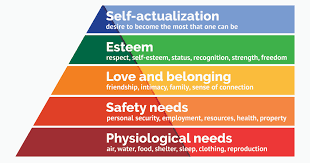
Despite the major concepts which provide a deep insight into the theoretical structure of the needs theory, there are various components that form it. Through the components which also form its structure, a holistic approach to nursing is clearly explained. The needs theory is composed of the social,physiological,spiritual and psychological needs. All the 14 components of the needs theory are found in the above categories. When represented in a hierarchy or relationship stress, the needs are categorized into physiological, love and belongingness, safety and esteem (Ahtisham & Jacoline, 2015). 

There are major assumptions of the nursing needs theory as per Virginia Henderson. The desire by patients to have good health status is the first major assumption. The theory also assumes that nurses should provide quality care to patients until they become independent.  Another assumption is that a person’s body and mind are interrelated and inseparable thus all their needs should be focused on properly. The needs theory has a major assumption that the nurses are willing and ready to serve patients by fully devoting their services and effort during day and night times (Ahstisham & Jacoline, 2015).

Reflection on the Needs Nursing theory

 The nursing needs theory is based on education of the theorist as well as the nursing practices. The needs nursing theory has clearly identified its main purpose and components that are easily comprehensive to those who take interest to adopt it for implementation (Cypress, 2015). The definition of the needs theory and the provision of its components is logic in nature making its simple in nature.

The components are relatively simple which involve the basic activities by people. The nursing theory has components and theoretically structured in a way that it applies to people of all age brackets and cultural backgrounds. The needs theory has identified that poor health affects people of all ages and backgrounds thus generality is the main focus in its design and application. The wide acceptance of the needs theory and its incorporation into the nursing practice by many which prove its availability and accessibility by many.

The application of the nursing needs theory is essential for those in practice as it enhances adoption of most appropriate skills and functions that seek to improve the health status of many individuals. The needs theory is important in providing guidance to nurses on the performances and inform them on the best activities that would fulfill the patients’ needs effectively (Cypress, 2015). The wide acceptance of the concepts of the needs theory by many people all over the nursing practice is one of its major strengths.

The application of the needs theory made possible by its simple and logic components is also a major strength. Its strengths make it easy to be adopted by nurses in practice without major complications or challenges. The absence of a clear conceptual diagram interconnecting sub concepts and concepts of the theory is one of its weakness. Another weakness is the poor explanation of the roles and performance of the nurses to enhance a peaceful death of the patients (McCrae, 2012).

Application of the theory

Application of the needs theory is vital in the nursing field due to its massive benefits. The needs nursing theory would impact the project that I seek on regarding the nursing practice. The readmissions and long stays in the hospitals is one major problem experienced in the nursing field. Such issues are contributed to by the disparities in poor healthcare collaboration between the care providers and the patient thus most of the operations are not patient centered (McCrae, 2012).

The needs theory is applicable in such a problem where the nurses can use it to set goals of achieving the better interactions and patient-centered care based on the basic components of the theory. The theory applies to the topic since the nurse can adopt it to meet the set goals to ensure better performance towards care in the nursing field while also ensuring the patients receive the bests care to their satisfaction.

The needs theory is of interest in the nursing actions that aim at handling the problem of disparities in the healthcare sector. The fundamental concepts of the needs theory serve as the basis for research in the nursing practices which inform the best and evidenced based nursing actions that would help handle the problems in the healthcare sector effectively (Bluhm, 2014). In this case, application of research and nursing actions as informed by the needs theory results in positive impacts. 

Conclusion

The needs theory has effectively provided guidance and direction essential in structuring professional research, education as well as nursing practice. The theory focuses on the nurse activities that would contribute to better recovery, promotion of health or the peaceful death of individuals.

The needs theory is applicable in various projects that address problems in the nursing sector where the nurses can use it to set goals of achieving the better interactions and patient-centered care based on the basic components of the theory (Joly, 2016). Informing on the best practices through research initiatives based on the components of the needs theory is beneficial in impacting the practices for solving problems positively.

References

Ahtisham, Y., &Jacoline, S. (2015). Integrating Nursing Theory and Process into Practice; Virginia’s Henderson Need Theory. International Journal of Caring Sciences, 8(2).

Bluhm, R. L. (2014). The (dis)unity of nursing science. Nursing Philosophy, 15(4), 250-260. doi:10.1111/nup.12062

Cypress, B. S. (2015). Theories guiding nursing research and practice: making nursing knowledge development explicit. Nursing Philosophy, 16(3), 167-169. doi:10.1111/nup.12084

Joly, E. (2016). Integrating transition theory and bioecological theory: a theoretical perspective for nurses supporting the transition to adulthood for young people with medical complexity. Journal Of Advanced Nursing, 72(6), 1251-1262. doi:10.1111/jan.12939

McCrae, N. (2012). Whither Nursing Models? The value of nursing theory in the context of evidence-based practice and multidisciplinary health care. Journal Of Advanced Nursing, 68(1), 222-229. doi:10.1111/j.1365-2648.2011.05821.x

Want help to write your Essay or Assignments? Click here

Evidence Based Practice

Evidence Based Practice

Evidence Based Practice

Introduction

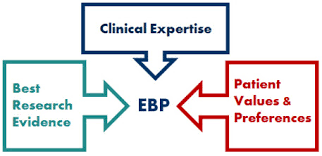
Evidence based practice is the inter-disciplinary approach that encompasses the principles of best-evidenced research, clinical expertise and client values and preferences. The evidence desired of a situation can be described as the assurity that the possibility of an event is well researched and anticipated. Evidence based practice has been popularized in the medical world for decades but was formally introduced in 1992 (Townsend, 2014).

Many students in the fields of nursing and medicine are acquired to undertake evidence-based research where they prove the existence of a phenomenon using primary data that can be considered relevant in the medical field. This implies that from time to time, research concerning issues such as medical epidemiology and the prevalence of certain conditions needs to be updated (Schneider & Whitehead, 2013).

Evidence based practice has been popularized in nursing due to the differing schools of thought on how to handle different patients. However, this particular school of thought has hardly been challenged.

Despite the importance of evidence based practice in nursing applications, there has been a challenge of determining how to implement it. Many institutions are unable to implement this program because it is quite costly and often; research on evidence based applications in medicine has not been forthcoming in new disease treatment trials. According to Melnyk & Fineout-Overholt (2011), the importance of evidence based practice in medicine stems from the fact that it has avoided professional negligence where the same has been prevalent.

In some cases, such research has completely dispelled certain notions about treatments, drug trials and even the interpretation of certain medical phenomena (Grove, Burns & Gray, 2014). Evidence based practice has led to the concept of empirically supported treatments (ESTs) that have essentially led to the standardization of efficacy treatment drugs for psychological conditions across the globe. 

Impact of Evidence based practice on patient outcomes

According to Levin & Feldman (2012), evidence based practice has changed a lot of prognoses in the medical world. Patients that may not have had any hope of survival were able to get the right medication due to the fact that they were constantly offered the right medication, care and support. This was all based on recorded evidence on the success of such efforts. In particular, the insistence on evidence based practice by organizations such as the American Psychological Association, the American Occupation Therapy Association and the American Nurses Association has led to the extended medical cover of psychiatric patients.

Medical covers have over time failed to cover conditions that they felt did not have particular or specific outcomes with regard to treatment success (DiCenso, Guyatt & Ciliska, 2014). This is why it has been necessary to conduct research and prove to these care organizations that psychiatric and psychological intervention measures are indeed successful.

There have been cases where evidence based practice has led to the retraction of particular drugs from the market. For instance, the case concerning the use of Dichlorophenolindophenol (DCPIP) was researched in the United States and seen to have dire side-effects. The chemical compound was banned from being used in insecticides despite being effective and lethal (Melnyk et al, 2012).

There have been a lot of medical improvements over the past especially with regard to the standardization of medicinal tablets, the minimization of cost of healthcare as well as the universal reduction of medical challenges and issues pertaining to the proliferation of commonly practiced procedures. This has increased professionalism in the medical field to a great extend (Sandström et al, 2011). Regardless, the use of evidence based practice continues to be a skeptical issue with many doctors and nurses unable to agree on the levels of investment required.

Theoretical and clinical application of Evidence based practice

Theoretically, evidence based practice has developed into various subsets of the same school of thought. Some of these subsets include; evidence based care, evidence based treatment and evidence based learning (Godshall, 2016). With regard to evidence based care, there has been the growing concern over the need to improve nursing care in a way that can promote faster treatment and recovery of patients.

Evidence based treatment has enabled doctors to administer medication that can be supported by factual evidence concerning its side effects and prevalence for use. There has also been evidence based learning in the medical world where many students have been required to perform experimental analysis of certain phenomena in order to understand it and know how and when to apply certain medical principles (Boltz et al, 2016). This has grown the field of medicine to a great extend and indeed, it has made it possible for non-professional researchers to make medical discoveries and findings.

The clinical application of evidence based practice has majorly been in the field of clinical research. The treatment of conditions such as cancer, Alzheimer’s’ and Parkinson’s disease have required that there be new measures to prolong life and offer decent living conditions to the patients. According to Pooler (2014), there exist new discoveries in the treatment of cancer ever now and then.

This calls for universal adjustments in cancer treatments and medications. Such advancements can be very costly hence ought to be based on satiable and justifiable research. Evidence based research is thus the only confirmatory proof that the new findings do offer significant reprieve to the victims. Pearson (2014) argues that modern medicine is a lot different from traditional medicine practices where quack treatments were practiced. This is due to the propagation of evidence based research provisions. 

How Registered Nurses implement Evidence Based practice

Registered nurse (RN) practice is the professional application of nursing principles and provisions. The practice is person-centred. This implies that there ought to be a personal relationship between the patient and the nurse and the nurse has to take the interests of the patient to be paramount and prioritized (Schneider & Whitehead, 2013). It is also evidence-based; implying that the practice is guided by models and theories that specify the principles of administration of care.

These models and theories can be reviewed from time to time to improve care in hospitals. The six major elements of registered nursing practice include; preventative care, curative care, formative care, supportive care, restorative care and palliative nursing care. All these elements are however based on action research principles guided by the elements of evidence based practice.

Evidence based practice has to be of a nature that can be summative in results finding as well as conclusive in the nature and type of information gathered. As a registered nurse, one is expected to perform specific duties relating to one or two of the major elements of the practice. This implies that the nurse will gain experience from a particular field as they continue to practice in it.

As a result, these nurses are expected to perform experimental treatment and diagnostic work in order to monitor certain types of diseases. For instance, in the 2014-2015 Ebola epidemics in West Africa, nurses were flown from different parts of the world to remedy the situation (Youkee et al, 2015). However, the main motivation for most of these nurses was to study the epidemiology of the Ebola virus. This led to major breakthroughs in the treatment of Ebola in subsequent years (Habich & Letizia, 2015). 

Conclusion

Indeed, based on the literature surveyed, it is not possible for nurses to implement evidence based practice in the clinical setting without ample experience, training and support. This is due to the fact that evidence based practice requires one to be well versed with the provisions of proper treatment, satiable research methodologies and techniques as well as medical ethics principles that accompany such research (Mackey & Bassendowski, 2016).

It may not be prudent for an inexperienced person to undertake such research knowing that the stakes are quite high. Indeed, the cost of supporting evidence based practice is at times too much to bear and thus why institutions with medical schools are advised to have hospitals to implement this practice. All the same, it is critical to ensure that evidence based practice is applied where possible to guarantee the best results from a treatment procedure (Lipscomb, 2016).

The medical world is vast with different possibilities, treatments and medications. There is no single procedure in most applications. Old procedures are replaced with new ones and so are the tablets, injections and psychological and psychiatric therapies. The evolution of the medical world is commensurate with the evolution of human kind.

Change is the constant that keeps the universe developing towards better futures. As a result, support for research should not just be a possibility but a requirement. Evidence based practice should take precedence in all applications in the field of nursing and clinical medicine. Where this is applied, a lot of deaths will be avoided and better, cheaper and safer treatment methods will be realized.

References

Boltz, M., Capezuti, L., Fulmer, T. T., & Zwicker, D. (2016). Evidence-Based Geriatric Nursing Protocols for Best Practice, Fifth Edition. New York, NY: Springer Publishing Company.

DiCenso, A., Guyatt, G., & Ciliska, D. (2014). Evidence-based nursing: A guide to clinical practice. Elsevier Health Sciences.

Godshall, M. (2016). Fast Facts for Evidence-Based Practice in Nursing, Second Edition: Implementing EBP in a Nutshell. New York: Springer Publishing Company.

Grove, S. K., Burns, N., & Gray, J. R. (2014). Understanding nursing research: Building an evidence-based practice. Elsevier Health Sciences.

Habich, M., & Letizia, M. (2015). Pediatric Pain Assessment In the Emergency Department: A Nursing Evidence-Based Practice Protocol. Pediatric Nursing41(4), 198-202.

Levin, R. F., & Feldman, H. R. (2012). Teaching evidence-based practice in nursing. Springer Publishing Company.

Lipscomb, M. (2016). Exploring Evidence-based Practice : Debates and Challenges in Nursing. London: Routledge.

Mackey, A., & Bassendowski, S. (2016). Original article: The History of Evidence-Based Practice in Nursing Education and Practice.Journal Of Professional Nursing, doi:10.1016/j.profnurs.2016.05.009

Melnyk, B. M., & Fineout-Overholt, E. (Eds.). (2011). Evidence-based practice in nursing & healthcare: A guide to best practice. Lippincott Williams & Wilkins.

Melnyk, B. M., Fineout-Overholt, E., Gallagher-Ford, L., & Kaplan, L. (2012). The state of evidence-based practice in US nurses: Critical implications for nurse leaders and educators. Journal of Nursing Administration, 42(9), 410-417.        

Pearson, A. (2014). Evidence-Based Review in Policy and Practice, An Issue of Nursing Clinics,. London: Elsevier.

Pooler, A. (2014). An Introduction to Evidence Based Practice in Nursing & Healthcare. London: Routledge.

Sandström, B., Borglin, G., Nilsson, R., & Willman, A. (2011). Promoting the implementation of evidence‐based practice: A literature review focusing on the role of nursing leadership. Worldviews on Evidence‐Based Nursing, 8(4), 212-223.

Schneider, Z., & Whitehead, D. (2013). Nursing and midwifery research: methods and appraisal for evidence-based practice. Elsevier Australia.

Stevens, K. (2013). The impact of evidence-based practice in nursing and the next big ideas. The Online Journal of Issues in Nursing18(2).

Townsend, M. C. (2014). Psychiatric mental health nursing: Concepts of care in evidence-based practice. FA Davis.

Youkee, D., Brown, C. S., Lilburn, P., Shetty, N., Brooks, T., Simpson, A., & … Johnson, O. (2015). Assessment of Environmental Contamination and Environmental Decontamination Practices within an Ebola Holding Unit, Freetown, Sierra Leone. Plos ONE10(12), 1-10. doi:10.1371/journal.pone.0145167

Want help to write your Essay or Assignments? Click here

Self-Assessment Reflection

Self-Assessment Reflection

Self-Assessment

In recent times, scientific underpinnings to practice have become a major issue of concern where those performing roles in the nursing field are required to self-assess themselves for preparedness.  Doctor of Nursing Degree was conceived with the objective of accelerating the translation of evidence and research into practices and also improvement of practices into expertise levels (Wysocki et al, 2015).  It is essential to have a self-assessment as a DNP nurse so as to reflect on the experiences.

The reflection would entail the linkage of previous learning and the current experiences. The purpose of reflection is to gauge the extent of preparedness to advance in the nursing practice through exhibiting some advanced level skills and personal development. Through reflection, evaluation and synthesizing of information regarding the nursing practice contributes to one’s growth and development while also controlling an individual’s learning.

AACN approved the DNP for the advanced practice nurses who would be required to have sophisticated skills that would be implemented and used in the performance of their roles (Wysocki et al, 2015). The curricular competencies and essential elements in the DNP program are clearly outlined in the AACN.  It is necessary to carry out a personal reflection to assess the compliance to these essentials and possession of competencies crucial for nursing practices.

Scientific underpinnings to practice are one of the essentials provided by the AACN which requires DNP graduates to have a reflection to evaluate the outcome competencies after completing the degree program (Wysocki et al, 2015). One of the competencies I would reflect on as per the scientific underpinnings to practice is the development of the care delivery approaches crucial during the performance of roles.

Assessment and reflection while considering the essentials for competencies in safety and quality patient care are another factor I would address where accountability is ensured (Kesten, 2015). The final competency is the ability to evaluate and develop effective strategies during management of the ethical dilemmas. The reflection would address these essentials of the scientific underpinnings to practice which informs the extent of preparedness.

To meet the pertinent DNP competencies, I would be required to possess some abilities, knowledge and vital skills essential for nursing practices. The DNP has been helpful in the integration of attitudes, informatics skills, and knowledge which culturally support evidence-based and culturally sensitive practices at high levels in the nursing field e.g. the leadership level (Kesten, 2015).  My self-assessment after completion of the course, reflects on the competencies of the DNP as outlined by the AACN.

The learning outcomes and competencies outlined would form the basis of the self-evaluation. My increased sensitivity to different populations and diverse organizational cultures and improvement in communication skills are some of the skills identified after self-assessment which meet the pertinent competencies of the DNP (Hallas et al, 2012). These skills are essential learning outcomes for an accountable DNP graduate.

The self-assessment also helped me evaluate my enhanced skills in leadership and also handling complex clinical issues that are increasing over time.  The enhanced knowledge to improve patient outcomes and nursing practice was also acquired. Through the self-assessment, I was able to evaluate the vital knowledge acquired after the DNP program. I was prepared to influence and design the best healthcare policy options with the focus on various factors such as quality, accessibility, and cost (Hallas et al, 2012).

Other factors focused on are safety, equity, efficacy and proper regulations. The acquisition of this knowledge and competencies is pertinent for a DNP graduate. After completion of the learning course in DNP, more insight on how to integrate theory and practices with the aim of ensuring quality care to all was gained. The self-assessment was important for me as it helped me evaluate my abilities in analyzing practice data and effective evaluation of outcomes in the nursing field.

The integrative abilities in implementing the nursing interventions based on science are pertinent to the DNP competencies which are an indicator of the benefits of learning the course (Hallas et al, 2012). The massive benefits in the form of skills, knowledge, and abilities gained after learning the course as identified through the self-assessment are pertinent to the DNP competencies (Terhaar et al, 2016). 

The orientation program for new students is essential in impacting success positively. Having gone through the orientation program as a new student, I would gain more insight and a lot of information essential in enhancing my success at Chamberlain (Price et al, 2015). The orientation is important for me as I can acquire fundamental information needed to connect with people that would influence my success in Chamberlain.

Through the orientations, insight and a better understanding of skills and belief essential for progressing well thus influencing success while in Chamberlain is efficiently gained. Crucial information on the survival tactics and handling complex issues enhance personal growth and academic success (Price et al, 2015).

In a nutshell, it is important for everyone who undergoes the DNP degree program to ensure the best skills, abilities and knowledge is acquired after completion of the course. Such efforts would ensure the competencies gained impact the nursing practice positively.

The pertinent DNP competencies are essential due to the impacts it has brought to the nursing field by enhancing the development of both effective strategies during management of the ethical dilemmas and care delivery approaches crucial during the performance of roles (Price et al, 2015).  The adoption and integration of these competencies into practice would revolutionize the nursing field for the better.

References

Hallas, D., Biesecker, B., Brennan, M., Newland, J. A., & Haber, J. (2012). Evaluation of the clinical hour requirement and attainment of core clinical competencies by nurse practitioner students. Journal Of The American Academy Of Nurse Practitioners, 24(9), 544-553. doi:10.1111/j.1745-7599.2012.00730.x

Kesten, K. S. (2015). Assessment of APRN Student Competency Using Simulation: A Pilot Study. Nursing Education Perspectives, 36(5), 332-334. doi:10.5480/15-1649

Price, D. M., Buch, C. L., & Hagerty, B. M. (2015). Measuring Confidence in Nursing Graduates Within the Framework of the AACN Essentials. Nursing Education Perspectives, 36(2), 116-117. doi:10.5480/13-1162.1

Terhaar, M. F., Taylor, L. A., & Sylvia, M. L. (2016). The Doctor of Nursing Practice: From Start-Up to Impact. Nursing Education Perspectives, 37(1), 3-9. doi:10.5480/14-1519

Wysocki, Kenneth, Patricia C. Underwood, and Susan Kelly-Weeder. 2015. “An essential piece of nursing’s future: The continued development of the nurse practitioner as expert clinician and scientist.” Journal of the American Association of Nurse Practitioners, April. 178-180. Academic Search Premier, EBSCOhost (accessed September 2, 2016).

Want help to write your Essay or Assignments? Click here

Quality Improvement in Health

Quality Improvement
Quality Improvement

Quality Improvement

In recent times, adoption of continuous quality improvement has become essential especially in issues concerning health promotion. In this case, health organization has taken the initiative to adopt the system which helps in refinement and regular reflection to enhance better outcomes and processes to enhance quality healthcare services (Davis et al, 2014).

There are substantial benefits of integrating continuous quality-improvements and its operations in healthcare. Continuous quality improvements are important as it ensures improved communication with external and internal resources in an organization such as the community and funders. Implementation of continuous quality improvements enhances proactive processes that solve and recognizes major problems thus ensuring the care systems are predictable and reliable in nature (Davis et al, 2014).

Such measures would ensure errors are addressed, and quality is fully observed. Continuous quality-improvements are also vital as its implementation leads to more efficient clinical and managerial processes.

Continuous quality-improvements also ensures reduced costs especially those associated with poor outcomes, process failures, and errors. Through continuous quality improvements, there is the higher satisfaction of patients and others receiving healthcare services since customer satisfaction is one of its primary components (Davis et al, 2014). Other than the public health area, the continuous quality improvements are adopted and used in the social services sector. In such scenarios, firms use the tool to ensure positive outcomes are received in the business environment.

An example is when it is implemented so as to ensure continuous access to sources of funds and improving services for customers. The continuous quality-improvements are also implemented in the information technology field mostly during planning and management of information systems thus ensuring valuable information is acquired to inform the right strategies for development (Davis et al, 2014).

Reference

 Davis, M. V., Mahanna, E., Joly, B., Zelek, M., Riley, W., Verma, P., & Solomon Fisher, J. (2014). Creating Quality Improvement Culture in Public Health Agencies. American Journal Of Public Health, 104(1), e98-e104. doi:10.2105/AJPH.2013.301413   

Want help to write your Essay or Assignments? Click here