

Managing Financial Resources in a Health Care Organization

Managing Financial Resources

Managing Financial Resources in a Health Care Organization

Abstract

Financial resources are critical to the operations of organizations in the sense that they promote efficacy through acquisition of human resources, equipment, and technology among other vital organizational elements. However, the management of financial resources is also a challenge as many cases of misappropriations are reported all over the world. In the health care sector, the management of financial resources is even greater considering that the sound financial resources management improve the quality of care given to the patients and save healthcare expenditures.

Unit 14 Assignment

Introduction

Financial resources are critical to the success of organizations because with sound financial backgrounds, the institution can achieve efficiencies in a number of areas. However, a robust financial background implies having effective and relevant financial management strategies. This is even more important when it comes to the health or social care sector where there are diverse departments and many personnel. This essay explains some of the aspects related to financial management in the health or social care sectors.

1.1The Principles of Costing and Business Control Systems

In the health or social care organizations, costing applies to the financial process of estimating the amount of money spent while generating services to patients or clients (Field & Brown 2007). In this regard, costing includes aspects such as estimating the money to be paid to healthcare workers for service deliveries and the amount spent on equipment used to deliver healthcare services among other activities that require expending financial resources (Field & Brown 2007).

In short, costing in the healthcare organization relates to estimation of financial expenditures. On the other hand, the business control systems apply to the different systems that collect and use information to evaluate the performances or efficiencies of the business operations of the organization such as those relating to finance (Broadbent & Cullen 2003).

There are different principles of costing and business control systems that are adopted to improve efficiency. One of the principles is integrity that means personnel charged with handling financial resources should act ethically (CIMA 2016a). Due diligence is another principle of costing and business control system and it means being keen to avoid errors. When undertaking costing and business control systems, employees are expected to be transparent hence this also a principle desired (CIMA 2016a).

There are also different elements related to the principles of costing and business control systems. One of the elements embodied in the principles of costing and business control systems concerns costs. Under costs, the organization estimates the entire expenditure spent on different activities and uses the costs to inform the development of an appropriate costing control system (Field & Brown 2007).

The second element present in the costing and business control system regards income that is the amount of money the organization is able to raise because of the services it provides. This element is critical to the establishment of the business control system because the amount of income determines the type of business control system to be adopted (Broadbent & Cullen 2003). The third element used in the costing and business control systems entail costs benefits analysis.

This means evaluation of the benefits and demerits associated with different costing and business control systems adopted. Another element of the costing and business control system relates to expenditure and this refers to the analysis performed with a view to determining the financial effect that the implementations of the costing and business control systems have on the organization (CIMA 2016b).

In the same vein, the element of budget is also associated with the costing and business control systems and the budget element is used to establish whether the costing and business control systems are affordable to the organization. Lastly, the element of capital is also vital to the principles of costing and business control systems since it is the capital that is used to allocate resources to the costing and business control systems in the organization (Broadbent & Cullen 2003).

1.2Information needed to manage financial resources

Management defines the process of controlling things while financial resources are the money the organization has at its disposal to spend and is available in different formats such as credit lines, liquid securities, and cash (Field & Brown 2007). The management of financial resources does not occur in a vacuum but instead require certain critical information. In the health or social care sectors, business costs arise from different components that also act as the key information necessary for the management of the financial resources.

One of the sources of information of business costs in healthcare regards the people. Under people, this means the service users, employees, and suppliers and the information originating from the people is essential to the management of financial resources (CIMA 2016b). Equipment refers to the entire tools and technology used in the healthcare facility to deliver services and because the organization spends a great deal on equipment, information from the equipment line is valuable when it comes to the management of financial resources (Field & Brown 2007).

The core of financial resources in the organization is the finance that encompasses all the funds that the organization has and handles. This information is necessary if effective financial resource management is to take place. Buildings are the housing resources that the healthcare organization has and the information from building is important in the management of financial resources because how buildings are used can provide indications of the financial flows (CIMA 2016a).

Consumable items are those items that are used recurrently such as paper, food, bed sheets, towels, and soaps to mention but a few. The information that arises from the use of consumables is significant in the management of financial resources because failing to establish the pattern may mean not having an appropriate control system. Administration refers to the process of management and because there are equipment, technology, and personnel tasked with the administration purposes, the information from administration is also key to the management of financial resources.

Lastly, income streams apply to the organization’s sources of income and this information is crucial for the management of financial resources because it helps to determine the balance between income and expenditure (HFMA 2015).

1.3The Regulatory Requirements for Managing Financial Resources

Regulatory requirements are the policies and legislations that control the financial operations in the organization. It is the regulatory requirements that function to align the financial operations of the organization with the statutory provisions standards expected. For instance, in the UK, the Health and Social Care Act of 2012, governs all the financial operations in the health sector (HFMA 2015).

In healthcare, there are external influences to business costs from a regulatory requirement perspective. One of the external influences to business costs revolves around changes in policies. When there is a change in healthcare policy, the organization has to embrace changes that will reflect the adaptation to the new policy and the integrations of the new requirements means expenditure (Lindsay et al. 2014).

Competitive factors such as the pricing of health care services or diagnostic costs also represent another external influence to business costs in the healthcare sector. With the competitive factors, the healthcare organization is forced to introduce new technologies or professionals and this means additional costs (Field & Brown 2007). Legal requirements are the other external influences that add costs in the healthcare sector.

The legal requirements imply that the organization has to be regulated by certain bodies and this implies subscription fees and other necessities to be fulfilled. The financial legislation and codes of practice also have their associated implementation costs and when the healthcare institution implements them, there are costs incurred. Another source of regulatory cost to the business is audit. Although internal auditors can undertake auditing activities, sometimes it is a requirement that external auditors have to be used.

In such case, external auditing firms have to be given the job at a fee or contract and this means additional costs to the business. Lastly, accountability is another external factor that influences business costs. Accountability generates costs in the sense that the organization has to implement systems and establish external associations to oversee accountability (Monitor 2016).

1.4Systems for Managing Financial Resources in a Health Care Organization

Systems for managing financial resources refer to the processes that healthcare organizations can use to manage their financial resources. There are different systems for managing financial resources on health care organizations. Sources of income are among the systems for managing financial resources in healthcare organizations. The sources of income entail the different ways that that the healthcare organization generate its income. For example, government funding and voluntary donations are sources of income to the healthcare institutions (Field & Brown 2007).

The advantages for using this system of financial resource management are that it readily identifies misallocated funds and promotes accountability in financial resources. Its disadvantage is that it focuses only on the income sources (Field & Brown 2007). Setting of budgets is another system that can be used to manage the financial resources of the organization and under budget setting, the healthcare facility outlines the different requirements and how the costs should be catered for (Broadbent & Cullen 2003).

For example, the healthcare organization can peg the yearly costs that are expected to run the different activities in the organization. The advantages of this system are that it establishes the variances and identify the effective departments. On the other hand, setting budgets prevent flexibilities in terms of operations and therefore its demerit. Like setting of budgets, administration of budgets is also another system that can be used to manage the financial resources.

Administration of budget is a system of managing the financial resources of the organization whereby a detailed financial plan for a given period is prepared (Field & Brown 2007). This is usually done on annual or quarterly basis. The advantages of administration of budgets are that it facilitates the control of financial resources on a daily basis and tracks the costs associated with supervisory and non-production aspects.

However, its main limitation is that it is time consuming (Broadbent & Cullen 2003). Another system of managing financial resources in healthcare organizations is the creation of cost centers, which are departments, charged with calculating revenues and costs of the healthcare institution (Field & Brown 2007). The advantages of cost centers include facilitating quick control of financial resources and they are motivational to the managers and employees.

However, they can be a source of pressure to the staff members hence the disadvantage. Accountabilities are systems that use transparency principles as a way of managing the financial resources in the healthcare organization. The advantages of accountabilities are that they promote responsible use of financial resources in the organization and they improve the image of the organization. Nevertheless, implementation of accountabilities means extra spending and more costs to the organization.

Finally, auditing can also be a system for controlling financial resources through the identification of gaps in usage of financial resources. The advantages of auditing are that it can help to detect hidden malpractices and can also be used to establish the trends in the financial spending. In the same vein, auditing requires investments of time and other resources hence the disadvantage (Field & Brown 2007).

References

Armit, K. and Oldham, M., 2015.    The Ethics of Managing and Leading Health Services: a view from the United Kingdom. . Asia Pacific Journal of Health Management, 10(3), pp.118–121. Retrieved, 2016 from Ebscohot.com

Ball, R., Eiser, D. and King, D., 2013. Assessing Relative Spending Needs of Devolved Government: The Case of Healthcare Spending in the UK. Regional Studies, 49(2), pp.323–336. Retrieved, 2016 from Ebscohot.com

Broadbent, M. and Cullen, J., 2003. Managing financial resources. Oxford: Butterworth-Heinemann.

CIMA, 2016a. . [online] CIMA Financial Management Magazine | Chartered Institute of Management Accountants. Available at: <http://www.fm-magazine.com/> [Accessed 15 Nov. 2016].

CIMA, 2016b. HELPING PEOPLE AND BUSINESSES TO SUCCEED. [online] CIMA. Available at: <http://www.cimaglobal.com/> [Accessed 15 Nov. 2016].

Field, R. and Brown , K., 2007. Managing with plans and budgets in health and social care. Exeter: Learning Matters.

Want help to write your Essay or Assignments? Click here

Management style

Management style
Management style

Management style

A consideration of telecommuting from the perspective of managerial decisions means that, a lateral direction model of managerial decisions has to be adopted whereby the manager has to engage employees outside an organizational work place that is centralized (Sardeshmukh, Sharma & Golden, 2012). According to Matthews & Williams (2012), the management style has to change from classical management styles to Laissez-faire management style where most of employees work by telecommuting.

In this style of management, employees are motivated to work independently and allowed to nurture their creativity by getting a chance for their ideas to flourish. The management should then provide guidance when need and facilitate brainstorming in decision-making, which makes the manager to seem more of a mentor instead of a leader (Matthews & Williams, 2012). This makes it difficult to accomplish common objectives, which require frequent meetings to exchange ideas due to lack of trust and teamwork originating from the lack of frequent face-to-face contact (Sardeshmukh et al., 2012).

In this style, management takes a hands-off approach to leadership.

Staff is trusted to do their work without supervision, and they are left to control their decision making and problem-solving.

Management is present at the delegation and delivery stages of work, but otherwise steps back and gives staff the freedom to control their workflow and outcomes. Management is only involved during the process if the staff requests their assistance.

References

Matthews, H. S. & Williams, E. (2012). Telework Adoption and Energy Use in Building and Transport Sectors in the United States and Japan. Journal of Infrastructural Systems, 11(1), 21-30. doi:10.1061/(ASCE)1076-0342(2005)11:1(21)

Sardeshmukh, S. R., Sharma, D., & Golden, T. (2012). Impact of Telework on exhaustion and job engagement: A job demands and resources model. New Technology, Work and Employment, 27(3), 193-207. doi:10.1111/j.1468-005X.2012.00284.x

Want help to write your Essay or Assignments? Click here
Operations Management: Case Analysis of Hilton Hotel UK

Operations Management

Operations Management

Case Analysis: Hilton Hotel UK

Introduction

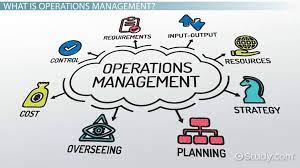
This paper intends to discuss operations management. Operations management is a term used to describe the supervision and organization of business practice as a way of creating a high level of efficiency in an organization (Brandon-Jones, Slack, Chambers, Johnston, and others 2016, p.8). 

Furthermore, operations management is also concerned with the conversion of materials along with labor into profitable goods and services for an organization (Hodari, and Sturman 2014, p. 434). Notably, in order to effectively discuss operations management, the paper will consider Hilton Hotel UK.

Task 1

General Model of Operations

The paper will look at the concern of Hilton Hotel UK towards the environment, how it retains and empowers employees, and how it addresses the needs of society. Moreover, the paper will also look at the relationship of Hilton Hotel UK with its suppliers, and the relationship and responsibility of Hilton Hotel UK towards investors.

In addition, the paper will also pay special attention to customers by analyzing the quality of products offered to customers by Hilton Hotel UK and assessing whether the products ensure customers receive the value for the price they pay for products. Furthermore, the paper will analyze if the management of the business addresses the needs of owners.

Task II

Operations Strategy

            Service Operations Concept

At Hilton Hotel UK, customers are allowed to make on line reservations through a website for Hilton Hotels http://www.hilton.com/en/hi/customersupport/index.jhtml that offers customer support (Bohdanowicz, Zientara, and Novotna 2011, p.797). However, Hilton Hotel UK also provides the option of making a reservation for a room, from a Hilton Hotel UK office desk, where customers present themselves physically.

Notably, when customers are already at Hilton Hotel UK, they are served with special meals from the restaurant section of the hotel, a children’s menu and beverages from the bar section (Gerritzen 2014). In addition, Hilton Hotel UK also provides a fitness center for its customers, as it aims at giving customers a homely feeling when they are far from home.

As customers check out from Hilton Hotel UK, lounge services are provided by the hotel to enhance on comfort to customers (Chen, Wang, and Chu 2011, p.213). Furthermore, Hilton Hotel UK also offers luggage hold, baggage storage and delivery services to its customers as they check from the hotel (Chon, and Yu, 2012).

Competitive Objectives Spider Diagram

In terms of competitive objectives, Hilton Hotel UK focus on increasing the efficiency of its services through increasing online platforms for service delivery, which impacts on the speed and efficiency of service delivery and also interconnecting of Hilton Hotels branches. Moreover, Hilton Hotel UK also observes the quality of services it offers.

For instance, the hotel provides a separate menu for children meals to make a visiting whole family comfortable (Boone, Veller, Nikolaeva, Keith, Kefgen, and Houran 2013, p.230). In addition, Hilton Hotel UK also observes the value of being dependable. For instance, the hotel offers services of foreign exchange to its customers.

Furthermore, Hilton Hotel UK observes flexibility in service delivery through attending to different types of customers with different needs, such as business men, families, and customers seeking comfort. The cost charged for getting services from Hilton Hotel UK depends on the services a customer requires. Therefore, there are a number of variations in costs charged to clients. For instance a client who requires Wi-Fi services will be charged more.

The four V’s Diagram

Hilton Hotel UK is a branch of a hotel that is believed to be the fifth largest globally. Therefore, Hilton Hotel UK is believed to serve a volume of more than 10 million customers every year (Brookes, and Roper 2012, p.580). Moreover, Hilton Hotel UK offers a variety of services, including recreational services, fitness services, comfort, relaxation and luxury services, along with business convenience services.

Therefore, Hilton Hotel UK enjoys variability in demand from customers who want to conduct business, customers who want to travel but still keep up with their routine for fitness, and also customers who want to enjoy quality family time Boone, Veller, Nikolaeva, Keith, Kefgen, and Houran 2013, p.230). Hilton Hotel UK also has visibility to end user, where its website is restrictive to only people who can form legal binding contracts (Alon, Ni, and Wang 2012, p.379). Moreover, the website also gives restrictions on the materials to be used by the website visitors.

Task III

Focused Analysis

Product/Service and Process Design: Hilton Hotel UK provides a number of products for its customers. However, the products are divided into various categories depending on the target group and requirements of the target group. The diagram below summarizes the two main target groups for Hilton Hotel UK, the products category of the products offered to the two main groups and their process.

Convenience to Business Men: Notably, Hilton Hotel UK offers business men with an appropriate environment for doing both their money generating activities, and their relaxation activities. First, Hilton Hotel UK provides rental services to business men for audio equipment and visual equipment (Brookes, and Roper 2012, p.580).

Therefore, business men can be able to conduct their meetings from Hilton Hotel UK. Secondly, Hilton Hotel UK has a special business center. Within the special business center, Hilton Hotel UK allows business men to have business phone services. Therefore, business men can still coordinate and control their firms and companies back at home, from Hilton Hotel UK.

 In addition, Hilton Hotel UK also provides and arranges for courier services to business men utilizing their services. Thus, business men cannot complain of their business reports, and personal messages not getting to them on time. Consequently, business men are able to have regular monitoring of their businesses even when they are physically available in their home offices (Eva M Smith 2015).

In case a business man wants to record a message through speech, which the business man intends to use later or on another day for transcription, then Hilton Hotel UK has a Dictaphone for attending to such a business man’s needs.  In another scenario, a business man may want to telephonically transmit materials that have been printed and scanned to his company back at home. To address such a need, Hilton Hotel UK has an available fax machine, which has been set aside for use by business men staying in Hilton Hotel UK rooms (Gerritzen 2014).

Markedly, Hilton Hotel UK has been receiving customers from around the world, who converge at Hilton Hotel UK with a sole aim of conducting a meeting, or a series of meetings. Therefore, Hilton Hotel UK has addressed the need by its clients by constructing and reserving a number of rooms as meeting rooms. Moreover, when a meeting is held, all members available in the meeting are issued with flyers, programs and agendas for the meeting to be held on that day. T

hus, Hilton Hotel UK identified that their customers require photo copying services, hence started providing business men with the service (Hanioglu, and Arditi 2013, p.370). In addition, Hilton Hotel UK also has a printer set aside for providing printing services to business men, who are utilizing services of Hilton Hotel UK. 

Outstandingly, Hilton Hotel UK is an international hotel therefore the customers seeking the services of Hilton Hotel UK are from different social classes in society. In several cases customers may be high profile personalities, and people holding influential positions in their companies (Tufts 2014, p.52).

Therefore, the work load mandated to such personalities is huge, which then implies that such people require assistance. Thus, Hilton Hotel UK has attended to this need by providing secretarial service. Hilton Hotel UK also identifies that some of its customers work through team work. Hence, there is need for communication between the business men and their home offices.

Thus, Hilton Hotel UK provides the service of video conferencing (Petrović, Jovičić, Marković, and Gagić 2013, p.76). Moreover, some business men value communicating with people when they can see their faces, thus Hilton Hotel UK has a video phone to cater for the need. In addition, most business men require the internet to efficiently conduct their business therefore Hilton Hotel UK has Wi-Fi available in the rooms.

Comfort and Luxury to Business Men: Hilton Hotel UK attends to the comfort needs of business men by providing exchange services for foreign currency, staff members that communicate in different languages, a deposit box for safety and also baggage storage (Ransley, and Ingram 2012). Moreover, Hilton Hotel UK also offers an executive lounge that business men can hire, gives laundry services, room services, elevators for getting to the private rooms, and also allows for visitors (Henderson 2013, p.452).

Comfort and Luxury to families: Hilton Hotel UK identifies that a large number of its customers are families who intend to get a special experience away from home together. Therefore, Hilton Hotel UK has a number of plans in its delivery of services that suit families perfectly. Among the plans is providing two menus. One of the menus is a children’s menu while the other one is an adults menu (Hoefakker 2014). 

The reason for having two menus is to ensure that, the family gets as much comfort as possible, while at the same time living a healthy lifestyle. In order, to comfortably fit and spend time together, Hilton Hotel UK provides cribs to accommodate families. In the cribs there are high chairs that add on to the comfort and uniqueness of the stay at Hilton Hotel UK (Jung, Ineson, and Green 2013, p.394).

In addition, Hilton Hotel UK offers families with tours, which are meant for sightseeing. Such tours impact on the feelings of family members, make them have a more close relationship and also turn the stay at Hilton Hotel UK to be a memorable one for the family (Kim, Palakurthi, and Hancer 2012, p.198). At Hilton Hotel UK, the management identifies that for any family, health is the number one priority. Therefore, all family members require achieving fitness for their bodies.

Thus, Hilton Hotel UK attends to the need by family members through providing a fitness room. Additionally, bathroom and bedroom doors are built with enough entrance space of 32 inches (Niewiadomski 2015, p.178). The aim of concentrating on the size of bedroom and bathroom doors is to make people feel at home despite their sizes, since some are plus sized, while others are slim and others medium sized.

Task IV

Improvement

From the analysis of Hilton Hotel UK, it is evident that a number of areas need improvement. First, Hilton Hotel UK charges extreme high prices for clients using Wi-Fi services at the hotel. This problem is attributed to using Swisscom as their internet provider. Swisscom is globally known as unstable and outdated. The offering given by Swisscom is very complex while its reliability is extremely low. Moreover, customers are given restrictions on the number of megabytes that they can download (Jung, Ineson, and Green 2013, p.395).

Consequently, a customer is forced to purchase a number of vouchers if they intend to do video streaming. In addition, the network provided by Swisscom has regular changes occurring to the bandwidth, along with the speed of surfing. In some cases changes in speed of surfing may turn from great into poor and later to disconnect (Lee 2013, p.35). It is therefore recommended that Hilton Hotel UK makes changes to their internet network.

Moreover, it is also worth noting that, at Hilton Hotel UK phone reception may be a problem in some cases. This is due to poor network at the hotel rooms, since there are no signal boosters or stable routers for surfing network. Therefore, customers who work from indoors are inconvenienced and forced to seek better network connections in nearby areas such as malls and shops (Kim, Palakurthi, and Hancer 2012, p.198).

Furthermore, Hilton Hotel UK charges exaggerated prices for drinks taken from the Hotel’s mini-bars (Kasim, Gursoy, Okumus, and Wong 2014, p.1092). For instance, a bottle of Coke with a capacity of 0.2L is sold at 4.5 Euros, which further implies that if one is interested in buying a whole liter of Coke then he/she will be expected to part with 22.5 Euros. Notably, 22.5 Euros are further expensive compared to the prices charged for a wine bottle in Hilton Hotel UK (Chen, Wang, and Chu 2011, p.213).  

Additionally, though the bathrooms of Hilton Hotel UK are ok, it would be expected that the shower would be separate. However, that is not the case. It therefore becomes even more irritating that the shower is separated by a curtain. Hence, when a customer is in the bathtub, they might regularly feel the touch of the curtain on their skin (Kasim, Gursoy, Okumus, and Wong 2014, p.1098).

Management of allocation of rooms at Hilton Hotel UK is another important thing to review. Notably, customers who pay for rooms online have a higher likelihood of getting rooms that are lower in value that what they have paid for. Evidently a number of customers who paid online to book for rooms at Hilton Hotel UK have complained on the Hotel’s website. This is brought about by poor management of online platforms (Hodari, and Sturman 2014, p. 445).

In addition, since Hilton Hotel UK is located in a very busy place, it would be recommendable to provide cab services to customers. Cab services from Hilton Hotel UK would help in reducing the inconveniences Hilton Hotel UK customers undergo when trying to check in to Hilton Hotel UK or to check out of Hilton Hotel UK (Tufts 2014, p.52).

Furthermore, in order to improve on the convenience of customers travelling around UK it is important for Hilton Hotel UK to review the interconnection and interrelation policies of all Hilton Hotels UK, to enable customers move from one branch to another, by being allocated rooms of the same value they have paid for.

Hilton Hotel UK should also focus on holding regularly, team building activities for their employees and also increase the motivational activities held for employees. This is in a bid to improve on customer attendance services. Notably, when employees are in a good mood, and love their work, then they are likely going to offer high level services to customers, show concern and even try to form friendly relationships with customers (Kim, Palakurthi, and Hancer 2012, p.200).

For security of customers’ belongings, though Hilton Hotel UK offers a safety deposit box, it would be recommendable to construct large safes inside customers’ rooms, which can fit a laptop in. The safe should also be protected by electric cables.

Notably, Hilton Hotel UK uses key cards for getting access to the rooms. Sadly, key cards are known to have a tendency of getting mysteriously deactivated (Ransley, and Ingram 2012). Deactivation can be attributed to proximity of the key card to a customer’s mobile phone, but also it can be attributed to having misunderstandings over the time the customer is expected to check out from the room. Therefore, one issue that needs attending by Hilton Hotel UK is the efficiency of operation of key cards in accessing rooms.

Citing the need for controlling the temperatures of rooms at Hilton Hotel UK, the hotel has a system for climate control. Though the system works in a favorable way, it is recommendable for Hilton Hotel UK to upgrade the system into a system that produces minimal or no noise at all. Moreover, Hilton Hotel UK should consider issuing customers with earplugs when they issue toiletries (Henderson 2013, p.452).

The need for earplugs is to deal annoyance on customers when they have noisy neighbors or when there is construction going on. In addition, it is also important to construct hotel rooms with windows that all customers can comfortably reach and open when they feel the need for fresh air. Mostly, the hotel rooms at Hilton Hotel UK have raised windows that a majority of customers can barely reach to open (Gerritzen 2014). It would be important for Hilton Hotel UK management to address this issue when renovating the rooms.

Most customers of Hilton Hotel UK complain on the website of Hilton Hotel about the position of power outlets. In most rooms customers are expected to bend below the desk and plug in whatever they want to charge. It would be a thoughtful idea to move the power outlets to desk level or have power outlets stuck on the nightstand of every room.

Task V

Challenges and Conclusion

Challenges

In the near future Hilton Hotel UK is likely to face two challenges. The first challenge will be an influx of customers to Hilton Hotel UK yet the number of employees at Hilton Hotel UK cannot be able to meet their demands. In addition, Hilton Hotel UK might also experience a shortage of rooms to accommodate the large number of customers visiting from different parts of the world.

The second challenge Hilton Hotel UK might be facing in the near future, is competition from upcoming hotels. Many investors have identified that there is great opportunity in the hotel industry, and the rewards from investing in the hotel industry are also attractive. Hence, many investors are turning to the hotel industry, where they are coming up with new hotels that offer latest facilities.

Conclusion

The paper above has discussed operations management by looking at the case of Hilton Hotel UK. Using a general model of operations the paper has analyzed the environment of Hilton Hotel UK, how Hilton Hotel UK relates with suppliers, owners, investors, society and the employees. The paper has gone ahead to discuss operations strategy at Hilton Hotel UK by looking at the service operations concept, the competitive objectives by the use of a spider diagram, and the four Vs diagram.

In addition, the paper has also provided a focused analysis of Hilton Hotel UK by looking at product and process design at Hilton Hotel UK. Furthermore, the paper has further given recommendations on improvements that Hilton Hotel UK might consider doing and also revealed possible challenges that Hilton Hotel UK may encounter in future.

Reference List

Alon, I., Ni, L. and Wang, Y. (2012). Examining the determinants of hotel chain expansion through international franchising. International Journal of Hospitality Management31(2), pp.379-386.

Bohdanowicz, P., Zientara, P. and Novotna, E. (2011). International hotel chains and environmental protection: an analysis of Hilton’s we care! programme (Europe, 2006–2008). Journal of Sustainable Tourism19(7), pp.797-816.

Boone, J., Veller, T., Nikolaeva, K., Keith, M., Kefgen, K. and Houran, J. (2013). Rethinking a glass ceiling in the hospitality industry. Cornell Hospitality Quarterly54(3), pp.230-239.

Brandon-Jones, A., Slack, N., Chambers, S., Johnston, R., Lysons, K., Farringhton, B., Stevenson, W., Russell, R., Taylor, B., Krajewski, L. and Ritzman, L. (2016). Operations Management. Pearson Education Limited.

Brookes, M. and Roper, A. (2012). Realising plural-form benefits in international hotel chains. Tourism Management33(3), pp.580-591.

Chen, Y.C., Wang, W.C. and Chu, Y.C. (2011). A case study on the business performance management of Hilton Hotels Corp. International Business Research4(2), p.213.

Chon, K.S. and Yu, L. (2012). The international hospitality business: Management and operations. Routledge.

Eva M Smith, S. (2015). Hotel Revenue Management Strategies during Fall Foliage Travel Season. Journal of Hotel & Business Management, 04(01).

Gerritzen, N. (2014). Hilton Olympia Hotel London. NHTV Breda University of Applied Sciences.

Hanioglu, M.N. and Arditi, D. (2013). Teaming/timing sequences in hotel development projects. Construction Management and Economics31(4), pp.369-385.

Henderson, J.C. (2013). Selling the past: Heritage hotels. Turizam: znanstveno-stručni časopis61(4), pp.451-454.

Hodari, D. and Sturman, M.C. (2014). Who’s in charge now? The decision autonomy of hotel general managers. Cornell Hospitality Quarterly55(4), pp.433-447.

Hoefakker, C. (2014). Hilton London Gatwick Airport Hotel. NHTV Breda University of Applied Sciences.

Jung, T.H., Ineson, E.M. and Green, E. (2013). Online social networking: Relationship marketing in UK hotels. Journal of Marketing Management29(3-4), pp.393-420.

Kasim, A., Gursoy, D., Okumus, F. and Wong, A. (2014). The importance of water management in hotels: a framework for sustainability through innovation. Journal of Sustainable Tourism22(7), pp.1090-1107.

Kim, Y.J., Palakurthi, R. and Hancer, M. (2012). The environmentally friendly programs in hotels and customers’ intention to stay: An online survey approach. International journal of hospitality & tourism administration13(3), pp.195-214.

Lee, S. (2013). Cruise Operations Management: Hospitality Perspectives. Tourism Management, 37, p.35.

Niewiadomski, P. (2015). International hotel groups and regional development in Central and Eastern Europe. Tourism Geographies17(2), pp.173-191.

Petrović, M.D., Jovičić, A., Marković, J.J. and Gagić, S. (2013). Territorial expansion of hotel chains in countries of South-Eastern Europe. J. Geogr. Inst. Cvijic63(4), pp.75-92.

Ransley, J. and Ingram, H. (2012). Developing hospitality properties and facilities. Routledge.

Tufts, S. (2014). 5 The hotel sector in an age of uncertainty. A Hospitable World?: Organising Work and Workers in Hotels and Tourist Resorts, p.52.

Want help to write your Essay or Assignments? Click here

Ethical Dilemmas faced by Senior Management

Ethical Dilemmas Faced by Senior Managers in Manufacturing Companies

Ethical Dilemmas Faced by Senior Managers in Manufacturing Companies

Introduction

In a perfect and ethical world, business organisations and their employees are envisaged to always be engaged in doing the right things. However, it is unfortunate that in the real world of business ventures, ethical dilemmas have become a common occurrence in determining many decisions taken by these organisations (Frisch and Huppenbauer, 2014 p. 24). According to Brown and Corder (2011), dilemmas are problems or situations where an individual or an organisation has to make a difficult or challenging choice between diverse options either, and ethical dilemmas are problems or situations where a choice has to be made between an immoral and a moral act.

Senior managers must often deal with pressures to deliver and help the companies they work for succeed irregardless of their decision choices and personal temptations to uphold business ethics by ensuring that they only decide to choose moral actions whenever faced by an ethical dilemma (Schwartz, 2016 p. 757). As a result, senior managers working in manufacturing companies are likely to often face numerous issues that conflict between the business interests, professional ethics and ethical business practices, and this makes it important for them to rely on ethical theory in order to arrive at the best ethical solutions to such issues (Marques, 2012 p. 5). 

Part 1: Breaking Down the Case Study Problem to Expose the Ethical Conflict   

As a senior manager in the company, it is important to breakdown the problem caused by the business practice provided in the case study for the purpose of exposing the challenge faced in making an ethical decision, which is necessary to enable a moral action to be taken in order to solve the issue.

A consideration of the business practice presented in this case study; it is undoubtedly evident that this is scenario of scandalous dumping of hazardous children’s sleepwear garments which have been treated with TRIS, a potentially carcinogenic agent. This is an unethical business practice that has been common in corporate circles without the knowledge of consumers, and only occasionally attracting the attention of conscientious citizens.

This is because most cases of dumping, especially to underdeveloped countries are performed quietly, in which the products move unnoticed from the countries they are manufactured and not authorised for sale to underdeveloped countries where such bans do not exist.

For instance, after it was found that TRIS used as a fire retardant in clothes could possibly cause cancer and sleeping clothes for children that had been made from clothing materials treated with TRIS were not allowed for sale in the UK, the manufacturing company decided to dump its huge stock to countries that are less developed in Asia, Latin America and Africa.

Although the bottom-line motive of dumping is always profit, products that are hazardous are usually dumped to solve varied problems. For non-manufacturers including the brokers, wholesalers, retailers, exporters and importers, the problem is generally just a matter of inventory. However, for the manufacturers who have invested capital in tools, machines, personnel, dies, assembly plants and land; the problem is not that simple.

Thus, they often embark on dumping millions of manufactured units to underdeveloped countries because they have been banned from sale in countries where they have been manufactured either because they are substandard or hazardous; through a process which often involves voluntary withdrawal of the product and closing up shop.          

According to Edwards and Kirkham (2014), there is need to always comply with these principles of ethics which clearly demonstrates ethical dilemmas faced by senior managers of business organisations that often involve complex situations that commonly lead to an apparent mental conflict about making choices between moral imperatives. Often, a decision to obey one option commonly results in the transgression of another (Elm and Radin, 2012 p. 315). As a result, ethical dilemmas sometimes referred to as ethical paradoxes from a philosophical perspective are mostly invoked in an attempt of improving a moral code or an ethical system to solve the paradox, or refuting it (Dion, 2012 p. 6; Shah and Amjad, 2016 p. 58).

For instance, the principle of beneficence which is also closely related to the concept on universal love provides guidance to the decision maker in order to ensure that he/she makes the decision to do what is good or right guided by the principle of loving neighbours as oneself (Perle, 2014). This prioritisation of doing what is good which is anchored on ethical theory allows a possible solution that is acceptable from an ethical perspective to be developed and implemented for an ethical dilemma (Eisenbeis et al., 2015 p. 637).

This principle of beneficence stipulates that, it is essential in any action to strive to achieve the greatest amount of good through ethical theories because the most good is always beneficial to the people; hence, the principle of beneficence is associated with the utilitarianism (Hollingworth and Valentine, 2015 p. 458).

Similarly, the principle of least harm which is also associated with utilitarianism deals with problems or situations in which no particular choice among the possible options appears beneficial; this forces the decision maker to embark on seeking to make a choice likely to cause the least harm and the fewest number of people (Huhtala et al., 2013 p. 255).

Snellman (2015) reiterated that justice ethical principle or respect for basic human rights requires a decision maker to be focused on ensuring that their actions are fair to the people involved. As a result, there should be consistency between ethical decisions and the ethical theory unless justifiable extenuating circumstances exist in the case (Susong et al., 2013). A consideration of the problem presented in our case study from the perspective of the principles of beneficence, least harm and justice; it is undoubtedly clear that, there is an ethical dilemma between either destroying the TRIS treated textiles leading to loss of revenue or exporting the huge stock of these hazardous garments to underdeveloped countries where they were not banned (Shin, 2012 p. 301).

Based on the background set in the principles of ethics discussed above, it is possible to use ethical theories in order to make sure that the best and ethical action is taken to solve the problem or situation observed in the business practice under consideration. For instance, the Kantian ethics which is a form of deontological ethical theories is closely related by the rights ethical theory and it states that, for any action to be good it must be based on goodwill and a duty of the moral law. Thus, through the Kant ethical theory one believes that other people should be free or even forced to take similar actions that are good in similar situations (Marques, 2012 p. 5).

This means that this ethical theory can be used to make sure that obligations and duties of employees are followed to without violating the basic rights of other people such as liberty, life and the pursuit of happiness. As a result, the course of action should cause the least harm and to the fewest number of people (Huhtala et al., 2013 p. 255). In addition, the utilitarian ethical theory which is closely related to the Aristotle Virtue ethics requires that the action taken, to be the one that brings the highest level of benefits and this can help to enable an ethical decision is made to take the best and morally correct action by demonstrating wisdom, integrity, courage and compassion.

Therefore, based on these ethical theories the best action to be taken and that is correct in terms of ethics and morals would be to destroy the remaining garments and also recall all the exported garments manufactured using the clothing materials that had been treated with TRIS, a flame retardant that had been found to cause cancer. Therefore, since these garments have been banned for sale in the domestic market because of their potential hazardous human health impacts; destroying the remaining stocks and also recalling the exported stocks for destruction would achieve the greatest good to customers while causing the least harm and to the fewest number of people as stipulated in both utilitarian and rights ethical theories (Shin et al., 2015 p. 45).

Additionally, the Kantianism ethics which is a form of deontological ethical theories can also be used to ensure appropriate policies and frameworks to prevent this scenario occurring in future are formulated based on the stipulated obligations and duties of a senior manager; and ensure that they are strictly followed without violating the basic rights of other people (Martinov-Bennie and Mladenovic, 2015 p. 191).   

Part 2:  Implementation of the Best and Ethical Action to Solve the Discussed Issue  

As a senior manager in the company, it is important to make sure that the best action in terms of correct ethics and morals is taken to address the problem or challenge caused the business practice that has been carried out by the company. This is because the company which manufacturers sleeping garments for children had sold huge stocks of its hazardous clothes made from clothing material treated with TRIS, which can cause cancer countries that are less developed in Asia, Latin America and Africa because they were already prohibited for sale in the UK.

As a result, it is not known the number of children likely to develop cancer in underdeveloped countries considering that several millions of sleepwear garments treated with the flame retardant agent had already been exported to these countries after they were banned from sale in the domestic market. Thus, there is need to systemise, defend and recommend concepts outlining right and wrong business practices that are unethical in order to determine the best moral standards through implementation of the best action in terms of ethics and morals in order to solve the problem (Weiss, 2013).

When a company employees at all levels are faced with ethical dilemmas, ethical theories are important in providing a foundation for decision-making, especially when ethics are at play since they inform or guide the viewpoints from which business organisations or individuals make decisions to take moral or immoral actions (Albert, Reynolds and Turan, 2015; Annas, 2015; Crews, 2015).

The ultimate goals of using these ethical theories as guidance in making business decisions include least harm, beneficence, justice, and respect for autonomy (Bedi, Alpaslan and Green, 2016 p. 518). The need to ensure that a quick resolution of the discussed problem or challenge is achieved by implementing the best action in terms of ethics and morals in order to solve the problem is threefold because it involves the following:

1) this is a form of dumping because the stocks sold to underdeveloped have already been banned from sale in domestic market for reasons well known to the manufacturer;

2) the children’s sleepwear garments are made from textiles treated with TRIS which is likely to cause cancer; and 3) the hazardous garments are specifically manufactured for children who cannot decide what is good or bad for them.    

Thus, the appropriate ethical theories should be employed in order to make decisions emphasising on the aspects of an ethical dilemma imperative to them, which is critical in ensuring that a correct resolution or course of action that is most ethical is implemented according to the guidelines stipulated in the ethical theories used (Shaikh and Reich, 2011 p. 745).

In particular, the ethical theories likely to be used in determining the best action in terms of ethics and morals to ensure that the issue under consideration is addressed all levels such as individual level, organisational level, industry or sector level and institutional level include Kantianism ethics which is a form of deontological ethical theories, utilitarianism, Aristotle Virtue ethics and respect for basic human rights (Shah and Amjad, 2016 p. 57).

As a result, a consideration should be taken in order to decide the most appropriate approach of implementing the best action to solve the problem, and which is correct both ethically and morally. However, the best actions chosen to solve the issue should be implemented at different levels such as individual level, company level, industry or sector level and also the level of institutions.

At individual level and my role as a senior manager in the company, I would ensure that the action taken to solve the problem is the best one in terms of ethics and morals; which I would push for its quick implementation in order to achieve the highest level of benefits are delivered to customers while causing the least harm and to the fewest number of people as stipulated in the Kantianism ethics in deontological ethical theories, utilitarian ethical theory, Aristotle Virtue ethics and respect for basic human rights.

For instance, I will recommend a recall and destruction of all the garments made from the textiles treated with TRIS which is carcinogenic that had already been sold to underdeveloped countries to ensure that the hazardous garments the least possible number of children which would subsequently lead to a significant reduction of the number of children who could have developed cancers as a result of this scandalous and unethical business practice.

As a senior manager working at the company’s top management level, I would always adhere to what is ethical as stipulated in my obligations and duties in order to promote protection of innocent people by convincing decision-makers and the company board to avoid these unethical business practices, which are a threat to health and well-being of people living in countries that are less developed.

Therefore, as a senior manager with passion for ethical business practices, my personality involves making very consistent decisions based on the obligations and duties set for my position. I will make a reference of my previous workplace and make substantial examples with reliable referees for the decision makers to confirm; then plead with them to adopt my proposal by encouraging them to weigh between the money to be made from the sales of the hazardous stocks and the far reaching health implications likely to be caused by those garments to innocent children in underdeveloped countries.

As they ponder on which option makes sense to them, I will also make them aware of the fact that, those children never chose to be born in their respective countries and it is our responsibility not to harm due to our greediness for money by deliberately selling to them things we know are harmful.  

At organisational level, I will develop more systemic changes in organisation culture in addition to proposing a collaboration framework between the company and other stakeholders. For instance, I will formulate and facilitate implementation of the company guidelines and standard operating procedures that would prohibit dumping of potentially hazardous products to the underdeveloped countries in future.

This will help to ensure that, a ban on a particular harmful or substandard product in developed countries is universally applied even in the underdeveloped countries which may have not enacted a policy to ban such products due to the potential human health risk they pose. In order to achieve compliance with this course of action, I will push for a framework for collecting overseas data and highlighting findings of the negative human health impacts directly associated to the TRIS treated garments, and subsequently provide an opportunity for the affected people to seek reparations or compensation in confirmed cases.

Furthermore, I will strive to establish a corporate social responsibility (CSR) for the company in collaboration with other stakeholders including non-governmental organisations and other companies in the sector in order begin development projects as well as creation of awareness and empowerment in affected communities.

At industry or sector level, I will strive to ensure that I provide my recommendations on the appropriate policy changes that would be applied in the general oversight of the usage of chemicals in the sector through proper examination of their classes rather than considering them individually, conducting sufficient health safety research, proper product labelling, assessment of alternative materials and methods, as well as ensuring formulation of stronger and stringent regulations. This is an imperative and ethical course of action because it will provide a harmonised platform to address the challenges facing the sector presently and in future.

At institutional level, which includes engagement with national and global non-governmental and governmental organisations I will liaise with stakeholders and donors to organise a conference among scientists, policy makers, as well as manufacturers with interests in flame retardant chemicals and apparel sectors in order to give them a chance to evaluate the challenges they face and learn from past adverse or difficult experiences so that they can be enabled with ability to take more swift actions to control or limit use of chemicals that may be potentially hazardous. 

Conclusion

In conclusion, it can be clearly observed that through the arguments and discussions developed throughout the essay that ethical theories can play an important role to ensure that ethical business decisions are made followed by moral action, especially when a problem caused by a conflict between business interests and ethics arises. Implementation of the actions to solve the problem has been considered at individual level, organisational level, industry or sector level, as well as institutional level.                              

References

ALBERT, L.S., REYNOLDS, S.J. and TURAN, B., 2015. Turning Inward or Focusing Out? Navigating Theories of Interpersonal and Ethical Cognitions to Understand Ethical Decision-Making. Journal of Business Ethics, 130(2), pp. 467-484. DOI: http://dx.doi.org/10.1007/s10551-014-2236-2

ANNAS, J., 2015. Virtue and Duty: Negotiating Between Different Ethical Traditions. Journal of Value Inquiry, 49(4), pp. 605-618. DOI: http://dx.doi.org/10.1007/s10790-015-9520-y

BEDI, A., ALPASLAN, C.M. and GREEN, S., 2016. A Meta-analytic Review of Ethical Leadership Outcomes and Moderators. Journal of Business Ethics, 139(3), pp. 517-536. DOI: http://dx.doi.org/10.1007/s10551-015-2625-1

BROWN, P., and CORDNER, A., 2011. Lessons Learned From Flame Retardant Use and Regulation Could Enhance Future Control of Potentially Hazardous Chemicals. Health Affairs, 30(5), pp. 906-914. DOI: 10.1377/hlthaff.2010.1228

CREWS, J., 2015. What is an Ethical Leader?: The Characteristics of Ethical Leadership from the Perceptions Held by Australian Senior Executives. Journal of Business and Management, 21(1), pp. 29-58. Document URL: http://search.proquest.com/docview/1777749208?accountid=45049

DION, M., 2012. Are ethical theories relevant for ethical leadership? Leadership & Organization Development Journal, 33(1), pp. 4-24. DOI: http://dx.doi.org/10.1108/01437731211193098

EDWARDS, M.G. and KIRKHAM, N., 2014. Situating ‘Giving Voice to Values’: A Metatheoretical Evaluation of a New Approach to Business Ethics. Journal of Business Ethics, 121(3), pp. 477-495. DOI: http://dx.doi.org/10.1007/s10551-013-1738-7

EHRICH, L.C., HARRIS, J., KLENOWSKI, V., SMEED, J. and SPINA, N., 2015. The centrality of ethical leadership. Journal of Educational Administration, 53(2), pp. 197. Document URL: http://search.proquest.com/docview/1664464572?accountid=45049

EISENBEISS, S.A., VAN KNIPPENBERG, D. and FAHRBACH, C.M., 2015. Doing Well by Doing Good? Analyzing the Relationship Between CEO Ethical Leadership and Firm Performance. Journal of Business Ethics, 128(3), pp. 635-651. DOI: http://dx.doi.org/10.1007/s10551-014-2124-9

ELM, D.R. and RADIN, T.J., 2012. Ethical Decision Making: Special or No Different? Journal of Business Ethics, 107(3), pp. 313-329. DOI: http://dx.doi.org/10.1007/s10551-011-1041-4

FRISCH, C. and HUPPENBAUER, M., 2014. New Insights into Ethical Leadership: A Qualitative Investigation of the Experiences of Executive Ethical Leaders. Journal of Business Ethics, 123(1), pp. 23-43. DOI: http://dx.doi.org/10.1007/s10551-013-1797-9

HOLLINGWORTH, D. and VALENTINE, S., 2015. The Moderating Effect of Perceived Organizational Ethical Context on Employees’ Ethical Issue Recognition and Ethical Judgments. Journal of Business Ethics, 128(2), pp. 457-466. DOI: http://dx.doi.org/10.1007/s10551-014-2088-9

HUHTALA, M., KANGAS, M., ANNA-MAIJA LÄMSÄ and FELDT, T., 2013. Ethical managers in ethical organisations? The leadership-culture connection among Finnish managers. Leadership & Organization Development Journal, 34(3), pp. 250-270. DOI: http://dx.doi.org/10.1108/01437731311326684

LIU, H. and BAKER, C., 2016. Ordinary Aristocrats: The Discursive Construction of Philanthropists as Ethical Leaders. Journal of Business Ethics, 133(2), pp. 261-277. DOI:
http://dx.doi.org/10.1007/s10551-014-2394-2

LOPEZ, B. and FORNES, G., 2015. Corporate social responsibility in emerging markets: case studies of Spanish MNCs in Latin America. European Business Review, 27(2), pp. 214-230. Document URL: http://search.proquest.com/docview/1662575993?accountid=45049

MARQUES, J., 2012. Ethics: Walking the Talk. The Journal for Quality and Participation, 35(2), pp. 4-7. Document URL: http://search.proquest.com/docview/1033210817?accountid=45049

MARTIN, A., 2011. Chemical Suspected in Cancer Is in Baby Products. The New York Times, Business Day. Available at: http://www.nytimes.com/2011/05/18/business/18chemical.html (Accessed on 6th January 2017).

MARTINOV-BENNIE, N. and MLADENOVIC, R., 2015. Investigation of the Impact of an Ethical Framework and an Integrated Ethics Education on Accounting Students’ Ethical Sensitivity and Judgment. Journal of Business Ethics, 127(1), pp. 189-203. DOI:
http://dx.doi.org/10.1007/s10551-013-2007-5

MEGONE, C. 2012. Two Aristotelian approaches to business ethics”. In MEGONE, C., and ROBINSON, S.J. (eds). Case Studies in Business Ethics.London, UK: Routledge Publishing Company.

PERLE, S., 2014. Morality and Ethics: An Introduction. New York, NY: McGraw-Hill Book Company.

SCHWARTZ, M.S., 2016. Ethical Decision-Making Theory: An Integrated Approach. Journal of Business Ethics, 139(4), pp. 755-776. DOI: http://dx.doi.org/10.1007/s10551-015-2886-8

SHAH, S.A.M. and AMJAD, S., 2016. Ethical decision making in businesses: Linking rational and non-rational theories. International Journal of Information, Business and Management, 8(3), pp. 56-80. Document URL: http://search.proquest.com/docview/1809941615?accountid=45049

SHAIKH, R., and REICH, M., 2011. Haphazard Policy on Hazardous Exports. The Lancet, 318(8249), pp. 740-742. DOI: 10.1016/S0140-6736(81)91060-6

SHIN, Y., 2012. CEO Ethical Leadership, Ethical Climate, Climate Strength, and Collective Organizational Citizenship Behaviour. Journal of Business Ethics, 108(3), pp. 299-312. DOI: http://dx.doi.org/10.1007/s10551-011-1091-7 SHIN, Y., SUNG, S.Y., CHOI, J.N. and KIM, M.S., 2015. Top Management Ethical Leadership and Firm Performance: Mediating Role of Ethical and Procedural Justice

Want help to write your Essay or Assignments? Click here

Military mission Decision Making Process

Military mission
Military mission

Military mission Decision Making Process

            The organization of a successful mission demands proper planning and operation, and placing objectivity as key in the final triumph. The mission towards rescuing prisoners of war (POW) by the 6th Ranger Battalion will require movements and strategies that will reduce detection and provide faster accomplishment of the strategies. Therefore, having substantial estimates and technical strategies into the military action to take will result in successful mission.

Planning and Preparation

            The POW camp is exactly 75 miles from Calasiao base camp where the rescued will be taken to. The mission will require a victory mentality that will utilize a surprise strategy to catch the enemy off guard and achieve a successful rescue (Goztepe & Kahraman, 2015). The problem faced by the 6th Ranger Battalion is the rescue of the POWs before they are executed or transported by the Japanese forces.

Any delay in time will aggravate the situation and make the mission more difficult. The mission will require rescuing the POWs and taking them to Guimba where they will link up with the 6th Army forward line that will provide extra security in their transportation to Calasiao base camp. The mission has to take place in less than two days to avoid more delays.

            The Japanese might move or murder the POWs in less than three days time so the mission must take place in two days time. The set date to execution of the mission will be on the dawn of 30th January 1945, leaving less than 48 hours for planning. The planning process will require reconnaissance and surveillance of the prison, and linking up with local militia to provide adequate information.

The paramedics will need to prepare medical equipments, food, and water for the rescued and the wounded during the mission (Jaiswal, 2012). The planning process will require 12 hours and additional 4 hours for reconnaissance. The rescue mission should last for less than 2 hours.       

In order to circumvent detection, the 6th Battalion will have to arrive at the POW camp at night and carry the rescue mission at dawn to catch the enemy by surprise. Since the prison is 29 miles from Guimba, the soldiers will require 15 hours to reach Pangatian by foot, which will require travelling at night, early mornings, and late evenings to avoid detection.

Therefore, in order to avoid fatigue and save time, the force shall leave Guimba on the night of 29th January 1945 at 2000hrs and take a half an hour journey by trucks to Cabanatuan where they will approach the prison at Pangatian by foot 3 miles from the prison. This will provide enough time to set up points for ambush, assembly of the rescued and coordination with the Filipino guerilla forces.

The Filipino guerillas will be important in provision of navigation routes and utilization of vantage points that will make infiltrating into the enemy camp easier; a beneficial factor in collaborating with local citizens (Jaiswal, 2012)). However, their next involvement will come after the rescue operation.

Executing the Mission

Since negotiation and diplomacy is not an option, carrying out military strategy in rescuing hostages requires staging a move that will result in higher success rate (Goztepe & Kahraman, 2015). In this mission, understanding of the POW compound in order to identify the first targets to annihilate, how to outdo the guards, reaching the cells where the POWs are and deterring any communication or escape of enemy soldiers to seek for reinforcement.

The objective of the mission apart from rescuing the POW will be to exert a surprising attack on the enemy that will result in the highest success rate and little casualties (Dougherty, 2013). This will depend on the surveillance received that informs the structure of the enemy territory and information to use in managing the mission. The force will need to site the target containing communication media and secure it before handling the enemy soldiers.

The Rangers will require vigilance and quick response to ensure the enemy does not kill the POWs as a form of defense, therefore capturing and securing the POW cells will be the first key strategy in the mission. The mission will also require use of snipers among the Rangers incase the enemy decides to use POW as human shields.

During the night, the task force should arrive at the prison before 0300 hours on 30th January 1945 and take vantage points around the camp. The US Army Air Corps helicopters can aid in expediting the mission by providing the first moment of surprise through destruction of any enemy vehicles and buildings used as resident by the guards at the top command.

This will allow the task force to infiltrate into POW cells and engage the enemy forces while leading the rescued away from the camps. The US Army Air Corps will be important in maintaining patrol and deterring any plans of the enemy to launch a counter attack to recapture the POWs. This will also allow the task force to gain ground faster as they repeal the enemy forces (Zsambok, 2014).

The Filipino guerillas will be important in helping to protect and secure routes used by enemy forces that may come to provide reinforcement. This will impede the enemy movement as the task force and rescued soldier match towards Cabanatuan for transportation to Guimba.

The task force and rescued soldiers will avoid using open roads that may increase their vulnerability to enemy forces but utilize the help of civilians in making their way by foot beyond Cabanatuan. The team will travel at 2 miles per hour for 4 hours and have 30 minutes of rest to allow the former POWs to take water and food. However, travelling to Guimba by foot will take the Rangers and rescued soldiers up to 15 hours, and may require more security and resources.

Another strategy will be the use of carts, which can be useful since it will increase the movement of the rescued soldiers. Carts move at 9 miles an hour, which will take just 3 hours to transport the rescued soldiers to Guimba from Cabanatuan, where they will link up with the 6th Army. Another alternative is picking up the rescued soldiers and Rangers at Cabanatuan by army trucks to Guimba, which is a faster alternative.

Collaborating with the Filipino civilians to provide this service will enable the task force acquire more time in repealing any remaining resistance from the enemy, assisted by the US Army Air Corps as a way of suppressing the enemy advancement and counterattack strategies.

Monitoring and Evaluation of the Decision

            The movement of the Rangers from a drop point in Cabanatuan to Pangatian will require 1 hour. From there the Rangers will take positions outside the camp until 0430hrs on 30th January 1945, where the US Army Air Corps planes will provide the dawn ambush that will enable the Rangers to penetrate the camp and rescue the POW. Surprise attacks are effective in destabilizing the enemy and giving the advancing forces an upper hand (Dougherty, 2012).

The Mission should last for less than 2 hours. The former POWs and Rangers will have to advance to Cabanatuan and board army trucks by 1000hrs for their transportation to Guimba. Two US Army Air Corps helicopters will offer assistance to repeal enemy forces, exert destruction, and impede the enemy’s will to fight, while also providing humanitarian assistance. However, in case of overwhelming forces, more backup will have to come from Guimba.

This report will enable the Commander reach a decision on the possible choices to make in reaching a conclusion about the mission. It is imperative to consider time and speed since they are important in achieving the objectives of the mission.

References

Dougherty, K. (2013). Military decision-making processes: Case studies involving the preparation, commitment, application and withdrawal of force. McFarland.

Goztepe, K., & Kahraman, C. (2015, March). A new approach to military decision making process: suggestions from MCDM point of view. InInternational Conference on Military and Security Studies, İstanbul, Turkey(pp. 118-122).

Jaiswal, N. K. (2012). Military operations research: Quantitative decision making (Vol. 5). Springer Science & Business Media.

Zsambok, C. E., & Klein, G. (2014). Naturalistic decision making. Psychology Press.

Want help to write your Essay or Assignments? Click here

Succession Planning in Community College

Succession Planning
Succession Planning
Introduction

       The community college sector is approaching its 70th anniversary of enactment by President Harry Truman and its 50th anniversary of becoming a viable sector of higher education. In achieving this milestone, research recognized maturation of leadership in the community college sector, and resultant impending retirements of a high percentage of those in leadership positions.

As noted by Lipka (2013), the American Association of Community Colleges projects that of approximately 1,200 community colleges in the United States, about 500 presidents are projected to retire in the next 5 years, creating a potentially serious void in leadership within this sector of higher education. Lack of leadership succession planning can be noted when one reads of an institution recognized as the exception because of its commitment to succession planning (Bornstein, 2010).

         The responsibilities of the college president and all administrators in higher education have changed drastically in the past decade (Barden, 2009). Government regulations, the ever-expanding world of technology, and the global landscape have drastically changed the dynamics of the community college sector and its leadership (Adcock-Shantz, 2011).

The recent economic downturn and the mandates it has imposed on higher education present a vivid example of that change. With these challenges, the conventional path to the college presidency, progression from faculty member to dean and chief academic officer, does not automatically qualify a prospective successor to lead the modern community college (Barden, 2009).

        Planning for and selecting the most appropriate new leadership can engender institutional renewal, strengthen the organization and enhance institutional goals to achieve its mission and vision (Mitchell, 2014). A multi-case study on leadership succession planning in community colleges is the focus of this proposed study. Because there is a noted scarcity of empirical research on community college leadership succession planning, this study will be undertaken to further that body of knowledge.

Community college enrollments account for more than 45% of those students in the United States experiencing their first postsecondary education (American Association of Community Colleges, 2013). Thus, strong leadership and succession planning to achieve that leadership are critical to the community college mission of student success.

Background of the Problem

Community colleges, a relatively unknown entity 50 years ago, have become a viable sector of higher education. Today, more than 45% of students in the United States start their college experience in community colleges with the hope to have access to success in their academic endeavors (American Association of Community Colleges, 2013). Regulatory directives have made a considerable impacton budgetary constraints, accreditation standards, curricula, instructional delivery, and student diversity (Adcock-Shantz, 2011).

In addition, community colleges face many administrative changes, including an expected deluge of presidential retirements over the next five years (Lipka, 2013). Confronted by increased enrollments, diminished state funding, accountability for student success, and increased public oversight, community colleges must restructure their praxes for preparing and appointing leaders to keep up with demand and heightened expectations (DeSantis, 2013).

The research literature is extensive with respect to leadership succession planning in the business sector. According to Deloitte (2014), “For a business, working without a succession plan can invite disruption, uncertainty, and conflict, and endangers future competition.” (p. 1). Such planning, particularly for those holding positions of Chairman of the Board, Chief Executive Officer, and Chief Financial Officer, is considered critical for successful business entities.

A well-reputed example of corporate succession planning can be seen in the approach taken by General Electric Company (GE). According to (Onatolu, 2013), GE’s philosophy to ensure long-term survival of the company is to have in place an organizational structure with a unique form of leadership succession plan that will be cognizant of organizational culture of GE.

Additionally, American Management Association (2010) addresses the importance of succession planning, noting that global demographics and multinational corporations are challenged with potential retirement of one in five senior executives in the Fortune 500. There is however a dearth of empirical research addressing such leadership succession planning in higher education, and more specifically, within the community college sector (Hammond, 2013).

       Two decades ago, little significant strategic planning was generated in community colleges (Lipka, 2013). In this decade, leadership sustainability and strategic planning are major factors in the functionality of community colleges. The dynamics of formal leadership succession planning for those in leadership positions, i.e., Presidents, Vice Presidents, and Deans, is integral to such strategic planning and the future of community colleges in meeting 21st century commitment to student success.

As noted by Barden (2010), as the populace progresses and the requirements of the workforce are transformed, institutions of higher education may need to rethink the relationship between succession planning and organizational sustainability. Planning and choosing the right leadership are critical to sustain strong organizational structure and culture. Employee attrition can be predicted.

However, for leadership succession planning to be successful as a means by which to retain or grow talent, it must be a top priority of every organization‘s strategic agenda (Robinson, 2009). Such is the context in which this research is undertaken.

Conceptual Framework and Review of the Literature/Themes

Conceptual framework. This study will be informed by a model for succession planning and House’s (1996) path-goal theory. For the purposes of this study, succession planning will be defined as a process used to identify, prepare, and develop employees internal to an organization to meet an organization’s future talent needs (Rothwell, 2005).

There are a variety of succession planning models, but the attributes common to most include a systematic process implemented at all levels of an organization, employee opportunity for upward and lateral movement within the organization, rewarding leaders for promoting their best, talented employees (Rothwell, 2005). There are several steps to an effective succession plan.

These include conducting an assessment of organization’s needs, identifying the knowledge, skills and attributes of future leaders, identifying and assessing the talents of current employees, developing growth plans for employees interested in upward movement, implementing those growth plans with clear feedback and accountability requirements, and finally, evaluating the process (Neef, 2009).

Additionally, the path-goal theory of motivation will serve as a foundation for the study (House, 1996). This theory is based on the idea an employees will exert effort and performance based on their perceptions of a leader’s behavior. The goal of the leader is to communicate clear expectations, describe the path to achieving a goal and then to remove the obstacles for workers as they attempt to perform in an effort to achieve that goal or complete a task. Leaders provide information, support, and resources for employees to do their work.  

Review of the literature themes.

  • Succession planning defined
  • Components of succession planning
  • Leadership styles and succession planning
  • Succession planning in community colleges
  • Leadership development in higher education
  • Strategic planning defined
  • Components of strategic planning
  • Relationship of strategic planning and succession planning
  • Research on succession planning in community colleges
  • Methodologies used in research on succession planning in community colleges
Problem Statement

      It is not known how leadership succession planning is developed and executed in the community college sector in New Jersey. With anticipated high volume of retirements of those in leadership positions within the next decade, it is evident that community colleges need to develop and execute succession planning to safeguard institutional stability and learning.

According to the American Association of Community Colleges (2013), “community colleges are facing a wave of impending retirements among their CEOs. More than two-fifths of community college CEOs surveyed in 2012 indicated that they plan to retire within five years. About 75% plan to retire within 10 years.” Succession planning is critical because of the void created by promotion from within the institution to fill vacancies created by retirement, resignation, or discharge.

       Organizational culture and structure are also key factors in leadership succession planning. Depending on the political climate of the institution, some look for innovation and major change that may favor consideration of external candidates for leadership (Katz, 2012), while other institutional structures may be deemed strong enough to effect leadership change with internal transparency (Kleinsorge, 2010). An institution’s resolve to commit to succession plans might encourage valued staff to remain with their current community college employer (Basham et al., 2009).

Research Question(s) and Phenomenon

Phenomenon. This study will focus on the importance of succession plans in community colleges. Leadership succession planning has been integral in the business world. The research addresses the significance of such practices in the academic environment while assessing the characteristics of organizational structures and respective stances on the importance of succession planning within the community college sector. According to Anderson (2013), tradition, dormant leadership cultures, and magnitude of the institution can be limiting factors to the process.

          Bornstein (2010) posits that most college boards hesitate to change the status quo and recognize potential leaders who can be groomed for specific positions for fear that faculty will not support a selection process in which they have little or any input. Organizational climate may dictate a change in organizational structure or need for new vision to lead a troubled institution (Anderson, 2013). Adoption of a succession plan can have a major impact on the culture and structure of the organization.

Having stakeholders who know the intricacies and vision of the institution and who are willing to carry out succession planning builds a strong position for institutional sustainability (Rothwell, 2010). According to Bornstein (2010), succession planning can bring value if the institution remains open to new ideas, focuses on long-term goals as provided for in strategic planning, and practices high leadership standards.

Research Questions

R1:   How does leadership within New Jersey community colleges plan for the succession of executive leadership positions?

R2: How do New Jersey community college leadership development programs align to succession planning?

R3: What organizational structure attributes promote succession planning in New Jersey community colleges?

R4:  How does the community college’s shared governance structure influence succession planning?

Significance of the Study

            A review of succession planning literature suggests a gap in succession planning research respective of the community college sector of higher education (Barden, 2009; Bornstein, 2010). As noted by Mercer (2009), comprehensive interviews are recognized as methodology that assists researchers in identifying cultural norms and social behavior. The intent of this research is to examine succession planning in a community college setting and more specifically to address a study of leadership succession planning in the context of New Jersey community college administration.

          A qualitative research design is proposed to study how leaders in New Jersey community colleges ensure that strategies are in place to avoid a leadership vacuum. According to Myatt (2012), such vacuums occur because existing leadership fails to lead. In focusing on the human factor, qualitative methodologies can be instrumental in supporting theory and providing the researcher with a viable study representative of the population to be explored (Yin, 2013). Community colleges are reasonable research sites since the propensity of anticipated retirements within the sector is anticipated to create a major concern for institutional stability and organizational structure.

         Although community college leadership recognizes the need for a strategic approach to succession, existing research indicates that most community colleges do not have succession or leadership development plans in place (Barden, 2009; Bornstein, 2010). By examining the experiences of leaders in community college settings, the details of this case study will add to the existing body of qualitative research regarding the practice of selection and development of potential community college leaders.

A qualitative multi-case study of succession planning could facilitate deeper understanding of the underlying processes, mechanisms, and concepts associated with succession planning and its relationship to leadership in the community college sector (DeSantis, 2013).

        The majority of succession planning has taken place in the business environment. According to Forbes (2013), lack of a formal succession or transition plan places a business at risk for its stability and shared governance. Succession planning helps to ensure select stakeholders are aligned with the business and that key personnel support the organization’s succession planning.

While succession planning appears to be delineated in corporate contexts, the methods, experiences, and outcomes of such leadership succession planning may share some mutual theoretical and practical elements across community college settings.

For the purposes of this study, succession planning will be defined as a process used to identify, prepare, and develop employees internal to an organization to meet an organization’s future talent needs (Rothwell, 2005). There are a variety of succession planning models, but the attributes common to most include a systematic process implemented at all levels of an organization, employee opportunity for upward and lateral movement within the organization, rewarding leaders for promoting their best, talented employees (Rothwell, 2005).

There are several steps to an effective succession plan. These include conducting an assessment of organization’s needs, identifying the knowledge, skills and attributes of future leaders, identifying and assessing the talents of current employees, developing growth plans for employees interested in upward movement, implementing those growth plans with clear feedback and accountability requirements, and finally, evaluating the process (Neef, 2009).

Additionally, the path-goal theory of motivation will serve as a foundation for the study (House, 1996). This theory is based on the idea an employees will exert effort and performance based on their perceptions of a leader’s behavior. The goal of the leader is to communicate clear expectations, describe the path to achieving a goal and then to remove the obstacles for workers as they attempt to perform in an effort to achieve that goal or complete a task. Leaders provide information, support, and resources for employees to do their work.  

References

American Association of Community Colleges (2014). Community college history. http://www.aacc.nche.edu/AboutCC/history/Pages/default.aspx

American Management Association (2010). The growing interest in a strong succession-planning program. Retrieved from http://www.amanet.org/training/articles/The-Growing-Interest-in-a-Strong-Succession-Planning-Program.aspx

Want help to write your Essay or Assignments? Click here

Budget Planning and Management Role in Health and Social Care

Budget Planning
Budget Planning

Budget Planning and Management Role in Health and Social Care

Managing Financial Resources in Health and Social Care

2.1 Power Point Presentation Discussion

This presentation shall discuss section 2’s Budget Planning and Management Role in Health and Social Care. Specifically, the speaker shall provide the Diverse Sources of Income that can be used in health and social care settings. Every budget planning includes internal sources and external sources, no matter what is the setting.

The organization shall use internal sources and external sources as diverse sources of income. Internal sources shall include Company Savings, working capital, retained profit, and sales of assets.

Company Savings or commonly known as the owner’s investment (can be used as a start-up capital or additional capital)

Another interesting source of finance is using the working capital. These are funds that are needed when conducting daily operations, like wages, purchasing of raw materials, covering some overhead costs and used for offering credit services.

Retained profit can be used within the organization, from a standpoint, this is an attractive source of finance because it allows investment projects without risking nor involving shareholders or any outsiders.

Sales of assets are one way of raising finance. Selling off the stocks or assets that are no longer in need. Such as equipment that is not in used can be sold off to buy new equipment.

The next slide is the discussion of the external sources of finance. These are finances that are commonly gained outside of the organization, such as from banks or creditors. This may include the short-term and the long-term assets.

Short-term assets are financial assets that need to be sold, converted to cash or liquidated to pay the liabilities inside one year. These assets include Loans, Trade Credits, and Debt Factoring.

Loans are usually long-term debt capital used by the company to provide a cash-flow cushion. Moreover, with bank loans, the organization can set repayments with spreading over a period of time which can be good for budgeting.

Trade Credits, shall cover the organization’s short-term finances. This is where suppliers can deliver goods and willing to wait for days before the payment. If this shall be included within the organization’s budgeting, this will provide more chance for the organization to prioritize the needed equipment or services that should be sold.

Debt Factoring or Factoring is where the organization can sell their invoices to the banks. Rather than waiting for 28 days of full payment, the organization can gain cash right away.

Now, Long-term assets are finances that can be paid over many years. This will include, mortgages,  venture capital, retained earnings, debenture for long-term sources.

Now, if the organization wanted to secure a location, mortgaging is the best answer. This is advantageous since this can be repaid through installments over a period of time, mostly over 25 years. If we view the setting as a public or private institution, then it would be feasible to mortgage a specific location than renting it.

For a starting organization, venture capital can provide sufficient fund to the organization. Moreover, it is also feasible for new businesses with limited profits, especially with public health and social care setting.

Retained earnings are useful to finance new investments, either on new programs within the organization or new facilities. Moreover, it is believed that retained earnings are sources of funds that does not lead to payment of cash.

Having able to induce debenture as an external source of income, it will save the organization income tax since debenture is a tax deductible expenditure. Moreover, it is way cheaper than preference shares and equity shares.

Since we are imposing health and social care setting, the organization aims to provide more efficient but cheap services; the organization may also use Government funding, Bursaries, Grants, Rentals, and Company assets.

There is government organization such as Invest NI funds new and established businesses in their venture. Which is believed that since the organization, shall cater health and social care for elderlies and with special needs, the government shall heartfully fund this newly established institution. Moreover, there are also charities that can assist the organization in the further development of the institutions.

Leasing or renting an asset will allow the business to obtain assets without the need to pay a large lump sum. For example, the organization may pursue on letting their clients rent some equipment for the benefit of the institution.

2.2 Factors that Influences the Availability of financial resources

            The organization may experience difficulties in achieving the desired resources through the identified factors such as funding priorities, agency objectives and policies, private finance, type of services, government policies, and etc.

            Decision making on funding priorities is usually formalized, procedurally driven, sequential, and protected; thus, the size of the organization may affect the board’s decision on funding the organization’s needs.

            Moreover, the agreements between association and local about funds, service contracts and authorities together with other home care agencies. Provision of the type of service, such as Nursing, residential and private services. Lastly, geographical locations of the organization, any geographical constraints may greatly affect the entire organization.

2.3 Different types of budget expenditure on the proposed health care organization

            Budget Expenditures includes; Operational Budget, Cash Flow Budget, and Capital Budget. Wherein, the operational budget is recorded at the beginning of the year for different expenditures related to the organizations daily operations. Organization’s cash flow budget may include the budgets allocated for everyday outflowing and incoming services. Capital Budget, on the other hand, is a budget that is allocated to pay for exclusive purchases and specific projects allocated for the organization’s health and social care services.

2.4 Decision about expenditures made within health and social care organization

            The expenditures of the organization can be determined through extensive budget preparation and how the organization will implement several expenditures. However, before budget preparation, the organization must determine the organization’s financial status. And after identifying the financial status, it is empirical for the company to prioritize its goals and objective.

            The organization must assign specific roles and responsibilities of varied people for the purpose of the budget. Thus, the management must include the timely preparation and accurate budget for the income. Finally, health care managers and executives must include the process of specific budgeting to avoid unwanted errors. This may include draft the budget, reviewing points of the budget, presenting the drafts for approval and if approved, it is appropriate to document the budget for final implementation.

Want help to write your Essay or Assignments? Click here

Human Resource Management Strategies

Human Resource Management

Human Resource Management Strategies

Human Resource Management Strategies that SMEs Business Leaders use to Increase Employee Productivity

Background of the Problem

Profitability in many organizations is below envisaged levels due to a lack of knowledge about effective usage of human capital among their HR professionals (Lawler &Mohrman, 2013). In Thailand, organizations that fail to implement the necessary HR strategies by their recommended HR professionals often record the lowest profits or no profits and collapse within 2 to 4 years of their existence (Becker &Huselid, 2014). Zaugg and Thom (2013) asserted that employee productivity and the subsequent profitability of many organizations could be increased through the adoption of appropriate human resource management (HRM) strategies and adjust to the fast- changing labour market.

The company productivity is directly linked to the employee’s productivity. If the employees are motivated and are given the freedom to express themselves in a way that corresponds to the operations of the company’s efforts will result to improved company performance.

Inefficiency as far as HR departments are concerned leads to insolvency or financial distress of companies. Organizations have efficiently played a role in improving the nature and the operations that are undertaken by the human resource (HR) professionals. The HR professionals’ role is to ensure that the employees are effective in increasing the company profitability and productivity (Wright et al., 2014).

The creations of sustainable HR strategies are essential for improved employee productivity and continued profitability in organizations in Thailand (Pfeffer&Veiga, 2014). For instance, firms in Thailand have adopted HR strategies such as motivation and ranking of position. This strategy helps the employees to work excellently so that they can get the reward and at least get promoted to a certain position. In return, the employees’ productivity and the company’s profitability increase since the two are directly linked to one another.

Problem Statement

More than 50% of small and medium-size enterprises (SMEs) business leader in Thailand fails to utilize strategic human resource management (HRM) practices to manage employee productivity (Platonova et al., 2013). HRM practice accounts for over 80% of employee productivity in SMEs (Platonova, Hernandez & Moorehouse, 2013).

The general business problem is that lack of HRM strategies to manage employee productivity could affect SMEs profitability (Chahal, Jyoti, & Rani, 2016). The specific business problem is that some SMEs business leaders in Bangkok, Thailand lack HRM strategies to increase employee productivity.     

Purpose Statement

The purpose of this qualitative multiple case study is to explore human resource management (HRM) strategies that small and medium-sized (SMEs) business leaders use to increase employee productivity. The target population consists of SMEs in Bangkok, Thailand. I will interview five business leaders from SMEs who are successful in implementing HRM strategies to increase employee productivity in their perspective organization.

The implication for social change stems from its design to help businesses to implement strategies to increase employee productivity. Employee productivity could increase business profitability, which could foster growth, resulting in employment opportunities for local communities.  

Research Question

What HRM strategies that SMEs business leaders use to increase employee productivity?

Interview Questions

1.    What HRM strategies you use to increase employee productivity?

2.    What are the challenges you face while implementing HRM strategies?

3.    How do you overcome such challenges?

4.    How do you know that you are successful in implementing HRM strategies?

5.  What else could you share that is pertinent to your HRM strategies that we have not covered for increasing employee productivity? 

Nature of the Study

There are three types of research method: a) qualitative, b) quantitative, and c) mixed method (O’Brien et al., 2014).  In a qualitative method, a researcher seeks to understand the event from the perspective of those who are experiencing the phenomenon (Vaismoradi et al., 2013). Quantitative researchers use statistical method that gives numerical results to provide additional data sets for analysis (Blau et al., 2013; Gherardi&Perrotta, 2014; Wolgemuth, 2014).

In this study, I will be interviewing participants to understand the particular occurrence from their perspective. There will be no statistical analysis of numerical data. Therefore, I chose qualitative method over quantitative method.  Mixed method, researchers use both qualitative and quantitative methods (Yin, 2014). The mixed methodology is not suitable for this study since the quantitative method is not viable.  

There are many designs to choose from under qualitative method. In ethnographic design, a researcher collects ideas, histories, insight, and assumptions in cultural settings (Symons & Maggio, 2014). In narrative design, a researcher collects data in a storytelling format to find the research outcome (Benson, 2014).  The purpose of this study is to explore HRM strategies to increase employee productivity.

Both ethnographic and narrative design is not suitable for my research because I am not collecting data in a story telling from the participant’s point of view or in cultural settings. The phenomenological design is suitable for the study that plans to explore the lived experiences of the participants (Wagstaff& Williams, 2014). In this study, I do not plan to capture the lived experience of participants in a general setting, and for this reason, the phenomenological design is not appropriate.

I will use a multiple case study design for this study because it offers in-depth information about a particular matter that would not be likely to get from other designs. The case study is exploratory in nature that integrates multiple data collection techniques and helps to develop common factors inherent in the collected data (Gherardi&Perrotta, 2014; Yin, 2014). The multiple case studies will allow me to interview select SMEs business leaders from multiple companies to understand their perspective on the phenomenon under study.

Conceptual Framework

The Ulrich model is the conceptual framework for this study. Ulrich and Yeung (1989) developed the Ulrich Model in 1989. The Ulrich Model views the human resource process in terms of talent acquisition, compensation and benefits, training and development, leadership, organizational design, and HR development (Brockbank et al., 2013). The model connects HR strategy, goals, objectives, and processes into an operating model (Brockbank et al., 2013). 

The central objective of this model is to explain the relationship between the competency of HR professionals and the performance of the organization  (Huselid et al., 2014).  This framework is applicable to the study, as it will help me to understand how SMEs business leaders integrate HR strategies, HR goals and objectives, and HR process in their overall business strategy to increase employee productivity and business profitability. 

Definition of Terms

The following defined terms are specific to the study topic. These definitions help the reader to understand the study as a whole.

Cognitive Orientation: Cognitive orientation describes the different ways an individual may go about the thinking process (Wolgemuth, 2014).

Competency Model: This is a set of expectations within organizations that are used to serve as benchmarks for exemplary performance and increased productivity (Wolgemuth, 2014).

Competency: Competency describes the ability someone’s to do something effectively or successfully (Huselid, Jackson & Schuler, 2014).

Effectiveness: It’s the potential of an organization to make use of its asset to generate cash inflow that exceeds its cash outflow (Yeung, Woolcock& Sullivan, 2013).

Human Capital: Human capital is the skills, knowledge, and experience possessed by an individual and includes education, experience, knowledge, and skills (Wright, Dunford& Snell 2014).

Management: It is the capability of a firm’s management to formulate and attain challenging objectives, take change and decisive practices, outdo the competitors and motivate other to execute efficiently (Weatherly, 2013).

Managerial Competencies: These are the motives, skills, as well as attitudes necessary for a job, including characteristics such as problem-solving, communication skills, the ability to work as a team, and customer focus (Weatherly, 2013).

Practices: Practices describes the ability to perform or carryout a particular method, custom, or activity regularly or habitually (Wright, McMahan & McWilliams, 2014).

Strategy: Strategy describes a policy or a plan of action designed to attain a major or overall aim of an organization (Yeung, Woolcock& Sullivan, 2013).

Sustainability: Sustainability is logical development based on the balance of economic, social, and environmental outcomes to provide benefits to multiple stakeholders (Huselid, Jackson & Schuler, 2014). 

Assumptions, Limitations, and Delimitations

Assumptions

An assumption is acknowledged as accurate or confident to happen without having any proof, (Baranyi, Csapo, & Sallai, 2015). Making sure that the study is complete, there are several underlying assumptions. The first assumption is that during the interview process the researcher should obtain continuous feedback from the research participants. Secondly, during this study, women HR professionals are termed as considerate since they are looking for ways to increase the profitability of their organizations.

The third assumption is that the research participants would provide perspectives or ideas that would assist other HR professionals a not only focus on their industry and business alone but also think global and act the same time act local. This assumption made on the premise that the research participants will articulate how to use HR management strategies to increase organizations profitability. 

Limitations

A limitation is the limiting circumstances or rule and restrictions, (Souba, & Souba, 2016). There is a limit of the study by the selected location of study, and there is a possibility of research participants unwilling to share or holding back information. For the mitigation of this limitation particularly the lack of willingness to open up and memory, the interview questions focused on specific issues followed by probing questions to seek for clarifications to ensure that short answers but on point according to the research questions obtained. The five research participants are the other limitation of the study only focused on two medium sized businesses in Bangkok, Thailand.

Delimitations

Delimitation is the choices which the researcher makes for the research which is under the management of the researcher, (ZHANG, & ZHANG, 2013). The researcher must rationalize these delimitations in a research proposal. To mitigate the limitations of the study several delimitations established concerns the research participants, data, as well as the geographical area of the survey.

For instance, the study included participants from two HR organizations that seemed to help organizations to manage their employee’s productivity. The data collection included interviews with the SMES businesses, and the reviews documented. The geographical area provided a reasonable representation of areas in Bangkok, Thailand.

Significance of the Study

Contribution to business practice

The creation of sustainable human resource management strategies is necessary for the continued profitability of SMEs in Bangkok (Pfeffer&Veiga, 2014). The business profitability is dependent on employee productivity (Ahmad et al., 2015; Becker &Huselid, 2014). The human resource management strategies highlight HR activities within the organizations, both large and small to remain sustainable (Becker &Huselid, 2014; Yeung et al., 2013).

Organizations that integrate HRM strategies are efficient in utilizing its human capital and ultimately displaying high profits and growth (Huselid et al., 2014; Martina et al., 2013; Platonova et al., 2013). In essence, the findings of this study could contribute to effective business practice in three ways. 

First, the study results will provide HR operational, procedural, and process strategies that successful SMEs use to increase employees productivities. Second, the study may help businesses to identify HRM software and other business intelligence tools that successful SMEs business leaders use to remain profitable.  Lastly, the study findings may act as a precursor for future research in strategy formulation to increase business productivity.

Implication of social change

The study results will lead to HRM strategies that are effective in the workplace to increase employee productivity which could lead to business profitability. Effective HRM strategies would make employees satisfied with their job and hence, lower employee turnover for the company resulting in a reduced unemployment rate in the society (Gherardi&Perrotta, 2014; Wolgemuth, 2014). (Wright et al., 2014). Moreover, employee productivity could increase business profitability. Profitability fosters business growth, which could result in employment opportunities for local communities.

A Review of the Professional and Academic Literature

The purpose of the qualitative is to explore human resource management (HRM) strategies that small and medium-sized (SMEs) business leaders use to increase employee productivity. To come up with comprehensive findings and results of the dissertations, various resources were used. They were arranged in the Zotero software. Seventy articles were researched as far as literature review is concerned, ninety seven percent of the articles were peer reviewed and ninety three percent are in accordance with limited time period required by the Walden University Chief Academic Officer (CAO) agreement.

I limited myself to case studies and peer review to acquire the necessary information that I needed to answer to the research questions formulated and more so get to review the into detail about the human resource management strategies that SMEs business leaders use to increase productivity.

The central research question of the study was as follows: What HRM strategies that SMEs business leaders use to increase employee productivity? In this section, the topic to discuss covers how organizations in Bangkok, Thailand uses or link the human resource management with employee’s productivity that yields to company’s productivity. The subsections include (a) human resource management, (b) human resource strategies, (c) employee productivity, and (d) company productivity.

Human resource management

The primary role of human resource management is to hire and fire employees. However, this changes as per the organizational environment and the nature of the firms operations. In an organization, the human resources play with the company’s operations and they tend to waste time even if they are working. To ensure productivity, the human resource management department imposes human resource strategies such as motivation of workers to ensure productivity.

Doing so, they must come up with various HR mechanisms and strategies that are flexible and easily adoptable by the employees, ((Yeung, Woolcock& Sullivan, 2013).It makes it easier for the human resource to comply with the strategies and yield efficient productivity n terms of company’s productivity. In return to this, the organization will increase on its core competencies, gain a competitive position in the market that is resulted by a bigger market share in the market arena as compared to the competitors. This makes the company profitable with a strong financial position.

Human resource strategies

The imposed plans of the human resource management tend to motivate the staffs to work a little bit harder to ensure efficiency and efficiency of the company’s operations. The strategies imposed should be flexible and adoptable to change depending with the nature of the business environment both internal and external. Also, the strategies must comply with the demand and supply of what is been produced by the employees and what is needed by the company from the human resources.

If the strategies imposed by the HR management department are not in accordance with the taste and preference of the employees, it is difficult to force them to comply. On the other hand, if they are in accordance with their demand, they will comply and changes will be identified in their productivity together with the company productivity, (Huselid, Jackson & Schuler, 2014). Some of the strategies that are imposed are motivations. Through motivations, the employees may compete fairly for the betterment of attaining the award set for the winner or the group of employees. The results of this are to increase the employee’s productivity.

Employee productivity

If the strategies imposed by the HR management department are not in accordance with the taste and preference of the employees, it is difficult to force them to comply. On the other hand, if they are in accordance with their demand, they will comply and changes will be identified in their productivity together with the company productivity, (Huselid, Jackson & Schuler, 2014). It is with no doubt that employee’s productivity is directly related to the human resource strategies.

When a company fails to impose good human resource strategies, it means that the probability that the employee’s productivity will be high is less than 0.5 and vice versa. When employees are well catered for, it guaranteed that they would reciprocate by working in an effective and efficient manner for the development of the firm’s operations. When the employees work excellently, the company profitability will increase since the organization market share and the competitive position will gradually develop (Jakob et al., 2013).

Company productivity

When the HR mechanisms and strategies are flexible and easily adoptable by the employees, ((Yeung, Woolcock& Sullivan, 2013) It makes it easier for the human resource to comply with the strategies and yield efficient productivity n terms of company’s productivity. In return to this, the organization will increase on its core competencies, gain a competitive position in the market that is resulted by a bigger market share in the market arena as compared to the competitors. This makes the company profitable with a strong financial position.

Company productivity is a result of increased or improved employee’s productivity. When the staffs work increases, they develop the organization’s competences at a minimum hurdle rate. With this, it means that the company operation cost is less hence huge profits. Furthermore, improved employee’s productivity creates opportunities for the firm to operate globally and this increases the firm’s competitive position and financial position.

Transition and Summary

The central research of this study is What HRM strategies that SMEs business leaders use to increase employee productivity? The section covered some key elements in the studyand thoseare the Problem Statement, Purpose Statement, Nature of the Study, Research Question, Conceptual Framework, Significance of the Study, and Literature Review sections.

Human capital shows a significant proportion of expenses in organizations that subsequently reduce their profits (Platonova et al., 2013). Research shows a lack of profitability strategies that are unique to the utilization of human capital (Platonova et al., 2013). Organizations perform better when their human capital is aligned to their needs (Becker &Huselid, 2014).

The review of the literature on the practices of HR professionals and organizations’ profitability has shown that in order for effective management of the human resources there is need for organizations to ensure implementation. It entails the implementation of innovative human resources management practices that are angered in the efficiency, competencies, and willingness of the HR professionals (Ahmad, Kausar & Azhar, 2015).

The organizations which are in forefront at implementing such practices with commitment and dedication, attains competitive advantage over their competitors. it is because such practices influence other variables such as financial performance, job satisfaction, employee turnover, employee commitment, among others positively.

Therefore, lead to overall organizations’ performance, productivity subsequently resulting in increased profitability (Platonova, Hernandez & Moorehouse, 2013). The findings from the study could provide HR professionals with a better understanding of the strategies that are effective to increase the employee productivity.

The knowledge could facilitate HR professionals to enhance the profitability potential in their organizations. The literature review provided an understanding of the processes, social constructs, and motivations that are unique to human resource management.

In Section 2, there is a description of a qualitative method research approach, including the populations and sampling, data collection, data analysis, and reliability and validity. The information in Section 3 presents the doctoral study findings, including applications to professional practice, implications for social change, and recommendations for future research.

References

Ahmad, A., Kausar, A. R., &Azhar, S. M. (2015). HR professionals’ effectiveness and competencies: A perceptual study in the banking sector of Pakistan. International Journal of Business and Society, 16, 201-220.doi:10.10843/985206306293668

Becker, B. E., &Huselid, M. A. (2014). High performance work systems and firm performance: A synthesis of research and managerial implications. Research in Personnel and Human Resources Management, 16(3), 53-101.doi:10.1177/0149206306293668

Benson, P. (2014). Narrative inquiry in applied linguistics research. Annual Review

ofApplied Linguistics, 34, 154-170. doi:10.1017/S0267190514000099

Blau, D., Bach, L., Scott, M., & Rubin, S. (2013). Clark Moustakas (1923–2012): Scholar, teacher, colleague and friend. The Humanistic Psychologist,41(6), 97–99. doi:10.1080/08873267.2013.752695

Brockbank, W., Ulrich, D., & Beatty, R. (2013). The professional development: Creating the future creators at the University of Michigan Business School. Human Resource Management, 38, 111-118.doi:10.4236/jssm.2008.13029.

Brockbank, W., Ulrich, D., & James, C. (2014).Trends in human resource competencies. Ann Arbor, MI: University of Michigan School of Business.

Chahal, H., Jyoti, J., & Rani, A. (2016). The effect of perceived high-performance human resource practices on business Performance: Role of organizational learning. Global Business Review, 17, 107-132.doi:10.1177/0972150916631193

Gherardi, S., &Perrotta, M. (2014).Gender, ethnicity and social entrepreneurship: Qualitative approaches to the study of entrepreneuring. In E. Chell& M. Karata-Özkan (Eds.), Handbook of research on small business and entrepreneurship.130–135.

Huselid, M. A., Jackson, S. E., & Schuler, R. S. (2014). Technical and strategic human resource management effectiveness as determinants of firm performance.Academy of Management Journal, 40, 171–188.doi:10.2307/257025        

Lawler, E., &Mohrman, S. (2013). HR as a strategic partner: What does it take to make it happen? Human Resource Planning,26(3), 15-30.doi:18.1077/653920630793668

Martina, K., Hana, U., & Jiri, F. (2013). Identification of managerial competencies in knowledge-based organization.Journal of Competitiveness, 4(1), 129-142.doi:10.1465/813206306293668

Mohrman, S., Lawler, E., & McMahon, G. (2014).New directions for the human resources organization. Los Angeles: University of Southern California.

Pfeffer, J. (2013). The human equation: Building profits by putting people first. Boston: Harvard Business School Press.

Pfeffer, J., &Veiga, J. F. (2014). Putting people first for organizational success. Academy of Management Executive, 13(2), 37–48. doi:10.1097/5369206306293668

Platonova, E. A., Hernandez, S. R., &Moorehouse, R. B. (2013). Innovative human resource Practices in U.S. hospitals: An empirical study. Journal of Healthcare Management, 58(4), 290-303.doi:10.1108/JKM-08-2013-0300.

Ramlall, S. (2013). Measuring human resource management’s effectiveness in improving performance. Human Resource Planning,26(1), 51-63.doi:10.1177/7149206306293875

Ulrich, D., & Beatty, D. (2015). From partners to players: Extending the HR playing field. Human Resource Management, 40(4), 293-308.doi:10.1095/9879206306293987

Vaismoradi, M., Turunen, H., &Bondas, T. (2013). Content analysis and thematic

analysis: Implications for conducting a qualitative descriptive study. Nursing and Health Sciences, 15, 398-405.doi:10.1111/nhs.12048

Wagstaff, C., & Williams, B. (2014). Specific design features of an interpretative phenomenological analysis study. Nurse Researcher, 21(3), 8-12. doi:10.7748/nr2014.01.21.3.8.e1226

Wolgemuth, J. R. (2014). Analyzing for critical resistance in narrative research. Qualitative Research, 14(2), 586–602. doi:10.1177/1468794113501685

Wright, P., Gary McMahan, McCormick, B., & Sherman, S. (2014). Strategy, core competence, and HR involvement as determinants of HR effectiveness and refinery.Human Resource Management,37(37), 17-31.doi:10.1113/9749206306293986

Wright, P., McMahan, G., & McWilliams, A. (2014). Human resources and sustained competitive advantage: A resource-based perspective. International Journal of Human Resource Management,5(2), 301-326.doi:10.1080/09585199400000020

Wright, P., McMahan, G., Snell, S., &Gerhart, B. (2015). Comparing line and HR executives’ perceptions of HR effectiveness: Services, roles, and contributions. Human Resource Management, 40(2), 111-123.doi:10.1177/8769206306293991

Wright, P. M., Dunford, B., & Snell, S. (2014). Human resources and the resource-based view of the firm.Journal of Management,27(3), 701-721.doi:10.1177/014920630102700607

Yeung, A., Woolcock, P., & Sullivan, J. (2013). Identifying and developing competencies for the future.Human Resource Planning,19(4), 48-58.doi:10.1180/98920630629986

Yin, R. K. (2014).Case study research: Design and methods. Thousand Oaks, CA: Sage.doi:10.1111/j.1540-4781.2011.01212_17.x

Zaugg, R., & Thom, N. (2013). Excellence through implicit competencies: Human resource management organizational development knowledge creation. Journal of Change Management, 3(3), 199-212.doi:10.1177/1169206306293753

Want help to write your Essay or Assignments? Click here

Public-Private Partnership Research Paper

Public-Private Partnership

Public-Private Partnership

The research topic explains the position played by the public-private partnership in the emergency management in New Hampshire. It is identified that efficient mobilization and stakeholders collaboration is a must for the success of the public-private partnership, (Nohrstedt, 2016). On the other hand, there exists a challenge inside stakeholder’s collaboration and mobilization that is linked with the inter-organizational and intra-organizational forces which merge to public-private partnership, (Moshtari, & Gonçalves, 2016).

The researched literature about the emergency management explains that we recognize the active stakeholder’s relationship among various stakeholders during the disaster reaction plays a vital role in influencing disaster result success. If the public-private partnership is efficiently utilized, it will be a success in motivating the emergency management. It is because it promotes efficiency in performance on resources available in the individual department and links them to the state resources and its capabilities.

To meet the requirements of the research, the following research questions were asked.

What are the biggest challenges of collaboration in public-private partnerships in emergency management in New Hampshire?

What are the biggest challenges of mobilization in public-private partnerships in emergency management in New Hampshire?

Can the challenges listed above be solved using local knowledge?

What ideologies can be utilized in enhancing collaboration in public-private partnerships in emergency management?

What ideas can be used in improving collaboration in public-private partnerships in emergency management?

What are some of the innovative ideas that can be utilized in increasing efficiency in mobilization and cooperation?

Phenomenology research design was used because it explains, in particular, the identified obvious fact throughout how it is apparent to a specific research by the researcher, (Leew, & Dillman, 2012).  It assists in collecting in-depth information by inductive and qualitative techniques such as discussion, observation, and interviews.

To comprehensively come up with incredible findings, a sample of ten people was used to help the research find the answers to the mentioned research question ns. They received the questionnaires through email and gave their feedback through email. Purposive sampling techniques were used to sample the data since the method is regarded judgmental and nonprobability.

Qualitative coding was used to analyze the data. The most often answers were recognized and helped to follow a pattern of the trending responses. Additional, the coded date was categorized into the table. It was meant to help in arranging the results thus playing a crucial role in discussion and analysis, (Klenke, 2016).

References

Klenke, K. (2016). Qualitative Research in the Study of Leadership: Second Edition. Bingley: Emerald Group Publishing.

Leew, E. D., Hox, J & Dillman, D. (2012). International Handbook of Survey Methodology European Association of Methodology Series. London:  Routledge.

Moshtari, M. & Gonçalves, P. (2016). Factors Influencing Interorganizational Collaboration within a Disaster Relief Context. VOLUNTAS: International Journal of Voluntary and Nonprofit Organizations, 1-22.

Nohrstedt, D. (2016). Explaining Mobilization and Performance of Collaborations in Routine Emergency Management. Administration & Society, 48 (2), 135-162.

Yin, R. K. (2013). Case Study Research: Design and Methods. New York: SAGE Publications

Want help to write your Essay or Assignments? Click here