Leadership Approaches

leadership approaches
Leadership approaches

Introduction

            In this present era with various leadership approaches available, Leadership is an important individual trait that helps the people to become successful, personally and professionally. Development of the effective leadership abilities and skills assist the individuals in enhancing positive individual growth in the personal life as well as professional life. Effective adoption of justified and appropriate leadership style can build effective decision-making capabilities within an individual, which will help to become a successful leader shortly. 

This is a vital fact to state that the consideration of the leadership capabilities can add effective value in the personal life of an individual. It will enhance an effective life experience, which can assist the particular individual to implement the experience and skills in near future in the decision making process. It is a process of development of successful and skilled leaders.

Most importantly, every individual needs to adopt adequate leadership skills to become successful in the professional career as adequate leadership approaches can help to get effective social recognition. Moreover, the implication of the appropriate leadership styles can also assist an individual to attract the followers within the society. This essay will provide an in-detailed discussion on how the course in leadership can add value to the life experience of the individuals as preparation for leadership.

Discussion

            Leadership and ethics are directly related to each other. All the future professionals and present job seekers want to become a successful professional in the individual life. In this particular process, all the individuals need to adopt some particular leadership styles and approaches. It is acceptable that the adoption and application of the leadership approach always depend upon the behavioral traits and personality of the individuals.

It is true that the behavioral traits and personality of people used to differ from an individual to another individual (Long, 2016). However, the individuals can adopt different types of leadership styles, such as transformational leadership style, transactional leadership style, autocratic leadership style, laissez-faire leadership style, visionary leadership style, charismatic leadership style, democratic leadership style, etc.

This usually depends upon the personality traits of people. Every positive behavioral study indicates that the appropriate application of these leadership approaches actually can enhance positive organizational ethics and strong business ethics (Sekerka et al., 2014). Strong business ethics is important for the companies in this contemporary era to grow profitability and the leaders need to follow the ethical pathway to enhance sustainable career growth. Therefore, ethics is important for all the leaders and future job seekers.

Leadership Approaches: Case Study

The completion of course in leadership acts as a value added skill development process, which helps in the enhancement of adequate leadership approaches and outcome. An example of the leadership approach adopted by PepsiCo can be considered. The management of PepsiCo has adopted the transformational leadership approach in which the company management has maintained strong ethics across all the organizational departments (Ubah, 2016).

The coursework in leadership will help the future professionals to understand the value of the transformational leadership approach in maintaining ethics and will also help to become a successful professional. Overall, it is acceptable that the development of effective knowledge about leadership styles will assist in maintaining strong business and corporate ethics shortly.

 Job Satisfaction and motivation of the employees also can be regarded as an important responsibility of the organizational leaders. A professional leadership course can assist the future professionals and job seekers to add value to the personal life experience. Hence, the development of knowledge regarding the characteristics and implications of the leadership approaches can assist the organizational management of the company to ensure positive sales growth of the organizations.

For example, the employees are the vital growth drivers of any company and the high-performance level of the employees helps the firms to improve the profitability and business growth. Therefore, the leaders of the organizational departments need to take care of the job satisfaction and motivation level, which will encourage the employees to do well within the organizational set-up.

Transformational leadership approach is an employee friendly approach, and the leaders of the contemporary era should try to implicate this particular leadership approach for the better workplace environment (Bayram & Dinc, 2015).

This transformational leadership style has a strong impact on the business growth and performance of a company. Hence, the professional course in the leadership management process can assist in the establishment of the effective knowledge level regarding leadership, which will help the individuals to become a successful leader (Oehlrich, 2016).

 Knowledge management is also considered to be the vital element for the individuals to get success in the professional life. There are five important traits of an effective knowledge management process, such as seniority, enthusiasm, understanding, expertise, and approachability. These five important traits of the knowledge management process need to be developed by the individuals in this present era to become a successful professional. On the other hand, strategic leadership and knowledge management processes are strongly related to each other.

The effective leadership style application process can enhance the adequate knowledge management process (Snell, 2010). Value and respect for seniority helps in the development of the strong knowledge level. On the other hand, the level of understanding always enhances adequate knowledge management process. Moreover, the consideration of the enthusiasm regarding learning and development process enhances the knowledge management process.

The leaders in this contemporary era should also go for the approachability trait to present some strategies and ideas to important stakeholders of a company. This particular approach is also regarded as an essential part of the knowledge management approaches (Beaumont, 2010). Lastly, development of expertise and competency always assist an individual in enhancing the strong knowledge level.

Overall, the above mentioned five traits can be acquired by a future professional through the application of the appropriate leadership style. Also, this is also important to accept that the professional course in the leadership management activities will always help an individual to become a professional and successful leader shortly (Lussier, 2014).

 It is also important to accept that leadership is an evolutionary approach. It has been identified since the old ages that the consideration of the different leadership approaches assists the individuals to deal with the challenges basis on the demand of the situations. This is an important aspect to state that the organizational leader in this contemporary era focuses on the application of the structural leadership approaches or the situational leadership approaches (Ardichvii & Yoon, 2014).

The consideration of the structural leadership approach is a traditional leadership approach, which helps the bureaucratic organizations to adopt the classical approach to follow a particular developed system. On the other hand, some of the companies in this contemporary era are also focused on the implementation of the situational leadership approaches. This situational leadership approach application process depends upon the demand of the specific situations.

Moreover, the organizational management used to adopt this leadership style in the crisis to overcome some particular challenges faced by the companies (Beugelsdijk, 2010). However, the application of all of these leadership styles, such as structural leadership and situational leadership approaches require practical knowledge and skills. Therefore, the future professionals need to go through the professional leadership course works to strengthen the value-added leadership skills and capabilities (Vugt et al., 2008).

However, the environmental factors are constantly changing for the leaders throughout the historical ages. In this contemporary era, the definition, characteristics, and traits of the leadership approaches have evolved significantly. This is an important aspect to state that the contemporary leaders are facing different types of the changes in the development process.

The current professionals are finding it highly difficult to develop the appropriate description, definition and theoretical approaches in the establishment of the leader development theory (O’Connell, 2014). Practicing and learning of the leadership approaches in this modern era should focus on the integration of increasing capacity for the behavioral and cognitive approaches.

This specific aspect needs to be learned and practiced by the contemporary and future professionals. Hence, the professional leadership course works can assist the future professionals to identify and overcome the dilemmas in the leader development theory (Rowley, 2010).

            The application of the management and organizational theory can be considered here. According to the theoretical aspects of the management theory, the contemporary organizations are responsible for the maintenance of the effective workplace environment. Besides, the organizational leaders are also responsible for the meeting or achievement of the management objectives, which can enhance strong business ethics and sustainability (Keely, 2011).

Also, the contemporary leaders are also responsible for the implication of the organizational theory as it helps the organizational leaders to identify and assess the organizational culture as well as structure. The organizational leaders assess these aspects for a better implication of the strategies shortly.

It is acceptable that the contemporary job seekers should join the professional leadership management course to acquire the knowledge regarding the management and organizational theory, which will assist in the development of the high quality and conflict free workplace environment. Also, this is also essential for the modern day teachers to develop effective leadership approaches in the education service providing approaches (Morton, 2012).

It is acceptable that the modern day teachers need to adopt some important styles of leadership approaches, which will be different from each other concerning nature and characteristics. The educators need to adopt four important types of leadership styles, such as delegating, selling, telling and participating (Oyetunji, 2011).

The implication of these specific leadership styles will significantly depend upon the demand of the situation and behavioral as well as personality traits of the individuals. Overall, it is acceptable that the future professionals within the education industry need to adopt these types of leadership capabilities to become a successful professional. 

Also, effective training and knowledge acquirement process regarding these leadership approaches is also important for the future professionals (Harzing, 2014). It is important to acknowledge that the motivational traits are changing within the society from a particular generation to another generation (Chen & Huang, 2011). Most importantly, the employees of professionals of the younger generation can believe in some specific traits.

On the other hand, the people of the elder generations within a particular society or an organizational institution used to believe in some other motivational traits. These traits can be different, and orientation of gender can be the major reason behind the differentiation (Harris, 2010).

Overall, this will be important to accept that the organizational leaders in this contemporary era should understand the gender gap and possible implemented traits to overcome the workplace conflicts to maintain a strong collaboration between the employees of different age group. Hence, the leaders need to go through professional leadership courses for the better value addition to personal experience to become a successful leader shortly (Murray, 2011).

Conclusion

It is identified from the discussion that the future professionals and the job seekers in this contemporary era needs to develop strong competency and knowledge level regarding the application of different types of leadership styles. There are different types of leadership styles, which can be applied by the leaders based on the demand of the situation and personality traits of leaders.

Overall, this is acceptable that the application of the justified leadership approaches can help a leader to strengthen organization ethics, improve workplace performance, ensure good knowledge management and enhance profitability. The professionals need to understand the value of the leadership, as leadership is responsible for the mentioned organizational benefits.

References

Ardichvii, A., & Yoon, W. S. (2014). “Designing Integrative Knowledge Management Systems: Theoretical Considerations and Practical Applications.” Advances in Developing Human Resources, 11(3), 307-320.

Bayram, H., & Dinc, S. (2015). Role of Transformational Leadership on Employee’s Job Satisfaction: the Case of Private Universities in Bosnia and Herzegovina. European Researchers, 93(4), 270-281.

Beaumont, J. (2010). Knowledge management in a regional law firm: A worthwhile investment or time wasted? Business Information Review, 27(4), 227-232.

Beugelsdijk, S. (2010). “Strategic Human Resource Practices and Product Innovation.” Organization Studies, 29(8), 820-847.

Chen, C., & Huang, J. (2011). “Strategic human resource practices and innovation performance-The mediating role of knowledge management capacity.” 62(1), 104-114.

Harris, H. (2010). International HRM: Contemporary Issues. Stamford: Cengage Learning.

Harzing, A. Q. (2014). International HRM. London: Cambridge University Press.

Keely, T. (2011). HRM Practices. London: Kogan Page.

Long, J. (2016). Process Modelling Style. New York: Springer.

Lussier, N. R. (2014). Management Fundamentals. New York: Springer.

Morton, B. (2012). The Global HR Manager. London: Routledge.

Murray, A. (2011). Mind the gap: technology, millennial leadership, and the cross-generational workforce. The Australian Library Journal, 60(1), 54-64.

O’Connell, K. P. (2013). A simplified framework for 21st-century leader development. The Leadership Quarterly, 25(1), 183-203.

Oehlrich, M. (2016). Organisation and Restructuring. New York: McGraw-Hill.

Oyetunji, O. C. (2011). Reorienting leadership styles for sustainable education. Journal of Teacher Education for Sustainability, 13(2), 59-69.

Rowley, C. (2010). Human Resource and Operation Management. New York: Springer.

Sekerka, E. L., Comer, R. D., and Godwin, N. L. (2014). Positive Organizational Ethics: Cultivating and Sustaining Moral Performance. Journal of Business Ethics, 119(1), 435-444.

Snell, S. (2010). Managing Human Resources. New Jersey: Pearson.

Ubah, M. (2016). The Alphabet of Leadership. New Jersey: Pearson.

Vugt, V. M., Hogan, R., & Kaiser, B. R. (2008). Leadership, Followership, and Evolution: Some Lessons from the Past. American Psychologist, 63(3), 182-196.

Want help to write your Essay or Assignments? Click here.

Impact of changing nature of crime on criminology

changing nature of crime

Impact of changing nature of crime on criminology

The changing nature of crime has a significant impact on criminology, leading to more intriguing research on new aspects of crime.  As noted by Barlow & Kauzlarich, 2010: 18), criminology theories have established that the complexity of behaviors and criminal actions as explained in different criminological theories point to the fact that the nature of crime will continue to change.

The modern times are characterized by unique crimes including unusual cases of terrorism, larceny and cybercrime among others. Criminals have become more tactful and the advent of technology and crime-based films have further increased expertise in criminal activities. The need to address the changing nature of crime in a proactive manner is absolutely necessary and criminology must adjust to accommodate such developments.

Besides, there is need to investigate the impact of traditional forms of crime correction and punishment to establish its effectiveness in the wake of the changing nature of crime. Accordingly, criminology has been affected by the changing nature of crime and there is need to keep studying such crimes and ensure that they are amicably addressed. Criminology is tasked with the duty of studying crime and developing solutions; such that urgent research is required to address new aspects of crime.

The changing nature of crime could be a reflection that theories in criminology have been outdated and that new focus is needed in order to manage modern crime. New paradigms need to be explored in order to ensure enhanced crime management. In the case of terrorism for example, the field of criminology is tasked with determining the major motivations of crime and the possibility of preventing the attacks before they can happen.

Changing nature of crime: Terrorism

Recently, there has been a surge in the number of terrorist attacks in the form of lone shootings, an illustration that terrorism goes beyond the alleged question of religion where research has mostly been focused. The recent shootings in Las Vegas that left 59 people dead and nearly 500 injured on October 1, 2017 were perpetrated by a lone gunman whose motive of crime is yet to be identified.

Stephen Paddock as he has been identified planned the crime for a long time, purchasing guns and rounds of ammunition and booking hotel rooms that gave him a clear view of the venue (Yan & Karimi, 2017: 1). The attack raises questions on how such a crime could be executed under the tight security measures that the United States has taken against terrorism.

Paddock did not only purchase numerous guns and explosives but also managed to transport them in his car and into the hotel room without being flagged by security. It is possible if he managed to escape the scene as originally intended, he may have committed another crime such as a bombing, given the police found explosives in his car.

Paddock was mostly a private person and since no accomplice has been identified so far, finding the motive may require an investigation into his psychological health. Barlow & Kauzlarich (2010: 15) note that psychological causes have been linked to crime but its relation to terrorist attacks is still a new subject of study.

The changing nature of crime as far as terrorism is concerned needs to explore more theories than are currently being studied. This insinuates that criminology would have to change the direction of study towards investigating the impact of psychological issues and other factors as a trigger of terrorism (Corner, Gill & Mason, 2016; 561).

References

Barlow, H. D. & Kauzlarich, D. (2010). Explaining Crime: A Primer in Criminological Theory.

Lanham, Maryland: Rowman & Littlefield.

Corner, E., Gill, P. & Mason, O. (2015). Mental Health Disorders and the Terrorist: A Research

Note Probing Selection Effects and Disorder Prevalence. Studies in Conflict & Terrorism, 39(6), 560-568.

Yan, H. & Karimi, F. (2017). Las Vegas killer had more explosives, 1,600 rounds of ammo in

car. Retrieved from https//edition.cnn.com/2017/10/05/us/las-vegas-shooting-investigation/index.html

Want help to write your Essay or Assignments? Click here

Summary of the Treaty of Versailles (Wilde, 2016)

Treaty of Versailles

Summary of the Treaty of Versailles (Wilde, 2016)

Blame: The clause 231 of the Treaty of Versailles blamed German for instigating he war and causing immense loss and damages.

Repartations:  Germans were forced to admit full responsibility for starting World War 1. In addition, they were to pay all the material damages amounting to £ 6,600 million until 1984

Army: The army was restricted to a total of 100, 000 personnel. The presence of any army was removed from the territory of Rhineland that Germany had. Additionally, the army in Germany was left with 6 battleships, no aeroplanes and submarines.

Territory: Germany lost 12% of their population as they were given independence and sovereignty with the setting of the boundaries. In addition, they lost their colonies in overseas territories. Moreover, their lost 10% of productive land that had coalfields, iron and steel industry.

Areas of strength/weakness in the original treaty

The treaty provided an opportunity for the creation of an international organization to maintain peace in Europe called the League of Nations. Secondly, the treaty provided the nations with sovereignty by instituting boundaries. Thirdly, the treaty resulted in de-militarization of Germany which ensured that there was peace and stability in the region. Lastly, the treaty provided Poland, Hungary and Czeschoslovakia independence and 45 countries participated in the treaty, hence enforcing its legality.

 On the other hand, the weakness in the treaty is that the League of Nations was incapacitated when it came to implementing their decisions. They lacked a military section that could help them enforce their authority in the member countries. Secondly, countries like Japan and Italy were against the treaty as they felt they did not get sufficient reward as Allies. Thirdly, the exclusion of USA, Russia and Germany from the treaty weakened the League of Nations. Lastly, the treaty weakened the Germans who felt that they were unfairly treated, hence resented the treaty.

Make a prediction of how the original treaty of Versailles could lead to future conflict in Europe

The treaty of Versailles infuriated the Germans and the disadvantaged parties. The Germans were loaded with debt and the unemployment situation in the country worsened. This provided a suitable environment for regrouping and formation of an army against the European nations. This lead to world war 2.

TREATY OF JUSTICE

The aim of the treaty was to ensure peace and prevent the reoccurrence of another world war. In addition, the treaty was supposed to punish the guilty parties and decapitate them from ever rising. The treaty is being written to provide the world with a new era where the nations will be able to relate in a friendly manner to foster trade and peace.

Restrictions/Punishment

  1. The payment of penalties amounting to £ 6,600 by the guilty parties after a period of one year of the signing of the contract and until 1990.
  2. The reallocation of the overseas territories that the instigators controlled fairly to the Allied nations
  3. Any nations that will form any form of alliance with respect to equipping their military will also be stripped of their overseas colonies.
  4. The provision of independence to the countries that wanted to defect from the instigators of the war. Boundaries will be set in place and support to strengthen their identity.
  5. Strict monitoring of their operations by setting up an international organization, League of Nations, to oversee the operations of the instigator.

Conclusion

The Treaty of Justice is focused to ensure that the peace was restored in the world and that the guilty parties were punished. The punishment is set in a manner that it will be fair to all the parties involved to reduce hostility. Moreover, the punishments are just to ensure that the instigators are able to support their economy and the innocent citizens. The violation of the treaty will result in the nations being stripped of their sovereignty. This will result in the nation being controlled and governed by the League of Nations the international organization mandate to maintain peace. 

Date: 28th July 1919

List of Signing countries/representatives

Reference

Wilde, R. (2016). The Treaty of Versailles- An Overview. About Education.

Want help to write your Essay or Assignments? Click here

Gonorrhea

Gonorrhea
Gonorrhea

Introduction

Gonorrhea is a sexually transmitted infection (STI) ,caused by Neisseria gonorrhoeae  a bacteria which infects the mucous membranes. The bacteria is often transmitted from one individual to another during sexual contact, including anal, oral or vaginal intercourse. However, babies can also be infected with this condition during childbirth if the mother is infected. In babies, the disease affects their eyes. Hethcote &Yorke (2014) report that some of the factors that may increase the risk of one getting the infection include age, new sex partner, history of gonorrhea infection, multiple sex partners, and co-infection with other sexually transmitted diseases.

The bacteria cannot survive outside human body for long therefore it cannot be transmitted by sharing baths and towel, cups, toilets and seats, kissing or hugging.

Once infected, one presents with urethral discharge while urinating. The infection is treatable therefore one should seek medical attention early after noticing the symptoms.

Presentation of Gonorrhea

Usually, the infection causes no symptoms. However, when they appear it affects multiple body parts, but it appears commonly in the genital tract. Men who have been diagnosed with gonorrhea pus-like discharge from the tip of the penis, painful urination, and swelling and pain in one testicle. In women, the infection causes increased vaginal discharge, dysuria, dyspanuria, pelvic or abdominal pain, and vaginal bleeding between periods such as after vaginal intercourse.

The infection can also infect other body parts such as the rectum where it causes anal itching, discharge of the pus-like substance from the rectum, strains during bowel movements, and bleeding. When it infects the eyes, it may cause light sensitivity, eye pain, and pus-like discharge from one or both eyes. Patients may also develop a sore throat or swollen lymph nodes in the neck if the infection spreads to the throat. It can also disseminate to the various joints causing septic arthritis whereby the affected joints become red, warm, swollen, and extremely painful during movements.

Treatment of Gonorrhea

Adults who have been diagnosed with gonorrhea are prescribed with antibiotics. The Centers for Disease Control and Prevention (CDC) has recommended that patients with uncomplicated gonorrhea should be given a ceftriaxone injection in combination two oral antibiotics, that is, either doxycycline or azithromycin. This is advisable because the drugs provide a wide range of activity which is required due to the emergence of strains of drug-resistant Neisseria gonorrhoeae(Kerani et al. 2015).

Babies who are infected during childbirth are given two eye drops of erythromycin to prevent the spread of the infection. To avoid reinfection with gonorrhea, the patients are advised to abstain from unprotected sex for seven days after he/she has completed the treatment regimen and the symptoms have resolved.

The infection can cause some complications if it is untreated. For instance, it can cause infertility in women by spreading to the oviduct and the uterus cause Pelvic Inflammatory Disease (PID) which causes scarring of the fallopian tubes, increase in pregnancy complications as well as infertility. Infertility can also occur in men if the infection affects the epididymis. Most importantly, the gonorrhea infection predisposes a person to the risk of being infected with STIs such as the Human Immunodeficiency Virus (HIV).

The following steps should be taken to reduce the risk of gonorrhea infection. First, sexually active women should be encouraged to visit health centers annually for gonorrhea screening (Jackson, McNair & Coleman, 2015). Condoms should also be used if a person is having sex with a new sex partner. For those who have been diagnosed with the disease, they should encourage their partners to also go to a hospital for testing.

Prognosis

Gonorrhea has a good prognosis especially if antibiotic therapy is administered early enough. Usually, the infection clears within 2 to 4 weeks if the Neisseria gonorrhoeaeis susceptible to the antibiotics that have been administered. For individuals who have are immune-compromised such as patients with HIV, the infection may last for months and become more severe.

References

Hethcote, H. W., & Yorke, J. (2014). Gonorrhea transmission dynamics and control (Vol. 56). Springer.

Jackson, J. A., McNair, T. S., & Coleman, J. S. (2015). Over-screening for chlamydia and gonorrhea among urban women age≥ 25 years. American journal of obstetrics and gynecology, 212(1), 40-e1.

Kerani, R. P., Stenger, M. R., Weinstock, H., Bernstein, K. T., Reed, M., Schumacher, C., … & Golden, M. (2015). Gonorrhea treatment practices in the STD Surveillance Network, 2010–2012. Sexually transmitted diseases, 42(1), 6-12.

Want help to write your Essay or Assignments? Click here

Organizations and Management in the 21st Century

Organizations and Management

To what extent is our understanding of organizations and management over the last 100 years applicable to the 21st century?

The understanding of organizations and management over the last 100 years applies to the 21st Century. The organization is a group of people who have a structured management system that directs them to pursue a common objective (Scott, and Davis, 2015, p. 45).

Notably, within that period of 100 years, many people attempted to provide relevant knowledge that could improve efficiency in organizations and management process.

In conclusion, the knowledge acquired concerning organizations and management over the last 100 years has a great impact on the 21st century.  In the past, the team was not complex like today where the firm has many department and activities.

Organizations and management Case Anlysis

The management adapted new methods to comply with new changes in a firm. Therefore, that understanding of organizations and management has helped the teams in the current century (Bohari, Hin, and Fuad, 2017, p. 56). Managers to allocate enough resources depending on the nature of goals set. Also, the use of new technological methods can help the firm to perform and compete effectively in the market.

Total Quality management is a plan that makes the management to be focused on customers and improvement of processes. SWOT analysis should be completed to provide enough knowledge concerning internal and external factors of a firm. The understanding of organizations and management should be the base of bringing change in the firm. Management needs such understanding to develop effective strategies that may improve the performance of a team.

References

Bohari, A.M., Hin, C.W. and Fuad, N., 2017. The competitiveness of halal food industry in Malaysia: A SWOT-ICT analysis. Geografia-Malaysian Journal of Society and Space9(1).

Ozguner, Z. and Ozguner, M., 2014. A managerial point of view on the relationship between of Maslow’s hierarchy of needs and Herzberg’s dual factor theory. International Journal of Business and Social Science5(7).

Sallis, E., 2014. Total quality management in education. Routledge.

Sargeant, A. and Jay, E., 2014. Fundraising management: analysis, planning and practice. Routledge.

Scott, W.R. and Davis, G.F., 2015. Organizations and organizing: Rational, natural and open systems perspectives. Routledge.

Waring, S.P., 2016. Taylorism transformed: Scientific management theory since 1945. UNC Press Books.

Want help to write your Essay or Assignments? Click here.

Yeh-Shen and Sootface: Cinderella Stories Comparison

Yeh-Shen and Sootface

Yeh-Shen and Sootface

Yeh-Shen and Sootface are two Cinderella stories of different versions with themes that can be applied in any culture and at any moment of history. The two stories share similarities but also have some differences regarding characters, lesson learned and the location (Smith & Kimberly, 2012).

Yeh-Shen and Sootface Comparison

The similarities depicted between the two stories are that the biological mothers of both Yeh-Shen and Sootface died and left them as orphans. Consequently, both of them were tortured in the company of the family members with whom they were left with, though Yeh-Shen was left under the care of her stepmother whereas Sootface was left in the company of her two elder sisters who were cruel to her.

In both stories, the main characters rivaled with their opponents on getting husbands and both opponents were female. Both of them ended up marrying royal men whereby Yeh-Shen married a king and Sootface married an invisible warrior (Smith & Kimberly, 2012).

Yeh-Shen and Sootface Contrast

However, the two Cinderella stories had several differences that are as follows. Yeh-Shen’s father came from China whereas Sootface’s father came from Ojibwa. Sootface’s father was a hunter whereby Yeh-she’s father was a cave chief. Yeh-Shen’s family lived in the cave, but Sootface’s family lived in a forest. Sootface’s father was alive whereby Yeh-shen’s father died shortly after her mother had died (Smith & Kimberly, 2012).

Yeh-Shen had no sister apart from her stepsister whereas Sootface had two biological sisters. Furthermore, Yeh-Shen owned a fish from which she used to get magical powers to help her while her stepmother was mistreating her but Sootface did not have any source of magical powers. Yeh-Shen is said to be beautiful than her stepsister whereas Sootface is supposed to be ugly according to the song she was singing to herself (Smith & Kimberly, 2012).

Yeh-Shen and Sootface Conclusion

The two stories just like all other versions of Cinderella stories have a lesson that it is always prudent to be kind even while living in this cruel world. This kindness somehow pays with good results.

Reference

Smith, Kimberly (2012) “A Content Analysis of Cinderella Illustrated Storybooks Housed in the de Grummond Collection,” SLIS Connecting: Vol. 1: Iss. 1, Article 8.

Want help to write your Essay or Assignments? Click here.

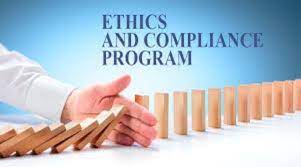
Ethics and compliance program: Case Study

For the most part, the ethics and compliance program is meant to provide general guidance on behavior, ethical standing, and following the prevailing rules.
Ethics and compliance program

Ethics and compliance program

Case Study 1

The first case presents a scenario where the company is in talks with the government of Vindalubia regarding the contract to construct a number of solar panels. In the course of the discussions, the Minister in the Ministry of Energy requests for payment of a “motivation fee” in order to facilitate the signature that will allow for awarding of the contract with the government in Vindalubia.

The discussion below is presented to the company’s CEO as an explanation of whether or not the firm should pay the “motivation fee” requested by the minister, implications of actions, a legal view of the scenario, as well as a recommendation of the decision the firm should make.

The meaning of a “motivation fee”

The Minister, by asking for a “motivation fee”, is asking for something of value to them in exchange for the signature. In this case, the term fee implies something of monetary value i.e. legal tender, is expected to change hands. The sole purpose of the exchange being as a means to influence the Minister of Energy to carry out a given action, whether legal or otherwise.

In this regard, therefore, the “motivation fee” is understood to be a bribe to influence the Minister to act in favor of the company by rewarding the tender to construct the solar panels in Vindalubia in exchange for a given amount of money.

Possible decisions and implications

Given the prevailing scenario, as well as the firm being in need of the contract, it is evident a decision is needed. The decision involves a choice of whether or not to present the Minister with the required “motivation fee”. Both choices have implications, and they ought to be addressed prior to making the decision.

If the firm chooses to offer the Minister of Energy the requested “motivation fee”, they will outrightly have secured the contract. This, however, at the cost of breaking the law, and, therefore, exposing the firm to possible litigation arising from the illegitimate transaction.

On the other hand, the firm may choose to ignore the minister’s request to pay the “motivation fee”. This decision drastically reduces the chances of the firm being awarded the contract to almost nil. This decision, however, maintains the ethical standing of the firm, and it may also choose to file a lawsuit against the minister for illegal activities of a public official in a public office. The prevailing recommendation is not to pay the Minister of Energy the prescribed “motivation fee” since it is not only unethical but also illegal.

Legal perspective and justification for the decision

As per Section 18 code 201 of the US code, ‘Bribery of public officials and witnesses’, bribery is understood to be the act of offering, promising, or giving, directly or indirectly, anything of value to a public official. In the context of the Minister of Energy as a public official, the above described act of bribery is committed in a bid to either influence the performance of an official act or to influence the official in an act of collusion or knowingly allow the committing of fraud.

In addition, the act of bribery may be committed when the exchange is done to influence the official to knowingly act in omission or commission of an action that is in violation of the law (Legal Information Institute, n.d.).

Case Study 2

The second case represents a scenario where the Government of Vindalubia has awarded the company a contract to construct solar panels. The firm has gone through the required process and signed the contract. However, in a bid to secure the contract, the company paid a “motivation fee” to facilitate the signature to award the contract as requested by the Minister of Energy in Vindalubia.

In spite of the payment of the “motivation fee” as agreed, the Government of Vindalubia terminated the contract a few months later. Below is a discussion that expounds on the scenario, shows a number of methods of solving the arising dispute, provides a legal perspective of the issues in the scenario, and provides recommendations on the choices and implications of the same.

The arising dispute and possible methods of resolving

The prevailing dispute regarding the given scenario between the company and the Minister of Energy in Vindalubia stems from the premature termination of the awarded contract to construct solar panels by the government. The firm may decide to address this dispute in a number of ways. Key among these is the use of contract law. This is the preferred approach proposed to the Chief Executive.

Possible decisions and implications

The use of contract law as proposed to the CEO of the company would suffice as an effective method of addressing the dispute between the company and the government. If the Chief Executive upholds this decision, the firm may choose either to handle the matter amicably between the parties involved out of court or to file a lawsuit.

The lawsuit may serve to expose the illegitimate and unethical transaction between both parties involving the payment of a “motivation fee”. On the other hand, the amicable settlement may result in a much better result that favors both parties.

Legal perspective and justification for the decision

The use of an amicable settlement, which is the decision of choice among both, should start with a review of the contract. This step allows both parties to review the terms of the signed contract that proves the existence of an agreement between the parties. For the company, an area of focus during this face should be the determination of contractual clauses within the agreement that stipulate the terms of termination of the contract.

Owing to the value of the contract, it should contain a clause or clauses describing the suitable provisions of the process of the termination of a contract (Legal Information Institute, n.d.). Any disputes should be handled, therefore, as per the clauses of contract termination.

Failure of the clauses within the contract to provide an amicable settlement of the matter, prevailing codes of contract law governing the US are useable. This step may invoke the need for an external expert regarding contract law. The law of contracts should provide sufficient guidance on the various violations committed in terminating the contract without communication between both parties (Legal Information Institute, n.d.).

In addition, the notice of termination section of the US code should provide guidance on the requirements and process needed to terminate the contract (Legal Information Institute, n.d.). If these terms are not sufficient to warrant an agreement between both parties, the company may choose to file a lawsuit against the government in spite of the prevailing choices discussed earlier.

Case Study 3

The third case presents a scenario where the Chief Executive Officer has concerns over the lack of a Ethics and compliance Program at the firm. The CEO tasks me, as the new Chief Compliance Officer at the company, to propose and develop a new ethics and compliance program for the firm.

Proposal for a new ethics and compliance program

For the most part, the ethics and compliance program is meant to provide general guidance on behavior, ethical standing, and following the prevailing rules. The introductory segment of the ethics and compliance program for the firm stipulates the need and importance of following all rules and regulations outlined in the various company statutes. In addition, the introduction section also outlines the individuals and stakeholders covered by the various codes of ethics and rules of conduct of the firm.

The ethics and compliance program outlines the offices where an aggrieved employee, distributor, supplier, or other stakeholder covered by the relevant rules is supposed to access help and have their concerns addressed. The ethics and compliance program outlines all the necessary laws that are to be adhered to strictly by all. In addition, the ethics and compliance program identifies and classifies all areas covered by the various policies. This allows for easier navigation and access to specific rules as needed.

Some areas of importance in the ethics and compliance program include the outlining of laws and regulations covering intellectual property, privacy, conflicts at the workplace, integrity and dealing fair, provision of equal opportunities, and laws that relate to safety, health, and the environment. These laws will relate to not only the firm, but must also fall within the legal framework established in Riyadh, and other laws that govern the operation of the construction industry in the country.

Proposal for corporate governance

The corporate governance section is meant to provide an overview of the managerial and staff structure of the firm and the roles of each level of authority. In addition, the corporate governance model delimits the communication structure regarding the information flow within the firm.

This corporate governance structure ties in to the proposed ethics and compliance program by availing information about the flow of communication from the various managers. In addition, the corporate governance helps by providing a representation of the various officials where a member of staff in the firm can access help about the various rules and regulations outlined in the ethics and compliance program.

Objectives of the ethics and compliance program

The ethics and compliance program serves to provide guidance to the employees of the firm concerning the various applicable laws at the workplace. The program creates a framework where the members of staff in the organization can understand the various applicable laws in a simple manner that is usually categorized and focused for their specific industry and region. In this case, for example, the US law would not suffice in the creation of the ethics and compliance program for the middle-sized construction firm in Riyadh (Peterson, 2013, pp. 1029, 1031 – 1032).

The ethics and compliance program creates a model that is useful for the successful integration of corporate culture and legal background on various issues regarding the firm. In this regard, the inclusion of a well-rounded ethics and compliance program and an intricate corporate governance structure provides a combination that provides guidance to employees on the various issues about the firm and the industry from both a legal and operational point of view (Walker, 2016; Verschoor, 2015).

Therefore, the introduction of the proposed ethics and compliance program as outlined earlier should serve to streamline operations, ensure communication flow, and provide the employees with sufficient knowledge of the existing rules and regulations that govern them in the workplace.

References

Legal Information Institute. (n.d.). § 1470.27 Contract violations and termination. Retrieved from Legal Information Institute – University of Cornell School of Law: https://www.law.cornell.edu/cfr/text/7/1470.27

Legal Information Institute. (n.d.). § 635.125 Termination of contract. Retrieved from Legal Information Institute – University of Cornell Law School: https://www.law.cornell.edu/cfr/text/23/635.125

Legal Information Institute. (n.d.). 18 U.S. Code § 201 – Bribery of public officials and witnesses. Retrieved from Legal Information Institute – University of Cornell: https://www.law.cornell.edu/uscode/text/18/201

Legal Information Institute. (n.d.). 48 CFR 49.102 – Notice of termination. Retrieved from Legal Information Institute: https://www.law.cornell.edu/cfr/text/48/49.102

Peterson, E. A. (2013). Ethics and compliance programs: competitive advantage through the law. Journal of Management & Governance, 1027 – 1045.

Verschoor, C. C. (2015). Tools for ethical success. Journal of Strategic Finance; Montvale, 19 – 21.

Walker, R. (2016). International corporate compliance programmes. International Journal of Disclosure and Governance, 70 – 81.

Want help to write your Essay or Assignments? Click here.

Competitive Strategies: Adoption of changing technological trends such as Artificial Intelligence

Competitive Strategies

The research evaluates the adoption of changing technological trends such as Artificial Intelligence and how this will affect competitive strategies. Technological innovations are the main drivers of economic growth. The process ensures proper creation of technologies that make marketing activities efficient.

The philosophy is supported by the increasing number of consumers using online platforms. Many people have joined social media websites that allow them to connect with friends (Baker, 2014, p. 70).  It is an opportunity for marketers to identify mechanisms to advertise goods on such platforms. For example, companies like Wal-Mart or Uber have identified opportunities to help them apply new technology when creating a profitable, competitive advantage.

Significance of Competitive Strategies

The research will help the society understand that technology plays an important role in implementing competitive strategies. It will provide with different modern techniques of improving customer service. Besides, the results will apply to companies that focus on innovative ideas to capture the market demand. It provides with applicable ideas that improve the current methods of providing answers to customer needs, questions and complaints.

The research allows the firms to identify a technological mechanism to differentiate their products from other competitors (Christensen, 2013, p. 65). The goal is to increase customer loyalty and retain them in the business. When the current teenagers become adults, the technological mechanisms will be very prominent (Spero, and Stone 2004, p. 34).

Scope

Research on competitive strategies by Porter’s (1991) shows different market processes and performance results (Porter and Heppelmann, 2015, p 78).  It confirms that competitive strategies are the main components that shape and places business in an attractive position in the market environment.

Objectives

  1. To determine the new technological strategies that promote competitive strategies
  2. To evaluate the impacts of dynamic technological trends in the market

The generic strategies are also emphasized in the article which includes cost leadership, differentiation, growth, alliance, and innovation. Besides, Xu and Quaddus (2013, p.27) indicate that information system is appropriate to implement the main competitive strategies.

According to Nijem (2016, p. 3), active collaboration allows the managers to involve all stakeholders in the implementation of competitive strategies.

References

Ahmad, A., Bosua, R., and Scheepers, R., 2014. Protecting organizational competitive advantage: A knowledge leakage perspective. Computers & Security, 42, pp.27-39.

Baker, M.J., 2014. Marketing strategy and management. Palgrave Macmillan.

Cakmak, P.I. and Tas, E., 2012. The use of information technology on gaining competitive advantage in Turkish contractor firms. World Applied Sciences Journal, 18(2), pp.274-285.

Christensen, C., 2013. The innovator’s dilemma: when new technologies cause great firms to fail. Harvard Business Review Press.

Fleisher, C.S. and Bensoussan, B.E., 2015. Business and competitive analysis: effective application of new and classic methods. FT Press.

Goksoy, A., Vayvay, O., and Ergeneli, N., 2013. Gaining competitive advantage through innovation strategies: an application in warehouse management processes. American Journal of Business and Management, 2(4), pp.304-321.

Harmon, P., 2015. The scope and evolution of business process management. In Handbook on business process management 1 (pp. 37-80). Springer, Berlin, Heidelberg.

López, G., Quesada, L., and Guerrero, L.A., 2017, July. Alexa vs. Siri vs. Cortana vs. Google Assistant: A Comparison of Speech-Based Natural User Interfaces. In International Conference on Applied Human Factors and Ergonomics (pp. 241-250). Springer, Cham.

Nijem, A.2016. Contemporary Trends in the Information Technology (IT) World and its Transformational Effect on Chief Information Officer (CIO) Roles: Analytical Study. J Inform Tech Softw Eng pp. 100-500

Peppers, D. and Rogers, M., 2016. Managing Customer Experience and Relationships: A Strategic Framework. John Wiley & Sons.

Porter, M.E., and Heppelmann, J.E., 2015. How smart, connected products are transforming companies. Harvard Business Review, 93(10), pp.96-114.

Spero, I. and Stone, M., 2004. Agents of change: how young consumers are changing the world of marketing. Qualitative Market Research: An International Journal7(2), pp.153-159.

Ward, J. and Peppard, J., 2002. The evolving role of information systems and technology in organizations: A strategic perspective. Strategic Planning for Information Systems, pp.1-59.

 West, D.C., Ford, J. and Ibrahim, E., 2015. Strategic marketing: creating competitive advantage. Oxford University Press, USA.

Xu, J. and Quaddus, M., 2013. Information systems for competitive advantages. Manag Inf Syst, 9, pp.27-40.

Want help to write your Essay or Assignments? Click here.

Museums and Political Actions

Museums and political actions
Museums and Political Actions

Museums and Political Actions

Museums are essential for effective communication, social life promotion and further learning about culture, politics and even sciences. Museums are normally connected to politics, and they are normally used as a tool to preserve historic political events. However, political actions taken against the policies of the museum causes more harm than good to its effectiveness. As much as the museum functionality is attached (Blee 2016).

According to Miller during the interview, museums have a great effect on the culture of different groups of people in the society (Miller 2017). In the American Muslim culture, the museum has a negative effect on the environment. Many activities are carried out in the museum, which may result in damage to the environment. The American Muslim culture has changed over time due to the changing environment.

This is also because the Muslim American is a minority group in the United States of America (Geraldine 2016). The main environmental struggle faced by the museum is the political greenwashing on how technological activities applicable in the museum are harmless to living and non-living organisms. Museums and political actions remain go hand in hand. The museum is used as an archive for the storage of materials that are not so environment-friendly, such as disposed of computers, cell phones, and wires. These are simply stored for history, probably to show the development of technology over time.

Museums and political actions: Environmental activists

This may cause environmental activists to advocate against that, which is banned will cause a massive drop in the museum industry (Smith and Font 2014). Therefore, museums should not be used to bring political divisions between people or even cause conflict and death. Instead, it should be used as a tool to show the refection of societal heritage as well as bringing all cultures, religions, and states together to share something in common. Furthermore, the museum may cause pollution to the environment through the technological materials used for artwork and scrap metals of used gadgets.

 Measures should be put in place on how to prevent these health hazards that may be caused by the material in the museum and all political objections prevented from interfering with the activities. Every environmental and political activist should be banned from using the museum as a tool to achieve their agendas and strict policies against such needs to be established to retain the museum’s primary purpose for existence. Museum and political actions destroy the tranquility of museums. This also will enable the maintenance of local and international tourists who will help earn the national revenue (Limebeer, Perantoni and Rao 2014).

References

Geraldine Kendall (2016) Museums and their staff are paying the paying the price of low wages, http://www.museumsassociation.org/museums-journal/newsanalysis/01062016-museums-and-their-staff-are-paying-the-price-of-low-wages

Want help to write your Essay or Assignments? Click here.