

Corporate Culture for Remote Workers

Corporate Culture for Remote Workers

Want help to write your Essay or Assignments? Click here

Corporate Culture for Remote Workers

Introduction

The global “workplace,” has resulted in a convergence of cultures that are diverse and integrate individuals from diverse backgrounds. However, even with diverse backgrounds, individuals should be able to integrate into teams so that there is a successful achievement of the organization’s objectives. According to Guiso, Sapienza and Zingales (2015), the leaders of corporate organizations have the responsibility of maintaining governance and a required corporate culture so as to achieve their objectives and profitability.

The employees are the representatives of an organization in their daily work and actions outside the organization. The image that the employees portray should be a reflection of the values and objectives of the organization.

Clients and other stakeholders should feel that the employees of the organization are committed to achieving the set goals and intended image that they would inspire them to work with the company. Before an organization establishes a corporate culture, it should ensure that its leaders are ethical and believe in the values of the organization. Leaders that believe in the objectives and mission of the company can easily pass those values to employees.

In addition to being motivated to remain ethical in their leadership practices, the senior managers and executives should possess integrity as one of their characters. When the leaders’ possess integrity, employees are likely to be motivated to follow their guidance and vision. Leaders with integrity are also likely to earn the required respect of the employees in the organization.

Importance of Corporate Culture

Organizations also have unique personalities that separate them from their competitors and other firms. Parameters such as procedures, policies, hierarchies, leadership styles, habits and shared values of the employees and stakeholders form the corporate culture of an organization.Usually, sales levels, financial performance, and planning, the corporate culture of a firm should be deliberately planned for, cultivated, and nurtured. The corporate culture acts as a factor in attracting clients and business partners for an organization.

The culture shows the “outside world” the values that are important for the organization, and therefore adhered to in attaining objectives and conducting business.The board of directors usually focus on controlling the spending of a firm so that shareholders get as much of their wealth maximized as possible. The board also focuses on the growth of the company in terms of revenue and market share.

A corporate culture cannot be monetized, but it contributes to the profitability or lack of it, to a company. Therefore, the corporate culture of an organization should be monitored regularly, and changed to fit the dynamics of the industry and technology. Corporate cultures have an impact on the employees that companies attract and retain, as well as the commodities, or services offered, and revenue earned.

Companies that take pride in, and promote their corporate cultures are attractive to their current and potential employees. The clients of such organizations also want to associate with the organizations because they want to find out more information on what makes the organizations tick and pursue their objectives and mission in delivering commodities or services to their clients.

Companies that have healthy corporate cultures are able to retain employees for a long duration. The employees also have a positive attitude in light of the company, which in turn goes to the creation of a desirable team spirit. If organizations have to hire new staff members, they would spend highly on recruiting and training which would cut back on the firms’ funds, time and manpower hours. Organizations should therefore target the cultivation of a healthy corporate culture so that they retain their current employees.

Healthy corporate cultures allow organizations to charge high values for the commodities they produce or services offered to clients. The corporate culture possessed by an organization acts as a reputation that precedes the organization in the market. A company that has a healthy corporate culture is aware of the high quality production of its commodities or services that they have to deliver. The corporate culture guides the employees to be aware of the qualities and standards that they should uphold in delivering what is expected to their customers. Therefore, they have to meet the set baseline so that clients can be satisfied, and guiding principles upheld.

A corporate culture also results in the maintenance of high productivity among the workforce. The employees have a high morale which directly impacts their productivity in a positive tone. The productivity in turn results in a positive impact on the financial health of the organization. Therefore, there is a positive circle of production and healthy corporate culture maintenance.

The foundation of success that is established through a positive and healthy corporate culture results in placing of the company highly in comparison to its competitors. The corporate culture can result in positive growth for all the organization’s departments, and hinder complacency. Individuals’ characters and personalities cannot be changed wholly, but their attitude and behaviour can be guided through the establishment and maintenance of a positive corporate culture. This research paper will cover how remotely working employees can be included in the corporate culture of an organization.

Want help to write your Essay or Assignments? Click here

BACKGROUND OF THE PROBLEM

Remote working is expected to grow in the coming years based on the increase in the level of cost cutting being conducted by organizations. A large number of companies are increasing outsourcing, or employing a higher number of employees remotely. The employees can either be on temporary or a permanent basis of employment. Remote employees are usually on the usual payroll just like normal employees that report to the office on a daily basis. Most individuals confuse remote employees with freelancers, virtual or outsourced personnel.

The only difference between employees that report physically to the office and remote employees is that the latter work from home. Complacency can fall into the schedule of remote employees if they feel like they are not getting the required feedback. The employees do not get daily feedback as opposed to employees that would be working on a cubicle in the office, and constantly in touch with their bosses or colleagues (Gareri, 2013: 1). The management should spell out the corporate culture that they expect from their employees, and constantly monitor and evaluate the level of cooperation, if any, given by the remote employees.

Through the quality, consistent and constant nature of the feedback given by the employees, the management would know whether the corporate culture was effective, or if it would have to be adjusted to fit the remote employees. Parameters such as communication, promptness in submission of work and adhering to deadlines would be determined by the corporate culture. The social media profiles of employees that work at the organization might fall into the spectrum of the organization’s corporate culture. Some business partners are sensitive about the image that is portrayed by organizations and their employees on social media.

Such organizations feel that the employees and executives of an organization are a reflection of the image and values of the organization. Therefore, the image that is portrayed on platforms such as social media would contribute to their value and image as well; through association and conducting business together. The remote employees should get clear communication on whether the corporate culture falls into the extremes of observing certain guidelines and rules in their work, or which side they lean towards.

The current generation of millennial individuals has grown up using technology for entertainment purposes, and doing their assignments. Previous generations had to go to the library and physically interact with their colleagues through discussion groups. Currently, millennial learners can attend online classes and graduate, without having met any of their colleagues. Therefore, there is a high proportion of the current generation of individuals that would prefer working remotely; away from the office.

According to Besner (2014: 1), remote employees should be guided on the level of feedback and acknowledgement between them, and their supervisors and colleagues. Consistent communication is required so as to ensure that there is progress and the work done complies with the required guidelines and standards. The remote employees should also be included and guided on the manner in which the processes of the organization should take place.

All departments in organizations have processes that should be adhered to, so that required tasks are accomplished within stipulated durations. Employees that report to physical offices usually have a timeline within which they report and finish all their assigned tasks. This timelines should also be established and communicated to the remote employees so that misunderstandings do not arise.

The turnaround on projects and workload should have stipulated submission deadlines. Even though the remoteemployees are away from the office, they should still maintain deadlines so that no individuals or departments are inconvenienced. Remote working employees might feel neglected if they are not included in the corporate culture.

 Most corporate organizations have serious corporate cultures that guide the behaviour of employees and stakeholders. The different departments in the organization should come up with guidelines that would clarify the manner in which their employees should act. There should be specifications about the manner in which remote working employees are expected to act in accordance to their tasks and organization mission and vision achievement.

The departments would also be expected to specify the durations during which the employees would be expected to report in the office for different events such as critical meetings, team building, and office parties. Therefore, the employees would still get some physical contact with some of their colleagues, and seek redress of any issues that they would be facing in relation to their remote working.

The remote employees should also be informed of any team building exercises and the timelines within which they would be required to attend. The team building exercises are usually meant to strengthen colleagues’ working relationships and therefore form strong teams. The remote employees should especially not miss attending the team building meetings because they would contribute to interacting with employees in the different departments.

The remote employees and those that work in the office might only have had interactions through online communications such as video chats and emails. The physical meeting can strengthen their team work and therefore contribute to higher productivity.

The remote employees should also physically attend some of the meetings that are held by departments or the organization as a whole. The meetings usually serve as a platform where the management communicates the continued objectives, mission, and values that make the organization unique and give it a competitive position.

Employees require awareness of these values, so that all their personal achievements as related to their work, reflects those values. The department heads could also interact with the remote working employees during such meetings and encourage them to align their personal goals to those of the organization.

Research question

How can remote working employees be included in the corporate culture?

Objectives

To find out if employees would be willing to work from anywhere in the world

To find out how an organization can promote a sense of solidarity for a remote workforce.

To find out how can productivity be increased in the organization?

Primary research method

The research utilized interviews for research into the effect of a physical environment on corporate culture. The organization that was focused on is Elastic Recruitment Agency. The company recruits individuals from broad professionals for their clients. The company also hires a high number of professionals that work remotely. The number might increase with the trend in the workforce for organizations to cut back on costs for offices and health insurance based on the type of employment offered to employees (permanent or part time).

A contact employee in the human resources department, assisted in the distribution of the questions to the company’s employees who work remotely. The online questionnaires will be forwarded to the employees who work remotely, and requests made to fill in and return them within the week so that the results are compiled, analyzed and included in the research report by the second week.

The contact person was critical in introducing the questionnaires to the organization’s remote working employees. The employees of an organization are likely to be more cooperative in participating in a research study if it is “okayed” by a colleague. The contact person felt that the survey results would be useful in the field and would also contribute to guiding of business partners and clients in the near future.

References

Besner, G. 2015, Why Company Culture is more Important than Ever. Entrepreneur.

https://www.entrepreneur.com/article/247522

Gareri T, 2013, Roma Moulding: Why Company Culture is so Important. http://www.romamoulding.com/why-company-culture-is-so-important/

Guiso, L., Sapienza, P. &Zingales, L. 2015.The Value of Corporate Culture. NBER Conference on the Causes and Consequences of Corporate Culture, Journal of Financial Economics July 2015 117(1):60-76.

Want help to write your Essay or Assignments? Click here
Chronic Asthma: Pathophysiology

Chronic Asthma
Chronic Asthma

Want help to write your Essay or Assignments? Click here

Chronic Asthma

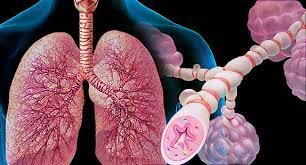
Maslan & Mims (2014) define asthma as an inflammatory condition of the airway that arises due to hyperactivity to a stimuli causing obstruction of airflow, development of fatal exacerbations, and other respiratory complications. Some of the common allergens that have been citied to trigger asthma include mold spores, grass pollen, and animal dander. Medications such as aspirin, industrial materials such as toluene diisocynate, and indoor air pollution are other common triggers of asthma. Asthma can either be acute or chronic both having significant commonalities and differences.

Pathophysiology of Acute Asthma

Research has reported that exposure to inflammatory allergens triggers reactions in the respiratory system. For instance, Cardinale et al., (2013, March) reports that  the onset of acute asthma involves an increased invasion of neutrophils into the respiratory system as well as tumor necrosis factor (TNF), mast cells, and eosinophils. These inflammatory mediators and cells cause increased secretion of respiratory mucous which in turn obstructs the airways, over-inflation of lungs, thickening of the basement membrane, and destruction of the epithelial membrane.

Narrowing of the airway limits inhalation and exhalation exercises of an individual. Consequently, a mismatch in the ventilation-perfusion ration arises. This means that an increase in deoxygenated blood occurs; an event that is quite fatal especially when quick medical attention is not sought.

Want help to write your Essay or Assignments? Click here

Pathophysiology of Chronic Asthma

Just like acute asthma, chronic asthma develops as a result of inflammation in the respiratory system. The allergens initiate the production of inflammatory mediators such as cytokines, histamines, and leukotrines (Maslan & Mims, 2014). These mediators trigger increased contraction and relaxation of the bronchial smooth muscles. Consequently, bouts of airway constriction develop generating the classic symptom of asthma; wheezing.

The narrowing hinders effective exhalation and inhalation. As a result, hypoxia develops and there is increased levels of carbon dioxide in the blood which affects important organs in the body especially the heart, brain, and the kidneys. A number of changes usually occur in patients suffering from chronic asthma. First, there is an increase in eosinophils in the blood supplying the respiratory system and thickening of the lamina reticularis.

The number of mucous secreting cells also increases as well as the size of the bronchial smooth muscles. If medical attention is not sought urgently, patients start presenting with lactic acidosis, hypercapnia, and an unproportional level in the acid-base level in the body. Moreover, in chronic asthma there is an increased degree of hyperactivity to stimuli and an irreversible loss of lung function due to remodeling of respiratory structures.  Smooth muscle hypertrophy and hyperplasia are also common occurrences.

Risk Factor

According to Tai et al., (2014), age is one of the leading risk factor that has a significant impact on the pathophysiology of both chronic and acute asthma. Unlike adults, children are usually highly susceptible to suffering from both acute and chronic asthma. This is mainly because adults have cells that are more resistant to the inflammatory agents compared to children. Normally, adults who have previously been diagnosed with asthma can tolerate the condition for a number of weeks unlike children who can easily die within a short time after experiencing an asthma attack just as it is reported in the case of Dynasty Reese and Bradley Wilson.

It is for this reason that parents should be highly educated on the symptoms of asthma as well as the approaches they should undertake in the event a child presents with the symptoms. Moreover, parents should be enlightened about the risk factors of asthma and how they can safeguard their children from being exposed to the asthma triggers.

Diagnosis

For effective diagnosis of asthma, physicians begin by determining the chief complaint followed by the history of the presenting illness (HPI). Asthmatic patients usually complain about wheezing, coughing, tachypnea, shortness in breath just as it is reported in the case study of Dynasty Reese and Bradley Wilson. Spirometry has been tipped to be an effective approach in the diagnosis of asthma.

This technique is used in identifying the differential diagnosis by determining the FEVI of a patient. For instance, the test is positive for asthma when the FEV1 increases by about 12% while the FVC increases by about 200mL (Killeen & Skora, 2013). Chest X-rays can also be used in the diagnosis of asthma as well as the patient’s family history.

In management of asthma, patients are first given maintenance medications such as inhaled corticosteroids which include fluticasone and betamethasone. Rescue medications are then prescribed. They include bronchodilators such as salbutamol and levalbuterol. For adults with asthma, the most suitable medications are the anti-inflammatory agents such as inhaled steroids where as in children, oral medications like prednisone are recommended (Alexander et al., 2012).  

References

Alexander, A. G., Barnes, P. J., Chung, K. F., Flower, R. J., Garland, L. G., Goldie, R. G., … & Lulich, K. M. (2012). Pharmacology of asthma (Vol. 98). Springer Science & Business Media.

Cardinale, F., Giordano, P., Chinellato, I., & Tesse, R. (2013, March). Respiratory epithelial imbalances in asthma pathophysiology. In Allergy and Asthma Proceedings (Vol. 34, No. 2, pp. 143-149). OceanSide Publications, Inc.

Killeen, K., & Skora, E. (2013). Pathophysiology, diagnosis, and clinical assessment of asthma in the adult. Nursing Clinics of North America, 48(1), 11-23.

Maslan, J., & Mims, J. W. (2014). What is asthma? Pathophysiology, demographics, and health care costs. Otolaryngologic Clinics of North America, 47(1), 13-22.

Tai, A., Tran, H., Roberts, M., Clarke, N., Gibson, A. M., Vidmar, S., … & Robertson, C. F. (2014). Outcomes of childhood asthma to the age of 50 years. Journal of Allergy and Clinical Immunology, 133(6), 1572-1578.

Want help to write your Essay or Assignments? Click here
Mystery Boxes

Mystery Boxes
Mystery Boxes

Want help to write your Essay or Assignments? Click here

Mystery Boxes

Introduction

      Mystery boxes are used as an analogy for science where scientists manipulate sealed boxes and attempt to determine inner contents. The boxes are used to illustrate how scientific knowledge is fundamentally uncertain (Matthews, 2006). The essay in the form of a data chart, illustrates how two individuals, a scientist and a partner, observed a sealed mystery box and came up with the assumptive conclusion as to what the inner structures are.

Data Chart

 SCIENTIST
Observation1. When lifted, the box is relatively light suggesting the object is not dense. 2. When the box is tilted, objects move with ease from one corner to another. This precludes the objects are not arranged in a fixed manner. 3. Upon shaking the box, objects produced a discreet clanking sound which suggests it is a small metal object.  
ConclusionFrom the above observations, I came to the conclusion the objects are metallic most likely small nuts judging from the ease of movement and the sound made when they are struck against each other.
 PARTNER
Observation1. From initial observation of the box, small and compact, assumption is that the objects inside must be relatively small. 2. On lifting the box, observation is that it is light and almost weightless. This affirms the latter presumption that the object is small. 3. Upon tilting and shaking the box, objects hit against each other producing a distinct sound akin to small marbles.  
ConclusionFrom the above observations, I came to the conclusion that the objects in the mystery box are most likely marbles. Particularly, this is with regard to the light weight, how the item moves and distinct sound made when moved.
After analyzing both observations tabled, conclusion arrived at is that the objects in the mystery box are small and metal like, most likely to be either a nut or a marble.

References

Matthews, B. (2006). Engaging Education: Developing Emotional Literacy, Equity and Co-education. London: Open University Press.

Want help to write your Essay or Assignments? Click here

Mammary Duct Ectasis: Case Study Overview

Mammary duct ectasis

Want help to write your Essay or Assignments? Click here

Mammary duct ectasis

Case study overview

A 60-year-old Latina female is concerned about the thick green discharge on her left breast, a situation she has experienced for the past month. The discharge happens spontaneously causing pain and burning around the breast. She reported to have breastfed all her children; she was not on any medication. However, occasionally she used Tylenol for treating arthritis.

The mammogram test done 14 months ago is within the normal limits. Physical examination indicates that there are slight redded and edematous around the left breast. A greenish-black is seen when palpation is done; there is an ovoid which is smooth, very mob that is not tender at 1cm nodule in the RUIQ at 11.00 5cm from the nipple. The patient is worried that she might be at risk of developing breast cancer.

Want help to write your Essay or Assignments? Click here

Diagnosis

Women over 50 years are likely to suffer from mammary duct ectasis; this is a condition that occurs when the breast dust becomes wider making its walls thicken causing fluid build-up around the breast (Stanford School of Medicine, 2016). Sticky and thick black or green discharge is an indication of mammary duct ectasis. In addition, the nearby tissues around the breast and the nipple will become tender and red. The hard lump caused by this condition is often confused with breast cancer (Patel, et al, 2015).

Treatment and management plan

The patient needs antibiotics for 10 to 14 days to treat the infection; pain medication includes acetaminophen or, ibuprofen, other drugs are Advil, Motrin IB among others. Acetaminophen  is commonly prescribed to reduce the pain ,an adult dosage includes  is 2 regular strength   325 mg  after every four hours or 2 extra-strength of 500mg after every six hours but the maximum dosage should not exceed 4,000 mg in a day.

In mild cases, patients are advised to conduct warm compresses to help to manage the disease, however in severe cases, surgery will be recommended whereby an incision will be made at the edge of the colored tissue to release the built up fluids (Chougule et al, 2015).

Mammary duct ectasis is often confused with breast cancer, therefore women especially those that are above 50 years need to be educated about the differences in the presentation between the two conditions and urged to seek urgent medical attention whenever they have sysmptoms related to mammary duct ectasis.

References

Chougule ,A., Bal A, Das, A., Singh, G ( 2015). IgG4 related sclerosing mastitis: expanding the morphological spectrum of IgG4 related diseases. Pathology 47 (1): 27–33

Patel, B. K., Falcon, S., & Drukteinis, J. (2015). Management of nipple discharge and the associated imaging findings. The American journal of medicine, 128(4), 353-360.

Stanford School of Medicine (2016).Mammary Duct Ectasia .Retrieved from http://surgpathcriteria.stanford.edu/breast/mammductectasia/

ACUTE ASTHMA: PATHOPHYSIOLOGY

Acute Asthma
Acute Asthma

Asthma

Want help to write your Essay or Assignments? Click here

Maslan & Mims (2014) define asthma as an inflammatory condition of the airway that arises due to hyperactivity to a stimuli causing obstruction of airflow, development of fatal exacerbations, and other respiratory complications. Some of the common allergens that have been citied to trigger asthma include mold spores, grass pollen, and animal dander. Medications such as aspirin, industrial materials such as toluene diisocynate, and indoor air pollution are other common triggers of asthma. Asthma can either be acute or chronic both having significant commonalities and differences.

Pathophysiology of Acute Asthma

Research has reported that exposure to inflammatory allergens triggers reactions in the respiratory system. For instance, Cardinale et al., (2013, March) reports that  the onset of acute asthma involves an increased invasion of neutrophils into the respiratory system as well as tumor necrosis factor (TNF), mast cells, and eosinophils. These inflammatory mediators and cells cause increased secretion of respiratory mucous which in turn obstructs the airways, over-inflation of lungs, thickening of the basement membrane, and destruction of the epithelial membrane.

Narrowing of the airway limits inhalation and exhalation exercises of an individual. Consequently, a mismatch in the ventilation-perfusion ration arises. This means that an increase in deoxygenated blood occurs; an event that is quite fatal especially when quick medical attention is not sought.

Pathophysiology of Chronic Asthma

Just like acute asthma, chronic asthma develops as a result of inflammation in the respiratory system. The allergens initiate the production of inflammatory mediators such as cytokines, histamines, and leukotrines (Maslan & Mims, 2014). These mediators trigger increased contraction and relaxation of the bronchial smooth muscles. Consequently, bouts of airway constriction develop generating the classic symptom of asthma; wheezing.

The narrowing hinders effective exhalation and inhalation. As a result, hypoxia develops and there is increased levels of carbon dioxide in the blood which affects important organs in the body especially the heart, brain, and the kidneys. A number of changes usually occur in patients suffering from chronic asthma. First, there is an increase in eosinophils in the blood supplying the respiratory system and thickening of the lamina reticularis.

The number of mucous secreting cells also increases as well as the size of the bronchial smooth muscles. If medical attention is not sought urgently, patients start presenting with lactic acidosis, hypercapnia, and an unproportional level in the acid-base level in the body. Moreover, in chronic asthma there is an increased degree of hyperactivity to stimuli and an irreversible loss of lung function due to remodeling of respiratory structures.  Smooth muscle hypertrophy and hyperplasia are also common occurrences.

Want help to write your Essay or Assignments? Click here

Risk Factor

According to Tai et al., (2014), age is one of the leading risk factor that has a significant impact on the pathophysiology of both chronic and acute asthma. Unlike adults, children are usually highly susceptible to suffering from both acute and chronic asthma. This is mainly because adults have cells that are more resistant to the inflammatory agents compared to children.

Normally, adults who have previously been diagnosed can tolerate the condition for a number of weeks unlike children who can easily die within a short time after experiencing an asthma attack just as it is reported in the case of Dynasty Reese and Bradley Wilson. It is for this reason that parents should be highly educated on the symptoms as well as the approaches they should undertake in the event a child presents with the symptoms. Moreover, parents should be enlightened about the risk factors and how they can safeguard their children from being exposed to the triggers.

Diagnosis

For effective diagnosis, physicians begin by determining the chief complaint followed by the history of the presenting illness (HPI). Asthmatic patients usually complain about wheezing, coughing, tachypnea, shortness in breath just as it is reported in the case study of Dynasty Reese and Bradley Wilson. Spirometry has been tipped to be an effective approach in the diagnosis of an asthmatic patient.

This technique is used in identifying the differential diagnosis by determining the FEVI of a patient. For instance, the test is positive for asthma when the FEV1 increases by about 12% while the FVC increases by about 200mL (Killeen & Skora, 2013). Chest X-rays can also be used in the diagnosis, as well as the patient’s family history.

In management of the disease, patients are first given maintenance medications such as inhaled corticosteroids which include fluticasone and betamethasone. Rescue medications are then prescribed. They include bronchodilators such as salbutamol and levalbuterol. For adults, the most suitable medications are the anti-inflammatory agents such as inhaled steroids where as in children, oral medications like prednisone are recommended (Alexander et al., 2012).  

References

Alexander, A. G., Barnes, P. J., Chung, K. F., Flower, R. J., Garland, L. G., Goldie, R. G., … & Lulich, K. M. (2012). Pharmacology of asthma (Vol. 98). Springer Science & Business Media.

Cardinale, F., Giordano, P., Chinellato, I., & Tesse, R. (2013, March). Respiratory epithelial imbalances in asthma pathophysiology. In Allergy and Asthma Proceedings (Vol. 34, No. 2, pp. 143-149). OceanSide Publications, Inc.

Killeen, K., & Skora, E. (2013). Pathophysiology, diagnosis, and clinical assessment of asthma in the adult. Nursing Clinics of North America, 48(1), 11-23.

Maslan, J., & Mims, J. W. (2014). What is asthma? Pathophysiology, demographics, and health care costs. Otolaryngologic Clinics of North America, 47(1), 13-22.

Tai, A., Tran, H., Roberts, M., Clarke, N., Gibson, A. M., Vidmar, S., … & Robertson, C. F. (2014). Outcomes of childhood asthma to the age of 50 years. Journal of Allergy and Clinical Immunology, 133(6), 1572-1578.

Want help to write your Essay or Assignments? Click here

Domestic Violence: Article Review

Domestic violence
Domestic Violence

Domestic Violence

Want help to write your Essay or Assignments? Click here

Surveillance as Casework: Supervising Domestic Violence Defendants with GPS Technology

Ibarra, P. R., Gur, O. M., & Erez, E. (2014). Surveillance as casework: Supervising domestic violence defendants with GPS technology. Crime, Law and Social Change, 62(4), 417-444. doi: http://dx.doi.org/10.1007/s10611-014-9536-4

The author’s topic is directed towards establishing domestic violence defendants through the use of the GPS technology. According to the author, there has been a continued effort that ignored the relevance of traditional approaches directed towards supervising humans, an aspect that critically intrigues the need of a surveillance approach embedded in the judicial system casework. The author therefore makes an effort to conduct a comparative analysis with the aim of illustrating the manner in which the problem population differs across different segmented community correction agencies in the implementation of the surveillance regime.

The author therefore conducts a study to establish the manner in which surveillance styles reflect the capacity of agencies that are directed towards curbing crime and managing risks, an aspect that provides assistance and treatment through an observed process. According to the author, the programmatic element of these systems expresses the manner in which officers relate with offenders in their cases, as aspect that contrasts to the ambient approach of monitoring populations and the environment through the inclusion of data bank technology thus highlighting the essence of the surveillance style in caseworks.

The methods depicted by the author in this material detail how the systems are utilized in collecting personal information that are accessed through the data banks that are needed by government and market based actors. These efforts reflect a digitalized form of data that is conducted routinely and silently, an aspect that entails the visiting of websites, the acquisition of telephone dials, swiping of ID cards on entering a secured entity and using the images that are captured from a closed-circuit television (CCTV). The primary theoretic basis of the study lies on the use of surveillance as an object of inquiry, an aspect that achieves the objective of applying technology within the criminal justice systems.

The study provides no theoretical framework and extensively reviews existing literature in validating the views of the author. The author clearly communicates the need to examine the styles of surveillance among different community correction officers through the use of an EM through a comparative analysis that establishes the studies objectives through a review of several literatures, an aspect that uses and builds on the existing literature in establishing the study’s goal.

On the other hand, the material provides a research method that is not fully appropriate since it only details the data collection method and does not detail the research methodology used in the collection and analysis of data. The sample size detailed in this study involves the inclusion of three jurisdictions-West, Midwest and the South criminal justice workforce that are involved in the dispensation of GPS in DV caseworks either directly or indirectly.

The sample size is therefore appropriate since these agencies have distinct approaches in the operation of GPS in DV programs, an aspect that enables the study to conduct a comparative analysis of the surveillance systems and its application.  Considering the several biases noted in the research, the study does not provide adequate control measures in addressing some of the research biases noted. This depicts the fact that the study did not consider using a paradigm solution in eliminating the biases, an aspect that intrigues the need for s strategy that handles validity of the study.

This study may therefore be replicable considering the fact that technology evolves and different surveillance systems are bound to change with time. The limitations of this study are evident in its inefficiency in establishing the difference between interactive and ambient systems, an aspect that effaces the responsibility and roles of human labor in the use of surveillance systems.

This clearly makes the studies objective obscure, thus giving the study a different interpretation. Lastly, the study’s conclusions are justifiable, in consideration of the fact that the surveillance regime is quickly gaining prominence within the judicial system. However, the author does not take into account the different cultural and social contexts since the study is only based on single research demography.

Want help to write your Essay or Assignments? Click here

This source is primarily different in structure as compared to other studies; since it details the legitimacy of different approaches of interactive surveillance an aspect that denotes the varying philosophies and approaches of community corrections. To clarify this, the author addresses the manner in which supervision is conceptualized in the literature review on using EM technology an aspect that is affirmed by an examination of the surveillance systems in three U.S based programs. This source therefore informs my future research since it creates a gap in addressing the roles of human labor in the use of surveillance systems a gap that the material fails to fill in the study.

The application of these methods within my project will be centered on an effort to enhance security within my work environment considering the constant threats that the society is currently experiencing from terroristic activities. On the other hand, the study would be applied in establishing some of the erroneous activities of different individuals who commit to upheaval activities in the community by detecting their missions and curbing them before they turn harmful.  The article may not be considered universal since the context of the study varies.

Want help to write your Essay or Assignments? Click here

External Validity: Designing Quantitative Research

External Validity: Designing Quantitative Research

Want help to write your Essay or Assignments? Click here

External Validity: Designing Quantitative Research

Introduction

The results of a research study are significant in the event that they can be considered as accurate and confidently in their interpretation. The element of accuracy and confidence in the interpretation of a research study’s result is subsequently dependent on the validity of the study. Validity in this case infers to the degree in which a research study’s inferences can be articulated from the results of the study.  In consideration of this, there are two primary aspects of validity that include the internal and the external validity.   

Internal Validity

            This can be established as the extent in which the results of a research study are considered as a function of the variables that are manipulated in a systematic way, measured and observed during a study. An example of this can be seen in a researcher determined to establish which of the two instructional approaches are superior in teaching a mathematical concept within a classroom setting (Haegele, & Hodge, 2015).

The researcher would be intrigued to encourage two tutors to use each of the instructional methods and then take a comparison of the mean test scores of each and every class following the use of the instructional method. The validity of this study can be depicted in the tutors efficiency and enthusiasm in using the instructional method, the interest of the class and their preparation. In this case, it is essential to establish that some of the potential threats of internal validity include:

History:

            History can be considered as the occurrence of events that are prone to alter the end result or outcome of a research study. In this case, before conducting a research study, it is essential to determine that a previous history is likely to have taken place (Haegele, & Hodge, 2015). For instance, a study on the effectiveness of a new concept used in teaching a unit on the biology of a nervous system may be overtaken by history since many students may have watched a documentary on this on the television.

Maturation:

            The aspect of maturation depicts the changes that are likely to occur on the subjects of a study during the research period. These changes are considered as not part of a study since they are likely to affect studies results (Haegele, & Hodge, 2015). For example, in a biological growth process, a researcher may be forced to consider the element of weight gain or the increase in an individual’s height that results from lunch or breakfast programs as a change that may occur during a study.

Mitigating the Potential Threats of Internal Validity

            In addressing the element of history in internal validity, a research may consider using a control group that is selected within the same population within an experimental group (Haegele, & Hodge, 2015). This group therefore needs to experience the same history as the experimental group, an aspect that would eliminate the effects of history. On the other hand, the duration of an experiment may be shortened in reducing such effects. On the other hand, the effects of maturation can be compared to those of maturation and can be mitigated through the selection of the same population from as that of an experimental group and the study period may be shortened as well.

External Validity

            This refers to the extent in which a studies result can be generalized in a confident way to a larger group that engaged in the study (Haegele, & Hodge, 2015). In this case, a researcher needs to determine the reasons behind the use of variables that are similar to the aspects that exist within the larger population. Some of the potential threats of an external validity include:

The Selection-treatment Interaction:

            This is primarily considered as the possibility of the selected participants characteristics interactions with some elements of the treatment (Haegele, & Hodge, 2015). This may therefore include the participants learning, prior experiences, personality or any other elements that may interact with the effects of the study.

Effects of an Experimentation Arrangement

This primarily infers to the situations in which the participants of a study become aware of their involvement in a study and as a result of this, their performance and response changes from what would have been.

The possible approaches of mitigating threats to external validity include the inclusion of an efficient design by adding treatment or control groups and differential waves of measurement (Haegele, & Hodge, 2015). On the other hand, a researcher may also consider the use of statistical analysis

Ethical Issue in Quantitative Research

            Ethics can be perceived as the development of a good study conduct with the aim of making moral judgments on the element of good conduct. In quantitative research, one of the ethical issues that need to be given consideration is the acquisition of the participants consent in a study (Haegele, & Hodge, 2015). This may influence the design decision of a study since the researchers may have to include efficient methods aimed at attaining the consents of participants in a research study.

Amenability of a Research to Scientific Study Using a Quantitative Approach

In considering this, it is vital to establish that this element enables a researcher to scientifically establish the primary causes of his/her observations with the aim of in providing unambiguous answers to the research studies intent. This element remains essential since without it, the cause of an effect may not be established and isolated.

Want help to write your Essay or Assignments? Click here

Main Issue Post

            As established, the primary issues established in this post can be seen in the construction of a social variable that determines the limitations of racial identity with the biological differences that exist among races (Haegele, & Hodge, 2015). It is essential to consider that an individual’s experience on different faces may be viewed as systematically different within particular societies based on how these societies take cognizance of the element of racial differences.

            An instance of this can be viewed in the manner in which multiple races are socially contracted among the whites in U.S. Numerous immigrant groups that are now classified as Whites that include the Eastern Europeans and the Irish populations were first considered as racially different from other groups that include the North European and Western regions. In this case, racial identities may be viewed as changing as a result of the assimilation of demographic groups that differentiate themselves from other groups as a result of political, economic and social variables.

Response Post

            As a researcher, it is credible to take cognizance of the possibilities that result in the social construction and the manner in which such constructions affect the meaning of a studies variable. This is ion consideration of the fact that variables are constructed to have immense influence on studies validity (Haegele, & Hodge, 2015). This therefore requires a clear and concise definition of each and every variable in a study with the aim of increasing the validity of the study.  On the other hand, it is vital to establish the context in which research data is collected and interpreted.

Conclusion

As determined in this study, the element of internal and external validity plays a significant role in a study since they determine the confidentiality and accuracy of a research design.

Reference

Haegele, J. A., & Hodge, S. R. (2015). Quantitative Methodology: A Guide for Emerging Physical Education and Adapted Physical Education Researchers. Physical Educator, 7259-75.

Want help to write your Essay or Assignments? Click here

Viruses: Structures and their Functions

Viruses
Viruses

Want help to write your Essay or Assignments? Click here

VIRUSES

Virus Structures and Their Functions

All viruses are made of two main constituents, the nucleic acid genome, and the protein capsid. These structures create up the nucleocapsid but in animal viruses, the nucleocapsid has an additional structure called the lipid envelope (Zimmer, 2015). The genome can either be DNA or RNA but not both which may be single or double stranded. The function of the genome is to encode for proteins present on the protein coat/capsid.

The genome is also responsible for multiplication of the virus particle. The protein capsid covers the viral genome protecting it from nucleases and attaches the virus particle to specific receptors on prospective host cells during infection. The lipid envelope found in animal viruses, and it enables the virus to enter or exit host cells through endosomal membranes and protects the virus from the extracellular environment.

Diversity in Animal Viruses

The diversity of animal viruses is as a result of structural differences present in different viruses including the structure of the genome. Some viruses have DNA both single or double stranded as their genome; papillomavirus is a DNA virus which causes warts while others have RNA either single or double stranded an example is Influenza virus which causes the flu. Other viruses differ in their virus particle structure; some are icosahedral such as Adenovirus, others such as the rabies virus are helical or rod-shaped, while others are pleomorphic or irregular. Viruses can also be differentiated by the presence or absence of the lipid envelope, and based on this criteria animal viruses are classified into different families, for instance, the herpes simplex virus has an envelope while others do not (Villarreal, 2005).

Want help to write your Essay or Assignments? Click here

HIV Replication Cycle

The first stage of HIV replication is binding, where the virus enters the host immune cells by attaching its glycoproteins to the receptors on target cells (Murphy et al., 2012). After this attachment, the viral casing/envelope then fuses with the membrane of the host cell and releases its capsid into the cell in the process. Once the virus has bound to the target cell, its genome and enzymes, such as reverse transcriptase, integrase, rib nucleases, and protease, are injected into the cell (Murphy et al., 2012).

During the reverse transcription stage, the single-stranded viral RNA is then transcribed into complementary DNA by the enzyme reverse transcriptase. The cDNA and its complement are transported to the cell nucleus as double-stranded DNA and is integrated into a host chromosome by the enzyme integrase. This is referred to as the integration stage. The fourth stage is the transcription step where provirus is transcribed into RNA, which undergoes RNA splicing to form mRNAs (Zimmer, 2015). The mRNAs are the translated into regulatory proteins, and this takes place in the cytoplasm. These proteins are packaged into new virus particles.

Structural Differences and Similarities between PRPc and PrPSc

            The main difference between the two prion forms is that PRPc has various amino acids and one disulphide bond giving them an alpha helical structure while PrPSc has a higher β-sheet structure. They are also different in solubility, fibril formation, and other features. There are no obvious similarities in structure between the two forms (Zimmer 2015). The function of the normal prion is controversial because present information indicates many different roles. Normal Function of Pro-Oncogenes

Proto-oncogenes code for proteins that control cell development and differentiation. They also play a role in signal transduction and passage of mitogenic signals (Berns, 2013). Viruses are known to cause tumor development when they integrate close to proto-oncogenes. The nearby integration of viral sequences genetically alters the proto-oncogene causing its RNA to cause cancerous tumor growth (Berns, 2013). Some oncogenic viruses include hepatitis c virus that causes 22% of liver cancers, human papilloma virus that causes cervical and vulvar cancers (Zimmer, 2015).

How Viruses Cause Disease

Viruses can reside in cells without causing any harm. However, when they start dividing inside the host cell, they breach its walls, and this triggers the activity of the immune cells. They invade the host cells and takes over the activities taking part inside the host cells. The virus continues to replicate until it fills up the host cell. At this stage, the host lyses releasing the viral particles which start infecting other cells repeating the replication pattern (Villarrealal, 2005).By this tyme, the host immune cells recognise the antigen and starts fighting and blocking the virus and establishes a disease.

References

Berns, K. I. (Ed.). (2013). The parvoviruses. Springer Science & Business Media.

Murphy, F. A., Fauquet, C. M., Bishop, D. H., Ghabrial, S. A., Jarvis, A., Martelli, G. P., … & Summers, M. D. (Eds.). (2012). Virus taxonomy: classification and nomenclature of viruses (Vol. 10). Springer Science & Business Media.

Villarreal, L. P. (2005). Viruses and the Evolution of Life. American Society of Microbiology.

Zimmer, C. (2015). A planet of viruses. University of Chicago Press.

Want help to write your Essay or Assignments? Click here

Internal Validity: Designing Quantitative Research

Internal Validity: Designing Quantitative Research

Want help to write your Essay or Assignments? Click here

Internal Validity: Designing Quantitative Research

Introduction

The results of a research study are significant in the event that they can be considered as accurate and confidently in their interpretation. The element of accuracy and confidence in the interpretation of a research study’s result is subsequently dependent on the validity of the study. Validity in this case infers to the degree in which a research study’s inferences can be articulated from the results of the study.  In consideration of this, there are two primary aspects of validity that include the internal and the external validity.   

Internal Validity

            This can be established as the extent in which the results of a research study are considered as a function of the variables that are manipulated in a systematic way, measured and observed during a study. An example of this can be seen in a researcher determined to establish which of the two instructional approaches are superior in teaching a mathematical concept within a classroom setting (Haegele, & Hodge, 2015).

The researcher would be intrigued to encourage two tutors to use each of the instructional methods and then take a comparison of the mean test scores of each and every class following the use of the instructional method. The validity of this study can be depicted in the tutors efficiency and enthusiasm in using the instructional method, the interest of the class and their preparation. In this case, it is essential to establish that some of the potential threats of internal validity include:

History:

            History can be considered as the occurrence of events that are prone to alter the end result or outcome of a research study. In this case, before conducting a research study, it is essential to determine that a previous history is likely to have taken place (Haegele, & Hodge, 2015). For instance, a study on the effectiveness of a new concept used in teaching a unit on the biology of a nervous system may be overtaken by history since many students may have watched a documentary on this on the television.

Maturation:

            The aspect of maturation depicts the changes that are likely to occur on the subjects of a study during the research period. These changes are considered as not part of a study since they are likely to affect studies results (Haegele, & Hodge, 2015). For example, in a biological growth process, a researcher may be forced to consider the element of weight gain or the increase in an individual’s height that results from lunch or breakfast programs as a change that may occur during a study.

Mitigating the Potential Threats of Internal Validity

            In addressing the element of history in internal validity, a research may consider using a control group that is selected within the same population within an experimental group (Haegele, & Hodge, 2015). This group therefore needs to experience the same history as the experimental group, an aspect that would eliminate the effects of history. On the other hand, the duration of an experiment may be shortened in reducing such effects. On the other hand, the effects of maturation can be compared to those of maturation and can be mitigated through the selection of the same population from as that of an experimental group and the study period may be shortened as well.

External Validity

            This refers to the extent in which a studies result can be generalized in a confident way to a larger group that engaged in the study (Haegele, & Hodge, 2015). In this case, a researcher needs to determine the reasons behind the use of variables that are similar to the aspects that exist within the larger population. Some of the potential threats of an external validity include:

The Selection-treatment Interaction:

            This is primarily considered as the possibility of the selected participants characteristics interactions with some elements of the treatment (Haegele, & Hodge, 2015). This may therefore include the participants learning, prior experiences, personality or any other elements that may interact with the effects of the study.

Effects of an Experimentation Arrangement

This primarily infers to the situations in which the participants of a study become aware of their involvement in a study and as a result of this, their performance and response changes from what would have been.

The possible approaches of mitigating threats to external validity include the inclusion of an efficient design by adding treatment or control groups and differential waves of measurement (Haegele, & Hodge, 2015). On the other hand, a researcher may also consider the use of statistical analysis

Ethical Issue in Quantitative Research

            Ethics can be perceived as the development of a good study conduct with the aim of making moral judgments on the element of good conduct. In quantitative research, one of the ethical issues that need to be given consideration is the acquisition of the participants consent in a study (Haegele, & Hodge, 2015). This may influence the design decision of a study since the researchers may have to include efficient methods aimed at attaining the consents of participants in a research study.

Amenability of a Research to Scientific Study Using a Quantitative Approach

            In considering this, it is vital to establish that this element enables a researcher to scientifically establish the primary causes of his/her observations with the aim of in providing unambiguous answers to the research studies intent. This element remains essential since without it, the cause of an effect may not be established and isolated.

Want help to write your Essay or Assignments? Click here

Main Issue Post

            As established, the primary issues established in this post can be seen in the construction of a social variable that determines the limitations of racial identity with the biological differences that exist among races (Haegele, & Hodge, 2015). It is essential to consider that an individual’s experience on different faces may be viewed as systematically different within particular societies based on how these societies take cognizance of the element of racial differences.

            An instance of this can be viewed in the manner in which multiple races are socially contracted among the whites in U.S. Numerous immigrant groups that are now classified as Whites that include the Eastern Europeans and the Irish populations were first considered as racially different from other groups that include the North European and Western regions. In this case, racial identities may be viewed as changing as a result of the assimilation of demographic groups that differentiate themselves from other groups as a result of political, economic and social variables.

Response Post

            As a researcher, it is credible to take cognizance of the possibilities that result in the social construction and the manner in which such constructions affect the meaning of a studies variable. This is ion consideration of the fact that variables are constructed to have immense influence on studies validity (Haegele, & Hodge, 2015). This therefore requires a clear and concise definition of each and every variable in a study with the aim of increasing the validity of the study.  On the other hand, it is vital to establish the context in which research data is collected and interpreted.

Conclusion

As determined in this study, the element of internal and external validity plays a significant role in a study since they determine the confidentiality and accuracy of a research design.

Reference

Haegele, J. A., & Hodge, S. R. (2015). Quantitative Methodology: A Guide for Emerging Physical Education and Adapted Physical Education Researchers. Physical Educator, 7259-75.

Want help to write your Essay or Assignments? Click here