

New Graduate Nurse (NGN) Literature Review

New Graduate Nurse (NGN)

Want help to write your Essay or Assignments? Click here

New Graduate Nurse (NGN)

Transitioning from a student into a professional practitioner is a difficult experience for most people. However, the transition experience is especially difficult for graduate nurses who are ushered into a demanding work environment. Most new nurses are shocked at the sheer contrast between student life and work. Just a few weeks after employment, Graduate nurses are expected to take up serious responsibilities including patient care and supervisory duties.

This review explores literature on the New Graduate Nurse (NG) transition experience with the aim of discovering shortcomings in this knowledge area. This research hopes to bridge the gap in knowledge about self-care strategies that NGNs can use as the transition to Registered Nurses.

Background

Waves of research have studied the experiences of nurses as they transit from student to practicing Registered nurses. The first research wave focused on the experiences of individual nurses during the transition phase. The second wave, investigated the effectiveness of interventions meant to support nurses during the transition. Most studies into the experience of New Graduate Nurses (NGNs) used survey and interviews to arrive at their conclusions. The studies reported that NGNs initially found the role of practicing nurse extremely stressing and they reported many challenges.

However, role stress decreased as NGNs gained confidence, obtained clinical support and developed competence (Casey, Fink, Krugman, &Propst 2004; Halfer& Graf, 2006). NGNs described the transition as a difficult time filled with feeling or incompetence, fear of physicians, an overwhelming sense of responsibility, and difficulties in prioritizing, organizing or delegating tasks. Bowles and Candela (2005) carried a study in Nevada that sought to find the attrition rates of new nurse.

It was reported that approximately 30% of NGNs quit their first nursing jobs within the first year of employment. In just two years, 57% had moved from their first jobs. According to Bowles and Candela (2005), the high nurse turnover hinders work productivity, quality patient outcomes and the morale of the staff. Moreover, high turnover means healthcare organization have to incur the cost of rehiring and retraining new nurses to take the roles of those who leave. 

While training more nurses may solve the nurse shortage problem, the problem of deficient patient care and supportive work environment needs to be handled to smooth the nurse transition. Casey et al (2004) found that NGNs are not satisfied with their working environment as they lamented the lack of a consistent preceptor, struggles with authority, a feeling of being undervalued, and workload issues. Chi, Laschinger and Wong (2006) carried out a study on transition among 226 nurses with less than 2 years practice experience.

The study reported similar results to Casey et al (2005); they indicated that there were high burnout rates among new nurses. The nurse complained about the lack of support, limitation of access to resources and opportunities as their main barrier to productivity at the transition phase. However, the job satisfaction outcomes of NGNs improved significantly after the first 18 months of practice. Halfer and Graf (2006) reported high job satisfaction rates among 84 subject of their research.

The two authors argued that nurse started to enjoy their work once they were able to organize their time, prioritize tasks, access resource, understand job expectation, and were made aware of the availability of professional development opportunities.  Studies of nursing thought processes also indicate support the conclusion that the transition is a stressing time for graduate nurses.

According to Pellico, Brewer and Kovner (2009), NGNs’ confidence was initially low as they were unsure about the experience and knowledge , they also feared the interaction with patients as they felt they would not be able to understand their issues. NGNs were also worried about acting autonomously and deciding when it was necessary to call physicians.  By the 9 month, NGNs had significantly boosted their confidence and were able to make competent patient care decisions.

The research wave on NGNs’ transition experience was followed by studies that investigated institutional initiatives to smooth the transition. The second wave was concerned with the preceptor and recognized him/her as a crucial component of the NGN transition process (Bowles and Candela, 2005). This phase of research proposed formal classes; evidence based practice, and guidance and mentoring as crucial precepts of nursing practice. 

The studies proposed that all medical care should be involved in precepting, the presence of a designated preceptor and rewards for those who successfully carry out the preceptor’s role (Bowles and Candela, 2005). Some studies indicated that extended residencies and structured orientation to support the NGN transition improved job satisfaction and reduced the high nurse turnover. NGNs have complained about limited orientation, disorientation, feelings of confusion and loss, overwhelming responsibility as the main barriers to successful transitions.

The difficulties of the NGNs transition to practice are further complicated by other changes in their life (Scott, Engelke and Swanson, 2008). NGNs may have moved to a new town, become married or changed schools. Obviously, the new nurse transition face is fraught with difficult and there is need for support and self-management strategies to handle the stresses of this phase of a nurse’s career.

Want help to write your Essay or Assignments? Click here

Experiences of New Nurses

 NGNs transitioning issues can be classified into four broad themes; demands on nurses, support at the workplace, the control of their role as employees, and perceptions of self efficacy (Bowles and Candela, 2005). 

Workplace Demands

Demand in the workplace on new nurses is a theme that has been explored by many studies. NGNs identified workplace demands such as staff shortages, workload, decision making responsibilities and administrative duties as overwhelming issues (Casey et al, 2004). A survey of newly licensed nurses around the US found that demands relating to time were among the most stressing issues for NGNs. Nurses complained that they were often required to work hard or fast by their supervisors.

Casey et al (2004) also noted that nurses found it stressing to take responsibility for patient care provided by unregulated staff. Unfortunately, nursing has the dubious distinction of being the only profession which requires new practitioners to assume supervisory duties.  Studies exploring the expectations of the multidisciplinary team working with new nurses reveal too high expectations of the (NGNs Waite, 2004). At eight weeks, the multidisciplinary team studied in the research expected new nurses to be able to make specific clinical assessments, be able to use laboratory data, and be able to react to emergencies (Dyess and Sherman, 2009).

In addition, the team expected the NGNs to be knowledgeable about the whole health systems.  Many employers have complained about the deficit of key skills and the readiness of NGNs to deal with the demanding clinical environment.  NGNs critical thinking skills and approaches to medication administration have also been called into question by some scholars.  Romyn et al (2009) argued that NGNs are often responsible for near misses and medication errors as they are not proficient enough handle the medication demands of the job. 

According to Edwards et al (2015), the concerns about the competence of NGNs are not unwarranted as competent performance is not guaranteed while working with graduate nurses.  The lack of a consistent system to measure the performance of NGNs also further complicates the expectation of competence placed upon them. One of the common criteria for measuring competence in nursing is speed and ability to complete specific tasks (Romyn et al, 2009).

Unfortunately, the speed of New Graduate nurses may be quite low and they may not have the same capability to handle patient issues as experienced nurses (Delaney, 2003).  This method of evaluating the performance of NGNs sees their work condemned as unsatisfactory and is often associated with stress among the new graduates joining the workforce.

Want help to write your Essay or Assignments? Click here

Control

Many NGNs report concerns about the control or autonomy of their new roles as practicing nurses. Many new nurses complained that being responsible and accountable to patients was stressing (Delaney, 2003). Duchscher and Cowin (2004) pointed out student nurse roles did little to equip NGNs for the responsibilities awaiting them in practice. Duchscher and Cowin (2004) support the view that patient care decision and outcome responsibilities often overwhelm new nurses. 

However, the reactions of the NGNs varied as some embraced the new responsibilities, but most reported a feeling of being overwhelmed (Delaney, 2003). Researchers have argued that control is a double edged sword in the transition period. For nurses who embrace responsibility and accountability easily, it is exhilarating and exciting. In contrast, control brings about a feeling of anxiety for nurses who are unprepared for the new responsibilities.

NGNs may also suffer disorientation and poor sense of control as a result of unfamiliarity with the practice environment.  NGNs are surprised when they realize that the practice environment is significantly different from the school context (Duchscher, 2001). Chang and Hancock (2003) argue that NGNs can experience as a result of uncertain expectation of the new role which gives rise to role ambiguity.

Support 

Support by supervisors or coworkers plays a significant role in easing the NGN transition process. Often NGNs expend much effort in trying to familiarize themselves with existing workers in their healthcare setting (Casey et al, 2004). Duchscher and Cowin (2004) note that NGNs are in need the support of other members of the multidisciplinary team. Majority of NGNs report that there are adequately supported by preceptors and colleagues (Delaney, 2003).

They also reported that they felt part of the team. However, new nurse could not challenge established ways of doing things as they lacked support in doing this. Nurses also need support from family and friends outside the workplace. In fact, nurse reported that they performed better when they received support from outside the workplace.

Want help to write your Essay or Assignments? Click here

Self-efficacy

Casey et al (2004) reported that NGNs feel incompetent and inadequate as they begin practicing as nurses. Many new nurses report feeling as if they did not posses the necessary skills or knowledge to work as Registered Nurses (Delaney, 2003; Duchscher and Cowin, 2004). NGNs also greatly doubted their clinical competence as they lacked a frame of reference unlike experienced healthcare workers (Duchscher and Cowin, 2004). Duchscher and Cowin (2004) points out those NGNs felt their inadequate knowledge was a serious limitation.  However, NGNs reported higher self-efficacy and confidence scores as they continued to gain clinical experience. 

Want help to write your Essay or Assignments? Click here

Transition Impacts

Job stress

Job stress is one of the most widely reported results of the NGN transition (Delaney, 2003; Duchscher and Cowin, 2004; Twibell et al 2012; Pellico, Brewer and Kovner, 2009). Despite the emphasis on job stress in many studies, few have investigated the intensity of stress affecting NGNs. Chang and Hancock (2003) reported that the transition experience resulted in moderate amounts of stress among NGNs. According to Casey et al (2004), NGNs comfort and confidence is initially very high as the new graduates join the profession, however, it decreases with time in the job.

Fortunately, nurse comfort and confidence starts to increase as they gain experience and peaks one year after commencing practice. Chang and Hancock (2003) reported that nurses experience many stressors during the transition process.  According to the two, the initial stressors include role ambiguity and responsibilities.  After one year of employment, the main stressor is role overload.

Job Satisfaction

One of the most ignored outcomes of NGN transition is the job satisfaction impact. Common studies have emphasized on the challenges experienced during the transition phase but rarely have the satisfying job aspects being explored.  Delaney (2003) reported that some new nurses reported that they found their new roles as practicing nurses satisfying. Nurse’s satisfaction with their work increased when they started to recognize available opportunities for personal growth and development.

Some NGNs reported that it felt exciting to finally take up the role of a practicing nurse.  However, NGNs also reported many dissatisfying elements in their work, these included dizzying pace of work, inadequate staffing and too much autonomy and responsibility (Pellico, Brewer and Kovner, 2009; Casey et al, 2004; Chang and Hancock, 2003). Nurse who were satisfied with their work also were also more intent on staying with their employer.

Further research explored job satisfaction as an independent variable and presented interesting research findings.  Delaney (2003) reported that nurses who were satisfied with their jobs felt a strong sense of belonging to the organization. Satisfaction in jobs was also negatively associated with role stress, role ambiguity and conflict during the transition process (Chang & Hancock, 2003).

Research has also explored outcomes such as turnover intent and nurse turnover. Many of these outcomes increase when there is shortage of nursing manpower.  A high patient:nurse turnover is likely to precede and increase in patient mortality and has been indicated as an accelerator of nurse burnout (Bowles and Candela, 2005). Nurses report that the main causes of high turnover among NGNs are poor work design and emotional exhaustion.

These result support the need to research into self-management strategies that nurses can use to cope to the stressing experiences of the transition process. Twibell et al (2012) have hypothesized that self-care strategies may help nurse achieve higher levels of satisfaction with their jobs.

Interventions to support NGNs

Decades of research have popularized the notion that NGN transition is a process that needs to be addressed (Bowles and Candela, 2005).  Many interventions have been applied to assist is making the transitioning process easy. However, there are few reports of intervention that aim to teach nurses how to self-manage the transition by performing recommended self-care practices. 

Early studies recommended the use of internship programs and preceptor pairing to expose the nurse to the “real world” prior to commencing practice (Bowles and Candela, 2005).  However, the value of preceptor and internship programs have come into questions recently and new research is needed to clarify the value they add to the NGN transition process.

One of the gaps in NGN transition research is the lack of measurement of the effectiveness of interventions to support NGN transition (Bowles and Candela, 2005). Many of the early studies, presented subjective results of the effectiveness of the interventions they were studying.  Later studies in the late 1980s started to include quantitative measures of the effectiveness of the interventions (Casey et al 2004). However, most of the studies failed to measure the impact of the studies on patient outcome. Some of these studies are included in this review.

Want help to write your Essay or Assignments? Click here
Conclusion

The NGN transition process is a well researched area within the nursing profession. Most stakeholders seem to be aware of the problems that face NGNs as they transition into their practice.  Decades of research present findings detailing mostly ineffective interventions to deal with the NGN transition process. One of the most common intervention experimented in research was the use of internship, residencies and preceptors. However, many researchers call into question the usefulness of these interventions in addressing the problems of new nurse’s commencing practice.

This research reveals two reasons why intervention to smooth the NGN transition failed to work despite decades of research.  First, the early interventions were never objectively evaluated and thus the opportunity to gauge their effectiveness and increase their impact was missed. Furthermore, most of the intervention were designed to address problems identified in specific health care settings and were not backed by an understanding of the issues facing NGNs. 

Few of the interventions sought to get to the bottom of the stress experienced by NGNs. Secondly, the interventions failed to take into consideration the many elements of the practice environment. This review presents some of the environmental factors that lead to a difficult experience for NGNs transitioning to practice. NGNs perception of their own abilities and knowledge is among the most stressing factors.

Many NGNs feel incompetent and inadequate when there are starting out. This attitude contrast sharply to the work demand, high expectation, and responsibility that characterize their work environment. Other healthcare workers expect nurses to exhibit the same level of competence and skills as experienced practitioners less than two months after being employed. 

Few nurses are prepared for the sudden responsibility and autonomy they have over patient care decision.  Many find the new responsibility overwhelming and are stressed. However, a substantial number of new nurses are excited and exhilarated to work autonomously. This review also indicates that support from colleagues, supervisors, family and friends are important for a successful transition. Nurses who receive support express confidence in their ability, Skills and knowledge. 

This review has revealed that the NGN transition process can be an extremely stressing period. Many studies point to the stress and emotional distraught that is experienced by NGNs during the transition. Most studies report that new nurse feel overwhelmed by the demands of the new environment, feelings of inadequacy and fear of failure. Very few studies have investigated the possible positive impact of self-care mechanism that may assist nurse’s cope with the difficult transition period. This research will seek to address this gap in research and provide valuable evidence that may be used to improve the NGN transition experience significantly.

References

Bowles, C., & Candela, L. (2005). The first job experiences of recent RN graduates. Journal of Nursing Administration, 32(3), 130Y136.

Casey, K., Fink, R. R., Krugman, A. M., & Propst, F. J. (2004). The graduate nurse experience. Journal of Nursing Administration34(6), 303-311.

Chang, E., & Hancock, K. (2003). Role stress and role ambiguity in new nursing graduates in AustraliaNursing & health sciences5(2), 155-163.

Cho, J., Laschinger, H., & Wong, C. (2006). Workplace empowerment, work engagement and organizational commitment of the new graduate nurses. Nursing Leadership, 19(3), 43Y60.

Delaney, C. (2003). Walking a fine line: Graduate nurses’ transition experiences during orientationJournal of Nursing Education42(10), 437-443.

Duchscher, J. E. B., & Cowin, L. S. (2004). The experience of marginalization in new nursing graduates. Nursing Outlook52(6), 289-296.

Dyess, S. M., & Sherman, R. O. (2009). The first year of practice: New graduate nurses’ transition and learning needs. The Journal of Continuing Education in Nursing40(9), 403-410.

Edwards, D., Hawker, C., Carrier, J., & Rees, C. (2015). A systematic review of the effectiveness of strategies and interventions to improve the transition from student to newly qualified nurse.International journal of nursing studies52(7), 1254-1268.

Halfer, D., & Graf, E. (2006). Graduate nurse perceptions of the work experience. Nursing Economics24(3), 150.

Pellico, L. H., Brewer, C. S., & Kovner, C. T. (2009). What newly licensed registered nurses have to say about their first experiences.Nursing outlook57(4), 194-203.

Romyn, D. M., Linton, N., Giblin, C., Hendrickson, B., Houger Limacher, L., Murray, C., … & Weidner, A. (2009). Successful transition of the new graduate nurse. International Journal of Nursing Education Scholarship6(1).

Scott, E. S., Engelke, M. K., & Swanson, M. (2008). New graduate nurse transitioning: necessary or nice?. Applied Nursing Research,21(2), 75-83.

Twibell, R., St Pierre, J., Johnson, D., Barton, D., Davis, C., Kidd, M., & Rook, G. (2012). Tripping over the welcome mat: Why new nurses don’t stay and what the evidence says we can do about it. American Nurse Today7(6), 357-365.

Waite, R. (2004). Psychiatric nurses: Transitioning from student to advance beginner RN. Journal of the American Psychiatric Nurses Association10(4), 173-180.

Want help to write your Essay or Assignments? Click here

Hospice Nurse Transition- Business Plan

Hospice Nurse
Hospice Nurse

Want help to write your Essay or Assignments? Click here

Hospice Nurse Transition

Business Plan

Executive Summary

Transitioning from a student into a professional practitioner is a difficult experience for most people. However, the transition experience is especially difficult for graduate nurses who are ushered into a demanding work environment. Most new nurses are shocked at the sheer contrast between student life and work. Just a few weeks after employment, Graduate nurses are expected to take up serious responsibilities including patient care and supervisory duties. This business plan sets out to bridge the gap in knowledge about self-care strategies that NGNs can use as they transition to hospice.

Business Plan-Transitioning Nurses into Hospice

1.0 Preliminary

1.1 Objectives

The business plan aims to educate the nurses that are transitioning into hospice on how to identify, explore, and improve our health and self-care practices. The plan will also help teams to evaluate risks for burnout and compassion fatigue, and learn more effective strategies for work and home-life balance. The self-management transition plan hopes to decrease attrition rates to zero in the next six months.

1.2 Philosophy Background

Hospice can be defined as a model of care formulated to afford comfy, and support to the patient as well as families especially when a life-limiting malady does not react to remedial prescriptions. The philosophywas startedin 1960 by Dr. Cicely Saunders, a British physician. The phrase “hospice” comes from the Latin word “hospital” that implies guesthouse. Today there are more than 4,100 hospice programs that offer this specialized care to patients.

1.3 Problem Statement

While the demands for hospice service are greater than the resources, it leads to nurses being put into the field to care for these patients too soon. However, experience demonstrates that nurses who transition into hospice are thoroughly orientated and trained on how to care for dying patients. In short, nurses tend to care deeply for others, at their peril. The underlying cause is that the nursing orientation and training lacks on self-care and time management, which ultimately results in compassion fatigue and high attrition for nurses in hospice. There is, however, there is a need to equip hospice transitioning NGNs’ with “Self-Management skills to decrease compassion fatigue and attrition rates.

2.0 Situation on the Ground

The Georgetown Hospice office is growing at a rapid rate in their patient census and so is the attrition rate with the nurses. This situation forces the current nurses to take on larger caseloads and more on call. Nurses are being hired, but most are new to the field of hospice, which requires some extra training. Often this training and orientation are not completed, due to the need of the new nurse in the field to help with patient coverage (Casey et al.2004).

 The incomplete orientation can cause nurses to feel unsupported, inadequate and insecure. These feelings and emotions without the necessary skills or training on self-management lead to burnout, compassion fatigue and high attrition. Developing this self-management project will, in turn, help this office and company as a whole by saving the cost of new hires.

3.0 Critical Assumptions and Constraints

The Georgetown Hospice Leadership Team has all agreed that this self-management project will be essential to manage the growth of the office (Dyess & Sherman, 2009). The Leadership Team believes this project will build up the moral and confidence in the nurses. Decrease the amount of physical, psychological and emotional exhaustion felt by the nurses (Scott, Engelke & Swanson, 2008).

Predict the risk of compassion fatigue and give the tools to be successful in the field. This project will require collaboration and feedback between the Executive Director, Quality Manager, Manager of Clinical Practice and the RN Case managers. Some constraints are:

  • Conflicts in the nurses schedules- not all be able to meet at the same time
  • Inadequate nursing coverage- high patient to nurse ratio
  • Poor communication- limited feedback

Want help to write your Essay or Assignments? Click here

4.0 Key Success Factors

  1. Educate the staff on coping strategies for facing death with assigned patients.
  2. Encourage effective communication between managers and staff.
  3. Schedule RN Case-mangers with sensible ratios that will allow the nurse to spend adequate time with patients to build rapport.
  4. Incorporate burn-out prevention strategies in every monthly nursing meeting.
  5. Team building to show the nurses a sense of belonging.
  6. Teach Nurses to safeguard their boundaries.

Want help to write your Essay or Assignments? Click here

5.0 NGNs’ Experiences

Nurses experience difficulties when transitioning from student to practicing Registered Nurses. NGNs initially find the role of practicing nurse extremely stressing and challenging. However, role stress decrease as NGNs gain confidence, obtain clinical support and develop competence (Duchscher & Cowin, 2004).NGNs describe the transition as a difficult time filled with feeling or incompetence, fear of physicians, an overwhelming sense of responsibility, and difficulties in prioritizing, organizing or delegating tasks.

Approximately 30% of NGNs quit their first nursing jobs within the first year of employment. In just two years, 57% had moved from their first jobs (Duchscher & Cowin, 2004). The high nurse turnover hinders work productivity, quality patient outcomes and the morale of the staff. Moreover, high turnover means healthcare organization have to incur the cost of rehiring and retraining new nurses to take the roles of those who leave.

While training more nurses may solve the nurse shortage problem, the problem of deficient patient care and supportive work environment needs to be handled to smooth the nurse transition. However, NGNs are not satisfied with their working environment as they complain about the lack of a consistent preceptor, struggles with authority, a feeling of being undervalued, and workload issues (Delaney, 2003). There are high burnout rates among new nurses.

The nurse also complains about the lack of support, limited access to resources and opportunities as their main barrier to productivity at the transition phase. However, the job satisfaction outcomes of NGNs improve significantly after the first 18 months of practice. Nurses start to enjoy their work once they can organize their time, prioritize tasks, access resource, understand job expectation, and were made aware of the availability of professional development opportunities. 

The transition is a stressing time for graduate nurses. NGNs’ confidence is initially low as they are unsure about the experience and knowledge; they also fear the interaction with patients as they feel they will not be able to understand their issues. NGNs are also worried about acting autonomously and deciding when it is necessary to call physicians (Twibell et al. 2012).  Therefore, this business plan will demonstrate how to boost NGNs confidence and ability to make informed decisions about service delivery.

6.0 Management Summary

Key stakeholders for the project has been identified and interviewed to obtained and assess their requirements/needs, as well as input for successful implementation. Key stakeholders include Executive Director; Jackie Williams, Quality Manager; Anna Hamilton, Manager of Clinical Practice; Aneko Jackson and Manager of Clinical Practice Tracy Sudduth. All requirements were obtained, reviewed, prioritized, and approved by the project sponsor and team members(Bowles & Candela, 2005). Key Stakeholders, Executive Director; Jackie Williams, Quality Manager; Anna Hamilton, and Manager of Clinical Practice Tracy Sudduth, will be updated on a weekly basis in person or via telephone regarding the progress of the business plan.

Want help to write your Essay or Assignments? Click here

7.0 Strategy and Implementation

7.1 Strategies

7.1.2 Control

Many NGNs are concerned about the control or autonomy of their new roles as practicing nurses. In addition, they complain that being responsible and accountable to patients was stressing. Student nurse roles are inadequate in equipping NGNs for the responsibilities awaiting them in practice. Patient care decision and outcome responsibilities often overwhelm new nurses (Romyn et al.2009). 

However, the reactions of the NGNs vary as some embrace the new responsibilities, but most report a feeling of being overwhelmed. Control is a double-edged sword in the transition period. For nurses who embrace responsibility and accountability easily, it is exhilarating and exciting. In contrast, control brings about a feeling of anxiety for nurses who are unprepared for the new responsibilities.

NGNs may also suffer disorientation and poor sense of control as a result of unfamiliarity with the practice environment.  NGNs are surprised when they realize that the practice environment is significantly different from the school context (Chang & Hancock, 2003).  NGNs can experience as a result of the uncertain expectation of the new role which gives rise to role ambiguity.

7.1.3 Support

Support by supervisors or coworkers plays a significant role in easing the NGN transition process. Often NGNs expend much effort in trying to familiarize themselves with existing workers in their healthcare setting. Moreover, NGNs are in need the support of other members of the multidisciplinary team. The majority of NGNs report that there are adequately supported by preceptors and colleagues, which makes them part of the team (Cho, Laschinger & Wong, 2006).

However, the new nurse cannot challenge established ways of doing things as they lack the necessary support. Nurses also need support from family and friends outside the workplace. In fact, nurse reports that they perform better when they receive external support.

 Some of the interventions to support NGNs include teaching nurses to self-manage the transition by performing recommended self-care practices.  The use of internship programs and preceptor pairing to expose the nurse to the “real world” before commencing practice is also effective (Halfer & Graf, 2006). Nonetheless, NGN transition research lacks anadequate measure of interventions to support the process.

7.1.4 Self-efficacy

 NGNs feel incompetent and inadequate as they begin practicing as nurses. Many new nurses report feeling as if they do not possess the necessary skills or knowledge to work as RNs. NGNs also greatly double their clinical competence as they lack the basis, unlike experienced healthcare workers. Furthermore, NGNs feel that their inadequate knowledge was a severe limitation (Edwards et al, 2015).  However, NGNs have a higher self-efficacy and confidence scores as they continue to gain clinical experience. 

7.2 Implementation

There are three options considered in the development of this Self- Management Project.

1. Weekend training carried out once a month that would only focus on the well-being of the RN Case Managers (other disciplinary team members would also be welcomed). This time, would allow the nurses to reflect on challenges and solutions as a team (Pellico, Brewer & Kovner, 2009).

2. Develop a month long structured orientation that includes a week of orientation that is dedicated to healthy coping mechanisms in the field of hospice.

3. Incorporate the self- management education in the monthly nursing meetings and encourage a brief self-evaluation on current feelings and emotions weekly during IDG meetings.

After discussing all three options with the sponsors, option 3 was the most feasible and would not change the budget since these meetings are already included in the budget during the nurses normal work hours. Option one sounds good, but it defeats the purpose which is self-management; we want our nurses happy, we want them to relax when they are off and enjoy with their families.

This also increases the budget for extra overtime (Waite, 2004). A month-longorientation forces our veteran nurses to work that much longer with the high patient to nurse ratios. High ratios are very stressful to these nurses. We want our nurses to enjoy their employment with the company and allow them the opportunity to give quality care to patients.

Want help to write your Essay or Assignments? Click here

8.0 Financial Plan

8.1 Budget Estimate and Financial Analysis

The cost of this project is no added cost to the budget since the sponsors have requested that execution of this project is incorporatedinto the standard meetings.

8.2 Schedule Estimate

The Georgetown office has determined this is a critical need, due to the rapid growth in the census; therefore, the projection is to be completed by May 1, 2016. A time estimate has been provided to the project sponsors, and will be the responsibility of the Project Champion, to ensure the expected completion date is obtained.

9.0 Conclusion

The nursing career has a plethora of challenges especially for NGNs, who complain of limited orientation, disorientation, feelings of confusion and loss, overwhelming responsibility as the primary barriers to successful transitions. The difficulties of the NGNs transition to practice are further complicated by other changes in their life. The truth is that the new nurse transition face is fraught with difficult, and there is a need for support and self-management strategies to handle the stresses of this phase of a nurse’s career.           

This care plan hinted about training to help fix anomaly. Formal classes; evidence-based practice, and guidance and mentoring as crucial precepts of nursing practice. As such, all medical care should be involved in presenting, the presence of a designated preceptor and rewards for those who successfully carry out the preceptor’s role. Again, extended residencies and structured orientation to support the NGN transition may improve job satisfaction and reduce the high nurse turnover.

Want help to write your Essay or Assignments? Click here

10.0 References

Bowles, C., & Candela, L. (2005). The first job experiences of recent RN graduates. Journal of Nursing Administration, 32(3), 130Y136.

Casey, K., Fink, R. R., Krugman, A. M., & Propst, F. J. (2004). The graduate nurse experience. Journal of Nursing Administration34(6), 303-311.

Chang, E., & Hancock, K. (2003). Role stress and role ambiguity in new nursing graduates in Australia. Nursing & health sciences5(2), 155-163.

Cho, J., Laschinger, H., & Wong, C. (2006). Workplace empowerment, work engagement and organizational commitment of the new graduate nurses. Nursing Leadership, 19(3), 43Y60.

Delaney, C. (2003). Walking a fine line: Graduate nurses’ transition experiences during orientation. Journal of Nursing Education42(10), 437-443.

Duchscher, J. E. B., & Cowin, L. S. (2004). The experience of marginalization in new nursing graduates. Nursing Outlook52(6), 289-296.

Dyess, S. M., & Sherman, R. O. (2009). The first year of practice: New graduate nurses’ transition and learning needs. The Journal of Continuing Education in Nursing40(9), 403-410.

Edwards, D., Hawker, C., Carrier, J., & Rees, C. (2015). A systematic review of the effectiveness of strategies and interventions to improve the transition from student to newly qualified nurse.International journal of nursing studies52(7), 1254-1268.

Halfer, D., & Graf, E. (2006). Graduate nurse perceptions of the work experience. Nursing Economics24(3), 150.

Pellico, L. H., Brewer, C. S., & Kovner, C. T. (2009). What newly licensed registered nurses have to say about their first experiences.Nursing outlook57(4), 194-203.

Romyn, D. M., Linton, N., Giblin, C., Hendrickson, B., Houger Limacher, L., Murray, C. & Weidner, A. (2009). Successful transition of the new graduate nurse. International Journal of Nursing Education Scholarship6(1).

Scott, E. S., Engelke, M. K., & Swanson, M. (2008). New graduate nurse transitioning: necessary or nice? Applied Nursing Research, 21(2), 75-83.

Twibell, R., St Pierre, J., Johnson, D., Barton, D., Davis, C., Kidd, M., & Rook, G. (2012). Tripping over the welcome mat: Why new nurses don’t stay and what the evidence says we can do about it. American Nurse Today7(6), 357-365.

Waite, R. (2004). Psychiatric nurses: Transitioning from student to advance beginner RN. Journal of the American Psychiatric Nurses Association10(4), 173-180.

Want help to write your Essay or Assignments? Click here

Type 1 Diabetes Diagnosis Essay Paper

Type 1 Diabetes
Type 1 Diabetes

Want help to write your Essay or Assignments? Click here

Type 1 Diabetes

Being newly diagnosed with diabetes can be overwhelming and confusing due to the several things that a patient needs to learn and understand. However, for millions of diabetic patients learning about their diabetes is the first step towards living a longer and healthier life. According to Shaw (2014), Registered Nurses (RNs) play an important role of educating individuals that have just been diagnosed with diabetes encouraging them that they can live longer if they follow important guidelines for managing diabetes.

First, the RN should let the patient understand what type 1 diabetes is and how its symptoms present by highlighting the classic symptoms associated with diabetes such as excessive thirst and hunger, fatigue, unexplained weight loss, nausea, and vomiting. She should encourage the patient that he is not the only one suffering from type 1 diabetes.

Most youth with type 1 diabetes do not adhere to clinical guidelines (Wood et al, 2013). Therefore, the nurse can use examples of patients of almost similar age to the patient and are coping well with diabetes mellitus. The nurses should also explain to the patient that insulin injections are the central treatment for type I diabetes and for the patient to lead a quality life she should adhere to her medication.

For proper management of type I diabetes, some of the factors that the RN should focus on mainly includes control of blood glucose, insulin management, nutrition, exercise, and support (Atkinson, Eisenbarth & Michels, 2014). The nurse should advise the patient to measure his blood glucose levels regularly and administer insulin appropriately. Exercise on the other hand is a significant component of proper care for type I diabetes as it aids the body to respond with more stable levels of blood glucose (Haas et al., 2013).  

However, patients should be cautioned against extreme exercise which lowers their glucose levels considerably. Additionally, the nurse should aid the patient understand how various foods affect blood glucose and enlighten them on how to come up with solid meal plans (Chiang et al., 2014). She should also encourage the patient to seek help from other people with the same condition and be free to visit the medical center in case of any clarification.

The steps of the teaching learning process that were most likely not well employed are the implementation and the evaluation steps. In the implementation step, the nurse should have delivered content in a manner that is more organized with the aid of planned teaching strategies. The evaluation step could be improved if the nurse questioned the patient on some aspects such as why insulin is important in management of type I diabetes and more so the rationale of giving it as an injection instead of pills.

References

Atkinson, M. A., Eisenbarth, G. S., & Michels, A. W. (2014). Type 1 diabetesThe Lancet383(9911), 69-82.

Chiang, J. L., Kirkman, M. S., Laffel, L. M., & Peters, A. L. (2014). Type 1 diabetes through the life span: A position statement of the American Diabetes Association. Diabetes Care37(7), 2034-2054.

Haas, L., Maryniuk, M., Beck, J., Cox, C. E., Duker, P., Edwards, L., … & McLaughlin, S. (2013). National standards for diabetes self-management education and support. Diabetes care36(Supplement 1), S100-S108.

Shaw, R. J., McDuffie, J. R., Hendrix, C. C., Edie, A., Lindsey-Davis, L., Nagi, A., … & Williams, J. W. (2014). Effects of nurse-managed protocols in the outpatient management of adults with chronic conditions: a systematic review and meta-analysis. Annals of internal medicine161(2), 113-121.

Wood, J. R., Miller, K. M., Maahs, D. M., Beck, R. W., DiMeglio, L. A., Libman, I. M., … & T1D Exchange Clinic Network. (2013). Most youth with type 1 diabetes in the T1D Exchange Clinic Registry do not meet American Diabetes Association or International Society for Pediatric and Adolescent Diabetes clinical guidelines. Diabetes care36(7), 2035-2037.

Want help to write your Essay or Assignments? Click here

Usability Engineering of Cognitive Applications

usability engineering
COGNITIVE APPLICATIONS

Want help to write your Essay or Assignments? Click here

CHILDREN BCI EXPERIENTIAL IMPACT ON USABILITY ENGINEERING OF COGNITIVE APPLICATIONS

1.1 Emotional importance in usability of cognitive application

1.1.1    Children Cognitive Application

Understanding the emotions of human beings is important as it can help to tell how people usually think. To properly study the human emotions, then children aged 4-6 years old can be used in the study. Children in this age bracket are particularly important for use in the study since they cannot tell what really emotion or feeling is from the things they interact with (Ekman, 1992). In essence, the main aim of this study is to delve into the impact of the emotional of children in usability of technologies designed for children aged from 4 to 6 years old. The thesis also seeks to evaluate the usability of cognitive application – based on the children emotions at three stages in the software development process.

1.1.2    Brain Computer Interfaces (BCI) technology

Brain computer interface (BCI) headset technology would be used as a pathway between human and computer, and it will determine the emotion of the user – such as engagement/boredom, frustration, meditation, instantaneous excitement, and long-term excitement – to really understand the emotion of the target user and to predicate the effectiveness of these emotions in usability engineering of this game based on tree cycles testing. From a usability perspective, the researcher is interested in the following aspects:

(i) Effectiveness: the relative effectiveness of different mnemonic actions of children to reach an intended goal;

(ii) efficiency: time taken to complete tasks related to allocation of resources and usage; and

(iii) satisfaction: measures emotional of children reaction by the Emotiv Epoc headset in different emotions such as instantaneous excitement, long term excitement, meditation, engagement and frustration.

This research is particularly important because of the outcomes that would come out of it: the findings will reveal the children emotional impact in usability engineering of cognitive applications with the use of BCI headset. Moreover, the findings will reveal the emotional reactions of children, the usability engineering methods, and the brain-computer interaction technology; the results will also reveal what the suitable interactive design of memory games for children is; and the extent to which the designed game meet the usability requirements by expert review evaluation and heuristic inspection of experts.

Emotions are of great importance in enhancing or improving any system interaction (Brave & Nass, 2003). Previously, systems used to be developed aesthetically and with no regard or response to the emotional influence which they possessed (Papanek, 1985). In addition, system designers have reported that in the past, interactions with technology, computers in particular, were sterile and unemotional (Brave & Nass, 2003).

Nevertheless, design philosophers, scholars, neuroscientists and psychologists have pointed out that nowadays, emotion plays an integral role in how people interact with technology, which include computers as well as the interfaces that have developed to interact by means of this medium. According to (McCarthy & Wright, 2004), designers of interfaces and interactive systems need to recognize and centralize the emotional-volitional nature of any system.

In addition, it is important that designers understand they do not design emotions, but instead they design for the optimum experience that results from personal interaction with the objects experienced in everyday life. It is worth mentioning that an extensive array of emotions play influential roles in almost every goal-oriented activity (Brave & Nass, 2003).

Emotions are essentially built from plain reactions which easily promote the survival of an organism, hence could easily succeed in evolution (Damasio, 2001). Interestingly enough, (Damasio, 2001) gave a description about the ordering of feelings and emotions. Damasio (2001) pointed out that emotions managed to withstand the evolution test. He added that first, human beings have emotions, and then feelings come second after emotions given that evolution initially came up with emotions and later on feelings followed (Damasio, 2001).

In general, human beings ultimately concern themselves with emotions, those which are made public. Emotions are actions that take place mainly in the public as they are visible to other people considering that they occur on a person’s voice, face, or even in certain conducts. Conversely, feelings of a person are normally concealed, like all mental images necessarily are, and are hidden to anyone save for their owner, the most private property of the organism in whose brain they take place (Damasio, 2001).

Emotion is one of the integral elements that are involved in education and learning (Parkinson, 1996). It affects a person’s decision making, communication and even a person’s capacity to learn. Parkinson (1996) pointed out that emotions influence the decisions that individuals make, how effectively they learn and the way they communicate with other people. Psychologists define emotion as a disorganized, intuitive response, which is caused by a lack of effective adjustment (Cannon, 1927; Schachter & Singer, 1962).

Valence is understood as the amount of negativity or positivity that an individual feels toward something. Conversely, arousal is considered as what gets the attention of an individual. In the field of computing, emotion is integral considering that it has the potential of influencing the effectiveness of learning (McCarthy & Wright, 2004). In this research study, the researcher will look into the kinds of situations which bring about emotions within a learning environment.

As such, in this project, the researcher proposes to utilize an electroencephalography (EEG) device known as the Emotiv EPOC – as conducted in the Software and Knowledge Engineering Research Group (SKERG) at King Saud University – to sense or perceive the emotions of a user through brainwaves in cognitive application game. This will allow the researcher to determine positive or negative emotional impact of this game on children and to establish and understand the usability of these kinds of cognitive applications in childhood.

EEG is essentially an electrophysiological monitoring technique for recording the brain’s electrical activity. This monitoring method is usually non-invasive as the electrodes are placed along the scalp. In specific applications however, invasive electrodes are at times utilized (Tatum, 2014). EEG measures fluctuations of voltage that result from ionic current in the brain’s neurons. Emotiv EPOC – developed by Emotiv Systems – is a neuroheadset which lets the players to control game-play with their emotions, expressions and even their thoughts. It is worth mentioning that the Emotiv EPOC, as Shende (2008) pointed out, is an innovative and pioneering high-fidelity Brain-Computer Interface device for the video game market.

The neuroheadset itself is an easy-to-utilize, glossy and lightweight wireless device that features a number of sensors which are capable of detecting conscious thoughts, expressions, as well as non-conscious emotions basing upon electrical signals around the person’s brain (Shende, 2008). The technology basically processes these signals, allowing the players to be able to control the actions or expressions of their in-game character and influence game-play with the use of their emotions, expressions and thoughts.

The Emotic EPOC can non-invasively detect brain activity with the use of EEG, a measure of brain waves, through external sensors all along the individual’s scalp which detect the electrical bustle in different areas of the furrowed surface of the cortex of the brain, a section which is responsible for handling higher-order thoughts (Sergo, 2008).

The Emotiv EPOC can detect in excess of thirty dissimilar emotions, expressions as well as actions including emotional detections like frustration, exctitement, immersion, tension and meditation; facial expressions like anger/eyebrows furrowed, wink, shock/eyebrows raised, wink, smirk, grimace/clenched teeth, horizontal eye movement, and smile; and cognitive actions like rotate, drop, push, lift, pull on 6 dissimilar axis (Shende, 2008). Owing to these detections, the player enjoys a more lifelike, immersive experience.

Want help to write your Essay or Assignments? Click here

1.1.3    Software Usability Engineering

Emotions, as Parkinson (1996) pointed out, are one of the most important factors for creating highly developed educational systems that are adaptive to the needs of the user. Emotions are vital in a lot of areas of learning including creative thinking, motivation, concentration, and even inspiration. A big part of the presently available educational systems do not consider the effects which the emotions of a user could really have on their learning. As such, this study will improve the usability of user interfaces by applying the tree cycle to measure the user’s emotion in each experiment.

Usability Engineering (UE) is understood as the methodical approach that is used to improve the usability of user interfaces by applying various established techniques during the system development lifecycle (SDLC) (Nielsen, 1993). Five qualities of usability have been identified by (Nielsen, 1993), which include efficient to utilize, easy to learn, error prevention, easy to remember, and satisfying.

As per the standard document ISO 9241-11, usability should cover 3 important things: satisfaction, efficiency and effectiveness. Usability is essentially defined as the degree to which a product could be utilized by specific users to attain specific objectives with satisfaction, efficiency, and effectiveness within a specific context of use.

Satisfaction: this encompasses positive emotions, attitudes and comfort that rise from the utilization of a given service, product or system. Attitudes comprise the degree to which the expectations of the users are attained. An individual user’s satisfaction is a part of his or her experience. This measure of usability is measured using a brief questionnaire basing upon Lewis (1991).

Efficiency: according to ISO 9241, efficiency is defined as the total resources that are used up in a given task. It is the relationship between the outcome attained and the resources utilized. This measure of usability is measured through task times. The metrics of efficiency include the number of keystrokes or clicks which are needed or the total time on task. In general, the task needs to be defined from the perspective of the user and not as a single, granular interaction (Nielsen, 1993).

Navigation design aspects for instance links, menus, keyboard shortcuts, in addition to other buttons have an impact on efficiency. When the designer designs them very well, with actions that are expressed clearly, then less amount of effort and time would be required for users to make action and navigation choices. All in all, making the correct choices for efficient utilization of the software is contingent upon an understanding of the users and the way users prefer working.

Effectiveness: this is understood as the completeness, accurateness, and lack of negative outcomes with which the user achieves specific goals (Lewis, 1991). Effectiveness is established by examining whether or not the goals of the user were attained successfully and whether all work is correct. The usability measure of effectiveness is measured through the number of errors and also through task completion.

ISO 9241-11 describes how to find the information needed to consider when assessing or spelling out usability in terms of measures of user satisfaction and performance. There is explicit guidance on how to explain the context of usage of the product as well as the measures of usability.

Usability testing will be conducted to validate the research using the Emotive EPOC headset tool. The levels of effectiveness, efficiency and satisfaction will represent the usability of a cognitive application in the field; the memory game would be designed and implemented by the researcher. The results obtained would show the viably of the approach adopted to conduct a usability testing of a computer game.

1.2 Problem Definition

Emotions are crucial in improving any system interaction. Researchers have reported that emotion plays a fundamental role in the way that individuals interact with technology such as computers. Using youngsters aged 4-6-years-old, this study seeks to gain an insight into the impact of the emotional of children in usability of technologies designed for children aged from 4 to 6 years old.

The researcher will also investigate to determine the impact of these emotions in usability of this game with usability engineering by using BCI headset because this target – the 4-6 year old children – cannot tell really what they feel. The researcher proposes to employ an electroencephalography (EEG) device, the Emotiv EPOC, in detecting the emotions of a user through brainwaves in the cognitive application game to demonstrate that the emotional responses of people could actually vary.

The problem is to understand the impact of children’s emotion in the cognitive application game: children aged 4-6 years. This is significant considering that children cannot really explain their emotion. Therefore this research would help to determine the impact from the children’s minds rather than through conversation since these children cannot actually give good explanation of their young age. Moreover, the researcher will determine how this cognitive application game can be used to improve learning in children rather than just using this innovative technology without any benefits to the users.   

1.3 Research Scope

Target user

Target users are basically the individuals or persons who are expected to use the device the researcher is proposing in the study. This study will focus on samples of children aged from 4 to 6 years old from Saudi Arabia; hence the sample will comprise Saudi children only from the Saudi society. These children are the target users. The researcher plans to use them to determine their emotions in usability of technologies designed for them.

Hardware / Software

In this study, usability testing will be conducted for the purpose of validating the research using the Emotive EPOC headset tool. The levels of effectiveness, efficiency and satisfaction will represent the usability of a cognitive application in the field of memory game, which would be designed and implemented by the researcher in this research project. It is worth mentioning that the results that would be obtained may show the viably of the approach adopted to carry out a usability testing of a computer game.

1.4 Aims and Objectives

The major aim of this research study is to gain insight into the impact of the emotions of youngsters in usability of technologies designed for children aged from 4 to 6 years old. In addition, this research study seeks to evaluate the usability of cognitive application – based on the children emotions at three stages in the software development process.

  • Preliminary Study:

Study1: Design a memory game for children emotional impact Interaction (Low-fidelity prototype phase).

  • Study2: Usability evaluation for the Low-fidelity prototype game by Expert Review and heuristic Inspection (High-fidelity prototype phase).
  • Study3: Usability evaluation for the High-fidelity prototype game by BCI headset and Cognitive walkthrough Inspection (High-fidelity prototype phase Improve).

1.5 Research Questions

The main question of this research study is: What is the most effectively Children emotional Impact in Usability Engineering of Cognitive Applications using BCI headset?

The sub-research questions as the following:

  1. What are the children emotional reactions, the usability engineering methods and what is the brain computer interaction technology?

How the researcher will understand and investigate the terms of the application for this research is articulated in Chapter 2 – Literature Review.

  • What is the suitable interactive design of memory games for children?

The empirical study 1 will be carried out as reported in Chapter 3 – Study 1: Designing a memory game for children emotional impact Interaction.

  • What extent does the designed game meet the usability requirements by expert review Evaluation and heuristic Inspection of experts?

From a usability perspective, the researcher is interested in the following aspects: effectiveness: the relative efficacy of different mnemonic actions of experts to reach an intended aim; efficiency: time taken to carry out and finish tasks relating to allocation of resources and usage; and satisfaction: measures in quantitative surveys from experts (Lewis, 1991). The researcher will investigate applying usability engineering activity to evaluate the Low-fidelity prototype game; this study 2 will be examined exhaustively and reported in Chapter 4 – Study 2: Expert Review and heuristic Inspection.

  • How can conducting UE with BCI technology evaluation?

From a usability perspective, the researcher is interested in the following aspects: effectiveness: The relative effectiveness of different mnemonic actions of children to reach an intended goal. Efficiency: Time taken to complete tasks related to allocation of resources and usage. Satisfaction: measures emotional of children reaction by the Emotiv Epoc headset in different emotions such as instantaneous excitement, long term excitement, meditation, engagement and frustration.

The researcher will investigate applying different usability engineering activities different from Study 2 with BCI technology to evaluate the High-fidelity prototype game; this Study 3 will be examined fully and reported in Chapter 4 – Study 3: Cognitive walkthrough.

1.6       Research Methodology

The aim and objectives would be achieved through three interrelated studies. The Masters of Science thesis emphasizes concepts and processes related to usability engineering. The design and development of the cognitive game done by the researcher goes beyond the scope of the MSc thesis. The three studies in the project lifecycle are:

  • Study 1: designing a memory game for children emotional impact interaction

The researcher conducted previous study in designing cognitive game for children – case study – and with semi-structured interviews with neurologists, psychiatrists and education specialists in order to gather information about the current practice in memory game.

  • Study 2: Expert Review and heuristic Inspection

The researcher conducted usability evaluation inspection methods on Low-fidelity prototype. The experiment focused on the usability of interface/interaction design to engage the expert in the side of cognitive program. Intensive validity testing sessions have been conducted in every field, and challenges faced by the different user groups iteration.

  • Study 3: Cognitive walkthrough

The researcher conducted usability engineering processes during the development iterations of the game. The Emotiv Epoch EEG headset and Windows platform were selected for the development of the application to ensure usability for the different children groups. The development focused on both the emotion impacts and usability of interface/interaction design to engage children in the cognitive program. Intensive validity testing sessions have been conducted in all development iterations.

1.7 Outline of the Thesis (Document Structure)          

Chapter 2 is a review of literature related to the children emotions and usability engineering methods and usability aspects, brain computer interface (BCI) technology and the Emotiv Epoc headset tool. In Chapter 3, Preliminary Study that covers the designing of a memory game for children emotional impact Interaction is discussed. Chapter 4 describes Study 2, the usability evaluation for the Low-fidelity prototype game by Expert Review and heuristic Inspection. I

n Chapter 5, the researcher discusses Study 3 by presenting usability evaluation for the High-fidelity prototype game by BCI headset and Cognitive walkthrough Inspection. Chapter 6 provides a discussion of the results from each of the 3 studies. The thesis is concluded in Chapter 7 by presenting how all the objectives of the three studies have been achieved during the work in this thesis.

References

Brave, S., & Nass, C. (2003). Emotion in Human–Computer Interaction”. In J. Julie & A. Sears (Eds.), The Human-Computer Interaction Handbook. (1st. ed., pp. 81-96). Hillsdale: Lawrence Erlbaum Associates.

Cannon, W. B. (1927). The James-Lange theory of emotion: A critical examination and an alternative theory. American Journal of Psychology, 39, 10-124. Retrieved from http://www.jstor.org/stable/1415404?seq=1#page_scan_tab_contents

Damasio, A. R. (2001). Fundamental feelings. Nature, 413, 781.ISO/DIS 9241-11. Ergonomics of human-system interaction — Part 11: Usability: Definitions and concepts.

Ekman, P. (1992). An argument for basic emotions. Cognition and Emotion, 6, 169–200. 1992.

Lewis, J. R. (1991). Psychometric evaluation of an after scenario questionnaire for computer usability studies: The ASQ.SIGCHI Bulletin, 23, 78-81. Retrieved from https://www.researchgate.net/publication/230786769_Psychometric_evaluation_of_an_after-scenario_questionnaire_for_computer_usability_studies_The_ASQ

McCarthy, J., & Wright, P. (2004). Technology as Experience. The MIT Press.

Nielsen, J. (1993). Usability engineering. New York: Oxford University Press. Retrieved from https://www.nngroup.com/books/usability-engineering/

Papanek, V. (1985). Design for the Real World: Human Ecology and Social Change. Academy Chicago Publishers.

 Parkinson, B. (1996). Emotions are social. British Journal of Psychology, 87, 663–683. Retrieved from http://onlinelibrary.wiley.com/doi/10.1111/j.2044-8295.1996.tb02615.x/abstract;jsessionid=1B1141E227EB4D393BBBE4E306696882.f01t01

Schachter, S., & Singer, J. E. (1962). Cognitive, social, and physiological determinants of emotional state. Psychological Review, 69, 379-399. Retrieved from https://www.researchgate.net/publication/9090242_Cognitive_Social_and_Physiological_Determinants_of_Emotional_State_In_Psychological_Review_695_379-399

Sergo, P. (2008). Head games: Video controller taps into brain waves. Scientific American, 15(9): 2-11. Retrieved from http://www.scientificamerican.com/article/head-games-video-controller-brain/

Shende, S. (2008). Emotive unveils world’s first brain-controlled video gaming headset. Emotiv Systems. Retrieved from http://www.businesswire.com/news/home/20080220005408/en/Emotiv-Unveils-Worlds-Brain-Controlled-Video-Gaming-Headset  

Tatum, W. (2014). Extraordinary EEG. Neurodiagnostic Journal 54.1: 3–21. 2014. Retrieved from http://www.ncbi.nlm.nih.gov/pubmed/24783746

Want help to write your Essay or Assignments? Click here

The diagnosis and management of depression

depression
depression

Want help to write your Essay or Assignments? Click here

The diagnosis and management of depression within the American population

Identifying a Problem

            The diagnosis and management of depression within the American population remains one of the health factors affecting the health sector.  Sources determine that the prevalence of depression within the American population is ascertained to stand at 8.5%, a factor that has seen less people seek medical attention (Wagner, Müller, Helmreich, Huss, & Tadić, 2015). Thus paper therefore seeks to develop a PICOT question in determine the aspect of depression and its effects within this population.

PICOT Question

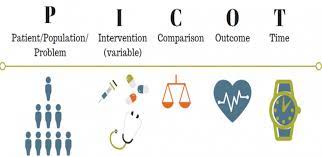
            It is essential to consider that the PICOT P, Population: I Intervention C, Comparison, O, Outcome and T Time is developed in guiding this study. In the American population between the ages of 30-35 of the working class (P), is there a need of developing a tool that will analyze depression (I), compared with the other approaches of care (C) that ensures appropriate procedures are developed in order to detect depression (O) within a specified time (T)? The aim of the PICOT question is developed to determine enough evidences that justify the element of depression among the American population through the use of effective tools.

Selecting Sources of Literature

            In considering the results of this paper, it is essential to search through multiple databases that include EBSCOhost, Google Scholar, PsycINFO and the Cochrane and other sources from Health Care research centers. In getting the results of this study, there are key search words that need to be considered (Wagner, et.al.2015). These words include: screening, depression, depressive disorders, BECK or BDI-ii and the population. The use of both the published and the unpublished materials in searching the literatures was incorporated with the materials reviewed dating back between 2005-2010.

Want help to write your Essay or Assignments? Click here

Selecting Sources of Literature

According to Wagner et.al.2015, a metal-analysis was conducted to determine the effects of depression on the American population. The findings of the study identifies that a majority of the population presented traumatic symptoms. This material determines that depressive disorders among the younger generation may lead to suicidal and homicidal thoughts and attempts (Jackson, Dianne & Garnefski, 2015).

Some of the symptoms that are presented by this author include chest pains, headaches, painful urination, dizziness an excessive sweating. This source intrinsically supports the specified area of study since it provides evidence to some of the effects of depression among the American population.

Jackson et.al.2015 in his literature consequently revealed that the screening of depressive disorders among the American population undergoes a process of identification, assessment, and initiation of approaches aimed at managing this disease within the American population (pp.197). This author details a quantitative randomized study within this population and establishes that the abuse of substances is as a result of depression, a factor that explains the reasons why several Americans engage in risky sexual behaviors.

 On the other hand, the population is also likely to engage in drugs and substance abuse as a result of depression. The author determines that there is a need of developing a concurrent treatment method that uses psychotropic drugs and other stable stimulants in the management of depression. The inclusion of psychotherapeutic method is also essential in the management of depression.

The author also mentions that depression within this population needs to be effectively managed since discoveries have been made that establish individuals in this state engage in unprotected sex and the inclusion of multiple sexual partners, a factor that would result into a health concern within a nation.

References

Wagner, S., Müller, C., Helmreich, I., Huss, M., & Tadić, A. (2015). A meta-analysis of cognitive functions in children, adults and adolescents with major depressive disorder. European Child & Adolescent Psychiatry, 24(1), 5-19. doi:10.1007/s00787-014-0559

Jackson, E. M, Dianne S, & Garnefski, N. (2015). Depressive Symptomatology and Child Abuse in Adolescents with Behavioral Problems. Child & Adolescent Social Work Journal, 20(3), 197-210.Retrived From: http://search.ebscohost.com/login.aspx?direct=true&db=aph&AN=10067979&site=ehost-live

Want help to write your Essay or Assignments? Click here

Transition Experience of New Graduate Nurses Literature Review

Transition Experience of New Graduate Nurses

Want help to write your Essay or Assignments? Click here

Transition Experience of New Graduate Nurses

Transitioning from a student into a professional practitioner is a difficult experience for most people. However, the transition experience is especially difficult for graduate nurses who are ushered into a demanding work environment. Most new nurses are shocked at the sheer contrast between student life and work. Just a few weeks after employment, Graduate nurses are expected to take up serious responsibilities including patient care and supervisory duties.

This review explores literature on the New Graduate Nurse (NG) transition experience with the aim of discovering shortcomings in this knowledge area. This research hopes to bridge the gap in knowledge about self-care strategies that NGNs can use as the transition to Registered Nurses.

Background

Waves of research have studied the experiences of nurses as they transit from student to practicing Registered nurses. The first research wave focused on the experiences of individual nurses during the transition phase. The second wave, investigated the effectiveness of interventions meant to support nurses during the transition. Most studies into the experience of New Graduate Nurses (NGNs) used survey and interviews to arrive at their conclusions. The studies reported that NGNs initially found the role of practicing nurse extremely stressing and they reported many challenges.

However, role stress decreased as NGNs gained confidence, obtained clinical support and developed competence (Casey, Fink, Krugman, &Propst 2004; Halfer& Graf, 2006). NGNs described the transition as a difficult time filled with feeling or incompetence, fear of physicians, an overwhelming sense of responsibility, and difficulties in prioritizing, organizing or delegating tasks. Bowles and Candela (2005) carried a study in Nevada that sought to find the attrition rates of new nurse.

It was reported that approximately 30% of NGNs quit their first nursing jobs within the first year of employment. In just two years, 57% had moved from their first jobs. According to Bowles and Candela (2005), the high nurse turnover hinders work productivity, quality patient outcomes and the morale of the staff. Moreover, high turnover means healthcare organization have to incur the cost of rehiring and retraining new nurses to take the roles of those who leave. 

While training more nurses may solve the nurse shortage problem, the problem of deficient patient care and supportive work environment needs to be handled to smooth the nurse transition. Casey et al (2004) found that NGNs are not satisfied with their working environment as they lamented the lack of a consistent preceptor, struggles with authority, a feeling of being undervalued, and workload issues. Chi, Laschinger and Wong (2006) carried out a study on transition among 226 nurses with less than 2 years practice experience.

The study reported similar results to Casey et al (2005); they indicated that there were high burnout rates among new nurses. The nurse complained about the lack of support, limitation of access to resources and opportunities as their main barrier to productivity at the transition phase. However, the job satisfaction outcomes of NGNs improved significantly after the first 18 months of practice. Halfer and Graf (2006) reported high job satisfaction rates among 84 subject of their research.

The two authors argued that nurse started to enjoy their work once they were able to organize their time, prioritize tasks, access resource, understand job expectation, and were made aware of the availability of professional development opportunities.  Studies of nursing thought processes also indicate support the conclusion that the transition is a stressing time for graduate nurses.

According to Pellico, Brewer and Kovner (2009), NGNs’ confidence was initially low as they were unsure about the experience and knowledge , they also feared the interaction with patients as they felt they would not be able to understand their issues. NGNs were also worried about acting autonomously and deciding when it was necessary to call physicians.  By the 9 month, NGNs had significantly boosted their confidence and were able to make competent patient care decisions.

The research wave on NGNs’ transition experience was followed by studies that investigated institutional initiatives to smooth the transition. The second wave was concerned with the preceptor and recognized him/her as a crucial component of the NGN transition process (Bowles and Candela, 2005). This phase of research proposed formal classes; evidence based practice, and guidance and mentoring as crucial precepts of nursing practice. 

The studies proposed that all medical care should be involved in precepting, the presence of a designated preceptor and rewards for those who successfully carry out the preceptor’s role (Bowles and Candela, 2005). Some studies indicated that extended residencies and structured orientation to support the NGN transition improved job satisfaction and reduced the high nurse turnover. NGNs have complained about limited orientation, disorientation, feelings of confusion and loss, overwhelming responsibility as the main barriers to successful transitions.

The difficulties of the NGNs transition to practice are further complicated by other changes in their life (Scott, Engelke and Swanson, 2008). NGNs may have moved to a new town, become married or changed schools. Obviously, the new nurse transition face is fraught with difficult and there is need for support and self-management strategies to handle the stresses of this phase of a nurse’s career.

Experiences of New Nurses

 NGNs transitioning issues can be classified into four broad themes; demands on nurses, support at the workplace, the control of their role as employees, and perceptions of self efficacy (Bowles and Candela, 2005). 

Workplace Demands

Demand in the workplace on new nurses is a theme that has been explored by many studies. NGNs identified workplace demands such as staff shortages, workload, decision making responsibilities and administrative duties as overwhelming issues (Casey et al, 2004). A survey of newly licensed nurses around the US found that demands relating to time were among the most stressing issues for NGNs. Nurses complained that they were often required to work hard or fast by their supervisors.

Casey et al (2004) also noted that nurses found it stressing to take responsibility for patient care provided by unregulated staff. Unfortunately, nursing has the dubious distinction of being the only profession which requires new practitioners to assume supervisory duties.  Studies exploring the expectations of the multidisciplinary team working with new nurses reveal too high expectations of the (NGNs Waite, 2004). At eight weeks, the multidisciplinary team studied in the research expected new nurses to be able to make specific clinical assessments, be able to use laboratory data, and be able to react to emergencies (Dyess and Sherman, 2009).

In addition, the team expected the NGNs to be knowledgeable about the whole health systems.  Many employers have complained about the deficit of key skills and the readiness of NGNs to deal with the demanding clinical environment.  NGNs critical thinking skills and approaches to medication administration have also been called into question by some scholars.  Romyn et al (2009) argued that NGNs are often responsible for near misses and medication errors as they are not proficient enough handle the medication demands of the job. 

According to Edwards et al (2015), the concerns about the competence of NGNs are not unwarranted as competent performance is not guaranteed while working with graduate nurses.  The lack of a consistent system to measure the performance of NGNs also further complicates the expectation of competence placed upon them. One of the common criteria for measuring competence in nursing is speed and ability to complete specific tasks (Romyn et al, 2009).

Unfortunately, the speed of New Graduate nurses may be quite low and they may not have the same capability to handle patient issues as experienced nurses (Delaney, 2003).  This method of evaluating the performance of NGNs sees their work condemned as unsatisfactory and is often associated with stress among the new graduates joining the workforce.

Want help to write your Essay or Assignments? Click here

Control

Many NGNs report concerns about the control or autonomy of their new roles as practicing nurses. Many new nurses complained that being responsible and accountable to patients was stressing (Delaney, 2003). Duchscher and Cowin (2004) pointed out student nurse roles did little to equip NGNs for the responsibilities awaiting them in practice. Duchscher and Cowin (2004) support the view that patient care decision and outcome responsibilities often overwhelm new nurses. 

However, the reactions of the NGNs varied as some embraced the new responsibilities, but most reported a feeling of being overwhelmed (Delaney, 2003). Researchers have argued that control is a double edged sword in the transition period. For nurses who embrace responsibility and accountability easily, it is exhilarating and exciting. In contrast, control brings about a feeling of anxiety for nurses who are unprepared for the new responsibilities.

NGNs may also suffer disorientation and poor sense of control as a result of unfamiliarity with the practice environment.  NGNs are surprised when they realize that the practice environment is significantly different from the school context (Duchscher, 2001). Chang and Hancock (2003) argue that NGNs can experience as a result of uncertain expectation of the new role which gives rise to role ambiguity.

Support 

Support by supervisors or coworkers plays a significant role in easing the NGN transition process. Often NGNs expend much effort in trying to familiarize themselves with existing workers in their healthcare setting (Casey et al, 2004). Duchscher and Cowin (2004) note that NGNs are in need the support of other members of the multidisciplinary team. Majority of NGNs report that there are adequately supported by preceptors and colleagues (Delaney, 2003).

They also reported that they felt part of the team. However, new nurse could not challenge established ways of doing things as they lacked support in doing this. Nurses also need support from family and friends outside the workplace. In fact, nurse reported that they performed better when they received support from outside the workplace.

Self-efficacy

Casey et al (2004) reported that NGNs feel incompetent and inadequate as they begin practicing as nurses. Many new nurses report feeling as if they did not posses the necessary skills or knowledge to work as Registered Nurses (Delaney, 2003; Duchscher and Cowin, 2004). NGNs also greatly doubted their clinical competence as they lacked a frame of reference unlike experienced healthcare workers (Duchscher and Cowin, 2004). Duchscher and Cowin (2004) points out those NGNs felt their inadequate knowledge was a serious limitation.  However, NGNs reported higher self-efficacy and confidence scores as they continued to gain clinical experience. 

Want help to write your Essay or Assignments? Click here

Transition Impacts

Job stress

Job stress is one of the most widely reported results of the NGN transition (Delaney, 2003; Duchscher and Cowin, 2004; Twibell et al 2012; Pellico, Brewer and Kovner, 2009). Despite the emphasis on job stress in many studies, few have investigated the intensity of stress affecting NGNs. Chang and Hancock (2003) reported that the transition experience resulted in moderate amounts of stress among NGNs. According to Casey et al (2004), NGNs comfort and confidence is initially very high as the new graduates join the profession, however, it decreases with time in the job.

Fortunately, nurse comfort and confidence starts to increase as they gain experience and peaks one year after commencing practice. Chang and Hancock (2003) reported that nurses experience many stressors during the transition process.  According to the two, the initial stressors include role ambiguity and responsibilities.  After one year of employment, the main stressor is role overload.

Job Satisfaction

One of the most ignored outcomes of NGN transition is the job satisfaction impact. Common studies have emphasized on the challenges experienced during the transition phase but rarely have the satisfying job aspects being explored.  Delaney (2003) reported that some new nurses reported that they found their new roles as practicing nurses satisfying. Nurse’s satisfaction with their work increased when they started to recognize available opportunities for personal growth and development.

Some NGNs reported that it felt exciting to finally take up the role of a practicing nurse.  However, NGNs also reported many dissatisfying elements in their work, these included dizzying pace of work, inadequate staffing and too much autonomy and responsibility (Pellico, Brewer and Kovner, 2009; Casey et al, 2004; Chang and Hancock, 2003). Nurse who were satisfied with their work also were also more intent on staying with their employer.

Further research explored job satisfaction as an independent variable and presented interesting research findings.  Delaney (2003) reported that nurses who were satisfied with their jobs felt a strong sense of belonging to the organization. Satisfaction in jobs was also negatively associated with role stress, role ambiguity and conflict during the transition process (Chang & Hancock, 2003).

Research has also explored outcomes such as turnover intent and nurse turnover. Many of these outcomes increase when there is shortage of nursing manpower.  A high patient:nurse turnover is likely to precede and increase in patient mortality and has been indicated as an accelerator of nurse burnout (Bowles and Candela, 2005). Nurses report that the main causes of high turnover among NGNs are poor work design and emotional exhaustion.

These result support the need to research into self-management strategies that nurses can use to cope to the stressing experiences of the transition process. Twibell et al (2012) have hypothesized that self-care strategies may help nurse achieve higher levels of satisfaction with their jobs.

Interventions to support NGNs

Decades of research have popularized the notion that NGN transition is a process that needs to be addressed (Bowles and Candela, 2005).  Many interventions have been applied to assist is making the transitioning process easy. However, there are few reports of intervention that aim to teach nurses how to self-manage the transition by performing recommended self-care practices. 

Early studies recommended the use of internship programs and preceptor pairing to expose the nurse to the “real world” prior to commencing practice (Bowles and Candela, 2005).  However, the value of preceptor and internship programs have come into questions recently and new research is needed to clarify the value they add to the NGN transition process.

One of the gaps in NGN transition research is the lack of measurement of the effectiveness of interventions to support NGN transition (Bowles and Candela, 2005). Many of the early studies, presented subjective results of the effectiveness of the interventions they were studying.  Later studies in the late 1980s started to include quantitative measures of the effectiveness of the interventions (Casey et al 2004). However, most of the studies failed to measure the impact of the studies on patient outcome. Some of these studies are included in this review.

Conclusion

The NGN transition process is a well researched area within the nursing profession. Most stakeholders seem to be aware of the problems that face NGNs as they transition into their practice.  Decades of research present findings detailing mostly ineffective interventions to deal with the NGN transition process. One of the most common intervention experimented in research was the use of internship, residencies and preceptors. However, many researchers call into question the usefulness of these interventions in addressing the problems of new nurse’s commencing practice.

This research reveals two reasons why intervention to smooth the NGN transition failed to work despite decades of research.  First, the early interventions were never objectively evaluated and thus the opportunity to gauge their effectiveness and increase their impact was missed. Furthermore, most of the intervention were designed to address problems identified in specific health care settings and were not backed by an understanding of the issues facing NGNs. 

Few of the interventions sought to get to the bottom of the stress experienced by NGNs. Secondly, the interventions failed to take into consideration the many elements of the practice environment. This review presents some of the environmental factors that lead to a difficult experience for NGNs transitioning to practice. NGNs perception of their own abilities and knowledge is among the most stressing factors.

Many NGNs feel incompetent and inadequate when there are starting out. This attitude contrast sharply to the work demand, high expectation, and responsibility that characterize their work environment. Other healthcare workers expect nurses to exhibit the same level of competence and skills as experienced practitioners less than two months after being employed. 

Few nurses are prepared for the sudden responsibility and autonomy they have over patient care decision.  Many find the new responsibility overwhelming and are stressed. However, a substantial number of new nurses are excited and exhilarated to work autonomously. This review also indicates that support from colleagues, supervisors, family and friends are important for a successful transition. Nurses who receive support express confidence in their ability, Skills and knowledge. 

This review has revealed that the NGN transition process can be an extremely stressing period. Many studies point to the stress and emotional distraught that is experienced by NGNs during the transition. Most studies report that new nurse feel overwhelmed by the demands of the new environment, feelings of inadequacy and fear of failure. Very few studies have investigated the possible positive impact of self-care mechanism that may assist nurse’s cope with the difficult transition period. This research will seek to address this gap in research and provide valuable evidence that may be used to improve the NGN transition experience significantly.

References

Bowles, C., & Candela, L. (2005). The first job experiences of recent RN graduates. Journal of Nursing Administration, 32(3), 130Y136.

Casey, K., Fink, R. R., Krugman, A. M., & Propst, F. J. (2004). The graduate nurse experience. Journal of Nursing Administration34(6), 303-311.

Chang, E., & Hancock, K. (2003). Role stress and role ambiguity in new nursing graduates in Australia. Nursing & health sciences5(2), 155-163.

Cho, J., Laschinger, H., & Wong, C. (2006). Workplace empowerment, work engagement and organizational commitment of the new graduate nurses. Nursing Leadership, 19(3), 43Y60.

Delaney, C. (2003). Walking a fine line: Graduate nurses’ transition experiences during orientationJournal of Nursing Education42(10), 437-443.

Duchscher, J. E. B., & Cowin, L. S. (2004). The experience of marginalization in new nursing graduates. Nursing Outlook52(6), 289-296.

Dyess, S. M., & Sherman, R. O. (2009). The first year of practice: New graduate nurses’ transition and learning needs. The Journal of Continuing Education in Nursing40(9), 403-410.

Edwards, D., Hawker, C., Carrier, J., & Rees, C. (2015). A systematic review of the effectiveness of strategies and interventions to improve the transition from student to newly qualified nurse.International journal of nursing studies52(7), 1254-1268.

Halfer, D., & Graf, E. (2006). Graduate nurse perceptions of the work experience. Nursing Economics24(3), 150.

Pellico, L. H., Brewer, C. S., & Kovner, C. T. (2009). What newly licensed registered nurses have to say about their first experiences.Nursing outlook57(4), 194-203.

Romyn, D. M., Linton, N., Giblin, C., Hendrickson, B., Houger Limacher, L., Murray, C., … & Weidner, A. (2009). Successful transition of the new graduate nurse. International Journal of Nursing Education Scholarship6(1).

Scott, E. S., Engelke, M. K., & Swanson, M. (2008). New graduate nurse transitioning: necessary or nice?. Applied Nursing Research,21(2), 75-83.

Twibell, R., St Pierre, J., Johnson, D., Barton, D., Davis, C., Kidd, M., & Rook, G. (2012). Tripping over the welcome mat: Why new nurses don’t stay and what the evidence says we can do about it. American Nurse Today7(6), 357-365.

Waite, R. (2004). Psychiatric nurses: Transitioning from student to advance beginner RN. Journal of the American Psychiatric Nurses Association10(4), 173-180.

Want help to write your Essay or Assignments? Click here

Developing a PICOT Question

PICOT
PICOT

Developing a PICOT

Want help to write your Essay or Assignments? Click here

Identifying a Problem

            The diagnosis and management of depression within the American population remains one of the health factors affecting the health sector.  Sources determine that the prevalence of depression within the American population is ascertained to stand at 8.5%, a factor that has seen less people seek medical attention (Wagner, Müller, Helmreich, Huss, & Tadić, 2015). Thus paper therefore seeks to develop a PICOT question in determine the aspect of depression and its effects within this population.

PICOT Question

            It is essential to consider that the PICOT P, Population: I Intervention C, Comparison, O, Outcome and T Time is developed in guiding this study. In the American population between the ages of 30-35 of the working class (P), is there a need of developing a tool that will analyze depression (I), compared with the other approaches of care (C) that ensures appropriate procedures are developed in order to detect depression (O) within a specified time (T)? The aim of the PICOT question is developed to determine enough evidences that justify the element of depression among the American population through the use of effective tools.

Selecting Sources of Literature

            In considering the results of this paper, it is essential to search through multiple databases that include EBSCOhost, Google Scholar, PsycINFO and the Cochrane and other sources from Health Care research centers. In getting the results of this study, there are key search words that need to be considered (Wagner, et.al.2015). These words include: screening, depression, depressive disorders, BECK or BDI-ii and the population. The use of both the published and the unpublished materials in searching the literatures was incorporated with the materials reviewed dating back between 2005-2010.

Selecting Sources of Literature

According to Wagner et.al.2015, a metal-analysis was conducted to determine the effects of depression on the American population. The findings of the study identifies that a majority of the population presented traumatic symptoms. This material determines that depressive disorders among the younger generation may lead to suicidal and homicidal thoughts and attempts (Jackson, Dianne & Garnefski, 2015).

Some of the symptoms that are presented by this author include chest pains, headaches, painful urination, dizziness an excessive sweating. This source intrinsically supports the specified area of study since it provides evidence to some of the effects of depression among the American population.

Want help to write your Essay or Assignments? Click here

Jackson et.al.2015 in his literature consequently revealed that the screening of depression among the American population undergoes a process of identification, assessment, and initiation of approaches aimed at managing this disease within the American population (pp.197). This author details a quantitative randomized study within this population and establishes that the abuse of substances is as a result of depression, a factor that explains the reasons why several Americans engage in risky sexual behaviors.

 On the other hand, the population is also likely to engage in drugs and substance abuse as a result of depression. The author determines that there is a need of developing a concurrent treatment method that uses psychotropic drugs and other stable stimulants in the management of depression. The inclusion of psychotherapeutic method is also essential in the management of depression.

The author also mentions that depression within this population needs to be effectively managed since discoveries have been made that establish individuals in this state engage in unprotected sex and the inclusion of multiple sexual partners, a factor that would result into a health concern within a nation.

References

Wagner, S., Müller, C., Helmreich, I., Huss, M., & Tadić, A. (2015). A meta-analysis of cognitive functions in children, adults and adolescents with major depressive disorder. European Child & Adolescent Psychiatry, 24(1), 5-19. doi:10.1007/s00787-014-0559

Jackson, E. M, Dianne S, & Garnefski, N. (2015). Depressive Symptomatology and Child Abuse in Adolescents with Behavioral Problems. Child & Adolescent Social Work Journal, 20(3), 197-210.Retrived From: http://search.ebscohost.com/login.aspx?direct=true&db=aph&AN=10067979&site=ehost-live

Want help to write your Essay or Assignments? Click here

Diabetes Mellitus Patient Diagnosis

Diabetes Mellitus
Diabetes Mellitus

Want help to write your Essay or Assignments? Click here

Diabetes Mellitus

Being newly diagnosed with diabetes mellitus can be overwhelming and confusing due to the several things that a patient needs to learn and understand. However, for millions of diabetic patients learning about their diabetes is the first step towards living a longer and healthier life. According to Shaw (2014), Registered Nurses (RNs) play an important role of educating individuals that have just been diagnosed with diabetes mellitus encouraging them that they can live longer if they follow important guidelines for managing diabetes.

First, the RN should let the patient understand what type 1 diabetes is and how its symptoms present by highlighting the classic symptoms associated with diabetes mellitus such as excessive thirst and hunger, fatigue, unexplained weight loss, nausea, and vomiting. She should encourage the patient that he is not the only one suffering from type I diabetes.

Most youth with type 1 diabetes do not adhere to clinical guidelines (Wood et al, 2013). Therefore, the nurse can use examples of patients of almost similar age to the patient and are coping well with diabetes mellitus. The nurses should also explain to the patient that insulin injections are the central treatment for type I diabetes and for the patient to lead a quality life she should adhere to her medication.

For proper management of type I diabetes, some of the factors that the RN should focus on mainly includes control of blood glucose, insulin management, nutrition, exercise, and support (Atkinson, Eisenbarth & Michels, 2014). The nurse should advise the patient to measure his blood glucose levels regularly and administer insulin appropriately. Exercise on the other hand is a significant component of proper care for type I diabetes as it aids the body to respond with more stable levels of blood glucose (Haas et al., 2013).  

Want help to write your Essay or Assignments? Click here

However, patients should be cautioned against extreme exercise which lowers their glucose levels considerably. Additionally, the nurse should aid the patient understand how various foods affect blood glucose and enlighten them on how to come up with solid meal plans (Chiang et al., 2014). She should also encourage the patient to seek help from other people with the same condition and be free to visit the medical center in case of any clarification.

The steps of the teaching learning process that were most likely not well employed are the implementation and the evaluation steps. In the implementation step, the nurse should have delivered content in a manner that is more organized with the aid of planned teaching strategies. The evaluation step could be improved if the nurse questioned the patient on some aspects such as why insulin is important in management of type I diabetes and more so the rationale of giving it as an injection instead of pills.

References

Atkinson, M. A., Eisenbarth, G. S., & Michels, A. W. (2014). Type 1 diabetesThe Lancet383(9911), 69-82.

Chiang, J. L., Kirkman, M. S., Laffel, L. M., & Peters, A. L. (2014). Type 1 diabetes through the life span: A position statement of the American Diabetes Association. Diabetes Care37(7), 2034-2054.

Haas, L., Maryniuk, M., Beck, J., Cox, C. E., Duker, P., Edwards, L., … & McLaughlin, S. (2013). National standards for diabetes self-management education and support. Diabetes care36(Supplement 1), S100-S108.

Shaw, R. J., McDuffie, J. R., Hendrix, C. C., Edie, A., Lindsey-Davis, L., Nagi, A., … & Williams, J. W. (2014). Effects of nurse-managed protocols in the outpatient management of adults with chronic conditions: a systematic review and meta-analysis. Annals of internal medicine161(2), 113-121.

Wood, J. R., Miller, K. M., Maahs, D. M., Beck, R. W., DiMeglio, L. A., Libman, I. M., … & T1D Exchange Clinic Network. (2013). Most youth with type 1 diabetes in the T1D Exchange Clinic Registry do not meet American Diabetes Association or International Society for Pediatric and Adolescent Diabetes clinical guidelines. Diabetes care36(7), 2035-2037.

Want help to write your Essay or Assignments? Click here

Geriatric Dermatology Diagnosis Essay

Geriatric Dermatology

Geriatric Dermatology

Want help to write your Essay or Assignments? Click here

Introduction

There is an increased focus on geriatric dermatology due to the growing trend towards aging populations in several countries across the globe. Elderly individuals are predisposed to many dermatological conditions as a result of senile changes in their skin. Although sometimes skin problems seem to be minor compared to major chronic diseases frequently seen in elderly patients, proper diagnosis and management aids in reducing the morbidity and influences positively their quality of life.

How to Properly Diagnose Skin Wounds in Frail Elders

Diagnosis is based on patient history. It is also founded on physical examination whereby a physician inspects the appearance of the condition, mode of distribution, arrangement and configuration, size of individual lesion, color. Surface characteristics such as rough, smooth, waxy or warty, and shape which can either be oval, round, or linear. Diagnostic tests can also be carried our such as skin scrapings that are important in detecting fungal infections, skin prick tests for allergies, and skin biopsies.

In an infection, germs are present in the body and are responsible for signs and symptoms such as pus from wounds, fever, and increased leukocyte count. Conversely, in colonization germs are present in the body but the patients do not present any signs and symptoms.

Type of Skin Wound

I selected herpes. This is an infection caused by the herpes simplex virus. Individuals with this infection have sores anywhere on their skin. Usually, it occurs around the nose, mouth, genitals, and buttocks. The infection is a painful experience, embarrassing and recurs time after time. Herpes is generally associated with genital herpes. However, herpes is actually a term referring to a family of viruses ranging from Epstein-Barr virus (causes infectious mononucleosis), varicella zoster virus (causes shingles), herpes virus 1/HSV-1, to herpes virus 2 HVS-2. Under a microscope, HSV-1 and HSV-2 look identical. Either type can infect the genitals and the mouth.

Herpes simplex has been ranked as one of the most common infections with approximately one out every five individuals in US having HSV-2 and about half to three quarter of all adults having a positive test for HSV-1. However, just ten percent of exposed persons get visible sores.

During the infection, the viruses, HSV-1 and HSV-2, traverse into the nerves where they blend with the DNA forcing the body to make copies of them so that they can be spread easily to other people. However, the body’s immune system attacks the viruses and the products overcoming them. In individuals with a weakened immune system, the virus traverses to the skin where it leaks out in tiny blisters that are painful, burning or unusually tender.

Herpes infection is severe in individuals whose immune system is weak such as children and the elderly. Often, it is a mild infection in that it goes unnoticed in majority of the people who are infected. The infected persons perceive the infections as normal skin irritation or chaffing. However, HSV can recur years later and be mistaken as an initial attack resulting in unfair accusations of infidelity between partners.

Want help to write your Essay or Assignments? Click here

Treatment

Anti-viral pills such as acyclovir, famyclovir, and valacyclovir are used in treatment herpes. Topical application ointments also help in reducing the healing time as well as the duration of symptoms. Some of the topical applications that are prescribed include penciclovir, acyclovir, and docosanol cream.

There are several risk factors in geriatric dermatology that can predispose one to developing herpes. Some of these factors include, a history of a prior sexually transmitted infection, engaging in sexual intercourse at an early age, having several sexual partners, and poor socioeconomic status. Research by Bernstein et al., (2013) indicated that HSV-2 is transmitted easily from men to women than vice versa.  This explains why females have a high likelihood of developing HSV-2 infection than men. Individuals whose immunity is compromised such as patients with HIV are also at a high risk of acquiring herpes infection.

Prevention

Herpes is a contagious infection whose prevention before and after an outbreak is of great significance. If signs of recurrence such as itching, tingling, burning or tenderness are felt at any area of the body, then that area should be kept away from other people. Patients that have mouth lesions should avoid sharing cups, lip makeup, or kissing. Sharing of towels and clothing should be avoided strictly.

Avoidance of sexual activity among patients with genital herpes is an important intervention. Sharing of sexual toys should also be avoided highly as they may promote transmission of herpes. Use of condoms is the most effective intervention of preventing herpes transmission. Partners should also go for medical check-ups in case one of them experiences herpes symptoms.

Conclusion

Individuals who have had the infection should maintain general good health and keep stress as low as possible to lit chances of having recurrences which fortunately are milder than the initial attack. Infected patients should take care of the affected skin area by keeping it dry and clean during outbreaks to facilitate healing. Physical contact should be avoided until all skin sores heal completely, not just scabbed-over.

If one touches a sore he/she should wash hands thoroughly with soap and water failure to which the hands can transmit the virus to other body parts such as eyes causing herpes keratitis a condition that causes pain and sensitivity to light and is accompanied with discharge. Geriatric dermatology practice has to be by professional who have studied and understand their geriatric patients.

Reference

 Bernstein, D. I., Bellamy, A. R., Hook, E. W., Levin, M. J., Wald, A., Ewell, M. G., & Belshe, R. B. (2013). Epidemiology, clinical presentation, and antibody response to primary infection with herpes simplex virus type 1 and type 2 in young womenClinical Infectious Diseases56(3), 344-351.

Want help to write your Essay or Assignments? Click here