This is author biographical info, that can be used to tell more about you, your iterests, background and experience. You can change it on Admin > Users > Your Profile > Biographical Info page."
Want help to write your Essay or Assignments? Click here
Mental Health Consumer Care
“How would you feel when almost every individual within the society treats you differently by avoiding any form of interaction? Well, no one prefers to be treated that way. Mental health consumers are more often marginalized because of their mental state. This aspect can worsen their entire being and situation, which can propel them to neglect the self. By definition, a mental health consumer refers to persons who use mental health services in order to empower their mental health status while obtaining support or treatment.
Evidently, suffering from mental illness can be devastating to a patient and that situation can affect various aspects of their lives ranging from their physical status to their emotional being. On the other hand, self-neglect refers to the behavioral situation in which a person neglects or fails to attend to their personal basic needs such as feeding, appropriate clothing, tending appropriately to medical conditions, feeding or personal hygiene. Nonetheless, in extreme cases of self-neglect, the situation can be inferred to as Diogenes syndrome (Townsend, 2013).
Despite the severity of self-neglect in a mental health consumer, nursing professionals need to care for them in an attempt to improve their mental health issues. This presentation focuses on the relevance of nursing care of mental healthcare consumers who self-neglect to modern mental health nursing as well as to recognize the appropriate linkages with other mental health care providers.
In order to appropriately identify patients suffering from mental health problems, it is ideal to identify the various aspects that help in identifying them or the factors that assist in characterizing them. Most cases involving self-neglect are often recognized as a result of numerous complaints received from several sources such as community organizations, neighbors, GPs and healthcare professionals (Naik, Lai, Kunik & Dyer, 2008).
The process of managing and identifying cases is very complex and difficult, which requires a multi-disciplinary and multi-agency approach. Based on several studies, individuals with mental health problems are often poor and indulge in smoking habits, lack exercise, consume alcohol, have poor diets and consumer other drugs (Middleton, 2008; Richardson, 2007). The deteriorating state of their daily lives often affects their energy levels, organization skills, attention, physical abilities or motivation.
The effect on the patient can cause them to neglect the self. Studies also indicate that the side effects of certain psychiatric medications can cause a decrease in the motivation levels among mental patients (Townsend, 2008; Gunstone, 2003). Therefore, self-neglect among mental patients can be caused by illness alone. With the help of medical practitioners including nursing care cases of self neglect among mentally ill patients re likely to reduce.
Want help to write your Essay or Assignments? Click here
Notably, nurses constitute the largest population of health care professionals, thus, they have a key role in the management and identification of self-neglect among mentally ill patients. The relevance of nursing care to mental healthcare consumers in the modern nursing practice can be identified through the assessment, diagnosis, outcome identification, planning, and implementation and evaluation steps (Peate, Wild, & Nair, 2014).
In the initial process, nurses establish a database in which the database relates to the client using assessment tools such as KELS, geriatric depression scale and nutrition assessment (Pickens et al., 2007). The next process involves identifying the patients’ health care needs as well as the specific goals for care. The third process involves establishment of the specific criteria that measures the achievement of anticipated outcomes while the forth process involves designing the most appropriate strategy that facilitates the achievement of the desired goals.
The implementation process involves initiating and finishing actions that are necessary in accomplishing goals as the final process involves determination of the degree to which the objectives and goals of the implemented care have been achieved (Boyd, 2010). Through this sequential step, a nursing practitioner is capable of analyzing personal achievements in relation to providing care to patients, especially those with mental illness and having self-neglect. The outcomes of this process help both the nursing specialists and other medical professionals to identify the various steps that in deed help in solving the problem of self-neglect among mentally ill patients, for future referencing.
Currently, the nursing profession is working towards providing holistic care to patient. This means that other than assisting patients within hospitals, nurses also help patients outside the hospitals such as acceptance within the society. With reference to mentally ill patients, they are among the mostly segregated groups of people within the society. The nursing education helps in providing additional knowledge to nurses and it is disseminated to the public by informing them that mentally ill patients are just like other people with slight differences in their ways of thinking and making decisions.
Some of the interventions include adult protection services, drug misuse rehabilitation, housing services, budgeting services and neurological assessment among many others (Lauder, Anderson & Barclay, 2005). These shape the current approach in providing care to patients by integrating friendly approaches towards the patients. By dealing with cases of self neglect, nurses are capable of reducing the stigma that mental patients receive, which in turn promotes their general well-being.
In conclusion, within the modern nursing field, practitioners are more propelled towards the identification and management of self-neglect cases among mentally ill patients as a means of preventing the reoccurrence of the phenomenon. Since nurses constitute the largest portion of individuals within the health care sector, they play a chief role in ensuring the provision of proper care to patients.
In the nursing profession, taking care of mentally ill patients helps in identifying the most appropriate ways of providing care. Treating mentally ill patients with self-neglect issues helps in improving the health of the patients in general.”
Lauder, W., Anderson, I., & Barclay, A. (2005). A framework for good practice in interagency interventions with cases of self-neglect. Journal of Psychiatric and Mental Health Nursing, 12, 2, 192-198. http://www.ncbi.nlm.nih.gov/pubmed/15788037
Pickens, S., Naik, A. D., Burnett, J., Kelly, P. A., Gleason, M., & Dyer, C. B. (2007). The utility of the Kohlman evaluation of living skills test is associated with substantiated cases of elder self-neglect. Journal of the American Academy of Nurse Practitioners, 19, 3, 137-142. http://www.ncbi.nlm.nih.gov/pubmed/17341281
Want help to write your Essay or Assignments? Click here
Dementia PICO Analysis Method
Part I: PICO analysis of research topic
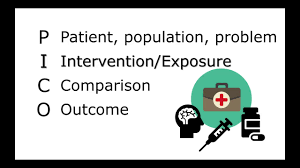
Step 1: Frame clinical question using PICO method
P: the patients include people with dementia and psychosis
I: the anticipated intervention is to utilize typical antipsychotic drugs
C: the current standard or comparison group is atypical antipsychotics
O: the desired outcome is to have less mortality rates for elderly people with dementia and psychosis
The PICO question basically stands for patient, intervention, comparison and outcome (Elkins, 2014).
Part II: Search strategy
The PICO question is as follows: In elderly patients who have dementia and psychosis (P), does treatment with typical antipsychotics (I) or atypical antipsychotics (C) result in less mortality (O).
Step 1: Resources utilized to find articles
A number of scholarly articles relating to the identified issue are identified. The resources that were used in finding the articles that relate to the topic include the following: handbooks, electronic databases research, encyclopaedias, relevant books, and reputable journals.
Step 2: Search terms and criteria
With regard to search terms and criteria that were utilized, the search terms include the following: dementia, mortality, psychosis, atypical antipsychotics, and typical psychotics. The inclusion criteria was as follows: scholarly peer-reviewed journal articles only, articles not older than 5 years, articles that are published in the English language, articles that focus on dementia and psychosis among the elderly population, and article that reports on primary research.
Step 3: Boolean search strings
With regard to the exclusion criteria, the articles that would be excluded are as follows: articles that are older than 5 years, articles not published in English, and articles that do not focus on the elderly patients with dementia. Using different Boolean search strings, keywords would be combined with operators like OR, NOT as well as AND in order to generate additional results that are relevant. For this research, the Boolean search strings that would be utilized include the following: atypical antipsychotics and psychosis, atypical antipsychotics and dementia, typical antipsychotics and dementia, typical antipsychotics and psychosis. Therefore, the search results would be limited only to the two keywords.
Want help to write your Essay or Assignments? Click here
Part III: Analysis of literature
Step 1: Summary of five articles
The following 5 articles in the table below were selected from the research effort.
Table 1: Summary of analyzed articles
Citation
Conceptual framework / theory
Main finding
Research Method
Strengths of study
Weaknesses of study
Level of evidence
Ballard, C., Creese, B., Corbett, A., & Aarsland, D. (2011). Atypical antipsychotics for the treatment of behavioural and psychological symptoms in dementia, with a particular focus on longer term outcomes and mortality. Expert Opinion on Drug Safety, 10(1): 35-43
Not specified
Atypical antipsychotics medications provide modest benefits up to twelve weeks /short term treatment of psychosis and dementia. Nonetheless, these benefits should be balanced against the risk of major adverse events such as increased death. With longer term prescribing, there are clear benefits, but the risk of death also increase.
Review of existing studies. The authors provide a summary of the evidence that pertain to safety and efficacy from short-term randomized controlled trials, as well as main findings from case register studies
Study is thorough. Presents both benefits and shortcomings of atypical antipsychotic drugs. The review provides an up-to-date and balanced overview of the safety concerns and effectiveness that relate to atypical antipsychotics in elderly patients with dementia, giving a full overview of mortality risk
The study only focuses on atypical antipsychotic drugs and does not also look into the safety concerns and efficacy of typical antipsychotics.
High level
Haddad, P. M., & Sharma, S. G. (2012). Adverse effects of atypical antipsychotics: Differential risk and clinical implications. CNS Drugs, 21(11): 911-936
Not specified
Broad statements that compare the comparative risk of specific adverse effects between conventional and atypical antipsychotics are mainly insignificant. Instead, comparisons need to be made between particular typical and particular atypical antipsychotic drugs.
The authors reviewed various studies including post marketing, surveillance studies, and observational studies and randomized controlled trials.
The study is comprehensive, thorough and up-to-date
A small number of studies were reviewed
High level
Piersanti, M., Capannolo, M., Turchetti, M., Serroni, N., De Berardis, D., Evangelista, P., Costantini, P., Orsini, A., Rossi, A., & Maggio, R. (2014). Increase in mortality rate in patients with dementia treated with atypical antipsychotics: A cohort study in outpatients in Central Italy. Riv Psichiatr, 49(1): 34-40
Not specified
Using atypical antipsychotics to treat dementia amongst older adults is linked to a higher rate of mortality.
A cohort study was conducted that comprised 696 elderly patients with Alzheimer
The study recommends new approaches for managing dementia to replace the use of atypical antipsychotic drugs which have potential risks of mortality
A small sample size was used and the study was carried out within a single hospital. This affects the generalizability of the findings
Medium level
Rochon, P. A., Gruneir, A., Gill, S. S., Wu, W., Fischer, H. D., Bronskill, S. E., & … Gurwitz, J. H. (2013). Older Men with Dementia Are at Greater Risk than Women of Serious Events After Initiating Antipsychotic Therapy. Journal Of The American Geriatrics Society, 61(1), 55-61. doi:10.1111/jgs.12061
Not specified
Shortly after initiating oral atypical antipsychotic drug, the likelihood of developing a major event in elderly people with dementia was high.
This was a population-based, retrospective cohort study.
A large sample size was used that comprised 21,526 elderly men and women with dementia
The study had more women that. Women were 13,760 while the number of men was 7,766.
High level
Schneider, L. S., Dagerman, K. S., & Insel, P. (2012). Risk of death with atypical antipsychotic drug treatment for dementia – Meta-analysis of randomized placebo-controlled trials, JAMA, Journal of the American Medical Association, 294(15): 1934-1943
Atypical antipsychotic medicines might be linked to a slight increased likelihood for death in comparison to placebo where typical antipsychotic drugs were used.
The authors assessed the evidence for high death rates from atypical antipsychotic medications for patients who have dementia. The data sources were obtained from Cochrane Controlled Trials Register, MEDLINE, and meetings and presentations.
A large sample size is used hence the findings could be generalized. There a total of 5,101 participants
Some very old data materials from the 1960s were used which may not be relevant for use today
High level
Step 2: History and purpose of research question
Every antipsychotic drug has warnings of increased mortality for elderly patients (Schneider, Dagerman & Insel, 2012). Antipsychotic medications are broadly utilized in managing psychological and behavioural symptoms in dementia in spite of concerns as regards their safety (Ballard et al., 2011; Piersanti et al., 2014). Compared to typical or conventional antipsychotic drugs, atypical antipsychotic drugs are linked to a statistically significant rise in the likelihood of mortality for older men and women who have dementia (Haddad & Sharma, 2012).
The purpose of the research question is to find out whether the use of typical antipsychotic medication, which is the intervention, results in less mortality rates than atypical antipsychotic medication, which is the comparison group, in elderly patients who have dementia and psychosis.
Step 3: Strengths and weaknesses of existing literature
The strengths of the existing literature is that there are studies which focus mainly on the atypical antipsychotics and others that focus mainly in typical/conventional antipsychotics and their correlation with mortality. The weakness of the existing literature is that there are no studies that compare typical antipsychotics and atypical antipsychotics on the rates of mortality on elderly patients with dementia and psychosis (Rochon et al., 2013).
Step 4: Gap in current literature
At the moment, the gap in current literature is that there are no studies which have focused specifically on the association of atypical and typical antipsychotic medications on the rates of mortality among the older adults who have dementia.
Want help to write your Essay or Assignments? Click here
Conclusion
In conclusion, the PICO question for the research study is as follows: In elderly patients who have dementia and psychosis (P), does treatment with typical antipsychotics (I) or atypical antipsychotics (C) result in less mortality (O). The purpose of the research question is to find out whether the use of typical antipsychotic medication results in less mortality rates than atypical antipsychotic medication in elderly patients who have dementia and psychosis. The resources used to find articles included electronic databases research, relevant books, and reputable journals. The search terms that were utilized include dementia, mortality, psychosis, atypical antipsychotics, and typical psychotics.
References
Ballard, C., Creese, B., Corbett, A., & Aarsland, D. (2011). Atypical antipsychotics for the treatment of behavioural and psychological symptoms in dementia, with a particular focus on longer term outcomes and mortality. Expert Opinion on Drug Safety, 10(1): 35-43
Piersanti, M., Capannolo, M., Turchetti, M., Serroni, N., De Berardis, D., Evangelista, P., Costantini, P., Orsini, A., Rossi, A., & Maggio, R. (2014). Increase in mortality rate in patients with dementia treated with atypical antipsychotics: A cohort study in outpatients in Central Italy. Riv Psichiatr, 49(1): 34-40.
Rochon, P. A., Gruneir, A., Gill, S. S., Wu, W., Fischer, H. D., Bronskill, S. E., & … Gurwitz, J. H. (2013). Older Men with Dementia Are at Greater Risk than Women of Serious Events After Initiating Antipsychotic Therapy. Journal of the American Geriatrics Society, 61(1), 55-61. doi:10.1111/jgs.12061
Schneider, L. S., Dagerman, K. S., & Insel, P. (2012). Risk of death with atypical antipsychotic drug treatment for dementia – Meta-analysis of randomized placebo-controlled trials, JAMA, Journal of the American Medical Association, 294(15): 1934-1943
Want help to write your Essay or Assignments? Click here
Want help to write your Essay or Assignments? Click here
The patient-centered medical home model
The chronic care model refers to an organizational approach through which people suffering from chronic diseases can receive care in the primary care settings. It is population-based. Moreover, it creates supportive, evidence-based, and practical interactions between the activated, informed patient and proactive, and prepared practice team.
This model identifies some vital healthcare system elements which promote care for chronic diseases that is high-quality. Within the elements, there are particular change concepts, which are used by the team to guide the improvement efforts. The care redesign processes applied agree to the change concepts.
In the same way, the aim of the patient-centered medical home is ensuring that the patients receive better care (Varkey, 2010). The model focuses more on patient needs. Some of the aspects through which care access can be improved include increased communication between the patients and providers through telephone and email, and extending the office hours. The elements of the chronic care model increase care coordination as each contributes in its own way.
One of the goals of the patient-centered medical home is also increasing care coordination. Moreover, the latter model aims to enhance the overall quality and reduce costs simultaneously (The Commonwealth Fund, 2009).
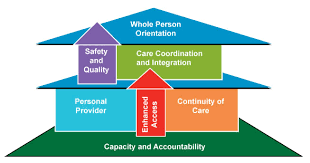
The patient-centered medical home model has a keen focus on the whole person, and different healthcare professionals participate in the care provision. There aspects are not focused on the chronic care model where attention is solely on the chronic disease. Similar to the chronic care model, the patient-centered medical home model integrated all health care aspects for overall health improvement. A unique characteristic of the patient-centered medical homes is that patients seek care from personal physicians who lead care teams within the medical practice (National Business Coalition on Health & National Health Leadership Council, 2010).
Want help to write your Essay or Assignments? Click here
Elements that are most significant for achieving safety and quality goals
The patient-centered medical home model
This model also has some elements that promote achievement of its set goals. These are physician-led practice, whole-person orientation, coordinated and integrated care, access, and focus on safety and quality. These elements have to interact for the care being provided to be relevant. Same as the chronic care model, evidence-based medicine is given a lot of emphasis as it helps improve the patient outcomes. Moreover, the care team has to offer comprehensive care that is both coordinated and integrated (Institute for Healthcare Improvement, n.d.).
Chronic care model
This model identifies the cardinal elements that every healthcare system should have for high-quality care for chronic diseases to be realized. The elements are as follows; clinical information systems, decision support, delivery system design, self-management support, health system, and community. Under each element, there are evidence-based change concepts and in combination, they foster interactions that are productive and meaningful between informed patients that are very active in their health and well-being and providers with expertise and resources.
Based on this model, these elements should all interact for chronic diseases to be managed and prevented effectively. In essence, the factors in the community that contribute to chronic diseases should be addressed and measures taken to promote safer communities (Varkey, 2010). In addition, patients should engage in self-care and management; healthcare delivery should be safe, personalized, and high-quality; the best decisions should be made for better care provision; and the clinical side should also be effective.
As such, chronic diseases can be prevented and managed appropriately. All the elements of this model are important for safety and quality goals. Each of them has a cardinal contribution, and ignoring any would result to inefficiencies.
Want help to write your Essay or Assignments? Click here
Structuring the models to achieve the best medical outcomes for individual patients at the lowest cost to society
In relation to the chronic care model, the organizations being created should be committed to offering high quality and safe care. Basically, the business plan of the health system should reflect a dedication to applying the model across the organization. Moreover, the clinical leaders should ever be dedicated and visible members whose roles performance should be perfect. Again, the community resources should be mobilized so that the patients’ needs can be met. As a result, the chronically ill patients can be kept active, involved, and supported.
Moreover, it is necessary that the patients are prepared and empowered to as to participate in their healthcare. The delivery system design should assure self-management support and effective, efficient care. Birenbaum (2011) indicated that the decision support should promote care that agrees to patient preferences and scientific data. In relation to the clinical information systems, data should be organized to promote effective and efficient care (Varkey, 2010).
For the patient-centered medical home model to be effective, the team of providers have to cooperate. In addition, there has to be payment reform and health information technology. Considering that medical homes might be virtual or physical network of services and providers, there has to be health information technology that can facilitate information sharing and communication among providers. In addition, the providers receive financial incentives that enables them focus on quality as opposed to volume.
References
Birenbaum, A. (2011). Remaking chronic care in the age of health care reform: Changes for lower cost, higher quality treatment. Santa Barbara, Calif: Praeger.
National Business Coalition on Health, & National Health Leadership Council. (2010). Patient-centered medical home: Has the time come? : National Health Leadership Council, Portland, ME, June 22-24, 2010. Washington, D.C: National Business Coalition on Health.
Want help to write your Essay or Assignments? Click here
Abuse and Neglect
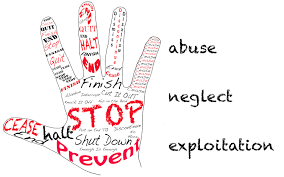
Every individual has the right to live safely and free from abuse and neglect. However, it is not always that every person lives this kind of life. People often fall into situations where they are vulnerable to abuse and neglect. It is important to note that abuse and neglect happens because people use power and intimidation to control another person’s life. Most of the cases of abuse and neglect are perpetrated by the people known to the victims.
However, strangers can also cause abuse to the people they do not know. The abuse that comes from the people known to the victims happens because the victim trusts their assailant. A feeling of trust and belief in the assailant makes it easy for victims to fall into abuse and trust quite easily.
There are many forms of abuse. Sexual abuses are acts that victims do not consent to, but are forced to participate in them. Physical abuses are in the form of assaults, slapping or hitting, just to mention a few forms. There is psychological abuse, which is in form of emotional abuse and verbal abuse, controlling the victim and threatening the person. Domestic abuse comes from a family member or relative. A victim can be abused through discrimination.
This kind of abuse causes unfair treatment of people from a different race, gender, religion, tribe, age or sexual orientation. People can also be abused financially, where one is forced to use or spend their money in ways that they do not feel are appropriate. Neglect is another form of abuse. This form of abuse means that the victim is left to suffer without proper care. In other words, when one fails to receive what they really need from their primary care giver, they are said to be neglected (NHS 2015).
Want help to write your Essay or Assignments? Click here
Task 1.1
The victims of abuse show certain signs that prove they are in an abusive relationship. One appears withdrawn and quiet. It is important to note that even for the people who are quiet, there is a form of withdrawal that is beyond the normal. The victims could become angry and aggressive, even in situations that do not require such emotions. In the case of John, mentioned in this case study, a victim can become unkempt and dirty.
In some extreme cases, victims have bruises, wounds and scars, to serve as proof that they are in an abusive relationship (CDC 2015). People like John have no power to stand up for themselves and fight back. This makes them vulnerable to harm inflicted by others.
Task 1.2
There are several factors that can lead to people becoming victims of abuse and neglect. Disability can cause a victim to suffer issues of neglect and abuse. This is because they have no power or capacity to do much for themselves. Secondly, the victims of abuse lack the capacity to understand their situation. For instance, a child has no capacity to comprehend what goes on in their home. This can cause the parents to be abusive to the child, knowing that the child lacks power to do anything about it.
The third factor that can cause people to become victims of abuse and neglect is the lack of physical, emotional or financial strength. For instance, a married woman who has no financial capacity to leave her abusive e spouse can become a victim of domestic abuse. In addition, a woman lacks the physical strength to fight a man, which means that she could become a victim of abuse (Kleinman 2015).
Task 1.3
Child abuse and violence against these young ones has dated back to the times before civilization ever took place. The culture and socially acceptable norms guide parents and guardians on the best way to bring up their children (Sperry and Widom 2013). One culture could advocate for disciplining the child by speaking and withdrawing privileges. Another culture believes that children need to be beaten, in order to instill discipline. Different cultures have different acceptable forms of parenting. The culture of a people serves as a source of beliefs and behavior and the concepts of how people should conduct themselves.
The diminishing status of the child in the parent-child relationship (WHO 2014) has affected the trust that should exist between children and their parents. Stalker and McArthur (2012) explain that social factors such as poverty can lead to abuse and neglect. Another social factor that can lead to abuse and neglect is social exclusion (Pillemer, Burnes, Riffin and Lachs 2016). The society tends to keep away from private issues. This forces many cases of domestic abuse to go unreported. Most people tend to argue that personal issues are not communal, which means that the victim suffers alone. Often, the society has the capacity to help the person, but people keep away from such matters for the fear of becoming victims.
M1
In response to the concern presented to the manager by Tina, the manager can take the responsibility by calling the parents to a meeting. One of the ideas to have in mind is that the manager has a role to play in the life of every child that comes into their facility. The manager can act as the guardian of the child by asking the parents to speak with a counselor about their issues.
This will help them to work on their frustrations, which they do not have to pass out on a three year old child. Secondly, the counselor can also call child social workers in case she sees that her approach is not yielding any result. A child social worker as well as a children advocate can help the manager to address the issue by having the child placed in foster care.
D1
Change means transforming practices that tend to be harmful to a vulnerable person. It is very important for organizations to change their practices. Many organizations can change certain unacceptable regulations and shape norms and new systems that promote health and safety. Another strategy that the nursery can use is to work with policy makers to give their suggestions and views about the issues that children go through in abusive situations. Policy makers can discuss and approve health and safety policies that protect the vulnerable groups from abuse and neglect (Promising Practice Network 2014).
Task 2.1
There are legislations that protect children and vulnerable people from abuse. The Care Act of 2014 places a general duty on the local authority to promote general wellbeing of individuals. The wellbeing of a person covers their physical and mental health, as well as their emotional well being. In addition, the local authority is mandated to ensure that the personal dignity of an individual is upheld, which means that people have to respect each other despite their age or gender.
This act protects the individual from abuse and neglect. The strength of this legislation is that it gives the local authority the capacity to ensure the individual has their wellbeing protected. There is the Safeguarding Vulnerable Groups Act 2006 and the Protection of Freedom Bills. This Act was passed to help avoid harm or risk of harm to children or the vulnerable adults. It prevents the people who are unsuitable to work with these vulnerable people (SCIE 2013).
Want help to write your Essay or Assignments? Click here
Task 2.2
There are professionals who deal with issues of abuse. Although many people tend to shy away from reporting child abuse cases. The fear that many people feel is that they will be breaking up a home. Others fear that the violent persons might start attacking them if they learn of the role they played in breaking a cycle of abuse. Another fear is that the report will not make a difference in the life of a child. However, it is better to be safe when it comes to the issue of a child. It is unfortunate that most people would rather be quiet about an abusive home than be involved (Committee on Child Maltreatment Research 2014).
The professionals that can be involved are child care providers and social workers. Child care providers could be in the setting of a school or a hospital. Observation serves as one of the best way to know a child who is abused. It is difficult for a child to hide their emotions and fears. Children who are victims of an abuse will often show fear on their faces. This is one of the signs to look out for in a child who is in an abusive home. Social workers are the agents who intervene in the cases of abused children. The social worker can take and place a child in a different home once the case of abuse has been proven to be true.
M2
It is important to understand the consequences of child abuse and neglect. A child who grows in such an environment is prone to physical and mental growth. In addition, a child can become hopeless about having a good life. A child living in an abusive home can have a very low self-esteem. The cognitive development of a child in an abusive home can be delayed. When these children are compared to their peers, these children often grow slower (Powell and Uppal 2012). In addition, their academic performance is poor.
The government can work with social workers and institutions of learning to reach out to the children who are in abusive homes. The fact is that every child has a right to having a good life. A good life, in this case, does not mean that the child has material property provided to them. The basic needs that are very important to a child are food, shelter, clothing and love. Children need a lot of love for them to cultivate a positive attitude towards life. The government should ensure that every child receives these things.
When one considers the reaction of the mother, it is clear that she avoids talking about the issues she faces. One of the strategies that can help the manager to deal with the issue of abuse is to separate the mother from the source of the harm. It looks like the mother is in a place where the issues she faces instil fear in her, to the extent that she is not able to defend her own son. The manager can ask the local authority to provide the mother and the child with some form of protection until their case is solved by the social workers who work with children.
The manager can work with the mother to understand the reason as to why she is reluctant to speak about the bruises that Tina reports to the office. From the mother’s point of view, the manager can address the issue armed with information from the guardian of the child. In addition, the manager can speak with the child so as to understand the situation in which they live. A child, at the age of John, does not know how to lie. This means that the information that John gives to the manager can be dependable. This information can be used by the manager and the concern parties to ensure that John gets a change of environment, which will ensure his own safety and health are protected.
D2
The nursery needs to recognize that their staff members need to understand how to handle cases of child abuse. The manager can organize training for their staff members. This will increase their knowledge on how to handle issues such as John’s within the school setting. The manager can organize with child-related organizations to address issues of handling children from abusive environments. These training workshops can employ the use of a trained social worker to pass information to the other staff members about recognizing and addressing the signs of child abuse. A professional in children’s issues can also help the staff members to know how to communicate with children.
Task 3.1
One strategy to use in addressing child abuse in the community is fostering relationships, coalitions and networks with different child organizations (CDC 2015). This means that the community together with other organizations helps address this issue. In this case study, John is a three year old boy. His care giver, Tina notices that he comes to school dirty and unkempt. Tina observes that John is not interacting well with his peers. The care giver also notices that the boy has bruises on his arms. When the care giver asks the mother, she evades this discussion. Tina and the manager can seek help from the other members of the community. This means that the care givers can use the other community members to face this issue.
The area networks that can be created to help these children. One of the arms of this network is the local authority. In the case of John, he has attended school with bruises. This means that John has been a victim of physical violence. The local authority can investigate the family from which John comes from. It is illegal to inflict harm on a child. As such, the local authority should confront this family in order to protect the child from such abuse.
There are religious groups that can work with the nursery to help the child and the family to heal from this abuse. It is important to understand the religious group with which John and his family associate. The hospital and healthcare providers can also form part of the network that deals with child abuse and neglect. It is important to involve the Ministries that deal with the welfare of Children. All these bodies alongside the nursery can assist John and his mother through the situations they have to face.
Want help to write your Essay or Assignments? Click here
Task 3.2
There is a disadvantage to engaging one approach. The adoption of one approach means that the problem is dealt with at the individual level. This means that the broader scale will remain the same. It is important to change the societal norms and systems. It will therefore mean that the settings in the society will have to go through changes or instance; the people have to learn the effects of child abuse on the child as well as the society. For instance, a child from an abusive environment tends to grow depressed and with a negative image of life. As such, these people tend to be poor performers even at the workplace. If the society can change such issues, then it means that the community benefits in a more profitable way.
It is important to combine approaches, which will address the child abuse issue. The community needs to strengthen the individual’s knowledge and skill in combating child abuse cases. This could include demonstrating to individuals how to promote safety within schools and the society. For instance, it is important to know how to deal with a parent who argues that their disciplining methods are not abusive, yet their child has bruises on their body.
The promotion of community education (Powell and Uppal 2012) in such matters helps the entire community know and use their acquired knowledge to deal with these issues. This strategy uses reaching groups to educate the community. These groups provide the community with information and resources on how to promote health and safety for the vulnerable groups in the society (Promising Practice Network 2014).
Task 3.3
In many cases, child abuse cases happen to children who cannot stand up for themselves despite the pains they face (WHO 2014). Many of the children from abusive environments have to live with threats from their assailants. Often, they are forced to keep quiet about their ordeals. The assailants often threaten the victims to remaining quiet about their attacks. As such, children fear the consequences of sharing their issues with a person who is not their primary care giver. The staff members need to learn how to address these children, giving them hope and assurance of their safety. This means that the nursery can train its staff members on how to handle young children who live in fear.
There is need to constantly review and update the practices that are used in protecting children from abuse. The government and the policy makers need to create collaborations with people who work with children. This will ensure that every concern party makes a significant contribution to the policies and laws that protect children from abuse. It is the responsibility of the community to ensure that every case of child abuse reaches the relevant authority. This means that the community can work together to protect the children and the vulnerable people from abuse and neglect.
In order for the community to understand how they can address the issues of child abuse and neglect, they need to be equipped with information and resources in this field. Community social and health workers can organize programs that teach the community members on the measures to take when they learn of a case of child abuse. In addition, parents can take education and training programs to show them how to handle themselves in a case of child abuse. People need to grow out of the fear that their intervention can bring about destruction in a family. Protecting a vulnerable person from abuse gives the victim a chance to have a better life.
Conclusion
The cases of child abuse have been in existence in our society for a very long time. It is important to know the organizations and the networks that one can use to ensure that these children grow in safe and healthy environments. The groups that are susceptible to abuse need protection from assailants. The local law enforcement needs to get involved in the systems that help ease the pain for these people.
In order to help a victim of abuse and or neglect, it is important t understand the type of abuse they go through. The signs of abuse are not very obvious, especially when physical evidence is absent. It is therefore important to have knowledge on all the signs of abuse, before any assistance can be rendered to the victims.
Pillener, K., Burnes, D., Riffin, C., and Lachs, M. 2016. ‘Elder Abuse: Global Situation, Risk Factors and Prevention Strategies.’ The Gerontologist 56(2): S194-S205.
Powell, J. and Uppal, E., 2012. Safeguarding Babies and Young Children: A Guide for Early Years Professionals, Berkshire, McGraw Hill Education.
Sperry D. M. and Widom, C. S. 2013. ‘Child Abuse and Neglect, Social Support, and Psychopathology in Adulthood: A Prospective Investigation.’ Child Abuse and Neglect Vol 37(6): 415-425.
Stalker, K. and McArthur, K., 2012. ‘Child Abuse, Child Protection and Disabled Children: A Review of Recent Research.’ Child Abuse Review Vol 21 (1): 24-40.
Human Resource Management in Health and Social Care
Want help to write your Essay or Assignments? Click here
Human Resource Management in Health and Social Care
Introduction
Recruiting efficient workers remains an important factor to the success of every organization. Consequently, organizations adopt approaches involving training and developing the most effective employees. Within the health and social care fields it is imperative measures aimed at understanding systems used to monitor and promote the development of employees are integrated. The paper explores the various legislative frameworks of human resource management that must be observed during recruitment processes. This includes exploring leadership theories which can promote effective team spirit. This is particularly important to progress the healthcare organization leadership and management of the employees as well as the recruitment processes.
Task 1
Factors to Be Considered in Planning and Recruiting Individuals
Many health institutions today have significantly increased their attention towards human resource management. Human resource is the major principle of health systems alongside physical capital (Sumelius, Björkman, Ehrnrooth, Mäkelä, & Smale, pp. 569. 2014). Human resources in relation to health can be termed as diversified non-clinical and clinical staff in charge of both private and public health care. It is important to consider the fact that the most significant input in the health system is its presentation and the benefits realized from these systems.
This basically relies on the skills and knowledge of the workers in the health care departments. It is also equally important to note that the workers require motivation so as to be able to offer quality services (Sumelius.et, al.2014). As it the case in physical and human resources, it is equally important to keep equilibrium between caretakers and health promoters to make sure that success is achieved.
Due to the differences between physical and human capital, it is crucial that the later should be managed in an extremely different way from the physical capital. It is also vital to note that the connection between health care and human resource is extremely complicated and should be studied further.
The cost incurred in health care facilities is rising radically due to an increased cost and number of disposable equipment’s and drugs. In cases where these facilities are funded publically, it has become practically hard for them to employ and maintain efficient health workers (Sumelius.et, al.2014). It is essential to consider that human resource management should be urbanized so that a suitable balance between the workforce contribution and the capability of health workers to perform successfully and professionally can be achieved. It is important to know that those practicing in the health care institutions should access high-quality equipment’s in order for them to be efficient.
The most important factor that forecast on HR requirements includes turnover rates, financial capacity and turnover rates. Human beings are social beings and thus cannot live or work in isolation. Human resource management in today’s human resource is one of the critical fields in healthcare as it involves management of an extensive and intense field. The HRM is accorded the capacity to deal with management issues in terms of Human resources (Sumelius.et, al.2014).
Strategic Human resource management therefore deals with an organizations most valuable asset that are required in the management of an organization purposefully because this resource aids in individually and collectively supporting in the achievement of an organizations objectives as well as its productivity.
The Relevancy of Legislative Measures and Policy Frameworks of UK In the Selection, Recruitment and Employment Process of Personnel at Hounslow Care Ltd
It is necessary that each and every country has its own rules and policies that guide them in the recruitment, selection and employment of personnel. Therefore, it is vital for Hounslow care ltd to apply related policies. It is important to note that the prevailing laws in the United Kingdom gives equal opportunities for every citizen irrespective of the race, religion, community or even gender.
The United Kingdom government provides laws and policies that govern the employment, selection and recruitment of a new workforce. The major laws involved in Hounslow care ltd includes The Race Relation Act, Sex Discrimination Act, Employment policy, legislation Employment Relations and lastly but not least The Race Relation (Colvin, & Gough, pp. 1019. 2015). Legislation Employment and Employment policy helps to ensure that equal wages are paid to the employees and also enforces the tribunal methods of employment are adhered to.
The Sex Discrimination Act in this case protects the employees from discrimination within this organization considering the fact that those seeking for job opportunities are frequently discriminated directly or indirectly. Direct discrimination may entail rejecting their training, denying them a promotion, giving hostile conditions or even worse, rejecting people because of their secluded characteristic (Colvin, & Gough, pp. 1019. 2015). On the other hand, indirect discrimination occurs in situations whereby the terms and the policies of the organization do not favor those individuals with particular protected characteristics.
The Employment Act principally deals with conflict declaration and achievement of the required principles of employment. Hounslow Care ltd is currently focusing on employing more qualified personnel that caters for the whole society. In order for them to effectively achieve this, they must uphold and sustain applications primarily from the people that are not represented in the institution (Colvin, & Gough, pp. 1019. 2015). Additionally, there is a need of supporting the applicants who are bound to feel that equality and justice is not achieved within a recruitment process so that can easily have their issues addressed.
Want help to write your Essay or Assignments? Click here
Evaluation of Different Approaches Used to Ensure the Selection of the Best Personnel’s at Hounslow Care Ltd
In achieving this, it is essential to take cognizance of the two main procedures that should be followed during selection of workers. This includes interviewing candidates through conducting tests in the centers. An additional approach includes evaluating and ensuring that the candidate is well equipped and can offer high quality services (Hollenbeck, & Jamieson, pp.380. 2015).Therefore, it is highly essential for Houslow Care ltd and other health institutions to adhere to these approaches so that they can be able to choose qualified workers.
It is important to know that conducting interviews is the most crucial step when choosing employees. When conducting interviews, the interviewer talks about the candidate’s impersonation and can make any conclusion (Hollenbeck, & Jamieson, pp.380. 2015). The main advantage of interviewing is that the candidate can easily be evaluated by the interviewer with no possible mistakes since it is one on one.
Additionally, this aids in choosing the best out of the candidates since the interviewer is able to distinguish a more confidence candidate. Another approach that can aid in choosing excellent employees is the use of tests where every candidate conducts a test concerning the type of job that is being offered. It is usually assumed that the outcome of the test depicts the job applicant’s mindset.
(M1). Critical analysis of the different approaches of the recruitment process employed in recruiting individuals at Hounslow Care Ltd
In developing an effective approach of recruitment aimed at aiding in the employment of individuals at Hounslow Care Ltd, it is significant that the job description is clearly developed and that give information on the detailed aspects of the job that include the responsibilities, pay, and reporting requirements. On the other hand, there is a need of developing a skills inventory and a job posting strategy. This clearly gives a depiction of the systematic interview process to the candidates as well.
Task 2
2.1 How Individuals Interact In Groups within Health and Social Care Settings
2.1.1: Interaction Stage as one of the Faces of Forming
Armstrong believes that the forming phase implies to the high reliance on leadership as an approach for guidance. Employees within these systems await information on determining what is new with everyone within this system, thus retaining their selves’ as cautious, polite and well organized (Armstrong & Laschinger, pp.134, 2006). During this point, the individuals learn to cope with the opportunities and challenges ad try to agree to specific matters in handling tasks, and responsibilities effectively.
In order to ensure that interaction and communication is effective between the group members and the co-workers, it is vital that everyone acquires the opportunity to share thoughts, information, and ideas with the aim of knowing each other.
2.1.2: Storming
Armstrong alleges that various ideologies are determined to differ within this step for deliberation. Within the step of storming, teams or groups are determined to identify various issues and derive approaches of effectively solving these issues. Storming therefore remains one of the vital steps for a group’s growth (Armstrong & Laschinger, pp.134, 2006). However, this may turn out to be a challenge for individuals within the team who have an issue with disputes.
This therefore determines the fact that every individual within the team needs to reflect patience and have the capacity of bearing to the issues since avoiding the element of tolerance and patience within a group may turn out to be a challenge in achieving success within an organization. The efforts of the managers and the supervisors are therefore essential in directing leadership and behavioral patterns within the process.
2.1.2 Norming
The Norming stage is another essential stage that allows the group members to agree, frankly discuss issues in regards to their views and ideologies with the aim of adjusting to the behavioral patterns and attitudes of the others with the aim of developing an effective work habit (Rodgers, pp. 373.2014).
This therefore sees the members of a team agree in the rules and values including the change of methods and the inclusion of professional patterns. Managers and supervisors are bound to turn out as more energetic with the capacity to improve more.
2.2. Approaches Used By the Staff within Different Levels in Promoting Efficient Team Work at Hounslow Care Home Ltd.
It is imperative to determine the fact that there is not a single developed approach that may be considered as essential in working with a team collaboratively (Rodgers, pp. 373.2014). This is attributed to the fact that teams are unique and need to locate their own collaborative working methods in an effect manner. In consideration of Hounslow Care Home Ltd, there is a need to take consideration of the following approaches in establishing an effective team working relationship.
There is a need to ensure that the core objectives of a team and understood explicitly and accepted by every individual.
There is a need to consider the diversity of personality’s ad skills as one of the essential factors in ensuring a team is effectively working. This therefore requires that the members of a team employ their strengths in supplementing the weaknesses of others.
It is important that the levels of transparency and understanding about the responsibilities of the employees is understood clearly.
The members also need to discuss about some of the different subjects that allow them to meet at a point of agreement. This requires that they are provided with the opportunity that grants them social time, a factor that opens communication.
Cultivating trust within the members of a team through the spending of personal time with the team members is essential in understanding the team members.
Engaging the group members within activities that are socially inclined mitigates the barriers that may hamper the performance of the team.
D.3 Creative Thinking in the Planning, Development and Building of an Effective Team in Hounslow Care Home Ltd
In this case, one of the essential elements that I considered in developing an effective group in this organization was to ensure that the diversity of the group members was considered in the formation of the group. This helped in blending different individuals with different traits and abilities within the group, a factor that developed unity of purpose within the group.
Task 3
3.1 How the Performances of Employees Working Within the Health/Social Care Can Be Appraised
The element of performance management entails a process that seeks to establish a shared understanding on the aspects that need to be achieved and the manner in which they can be achieved in managing people, a factor that increases the chances of an organization in achieving success (Downey, Lee, & Stough, pp. 280.2011). This therefore determines the fact that several approaches developed to measure performance within an individual in the health care sector and social organization.
The approach in this case involves the improvement of the candidates, marketing and performances, a factor that determines the appropriate avenues of improving the performance levels of individuals, the evaluation of specified standards through the inclusion of tests and fixing of standards that need to be achieved. The manner in which performances of individuals are measured is termed as performance appraisal (Downey, Lee, & Stough, pp. 280.2011).
There are five primary approaches of performance evaluation that includes: measurement, feedback, inclusion of positive reinforcement, the sharing of ideas and reaching an agreement. Measurement means the achievement of an organization goals established, with the individual performance level requiring appraisal.
When this information is provided, the individuals within an organization are determined in reference to their performance and progress, a factor that provides feedback (Downey, Lee, & Stough, pp. 280.2011). Positive feedback in relation to criticisms needs to be made in regards to the matters that need to be developed, a factor that initiates a positive and constructive reinforcement.
The exchange and sharing of ideas within the next phase in a situation where challenges are faced is measured with the aim of determining the way of recovering performance. Agreement determines the last phase in which employees are considered to understand their objectives and targets and how these may be achieved.
3.2 Individual Training and Development Needs and How They Can Be Identified At Hounslow Care Home Ltd.
In order to identify the development and training needs of the employees, the organization needs to re-evaluate their institution’s business goals with the aim of addressing the crucial activities that include the monitoring of performance quality, the assessment of problem domains, the evaluation of weak points and appraisal (Van Bogaert, Peremans, Diltour, Van heusden, Dilles, Van Rompaey, & Havens, pp.12. 2016). It is essential to consider the fact that everyone has flows and need to keep updates on where there is a need of expanding their knowledge base.
After a close observation and measurement of the employee’s performance and progress, the outcomes are achieved that enables the organization to understand the population’s training needs and what is required during training. In this case, having a clear understanding of the employees at Hounslow care Home Ltd helps in developing appropriate training approaches for the employees.
Hounslow care Home Ltd needs to provide the employees with appropriate training resource’s that are aimed at completing the learning process and that advances the aspect of knowledge acquisition and improves the skills expertise, ideas, concepts, and behaviors of employees progress and performances (Van Bogaert, et.al,2016). This can be depicted in an instance where the employees within this organization lack proper communicational skills. After measurement and evaluation, the management of the organization developed a training program aimed at developing these skills among the employees
3.3 Different Strategies Aimed At Promoting the Continuing Development of Individuals in This Sector
Performance incentives and feedback remains fundamental within an organization and that are developed to promote the continuous development of employees within the healthcare sector. Performance feedback infers to a vital approach developed to enhance and boost the performance level of employees in cases where feedback is not provided on how individuals may understand on the performances done (Decramer, Smolders, & Vanderstraeten, pp.354.2013). In this instance, employees need to have information in regards to how they can enhance their professional careers within the sector.
Through performance feedback’s, the positive and the negative individual’s within an organization are given the opportunity to solve issues since this aspect updates them on their weaknesses and mistakes and provides them with the opportunity to learn. Performance feedback does not only enlighten the employees on their weaknesses, but provides them with the recommendation of how they can be trained (Decramer, Smolders, & Vanderstraeten, pp.354.2013).
Appropriate performance based incentives are essential in motivating the employees and considers the increments of wages and the provision of training and developmental programs as part of the benefits enjoyed by the employees.
D1) How to Monitor My Own Personal Training and Development Needs
In determining my personal training and development needs, it is important to consider the level of productivity within my department. This can be determined through the evaluation of the achieved goals in relation to the organizations goals that will determine the need of training and development.
Task 4
4.1 Leadership Theories That Apply In This Industry
There are two main theories of leadership that affect health care facilities which include situational and behavioral theory. Behavioral theory is the same as characteristic theory. Nevertheless, the most important aspect of this theory is for people to understand what leadership entails, a factor that makes this uncomplicated when teaching about leadership (Findley, Matos, Hicks, Campbell, Moore, & Diaz, pp.1884. 2012).
However, this theory was discovered due to the disapproval of trait theory after which the experts decided to carry out a detailed investigation about the manner in which flourishing leaders conduct themselves. According to this investigation, it was concluded that most leaders are prone to more power instead of association. Additionally, it is essential to note that the majority of efficient and prominent leaders are generally temperate.
Theoretical theory explains that leadership patterns and styles commonly depend on the level of leadership. The theory also alludes to the fact that the most successful style of leadership is determined by the conditions under which leaders are subjected to. According to this theory, it is equally important to understand that leadership has three main branches which include democratic, laissez faire styles and authoritarian. Among the three, it is considered that authoritarian is the most efficient especially for the period of disaster (Manroop, Singh, & Ezzedeen, pp.780.2014).
However, if a leader decides to use this method every time, it ends up failing since it does not gratify the members. On the other hand, a leader who uses the democratic form of leadership successfully runs his empire since it is most simple and suitable for many situations. These mentioned methods have some boundaries and clearly, there is no style that can be termed as the leading method. It is also important to apply some undemanding principles which might not be necessary in some cases.
Application of these Theories in this Industry
Since the behavioral theory of leadership aids in reaching to an agreement, it should be used in both social and health care institutions. If this theory is formulated within the conceptual framework of an organization by the leaders in social workplaces, it would be exceptionally easy for t to administer responsibilities and duties for the subordinates. On the other hand, situational theory is more useful in areas where more complicated issues are involved.
4.2 How working relationships can be managed at Houslow care Ltd
Every worker in Houslow care ltd should be positioned accordingly so as to ensure that work is easily monitored. On the other hand, there are other aspects that can be used to ensure that work is administered effectively (Mitchell, Obeidat, & Bray, pp.901. 2013). For example, trust is the main fundamental aspect of any working environment. All employees in Houslow care ltd should know that in any working environment, innovation is very much necessary in order for the organization to offer effective and quality services. They should also consider the fact that communication and mutual understanding among the employees is also very vital.
4.3 Evaluating the developments that have been influenced by management approaches
Leadership basically refers to a dynamic and lively relationship between workers and leaders who have a universal interest and are principally motivated by better results (Mitchell, et.al.2013).Team working means working collectively in order to jointly achieve the goals set by an organization.
Actually, team working is the most crucial aspect and each institution should apply as it helps the workers to perform their duties effectively. According to some assessments that have been made, it is important to know that teamwork generates incredible performance and thus should be highly recommended (Mitchell, et.al.2013). Recruitment on the other hand entails choosing the most qualified candidates amongst the many who turn up for interviews. In addition, employers should adhere to some fundamental rule’s including gender discrimination and equal opportunities.
(M3) Comparison of how different leadership styles can be used within your branch of Hounslow Care Ltd
It is important to consider the fact that leadership remains an essential element for any entity. Different managers present different leadership styles in impacting productivity among the employees. However, it is important to note that an effective leadership style would impact the growth and development of the organization immensely.
Employing the delegative approach of leadership would not be an effective approach of leading the organization and the employees to the achievement of their goals since the leaders are in most cases bound to arrive on decisions on their own. However, the participative leadership approach would be effective since the leaders include the participation of the employees in the decision-making process, a factor that would yield results in this organization.
Want help to write your Essay or Assignments? Click here
D2. How to address the dilemma of a member of staff who was underperforming
Many organizations consider firing their staff members who do not perform within their organizations. However, it is essential to consider that the underperforming staff members are sometimes affected by some work related situations that hinder their performance. This would therefore require an approach that would ensure that the staffs are motivated and are trained to remain productive within the organization.
Conclusion
This study has in this case discovered that recruiting best workers is important to every organization. This paper seeks to describe the approaches which involve training and developing the most effective employees. The aims at improving at understanding systems used to monitor and promote the development of employees so that they can work as a team.
Decramer, A, Smolders, C, & Vanderstraeten, A 2013, ‘Employee performance management culture and system features in higher education: relationship with employee performance management satisfaction’, International Journal Of Human Resource Management, 24, 2, pp. 352-371, Business Source Complete, EBSCOhost, viewed 14 April 2016 Retrieved From; http://search.ebscohost.com/login.aspx?direct=true&db=bth&AN=83561511&site=ehost-live
Downey, L, Lee, B, & Stough, C 2011, ‘Recruitment Consultant Revenue: Relationships with IQ, personality, and emotional intelligence’, International Journal Of Selection & Assessment, 19, 3, pp. 280-286, Academic Search Premier, EBSCOhost, viewed 14 April 2016.Retrived From: http://search.ebscohost.com/login.aspx?direct=true&db=aph&AN=64905370&site=ehost-live
Findley, S, Matos, S, Hicks, A, Campbell, A, Moore, A, & Diaz, D 2012, ‘Building a Consensus on Community Health Workers’ Scope of Practice: Lessons From New York’, American Journal Of Public Health, 102, 10, pp. 1981-1987, Professional Development Collection, EBSCOhost, viewed 14 April 2016. Retrieved From: http://search.ebscohost.com/login.aspx?direct=true&db=tfh&AN=82041368&site=ehost-live
Hollenbeck, J, & Jamieson, B 2015, ‘Human Capital, Social Capital, And Social Network Analysis: Implications For Strategic Human Resource Management’, Academy Of Management Perspectives, 29, 3, pp. 370-385, Business Source Complete, EBSCOhost, viewed 14 April 2016. Retrieved From: http://search.ebscohost.com/login.aspx?direct=true&db=bth&AN=109373294&site=ehost-live
Mitchell, R, Obeidat, S, & Bray, M 2013, ‘The Effect of Strategic Human Resource Management on Organizational Performance: The Mediating Role of High-Performance Human Resource Practices’, Human Resource Management, 52, 6, pp. 899-921, Business Source Complete, EBSCOhost, viewed 14 April 2016. Retrieved From: http://search.ebscohost.com/login.aspx?direct=true&db=bth&AN=92038564&site=ehost-live
Sumelius, J, Björkman, I, Ehrnrooth, M, Mäkelä, K, & Smale, A 2014, ‘What Determines Employee Perceptions of HRM Process Features? The Case of Performance Appraisal in MNC Subsidiaries’, Human Resource Management, 53, 4, pp. 569-592, Business Source Complete, EBSCOhost, viewed 14 April 2016. Retrieved From: http://search.ebscohost.com/login.aspx?direct=true&db=bth&AN=97119660&site=ehost-live
Van Bogaert, P, Peremans, L, Diltour, N, Van heusden, D, Dilles, T, Van Rompaey, B, & Havens, D 2016, ‘Staff Nurses’ Perceptions and Experiences about Structural Empowerment: A Qualitative Phenomenological Study’, Plos ONE, 11, 4, pp. 1-14, Academic Search Premier EBSCOhost, viewed 14 April 2016 Retrieved From: http://search.ebscohost.com/login.aspx?direct=true&db=aph&AN=114181107&site=ehost-live
Want help to write your Essay or Assignments? Click here
Want help to write your Essay or Assignments? Click here
The Lighthouse Project
Introduction
The Lighthouse project was initiated by a self-help group. It entails the giving new faces on existing apartments on principles that are environmentally sustainable to offer permanent accommodation for individuals that are vulnerable with special needs. With an aim of preservation of health through HIV therapy and substitution, the residents are provided a wide range of social, medical as well as training opportunities.
Description of the Project
Aims
The Lighthouse project aims at offering high quality accommodation opportunities with the necessary social support for individuals that are homeless and are suffering from HIV/ AIDS, mental problems, and drug addiction problems.
The Lighthouse project has been described as one of the most prominent projects of its own kind across the globe. In March 2000, the project opened its first apartment. Currently, it is providing accommodation to over 60 individuals through its renovated apartments in Vienna. It is great importance to note that the refurbishment of these structures is done using principles that are environmentally sustainable.
Most of these apartments were in poor condition and the owner had leased them at no charge as he could not afford to renovate them completely. The Lighthouse project managers resolved to use phases to improve the property. The renovation costs have been kept significantly lower compared to the cost of similar buildings across Vienna due to the careful design of the structures and use of volunteers.
The renovation process involves installation of new windows, revamping of the street front wall, use of active and passive solar systems, sound and heat installation, and lastly installation of energy and water systems. The inhabitants take part in the process by individually designing their living spaces using colors and materials. Care is provided to make sure that the residences do not have the environment of a shelter for the destitute persons.
Next, the project concentrates its efforts on putting an end to crime, health preservation through provision of HIV therapy, counseling of drug addicts, prostitution, social, and psychiatric stabilization.
Want help to write your Essay or Assignments? Click here
Why is the Lighthouse project Innovative?
Some of the reasons that have been pointed out the innovation of this project include;
It is the only accommodation project in Australia that specifically addresses the needs of persons suffering from HIV and AIDS,
Concentrates more on health conservation instead of detoxification and reducing dependency,
Refurbishment involves use of environmentally sustainable techniques,
Has developed integrative care support concept, which hinders residents from moving from one place to another seeking support.
What is the impact of the Lighthouse project on the environment?
The project entails adaptive re-use of existing buildings. The constructors re-use some of the demolition materials from the buildings such as doors and bricks and the floors have not been replaced but renovated. The project also refrains from using materials that could be of possible harm to the residents. Internal areas are greened to promote the creation of a healthy microclimate.
In addition, the Lighthouse project involves recycling of grey water for plant watering and flushing of toilets. All basic hot water requirements are provided through solar thermal installation. The residents are also guided on energy saving techniques, high efficiency appliances, and sensor lights. All emissions caused by oil, coal, and wood were eliminated through a district heating system connection.
Is the project financially sustainable?
The organization’s work is funded by a number of sources such as the Revenue Funding Support (RFS) provided by Social Service System (SSS) in Australia. Its achievement has further attracted new supporters including banks, church organization, large companies, and Rotary Club.
Residents are advised to make financially sound decisions so as to increase their income. For instance they are encouraged to buy annual bus passes which are cheaper hence avoiding the problem of being arrested and fined every now and then for not paying bus fare. Majority of these inhabitants are very vulnerable and take several years before they acquire full-time jobs. However, those who are more stable are offered education after which they are assisted in finding work. There is no limit on the duration of stay in the apartment, although residents who become stable are encouraged to shift to the external flats while continue to receive support.
Want help to write your Essay or Assignments? Click here
Social Impact of the Project
The project’s primary goal is to encourage individuals who are on the edge of the society to engage in mainstream activities of the society again. Residents are offered social support so that they can gain from the benefit support system and enjoy the benefits such as medical care that they are entitled to. The project managers further organize appointments with job centers, doctors, and public authorities. The project contacts wishing residents to their families and friends. Support workers make regular visits to the apartments.
Live-in staff is also positioned in areas where residents are more vulnerable and less stable. The residents are given targets and a timeframe of achieving them. One of these targets is reduction of dependency on substitutes of medical drugs and achieving independent accommodation. Independence is steadily attained until the inhabitants are deemed stable enough to acquire their own apartments.
Occasionally, residents have been subjected to resistance by inhabitants in the apartment block after relocation. The organization has been taken to court more than five times by inhabitants who attempt to evict the residents. However, the resistance lasts for a short time, not more than three years. Some neighbors are friendly enough and are willing to help the project.
The residents have been enrolled in a flexible financial management system that ensures they do not spend their monthly income within three days only. Money is handed out daily, weekly or fortnightly depending on each resident’s personal ability with a goal of attaining independent financial management. The residents are provided with important training that equip them with appropriate skills for job application or starting their own jobs. Moreover, excursions, trips, and activities of leisure time encourage these inhabitants to have confidence in themselves and acquire essential life skills.
The health of these vulnerable individuals has also been improved significantly through food provision, medical aid, and 24-hour support system. Significant increase in health has also been realized due to the introduction of drug management regimes. For instance, in 2004 five patients with hepatitis C were cure as a result of psychiatric and social stabilization of the residents. The residents are also assured of greater safety in the apartments unlike in their previous street life. The residence of these inhabitants is also integrated strategically into existing inhabited areas, away from urban centers where the residents can gain easy access to the drugs.
Challenges of the Project
The major challenge that the Lighthouse project has faced is massive resistance experienced in the first three years of its commencement in Vienna City, the neighbors, and the authorities. However, the opposition has since been prevailed over and both the City of Vienna and the neighbors have acknowledged that the project is a serious and essential venture.
Lessons Learned from the Lighthouse Project
Individuals with drug problems have substantial problems before progressing into drug addicts. These problems have to be solved first for them to be stabilized. It is nearly impossible to stabilize them without solving their initial problems
Survival is secured by structured decisions. For instance, denying unstable residents large sums of money decreases the number of overdoses.
Attractive residential places promote stabilization by the clients who will endeavor to take care of it
For rules to be observed, they should be simple and clear
Everyone is different. Among drug addicts there individuals that are quite reserved. Such individuals have to be advised to accept help. They need to be constantly reminded that there are boundaries to what is feasible and possible. This project has always sorted to using different approaches for different individuals.
Take people seriously and respect them. Compassion is an important determinant of stabilization for those persons that are not strong enough.
Want help to write your Essay or Assignments? Click here
Project Evaluation
Careful and regular internal surveillance is conducted on the organization’s activities. The assessment studies have revealed that inhabitants live healthier and longer, both mentally and physically after enrolling in the Lighthouse project. The levels of prostitution and crime have shown a considerable increase and the City of Vienna has concentrated its efforts to better the condition of the homeless individuals by encouraging the Lighthouse project managers and others to establish more shelters for the homeless.
QUESTION 2
Lighthouse project is a non-profit social project that works to provide shelter and housing to substance dependency people who are HIV positive and are kept out of state owned housing centers because of their HIV status and drug addiction. It works with a lot of efforts to provide housing and also daily affairs and requirements to this group in the society. This project is in Vienna and was founded in the year 2003. This body operates under the management of a professional team that consists of social workers, drug counselors, life coaches, cleaners, psychotherapists, mediator, general practitioner, nurses, civilian servants and internships (Hawdon & Kleiman, 2011).
In country Azerbaijan, the National policy and legislation have taken into account the needs and interests of injecting drug addicts and prisoners and safeguard access to wide-ranging HIV treatment and care services. A balance has been struck with efficient and evidence based interventions so as to safeguard the quality of life of drug users and the society at large through measures that lessen harm (Hawdon & Kleiman, 2011).
The differences between country Azerbaijan and the Light house project on the treatment of people who are drug addicts and live with HIV virus
The lighthouse project works on four kinds of groups in the society unlike the drug addiction treatment program that works on only one group of individuals in the society. The lighthouse project works on the homeless that it provides with housing and shelter facilities. It also works on the persons living with HIV and AIDS to whom it gives medical care, diagnoses, therapy and even counseling. This body also serves individuals who have drug and substance dependency to whom it provides care and rehabilitation services.
Moreover, the lighthouse also focuses on the people living with hepatitis and psychiatric disorders to which they offer diagnosis, therapies, care and treatment. The drug addiction treatment program, unlike the lighthouse project, only works on one kind of group in the society. This is the group of people who are drug and substance addicts. This body only does the treatment and rehabilitations programs to this group of people.
The lighthouse project of Vienna provides housing and shelter facilities to the homeless and the needy. The body has apartments that are furnished specially for the homeless, the sick and the drug addicts under rehabilitation process. The lighthouse is reported to possess an apartment with the capacity of more than 60 individuals. The houses in the apartment are well furnished to suit the special requirements of the needy and the sick individuals.
Different from all these, the drug addiction treatment program in Azerbaijan do not offer accommodation services to their patients. They only offer treatment and rehabilitation services to the patients who are only the people who are under serious drug and substance addiction.
The light house project standard and keen internal assessment is conducted in the organizations activities. The evaluations have indicated that the inhabitants lead a healthier lifestyle both mentally and physically hence they live longer. Some members have already shifted to living independently which they are satisfied with and the crime levels and drug use have reduced considerably, while in Azerbaijan, the studies show that there has been noted an increased rate of the use of drugs spread among people as some are sex workers who believe they enjoy sex better while on a drug (Mathers et al., 2010). Also use of injection syringes has contributed to increasing number of people getting infected with the virus.
In the light house project there are efforts to help people solve their problems. People who are addicted to drugs have faced substantial troubles and in order to stabilize their tribulations should be solved unlike Azerbaijan where no efforts have been made to get closer to the people so as to gain a better understanding of their reasons for doing such things. People dealing with their own issues the best ways they can has made them get lost in the abuse of those drugs which connects to the spread of the virus as they inject themselves with syringes.
In the light house project crucial decisions are made for the beneficiaries such as reducing the opportunity for them to have a lot of money at any moment which is meant to ensure that their number of doses are regulated, unlike in Azerbaijan where people have their accounts pooled with amounts of money and since there is no restriction to drugs, they may spend as they wish given that these drugs are easily available near them (Degenhardt & Hall, 2012).
In the light house project, at least the most in need persons have been considered first given that resources may not be actually enough to cater for all who have needs but such as these have been provided with the optimum help possible. The residence has been made beautiful to encourage the clients to stabilize and take care of them. In the Azerbaijan, even the least privileged people have not yet had an access to the help of the nation to such offers as of light house project.
Everyone is different and this is still the case to people who take drugs. Thus they should be advised to accept help although some are usually very vulnerable but they have to be reminded that there are boundaries to what is possible and achievable. The light house project tries to find an individual approach that is unique to each person in order to help them change and improve their lifestyles. Taking people seriously, taking notice of them as well as respecting them. Empathy is very key in helping those who are weak to stabilize.
When you look at Azerbaijan the case is very different. There has not been any effort to get closer to the people so that they may have a deeper understanding of the issues affecting the people (Sharg et al., 2011). This means therefore the efforts made would just but be a waste of resources since they are not focused on the individual needs of the affected persons.
The apartments provided by the light house project are integrated into existing residential areas not near the urban drug markets meaning that the residents are able to live in much greater safety than the previous life in the streets. This also ensures that they do not have quick access to drug supplies hence playing a role in decreasing their drug abuse. When we check on the case of Azerbaijan, since people live in the areas they want to, which could also be in towns centers or near urban areas, their access to drugs is very open thus increasing their vulnerability (Joint United Nations Programme, 2011).
Want help to write your Essay or Assignments? Click here
Similarities of the light house project and country Azerbaijan on the treatment of people living with HIV
In both the light house and the Azerbaijan there have been efforts to make public awareness of the fast spreading majoring on the youths. People have been made aware of the possible ways in which the virus is spread to increase the probability of people being in a position to take better care of themselves. For example in Azerbaijan there has been conferences held where the youth got into a forum and they were talked to on the many ways the virus spreads while also being encouraged to be on their guard.
In both the light house project and country Azerbaijan there are efforts to prohibit the discrimination of persons that are drug users. In many areas severally people who abuse drugs and live with the virus have faced a lot of challenges due to people refusing live and work with them. Efforts to enlighten the public are being considered so that they can be able to accommodate these people as fellows in the society (World Population Prospects, 2012).
The Lighthouse project and the drug addiction treatment program face a similar problem of resistance from the potentially needy people. Some of the people who are described by these bodies to be potential candidate for the care and treatment services literally reject the offer of help made to them. This is so because some of them feel discriminated and belittled by getting a call for the free care and treatment services.
Most of these people feel ashamed and financially discriminated to give in to the call of tree health care services and the drug addiction treatment services. The HIV positive suffer stigmatization because of this and hence become bold less to give in for the treatment and care programs. Similarly, the drug addicts always have the doubts of the loyalty of the treatment centers. They always feel like it is a trap into the hands of the police if they give in the calls for the free treatment.
In both light house and Azerbaijan, people have been greatly encouraged to use protective means during sex to reduce the probability of spread of the virus. Use of condoms for example can be of great importance in reducing the spread of the virus. Also refusing to share syringes when they take drugs is also part of what has been emphasized.
In both the light house and Azerbaijan there have been seminars and workshops that are opened to anybody willing to attend and they are aimed at strengthening prevention activities. Through these seminars and workshops, people are educated and enlightened by professionals on the ways of drugs negatively impact their lives. People are allowed to ask questions which are answered frankly and elaborated and they are supplemented with films concerning drug abuse.
It is so evident that both the lighthouse project and the drug addiction program face a difficult and tough encounter with the police during the course of their work. The police have been reported to be one of the most serious drug trafficking bodies in both Vienna and Azerbaijan. These two bodies face similar challenges confronting and challenging the police departments over involvement in drug and substance trafficking. The police are always hidden under the law in the name of being called law enforcers. They get involved in sales and transportation of drugs and substances and always become so difficult to curb because if anything, who dares to question the transparency of the law enforcing body? (Hawdon & Kleiman, 2011).
In both the light house and Azerbaijan, regardless in the difference in their services, there has been efforts in providing treatment advisory services to them that are addicted to drugs. Due to the fact that poverty is a major contributor to people moving into sex work, the light house and the Azerbaijan are in the efforts of generating funds to move to the local people as well as help them focus on income generating projects in order to improve their living standards (WHO, 2012).
Another similarity is that both the lighthouse project of Vienna and the drug addiction treatment program of Azerbaijan have common involvement of the federal police bodies in the attempt to combat drug and substance trafficking. The lighthouse project has collaboration with the police body who are involved in searching and arresting the drug traffickers. They also function in investigating some of the bodies that are suspected to be involved in drug and substance trafficking. Similarly, in Azerbaijan there is a police unit that works to fight against illicit traffic in narcotic drugs and psychotropic substances. They also invade the drug collection and distribution bases and destroy the drugs and also arrest the suspects found.
These two bodies both face the pressure from political leaders. Some of the major drug lords and smugglers are the powerful people who are in the political arenas of most nations as for the case of Vienna and Azerbaijan (Hawdon & Kleiman, 2011). Due to their involvement and investments in the drug trafficking activities, they always oppose any attempt to combat drugs and drug use as they always have the fear of being exposed.
These politicians always resist vetting and in most case even threaten the vetting bodies. This is a great challenge to the bodies that work to combat drugs and drug abuse since they get the difficulty to access the roots of the sources of the drugs because of the fear of the threats imposed by the politicians.
It can also be pointed out that both the light house and Azerbaijan only a small part of the population have confidence in that drugs and the virus are discussion topics that can and must be discussed with everyone. In addition, they are persuaded that discussing is the only way to regulating epidemic spread (World Population Prospects, 2011).
In both the light house and the Azerbaijan a large number of people who are drug abusers have been identified under poor upbringings. This means that there is a contribution of the poverty level to the spread of drug abuse and the virus (WHO, 2012).This happens when people try to satisfy their economic needs through selling of drugs, which lead to unprotected sex as well.
In both Azerbaijan and light house there is an encouragement of the individuals which helps them focus on their occupancies and come out from living in the streets. When people have some business to do it means that less of their efforts will be concentrated to activities that are not beneficial. It is the aim of both parties to see to it that people have a focus although this has not fully been achieved.
Want help to write your Essay or Assignments? Click here
Conclusion
Drug abuse cannot be assumed in the society today and as it can be observed that the spread of the virus amongst people is increasing at higher rates which are brought about by the use drugs, regardless of the many efforts to make awareness on the ways in which the disease is spread and the dangers. Although this is happening, we are having more volunteers seeking to help these people find a purpose in life and acceptance in the community.
Drug abuse is a major threat to our generation and the educators should try more and tirelessly encourage people on better ways of living. It should be aim of every person to take full responsibility of their bodies not expecting someone to that for them. It is very clear that over 80% of people are aware of at least one aspect of the virus, therefore they should take initiative to enquire on areas of interest with an aim of gaining better understanding of the disease. People should not just assume responsibility to the authorities, let it be their own.
Recommendations
The individual person has the major role of ensuring his or her safety (WHO, 2009). They hold the first responsibility of taking care of themselves. People should avoid engaging in activities that increase the chances of spreading virus while they use drugs such as sharing of syringes, sex without use of condoms and having many sex partners. As several studies have shown, having many sex partners increases the chances of spreading the virus while also creating a big chain amongst the participating individuals. It is important to marry and stick to one partner for life and this will go a long way in helping save a generation
I would also call upon well -wishers to provide support resources for taking care of the people who are drug addicts. Many people are suffering not only in Azerbaijan but around the globe. Some of these people come from very poor backgrounds and they cannot be able to access health sand counseling services that could support them and have a longer life.
The authorities should also take more consideration on educating the public on the dangers of drugs and ways in which they can protect themselves from being infected or spreading the virus to other people. They should organize more seminars and conferences whereby people can come and have open forums, asking and getting answers to their questions. These seminars should be designed in such a way that they address the relevant group of people.
For example the youth might find it very difficult to communicate with very elderly educators in the seminars. Therefore, they should consider the appropriate educators for each group of people. More publication should be made on national and local radio and television stations to at least capture a large number of audiences.
The governments can also include HIV/AIDS and drug abuse awareness program in the education system whereby people can learn about the details of the disease from when they are young. This will help many young people be able to say no to such unworthy activities if they get introduced to them since they will be fully aware of the dangers of the disease and the drugs.
References
Degenhardt, L., & Hall, W. (2012). Extent of illicit drug use and dependence, and their contribution to the global burden of disease. The Lancet, 379(9810), 55-70.
Hawdon, J., & Kleiman, M. (2011). Encyclopedia of drug policy: “the war on drugs” past, present, and future. London: SAGE.
Joint United Nations Programme on HIV/AIDS (UNAIDS). UNAIDS report on the global AIDS epidemic. Geneva, Joint United Nations Programme on HIV/AIDS, 2012
Mathers, B. M., Degenhardt, L., Phillips, B., Wiessing, L., Hickman, M., Strathdee, S. A., … & Mattick, R. P. (2010). Global epidemiology of injecting drug use and HIV among people who inject drugs: a systematic review. The Lancet, 372(9651), 1733-1745.
Sharg, A., Shakibi, A., Neisari, R., & Aliloo, L. (2011). Survey of factors related to the relapse of addiction from view of addict patients attending to drug abuse treatment clinics in west azerbaijan. Urmia Medical Journal,22(2), 129-136.
WHO, U. (2009). Technical guide for countries to set targets for universal access to HIV prevention, treatment and care for injecting drug users.
WHO, UNAIDS, UNICEF. Global HIV/AIDS response – Epidemic update and health sector progress towards universal access: progress report 2011. Geneva, World Health Organization, 2011
WHO, UNAIDS, UNICEF. Monitoring and reporting on the health sector response to HIV/AIDS; Azerbaijan country report 2012. Geneva, World Health Organization, 2012.
World Population Prospects: The 2010 Revision [online database]. New York, United Nations, Department of Economic and Social Affairs, Population Division, 2011 (http://esa.un.org/unpd/wpp; accessed 21 February 2013).
World Population Prospects: The 2010 Revision [online database]. New York, United Nations, Department of Economic and Social Affairs, Population Division, 2011 (http://esa.un.org/unpd/wpp; accessed 21 February 2013).
Want help to write your Essay or Assignments? Click here
Want help to write your Essay or Assignments? Click here
The Nursing Care of Mental Health Consumers Who Self – Neglect
“How would you feel when almost every individual within the society treats you differently by avoiding any form of interaction? Well, no one prefers to be treated that way. Mental health consumers are more often marginalized because of their mental state. This aspect can worsen their entire being and situation, which can propel them to neglect the self. By definition, a mental health consumer refers to persons who use mental health services in order to empower their mental health status while obtaining support or treatment.
Evidently, suffering from mental illness can be devastating to a patient and that situation can affect various aspects of their lives ranging from their physical status to their emotional being. On the other hand, self-neglect refers to the behavioral situation in which a person neglects or fails to attend to their personal basic needs such as feeding, appropriate clothing, tending appropriately to medical conditions, feeding or personal hygiene. Nonetheless, in extreme cases of self-neglect, the situation can be inferred to as Diogenes syndrome (Townsend, 2013).
Despite the severity of self-neglect in mental health consumers, nursing professionals need to care for them in an attempt to improve their mental health issues. This presentation focuses on the relevance of nursing care of mental healthcare consumers who self-neglect to modern mental health nursing as well as to recognize the appropriate linkages with other mental health care providers.
In order to appropriately identify patients suffering from mental health problems, it is ideal to identify the various aspects that help in identifying them or the factors that assist in characterizing them. Most cases involving self-neglect are often recognized as a result of numerous complaints received from several sources such as community organizations, neighbors, GPs and healthcare professionals (Naik, Lai, Kunik & Dyer, 2008).
The process of managing and identifying cases is very complex and difficult, which requires a multi-disciplinary and multi-agency approach. Based on several studies, individuals with mental health problems are often poor and indulge in smoking habits, lack exercise, consume alcohol, have poor diets and consumer other drugs (Middleton, 2008; Richardson, 2007). The deteriorating state of their daily lives often affects their energy levels, organization skills, attention, physical abilities or motivation.
The effect on the patient can cause them to neglect the self. Studies also indicate that the side effects of certain psychiatric medications can cause a decrease in the motivation levels among mental patients (Townsend, 2008; Gunstone, 2003). Therefore, self-neglect among mental patients can be caused by illness alone. With the help of medical practitioners including nursing care cases of self neglect among mentally ill patients re likely to reduce.
Want help to write your Essay or Assignments? Click here
Notably, nurses constitute the largest population of health care professionals, thus, they have a key role in the management and identification of self-neglect among mentally ill patients. The relevance of nursing care to mental health consumers in the modern nursing practice can be identified through the assessment, diagnosis, outcome identification, planning, and implementation and evaluation steps (Peate, Wild, & Nair, 2014).
In the initial process, nurses establish a database in which the database relates to the client using assessment tools such as KELS, geriatric depression scale and nutrition assessment (Pickens et al., 2007). The next process involves identifying the patients’ health care needs as well as the specific goals for care. The third process involves establishment of the specific criteria that measures the achievement of anticipated outcomes while the forth process involves designing the most appropriate strategy that facilitates the achievement of the desired goals.
The implementation process involves initiating and finishing actions that are necessary in accomplishing goals as the final process involves determination of the degree to which the objectives and goals of the implemented care have been achieved (Boyd, 2010). Through this sequential step, a nursing practitioner is capable of analyzing personal achievements in relation to providing care to patients, especially those with mental illness and having self-neglect. The outcomes of this process help both the nursing specialists and other medical professionals to identify the various steps that in deed help in solving the problem of self-neglect among mentally ill patients, for future referencing.
Currently, the nursing profession is working towards providing holistic care to patient. This means that other than assisting patients within hospitals, nurses also help patients outside the hospitals such as acceptance within the society. With reference to mentally ill patients, they are among the mostly segregated groups of people within the society. The nursing education helps in providing additional knowledge to nurses and it is disseminated to the public by informing them that mentally ill patients are just like other people with slight differences in their ways of thinking and making decisions.
Some of the interventions include adult protection services, drug misuse rehabilitation, housing services, budgeting services and neurological assessment among many others (Lauder, Anderson & Barclay, 2005). These shape the current approach in providing care to patients by integrating friendly approaches towards the patients. By dealing with cases of self neglect, nurses are capable of reducing the stigma that mental patients receive, which in turn promotes their general well-being.
In conclusion, within the modern nursing field, practitioners are more propelled towards the identification and management of self-neglect cases among mentally ill patients as a means of preventing the reoccurrence of the phenomenon. Since nurses constitute the largest portion of individuals within the health care sector, they play a chief role in ensuring the provision of proper care to patients.
In the nursing profession, taking care of mentally ill patients helps in identifying the most appropriate ways of providing care. Treating mentally ill patients with self-neglect issues helps in improving the health of the patients in general.”
Lauder, W., Anderson, I., & Barclay, A. (2005). A framework for good practice in interagency interventions with cases of self-neglect. Journal of Psychiatric and Mental Health Nursing, 12, 2, 192-198. http://www.ncbi.nlm.nih.gov/pubmed/15788037
Pickens, S., Naik, A. D., Burnett, J., Kelly, P. A., Gleason, M., & Dyer, C. B. (2007). The utility of the Kohlman evaluation of living skills test is associated with substantiated cases of elder self-neglect. Journal of the American Academy of Nurse Practitioners, 19, 3, 137-142. http://www.ncbi.nlm.nih.gov/pubmed/17341281
Want help to write your Essay or Assignments? Click here
Theory X and Theory Y of Management
Introduction
According to this theory, the managers view employees in different human nature concepts which he labels as Theory X and Theory Y. This theory demands the managers to reflect about their employees including issues such as how do you treat the employees? How does the manager talk to them? This is important to know because it enables the management learn where they are in the Theory X-Theory Y continuum.
In Theory X, managers assume that employees generally heat work and that the average employee is lazy, lacks ambitions and is generally lazy. This theory assumes that employee motivation is money. This type of manager is sharp contrast to Theory Y. Theory Y managers assume that employees and highly satisfied by their work and exhibit high level of creativity. According to this theory, employees seek recognition and self-fulfilment than money (Korzynski, 2013).
How I Identify and Differ With This Style
I identify with this management theory because I believe that it is very important to understand the various ways to treat human nature, as most of the employee behaviour observed in their work place is a reaction to management style. For instance, the management that believes employees avoids responsibility and must be coerced to achieve organizational goals are likely to set strict measures to the employees dictating what they want the employees to do, ways they want it done and closely monitor them.
This communicates lack of trust to the employees In this regards, the employees reaction towards work is negative, which convinces the managers that their assumptions is actually correct. On the other hand, Theory Y managers have entirely different assumptions. In this type of management, they make their decisions by consensus. This enhances the employee’s sense of belonging. By empowering the employee, the employee’s authority increases and tends to be responsible. This management encourages the employee creativity as well as teamwork and are more likely to reward them. As a result, the employee’s reaction is positive because they are treated with respect and support (Mikkelsen, Jacobsen, & Andersen, 2015).
Despite the fact that the theory explanations of management and employees performance are feasible- I highly doubt that there are managers who are purely X or Y. The theories are designed to help the management understand their natural instincts and help them appreciate their attitudes such that they can adjust to certain situations within specific environment and organizational culture.
In this regards, it’s not a question if one is a Theory X or Theory manager. Irrespective of the type of management, the work must be done. Therefore, the key to success is evaluating your organization to identify the styles that are more consistent with bringing out the highest motivation levels and improve employee’s productivity (Reed & Bogardus, 2012).
Want help to write your Essay or Assignments? Click here
An Example of Business That Has Applied Theory Management Style
An example of business that has applied Theory Management style in their organization is Google Company. The Google Company gives their students much freedom to ensure that they enjoy working at this company. The management looks at the employees tend to believe that they are self-actualizing as well as self-fulfilling. In Google Company, there is no micromanagement of the employees because they want them to be creative and improve their sense of belonging by making them take ownership of their work.
This company does not motivate the employees with fear of getting fired if they do not deliver quality work, but rather it encourages and empower employees to ensure that they take initiative to pursue their life goals. When the employee’s psychological needs are improved, they become motivated and are ultimately more likely to accomplish their company’s goals. The organizations push their workers to ensure that they understand their self-actualisation alongside the company’s goals set. The employees are given flexibility and ensure that the work place is comfortable. This motivates the employees to remain productive (Korzynski, 2013).
Case study
During the unstable economic times, many companies management are expected to make tough decisions regarding the organization work force structure and size. The director of Tri-County Home Health Agency is expected to implement a reduction in force (RIF) program also commonly known as lay-off. This requires a lot of interaction with the top management officials and human resource manager to evaluate the jobs that need to be eliminated and ways the employees needs to be notified about the decisions. In this case, Theory X will work effectively (Gandolfi, & Hansson, 2010).
Before implementing RIF, the management should explore all the alternatives available. This is because RIF could be a quick answer, but may not make sense in the long-term. Other alternatives such as reducing work schedules, salary reduction, freeze of hiring, reduction of employee’s contribution and natural attrition. After reviewing these options and RIF still remains the best step for the company it is important for the management to explore ways to go about it.
The following should be put into consideration, including what departments or divisions are likely to be affected or will RIF affect the entire organization. In this case, what employees are essential to keep the company running, what set of skills are very vital in the organization for future (McConnell, 2010).
One of the challenges during this process is selection of employees who will undergo lay-offs. This is complex due to the impact of disparate analysis. In this regards, the selection criteria should be based on employee’s level of experience, versatility and proficiency. The unnecessary jobs categories and classifications should be eliminated. The employee’s performance can be evaluated using data from job appraisal. To decide on whom to let go or stay, the management should strive an objective comparison of its employees. Strict compliance with the requirements must be maintained, failure to which employee’s claim of discrimination can be enforced (Gandolfi, & Hansson, 2010).
Want help to write your Essay or Assignments? Click here
Conclusion
To communicate to the employees, a note of warning must be given to organizations. This facilitates quick action which is important for people who are staying and those who are leaving. All information about severance should be clear to ensure that every person understands it. The management should predict the questions anticipated and address the issue from the start.
Additionally it is important to the employees sign a release to avoid the employees taking action against the organization. It is also important to communicate with the survivors as they are equally affected. Additionally, the survivors are expected to match the same output level or even higher, which calls for motivation, giving the employees sense of hope and belief (McConnell, 2010).
References
Gandolfi, F., & Hansson, M. (2010). Reduction-in-force (RIF) – New developments and a brief historical analysis of a business strategy. Journal of Management & Organization, 16(5), 727-743. http://dx.doi.org/10.5172/jmo.2010.16.5.727
McConnell, C. (2010). Umiker’s management skills for the new health care supervisor. Sudbury, Mass.: Jones and Bartlett Publishers.
Mikkelsen, M., Jacobsen, C., & Andersen, L. (2015). Managing Employee Motivation: Exploring the Connections Between Managers’ Enforcement Actions, Employee Perceptions, and Employee Intrinsic Motivation. International Public Management Journal, 1-23. http://dx.doi.org/10.1080/10967494.2015.1043166
Reed, S., & Bogardus, A. (2012). PHR. Hoboken: John Wiley & Sons
Want help to write your Essay or Assignments? Click here
Want help to write your Essay or Assignments? Click here
PICO Analysis: Dementia
Part I: PICO analysis of research topic
Step 1: Frame clinical question using PICO method
P: the patients include people with dementia and psychosis
I: the anticipated intervention is to utilize typical antipsychotic drugs
C: the current standard or comparison group is atypical antipsychotics
O: the desired outcome is to have less mortality rates for elderly people with dementia and psychosis
The PICO question basically stands for patient, intervention, comparison and outcome (Elkins, 2014).
Part II: Search strategy
The PICO question is as follows: In elderly patients who have dementia and psychosis (P), does treatment with typical antipsychotics (I) or atypical antipsychotics (C) result in less mortality (O).
Step 1: Resources utilized to find articles
A number of scholarly articles relating to the identified issue are identified. The resources that were used in finding the articles that relate to the topic include the following: handbooks, electronic databases research, encyclopaedias, relevant books, and reputable journals.
Step 2: Search terms and criteria
With regard to search terms and criteria that were utilized, the search terms include the following: dementia, mortality, psychosis, atypical antipsychotics, and typical psychotics. The inclusion criteria was as follows: scholarly peer-reviewed journal articles only, articles not older than 5 years, articles that are published in the English language, articles that focus on dementia and psychosis among the elderly population, and article that reports on primary research.
Step 3: Boolean search strings
With regard to the exclusion criteria, the articles that would be excluded are as follows: articles that are older than 5 years, articles not published in English, and articles that do not focus on the elderly patients with dementia. Using different Boolean search strings, keywords would be combined with operators like OR, NOT as well as AND in order to generate additional results that are relevant. For this research, the Boolean search strings that would be utilized include the following: atypical antipsychotics and psychosis, atypical antipsychotics and dementia, typical antipsychotics and dementia, typical antipsychotics and psychosis. Therefore, the search results would be limited only to the two keywords.
Want help to write your Essay or Assignments? Click here
Part III: Analysis of literature
Step 1: Summary of five articles
The following 5 articles in the table below were selected from the research effort.
Table 1: Summary of analyzed articles
Citation
Conceptual framework / theory
Main finding
Research Method
Strengths of study
Weaknesses of study
Level of evidence
Ballard, C., Creese, B., Corbett, A., & Aarsland, D. (2011). Atypical antipsychotics for the treatment of behavioural and psychological symptoms in dementia, with a particular focus on longer term outcomes and mortality. Expert Opinion on Drug Safety, 10(1): 35-43
Not specified
Atypical antipsychotics medications provide modest benefits up to twelve weeks /short term treatment of psychosis and dementia. Nonetheless, these benefits should be balanced against the risk of major adverse events such as increased death. With longer term prescribing, there are clear benefits, but the risk of death also increase.
Review of existing studies. The authors provide a summary of the evidence that pertain to safety and efficacy from short-term randomized controlled trials, as well as main findings from case register studies
Study is thorough. Presents both benefits and shortcomings of atypical antipsychotic drugs. The review provides an up-to-date and balanced overview of the safety concerns and effectiveness that relate to atypical antipsychotics in elderly patients with dementia, giving a full overview of mortality risk
The study only focuses on atypical antipsychotic drugs and does not also look into the safety concerns and efficacy of typical antipsychotics.
High level
Haddad, P. M., & Sharma, S. G. (2012). Adverse effects of atypical antipsychotics: Differential risk and clinical implications. CNS Drugs, 21(11): 911-936
Not specified
Broad statements that compare the comparative risk of specific adverse effects between conventional and atypical antipsychotics are mainly insignificant. Instead, comparisons need to be made between particular typical and particular atypical antipsychotic drugs.
The authors reviewed various studies including post marketing, surveillance studies, and observational studies and randomized controlled trials.
The study is comprehensive, thorough and up-to-date
A small number of studies were reviewed
High level
Piersanti, M., Capannolo, M., Turchetti, M., Serroni, N., De Berardis, D., Evangelista, P., Costantini, P., Orsini, A., Rossi, A., & Maggio, R. (2014). Increase in mortality rate in patients with dementia treated with atypical antipsychotics: A cohort study in outpatients in Central Italy. Riv Psichiatr, 49(1): 34-40
Not specified
Using atypical antipsychotics to treat dementia amongst older adults is linked to a higher rate of mortality.
A cohort study was conducted that comprised 696 elderly patients with Alzheimer
The study recommends new approaches for managing dementia to replace the use of atypical antipsychotic drugs which have potential risks of mortality
A small sample size was used and the study was carried out within a single hospital. This affects the generalizability of the findings
Medium level
Rochon, P. A., Gruneir, A., Gill, S. S., Wu, W., Fischer, H. D., Bronskill, S. E., & … Gurwitz, J. H. (2013). Older Men with Dementia Are at Greater Risk than Women of Serious Events After Initiating Antipsychotic Therapy. Journal Of The American Geriatrics Society, 61(1), 55-61. doi:10.1111/jgs.12061
Not specified
Shortly after initiating oral atypical antipsychotic drug, the likelihood of developing a major event in elderly people with dementia was high.
This was a population-based, retrospective cohort study.
A large sample size was used that comprised 21,526 elderly men and women with dementia
The study had more women that. Women were 13,760 while the number of men was 7,766.
High level
Schneider, L. S., Dagerman, K. S., & Insel, P. (2012). Risk of death with atypical antipsychotic drug treatment for dementia – Meta-analysis of randomized placebo-controlled trials, JAMA, Journal of the American Medical Association, 294(15): 1934-1943
Atypical antipsychotic medicines might be linked to a slight increased likelihood for death in comparison to placebo where typical antipsychotic drugs were used.
The authors assessed the evidence for high death rates from atypical antipsychotic medications for patients who have dementia. The data sources were obtained from Cochrane Controlled Trials Register, MEDLINE, and meetings and presentations.
A large sample size is used hence the findings could be generalized. There a total of 5,101 participants
Some very old data materials from the 1960s were used which may not be relevant for use today
High level
Step 2: History and purpose of research question
Every antipsychotic drug has warnings of increased mortality for elderly patients (Schneider, Dagerman & Insel, 2012). Antipsychotic medications are broadly utilized in managing psychological and behavioural symptoms in dementia in spite of concerns as regards their safety (Ballard et al., 2011; Piersanti et al., 2014). Compared to typical or conventional antipsychotic drugs, atypical antipsychotic drugs are linked to a statistically significant rise in the likelihood of mortality for older men and women who have dementia (Haddad & Sharma, 2012).
The purpose of the research question is to find out whether the use of typical antipsychotic medication, which is the intervention, results in less mortality rates than atypical antipsychotic medication, which is the comparison group, in elderly patients who have dementia and psychosis.
Step 3: Strengths and weaknesses of existing literature
The strengths of the existing literature is that there are studies which focus mainly on the atypical antipsychotics and others that focus mainly in typical/conventional antipsychotics and their correlation with mortality. The weakness of the existing literature is that there are no studies that compare typical antipsychotics and atypical antipsychotics on the rates of mortality on elderly patients with dementia and psychosis (Rochon et al., 2013).
Step 4: Gap in current literature
At the moment, the gap in current literature is that there are no studies which have focused specifically on the association of atypical and typical antipsychotic medications on the rates of mortality among the older adults who have dementia.
Want help to write your Essay or Assignments? Click here
Conclusion
In conclusion, the PICO question for the research study is as follows: In elderly patients who have dementia and psychosis (P), does treatment with typical antipsychotics (I) or atypical antipsychotics (C) result in less mortality (O). The purpose of the research question is to find out whether the use of typical antipsychotic medication results in less mortality rates than atypical antipsychotic medication in elderly patients who have dementia and psychosis. The resources used to find articles included electronic databases research, relevant books, and reputable journals. The search terms that were utilized include dementia, mortality, psychosis, atypical antipsychotics, and typical psychotics.
References
Ballard, C., Creese, B., Corbett, A., & Aarsland, D. (2011). Atypical antipsychotics for the treatment of behavioural and psychological symptoms in dementia, with a particular focus on longer term outcomes and mortality. Expert Opinion on Drug Safety, 10(1): 35-43
Piersanti, M., Capannolo, M., Turchetti, M., Serroni, N., De Berardis, D., Evangelista, P., Costantini, P., Orsini, A., Rossi, A., & Maggio, R. (2014). Increase in mortality rate in patients with dementia treated with atypical antipsychotics: A cohort study in outpatients in Central Italy. Riv Psichiatr, 49(1): 34-40.
Rochon, P. A., Gruneir, A., Gill, S. S., Wu, W., Fischer, H. D., Bronskill, S. E., & … Gurwitz, J. H. (2013). Older Men with Dementia Are at Greater Risk than Women of Serious Events After Initiating Antipsychotic Therapy. Journal of the American Geriatrics Society, 61(1), 55-61. doi:10.1111/jgs.12061
Schneider, L. S., Dagerman, K. S., & Insel, P. (2012). Risk of death with atypical antipsychotic drug treatment for dementia – Meta-analysis of randomized placebo-controlled trials, JAMA, Journal of the American Medical Association, 294(15): 1934-1943
Want help to write your Essay or Assignments? Click here