

How is Globalization Affecting the Key Actors in the International System?

Globalization
Globalization

How Is Globalization Affecting the Key Actors in the International System?

Introduction

Globalization basically has no precise definition. In actual fact, globalization is in danger of becoming the truism of the modern era. Even so, the word globalization encompasses aspects of an extensive perception that there is a widening, deepening and accelerating of global interconnectedness in virtually every aspect of life (Rourke & Boyer, 2000).

At the core of globalization is a global shift; meaning, the globe being shaped by technological and economic forces, into a collective political and economic arena. The three main perspectives with regard to globalization include transformationalist, the sceptical, and the hyperglobalist viewpoints (Verma & Singh, 2010).

Hyperglobalists: those who hold this viewpoint maintain the world today is a more and more global world wherein countries are being subject to immense political as well as economic processes of transformation. These processes serve to erode and fragment countries and reduce the power of political leaders. In circumstances such as these ones, countries are becoming gradually more the ‘decision- takers’ rather than the ‘decision-makers’ (D’Anieri, 2011). The sceptical: those with this viewpoint strongly oppose the perspective of hyperglobalists and maintain that present-day global circumstances are not unprecedented.

According to them, although there has been an increase in social and international activity in the past few years, this has served to reinforce and enhance the powers of state in a number of domains (D’Anieri, 2011). Transformationalists: those who have this view maintain that globalization is producing novel economic, political as well as social situations that are actually altering powers of the state and the context wherein countries operate. Transformationalists do not try to envisage the outcome (Popa, 2014). They maintain that it is uncertain – but assert that politics is not just rooted in nation-states.

 Globalization

Globalization can suitably be seen as a process which exemplifies a change in the spatial organization of social transactions as well as relations, resulting in interregional or transcontinental flows and networks of activities, interaction as well as power (Kilic, 2015). Globalization is typified by the following: integration of international/global economic decision-making, integration of international economic decision-making, exponential growth in global fiscal transactions, increases in global Non-Governmental Organizations and Activities (NGOs), and strengthened political International Governmental Organizations (IGOs) (Goldstein & Pevehouse, 2006).

Furthermore, globalization is typified by 4 kinds of change:

(i) globalization entails a stretching of economic, political and social activities across political regions, frontiers, and countries.

(ii) Globalization involves the intensification of interconnectedness as well as flows of migration, finance, investment, and trade.

(iii) The increasing intensity and extensity of international interconnectedness could be associated with an increase of international processes and interactions, as the development of global communication and transport systems increases the rate of the dissemination of information, capital, people, goods and ideas (Goldstein & Pevehouse, 2006).

(iv) The rising intensity, extensity and rate of international interactions can be linked to their increasing impact such that the effects of distant occurrences could be very considerable in other places.

In fact, the most local events and occurrences could have considerable international implications. As such, the boundaries between international affairs and domestic matters can become more and more blurred. On the whole, globalization could be described as the broadening, increasing, accelerating and rising impact of international interconnectedness (Nederveen & Dasgupta, 2009). When globalization is thought of in this manner, then patterns of international relations and connections could be empirically mapped in all major domains of human activity.

Principal actors in international system

In the international system, the key actors include country government, international organizations, non-government organizations, multinational enterprises, inter-governmental organizations, and transnational corporations.

State Actors

On the modern world stage, the state is certainly one of the oldest and universally recognized actors. A State refers to a political unit which has sovereignty over a territory and the citizens in that territory (Gaur, 2015). Examples of states include sovereign country governments such as Italy, Canada, USA, UK, and Egypt among other countries.

Intergovernmental Organizations

Even as States are still the leading and main actors on the global stage, other important actors also exist such as intergovernmental organizations (IGOs). These are created by states, often through a treaty. The common IGOs are International Monetary Fund, World Trade Organization, International Criminal Police Organizations, and the World Bank Group. IGOs mainly do not have a way of enforcing state compliance with their decisions, perhaps except with the assistance of powerful nations (Kegley Jr. & Wittkopf, 2004).

Nongovernmental Organizations (NGOs)

Not every actor on the world’s stage has governmental roles. NGOs are essentially not-for-profit voluntary organizations which support public good or pursue it. These organizations are by and large involved in such things as economic development, issues pertaining to human rights, social welfare, as well as humanitarian assistance. Common non-governmental organizations are Greenpeace, the Amnesty International, Oxfam, and the Red Cross (Nederveen, & Dasgupta, 2009).

Multinational Enterprises

Theother significant grouping of actors comprises multinational enterprises (MNEs). These are for-profit organizations with presence in more than 1 country. It is notable that some multinational enterprises such as Sony, General Electric, General Motors, and Wal-mart have very large amounts of monetary resources that equal or exceed the resources of smaller nations like Burundi, Fiji and Somalia. It is notable that an MNE’s interests do not essentially coincide with those of the countries wherein they do business, or even the MNE’s home country (Seitan, 2014).

Sub-state actors or domestic actors

These comprise groups of persons who have the same interests not beyond the countries which can affect the foreign policy of the State. Examples include tobacco sector and automobile sector in USA. These sectors, in essence, have interests in the country’s foreign fiscal policy so that they may sell automobiles or cigarette products overseas and decrease importations of competing products produced overseas. They can influence the decisions made with regard to their country’s laws with the aim of protecting the rights of workers (Antonelli, & Fassio, 2016).

Want help to write your Essay or Assignments? Click here

 Intergovernmental Organizations (IGOs)

These are organizations whose members comprise at least 3 countries. These organizations are formed by countries to resolve common problems that give them authority of making collective decisions to deal with various problems and issues on the international agenda (Francioni, Musso & Vardiabasis, 2013). In IGOs, the representatives of country governments assemble to talk about issues which are of shared interests to member countries. There are 2 major kinds of Intergovernmental Organizations: the global Intergovernmental Organizations and the regional Intergovernmental Organizations.

Global Intergovernmental Organizations are organizations with universal or nearly universal membership; this means that each country is a member such as the International Monetary Fund, World Trade Organization, and the United Nations. Regional Intergovernmental Organizations are essentially a subset of countries as members basing upon a certain interest or region, for instance the European Union and Association of Southeast Asian Nations (ASEAN) (Kegley Jr. & Wittkopf, 2004).  

            There are several reasons that cause countries to create or join Intergovernmental Organization. As per liberal institutionalism, states form Intergovernmental Organizations since it is in their best interest to form. With Intergovernmental Organizations, some problems or issues could be resolved easily and cheaper than without them. In particular, liberal institutionalism is focused on collective problems, for instance the security dilemma, the appeal to execute competitive tariffs, as well as the difficulty in agreeing to protect the environment (Art & Jervis, 2011).

Countries should correspond with one another and oversee other countries in order to ensure that they are actually sticking to their commitments to acknowledge many of the problems. For instance, in the case of free trade, the World Trade Organization was created to coordinate the negotiation of tariffs and offer a mechanism for dispute resolution. Some of these tasks may be more complex and costly to implement without the Intergovernmental Organizations (Taylor et al., 2014).

There are times in which Intergovernmental Organizations are not only formed to resolve problems but also to offer a platform for discussing crucial issues (Art & Jervis, 2011). The United Nations General Assembly has no predetermined agenda but offers a forum for countries to talk about and debate matters that come up. Likewise, one of the goals of the World Trade Organization is to organize meetings at which countries would negotiate to resolve major issues (Goldstein & Pevehouse, 2006).

Common Intergovernmental organizations and their functions

The United Nations: This is in charge of maintaining international peace and security. It also develops friendly relations amongst countries. It also seeks to accomplish international cooperation in resolving global problems. Furthermore, it functions as a center for harmonizing the actions of states. World Trade Organization: this organization manages disputes that arise from trading partners.

It also monitors trade in agriculture and manufacture commodities. ASEAN: this organization promotes regional economic, social and culture cooperation amongst the nations situated in the Southeast Asia region (Vadlamannati, 2015). NATO: this organization is a system of joint defense in which the member countries agree to collective defense in response to a military attack by a country that is not a NATO member state.

 Transnational Actors

These are actors which function below the state level. However, they function across the state borders. The 2 sorts of transnational actors include nongovernmental organizations and multinational/transnational corporations. Multinational/Transnational Corporations: Multinational corporations are firms which have headquarters in one country but do business extensively in other countries. Such companies are based in one country but have divisions that operate in other nations (Goldstein & Pevehouse, 2006). Put simply, such a firm is a big organization operating globally in different nations at the same time, with fixed facilities and staff members in state. 

Types of multinational companies 

Industrial corporations manufacture their products in production facilities in different states and sell them to businesses and clients located in different states. The biggest multinational companies operate in the automobile, oil and electronic industries. Virtually every multinational corporation has its headquarters in the Group of Seven countries. Examples of these firms include Sony, Honda, Toyota, BP, BMW, General Motors, Wal-Mart, Total and Apple. Financial institutions like banks: these do business globally but have more restrictions compared to industrial corporations (Mehrabanfar, 2015). Examples include international airlines like Asiana Airlines, Virgin Atlantic; Hilton Hotels & Resorts and Sheraton; and services like McDonald’s fast-food chain.

Multinational corporations are becoming more and more powerful as autonomous actors. A lot of the industrial multinational corporations, Wal-Mart for instance, have yearly revenues of tens of billions of dollars annually. Multinational corporations can match most global companies in monetary resources as well as size. The biggest intergovernmental organizations, which is the United Nations, has an estimated two billion dollars annual revenue, which is really small in comparison to over 250 billion dollars for the largest multinational corporations.

The biggest country economically, USA, has government revenues of over $2 trillion annually. This clearly demonstrates that the power of multinational corporations does not rival the biggest countries but in fact surpasses a lot of poorer countries (Francioni, Musso & Vardiabasis, 2013). Multinational corporations are viewed as citizens of the world and they are beholden to not any government.

Head of Dow Chemicals Company once envisioned to purchase an island to construct the company’s head office. In such view, multinational corporations act internationally in the interests of their global stockholders. In actual fact, they do not owe loyalty to any country. Multinational corporations are motivated by the need to maximize profitability (Nederveen, & Dasgupta, 2009).

The operations of multinational corporations support an international business infrastructure linking a global community of businesspersons. For instance, an American manager who arrives in Tokyo Japan does not find a confusing and puzzling scene of strange customs, locations, as well as languages. Instead, this manager would be able to move through a known series of faxes and telephone calls, multinational hotels, airport lounges, business conference facilities, and international news broadcasts – most likely hearing the English language spoken in all of these (Mehrabanfar, 2015).

Moreover, multinational corporations contribute to the development of their host country. As transnational companies operate in other countries, they create job opportunities for the locals in that country and in so doing help to stabilize the economy in that particular country.

  Nongovernmental Organizations (NGOs)

In the contemporary world, a lot of people find that by joining nongovernmental organizations, they may be able take part in the global system and lobby to influence international organizations. Most have joined as members of one or more nongovernmental organizations, which have roughly 30,000 members worldwide. Nongovernmental organizations are private global actors whose members are not countries, but rather volunteers from populations of 2 or more countries that have formed organizations to foster their common interests and ideals for the purpose of influencing the policies of intergovernmental organizations and country governments.

Nongovernmental organizations handle many international issues and seek changes in the world for various causes like human rights, environmental protection and disarmament, among others (Nederveen & Dasgupta, 2009). Many nongovernmental organizations pursue objectives that are very much respected and positive, hence do not result in any controversies or a lot of resistance.

NGOs interact with multinational companies, nation-states, and sub-state actors, plus other NGOs. NGOs are increasingly becoming recognized in the UN and other forums, as real actors together with countries but are not equal to them. Some of the groups have a political purpose, some a humanitarian purpose, while others have an economic purpose.

There are times in which nongovernmental organizations mix efforts by means of transnational advocacy networks (Antonelli & Fassio, 2016). By joining nongovernmental organizations, a lot of people learn that they may take part in the global system and lobby to influence multinational organizations.

Examples of nongovernmental organizations

 A nongovernmental organization that particularly fights for human rights is the Amnesty International; a global movement of individuals campaigning for globally acknowledged human rights for everyone. They carry out research and generate actions aimed at preventing or ending serious human rights abuses and demanding justice for people whose human rights have been infringed.

The main issues which have been campaigned include freedom of the press, welfare of children, protection of civilians during armed conflicts, rights of women, disability rights, rights of people with AIDS, human impact of pollution and environmental degradation among others (Goldstein & Pevehouse, 2006). The other sort of nongovernmental organizations is the religious movement.

They are a politically active organization rooted in strong religious beliefs. Even though religious movements had a powerful influence in politics in the past decades for instance being able to cause a war between communities with different religious beliefs, religious movements these days are in fact peace makers between conflicting countries.

 Political Groups that Advocate Violence: Terrorists

Political factions which support violence or terrorism may really not refer to themselves nongovernmental organizations, but they operate in more or less the same fashion which is by interacting with countries and with relevant populations or institutions by means of violence and terrorist attacks. These groups have great power. They influence the international relations between different countries. One group that is currently active is the Islamic State group.

 International Criminal Groups

These actors are that are seen as transnational actors but they act in an illicit fashion. Most of these them have a great capacity of monetary resources which gives them the ability to influence the policies of the state (Goldstein & Pevehouse, 2006). Some international criminal groups can even threaten the security of the country. They are mainly operated secretly making it not easy for the authorities and the police to find them.

These groups are largely involved in various crimes including human trafficking, drugs, prostitution, as well as firearms. Examples of international criminal groups include the Sicilian Mafia in Italy, Yakuza in Japan, and also Triads in Taiwan, Macau, and Hong Kong, Macau (Art & Jervis, 2011).

Impacts of Globalization

There are several effects that emerge from globalization which impacts different economies of the world. The production of goods and services is affected by different elements of globalization. This has also seen the development of different approaches of production such as capital and other inputs and labor that are primarily dependent on the levels of globalization.

Additionally, competitiveness as seen in producing a good or service has resulted in the diffusion of technology that has resulted in the initiation of nations to other developed cities (Gaur, 2015). Having considered this, globalization is therefore ascribed as the force behind the efficiencies that have been experienced in affecting investment opportunities of different organizations within different nations and markets.

Investments are known to play a central role in technological transfer, formation of global investment and in industrial restructuring which have an effect in the national level (Luković, 2015). New technological advancements in different economies additionally remain an essential factor in globalization that stimulate competition and enhances the diffusion of nations through foreign direct investments.

Perception in world politics

Facts do not speak for themselves. Facts are organized by concepts, structured by theories, interpreted by worldviews and assessed in the light of individual and subjective value systems. Realism:  this view depicts the world’s political system as a disordered chaotic struggle for security and power amongst competing nation-states. There is no higher authority besides these countries (Verma & Singh, 2010).

As such, countries individually, or alongside other countries, provide for their own defense. In essence, the only effectual way of assuring security is power. Idealism-Liberal Internationalism: this view maintains that there is reason to believe that the leading global role of countries may in fact be declining (Art & Jervis, 2011). Therefore, the world should be described not just in terms of country interactions, but also in terms of growing community. 

Conclusion

In conclusion, even though countries remain as the most significant actors in the global system in today’s world, non-state actors have a growing power and influence in globalization. One of the biggest multinational enterprises has annual revenues which actually exceed some of the gross domestic product of poorer countries and this demonstrates their growing influences. As the world keeps globalizing, it would really not be easy to different between multinationals, states and other actors in a period of collapsing states and reemerging countries.

References

Antonelli, C., & Fassio, C. (2016). Globalization and the Knowledge-Driven Economy. Economic Development Quarterly, 30(1), 3-14. doi:10.1177/0891242415617239

Art, R. J., & Jervis, R. (2011).  International Politics: Enduring Concepts and Contemporary Issues (10th ed.). New York: Pearson Education.

Bourguignon, F. (2016). Inequality and Globalization. Foreign Affairs, 95(1), 11-15.

D’Anieri, P. (2011). International Politics: Power and Purpose in Global Affairs (Brief ed.). Stamford, United States of America: Wadsworth/Cengage Learning.            

Francioni, B., Musso, F., & Vardiabasis, D. (2013). Key decisions and changes in internationalization strategies: The case of smaller firms. Journal of Strategic Marketing, 21(3), 240-259. doi:10.1080/0965254X.2013.790466

Gaur, A. (2015). Impact of Globalization on Trade and Employment. International Journal Of Multidisciplinary Approach & Studies, 2(5), 110-113.         

Goldstein, J. S., & Pevehouse, J. C. (2006). International Relations (7th ed.). New York, United States of America: Pearson Education.          

Kegley Jr., C. W., & Wittkopf, E. R. (2004). World Politics : Trend & Transformation (9th ed.). Belmont, United States of America: Wadsworth/Thomson Learning.

Kilic, C. (2015). Effects of Globalization on Economic Growth: Panel Data Analysis for Developing Countries. Economic Insights – Trends & Challenges, 67(1), 1-11.

Mehrabanfar, E. (2015). Globalization Streams in Futures Studies. Informatica Economica, 19(3), 96-106. doi:10.12948/issn14531305/19.3.2015.09

Nederveen P. J., & Dasgupta, S. (2009). Politics of Globalization. Los Angeles: SAGE Publications India Pvt., Ltd.

Popa, F. (2014). The Inference of Globalization from the Regionalization Process. Economics, Management & Financial Markets, 9(4), 486-493.

Rourke, J. T., & Boyer, M. A. (2000). World Politics: International Politics on the World Stage, Brief (3rd ed.). New York, United States of America: Dushkin/McGraw-Hill.

Seitan, S. (2014). Problems of the Impact which Globalization Has on the Macroeconomic Balance. Economic Insights – Trends & Challenges, 66(3), 49-57.           

Taylor, P. J., Hoyler, M., Pain, K., & Vinciguerra, S. (2014). Extensive and Intensive Globalizations: Explicating the Low Connectivity Puzzle Of U.S. Cities Using A City-Dyad Analysis. Journal of Urban Affairs, 36(5), 876-890. doi:10.1111/juaf.12077

Vadlamannati, K. C. (2015). Rewards of (Dis) Integration: Economic, Social, and Political Globalization and Freedom of Association and Collective Bargaining Rights of Workers in Developing Countries. Industrial & Labor Relations Review, 68(1), 3-27. doi:10.1177/0019793914555851

Verma, S., & Singh, P. (2010). Organizing and Managing in the Era of Globalization. New Delhi, India: SAGE Publications India Pvt., Ltd.

Want help to write your Essay or Assignments? Click here
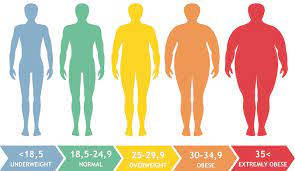
Obesity Awareness Organizations

Obesity
Obesity

Want help to write your Essay or Assignments? Click here

Obesity Awareness Organizations

Obesity -connected conditions such as stroke, heart attack, type 2 diabetes to mention but few are known to be epidemic and is growing rapidly and directly impacts the lives of approximately thirty four point nine percent (34.9 or 78.6 million) of adults in the USA, (CDC, 2015). Although there has been increased and misinformation and facts about the disease, thus, the establishment of Save the Children and Healthy Kids as well as Healthy community were established to increase public awareness on obesity.

Symbolic interaction theory address this sociological problem by addressing the subjective meanings imposed to people. This theory suggests that people behave according to what the society believes and what is not objectively true.  The fundamental aspects of the obesity such as race and gender are better understood   using symbolic interactionist lens. These two organizations are working to increase awareness on health risks that are associated with the disease, while providing aid to the morbidly obese individuals and also provide information and resources on exercise, nutrition and counselling on how to seek medical recommendation associated obesity disorders (Jator, 2014).

Functionalist theory is mainly concerned with stability order in the society. For instance, Healthy Kids, Healthy communities is an organization established by the Robert Wood Johnson Foundation which aims at preventing child hood obesity. The organization was launched in December 2007. This organization is helping approximately 49 communities in the USA. It helps eliminate the issue of eating disorders and obesity in the USA by advocating for changes to local policies; with the aim of establishing a safe environment, one that fosters healthy lifestyle.

This organization has established programs that lay special emphasis to communities who are at higher risk of developing obesity due to their ethnic group and geographical location of socio-economic impacts in the society (Healthy Kids Healthy Communities, 2015).

Since its establishment, the organizations have supported more than 85 policy changes that target the environment to support healthy living. Some of the efforts have mainly focused on encouraging healthy eating and physical activeness. For instance, in Jafferson County, Ala, the organization advocated for changes to promote healthy eating and physical activity in 360 child care centres that were previously been exempted from these regulations by the local government because they were faith based organization (Healthy Kids Healthy Communities, 2015).

Conflict theory focuses mainly on the causes and consequences of obesity. This theory’s social constructs function based on what people perceive as true about what certain people look like. These constructs are used by these agencies to decide whom they should help and how to do so. According to this perspective, establishing a social structure will help eradicate obesity in America. Looking at the existing social arrangements, they tend to evaluate on what functions it performs to the society (Leon-Guerrero, 2011).

In silver City, N.M., the organization advocated for policy change to new policy that would allow community garden in each land-use zone. The changes also included the complete street policies which aimed at directing officials to design and maintain environments that are safe and accessible by bicyclists, walkers, and the transit users.

Other solutions that have been advocated for by this organization includes partnering with the local government to establish policies that improves access to healthy food, advocate for employee wellness and construction of safe environment that promote physical activeness in both adults and children (Healthy Kids Healthy Communities, 2015).

Critical theory critiques the society aspects with the aim of understanding and explaining the aspects of obesity. It digs beneath the surface of the social life so as to unveil the assumptions and misconceptions of obesity in the society. Social interactionist mainly focuses in micro-sociological interactions between the small groups in the society. The latent function in this case is to investigate the relationship between poverty, women empowerment, and obesity (Leon-Guerrero, 2011).

For instance, Save the Children organization was established in 1919 which aimed at fighting for children rights in order to save these children live and to give hope for better future. This program invests in childhood with the aim of giving them a healthy start across the world. The organization believes that by giving the children a healthy start; they provide them with an opportunity to learn, which offers a prospect to transform their course in the future.

One in five kids in the America lives in poverty. This organization have education and health programs to ensure that these children can access simple things that are critical including things such as books, pre-school educative programs, and healthy places where they can exercise and play. These simple things are crucial in order to help the kids thrive in mind and body (Save the Children, 2015).

The feminist perspective to tackle the obesogenic environments is inspired by the interest to help the poor minority, especially women and children from these communities (Leon-Guerrero, 2011). Save the Children program has established a program to fight obesity based on the feminist perspectives. The organization program is dubbed as “Hunger in America” is ironical. How can an advanced country be malnourished and obese at the same time?

When children live in poverty, they live in society and families that are struggling between making a healthy choice (implying no food at all) and putting cheaper but unhealthy food on the table. Consequently, more than half of these kids living in poverty stricken areas end up becoming obese or overweight. According to this organization’s report, 59% of the children are not able to access fresh healthy foods and in some areas, the statistics is as high as 98% (Save the Children, 2015).

Evidently, it is every person’s right to have a healthy live, and that each child deserves an opportunity to have a healthy start. Functionalist theory focuses more in the consequences than the intent. This is challenging as sometimes latent functions consequences are not usually so obvious. Therefore, it is imported for the Nation to get concerned on how the social arrangements benefits get distributed

(Conflict theory). This includes focusing on who benefits, wins or loses from specific social arrangement. This is important in that the society is constantly changing and conflict of these dynamic social arrangements are the main source of change. It is important to expose children and adults to healthier ways of living by promoting nutrition lessons and support to ensure that the balanced food choices are available to each member in the community, and to ensure that the community members remain physically active (Leon-Guerrero, 2011)

References

Healthy Kids, Healthy Communities. (2015). Nutrition and Health. Retrieved from http://www.healthykidshealthycommunities.org/category/topic/nutrition-and-health

 Jator, E. (2014). Predicting Obesity among Adolescents in the United States Using Modified Logistic Model. AJPHR, 2(3), 86-90. http://dx.doi.org/10.12691/ajphr-2-3-4

Leon-Guerrero, A. (2011). Social problems: community, policy and social action (Third ed). Thousand Oaks, California: Pine Forge Press.

Obesity is common, serious and costly, (CDC. 2015). Retrieved from http://www.cdc.gov/obesity/data/adult.html Save the Children. (2015). Help Fight Hunger in America ? Support our Healthy Choices Program. Retrieved from http://www.savethechildren.org/site/c.8rKLIXMGIpI4E/b.8193017/k.8ECA/Healthy_Choices.htm

Want help to write your Essay or Assignments? Click here

Qualitative EITI Reporting

Qualitative EITI Report

Want help to write your Essay or Assignments? Click here

Abstract

This report therefore seeks to examine the role of the civil society in ensuring a qualitative EITI report. This can be seen in the manner in which revenues generated from the minerals and oil is in this case utilized in the transformation of different economies with the aim of reducing poverty and raising the standards of living for different population in resource-rich nations.

The Role of Civil Society in Ensuring a Qualitative EITI Report

Introduction

The purpose of this report is to establish the involvement of the civil society in determining an EITI qualitative reporting. The paper will critically establish the functions of the civil society the process of EITI qualitative reporting. It is vital to consider that states that incorporate the element of EITI make a commitment to strengthen the aspect of transparency in the revenues generated from its natural resource revenues. The citizens of these states are also accorded the responsibility of holding the state and the government accountable on how these resources are dispensed (Disclosure as Governance 2010). This aids in the building of prosperous and stable societies that function in an effective manner in the global economy.

On the other hand, much of ETI’s development is owed to the civil society. This clearly depicts the fact that without the existence of the civil society, ETI would not be functional. This is attributed to the fact that the civil society makes concerted advocacy approaches that sees the extractive companies publish their payments to the host governments. Consequently, close to 400 civil society organizations have been committed to the participation of governance through the implementation of ETI in resource rich states around the globe (Sovacool, & Andrews, 2015).

ETI in this case incorporates and approach of governance that advances the element of revenue transparency within the mining, gas, and oil sector through an approach that stresses the need of multi-stakeholder approach with integrated roles of the civil society, the governments and extractive companies (Topal, & Toledano, 2013). Thus the key elements of the success of this approach lies in the ability of developing dialogue that fosters the collaboration between different players in the development, monitoring and evaluation of EITI process. The engagement and functions of the civil society occurs in its approach aimed at overseeing the implementation of EITI in countries and within the international EITI board (Lehrer, & Delaunay, 2009).

EITI Background

In 2002, at the World Summit for Sustainable Development, United Kingdom’s Prime Minister Tony Blair launched the EITI process as the future global transparency standard.  As a coalition of different stakeholders came together, expectations were heightened towards believing that through governance and accountability, nations, companies and other players in the economy would improve their share of revenues being spent on economic growth and poverty reduction.

In this case, the process of EITI has been promoted in international development agendas as an instrument that will finitely establish and develop the resource-rich countries to reap the benefits of their resource endowments, a factor that has exhibited excessive expectations about the impact it could have. The G8 has critically emphasised its support for the EITI process, by initiating effective approaches aimed at improving its transparency, accountability, and good governance and thereby leading to sustainable economic growth in the extractive sector.

The EITI Principles

According to Aaronson (2011), the EITI principles were first initiated in conferences that were held in London in 2003. During these conferences, several states, investors and civil society organizations reaches a consensus on the principles that were required in order to establish transparency over the payments of revenues in the extractive sector (Murphy, 2012).

The EITI aspect holds on the belief that prudence should be a key aspect in the use of natural resources for the development of a sustainable economy and development that would in turn impact poverty reduction approaches (Aaronson, 2011). If the proponents of EITI are not fairly management, this would result in a negative economic and social impact.

EITI on the other hand acknowledge the initiatives directed towards managing wealth that is gained from natural resources with the aim of benefiting the citizens of a state within the domains of sovereign governments, a factor that needs to be initiated within the interests of a national state (Sovacool & Andrews, 2015). EITI also takes into consideration the benefit accrued from the extraction of mineral resources, occurring over a revenue stream for a period of time, a factor that depicts the high dependency on the prices (Aaronson, 2011).

Benefits for Local Communities and Civil Society Organisations

The local community is considered to be the single most beneficiary of the benefits that arise from the increases in revenues. This can be viewed in the efforts that have been developed to ensure resource accountability through good governance, and justice, with the aim of mitigating the element of corruption are promoted and reinforced (Aaronson, 2011). The civil society organizations are also considered as part of the beneficiaries of these efforts as seen in the improved relations developed to influence governments and companies in the process. This can be viewed in their efforts directed towards:

  1. Increasing the opportunities aimed at building and strengthening different networks with the international organizations and investors.
  2. Strengthening public institutions.
  3. Enhancing governance and citizens who are aware of the empowerment.

The climate of transparency is one that ensures the civil society groups are empowered.  An instance of this can be viewed in the implementation of EITI that facilitates the public participation in governance and improves the access to information for civil societies. The local community is aimed at profiting from the increases in revenues. The element of justice, accountability, good governance are promoted and reinforced with the aim of mitigating corrupt practices during the process (Aaronson, 2011).

The Role of Civil Society in EITI Reporting

As argued, the solid involvement and participation of the civil society is considered as essential since it has the capacity to better implement and a reinforce the initiation of a high quality EITI reporting approach. Participation of the civil society needs to be observed in the delivery of EITI results that go beyond the principles of dialogue and the dissemination of reports (PR, 2013). Engagement of the civil society’s in ensuring a qualitative EITI report occurs at different levels that include:  the international EITI Boards and the states that implement the EITI process as part of the multi-stakeholder groups that have the capacity to oversee the EITI (Holden, & Jacobson, 2007).

The civil society as attributed in the process has the powers and initiative to discuss and establish the genuineness of the aspects of revenue transparency and increasingly contribute their experiences and expertise in fostering dialogues with different stakeholders. In some states, the civil society groups are considered to be in the forefront in popularizing EITI. In other regions, the civil society works in supporting legislative processes that are directed towards the strengthening and advancing of the states the agendas on resource and revenue transparency (Holden, & Jacobson, 2007).

This clearly depicts that the role of the civil society has the capacity to monitor and engage in the implementation of national dialogue in addressing some of the issues that are not covered directly by EITI such as the use of revenues that are accrued from the extractive sector.

Experiences that emerge from the implementation of EITI clearly shows that the civil society groups are bound to face several challenges within a state’s level that include the lack of capacity constraints, the lack of resources and other security issues (Pal, & Pantaleo, 2008). EITI Board has a functionally developed range of policy responses that are determined in the strengthening of the EITI requirements aimed at ensuring the civil society groups are fully interdependent and are provided with the opportunity to get engaged within the stages of EITI process.

Within the context of governance and development, the civil society is considered as a third sector that is distinct from the business and government that are functioning as an intermediary institution in ensuring that the issues that deal with the interests of the public within the public domain are coordinated through advocacy (Pal, & Pantaleo, 2008). The goal of this is to ensure these issues are addressed and effectively implemented in order to serve the common interest and good of the society

The non-governmental organizations through their involvement and activities, strong beliefs and principled positions voice out their views and positions to the sectors of the society through an approach that promotes discussions, debates, and constructive engagements. These roles are developed to enrich the public’s participation in the decision-making process thus strengthening good governance, accountability and democratic principles (Frynas, 2010).

These reasons therefore determine the manner in which the concepts of EITI are developed and built through an approach that engages a multi-stakeholder approach. This approach involves several key players such as the government, the civil society and other companies who play different roles in the EITI process. The civil society plays an integral role in reforming the EITI process even in situations where these roles are unclear in several implementing countries. The roles of the civil society would also include:

Identification

The civil society organizations beside the aspect of dialogue also share the view that it is their responsibility to identify the key issues that are within the interest of the public and that relate to the mandate of the EITI process that are directed towards extractive revenue transparency, the process of governance and ensure that the identified issues are addressed and brought within the public domain for debate and dialogue (Calland, & Bentley, 2013). Some of the issues that the civil society organizations clearly focus on include the process of leasing, oil block allocations, bidding rounds, the issuance of mining licenses, physical, financial and process management, the environmental standards and so on.

Agenda Setting

The civil society is different states consider the aspect of agenda setting as their traditional responsibility and a primary tool of their engagement (Calland, & Bentley, 2013). Under these roles, the civil society organizations identify some of the issues that are related to the EITI mandate and use these issues to set national and international agendas for the publics discourse, debate and engagement with the governments and the extractive revenue companies with the aim of improving the aspect of governance through a transparent process and accountability that is done through the use of EITI frameworks.

Public Education and Enlightenment

The element of public education and enlightenment in this case is another role of the civil society even though individuals tend to think these needs to be left for the media alone (Shenton, & Hay-Gibson, 2009).

Agents of Social Mobilization and Change

The civil society organizations also makes use of the fact that for the process of EITI to secure the public’s interests required within the sector, there is a need of providing a supporting role-that of acting as the agents of social mobilization and change (Mejía Acosta, 2013). In this case, it is essential to consider that these roles include the sustained mobilization of the opinions of the public with the aim of advancing the course of the EITI process within the areas of legislative processes and policy formulations. These are known and have been considered to come in the form of peaceful protests, resource mechanization and petitions.

Monitoring and Oversight

It is additionally essential to consider that the civil society organizations are also tasked with the responsibility of monitoring the processes and programs of EITI including the policies and the unfolding events within the extractive sector and ensure that accurate reports and facts are provided with the view of directing the appropriate course of action that can improve the process of governance (Mejía Acosta, 2014). The monitoring and oversight in this case needs to be community based and people driven, In order to carry out these functions in an effective manner (Caspary, 2012).

Advisory

Advisory in this case gives the position of the civil society organizations as some of the professionals within this field that offer fair, profound, qualitative and constructive advice to the EITI processes and in the implementation of an effective EITI process (Mejía Acosta, 2014). The EITI Board in this case needs to be open to advices within the areas of their operations and publicly acknowledge the contribution of the civil society within the EITI process.

Whistle Blowing

The civil society remains in a better position to blow the whistle in the event that extractive revenue transparency functions of the EITI process are not clearly following their mandates. This would therefore see the civil society active is in the exposition of fraudulent practices, process lapses, bribery, corruption, and dishonest dealings with individuals at any stage within the EITI process (Magner, 2015). The functions of whistle blowing as conducted by the civil society may also be used to attract and draw the attention of the areas that have achieved poor performance and that have been neglected and the failures in the rise of statutory responsibilities (Mejía Acosta, 2014).

Observation

The civil society has the mandate of taking up the roles of being the observers within certain activities in the EITI process in consultation with the Board and the secretariat. These roles also include the formulation of procurement processes for some of the projects, budget preparations, the development of annual work-plans, and meetings held with the public in situations that are advisable (Eigen, 2013).  In performing these roles, civil society organizations are considered to have the right to engage in independent reporting of these events and give EITI Board the opportunity to make their final comments on these reports before they are disseminated.

Feedback

The role of the civil society in providing feedback in this case is considered as essential and desirable within the processes of EITI (Mouan, 2010). Many of the civil society organizations in this case draw from professional groupings, coalitions, and clusters and take up the full charge and role of providing adequate feedback to their states through a process that extends to the larger publics interests with the aim of addressing the issues of interests.

Want help to write your Essay or Assignments? Click here

Examples of Restricted Civil Society Group Cases

It is essential to establish that there are a number of examples that depict the restrictions of the civil society in the process of EITI. In one of the illustrations, the government of Congo can be viewed in the detention and trial of two Publishers Brice Mackosso and Christian Mounzeo who tried to publish the state of the nation as opposed to the governments view.

In other countries such as Equatorial Guinea that believe in the authoritarian style of leadership, the situation is conceived to be worse. In Guinea, the President then-Teodoro Obiang Nguema and his government have overtime been criticised by NGOs and other civil society organizations for placing restrictions on the basic civil and political rights, such as freedom of expression.

This therefore determines the fact that the space civil society involvement through activism on issues corruption and transparency remains non-existent as viewed in this states (PWYP, 2006). However, it is essential to determine that a government only has the capacity and power to restrict supporters who contend for transparency in a more discreet way.

For instance, this can be seen in the case of Nigeria where Nuhu Ribadu, who was considered as the head of t Economic and Financial Crimes Commission (EFCC) then was forced to resign and requested to attend a one year course in policy studies in consideration of the fact that the EFCC had come too close to top policy layers and had arrested several governors for corrupt practices (The Economist, 5 January 2008).

Civil Society is not Strong and Independent enough to take on the Responsibility that EITI Implies

In as much as the formal structure of the EITI process suggestively gives that governments responsibility for the implementation of the EITI process, much responsibility is put on civil society. Civil society in this case is given the power and autonomy to pressure the governments to join their initiatives. Civil society has the power to scrutinise and request for clear information of the figures presented in the EITI reports (in spite of the fact that most reports reveal very limited information), and to determine the manner in which the finances are utilized by the organisations extractive sector works, the payment types utilized, the relevant government receiving the payments and the accountability of these payments.

The list of the expectations from the civil society organizations remain long and for the countries in need of the EITI. In considering that the extractive sectors are, legally, technically and financially complex makes this approach difficult to achieve. In general, the EITI process requires an environment of justice and accountability in order to be implemented.

This therefore requires an environment where the civil society is empowered in knowledge and is considered as independent with the leaders within these organizations elected through a transparent approach that inclusively engages the democratic powers of the system. There is a need of ensuring that there are no conflict of interest that arises between the government, citizens, and the extractive industries.

The voices of the civil society organisations as viewed in this process can be alleged to affirm these organizations limitations within the EITI framework. Aaronson (2008) notes in several countries, the multi-stakeholder approach are an essential element that inhibits these organizations in the departure from the prevailing institutional and political norms. As a result of this, the civil society is incapacitated to effectively participate in the EITI process. In some states, the nongovernmental organisations (NGOs) are considered as autonomous since government officials are given the tasks of appointing the stakeholder groups rather than giving the citizens and NGOs opportunities to choose their representatives.

Discussion of Results

It is arguable that the civil society besides engaging in dialogue within the EITI process is also engaged in several other processes. An instance of this can be viewed in the implementation of EITI that facilitates the public participation in governance and improves the access to information for civil societies (Mouan, 2010).  The local community in this case benefits from the increases in collected revenues that are channeled in projects, while of justice, accountability, and good governance on the part of the civil society are promoted and reinforced. The engagement of the civil society occurs in overseeing the implementation of EITI in countries and within the international EITI board (Walden, Jerome, & Miller, 2007).

Recommendation

Beside the aspect of dialogue, the civil society also shares the view that it is their responsibility to identify the key issues that are within the interest of the public and that relate to the mandate of the EITI process that are directed towards extractive revenue transparency, the process of governance and ensure that the identified issues are addressed and brought within the public domain for debate and dialogue (Frynas, 2010).

Within the context of governance and development, the civil society is considered as a third sector that is distinct from the business and government that are functioning as an intermediary institution in ensuring that the issues that deal with the interests of the public within the public domain are coordinated through advocacy.

Conclusion

In this reports, it is established that in 2002, at the World Summit for Sustainable Development, United Kingdom’s Prime Minister Tony Blair launched the EITI process as the future global transparency standard.  As a coalition of different stakeholders came together, expectations were heightened towards believing that through governance and accountability, nations, companies and other players in the economy would improve their share of revenues being spent on economic growth and poverty reduction.

As determined in this report, the EITI in this case provides a governance approach that advances revenue transparency within the gas, mining, and oil sector through an approach that stresses the need of multi-stakeholder approach with integrated roles of the civil society, the governments and extractive companies.

The solid involvement and participation of the civil society leads the way in the implementation and a reinforcement of high quality EITI reports. This can be achieved when the civil society in this case has the capacity to discuss the aspects of revenue transparency and increasingly contribute their experiences and expertise in fostering dialogues with different stakeholders.

References

Aaronson, S. A. (2011). Limited partnership: Business, government, civil society, and the public in the Extractive Industries Transparency Initiative (EITI). Public Administration & Development, 31(1), 50-63. doi:10.1002/pad.588

Calland, R., & Bentley, K. (2013). The Impact and Effectiveness of Transparency and Accountability Initiatives: Freedom of Information. Development Policy Review, 31s69-s87. doi:10.1111/dpr.12020

Carbonnier, G., Brugger, F., & Krause, J. (2011). Global and Local Policy Responses to the Resource Trap. Global Governance, 17(2), 247-264.

Caspary, G. (2012). Practical Steps to Help Countries Overcome the Resource Curse: The Extractive Industries Transparency Initiative. Global Governance, 18(2), 171-184.

Disclosure as Governance: The Extractive Industries Transparency Initiative and Resource Management in the Developing World. (2010). Global Environmental Politics, 10(3), 53-73.

Eigen, P. (2013). International Corruption: Organized Civil Society for Better Global Governance. Social Research, 80(4), 1287-1308.

Frynas, J. (2010). Corporate Social Responsibility and Societal Governance: Lessons from Transparency in the Oil and Gas SeWhat is Globalization? Journal of Business Ethics, 93163-179. doi:10.1007/s10551-010-0559-1

Holden, W. N., & Jacobson, R. D. (2007). Mining amid armed conflict: nonferrous metals mining in the Philippines. Canadian Geographer, 51(4), 475-500. doi:10.1111/j.1541-0064.2007.00193.x

Koch, L. C., Niesz, T., & McCarthy, H. (2014). Understanding and Reporting Qualitative Research: An Analytical Review and Recommendations for Submitting Authors. Rehabilitation Counseling Bulletin, 57(3), 131-143.

Lehrer, M., & Delaunay, C. (2009). Multinational Enterprises and the Promotion of Civil Society: The Challenge for 21st Century Capitalism. California Management Review, 51(4), 126-147.

Magner, A. L. (2015). Drilling for Disclosure: Resource Extraction Issuer Disclosure and American Petroleum Institute v. SEC. Journal of Corporation Law, 40(2), 521-537.

Mejía Acosta, A. (2013). The Impact and Effectiveness of Accountability and Transparency Initiatives: The Governance of Natural Resources. Development Policy Review, 31s89-s105. doi:10.1111/dpr.12021

Mouan, L. C. (2010). Exploring the potential benefits of Asian participation in the Extractive Industries Transparency Initiative: The case of China. Business Strategy & the Environment (John Wiley & Sons, Inc), 19(6), 367-376. doi:10.1002/bse.687

Murphy, E. M. (2012). Disclosure of Payments by Resource Extraction Issuers. Federal Register, 77(177), 56365-56419.

Nurse, C. (2007). Transparency in resource extraction. Accountancy, 139(1366), 38-39.

Pal, N., & Pantaleo, D. C. (2008). From Strategy to Execution: Turning Accelerated Global Change into Opportunity. Berlin: Springer.

PR, N. (2013, August 29). Caracal Energy Inc. – Caracal Listed as a Supporting Company of the EITI. PR Newswire UK Disclose.

Salazar, K. (2012). Establishment of the U.S. Extractive Industries Transparency Initiative Advisory Committee and Request for Nominees. Federal Register, 77(145), 44263-44264.

Schuler, D. A. (2012). A club theory approach to voluntary social programs: Multinational companies and the extractive industries transparency initiative. Business & Politics, 14(3), 1-24. doi:10.1515/bap-2012-0024

Shenton, A. K., & Hay-Gibson, N. V. (2009). Dilemmas and further debates in qualitative method. Education for Information, 27(1), 21-37.

Sovacool, B. K., & Andrews, N. (2015). Does transparency matter? Evaluating the governance impacts of the Extractive Industries Transparency Initiative (EITI) in Azerbaijan and Liberia. Resources Policy, 45183-192. doi:10.1016/j.resourpol.2015.04.003

Topal, J., & Toledano, P. (2013). Why the Extractive Industry Should Support Mandatory Transparency: A Shared Value Approach. Business & Society Review (00453609), 118(3), 271-298. doi:10.1111/basr.12011

Walden, R. R., Jerome, R. N., & Miller, R. S. (2007). Utilizing case reports to build awareness of rare complications in critical care. Journal of the Medical Library Association, 95(1), 3-8.

Want help to write your Essay or Assignments? Click here

Civil Society Oversight Roles in EITI Reporting

Civil Society
Civil Society

Want help to write your Essay or Assignments? Click here

Abstract

This report therefore seeks to examine the role of the civil society in ensuring a qualitative EITI report. This can be seen in the manner in which revenues generated from the minerals and oil is in this case utilized in the transformation of different economies with the aim of reducing poverty and raising the standards of living for different population in resource-rich nations.

The Role of Civil Society in Ensuring a Qualitative EITI Report

Introduction

The purpose of this report is to establish the involvement of the civil society in determining an EITI qualitative reporting. The paper will critically establish the functions of the civil society the process of EITI qualitative reporting. It is vital to consider that states that incorporate the element of EITI make a commitment to strengthen the aspect of transparency in the revenues generated from its natural resource revenues. The citizens of these states are also accorded the responsibility of holding the state and the government accountable on how these resources are dispensed (Disclosure as Governance 2010). This aids in the building of prosperous and stable societies that function in an effective manner in the global economy.

On the other hand, much of ETI’s development is owed to the civil society. This clearly depicts the fact that without the existence of the civil society, ETI would not be functional. This is attributed to the fact that the civil society makes concerted advocacy approaches that sees the extractive companies publish their payments to the host governments. Consequently, close to 400 civil society organizations have been committed to the participation of governance through the implementation of ETI in resource rich states around the globe (Sovacool, & Andrews, 2015).

ETI in this case incorporates and approach of governance that advances the element of revenue transparency within the mining, gas, and oil sector through an approach that stresses the need of multi-stakeholder approach with integrated roles of the civil society, the governments and extractive companies (Topal, & Toledano, 2013). Thus the key elements of the success of this approach lies in the ability of developing dialogue that fosters the collaboration between different players in the development, monitoring and evaluation of EITI process. The engagement and functions of the civil society occurs in its approach aimed at overseeing the implementation of EITI in countries and within the international EITI board (Lehrer, & Delaunay, 2009).

EITI Background

In 2002, at the World Summit for Sustainable Development, United Kingdom’s Prime Minister Tony Blair launched the EITI process as the future global transparency standard.  As a coalition of different stakeholders came together, expectations were heightened towards believing that through governance and accountability, nations, companies and other players in the economy would improve their share of revenues being spent on economic growth and poverty reduction.

In this case, the process of EITI has been promoted in international development agendas as an instrument that will finitely establish and develop the resource-rich countries to reap the benefits of their resource endowments, a factor that has exhibited excessive expectations about the impact it could have. The G8 has critically emphasised its support for the EITI process, by initiating effective approaches aimed at improving its transparency, accountability, and good governance and thereby leading to sustainable economic growth in the extractive sector.

The EITI Principles

According to Aaronson (2011), the EITI principles were first initiated in conferences that were held in London in 2003. During these conferences, several states, investors and civil society organizations reaches a consensus on the principles that were required in order to establish transparency over the payments of revenues in the extractive sector (Murphy, 2012).

The EITI aspect holds on the belief that prudence should be a key aspect in the use of natural resources for the development of a sustainable economy and development that would in turn impact poverty reduction approaches (Aaronson, 2011). If the proponents of EITI are not fairly management, this would result in a negative economic and social impact.

EITI on the other hand acknowledge the initiatives directed towards managing wealth that is gained from natural resources with the aim of benefiting the citizens of a state within the domains of sovereign governments, a factor that needs to be initiated within the interests of a national state (Sovacool & Andrews, 2015). EITI also takes into consideration the benefit accrued from the extraction of mineral resources, occurring over a revenue stream for a period of time, a factor that depicts the high dependency on the prices (Aaronson, 2011).

Benefits for Local Communities and Civil Society Organisations

The local community is considered to be the single most beneficiary of the benefits that arise from the increases in revenues. This can be viewed in the efforts that have been developed to ensure resource accountability through good governance, and justice, with the aim of mitigating the element of corruption are promoted and reinforced (Aaronson, 2011). The civil society organizations are also considered as part of the beneficiaries of these efforts as seen in the improved relations developed to influence governments and companies in the process. This can be viewed in their efforts directed towards:

  1. Increasing the opportunities aimed at building and strengthening different networks with the international organizations and investors.
  2. Strengthening public institutions.
  3. Enhancing governance and citizens who are aware of the empowerment.

The climate of transparency is one that ensures the civil society groups are empowered.  An instance of this can be viewed in the implementation of EITI that facilitates the public participation in governance and improves the access to information for civil societies. The local community is aimed at profiting from the increases in revenues. The element of justice, accountability, good governance are promoted and reinforced with the aim of mitigating corrupt practices during the process (Aaronson, 2011).

The Role of Civil Society in EITI Reporting

As argued, the solid involvement and participation of the civil society is considered as essential since it has the capacity to better implement and a reinforce the initiation of a high quality EITI reporting approach. Participation of the civil society needs to be observed in the delivery of EITI results that go beyond the principles of dialogue and the dissemination of reports (PR, 2013). Engagement of the civil society’s in ensuring a qualitative EITI report occurs at different levels that include:  the international EITI Boards and the states that implement the EITI process as part of the multi-stakeholder groups that have the capacity to oversee the EITI (Holden, & Jacobson, 2007).

The civil society as attributed in the process has the powers and initiative to discuss and establish the genuineness of the aspects of revenue transparency and increasingly contribute their experiences and expertise in fostering dialogues with different stakeholders. In some states, the civil society groups are considered to be in the forefront in popularizing EITI. In other regions, the civil society works in supporting legislative processes that are directed towards the strengthening and advancing of the states the agendas on resource and revenue transparency (Holden, & Jacobson, 2007).

This clearly depicts that the role of the civil society has the capacity to monitor and engage in the implementation of national dialogue in addressing some of the issues that are not covered directly by EITI such as the use of revenues that are accrued from the extractive sector.

Experiences that emerge from the implementation of EITI clearly shows that the civil society groups are bound to face several challenges within a state’s level that include the lack of capacity constraints, the lack of resources and other security issues (Pal, & Pantaleo, 2008). EITI Board has a functionally developed range of policy responses that are determined in the strengthening of the EITI requirements aimed at ensuring the civil society groups are fully interdependent and are provided with the opportunity to get engaged within the stages of EITI process.

Within the context of governance and development, the civil society is considered as a third sector that is distinct from the business and government that are functioning as an intermediary institution in ensuring that the issues that deal with the interests of the public within the public domain are coordinated through advocacy (Pal, & Pantaleo, 2008). The goal of this is to ensure these issues are addressed and effectively implemented in order to serve the common interest and good of the society

The non-governmental organizations through their involvement and activities, strong beliefs and principled positions voice out their views and positions to the sectors of the society through an approach that promotes discussions, debates, and constructive engagements. These roles are developed to enrich the public’s participation in the decision-making process thus strengthening good governance, accountability and democratic principles (Frynas, 2010).

These reasons therefore determine the manner in which the concepts of EITI are developed and built through an approach that engages a multi-stakeholder approach. This approach involves several key players such as the government, the civil society and other companies who play different roles in the EITI process. The civil society plays an integral role in reforming the EITI process even in situations where these roles are unclear in several implementing countries. The roles of the civil society would also include:

Identification

The civil society organizations beside the aspect of dialogue also share the view that it is their responsibility to identify the key issues that are within the interest of the public and that relate to the mandate of the EITI process that are directed towards extractive revenue transparency, the process of governance and ensure that the identified issues are addressed and brought within the public domain for debate and dialogue (Calland, & Bentley, 2013). Some of the issues that the civil society organizations clearly focus on include the process of leasing, oil block allocations, bidding rounds, the issuance of mining licenses, physical, financial and process management, the environmental standards and so on.

Agenda Setting

The civil society is different states consider the aspect of agenda setting as their traditional responsibility and a primary tool of their engagement (Calland, & Bentley, 2013). Under these roles, the civil society organizations identify some of the issues that are related to the EITI mandate and use these issues to set national and international agendas for the publics discourse, debate and engagement with the governments and the extractive revenue companies with the aim of improving the aspect of governance through a transparent process and accountability that is done through the use of EITI frameworks.

Public Education and Enlightenment

The element of public education and enlightenment in this case is another role of the civil society even though individuals tend to think these needs to be left for the media alone (Shenton, & Hay-Gibson, 2009).

Agents of Social Mobilization and Change

The civil society organizations also makes use of the fact that for the process of EITI to secure the public’s interests required within the sector, there is a need of providing a supporting role-that of acting as the agents of social mobilization and change (Mejía Acosta, 2013). In this case, it is essential to consider that these roles include the sustained mobilization of the opinions of the public with the aim of advancing the course of the EITI process within the areas of legislative processes and policy formulations. These are known and have been considered to come in the form of peaceful protests, resource mechanization and petitions.

Monitoring and Oversight

It is additionally essential to consider that the civil society organizations are also tasked with the responsibility of monitoring the processes and programs of EITI including the policies and the unfolding events within the extractive sector and ensure that accurate reports and facts are provided with the view of directing the appropriate course of action that can improve the process of governance (Mejía Acosta, 2014). The monitoring and oversight in this case needs to be community based and people driven, In order to carry out these functions in an effective manner (Caspary, 2012).

Advisory

Advisory in this case gives the position of the civil society organizations as some of the professionals within this field that offer fair, profound, qualitative and constructive advice to the EITI processes and in the implementation of an effective EITI process (Mejía Acosta, 2014). The EITI Board in this case needs to be open to advices within the areas of their operations and publicly acknowledge the contribution of the civil society within the EITI process.

Whistle Blowing

The civil society remains in a better position to blow the whistle in the event that extractive revenue transparency functions of the EITI process are not clearly following their mandates. This would therefore see the civil society active is in the exposition of fraudulent practices, process lapses, bribery, corruption, and dishonest dealings with individuals at any stage within the EITI process (Magner, 2015). The functions of whistle blowing as conducted by the civil society may also be used to attract and draw the attention of the areas that have achieved poor performance and that have been neglected and the failures in the rise of statutory responsibilities (Mejía Acosta, 2014).

Observation

The civil society has the mandate of taking up the roles of being the observers within certain activities in the EITI process in consultation with the Board and the secretariat. These roles also include the formulation of procurement processes for some of the projects, budget preparations, the development of annual work-plans, and meetings held with the public in situations that are advisable (Eigen, 2013).  In performing these roles, civil society organizations are considered to have the right to engage in independent reporting of these events and give EITI Board the opportunity to make their final comments on these reports before they are disseminated.

Feedback

The role of the civil society in providing feedback in this case is considered as essential and desirable within the processes of EITI (Mouan, 2010). Many of the civil society organizations in this case draw from professional groupings, coalitions, and clusters and take up the full charge and role of providing adequate feedback to their states through a process that extends to the larger publics interests with the aim of addressing the issues of interests.

Want help to write your Essay or Assignments? Click here

Examples of Restricted Civil Society Group Cases

It is essential to establish that there are a number of examples that depict the restrictions of the civil society in the process of EITI. In one of the illustrations, the government of Congo can be viewed in the detention and trial of two Publishers Brice Mackosso and Christian Mounzeo who tried to publish the state of the nation as opposed to the governments view.

In other countries such as Equatorial Guinea that believe in the authoritarian style of leadership, the situation is conceived to be worse. In Guinea, the President then-Teodoro Obiang Nguema and his government have overtime been criticised by NGOs and other civil society organizations for placing restrictions on the basic civil and political rights, such as freedom of expression.

This therefore determines the fact that the space civil society involvement through activism on issues corruption and transparency remains non-existent as viewed in this states (PWYP, 2006). However, it is essential to determine that a government only has the capacity and power to restrict supporters who contend for transparency in a more discreet way.  

For instance, this can be seen in the case of Nigeria where Nuhu Ribadu, who was considered as the head of t Economic and Financial Crimes Commission (EFCC) then was forced to resign and requested to attend a one year course in policy studies in consideration of the fact that the EFCC had come too close to top policy layers and had arrested several governors for corrupt practices (The Economist, 5 January 2008).

Civil Society is not Strong and Independent enough to take on the Responsibility that EITI Implies

In as much as the formal structure of the EITI process suggestively gives that governments responsibility for the implementation of the EITI process, much responsibility is put on civil society. Civil society in this case is given the power and autonomy to pressure the governments to join their initiatives. Civil society has the power to scrutinise and request for clear information of the figures presented in the EITI reports (in spite of the fact that most reports reveal very limited information), and to determine the manner in which the finances are utilized by the organisations extractive sector works, the payment types utilized, the relevant government receiving the payments and the accountability of these payments.

The list of the expectations from the civil society organizations remain long and for the countries in need of the EITI. In considering that the extractive sectors are, legally, technically and financially complex makes this approach difficult to achieve. In general, the EITI process requires an environment of justice and accountability in order to be implemented.

This therefore requires an environment where the civil society is empowered in knowledge and is considered as independent with the leaders within these organizations elected through a transparent approach that inclusively engages the democratic powers of the system. There is a need of ensuring that there are no conflict of interest that arises between the government, citizens, and the extractive industries.

The voices of the civil society organisations as viewed in this process can be alleged to affirm these organizations limitations within the EITI framework. Aaronson (2008) notes in several countries, the multi-stakeholder approach are an essential element that inhibits these organizations in the departure from the prevailing institutional and political norms. As a result of this, the civil society is incapacitated to effectively participate in the EITI process. In some states, the nongovernmental organisations (NGOs) are considered as autonomous since government officials are given the tasks of appointing the stakeholder groups rather than giving the citizens and NGOs opportunities to choose their representatives.

Discussion of Results

It is arguable that the civil society besides engaging in dialogue within the EITI process is also engaged in several other processes. An instance of this can be viewed in the implementation of EITI that facilitates the public participation in governance and improves the access to information for civil societies (Mouan, 2010).  The local community in this case benefits from the increases in collected revenues that are channeled in projects, while of justice, accountability, and good governance on the part of the civil society are promoted and reinforced. The engagement of the civil society occurs in overseeing the implementation of EITI in countries and within the international EITI board (Walden, Jerome, & Miller, 2007).

Recommendation

Beside the aspect of dialogue, the civil society also shares the view that it is their responsibility to identify the key issues that are within the interest of the public and that relate to the mandate of the EITI process that are directed towards extractive revenue transparency, the process of governance and ensure that the identified issues are addressed and brought within the public domain for debate and dialogue (Frynas, 2010).

Within the context of governance and development, the civil society is considered as a third sector that is distinct from the business and government that are functioning as an intermediary institution in ensuring that the issues that deal with the interests of the public within the public domain are coordinated through advocacy.

Conclusion

In this reports, it is established that in 2002, at the World Summit for Sustainable Development, United Kingdom’s Prime Minister Tony Blair launched the EITI process as the future global transparency standard.  As a coalition of different stakeholders came together, expectations were heightened towards believing that through governance and accountability, nations, companies and other players in the economy would improve their share of revenues being spent on economic growth and poverty reduction.

As determined in this report, the EITI in this case provides a governance approach that advances revenue transparency within the gas, mining, and oil sector through an approach that stresses the need of multi-stakeholder approach with integrated roles of the civil society, the governments and extractive companies.

The solid involvement and participation of the civil society leads the way in the implementation and a reinforcement of high quality EITI reports. This can be achieved when the civil society in this case has the capacity to discuss the aspects of revenue transparency and increasingly contribute their experiences and expertise in fostering dialogues with different stakeholders.

References

Aaronson, S. A. (2011). Limited partnership: Business, government, civil society, and the public in the Extractive Industries Transparency Initiative (EITI). Public Administration & Development, 31(1), 50-63. doi:10.1002/pad.588

Calland, R., & Bentley, K. (2013). The Impact and Effectiveness of Transparency and Accountability Initiatives: Freedom of Information. Development Policy Review, 31s69-s87. doi:10.1111/dpr.12020

Carbonnier, G., Brugger, F., & Krause, J. (2011). Global and Local Policy Responses to the Resource Trap. Global Governance, 17(2), 247-264.

Caspary, G. (2012). Practical Steps to Help Countries Overcome the Resource Curse: The Extractive Industries Transparency Initiative. Global Governance, 18(2), 171-184.

Disclosure as Governance: The Extractive Industries Transparency Initiative and Resource Management in the Developing World. (2010). Global Environmental Politics, 10(3), 53-73.

Eigen, P. (2013). International Corruption: Organized Civil Society for Better Global Governance. Social Research, 80(4), 1287-1308.

Frynas, J. (2010). Corporate Social Responsibility and Societal Governance: Lessons from Transparency in the Oil and Gas SeWhat is Globalization? Journal of Business Ethics, 93163-179. doi:10.1007/s10551-010-0559-1

Holden, W. N., & Jacobson, R. D. (2007). Mining amid armed conflict: nonferrous metals mining in the Philippines. Canadian Geographer, 51(4), 475-500. doi:10.1111/j.1541-0064.2007.00193.x

Koch, L. C., Niesz, T., & McCarthy, H. (2014). Understanding and Reporting Qualitative Research: An Analytical Review and Recommendations for Submitting Authors. Rehabilitation Counseling Bulletin, 57(3), 131-143.

Lehrer, M., & Delaunay, C. (2009). Multinational Enterprises and the Promotion of Civil Society: The Challenge for 21st Century Capitalism. California Management Review, 51(4), 126-147.

Magner, A. L. (2015). Drilling for Disclosure: Resource Extraction Issuer Disclosure and American Petroleum Institute v. SEC. Journal of Corporation Law, 40(2), 521-537.

Mejía Acosta, A. (2013). The Impact and Effectiveness of Accountability and Transparency Initiatives: The Governance of Natural Resources. Development Policy Review, 31s89-s105. doi:10.1111/dpr.12021

Mouan, L. C. (2010). Exploring the potential benefits of Asian participation in the Extractive Industries Transparency Initiative: The case of China. Business Strategy & the Environment (John Wiley & Sons, Inc), 19(6), 367-376. doi:10.1002/bse.687

Murphy, E. M. (2012). Disclosure of Payments by Resource Extraction Issuers. Federal Register, 77(177), 56365-56419.

Nurse, C. (2007). Transparency in resource extraction. Accountancy, 139(1366), 38-39.

Pal, N., & Pantaleo, D. C. (2008). From Strategy to Execution: Turning Accelerated Global Change into Opportunity. Berlin: Springer.

PR, N. (2013, August 29). Caracal Energy Inc. – Caracal Listed as a Supporting Company of the EITI. PR Newswire UK Disclose.

Salazar, K. (2012). Establishment of the U.S. Extractive Industries Transparency Initiative Advisory Committee and Request for Nominees. Federal Register, 77(145), 44263-44264.

Schuler, D. A. (2012). A club theory approach to voluntary social programs: Multinational companies and the extractive industries transparency initiative. Business & Politics, 14(3), 1-24. doi:10.1515/bap-2012-0024

Shenton, A. K., & Hay-Gibson, N. V. (2009). Dilemmas and further debates in qualitative method. Education for Information, 27(1), 21-37.

Sovacool, B. K., & Andrews, N. (2015). Does transparency matter? Evaluating the governance impacts of the Extractive Industries Transparency Initiative (EITI) in Azerbaijan and Liberia. Resources Policy, 45183-192. doi:10.1016/j.resourpol.2015.04.003

Topal, J., & Toledano, P. (2013). Why the Extractive Industry Should Support Mandatory Transparency: A Shared Value Approach. Business & Society Review (00453609), 118(3), 271-298. doi:10.1111/basr.12011

Walden, R. R., Jerome, R. N., & Miller, R. S. (2007). Utilizing case reports to build awareness of rare complications in critical care. Journal of the Medical Library Association, 95(1), 3-8.

Want help to write your Essay or Assignments? Click here
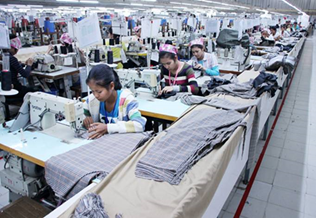
Human Dignity And Capital Punishment: Case Study

Human Dignity And Capital Punishment

Want help to write your Essay or Assignments? Click here

Case Study: Human Dignity And Capital Punishment

Introduction

 Case study 2 describes human capital punishment for two Australian Citizens caught smuggling Heroin to Indonesia. Andrew Chan and Myuran Sukumar were executed after receiving death sentence from an Indonesian court. 

Dignity refers to worth or value, therefore; human dignity refers to human worth and value.  There are various approaches of human dignity which are classified by Kirchhoffer into two categories. Category 1 refers to the understanding of human dignity that is based in belief that human value is high because they are human or they possess certain capacities that are absent in other creatures. In Category 2, human dignity understanding is based on their belief that dignity is acquired or lost through the individual own feelings or specific dignity bestowing behaviour (Dhai, 2013). This paper describes the dignity of Andrew Chan and Myuran Sukumaran in relation to their execution based on Kirchhoffer classification.

            Human dignity claims are mainly used to support or oppose death penalty. It has been argued that some acts such as homicide, death penalty are justified based on retributive punishment framework. Retribution involves respect for human autonomy and the decisions people make. It is also argued that death penalty is effective as it allows the relatives and friends of the victims find closure, facilitate emotional healing as they carry on with their lives (Jones, 2012).  However, is there a possibility that some victims are unfairly executed?  The main issue of significance in this case study 2 is that human life is sacred. It has inalienable dignity. In this regard, this paper explores the concepts of human dignity.  It aims at evaluating if human dignity lie in human life, in the capacity of the decisions made by human or in the societal judgement of their past behaviour (Roche, 2011).

Perspective 1A: “Human has Dignity Simply because they are Human Species”

 According to this perspective, human life is sacred. Most of the religious arguments fall into this perspective because they believe that human beings were created in the image of God.  Non-religious proponents argue that is natural to fight for survival of one’s species, thus; it human species have special value against any intrinsic value or instrumental values possessed by the other species. This indicates that human beings have inherent worth because they belong to human species (Rydberg & Pizarro, 2014).

Based on this perspective, the execution of Andrew Chan and Myuran Sukumar in Indonesia devalued the aspects human dignity. This is because the value of human dignity is inherent is their lives and not their actions. According to religious arguments, people’s actions do not necessarily define their dignity.  It is not what people do or fail to which gives them dignity. It is the purpose of God, creator of the heaven and earth.  People’s action is shaped by circumstances they face (Zylberman, 2016).

Perspective IB “Human Beings have Inherent worth Due to their Distinctive and Special Abilities”

            This perspective interrelates with perspective IA in that all human are equal and possess inherent dignity. This perspective argues that human dignity arises from the fact that they have special distinctive attributes and special abilities. This is supported by German philosopher Immanuel Kant that human beings value is intrinsic in all members of the society (Trojan & Salfati, 2010).

This implies that humans are to live a life as predefined by the societal morals and self-consciousness. This perspective is used to promulgate the aspect of moral values in the society, failure to which the person is punished according the punishment equivalent to the value violated.  Similar to perspective IA, it argues that due to the high capacities and specific attributes possessed by human beings, then they can be rehabilitated through proper treatment and training.  This perspective is supported by the case study as Andrew Chan and Myuran Sukumar has reformed completely; which indicates that their execution was unjustified (Muftic & Hunt, 2012).

2 A “dignity can be acquired or lost through sense of self-worth”

This perspective understands the concepts of human dignity as some type of pride in one self and conscious sense of an individual’s worth as human being, which enables them to live a meaningful life.  The way a person view themselves impacts on their life experiences. People who lack self-worth   tend to struggle to find happiness and success.  This makes them engage in activities that deviate from the society norms, affecting their relationship with the other people.  It leads to further misery and struggle.  However, this does not reduce their human dignity because it is innate (Kirchengast, 2010).

This implies that it was important for the Indonesian society to challenge their thinking.  For example, what criteria were it used to reach to an agreement that Andrew Chan and Myuran Sukumar were harmful people in the society? Did they have evidence on their past actions that indicated that they are extremely violent and threat to the society?  The negative attitude accorded to these Australian citizens did not make sense because their verdict was made with an assumption that these individuals cannot transform, and that they will always be in their worst behaviours which is erroneous (McCormick, 2015).

2B “Dignity can be acquired or lost through Moral or Immoral Behaviour.

This perspective focuses much on the way the society judge’s one based on their past behaviour and not by their self-worth. Some people are the society’s hero because they lived selfless lives and lived their lives in pursuit of high ideals and exemplary conduct. These include people such as Mahatma Gandhi, Martin Luther King Jr., and Mother Teresa. Others may be judged as to have lost their dignity due to their violent criminal acts (Cssidy, 2012). In this case Andrew Chan and Myuran Sukumar were engaged in criminal activities of trafficking heroin. According to the Indonesian society, substance abuse is done by people who have an intent of becoming violent and harming others. The society has negative attitudes towards these two people as they perceive them as threat. For instance, the Indonesian government to surround Andrew Chan and Myuran Sukumar with military security style during transfer indicated that they perceived these people’s character as extremely dangerous which is not true (Kirchhoffer, 2011).

It can be argued that the death sentence is a form of punishment that removes bad/evil people in the society; which aims at increasing survival of good species; the outcomes of this practice are futile.  An effective form of punishment should have a purpose to treat and restoration of the desired behaviour and not to kill. On the other hand, Andrew Chan and Myuran Sukumar determination to die  with dignity so as to prevent their parent unnecessary distress indicates that they had gained sense of self-worth, and passionate enough to ensure that their relatives reach in closure  and vindication (Mattson & Clark, 2011).

Want help to write your Essay or Assignments? Click here
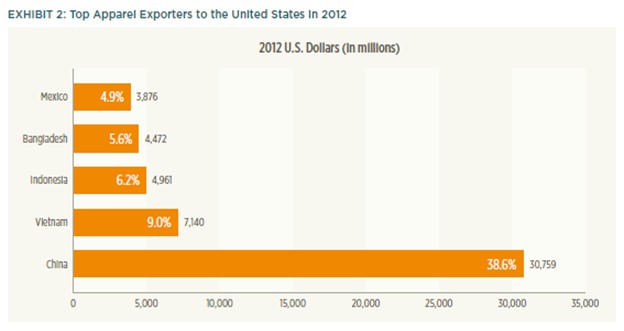
Social Norms, Attitudes, and Other Circumstances Impact On the Aspects of Human Dignity

Proponents of death sentence argue that this practice protects the society from evil people, who inflict harm and distract the society harmony. According the social attitudes; it is the role of each and every government to protect its society from violent and heinous acts that would erode the society moral behaviour. 

All people have the right to live in a safe environment, without the fear that their children will become drug addicts or die of addiction. Removing these people from the society is a measure to maintain public safety. Additionally, seeing people get executed, it deter other youths from practicing such acts (Ryan, 2016).

            Additionally, the society ethics is embedded on the beliefs and ideas if what is wrong or right, good and bad. Human dignity is embedded in the social relationships satisfaction and attitudes held by the society. In addition, it is embedded on the patterns of behaviour that are believed by the society as they bring in harmony and cooperation, fairness and justice.  The beliefs and ideas of human dignity are analysed, articulated and interpreted according to the moral thinkers of the society.

Most of the westernized society are characterised by organized functioning human communities. The ethical systems have undoubtedly evolved their values, values and principles that regulate human behaviour (Kirchhoffer & Dierickx, 2011). Based on the Indonesian society values and believes, then Andrew Chan and Myuran Sukumar punishment was justified.

The main argument for the ruling by the Indonesian court is that it aimed at deterring such actions from happening again. In my perspective, death penalty does not seem to deter people from committing violent crimes. It only deters the likelihood of other criminals being caught and punished.  There lacks a scientific proof that the death penalty resulted to greater deterrent effect than other forms of punishment (Kirchhoffer & Dierickx, 2012).

Therefore, the execution of these two prisoners was harsh punishment on the individuals but not on crime.  The impact underlying societal expectation and values cannot be overlooked. This has resulted in education frameworks that ignore the fundamental values of human dignity but focuses more on wealth acquisition.  For this reason, the society has failed to value life and to cherish human beings above their possessions, power, desires and pleasures (Wierenga, 2011).

Human Dignity is Multidimensional

Humans possess multidimensional qualities including the emotional, physical, social, spiritual, symbolic and interpersonal qualities.  According to Macquarrie, humanity is unfinished product that is moving into possibilities that are still unfolded.  Therefore, during these developments and concepts, human dignity concepts tend to conflict each other.  Human dignity is multidimensional.  It can be described in four different ways, which sometimes they conflict to one another. Human dignity is something that human already have and also something that they strive to acquire (Lee, 2014).

Based on International Covenant on Civil and Political Rights (ICCPR), all people that have limited liberty must be treated with liberty and respect (1 A). This affirms the argument in that dignity lie in human.  This ideology acknowledges the complexity of being human and the multidimensional aspects involved. Therefore, human beings are not to be reduced to one type of level of functioning (Vanhaelemeesch & Vander Beken, 2014).

Where a deviation occurs, it is important to understand that all humans are equal. It is important to also acknowledge that dignity as an aspect that can be acquired or lost through sense of self-worth (2A).   Therefore, it is likely that Andrew Chan and Myuran Sukumar past actions were due to loss of self-worth, but through rehabilitative processes, their self-worth would have been restored. However, their loss of sense of dignity cannot be equated to their actual possession of dignity (Strelan & Prooijen, 2013).

The quadrant 1B argues that Human beings have inherent worth due to their distinctive and special abilities.Perspective 2B states that dignity can be acquired or lost through moral or immoral behaviour which according to my perspective, they do not support death penalty as human beings have unique capacity of being rehabilitated and become reformed. Therefore, it is rather obvious to state that if human life is complex than on single dimension, then it is unfair to just the person’s dignity based on one dimension.  Although it is important to acknowledge that a person’s moral action indicates their dignity orientation, it is also important to recognize that there is chance for change, growth, compassion, forgiveness and reconciliation (Matthews, 2014).

Conclusion

            The criminal justice system should maintain law and order in the society by punishing the offenders. However, harsh and unjustified punishments will not restore the victim’s behaviours. In my perspective, capital punishment must be eradicated and replaced with rehabilitative services that challenge, encourage and reward the offenders for their transformed attitudes and behaviours.

Most of the offenders engage in criminal activities to seek means of survival. Empowering them with skills will help them get employment, and live by example in the society. In this case, the execution of Andrew Chan and Myuran Sukumar was unjustified as their human dignity was not protected. I believe these past experiences have facilitated change in such policies that devalue the dignity of human.

References

Cassidy, J. (2012). Hollow Avowals of Human Rights Protection – Time for an Australian Federal Bill Of Rights? Deakin Law Review, 13(2), 131-176.

Dhai, A. (2013). Human Dignity in Contemporary Ethics by David G Kirchhoffer. S Afr J BL, 6(2), 74. http://dx.doi.org/10.7196/sajbl.294341..com/login.aspx?direct=true&db=aph&AN=5913723&site=ehost-live,

JONES, D. (2012). HUMAN DIGNITY IN BIOETHICS AND LAW by Charles Foster. New Blackfriars, 94(1049), 114-116. http://dx.doi.org/10.1111/j.1741-2005.2012.01524_2.x

Kirchengast, T. (2010). The Landscape of Victim Rights in Australian Homicide Cases–Lessons from the International Experience. Oxford Journal Of Legal Studies, 31(1), 133-163. http://dx.doi.org/10.1093/ojls/gqq031

Kirchhoffer, D. (2011). Bioethics and the Demise of the Concept of Human Dignity. Human Reproduction & Genetic Ethics, 17(2), 141-154. http://dx.doi.org/10.1558/hrge.v17i2.141

Kirchhoffer, D. & Dierickx, K. (2011). Human dignity and human tissue: a meaningful ethical relationship?. Journal Of Medical Ethics, 37(9), 552-556. http://dx.doi.org/10.1136/jme.2010.041509

Kirchhoffer, D. & Dierickx, K. (2012). Human dignity and consent in research biobanking. S Afr J BL, 5(2). http://dx.doi.org/10.7196/sajbl.237

Lee, C. (2014). Inter-war Penal Policy and Crime in England: The Dartmoor Convict Prison Riot, 1932. Social History, 39(2), 303-304. http://dx.doi.org/10.1080/03071022.2014.896548

MATTHEWS, P. (2014). HUMAN DIGNITY IN CONTEMPORARY ETHICS by David G. Kirchhoffer, Teneo Press, New York, 2013, pp. xii + 356, £16.00, pbk. New Blackfriars, 96(1061), 122-124. http://dx.doi.org/10.1111/nbfr.12103_9

Mattson, D. & Clark, S. (2011). Human dignity in concept and practice. Policy Sci, 44(4), 303-319. http://dx.doi.org/10.1007/s11077-010-9124-0

McCormick, P. (2015). Book Review: Human Dignity in Contemporary Ethics. By David G. Kirchhoffer. Theological Studies, 76(4), 895-896. http://dx.doi.org/10.1177/0040563915605267r

Muftic, L. & Hunt, D. (2012). Victim Precipitation: Further Understanding the Linkage Between Victimization and Offending in Homicide. Homicide Studies, 17(3), 239-254. http://dx.doi.org/10.1177/1088767912461785

Roche, D. (2011). The Evolving Definition of Restorative Justice. Contemporary Justice Review, 4(3/4),

Ryan, P. (2016). CAPITAL PUNISHMENT. Quadrant Magazine, 50(1/2), 127-128. Stapleton, P., & Whitehead, M. (2014). Dysfunctional Eating in an Australian Community Sample: The Role of Emotion Regulation, Impulsivity, and Reward and Punishment Sensitivity. Australian Psychologist, 49(6), 358-368. doi:10.1111/ap.12070.

Rydberg, J. & Pizarro, J. (2014). Victim Lifestyle as a Correlate of Homicide Clearance. Homicide Studies, 18(4), 342-362. http://dx.doi.org/10.1177/1088767914521813

Strelan, P., & Prooijen, J. (2013). Retribution and forgiveness: The healing effects of punishing for just deserts. European Journal of Social Psychology, 43(6), 544-553. doi:10.1002/ejsp.1964. Weatherburn, D. (2014). Strategies for managing criminal justice systems. Australian Journal of Public Administration, 53(1), 67.

Trojan, C. & Salfati, C. (2010). A Multidimensional Analysis of Criminal Specialization Among Single-Victim and Serial Homicide Offenders. Homicide Studies, 14(2), 107-131. http://dx.doi.org/10.1177/1088767910364936

Vanhaelemeesch, D. & Vander Beken, T. (2014). Between convict and ward: the experiences of people living with offenders subject to electronic monitoring. Crime Law Soc Change, 62(4), 389-415. http://dx.doi.org/10.1007/s10611-014-9535-5

Wierenga, A. (2011). Transitions, local culture and human dignity: Rural young men in a changing world. Journal of Sociology, 47(4), 371-387. doi:10.1177/144078311420791.

Zylberman, A. (2016). Human Dignity. Philosophy Compass, 11(4), 201-210. http://dx.doi.org/10.1111/phc3.12317

Want help to write your Essay or Assignments? Click here

Current Product Offering within a Fashion Retailer

Fashion Retailer
Fashion Retailer

Want help to write your Essay or Assignments? Click here
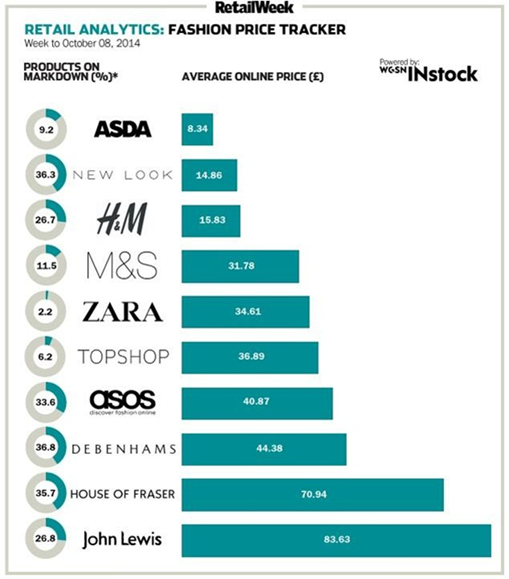
A Report of Research and Analysis a Current Product Offering within a Fashion Retailer that has a UK Store Presence

Introduction

 With changing global fashion trends, the clothing and textile industry has undoubtedly become one of the most dynamic and competitive as well as rapidly changing sectors. This has prompted many fashion retailers across the world to embark on regular product offering as well as global sourcing in order achieve competitive advantage in the international market for them to remain relevant (Akhil, 2015).  The aims and objectives of this report is to research and analyse a current product offering for a fashion retailer that has a UK store presence and make recommendations on how the product could be progressed for the following season (Spring/summer ‘17) for an international market.  

This is done with an emphasis on produce Illustrator designs for the following season (Spring/summer ‘17) within the allocated budget of £600K, which are appropriate for an international market. In addition, an assortment or range plan is produced in an Excel spreadsheet to indicate budget spend. Through this approach it is possible to present the buy per garment that includes a number of aspects with regards to the designed garment including volume (ranking), spend, distribution, attributes as well as sourcing country. Finally, the report will provide analysis of sourcing criteria with recommendations including a valid critical path.

Overview of current offer

The fashion retail to be considered in this report is the H&M, which has grown from a single women’s wear shop in Västerås, Sweden, and has nowadays extensively expanded its operations across the world to have presence across international market through its six different brands and 4,000 fashion retail stores all around the world. Six independent brands are the main outlets through which H & M Hennes & Mauritz AB comprises six runs its day to day operations in marketing and sale of fashion products, and these brands are: H&M, COS, Cheap Monday, Monki, Weekday, and & Other Stories (H&M, 2016).

The team which has been mandated with the function of innovating and developing H&M’s fashion designs has been playing an imperative role in creating sustainable fashion for all, while striving to ensure that they are always offered for sale at the best price and quality. The collections of fashion designs that are developed by H&M designers include everything from quintessential functional and basics sportswear for children, teenagers, women, and men, to dazzling party collections for every occasion or season (H&M, 2016).

In addition, to shoes, bags, clothes, jewellery, underwear and make up as well as fashionable interiors for children and adults. The variety and width of the H&M collections is an indication that customers are always able to find something to suit their wardrobe as well as their style. The fashion has since inception tremendously expanded its operations globally and nowadays it has presence across many parts of the world through the H&M stores in 61 markets worldwide. In addition, the fashion retailer has an extensive online presence through which it makes a significant proportion of merchandise mainly because of its online shopping in 32 countries (H&M, 2016).

The current garments on offering which are under consideration are the special ladies’ dresses fashion collections for the Conscious Exclusive 2016 in the month of May

Want help to write your Essay or Assignments? Click here
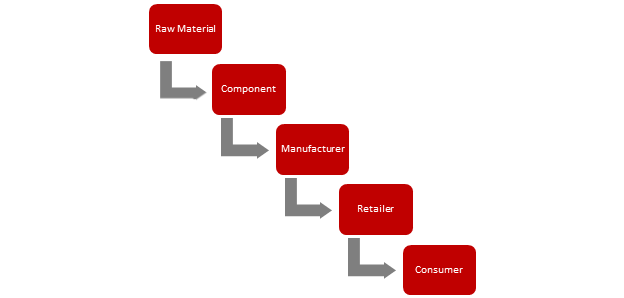
Analysis on current garments

The current garments on offering which are under consideration are the special ladies’ dresses fashion collections for the Conscious Exclusive 2016 in the month of May.

The description of the current garment under consideration is as follows:

Title: Conscious Exclusive 2016

Price: £499

Description: A sleeveless round neck wedding or ready to wear dress made from two layers, whereby the outside layer is made from organic silk while the inner layer made from Tencel. The dress has been subjected to further decoration through embellishment with Art Deco inspired embroidery of glass beads that have been made from recycled glass. The dress was offered for sale in April 7, 2016 and the offer is still ongoing (H&M, 2016).

An illustration of the picture is shown the picture below:               

Product Development

This part of the report will cover the Illustrator proposals for the fashion designs envisaged to be developed for next season (Spring/summer ‘17) for an international market. As a result, this part will be covered in two sections, the first one discussing the Illustrator proposals as well as the fashion design specifications for the considered garment, and the second part covering the assortment or range plan.   

Illustrator proposals

Through the illustrator proposals, designs are produced within the allocated budget of £600K for SS’17 season for an international market. This will include CAD drawings for each design showing two views (front & back) including colour ways or prints. Furthermore, specifications for each selected design will be provided starting with thumbnail sketches and using the mood boards as inspiration (Mayer, 2014).        


Assortment plan

The assortment range plan in this report was included for the purpose of compiling a collection of garments that was commercially acceptable within the design and financial parameters, before the mass production can commence. However, there are some procedures that is needed to be included and stringently followed in the assortment or range plan for the purpose of making sure that the buyer can have a glimpse or insight into the anticipated or planned collection offering.

For instance, the assortment plan has to include a number of factors of the production including the number of garments to be included in the collection range. In addition, there must also be inclusion of different types of garments or collection (fashion to classic, tops to bottom styles) as well as specific styles which are to be included e.g. color and fabrics used to make the garment. Furthermore, the assortment plan should also include the price at which each garment is to be sold, the cost price of producing each garment, sizes included, among others (Miller, 2008; Mayer, 2014).

Recommendations on how the product could be progressed for the following season for an International market (Spring/Summer ‘17)

In order to ensure that the most appropriate recommendations on how the product could be progressed for the following season for an International market (Spring/Summer ‘17), there is need to undertake an assortment fashion forecasting based on the prevailing fashion trends. This is attributable to the fact that fashion forecasting plays an important role in determining the fashion trends in future by focusing on upcoming fashion and lifestyle trends (Mayer, 2014).

For instance, the H&M must be able to specifically focus on fashion trends and predict the styles, fabrics, colours that have a high likelihood of presentation on the runaway as well as in the stores for the fashion events that are to take place in the near future. This concept of fashion forecasting applies across the entire fashion industry including mass market, ready-to-wear, haute couture as well as street wear (Miller, 2008).

Therefore, the product can be progressed for the following season for an International market through an appropriate and perfect merchandise mix by ensuring that the colours of leather and that of the fabric used are perfectly matched with a consideration of trending colours for the international market (Mayer, 2014). In addition, the product can also be progressed by accessorizing it in order to make it more appealing. However, the accessories to be used must be carefully selected bearing in mind the prevailing fashion, style, and social trends.

For example, the product can be progressed by decorating it through embellishment with Art Deco inspired embroidery of glass beads that have been made from recycled glass. Furthermore, variations of the bound cuff seams, necklines as well as hems can also be differentially used to give the dress distinctive appearances depending on the fashion trends. Moreover, inclusion of a side and/or arm mesh as well as invisible zip is the other way through which this product can be progressed (NPR, 2011).

Sourcing summary

Global Sourcing and International Trade

Global sourcing has become an important aspect of fashion industry in the international trade, and it involves the selection of a supplier of either a product or the raw materialcomponents and services used in the make up and delivery of the products. As a result, true global sourcing is when a business manufactures and sells a consistent product globally, sourcing some or the entire product from third parties chosen to enable cost-effective and efficient sourcing and coordinated globally.  

Global sourcing in contemporary international business is not solely concerned about reduction of production costs but also it focuses on improved on the supply and demand chains of finished products as well as raw materials. However, as observed in illustrations provided in the diagrams shown below it is important to note that, previously global sourcing was all about cost. As a result, the objective was to source product or components from a country with low labour costs with an ultimate goal of gaining cost advantage.

There has been changing trends in global sourcing whereby according to Kurt Salmon (2012) book acting as a global sourcing reference; the largest manufacturers of clothing and textiles are shown in the table shown below. The ranking is done based on the value of apparel exportation in terms of millions of U.S. Dollars expressed as percentages.

Source: Kurt Salmon Global Sourcing Reference, 11th Edition

In contrast, despite the fact that top apparel exporters are located in Asia most retailers are either found in the Europe or U.S. For instance, according to Salmon (2012), 88 per cent of clothing retailers are located within Europe and China is ranked as their number one sourcing destination. However, there has been an increasing trend of production costs over the recent past, where production costs have increased 160 per cent since 2005.

A comparison of production costs across the world reveals sharp variations which an important determinant of the choices of sourcing countries for fashion retailers in Europe and the U.S. For example, Bangladesh and Vietnam have lowest PCI’s of all sourcing countries. However, Southern China greater costs than Central USA meaning that specific locations or regions within a country also be considered but not generally considering the country as a whole.

The emerging markets are also playing a significant role where Ethiopia could be one to watch since many fashion retailers have expressed interest (i.e. H&M, Tesco & Primark are all running pilots) in the country whose attraction to fashion retailers is attributed to its lower social living costs and well established transportation infrastructure. The table below ranks countries based on their PCI

Source: Kurt Salmon Global Sourcing Reference, 11th Edition

Moreover, with regards to cost there have been significant changes in the global sourcing trends. For instance, according to fashion price tracker figures by RetailWeek Analytics shows that there has been significantly changing production on markdown expressed in percentage among the leading fashion retailers with online presence.

Source: Retail Week Analytics

Global sourcing also involve the issues of quality, ethics and social responsibility as well as supply chain management as discussed in the sections that follows.

Quality

  • No longer disposable fashion attitude
  • Ensures competitor advantage

As our business has become more fashion centric, we have been able to source products from Asia that are not just low cost, but also fit the needs of the customer. But perceived quality continues to be a factor – certainly globally sourced goods are seen by consumers to be inferior when tagged with “Made in China” when in fact the quality is higher than comparable goods sourced in the UK.

Ethical & Social Responsibility

  • Not just human rights and community development issues.
  • Concerns for security, carbon footprint, bribery, corruption and money laundering.
  • Media has placed this trend at the top of both retailer’s and consumers concerns.

Want help to write your Essay or Assignments? Click here

Supply Chain Management

Supply Chain Management (SCM) is a network of connected and inter-dependent organisations mutually and co-operatively working together in order to control, manage and improve the flow of materials and information from suppliers to end users. Key Supply Chain Management (SCM) ensures that the supply chain process starts and finishes with the consumer by making sure that each interface in the supply chain represents: 1) movement of goods; 2) information flow; and 3) purchase and sale. As a result, strategic SCM consists of developing smarter ways to choose who to buy from and sell to your business partners.

Importance of the Supply Chain Management

It is aimed to achieve the following benefits for the company:

  • Competitive Advantage

Supply chain management is now well established as a key source of competitive advantage, and the competitiveness achieved in International market is without any doubt the most imperative gain attributable to global sourcing. However, this is usually based upon consumers’ perceptions of the added value aspects of the retailer’s overall offering (Mayer, 2014).

For major success, businesses need to achieve a clear performance differential over competition   on factors that are important to target customers. The most successful methods are built upon some combination of 3 advantages: 1) being better in providing superior quality or service; 2) being faster in responding to customers needs; as well as 3) being closer to establishing closer relationships with customers (Miller, 2008).

  • Improving Financial Performance (Sales & Profits)

This determines the overall performance of a company and it can subsequently be measured through a number of methods including: 1) Financial Review; 2) Quality performance and practice; 3) Delivery and physical flow of stock; and 4) Information sharing, extended relationships.

  • Consumer & Supplier Loyalty

The “value” may either take the form of selling undifferentiated products at below competitors’ prices or unique benefits that justify premium pricing. The value chain may be used to identify and understand the sources of competitive advantage and how they relate to creating added value for customers

As a result, Porter’s 5 Forces Model should be used by fashion retailers prior to choosing companies or partners to collaborate with in their global sourcing strategy in order to determine the extent of factors that directly influence business including:

  • Threat new entrants
  • Threat of substitutes
  • Bargaining power of buyers
  • Bargaining power of suppliers
  • Degree of rivalry

Proposed sourcing strategy

This part focuses on a discussion providing an analysis of sourcing criteria as well as recommendations on how the product could be progressed for the following season for an International market (Spring/Summer ‘17) including a valid critical path. The proposed sourcing strategy will mainly emphasize on the supply base analysis and the appropriate and valid critical path as discussed in sections below:

Supply Base Analysis

  • Current sourcing
    • Brief overview for current product

The current product is usually made of a mixture of fabrics whereby the shell of the garment is made from 60 % leather (which has been ethically sourced from Nepal) and 34% of Bamboo Viscose (Mesh) as well as 4 % of Elastane. In addition, the lining of the current product consists of 100% Bamboo Viscose. The current product is a leather panelled dress, and the assortment consists of sleeveless, short-sleeved as well as one-sleeved leather panelled dresses.

  • Proposed sourcing
    • Sourcing analysis for each garment, consider components

The proposed sourcing including H&M and Nepal will involve ethical sourcing of leather in Nepal through a partner based in the country. In addition, the processing of the bamboo viscose will also continue in Nepal and Bangladesh. However, the subsequent tanning or processing of the leather and the bamboo viscose will be shifted to Bangladesh which has the lowest Production Cost Index (PCI) of all sourcing countries across the world. Furthermore, the production of the garments upon approval of the designs will also continue in Bangladesh, and the finished products subsequently shipped to Europe.

  • PEST analysis for sourcing countries

The political situation in both Nepal and Bangladesh pose a risk to the sourcing activities undertaken considering that both countries are not significantly politically meaning that political upheavals may arise at any time and hinder production. There is also technology risk since both countries have not significantly adopted technology in the production processes meaning that the rate of production can not reach the level of the countries where technology has been significantly embraced.

  • Rationale for sourcing choice

A comparison of production costs across the world reveals sharp variations which an important determinant of the choices of sourcing countries for fashion retailers in Europe and the U.S. For example, many Asian countries have low Production Cost Index (PCI) with Bangladesh having the lowest Production Cost Index (PCI) of all sourcing countries across the world. Thus, these emerging markets are playing a significant role for many fashion retailers by acting sourcing countries, which is attributed to its lower social living costs and well established transportation infrastructure. As a result, there will b reduced production costs.

Critical Path   

The validated and appropriate critical path will be provided in the template shown below:

Conclusion                                                 

In conclusion, it can be observed that it is possible for a fashion product on offering by fashion retailers to be adequately analyzed and Illustrator proposals as well as assortment plans designed leading to the development of new garments which are more improved that those offered. However, in order for this to take place successfully the fashion retailer must establish an appropriate fashion forecasting trend mechanisms as well as an effective global sourcing and supply chain management systems.      

References

Akhil J. K. (2015). Fashion Forecasting. Retrieved from  http://libraries.uc.edu/libraries/daap/resources/researchguides/design/forecasting.html  

Birnbaum, D. (2000). Global Guide to Winning the Great Garment War.

Handfield, R. & Nichols, E. (1999). Introduction to Supply Chain Management.

H&M (2016). Conscious Exclusive 2016. Retrieved from http://about.hm.com/en/ImageGallery/fashion.html

Keiser, S. J. & Garner, M. B. (2008). Beyond Design: the Synergy of Apparel Product Development. New York, NY: Fairchild Publications.

Kerkhoff, G. et al. (2006).  Global Sourcing: Opportunities for the Future. Weinheim Düsseldorf: Wiley-VCH.

Kim, E., Fiore, A. M., & Kim, H. (2013). Fashion Trends: Analysis and Forecasting. Berg. ISBN 9780857853158.

Mayer, L. (2014) “Q&A with the Founder of SHIPSHOW”. Retrieved April 21, 2014.

Miller, C. C. (2008). Designers of High Fashion Enter the Age of High Tech: New York Times . 8 Sept. 2008. <http://www.nytimes.com/2008/09/08/technology/08trend.html?pagewanted=print&_r=0>.

Monczka, T. & Handfield, T. (2005). Purchasing and Supply Management, 3rd edition. New York, NY: Thomson South-Western.

NPR (2011) Forecasting Fashion Trends: NPR. NPR: National Public Radio: News & Analysis, World, US, Music & Arts: NPR. Web. 10 Apr. 2011. <http://www.npr.org/templates/story/story.php?storyId=1432978>.

Roth, T. & Pullman, G. (2008). Unraveling the Food Supply Chain: Strategic Insights from China and the 2007 Pet Food Recalls. Journal of Supply Chain Management, Vol. 44 Issue 1, pp. 22-39.

Websites

www.clothesource.net

www.labourbehindthelabel.org

www.businessoffashion.com

Want help to write your Essay or Assignments? Click here

Research Paper Outline Sample Assignment

Research Paper Outline

Want help to write your Essay or Assignments? Click here

Research Paper Outline

Abstract

This section will adequately pre-tell all about the paper/study. In particular, it will be a summary of how the Department of Homeland Security remains the great leader with the great demands of duties and responsibility ranging from airport security to securing and monitoring the borders including national disaster response even without being affected by the size capacity. It will summarize the findings of the research in the simplest way, with no technical words. In other words, this section relates.

Introduction

This is the vital part of the paper in which the problem of the research is presented and clarified. This section contains the thesis statement of the research (Altinay, 2015). Department of Homeland Security plays a vital role in ensuring that all the security issues within the countries border. In fact, their core duties are border security, customs, and emergency management and in most cases they find themselves with limited resources.

Nevertheless, without being affected by the size and capacity, the Department of Homeland Security remains the great leader with the great demands of duties and responsibility ranging from airport security to securing and monitoring the borders including national disaster response.

This section also discusses the relevance of the Department of Homeland Security in the social work, and most importantly it contains the research question. Thus, it is imperative to analyze the relationship between the size, capacity, and the Department of Homeland duties and responsibility.

Want help to write your Essay or Assignments? Click here

Literature Review

This section  gives some scholars recent literature on the topic of interest. Preferably, this should be less than five years old work. The literature will be connected and comprehensive to the topic. The researcher will explain how different variables affect the duties and responsibility and the Department of Homeland Security. A critical analysis and summary of the literature should be included, and the quality of the literature should be included (Altinay, 2015).

Methods

The research design used in the paper should be provided, and citations provided supporting the type and analysis technique utilized. The research at this point should include or explain the data analysis method used in collecting data from the Department of Homeland Security. If human subjects were used, in this section the technique used to protect them should be addressed (Mackey, 2015). The researcher should explain the type of measure used, and if possible, account for the survey utilized. Moreover, statistical procedures used should be described.

Sample

This is a subsection of methodology, and it presents the characteristics of the sample data. The technique used to select the data will be given and justification of its selection. That is, the researcher adopts a method that is convenient, cheap and results in a sample that represents the entire population.

Analysis

This section will exclusively explain different statistical approaches or techniques that were adopted in exploring the data. For instance, the descriptive analysis will be performed at the Department of Homeland Security data to estimate measures of central tendency and dispersion. Different techniques like correlation, regression modeling, and chi-square can be used in investigating the relationship between the variables. Thus, this section will give in detail statistical aspect that needs to be derived from the Department of Homeland Security data.

Results

This will contain a visual presentation of the Department of Homeland Security data. That is, different statistical presentation techniques like graphs, tables among others should be used in data presentation. Excessive use of tables and graphs should be avoided. A short narrative explanation of the findings should be included. Note, at this point all the results should be presented in an APA format. The tables and figures also should be formatted in APA writing style.

Discussion

This should contain an exclusive explanation of the results of analysis of the Department of Homeland Security data. The discussion should be based on the literature on the study. Furthermore, this is the section that gives rise to the conclusion.

Conclusion and Recommendation

This section presents the implications of the Department of Homeland Security in connection with the literature review of the study. If the implications are not there in the literature review, the researcher should cite new literature here. The strength and limitations of the study should be addressed well in this section. The researcher should give or suggest the direction of future research in the Department of Homeland Security.

References

Altinay, L., Paraskevas, A., & Jang, S. S. (2015). Planning research in hospitality and tourism. Routledge. Retrieved from https://books.google.com/books?hl=en&lr=&id=98XMCgAAQBAJ&oi=fnd&pg=PP1&dq=importance+of+introduction+section+in+research+paper&ots=2CkKNtvyVi&sig=47QiHmucOFJk9rqhcmfezaSc9_s

Mackey, A., & Gass, S. M. (2015). Second language research: Methodology and design. Routledge. Retrieved from https://books.google.com/books?hl=en&lr=&id=jDg-CgAAQBAJ&oi=fnd&pg=PP1&dq=sections+of+a+research+paper&ots=uH4_8vIg6I&sig=GUVCVVa4lT9VYGD2QEZ8d79pncE

Thomas, J. R., Silverman, S., & Nelson, J. (2015). Research Methods in Physical Activity, 7E. Human Kinetics. Retrieved from https://books.google.com/books?hl=en&lr=&id=3FR1CQAAQBAJ&oi=fnd&pg=PR1&dq=research+paper+format&ots=ltml1VKKVF&sig=iajRzRO4-FCU87a-ypIbdGaHdO8

Want help to write your Essay or Assignments? Click here

Implementation Plan

Implementation Plan
Implementation Plan

Want help to write your Essay or Assignments? Click here

Implementation Plan

Obtaining research approval

 The approval process will start from the department level. This entails conducting a comprehensive discussion on the project, its idea, its rationale and its economical relevance to the   healthcare system and the patient’s outcomes. The support and corrective criticism from the department will be of significant improvement to this capstone project.  The Administrative support and approval is particularly important because it influences the changes within the organization (Black et al. 2014).

To start with, key stakeholders will be identified. This includes representative from the staffing pool, patient population, the departmental managers, clinical operations director, research nurse scientist and the Chief nursing officer. This team is important as they will play integral role of evaluating the data collected, evaluation of the proposed strategy in providing additional strategic solutions that may seem feasible.

The research nurse scientist will brief the key stakeholders by outlining the research idea in respect to the negative impact to the healthcare system and to the patient’s safety.  The clinical relevance of the proposed solution to the problem will also be discussed. The questions asked will be answered and re-evaluated further in order to obtain the clinical relevance.

It is most likely that the stakeholders will not support the research idea, so I will avoid overwhelming the key stakeholders with ideas and instead, I will let them to participate actively to enable them reach their approval without any coercion or biasness (White et al. 2013).

After obtaining approval from the departmental level, I will consult the IRB to seek permission to carry out the research of human subjects. Seeking approval from the university ethics body is important because they ensure that the investigation content is legal, valid and ethical. This is because before approving the study, the appropriate protocol is followed, consent forms are filled and that ethical issues arising on HIPAA or data security plans are sorted out appropriately (Black et al. 2014).

Description of the healthcare problem

CHF is a chronic disease that affects approximately 5.8 million people in the USA. In addition, a further 670,000 are diagnosed with CHF annually. The large fraction of the people diagnosed with CHF is geriatric population.  The average readmission days are within 30 days after hospital discharge.  Approximately 25% of the patients diagnosed with CHF are readmitted shortly after they have been discharged from the hospital.

This is because of the patients are ill-prepared when discharged from the hospital, and they end up getting frustrated and confused.  The poor education is attributable to the low nursing ratio and inadequate patient-physician interaction period. Despite the guidelines established on the importance patient education to avoid readmissions, the most effective strategy of education is still unknown (Black et al. 2014).

Proposed solution

The  traditional classroom training as begun to shift towards a more contemporary appropriate approaches such as  integration of skill based and   interactive  kinds  of education. The patient education is increasingly shifting towards these trends whereby there is gradual incorporation of audiovisual and interactive technology based method of education.

The use of mobile and electronic platforms in this generation is paramount in order to improve the patients plans as it helps the healthcare providers to conduct ongoing educational needs that are beyond the inpatient setting through interaction and communication of needs for nurses (White et al. 2013).

The aim the capstone project is to explore if deploying the standardized patient education programs lowers the incidences of exacerbations, emergency visits and re-hospitalization. The proposed solution is the integration of technology to educate patient from the time they have been admitted and after they have been discharged using telemonitoring, telephone coaching and patient follow up assessment. The proposed solution aims to reduce the emergency visits and readmission rates by 80% (Black et al. 2014).

 Rationale for proposed solution

Poor education is the leading cause for high rates of admission among the patients diagnosed with CHF.  With the increased advancement of technology, there is numerous opportunities which can be used to address and improve the preventive measures. Therefore, using the teach back system to educate the geriatric population on the factors that are associated with exacerbation of CHF is an effective strategy.

This is even better in that the integration of the new electronic tablet based platforms will help train the patient to help them have a smooth transition of care, and to pre-discharge gaps of patient education, thus reduce the readmission rates which are estimated to consume approximately $26 billion annually, and wher $17 billion of it could be prevented.  As all research points out, the inadequate patient education is the contributing factor (White et al. 2013).

Literature review

Approximately 20-50% of geriatric patients diagnosed with CHF undergo readmission in 2 weeks -90 days after they have been discharged.  Research indicates positive impact of post discharge care in reducing the re-hospitalization rates and in improving patient’s quality of life (Adib-Hajbaghery, Maghaminejad, & Ali, 2013).

There has been a substantial increase on the number of hospital readmissions of patients diagnosed with CHF. There have been a considerable number of state-level variations in the discharge of skilled nursing facilities. However, there is limited information on hospital level variation of SNF rates and its association with increased re-admission rates.  Some research studies was conducted by evaluating the data obtained from fee charges of Medicare patients who had a principal diagnosis of CHF  indicated that shortage of skilled nurses resulted to an increase in readmission rates ( Chen et al., 2012).

Despite the fact that guidelines on the importance patient education to avoid readmissions  have been established, the most effective strategy of education is still unknown. One study conducted to explore if the teach back method of patient education aids in reduction of readmission rates found that teach back method of education reduced readmission rates by 8.4 %. The study concluded that the teach back method  is  an effective teaching method as it helps the patients retain the information  for significantly longer time than patients who had been taught using  briefer teaching (White et al. 2013).

 Another study conducted by Vedel and colleagues indicated that integration of Transitional care reduced the readmission rates by 8-29%. The paper concluded that high intensive training which involves the combination of telephone coaching, telephone follow up and clinical visits reduced readmission risk effectively. Therefore, it is highly recommended that that the healthcare providers should integrate these interventions in their healthcare facility (Vedel & Khanassov, 2015).

Want help to write your Essay or Assignments? Click here

Implementation logistics 

 The implementation process involves these 3 main aims including a) establishment of the value of the telephones and iPads mode of delivering education to the geriatric population, b) formulation of the responsibilities and competencies required by the team members for smooth running of activities and c) to develop the procedures and process of device protection, storage, safety and software maintenance. The main aim of implementation process is to ensure that staff competency is maintained high (Sawyer et al., 2016).

The approach of implementing comprehensive transition patient education among the geriatric population will begin from shared governance perspective. I am well aware that despite providing supportive evidence of integrating technology when delivering patient education during and after discharge, implementation of the evidence based change will be faced with challenges such as lack of adequate implementation support and insufficient time.

To address these issues, the research team will use the monthly briefing sessions to establish an environment that supports the implementation of modernized patient education program. This involves taking steps to ensure that the staffs have the tools and adequate tome to incorporate the evidence based practice into the existing work flows (Black et al. 2014).

In this context, the first step , the department based committee  leaders from the quality improvement department will identify staff who will engage in  “ transition patient education care using telemonitoring and telephone coaching role”  champions. These champions will participate in preliminary training session with the research nurse scientist in order to make them gain an understanding on what is expected of them, and their responsibility of developing a cohesive work groups with the other staff members.

These champions selected will lead the other team members through the implementation process using a comprehensive and structured approach that includes communication of the value of the project, staff training on work flow and the approach of integrating change into the organization’s culture (Sawyer et al., 2016).

This kind of involvement is important as it helps the leaders and staff to become supportive throughout the implementation process. The messages staff obtain from the leadership contributes to adoption or rejection of the proposed change. Positive message from the management brings out a culture of adoption which is instrumental in securing the front line nurses perception of the benefits of their involvement during the implementation process (Black et al. 2014).

Resources needed for the implementation

 The resources needed for successful implementation of this project is in terms of human resource, monetary resources and the time resources. This projected is expected to take approximately 6 months. During this period, the staff will be educated on the processes as well as the standard procedure for safe care of the electric devices to avoid patient contamination, and on the storage of these devices including the charging instructions and infection control measure. This is to ensure that each of the nurse champions receives comprehensive but simple instructions on the best strategies to educate the patients using the technology and teach-back strategy (Sawyer et al., 2016).

During study evaluation, the data will be collected using survey tests and questionnaires in order to establish a baseline of patient’s knowledge, which will be applied to evaluate the outcome of the intervention. The technologies that will be integrated include laptops, iPads and internet. The data collection will be done by two people. The estimated cost of operations is approximately $ 200,000 (White et al. 2013).

References

Adib-Hajbaghery, M., Maghaminejad, F., & Ali, A. (2013). The Role of Continuous Care in Reducing Readmission for Patients with Heart Failure. J Caring Sci., 2(4), 255-267. Retrieved from http://dx.doi.org/10.5681/jcs.2013.031

Black, J., Romano, P., Sadeghi, B., Auerbach, A., Ganiats, T., & Greenfield, S. et al. (2014). A remote monitoring and telephone nurse coaching intervention to reduce readmissions among patients with heart failure: study protocol for the Better Effectiveness After Transition – Heart Failure (BEAT-HF) randomized controlled trial. Trials, 15(1), 124. Retrieved from http://dx.doi.org/10.1186/1745-6215-15-124

Chen J, Ross JS, Carlson MD, Lin Z, Normand SL, Bernheim SM. et al.(2012). Skilled nursing facility referral and hospital readmission rate after heart failure or myocardial infarction. Am J Med. 125(1):100. e1–9.

Sawyer, T., Nelson, M., McKee, V., Bowers, M., Meggitt, C., & Baxt, S. et al. (2016). Implementing Electronic Tablet-Based Education of Acute Care Patients. Critical Care Nurse, 36(1), 60-70. Retrieved from http://dx.doi.org/10.4037/ccn2016541

White, M., Garbez, R., Carroll, M., Brinker, E., & Howie-Esquivel, J. (2013). Is “Teach-Back” Associated With Knowledge Retention and Hospital Readmission in Hospitalized Heart Failure Patients?. The Journal Of Cardiovascular Nursing, 28(2), 137-146. Retrieved from http://dx.doi.org/10.1097/jcn.0b013e31824987bd

Vedel, I. & Khanassov, V. (2015). Transitional Care for Patients With Congestive Heart Failure: A Systematic Review and Meta-Analysis. The Annals Of Family Medicine, 13(6), 562-571. Retrieved from http://dx.doi.org/10.1370/afm.1844

Want help to write your Essay or Assignments? Click here

Mixed Method Approach: Research Design

Mixed Method Approach

Want help to write your Essay or Assignments? Click here

Mixed Method Approach Research Designs

            Every work involves the use of specific tool or apparatus that enhances the attainment of the desired objectives. Similarly, in research, there are diverse methods that can be applied to collect data and come up with scientific reality or information about the social reality. In some instances, research work will need to apply combined techniques or more than one technique to increase the chances of getting more reliable information.

One of the prominent research techniques is the use of the Mixed Method Research, (MMR). Mixed method approach, also referred to as the multi-methodology, involves the application of both the quantitative and qualitative techniques in a single study. The application of both techniques can either be concurrent or sequential. The mixed method approach is likely to give a wider dimension of approach to research when applied in psychology-based study.

The current paper describes the mixed method research as an integration of both quantitative and qualitative methods. In addition, the paper explains the type of questions best explained by the mixed method approach. The paper also elaborates the strength and limitation of mixed method approach. Finally, there is the rationale for and against the utility of mixed methods in psychology.

            According to Johnson & Onwuegbuzie (2004), the mixed method approach can be used to bridge the rift between quantitative and qualitative techniques. Both techniques though viewed as different, may have closer similarities. For example, both techniques aim to gather empirical evidence or data to address the questions posed. Mixed method approach is therefore an integrated approach that erases the limitations posed by the single method and can be used to answer a question posed on the social phenomenon (Johnson & Onwuegbuzie, 2004).

The mixed method approach technique usually uses both quantitative and qualitative techniques in order to create a greater validity that can be derived through the use of varied techniques of data collection. In the mixed method research technique, both the qualitative and quantitative data are collected. Afterwards, the data are mixed together to produce more comprehensive and integrated results regarding the social reality.

The mixed method technique can therefore be viewed as the bringing together of the qualitative and quantitative techniques (Creswell, 2014). Consequently, the mixed method technique can be explained as a convergence of results arising from both the qualitative and the quantitative results. This can be illustrated by the diagram below.

RESULTS

The data collected from both the qualitative and quantitative techniques are then connected together to form integrated research results.

Lastly, the information that is got from the result of carrying out both techniques is then embedded together and used to explain the social phenomenon that was under enquiry.

Any research study usually aims to answer a specific question or identify a gap that has been identified. When applying the mixed method of approach, one question is usually developed and then extended into quantitative and qualitative sub-questions. Once the enquiry has been undertaken, different perspectives of research are got and can therefore be used to explain the social phenomena under the study (Collins & O’cathain, 2009).  The questions that are raised and are to be investigated can be answered from a number of perspectives.

In a concurrent mixed study method, both the quantitative and qualitative studies are carried out together and results emanating from the study combined. In a sequential study approach, the qualitative method for instance can be carried out first while the quantitative technique will be used to test a named hypothesis arising from the study so as to enhance generalization of the facts (Burkholder, Cox, & Crawford, 2016).

One of the advantages of using the mixed method approach is that the researcher can be able to use narratives, words and pictures to be able to explain reality or factual data in social phenomena (Creswell, 2014). For instance, Psychological facts can better be understood when a combination of these concepts will be used to aid in the explanation of the social reality.

From another insightful perspective, the researcher has an ample platform that allows him/her to be able to generate and at the same time test any grounded theory (Burkholder, Cox, & Crawford, 2016).  Since the researcher will not be confined to particular tenets of the single method of research, he/she can be able to tackle broader and complete varieties of questions.

This allows the researcher to explore fully and comprehensively the case that he/she is studying to come up with conclusive information on what he/she is studying. In the mixed method approach, therefore, there is the concept of complementarily. Additionally, the mixed method allows the researcher to be able to add insightful facts and methods that can be ignored when a single research technique is applied in carrying out research work especially in psychology.

On the other hand, the mixed method can be considered to be more time-consuming and expensive. From another perspective, a lot of researchers may also find it difficult to handle any conflicting ideas or results arising from the study that uses the mixed method research technique.  Furthermore, there are some researchers who may hold methodological predilections, which may make them lean on one method at the expense of the other. In such cases, the researcher may fail to understand the mixed methods as a complete integration of both the qualitative and quantitative methods.

Psychology-based researches require intensive implementation of research techniques that come up with viable results that fully explain a specific social phenomenon. For example, when the mixed method is used in finding out psychological concepts in the social world, the researcher is likely to come up with stronger evidence that will be derived from the convergence and collaboration of ideas from both the qualitative and quantitative techniques, applied together.  

When both methods have been applied, the researcher can come up with a complete knowledge that can be effective in explaining and informing psychological practices and theories (Edmonds & Kennedy, 2012). From another insightful perspective, when the mixed method approach is used to investigate a psychological concept, overlapping, though diverse ideas about a social phenomenon can be derived.

Want help to write your Essay or Assignments? Click here

When undertaking a psychological study, the mixed method can enhance complimentarily between the quantitative and qualitative techniques. For instance, the results that can be derived from one method can be verified using the other. For example, the qualitative study can be used to come up with a psychological concept in the social world. Quantitative study can afterwards be undertaken to verify the facts through coming up with a hypothesis following the survey undertaken from the qualitative study (Mertens, 2014). Consequently, when qualitative technique is used as a platform to carry out a survey study, quantitative technique can be used to verify the facts.

Contrarily, the mixed method approach can pose difficulties to the researcher especially where he/she will be required to apply two or more approaches concurrently to study a psychological concept on a certain population. The researcher will be required to go an extra mile to understand how to apply both methods and how to mix them appropriately.

In conclusion, a single method used in carrying out research can produce a variety of weaknesses. The mixed method approach can be used to compensate for the weaknesses that can be prevalent in every single technique. For instance, the use of both the qualitative and quantitative techniques yields results that give a comprehensive outlook about the social phenomenon under enquiry.

References

 Burkholder, G. J., Cox, K. A., & Crawford, L. M. (2016).The scholar-practitioner’s guide to research design. Baltimore, MD: Laureate Publishing.

Collins, K. & O’cathain, A. (2009). Introduction: Ten points about mixed methods
research to be considered by the novice researcher. International Journal of Multiple Research Approaches, 3(1), 2-7. http://dx.doi.org/10.5172/mra.455.3.1.2

Creswell, J. (2014). Research design: qualitative, quantitative, and mixed methods approaches. Thousand Oaks, California: SAGE Publications.

Creswell, J. W. (2014). A concise introduction to mixed methods research. Sage Publications.

Edmonds, W. A., & Kennedy, T. D. (2012). An applied reference guide to research designs: Quantitative, qualitative, and mixed methods. Sage Publications.

Johnson, R. & Onwuegbuzie, A. (2004). Mixed Methods Research: A Research Paradigm Whose Time Has Come. Educational Researcher, 33(7), 14-26. http://dx.doi.org/10.3102/0013189×033007014

Mertens, D. M. (2014). Research and evaluation in education and psychology: Integrating diversity with quantitative, qualitative, and mixed methods. Sage publications.

Want help to write your Essay or Assignments? Click here