Parole: Moral Dilemma in Criminal Justice Case Study

Parole
Parole

Want help to write your Essay or Assignments? Click here

Moral Dilemma in Criminal Justice

Case 1: The Parole Board

Critical dilemmas require critical decisions to minimize the risks that come with every cause of action. For this case, there is no guarantee that the release of prisoners on the federal process beyond the parole board control will serve its purpose without inflicting breaches in the security of the community. The alternative is therefore to take the less risky route of releasing the inmates by broadening the parole eligibility criteria.

As much as this is ethically wrong, it is a morally acceptable option. This is because prison overcrowding poses many risks health wise and it compromises the safety level in these facilities. For instance, many communicable diseases such as tuberculosis can spread uncontrollably in overcrowded populations. It also becomes impossible for the workforce available to keep law and order in such situations.

According to Pollock (2014), the purpose of prisons is to rehabilitate inmates to make them better people as they go back to the society. It is, therefore, essential to safeguard them from such incidences as well as respect their human rights (Bachman & Schutt, 2013). The moral question in this case Robert is faced with the moral question of the safety standards in the prison and at the same time he had to consider the probability of the inmates reoffending as evidenced by the assessment results.

The motivator to actors’ response is the fact that by releasing prisoners under the parole board control this department will have full control over them as opposed to the federal process. This is important because it only allows the release of low- and medium-level offenders to the community correction programs (Pollock, 2014). This ensures that these offenders re-enters the community in a well-regulated and managed procedure. Since it deals with inmates who are completing their term, the program acts as a last chance to the prisoners before incarceration.

The consequence of broadening the parole system will be the risk of releasing violent convicts who might disregard their agreement resulting to their return in prison and hence accelerate the overcrowding issue.  From the results of assessment, it is evident that the parole system does not provide the right punishment for the prisoners since it has been found out that the prisoners are likely to offend again if they are subjected to the parole system. As such it is the obligation of Robert to decide on the corrective measure of dealing with the issue at hand.

Subsequently, he is supposed to give the correct information to the governor who will execute the plan (Bachman & Schutt, 2013). The federal system is, however, riskier as the released inmates are difficult to monitor and can, therefore, lead to increased crime in the community. This will lead the probationers back to prison, and therefore the overcrowding problem will not have been solved (Pollock, 2014). On the other hand, all the prisoners cannot be held in the same prisoners since as the situation is the prisoners are already overcrowded. This could bring other problems in the picture most importantly the health and the safety standards in the prison.

Considering the risk assessment of both options, it is clear that none would help unravel the problem at hand efficiently. Robert should ask the governor to consider expansion of prison facilities to accommodate more inmates. This will be both ethically and morally considerate because it will ensure prisoners are taken care of without disregarding neither their security nor that of the community. This proves to be the only conceivable way of solving this problem because, the probation and parole officers would experience diverse caseloads with the large numbers of inmates, therefore, limiting their capacities of supervising them (Pollock, 2014).

It is considered the only undisputable way of protecting convicts from the numerous risks that they face in overcrowded prisons without comprising on public safety. Proper prison conditions will also ensure that the lawbreakers will come out as helpful people due to the various correction programs offered to them. Overcrowding will only make the wardens anticipate releasing them without considering whether they have reformed or not so long as they have served their jail term.

Case 2: The Warden

In this case, William is facing a dilemma on whether to compromise on the inmates’ expenditure by cutting the health and food expenses to afford over time officers as well as replacement pay employees. This will, in turn, assist in eradicating the looming danger of understaffing which could lead to several other problems. By cutting on the food and medical budget, he will be able to pay the officers’ overtime as well as increase workforce to control the increasing population in the prisons (Bachman & Schutt, 2013).

It will also motivate the personnel, and they will enhance security and normality in the facility. As much as this may seem like the best alternative Robert has to think critically because denying the prisoners their rights to food and medical care is immoral and will result in severe consequences which might be fatal (Pollock, 2014). The motivational factor for this option is the need to maintain the workforce meant to prevent the triggers that can cause the employees to quit or fail to report on duty as required.

 In my opinion, this is the best pronouncement that warden could implement to handle the ethical dilemma. Although this alternative will achieve the goal of maintaining the employees it will compromise on the safety of the prisoners. More so it might result in deaths of the lawbreakers emanating from the tremendous infections that are present in those facilities and are aggravated by the increasing populations.

The prisoners might also become rebellious, and this can trigger them to go on strike or even attack the prison wardens worsening the situation. Also, depriving the inmates of their medical rights will lead to increased epidemics that may further cost the facility a lot of money on treatment (Cole, Smith & DeJong, 2015). On the other hand, by not taking this option, the workers feel insecure and unappreciated, and this will prompt them to quit their jobs or fail to undertake their responsibilities.

They will also be overworked, and this will reduce their effectiveness when performing their duties. These workers will also become reluctant; this will compromise the safety of the facility and with the increasing population, it will be difficult for the limited workers to manage and control the inmates.

William should consider utilizing other amenities such as community supervision programs to decongest the prisons. These programs will take care of the prisoners who are completing their jail terms as well as those with minor offenses (Pollock, 2014). Prisoners with drug abuse and mental health problems should be taken to other rehabilitation centers that fit their needs best. This is because staying will only alleviate their conditions because drugs are also present in prison with inadequate labor it is impossible to keep track of such occurrences (Pollock, 2014).

Community supervision will incorporate prisoners in more useful activities including counseling, life skills training and educational based programs. This will not only help in the reforming of these lawbreakers but will also equip them with the much-needed self-development capabilities. Specialized courts should also be utilized to ensure the inmates placed under parole are complying with the community correction programs (Pollock, 2014).

The ethical basis for this decision is to ensure everybody in this situation is suited by the final decision that is made. The decision should entail the well-being of the prisoners and at the same time ensure that the prison is appropriately staffed. By utilization of other facilities, the overcrowding problem will be solved without compromising on the safety of the workers or cutting the food and health budget for the inmates. This will ensure that the personnel will feel secure in their working environments and will, therefore, be able to manage the remaining number of inmates.

It is, therefore, the duty of the warden to ensure that proper measures are established and implemented. Regarding drug and alcohol dependency, addicts recover better and faster when placed under specialized programs as opposed to incarceration. Therefore the warden should make plans to ensure that other institutions are engaged in taking care of the high inflow of the criminal offenders. It is therefore in the interest of all individuals to ensure that community supervision strategies are specifically used to ensure that all the lawbreakers are punished properly.

Therefore in the meeting it will be appropriate that William responds in respect to alternative strategies of handling the increased rate of prisoner’s inflow. Designation of some of the prisoners particularly the petty offenders to community based work release is one of the most effective strategies that would ensure that the facilities are not overcrowded. On the other hand, the problem of understaffing will be automatically addressed if overcrowding is addressed (Pollock, 2014). This is because it will be easier to cut down the costs in the prison when it is not overcrowded.

Want help to write your Essay or Assignments? Click here

Case 3: The District Attorney

The moral question that faces Martha is the question of being supportive of the governor or stand with her campaign platform of plea bargaining and reduced sentences for convicts. It would seem morally right to make good of her words during her campaign, but this option will compromise the security in the community as well as her relationship with the mayor (Maxfield & Babbie, 2014).

This brings about the dilemma since the district understands that the criminal records suggest that majority of the arrests are from the drug culture.  It would be, therefore, unethical since a district attorney should be more concerned about the people’s security rather keeping her word to the convicts. However, she will appear like a traitor, and this is not a good picture to her future campaigns. Martha should be critical in her decision making for her to make the most out of this dilemma.

Martha is motivated by the fact that she will need the mayor and the community in her future campaigns for it to be a success. By deciding to support the mayor she will be assured of a smooth relationship between her and the police chief which will play a major role in the success of her campaigns. She will also secure support from the mayor and other stakeholders in law keeping during her future campaigns (Pollock, 2014). Apart from that, it is seemingly morally wrong to go easy on gun-toting drug merchants by reducing their sentences or plea-bargaining.  

This is because such an action will be seen as collaboration with the wrongdoers which will imply that the district attorney is collaborating with the wrongdoers which can be likened to blackmail (Cole, Smith & DeJong, 2015). However, by going back in her words, she might as well forget future support from the community as this will portray her as a betrayer. She will, therefore, reduce her chances of remaining attorney general if the community loses faith in her. Also, it is morally wrong to deny the prisoners a fair trial by supporting the governor to exercise aggressive arrest of the drug felons (Braswell, McCarthy & McCarthy, 2014).

According to the analysis of both options, Martha should ensure that the arrestees face the law and are responsible for their offenses. This should, however, be done in that makes them face a fair trial and a sentence that matches the crimes committed by each (Cullen, & Chouhy, 2016). She should ask her staff to convict the lawbreakers each according to his/her crimes and not by treating and judging them as a group.

She should also ask the mayor and the chief police to introduce new sentences for the drug dealers especially those who do not involve murder or other serious crimes (Banks, 2016). These sentences can incorporate life training skills that will help the prisoners with alternative means of livelihood. This will reduce the art of drug hawking without necessarily being tough on the convicts. Subsequently, if she considers the morally right course of action, then it is most likely that she will get the support that she aspires to get.

            This option also ensures that the convicts will be equipped differently as they go back to the community. Otherwise convicting the drug felons harshly will only result in bitter inmates who will be back to drug dealing as soon as they finish their jail terms. Also, by grouping the arrestees according to the level of their crimes, it will help the prosecutors determine the best sentence for each of them (Pollock, 2014).

This will result in long term cleaning of the streets in one way instead of convict and release style. The community’s security and the inmate’s interests will be met without compromising Martha’s ethical and moral responsibilities. It will, therefore, be a win-win situation for both her and the mayor (Pollock, 2014). This will ensure that she will have future support from the mayor, the police, and the entire community.

Case 4: The Officer

The moral and ethical aspect, in this case, is that Linda cannot decide on whether first to arrest the suspect or honor the dispatchers call and act as back up. It is immoral for her to let the suspect go despite the fact she has the evidence that the suspect is a drug dealer (Cole, Smith & DeJong, 2015). Although there have been several complaints regarding the fact that the police in the area have been engaging in making minor arrests, the officer happens to encounter such a case.

Coincidentally the officer happens to be in the middle of making an arrest regarding drugs when she receives the call to attend to a burglary in progress. However, it is also her responsibility to assist officers in patrol especially in times of emergency such as this one (Banks, 2016). Linda should, therefore, be critical to the most prudent decision for this dilemma. She should make a move that will benefit the interests of the community’s security as well as the nature of her job.

The fact that Linda might lose her job for handling a ‘petty drug case’ instead of serving as backup for the progressing burglary is the motivator for her course of decision. The easier route is letting loose the suspect and declare herself available for the backup (Albanese, 2015). By so doing she will secure her job and avoid the griping that comes with her colleagues about her not being available for this call of duty (Banks, 2016).

She will also save time and spare the already clogged up system. After all, it is also impossible for her to arrest the suspect without the help of the contraband. As much this seems like the right thing to do, it is unethical for Linda to leave a drug dealer suspect for whom she has evidence. This will compromise on the community’s security because drug dealing comes with many other crimes (Bazemore & Boba, 2007).

It will also encourage other culprits resulting to drug-dealer laden streets, which might be uncontrollable or cost the law keepers a lot of money to control. Letting the suspect go would also indicate that such a crime is not as important and therefore would encourage other drug peddlers (Bazemore & Boba, 2007).

Putting all these factors into considerations, Linda should truthfully tell the dispatcher that she is unavailable. Being a backup for the progressing burglary is essential but arresting and charging the suspect is equally important (Banks, 2016). She should also ask for a backup to help her arrest this suspect instead of risking her life trying to arrest this man alone.  Disregarding the fact that there have been complaints regarding the situation at hand attending to it would be the appropriate course of action rather than setting free a probable convict (Albanese, 2015).

As much this will put her at risk, it is the moral and ethical thing to do. Since she has evidence that the suspect is indeed a drug dealer, it will not take her long to convict this suspect. This will therefore not be one of those cases that clog up the system. Furthermore, the evidence that she already has at hand could be used to build a case for the suspect, and the only remaining step would be to take him to the station. This is because the only thing she needs is to identify the suspect to be able to charge him.  

It would be advisable that other officers especially those who are off duty should be utilized in such a case to act as the backup. She should also let her sergeant see the dangers posed by such drug dealers especially if they are left uncontrolled (Braswell, McCarthy, & McCarthy, 2014). This cause of action might result in Linda losing her job, but it is important to protect the people and save the law keepers time and money in the future instead of staying employed and only serving out of obligation.

References

Albanese, J. S. (2015). Professional ethics in criminal justice: Being ethical when no one is Looking. Pearson.

Bachman, R., & Schutt, R. K. (2013). The practice of research in criminology and criminal justice. Sage.

Banks, C. (2016). Criminal justice ethics: Theory and practice. Sage Publications.

Bazemore, G., & Boba, R. (2007). “Doing Good” to “Make Good”: Community Theory for Practice in a Restorative Justice Civic Engagement Reentry Model. Journal of Offender Rehabilitation, 46(1-2), 25-56.

Braswell, M. C., McCarthy, B. R., & McCarthy, B. J. (2014). Justice, crime, and ethics. Routledge.

Braswell, M. C., McCarthy, B. R., & McCarthy, B. J. (2014). Justice, crime, and ethics. Routledge.

Castellano, U. (2007). Becoming a nonexpert and other strategies for managing fieldwork Dilemmas in the criminal justice system. Journal of Contemporary Ethnography, 36(6), 704-730.

Cole, G. F., Smith, C. E., & DeJong, C. (2015). The American system of criminal justice. Nelson Education.

Cullen, F. T., & Chouhy, C. (2016). The role of theory, ideology, and ethics in criminal justice policy. Advancing Criminology and Criminal Justice Policy, 40.

Finkel, N. J., Harre, R., & Lopez, J. L. R. (2001). Commonsense morality across cultures: Notions of fairness, justice, honor and equity. Discourse Studies, 3(1), 5-27.

Maxfield, M. G., & Babbie, E. R. (2014). Research methods for criminal justice and criminology. Nelson Education.

Pollock, J. M. (2014). Ethical dilemmas and decisions in criminal justice. Nelson Education.

Williams, C. R., & Arrigo, B. A. (2011). Ethics, crime, and criminal justice. Pearson Higher Ed.

Want help to write your Essay or Assignments? Click here

Fever Case Study

Fever
Fever

Case study 1: fever

  The case study is about a 5-year old child who is diagnosed with right ear infection. The patient’s mother reports that the child is very irritable, fatigued and have a fever for 102 F for the past 2 days. The mother also states that the child has been eating but has been drinking fluids only. The healthcare provider described the tympanic membrane (TM) as erythmatic, bulging with fluid levels and was dull. 

Based on these clinical presentations, the differential diagnosis for this patient is Acute Otitis Media, Acute Otitis Media with effusion, Mastoiditis and foreign body in the ear (McCance, & Parkinson, 2010).  From the clinical manifestation of fever, erythmatic TM, swollen TM and otalgia is an indicator that the patient is having bacterial infection in his right ear. The patient is not because the patient could be having swollen lymph nodes caused by immune response to the infection (CDC, 2016).

Add New Post

about:blankChange block type or styleChange text alignmentAdd titleFever Case Study

Fever
Fever

Case study 1: fever

  The case study is about a 5-year old child who is diagnosed with right ear infection. The patient’s mother reports that the child is very irritable, fatigued and have a fever for 102 F for the past 2 days. The mother also states that the child has been eating but has been drinking fluids only. The healthcare provider described the tympanic membrane (TM) as erythmatic, bulging with fluid levels and was dull. 

Based on these clinical presentations, the differential diagnosis for this patient is Acute Otitis Media, Acute Otitis Media with effusion, Mastoiditis and foreign body in the ear (McCance, & Parkinson, 2010).  From the clinical manifestation of fever, erythmatic TM, swollen TM and otalgia is an indicator that the patient is having bacterial infection in his right ear. The patient is not because the patient could be having swollen lymph nodes caused by immune response to the infection (CDC, 2016).

Question 1: Fever is commonly considered to be triggered by viral or bacterial infection. The body has the ability to regulate its body temperature to maintain it at 37ºC. The hypothalamus –part of brain-helps control body temperature by triggering changes to the effectors such as muscles and sweat glands (McCance, & Parkinson, 2010). The temperature receptors in the human skin detect the external temperature that is transmitted to the hypothalamus.

This is the processing centre automatically trigger changes to effectors (muscles and glands). For instance, when it is too cold, the processing centre sends nerve impulses to skin where erector pilli muscles contract, causing skin hairs to erect and trap more warmth, reducing the heat loss, when heat is high, and skin muscles to relax causing hairs to lay down flat facilitating heat loss.

In addition, when it is too hot, the sweat glands in the skin secrete sweat on the surface that increases heat loss through evaporation, thereby cooling the body.  Other responses include reducing blood flow to peripheral organs or increasing blood flow to the peripheral organs when it is cold, and inducing shivering (McCance & Parkinson, 2010).

Fever occurs if thermostat resets to higher temperature mainly due to an infection.  When the bacteria invade the tissue, one of the immune system reactions is production of pyrogens. These chemicals are carried to the brain where they inhibit the heat sensing neurons while exciting the cold sensing neurons, these alterations of the temperature sensors makes the hypothalamus to trigger mechanism of raising temperature, which causes fever (Lieberthal et al. 2013).

Question 2: The clinical manifestation that indicates localized inflammatory response in this case study is erythema, fever, otalgia and swelling of the eardrum. The physiological factor associated with erythema is increased vasodilatation that increased blood flow to the infected area. This is mediated by release of inflammatory chemicals such as prostaglandins, histamine, and leukotrienes.

The physiological factor that caused swelling of the eardrum is increased permeability in order to increase fluid loss at the inflammation area (McCance, & Parkinson, 2010). This causes an increase mobility of the immune cells and also works as coagulation system that prevents spread of infection. The swelling is also associated with exudates behind the eardrum. Pain (otalgia) is associated with increased release of prostaglandins- chemical mediators that increases stimulation of pain receptors at the site of infection.

The physiological factor for fever is due to increased blood flow, which increases warmth in the infection site. The high levels of temperature increase production of the white blood cells. The increased blood flow is also secondary to release of chemical mediators such as histamine (Shaikh et al. 2011).

Question 3: A complete blood count (CBC) is important during clinical decision-making. This is because it provides information of relative different types of cells in the circulation system. In patients with bacterial infection, the white blood count is generally the most powerful piece of information from CBC. The CBC  indicates  elevated  levels of WBC (leukocytosis).Bacterial  infections are also associated with increased in neutrophil levels (polymorphonuclear cell) (McCance, & Parkinson, 2010).

 These CBC findings are due to systemic responses where the epithelial cells in the middle ear release beta defensins whose main role is to stimulate production of pro-inflammatory cytokines that acts as chemo-attractants for mast cells, T cells, neutrophils and dendritic cells that will inhibit bacterial toxins directly. Therefore, the elevated levels of neutrophil and WBC is systemic response to bacterial infection in the middle ear (McCance & Parkinson, 2010).

 Conclusion

 Ear infections are most common infections in pediatric primary care settings.  The infections are mainly caused by bacterial infection. The main goals of treatment are to manage clinical symptoms and to manage hearing loss. For bacterial infections, the child should be treated using Amoxicillin in the right dosages. Sometimes ear infections can heal without use of antibiotics. However, the ‘watch and wait’ approach should be only be applied for 48-72 hrs, if no improvements are reached, then the patient must be treated with appropriate antibiotics.

References

CDC. (2016). Get smart: Know when antibiotics work. Otitis media: Physician information sheet (pediatrics) retrieved from http://www.cdc.gov/getsmart/campaign-materials/info-sheets/child-otitismedia.html.

Lieberthal, A.S., Carroll,A.E., Chonmaitree ,T., et al.(2013).The diagnosis and management of acute otitis media. Pediatrics, 131:e964..

McCance, K. & Parkinson, C. (2010). Study guide for Pathophysiology, the biologic basis for disease in adults and children, sixth edition. St. Louis, Mo.: Mosby.

Shaikh, N., Hoberman, A., Kaleida ,P.H., et al. (2011).Otoscopic signs of otitis media. Pediatr Infect Dis J 30:822.

Want help to write your Essay or Assignments? Click hereRank Math https://www.bestessaywriters.com/?p=524398

Question 1: Fever is commonly considered to be triggered by viral or bacterial infection. The body has the ability to regulate its body temperature to maintain it at 37ºC. The hypothalamus –part of brain-helps control body temperature by triggering changes to the effectors such as muscles and sweat glands (McCance, & Parkinson, 2010). The temperature receptors in the human skin detect the external temperature that is transmitted to the hypothalamus.

This is the processing centre automatically trigger changes to effectors (muscles and glands). For instance, when it is too cold, the processing centre sends nerve impulses to skin where erector pilli muscles contract, causing skin hairs to erect and trap more warmth, reducing the heat loss, when heat is high, and skin muscles to relax causing hairs to lay down flat facilitating heat loss.

In addition, when it is too hot, the sweat glands in the skin secrete sweat on the surface that increases heat loss through evaporation, thereby cooling the body.  Other responses include reducing blood flow to peripheral organs or increasing blood flow to the peripheral organs when it is cold, and inducing shivering (McCance & Parkinson, 2010).

Fever occurs if thermostat resets to higher temperature mainly due to an infection.  When the bacteria invade the tissue, one of the immune system reactions is production of pyrogens. These chemicals are carried to the brain where they inhibit the heat sensing neurons while exciting the cold sensing neurons, these alterations of the temperature sensors makes the hypothalamus to trigger mechanism of raising temperature, which causes fever (Lieberthal et al. 2013).

Question 2: The clinical manifestation that indicates localized inflammatory response in this case study is erythema, fever, otalgia and swelling of the eardrum. The physiological factor associated with erythema is increased vasodilatation that increased blood flow to the infected area. This is mediated by release of inflammatory chemicals such as prostaglandins, histamine, and leukotrienes.

The physiological factor that caused swelling of the eardrum is increased permeability in order to increase fluid loss at the inflammation area (McCance, & Parkinson, 2010). This causes an increase mobility of the immune cells and also works as coagulation system that prevents spread of infection. The swelling is also associated with exudates behind the eardrum. Pain (otalgia) is associated with increased release of prostaglandins- chemical mediators that increases stimulation of pain receptors at the site of infection.

The physiological factor for fever is due to increased blood flow, which increases warmth in the infection site. The high levels of temperature increase production of the white blood cells. The increased blood flow is also secondary to release of chemical mediators such as histamine (Shaikh et al. 2011).

Question 3: A complete blood count (CBC) is important during clinical decision-making. This is because it provides information of relative different types of cells in the circulation system. In patients with bacterial infection, the white blood count is generally the most powerful piece of information from CBC. The CBC  indicates  elevated  levels of WBC (leukocytosis).Bacterial  infections are also associated with increased in neutrophil levels (polymorphonuclear cell) (McCance, & Parkinson, 2010).

 These CBC findings are due to systemic responses where the epithelial cells in the middle ear release beta defensins whose main role is to stimulate production of pro-inflammatory cytokines that acts as chemo-attractants for mast cells, T cells, neutrophils and dendritic cells that will inhibit bacterial toxins directly. Therefore, the elevated levels of neutrophil and WBC is systemic response to bacterial infection in the middle ear (McCance & Parkinson, 2010).

 Conclusion

 Ear infections are most common infections in pediatric primary care settings.  The infections are mainly caused by bacterial infection. The main goals of treatment are to manage clinical symptoms and to manage hearing loss. For bacterial infections, the child should be treated using Amoxicillin in the right dosages. Sometimes ear infections can heal without use of antibiotics. However, the ‘watch and wait’ approach should be only be applied for 48-72 hrs, if no improvements are reached, then the patient must be treated with appropriate antibiotics.

References

CDC. (2016). Get smart: Know when antibiotics work. Otitis media: Physician information sheet (pediatrics) retrieved from http://www.cdc.gov/getsmart/campaign-materials/info-sheets/child-otitismedia.html.

Lieberthal, A.S., Carroll,A.E., Chonmaitree ,T., et al.(2013).The diagnosis and management of acute otitis media. Pediatrics, 131:e964..

McCance, K. & Parkinson, C. (2010). Study guide for Pathophysiology, the biologic basis for disease in adults and children, sixth edition. St. Louis, Mo.: Mosby.

Shaikh, N., Hoberman, A., Kaleida ,P.H., et al. (2011).Otoscopic signs of otitis media. Pediatr Infect Dis J 30:822.

Want help to write your Essay or Assignments? Click here

Marketing Strategy Report: The Adidas Company

Marketing Strategy
Marketing Strategy

Marketing Strategy Report

Executive summary

This report will analyse the Adidas Company. This report provides an analysis and evaluation of effective marketing planning process, techniques for controlling marketing activities, contemporary marketing techniques, and their use in global and international markets. Furthermore, the report examines the skills of marketing managers and their role in the effective management of the marketing team, value of a brand from a number of different stakeholder perspectives, and the organisation’s marketing campaigns in different international markets.

Methods of analysis will include SWOT analysis, marketing controls, and international marketing trends. Results of analysis depict that Adidas has abundant opportunities and strengths, but suffers from a number of weaknesses and threats. The report finds that Adidas has taken advantage of its strengths and opportunities to develop effective marketing plans that have assisted them to achieve their marketing objectives.

The Adidas Company has adopted marketing controls, such as annual control, profitability control, and strategic control that have helped in spotting deviations in its marketing activities and provided timely remedies to the variations. Adidas has implemented contemporary marketing techniques, such as email marketing, PR marketing, mobile marketing and the use of social media that have assisted in growing awareness of its new products in different international markets.

Marketing manager skills, such as excellent communication skills, problem solving skills, and project management skills are noted to be vital in offering effective management to marketing teams. Stakeholders, such as employees, suppliers, and customers play a significant role in influencing the value of the Adidas brand. The various stakeholders participate in building the brand equity.

The Adidas has tailored its marketing campaigns to suit the different international markets. The company uses local athletes from various countries and influencers of markets to promote its new products, X 15 and ace 15 in different international markets. The report recommends that Adidas should design products that are affordable to several customers and implement marketing techniques that promote and differentiate its products from its competitors.

Introduction

            The purpose of this report is to analyse the effective marketing planning processes and evaluate techniques for controlling marketing activities of the Adidas Company. This report also studies the contemporary marketing techniques and their use in global markets, examines skills of a marketing managers, and evaluates their role in providing management to the marketing team. Furthermore, this report assesses the impact and value of the Adidas Company brands from diverse stakeholders perspectives. In addition, this report looks into the marketing campaigns the Adidas Company has employed in different international markets.

            The competitive global market calls for companies to plan their marketing activities, establish their strategies and accomplish their objectives more effectively. The contemporary marketing techniques aim to create a link between the customer and the organisation. Companies attract customers through social media content significant to their needs or writing newsletters that have valuable information.

Businesses that employ contemporary marketing techniques are seen to be successful in achieving their objectives than those companies that rely on conventional marketing techniques. The report will utilise references from the company website and other research articles. Besides examining the Adidas Company marketing strategy, this report will look at modern strategies that the company can utilise to expand its international markets.

Effective marketing planning process

            Companies in all industries require marketing plans to succeed. Effective marketing planning process offers companies guidelines on how to market and trade their new products in the market within a specific period. The marketing plans guides the company in choosing an appropriate target market and then fulfill the customer needs in that segment. Moreover, the marketing planning process establishes the promotional strategies that can boost the sales volume of the company products.

The Adidas Company is an international corporation that designs and fabricates sports shoes, outfits, and accessories. The company is a leading sportswear in Europe and the global market. The Adidas Company has adopted a three divisional structure for its Adidas brand. The divisions include sport performance, sport heritage, and sport style. The adidas sport performance division centers on novelty, functionality, and design.

Furthermore, the division designs products for sports performance market, but have design appeal that pushes the consumers to wear the products off the playing field. The adidas sport heritage division includes adidas original products that aim to expand the exclusive and valid heritage of adidas to the lifestyle market. The sport style division is a fashionable assortment that consists of men’s and women’s shoes, clothing, and accessories.

The division targets young consumers who are looking for fashion-oriented sportswear products. The three divisional structures assist the Adidas Company to design and market innovative products, which satisfies the needs of varied customers. The Adidas has introduced new products like X 15 and Ace 15. X 15 is designed for players who control and bringing order to a chaotic game, while Ace 15 is designed for players who cannot be controlled.

Therefore, the Adidas Company requires an effective marketing planning process that would establish a target market for its new products and formulate plans of marketing its products and fulfilling the needs of that market. The marketing planning process is achieved through five fundamental steps. The five steps include objective and goal setting, assessing organisational resources, evaluating risks and opportunities, developing marketing strategy, and implementing and monitoring marketing plans (Adidas 2016).

Objective and goal setting

            This initial stage of marketing planning process includes setting of goals and objectives the company wants to achieve. The company should link the marketing plan with its mission statement and determine the primary target audience. Moreover, the company should establish the profit margin it wants to achieve after implementation of the marketing plans (Social care institutes for excellence 2013).

            The Adidas Company has developed a global brand in sporting products industry by designing quality new products that seeks to fulfill the expectations of customers. The Adidas Company has developed objectives that will assist the company to expand the global market of its new products. The company objectives include market penetration, which would aid in attaining market share in the global markets that the company competes.

The market development objective will enable the company to capture new business markets and respond to the needs of customer segments. In addition, the product awareness objective would offer visibility and realization of the company new products. The company objectives conform to its mission statement that states that the Adidas Company endeavor to be the global leader in sporting products industry with brands built on passion for sports and a sporting lifestyle (Chartered Management Institute 2015).

Assessing organisational resources

            Marketing plans are influenced by internal factors, such as organisational resources. The organisational resources include capacity in manufacturing, advertising, finance, and technology. Assessment of these resources will enable organisations to locate their strengths and limitations. Strengths aid organisations to develop objectives, establish plans for accomplishing objectives, and gain from marketing opportunities. On the other hand, resource limitation might hold back an organization from benefitting on marketing opportunities (MLF4 2012).

            The Adidas Company has several strengths that assist it to achieve its objectives. The company has strong financial position that is attributed to its several stores around the globe that make the company to achieve a profit of billions of dollars annually. The company trades its products from company owned stores, online stores, and supermarket stores. The effective distribution system enables the company new products to be available through diverse channels. The Adidas Company has increased consciousness of its new products through supporting major sports organisations, such as UEFA, NBA, world cup, and Olympics. The Adidas Company has uitilised YouTube to create videos that promote consciousness of its new products. Moreover, Adidas created videos that used David Beckham to promote its new products X 15 and Ace 15   (Nadeau et al. 2015).

            However, the company has some limitations that prevent it from taking advantage of marketing opportunities. The company faces a risk of over dependency on outsourcing. The Adidas Company has subcontracted a bigger percentage of its production to third party manufacturers, such as Asia to benefit from easy accessibility of raw materials and fair labour cost. The premium prices of X 15 and Ace 15 sporting shoes due to inventive technology and manufacturing techniques have made the products exorbitant to deprived customers, particularly in developing countries (Adidas 2015).

Evaluating risks and opportunities

            Nevertheless, the company has myriad of opportunities that will aid in fulfilling its marketing plans. The shifting lifestyle, taste, and preferences of rising economies have increased demand of premium brands. Furthermore, the company can extend its product line that will unlock new opportunities and attain an edge over its rivals through differentiation. In addition, the Adidas Company can integrate backwards that will aid in protecting their patent rights and combine their research and development division with the operational division in order to enhance brands innovation and development (Teach a man to fish 2014).

            Nonetheless, the Adidas Company faces threats that might influence its marketing plans. Despite Adidas being a global brand, it still faces strong competition from other premium brands, such as Nike. Moreover, local companies and substitutes provide standard competition to Adidas brands. The over dependency on outsourcing its production has made supplier to have more bargaining power than the company (Institute of Risk management 2013).

Developing marketing strategy

            Marketing strategy assist organisations to win market shares and converse to target market the advantages and aspects of a new product. Furthermore, the marketing strategy communicate the general value to their customers (Planning effective marketing strategies 2013).

            The Adidas Company utilizes online marketing and other promotion campaigns to communicate their legacy of innovation and technology to customers. The company uses celebrities in its online marketing. Adidas use players like Mesut Ozil to promote its Ace 15 sporting shoes. Adidas argues that Ace 15 is built to control and suited to players like Mesut who bring order to a chaotic game. On the other hand, Adidas use players like Gareth Bale to promote its X 15 sporting shoes. The X 15 is built to give thorough traction to energetic and agile players in the world. The Adidas has adopted sports marketing through sponsoring sporting events that offer many opportunities to the company, such as new products promotion and brand consciousness. In addition, the Adidas utilises search engine optimization (SEO) tools to optimize its website by considering the key words used by people in search engines. The strategy has generated high consumer traffic for Adidas. Furthermore, Adidas place banner advertisements on other webpage that has promoted awareness of its new products (Khankaew et al. 2015).

Implementing and monitoring marketing plans

            After developing the marketing plans, organisation follow the steps outlined in the plan towards achieving the stated objectives. The organisation provides continuous assessment to evaluate whether adopted strategies are achieving the objectives and goals. The Adidas Company stresses flexibility when implementing their marketing plans. The environmental opportunities and threats might not match with the company expectations. Shift in consumer demand, extension of distribution channels, and changes of supply costs might influence the outcomes, thus should be included into the monitoring of the plan (MLF4 2012).

Needs and techniques for controlling marketing activities

            For Adidas Company to effectively control its marketing activities should adopt control systems that provide standards for assessing performance in each division of marketing. The outcomes of marketing departments, such as interactive advertising and marketing research department cannot be evaluated by similar standard because they are not similar. Hence, Adidas should implement control system that has matching standard for each department.

Furthermore, effective control system should be able to discover variation and report them to the management. The control system should also recommend possible remedies that can correct the deviations. In addition, the control system should be easily understandable by employees and cost-effective to the organisation. A control system that is customized to Adidas specifications provides comprehensive information that is significant to the company line of business (Adidas 2015).

Annual plan control

            Annual plan control assists Adidas to evaluate its current marketing activities and outcomes to ensure that the yearly sales and profit objectives are attained. The annual plan control detects any variations on the performance of its X 15 and Ace 15 products and suggests possible corrective actions. The annual plan control utilizes tools, such as sales analysis, market share analysis, market expense analysis, and financial analysis to evaluate marketing activities and detect any deviations (Adidas 2015).

Profitability control

            Profitability control helps Adidas Company to establish the definite profitability of its X 15 and Ace 15 products, market segments, and distribution channels. The information generated from profitability control will influence the company decision on extension, reduction, or deferment of its marketing activities.

The profitability control will identify the functional expenditure, allocate the functional expenditure to the marketing entities, and prepare income statement for every marketing entity. Therefore, the profitability rely on the of sales and marketing cost analysis in determining the profitability and expenditure of the marketing entities (Adidas 2015).

Efficiency control

            The efficiency control aids the Adidas Company to enhance the effectiveness of its marketing activities, such as video marketing, network marketing, and blogging. The efficiency control assesses and reduces the marketing expenses of the marketing activities. Efficiency and profitability control are closely connected. Higher profits signify efficient management of the marketing activities (Adidas 2015).

Strategic control

            The strategic control ensures that Adidas marketing objectives and strategies are suited to the present and predicted marketing environment. Furthermore, the strategic control will evaluate if the company is pursuing the opportunities presented by the distribution channels, products, and markets. T

he company management should continuously utilize the strategic control because the continuously shift in marketing environment might render the company objectives, strategies, and policies obsolete. Moreover, the strategic control examine the company marketing efficiency by employing tools, such as marketing audit and marketing effectiveness ranking appraisal (Adidas 2015).

Contemporary marketing techniques and their use in Global and International markets

            Companies seek to expand their market share by venturing into global markets that are unsaturated and that offer the companies with several growth opportunities. Companies use contemporary marketing techniques to promote their new products in international markets. Most companies recognize they have limited markets when they concentrate in their local markets.

Hence, companies respond by looking international opportunities to raise their market share and customer base. The emergence of technology that crosses both cultural and national boarders presents the companies with the opportunity of utilizing technology to promote their products in global markets.

Moreover, the technology has resulted to development of contemporary marketing techniques, such as email marketing, social media, blogs, and public relation marketing that aid companies to market in global and international markets. Adidas Company has responded to customer migration to online world by embracing email marketing to promote its new products. Adidas utilizes email marketing to connect with current and prospective customers (Direct Marketing Association 2014).

            Public relation marketing increases the awareness of the new products offered by Adidas and advances the company reputation in the media. The public relation marketing also publicizes new products introduced to the market by the company. The PR is responsible of writing press releases, newsletters, and speaking about the organisation in public meetings, which help in promoting the image of the company (Introduction to Public Relation 2012).

            Social media sites, such as face book, and twitter offer Adidas exclusive opportunity to interact with customers and promote its new products. Adidas has utilized social media networks to increase consciousness of its new products, X 15 and Ace 15.In addition, studies suggest that companies who participate in social media platforms and mobile marketing enjoy higher loyalty from their customers.

Moreover, Adidas has embraced mobile marketing by acquiring an Australian fitness app maker, Runtastic. The app maker have over 130 million downloads and 75 million registered members globally, and is offered in 17 languages, thus giving Adidas a platform to market and promote its new products (Mobile Marketing Association 2014).

            Adidas has shifted its bulk of its marketing budget into online marketing through focusing on instantaneous content and online video. The company has developed Adidas’ digital newsroom that aid in promotion of its new products. The brand newsroom aid the company to create quality contents that is unique and form emotions. Furthermore, the digital newsrooms create content that is tailored to its audience and it is delivered promptly and to the accurate standards (Adidas 2015).      

Marketing manager skills and their role in the effective management of the marketing team

            Technology advancement has altered the role of marketing to a point that the duties of present marketing managers vary significantly from those of some years ago. Nowadays marketing managers should understand how trends, technology, and social media work in the marketing mix. However, there are essential skills that marketing manager must possess to enhance their management and performance of marketing roles.

The Adidas Company success greatly depends on the effective management of its marketing managers to devise strategies that enhance new products promotion and increase sales. The marketing manager should possess excellent communication skills and create open and operating channels of communication. Strategic thinking is a vital skill that assists marketing managers to reflect and solve challenges with exceptional perspectives.

Furthermore, the marketing manager is able to make decisions based on long-term viewpoint and recognize how to handle the exclusive needs of each member participating in the project. The marketing managers are faced with the need to handle challenges from clients, team members, and the management. Excellent problem solving skills enable the marketing manager to handle swiftly the challenges from the three stakeholders.

In addition, the marketing managers are required to hone their project management skills to guide their teams in realizing their objectives and taking advantage of social media opportunities (National careers Service 2012).

            Marketing managers play a vital role in providing effective management to their marketing teams. The marketing managers develop departmental targets and individualize them for each departmental staff. Moreover, they demonstrate how the individual targets would assist the department and the organisation as whole.

The marketing managers also identify the distinctive behavior of the team members and encourage them to achieve their targets by utilizing their unique traits. In addition, the marketing managers conduct performance appraisal of their marketing teams and congratulate them in departmental meetings when their transitional targets are achieved. This strengthens the significance on their individual capacities (National careers Service 2012).

Impact and value of a brand from a number of different stakeholder perspectives

            Brand equity can enable companies to set premium prices to their products because customers believe that products with famous names are better than products with unrenowned names. Customer-based brand equity results when customers recognize the brand and hold exceptional brand association in their mind. Adidas has positioned itself as a premium brand and customers are willing to pay more for its products. The positive customer-based brand equity has offered Adidas long-term revenues and capability of charging premium prices for its new products (Angulo-ruiz 2014).

            Employees play vital role in developing brand equity. Adidas recognizes its employees as major stakeholders in building the value of its brand. Adidas involves their employees in decision-making process and boost their satisfaction in order to attract the best talent that would help in designing new products. In addition, suppliers aid companies to have excellent reputation in the market. The brand equity of the Adidas Company assists in attracting reliable suppliers who might not be willing to render their services to unbranded firms (Cornell University ILR School 2013).

 Organisations marketing campaigns in different international markets

            The competitive environment prompts companies to develop marketing campaigns that will increase the brand consciousness and sales. However, due to diversity organisations should tailor their marketing campaigns to suit the international audience when expanding to international markets. The Adidas Company has used different marketing campaigns to promote its X 15 and Ace 15 products in different international markets.

The Adidas has promoted its new products in the US market by utilising online marketing that feature top players of National Hockey League (NHL) and National Football League (NFL). Moreover, the company has initiated major basketball marketing campaigns that resulted to a significant increase in its sales. The online purchasing has made it easy for consumers to purchase products directly from manufactures.

Adidas has adopted online purchasing by placing links on other websites like Google homepage that create high consumer traffic to the company website. The links help to promote product awareness to potential consumers. Furthermore, use of SEO tools to optimize the company website has made it visible to new consumers (Tesseras 2014).

            The Adidas has used the Chelsea FC’s players and collaborated with the British Paralympics Association to promote its new products in the UK market. This year Adidas launched a marketing campaign dubbed I am here to create that comprised a sequence of films that featured several sporting celebrities. The marketing campaign aired in fifty countries during broadcast of UEFA champion league and the Grammys awards.

In China market, the campaign featured the local players that have the power of influencing the market. The marketing campaign helped to promote the X 15 and Ace 15 sporting shoes that Adidas launched to the market. Adidas has embraced Web public relations (WPR) by placing news of product or service launches on company’s website and review sites for consumers to read. Furthermore, Adidas uses direct e-mail for its online promotion. Both WPR and direct e-mail have helped adidas in promoting its new products to consumers (Department for culture, media, and sport 2012).

Conclusion

            A company success is greatly attributed to the effective role played by is marketing function. Adidas effective marketing planning has guided the company to develop business activities that helps in achieving its organisation objectives. Marketing control systems have aided Adidas to assess its marketing activities and offer swift remedies to detected deviations. The Adidas Company has embraced contemporary marketing techniques, such as social media that have significantly enhanced its new products awareness. Furthermore, the Adidas marketing techniques that are tailored to different international markets have been successful in promoting its new products.

Recommendation

            Customers are noted to be satisfied with the design and durability of the Adidas products, however in aspects of price; Adidas should design products that are affordable to deprived customers, especially in developing countries. Moreover, the company can provide special offer of price in a certain period to boost its sales and attract more customers. In addition, Adidas should develop more marketing campaigns and techniques that promote and differentiate its brands from competitors.

StakeholderNegative brand impact Negative brand valuePositive brand impact Positive brand value
Employees of the Adidas GroupUniversities boycott High wages Worker strikesSkilled employees, Creative employees 
Authorisers: government, trade associations, shareholders, Executive BoardTax laws, Tariffs, Unsound decisionsTax incentives, Intellectual property law,Strategic decisions  
Business partners: unions, suppliers, service providersLow quality materials, Labor laws,Exorbitant pricesProviding quality material and services, Timely deliveries, Affordable prices  
Workers in our suppliers’ factoriesWorker strikes, Demand for higher wagesSkilled workers, Low wages
Opinion-formers: journalists, community members, special interest groupsNegative publicity, Use of kangaroo leather, Environmental impacts  Public relation, Product promotion 
Customers: professional athletes, distributors, retailers, consumersConsumer switching, Bargaining power, Consumer preferencesBrand loyalty, Product promotion, Product awareness
Peers: other multinationals, consumer goods companies and brandsCompetition  Partnerships  

Marketing mix for adidas

ProductPricePlacePromotion
Foot wear,Apparel AccessoriesCompetitive prices,Skimming priceExclusive stores,Multi brand showrooms,Online storesOnline marketing,Top player brand ambassadors,Sponsoring teams

References

Angulo-ruiz, F., Donthu, N., Prior, D. & Rialp, J. (2014) ‘The financial contribution of customer- oriented marketing capability’, Academy of Marketing Science [online] 42 (4), 380-399. Available from [17 October 2016]

Adidas (2015) Strategy overview [online] available from<http://www.adidas-group.com/en/group/strategy-overview/> [17 October 2016]

Adidas (2011) ‘adidas Launches Biggest Marketing Campaign in Brand’s History’Marketing Weekly News, pp. 1282 available [17 October 2016]

Cornell University ILR School (2013)Is There a Correlation for Companies With a Strong Employment Brand Between Employee Engagement Levels and Bottom Line Results [online] available from             <http://digitalcommons.ilr.cornell.edu/cgi/viewcontent.cgi?article=1023&context=studen  t> [17 October 2016]

Chartered Management Institute (2015)Setting smart objectives checklist [online] available from                <https://www.managers.org.uk/~/media/Files/Campus%20CMI/Checklists%20PDP/Setti  ng%20SMART%20objectives.ashx>[17 October 2016]

Direct Marketing Association (2014)Email marketing guide [online] available from <https://dma.org.uk/uploads/NEW_email_18%20July_53c8d94d437ea.pdf> [17 October 2016]

Department for culture, media, and sport (2012)Great campaign [online] available from <http://old.culture.gov.uk/what_we_do/tourism/8442.aspx> [17 October 2016]Introduction to Public Relation (2012)PR vs Advertising [online] available from <http://www.ipr.org.uk/pr-vs-advertising.html> [17 October 2016]

Institute of Risk management (2013)A risk management standard [online] available from <https://www.theirm.org/media/886059/ARMS_2002_IRM.pdf> [17 October 2016]Khankaew, C., Ussahawanitichakit, P. & Raksong, S. (2015)A CONCEPTUAL FRAMEWORK OF ALTERNATIVE MARKETING STRATEGY AND MARKETING OUTCOMES‘Allied Academies International Conference’ Academy of Marketing Studies [online] 20(2), pp. 1-16

MLF4 (2012)Develop and implement marketing plans for your area of responsibility [online] available from    <http://www.sqa.org.uk/files_ccc/MLF4DevelopandImplementMarketingPlansforyourAreaofResponsibility.pdf> [17October 2016]

Mobile Marketing Association (2014) ‘MMA and adidas publish The Mobile Marketing Playbook to Drive Global Marketing Efforts’Marketing WeeklyNews [online], pp. 179

National careers Service (2012)Marketing manager [online]available from            <https://nationalcareersservice.direct.gov.uk/advice/planning/jobprofiles/Pages/Marketingmanager.asp> [17 October 2016]

Nadeau, J., O’Reilly, N. & Heslop, L.A. (2015) ‘Cityscape promotions and the use of place images at the Olympic Games’Marketing Intelligence & Planning[online] 33(2), pp.147

Planning effective marketing strategies for a target audience– Adidas (2013) Business Case Studies LLP, London [online] available [17 October 2016]

Social care institutes for excellence(2013)The importance of goal setting [online] available             from<http://www.scie.org.uk/publications/guides/guide49/measuringoutcomes.asp>[17 October 2016]

Tesseras, L. (2014)‘The Marketing Year’the top campaigns of 2014Centaur Communications Ltd, London [online] available [17 October 2016]

Teach a man to fish (2014)How to evaluate your organisation [online] available from            <http://teachamantofish.org.uk/resources/schoolinabox/Manual2-HowtoEvaluateYourOrganization.pdf> [17 October 2016]

Unethical behaviors in the Workplace: Case Study

Unethical behaviors in the Workplace

Unethical behaviors in the Workplace

Human Resources and Staffing Crisis at Blumberg’s Nursing Home

            Ethics goes a long way in ensuring the organization achieves good public relations and good image as a means of acquiring public confidence. In the case of Blumberg Nursing Home, the actions of three employees were detrimental to its reputation and government regulations, requiring a change of tact by the administration in approaching future crises. It is requisite to formulate an effective way of replacing the erring staff, while setting policies and incorporating residents and staff views in the future running of the nursing home.

Staffing needs

            There is an immediate need for a Director of Nursing, dietician, and a receptionist at Blumberg Nursing Home. A DON is important since she manages nursing activities, controls patient care, makes nursing policies and institutes short-term and long-term future nursing plans that ensure that the hospital meets stringent government standards (Bisk, 2016).

The DON also does financial and nursing budget needs, involves the hospital management in nursing care, evaluates nursing activities to ensure it is patient-centered, meets regularly with other members of the executive, and communicates with them regarding the nursing department. The hospital dietician also does several important tasks in the hospital such as teaching patients about nutrition, addressing patients’ healthcare needs, partially gets involved as a multidisciplinary team, and coordinates dietary changes among the patient.

            Additionally, the medical receptionist is important for coordinating patient arrival and plan for care, gives patients information concerning their problems, organizes clerical and administrative activities and keeps inventory of office and medical equipments (Hicks, 2016). The receptionist also answers phone calls, registers new patients’ and coordinates their next treatment plan by notifying other members of the medical team.

Therefore, the DON, dietitian and the receptionist all are important for the general welfare of the hospital. However, due to the large administrative responsibility of the DON, the hospital should fill this position first. The nursing care is a very important part of hospital activities and requires a leader to coordinate all its activities effectively, including hiring a receptionist and dietitian, important in nursing care.

            In addition, the receptionist should come second to aid the nursing staff in coordinating the activities of receiving patients and informing them of their treatment requirements. Since the receptionist helps in keeping office records and inventory of all the required equipments for administrative work in the hospital, it is imperative to have this staff member (Hicks, 2016). On the other hand, the hospital can outsource a temporary self-employed dietitian to coordinate dietary needs of the patients. Most dieticians have their own clinics and can always schedule hospital visits, as the plan of acquiring a permanent dietician is underway.

Policies for addressing unethical behaviors in the workplace

            Unethical behaviors in the work place can be detrimental to the overall running of the organization and can really hurt the organizations reputation. Each employee in the organization acts as an agent of the company, and whatever they do may be beneficial of disadvantageous to other employees. To avert future crisis and staff misdemeanor, a good policy ought to be in place. The first step is to have a robust human resource manager, either internal or hired externally, to provide trainings, procedures, and policies for tackling ethical issues (Goldfield, 2015).

Having a robust human resource manager is requisite for effective reporting of unethical behavior, and for company to have and maintain proper policies. The task of the HR manager shall involve communicating to employees the organization’s expectations and making clear to them how their bad demeanors can affect the entire organization.

            An effective way of combating unethical behavior is creation of codes of ethics. The codes of ethics aids in communicating the organization’s values, and establishing means of creating boundaries for what is appropriate (Goldfield, 2015). These codes of ethics are simple and succinct, contained in the mission statement, value statement, and employee handbooks. The codes of ethics for Blumberg hospital shall have a protocol where employees can report unethical behaviors to the human resource manager or a senior manager far removed from the role.

This aids in bringing seriousness to the issue and creating trust in employees (Goldfield, 2015). A dedicated anonymous hotline is also useful in reporting such cases. Additionally, the protocol shall ensure no victimization to any employee who reports such cases. The policy shall also entail empowering the employees through training, yearly bonuses and public acknowledgement, in order to ensure the code becomes effective (Goldfield, 2015). The hospital shall have to review the code on a yearly basis y having the employees read and sign over a form, to encourage adherence to the standards.

            The organization can have punishment procedures for unethical employees who may not adhere to ethical standards. These may include demotions, suspension, denying leaves, or firing them, but as a last resort whenever warnings and summons do not work (Mack, 2016). The organization can also fight ethical misdemeanors through protection of whistleblowers, rewarding ethical employees, and having a dedicated panel or person who shall offer unbiased approach to enforcing ethical standards in the organization.

Leadership roles

            The aftermath of an unethical crisis within a business offers an opportunity for the administrator of the organization to exercise decisions that aid in boosting staff morale and that of the residents. According to Lisa Quast (2011), the administrator of an organization ought to lead by example. By incorporating good ethics in one’s behaviors makes the employees avoid unethical situations at work.

The administrator can constantly echo the need to act ethically within the organization, by encouraging employees to follow the codes of ethics every time. Quast (2011) adds that reinforcing ethical behavior and punishing unethical behaviors aids in warning employees, and coercing them towards adhering to code of ethics.

            The administrator can further show good leadership skills by listening to the unethical employees’ explanation of their action. Having good listening skills helps in getting valuable feedback from the erring employee. This can also provide an opportunity to remind and enforce codes of ethics to an employee who may err because of being overconfident (Quast, 2011). The administrator can also bring back confidence among his juniors by showing calmness and confidence that makes other employees increase in morale.

The confidence shows that the decision taken was appropriate and the administrator is in charge. The administrator can also use his character and competence as part of good leadership skills to encourage the employees and inspire them (Trevino & Brown, 2004). Instead of punishing erroneous employees, the administrator can re-inspire confidence in them by reminding them of their value to the organization, and its expectation of them. The unethical employees have new challenges to spur their recovery and show support to them.

            The administrator of Blumberg hospital can show management skills by exercising his authority effectively. The administrator can demonstrate his integrity by ensuring adherence to the codes of ethics by all employees (Quast, 2011). A high integrity leadership communicates straightforwardness to the employees. The administration should be consistent in rewarding ethical employees and punishing the unethical ones, but at the same time taking time to encourage employees adhere to codes of conduct (Kurucz & Wheeler, 2013).

However, despite the need to warn and lead unethical employees into recovery, it is imperative that the employees understand the severity of their actions. In the case of Blumberg hospital, a drunk DON, who also happens to be a senior member of the executive, sends a wrong leadership message to the entire nursing fraternity. This communicates to the other nurses that they too can behave unethically without undergoing any punishment. A drunken receptionist can give wrong information to patients and may talk inappropriately to the hospital clientele.

            According to Goldfield (2015), it is imperative to inculcate good communication framework within the organization to ensure employees grow satisfactory with the management decision. The administrator can do this by often calling for meetings to highlight to the employees the recent happenings, the reasons for taking such decisions, and the expectation of the management to the employees in assisting to averting a future crisis.

This helps to communicate the urgency, and the dire need of the employees to maintain high work standards and ethics for the benefit of the organization. Additionally, Trevino and Brown (2004) suggests that the administration can train and encourage the lower leadership levels who interact with the employees on a higher levels, to show high levels of integrity and support for other employees. By maintaining a culture of professionalism and high work standards, the hospital can avoid future crises occurring from employees acting unethically.

How to use the Quality Indicator Survey

            The Quality Indicator Survey is a computer-generated survey meant for assessment of long-term care to ensure nursing homes licensed by the Medicare and Medicaid meet the federal guidelines (Lin & Kramer, 2013). The survey entails two processes meant to assess certain regulations within nursing homes to ensure they follow the federal laid standards. Factors such as deficiencies, current complaints, and adherence to standards can undergo review to assess the suitability of a nursing home to its intended purpose.

The surveyors does this, while at the same time ensuring the federal set guidelines are followed to the later. The first stage of the survey involves interviewing residents, reviewing clinical records and observing the residents (Lin & Kramer, 2013). The data gathered goes into a computer system, which analyses it using special software and gives a feedback. The second stage of the survey entails using investigative tools to do an in-depth analysis and systematic review of the causes of certain discrepancies and the completion of essential and non-essential tasks.

            According to Lin and Kramer (2013), the QIS can help a hospital to gather information concerning the perception of the residents towards it and their expectations in terms of the type and quality of services offered. Therefore, the administration of the Blumberg hospital can use the QIS survey to learn of the perception, requirements and recommendations that the residents deems imperative for the efficient running of the institution.

The actions of the DON, the dietitian and the receptionist might be an opportunity for the hospital administration, to check whether the breaching of the hospital codes of conduct has been persistent, and whether some of the employees have offered poor services. The employee staff can take the survey to echo to the administration their recommendations and desired mode of treatment in case of future crises. It is vital to ensure training of the codes of ethics to the employees during its implementation.

Conclusion

            The Blumberg nursing home staff crisis is solvable by hiring a new Director of Nursing as a more urgent plan, so that the DON can assist in hiring the best receptionist and dietitian who are instrumental in the activities of the nursing care. The hospital administrator requires good leadership and management skills such as listening, integrity, and understanding the employees. Good procedures should exist to ensure unethical behaviors undergo punishment, while at the same time rewarding those acting well. The Quality Indicator survey is useful for the hospital administrator to assess and implement changes that shall ensure future adherence to the hospital’s codes of ethics.

References

Bisk. (2016). RN Management Careers for Master’s Degree Graduates: Nurse Director. Retrieved from: http://www.jacksonvilleu.com/resources/career/director-of-nursing-salary-job-description/. (Accessed December 5, 2016).

Goldfield, B. (2015). A Proactive Approach to Addressing Unethical Behavior in the Workplace. (Updated 20 January 2015). Retrieved from: https://www.entrepreneur.com/article/241924. (Accessed 5 December 2016).

Hicks,J. (2016). Medical Office Receptionist: Job Duties and Requirements for a Medical Office Receptionist. (Updated 20 November 2016). Retrieved from: http://medicaloffice.about.com/od/jobdescriptions/p/Medical-receptionist.html. (Accessed 5 December 2016).

Kurucz, E. C., Colbert, B. A., & Wheeler, D. (2013). Reconstructing value: Leadership skills for a sustainable world. University of Toronto Press.

Lin, M. K., & Kramer, A. M. (2013). The quality indicator survey: background, implementation, and widespread change. Journal of aging & social policy, 25(1), 10-29.

Mack, S. (2016). How to Enforce Ethical Behavior in the Workplace. Retrieved from: http://smallbusiness.chron.com/enforce-ethical-behavior-workplace-20234.html. (Accessed 5 December 2016).

Quast, L. (2011). How To Prevent Poor Ethical Decision-Making. (Updated 19 December 2011). Retrieved from: http://www.forbes.com/sites/lisaquast/2011/12/19/how-to-prevent-poor-ethical-decision-making/#1daa9bc7544a. (Accessed 5 December 2016).

Treviño, L. K., & Brown, M. E. (2005). The role of leaders in influencing unethical behavior in the workplace. Managing organizational deviance, 69-87.

Want help to write your Essay or Assignments? Click here

Operations Management: Case Analysis of Hilton Hotel UK

Operations Management

Operations Management

Case Analysis: Hilton Hotel UK

Introduction

This paper intends to discuss operations management. Operations management is a term used to describe the supervision and organization of business practice as a way of creating a high level of efficiency in an organization (Brandon-Jones, Slack, Chambers, Johnston, and others 2016, p.8). 

Furthermore, operations management is also concerned with the conversion of materials along with labor into profitable goods and services for an organization (Hodari, and Sturman 2014, p. 434). Notably, in order to effectively discuss operations management, the paper will consider Hilton Hotel UK.

Task 1

General Model of Operations

The paper will look at the concern of Hilton Hotel UK towards the environment, how it retains and empowers employees, and how it addresses the needs of society. Moreover, the paper will also look at the relationship of Hilton Hotel UK with its suppliers, and the relationship and responsibility of Hilton Hotel UK towards investors.

In addition, the paper will also pay special attention to customers by analyzing the quality of products offered to customers by Hilton Hotel UK and assessing whether the products ensure customers receive the value for the price they pay for products. Furthermore, the paper will analyze if the management of the business addresses the needs of owners.

Task II

Operations Strategy

            Service Operations Concept

At Hilton Hotel UK, customers are allowed to make on line reservations through a website for Hilton Hotels http://www.hilton.com/en/hi/customersupport/index.jhtml that offers customer support (Bohdanowicz, Zientara, and Novotna 2011, p.797). However, Hilton Hotel UK also provides the option of making a reservation for a room, from a Hilton Hotel UK office desk, where customers present themselves physically.

Notably, when customers are already at Hilton Hotel UK, they are served with special meals from the restaurant section of the hotel, a children’s menu and beverages from the bar section (Gerritzen 2014). In addition, Hilton Hotel UK also provides a fitness center for its customers, as it aims at giving customers a homely feeling when they are far from home.

As customers check out from Hilton Hotel UK, lounge services are provided by the hotel to enhance on comfort to customers (Chen, Wang, and Chu 2011, p.213). Furthermore, Hilton Hotel UK also offers luggage hold, baggage storage and delivery services to its customers as they check from the hotel (Chon, and Yu, 2012).

Competitive Objectives Spider Diagram

In terms of competitive objectives, Hilton Hotel UK focus on increasing the efficiency of its services through increasing online platforms for service delivery, which impacts on the speed and efficiency of service delivery and also interconnecting of Hilton Hotels branches. Moreover, Hilton Hotel UK also observes the quality of services it offers.

For instance, the hotel provides a separate menu for children meals to make a visiting whole family comfortable (Boone, Veller, Nikolaeva, Keith, Kefgen, and Houran 2013, p.230). In addition, Hilton Hotel UK also observes the value of being dependable. For instance, the hotel offers services of foreign exchange to its customers.

Furthermore, Hilton Hotel UK observes flexibility in service delivery through attending to different types of customers with different needs, such as business men, families, and customers seeking comfort. The cost charged for getting services from Hilton Hotel UK depends on the services a customer requires. Therefore, there are a number of variations in costs charged to clients. For instance a client who requires Wi-Fi services will be charged more.

The four V’s Diagram

Hilton Hotel UK is a branch of a hotel that is believed to be the fifth largest globally. Therefore, Hilton Hotel UK is believed to serve a volume of more than 10 million customers every year (Brookes, and Roper 2012, p.580). Moreover, Hilton Hotel UK offers a variety of services, including recreational services, fitness services, comfort, relaxation and luxury services, along with business convenience services.

Therefore, Hilton Hotel UK enjoys variability in demand from customers who want to conduct business, customers who want to travel but still keep up with their routine for fitness, and also customers who want to enjoy quality family time Boone, Veller, Nikolaeva, Keith, Kefgen, and Houran 2013, p.230). Hilton Hotel UK also has visibility to end user, where its website is restrictive to only people who can form legal binding contracts (Alon, Ni, and Wang 2012, p.379). Moreover, the website also gives restrictions on the materials to be used by the website visitors.

Task III

Focused Analysis

Product/Service and Process Design: Hilton Hotel UK provides a number of products for its customers. However, the products are divided into various categories depending on the target group and requirements of the target group. The diagram below summarizes the two main target groups for Hilton Hotel UK, the products category of the products offered to the two main groups and their process.

Convenience to Business Men: Notably, Hilton Hotel UK offers business men with an appropriate environment for doing both their money generating activities, and their relaxation activities. First, Hilton Hotel UK provides rental services to business men for audio equipment and visual equipment (Brookes, and Roper 2012, p.580).

Therefore, business men can be able to conduct their meetings from Hilton Hotel UK. Secondly, Hilton Hotel UK has a special business center. Within the special business center, Hilton Hotel UK allows business men to have business phone services. Therefore, business men can still coordinate and control their firms and companies back at home, from Hilton Hotel UK.

 In addition, Hilton Hotel UK also provides and arranges for courier services to business men utilizing their services. Thus, business men cannot complain of their business reports, and personal messages not getting to them on time. Consequently, business men are able to have regular monitoring of their businesses even when they are physically available in their home offices (Eva M Smith 2015).

In case a business man wants to record a message through speech, which the business man intends to use later or on another day for transcription, then Hilton Hotel UK has a Dictaphone for attending to such a business man’s needs.  In another scenario, a business man may want to telephonically transmit materials that have been printed and scanned to his company back at home. To address such a need, Hilton Hotel UK has an available fax machine, which has been set aside for use by business men staying in Hilton Hotel UK rooms (Gerritzen 2014).

Markedly, Hilton Hotel UK has been receiving customers from around the world, who converge at Hilton Hotel UK with a sole aim of conducting a meeting, or a series of meetings. Therefore, Hilton Hotel UK has addressed the need by its clients by constructing and reserving a number of rooms as meeting rooms. Moreover, when a meeting is held, all members available in the meeting are issued with flyers, programs and agendas for the meeting to be held on that day. T

hus, Hilton Hotel UK identified that their customers require photo copying services, hence started providing business men with the service (Hanioglu, and Arditi 2013, p.370). In addition, Hilton Hotel UK also has a printer set aside for providing printing services to business men, who are utilizing services of Hilton Hotel UK. 

Outstandingly, Hilton Hotel UK is an international hotel therefore the customers seeking the services of Hilton Hotel UK are from different social classes in society. In several cases customers may be high profile personalities, and people holding influential positions in their companies (Tufts 2014, p.52).

Therefore, the work load mandated to such personalities is huge, which then implies that such people require assistance. Thus, Hilton Hotel UK has attended to this need by providing secretarial service. Hilton Hotel UK also identifies that some of its customers work through team work. Hence, there is need for communication between the business men and their home offices.

Thus, Hilton Hotel UK provides the service of video conferencing (Petrović, Jovičić, Marković, and Gagić 2013, p.76). Moreover, some business men value communicating with people when they can see their faces, thus Hilton Hotel UK has a video phone to cater for the need. In addition, most business men require the internet to efficiently conduct their business therefore Hilton Hotel UK has Wi-Fi available in the rooms.

Comfort and Luxury to Business Men: Hilton Hotel UK attends to the comfort needs of business men by providing exchange services for foreign currency, staff members that communicate in different languages, a deposit box for safety and also baggage storage (Ransley, and Ingram 2012). Moreover, Hilton Hotel UK also offers an executive lounge that business men can hire, gives laundry services, room services, elevators for getting to the private rooms, and also allows for visitors (Henderson 2013, p.452).

Comfort and Luxury to families: Hilton Hotel UK identifies that a large number of its customers are families who intend to get a special experience away from home together. Therefore, Hilton Hotel UK has a number of plans in its delivery of services that suit families perfectly. Among the plans is providing two menus. One of the menus is a children’s menu while the other one is an adults menu (Hoefakker 2014). 

The reason for having two menus is to ensure that, the family gets as much comfort as possible, while at the same time living a healthy lifestyle. In order, to comfortably fit and spend time together, Hilton Hotel UK provides cribs to accommodate families. In the cribs there are high chairs that add on to the comfort and uniqueness of the stay at Hilton Hotel UK (Jung, Ineson, and Green 2013, p.394).

In addition, Hilton Hotel UK offers families with tours, which are meant for sightseeing. Such tours impact on the feelings of family members, make them have a more close relationship and also turn the stay at Hilton Hotel UK to be a memorable one for the family (Kim, Palakurthi, and Hancer 2012, p.198). At Hilton Hotel UK, the management identifies that for any family, health is the number one priority. Therefore, all family members require achieving fitness for their bodies.

Thus, Hilton Hotel UK attends to the need by family members through providing a fitness room. Additionally, bathroom and bedroom doors are built with enough entrance space of 32 inches (Niewiadomski 2015, p.178). The aim of concentrating on the size of bedroom and bathroom doors is to make people feel at home despite their sizes, since some are plus sized, while others are slim and others medium sized.

Task IV

Improvement

From the analysis of Hilton Hotel UK, it is evident that a number of areas need improvement. First, Hilton Hotel UK charges extreme high prices for clients using Wi-Fi services at the hotel. This problem is attributed to using Swisscom as their internet provider. Swisscom is globally known as unstable and outdated. The offering given by Swisscom is very complex while its reliability is extremely low. Moreover, customers are given restrictions on the number of megabytes that they can download (Jung, Ineson, and Green 2013, p.395).

Consequently, a customer is forced to purchase a number of vouchers if they intend to do video streaming. In addition, the network provided by Swisscom has regular changes occurring to the bandwidth, along with the speed of surfing. In some cases changes in speed of surfing may turn from great into poor and later to disconnect (Lee 2013, p.35). It is therefore recommended that Hilton Hotel UK makes changes to their internet network.

Moreover, it is also worth noting that, at Hilton Hotel UK phone reception may be a problem in some cases. This is due to poor network at the hotel rooms, since there are no signal boosters or stable routers for surfing network. Therefore, customers who work from indoors are inconvenienced and forced to seek better network connections in nearby areas such as malls and shops (Kim, Palakurthi, and Hancer 2012, p.198).

Furthermore, Hilton Hotel UK charges exaggerated prices for drinks taken from the Hotel’s mini-bars (Kasim, Gursoy, Okumus, and Wong 2014, p.1092). For instance, a bottle of Coke with a capacity of 0.2L is sold at 4.5 Euros, which further implies that if one is interested in buying a whole liter of Coke then he/she will be expected to part with 22.5 Euros. Notably, 22.5 Euros are further expensive compared to the prices charged for a wine bottle in Hilton Hotel UK (Chen, Wang, and Chu 2011, p.213).  

Additionally, though the bathrooms of Hilton Hotel UK are ok, it would be expected that the shower would be separate. However, that is not the case. It therefore becomes even more irritating that the shower is separated by a curtain. Hence, when a customer is in the bathtub, they might regularly feel the touch of the curtain on their skin (Kasim, Gursoy, Okumus, and Wong 2014, p.1098).

Management of allocation of rooms at Hilton Hotel UK is another important thing to review. Notably, customers who pay for rooms online have a higher likelihood of getting rooms that are lower in value that what they have paid for. Evidently a number of customers who paid online to book for rooms at Hilton Hotel UK have complained on the Hotel’s website. This is brought about by poor management of online platforms (Hodari, and Sturman 2014, p. 445).

In addition, since Hilton Hotel UK is located in a very busy place, it would be recommendable to provide cab services to customers. Cab services from Hilton Hotel UK would help in reducing the inconveniences Hilton Hotel UK customers undergo when trying to check in to Hilton Hotel UK or to check out of Hilton Hotel UK (Tufts 2014, p.52).

Furthermore, in order to improve on the convenience of customers travelling around UK it is important for Hilton Hotel UK to review the interconnection and interrelation policies of all Hilton Hotels UK, to enable customers move from one branch to another, by being allocated rooms of the same value they have paid for.

Hilton Hotel UK should also focus on holding regularly, team building activities for their employees and also increase the motivational activities held for employees. This is in a bid to improve on customer attendance services. Notably, when employees are in a good mood, and love their work, then they are likely going to offer high level services to customers, show concern and even try to form friendly relationships with customers (Kim, Palakurthi, and Hancer 2012, p.200).

For security of customers’ belongings, though Hilton Hotel UK offers a safety deposit box, it would be recommendable to construct large safes inside customers’ rooms, which can fit a laptop in. The safe should also be protected by electric cables.

Notably, Hilton Hotel UK uses key cards for getting access to the rooms. Sadly, key cards are known to have a tendency of getting mysteriously deactivated (Ransley, and Ingram 2012). Deactivation can be attributed to proximity of the key card to a customer’s mobile phone, but also it can be attributed to having misunderstandings over the time the customer is expected to check out from the room. Therefore, one issue that needs attending by Hilton Hotel UK is the efficiency of operation of key cards in accessing rooms.

Citing the need for controlling the temperatures of rooms at Hilton Hotel UK, the hotel has a system for climate control. Though the system works in a favorable way, it is recommendable for Hilton Hotel UK to upgrade the system into a system that produces minimal or no noise at all. Moreover, Hilton Hotel UK should consider issuing customers with earplugs when they issue toiletries (Henderson 2013, p.452).

The need for earplugs is to deal annoyance on customers when they have noisy neighbors or when there is construction going on. In addition, it is also important to construct hotel rooms with windows that all customers can comfortably reach and open when they feel the need for fresh air. Mostly, the hotel rooms at Hilton Hotel UK have raised windows that a majority of customers can barely reach to open (Gerritzen 2014). It would be important for Hilton Hotel UK management to address this issue when renovating the rooms.

Most customers of Hilton Hotel UK complain on the website of Hilton Hotel about the position of power outlets. In most rooms customers are expected to bend below the desk and plug in whatever they want to charge. It would be a thoughtful idea to move the power outlets to desk level or have power outlets stuck on the nightstand of every room.

Task V

Challenges and Conclusion

Challenges

In the near future Hilton Hotel UK is likely to face two challenges. The first challenge will be an influx of customers to Hilton Hotel UK yet the number of employees at Hilton Hotel UK cannot be able to meet their demands. In addition, Hilton Hotel UK might also experience a shortage of rooms to accommodate the large number of customers visiting from different parts of the world.

The second challenge Hilton Hotel UK might be facing in the near future, is competition from upcoming hotels. Many investors have identified that there is great opportunity in the hotel industry, and the rewards from investing in the hotel industry are also attractive. Hence, many investors are turning to the hotel industry, where they are coming up with new hotels that offer latest facilities.

Conclusion

The paper above has discussed operations management by looking at the case of Hilton Hotel UK. Using a general model of operations the paper has analyzed the environment of Hilton Hotel UK, how Hilton Hotel UK relates with suppliers, owners, investors, society and the employees. The paper has gone ahead to discuss operations strategy at Hilton Hotel UK by looking at the service operations concept, the competitive objectives by the use of a spider diagram, and the four Vs diagram.

In addition, the paper has also provided a focused analysis of Hilton Hotel UK by looking at product and process design at Hilton Hotel UK. Furthermore, the paper has further given recommendations on improvements that Hilton Hotel UK might consider doing and also revealed possible challenges that Hilton Hotel UK may encounter in future.

Reference List

Alon, I., Ni, L. and Wang, Y. (2012). Examining the determinants of hotel chain expansion through international franchising. International Journal of Hospitality Management31(2), pp.379-386.

Bohdanowicz, P., Zientara, P. and Novotna, E. (2011). International hotel chains and environmental protection: an analysis of Hilton’s we care! programme (Europe, 2006–2008). Journal of Sustainable Tourism19(7), pp.797-816.

Boone, J., Veller, T., Nikolaeva, K., Keith, M., Kefgen, K. and Houran, J. (2013). Rethinking a glass ceiling in the hospitality industry. Cornell Hospitality Quarterly54(3), pp.230-239.

Brandon-Jones, A., Slack, N., Chambers, S., Johnston, R., Lysons, K., Farringhton, B., Stevenson, W., Russell, R., Taylor, B., Krajewski, L. and Ritzman, L. (2016). Operations Management. Pearson Education Limited.

Brookes, M. and Roper, A. (2012). Realising plural-form benefits in international hotel chains. Tourism Management33(3), pp.580-591.

Chen, Y.C., Wang, W.C. and Chu, Y.C. (2011). A case study on the business performance management of Hilton Hotels Corp. International Business Research4(2), p.213.

Chon, K.S. and Yu, L. (2012). The international hospitality business: Management and operations. Routledge.

Eva M Smith, S. (2015). Hotel Revenue Management Strategies during Fall Foliage Travel Season. Journal of Hotel & Business Management, 04(01).

Gerritzen, N. (2014). Hilton Olympia Hotel London. NHTV Breda University of Applied Sciences.

Hanioglu, M.N. and Arditi, D. (2013). Teaming/timing sequences in hotel development projects. Construction Management and Economics31(4), pp.369-385.

Henderson, J.C. (2013). Selling the past: Heritage hotels. Turizam: znanstveno-stručni časopis61(4), pp.451-454.

Hodari, D. and Sturman, M.C. (2014). Who’s in charge now? The decision autonomy of hotel general managers. Cornell Hospitality Quarterly55(4), pp.433-447.

Hoefakker, C. (2014). Hilton London Gatwick Airport Hotel. NHTV Breda University of Applied Sciences.

Jung, T.H., Ineson, E.M. and Green, E. (2013). Online social networking: Relationship marketing in UK hotels. Journal of Marketing Management29(3-4), pp.393-420.

Kasim, A., Gursoy, D., Okumus, F. and Wong, A. (2014). The importance of water management in hotels: a framework for sustainability through innovation. Journal of Sustainable Tourism22(7), pp.1090-1107.

Kim, Y.J., Palakurthi, R. and Hancer, M. (2012). The environmentally friendly programs in hotels and customers’ intention to stay: An online survey approach. International journal of hospitality & tourism administration13(3), pp.195-214.

Lee, S. (2013). Cruise Operations Management: Hospitality Perspectives. Tourism Management, 37, p.35.

Niewiadomski, P. (2015). International hotel groups and regional development in Central and Eastern Europe. Tourism Geographies17(2), pp.173-191.

Petrović, M.D., Jovičić, A., Marković, J.J. and Gagić, S. (2013). Territorial expansion of hotel chains in countries of South-Eastern Europe. J. Geogr. Inst. Cvijic63(4), pp.75-92.

Ransley, J. and Ingram, H. (2012). Developing hospitality properties and facilities. Routledge.

Tufts, S. (2014). 5 The hotel sector in an age of uncertainty. A Hospitable World?: Organising Work and Workers in Hotels and Tourist Resorts, p.52.

Want help to write your Essay or Assignments? Click here
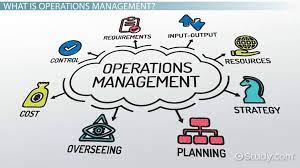
Patient Noncompliance: Case Study

Patient Noncompliance

Patient Noncompliance

 John is a 62 y/o attorney presents to the clinic with complaints of erectile dysfunction. For the past two years, he has refused lab work. He is a heavy smoker and has not had chest X-ray or ECG in the last 3 years. He takes HCTZ 25 mg po daily. His BMI is BMI 29 and the vital signs are normal. He has agreed take Prevnar vaccine.

In this case, the main goal is to identify the barriers that cause noncompliance and risky healthy lifestyle. The first step when dealing with this patient is to establish a therapeutic alliance. This will help assess patient factors that could be triggering non-adherence. Through this interactive discussion, I asked John why he refused lab work for the past two years. He hesitated, and then he said that he cannot afford them. He said that he has always wanted to tell the healthcare provider but always feels embarrassed. The patient stated that if he could afford them he would take them as requested.

 The nursing diagnosis for this patient is noncompliance related to challenges to access financial support as evidenced by the patient verbal statements that he cannot afford the procedures. In this context, I notified the hospital social worker to help the patient set for medication financial assistance. In addition, I discussed with the patient on the importance of taking these laboratory tests in improving his health, and in identifying underlying issue that is causing his erectile dysfunction (Kleinsinger, 2011).

It is important to empower patients with enough information regarding their health condition and the treatment recommendation and in a format that format that is clear to understand. Although the patient has the right to refuse treatment, the healthcare provider must inform them on the risks associated with refusal of care. Most providers will dismiss habitual non compliant patient because it increases risks for professional liability exposure.

However, in my opinion it is important to assess the patients the underlying factors. To defuse the negative emotions associated with shame and sense of failure by non compliant patient, the healthcare provider should provide non-accusatory and problem solving stances (Kleinsinger, 2011).

References

Kleinsinger, F. (2011). Working with the Noncompliant Patient. The Permanente Journal, 14(1), 54–60.

Want help to write your Essay or Assignments? Click here
Medicare: Case Study

Medicare
Medicare

Medicare: Case Study

Part I: Paying for Hospital Bills

 This case study is on a 69-year old patient who has been hospitalized for permanent Cardiac pacemaker procedures.  Mr. Scott is admitted at Hillcrest Hospital in Cleveland. The total Medicare-approved charges incurred are $ 150,000.  The values indicated in the table below are based on services provided to Mr. Scott.

.Question 1: Calculating the operating payment that should be paid to the hospital (Medicare Payment Advisory Commission, 2014).

Operating system = DRG relative weight x [(Labor related Large Urban Standardized Amount X Core-Base Statistical Area CBSA wage index) + (Non-labor related National Large Urban Standardized Amount x Cost of Living adjustment) x (1+ 1ndirect Medical Education+ Disproportionate Share Hospital).

Operating Payment= [($ 3,397.52 x0.9127) + ($ 1, 476.97 x 1) x (1+ 0.0744+0.1413)] x 4.1370 = $ 20,256.70

Question 2: calculating the capital payment is as follows (Centers for Medicare and Medicaid, 2010);

Capital payment = [(DRG relative weight x Federal Capital Rate x Large Urban add on x Geographic cost adjustment factor x cost of living Adjustment) x (1+ Indirect Medical education+ Disproportionate Share Hospital)]

Capital payment= [(4.1370 x $ 427.03 x 1.03 x1.3452 x1) x (1+ 0.0744+0.1413) = $ 4,614. 75

Question 3:  To know if the hospital is eligible for Medicare outlier payment, the following steps should be followed;

  1. Determine the Federal operating payment =$ 20,256.70
  2.  Determine Federal Capital payment == $ 4,614. 75
  3. Determine the capital and operating cost as shown below

Operating cost = Billed charges x operating cost to change ratio

                           = $ 76,000

Capital cost= Billed charges x Capital cost to charge ratio

                    =$ 8,000

  • Determine the operating and capital outlier threshold
  • Operating CCR: Total CCR= Operating CCR/operating CCR+ Capital  CCR= 0.9048
  •  Capital CCR: Total CCR= Capital CCR/ operating CCR+ Capital CCR= 0.0952
  •  Operating outlier Threshold = [ (fixed loss Threshhold x{labor related portion x wage index} +  Nonlabor related portion] x operating CCR to total CCR+ Federal payment with IME AND DSH= $ 32 514.40
  •  Capital outlier threshold = Fixed Loss Threshold x Geographic Adj. Factor x Large Urban Add on x Capita CCR  to total CCR + Federal payment with IME AND DSH= $ 5,153.16
  •  Determine if the Total costs are greater than threshold combined

If operating cost+capital cost is higher than the operating threshhod and capital threshold, then calculate the capital outlier

In this case; $76000+$8000=$ 84,000 which is greater than $ 5,153.16 +$ 32 514.40= $ 37, 667. 60; therefore, the capital outlier = (Capital costs-capital outlier threshold) x marginal cost factor.

  = ($8,000- $ 5,153.16) x 0.8= $ 2, 277.47

Therefore, hospital is eligible for Medicare outlier plan. 

Question 4: Calculating the total payment for the hospital

 Total payment= operating payment+ capital cost+ capital outlier

                      = $ 20,256.70 + $ 4,614. 75 + $ 2, 277.47 = 27, 148. 8

Medicare physician payment is based primarily on three key factors namely; a) resource-based relative value scale (RBRVS), b) the geographic cost index, and c) the conversion factor.  The formula of calculating the Medicare allowable payment is indicated by the formula below (Centers for Medicare and Medicaid, 2014).;

The Medicare reimburses 80% for participating doctor, whereas the patient pays the 20% coinsurance.

Question 1: In this context, the first step is to calculate the Total RVU;

Total RVU= (27.45 x1.092) + (43.05 x1.743)+ (10.32 x0.543)=29.98+ 75.04+5.6=110.62

 The Total RVU is multiplied with the conversion factor.  The conversion factor is important as it acts as the scaling factor of each adjusted RVU into dollar Medical physician payment. In this case study, the conversion factor is set at $64.43.

Therefore; the total Medicare allowable payment= 110.62 x 64.43 = $7,127.50

 Because Dr. Robinson is Medi-care Participating physician, Medi-care will reimburse 80% of the total allowable payment which equals; 80% x$ 7,127.50= 5,702.

Mr. Roberts will be responsible of paying the remaining 20% which is calculated as follows; 20% x$ 7,127.50= $1425.5.

 Participating doctors refers to physicians who accept Medi-care and will always take assignment. These doctors are expected to submit medical claim (bill) to Medi-care in order they can get reimbursement. Patient seeing a participating doctors are only responsible for paying only 20% of coinsurance fee for Medi-care-covered services (Centers for Medi-care and Medicaid, 2014).

Question 2: If the Doctor is non-participating but elect an assignment, the doctors are required to submit 95% Medicare approved medical claim to Medicare for all care cost Mr. Robert received. This is equal to 95% x$7,127.50= 6,771.10.  

Mr. Robert will generally pay 20% of the 95% Medi-care approved claim which is equal to 20% x 6,771.10= $1,354.20

  Medicare reimburses Doctor 80% of 95% Medi-care approved payable fee which is 80% x 6,771.10 = 5, 416.90.  .

Question 3: If Dr. Robinson is Medic is non-participating and does not elect assignment, the Doctor can charge the patient more than the Medicare allowable payment by 15% – which is referred to as the limiting charge (MPAC, 2014). This is about 9.25% more than the fee schedule, which would total to $7,786.8.   In this case, Mr. Robertson will pay the total amount $7, 786.8 which will be reimbursed directly to the patient by Medi-care. The reimbursement done is 80% of 95% Medicare approved payable fee which is 80% x 6,771.10 = 5, 416.90. This indicates that the patient will have to foot for the extra $2,369.9.

References

Medicare Payment Advisory Commission. (2014). Medicare Payment Basics: Outpatient Hospital Services Payment System.  Retrieved from http://www.medpac.gov/documents/payment-basics/outpatient-hospital-services-payment-system.pdf?sfvrsn=0

Want help to write your Essay or Assignments? Click here

INTERPROFESSIONAL PRACTICE: CASE STUDY

Interprofessional Practice

Interprofessional Practice

It is essential for the healthcare team to ensure efficient collaboration and adherence to the requirements of interprofessional practice while caring for patients for the effectiveness of every task performed. The interprofessional practice and collaborative approach among health care team members are explored during the management of Ms.Tuckerno’s care. There are barriers hindering effective collaboration between the internist and the nurse practitioner which leads to disagreements of the decisions made by each of them (Mulvale et al, 2016).

These barriers include poor communication between the internist and the nurse practitioner which affects the readiness to work together and interprofessional collaboration which might lead to problems in ensuring patient-centered and quality care. The other barrier to effective collaboration is caused by the failure to understand each other’s professional role and responsibilities while caring for the patient (Matziou et al, 2014).

The internist and nurse practitioners need to collaboratively agree in using each other’s capabilities and expertise professionally and in a patient-centered way rather than discrediting the different tasks performed by each of them. Such poor collaborations between them which also does not involve the patient in the care process is a poor approach in addressing the health conditions facing Ms.Tuckerno.

 The position of the nursing organization that I want to work for in future is strong regarding interprofessional practice and the best collaborative approach. The American nurses association holds that collaborative care would involve the integrated enactment of skills, knowledge, and values that define professional ways of working together with the objective of improving health outcomes.

The position of the organization when it comes to interprofessional practice is that patients should be put first during the process of care, effective communication between the healthcare team members is also essential in ensuring effective outcomes after collaborations in treating the patients(Sangster,2015). Ensuring patient-centered approach while adhering to the ethics and values of interprofessional practice is also vital. The final position holds that the leadership should be committed to prioritizing the inter-professional collaboration. The best approach should be adopted in handling the case for Ms.Tuckerno leading to the desired results.

Professional communication between the internist and nurse practitioner or other workers would strengthen interactivity thus eliminating cases of conflicts while making decisions which slows the adoption of the best medication approaches (Jean et al, 2016). The understanding of the responsibilities and roles of each is essential in enhancing effective functioning which influences the provision of quality treatment to Ms.Tuckernon thus improving her condition. In a nutshell, the shared responsibility between the healthcare team members would ensure the effectiveness in executing roles thus better health outcomes for the patient (Parke et al,2014).   

References

Jean Jacques van Dongen, J., Lenzen, S. A., van Bokhoven, M. A., Daniëls, R., van der Weijden, T., & Beurskens, A. (2016). Interprofessional collaboration regarding patients’ care plans in primary care: a focus group study into influential factors. BMC Family Practice, 171-10. doi:10.1186/s12875-016-0456-5

Matziou, V., Vlahioti, E., Perdikaris, P., Matziou, T., Megapanou, E., & Petsios, K. (2014). Physician and nursing perceptions concerning interprofessional communication and collaboration. Journal Of Interprofessional Care, 28(6), 526-533. doi:10.3109/13561820.2014.934338

Mulvale, G., Embrett, M., & Razavi, S. D. (2016). ‘Gearing Up’ to improve interprofessional collaboration in primary care: a systematic review and conceptual framework. BMC Family Practice, 171-13. doi:10.1186/s12875-016-0492-1                      

Park, J., Hawkins, M., Hamlin, E., Hawkins, W., & Bamdas, J. M. (2014). Developing Positive Attitudes Toward Interprofessional Collaboration Among Students in the Health Care Professions. Educational Gerontology, 40(12), 894-908.

Sangster-Gormley, E. (2015). Interprofessional Collaboration: Co-workers’ Perceptions of Adding Nurse Practitioners to Primary Care Teams. Quality In Primary Care, 23(3), 122-126.

Want help to write your Essay or Assignments? Click here

Price Analysis for the Navigation System

Price Analysis for the Navigation System

Price Analysis for the Navigation System

Hi-Delta is a new company to provide drone navigation systems that the U.S government looks for more often and its aim is to dominate in the production of navigation systems used in aircrafts. The systems provided by Hi-Delta will comply with the Federal Acquisition Regulations (FAR). According to the plan, there will be a building in a warehouse-area that rents its headquarters and will be located in Philadelphia area for the whole operation of the company.

The company’s office will have employees working in different departments. These employees are the CEO, Directors, General Managers and their assistants, Accountants and tax preparers, receptionists, manufacturers and security guards. These employees will offer services that improve and build up the services of the federal government.

The main objective of the company is to acquire the much needed supplies and services of the appropriate navigation systems to the government. Hi-Delta focuses on giving most appropriate cost quotations for its navigation system products to the federal government, therefore motivates the government in ordering and purchasing navigation systems in bulk for the whole military.

The products which Hi-Delta is the GPS system for navigation and other products which includes; tracking devices, text to speech navigation systems, Bluetooth navigation systems, hands-free systems for navigation, smart watches, traffic products, along with map products. A part from the federal government Hi-Delta also targets established companies which deal with manufacture and development of air crafts and also companies that manufacture cars and phones, because they will require installation of navigation systems to their products.

 Price analysis, without doubt is an important aspect as far as contracting is concerned. The contracting factors  that Hi-Delta will focuses on in order to get a contract from the federal government include; contract changes, initial offers, and final statements. The price analysis is basically the process of examining and evaluating an intended price without putting into consideration the separate cost of elements. In essence price analysis for the navigation system does not consider the profits to be earned.

At Hi-Delta Company the method to be used in analyzing the price includes the comparison of the prices that are being submitted, comparing the price quotations and contracts submitted previously with the current prices and quotation for the similar products and services, comparison of proposed prices that puts into consideration the independent cost estimates put across by the US government, and comparison of published prices set forth on a competitive basis.

The method chosen for Hi-Delta Company is based on number of factors such as speculation of efficiency of the federal government in achieving its objectives. It also aims at conducting speculations regarding anticipated global changes in systems for navigation.

The main cost which Hi-Delta company has priorities in the pricing strategy is the cost of manufacturing. The cost of manufacturing is particularly high since the direct inputs required for the building of unmanned, manned system including aircrafts, space systems and technology is too costly (Adithan, 2014). Equally, this field requires experienced and hands on professionals who have a deep understanding of the navigation systems. The cost of employing such personnel is who will be directly involved in manufacturing and monitoring the navigation system is too high.

Also, product costs are important for Hi-Delta as they form an essential aspect when it comes to pricing. For a Hi-Delta to determine its appropriate cost incurred during the production of navigation systems, it is imperative that the product costs be considered and in so doing evaluation appropriate inventory evaluation should be done.

Cost classification entails separation of expenditures into various groups. For example, expenses in accounting can be divided into two categories, that is direct and indirect costs while in economics it may have variables, fixed, production, and opportunity cost. I would compare my prices and costs of my company with those already on the market which does the same business as mine i.e. the navigation system of other resembling business in the market. The price is the key to the summation of profits and the cost, and so the price forecasting which Hi-Delta depends will be prices comparison in the market putting in mind that competitive companies like Vector Cal offers.

For the startup phase of Hi-Delta Company, the company will incur two types of costs namely variable and fixed costs. Variable costs keep changing while the fixed costs always remain the same. This means that fixed cost does not depend on the output. The company incurs fixed cost in the production of any number of the navigation systems. For instant, when it produce one or a million. When the sales level increases it does not affect the fixed cost in any way. Fixed cost are very inelastic unlike variable cost this so it is essential for the company to know the revenue needed for it to achieve the economic balance.

Variable costs are costs that vary depending changes in the production output. They vary depending on the company’s production volume; they rise as production increases and falls as production decreases (Hilton et al., 2013). It includes direct material costs or labor costs. Variable cost ratio is an expression of a company’s variable production costs as a percentage of sales this is calculated as variable costs divided by total revenues.

The variable cost calculation can be done on a per-unit basis, such as a $20 variable cost for one unit with a sales price of $200 giving a variable cost ratio of 0.1 or 10%, or by using totals over a given time period, such as total monthly variable costs of $1000 with total monthly of $10000 also rendering a variable cost ratio of 0.1 or 10%. Since the variable cost ratio quantifies the relationship between revenues and the specific costs of production associated with the revenues my plan has taken care of various challenges that are likely to be incurred.

            Hi-Delta Company has taken into account, writing the fallback strategy as to cater for risks and to reduce the company’s unnecessary expenditure. Examples of variable costs include the cost of raw material and packaging. Increases or decreases in variable costs occurred without any direct intervention or action on the part of the management of the company. It increases in fairly constant rate in proportion to increases in expenditures on raw materials or labor. Hi-Delta is expected to perform detailed and conclusive research, and this implies that efficient and appropriate resources will be required for the exercises.

An instrumental component of analyzing prices is cost allocation standard. It is significant that every business uses this strategy. Cost allocation strategy 418 and 410 is an imperative method as far as businesses are concerned (Mariotti & Glackin, 2013). The main reason is that the method can allow Hi-Delta to calculate the total expenses incurred for the start-up including direct and indirect costs. In addition, the standard allocation 408 is imperative as it deals with analyzing the cost related to employees. Whenever cost analysis is performed for a business, the US government requires that the cost principles should be used in pricing negotiated supply, service, experimental, and developmental and research contracts modifications.

References

Adithan, M. (2014Process planning and cost estimation. New Delhi: New Age International (P) Ltd., Publishers.

Hilton, R. W., Maher, M., & Selto, F. H. (2013). Cost Management: Strategies for business decisions. Boston, Mass: McGraw-Hill.

Mariotti, S., & Glackin, C. (2013). Entrepreneurship: Starting and operating a small business. Upper Saddle River, N.J: Pearson/Prentice Hall.

Want help to write your Essay or Assignments? Click here